4 Shots From 4 Horror Films: 2010s Part Two


This October, I’m going to be doing something a little bit different with my contribution to 4 Shots From 4 Films.  I’m going to be taking a little chronological tour of the history of horror cinema, moving from decade to decade.

Today, we continue with the 2010s!

4 Shots From 4 Films

The Conjuring (2013, dir by James Wan)

The Conjuring (2013, dir by James Wan)

You're Next (2013, dir by Adam Wingard)

You’re Next (2013, dir by Adam Wingard)

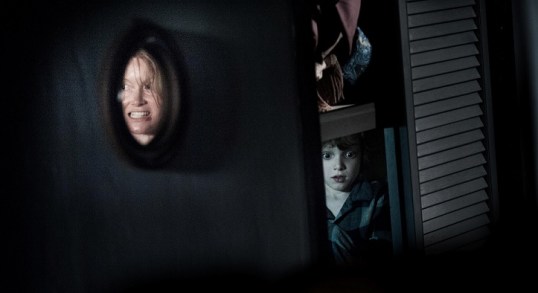
The Babadook (2014, dir by Jennifer Kent)

The Babadook (2014, dir by Jennifer Kent)

It Follows (2015, dir by David Robert Mitchell)

It Follows (2015, dir by David Robert Mitchell)

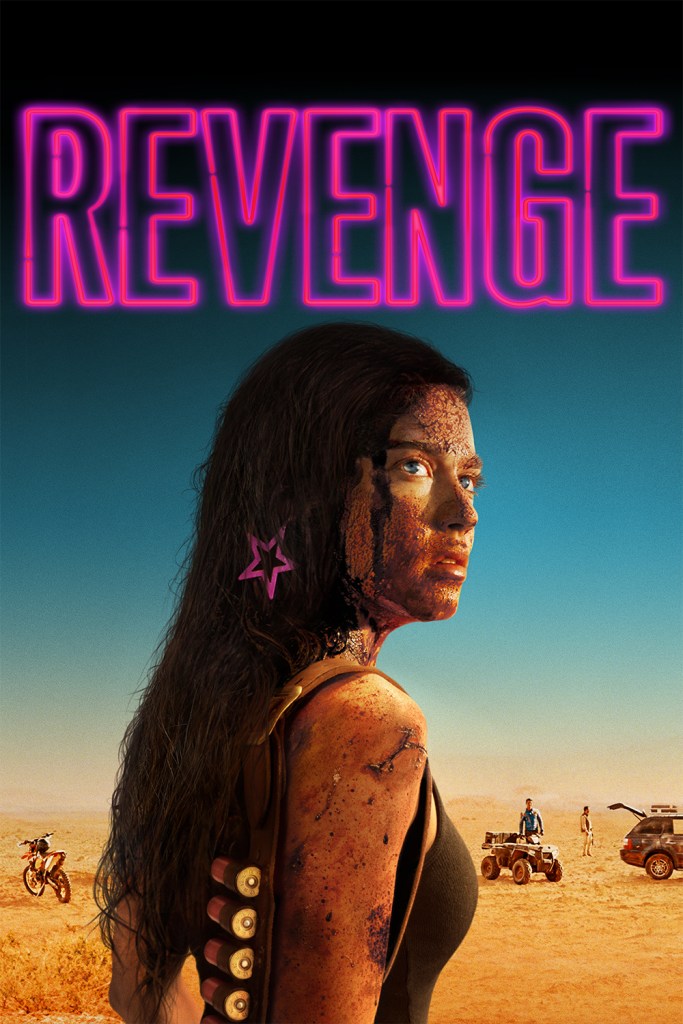
Horror Review: Revenge (dir. by Coralie Fargeat)


“Violence is a language written in blood; it tells the story of those who refuse to be silenced.”

Coralie Fargeat’s 2017 film Revenge is an intense and striking blend of horror and thriller that refreshes the rape-revenge genre with a strong emphasis on female empowerment and resistance. At its core, the film follows Jen, a young woman who is brutally assaulted and left for dead in a desert. Against all odds, she survives and seeks brutal revenge on her attackers. What makes Revenge stand out is its blend of graphic, realistic violence and a striking, highly stylized visual approach, resulting in a film that is both visceral and symbolic.

Revenge sits within a long tradition of rape-revenge films that includes both grindhouse exploitation and serious art films. One of the earliest and most influential films in this tradition is Ingmar Bergman’s The Virgin Spring (1960), a somber and moral exploration of a father’s response to his daughter’s rape and murder in medieval Sweden. Bergman’s film inspired many later works, including Wes Craven’s famously brutal The Last House on the Left (1972), which reinterprets the same story through the lens of exploitation horror. Other notorious examples include I Spit on Your Grave (1978), known for its graphic depiction of sexual violence and violent retaliation. More recent films like Jennifer Kent’s The Nightingale (2018) revisit these narrative themes with psychological and political depth. Fargeat’s Revenge draws on this history, combining symbolic storytelling and thematic depth with the raw brutality and energy of grindhouse exploitation.

The narrative structure of Revenge is familiar: Jen, introduced as the mistress of a wealthy man, is assaulted by his friends. Her lover Richard tries to silence her by pushing her off a cliff, but Jen survives, severely injured and impaled on a tree. Her journey is one of intense physical suffering, but also resurrection and fierce empowerment. The film’s use of bright, vivid colors such as hot pinks and blues shifts the story into a surreal, symbolic space where gender roles are exaggerated and the desert becomes a mythic battleground where Jen fights to reclaim control.

Fargeat depicts Jen’s trauma and physical recovery through graphic and detailed body horror—not simply for shock, but as a visual metaphor for reclaiming agency. For example, Jen’s self-treatment of her impalement wound with a hot beer can brands her skin and symbolizes her rebirth and determination. These elements mark a clear departure from earlier rape-revenge films that sensationalized female suffering, shifting the focus to the survivor’s power and autonomy.

Cinematographer Robrecht Heyvaert’s work enhances this dynamic, contrasting the bright, harsh desert landscape with the cold, sterile luxury of Richard’s home. This contrast symbolizes the clash between raw survival and social control. The violence throughout the film is explicit and often hard to watch, but it is deeply rooted in the reality of trauma rather than fantasy.

Matilda Lutz’s performance as Jen is a key strength of the film. She transforms from a vulnerable, objectified figure into a fierce, focused avenger. The male antagonists are less developed, serving as archetypes of toxic male dominance—entitlement, violence, and cowardice—and their downfall reflects the collapse of that social order.

While Revenge maintains the fast pace and suspense of a thriller, its focus on graphic body horror and trauma places it firmly within the horror genre, aligning with the French Extremity movement known for its intense depictions of suffering and transgression. The source of horror here is not supernatural but very much rooted in the physical and psychological impact of violence.

The film has been praised for its technical skill and its focus on female resistance and empowerment. Instead of exploiting female suffering, it forces audiences to confront violence and trauma in a way that centers strength and rage. This is a clear reimagining of the revenge narrative through a modern lens that highlights resilience.

Revenge stands as both a tribute and a reinvention within its genre. It nods respectfully to the moral complexity of Bergman’s The Virgin Spring, the shock tactics of grindhouse staples like The Last House on the Left and I Spit on Your Grave, and the psychological depth of The Nightingale. Yet it simultaneously reinterprets these influences, making a statement that is both timely and provocative.

Coralie Fargeat’s Revenge is a powerful and contemporary entry into the rape-revenge genre, blending horror and thriller conventions with a focus on survival and agency. The film explores the physical and emotional effects of trauma and the possibility of reclaiming power through violence. Its vivid visuals, symbolism, and intense violence challenge audiences to rethink assumptions about gender, justice, and survival. It is a film that provokes strong reactions while delivering a deeply felt story of empowerment and resilience.

6 Shots From 6 Horror Films: 2013 — 2014


4 Or More Shots From 4 Or More Films is just what it says it is, 4 shots from 4 of our favorite films. As opposed to the reviews and recaps that we usually post, 4 Shots From 4 Films lets the visuals do the talking!

This October, I’m going to be doing something a little bit different with my contribution to 4 (or more) Shots From 4 (or more) Films.  I’m going to be taking a little chronological tour of the history of horror cinema, moving from decade to decade.

Today, we take a look at 2013 and 2014!

6 Shots From 6 Films: 2013 — 2014

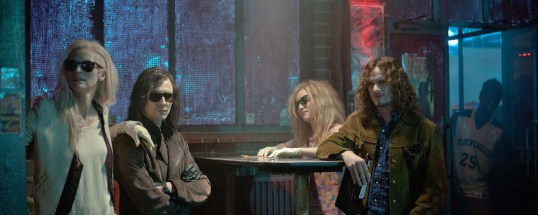
Only Lovers Left Alive (2013, dir by Jim Jarmusch, DP: Yorick Le Saux)

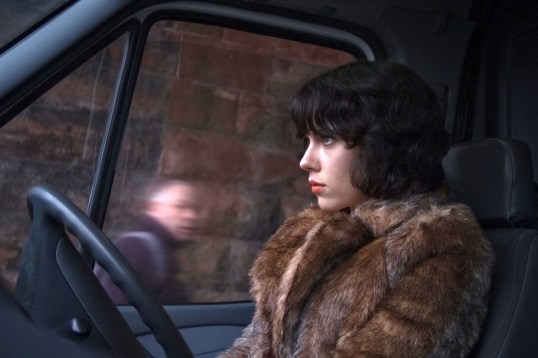
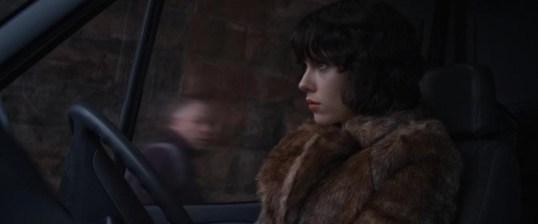
Under the Skin (2013, dir by Jonathan Glazer, DP: Daniel Landin)

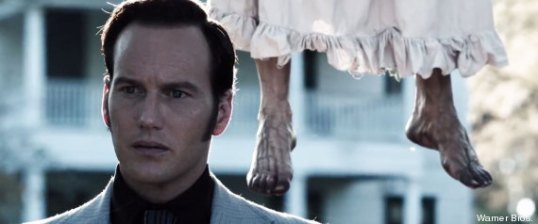
The Conjuring (2013, dir by James Wan, DP: John R. Leonetti)

The Babadook (2014, dir by Jennifer Kent, DP: Radek Ładczuk)

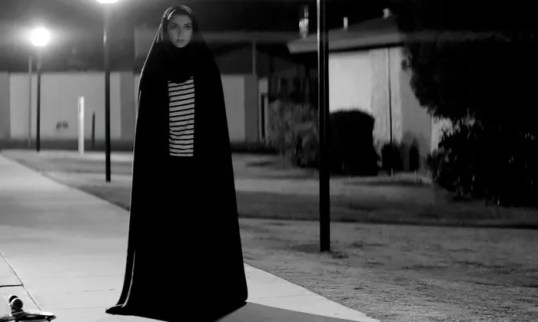
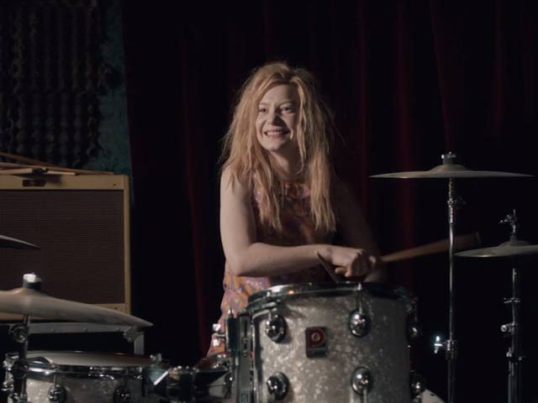
A Girl Walks Home Alone At Night (2014, dir by Ana Lily Amirpour, DP: Lyle Vincent)

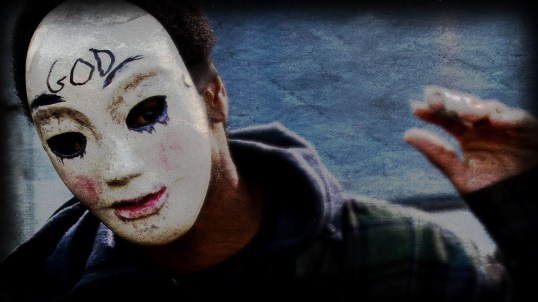
The Purge: Anarchy (2014, dir by James DeMonaco, DP: Jacques Jouffret)

The Women Film Critics Circle Honors Portrait of a Lady on Fire!


The Hollywood Foreign Press Association weren’t the only ones making an announcement today!  The Women Film Critics Circle also announced their picks for the best of 2019!

And here they are:

BEST MOVIE ABOUT WOMEN

  • Portrait of a Lady on Fire (dir. Céline Sciamma)
    Runner-up: Little Women (dir. Greta Gerwig)

BEST MOVIE BY A WOMAN

  • Harriet (dir. Kasi Lemmons)
    Runner-up: Portrait of a Lady on Fire (dir. Céline Sciamma)

BEST WOMAN STORYTELLER (Screenwriting Award)

  • Greta Gerwig (Little Women)
    Runner-up: Céline Sciamma (Portrait of a Lady on Fire)

BEST ACTRESS

  • Tie: Cynthia Erivo (Harriet) and Lupita Nyong’o (US)
    Runner-up: Renée Zellweger (Judy)

BEST ACTOR

  • Adam Driver (Marriage Story)
    Runner-up: Joaquin Phoenix (Joker)

BEST FOREIGN FILM BY OR ABOUT WOMEN

  • Portrait of a Lady on Fire (dir. Céline Sciamma)
    Runner-up: Atlantics (dir. Mati Diop)

BEST DOCUMENTARY BY OR ABOUT WOMEN

  • Varda by Agnès (dir. Agnès Varda)
    Runner-ups: Maiden (dir. Alex Holmes) and Honeyland (dir. Tamara Kotevska, Ljubo Stefanov)

BEST EQUALITY OF THE SEXES

  • Marriage Story
    Runner-up: The Aeronauts

BEST ANIMATED FEMALE

  • Anna (Frozen 2)
    Runner-up: Bo Peep (Toy Story 4)

BEST SCREEN COUPLE

  • (TIE) Portrait of a Lady on Fire (Noémie Merlant/Adèle Haenel) and Marriage Story (Scarlett Johansson/Adam Driver)
    Runner-up: Hustlers (Jennifer Lopez/Constance Wu)

ADRIENNE SHELLY AWARD – For a film that most passionately opposes violence against women

  • (TIE) Bombshell (dir. Jay Roach) and The Nightingale (dir. Jennifer Kent)
    Runner-up: Hustlers (dir. Lorene Scafaria)

JOSEPHINE BAKER AWARD – For best expressing the woman of color experience in America

  • Harriet (dir. Kasi Lemmons)
    Runner-up: Queen & Slim (dir. Melina Matsoukas)

KAREN MORLEY AWARD – For best exemplifying a woman’s place in history or society, and a courageous search for identity

  • Harriet (dir. Kasi Lemmons)
    Runner-up: Little Women (dir. Greta Gerwig)

ACTING AND ACTIVISM AWARD
Jane Fonda

LIFETIME ACHIEVEMENT AWARD
Alfre Woodard

4 Shots From Horror History: The Conjuring, You’re Next, The Babadook, It Follows


This October, I’m going to be doing something a little bit different with my contribution to 4 Shots From 4 Films.  I’m going to be taking a little chronological tour of the history of horror cinema, moving from decade to decade.

Today, we bring things to an end!  I hope you’ve enjoyed this visual history of horror!

4 Shots From 4 Films

The Conjuring (2013, dir by James Wan)

The Conjuring (2013, dir by James Wan)

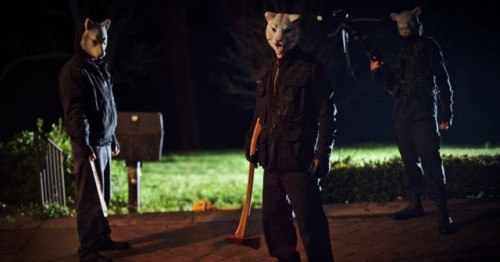
You're Next (2013, dir by Adam Wingard)

You’re Next (2013, dir by Adam Wingard)

The Babadook (2014, dir by Jennifer Kent)

The Babadook (2014, dir by Jennifer Kent)

It Follows (2015, dir by David Robert Mitchell)

It Follows (2015, dir by David Robert Mitchell)

The Austin Film Critics Did Something Wonderful!


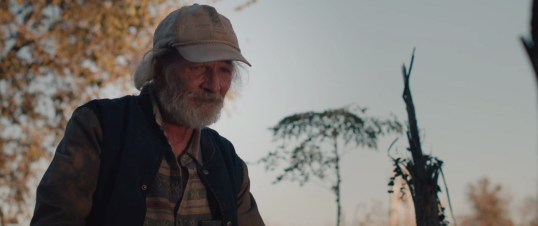
Gary Poulter in Joe

Gary Poulter in Joe

Earlier today, the Austin Film Critics Association announced their picks for the best of 2014.  It’s not surprising that they picked Boyhood for best film.  It’s an Austin film, after all.  However, what brings tears to my mismatched, heterochromatic eyes is that they give a special award to the late Gary Poulter for his outstanding performance in Joe!

Way to go, Austin!

(h/t to awards daily)

Best Film: Boyhood (Richard Linklater)
Best Director: Richard Linklater, Boyhood
Best Actor: Jake Gyllenhaal, Nightcrawler
Best Actress: Rosamund Pike, Gone Girl
Best Supporting Actor: J.K. Simmons, Whiplash
Best Supporting Actress: Patricia Arquette, Boyhood
Best Original Screenplay: Dan Gilroy, Nightcrawler
Best Adapted Screenplay: Gillian Flynn, Gone Girl
Best Cinematography: Emmanuel Lubezki, Birdman
Best Score: Antonio Sanchez, Birdman
Best Foreign Language Film: Force Majeure (Ruben Östlund)
Best Documentary: Citizenfour (Laura Poitras)
Best Animated Film: The LEGO Movie (Phil Lord, Christopher Miller)
Best First Film: Nightcrawler (Dan Gilroy)
Breakthrough Artist: Jennifer Kent, The Babadook
Best Austin Film: Boyhood (Richard Linklater)
Special Honorary Award: Gary Poulter, for his outstanding performance in Joe

AFCA 2014 Top Ten Films
1. Boyhood
2. Whiplash
3. The Grand Budapest Hotel
4. Birdman
5. Snowpiercer
6. Nightcrawler
7. Selma
8. The Imitation Game
9. TIE: Inherent Vice and Gone Girl

Here Are The Chicago Film Critics Association Nominations!


Happy Valentine's Day!

Finally, from the former hometown of Al Capone and President Obama, here are the Chicago Film Critic Associations Nominations!

BEST PICTURE
Birdman
Boyhood
The Grand Budapest Hotel
Under the Skin
Whiplash

BEST DIRECTOR
Wes Anderson, The Grand Budapest Hotel
David Fincher, Gone Girl
Alejandro Gonzalez Inarritu, Birdman
Richard Linklater, Boyhood
Christopher Nolan, Interstellar

BEST ACTOR
Benedict Cumberbatch, The Imitation Game
Jake Gyllenhaal, Nightcrawler
Michael Keaton, Birdman
David Oyelowo, Selma
Eddie Redmayne, The Theory of Everything

BEST ACTRESS
Marion Cotillard, Two Days, One Night
Scarlett Johannson, Under the Skin
Julianne Moore, Still Alice
Rosamund Pike, Gone Girl
Reese Witherspoon, Wild

BEST SUPPORTING ACTOR
Josh Brolin, Inherent Vice
Ethan Hawke, Boyhood
Edward Norton, Birdman
Mark Ruffalo, Foxcatcher
J.K. Simmons, Whiplash

BEST SUPPORTING ACTRESS
Patricia Arquette, Boyhood
Jessica Chastain, A Most Violent Year
Laura Dern, Wild
Agata Kulesza, Ida
Emma Stone, Birdman

BEST ORIGNAL SCREENPLAY
Birdman, Alejandro Gonzalez Inarritu, Nicolas Giacobone, Alexander Dinelaris and Armando Bo
Boyhood, Richard Linklater
Calvary, John Michael McDonagh
The Grand Budapest Hotel, Wes Anderson
Whiplash, Damien Chazelle

BEST ADAPTED SCREENPLAY
Gone Girl, Gillian Flynn
The Imitation Game, Graham Moore
Inherent Vice, Paul Thomas Anderson
Under the Skin, Walter Campbell
Wild, Nick Hornby

BEST FOREIGN-LANGUAGE FILM
Force Majeure
Ida
Mommy
The Raid 2
Two Days, One Night

BEST DOCUMENTARY
Citizenfour
Jodorowsky’s Dune
Last Days in Vietnam
Life Itself
The Overnighters

BEST ANIMATED FEATURE
Big Hero 6
The Boxtrolls
How to Train Your Dragon 2
The Lego Movie
The Tale of the Princess Kaguya

BEST ART DIRECTION/PRODUCTION DESIGN
The Grand Budapest Hotel
Interstellar
Into The Woods
Only Lovers Left Alive
Snowpiercer

BEST CINEMATOGRAPHY
Birdman
The Grand Budapest Hotel
Ida
Inherent Vice
Interstellar

BEST EDITING
Birdman
Boyhood
Gone Girl
The Grand Budapest Hotel
Whiplash

BEST ORIGINAL SCORE
Birdman
The Grand Budapest Hotel
The Imitation Game
Interstellar
Under the Skin

MOST PROMISING PERFORMER
Ellar Coltrane, Boyhood
Gugu Mbatha-Raw, Belle/Beyond the Lights
Jack O’Connell, Starred Up/Unbroken
Tony Revolori, The Grand Budapest Hotel
Jenny Slate, Obvious Child
Agata Trzebuchowska, Ida

MOST PROMISING FILMMAKER
Damien Chazelle, Whiplash
Dan Gilroy, Nightcrawler
Jennifer Kent, The Babadook
Jeremy Saulnier, Blue Ruin
Justin Simien, Dear White People

Here Are The Detroit Film Critics Nominations!


Under the Skin

And here are the Detroit Film Critics Nominees for 2014!  I’m happy to see that they had some love for one of my favorite films of the year, Under the Skin!

(h/t to awards circuit)

BEST FILM

Boyhood
Birdman
The Grand Budapest Hotel
Under the Skin
Whiplash

BEST DIRECTOR

Wes Anderson, The Grand Budapest Hotel
Damien Chazelle, Whiplash
Jonathan Glazer, Under the Skin
Alejandro González Iñárritu, Birdman
Richard Linklater, Boyhood

BEST ACTOR

Benedict Cumberbatch, The Imitation Game
Brendan Gleeson, Calvary
Jake Gyllenhaal, Nightcrawler
Michael Keaton, Birdman
Tom Hardy, Locke
Eddie Redmayne, The Theory of Everything

BEST ACTRESS

Essie Davis, The Babadook
Scarlett Johansson, Under the Skin
Julianne Moore, Still Alice
Rosamund Pike, Gone Girl
Reese Witherspoon, Wild

BEST SUPPORTING ACTOR

Josh Brolin, Inherent Vice
Ethan Hawke, Boyhood
Edward Norton, Birdman
Mark Ruffalo, Foxcatcher
JK Simmons, Whiplash

BEST SUPPORTING ACTRESS

Patricia Arquette, Boyhood
Laura Dern, Wild
Rene Russo, Nightcrawler
Emma Stone, Birdman
Tilda Swinton, Snowpiercer

BEST ENSEMBLE

Birdman
Boyhood
Guardians of the Galaxy
The Grand Budapest Hotel
Into the Woods

BREAKTHROUGH

Damien Chazelle, Whiplash (director, screenplay)
Jennifer Kent, The Babadook (director, screenplay)
Gugu Mbatha-Raw, Belle, Beyond the Lights (actress)
Chris Pratt, Guardians of the Galaxy (actor)
Dan Stevens, The Guest (actor)

BEST SCREENPLAY

Wes Anderson, The Grand Budapest Hotel
Damien Chazelle, Whiplash
Nicolas Giacobone and Alejandro González Iñárritu, Birdman
Richard Linklater, Boyhood
John Michael McDonagh, Calvary

BEST DOCUMENTARY

CitizenFour
Finding Vivian Maier
Jodorowsky’s Dune
Keep On Keepin’ On
Life Itself

(It’s interesting to note that, despite the fact that they clearly appreciate independent visions, the Detroit Film Critics totally snubbed Only Lovers Left Alive, a film that is, in many ways, a love letter to Detroit.)

968full-only-lovers-left-alive-screenshot

Here Are The New York Film Critics’ Circle Winners!


Marion Cotillard in The Immigrant

Oscar season is upon us!  December is the time of month when critics across the nation attempt to influence the Oscar race by announcing their picks for the best of 2014!

Up first, the New York Film Critics’ Circle!  They announced their picks earlier today and, while no one is surprised to see Boyhood take best picture, a lot of observers (including me) were surprised for the awards for Timothy Spall and Marion Cotillard.  Spall, of course, had been an early contender for his performance in Mr. Turner but, as of late, he had been overshadowed by Michael Keaton and others.  As for Cotillard, she was on hardly anyone’s radar.  It’ll be interesting to see if her win here is a fluke or if it’s the start of a successful nomination campaign.

Here are the winners!

BEST PICTURE
“Boyhood”

BEST DIRECTOR
Richard Linklater, “Boyhood”

BEST ACTOR
Timothy Spall, “Mr. Turner”

BEST ACTRESS
Marion Cotillard, “The Immigrant” and “Two Days, One Night”

BEST SUPPORTING ACTOR
J.K. Simmons, “Whiplash”

BEST SUPPORTING ACTRESS
Patricia Arquette, “Boyhood”

BEST SCREENPLAY
“The Grand Budapest Hotel”

BEST CINEMATOGRAPHY
Darius Khondji, “The Immigrant”

BEST ANIMATED FILM
“The Lego Movie”

BEST FOREIGN LANGUAGE FILM
“Ida” (Poland)

BEST NON-FICTION FEATURE
“CitizenFour”

BEST FIRST FEATURE
Jennifer Kent, “The Babadook”

SPECIAL AWARD
Adrienne Mancia

Timothy Spall in Mike Leigh's Mr Turner

Quick Review: ‘The Babadook’ (dir. Jennifer Kent)


The-Babadook-Poster

‘The Babadook’ is a truly effective horror film whose beautiful and twisted imagery – as well as complex and powerful explorations of grief and the bonds between a mother and her child – cut to the bone, managing to scare and move all at once. The film, which explores maternal affection, depression, grief – and a whole multitude of similar themes – is not just one of the best horror films of the past few years, but is also just simply one of the best films of the current year.

tumblr_nfegyrQCTm1s9q35fo7_1280

The film stars Essie Davis as Amelia, a widow living alone with her hyperactive son Sam (Noah Wiseman). Amelia loves her boy, but his presence is a constant reminder of the death of her husband – who died in a crash while driving Amelia to the hospital to give birth. The grief of the accident constantly lingers over them both. This is made all the worse for Amelia as Sam has become more of a burden as of late. Sam is beginning to more strongly deal with the absence of his father and expresses this in some unusual ways – including making up scary monsters and weapons to fight them with. Their strained relationship takes a dark turn when a mysterious pop-up book appears – the character in which is a spooky creature that awakens in Amelia fears and dark thoughts about her son that have long been hidden under the surface. She doesn’t know where the book came from or who this nightmarish Babadook is – but she can’t seem to escape it. The situation and Amelia’s mental state is exasperated by sleep deprivation, social pressures and growing depression as the anniversary of her husband’s death approaches. She is soon forced to confront a demon – both physical and psychological – that threatens to destroy her and Sam.

tumblr_nfqnk2dRRm1qd7v5ao1_1280

‘The Babadook’ very much reminded me of ‘Repulsion’ and ‘The Shining’ in its portrayal of a mental spiral into very dark places – as well as ‘The Orphanage’ in its handling of grief and loss. This is all packaged in a visually striking story – lots of blacks, greys and whites – with a creature that is sure to be an instant classic. What makes it all the better is the way in which it constantly subverts the expected in both genre tropes and what we are actually seeing on the screen. Is the Babadook real? Or is it simply a mental manifestation of the pain and grief that runs deeply through the story? Either way, the fears, doubts and terror it all elicits amount to more than just scares – it also moves with real and honest emotion. Take out the horror aspects and the film is still a moving portrait of a mother dealing with loss and the responsibility of mothering a troubled child. This is a shining example of the brilliance that the horror genre can achieve – how it can be emotionally affecting in ways no other genre can. Add to that a phenomenal performance by Essie Davis and the confident direction of Jennifer Kent and the result is a masterpiece of the genre – and easily one of the year’s best films.

*I discuss the ending in the comments. I say this to warn of spoilers below – as well as to continue my above analysis for those who have seen the film.*

———

Twitter.