36 Chambers by the Wu-Tang Clan isn’t just an album—it’s a cultural earthquake that reshaped hip-hop forever. Released in 1993, this debut project introduced a raw, unfiltered sound that felt like a direct transmission from the streets of Staten Island to the rest of the world. The album’s title, Enter the Wu-Tang (36 Chambers), hints at its cinematic scope, blending martial arts mythology with the gritty reality of New York City life. From the opening skit to the final fade-out, 36 Chambers is a masterclass in storytelling, lyrical dexterity, and sonic innovation, all wrapped in a haze of dusty samples and hard-hitting beats.
The production on 36 Chambers is a character unto itself. RZA’s beats are lo-fi in the best way possible—gritty, bass-heavy, and layered with samples that feel like they were dug up from a forgotten record crate. Tracks like Bring da Ruckus and Protect Ya Neck kick off with a ferocity that immediately establishes the Wu-Tang Clan as a force to be reckoned with. The beats aren’t polished; they’re rough around the edges, but that rawness is what gives the album its timeless quality. RZA’s use of soul samples, particularly from old kung fu movies and obscure funk records, creates a soundscape that feels both nostalgic and fresh. It’s as if the album is simultaneously paying homage to the past while forging a new path forward.
Lyrically, 36 Chambers is a tour de force. The Wu-Tang Clan’s collective talent is on full display, with each member bringing their own distinct flavor to the table. Method Man’s hypnotic flow on Method Man is a standout, showcasing his ability to weave intricate rhymes with a laid-back yet commanding delivery. Raekwon’s verse on Protect Ya Neck is another highlight, as he effortlessly rides the beat with a mix of bravado and precision. Ghostface Killah’s storytelling on Tearz is both poignant and vivid, painting a picture of struggle and resilience that resonates deeply. Even the lesser-known members of the clan at the time, like Inspectah Deck and U-God, deliver verses that hold their own against the more prominent voices. The chemistry among the group is undeniable, and their ability to trade bars seamlessly makes the album feel like a cohesive unit rather than a collection of solo performances.
What makes 36 Chambers so special is its unpredictability. The album doesn’t follow a traditional structure, with skits and interludes scattered throughout that add to its cinematic feel. Songs like C.R.E.A.M. and Can It Be All So Simpleprovide moments of introspection amidst the chaos, offering a glimpse into the struggles and aspirations of the group’s members. C.R.E.A.M., in particular, is a classic that transcends hip-hop, with its universal themes of money, family, and the pursuit of a better life. Raekwon’s delivery on the track is hauntingly beautiful, and the chorus—“Cash rules everything around me”—has become one of the most iconic lines in rap history.
The influence of 36 Chambers on hip-hop cannot be overstated. Before this album, the rap game was dominated by a more polished, radio-friendly sound. Wu-Tang Clan came in and flipped the script, proving that raw talent and authenticity could resonate just as strongly—if not more so—than a glossy, commercial approach. The album’s success paved the way for a new wave of artists who prioritized lyricism and originality over mainstream appeal. Groups like A Tribe Called Quest and De La Soul had already laid the groundwork for alternative hip-hop, but Wu-Tang Clan took it to another level, inspiring countless artists to embrace their uniqueness and reject industry norms.
Moreover, 36 Chambers helped popularize the concept of the rap collective. The Wu-Tang Clan wasn’t just a group; it was a movement, a family of artists who supported and elevated each other. This model influenced countless other collectives, from the Native Tongues to Odd Future, who saw the value in collaboration and shared creative vision. The album also played a significant role in bringing hip-hop to a global audience, as its universal themes and innovative sound transcended regional boundaries. Fans from all over the world connected with the Wu-Tang Clan’s music, and the group’s influence can be heard in the work of artists from every corner of the globe.
One of the most remarkable things about 36 Chambers is how well it has aged. While many albums from the early ‘90s feel dated in hindsight, this one still sounds fresh and vital. The production holds up, the lyrics remain sharp, and the energy is as infectious as it was over three decades ago. It’s a testament to the Wu-Tang Clan’s vision and execution that 36 Chambers continues to be celebrated as one of the greatest hip-hop albums of all time. The album’s legacy is evident in the countless homages, samples, and references it has inspired in the years since its release. From Kendrick Lamar to J. Cole, modern rap artists continue to draw inspiration from the Wu-Tang Clan’s groundbreaking work.
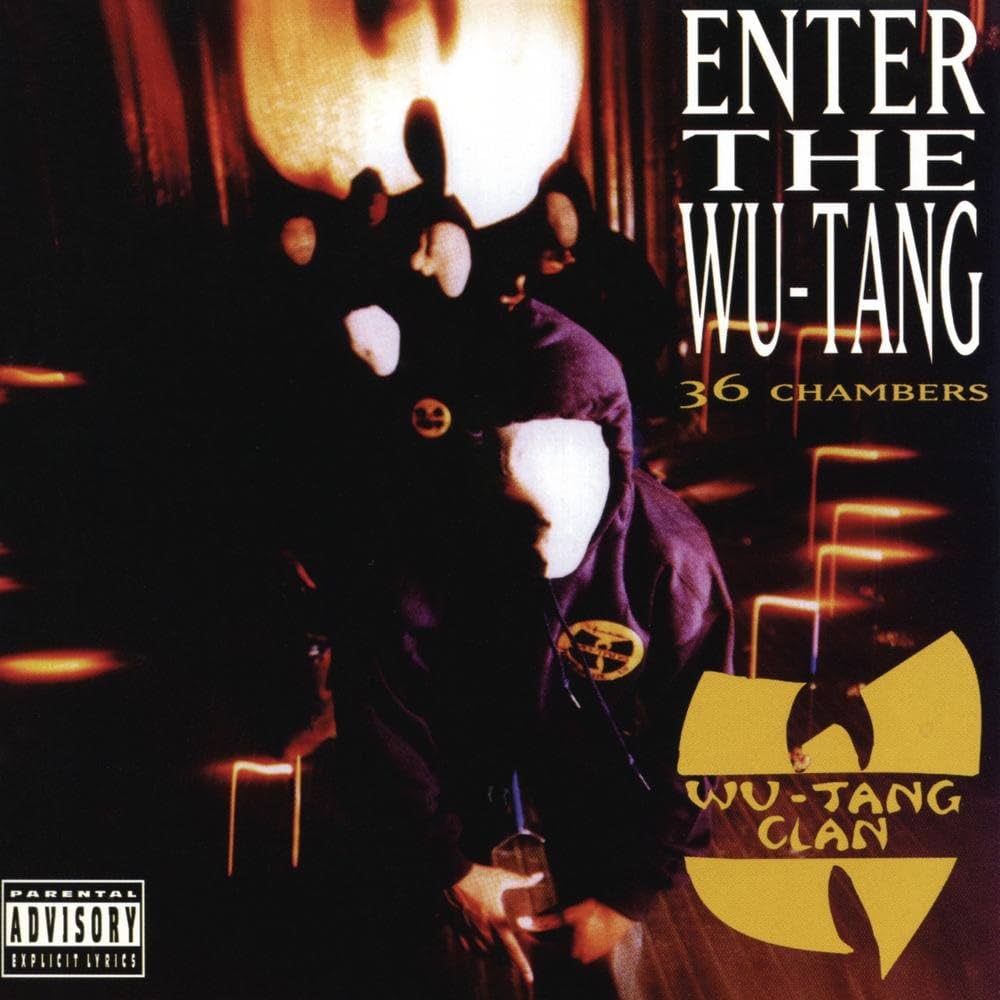
Beyond its musical contributions, 36 Chambers also had a profound cultural impact. The album’s cover art, featuring the Wu-Tang Clan logo and a collage of images that evoke both martial arts and street life, has become iconic. The group’s aesthetic—rooted in Shaolin philosophy, street wisdom, and a DIY ethos—resonated with a generation of fans who were looking for something real in a world that often felt artificial. Wu-Tang Clan’s authenticity was their superpower, and 36 Chambers was the ultimate expression of that authenticity.
The album’s impact extends beyond music and culture—it also changed the business of hip-hop. The Wu-Tang Clan’s decision to release 36 Chambers independently, without the backing of a major label, was a bold move that paid off handsomely. The album’s success proved that artists could maintain creative control while still achieving commercial success, a lesson that has been taken to heart by countless independent artists in the years since. The Wu-Tang Clan’s model of self-reliance and entrepreneurial spirit has become a blueprint for aspiring musicians looking to carve their own path in the industry.
Revisiting 36 Chambers today, it’s clear that the album’s magic lies in its imperfections. The beats aren’t pristine, the mixing isn’t flawless, and the delivery isn’t always polished—but that’s precisely what makes it so compelling. The album feels alive, like a snapshot of a moment in time when a group of talented, hungry artists came together to create something truly special. It’s an album that demands to be experienced in full, from start to finish, with all its quirks and idiosyncrasies intact.
In the end, 36 Chambers is more than just an album—it’s a movement. It’s a testament to the power of creativity, collaboration, and staying true to oneself. The Wu-Tang Clan didn’t just make music; they created a legacy that continues to inspire and influence new generations of artists and fans. Whether you’re a lifelong hip-hop head or a casual listener, 36 Chambers is an essential listen, a timeless piece of art that captures the essence of what makes rap so powerful. It’s rough, it’s raw, and it’s real—just like the Wu-Tang Clan themselves.