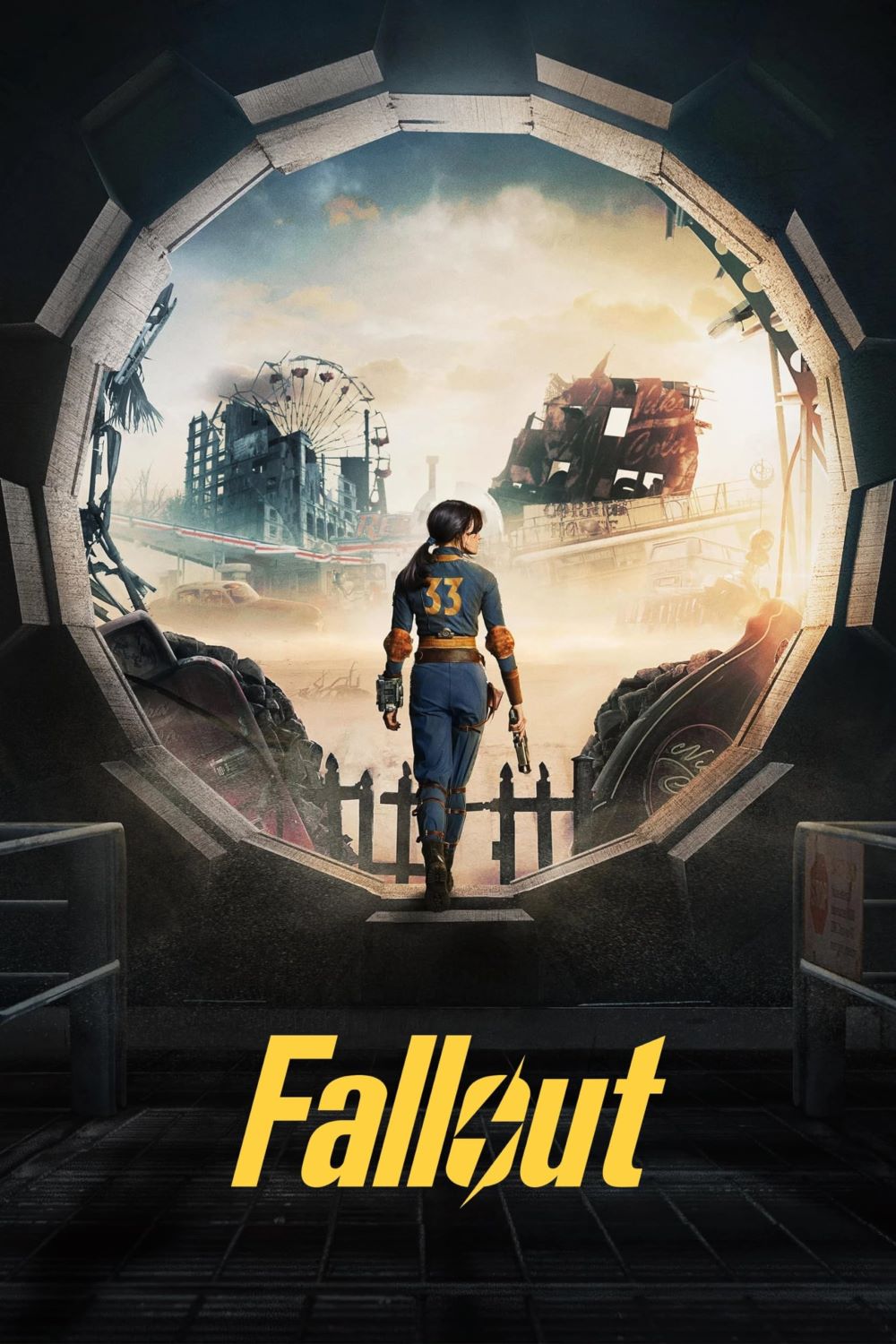
Review: Fallout (Season 1)


“War never changes. You look out at this Wasteland, looks like chaos. But here’s always somebody behind the wheel.” — The Ghoul

Fallout’s first season lands like a mini-nuke: messy around the edges, but undeniably powerful and surprisingly fun. It’s one of those adaptations that feels comfortable being both a love letter to the games and its own weird, often hilarious beast.

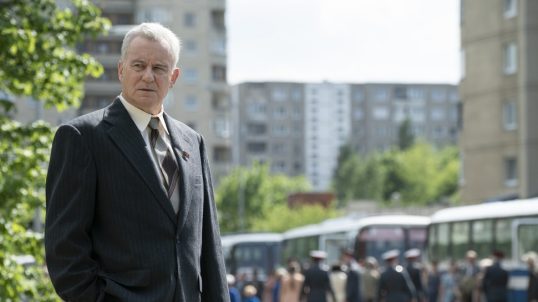
Set a couple of centuries after nuclear war, Fallout drops viewers into a retro-futurist wasteland where 1950s aesthetics collide with irradiated horror and corporate evil turned up to eleven. The show splits its focus between three main threads: Lucy, a bright-eyed vault dweller forced to leave her underground utopia; Maximus, an eager but insecure squire in the Brotherhood of Steel; and The Ghoul, a bounty hunter whose past life as a pre-war actor slowly bleeds through his charred exterior. The decision to juggle these perspectives is smart, because each storyline scratches a different itch: Lucy carries the emotional core and fish-out-of-water comedy, Maximus gives the militaristic, power-armor fantasy with a side of satire, and The Ghoul supplies the hard-boiled noir edge and moral ambiguity. The result is a season that rarely feels static; even when one plotline stalls a bit, another kicks in with fresh energy.

The tone is one of the show’s biggest strengths. Fallout leans hard into pitch-black humor without ever completely undercutting the stakes, which is harder to pull off than it looks. Limbs fly, heads explode, dogs get eaten, and yet the show keeps finding a way to make you laugh at the absurdity without turning the apocalypse into a joke. The violence is graphic and frequent, but it usually serves a purpose: to remind you that this world is brutal, even when the characters are cracking wise or bartering over chems. If the games felt like wandering into a deranged theme park built on the ruins of civilization, the series captures that same feeling of “this is horrible, but also kind of hilarious.” That balance, more than any specific lore reference, is what makes it feel like Fallout rather than just another grimdark sci-fi show.

Performance-wise, the casting is pretty inspired. Ella Purnell plays Lucy with this mix of optimism, naivety, and stubborn decency that could easily have been grating, but instead becomes the emotional anchor of the whole season. She brings just enough steel to the character that her idealism feels like a choice, not a default setting. Aaron Moten’s Maximus is a slower burn, and early on he risks fading into the background as “generic soldier guy,” but the more the show digs into Brotherhood politics, insecurity, and the pressure to be “worthy” of power armor, the more interesting he becomes. Walton Goggins, though, more or less walks away with the show. As The Ghoul, he’s vicious, funny, and weirdly tragic, and the flashbacks to his pre-war life give the season some of its most compelling dramatic beats. There’s a sense of continuity in his performance between the slick actor he was and the monster he becomes that keeps the character from feeling like a one-note cowboy caricature.

Visually, Fallout looks a lot better than a streaming adaptation of a video game has any right to. The production design leans into practical sets and tactile props where possible, and it pays off. Power armor has real heft, the vaults look lived-in rather than just glossy sci-fi hallways, and the wasteland feels like a place where people actually scrape out a living instead of just a CGI backdrop. The show has fun with the franchise’s iconography—Nuka-Cola, Pip-Boys, Vault-Tec branding, goofy radios—but it rarely pauses to point and wink too hard. The design team clearly understands that Fallout is basically “atomic-age corporate optimism weaponized into apocalypse,” and that theme is baked into everything from costumes to billboards rotting in the sand. Even the creature designs, like the mutated critters and ghouls, walk that line between unsettling and cartoonishly over-the-top, which fits the overall tone.

On the writing side, the structure of the season feels very much like an RPG campaign. Episodes often play like individual “quests” that build toward a bigger mystery: Lucy stumbling into a bizarre settlement, Maximus dealing with Brotherhood politics, The Ghoul chasing a lead that intersects with both of them. That quest-chain structure gives the first half of the season a propulsive, almost episodic energy, and it’s one reason the show is so watchable. At the same time, this approach has trade-offs. Sometimes character development feels a bit checkpoint-driven—people change because the story needs them to for the next “quest,” rather than as a smooth emotional progression. You can occasionally see the writers nudging the pieces into place, especially as the season barrels toward the finale.

Fallout sits in an interesting sweet spot when lined up against another prestige video game adaptation like HBO’s The Last of Us. Instead of treating the games as a sacred script that must be recreated line for line, it treats the Fallout universe as a shared sandbox—a tone, a style, a set of rules—rather than a fixed storyline that must be obeyed. Where The Last of Us is largely a faithful retelling of Joel and Ellie’s journey, Fallout seems far more interested in asking, “What else can happen in this world?” instead of “How do we restage that iconic mission?” It borrows the franchise’s black-comedy vibe, retro-futurist Americana, and corporate dystopia, then builds mostly original plots and character arcs on top.

That choice immediately gives the writers room to play. They’re not constantly checking themselves against specific missions, boss fights, or famous cutscenes; they’re free to jump around the timeline, invent new factions or townships, and reframe old ideas in ways that a beat-for-beat adaptation could never manage without sparking outrage. This approach also lets Fallout add to the lore instead of just reanimating it in live action. Because it’s not locked into recreating a particular protagonist’s path, the show can explore corners of the wasteland that were only hinted at in the games, complicate existing factions, or take big swings with backstory and world history. That kind of freedom inevitably creates some continuity friction for hardcore fans, but it also keeps the series from feeling like a lavish, expensive recap of something players already experienced with a controller in hand. Where The Last of Us excels by deepening and humanizing a story many already know, Fallout thrives by expanding its universe sideways, treating the source material as a toolbox rather than a template—and that makes it feel more like a genuine new chapter in the franchise than a live-action checklist.

Thematically, the show has more on its mind than explosions and fan-service, which is nice. Fallout keeps circling back to questions about corporate power, the illusion of safety, and how far people will go to preserve their own little slice of control. Vault-Tec’s smiling fascism is a blunt but effective metaphor for real-world systems that promise protection while quietly planning for everyone’s demise. The Brotherhood of Steel, meanwhile, becomes a vehicle for exploring militarized religion, hierarchy, and the dream of “owning” technology and knowledge. None of this is subtle, but Fallout isn’t a subtle franchise to begin with, and the series has enough self-awareness to let its satire stay sharp without slowing everything down for speeches. When it hits, it feels like the writers are asking, “Who gets to decide what’s worth saving when everything’s already gone?”

Where the season stumbles most is consistency. The pacing isn’t always smooth; some mid-season episodes are stacked with memorable set pieces and character moments, while others feel like they’re mostly there to set up endgame twists. The finale, in particular, is likely to be divisive. On one hand, it ties several plot threads together, drops a couple of bold lore swings, and sets up future seasons with a few big, crowd-pleasing reveals. On the other hand, it rushes emotional payoffs and leans heavily on explaining rather than letting certain developments breathe. The shift in tone in the last episode is noticeable enough that some viewers may feel like they suddenly switched to a slightly different show. It’s not a deal-breaker, but it does mean the season ends with more “wow, that was a lot” than a clean emotional landing.

As an adaptation, this freedom-to-expand strategy pays off by appealing to longtime fans and welcoming newcomers without getting bogged down in purist debates. Fans of the games will catch tons of details, locations, and tonal echoes that feel like affectionate nods rather than empty easter eggs. At the same time, the show isn’t just re-skinning existing game plots, which is a good call. It feels like a side story in the same universe rather than a strict retelling. That said, the lore choices late in the season—especially around the broader timeline and certain factions—are bound to spark arguments. If someone is deeply attached to the canon of the older games, some of the retcons and reinterpretations might play like a slap in the face. If someone is more relaxed about canon and just wants an entertaining, coherent story in that world, the show will probably land much better.

The writing of individual scenes shows a lot of care, especially in the way humor and dread coexist. Some of the best moments aren’t the big action beats but the small conversations: a strange, tense chat in a ruined diner, a piece of pre-war media resurfacing at the worst possible time, or a casual bit of wasteland banter that suddenly turns threatening. The dialogue sometimes leans too modern for the retro setting, but the rhythm feels natural enough that it rarely jars. When the show is firing on all cylinders, it nails that specific Fallout flavor: characters staring at incomprehensible horror and responding with a joke, a shrug, or a desperate sales pitch.

If there’s one area where the season could improve going forward, it’s in fleshing out the secondary cast and giving certain arcs more emotional weight. Some supporting characters are memorable and sharply drawn, while others feel like they exist mainly to be lore-delivery devices or cannon fodder. The world feels rich enough that it can absolutely sustain more side stories and slower, character-focused detours. A little more breathing room for relationships—whether friendships, rivalries, or romances—would help the big twists land harder and keep the show from occasionally feeling like it’s sprinting from spectacle to spectacle.

Overall, Fallout’s first season is a strong, confident debut that understands what made the games stand out without being slavishly beholden to them. It’s funny, brutal, stylish, and surprisingly character-driven for a show that spends so much time reveling in bloodshed and nuclear kitsch. The missteps in pacing and the polarizing choices in the finale keep it from being flawless, but they also signal a series willing to take risks rather than play it safe. For viewers who enjoy genre TV with personality, and for gamers who have been burned by adaptations before, this season is absolutely worth the trip into the wasteland. It doesn’t just survive the jump to live action; it stomps into it in full power armor, flaws and all.
I Re-Watched Anchorman (2005, Dir. by Adam McKay)


“Ron Burgundy was the balls.”

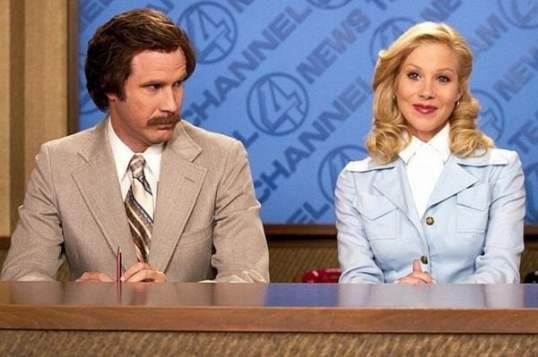
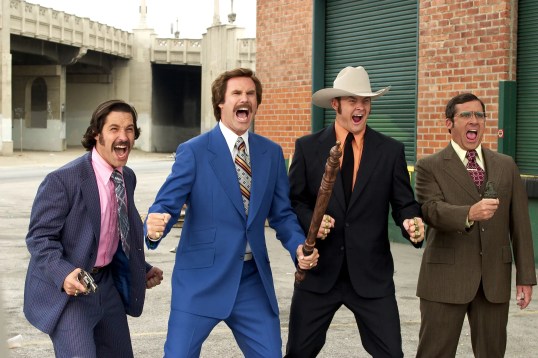
You got that right!  That’s one reason why I’ve lost track of the number of times that I’ve watched Anchorman.  Whatever’s going on in the world or my life, I know that Anchorman is going to make me laugh and make me feel better about things.  The adventures of anchorman Ron Burgundy (Will Ferrell) and his news team (Paul Rudd, David Koechner, Steve Carell) never cease to amuse me, whether they’re capturing the birth of a panda or getting involved in a street fight with their rival newsmen.

“Brick killed a guy.”

He did!  Where did Brick get a trident from?  When the street fight started, he only had a hand grenade.  Ron Burgundy suggests that Brick should find a safehouse and I hope Brick took his advice.  There’s a lot of funny people in Anchorman but Steve Carell, playing the weatherman with an IQ under 80, is my favorite.  Brick saying that he loves the lamp is so touching.

“Fare thee well, Baxter.  You shall always be a friend of the bears.”

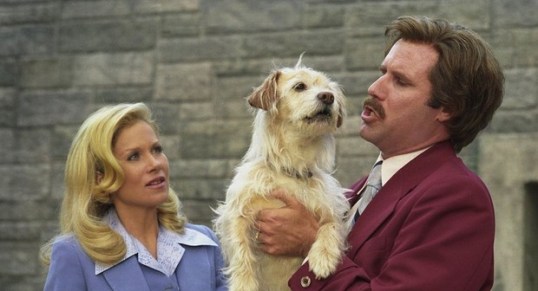
The first time I saw Anchorman, I couldn’t believe it when Baxter was drop-kicked off that bridge.  I swore that I would never watch another movie featuring Jack Black!  Baxter was so cute!  When Ron broke down over the loss of his dog, I wanted to break down with him.  Later, when Baxter emerged from the river and barked, “I’m coming, Ron!,” I was so relieved.  Baxter lives!  Baxter’s conversation with the bears warmed my heart.

“Stay classy, San Diego.”

That’s right, San Diego!  Stay classy.  Anchorman is in a class all of its own.  Ron Burgundy makes beautiful music with his jazz flute.  Brian Fantana is a walking advertisement for Sex Panther.  Veronica Corningstone (Christine Applegate) strikes a blow for women’s liberation and teaches Ron an important lesson about teleprompters.  It’s the little moments that make me laugh the most, whether it’s Fred Willard talking to his son’s school about why his son has been expelled or Tim Robbins as the PBS anchor who smokes a pipe and chops off Luke Wilson’s arm or Vince Vaughn shouting about the ratings.  Best of all, Will Ferrell has never been better than as the pompous Ron Burgundy, so stupid but so committed to his job that you can’t help but love him.

“Wow, that really escalated.”

You bet it did, Ron!  Each moment of Anchorman is funnier than the last.  (I wish the same was true of Anchorman 2.)  That’s why Anchorman is a film that I watch and rewatch.  In fact, I think I’ll go watch it right now!

“Thanks for stopping by, San Diego.”

The Films of 2024: Unfrosted (dir by Jerry Seinfeld)


Unfrosted is a thoroughly amiable and goofy comedy about the invention of the Pop Tart.

Taking place in an imaginary 1963, Unfrosted tells the story of the Cereal Wars.  Kellog’s and Post are competing for dominance in the kids breakfast food market, dominating the scene while the dour folks at Quaker can only shake their heads in holier-than-thou shame.  Bob Cabana (played by the film’s director, Jerry Seinfeld) is a Kellog’s exec who spends his day dealing with pompous cereal mascots (led by a hilarious Hugh Grant) and the somewhat random whims of his boss, Edsel Kellog III (Jim Gaffigan).  He dreams of someday having a lawn made out of sod and also having enough money to send his kids to a good college.  “Those colleges can cost $200 a year!” he says, at one point.

Life is good until he discovers that Post — headed up by Marjorie Post (Amy Schumer) — is developing a type of new breakfast food that could revolutionize the industry and dethrone Kellog’s as America’s top cereal company.  Bob gets Edsel’s permission to try to create something that will beat Post’s new product to the shelves.  But first, Bob has to go to NASA and convince brilliant engineer Donna “Stan” Stankowski (Melissa McCarthy) to abandon the moon project and return to Kellog’s.  “You know we’re never going to land on the moon,” Bob tells her.

Soon, the entire nation is riveted by the competition between Post and Kellog’s.  Walter Cronkite (Kyle Dunnigan) reports on every development, in between complaining about his wife and playing with silly putty.  The Russians decide to help Post, leading the world to the brink of nuclear war while President Kennedy (Bill Burr) spends his time with the Doublemint Twins.  Harry Friendly (Peter Dinklage), head of the milk syndicate, warns that kids better not stop eating cereal while Bob finds himself being menaced by a sinister milkman (Christian Slater).  A German scientist (Thomas Lennon) and Chef Boyardee (Bobby Moynihan) combine a sea monkey with a square of ravioli, leading to a new life form that lives in the Kellog’s ventilation system.  Steve Schwinn (Jack McBrayer), the bicycle guy, risks his life to test a prototype while a super computer is shipped to Vietnam and turns into Colonel Kurtz and….

Okay, you’re getting the idea.  This is a silly, joke-a-minute film that is in no way meant to be taken seriously.  It’s obvious that Seinfeld and his co-writers greatly amused themselves while writing the script and your amusement will depend on whether or not you’re on the same wavelength.  I enjoyed the film, because I love history and I love pop culture and I like random homages to other films.  Not all of the jokes landed.  There’s a lengthy Mad Men parody that, while funny, still feels several years too late.  But, for the most part, I enjoyed the amiable goofiness of it all.

Unfrosted is currently getting some savagely negative reviews but that has more to do with Seinfeld’s recent comment that the “extreme left” was ruining comedy.  Though most people would probably consider Seinfeld’s comment to be common sense (and would also realize that Seinfeld was condemning the “extreme” as opposed to liberalism in general), the online folks, many of whom were already angry over Seinfeld’s outspoken support of Israel, were scandalized and most mainstream film reviewers today never want to get on the bad side of an online mob, regardless of how annoying that mob may be.  (Even a positive review in The Hollywood Reporter contained an odd passage in which the reviewer seemed to beg forgiveness for giving a non-condemnatory review to a film made by someone on the other side.)  Of course, there are also some reviewers who are currently overpraising this film as a way to “own the libs.”  The fact that a film as silly and inoffensive as this one could suddenly find itself at the center of the culture war tends to prove Seinfeld’s point.

The important thing is that Unfrosted is amusing and, in the end, rather likable.  I enjoyed it.

I Watched The Promotion (2008, dir. by Steven Conrad)


Yesterday, after I got home from voting in my town’s city council elections, I wanted to unwind with a tennis movie.  When I did a search for “tennis,” Tubi recommended that I watch The Promotion.

I don’t know why because there is no tennis in The Promotion.  No one plays a game or even talks about tennis in The Promotion.  Instead, the movie is about two men who work for a grocery store and who are both hoping to get promoted.  The narrator is Doug (Seann William Scott), who is married to Jen (Jenna Fischer), a nurse.  Doug wants to get promoted so that he and Jen can move into a new house and so that he can be the sole breadwinner.  Doug also has to get the promotion because he has already lied to Jen and told her that he got it.  Doug was feeling insecure because Jen’s boss, Dr. Timm (Bobby Cannavale) saves lives for a living while Doug just spends all day dealing with angry customers and the gang members who hang out in the store’s parking lot.  Doug’s rival for the promotion is Richard (John C. Reilly), a recovering drug addict who listens to self-help tapes.  Each of them tries to sabotage the other.  Doug tries to make Richard look stupid at a company retreat and Richard files a false injury report after Doug hits him with a bag of frozen tater tots.

I think the movie was trying to make a point about how desperate people are for status and money that they’ll do anything to get it but I didn’t care because I didn’t find Doug or Richard to be in any way likable and I didn’t want either one of them to get the promotion.  I would not shop at any store where they worked because grocery shopping is bad enough without having to deal with all of that extra drama.  Both Richard and Doug were terrible as assistant managers so as far I was concerned, neither one of them deserved to be promoted.  Jen should have left Doug for Dr. Timm.

Plus, there wasn’t any tennis.

What If Lisa Had All The Power: 2019 Emmy Nominations Edition


In a few hours, the 2019 Emmy nominations will be announced!

Since I love awards and I love making lists, it’s an annual tradition that I list who and what would be nominated if I had all the power.  Keep in mind that what you’re seeing below are not necessarily my predictions of what or who will actually be nominated.  Many of the shows listed below will probably be ignored tomorrow morning.  Instead, this is a list of the nominees and winners if I was the one who was solely responsible for picking them.

Because I got off to a late start this year, I’m only listing the major categories below.  I may go back and do a full, 100-category list sometime tomorrow.  Who knows?  I do love making lists.

Anyway, here’s what would be nominated and what would win if I had all the power!  (Winners are listed in bold.)

(Want to see who and what was nominated for Emmy consideration this year?  Click here!)

(Want to see my picks for last year?  Click here!)

(Want to see my picks for 2012?  I know, that’s kinda random.  Anyway, click here!)

Programming

Outstanding Comedy Series

Barry

Brooklyn Nine-Nine

GLOW

It’s Always Sunny In Philadelphia

The Marvelous Mrs. Maisel

One Day At A Time

Veep

Vida

Outstanding Drama Series

Better Call Saul

Dynasty

Flack

Game of Thrones

The Magicians

My Brilliant Friend

Ozark

You

Outstanding Limited Series

Chernobyl

Fosse/Verdon

The Haunting of Hill House

I Am The Night

Maniac

Sharp Objects

True Detective

A Very English Scandal

Outstanding Television Movie

The Bad Seed

Bandersnatch (Black Mirror)

Brexit

Deadwood

King Lear

Native Son

No One Would Tell

O.G.

Performer

Outstanding Lead Actor in a Comedy Series

Iain Armitage in Young Sheldon

Ted Danson in The Good Place

Bill Hader in Barry

Pete Holmes in Crashing

Glenn Howerton in A.P. Bio

Andy Samberg in Brooklyn Nine Nine

Outstanding Lead Actor in a Drama Series

Penn Badgley in You

Jason Bateman in Ozark

James Franco in The Deuce

John Krasinski in Tom Clancy’s Jack Ryan

Bob Odenkirk in Better Call Saul

Dominic West in The Affair

Outstanding Lead Actor In a Limited Series

Hugh Grant in A Very English Scandal

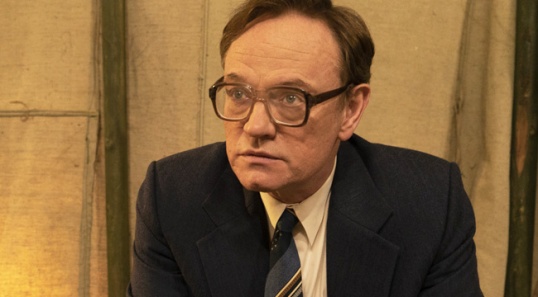
Jared Harris in Chernobyl

Jonah Hill in Maniac

Chris Pine in I Am The Night

Sam Rockwell in Fosse/Verdon

Henry Thomas in The Haunting of Hill House

Outstanding Lead Actor In An Original Movie

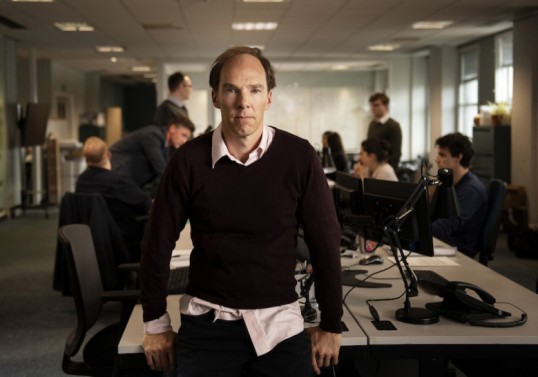
Benedict Cumberbatch in Brexit

Anthony Hopkins in King Lear

Rob Lowe in The Bad Seed

Ian McShane in Deadwood

Timothy Olyphant in Deadwood

Jeffrey Wright in O.G.

Outstanding Lead Actress In A Comedy Series

Melissa Barrera in Vida

Kristen Bell in The Good Place

Alison Brie in GLOW

Rachel Brosnahan in The Marvelous Mrs. Maisel

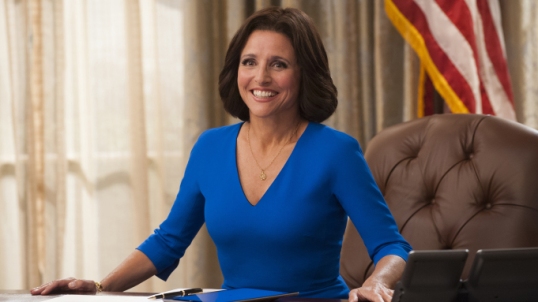
Julia Louis-Dreyfus in Veep

Zoe Perry in Young Sheldon

Outstanding Lead Actress in A Drama Series

Emilia Clarke in Game of Thrones

Gaia Girace in My Brilliant Friend

Maggie Gyllenhaal in The Deuce

Laura Linney in Ozark

Margherita Mazzucco in My Brilliant Friend

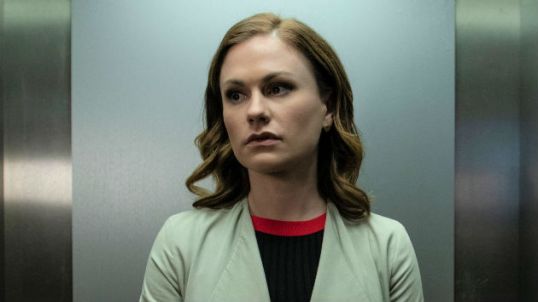
Anna Paquin in Flack

Outstanding Lead Actress in a Limited Series

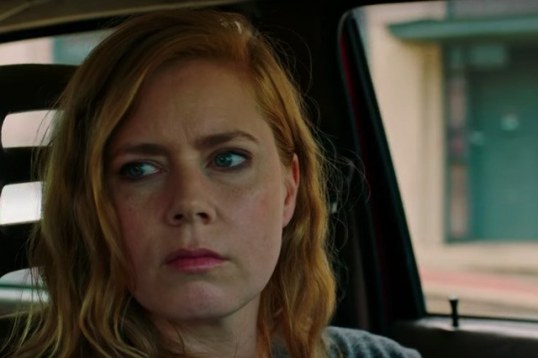
Amy Adams in Sharp Objects

India Eisley in I Am The Night

Carla Gugino in The Haunting of Hill House

Charlotte Hope in The Spanish Princess

Emma Stone in Maniac

Michelle Williams in Fosse/Verdon

Outstanding Lead Actress in an Original Movie

Shannen Doherty in No One Would Tell

Chelsea Frei in Victoria Gotti: My Father’s Daughter

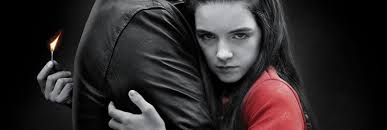
McKenna Grace in The Bad Seed

Paula Malcolmson in Deadwood

Molly Parker in Deadwood

Christina Ricci in Escaping The Madhouse: The Nellie Bly Story

Outstanding Supporting Actor In A Comedy Series

Fred Armisen in Documentary Now!

Andre Braugher in Brooklyn Nine Nine

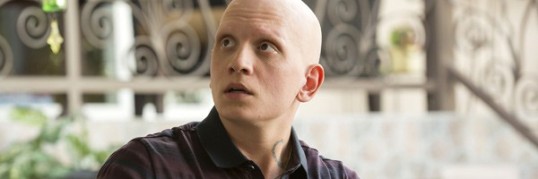
Anthony Carrigan in Barry

Tony Hale in Veep

Sam Richardson in Veep

Stephen Root in Barry

Outstanding Supporting Actor In A Drama Series

Jonathan Banks in Better Call Saul

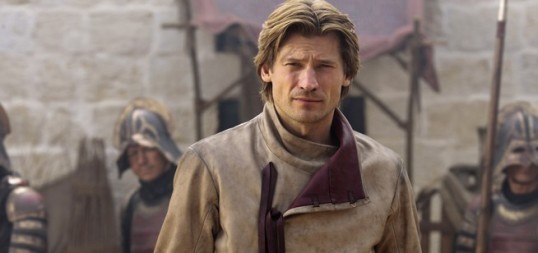
Nikolaj Coster-Waldau in Game of Thrones

Peter Dinklage in Game of Thrones

Giancarlo Esposito in Better Call Saul

Peter Mullan in Ozark

Luca Padovan in You

Outstanding Supporting Actor In A Limited Series

Stephen Dorff in True Detective

Timothy Hutton in The Haunting of Hill House

Chris Messina in Sharp Objects

Stellan Skarsgard in Chernobyl

Justin Thereoux in Maniac

Ben Whishaw in A Very English Scandal

Outstanding Supporting Actor In An Original Movie

Jim Broadbent in King Lear

Bill Camp in Native Son

Theothus Carter in O.G.

Rory Kinnear in Brexit

Gerald McRaney in Deadwood

Will Poulter in Bandersnatch (Black Mirror)

Outstanding Supporting Actress in A Comedy Series

Caroline Aaron in The Marvelous Mrs. Maisel

Alex Borstein in The Marvelous Mrs. Maisel

Anna Chlumsky in Veep

Sarah Goldberg in Barry

Rita Moreno in One Day At A Time

Sarah Sutherland in Veep

Outstanding Supporting Actress In A Drama Series

Summer Bishil in The Magicians

Elisa Del Genio in My Brilliant Friend

Julia Garner in Ozark

Lena Headey in Game of Thrones

Elizabeth Lail in You

Shay Mitchell in You

Outstanding Supporting Actress In A Limited Series

Jessie Buckley in Chernobyl

Patricia Clarkson in Sharp Objects

Sally Field in Maniac

Patricia Hodge in A Very English Scandal

Connie Nielsen in I Am The Night

Emily Watson in Chernobyl

Outstanding Supporting Actress In An Original Movie

Kim Dickens in Deadwood

Florence Pugh in King Lear

Margaret Qualley in Favorite Son

Emma Thompson in King Lear

Emily Watson in King Lear

Robin Weigert in Deadwood


Catching Up With The Films of 2017: The Little Hours (dir by Jeff Baena)


You don’t necessarily have to be from a Catholic background to find The Little Hours to be hilarious but it probably helps.  You also don’t have to be an expert in satirical Italian literature from the Medieval era but, again, it probably helps.  Of course, what helps the most is to have a good sense of humor.

Technically, The Little Hours is based on The Decameron, though not even that famously bawdy  book featured dialogue like, “Don’t fucking talk to us!” and “Stop fucking looking at us!”  Both of those lines are delivered by Aubrey Plaza, who plays a nun in a medieval convent.  The fact that Plaza is playing a nun tells you a lot about the humor in The Little Hours.  The sets and the costumes are meticulously accurate. It’s easy to imagine that, if you got your hands on a time machine and traveled back to the Fourteenth Century, what you would see would look a lot like The Little Hours.  But the dialogue and the attitudes are all straight from the 21st century.

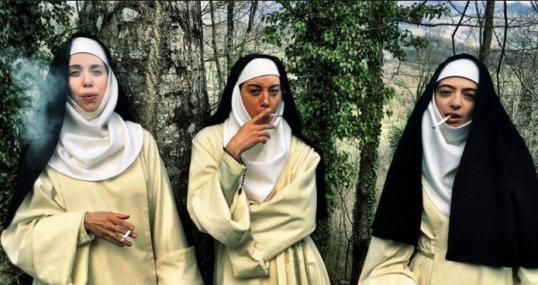
The Little Hours tells the story of three nuns and the people who get in their way.  Aubrey Plaza plays Sister Fernanda, the sarcastic nun who is willing to beat up anyone who looks at her for too long.  Ginerva (Kate Micucci) is the repressed nun who can’t wait to get everyone else in trouble.  Alessandra (Alison Brie) is the nun who is only a nun because her father (Paul Reiser) is making her.

When you’re bored and stuck in a convent, you find interesting ways to keep yourself amused.  For instance, gossip is always a fun way to pass the time.  Or you can get drunk on communion wine.  If you get really bored, you can always join the local coven and dance around a fire.  Or you can lust after the new handyman, a handsome deaf-mute named Massetto (Dave Franco).  Of course, Massetto isn’t really a deaf-mute.  He’s just pretending because he doesn’t want to be executed for having sex with his former master’s wife.  Life was never easy in medieval Italy.

The film may be based on The Decameron but all of the dialogue was improved.  Whenever I hear that anything’s been improvised, I always know that the end result is either going to be hilarious or it’s simply going to be unbearable.  Fortunately, the cast of The Little Hours is full of comedic pros.  They all play off of each other well.  Each line of dialogue seems like a challenge being delivered by both the character and the performer.  Behind every joke is a subtext of “Try to top this.”  Supporting roles are played by everyone from Molly Shannon to Nick Offerman to John C. Reilly.  Fred Armisen plays the Bishop who has the unenviable task of trying to keep straight everything that’s happened and his display of exasperation is absolutely brilliant.

As you can probably guess, I enjoyed The Little Hours.  It’s probably not a film for everyone.  As I said, it helps to not only have a Catholic background but to also have a sense of humor about it.  But, for those in the right mood, it’s a hilarious film.

Cleaning Out The DVR Yet Again #16: Zoolander 2 (dir by Ben Stiller)


(Lisa recently discovered that she only has about 8 hours of space left on her DVR!  It turns out that she’s been recording movies from July and she just hasn’t gotten around to watching and reviewing them yet.  So, once again, Lisa is cleaning out her DVR!  She is going to try to watch and review 52 movies by Wednesday, November 30th!  Will she make it?  Keep checking the site to find out!)

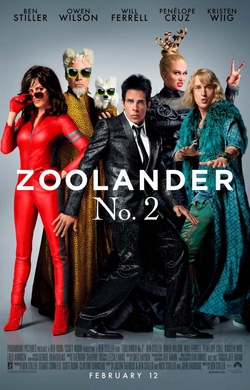
zoolander_2_poster

On October 14th, I recorded Zoolander 2 off of Epix.

A sequel to the 2001 cult hit, Zoolander 2 came out earlier this year and got absolutely terrible reviews and quickly vanished from theaters.  Watching the film last night, I could understand why it got such terrible reviews.  Zoolander 2 is not only a terrible movie but it’s also a rather bland one.  Somehow, the blandness is even more offensive than the badness.

Zoolander 2 opens with Justin Bieber getting assassinated and Derek Zoolander (Ben Stiller) being forced to come out of retirement and discover why pop stars are being targeted.  And, of course, Zoolander can’t do it without the help of Hansel (Owen Wilson)!  Penelope Cruz is in the film as well, playing  Zoolander’s handler and essentially being wasted in a role that could have been played by anyone.

Oh!  And Will Ferrell returns as well.  Ferrell gives a performance that essentially shouts out to the world, “Fuck you, I’m Will Ferrell and no one is going to tell Will Ferrell to tone his shit down!”

Actually, I think everyone in the world is in Zoolander 2.  This is one of those films that is full of cameos from people who probably thought a silly comedy would be good for their image.  For instance, there’s a huge number of journalists who show up playing themselves.  Matt Lauer shows up and I get the feeling that we’re supposed to be happy about that.  There was a reason why people cheered when the sharks ate him in Sharknado 3.

You know who else shows up as himself?  Billy Zane!  And Billy Zane has exactly the right type of attitude for a film like this.  He shows up and he mocks the whole enterprise by giving the Billy Zaniest performance of Billy Zane’s career.  For that matter, Kiefer Sutherland also shows up as himself.  I’m not really sure what Kiefer was doing in the film but he makes sure to deliver all of his lines in that sexy growl of his.  Kiefer knows what we want to hear.

You may notice that I’m not talking about the plot of Zoolander 2.  That’s largely because I couldn’t follow the plot.  This is an incredibly complicated film but it’s not complicated in a funny way.  Instead, it’s complicated in a way that suggests that the film was made up on the spot.  It’s as if the cast said, “We’re all funny!  Just turn on the camera and we’ll make it work!”

The problem with Zoolander 2 is obvious.  The first film pretty much exhausted the comic possibilities of making a spy film about shallow and stupid models.  Don’t get me wrong — the first film did a good job but it’s not like it left any material untapped.  But I would ask you to indulge me as I imagine an alternate reality.

Consider this: Terrence Malick was reportedly a huge fun of Zoolander.

Let’s take just a minute to imagine a world in which Ben Stiller asked Terrence Malick to write and direct Zoolander 2.  And let’s say, just for the sake of argument, that Malick agreed!

Just think about it — 4 hours of Zoolander and Hansel staring up at the sky and thinking about nature.  “What is this thing that causes the heart of man to beat?” Zoolander asks.  “Are we nature or has nature become us?” Hansel replies.

That would have been a fun film!