Horror Film Review: Raw (dir. by Julia Ducournau)


“I am hungry though. My stomach always feels empty.” — Justine

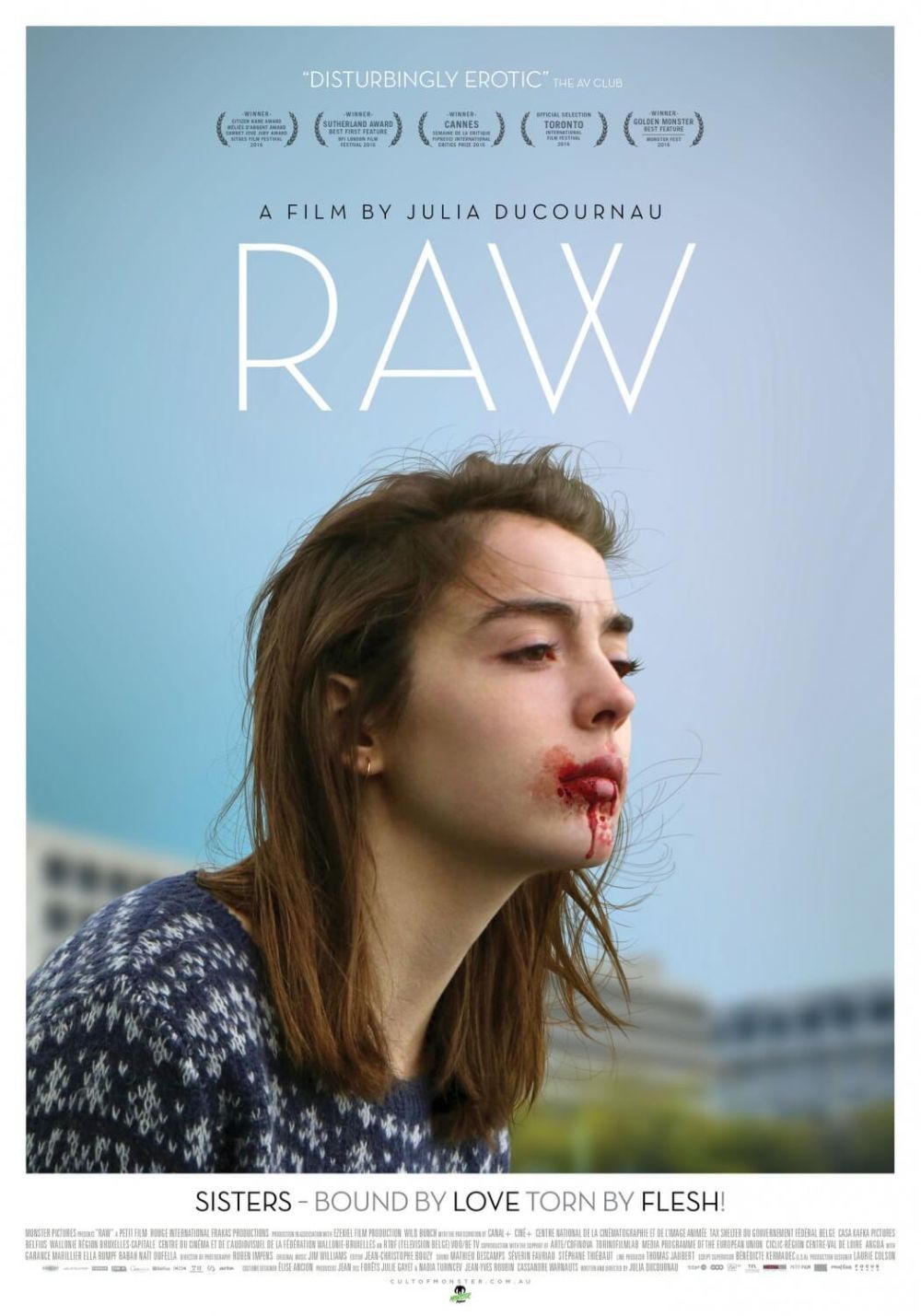
Leaving home for college is supposed to be the start of figuring yourself out, but Raw asks a nastier question: what happens if you don’t like the person you discover? Julia Ducournau’s 2016 coming-of-age horror film takes the familiar experience of a sheltered young woman entering an intimidating new environment and gives it teeth. Literally. Beneath the flesh-eating and bodily distress is a recognizable story about wanting independence without understanding what to do with it. Its horror comes not simply from discovering an appetite for human flesh, but from realizing that the identity you brought from home might not survive contact with the outside world.

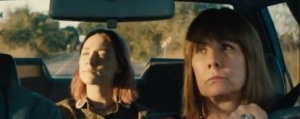
Justine, played by Garance Marillier, arrives at veterinary school with a clearly established identity. She is academically gifted, inexperienced, and a committed vegetarian, following the professional path already taken by her parents and older sister, Alexia. Everything about her suggests someone whose life has been mapped out before she has had much opportunity to question it. Then a hazing ritual forces her to eat a raw rabbit kidney, awakening a hunger that develops into cannibalistic desire. It is an outrageous premise, but Ducournau grounds it in an ordinary anxiety: being pressured into doing something uncomfortable because refusing would mean making yourself an outsider.

The college setting is essential because it makes that pressure feel inescapable. Justine hasn’t simply left her parents; she has entered another institution with its own rules about obedience and belonging. The older students humiliate newcomers while presenting participation as a necessary introduction to campus life. From Justine’s perspective, becoming independent initially seems to mean accepting whatever this new crowd demands. There is a nasty contradiction here: she is supposedly learning to become her own person by surrendering control over her body. Raw makes that contradiction central to its version of growing up, where the invitation to loosen up carries an uncomfortable threat.

Cannibalism becomes such an effective metaphor because it turns the vague instruction to discover yourself into something physical and frightening. Justine’s appetite belongs to her, yet it feels alien. She cannot simply decide not to experience it, and recognizing it doesn’t tell her how to live with it. That captures something unsettling about adolescence and early adulthood: your body, desires, and emotions can move ahead of your understanding. Leaving childhood behind means confronting changes you didn’t necessarily ask for and cannot easily reverse. Here, that process isn’t a graceful unveiling of an authentic self. It is messy, embarrassing, and potentially destructive.

What keeps the metaphor interesting is that eating flesh never stands for just one thing. It suggests sexual awakening, rebellion, aggression, intimacy, and the desire to experience something forbidden. Those meanings overlap without settling into a tidy explanation. Justine wants closeness, but her hunger threatens to turn closeness into consumption. She wants freedom, but acting on every impulse would make her dangerous rather than liberated. The film finds its emotional complexity in the uncomfortable space between having a desire and deciding whether to satisfy it. Growing up means encountering impulses that don’t arrive neatly labeled as healthy, shameful, loving, or cruel.

The treatment of female sexuality is particularly strong because Justine isn’t reduced to either an innocent victim or a newly empowered seductress. Her awakening is awkward and contradictory. Wanting something doesn’t automatically make her confident about it, and discovering desire doesn’t mean she understands its consequences. The film allows a young woman to be hungry, confused, physically uncomfortable, and occasionally frightening without treating those qualities as mutually exclusive. Rather than presenting sexual experience itself as a threat, it explores how difficult desire can be to navigate when you barely understand yourself. The problem isn’t that Justine has desires; it is that she must decide how to act on them.

Marillier gives that struggle a vulnerable center. Justine needs to remain someone we recognize even as her behavior becomes harder to watch, and the performance holds those extremes together. Her uncertainty matters as much as her hunger. She often seems to be studying the people around her for instructions on how to behave, only to discover that their confidence isn’t evidence of wisdom. That makes the transformation affecting rather than merely grotesque. We aren’t watching an ordinary girl disappear beneath a monster. We are watching someone struggle to incorporate a frightening discovery into her understanding of herself.

Alexia makes that process even more complicated. Played by Ella Rumpf, she offers the apparent reassurance of a familiar face, but being someone’s older sister doesn’t necessarily make you a safe guide. She understands the environment Justine has entered while also participating in its cruelty. Their relationship mixes affection with competition and the uncomfortable business of establishing separate identities. Alexia also embodies one possible response to their shared appetite: surrendering to it. That makes their bond more than a contrast between innocence and experience. She represents a future Justine has to consider—and potentially reject—even while craving her sister’s acceptance.

The veterinary-school setting sharpens all of this. These students are training to care for animals while inhabiting an environment where bodies are routinely handled and examined. The idea that humans are somehow above animals starts to look less convincing when the distinction between them becomes a matter of appetite and restraint. The setting keeps that uneasy relationship visible without requiring constant explanation. Justine’s education therefore operates on two levels: she is learning about animal bodies while confronting the animal impulses within her own. The question isn’t whether she can eliminate those impulses, but whether she can acknowledge them without allowing them to dictate everything she does.

If there is a limitation to Raw, it is that the extremity of its premise can briefly overwhelm the quieter emotional story. Some viewers will understandably spend more time bracing for the next bodily violation than considering Justine’s loneliness. Still, the excess has a purpose. Raw is another great example of the boundary-pushing spirit of New French Extremity, using graphic bodily horror and taboo subject matter to explore experiences that a more conventional coming-of-age film might soften or avoid. Its willingness to get under your skin matters because the ugliness never feels disconnected from Justine’s struggle.

At its heart, Raw works so well because its cannibalism makes the confusion of growing up feel frighteningly tangible. Leaving home, finding your place, and discovering desire become parts of the same uncomfortable process: realizing that neither your family nor your new surroundings can tell you exactly who to be. Ducournau refuses to confuse adulthood with either perfect self-control or unrestricted freedom, and she doesn’t pretend that independence arrives without consequences. Justine’s real education is learning that discovering what she wants is only the beginning. Cannibalism becomes a disturbing metaphor for her coming-of-age, turning the transition from a sheltered child into a young woman facing the unknowns of the outside world into something painfully physical.

What If Lisa Picked The Oscar Nominees: 2017 Edition


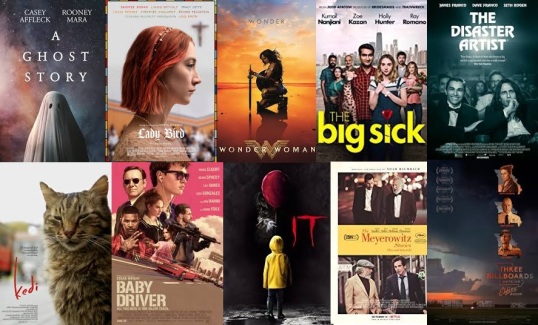
With the Oscar nominations due to be announced tomorrow, now is the time that the Shattered Lens indulges in a little something called, “What if Lisa had all the power.” Listed below are my personal Oscar nominations. Please note that these are not the films that I necessarily think will be nominated. The fact of the matter is that the many of them will not. Instead, these are the films that would be nominated if I was solely responsible for deciding the nominees this year. Winners are starred and listed in bold.

(You’ll also note that I’ve added four categories, all of which I believe the Academy should adopt — Best Voice-Over Performance, Best Casting, Best Stunt Work, and Best Overall Use Of Music In A Film.)

(Click on the links to see my nominations for 2016, 2015, 2014, 2013, 2012, 2011, and 2010!)

Best Picture

Baby Driver

The Big Sick

The Disaster Artist

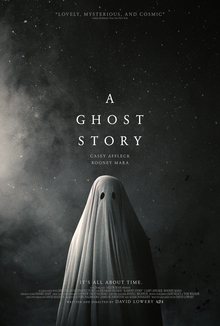
*A Ghost Story*

It

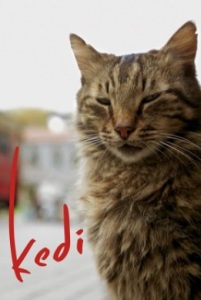
Kedi

Lady Bird

The Meyerowitz Stories

Three Billboards Outside Ebbing, Missouri

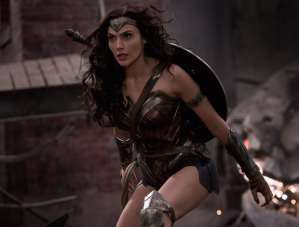
Wonder Woman

Best Director

Greta Gerwig for Lady Bird

Patty Jenkins for Wonder Woman

*David Lowery for A Ghost Story*

Martin McDonagh for Three Billboard Outside Ebbing, Missouri

Andy Muschietti for It

Edgar Wright for Baby Driver

Best Actor

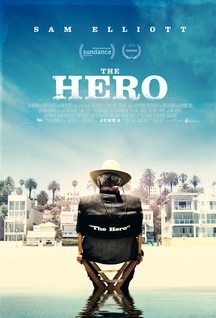
*Sam Elliott in The Hero*

James Franco in The Disaster Artist

Jake Gyllenhaal in Stronger

Daniel Kaluuya in Get Out

James McAvoy in Split

Robert Pattinson in Good Time

Best Actress

Gal Gadot in Wonder Woman

Sally Hawkins in Maudie

Frances McDormand in Three Billboards Outside Ebbing, Missouri

Cynthia Nixon in A Quiet Passion

Aubrey Plaza in Ingrid Goes West

*Saoirse Ronan in Lady Bird*

Best Supporting Actor

Woody Harrelson in Three Billboards Outside Ebbing, Missouri

Sam Rockwell in Three Billboards Outside Ebbing, Missouri

Adam Sandler in The Meyerowitz Stories

Bill Skarsgard in It

*Patrick Stewart in Logan*

Jason Sudekis in Colossal

Best Supporting Actress

Holly Hunter in The Big Sick

Catherine Keener in Get Out

Sophia Lillis in It

*Laurie Metcalf in Lady Bird*

Carey Mulligan in Mudbound

Ella Rumpf in Raw

Best Voice-Over or Stop Motion Performance

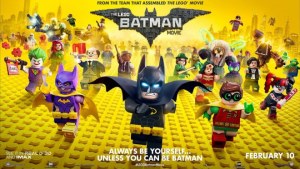
Will Arnett in The LEGO Batman Movie

Gael Garcia Bernal in Coco

Bradley Cooper in Guardians of the Galaxy, Volume 2

Doug Jones in The Shape of Water

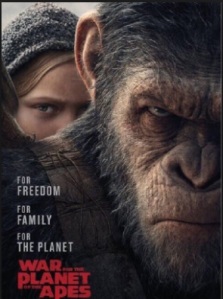
*Andy Serkis in War for the Planet of the Apes*

Dan Stevens in Beauty and the Beast

Best Original Screenplay

The Big Sick

Get Out

A Ghost Story

*Lady Bird*

The Meyerowitz Stories

Three Billboards Outside Ebbing, Missouri

Best Adapted Screenplay

Before I Fall

*The Disaster Artist*

It

Logan

Their Finest

Wonder Woman

Best Animated Film

Cars 3

Coco

*The Lego Batman Movie*

Leap!

Best Documentary Feature

Karl Marx City

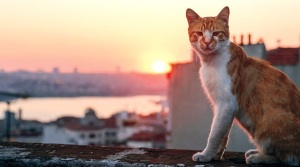
*Kedi*

Risk

Step

Strong Island

32 Pills: My Sister’s Suicide

Best Foreign Language Film

First They Killed My Father

Frantz

*Kedi*

Raw

Best Casting

The Big Sick

Detroit

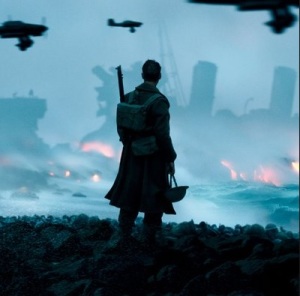
Dunkirk

Get Out

Lady Bird

*The Meyerowitz Stories*

Best Cinematography

Blade Runner 2049

Dunkirk

*A Ghost Story*

It

Lost City of Z

Three Billboards Outside Ebbing, Missouri

Best Costume Design

Beauty and the Beast

The Beguiled

Free Fire

Thor: Ragnarok

Victoria & Abdul

*Wonder Woman*

Best Editing

*Baby Driver*

Before I Fall

Dunkirk

A Ghost Story

It

Wonder Woman

Best Makeup and Hairstyling

The Disaster Artist

Guardians of the Galaxy Volume 2

Lady MacBeth

Logan Lucky

My Cousin Rachel

*Thor: Ragnarok*

Best Original Score

Blade Runner 2049

A Ghost Story

*Good Time*

Dunkirk

The Shape of Water

Wind River

Best Original Song

“Buddy’s Business” from Brawl In Cell Block 99

“Evermore” from Beauty and the Beast

“Friends are Family” from The Lego Batman Movie

“How Does A Moment Last Forever” from Beauty and the Beast

“Myron/Byron” from The Meyerowitz Stories

*”The Pure and the Damned” from Good Time*

Best Overall Use Of Music

Atomic Blonde

*Baby Driver*

The Disaster Artist

Guardians of the Galaxy Volume 2

Thor: Ragnarok

T2: Trainspotting

Best Production Design

*Beauty and the Beast*

The Beguiled

Blade Runner 2049

It Comes At Night

Logan

Thor: Ragnarok

Best Sound Editing

Baby Driver

*Dunkirk*

Kong: Skull Island

Spider-Man: Homecoming

War For The Planet of the Apes

Wonder Woman

Best Sound Mixing

Baby Driver

*Dunkirk*

Kong: Skull Island

Spider-Man: Homecoming

War For The Planet of the Apes

Wonder Woman

Best Stuntwork

Baby Driver

Dunkirk

Logan

Spider-Man: Homecoming

Thor: Ragnarok 

*Wonder Woman*

Best Visual Effects

Blade Runner 2049

Guardians of the Galaxy Vol. 2

Spider-Man: Homecoming

Thor: Ragnarok

Valerian and the City of a Thousand Planets

*War For The Planet of the Apes*

Films Listed By Number of Nominations

9 Nominations — Wonder Woman

7 Nominations — Baby Driver, Dunkirk, It, Three Billboards Outside Ebbing Missouri

6 Nominations — A Ghost Story, Lady Bird, Thor: Ragnarok

5 Nominations — Beauty and the Beast, The Disaster Artist, The Meyerowitz Stories

4 Nominations — The Big Sick, Blade Runner 2049, Get Out, Guardians of the Galaxy Vol. 2, Logan, Spider-Man: Homecoming, War For The Planet Of The Apes

3 Nominations — Good Time, Kedi, The LEGO Batman Movie

2 Nominations — Before I Fall, The Beguiled, Coco, Kong: Skull Island, Raw, Shape of Water

1 Nominations — Atomic Blonde, Brawl in Cell Block 99, Cars 3, Colossal, Detroit, First They Killed My Father, Frantz, Free Fire, The Hero, Ingrid Goes West, It Comes At Night, Karl Marx City, Lady MacBeth, Leap!, Logan Lucky, Lost City of Z, Maudie, Mudbound, My Cousin Rachel, A Quiet Passion, Risk, Split, Step, Strong Island, Stronger, T2: Trainspotting, Their Finest, 32 Pills: My Sister’s Suicide, Valerian and the City of a Thousand Planets, Victoria & Abdul, Wind River

Films Listed By Number of Wins

3 Oscars — A Ghost Story, Lady Bird

2 Oscars — Baby Driver, Dunkirk, Good Time, Kedi, War For the Planet of the Apes, Wonder Woman

1 Oscar — Beauty and the Beast, The Disaster Artist, The Hero, The LEGO Batman Movie, Logan, The Meyerowitz Stories, Thor: Ragnarok

Will the Academy be smart enough to agree with me?  Probably not.  We’ll see what happens tomorrow!


Horror Film Review: Raw (dir by Julia Ducournau)


Raw.

“The film so shocking that apparently some theater chains distributed barf bags to patrons as they entered the theater!”

When I first heard about that, I figured that had to be a PR stunt, proof that the 70s grindhouse ethos was still alive in 2017.  However, upon doing a little research, I came across several reports that some audience members actually had fainted and/or became physically ill while watching this French-Belgian cannibal film.  Apparently, Raw was just too raw for them.

Now, I have to admit that I may be jaded as the result of spending the last few years watching countless Italian horror films.  Whether the eating was being done by zombies or an undiscovered tribe in the Amazon Rain Forest, the Italians pretty much perfected the use of cannibalism of a plot device.  And, with its vibrant color scheme and its emphasis on the blood, guts, and muscles that lay directly underneath the skin, Raw certainly does feel like a bit of an homage to those old Italian films.  However, the film takes a rather clinical (though, at time, dryly humorous) approach to its subject.  In that way, Raw has more in common with the sleek body horror of early David Cronenberg than the films of Umberto Lenzi or Ruggero Deodato.

It tells the story of two sisters, both of whom are attending a demanding veterinary school.  At first, the two sisters might seem like opposites.  Justine (Garance Marillier) is the younger of the two.  She is driven to succeed and, as a result, has experienced little over the course of her short life.  She is not only a virgin but she is also a lifelong vegetarian.  She has never tasted meat, both literally and metaphorically.  She has an awkward crush on her roommate, Adrien (Rabah Naït Oufella), despite the fact that Adrien is gay.  Her sister, Alexia (Ella Rumpf), appears to be the wilder of the two.  The dynamic between Justine and Alexa is a familiar and it’s well-portrayed by Marillier and Rumpf.  Anyone who has a sister will recognize it.  Despite the strong bond that the two share, it’s obvious that a good deal of Justine’s drive is the result of feeling as if she has to make up for Alexia’s lack of direction.

Of course, Alexia and Justine are not total opposites.  In fact, they have one thing very much in common.  They both find themselves craving human flesh.  At the start of the film, Justine freaks out when, as part of a hazing ritual, she is splashed with blood and forced to eat a rabbit kidney.  It leads to her getting a nasty rash, the result of food poisoning.  However, as her father tells her, once an animal has tasted blood, it will never be the same again.  Soon, Justine is craving both meat and sex, which leads to everything from eating raw chicken to almost biting off a guy’s lower lip.  And, of course, there’s the time that Alexia accidentally cuts off her finger…

Raw is a movie that mixes cannibalism with a coming-of-age story.  Imagine Mona Lisa Smile if the cast ended up eating each other.  (Actually, that’s a terrible and inaccurate comparison.  I just liked the way it sounded.)

Yes, Raw is graphic.  If you can’t handle the sight of blood then maybe you shouldn’t watch Raw because Raw is drenched in it.  That said, for me, the scene that left me trembling was when Justine got a Brazilian wax.  Seriously, that had me screaming in shared pain…

Raw is a well-acted, well-directed, and often a rather audacious film.  For me, the most powerful part of the film is not the mix of flesh-eating and sexual awakening.  It’s the relationship between Justine and Alexia.  Garance Marillier and Ella Rumpf are totally believable as sisters and every detail of their relationship rings true.  You may not agree with some of the choices that the sisters make in the film but they all ring true.

I recommend Raw.  I’m sure some people will find it to be disgusting but, to me, this is a well-made and intelligent film that deserves to be seen.