Guilty Pleasure No. 101: The Executioner Series (by Don Pendleton)


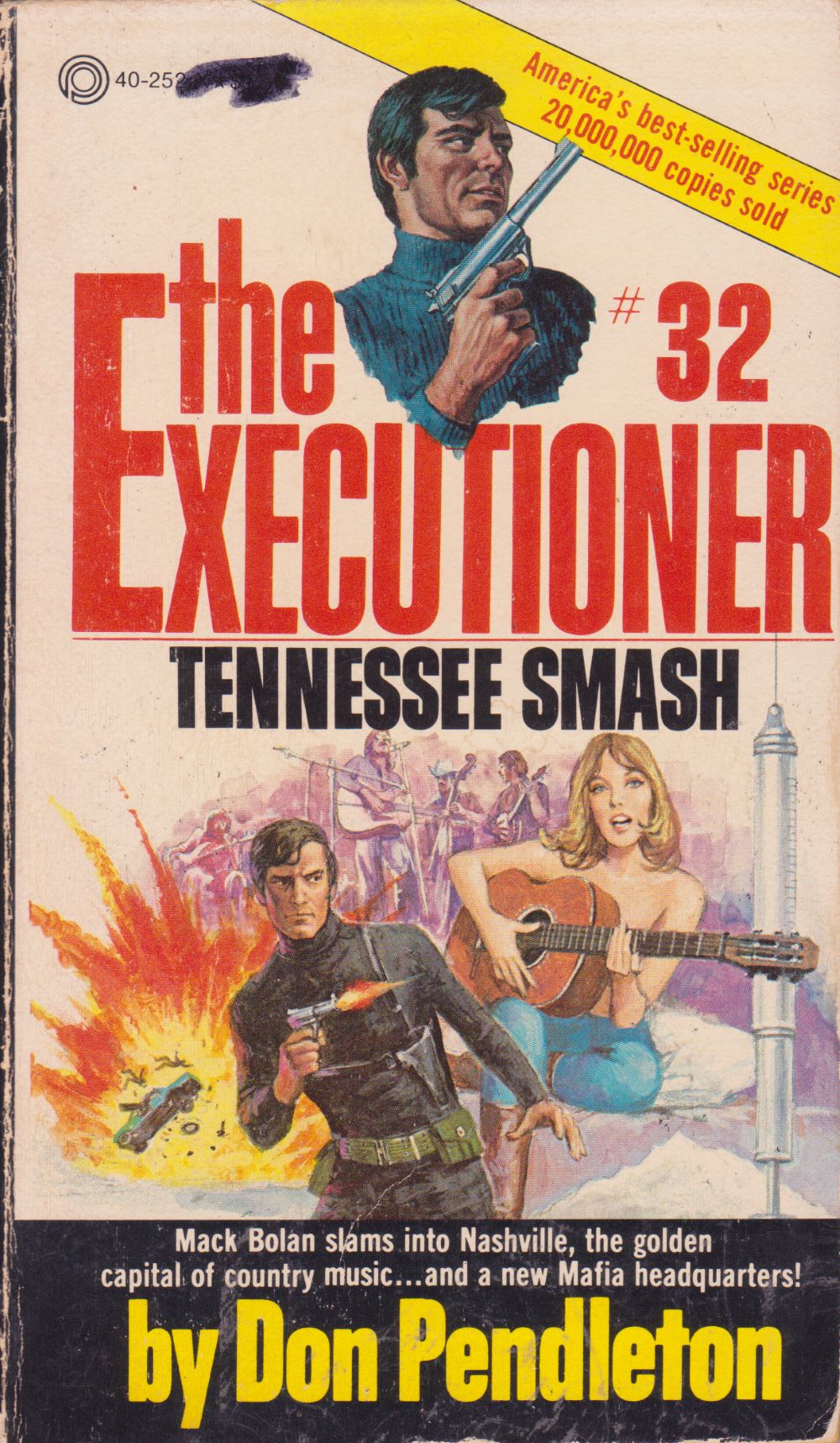
The Executioner series by Don Pendleton is one of those long-running action sagas that practically defines the phrase “guilty pleasure.” Kicking off in 1969 with War Against the Mafia, it introduces Mack Bolan, a Vietnam veteran whose homecoming turns into a nightmare and pushes him into a one-man war against organized crime. With an astonishing total of over 600 books across the main series and its spin-offs, it stands as one of the most prolific runs in pulp fiction history, delivering a steady diet of ambushes, car bombs, and last-stand shootouts, all orbiting a hero who lives somewhere between soldier, avenger, and urban legend. It’s even seeing a resurgence lately, with many original titles now available as e-books through Open Road Media, drawing in a new wave of digital readers hungry for retro action thrills.

The hook is simple and primal. Bolan comes back from Vietnam to discover his family destroyed by Mafia loan sharks, their lives shattered by debt, intimidation, and violence. The man who survived jungle warfare as a sniper becomes a domestic insurgent, redirecting the tactics of war onto American soil. In War Against the Mafia and the early novels, there’s a grim, almost workmanlike edge as he stalks mobsters through streets and back alleys, treating cities like new combat zones. Chapters move quickly, with Pendleton leaning into clear, muscular prose: weapons described with fetishistic precision, tactics laid out like field reports, and action beats that rarely pause for introspection longer than a sentence or two.

Those first runs of books form a surprisingly cohesive arc. Bolan’s war starts local and then scales outward: first the hometown syndicate, then larger crime families, then international networks and political entanglements. Titles like Death SquadBattle Mask, and Miami Massacre escalate the conflict, dropping Bolan into fresh arenas—new cities, new bosses, new layers of corruption—without ever really changing the fundamental formula. Each volume is basically a new operation: recon, infiltration, explosion. There’s comfort in that clockwork repetition, especially if you’re coming to the series for the thrill of seeing how Bolan will dismantle this week’s nest of villains, a pattern that sustains all 600-plus entries.

As pulp entertainment, the series doesn’t pretend to be anything but what it is: ruthlessly efficient action storytelling. Bolan isn’t written as a richly conflicted psychological study; he’s a vector. He thinks tactically, talks sparingly, and acts decisively. When he pauses to reflect, it’s usually to reaffirm his personal code—his obligation to protect innocents, his hatred for predators, his sense that the “jungle” followed him home from the war. That stripped-down approach makes the books read almost like mission logs. You don’t linger with him; you move with him, from weapon cache to kill zone to escape route.

The “guilty pleasure” part comes from how unapologetically the series indulges in its own extremes. Villains are drawn in thick strokes: sadistic enforcers, greedy bosses, corrupt officials, each more deserving of a bullet than the last. Bolan is judge, jury, and firing squad, and the narrative rarely questions whether that’s a good thing. The violence is frequent and often spectacular—blown-up cars, shredded safehouses, street battles that leave staggering body counts. It channels the same energy as grindhouse action cinema and ’70s vigilante films, but in prose form that you can tear through in a single sitting.

Taken purely as escapism, this is the series’ appeal: it offers a fantasy of absolute efficacy. Problems are solved through planning, courage, and overwhelming firepower, not through compromise or negotiation. If you’ve ever been frustrated with red tape and institutional inertia, Mack Bolan is the fantasy of ripping all that away and going straight to the source with a rifle. That’s also where the discomfort starts to creep in if you read the books with a more critical eye.

From a contemporary perspective, the vigilante ethos can feel both dated and unsettling. The books largely treat legal systems as ineffectual and police as either helpless, compromised, or quietly cheering Bolan from the sidelines. There’s little space for nuance when it comes to morality. That black-and-white worldview gives the action its propulsive drive, but it also flattens complexity: systemic issues collapse into a handful of “bad guys” to be eliminated. The series reflects the anxieties of its time—post-Vietnam disillusionment, fear of organized crime, distrust of institutions—but it rarely interrogates them.

Characterization is another weak spot, though it’s almost a feature of the genre. Outside of Bolan, most people function as types rather than fully realized individuals: the honorable cop, the tragic informant, the doomed love interest, the sneering mob lieutenant. Women, in particular, often feel like afterthoughts—romantic interludes, victims in need of saving, or temporary allies who don’t really alter the trajectory of Bolan’s mission. If you’re looking for layered relationships, you won’t find many here; the stories are built on momentum, not emotional intricacy.

As the series goes on and other writers take over, the tone and focus inevitably shift. The core template—lone warrior versus entrenched evil—remains, but the enemies expand from the Mafia to terrorists, cartels, rogue states, and shadowy conspiracies. Depending on your taste, that either keeps the concept fresh or dilutes Pendleton’s original blue-collar vendetta into something more generic and interchangeable with other men’s adventure titles. The early books carry a rough, personal edge; later entries sometimes feel more like franchise installments than deeply felt passion projects, stretched across hundreds of volumes.

All of that said, it’s hard to deny the series’ impact. Mack Bolan is a clear ancestor to a long line of fictional warriors and vigilantes, from paperback commandos to gun-toting comic book anti-heroes. You can see echoes of his DNA in countless characters who blend military skill with personal trauma and a private war against evil. In that sense, The Executioner isn’t just a pulpy distraction; it’s a foundational text for a whole corner of modern action storytelling.

Reading it today, the best way to approach The Executioner is with eyes open and expectations calibrated. It is not subtle, not especially nuanced, and not interested in long philosophical digressions about the nature of justice. It is fast, blunt, and engineered to scratch a very specific itch—now even more accessible thanks to Open Road Media’s e-book editions breathing fresh life into the saga. If you’re comfortable with that—if you want a hard-edged, morally stark, action-first series that feels like flipping through a stack of R-rated VHS tapes—then Mack Bolan’s war is easy to fall into and surprisingly hard to quit, even after 600 books.

If you’re curious, the ideal entry point is still the beginning: War Against the Mafia and the couple of books that follow. Those early volumes give you the raw version of the character and the template everyone else later imitates. If they don’t work for you, the rest of the series almost certainly won’t. But if you find yourself staying up late to squeeze in “just one more chapter,” that’s when you know the guilty pleasure has done its job.

Previous Guilty Pleasures

  1. Half-Baked
  2. Save The Last Dance
  3. Every Rose Has Its Thorns
  4. The Jeremy Kyle Show
  5. Invasion USA
  6. The Golden Child
  7. Final Destination 2
  8. Paparazzi
  9. The Principal
  10. The Substitute
  11. Terror In The Family
  12. Pandorum
  13. Lambada
  14. Fear
  15. Cocktail
  16. Keep Off The Grass
  17. Girls, Girls, Girls
  18. Class
  19. Tart
  20. King Kong vs. Godzilla
  21. Hawk the Slayer
  22. Battle Beyond the Stars
  23. Meridian
  24. Walk of Shame
  25. From Justin To Kelly
  26. Project Greenlight
  27. Sex Decoy: Love Stings
  28. Swimfan
  29. On the Line
  30. Wolfen
  31. Hail Caesar!
  32. It’s So Cold In The D
  33. In the Mix
  34. Healed By Grace
  35. Valley of the Dolls
  36. The Legend of Billie Jean
  37. Death Wish
  38. Shipping Wars
  39. Ghost Whisperer
  40. Parking Wars
  41. The Dead Are After Me
  42. Harper’s Island
  43. The Resurrection of Gavin Stone
  44. Paranormal State
  45. Utopia
  46. Bar Rescue
  47. The Powers of Matthew Star
  48. Spiker
  49. Heavenly Bodies
  50. Maid in Manhattan
  51. Rage and Honor
  52. Saved By The Bell 3. 21 “No Hope With Dope”
  53. Happy Gilmore
  54. Solarbabies
  55. The Dawn of Correction
  56. Once You Understand
  57. The Voyeurs 
  58. Robot Jox
  59. Teen Wolf
  60. The Running Man
  61. Double Dragon
  62. Backtrack
  63. Julie and Jack
  64. Karate Warrior
  65. Invaders From Mars
  66. Cloverfield
  67. Aerobicide 
  68. Blood Harvest
  69. Shocking Dark
  70. Face The Truth
  71. Submerged
  72. The Canyons
  73. Days of Thunder
  74. Van Helsing
  75. The Night Comes for Us
  76. Code of Silence
  77. Captain Ron
  78. Armageddon
  79. Kate’s Secret
  80. Point Break
  81. The Replacements
  82. The Shadow
  83. Meteor
  84. Last Action Hero
  85. Attack of the Killer Tomatoes
  86. The Horror at 37,000 Feet
  87. The ‘Burbs
  88. Lifeforce
  89. Highschool of the Dead
  90. Ice Station Zebra
  91. No One Lives
  92. Brewster’s Millions
  93. Porky’s
  94. Revenge of the Nerds
  95. The Delta Force
  96. The Hidden
  97. Roller Boogie
  98. Raw Deal
  99. Death Merchant Series
  100. Ski Patrol

Review: The Dirty Dozen (dir. by Robert Aldrich)


“And kill any officer in sight. Ours or theirs?” — Victor Franko

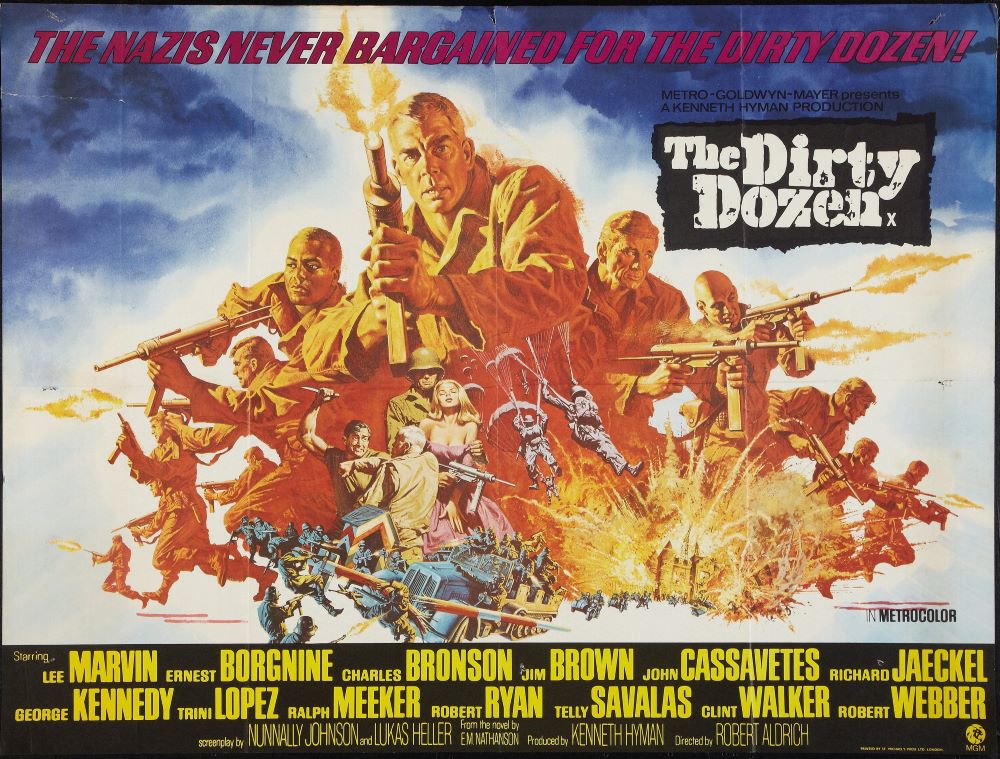
The Dirty Dozen is one of those war movies that feels like it was built in a lab for maximum “guys-on-a-mission” entertainment: big stars, a pulpy premise, plenty of attitude, and a third act that goes full-tilt brutal. It is also, even by 1967 standards, a pretty gnarly piece of work, and how well it plays today depends a lot on how comfortable you are with its mix of macho camaraderie, anti-authoritarian swagger, and disturbingly gleeful violence.

Directed by Robert Aldrich and released in 1967, The Dirty Dozen is set in 1944 and follows Major John Reisman (Lee Marvin), a rebellious U.S. Army officer assigned to turn a group of twelve military convicts into a commando unit for a suicide mission behind enemy lines just before D-Day. The deal is simple and grim: survive the mission to assassinate a gathering of German high command at a chateau, and your death sentence or long prison stretch gets commuted; fail, and you die as planned, just a little earlier and with more explosions. It is a high concept that plays almost like a war-movie prototype of the “villains forced to do hero work” formula that modern blockbusters keep revisiting.

The film’s biggest asset is its cast, stacked with personalities who bring a rough, lived-in charm to what could have been a lineup of interchangeable tough guys. Lee Marvin’s Reisman is the glue: a cynical, gravel-voiced officer who clearly hates bureaucratic brass almost as much as the criminals he is supposed to whip into shape, and Marvin plays him with a dry, weary sarcasm that avoids hero worship even as the film asks you to root for him. Around him, you get Charles Bronson as Wladislaw, a capable former officer with a chip on his shoulder; John Cassavetes as Franko, the volatile, insubordinate troublemaker; Jim Brown as Jefferson, whose physical presence and final-act heroics leave a strong impression; and Telly Savalas as Archer J. Maggott, a violently racist, fanatically religious, and almost certainly deranged soldier sentenced to death for raping and beating a woman to death. Savalas never softens that portrait, playing Maggott with a creepy combination of sing-song piety and sudden bursts of viciousness that makes him deeply uncomfortable to watch and the one member of the Dozen who feels like an outright monster even compared to the other killers. He sells Maggott’s self-justifying religiosity—quoting scripture, talking about being “called on” by the Lord—as both delusional and dangerous, so every time he starts sermonizing, it feels like a warning siren that things are about to go bad, and that pays off in the finale where his obsession with “sinful” women sabotages the mission. Even smaller roles from Donald Sutherland, Clint Walker, and others get memorable beats, which helps the ensemble feel like an actual crew rather than background noise.

For much of its runtime, the film plays like a rough-and-rowdy training camp movie, and that middle stretch is where a lot of its charm sits. Reisman’s solution to building teamwork is basically to grind the men down, deny them basic comforts, and force them to build their own camp, leading to the nickname “the Dirty Dozen” when their shaving kits are confiscated and they slip into permanent grime. The squad slowly gels through a mix of forced labor, competitive drills, and a memorable war-games exercise where they outsmart a rival, straight-laced unit led by Colonel Breed (Robert Ryan), which lets the film indulge in its anti-authority streak by making the rule-breakers look smarter than the regulation-obsessed brass. Savalas’s Maggott adds a constant sense of volatility to these scenes, his presence giving the group dynamic a genuine horror edge that keeps the movie from becoming a simple “lovable rogues” fantasy and making viewers eager to see him punished.

That anti-establishment energy is one of the reasons The Dirty Dozen hit so hard with audiences in the late 1960s, especially as public attitudes toward war and authority were shifting in the shadow of Vietnam. The movie clearly enjoys showing higher-ranking officers as petty, hypocritical, or out of touch, while Reisman and his misfit killers get framed as the ones who actually understand how war really works: dirty, improvisational, and morally compromised. Critics at the time noted that this defiant attitude, coupled with the convicts’ transformation into rough heroes, gave the film a rebellious appeal that helped it become a box office smash even as traditional war films were losing their shine.

Where the film becomes more divisive is in its moral perspective, or arguably its lack of one. From the start, these are not misunderstood saints: several of the men are condemned to death for murder, others for violent crimes and serious offenses, and the script never really suggests they were framed or unfairly treated. Yet once they are pointed at Nazis, the movie largely invites you to cheer them on, leaning into the idea that in war, the ugliest tools might be the most effective, and that conventional standards of justice and morality can be suspended if the target is the enemy. Maggott stands apart here as the line the film refuses to cross into sympathy, with Savalas’s committed and unsettling performance underlining how poisonous he is even to other criminals.

The climax at the chateau is where this tension really spikes. The mission involves infiltrating a mansion where German officers and their companions are gathering, rigging the place with explosives, and driving the survivors into an underground shelter that is then sealed and turned into a mass deathtrap with gasoline and grenades. It is a sequence staged with brutal efficiency and undeniable suspense, but it is also deeply unsettling, essentially pushing the protagonists into orchestrating a massacre that includes unarmed officers and civilians in evening wear, and the film offers minimal reflection on that horror beyond the visceral thrills. Maggott’s instability forces the team to react mid-mission, heightening the jagged tonal mix of rousing action and casual atrocity.

This blend of rousing action and casual atrocity did not sit well with many critics in 1967. Contemporary reviews complained that the film glorified sadism, blurred the line between wartime necessity and psychopathic cruelty, and practically bathed its criminals “in a heroic light,” encouraging what one critic called a “spirit of hooliganism” that was socially corrosive. Others, however, praised Aldrich for making a tough, uncompromising adventure picture that pushed back against sanitized war clichés, arguing that the cruelty and amorality felt like a more honest reflection of war’s ugliness, even if the film coated it in action-movie swagger and gallows humor. Savalas’s Maggott amplifies this debate, singled out by fans as a great, memorable character who adds real repulsion without turning into a cartoon.

From a modern perspective, the violence itself remains intense but not especially graphic by contemporary standards; what lingers is the attitude around it. The movie’s glee in letting some of these characters off the moral hook, contrasted with the genuinely disturbing behavior of someone like Maggott, creates that jagged tonal mix: part old-school “men on a mission” yarn, part cynical commentary on the kind of men war turns into tools. Depending on your tolerance, that mix either gives the film an edge that keeps it from feeling like simple nostalgia, or it plays as carelessly flippant about atrocities that deserve more introspection than a last-minute body count and a fade-out.

On a craft level, though, The Dirty Dozen still works surprisingly well. Aldrich keeps the film moving across a long runtime by building distinct phases: the recruitment and introduction of each convict, the training and bonding section with its rough humor and humiliation, and the final mission that shifts into suspense and near-horror. The action is clear and muscular, the editing sharp enough that you rarely lose track of who is where, and the sound design—even recognized with an Academy Award for Best Sound Effects—helps the chaos of the finale land with blunt impact.

At the same time, the structure exposes a few weaknesses. The early sections do such a good job of sketching out personalities that some characters feel underused or abruptly sidelined once the bullets start flying, and the film’s length can make parts of the training montage drag, especially if you are less enamored with its barracks humor and macho posturing. The writing also leans on broad types—psychopath, wisecracking crook, stoic professional—which the cast elevates, but the script rarely pushes them into truly surprising territory, beyond a few late-movie acts of sacrifice.

Still, as a piece of war-movie history, The Dirty Dozen earns its reputation. It helped popularize the template of the misfit team thrown into an impossible mission, a structure that later shows up everywhere from ensemble war pictures to superhero teams and modern “suicide squad” stories. Its mix of black humor, anti-authoritarian streak, and violent catharsis captures a specific late-1960s mood, even as its politics and ethics remain muddy enough to spark debate decades later. Savalas’s turn as Maggott ensures that edge never dulls, keeping the film’s thrills packaged with a moral outlook as messy and conflicted as the men it sends to kill.

For someone coming to it fresh now, the film plays as a rough, sometimes exhilarating, sometimes queasy ride: entertaining as pulp, compelling as an ensemble showcase, and troubling in the way it treats brutality as both a necessary evil and a spectator sport. If you are interested in the evolution of war cinema or the origins of the “ragtag squad on a suicide mission” trope, The Dirty Dozen is absolutely worth watching, with the understanding that its strengths—like Savalas’s chilling Maggott—come wrapped in those ethical ambiguities.

Review: Pacific Rim (dir. by Guillermo Del Toro)


PacificRimIMAX“2,500 tons of awesome” — Newton Geizler

I’ll just say it outright and get it out of the way and say that Guillermo Del Toro is one of the few filmmakers whose body of work has earned him my admiration. The Mexican-born filmmaker has made some of the most fully-realized and visually-beautiful films of the last twenty years. It doesn’t matter whether its genre staples like Blade II and the two Hellboy films or arthouse fares like The Devil’s Backbone and Pan’s Labyrinth, Del Toro has a unique talent for making one believe in the world his films inhabit. This is probably the reason why Peter Jackson had tapped him to direct the film adaptation of J.R.R. Tolkien’s The Hobbit. The man just has an eye for every detail, no matter how big or small, that he believes will add to the overall experience of watching his films.

When delays and behind-the-scenes studio bickerings kept the production of The Hobbit from moving forward Del Toro was already two years into pre-production of the long-awaited new trilogy, but finally backed out. He would try to make one of his dream projects his next move with the film adaptation of H.P. Lovecraft’s classic At the Mountain of Madness. This was a film that looked to set the horror and genre scene by storm. It was a story that was right in Del Toro’s wheelhouse. The film would require him to create a believable world where cosmic Elder Gods and Old Ones existed and still make it terrifying and awe-inspiring. But once again his ideas would require a huge budget from the studios and his stance on making the film an R-rated one finally shelved it (though hopefully not for good).

With two major productions either cancelled or dropped out of, Guillermo Del Toro was now without a film to direct and it’s been years since his last (Hellboy II: The Golden Army). Maybe it was providence or just plain ol’ dumb luck, but in comes a screenplay from Travis Beacham which included such terms as “Jaegers” and “Kaiju” and Del Toro finally got a film that wasn’t an adaptation of someone elses work, but something he could build from the ground up and make his own. That film was and is Pacific Rim.

Pacific Rim finally arrives in cinemas around the world and it couldn’t come at a better time. The last couple years have seen summer blockbusters get bigger and bigger. Each new blockbuster tried to outdo the next with something more extravagant, louder and, to their detriment, more complex and convoluted in their storytelling. This is not the case for Pacific Rim which comes in with a simple premise that managed to stay together from start to finish: giant robots fighting giant monsters.

1039653_533768193356149_960692317_o

From that idea was born a film that lends itself well into Guillermo Del Toro’s visual and world-building talent. He had to find a way to make this film, that harkens back to the old kaiju films from Japan’s Toho studio and its mecha/giant robot anime genre, a believable world where adventure and spectacle ruled and not post-modern deconstruction and cynical characters and storytelling. It’s an endeavor that succeeds, though not perfectly, to do more than just entertain but also show that sometimes the old ways of telling a story does belong in this new world of hi-tech filmmaking.

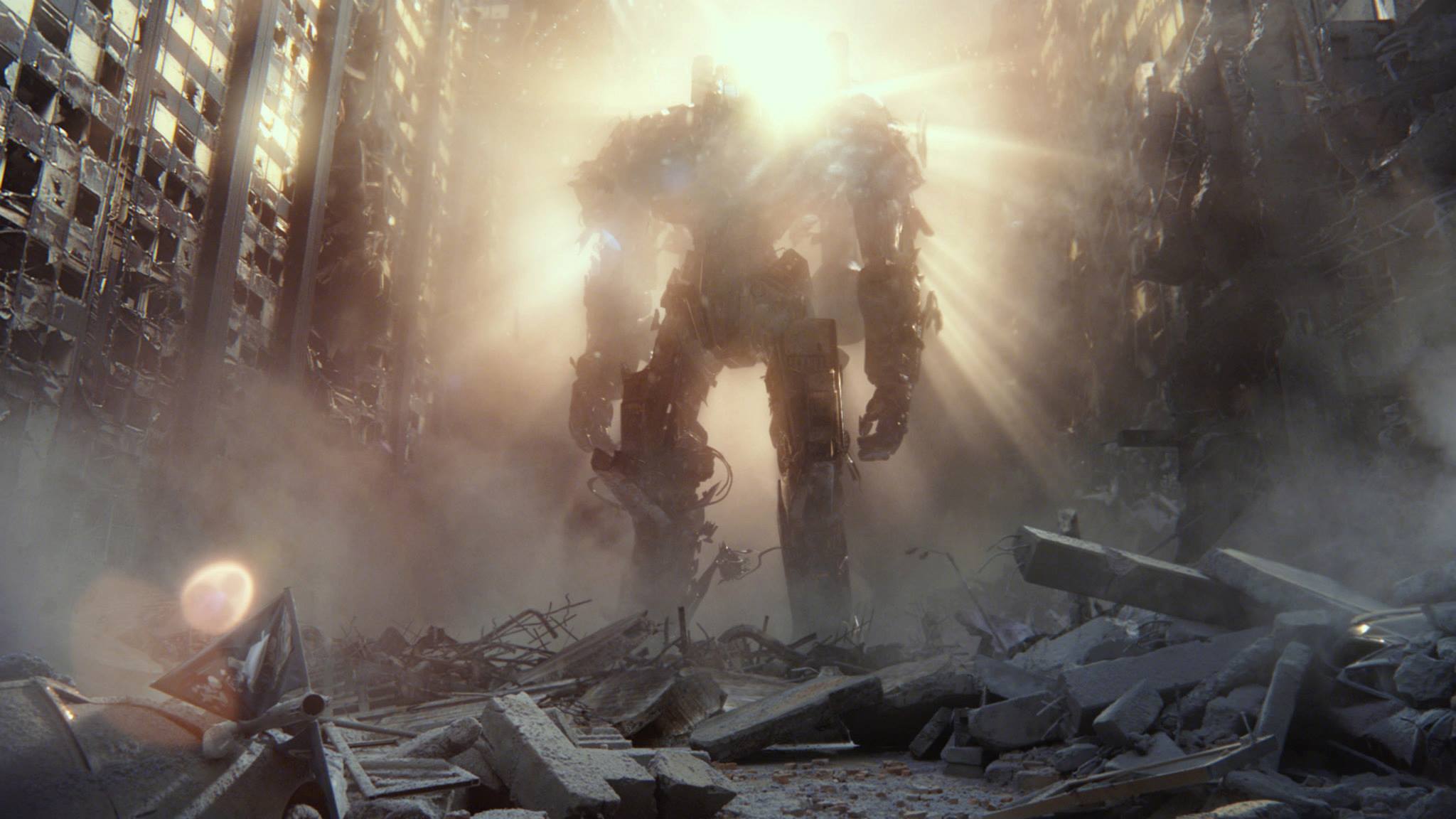
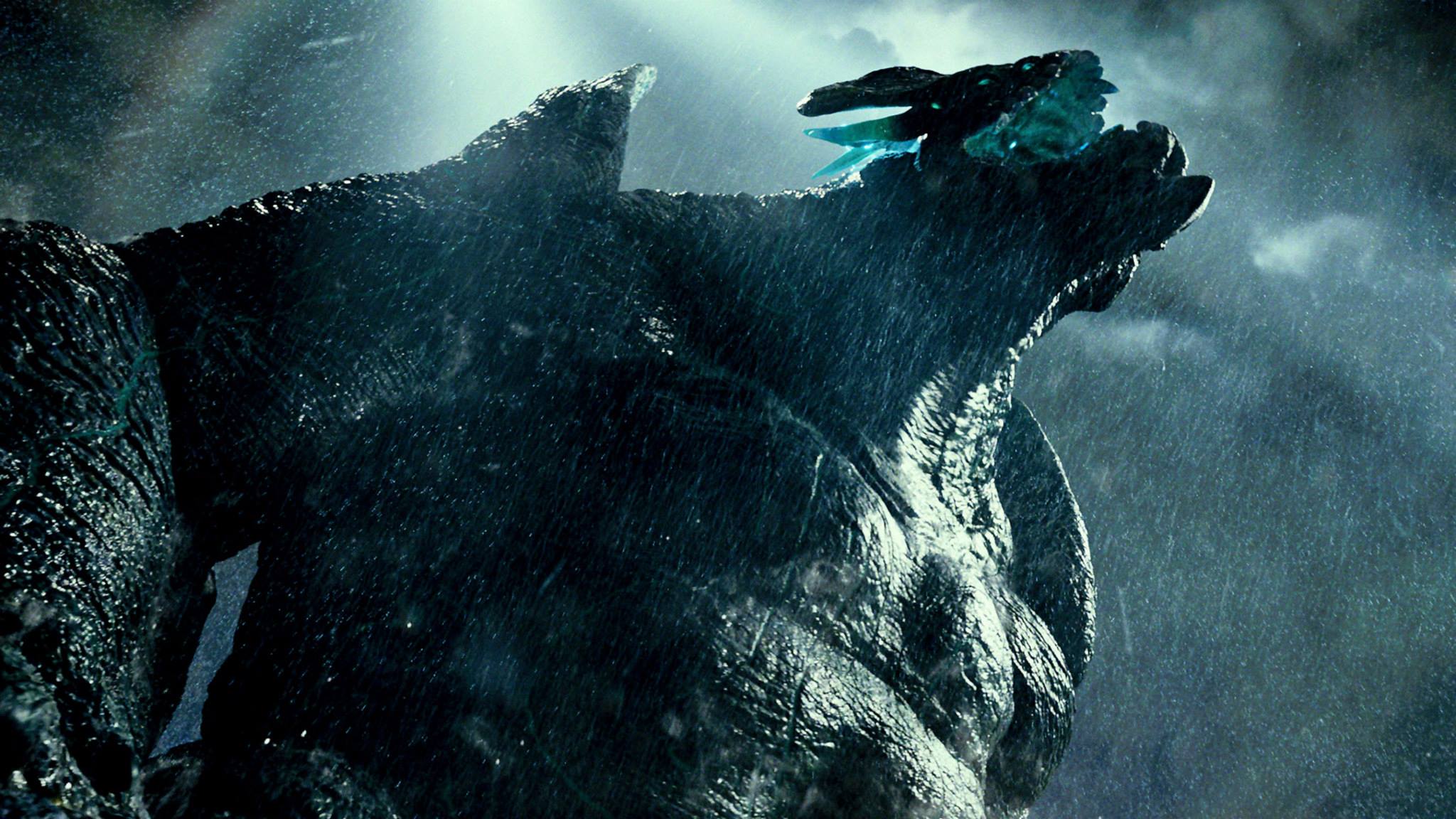
The plot to Pacific Rim is simple enough and an extended opening prologue narrated by one of it’s lead character (Charlie Hunnam of Sons of Anarchy fame playing the role of Jaeger pilot Raleigh Becket). Sometime in the very near future an interdimensional rift (called The Breach) in the Pacific Ocean where two tectonic plates meet open up to allow gigantic creatures dubbed by people as “kaiju”. These kaiju wreak destruction and havoc on a massive scale to the world’s Pacific coastline cities like San Francisco, Manila, Cabo and Tokyo. When conventional military means take too long and and only nuclear options remain on the table the world’s governments band their resources and technical know-how to find a new weapon to combat these kaiju. In comes the “Jaeger Program” where two pilots control 25-story tall giant robots through a “dark science” called “The Drift” to finally fight the kaiju on even terms.

We see through this prologue how the “Jaegers” and their pilots have become rock stars in the eyes of the public as their successes stems and stops the tide that’s been destroying cities in the Pacific Rim for years. It’s also in this prologue that we get to the point of the film where this success has led to overconfidence and the beginning of the end of not just the “Jaeger Program” but that gradual slope that leads to humanity’s inevitable extinction.

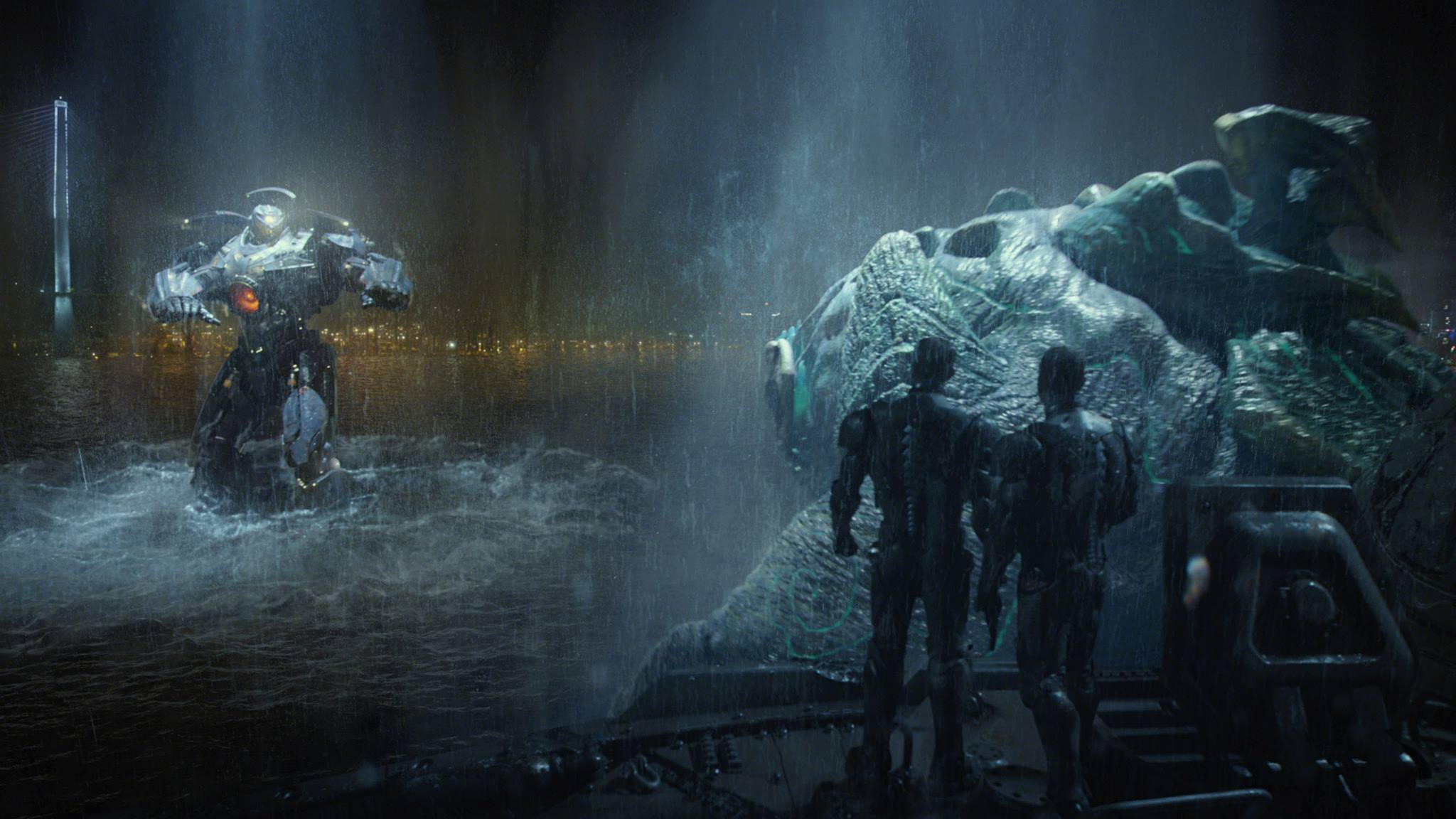
The bulk of the film deals with the last few days of the war when the world’s government have stopped funding the Jaeger Program and instead have pooled all resources and manpower towards building massive anti-kaiju walls along city coastlines as a measure of defense. The Jaeger Programs leader, Marshal Stacker Pentecost (played by the ever-present Idris Elba who seem to live the role), believes that his Jaegers and the Rangers piloting them still can finish the war once and for all with a final strike on The Breach with the remaining four Jaegers left in his arsenal. When the politicians tell him no he resorts to dealing with the less than legitimate sector to fund this final strike. But for this last mission to succeed he needs one of his best pilots back from the brink of remorse and mourning to pilot an older, refurbished Jaeger by the name of Gipsy Danger.

From then on the film takes on the premise that Del Toro promised when he first took on the project. We finally get to see giant robots fighting giant monsters.

1075469_533768066689495_419368227_o

Pacific Rim lives on it’s simplicity. Whether the simplicity of it’s story, dialogue, characters and themes. The film works within those parameters and does it well. One never feels lost with in the film’s narrative. There’s nothing convoluted with this film’s story. Some have said this need to be simple is an inherent flaw. I would agree with this if someone with less talent took on the job. Del Toro understands that keeping the story simple doesn’t mean dumbing it down, but keeping the promise of what the audience expects from a genre film of giant robots fighting giant monsters needs to deliver. The film’s simplicity allows for the story to flow from it’s hi-octane action sequences to it’s more personal moments without having it seemed forced.

Even the characters themselves come off as the archetypes of past adventure films. Whether it’s the stern father figure leading the pack to the hot-shot hero looking to redeem himself for a past failure to the cocky rival whose hothead personality acts as a counter-balance to the hero’s. Even the mysterious newcomer whose past acts as one of the film’s central emotional anchors harkens back to an earlier era of storytelling that preceded the more realistic and gritty era of film narrative born during the late 60’s and 70’s.

These characters some would call one-dimensional or plain cardboard cutouts, but in the context of the film being seen they work. We get enough of what motivates each character to fully understand why their characters do what they do in the film. The motivations range from honor-bound duty to accomplishing the mission, to revenge, redemption and just plain old-school heroism. Yes, this film brings back heroism minus the recent trend to downplay such an archaic notion. The film treats heroism as something noble born out of the shared sacrifice and the need to do what’s right and to protect not just the person next to them but everyone else who cannot fight the monsters that are at their doors.

The characters of Raleigh Becket, Stacker Pentecost, Mako Mori (played by Oscar-nominatedted actress Rinko Kikuchi who channels her inner anime not just in her attitude but even her appearance) and even the dueling scientists Newton Geizler and Gottlieb (played with manic and eccentric enthusiasm by Charlie Day and Burn Gorman respectively) all come off as heroes who accepts the challenge and nobility inherent in the term. They don’t balk at the duty put on their shoulders, but go full-bore in making sure what they do doesn’t have any moments of self-doubt or cynicism. These are characters who don’t become heroes because they were forced into it. They’ve made their choice and thus have to realize that taking on the mantle of heroism would mean making the ultimate sacrifice.

1025926_533768173356151_13577345_o

Yet, for all the talk of themes and narrative styles the film will ultimately live or die on the film’s promise. Does the giant robot fighting giant monsters hold up?

I can honestly say that it does and goes beyond what the studios have been hyping it up to be.

The action sequences between the Jaegers and the kaiju have to be some of the best action sequences of the past decade if not even farther back. It’s a loving homage to the classic daikaiju and mecha of old from Japan that Westerners grew up watching on Saturday mornings on the local UHF channels. It’s mecha anime like Mazinger Z, Macross, Gundam, Neon Genesis Evangelion, Tetsujin-28, Tengen Toppa Gurren Lagann and many others seamlessly melded with the old-school monsters flicks from the Toho Studios with kaiju bearing the iconic names of Godzilla, Gamera, Rodan, Mothra, King Ghidorah and many more. Pacific Rim is a film aimed at the inner-child of men and women who grew up watching these films and shows, but also one that seeks to fire up the imagination of the current generation of children who have been fed on the latest trend of snarky and self-doubting heroes.

The fights between the the jaegers and kaiju also does one thing that most Hollywood filmmakers who make action films have been unable to pull off. I’m talking about action sequences that remains as kinetic and explosive as any we’ve seen in the past but also aware of it’s space and environment. Pacific Rim’s action sequences never come off as being confusing. There’s no hand-held, cinema verite stylistic choices when it came to filming these sequences. We know exactly which jaeger is doing to fighting and which kaiju is fighting back. Even while set mostly at night and in the rain (or in some cases in the water and underneath in ocean), these fights and the digital effects created by ILM (with some practical ones from Legacy Effects) come off just as clear as if they were done for daytime. In fact, having them set at night with the many differing kinds of light sources available in the scene sometimes gave the fight scenes an almost psychedelic look with Hong Kong’s neon-lit streets and cityscape to the reflected bio-luminescence of the kaiju to the utilitarian lights on the jaegers themselves.

1074205_533767976689504_764647807_o

Yet, it still all comes down on whether the promised throwndown delivers and yes it does. We’ve come to learn that even ILM can make the most awesome looking digital effect visuals but still having them end up being confusing because of the filmmaker involved. Some have called this the Michael Bay Effect. Even some of today’s most visually talented filmmakers have fallen prey to it, but not Del Toro who eschews rapid-fire editing and shaky-cam moves. He instead goes from strady shots both close-up and wide to show the battle progress from one move to the next as we see each counter-move develop into more counter-moves. These jaeger-kaiju fight scenes have an almost balletic grace to them despite the massive amount of destruction heaped not just on each other but their surrounding environment as well. They also have a sense of weight to both jaeger and kaiju. With each step, punch, crash and bodyslam there’s a sense of real actual weight being protrayed on the screen unlike films like the Transformers trilogy and, more recently, Man of Steel during some of it’s major action sequences.

Once again this boils down to the simplicity of the scenes and how this choice makes the fights more exciting and thrilling than anything we’ve seen this summer. Up-and-coming filmmakers looking to find out how to set, block and choreograph action scenes could find no better filmmaker than Guillermo Del Toro to learn from.

So, does this mean that Pacific Rim is a perfect film which has no flaws and can do no wrong. It’s a question that probably splits critics and those who talk endlessly about film, but the simple answer is that Pacific Rim is not a perfect film. It does have it’s faults that’s born out of it’s simple narrative and simple-drawn characters. Yet, these flaws also comes across as strengths depending on who ones asks. But as a piece of action-adventure filmmaking that promised the simple idea of giant robots fighting giant monsters the film was perfect.

Pacific Rim reminds us that Guillermo Del Toro is one of the few filmmakers who definitely earns the label of genius. It’s not hyperbole. It’s just fact. It takes a genius filmmaker to do the sort of varied films as he has done throughout his career both as director and producer and still have each and everyone of them feel original (whether they are or not), thought-provoking and just plain old fun. Pacific Rim may be Del Toro’s love letter to his childhood loves of mecha anime and daikaiju films from Toho and other such studios, but it’s really a rallying cry to audiences both young and old that blockbuster filmmaking doesn’t have to be gritty, journeys through psychological darkness to be successful. He’s brought the fun back in epic, grandiose filmmaking that hopefully becomes a trend and not a one-shot.

P.S.: Also, make sure to stay to watch the end title sequence that was created by Imaginary Forces to make a sequence similar to the awesome end titles for The Avengers last year. Plus, there’s a small scene mid-credits at the end that ends the film on the proper note.

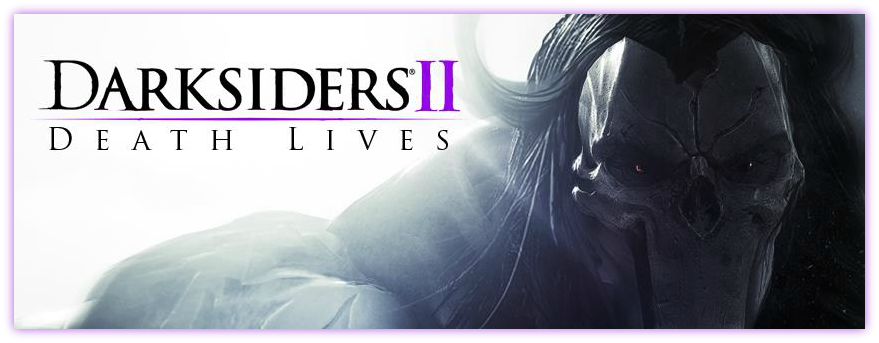
Darksiders II Launch Trailer


One of my most anticipated game titles is just hours away from release. The game is the sequel to the surprise hit of 2010, Darksiders, and where that first title had the Horseman of the Apocalypse War as the playable character this time around it’s his brother Horseman Death who players get to control.

Darksiders II is set to occur concurrently to the events of the first game. Where War tried to figure out who framed him for starting the Apocalypse prematurely thus causing mankind’s extinction, this time around Death tries a different tack while War goes on his quest. Death is not as honorable as War and will do whatever it takes to prove his brother innocent of the crime he’s being accused of even if it means rebooting reality, so to speak.

August 114, 2012 will see the release of this title and for myself and those fortunate enough the video above will be something we would be doing in the next couple days with huge grins on our faces. I may have to wait a week or two before playing with my move to a new apartment taking precedence, but I shall play this game. Oh yes, I shall play this game.

E3 Trailer: The Last of Us (Gameplay Demo)


I’ll fully admit that the PS3 I bought hasn’t seen much action since I purchased it. I still use it to watch Blu-Ray films, but it’s gaming side I rarely touch. Most of the games that I would play on the console I already own and play on my Xbox 360. Once in awhile a game that’s exclusive for the PS3 comes out or gets announced that makes me rethink my non-gaming of the console. At Sony’s pre-E3 press conference on Monday I saw one game whose gameplay demo has convinced me that I need to get this game and dust off the Ps3 controllers.

The game is Naughty Dog’s latest title called The Last of Us and it’s a post-apocalyptic title that’s set in a world that has succumbed to some sort of viral infection which causes those infected to turn homicidal and searching out those still uninfected. Unlike other post-apocalyptic games this one sets the game in a world still reeling from the end of the world as we know it and with survivors doing just everything possible to survive the cities and infrastructures we take for granted has slowly been reclaimed by nature.

The game follows two characters in Joel (the one the player controls) and a 14-year old girl named Ellie (controlled by the game’s AI) who have a sort of father-daughter relationship despite not being related with they being survivors their only common link. The game touts a robust AI that allows the enemies in the game to adjust how they come at the player depending on the player’s mode of fighting. The game also does make use of the post-apocalyptic setting by making scavenging for supplies and ammo a high-priority.

The game is still in development, but if the gameplay demo shown at Sony’s presser is any indication then this game is a must-buy for me and probably for many others.

The Last of Us has a tentative release date of Late 2012/Early 2013.

Trailer: Darksiders II – Death Strikes (Part Two)


Darksiders II: Death Strikes (Part One)

The second part of THQ and Vigil Games’ short-film trailer to introduce the character of Death for their sequel to 2010’s Darksiders has now come out and it shows the Pale Horseman of the Apocalypse taking on even more demons and an enormous angelic engine of destruction. We don’t hear Death speak (his voice will be veteran genre actor Michael Wincott), but we do see him in action taking on demons and then finally transforming into his more recognizable Grim Reaper aspect to take on the battle engine.

If there was a game I’m really waiting to get my hands on this summer it will be this game and hopefully the delay of releasing the game on June 26, 2012 to a later date of August 14, 2012 means more polishing and tweaking of the final product before it comes out to the public. Here’s to hoping that when it finally comes out it will not be buggy and be as good or better than the game that preceded it.


Trailer: Telltale Games’ The Walking Dead (Debut)


This week saw the release of a particular type of video game. The game is Telltale Games’ The Walking Dead. Yes, you heard correctly. It’s a video game based on the horror comic book series by Robert Kirkman that has become one of TV’s biggest sensation (despite some issues with characters and storytelling) with it’s own tv series.

Telltale Games’ adaptation brings a new angle to the story Kirkman has been writing for almost ten years now. It’s unfolds from the very first days of the zombie apocalypse but still set in the Atlanta-area. Themain characters in the game is one Lee Everett who comes across a young girl during his search for a safe spot. Together the two of them must survive the chaos of the zombie apocalypse’s early days and not just from the zombies, but other survivors they come across in their journey. While the game introduces new characters the people at Telltale Games will have the main characters come across some of the characters from the comic book/tv series.

As mentioned earlier the game will come out as five episodes that players buy the moment Telltale Games releases a new one. The game pretty much acts like an interactive episode with the player making difficult decisions both practical and moral that changes the tone of each player’s particular game. Unlike most zombie games which tend to focus more on action and shooting this title will focus heavily on story and characters.

Telltale Games’ The Walking Dead has now comes out with it’s first episode for the Xbox 360, PS3 and Windows PC with versions for Mac OS X and iOS coming sometime this summer.

Trailer: Darksiders II – Death Strikes (Part One)


One of my favorite video game titles from 2010 was also one of it’s earliest releases with THQ and Vigil Games’ post-apocalyptic action-adventure, hack and slash Darksiders. It was the game which allowed the player to play as War of the Four Horsemen of the Apocalypse. It was a game that was received positively by both critics and the general public though the title was not without it’s flaws.

Darksiders sold quite enough units for both the Xbox 360 and the PS3 that THQ was quick to greenlit a sequel to the title. This was good news since the first game ended in what one could only assume was a cliffhanger. I mean this was a game that was epic in its art design, epic in it’s story (it is set after the world ends in the game’s prologue) and finally it just sounded epic. The ending itself wasn’t just a cliffhanger but gave a clue as to how the game would continue on as a franchise. War a player was already able to play in the first game and the game end’s with three other flaming meteor’s streaking down to Earth. Hmmm, I wonder just who or what exactly are those three mysterious meteors.

[spoilers in video below for those who haven’t played the first game]

With the sequel only months away from release we get the first CG cinematic trailer for it released and show’s the Death as the newest Horseman of the Apocalypse the player gets to play this time around. Yes, you heard that correctly. You as a player gets to play as Death itself. From the look of how Death move and fights in the trailer he’s more lithe and agile than the more brutish and “crush rocks with each step” brother War.

With both Skyrim and Mass Effect 3 now out and played this title now goes up my list for 2012 as one of my most-anticipated titles to get a hold of a play. Also, one thing which should make playing Death epic: Michael Wincott will voice the character.

Darksiders is set for a June 26, 2012 release date for the Xbox 360, PS3, Wii U and Windows PC.

Trailer: Grand Theft Auto V (by Rockstar Games)


It looks like the Grand Theft Auto franchise from Take-Two Interactive and Rockstar Games will continue onward with a new title that was recently announced through a debut trailer.

Grand Theft Auto V looks to be a sort of sequel to Grand Theft Auto: San Andreas which was set in the fictional west coast state of San Andreas and the city of Los Santos. While not much else about this upcoming have been released to the public the reaction to the trailer has been extremely positive. This franchise remains one of the cornerstone of the console gaming industry. As more and more information becomes available from  Take-Two Interactive, Rockstar Games and Rockstar North I am sure the hype for Grand Theft Auto V will continue to just go up.

There hasn’t been an announcement as to which gaming platform the title will come out on, but it would be a major surprise if this title doesn’t get a multiplatform release onto the Xbox 360, PS3 and maybe the PC and the upcoming new Nintendo console, Wii U.

So, anyone else excited by the prospect of another new Grand Theft Auto title?

Trailer: John Carter (Official)


Walt Disney Pictures has finally released the first official trailer for their upcoming sci-fi, action-adventure film John Carter (film was originally titled John Carter of Mars). The film is based on the Edgar Rice Burroughs novel, A Princess of Mars, which would go one to become the first in Burroughs’ Barsoom series.

The film will star Taylor Kitsch (last seen in X-Men Origins: Wolverine as Gambit) in the title role and Lynn Collins (also from Wolverine as Silver Fox) as the aforementioned princess from the original novel. John Carter looks to be a mixture of live-action and fully-realized CGI characters who make up some of the inhabitants of Mars.

It will be interesting how Disney will market this film with little to no big stars and with a director more known for directing Pixar animated films like Finding Nemo and Wall-E in Andrew Stanton.

John Carter is set to have a March 9, 2012 release date.