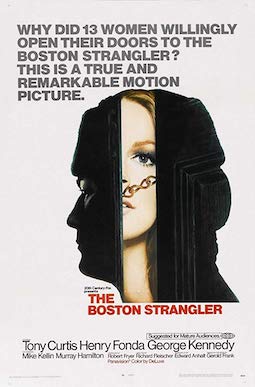
Film Review: The Boston Strangler (dir by Richard Fleischer)


Between June 14, 1962 and January 4, 1964, 13 women between the ages of 19 and 85 were murdered in the Boston area.  It was felt that they had all been killed by the same man, a monster known as The Boston Strangler.  Though the police investigated many suspects, they never made an arrest.  (One should remember that this was before the time of DNA testing or criminal profiling.  The term “serial killer” had not even been coined.  Today, sad to say, we take the existence of serial killers for granted.  In the 60s, it was still an exotic concept.)

In October of 1964, a man named Albert DeSalvo was arrested and charged with being “the Green Man,” a serial rapist who pretended to be a maintenance man in order to gain access to single women’s apartments.  After he was charged with rape, detectives were surprised when DeSalvo confessed to being the Boston Strangler.  When confessing to the murders, DeSalvo got a few minor details wrong but he also consistently included other details that the police hadn’t released to the general public.  Even when put under hypnosis, DeSalvo’s recalled those previously unreleased details.  Because DeSalvo was already going to get a life sentence on the rape charges and because there wasn’t any physical evidence that, in those pre-DNA, could have conclusively linked DeSalvo to the crimes, he was never actually charged with any of the murders.  Still, with his confessions, the cases were considered to be closed.

In 1966, before DeSalvo was even sentenced for the Green Man rapes, Gerold Frank wrote The Boston Strangler, a book about the murders, the investigations, and DeSalvo’s confessions.  It was one of the first true crime books and, in 1968, it was adapted into one of the first true crime films.

Directed by Richard Fleischer (whose filmography somehow includes not only this film but also Dr. Dolittle, Fantastic Voyage, 20,000 Leagues Under the Sea, Conan The Destroyer, and Red Sonja), The Boston Strangler is really two films in one.  The first half deals with the crimes and the police (represented by Henry Fonda, George Kennedy, Murray Hamilton, and James Brolin) investigation.  This half of the film is pulpy and crudely effective, full of scenes of the cops rounding up every sex offender who they can find.  There’s a scene where Henry Fonda talks to a prominent man in a gay bar that’s handled with about as much sensitivity as you could expect from a 1960s studio film.  (On the one hand, the man is portrayed with respect and dignity and he’s even allowed to call out the patron saint of 1960s mainstream liberal piety, Henry Fonda, for being close-minded.  On the other hand, everyone else in the bar is a stereotype and we’re meant to laugh at the idea that anyone could think that Henry Fonda could be gay.)  Director Richard Fleischer makes good use of split screens, creating an effective atmosphere of paranoia.  The scene where a woman tries to keep an obscene caller on the phone long enough for the police to trace his location made my skin crawl and served as a reminder that perverts predate social media.  Another scene where a flamboyant psychic tries to help the police goes on for a bit too long but, at the same time, you’re happy for a little relief from crime scenes and terrified, elderly women discovering that their neighbors have been murdered.

The second half of the film features Tony Curtis as Albert DeSalvo.  Curtis is effective as DeSalvo, playing him as being a self-loathing brute who is incapable of controlling his impulses.  (Before committing one of his crimes, DeSalvo watches the funeral of John Kennedy, his face wracked with pain.  Is the film suggesting that DeSalvo murdered to deal with the stress of life in America or is it suggesting that the hate that killed Kennedy was a symptom of the same sickness that drove DeSalvo?  Or is the film just tossing in a then-recent event to get an easy emotional reaction from the audience?)  As one might expect from a mainstream film made in 1968, The Boston Strangler takes something of a wishy washy approach to the question of whether DeSalvo’s crimes were due to sickness or evil.  Yes, the film says, DeSalvo was bad but it’s still society’s fault for not realizing that he was bad.  It’s the type of approach designed to keep both the law-and-order types and the criminal justice reformers happy but it ultimately feels a bit like a cop out.  Still, the shots of DeSalvo isolated in his padding cell have an undeniable power and Curtis is both pathetic and frightening in the role.  In its more effective moments, the second half of the film works as a profile of a man imprisoned both physically and mentally.

Watching the film today, it’s hard not to consider how different The Boston Strangler is from the serial killer films that would follow it.  DeSalvo is not portrayed as being some sort of charming or interesting Hannibal Lecter or Dexter-type of killer.  Instead, he’s a loser, a barely literate idiot who struggled to articulate even the simplest of thoughts.  The cops aren’t rule-breakers or renegades.  Instead, they’re doing their jobs the best that they can.  Though the film ends with a title card saying that it’s important for society to make more of an effort to spot people like DeSalvo before they kill, The Boston Strangler has a surprising amount of faith in both the police and the law and it assumes that you feel the same way.  It’s a film that takes it for granted the audience respects and trusts authority.  It’s portrayal of the police is quite a contrast to the rebel cops who dominate pop culture today.

After the film came out, DeSalvo recanted his confessions and said that he had never killed anyone.  He was subsequently murdered in prison in 1971, not due to his crimes but instead because he was independently selling drugs for prices cheaper than what had been agreed upon by the prison’s syndicate.  After his death, many books were written proclaiming that DeSalvo was innocent and that the real Boston Strangler was still on the streets.  Others theorized that the actual Strangler was DeSalvo’s cellmate and DeSalvo, knowing he was going to prison for life regardless, confessed in return for money being sent to his family.  That said, in 2013, DNA evidence did appear to conclusively link DeSalvo to the murder of 19 year-old Mary Sullivan.  Of course, that doesn’t mean that DeSalvo necessarily committed the other 12 murders.  In fact, from what we’ve since learned about the pathology of serial killers, it would actually make more sense for the murders to have been committed by multiple killers as opposed to just one man.

Regardless of whether DeSalvo was guilty or not, The Boston Strangler is an uneven but ultimately effective journey into the heart of darkness.
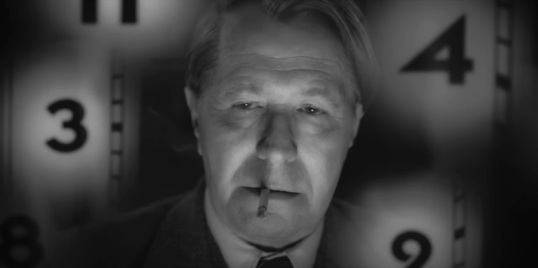
Here Are The 2020 American Society of Cinematographers Nominations


The American Society of Cinematographers have announced their nominations for the best cinematography of 2020!  The winners will be announced on April 18th!

Here are the nominees!  Probably the biggest — actually, the only — shock to be found below is that Newton Thomas Sigel was nominated for Cherry instead of Da 5 Bloods.

THEATRICAL RELEASE
Erik Messerschmidt – Mank
Phedon Papamichael – The Trial of the Chicago 7
Joshua James Richards – Nomadland
​Newton Thomas Sigel – Cherry
Dariusz Wolski – News of the World

SPOTLIGHT
Katelin Arizmendi – Swallow
Aurélien Marra – Two of Us
Andrey Naydenov – Dear Comrades!

DOCUMENTARY
Michael Dweck and Gregory Kershaw – The Truffle Hunters
Viktor Kosakovskiy and Egil Håskjold Larsen – Gunda
Gianfranco Rosi – NotturnoNotturno

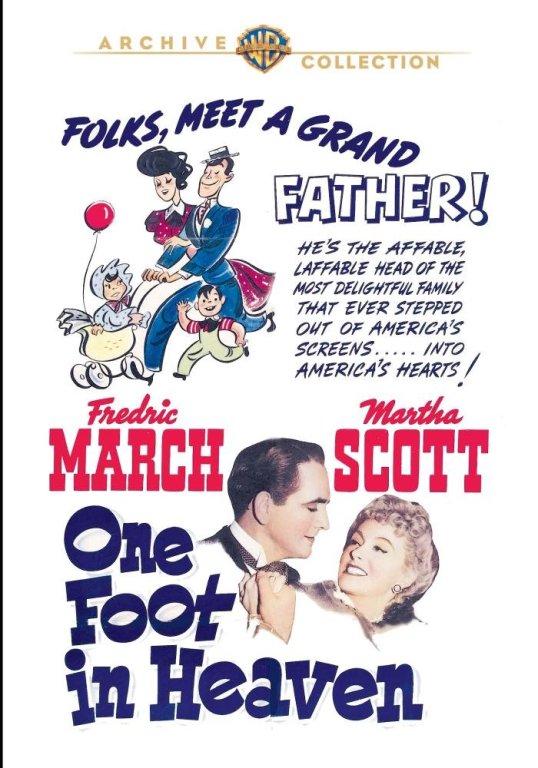
Lisa Reviews An Oscar Nominee: One Foot In Heaven (dir by Irving Rapper)


I have to admit that One Foot In Heaven is a film that I probably never would have watched if not for the fact that it received an Oscar nomination for Best Picture.

This film from 1941 tells what I presume to be a true — or, at the very least, a true-ish — story.  Fredric March plays William Spence.  The film opens in 1904 with Spence explaining to his future in-laws that he’s spontaneously decided to drop out of medical school because he feels that he’s been called to become a Methodist minister.  Though no one is happy or particularly encouraging about William’s decision to abandon the financial security of medicine to work as a minister, William feels that it’s what he was meant to do.

We follow William and his wife, Hope (Martha Scott), as they move from town to town, living in dingy parsonages and barely paying the bills by doing weddings.  Though Hope is frustrated by the constant moving and the less-than-ideal living conditions, she remains supportive of William.  They start a family and William goes from being a stern and somewhat judgmental man to becoming an inspiring minister.  He even changes his opinion about the sinfulness of going to the movies.  (All things considered, that’s probably for the best.)  Eventually, William, Hope, and the family end up ministering to a congregation in Colorado.  Determined to finally give his wife the home that she deserves, William tries to rebuild both the church and the parsonage.  It turns out to be more difficult than he was expecting.

That’s pretty much the film.  There’s not really much conflict to be found, until the final 30 minutes or so when William struggles to convince a bunch of snobs to help him achieve his dream of building a new church.  The film opens with a title card thanking the Methodists for their help in the production of the film, which should tell you everything you need to know about the film’s attitude towards Protestantism.  William does debate an agnostic at one point but it’s not much of a debate.  William, after all, is played by the authoritative Fredric March while the agnostic’s name isn’t even listed in the credits.  It’s a well-made film, in that sturdy way that many 1941 studio productions were, but — unless you’re just crazy about the history of Methodism — it’s not particularly interesting.

On the plus side, Fredric March gives a good performance as William Spence.  March was one of the best actors of Hollywood’s Golden Age and he gives a sympathetic performance as a stern but well-meaning man who respects tradition but who is still willing to admit that he has much to learn.  Probably the film’s most effective scene is when William reluctantly watches a movie with his son.  March captures William’s transformation from being a disapproving father to an entertained filmgoer.  It’s one of the few moments when the film really feels alive.

So, how did One Foot In Heaven receive a Best Picture nomination in the same year that saw nominations for films like Citizen Kane, The Little Foxes, Suspicion, and The Maltese Falcon?  One Foot In Heaven is well-made and totally uncontroversial.  It’s the type of film that, if it were made today, it would probably be directed by Ron Howard and it would star someone like James Marsden or Garrett Hedlund.  One Foot In Heaven is not particularly memorable but there’s nothing particularly terrible about it either and it probably felt like a “safe’ film to nominate.  Still, it’s probably significant that One Foot In Heaven didn’t receive any nominations other than one for Best Picture.  It lost that Oscar to another film about family, How Green Was My Valley.

10 Essential Chuck Norris Films


Chuck Norris is 81 years old today!  Below are ten essential Chuck Norris films.  These are the movies to watch if you want to understand how and why Chuck Norris, despite being an actor with an admittedly limited range, became not only an action hero but an enduring pop cultural icon.

  1. The Delta Force (1986, directed by Menahem Golan) — The Delta Force, a.k.a. The Greatest Movie Ever Made, is the obvious pick for the top spot on our list of Chuck Norris essentials.  Not only does it feature, along with Chuck, Lee Marvin, Robert Vaughn, George Kennedy, Bo Svenson, and Robert Forster chewing up all the scenery but this is the film where Chuck rides a missile-equipped motorcycle.  Not only does this film feature Chuck Norris at his stoic-but-determined best but it also features one the greatest lines in film history when a recently released hostage is handed a Budweiser and responds by shouting, “Beer!  America!”
  2. Code of Silence (1985, directed by Andrew Davis) — For a film that features Chuck Norris and a crime-fighting robot called THE PROWLER, Code of Silence is actually a tough, gritty, and realistic Chicago-based crime drama.  Giving the best performance of his career, Chuck plays an honest cop who finds himself in the middle of a drug war.  Henry Silva plays the main bad guy.  Director Andrew Davis later went on to direct The Fugitive.
  3. Way of the Dragon (1972, directed by Bruce Lee) — Chuck plays a rare bad guy here.  He’s a mercenary named Colt and the film climaxes with a brutal fight between him and Bruce Lee.  The fight is a classic, with a good deal of emphasis put on the shared respect between not only the characters played by Norris and Lee but also between Lee and Norris themselves, two masters at the top of their game.
  4. Silent Rage (1982, directed by Michael Miller) — In this slasher/kung fu hybrid, Chuck is a sheriff who must stop a madman who, as the result of a poorly conceived medical experiment, is basically immortal.  For once, Chuck faces an opponent who is just as strong and relentless as he is.
  5. Invasion U.S.A. (1985, directed by Joseph Zito) — Chuck vs. Richard Lynch!  This is one of Chuck’s best Cannon films.  Chuck is as good a hero as ever but what makes the film work is the diabolically evil performance of Richard Lynch.  They are ideal opponents, with Norris stepping up to not only defeat the bad guys but also to save America itself!
  6. Lone Wolf McQuade (1983, directed by Steve Carver) — This is the first film to feature Chuck Norris as a Texas Ranger and, as we all know, it turned out to be the perfect role for him.  This was the first of Chuck’s neo-westerns.  Cast as the bad guy, David Carradine proved to be one of Chuck’s best opponents.
  7. A Force of One (1979, directed by Paul Aaron) — A serial killer is targeting cops.  Chuck essentially plays himself, a karate instructor who is brought in to teach the detective self-defense.  This serial killer plot is actually interesting and the film features some of Chuck’s best fight scenes.
  8. Missing In Action (1984, directed by Joseph Zito) — Chuck plays a vet and a former POW who returns to Vietnam in the 80s to rescue the men who were left behind.  This is hardly my favorite Norris film and it owes too much to Rambo: First Blood II to truly be successful but this is also one of Chuck Norris’s biggest hits and it’s an essential film is you want to understand the man’s film career.  It’s a cheap production but Chuck’s sincerity and his convincing skills as an action hero almost save the day.  It’s also hard to overlook that, as far as I know, this is the only Chuck Norris film that features Chuck watching an episode of Spider-Man and His Amazing Friends.
  9. An Eye From An Eye (1981, directed by Steve Carver) — Chuck Norris plays an undercover cop who quits the force and tries to bring Christopher Lee to justice.  This one is worth seeing just because it brings together two pop culture icons, Chuck Norris and Christopher Lee.
  10. Breaker!  Breaker! (1977, directed by Don Hulette) — This was Chuck Norris’s first starring role.  He’s actually miscast as a trucker but this film is still worth seeing just for the final scene, in which Chuck and his friends use their trucks to destroy an entire town.

The African-American Film Critics Association Honors Judas and the Black Messiah


The African American Film Critics Association have announced their picks for the best of 2020-2021!  And here they are:

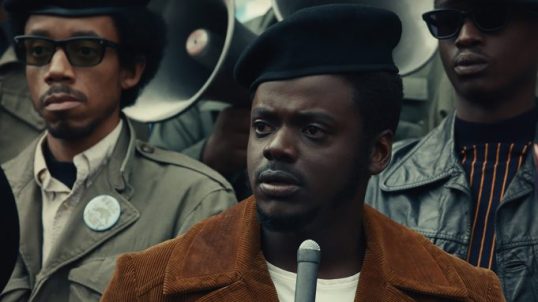
Best Picture: Judas and the Black Messiah (Warner Bros.)
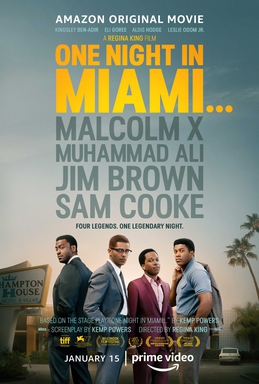
Best Director: Regina King, One Night In Miami (Amazon Studios)
Best Actor: Chadwick Boseman, Ma Rainey’s Black Bottom (Netflix)
Best Actress: Andra Day, The United States Vs. Billie Holiday (Hulu)
Best Supporting Actor: Daniel Kaluuya, Judas and the Black Messiah (Warner Bros.)
Best Supporting Actress: Dominique Fishback, Judas and the Black Messiah (Warner Bros.)
Best Screenplay: Kemp Powers, One Night In Miami (Amazon Studios)
Best Ensemble: One Night In Miami (Amazon Studios)
Best Foreign Film: Night of the Kings  (Neon)
Best Documentary:  All In: The Fight For Democracy (Amazon Studios)
Best Animation: Soul (Pixar/Disney)
Best Short Film: Two Distant Strangers
Breakout Performance: Radha Blank (Netflix)
Breakout Director: Shaka King (Warner Bros.)

The AAFCA 2020 Top Ten Films
1. “Judas and the Black Messiah”
2. “One Night In Miami”
3. “Ma Rainey’s Black Bottom”
4. “Nomadland”
5. “Night of the Kings”
6. “American Skin”
7. “Da 5 Bloods”
8. “Minari”
9. “Miss Juneteenth”
10. “The United States Vs. Billie Holiday”

Here Are The DGA Nominations!


The DGA nominations have been announced!

The Directors Guild of America nominations are about as close to a reliable Oscar precursor as you’re going to get during the awards season so this is very good news for everyone who was nominated.  It’s also good news for those of us who were worried that the Borat momentum couldn’t be stopped.

DGA Nominees

Lee Isaac Chung – “Minari”
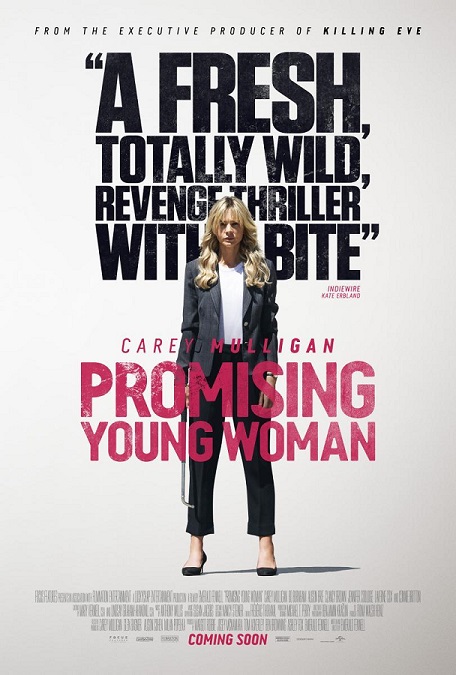
Emerald Fennell – “Promising Young Woman”
David Fincher – “Mank”
Aaron Sorkin – “The Trial of the Chicago 7”
Chloe Zhao – “Nomadland”

DGA Nominees For First-Time Feature:

Radha Blank (“The Forty-Year-Old Version”)

Fernando Frías de la Parra (“I’m No Longer Here”)

Regina King (“One Night in Miami”)

Darius Marder (“Sound of Metal”)

Florian Zeller (“The Father”)

Here Are The Nominations of The Phoenix Critics Circle!


Here are the 2020 nominees of the Phoenix Critics Circle!  The winners will be announced on the 18th, which is the day after the Oscar nominations are announced so …. well, way to go, Phoenix.

On the plus side, the Phoenix Critics Circle not only gives out the “usual” awards — Best Actor, Best Actress, and all that — but they also give out genre-specific awards.  Personally, I think that every regional critics group should follow their lead.  If nothing else, it means some recognition for two of my favorite films of the past year, Possessor and The Vast of Night.

Anyway, the nominees:

BEST PICTURE
FIRST COW
MINARI
NOMADLAND
ONE NIGHT IN MIAMI
PROMISING YOUNG WOMAN
SOUND OF METAL

BEST COMEDY FILM
THE 40-YEAR-OLD VERSION
ANOTHER ROUND
BORAT SUBSEQUENT MOVIEFILM
ON THE ROCKS
PALM SPRINGS

BEST SCIENCE FICTION FILM
POSSESOR
SPUTNIK
TENET
THE VAST OF NIGHT

BEST HORROR FILM
ANTEBELLUM
THE INVISIBLE MAN
LA LLORONA
POSSESOR
RELIC

BEST ANIMATED FILM
THE CROODS: NEW AGE
ONWARD
OVER THE MOON
SOUL
WOLFWALKERS

BEST FOREIGN LANGUAGE FILM
ANOTHER ROUND
BACURAU
COLLECTIVE
LA LLORONA
MINARI

BEST DOCUMENTARY
BOYS STATE
CRIP CAMP
DICK JOHNSON IS DEAD
GUNDA
TIME

BEST ACTOR
RIZ AHMED – SOUND OF METAL
CHADWICK BOSEMAN – MA RAINEY’S BLACK BOTTOM
DELROY LINDO – DA 5 BLOODS
MADS MIKKELSEN – ANOTHER ROUND
GARY OLDMAN – MANK
STEVEN YEUN – MINARI

BEST ACTRESS
VIOLA DAVIS – MA RAINEY’S BLACK BOTTOM
ANDRA DAY – THE UNITED STATES VS. BILLIE HOLIDAY
SIDNEY FLANIGAN – NEVER RARELY SOMETIMES ALWAYS
FRANCES MCDORMAND – NOMADLAND
CAREY MULLIGAN – PROMISING YOUNG WOMAN

BEST SUPPORTING ACTOR
CHADWICK BOSEMAN – DA 5 BLOODS
SACHA BARON COHEN – THE TRIAL OF THE CHICAGO 7
DANIEL KALUUYA – JUDAS AND THE BLACK MESSIAH
LESLIE ODOM JR. – ONE NIGHT IN MIAMI
PAUL RACI – SOUND OF METAL

BEST SUPPORTING ACTRESS
MARIA BAKALOVA – BORAT SUBSEQUENT MOVIEFILM
OLIVIA COLMAN – THE FATHER
DOMINIQUE FISHBACK – JUDAS AND THE BLACK MESSIAH
AMANDA SEYFRIED – MANK
YUH-JUNG YOUN – MINARI
HELENA ZENGEL – NEWS OF THE WORLD

BEST DIRECTOR
LEE ISSAC CHUNG – MINARI
EMERALD FENNELL – PROMISING YOUNG WOMAN
DAVID FINCHER – MANK
REGINA KING – ONE NIGHT IN MIAMI
CHLOE ZHAO – NOMADLAND

BEST SCREENPLAY
LEE ISAAC CHUNG – MINARI
EMERALD FENNELL – PROMISING YOUNG WOMAN
KEMP POWERS – ONE NIGHT IN MIAMI
AARON SORKIN – THE TRIAL OF THE CHICAGO 7
CHLOE ZHAO – NOMADLAND

BEST CINEMATOGRAPHY
ERIK MESSERSCHMIDT – MANK
JOSHUA JAMES RICHARDS – NOMADLAND
NEWTON THOMAS SIGEL – DA 5 BLOODS
HOYTE VAN HOYTEMA – TENET
ŁUKASZ ŻAL – I’M THINKING OF ENDING THINGS

BEST SCORE
LUDWIG GÖRANSSON – TENET
JAMES NEWTON HOWARD – NEWS OF THE WORLD
EMILE MOSSERI – MINARI
TRENT REZNOR, ATTICUS ROSS – MANK
TRENT REZNOR, ATTICUS ROSS, JON BATISTE – SOUL

Here Are The BAFTA Nominations!


The BAFTA nominations were announced earlier today.  Obviously, not every film that’s eligible for a BAFTA is going to be eligible for an Oscar and vice versa but there’s still enough cross-over contenders that the BAFTA nominations could influence a few late Oscar voters.

Here are the BAFTA nominees.  The winners will be announced on April 11th.

BEST FILM
The Father
The Mauritanian
Nomadland
Promising Young Woman
The Trial of the Chicago 7

OUTSTANDING BRITISH FILM
Calm With Horses
The Dig
The Father
His House
Limbo
The Mauritanian
Mogul Mowgli
Promising Young Woman
Rocks
Saint Maud

OUTSTANDING DEBUT BY A BRITISH WRITER, DIRECTOR OR PRODUCER
His House – Remi Weekes (Writer/Director
Limbo – Ben Sharrock (Writer/Director), Irune Gurtubai (Producer) [also produced by Angus Lamont]
Moffie – Jack Sidey (Writer/Producer) [also written by Oliver Hermanus and produced by Eric Abraham]
Rocks – Theresa Ikoko, Claire Wilson (Writers)
Saint Maud – Rose Glass (Writer/Director), Oliver Kassman (Producer) [also produced by Andrea Cornwell]

BEST FILM NOT IN ENGLISH LANGUAGE
Another Round
Dear Comrades!
Les Misérables
Minari
Quo Vadis, Aida?

BEST DOCUMENTARY
Collective
David Attenborough: A Life on Our Planet
The Dissident
My Octopus Teacher
The Social Dilemma

BEST ANIMATED FILM
Onward
Soul
Wolfwalkers

BEST DIRECTOR
Thomas Vinterberg – Another Round
Shannon Murphy – Babyteeth
Lee Isaac Chung – Minari
Chloé Zhao – Nomadland
Jasmila Žbanić – Quo Vadis, Aida?
Sarah Gavron – Rocks

BEST ORIGINAL SCREENPLAY
Another Round
Mank
Promising Young Woman
Rocks
The Trial of the Chicago 7

BEST ADAPTED SCREENPLAY
The Dig
The Father
The Mauritanian
Nomadland
The White Tiger

BEST LEADING ACTRESS
Bukky Bakray – Rocks
Radha Blank – The Forty-Year-Old Version
Vanessa Kirby – Pieces of a Woman
Frances McDormand – Nomadland
Wunmi Mosaku –  His House
Alfre Woodard – Clemency

BEST LEADING ACTOR
Riz Ahmed – Sound of Metal
Chadwick Boseman – Ma Rainey’s Black Bottom
Adarsh Gourav – The White Tiger
Anthony Hopkins – The Father
Mads Mikkelsen – Another Round
Tahar Rahim – The Mauritanian

BEST SUPPORTING ACTRESS
Niamh Algar – Calm With Horses
Kosar Ali – Rocks
Maria Bakalova – Borat Subsequent Moviefilm
Dominique Fishback – Judas and the Black Messiah
Ashley Madekwe – County Lines
Yuh-Jung Youn – Minari

BEST SUPPORTING ACTOR
Daniel Kaluuya – Judas and the Black Messiah
Barry Keoghan – Calm With Horses
Alan Kim – Minari
Leslie Odom Jr. – One Night In Miami…
Clarke Peters – Da 5 Bloods
Paul Raci – Sound of Metal

BEST CASTING
Calm With Horses
Judas and the Black Messiah
Minari
Promising Young Woman
Rocks

BEST CINEMATOGRAPHY
Judas and the Black Messiah
Mank
The Mauritanian
News of the World
Nomadland

BEST COSTUME DESIGN
Ammonite
The Dig
Emma.
Ma Rainey’s Black Bottom
Mank

BEST EDITING
The Father
Nomadland
Promising Young Woman
Sound of Metal
The Trial of the Chicago 7

BEST MAKE UP & HAIR
The Dig
Hillbilly Elegy
Ma Rainey’s Black Bottom
Mank
Pinocchio

BEST ORIGINAL SCORE
Mank
Minari
News of the World
Promising Young Woman
Soul

BEST PRODUCTION DESIGN
The Dig
The Father
Mank
News of the World
Rebecca

BEST VISUAL EFFECTS
Greyhound
The Midnight Sky
Mulan
The One and Only Ivan
Tenet

BEST SOUND
Greyhound
News of the World
Nomadland
Soul
Sound of Metal

BEST BRITISH SHORT ANIMATION
The Fire Next Time
The Owl and the Pussycat
The Song of A Lost Boy

BEST BRITISH SHORT FILM
Eyelash
Lizard
Lucky Break
Miss Curvy
The Present

RISING STAR
Bukky Bakray
Kingsley Ben-Adir
Morfydd Clark
Sope Dirisu
Conrad Khan

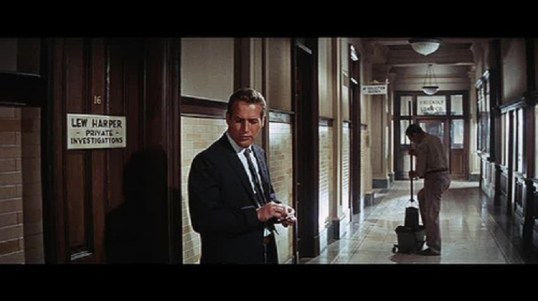
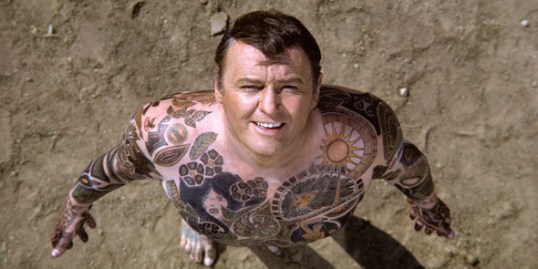
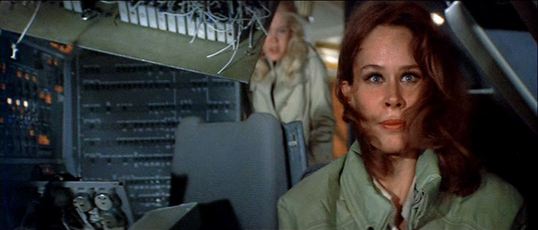
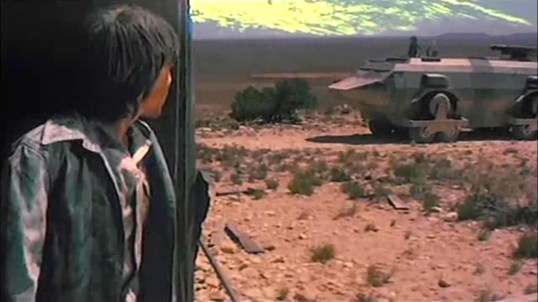
4 Shots From 4 Films: Special Jack Smight Edition


4 (or more) Shots From 4 (or more) Films is just what it says it is, 4 (or more) shots from 4 (or more) of our favorite films. As opposed to the reviews and recaps that we usually post, 4 (or more) Shots From 4 (or more) Films lets the visuals do the talking.

Though the name Jack Smight might not be a familiar one in the way the name of some directors are, this filmmaker was responsible for some of the most “fun” movies of the 60s and 70s.  He was born 96 years ago, on this date, in Minnesota and he passed away in 2003.  In between that time, he directed television shows, movies, and he was responsible for popularizing the deathless phrase, “The stewardess is flying the plane?”

In honor of Jack Smight, here are….

4 Shots From 4 Jack Smight Films

Harper (1966, dir by Jack Smight, DP: Conrad L. Hall)

The Illustrated Man (1968, dir by Jack Smight, DP: Philip H. Lathrop)

Airport1975 (1974, dir by Jack Smight, DP: Philip H. Lathrop)

Damnation Alley (1977, dir by Jack Smith, DP: Harry Stradling, Jr.)

Here Are The Producers Guild Nominations!


The Producers Guild announced their nominees for the best of 2020 earlier today.  A lot of people are expression shock that Borat picked up a nomination but it’s something that I’ve been predicting for a while now.  The film industry is largely made up of Democrats and Sacha Baron Cohen has managed to convince a lot of otherwise intelligent people that his film was somehow essential to defeating Donald Trump.

(Seriously — do you know of any Trump supporters who changed their mind as a result of Borat or who even watched the movie?)

Borat was nominated.  Da 5 Bloods and News of the World, two films that many are expecting to be Oscar nominated, were not.  Does this mean that Borat is going to pick up an Oscar nomination?  Perhaps.  Then again, let’s not forget how excited people briefly were when Deadpool was nominated by the PGA a few years ago.  And, before that, Nightcrawler.

In other words, we’ll see.  (Personally, I think that Borat will be nominated.  If they were willing to go for VIce, it’s hard to imagine the Academy not going for Borat.)  The Oscar noms will be announced next week.  Until then, here are the PGA Nominations!

The Award for Outstanding Producer of a Feature Theatrical Motion Picture
Borat Subsequent Moviefilm
Judas and the Black Messiah
Ma Rainey’s Black Bottom
Mank
Minari
Nomadland
One Night in Miami
Promising Young Woman
Sound of Metal
The Trial of the Chicago 7

The Award for Outstanding Producer of Animated Theatrical Motion Pictures
The Croods: A New Age
Onward
Over the Moon
Soul
Wolfwalkers
 
The Award for Outstanding Producer of Documentary Motion Pictures
The PGA previously announced the nominations in this category on February 2nd, 2020.
 
David Attenborough: A Life on Our Planet
Dick Johnson Is Dead
My Octopus Teacher
Softie
A Thousand Cuts
Time
The Truffle Hunters