Embracing the Melodrama #58: The Place Beyond The Pines (dir by Derek Cianfrance)


The-Place-Beyond-The-Pines

First released in 2013, the underrated (and, as far as end-of-the-year awards ago, underappreciated) The Place Beyond The Pines is actually three cinematic melodramas in one.  Much like a great novel, this movie is split into multiple pieces with each part telling a different part of a larger story.  It’s an interesting and ambitious concept, the type that we sometimes fear that audiences are no longer capable of appreciating.

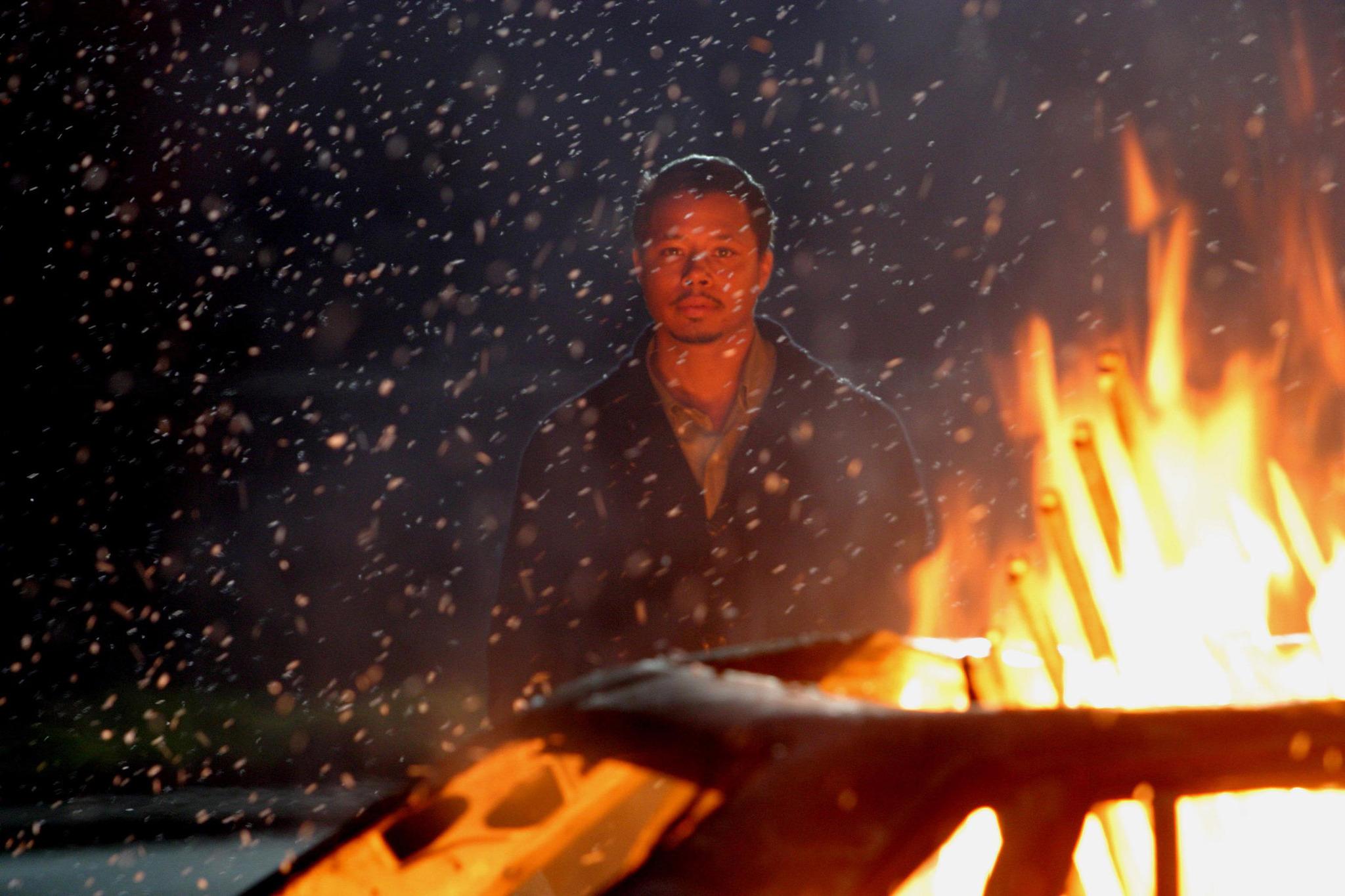
The first third of the story centers on Luke Glanton (Ryan Gosling), a motorcycle stuntman who performs at state fairs.  During one such fair in upstate New York, he meets and has a brief affair with Romina (Eva Mendes, giving an excellent performance).  When he returns to New York a year later, Luke discovers that he is now a father.  Luke quits the fair and decides that he wants to be a part of his son’s life but Romina, who is now in a stable relationship with a good man named Kofi (Mahershala Ali), asks him to stay away.  Determined to be part of his son’s life and also looking to win back Romina, Luke stays in town and gets a job working with Robin (the always excellent Ben Mendelsohn).  Robin owns an auto garage and, as he explains to Luke, he also used to be a bank robber.  Soon, with Robin’s help, Luke is robbing banks and sending the money to Romina.

Place

Luke’s story is probably the strongest in the film.  Ryan Gosling is charismatic as the dangerous yet likable Luke and he and Eva Mendes have a lot of on-screen chemistry.  Ben Mendelsohn brings yet another one of his trademark burned out characters to life and Mahershala Ali is sympathetic as Kofi, a man, who despite being good and responsible, is simply no Ryan Gosling.

The second part of the story deals with Avery Cross (Bradley Cooper), the cop who chases Luke after one of his bank robberies.  Avery is the politically ambitious son of a former judge (Harris Yulin) and, much like Luke, he also has newborn son.  When Avery is originally hailed as hero for his pursuit of Luke, Avery’s feelings are far more ambivalent.  It gets even more difficult for him when he catches some of his fellow cops (led, of course, by Ray Liotta) stealing the money that Luke sent to Romina.  When Romina rejects Avery’s attempt to return the money to her, Avery is left with little choice but to try to take down the crooked cops himself.  It’s the only way for him to clear his conscience.

movies-the-place-beyond-the-pines-still-7

And, finally, in the third part of the story, teenager Jason Cankham (Dane DeHaan) meets and befriends Avery’s son, AJ (Emory Cohen).  What neither one of them realizes is that Jason is Luke’s son.  The interesting thing here is that the two sons have, on the surface at least, turned out to be the exact opposites of their father.  Jason is the good kid while AJ is probably one of the most despicable movie teenagers of all time.  When Jason learns the truth about both of their fathers, he has to decide whether he’s his father’s son or if he is his own human being.

the-place-beyond-the-pines03

As you might be able to guess from the above plot description, The Place Beyond the Pines is a big epic of a film and, perhaps not surprisingly, the end results are intriguing if occasionally uneven.  The film starts out so strongly with Ryan Gosling roaring down empty roads on his motorcycle that it’s hard for the rest of the movie to live up to that opening’s promise.  And yet somehow, the film manages to do just that.  Even the parts of the film that didn’t particularly intrigue me — like the whole subplot with the corrupt cops — were saved by the efforts of a perfectly chosen cast.  The third and final part of the film provides the perfect climax, helping us to both understand the legacy of Luke Glanton and Avery Cross but also to understand why both of their stories are important, both as individual tales and as parts of a greater whole.

The Place Beyond The Pines may not be perfect, not in the way that a film like Winter’s Bone is perfect.  However, we should still be glad that films like it are being made.

Place-Beyond-the-Pines

Embracing the Melodrama #57: Winter’s Bone (dir by Debra Granik)


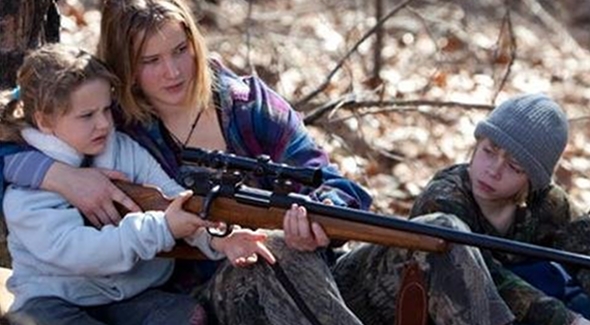
winters-bone

I can still remember what it felt like, back in 2010, as I stepped out of the theater where I had just watched Winter’s Bone.  I had just spent 100 minutes engrossed in that film’s world and it was somewhat jarring to suddenly find myself back in my world.  The air around me was still.  The clear sky above me seemed to be a totally new shade of blue.  The sounds of passing cars and overheard conversations echoed in my head.  When I walked, I felt as if I was moving at a different, dreamier pace than everyone else, as if I was still only partially back in my world.

That’s the type of film that Winter’s Bone is.  It’s a film about life on the fringes, a portrait of a very real part of America that a lot of people don’t even realize exists.  It’s a film that sticks with you and dares you to try to forget the people who it has introduced you to and the stories that it tells.

Winter’s Bone takes place in the Ozarks, a society and world that is dominated by meth and secrets.  Speaking as someone who still has family who live on the outskirts of the world depicted here, I can say that Winter’s Bone gets both the big picture and the little details right.  Everything from the unbreakable cycle of poverty to the defiant resilience of the people is depicted just as it is.  Make no mistake about it — the people in Winter’s Bone may not have much but they do have their pride.  It’s portrayed best in the scene where meth head Teardrop (John Hawkes) glares down the county sheriff (Garret Dillahunt), letting him know that, regardless of who is wearing the uniform, this is Teardrop’s world.

Teardrop is the uncle of 17 year-old Ree Dolly (Jennifer Lawrence), who is considering joining the army once she graduates from high school but, for now, spends all of her time taking care of her mentally ill mother and her two younger siblings.  Her father, who is one of the county’s best meth cooks, was recently arrested and has a court date approaching.  However, he has apparently skipped bail and disappeared.  When Ree is told that, unless her father shows up for his court date, she and her family will lose their house, Ree sets out to try to find him.

05_Flatbed_1 - JANUARY

Ree, however, knows that her father would never have jumped bail and she also knows that there’s no way he died in a meth lab fire, as some people are claiming.  She knows that her father has been murdered but, unlike Teardrop, Ree has no interest in getting revenge.  She just wants to find his body so she can prove that he’s dead and her family can keep their home.  Unfortunately, even this brings Ree into conflict with the local crime boss.

Taking place on a blasted landscape of dilapidated farms, rusty pickups, and the burned ruins of abandoned meth labs, Winter’s Bone is an unusually powerful piece of Southern gothic. It’s also a film that — unlike a lot of other acclaimed movies — actually gets better with repeat viewings.  When you first see it, you’re overwhelmed by the film’s bleakness.  When it ends, you’re not sure if you should be happy or sad.  The second time, however, you can better appreciate the skill with which director Debra Granik tells her story, the way she frames Ree against the landscape as if Ree was the lone hero in a classic western and how the scenes where Ree searches for her father in a swamp are full of shadows and menace.  The third time, you can better appreciate the performances of characters actors like John Hawkes, Garret Dillahunt, and especially Dale Dickey.  The fourth time, you no longer have any doubts.  Winter’s Bone is one of the best films that you’ve ever seen.

And, through it all, Jennifer Lawrence is there and reminding you why she became a star in the first place.  She may have won her Oscar for Silver Linings Playbook and she may be best known for being the face of The Hunger Games franchise but Winter’s Bone remains Jennifer Lawrence’s best and bravest performance.  Without a hint of vanity or reluctance, Lawrence portrays Ree as a resilient and unsentimental survivor and you can’t help but cheer her on as she refuses to back down to any authority, legal or otherwise.  By the end of the film, you know that Ree is probably as trapped as anyone but you can’t help but hope that she’ll somehow find something better.

If you haven’t seen Winter’s Bone, you need to.

Target Practice

Embracing the Melodrama #56: Fierce People (dir by Griffin Dunne)


Fierce People

Much as how Inside Out is a perfect example of how one bad plot twist can ruin an otherwise good film, the 2007 sin-among-the-wealthy melodrama Fierce People shows how one good actor can partially redeem a really bad movie.  That actor’s name is Donald Sutherland and Fierce People is worth seeing for one reason: his performance.

Fierce People tells the story of a teenager named Finn Earl (Anton Yelchin).  As a character, Finn Earl is almost as annoying as his cutesy name.  He’s a permanently sarcastic 16 year-old who goes through life with the same judgmental smirk on his face, while the whole time delivering some of the smuggest narration ever recorded for a voice over in an American film.  Finn’s mother is Liz (Diane Lane), a massage therapist with a drug problem.  Finn’s father is some jerk who spends all of his time in South America, studying cannibal tribes.  (Actually, he’s studying a real-life Indian tribe known as the Yanomami, or the Fierce People.  However, I prefer to assume that he was actually studying a cannibal tribe because that means it’s entirely possible that he was eaten at some point and therefore, Finn will never get a chance to spend any time with father.  That’s the type of reaction that Finn, as a character, inspires.)

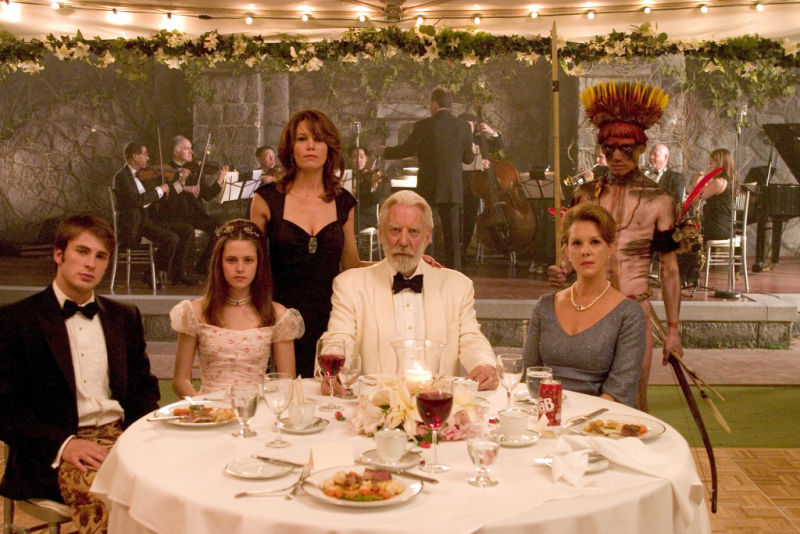
Liz and Finn are invited to spend the summer living the guesthouse of the fabulously wealthy Ogden Osburne (Donald Sutherland).  At first, Finn is weary of Ogden and assumes that he must be sleeping with Liz.  However, in a scene that works only because of the performance of Donald Sutherland, Ogden very graphically shows Finn why he’s not interested in having an affair with Liz.  Instead, Ogden is just a nice, rich eccentric.  Unfortunately, the other wealthy people who live around Ogden are not quite as nice and they soon, they start to resent the presence of Finn and his mother.  Finn does manages to befriend Ogden’s decadent grandson (played by Chris Evans) and even starts a tentative romance with Ogden’s granddaughter (Kristen Stewart) but the rest of the Osburne clan is not prepared to be so accepting.  Soon, the film goes from being an annoying comedy to being an annoying drama with a burst of violence and murder.

Fierce People is not a very good movie.  It’s based on a novel and, even if you didn’t know that beforehand, you would guess just from the way that the film tries and fails to present a lot of themes that undoubtedly work better on the page than on the screen.  The film’s attempts to draw parallels between the Yanomami and the wealthy (They’re two tribes and they’re both fierce — OH MY GOD, MIND BLOWN!) are way too obvious and the film’s sudden lurch into drama is handled rather clumsily.  It’s interesting to see Chris Evans before he became Capt. America and Kristen Stewart before she became Bella (and both of them, by the way, give good performances) but Anton Yelchin’s performance as Finn alternates between being smug and being whiny.  (In Yelchin’s defense, he’s developed into a pretty good actor and I loved him in Like Crazy.)

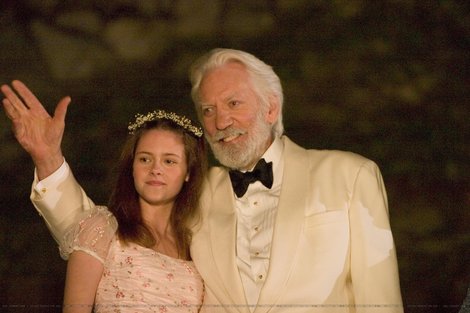
And yet, Fierce People works as an example of what a truly great actor can do with so-so material.  As played by Donald Sutherland, Ogden becomes the jaded moral center of the universe.  Sutherland plays Ogden with a perversely regal air and yet also makes us totally believe that Ogden actually could be helping the Earls out of the kindness of his heart.  It’s a great performance and every minute that Sutherland is on screen, Fierce People works.

If the film had simply been called Fierce Ogden, it would have been a hundred times better.

Donald Sutherland and Kristen Stewart

Embracing the Melodrama #55: Inside Out (dir by David Ogden)


Eriq La Salle in Inside Out

Eriq La Salle in Inside Out

Welcome to the suburbs!

It’s a world of secrets and lies, where friends spend their time exchanging gossip and no one’s marriage is that happy once you get behind closed doors.  It’s a place where any sign of nonconformity is viewed as being a threat and where everyone is desperate to be a neighborhood insider because being an outsider is Hell on Earth.

The suburbs have also been the setting of a countless number of Hollywood melodramas.  I’ve reviewed a few of them, like Sin In The Suburbs, over the past two weeks.  The 2005 film Inside Out continues the cinematic tradition of casting a skeptical eye on the suburbs and it actually works pretty well, up until about the final 10 minutes of the movie.  Yes, Inside Out is one of those movies that basically starts out strong and then ruins it all by building up to a thoroughly ludicrous final twist.

Don’t get me wrong.  I love twist endings when they work.  When they don’t work, they lead to something like Inside Out.

Inside Out starts out well enough.  Eriq La Salle plays a mysterious man who moves into an idyllic suburban neighborhood in the middle of the night.  When his neighbors attempt to greet him, he simply responds with a cold glare and then proceeds to alienate them even more by loudly mowing his lawn in the middle of another night.  When he decides to hold a sudden garage sale, everyone is surprised to discover that he’s not selling the usual second-hand stuff.  Instead, he’s selling expensive and new electronics and valuable antiques.  When one neighborhood woman asks why he’s selling all of it, La Salle simply replies that they once belonged to his son.

Finally, La Salle does start to socialize with one neighbor (played by Steven Weber) but the friendlier that La Salle is, the more suspicious Weber becomes.  Weber cannot bring himself to trust his new neighbor and instead, he starts his own investigation.  As Weber finds out more and more about La Salle, he starts to grow more and more paranoid….

And, up until the final 10 minutes, the entire movie is actually kind of working.  Director David Ogden is keeping things nicely off-center.  Weber is both sympathetic and somewhat frightening as he grows more and more paranoid.  Best of all, Eriq La Salle creates a character that seems to radiate a very genuine sort of menace.  You really want to know what La Salle is hiding in his basement and you worry what will happen to Weber once he inevitably breaks in La Salle’s house to investigate…

And then, out of nowhere, the film launches one of the biggest and stupidest twists in the history of the movies.  No, you won’t see it coming.  Yes, you will be shocked.  But not because the twist is effective or surpising.  No, the twist is shocking because it makes no sense, it comes out of nowhere, and it is just amazingly stupid.

And that’s a shame because there’s a lot of talent on display in this film.

Is the film worth seeing despite the twist?  Perhaps.  It shows up on Encore occasionally and  I would recommend it on the strength of Weber and La Salle’s performances.  As I said, there’s a lot to appreciate during the first 80 minutes of the film.  But, before it reaches that twist, you might want to stop the film and come up with a better ending of your own.

Embracing the Melodrama #54: Where the Truth Lies (dir by Atom Egoyan)


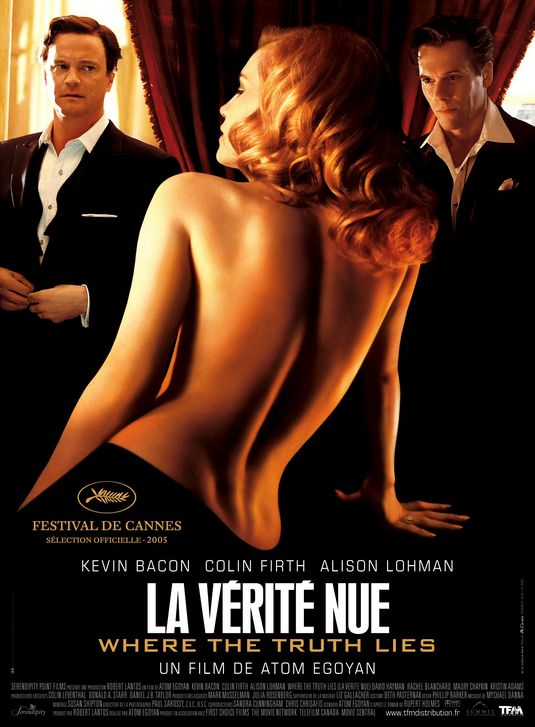
where_the_truth_lies_ver2

Atom Egoyan’s 2005 showbiz melodrama Where The Truth Lies is a historic film for me.

First off, it’s the first film that I ever saw at the wonderful Dallas Angelika theater, which would quickly become my favorite place to watch movies in the Dallas/Ft. Worth metroplex.  And I have to say that, as much as I love the Alamo Drafthouse that opened up last year, the Angelika will always hold a special place in my heart.

Secondly, and perhaps even more importantly, Where The Truth Lies was the first NC-17 film that I ever actually watched in a theater.  In fact, I went into Where The Truth Lies knowing next to nothing about it.  I just saw that it was an NC-17 film that was playing in a “real” theater and that was pretty much all I needed to call up some friends and head down to Dallas.

I felt terrifically grown up until I tried to buy the ticket and I was asked to show ID.  I handed over my driver’s license.  The ticket seller stared down at it for what seemed like an eternity.  She looked up at me and then back down at the license a few times.  Finally, she said, “Are you sure you’re 19?”

“I’m going to be 20 in November,” I replied.

She squinted at me for a few minutes and then said, “If you say so,” before handing me my license and a ticket.

And so, on that day, I managed to cross one goal off my list (See an NC-17 movie in a theater) and replaced it with another (Buy a ticket for an R-rated or NC-17 movie without being asked for ID).  I’m still working on that 2nd goal but I have to admit that I’m starting to dread the idea that one day, I’ll be able to pass for an adult.

But what about Where The Truth Lies?

Well, the main question that I had, in 2005, as I sat down to watch this movie was why exactly was it rated NC-17.  Having watched the movie in the theater and then on cable a few times after, I still honestly have no idea why the rating was as harsh as it was.  Yes, there’s a lot of sex in the movies.  You see a lot of boobs and you see a lot of bare asses but — well, so what?  It’s really nothing wore than what you have seen in countless red band trailers for various R-rated comedies.  Add to that, in Where The Truth Lies, all of that skin is on display for a reason.  The film may be explicit but it’s never gratuitous.

As for the film itself, it’s technically a murder mystery but the mystery is really only an excuse for Egoyan to take a look at the seamier side of show business.  In the 1950s, entertainers Lanny Morris (Kevin Bacon) and Vince Collins (Colin Firth) are the nation’s top comedy team.  However, after co-hosting a 39-hour polio telethon in Miami, Lanny and Vince fly to New Jersey to do a few shows at a hotel owned by a local mobster.  When the naked body of Maureen O’Flaherty (Rachel Blanchard) is found in their room, the scandal destroys both of their careers.

Fifteen years later, in the early 1970s, Lanny Morris has written a book about his life and career.  Vince decides to retaliate by writing his own book.  Karen O’Connor (Alison Lohman) is hired to be his ghostwriter.  Karen, however, has her reasons for being obsessed with Lanny and Vince and she is also determined to discover whether Maureen truly did die of a drug overdose or if she was murdered.

Where The Truth Lies is, in many ways, an uneven film but I like it.  The mystery of who killed Maureen is intriguing and, unlike a lot of viewers (check out the film’s entry at the imdb if you really need to know how much some people hate this film), I actually appreciated Egoyan’s hallucinatory and disjointed approach to telling his story.  Kevin Bacon and Colin Firth both give excellent performances, both cast in the type of roles that you might not normally expect to see them playing.  As a character, Karen is frustratingly inconsistent but Alison Lohman does the best that she can with the role.

Finally, Where The Truth Lies does contain one undeniably brilliant scene, in which a drugged Karen watches as an actress dressed to look like Alice in Wonderland sings White Rabbit.  It’s a wonderfully strange scene, all the more so become it comes almost out of nowhere.

Where The Truth Lies is not a perfect film but, for my first experience seeing an NC-17 film in a theater, it wasn’t bad at all.

Where The Truth Lies


Lisa’s Early Oscar Predictions For July


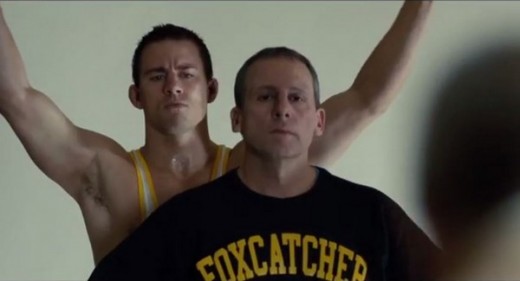
Foxcatcher

Foxcatcher

It’s time for me to update my early Oscar predictions!  Every month, based on a combination of buzz, reviews, gut feelings, and random guesses, I attempt to predict which films, directors, and performers will receive nominations in 2015!  Originally, I referred to these as being my “way too early Oscar predictions.”  However, we are now halfway through the year and the picture is no longer quite as hazy as before.  Therefore, these are now simply my “early” predictions.

Click on the links to check out my predictions for March, April,  May, and June!

And below you’ll find my predictions for July.

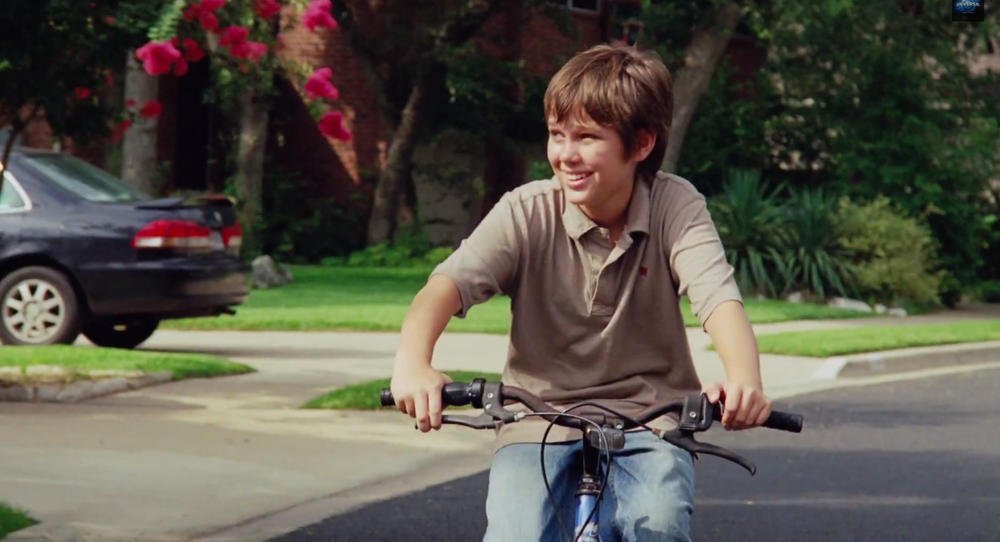
As you may notice, my predictions have remained pretty stable over the past month.  The advance word on Big Eyes has been mixed but, unlike a lot of Oscar watchers, I was never expecting Big Eyes to be a major contender for any award other than best actress.  Meanwhile, Boyhood continues to be one of the most acclaimed films of the year, which makes me even more certain that Boyhood will be a contender in several categories.  Advanced word on Foxcatcher has also been so strong that I can now imagine both Mark Ruffalo and Channing Tatum scoring nominations for best supporting actor.

The big question right now is whether or not the acclaim that’s been given to summer films like Edge of Tomorrow and Dawn of the Planet of the Apes will also translate into major Oscar nominations or will those films simply have to be satisfied with getting all of the usual technical nominations.  Personally, I would love to see Andy Serkis get some love from the Academy but, sadly, I doubt it’s going to happen.

Best Picture

Birdman

Boyhood

Foxcatcher

The Imitation Game

Interstellar

Mr. Turner

Unbroken

Wild


Best Director

Alejandro Gonzalez Inarritu for Birdman

Mike Leigh for Mr. Turner

Richard Linklater for Boyhood

Bennett Miller for Foxcatcher

Jean-Marc Vallee for Wild


Best Actor

Steve Carell in Foxcatcher

Benedict Cumberbatch in The Imitation Game

Ralph Fiennes in The Grand Budapest Hotel

Michael Keaton in Birdman

Timothy Spall in Mr. Turner


Best Actress

Amy Adams in Big Eyes

Jessica Chastain in The Disappearance of Eleanor Rigby

Rosamund Pike in Gone Girl

Reese Whitherspoon in Wild

Shailene Woodley in The Fault In Our Stars


Best Supporting Actor

Ethan Hawke in Boyhood

Mark Ruffalo in Foxcatcher

J.K. Simmons in Whiplash

Channing Tatum in Foxcatcher

Tom Wilkinson in Selma


Best Supporting Actress

Patricia Arquette in Boyhood

Julianne Moore in Map To The Stars

Kristen Scott Thomas in Suite francaise

Kristen Stewart in The Clouds of Sils Maria

Emma Stone in Birdman

Boyhood

Boyhood

Trailer: Horns (Official Teaser)


radcliffe

The kids of the Harry Potter film franchise have all gone their separate ways. Some have moved on to taking smaller roles. Others have begun to take on roles that tries to rehabilitate their image from just being a Harry Potter actor. Emma Watson has had some success in redoing her post-Potter image. Yet, it’s the “Chosen One” himself who looks to really be going with as many left-field film role choices since the end of the franchise.

Daniel Radcliffe has been taking some interesting risks with his post-Potter career. Even before the franchise was over he had begun working on redoing his image. Whether it was doing the stage play Equus or taking on a horror film role with the gothic horror The Woman in Black, Radcliffe seems more than willing to leave his Potter days behind him.

The first trailer from the film adaptation of the Joe Hill penned dark fantasy Horns has now arrived. We see brief glimpses of Radcliffe in the title role with the proverbial horns that becomes the center of the film’s plotline.

Time will tell if Horns will be another notch in making Daniel Radcliffe less the Potter-kid and ore the talented actor he’s turning out to be.

Horns will be making it’s presence know this Halloween 2014.

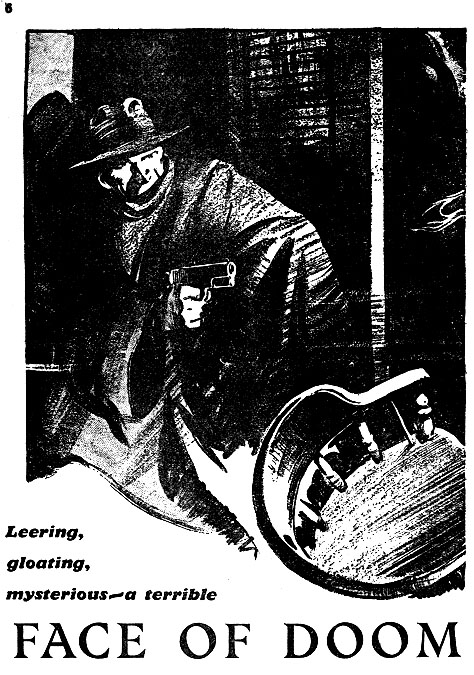
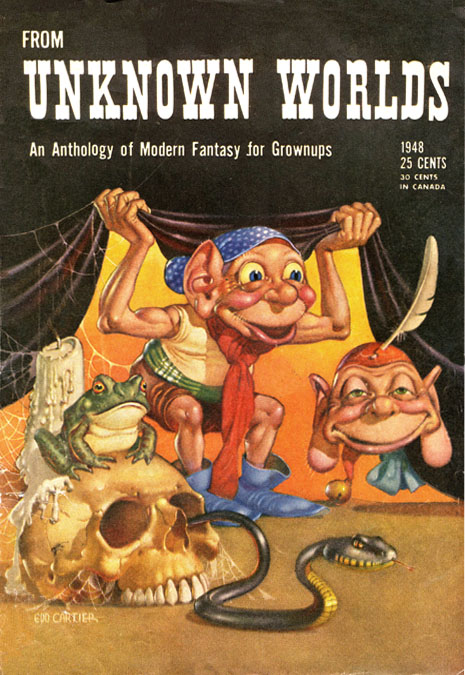
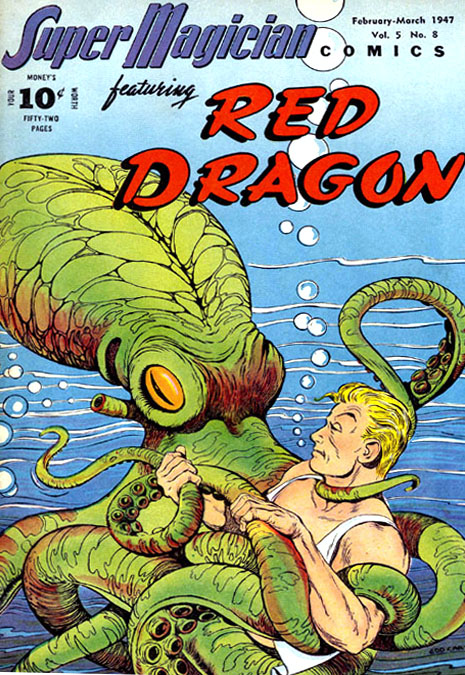
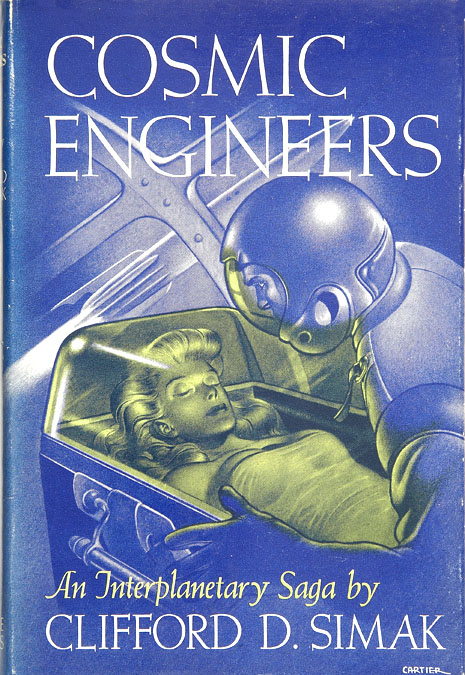
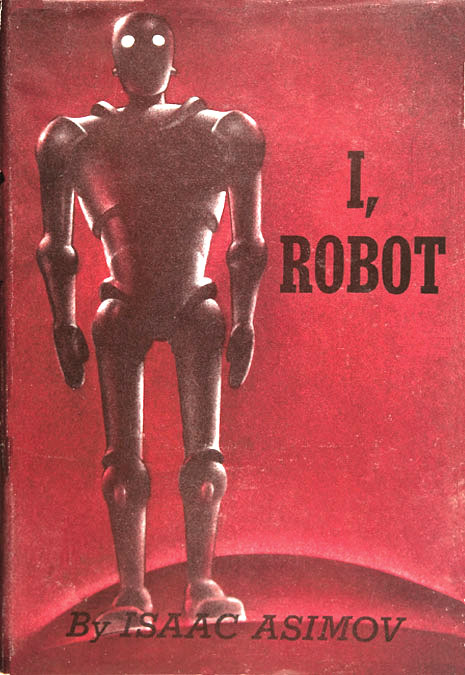
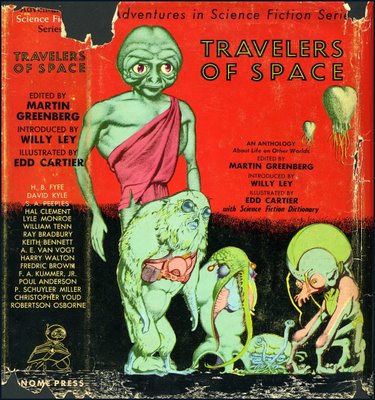
Artist Profile: Edd Cartier (1914 — 2008)


Born in New Jersey, Edd Cartier studied art at the Pratt Institute.  After his graduation in 1936, Cartier found work illustrating pulp magazines like The Shadow, Astounding Science Fiction, Doc Savage Magazine, Planet Stories, Fantastic Adventures, and Unknown.  He later served in the U.S. Army during World War II and was severely wounded at the Battle of the Bulge.  After returning to the United States, he continued to work as an illustrator until the 1950s when, frustrated by the low pay for freelance artists, Cartier retired from the pulps found work as a draftsman for an engineering firm.  In 1992, Cartier was given the World Fantasy Lifetime Achievement Award.

1 2 3 5 6 7 8 9 10 11 12 13 14

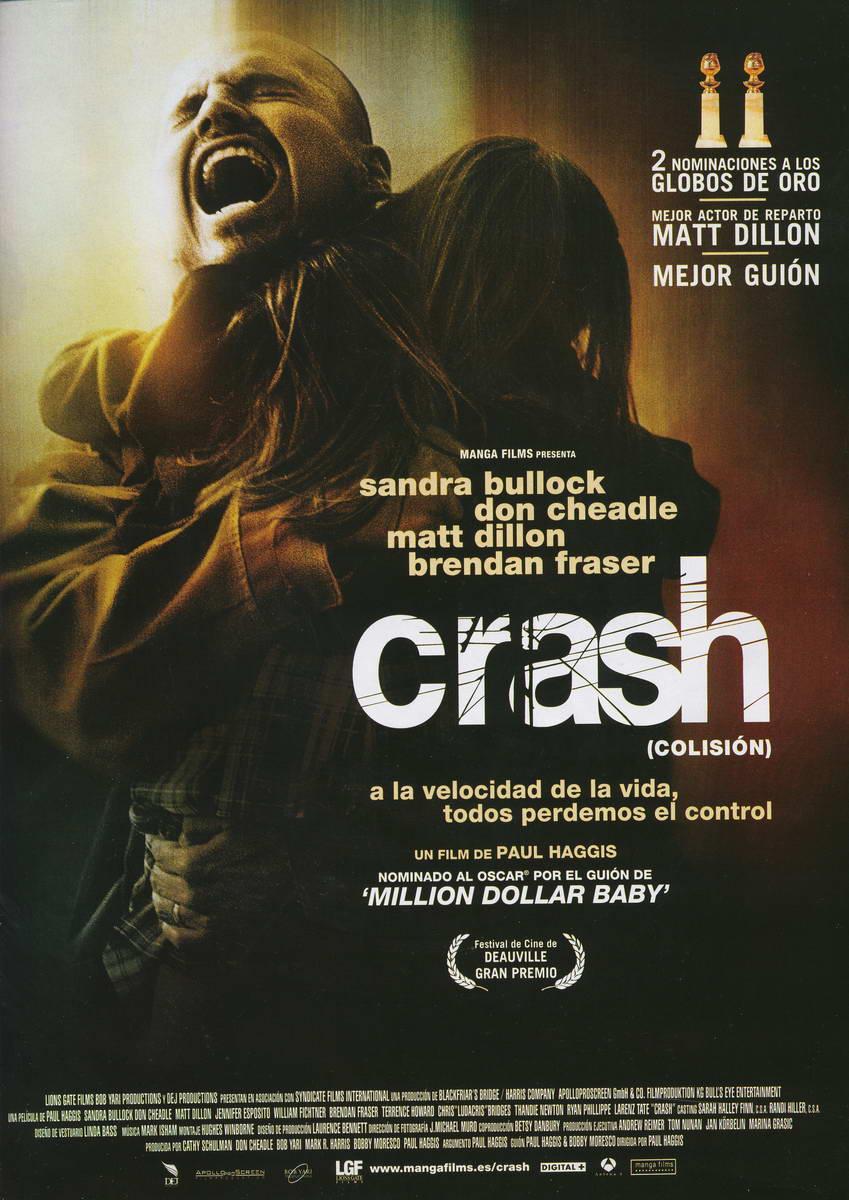
Embracing the Melodrama #53: Crash (dir by Paul Haggis)


crash-2004-poster

For the past two weeks, I’ve been reviewing, in chronological order, some of the most and least memorable melodramas ever filmed.   We started way back in 1916 and now, after 52 reviews, we’ve finally reached the year 2004.  And that can only mean that it is time to review the worst film to ever win an Oscar for best picture of the year.  I am, of course, talking about Crash.

Crash is an ensemble piece that follows a multi-racial cast of characters as they deal with issues of race, crime, and — well, that’s about it.  In Crash, everyone’s life revolves around race and crime.  Well, I take that back,  There is at least one character whose life revolves around being a good maid to the white woman who employs her.  But otherwise, it’s all about race and crime.  The film is set in Los Angeles which, from what I’ve read, is actually a pretty big city but you really wouldn’t know that from watching Crash.  All of the characters in Crash are constantly and randomly running into each other.  I think director/screenwriter Paul Haggis is trying to make a statement about the power that coincidence plays in the world but, often times, it just feels like lazy plotting.

Anyway, here are the characters who are meant to bring Los Angeles to vivid cinematic life:

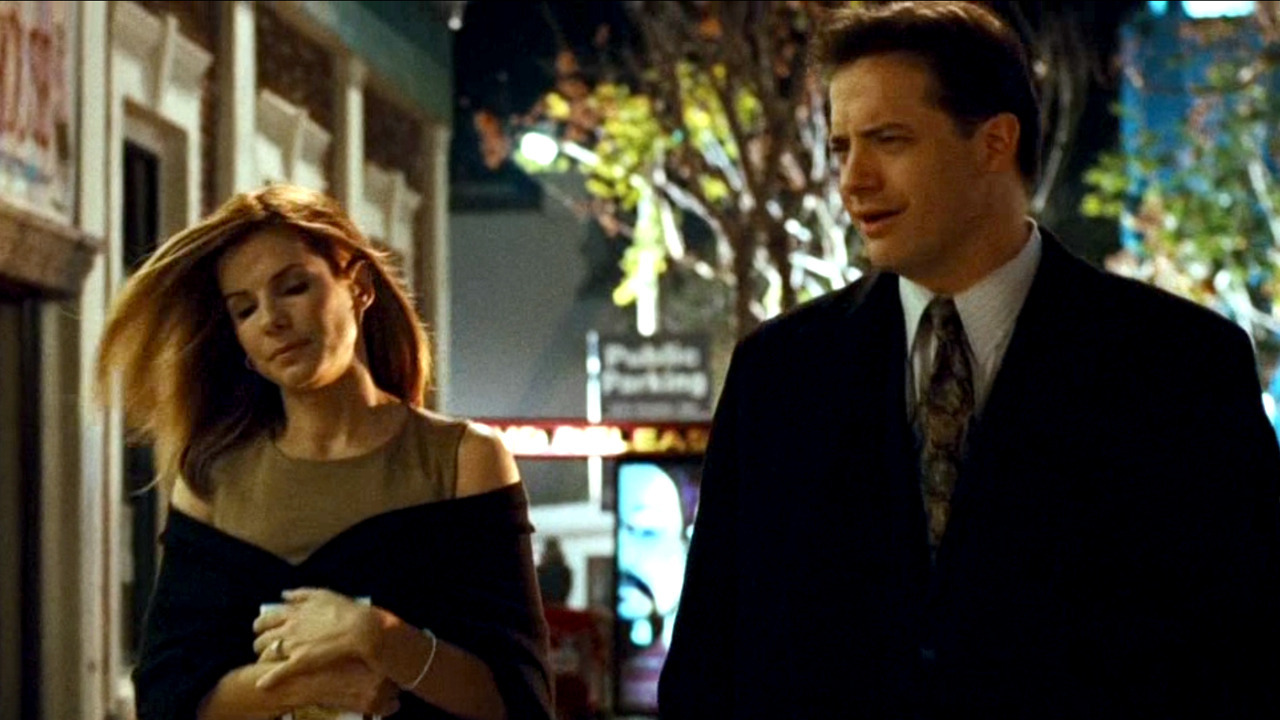
Brendan Fraser and Sandra Bullock play rich white people Rick and Jean Cabot.  Rick Cabot has just been elected District Attorney of Los Angeles County.  (Because when I think of a successful urban politician, I automatically think of Brendan Fraser…)  Jean is his materialistic wife.  At the start of the film, they’re carjacked by two young black men, which leads to Jean suspecting that every non-white she sees is secretly a gang member.  Later, Jean falls down a flight of stairs but she’s helped by her maid, who happens to be — surprise, surprise — not white!  Apparently, this teaches Jean an important lesson about tolerance.  The message, I guess, is that white people can be redeemed by interacting with their minority servants.

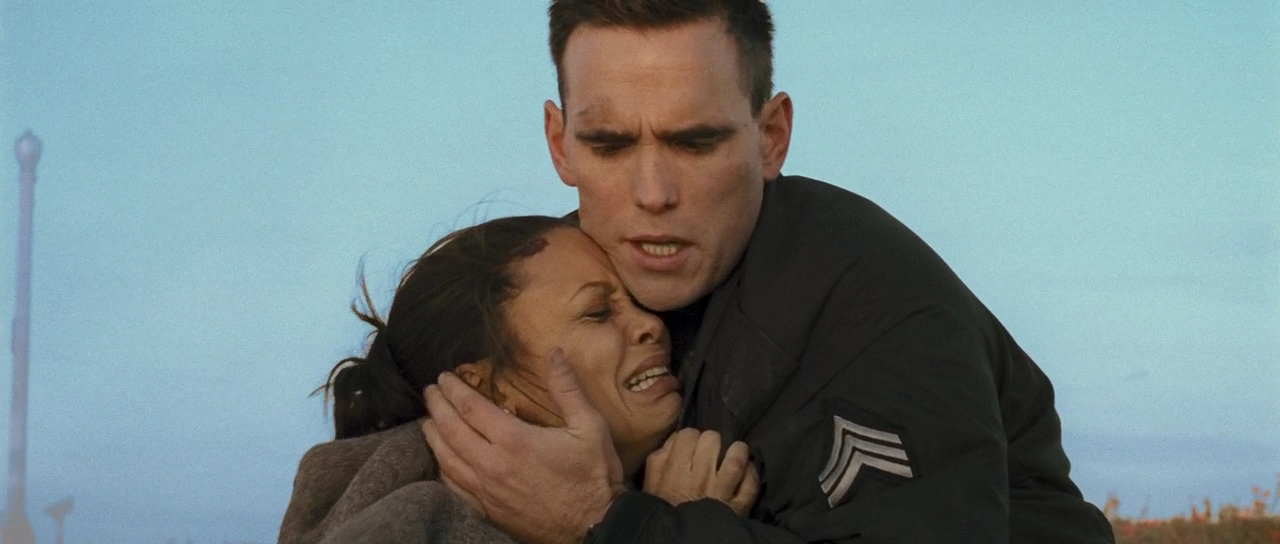
And then there’s Cameron (Terrence Howard) and his wife Christine (Thandie Newton) who are upper class and black.  Cameron directs sitcoms for a living and, at work, he has to deal with Fred (Tony Danza) constantly double guessing him and demanding that he reshoot scenes.  One night, as they leave an awards ceremony, Cameron and Christine are pulled over by two white cops — the racist Ryan (Matt Dillon) and his idealistic partner Hansen (Ryan Phillippe).  Ryan proceeds to molest Christine while giving her a pat down.  The next day, Christine is involved in a car accident on the freeway and is pulled from the burning car by none other than Officer Ryan.  The point here, I suppose, is that the same pervert who finger rapes you one night is just as likely to be the same guy who comes across your overturned car on the freeway.  For that scene alone, Crash deserves the title of worst best picture winner ever.

crash-2004 4

But that’s not all!

There’s also Detective Graham Waters (Don Cheadle), who has been assigned to investigate a police corruption case that would not be out of place in an episode of … well, just insert your own generic cop show title here.  Graham also visits his mentally unstable mother who demands that Graham find his younger brother.  Now, of course, as soon as we hear this, we know that Graham’s brother is going to have to turn out to be one of the other characters in the film.  Since there are only three other black males in this film (and since Cameron appears to be the same age as Graham), it’s not difficult to figure out who it’s going to be.

It’s either going to be Anthony (Ludacris) or Peter (Larenz Tate), who also happen to be the same two men who carjacked the Cabots’ car at the start of the film.  Larenz Tate probably gives the best performance in this whole sorry mess of a film, even if his role is ultimately a thankless one.

There’s also a locksmith named Daniel (Michael Pena), who finds himself being stalked by an angry Middle Eastern man.  Daniel’s story contains a hint of magic realism, presumably because Paul Haggis was reading something by Gabriel Garcia Marquez while writing the script.

Crash

You can fault Crash for many things but you also can’t deny that it’s far more ambitious than the typical bad film.  In the space of 112 minutes, Paul Haggis attempts to say everything that needs to be said about race and class in America.  Unfortunately, while watching the film, it quickly becomes obvious that Haggis really doesn’t know much about race and class in America.  Hence, the film becomes a collection of scenes that think they mean something while actually meaning nothing.  Crash is less about race in America and more about how other movies have traditionally portrayed race in America.  Unfortunately, director Haggis does not have the self-awareness to truly bring the subtext of screenwriter Haggis’s script to life.

The main theme of Crash seems to be that everyone has a good side and a bad side and that you can the hero of one story while being the villain of another.  That’s not a bad theme, it’s just an incredibly mundane one.  The film illustrates this theme by continually having a character say something racially offensive just to then have him do something heroic in the very next scene.  As a result, the characters don’t come across as being so much complex as just incredibly inconsistent.  Crash is never as deep as it thinks it is.

Reportedly, Crash was inspired by Paul Haggis’s own experience of getting carjacked.  Haggis has said that being a victim of crime led to some intense soul searching on his part.  Hopefully, Haggis got something better than just Crash out of the whole experience.

still-of-terrence-howard-in-crash-(2004)-large-picture

Trash Film Guru Vs. The Summer Blockbusters : “Dawn Of The Planet Of The Apes”


download

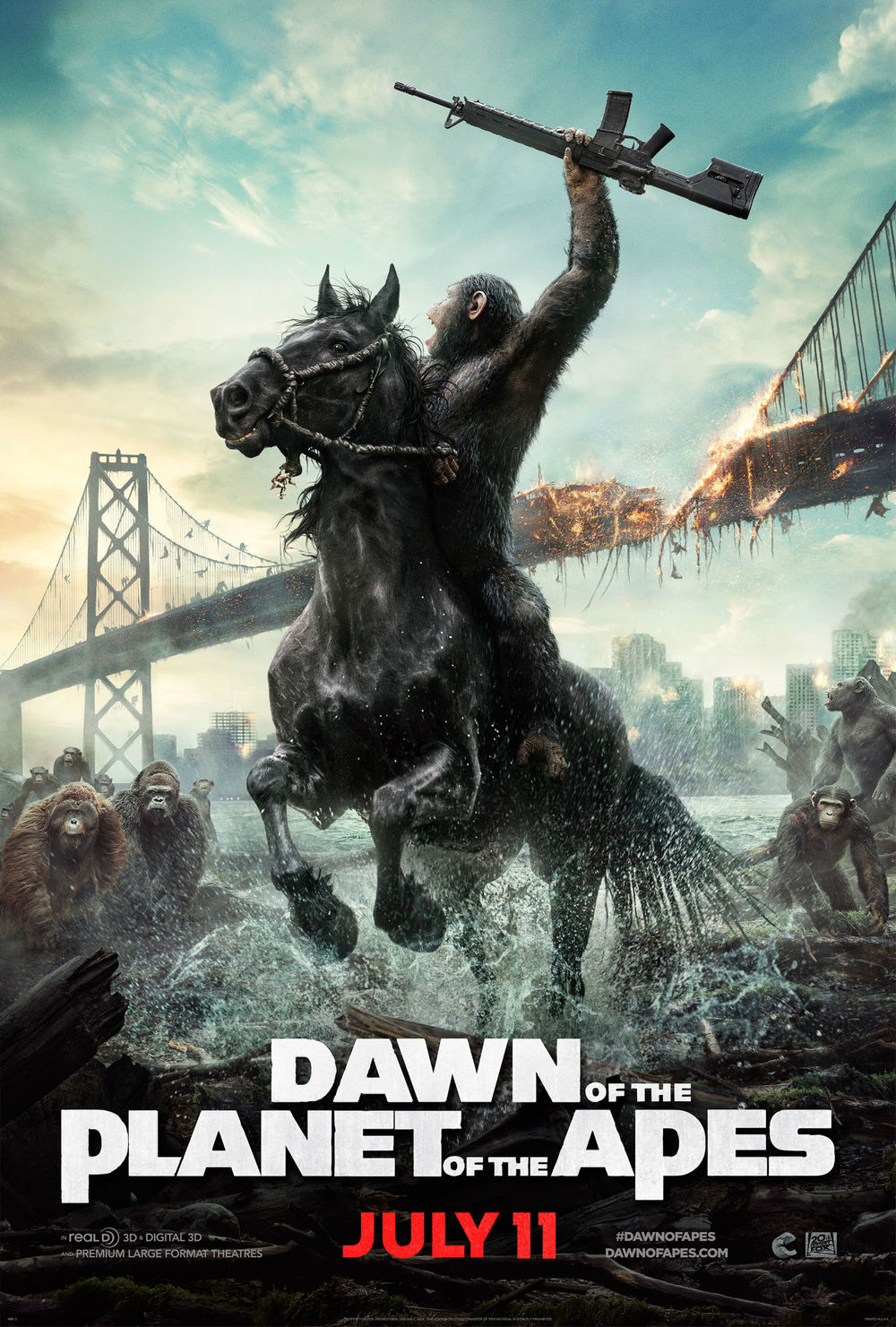
This is gonna be one easy review to write because it all boils down to this : you really can believe all the hype, Dawn Of The Planet Of The Apes is flat-out fucking awesome, and you need to go out and see this flick immediately.

My job is done, I’m finished, goodnight.

But I guess I do have at least a little bit more to say —

Screen-Shot-2014-05-08-at-8.56.21-AM-620x400

I wasn’t a big fan of Cloverfield by any means, but I’m turning into a big fan of Matt Reeves. I know it’s heresy to some, but I thought that Let Me In was every bit as good as its Swedish progenitor, and with this latest — and, frankly, best — installment in the venerable Apes franchise,  Reeves has shown himself to be a director who is fully hitting his stride. The bigger and bolder the project, the more he seems to rise to the occasion. I frankly don’t even know how you go about eliciting good performances from actors who are only there for the purpose of having a bunch of hair overlaid onto their faces via computer, but he did it here. Andy Serkis, as ape leader Caesar, and Toby Kebbell, as his primary (and creepily duplicitous) rival, Koba, both turn in Oscar-caliber work on the basis of their facial expressions alone. They’re gonna wow you, folks, no lie.

As for the human actors playing — well, human parts, Jason Clarke is solid as stand-up guy Malcolm, apparent real-life asshole in the extreme Gary Oldman does typically competent (if, to be perfectly fair, unspectacular) work as survivalist head honcho Dreyfus, and Kodi Smit-McPhee is extremely convincing as Malcolm’s teenage son, Alexander (plus, he can be seen reading Charles Burns’ Black Hole, so bonus points for that). About the only weak link comes by way of nominal love interest Keri Russell, whose “concerned as shit” look at all times begins to grate pretty early on. But when you consider the fact that all these people spent pretty much the entire time in front of a blue (or maybe it was green) screen, getting only one subpar performance from the bunch is pretty good. And who knows? Maybe Russell simply can’t help coming off as worried 24/7.

PoA_THUMB

My only other minor quibble here is with the title — when a film called Rise Of The Planet Of The Apes is followed by one called Dawn Of The Planet Of The Apes, you gotta wonder when the buildup is going to stop and we’re finally gonna get down to the shit. Or maybe we’re looking at a 20-part story here and we’ve still got plenty of stage-setting to go, in which case we’ll be treated to Prelude To The Planet Of The Apes and We’re Still Getting To The Planet Of The Apes next.

Hey, I did say it was a minor quibble, did I not?

Dawn-Of-The-Planet-Of-The-Apes3-e1396236946120

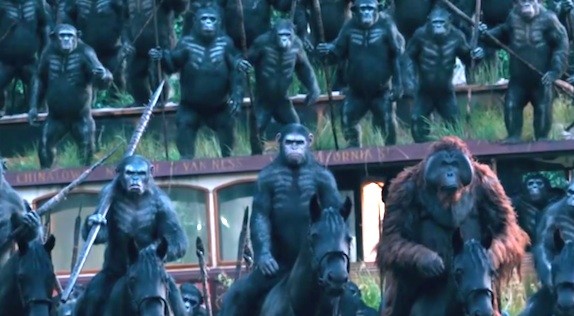
Apart from that, this has everything you’d want in a big-budget summer blockbuster, and quite a bit more than you’d honestly expect : there’s pathos, melodrama, palace (if your palace is a tree) intrigue, cheap scares, high-octane thrills, elaborately-staged battle sequences, and a genuine sense of urgency to the proceedings. Events — and tension — gradually build to the point of inevitability, and the film’s third act actually delivers in terms of its promised payoff.  And for those of you who are tired of James Franco’s ever-evolving shtick — whatever it is — rest assured that he doesn’t even pop up in a flashback sequence.

Ya know what? Let’s not even do Dawn Of The Planet Of The Apes the disservice of comparing it to other summer popcorn flicks — this leaves typical blockbuster fare like The Avengers or Star Trek so far back in the dust it’s not even funny. What Reeves has made here is one of the very best films you’ll see all year, even if big-budget sci-fi grandiosity is not your thing. This is eloquent, spectacular, undeniably powerful drama of the highest order. It’s everything and the kitchen sink plus one of those nifty fancy programmable faucets all attached to a fancy-ass 300-pound granite countertop.

Okay, I’m finished with the italics, promise. If you don’t like this, you don’t like movies. My job here really is done.