Frontier Fractured: Taylor Sheridan’s Neo-Western Reckoning


“The characters are fiction, but the landscape and the lives the characters are navigating are real.” — Taylor Sheridan

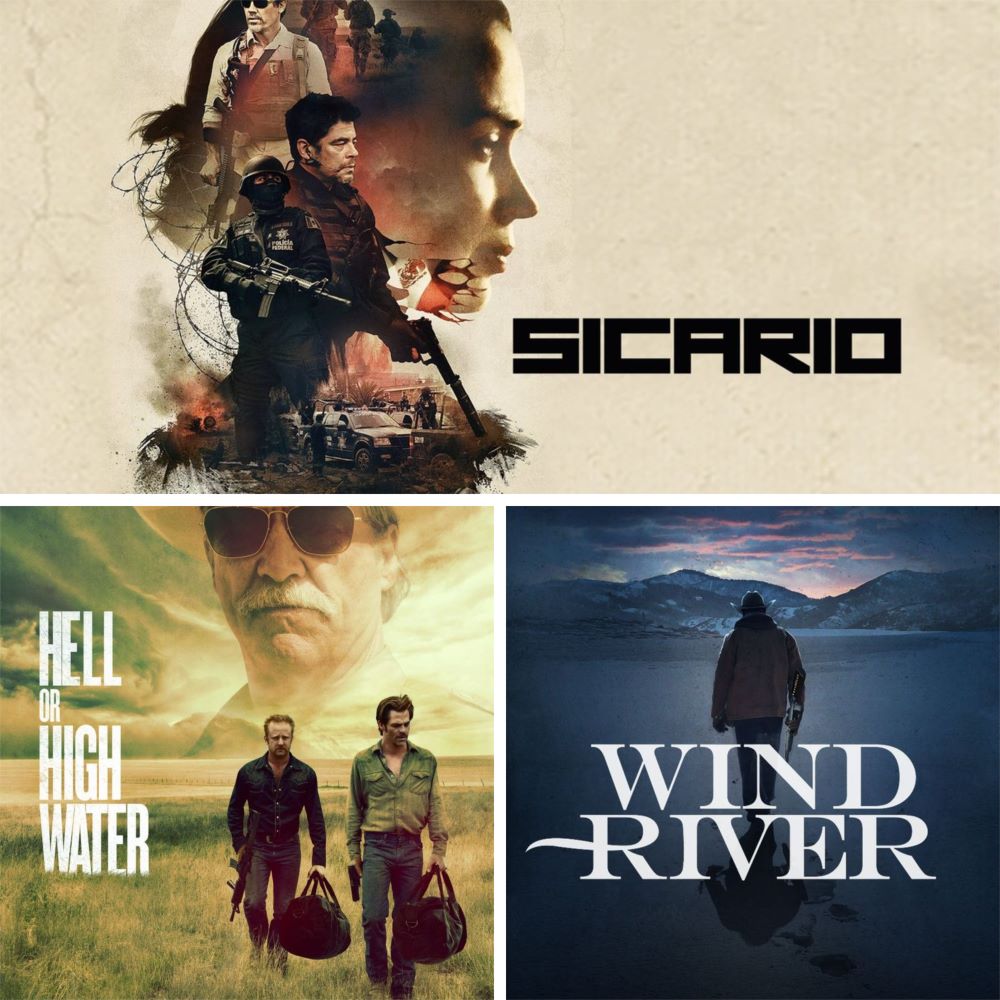
Taylor Sheridan’s American Frontier Trilogy—Sicario (2015), Hell or High Water (2016), and Wind River (2017)—stands as a landmark in modern neo-Western cinema, a tightly crafted exploration of America’s frayed edges penned by the screenwriter who would later dominate television with Yellowstone. These films, while not narratively linked, form a thematic triptych that dissects the moral decay of the contemporary frontier, where law buckles under the weight of systemic injustice, economic despair, and cultural erasure. This retrospective examines Sheridan’s screenplays as a cohesive vision of a nation haunted by its own myths of manifest destiny, blending pulse-pounding tension with unflinching social critique.

Defining the Trilogy’s Core

Sheridan’s “American Frontier” trilogy emerged from his own observations of overlooked American landscapes, as he described in interviews around Wind River‘s release. Sicario, directed by Denis Villeneuve, plunges into the U.S.-Mexico border war on drugs, following idealistic FBI agent Kate Macer (Emily Blunt) as she’s drawn into a shadowy CIA operation led by the enigmatic Matt Graver (Josh Brolin) and the ruthless Alejandro (Benicio del Toro). The film boasts breakneck pacing and claustrophobic tension, transforming a procedural thriller into a meditation on moral compromise, where the line between hunter and hunted dissolves in Juarez’s blood-soaked streets.

Hell or High Water, helmed by David Mackenzie, shifts to West Texas, chronicling brothers Toby (Chris Pine) and Tanner Howard (Ben Foster) as they rob branches of the Texas Midlands Bank—the same institution foreclosing on their mother’s ranch. It delivers a lean, character-driven drama, with an ear for authentic dialogue that captures rural Texan fatalism: lines like “You’re free now” underscore a cycle of poverty where crime becomes an act of reclamation. Ranger Marcus Hamilton (Jeff Bridges), pursuing them, embodies the law’s weary inefficiency.

Wind River, which Sheridan also directed, unfolds on Wyoming’s Wind River Indian Reservation, where U.S. Fish and Wildlife officer Cory Lambert (Jeremy Renner) aids rookie FBI agent Jane Banner (Elizabeth Olsen) in investigating a young Native woman’s death in the snow. It lands as a gut-punch of grief and rage, spotlighting the epidemic of missing and murdered Indigenous women (MMIW), with Cory’s personal loss fueling a vigilante justice that indicts federal neglect.

What unites them? Remote, unforgiving terrains—the border deserts, dusty plains, frozen reservations—mirror the characters’ isolation. Protagonists skirt legality not from villainy but necessity, exposing institutions (CIA, banks, FBI) as complicit oppressors. The “United States legal system” emerges as the trilogy’s true antagonist, wreaking havoc on the marginalized.

Thematic Pillars: Justice Beyond the Badge

At the trilogy’s heart lies a profound distrust of official justice, a motif each film escalates. In Sicario, Kate’s arc is one of disillusionment; she clings to warrants amid Graver’s extralegal raids, only to realize the “war” thrives on endless escalation. Sheridan’s script masterfully builds dread through escalating set-pieces—like the night-vision tunnel assault—while Alejandro’s backstory reveals the human cost of cartel savagery, blurring good and evil. It’s a film where victory feels pyrrhic, the frontier’s violence spilling northward unchecked.

Hell or High Water flips the script to economic predation. The Howards aren’t greedy outlaws but desperate everymen funding their family’s future against predatory lending. Sheridan’s sardonic humor amid despair shines in banter between Marcus and his partner Alberto (Gil Birmingham), laced with casual racism that humanizes their bond. The film’s climax, a bank standoff turned shootout, affirms the brothers’ twisted righteousness, critiquing how banks “won the West” anew through debt. It’s Sheridan’s most optimistic entry, suggesting personal agency can pierce systemic greed.

Wind River delivers the rawest indictment, weaving personal trauma into institutional failure. Cory tracks predators—animal and human—across a landscape where Native lives vanish without trace; statistics cited in the film (96% of reservation rapes unreported) hit like bullets. Its poetic minimalism—from snow-dusted crime scenes to Cory’s haunting promise to a grieving father: “I wish I could take that pain away”—underscores how the reservation embodies America’s forgotten frontier. Here, justice is vengeance, meted quietly in the mountains.

Across the trilogy, Sheridan updates Western archetypes: the principled lawman (Kate, Marcus, Jane) yields to the lone avenger (Alejandro, Toby, Cory). This serves as a modernization of classic Western struggles, swapping cattle barons for cartels and banks.

Stylistic Mastery and Sheridan’s Voice

Sheridan’s prose is economical yet evocative, favoring sparse dialogue that reveals worlds. His authentic regionalism comes through in Texan drawls in Hell or High Water, Arapaho stoicism in Wind River, and border Spanglish in Sicario. Directors amplify this: Villeneuve’s Sicario is visceral, with Roger Deakins’ cinematography turning borders into hellscapes; Mackenzie’s Hell or High Water feels expansive yet intimate, Giles Nuttgens capturing Texas’s soul-crushing vastness; Sheridan’s Wind River is austere, Nick Cave’s score amplifying isolation.

Performances elevate the scripts. Del Toro’s coiled fury in Sicario earned Oscar nods; Bridges’ folksy gravitas anchors Hell or High Water; Renner and Olsen ground Wind River‘s procedural in raw emotion. Yet Sheridan’s writing shines brightest in quiet beats: Kate’s post-raid breakdown, Toby’s motel confession, Cory’s frozen vigil.

The films were critically acclaimed for their sharp writing and thematic depth, earning Sheridan Oscar nominations for Hell or High Water and Wind River, while resonating widely with general audiences through gripping narratives and relatable human struggles that packed theaters and sparked enduring discussions. This neo-Western revival took audiences to unseen locales, from Juarez slums to Wind River snows.

Cultural Impact and Legacy

Released amid the turbulent 2010s—marked by escalating border crises, the lingering financial fallout from the 2008 recession, and rising awareness of the #MMIW epidemic—the trilogy presciently tapped into deep-seated national anxieties, reshaping conversations around justice, identity, and power in America. Sicario arrived as tensions over immigration and the drug war boiled over, humanizing the futility of America’s “war on drugs” just before the 2016 presidential debates on border walls and cartel violence. Its portrayal of shadowy U.S. operations crossing ethical lines sparked debates on real-world CIA tactics and the moral cost of security, influencing discourse in policy circles and popular media alike. The film’s raw depiction of Juarez’s carnage forced viewers to confront overlooked atrocities, bridging Hollywood thrillers with journalistic urgency and priming audiences for later works like Narcos.

Hell or High Water struck a populist chord amid post-recession rage, echoing Occupy Wall Street’s anti-bank fervor and the foreclosure crisis that ravaged rural America. By framing bank robbers as sympathetic everymen fighting predatory lending, Sheridan tapped into widespread resentment toward financial institutions, a sentiment that fueled political movements from Tea Party economics to progressive wealth taxes. The film’s Texas setting amplified its authenticity, resonating in heartland theaters and inspiring think pieces on economic despair as a driver of crime. Its legacy endures in modern “eat the rich” narratives, from The Gentlemen to economic thrillers, while proving indie sensibilities could deliver blockbuster emotional punches.

Wind River ignited a cultural firestorm by centering the MMIW crisis, a long-ignored epidemic where Native women face violence at rates exponentially higher than the national average. The film’s stark statistics and harrowing story propelled #MMIW into mainstream consciousness, directly contributing to legislative momentum like Savanna’s Act (passed in 2020), which improved federal responses to cases on tribal lands. Sheridan consulted with Native communities for accuracy, amplifying Indigenous voices through actors like Gil Birmingham and Julia Jones, though it faced critiques for “white savior” elements. Nonetheless, it opened doors for Native-led stories in films like Reservation Dogs and heightened Hollywood’s focus on underrepresented frontiers.

Collectively, the trilogy’s impact reverberates profoundly. Lionsgate’s 2022 Blu-ray collection formalized its status as a cinematic canon, while Sheridan’s scripts birthed his TV empire—Yellowstone1883Lioness—exporting frontier grit to streaming billions. Yet the films surpass his serialized work in laser-focused purity, influencing a neo-Western renaissance seen in No Country for Old Men echoes, The Power of the Dog, and series like Longmire. In policy realms, Sicario informed border security debates under both Biden and now-President Trump’s 2025 reelection; Hell or High Water prefigured rural economic populism in Trump-era politics; Wind River bolstered tribal advocacy amid ongoing land rights battles.

By 2026, amid Sheridan’s Yellowstone spinoffs dominating Paramount+ and renewed border rhetoric in a second Trump administration, the trilogy feels more vital than ever. It birthed a cinematic language for America’s internal fractures—geographic, economic, racial—challenging viewers to question who truly governs the forgotten edges. Academic panels dissect its archetypes; fan communities on Reddit and Letterboxd binge it as essential viewing. Flaws persist—Sicario 2‘s dilution without Sheridan, Wind River‘s debated optics—but its triumph lies in tension and truth, proving standalone stories can outlast franchises. Sheridan’s evolution from struggling actor to scribe magnate underscores a rare feat: films that entertain viscerally while indicting society, ensuring the frontier’s ghosts haunt us still.

Individual Breakdowns

Sicario: Border Inferno

Villeneuve’s adaptation turns Sheridan’s outrage at Juarez carnage—ignored by U.S. media—into a descent narrative. Kate’s naivety crumbles amid moral voids; Alejandro’s vendetta personalizes cartel horrors. Its operatic violence peaks in the stadium raid, where justice devolves to assassination. At 121 minutes, it’s taut prophecy.

Hell or High Water: Desperate Heist

Sheridan’s personal favorite channels his Texas roots, pitting family against finance. Pine’s everyman resolve contrasts Foster’s volatility; Bridges steals scenes with wry wisdom. The thrilling cat-and-mouse culminates in redemption through sacrifice, a neo-Bonnie and Clyde for foreclosure America. 102 minutes of populist fire.

Wind River: Frozen Requiem

Sheridan’s directorial bow personalizes loss—his script grew from real MMIW stats. Renner’s haunted tracker partners uneasily with Olsen’s fish-out-of-water fed; subplots flesh reservation despair. Its heartbreaking intimacy ends not in triumph but resolve amid endless winter. 107 minutes of unflinching truth.

Why It Endures

Sheridan’s trilogy isn’t mere genre exercise; it’s elegy for eroded American dreams. By bucking plot contrivances for lived-in despair, it forces reckoning with borders, banks, and buried bodies. These thrillers bleed social conscience—unadulterated, unflagging. In a franchise-saturated era, these standalone gems reclaim cinema’s frontier spirit.
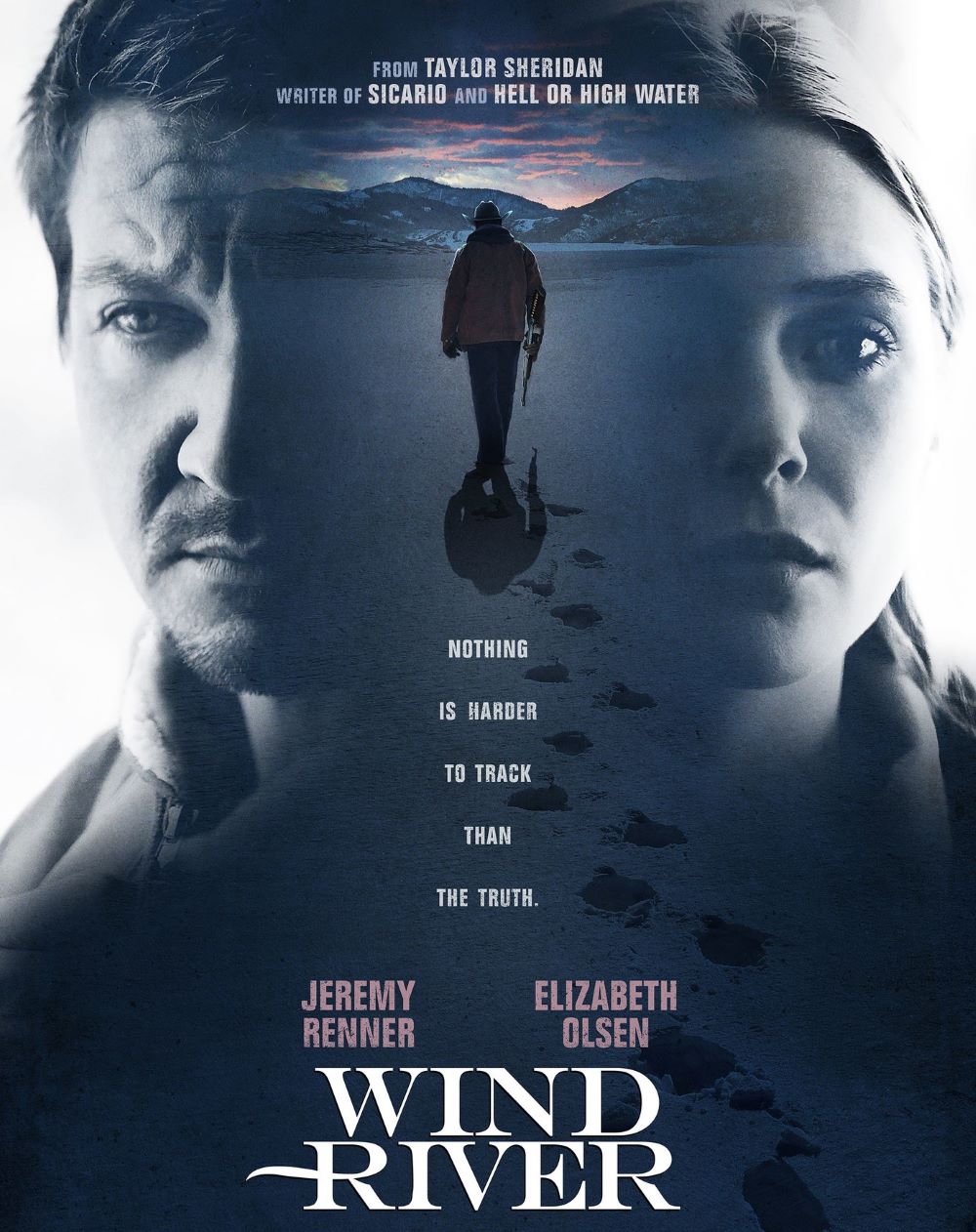
Review: Wind River (dir. by Taylor Sheridan)


“Luck don’t live out here.” — Cory Lambert

Wind River is a gripping crime thriller set against the stark, frozen backdrop of Wyoming’s Wind River Indian Reservation, where U.S. Fish and Wildlife tracker Cory Lambert teams up with rookie FBI agent Jane Banner to investigate the brutal death of a young Native American woman named Natalie Hanson. Wind River marks the third film in Taylor Sheridan’s American Frontier trilogy that he wrote—following Sicario and Hell or High Water—and it’s the first where Sheridan steps into the director’s chair himself, bringing his sharp eye for gritty realism to the helm. Clocking in at just under two hours, it delivers a mostly positive experience through strong performances, atmospheric visuals, and a script that builds suspense without unnecessary flash, though it occasionally leans on familiar tropes.

Right from the opening moments, Wind River immerses you in a world of isolation and harsh beauty. Snow-covered plains stretch endlessly under a pale sky, and the crunch of boots on ice sets an immediate tone of vulnerability. Cory, played with quiet intensity by Jeremy Renner, discovers Natalie’s frozen body while tracking a mountain lion that’s been preying on livestock. She’s barefoot, half-naked, and miles from any help—details that hit hard and underscore the film’s core mystery: what happened to her, and why does it feel like no one cares? Renner nails the role of a man haunted by his own past loss—his teenage daughter died under mysterious circumstances a few years back—making Cory a grounded everyman rather than a superheroic cowboy. His subtle grief adds layers to every scene, turning routine investigation beats into something personal and raw.

Enter Elizabeth Olsen as Jane Banner, the FBI agent flown in from Vegas who’s clearly out of her depth in sub-zero temperatures and jurisdictional limbo. Olsen brings a mix of determination and wide-eyed realism to the part, avoiding the cliché of the big-city hotshot who learns frontier wisdom overnight. She’s tough but human—hypothermic after a chase, throwing up from the cold, yet pushing through because Natalie deserves justice. The dynamic between Cory and Jane is one of the film’s highlights: no forced romance, just mutual respect born from necessity. Sheridan smartly lets their partnership evolve organically, with Cory’s local knowledge filling Jane’s gaps in protocol and reservation politics. It’s refreshing to see two leads click without sparks flying, focusing instead on shared purpose amid tragedy.

The script shines in its efficient storytelling. Sheridan wastes no time on exposition dumps; instead, he weaves backstory through quiet conversations and flashbacks that pack emotional punch. We learn about the epidemic of missing Indigenous women—thousands vanish yearly, often ignored by media and law enforcement—via stark statistics flashed on screen and through the eyes of Natalie’s family. Gil Birmingham delivers a heartbreaking performance as her father, Martin, a stoic oil rig worker whose rage simmers beneath a veneer of resignation. His scenes with Cory, especially a late-night talk by a bonfire, cut deep, exploring themes of fatherly failure and systemic neglect without preaching. Birmingham’s restrained power elevates what could have been a stock grieving parent into a standout supporting role.

Visually, Wind River is a stunner, thanks to cinematographer Ben Richardson. Those vast, snowy expanses aren’t just pretty—they mirror the characters’ emotional desolation and amplify the stakes. An early tracking sequence, with Cory following Natalie’s footprints in the snow, builds dread masterfully, the silence broken only by wind and labored breaths. The film shifts tones seamlessly: slow-burn investigation gives way to visceral action in the third act, including a raid on an oil site trailer that’s tense, realistic, and over in a flash—no prolonged shootouts or slow-mo heroics. Sound design plays a big role too; the howling wind and muffled gunshots make every moment feel immediate and unforgiving.

Sheridan’s direction keeps things taut without rushing the build-up. This is a slow-burner that earns its pace, letting tension simmer through everyday details like jurisdictional squabbles with underfunded tribal police or Cory teaching Jane to dress for the cold. Nick Cave and Warren Ellis’s score is another winner—sparse, haunting electronics that evoke loneliness rather than bombast. It underscores key scenes without overpowering them, much like the film itself avoids Hollywood excess.

That said, Wind River has its stumbles. Pacing dips in the middle, with some dialogue-heavy stretches that spell out themes a tad too explicitly—like chats about reservation poverty or ignored crimes. It can feel heavy-handed, pulling you out of the immersion. A few characters, like the bumbling FBI contingent or security guards, border on caricature, though the leads stay nuanced. The violence, while sparse and purposeful, includes a harrowing assault scene that’s tough to watch; it’s crucial to the story but might overwhelm sensitive viewers. And while the film tackles real issues facing Native communities, some critics note it centers white protagonists in a Native story, though Sheridan consulted tribal members and cast authentically.

Still, these are minor gripes in a film that largely succeeds on its own terms, especially as the capstone to Sheridan’s trilogy exploring America’s frayed edges. The ending delivers catharsis without easy answers, leaving you with a chill that lingers. Cory gets a measure of redemption, Jane gains hard-won insight, and the reservation’s harsh realities feel unflinchingly real. It’s the kind of movie that sticks because it respects your intelligence—connecting dots about corruption, indifference, and human cost without hand-holding.

What elevates Wind River above standard thrillers is its humanity. Every character, even antagonists, feels fleshed out rather than villainous stock. The oil workers aren’t cartoon evil; they’re desperate men making brutal choices in a forgotten corner of America. Sheridan, drawing from his own ranching background, captures blue-collar grit authentically—no glamour, just survival. Renner’s Cory hunts for a living, bottles his pain, and bonds with his ex-wife’s new family in tender asides that ground the procedural. Olsen’s Jane evolves from outsider to advocate, her arc subtle but satisfying.

The film’s relevance hasn’t faded since its 2017 release. With ongoing conversations around Missing and Murdered Indigenous Women (MMIW), it spotlights a crisis stats show claims over 5,000 cases annually, many unsolved due to jurisdictional messes. Wind River doesn’t solve it but demands attention, blending genre thrills with advocacy seamlessly.

In a crowded field of crime dramas, Wind River stands out for its chill factor, both literal and figurative. It’s not reinventing the wheel, but Sheridan proves he’s a triple threat: writer, director, voice for the voiceless. Renner and Olsen lead a tight ensemble, and the Wyoming wilderness becomes a character itself. If you dig thoughtful thrillers like Hell or High Water or Sicario, this one’s essential. It’s mostly positive vibes from me—intense, moving, and worth cranking up the thermostat for.

Sheridan’s ear for dialogue keeps things natural—terse exchanges crackle with subtext, like Cory’s line to Martin about enduring loss as a father that hits like a gut punch with simple words carrying profound weight. The film trusts silence too; long shots of characters staring into the void say more than monologues ever could, while technically it’s polished with editing that snaps during action and breathes during reflection. Even smaller roles shine—Kelsey Asbille as Natalie brings fire in limited screen time, and James Jordan plays an irredeemable private security contractor so well. Balanced against its preachiness, Wind River earns its emotional heft, dragging occasionally sure, but the payoff of an explosive finale and quiet closure makes it worthwhile, with power in inevitability and quiet fury as Sheridan avoids exploitative rape-revenge clichés to focus on aftermath and accountability.

Wind River delivers assured direction in Sheridan’s feature debut, memorable performances, and a compelling story that resonates. It refreshes the thriller genre with its blend of tension and substance.

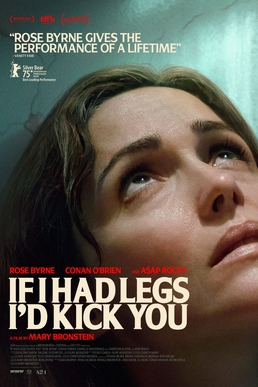
The Women Film Critics Circle Honors If I Had Legs I’d Kick You


The Women Film Critics Circle has announced its picks for the best of 2025.  And here they are:

Best Movie About Women
Winner: If I Had Legs I’d Kick You
Runners Up: Hamnet, Eleanor the Great & Sorry, Baby

Best Movie by a Woman
Winner: Chloé Zhao (Hamnet)
Runners Up: Eva Victor (Sorry, Baby), Lynne Ramsay (Die My Love) & Mary Bronstein If I Had Legs I’d Kick You)

Best Woman Storyteller (Screenwriting Award)
Winner: Chloé Zhao, Maggie O’Farrell (Hamnet)
Runners Up: Eva Victor (Sorry, Baby), Lynne Ramsay, Alice Birch (with Enda Walsh) (Die My Love) & Mary Bronstein (If I Had Legs I’d Kick You)

Best Actress
Winner: Jessie Buckley (Hamnet)
Runners Up: Rose Byrne (If I Had Legs I’d Kick You), Amanda Seyfried (The Testament of Ann Lee) & Jennifer Lawrence (Die My Love)

Best Actor
Winner: Ethan Hawke (Blue Moon)
Runners Up: Michael B. Jordan (Sinners), Leonardo DiCaprio (One Battle After Another) & Timothée Chalamet (Marty Supreme)

Best Supporting Actress
Winner: Regina Hall (One Battle After Another)
Runners Up: Andrea Riseborough (Goodbye June), Odessa A’zion (Marty Supreme) & Samantha Morton (Anemone)

Best Foreign Film by or About Women
Winner (tie): Left-Handed Girl
Winner (tie): The Voice of Hind Rajab
Runners Up: All That’s Left of You & Belén

Best Documentary by or About Women
Winner: My Mom Jayne
Runners Up: The Perfect Neighbor, Put Your Soul on Your Hand and Walk & The Librarians

Best Equality of the Sexes
Winner: Sinners
Runners Up: The Testament of Ann Lee, Lilly & Tatami

Best Animated Female
Winner: Rumi (K-Pop Demon Hunters)
Runners Up (tie): Amélie (Little Amélie or the Character of Rain) & Judy Hopps (Zootopia 2)
Runner Up: Scarlet (Scarlet)

Best Screen Couple
Winner: Wunmi Mosaku and Michael B. Jordan (Sinners)
Runners Up: Jessie Buckley and Paul Mescal (Hamnet), Elizabeth Olsen and Miles Teller (Eternity) & Laura Dern and Will Arnett (Is This Thing On?)

Best TV Series
Winner: Hacks (Season 4)
Runners Up: Dying for Sex, The Girlfriend & The White Lotus (Season 3)

Adrienne Shelly Award*
For a film that most passionately opposes violence against women
Winner: Sorry, Baby
Runners Up: Christy, Companion & Lilly

Josephine Baker Award*
For best expressing the woman of color experience in America
Winner: Sinners
Runners Up: Hedda, Rosemead & Wicked: For Good

Karen Morley Award*
For best exemplifying a woman’s place in history or society, and a courageous search for identity
Winner: Eleanor the Great
Runners Up (tie): Die My Love & The Testament of Ann Lee
Runner Up: Familiar Touch

Acting and Activism Award
America Ferrera

Lifetime Achievement Award
Diane Keaton

Here Are The Independent Spirit Nominations!


Today, most awards watchers will be devoting most of their attention to the National Board of Review and the American Film Institute.  That said, the Independent Spirit nominations were still announced earlier today and Anora had a strong showing.  Meanwhile, The Brutalist, which did so well with the New York Film Critics Circle, picked up a nomination for Best Director but not Best Picture.

Here are the Spirit Nominations.  While looking at the nominations, keep in mind that a lot of potential Oscar nominees were not eligible for a nomination.  As a result, the Spirit nominations aren’t exactly the strongest predictive tool when it comes to guessing what will eventually be nominated by the Academy.

Still, it never hurts to be mentioned!

Best Feature

Anora
Producers: Sean Baker, Alex Coco, Samantha Quan

I Saw the TV Glow
Producers: Ali Herting, Sam Intili, Dave McCary, Emma Stone, Sarah Winshall

Nickel Boys
Producers: Joslyn Barnes, Dede Gardner, Jeremy Kleiner, David Levine

Sing Sing
Producers: Clint Bentley, Greg Kwedar, Monique Walton

The Substance
Producers: Tim Bevan, Coralie Fargeat, Eric Fellner

Best First Feature

Dìdi
Director/Producer: Sean Wang
Producers: Valerie Bush, Carlos López Estrada, Josh Peters

In the Summers

Director: Alessandra Lacorazza Samudio
Producers: Janek Ambros, Lynette Coll, Alexander Dinelaris, Cynthia Fernandez De La Cruz, Cristóbal Güell, Sergio Alberto Lira, Rob Quadrino, Jan Suter, Daniel Tantalean, Nando Vila, Slava Vladimirov, Stephanie Yankwitt

Janet Planet
Director/Producer: Annie Baker
Producers: Andrew Goldman, Dan Janvey, Derrick Tseng

The Piano Lesson
Director: Malcolm Washington
Producers: Todd Black, Denzel Washington

Problemista
Director/Producer: Julio Torres
Producers: Ali Herting, Dave McCary, Emma Stone

John Cassavetes Award

Given to the best feature made for under $1,000,000

Big Boys
Writer/Director/Producer: Corey Sherman
Producer: Allison Tate

Ghostlight
Writer/Director: Kelly O’Sullivan
Director/Producer: Alex Thompson
Producers: Pierce Cravens, Ian Keiser, Chelsea Krant, Eddie Linker, Alex Wilson

Girls Will Be Girls
Writer/Director/Producer: Shuchi Talati
Producers: Richa Chadha, Claire Chassagne

Jazzy
Writer/Director/Producer: Morrisa Maltz
Writer/Producer: Lainey Shangreaux
Writers: Andrew Hajek, Vanara Taing
Producers: Miranda Bailey, Tommy Heitkamp, John Way, Natalie Whalen, Elliott Whitton

The People’s Joker
Writer/Director: Vera Drew
Writer: Bri LeRose
Producer: Joey Lyons

BEST DIRECTOR

Ali Abbasi
The Apprentice

Sean Baker
Anora

Brady Corbet
The Brutalist

Alonso Ruizpalacios
La Cocina

Jane Schoenbrun
I Saw the TV Glow

BEST SCREENPLAY

Scott Beck, Bryan Woods
Heretic

Jesse Eisenberg
A Real Pain

Megan Park
My Old Ass

Aaron Schimberg
A Different Man

Jane Schoenbrun
I Saw the TV Glow

BEST FIRST SCREENPLAY

Joanna Arnow
The Feeling That the Time for Doing Something Has Passed

Annie Baker
Janet Planet

India Donaldson
Good One

Julio Torres
Problemista

Sean Wang
Dìdi

BEST LEAD PERFORMANCE

Amy Adams
Nightbitch

Ryan Destiny
The Fire Inside

Colman Domingo
Sing Sing

Keith Kupferer
Ghostlight

Mikey Madison
Anora

Demi Moore
The Substance

Hunter Schafer
Cuckoo

Justice Smith
I Saw the TV Glow

June Squibb
Thelma

Sebastian Stan
The Apprentice

BEST SUPPORTING PERFORMANCE

Yura Borisov
Anora

Joan Chen
Dìdi

Kieran Culkin
A Real Pain

Danielle Deadwyler
The Piano Lesson

Carol Kane
Between the Temples

Karren Karagulian
Anora

Kani Kusruti
Girls Will Be Girls

Brigette Lundy-Paine
I Saw the TV Glow

Clarence “Divine Eye” Maclin
Sing Sing

Adam Pearson
A Different Man

BEST BREAKTHROUGH PERFORMANCE

Isaac Krasner
Big Boys

Katy O’Brian
Love Lies Bleeding

Mason Alexander Park
National Anthem

René Pérez Joglar
In the Summers

Maisy Stella
My Old Ass

BEST CINEMATOGRAPHY

Dinh Duy Hung
Inside the Yellow Cocoon Shell

Jomo Fray
Nickel Boys

Maria von Hausswolff
Janet Planet

Juan Pablo Ramírez
La Cocina

Rina Yang
The Fire Inside

 BEST EDITING

Laura Colwell, Vanara Taing
Jazzy

Olivier Bugge Coutté, Olivia Neergaard-Holm
The Apprentice

Anne McCabe
Nightbitch

Hansjörg Weissbrich
September 5

Arielle Zakowski
Dìdi

ROBERT ALTMAN AWARD – Given to one film’s director, casting director, and ensemble cast

His Three Daughters
Director: Azazel Jacobs
Casting Director: Nicole Arbusto
Ensemble Cast: Jovan Adepo, Jasmine Bracey, Carrie Coon, Jose Febus, Rudy Galvan, Natasha Lyonne, Elizabeth Olsen, Randy Ramos Jr., Jay O. Sanders

BEST DOCUMENTARY (Award given to the director and producer)

Gaucho Gaucho
Directors/Producers: Michael Dweck, Gregory Kershaw
Producers: Christos Konstantakopoulos, Cameron O’Reilly, Matthew Perniciaro

Hummingbirds
Directors: Silvia Del Carmen Castaños, Estefanía “Beba” Contreras
Co-Directors/Producers: Miguel Drake-McLaughlin, Diane Ng, Ana Rodriguez-Falco, Jillian Schlesinger
Producers: Leslie Benavides, Rivkah Beth Medow

No Other Land
Directors/Producers: Yuval Abraham, Basel Adra, Hamdan Ballal, Rachel Szor
Producers: Fabien Greenberg, Bård Kjøge Rønning

Patrice: The Movie
Director: Ted Passon
Producers: Kyla Harris, Innbo Shim, Emily Spivack

Soundtrack to a Coup d’Etat
Director: Johan Grimonprez
Producers: Rémi Grellety, Daan Milius

 BEST INTERNATIONAL FILM (Award given to the director)

All We Imagine as Light
France, India, Netherlands, Luxembourg
Director: Payal Kapadia

Black Dog
China
Director: Guan Hu

Flow
Latvia, France, Belgium
Director: Gints Zilbalodis

Green Border
Poland, France, Czech Republic, Belgium
Director: Agnieszka Holland

Hard Truths
United Kingdom
Director: Mike Leigh

PRODUCERS AWARD  presented by Bulleit Frontier Whiskey – The Producers Award, now in its 28th year, honors emerging producers who, despite highly limited resources, demonstrate the creativity, tenacity, and vision required to produce quality independent films.

Alex Coco

Sarah Winshall

Zoë Worth

 SOMEONE TO WATCH AWARD  – The Someone to Watch Award, now in its 31st year, recognizes a talented filmmaker of singular vision who has not yet received appropriate recognition.

Nicholas Colia
Director of Griffin in Summer

Sarah Friedland
Director of Familiar Touch

Pham Thien An
Director of Inside the Yellow Cocoon Shell

TRUER THAN FICTION AWARD – The Truer Than Fiction Award, now in its 30th year, is presented to an emerging director of non-fiction features who has not yet received significant recognition.

Julian Brave NoiseCat, Emily Kassie
Directors of Sugarcane

Carla Gutiérrez
Director of Frida

Rachel Elizabeth Seed
Director of A Photographic Memory

Hey! Here’s Yet Another Trailer for WandaVision!


Hey!  Did you know that WandaVision is going to be streaming in another five days!?

Well, if you didn’t, you obviously haven’t been spending much time on YouTube or Twitter and I guess you haven’t been reading this site much either so shame on you.  It seems like, every day, there’s another trailer, preview, or teaser for WandaVision.  The trailers mix black-and-white sitcom-style laugh tracked scenes with color scenes that seem like they’re from a 70s soap opera.  My assumption is that the show features Wanda creating an alternate universe where she and Vision can attempt to live happily, one that I’m going to guess she created out of her knowledge of old television shows.  That’s a nice thought and, of course, an alternate universe means that Marvel will have an easy way to correct past mistakes.

“Robert Downey, Jr. wants to come back to the MCU?  Go snatch Tony Stark out of an alternate universe!”

“Everyone finally realized that it was freaking stupid to kill off the Black Widow and that the MCU is better with Scarlett Johansson than without her?  QUICKLY!  TO THE ALTERNATE UNIVERSE!”

As I said, I think it’s a good idea and, the next time I find myself in my office, watching the retro TV stations, I will be sure to think about how I can use each episode of Ghost Whisperer to create a new universe.  And, as snarky as I am about the constant trailers, I am actually looking forward to WandaVision.  Even though I think the MCU reached it’s logical end with Avengers: Endgame, I’m still looking forward to seeing if Marvel can keep their winning streak alive.  Thanks to the pandemic, it’s been a while since we had a new MCU production and I’m a bit curious to see whether or not that absence is going to help or hinder the franchise.

Add to that, I like Elizabeth Olsen.  I like Paul Bettany.  I’ll watch them in almost anything.  Elizabeth Olsen deserves better than to just be the romantic interest in a Godzilla film.  Paul Bettany deserves better than to just be everyone’s eccentric British friend (or the European villain in the latest action movie).  As played by Bettany and Olsen, Vision and Wanda were two of the more interesting characters to be found in the MCU.  Both the actors and the characters deserve a chance in the spotlight and I’m happy to see them getting one.

Here’s the latest trailer:

Finally, all of twitter was abuzz (bleh!  Did I really write that?), with the news that some people were allowed to watch the first three episodes of WandaVision.  Their reactions were so incredibly positive that it would be good to remember that early reactions are always overly positive to almost every new TV show and movie.  I mean, if your entire career is dependent upon keeping Disney happy and maintaining your access to “company insiders,” it’s only common sense to have a positive reaction to the latest Disney product.  Always take these things with a grain of salt, I’m saying.

That said, I really hope WandaVision is good.  We’ll all find out in five days!

Here’s The Latest Trailer for WandaVision!


Well, it’s a new day and I guess that means that it’s time for another enigmatic trailer for WandaVision.  It’s been interesting to note that, even with all the trailers that Disney Plus has released for this show, it’s still hard to get a definite feel for just what exactly WandaVision is going to be.  That’s not a bad thing, of course.  The enigmatic is intriguing.

Judging from the trailers that have been released so far, this is either going to be brilliant or a disaster.  I don’t really see much room in between those two extremes. I am going to guess that Wanda and Vision are living in some sort of alternate reality, one that Wanda constructed from a lifetime of watching old TV shows.  That’s my guess, anyways.  I’ve come across a few people online who have a much darker interpretation — i.e., Wanda is actually in some sort of coma and the entire show is her dying fantasy of having a perfect life with Vision.  I mean, seriously — that would be like a Marvel show from the darkest timeline.  I would have to put a blue streak in my hair if that happened!  (“Life got dark!” to quote Britta Perry.)

Anyway, this latest trailer continues to mix comedy with darkness.  I’ll definitely give this show a try, if just because I love both Paul Bettany and Elizabeth Olsen and I don’t feel that either one of them has really gotten all of the opportunities that they deserve.  Disney Plus, obviously, is hoping that they’ll have another Mandalorian-style hit with this one and it is interesting to consider that, with the pandemic and all, this will be the first new MCU release in a year.  To a certain extent, the reception of this show will answer the question of whether or not the MCU can continue to thrive after the apocalyptic conclusion of Avengers: Endgame.  The show will be available on Disney Plus on January 15th so we should have our answers in just another two weeks!

Here’s the latest trailer:

Here’s The New WandaVision Teaser!


Today, Marvel Studios decided to say “Merry Christmas” by releasing a new teaser for WandaVision!

And here it is!

WandaVision will premiere on Disney+ on January 15th!  Personally, I’m looking forward to it but then again, I look forward to anything that features Paul Bettany.  Plus, Wanda was the Avenger to whom I most related.  Let’s just hope things work out for the best for those two.  They deserve a little happiness!

Film Review: Avengers: Endgame (dir by the Russo Brothers)


(Minor Spoilers Below!  Read at your own risk.)

So, how long does the no spoiler rule for Avengers: Endgame apply?  There’s so much that I want to say about this film but I know that I shouldn’t because, even though it had a monstrous opening weekend, there are still people out there who have not had a chance to see the film.  And while this review will have minor spoilers because, otherwise, it would be impossible to write, I’m not going to share any of the major twists or turns.

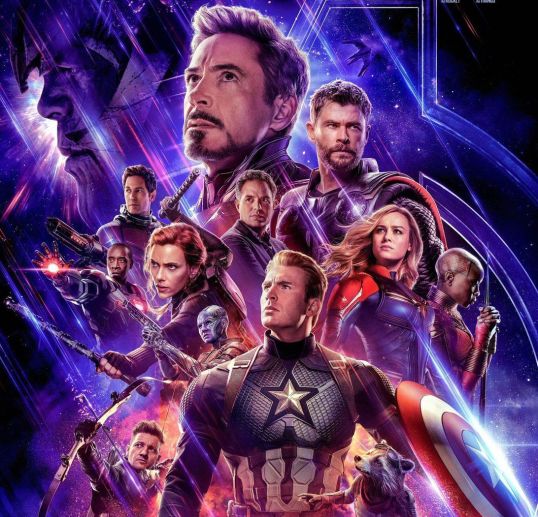
I will say this.  I saw Avengers: Endgame last night and it left me exhausted, angry, sad, exhilarated, and entertained.  It’s a gigantic film, with a plot that’s as messy and incident-filled as the cinematic universe in which it takes place.  More than just being a sequel or just the latest installment in one of the biggest franchises in cinematic history, Avengers: Endgame is a monument to the limitless depths of the human imagination.  It’s a pop cultural masterpiece, one that will make you laugh and make you cheer and, in the end, make you cry.  It’s a comic book film with unexpected emotional depth and an ending that will bring a tear to the eye of even the toughest cynic.  By all logic, Avengers: Endgame is the type of film that should collapse under its own weight but instead, it’s a film that thrives on its own epic scope.  It’s a three-hour film that’s never less than enthralling.  Even more importantly, it’s a gift to all of us who have spent the last ten years exploring the Marvel Cinematic Universe.

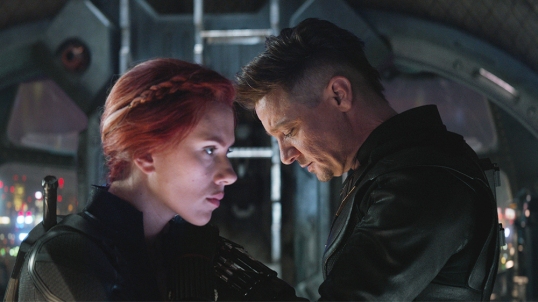
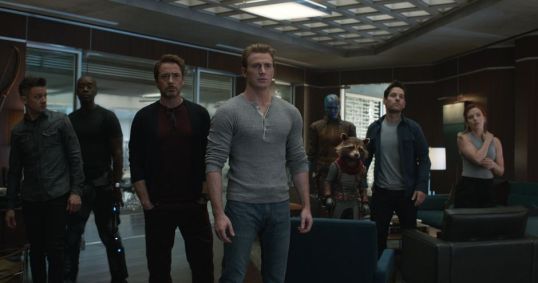
The film itself starts almost immediately after the “Snap” that ended Avengers: Infinity War and we watch as Clint Barton (Jeremy Renner, returning to the franchise after being absent in the previous film) finds himself powerless to keep his family from disintegrating.  After often being dismissed as the Avengers’s weak link, both Clint Barton and Jeremy Renner come into their own in the film.  As one of two members of the Avengers who does not have super powers, Clint serves as a everyperson character.  He’s a reminder that there’s more at stake in Endgame than just the wounded pride of a few super heroes.  When Thanos wiped out half the universe, he didn’t just wipe out Spider-Man, Doctor Strange, and Groot.  He also left very real wounds that will never be healed.

When the film jumps forward by five yeas, we discover that the world is now a much darker place.  When we see New York, the once vibrant city is now gray and deserted.  Our surviving heroes have all dealt with the Snap in their own way.  Clint is now a vigilante, killing anyone who he feels should have been wiped out by Thanos but wasn’t.  Thor (Chris Hemsworth) drinks and eats and feels sorry for himself.  Captain America (Chris Evans) attends support groups and, in one nicely done scene, listens as a man talks about his fear of entering into his first real relationship in the years since “the Snap.”  Tony Stark (Robert Downey, Jr.) is living as a recluse and is still blaming himself.  Hulk (Mark Ruffalo) is now an avuncular, huge, and very green scientist.  Only Natasha (Scarlett Johansson) remains convinced that the Snap can somehow be undone.  She’s right, of course.  But doing so will involve some unexpected sacrifices and a lot of time travel….

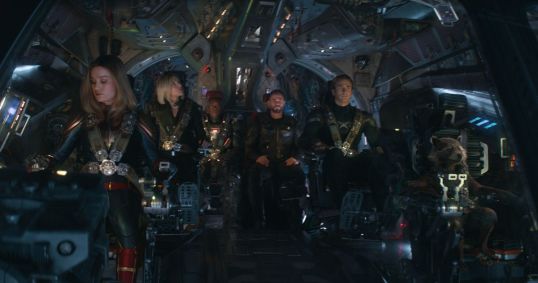
And that’s as much as I can tell you, other than to say that the film takes full advantage of both the time travel aspects (yes, there are plenty of Back to the Future jokes) and its high-powered cast.  With our heroes — which, along with the usual Avengers, also include Ant-Man (Paul Rudd) and Rocket Racoon (Bradley Cooper) — hopping through time and space, we get a chance to revisit several of the films that led up to Endgame and it’s a thousand times more effective than it has any right to be.  Yes, one could argue that the cameos from Robert Redford, Tom Hiddleston, Hayley Atwell, and others were essentially fan service but so what?  The fans have certainly earned it and the MCU has earned the chance to take a look back at what it once was and what it has since become.

Indeed, Avengers: Endgame would not work as well as it does if it hadn’t been preceded by 21 entertaining and memorable movies.  It’s not just that the MCU feels like a universe that it as alive as our own, one that is full of wonder, mystery, sadness, and love.  It’s also that we’ve spent ten years getting to know these characters and, as a result, many of them are much more than just “super heroes” to us.  When Tony Stark and Captain America argue over whether it’s even worth trying to undo the Snap, it’s an effective scene because we know the long and complicated history of their relationship.  When the Avengers mourn, we mourn with them because we know their pain.  We’ve shared their triumphs and their failures.  Tony Stark may be a guy in an iron suit but he’s also a man struggling with his own demons and guilt.  Steve Rogers may be a nearly 100 year-old super solider but he’s also every single person who has struggled to make the world a better place.  As strange as it may be to say about characters known as Iron Man, Captain America, and the Black Widow, we feel like we know each and every one of them.  We care about them.

Needless to say, the cast is huge and one of the great things about the film is that previously underused or underestimated performers — like Jeremy Renner, Scarlett Johansson, Paul Rudd, Don Cheadle, and Karen Gillan — all finally get a chance to shine.  As always, the heart of the film belongs to Chris Evans while Robert Downey, Jr. provides just enough cynicism to keep things from getting to superficially idealistic.  Chris Hemsworth and Mark Ruffalo get most of the film’s big laughs, each playing their borderline ludicrous characters with just the right combination of sincerity and humor.  Of course, Josh Brolin is back as well and he’s still perfectly evil and arrogant as Thanos.  But whereas Thanos was the focus of Infinity War, Endgame focuses on the heroes.  If Infinity War acknowledged that evil can triumph, Endgame celebrates the fact that good never surrenders.

As Endgame came to an end, I did find myself wondering what the future is going to hold for the MCU.  A part of me wonders how they’re going to top the past ten years or if it’s even possible to do so.  Several mainstays of the MCU say goodbye during Endgame and it’s hard to imagine the future films without their presence.  It’s been hinted that Captain Marvel is going to be one of the characters holding the next phase of the  MCU together and, fortunately, Brie Larson is a quite a bit better in Endgame than she was in her previous MCU film.  Hopefully, regardless of what happens in the future, Marvel and Disney will continue to entrust their characters to good directors, like the Russo Brothers, James Gunn, and Taika Waititi.  (Wisely, Disney reversed themselves and rehired James Gunn for the next Guardians of the Galaxy film.  Of course, Gunn never should have been fired in the first place….)

And that’s really all I can say about Avengers: Endgame right now, other than to recommend that you see it.  In fact, everyone in the world needs to hurry up and see it so we can finally start talking about the film without having to post spoiler warnings!

For now, I’ll just say that Avengers: Endgame is a powerful, emotional, and entertaining conclusion to one of the greatest cinematic sagas ever.

Lisa Reviews Avengers: Infinity War (dir by Joe and Anthony Russo)


(Warning: There are spoilers in this review.  They’re not necessarily huge spoilers but they’re there.  Read at your own risk.)

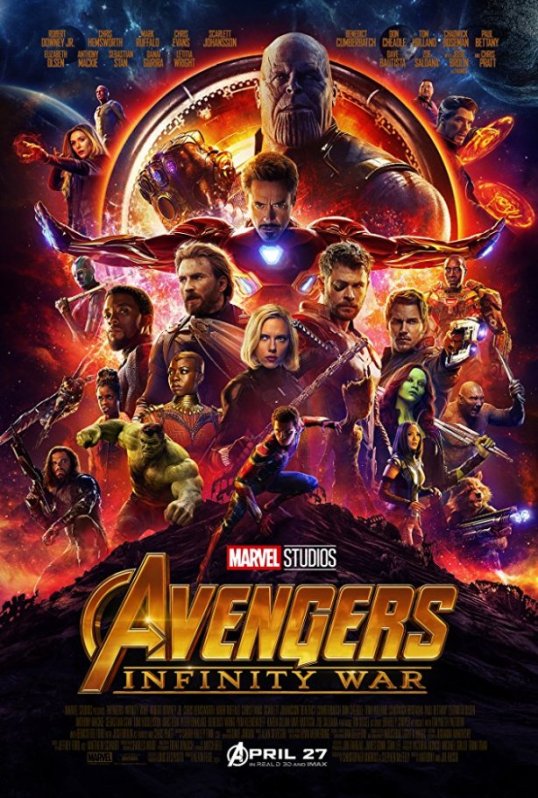
Avengers: Infinity War is a lot of things.  It’s big, it’s thrilling, it’s emotional, it’s colorful, it’s loud, it’s flamboyant, and, clocking in at two and a half hours, it’s occasionally a bit exhausting.  It’s overwhelming but it’s never boring.  It’s a nearly perfect example of pure cinema, where the story is less about what happens and more how it’s told. It’s a tribute to not just the Marvel Cinematic Universe but also to the audiences who have been flocking to each movie since Iron Man was first released way back in 2008.  Avengers: Infinity War is a pop art masterpiece, one that provides the first part of a climax to a saga that’s been unfolding for ten years.

In the days leading up to the release of Avengers: Infinity War, the main selling point was the assumption that this movie would feature every single character that’s been introduced as a citizen of the MCU so far.  Though the film comes close to including everyone, there are still a few characters who are notable for their absence.  Ant-Man and the Wasp are nowhere to be seen.  None of the Marvel Television characters show up, which is a shame because I’m sure Jessica Jones would have had some choice words about the potential end of the universe.  Two familiar SHIELD agents make a brief appearance, though you have to wonder where they were when New York and Wakanda were being invaded.

That said, all of the big heroes show up.  Tony Stark (Robert Downey, Jr.) flies into space with Dr. Strange (Benedict Cumberbatch) and Spider-Man (Tom Holland).  Thor (Chris Hemsworth) teams up with Rocket Racoon and Groot (voiced by Bradley Cooper and Vin Diesel, respectively).  When Wakanda is attacked, Black Panther (Chadwick Boseman), Captain America (Chris Evans), The Falcon (Anthony Mackie), White Wolf (Sebastian Stan), the Hulk (Mark Ruffalo), Rhodey (Don Cheadle), and Natasha (Scarlett Johansson) are all present to defend it.  Meanwhile, Vision (Paul Bettany) and Wanda (Elizabeth Olsen) continue to pursue their odd relationship while Peter Quill (Chris Pratt) and Gamora (Zoe Saldana) search for Gamora’s father, Thanos (Josh Brolin).

It’s a packed film and the fact that it works as well as it does is a testament to the power of perfect casting and movie star charisma.  At this point, we feel as if we know these characters.  We know that Tony Stark is going to be haunted by what happened the last time Thanos’s minions involved New York.  We know that Spider-Man is going to be desperate to prove that he belongs with the adults, just as we know that Dr. Strange isn’t going to be particularly impressed with anyone he meets.  Needless to say, some characters get more screen time than others.  Despite a good deal of the film taking place in Wakanda, Black Panther largely stays in the background.  I personally wish that both Natasha and Captain America had been given a bit more to do.  Considering just how talented both Anthony Mackie and Don Cheadle are, it’s a shame that neither one of them ever gets to do much in these films.  At the same time, Infinity Wars allows both Elizabeth Olsen and Paul Bettany to come into their own and Chris Hemsworth again shows that he may be the most underrated star in the MCU.  I’ve read a lot of criticism of certain actions taken by Peter Quill towards the end of the film but actually, it’s exactly what you would expect his character to do in the situation and, up until that moment, Chris Pratt is a welcome presence.  It’s important to have someone around who appreciates good music and who can make you laugh, especially considering that Thanos is planning to wipe out 50% of the universe’s population…

Oh yes, Thanos.  After spending years lurking in the background, Thanos finally steps forward in Infinity War.  In fact, it can be argued that Avengers: Infinity War is actually much more of a Thanos film than an Avengers film.  While our heroes are continually spending the film trying to catch up to Thanos and reacting to his latest action, Thanos is always one step ahead.  Thanos is the one who steers the narrative and, for once, you really do believe that an MCU villain views the heroes as being mere distractions.  Thanos is the one on a quest and the film follows him through every step of his search.  In fact, the film’s most emotional moments belong to Thanos.  For all the death and destruction to be found in the film’s surprisingly dark narrative, Thanos is the only character to ever shed a tear.  Like all great villains, Thanos doesn’t view himself as being evil.  Instead, Thanos speaks very sincerely of his desire to bring balance to the universe.  The scary thing about Thanos isn’t that he claims that he’s being merciful when he slaughters millions of beings.  The scary thing about Thanos is that believes it.

Thanos, you see, is a bit of an intergalactic environmentalist.  As he explains it, the universe only has a finite number of resources.  By killing half of the universe’s population, he is ensuring that the other half will be able to survive in peace and harmony.  Most people would call Thanos’s actions genocidal but Thanos would probably say that he’s merely making the difficult decisions that others don’t have the courage or intelligence to make.  It may all sound rather far-fetched and melodramatic until you consider that, just last week, bureaucrats and doctors in the UK decided it would be better to starve a sick infant to death rather than allow his parents to take him to be treated in another country.  With his mix of narcissism and absolutely belief in his own moral certitude, Thanos is a far more familiar villain than a lot of viewers might want to admit.  As opposed to the forgettable villains who have appeared in so many MCU films, Thanos is a compelling and complicated figure.  It’s interesting to note that two of the best performances of the year so far were given by actors appearing as villains in MCU films, Michael B. Jordan in Black Panther and Josh Brolin in this one.

As befits the film’s subject matter, Infinity War is a sprawling film, one that skips from world to world.  The visuals are frequently spectacular, as are the many battles.  From the opening attack on New York to the final battles in Wakanda and in space, the action is non-stop and thrilling.  (It helps that, as opposed to some of the previous MCU films, it’s always clear who is fighting who and why they’re fighting.)  For me, though, the most memorable scenes are the scenes where Thanos looks and considers the worlds that he’s destroyed.  There’s a scene where an exhausted Thanos rests on a placid planet and it’s one of the strongest images in the history of the MCU.

I’ve been told that I shouldn’t worry too much about all of the characters who are killed over the course of Infinity War.  From what I’ve been told, it’s apparently something of a tradition in Marvel comics to kill off a bunch of recognizable characters and then have them come back to life an issue or two later.  And the fact that the sequel to Infinity War has already been filmed and is set to released next year leads me to suspect that nothing’s permanent.  I mean, if all of these people are really dead, there aren’t going to be many heroes left to make any more movies about.  That said, I still got far more emotional than I probably should have at some of the unexpected demises.  Especially … well, no.  I won’t say the name.  But seriously, it was upsetting.

2018 is shaping up to be the year of Marvel.  So far, Marvel has released two of the best films of the year.  To be honest, a film as huge as Infinity War shouldn’t have worked and yet, it does.  It’s a masterpiece of pop art.*

* For a totally different response to Avengers: Infinity War, check out Ryan’s review by clicking here!

Check Out These Avengers: Infinity War Character Posters!


With the release of Avengers: Infinity War right around the corner, Marvel has released a whole new collection of character posters!  Just in case you were wondering who, from the MCU, is going to show up in Infinity War, here’s a partial reminder!

(By the way, the answer  would appear to be just about everyone who has ever appeared in an MCU film!)

Iron Man (Robert Downey, Jr)

Hulk (Mark Ruffalo)

Thor (Chris Hemsworth)

War Machine (Don Cheadle)

Black Widow (Scarlett Johansson)

Captain America (Chris Evans)

White Wolf (Sebastian Stan)

Falcon (Anthony Mackie)

Star-Lord (Chris Pratt)

Rocket and Groot (Bradley Cooper and Vin Diesel)

Gamora (Zoe Saldana)

Nebula (Karen Gillan)

Drax (Dave Bautista)

Scarlet Witch (Elizabeth Olsen)

Vision (Paul Bettany)

Black Panther (Chadwick Boseman)

Spider-Man (Tom Holland)

Doctor Strange (Benedict Cumberbatch)

Wong (Benedict Wong)

Mantis (Pom Klementieff)

Okoye (Danai Gurira)

Shuri (Letitia Wright)