Small town boxer Charlie Davis (Ray Mancini) travels to Reno with his best friend and manager, Tiny O’Toole (Michael Chiklis). Charlie wants to become a professional and he has the support of Tiny and Gina (Jennifer Beals), a saintly hitchhiker that they pick up on the way to Nevada. Charlie managers to impress a legendary trainer (Rod Steiger) but, as Charlie moves up the ranks, he comes under the influence of a corrupt promoter (Joe Mantegna). Seduced by a bad girl (Tahnee Welch) and allowing his success to go to his head, Charlie alienates Tiny just when he needs him the most. A chance to become the champion is coming up and the promoter expects Charlie to throw the fight.
There’s not a boxing cliche that goes unused in this movie. Simple-minded by talented boxer? Check. Loyal best friend? Check. Overwrought narration? Double check because merely calling this film’s narration overwrought doesn’t begin to do it justice. Saintly good girl? Check. Dangerous bad girl? Check. Gruff trainer? Check. Corrupt promoter? Another double check. It’s not that the cliches are necessarily unwelcome. Most boxing movies follow the same basic plot. Instead, the problem here is that the film neither has the direction or the performances to make the cliches compelling.
You would think that casting Ray Mancini as a boxer would give this film some authenticity but Mancini looks as uncomfortable in the ring as he does when he’s having to actually act. As bad as Mancini is, his performance is nowhere near as desultory as Michael Chiklis’s. Chiklis not only plays Tiny but he also narrates the movie and watching and listening to him, you would be hard pressed to believe that he would someday star in The Shield. Meanwhile, Rod Steiger and Jennifer Beals are wasted in underwritten roles.
If there is one thing that redeems the film, it’s Joe Mantegna as the crooked promoter. Using his Fat Tony voice, Mantegna at least seems to have a sense of humor about the film.
I always appreciate a good boxing movie but this ain’t it.
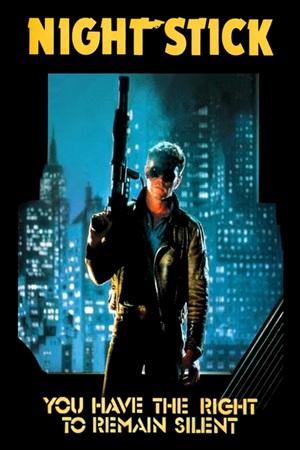
The three Bantam Brothers (Walker Boone, Tony DeSantis, and Dave Mucci) have just gotten out of prison and they’ve all already stolen several pounds of explosives. Pretending to be international terrorists, they try to blackmail banker Adam Beardsley (John Vernon) into paying them off. Deputy Police Commissioner Ray Melton (Robert Vaughn) wants to go by the book but his superior, Thad Evans (Leslie Nielsen), realizes that this case is going to require a cop who is willing to break all the rules. It’s time to call in Jack Calhoun (Bruce Fairbairn).
When this movie started, I assumed that it was a comedy. The title sounded like a double entendre and Leslie Nielsen’s name was right there in the opening credits. The opening heist scene also felt like a comedy, up until the Bantam brothers started shooting people. That was when I realized that this movie was supposed to be a drama. Why would you cast a post-Airplane! Leslie Nielsen in a serious cop film? This film did come out before The Naked Gun but it was still after Nielsen sent up every cop show ever made with the original Police Squad television series. .And then, on top of Nielsen, the film gives us Robert Vaughn and a very grumpy John Vernon. All it needed was OJ Simpson as Calhoun’s partner.
Even though the movie was a drama, it still felt like a comedy. Bruce Fairbairn wasn’t much of a cop but luckily, the three Bantam brothers weren’t that much of a group of criminals. Jack Calhoun had a girlfriend (Kerrie Keane) who constantly reminded him that he could have been having sex with her if he wasn’t constantly searching for the Bantam brothers. “I can’t be in two places at once,” Calhoun said with a sigh. I’m still not convinced this wasn’t a comedy.
Nightstick was originally made for Canadian television. When it first aired, it was called Calhoun. The name was changed to Nightstick for the video release, even though no one in the movie uses a nightstick. Calhoun uses a gun and, at one point, a binder but he doesn’t carry a nightstick. Maybe his character should have been named Jack Nightstick to make the title work.
Did I hallucinate this movie? I’m pretty sure it was a comedy.
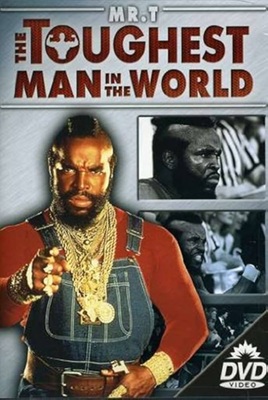
Bruise Brubaker (Mr. T) spends his nights as a bouncer at a club owned by his best friend (Dennis Dugan) and his days running a center for at-risk youth. Bruise is a former Marine drill sergeant who is now determined to make Chicago a better place. He’s so cool that his name is Bruise and he even has his own theme song, which plays whenever he patrols the streets and alleys of Chicago. But when it looks like the youth center is going to get closed down unless it can quickly raise some money, Bruise faces the challenge of a lifetime when he enters a competition to prove that he’s the toughest man in the world!
Is Mr. T the toughest man in the world? I pity the fool who even has to ask.
This made-for-TV movie is exactly what you think it is. Mr. T barks out his dialogue with his signature growl but he still seems utterly sincere when he orders the kids to say in school and stop trying to mug old men in the alleys. At first, it seems like Bruise should be able to easily win the Toughest Man competition but it turns out to be tougher than he thought. There’s an extended sequences in which Bruise tries to learn how to box and it turns out that he’s no Clubber Lang. There’s also an extended subplot about some broadly-played mobsters who are hoping that can drug Bruise so he’ll lose the contest.
Probably the funniest thing about the movie is the idea that everyone in Chicago would stop what they were doing so that they could gather around the television and watch the Toughest Man contest. The second funniest thing is Dennis Farina showing up in a small role and reminding us that it takes all types of actors to make a movie.
Mr. T was never a good actor but he was a great personality and that personality is on full display here. The Toughest Man In The World will make you nostalgic for a more innocent time.
“This thing… called a heart… it’s just a dream.” — Guts
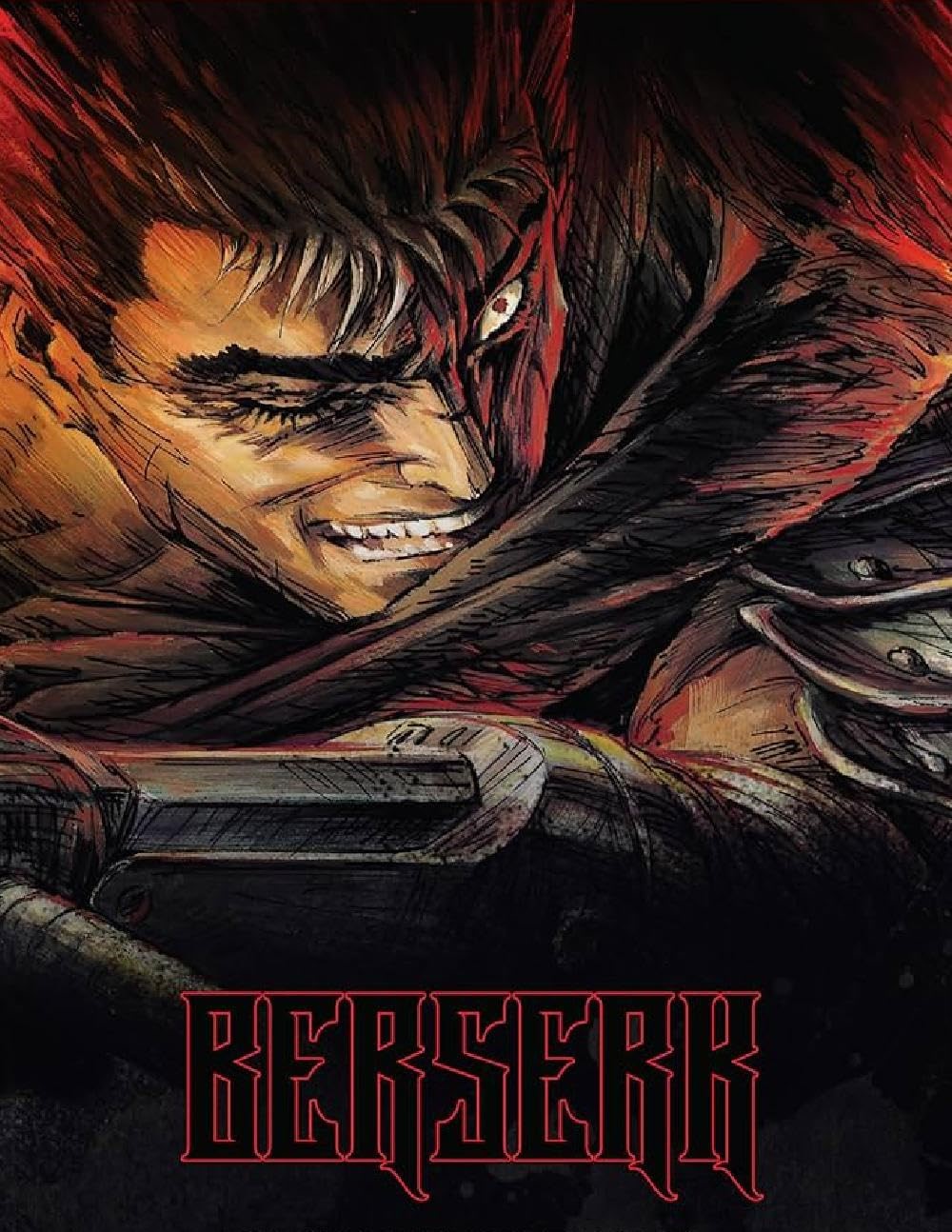
The 1997 Berserk anime adaptation dives headfirst into Kentaro Miura’s brutal manga world, turning its already savage Golden Age arc into a gut-wrenching visual nightmare that still haunts fans nearly three decades later. This 25-episode series, aired from October 1997 to March 1998, kicks off with a flash-forward to Guts as the Black Swordsman before rewinding to his mercenary days with Griffith’s Band of the Hawk, capturing the raw rise-and-fall tragedy without pulling punches. What makes it stand out is how it cranks up the manga’s inherent darkness, using stark animation and eerie sound design to make themes of betrayal, rape, and demonic sacrifice feel even more inescapable and visceral.
Right from the opener, Berserk the anime slams you with a blood-soaked tease of Guts’ rage-fueled future, setting a tone that’s less hopeful fantasy and more unrelenting descent into hell. The manga already paints a medieval-inspired world of endless war, ambition, and causality—where fate pulls strings like puppet masters—but the anime condenses this into a tighter, more oppressive narrative arc. It skips some manga side elements like Puck the elf or deeper political intrigue in Midland, which actually sharpens the focus on human frailty, making the horror hit harder without distractions. Critics have called it the pinnacle of dark fantasy, praising how its hand-drawn grit and shadowy palettes evoke the ugliness of war better than polished modern takes.
At its core, the series explores ambition’s toxic price through Griffith, the silver-haired charmer whose dream of kingship devours everyone around him. In the manga, Griffith’s charisma shines amid detailed backstories, but the anime amplifies his fall by lingering on his psychological cracks—torture scenes drag with feverish close-ups, his tongue severed, body broken, eyes hollowed out in a way that feels more pathetic and monstrous than the page’s subtlety. This ramps up the grimness; where Miura’s art might imply despair through intricate shading, the anime’s limited budget forces raw, unflinching stares that bore into your soul, turning Griffith from lowborn visionary into a symbol of corrupted free will. Guts, voiced with gravelly intensity by Nobutoshi Canna, embodies endless struggle—born from a corpse, abused as a kid (hinted brutally but not shown in full like the manga), he swings his massive Dragonslayer like an extension of his trauma.
Casca’s arc gets the darkest upgrade, transforming her from fierce Hawk commander to shattered victim in ways that make the manga’s tragedy feel almost restrained. The anime doesn’t shy from her rape during the Eclipse—depicted with nightmarish silence, blood sprays, and Femto’s (Griffith reborn) cold violation right before Guts’ helpless eyes—losing his arm and eye in a frenzy of futile rage. Manga fans note how the adaptation’s Eclipse outdoes even later films in horror: black voids swallow screams, demons tear flesh with grotesque intimacy, and the lack of music lets raw voice acting convey utter hopelessness. This isn’t gratuitous; it’s the manga’s themes of human nature’s depths—betrayal, causality’s spiral, religion as blind comfort—boiled down to soul-crushing visuals that linger longer than words on a page. The God Hand’s emergence, offering Griffith godhood for his band’s sacrifice, hits like cosmic indifference, making the Eclipse not just gore but a philosophical gut-punch on destiny versus defiance.
Susumu Hirasawa’s soundtrack seals the deal, with synth-heavy tracks like “Forces” and “Guts” weaving ethereal dread into every sword clash and quiet betrayal. Where the manga relies on Miura’s hyper-detailed panels for atmosphere, the anime’s OST—haunting flutes over clanging armor—amplifies isolation, turning battles into dirges and the Eclipse into a silent scream. It’s no wonder fans say time flies despite the deliberate pacing; the slow build to horror keeps you hooked, pondering ambition’s cost and humanity’s fragility.
Culturally, the 1997 Berserk anime exploded as a gateway drug to dark fantasy, pulling in viewers who then devoured the manga and reshaped anime tastes. Before it, Japanese fantasy leaned lighter—think Dragon Quest quests—but Berserk proved you could blend Conan the Barbarian savagery with psychological depth, influencing giants like Attack on Titan‘s doomed soldiers, Goblin Slayer‘s trauma-soaked gore, and even Game of Thrones-style betrayals. It sold millions, won Tezuka Osamu nods for the manga, and got rereleased on Blu-ray as recently as 2024, proving its timeless pull. Western critics hail it as intellectually demanding, transcending tropes with Kurosawa-like violence that underscores humanity amid apocalypse.
The anime dials up the manga’s grimness by necessity—budget constraints meant fewer frills, so every frame prioritizes emotional weight over flash, making demons feel mythically terrifying and losses irreparable. Manga’s Golden Age builds subtle bonds; the show condenses them into feverish intensity, so Griffith’s sacrifice stings deeper, Guts’ rage boils hotter. Themes like predetermination—Guts branded for endless demon pursuit—gain visual permanence via the glowing Brand of Sacrifice, a constant night-haunting reminder absent in static panels. Religion’s critique shines too: Midland’s church ignores atrocities until apostles devour believers, a bleak commentary amplified by animation’s hordes of mangled corpses.
Even flaws enhance the darkness—no fairy-tale elf Puck lightens moods, politics skimmed leave a hollow kingdom, and the cliffhanger ending (mid-Eclipse tease) mirrors life’s unfinished cruelties. Later adaptations like 2016’s CGI mess diluted this; 1997’s raw style keeps the manga’s mud-and-blood realism intact, arguably grimmer for its restraint. Voice acting sells it—Canna’s guttural roars, Yuko Miyamura’s Casca cracking under pressure—pairing with Hirasawa’s score to etch trauma into memory.
Today, Berserk‘s legacy towers: over 70 million manga copies sold, crossovers in Diablo IV, endless merch, and debates on its Eclipse as anime’s bleakest peak. It proved dark themes—child abuse hints, schizophrenia-like breaks, ambition’s cannibalism—could captivate without cheap shocks, birthing “grimdark” as genre staple. For a low-budget ’97 relic, it outshines flashier takes by leaning into despair, making Miura’s world feel like fate’s cruel joke you can’t look away from.
Diving deeper into why it darkens the source: manga’s art allows interpretive distance—shadowed horrors imply pain—but anime forces confrontation, blood arcing in real-time, faces twisting in agony. Guts’ childhood rape allusion becomes a spectral flashback nightmare; Griffith’s torture a year-long montage of pus and screams, eroding his beauty into ruin. The Hawks’ slaughter isn’t panel-flipped pages but prolonged screams fading to silence, each apostle maw chewing comrades we grew to love—Judeau’s wit silenced, Pippin’s bulk rent apart. This visceral amp makes causality’s theme suffocating: no escape, just branded survival in a demon-riddled world.
Culturally, it bridged East-West fantasy gaps, echoing Hellraiser body horror and Excalibur medieval grit while predating Dark Souls (born from Miura’s influence). Fans worldwide cite it as therapy-triggering yet cathartic, sparking forums on trauma, resilience, toxic bonds. Its impact endures—Miura’s 2021 passing spiked sales, proving Berserk as monolith.
Ultimately, the 1997 adaptation doesn’t just adapt; it weaponizes the manga’s shadows, forging a bleaker legend that demands you question humanity’s fight against oblivion.
“You and I both know that this clock is bullshit. You make your decisions about the people in this courtroom before they’re even in this chair.” — Det. Chris Raven
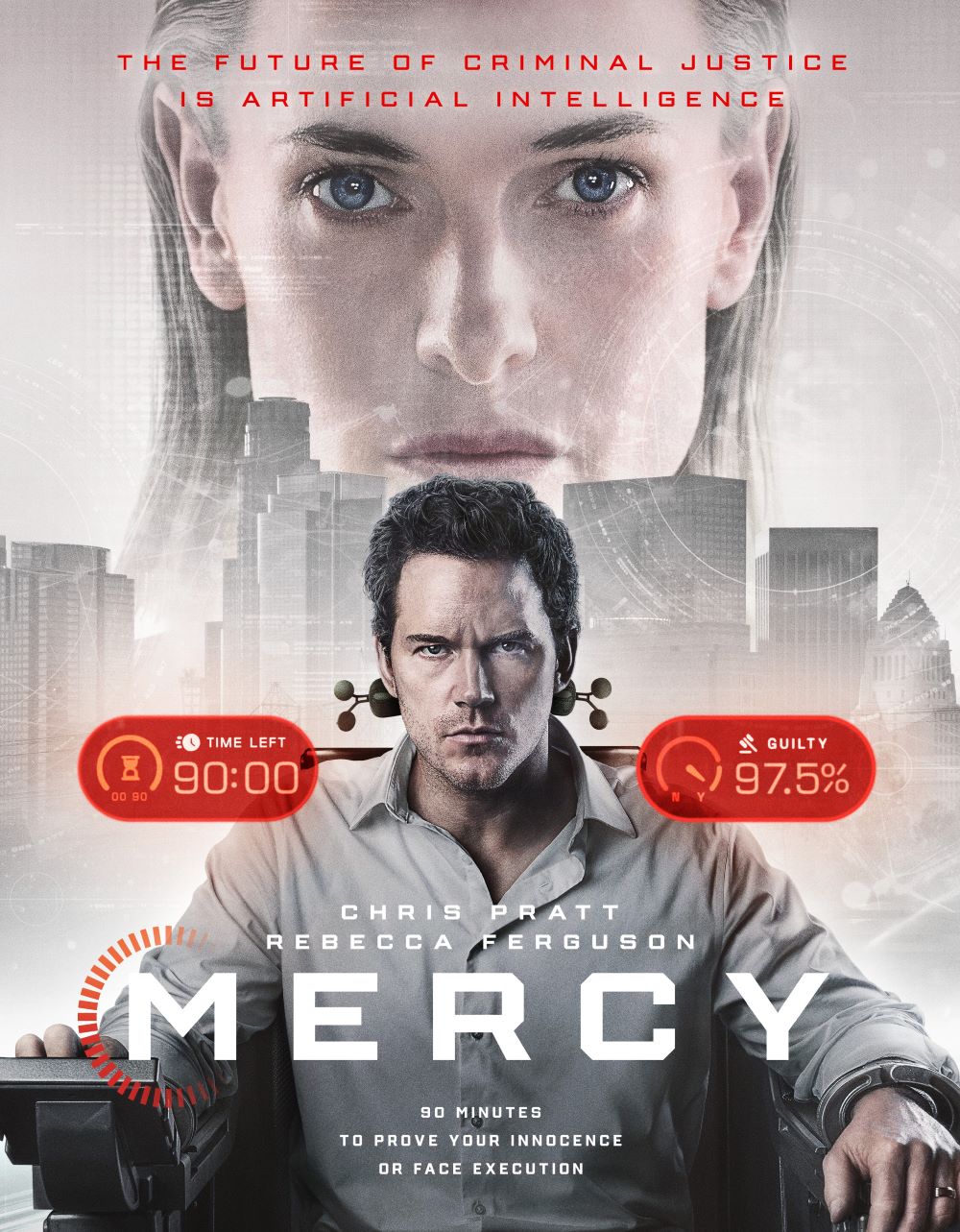
Mercy is the kind of movie that looks great in a trailer and promises a slick, high‑concept thriller, but then sputters once you sit through it. It’s set in a near‑future Los Angeles where the LAPD relies on a program called the “Mercy Court,” in which AI judges rapidly process violent crime cases, and the whole thing is framed as a techno‑noir twist on the courtroom thriller. The central gimmick is compelling on paper: detective Chris Raven wakes up strapped into a high‑tech chair, accused of brutally murdering his wife, and has 90 minutes to prove his innocence before being executed by a sonic blast. That setup alone should guarantee at least a tense, scrappy B‑movie; instead, the film keeps undercutting itself with lazy writing, cluttered subplots, and a surprising lack of nerve.
The biggest problem is the script, which feels like it’s trying to be three different movies at once and doesn’t really commit to any of them. On one level, Mercy wants to be a real‑time investigation, where Raven works with an AI judge to access security feeds, social media, emails, and police databases to piece together his wife’s murder. In practice, this becomes a series of exposition dumps—Raven talking out his thought process, the AI reciting rules, and side characters popping in just long enough to drop information before the movie rushes on. It’s not building tension; it’s building a checklist. The film’s pacing stays brisk, but that’s because so much of the middle act feels like procedural filler rather than a genuine mystery.
Tonally, Mercy swings wildly between modes. At times it’s going for something like a sleek, dystopian Minority Report–style narrative, then it veers into a revenge‑driven character drama about a cop who may be too reliant on an authoritarian justice system, and then it suddenly transforms into a generic bomb‑plot action movie. The initial setup—a world where people suspected of murder are strapped into a chair, presumed guilty, and given a brutally short window to prove themselves—feels genuinely unsettling. But the movie doesn’t really sit with those implications; it flirts with the moral and ethical questions and then rushes off to a more conventional, physical threat. What should be a caustic, uncomfortable critique of automated justice reduces to another last‑minute rescue mission.
The central mystery is another missed opportunity. The evidence stacked against Raven is substantial—blood on his clothes, footage from cameras, his drinking problem, and a history of violent outbursts—but the film telegraphs the real culprit so early that the final reveal feels less like a twist and more like a completion of prior signposting. The story tries to make the framing of Raven seem like a master‑plan‑level conspiracy, but the plan hinges on an almost impossible level of predictability on his part. The more the movie explains, the harder it becomes to buy into the logic of the setup. Instead of feeling like the net has tightened around him in a sophisticated way, it feels like the script is forcing contrivances to land on top of him.
Chris Pratt’s performance is an odd fit for the material. The movie seems determined to present him as a darker, more tortured version of himself, and there are a few moments where that dynamic works—Raven’s vulnerability, his self‑loathing, his conflicted belief in the system he helped create. But the script never really lets him live in the morally grey space it clearly wants him to inhabit. Instead, it keeps reassuring us that he’s essentially a good cop who’s been wronged, which undercuts any real tension about whether he might actually be guilty or at least dangerous. You get glimpses of a more interesting character, but they’re constantly being smoothed over by the need for a likable protagonist.
The AI judge, voiced and embodied by Rebecca Ferguson, is one of the few genuinely strong elements here. She plays the voice and presence of the system with a cool, clipped rationality that occasionally shades into dry wit, and her interactions with Raven hint at a more ambitious film lurking underneath. The idea of an AI judge slowly questioning its own assumptions—pushing back on emotional appeals, probing inconsistencies, and gradually developing something resembling curiosity—is inherently compelling. Ferguson gives the character enough personality and nuance to make that arc feel plausible, but the script mostly treats her as a glorified search engine and a moral referee for the final act, when she should be the co‑lead driving the film’s central conflict.
The supporting cast is fine, but underused. Raven’s partner mostly exists to run errands off‑screen—tracking suspects, raiding houses, reacting over the comms—so the movie can cut away from the courtroom whenever it gets bored. Raven’s AA sponsor is saddled with a mix of clumsy foreshadowing and heavy‑handed motivation, which only becomes relevant when the revenge angle kicks in. Raven’s daughter functions almost entirely as emotional leverage and a hostage, escalating the stakes in a way that feels mechanical rather than organic. You can tell the film wants these relationships to carry weight, especially when it leans on family flashbacks and guilt, but they play out like bullet points instead of lived‑in dynamics.
Visually, the film leans into its creator’s usual fondness for screens within screens, overlay graphics, and multimedia collage. The Mercy Court itself is a striking concept—an almost clinical chamber where Raven is strapped into a chair while the AI’s interface shifts around him—yet the movie keeps cutting away to external action once the premise might otherwise grow too tense or claustrophobic. The pacing is brisk, and there are a few set‑pieces—an intense raid on a suspect’s house, the final assault on the courthouse—that deliver a basic level of genre competence. The issue is that competence is about as high as Mercy ever aims; it never really experiments with the form or stakes of its own setup.
Where the film stumbles most is in its attempt at commentary. The world it presents is, on paper, horrifying: defendants are presumed guilty, strapped into a chair, surveilled across every aspect of their digital life, and given a brutally short window to clear their name before being executed. That’s fertile ground for a scathing critique of mass surveillance, algorithmic justice, and the erosion of due process. But the movie is oddly kind to the system itself; by the end, the AI judge is portrayed as more reasonable and “fair” than most humans, and the real villain is just an individual with a personal grudge. The film nods at privacy violations and the moral grey zones of automating justice, then quickly moves on to a more traditional, physical threat. For something that positions itself as a provocative AI courtroom thriller, it ends up feeling strangely apolitical and conflict‑averse.
To be fair, there are a few things Mercy gets right. The core structure—a detective investigating his own case against a clock—remains inherently watchable, even when handled clumsily. Ferguson’s performance gives the material a center of gravity whenever it threatens to spin out into nonsense. And there’s an occasionally interesting tension between Raven’s instinct‑driven, emotionally charged approach and the AI’s cold, probabilistic logic, suggesting a better film that really pits those worldviews against each other instead of letting them conveniently converge. If you go in with low expectations and a tolerance for generic sci‑fi thrillers, you might find it mildly diverting.
But for anyone hoping Mercy would be a sharp, nasty, high‑concept genre piece with something to say about AI, policing, and due process, it’s a disappointment. The movie leans on an admittedly strong premise, some slick production design, and a few scattered performances, yet it never commits to either being a full‑tilt B‑movie or a genuinely thoughtful techno‑thriller. It’s not unwatchable, just frustratingly timid—content to skim the surface of its own ideas and then blow something up when things get complicated. By the time the credits roll, you’re left with the sense that the AI judge wasn’t the only one operating on a strict time limit; somewhere along the way, the film seems to have run out of patience with itself, too.
“Now when they remember us, they ask themselves: Why didn’t we all get to come back? What does it all mean? You’ll need to find out yourselves. ‘Cause the answer is in you.” — Numa Turcatti
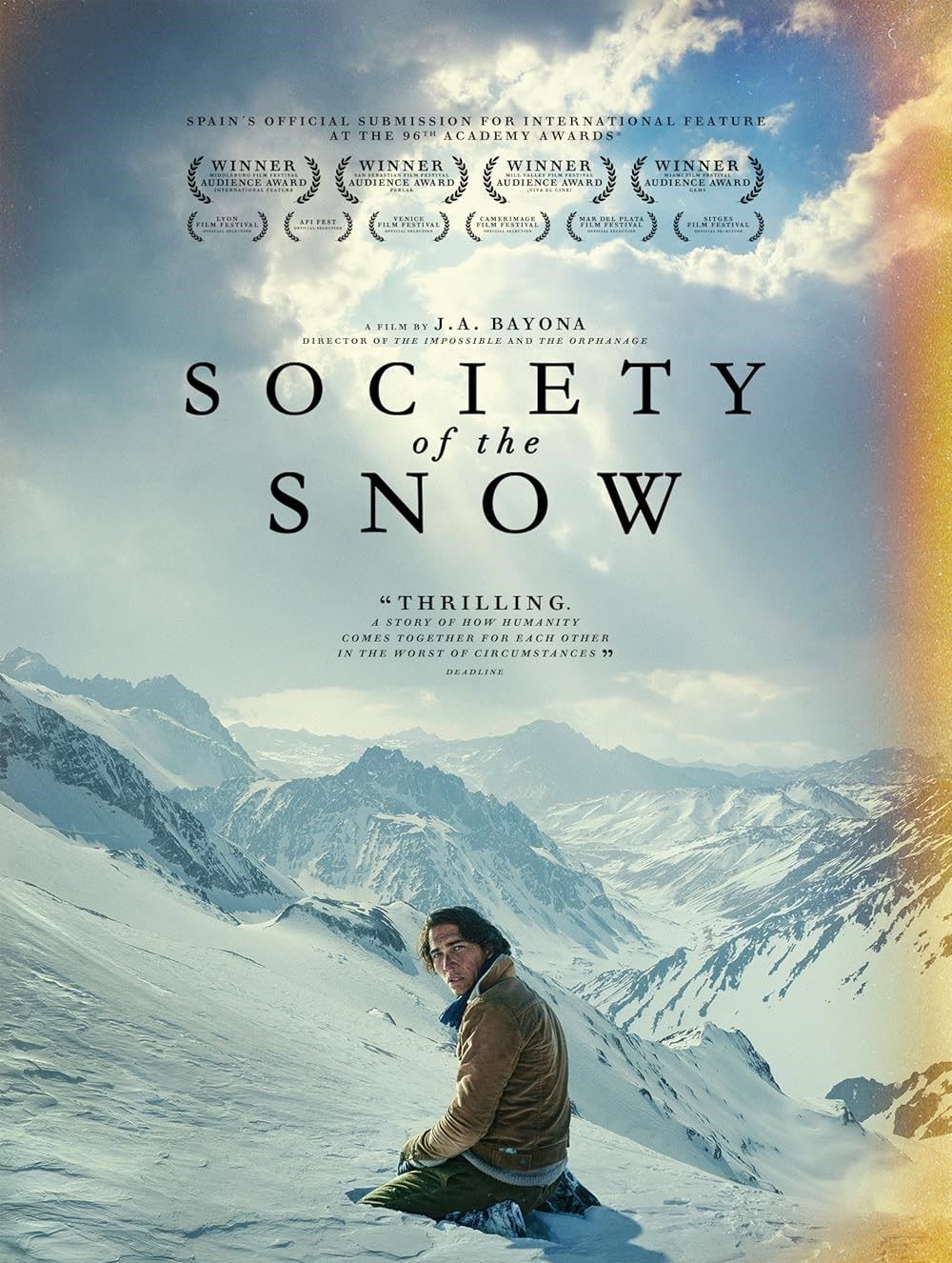
Society of the Snow is the kind of survival movie that sneaks up on you, starting as a rugby team’s joyride and morphing into an existential gut-punch about faith, God, and what binds people when hell freezes over. Directed by J.A. Bayona, it revisits the 1972 Andes crash of Uruguayan Air Force Flight 571, stranding the Old Christians rugby club, pals, and kin in a snowy nightmare 72 days long. No heroes hog the spotlight; it’s an ensemble of mostly newbie Uruguayan and Argentinian actors embodying a group forged by crisis, tackling taboos like cannibalism not as shock value, but as a collective leap of desperate faith.
The setup hooks you quick: carefree banter on the flight from Montevideo to Santiago, singalongs, rugby dreams bubbling. Then boom—the wings shear off, the fuselage cartwheels into a glacier, and 45 souls face subzero isolation with slim rescue odds. Bayona’s crash sequence is visceral chaos: screams swallowed by crunching metal, bodies tumbling, sudden silence under starlit peaks. It’s not Hollywood gloss; it’s the indifferent brutality of nature claiming lives, leaving the rest to improvise in a metal tomb.
Early days blur into tending wounds, rationing snacks, scanning skies for choppers that never come. Characters emerge gradually—Numa Turcatti’s narration grounds us, Nando Parrado’s grit shines later, Roberto Canessa’s smarts anchor medicine—but it’s the group’s dynamic that carries the load. Some introductions rush by, making deaths more statistical than soul-crushing at first, a fair knock since 16 eventually perish from crashes, avalanches, exposure. Still, that haze mirrors real panic, where faces and flickers of personality become your lifeline.
As weeks grind on, Society of the Snow almost becomes an existential exercise in the meaning of faith, belief in God, and how disaster can pull survivors together despite their differences to make that collective decision to perform something that others safe and sound would consider abhorrent. These devout Catholics debate God’s role: Is the crash punishment, test, or sheer accident? Priests invoke Eucharist parallels—body of Christ sustaining the living—while doubters rage at a silent heaven amid freezing nights and howling winds. Disaster doesn’t just bond them through shared misery; it forces this collective buy-in, where atheists, believers, and everyone in between hash it out in the fuselage’s dim light, snow piling up outside.
Differences in personality or background fade fast when hypothermia and starvation make every choice a referendum on humanity itself; rugby jocks, quiet thinkers, hotheads form a tribe, voting on the unthinkable: eating the dead to cheat death themselves. Safe outsiders might recoil in horror, but up there, it’s reframed as sacred reciprocity, a group oath blending survival instinct with spiritual rationale. Bayona doesn’t linger on gore—he shows enough to unsettle, focusing on the hushed consent, the tears, the way it reshapes their souls without breaking the bond.
Visually, it’s stunning restraint: Pedro Luque’s cinematography paints the Andes as majestic jailer, vast whites dwarfing ant-like survivors. Makeup sells the toll—cheeks hollow, skin ashen, eyes haunted—as bodies waste away on meager flesh. Sound design immerses: fuselage creaks like a dying beast, wind a constant roar, silence after avalanches deafening. Score stays subtle, melancholic strings underscoring faith’s quiet wrestling rather than cueing cheap tears.
Mid-film drags a tad, the routine of despair—avalanche buries them alive, failed expeditions limp back—testing patience as it mirrors their grind. At 144 minutes, repetition risks numbing, though it aptly conveys time’s cruelty. Humor peeks through: dumb jokes, rugby chants, home stories keeping spirits flickering, proving they’re not just victims but vibrant lives interrupted.
Climax shifts to Parrado and Canessa’s epic trek—shoeless, rag-wrapped, scaling cliffs with rugby posts as ice axes. Physically punishing to watch, it culminates in that eerie rescue meet: a gaucho across a torrent, civilization’s whisper after eternity. Their return sparks media frenzy, but the film ends introspective, faith renewed not in miracles, but in human will and collective defiance.
Bayona’s take earns widespread acclaim, including Oscar nods for International Feature, makeup, and score, praising its dignity over prior adaptations like Alive. It honors survivors’ input, shot partly on location with Uruguayan authenticity. Downsides? Ensemble sprawl blurs some arcs; heavy themes demand stamina, no popcorn thrills here. If gore or bleakness turns you off, skip it—but for raw humanity amid atrocity, it’s top-tier.
Ultimately, Society of the Snow lingers because it asks: What’s faith when God seems absent? How does abhorrence become salvation through unity? Just as Frank Marshall’s 1993 Alive left an indelible mark on that generation’s filmgoers, grappling with survival’s raw ethics amid the early ’90s thirst for true-story grit, this film resonates powerfully in today’s fractured world. In an age of endless online division and existential dread—from climate crises to global unrest—it spotlights unbreakable human bonds forged in the worst conditions, reminding us that shared ordeal can still transcend differences and redefine what we’re capable of. Disaster doesn’t divide; it welds them, turning horror into testament. Powerful, flawed, profoundly human.
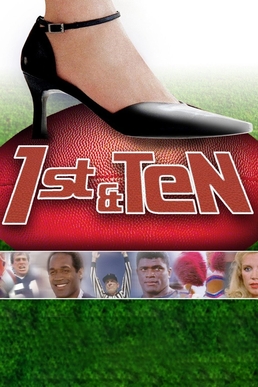
Welcome to Late Night Retro Television Reviews, a feature where we review some of our favorite and least favorite shows of the past! On Wednesdays, I will be reviewing 1st and Ten, which aired in syndication from 1984 to 1991. The entire series is streaming on Tubi.
Some will never play the game….
Episode 3.4 “The Comeback Trail”
(Dir by Stan Lathan, originally aired on August 26th, 1987)
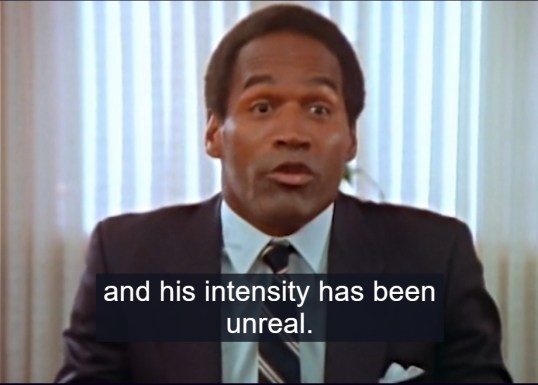
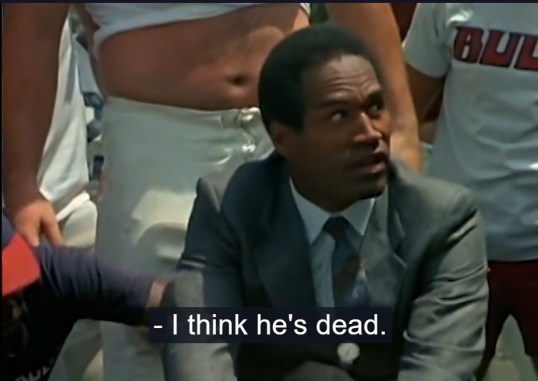
The Bulls are in disarray! Yinessa is in the hospital and might never play again. Diane wants to trade John Manzak for a new quarterback but TD Parker explains that Manzak is actually one of the best players that they have.
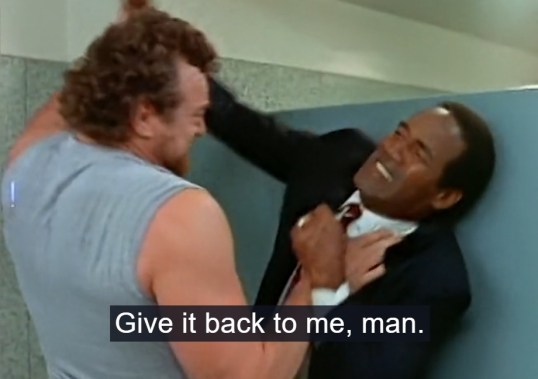
Then, OJ — I mean TD — heads to the locker room and catches Manzak shooting up steroids in the bathroom. TD tries to take the steroids away from him and Manzak …. well, Manzak doesn’t appreciate that.
Manzak apologizes and explains that, after ten years of injuries, he needs the steroids to play. TD orders him to stop using them. Manzak doesn’t listen and during the next practice, he collapses on the field. TD runs out to him and checks his pulse.
OJ would know!
So ends the saga of John Manzak. He just wanted to play football but he took too many steroids and collapsed dead on the practice field.
How will the Bulls survive without him? We’ll find out next week!
Divorce is Hell. Losing a common law marriage is Hell. Losing the love of your whole adult life is Hell.
I was in denial for YEARS!!! It was over MANY MANY years ago, but I just couldn’t sign the papers or sell the house. Maybe the Catholic upbringing? Maybe it was losing that connection to when I was 23 and when that young man just KNEW that it was going to be forever? She was my forever, but she left a LONG time ago.
I was in denial. Understand, denial isn’t lying; it’s when your brain is so offended by something that it rejects this horrible true fact. My denial was twelve years old and halfway through the 7th grade. Technically, I was married even though for all intents and purposes- I wasn’t. It wasn’t until she said, ENOUGH- it’s time for government to get involved in all this and really end it, when I finally agreed.
It’s funny that was how my marriage ended because that was also how it began. Years ago, we’d been living together as husband and wife and she said – why don’t we get married? My libertarian instinct replied: why do we need government up in all this? Her: true, but we’d save on taxes and why not? A few months later, we were married. As for finishing the divorce, I would’ve stayed in marital purgatory forever, if she hadn’t stepped in and said – Enough!
Marriage doesn’t need governmental intervention; for example, in my beloved Texas, there is common law marriage- have joint bank accounts, live together, say you’re married, and presto change-o – you’re married! Sadly, nowhere in America is there common law divorce. I get that there are property issues for some, but for us there weren’t property issues and common law divorce would’ve been a mercy to break the veneer, expose my broken heart, and allow the healing to start. Common law divorce could’ve stepped in where I could not even bear to look. Divorce was beyond looking into the abyss; it was losing decades of jokes, tears, loss, Christmas ornaments, hospital visits, hopes, homeownership, and most importantly – children raised with us together.
Many of whom who know me well, know that I have real problems with things ending: I’m just now watching the last two seasons of “The Office”; so, imagine me admitting to a divorce! I never talked about my separation or divorce, but I can tell you that the hurt is GRIEF, not sadness- GRIEF. Grief grabs your soul by the balls! Grief is the Babadook! Grief is the irresistible pain that you are addicted to because you can’t possibly move on! Grief is borne from death and divorce is death and grief gives your heart that mirage of hope and that fix so that you can keep hurting until you either let go or be consumed. I was nearly consumed.
Divorce is unfair not just because of grief, it is unfair because while the court can award property, it cannot award years back so that you can face the pain with more strength and youth. No, you have to face divorce with the wisdom and cynicism as an adult. No one knows the world’s cold pain like an adult. I knew “adulting” when I was young because of my father. I used to call the scars that he left on my face – my memories of my father. I just took ownership- you think you broke me you SOB? You’re not good enough to even bruise my soul. Divorce hit worse than anything my father did. Divorce got my soul where he could not.
Maybe I am still young because for this reason: I have stupid hope. There is nothing more stupid than hope because hope is the biggest gamble of all. Hope makes buying a Powerball ticket look like buying a mutual fund. Hope is the gamble that you’ll get it right, that it will get better, and this time it’ll be ok. Hope is what I have though, so I’m going with it. I will get it right this time and I will find my forever lady. I hope.
I’m one of the biggest fans of the San Francisco 49ers. In my 52 years on earth, I’ve been able to celebrate a lot of Super Bowl Sundays that have featured my team. We even won 5 of those Super Bowls. The problem is that all five of those victories came before I reached the age of 22. Over the last 30 years, we’ve reached another 3 Super Bowls and lost each one in heartbreaking fashion. I thought I’d share my main memories of each of those games today!
Super Bowl XVI — January 24, 1982
The 49ers won their first Lombardi trophy when they edged the Cincinnati Bengals 26-21 in a gritty, hard-fought battle at the Pontiac Silverdome. This kicked off the 49ers ‘80’s dynasty where the would win four Super Bowls during the decade. For an eight year old Brad, what I remember the most personally during that year was not the Super Bowl, but rather the victory over the Dallas Cowboys in the NFC Championship, when Joe Montana threw the ball and Dwight Clark made “the catch!” It has justly retained its place over the years as one of the great plays in NFL history.
Super Bowl XIX — January 20, 1985
San Francisco kicked the Miami Dolphins butts, 38–16, in their own backyard, showcasing a team firing on all cylinders and carving their name into NFL lore. My brother Donnie was a huge fan of the Dolphins back at this time. I was eleven years old and he was twelve, and I remember I didn’t want to rub it in, because I didn’t want to hurt his feelings. When I think of that game, I think of Montana throwing TD passes to recent Hall of Fame inductee Roger Craig!
Super Bowl XXIII — January 22, 1989
In a classic showdown in Miami, the 49ers rallied late to beat the Bengals 20–16, a game punctuated by clutch plays and a finish that echoed their championship pedigree. I had reached the age of 15 when the Niners beat the Bengals for a 2nd time in the decade. When I think of this game, I think of Jerry Rice being unstoppable, John Taylor catching the winning TD pass from Montana with 34 seconds to play, and I think of the story Montana told about John Candy as the last drive was about to start. It was awesome stuff!
Super Bowl XXIV — January 28, 1990
San Francisco exploded in New Orleans, routing the Denver Broncos 55–10 in one of the most dominant performances in Super Bowl history… a statement that this franchise was at its peak. I was 16 years old when this game was played. I honestly don’t remember that much of the game itself, because I was making out with my girlfriend for most of the game. I do remember paying enough attention to know that we were kicking butt. Once our dominance was firmly established, most of my focus was elsewhere!
Super Bowl XXIX — January 29, 1995
In Miami, the 49ers put the exclamation point on their ‘90s success with a 49–26 victory over the San Diego Chargers, racking up points in every quarter and leaving no doubt who ruled that season. This was one of my favorite Super Bowls and my favorite team’s last win. I was 21 years old and had been married for less than a month. We had a Super Bowl party with friends, and Steve Young threw six TD passes, a record that still stands, as the Niners routed the Chargers. The grilled hamburgers tasted great that night as Young got the Montana legacy “monkey off of his back” and wrote his own Canton story.
Super Bowl XLVII — February 3, 2013
After years away from football’s biggest stage, San Francisco returned but fell just short, losing a tight 31–34 to the Baltimore Ravens in a game defined by momentum swings and near misses. Eighteen years after the 49ers last Super Bowl, we finally made it back. Colin Kaepernick, Frank Gore, Michael Crabtree and Vernon Davis seemed unstoppable going into the Super Bowl, but Joe Flacco and the Ravens had other plans. After falling way behind, a stadium power outage wasn’t enough to save my team as we fell just short in the “Har-Bowl.” The youth group from our church was at our house that night, so I tried to be on my best behavior, but it wasn’t easy when the refs didn’t call a clear holding penalty on the Ravens near the end. This was also my first Super Bowl with my son who was 13 at the time.
Super Bowl LIV — February 2, 2020
In Miami Gardens, the Chiefs outpaced the 49ers 31–20, capping a back-and-forth affair that saw San Francisco’s defense bend and an explosive Kansas City offense take control in the second half. Recently divorced, I watched this game with my 13 year old daughter at Buffalo Wild Wings. It was another heartbreaking loss, where we were ahead by 10 points in the fourth quarter before falling apart. I was trying to enjoy the time with my daughter, and for the most part I was successful, but it still hurt as we lost again.
Super Bowl LVIII — February 11, 2024
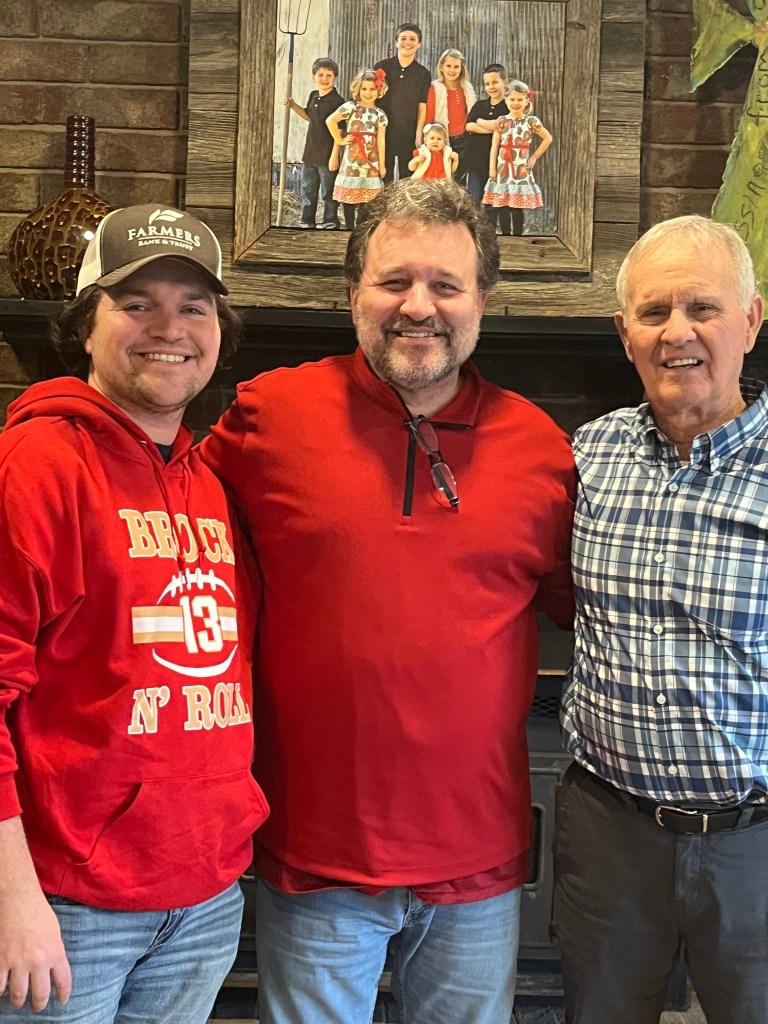
In a heartbreaker at Allegiant Stadium, the 49ers fought Kansas City to the wire but fell 25–22 in overtime… a testament to grit even in defeat on football’s grandest stage. As a 50 year old man, this Super Bowl meant something different to me than any Super Bowl before. My wife and I went to my mom and dad’s house and watched the game. My son also joined us. I really just wanted to watch the 49ers win a Super Bowl with my dad and my son. My son, also a huge 49ers fan, had never seen them win the ultimate championship. I thought it would be the perfect night to celebrate. Unfortunately, Brock Purdy and the Niners came up just short against Patrick Mahomes again in overtime. It was another punch to the gut.
With that said, however, and with a little time, that Super Bowl in 2024 is so meaningful to me. My dad, my son and I watched every play together in complete unison as we pulled for the Niners. The night may not have ended the way we wanted it to, but it was still a wonderful and special night. The picture I share here was from that night as the game was about to get started. Nothing that’s meaningful comes without a little bit of pain, and that night was one of the most meaningful of my last few years!
Tonight, I’ll watch the Super Bowl, but I won’t be with my Dad or my son. Either the Seahawks or Patriots will win, but in a few days I won’t ever care again. It does give me some peace knowing that out there somewhere, Dads and sons will be living and dying on every play. That won’t be us tonight, but it wasn’t that long ago that it was!
On Monday, I turned over to Fave TV so that I could binge Bar Rescue and I discovered that Fave TV no longer exists! It’s been replaced by Outlaw TV, a western channel. I was disappointed so I watched the Pirate Bar episode of Bar Rescue online. I hope One-Eyed Mike was able to find another job about the tavern went out of business. He was cool.
Watching the Grammy Awards on Sunday, I realized just how boring modern music has become. I can’t wait for someone new to come along and hopefully remind us of what it’s like to be surprised.
This week, I binged the second and third seasons of this classic cop show. It made for oddly calming background noise. Poor LaRue, he was always getting in trouble.
I’ve been enjoying curling! Go Korey and Corey! I also enjoyed watching the Parade of Nations. I had the volume down so I didn’t hear the booing that people have been talking about. If I had heard the booing, I would have shrugged it off. Other countries will always hate America, for the same reason that some people are still resentful towards the rich kids from high school. When you consider what certain countries are on the record as supporting, it’s almost an honor to be booed by them.
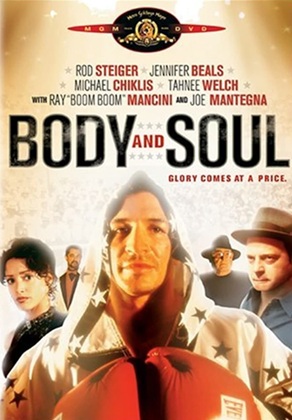 Small town boxer Charlie Davis (Ray Mancini) travels to Reno with his best friend and manager, Tiny O’Toole (Michael Chiklis). Charlie wants to become a professional and he has the support of Tiny and Gina (Jennifer Beals), a saintly hitchhiker that they pick up on the way to Nevada. Charlie managers to impress a legendary trainer (Rod Steiger) but, as Charlie moves up the ranks, he comes under the influence of a corrupt promoter (Joe Mantegna). Seduced by a bad girl (Tahnee Welch) and allowing his success to go to his head, Charlie alienates Tiny just when he needs him the most. A chance to become the champion is coming up and the promoter expects Charlie to throw the fight.