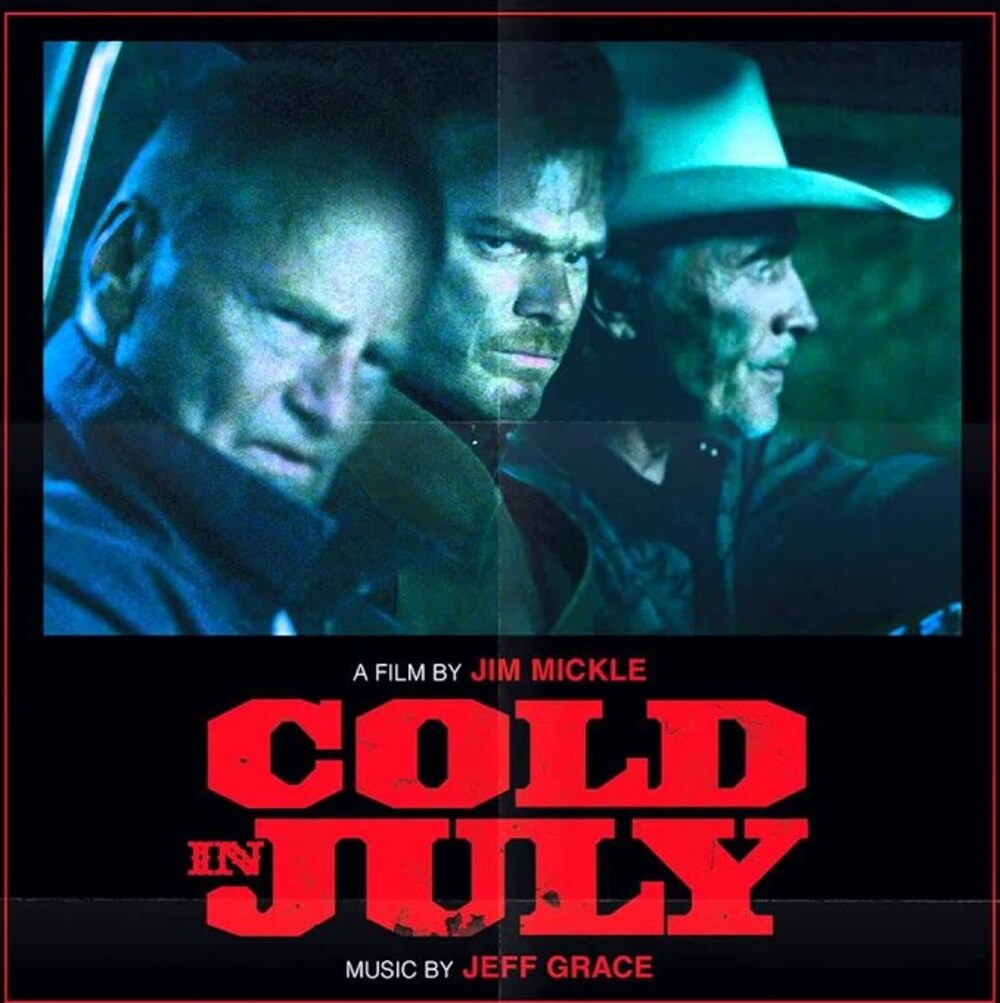
“Cosmo Black” by Dynatron is one of those synthwave pieces that sounds like it could’ve been pulled right out of a 1980s sci-fi or neo-noir VHS tape. It appears on the Cold in July soundtrack, which uses those pulsing analog synths to build atmosphere rather than just nostalgia. What grabs you first is the mood: it’s dark but hypnotic, driving forward on a steady, arpeggiated bassline while shimmering pads fill out the background. You can almost picture glowing city streets at midnight or the dashboard lights of a speeding Trans Am cutting through fog.
Dynatron doesn’t just imitate the retro vibe—he channels it with a sense of cinematic purpose, clearly taking cues from the work of John Carpenter. Carpenter’s music, especially for films like Escape from New York and Halloween, was built around simple but suspenseful synth motifs that hooked your attention through repetition and tone. Cosmo Black borrows that same philosophy; it’s rhythmically tight and emotionally precise. The track feels like it’s telling a story—one that’s unfolding over neon grids and empty highways, with tension simmering beneath its glossy surface.
The production is clean but deliberately vintage. You can hear the analog warmth in every sustained note, which gives it that authentic mid-80s texture fans of synthwave love. Dynatron layers just enough distortion and reverb to mimic the synth machines Carpenter once used, yet brings modern depth and clarity to the mix. There’s no excessive layering or sampling—it’s minimalist by design, which lets the vibe breathe. It’s that perfect balance between mechanical precision and moody drift that seduces listeners.
Listening to Cosmo Black feels like stepping into an alternate cinematic universe—one where retro futurism never went out of style. It’s not just an homage to Carpenter, though; it shows how those eerie, propulsive soundscapes still resonate decades later, especially when reinterpreted through contemporary synthwave. The song captures the thrill of that timeless aesthetic: a mix of fear, nostalgia, and cool-headed resolve. If you’ve ever loved the way old soundtrack compositions make you feel like you’re inside the movie itself, Dynatron’s Cosmo Black delivers that sensation effortlessly.
“What are you going to do when a dog goes bad on you… bites somebody or hurts somebody? There’s only two things you can do, right? You either chain him up… or put him down. But which do you think is more cruel?” — Ben Russell
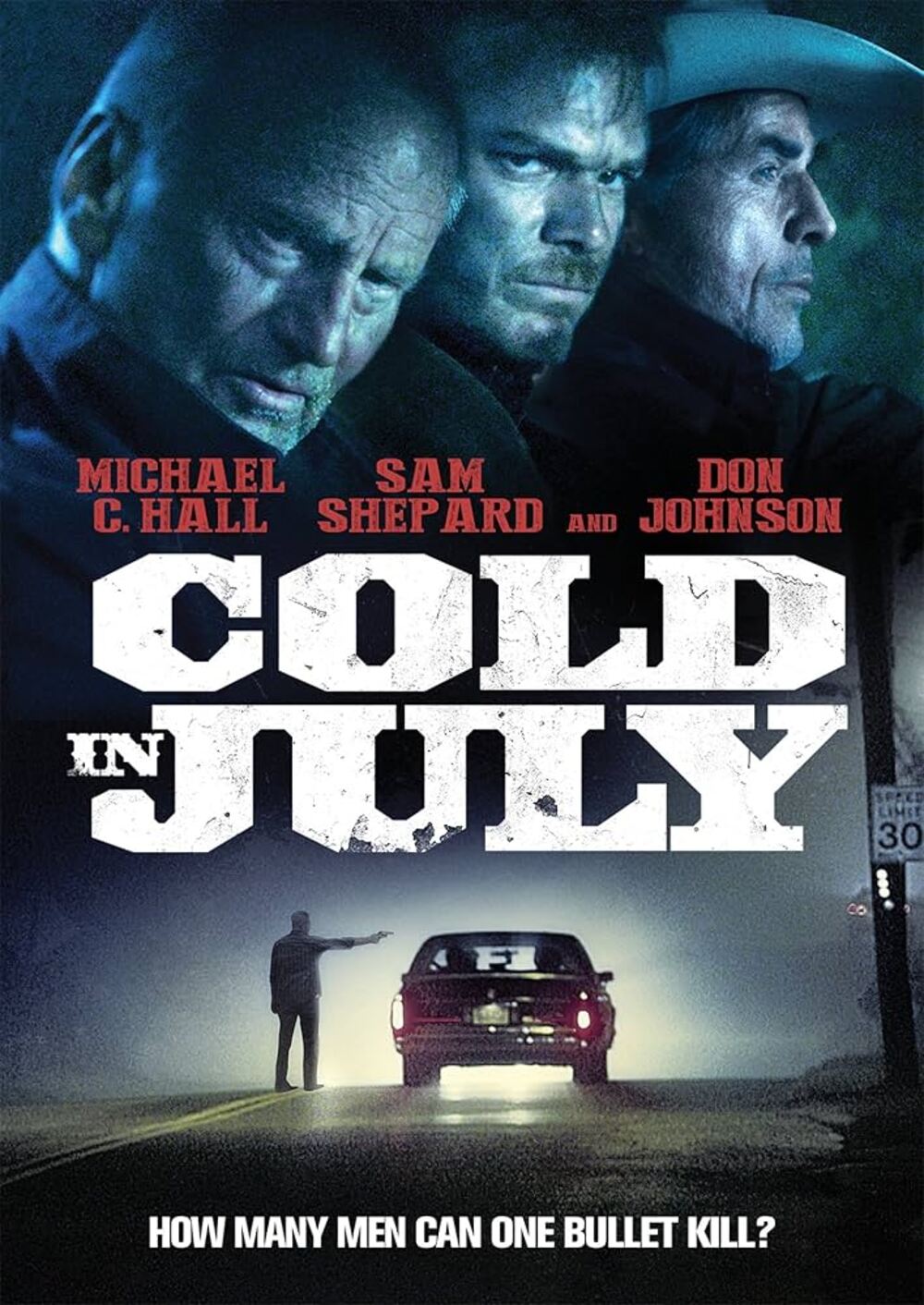
Cold in July opens with a jolt of primal terror, the kind that shatters the fragile illusion of safety in one’s own home. It’s the sticky summer of 1989 in small-town East Texas, where Richard Dane, a soft-spoken picture framer embodied with exquisite restraint by Michael C. Hall, stirs from sleep to the creak of floorboards under an intruder’s weight. No time for second thoughts; his hand finds the .38 revolver under the pillow, and in the inky darkness of his living room, he fires. The body hits the carpet with a thud, blood pooling like spilled ink. The local law rolls up, commends him under Castle Doctrine—self-defense sanctified by statute—and hauls the corpse away. But Richard can’t wash away the echo of that shot. Hall captures the everyman’s unraveling with microscopic precision: the thousand-yard stare at family photos, the hesitant touch of his wife Ann’s shoulder, the way he now checks locks twice before bed. He’s no vigilante archetype; he’s a man whose moral compass, once pointed true north, now spins wildly in the aftermath, haunted by the ghost of a kid he never knew.
Into this fragile peace stalks Ben Russell, the dead boy’s father, a parolee fresh from Huntsville’s iron grip, played by Sam Shepard as a specter of weathered fury. Shepard infuses Ben with that laconic Texan menace, eyes like weathered shale, voice gravel ground under boot heels. He doesn’t roar threats; he etches them into Richard’s walls—”YOU TOOK MY BOY”—and reduces Richard’s beloved Cadillac to a smoldering husk in the driveway. Ben’s grief manifests as a slow siege: parked across the street, watching Richard’s young son Jordan pedal his bike, a predator’s patience masking paternal devastation. The sheriff dismisses it; Ben’s alibis are airtight, greased by unseen hands. Richard’s domestic idyll fractures—nights fractured by paranoia, meals choked down in silence, a marriage straining under unspoken blame. Here, director Jim Mickle, adapting Joe R. Lansdale’s novel with co-writer Nick Damici, pivots from chamber-piece tension to a labyrinthine noir, peeling back layers of small-town complacency to expose the rot beneath. The film’s ’80s patina is immersive: wood-paneled walls sweating humidity, CRT screens buzzing with local news, Jeff Grace’s synth pulses throbbing like a migraine.
Enter Jim Bob Luke, Don Johnson’s hurricane in cowboy boots—a private investigator with a cherry-red Cadillac horned like a longhorn bull, Stetson cocked at a defiant angle, and patter slick as spilled bourbon. Johnson channels pure Miami Vice charisma, but earthier, a good-ol’-boy philosopher packing heat and homilies in equal measure. Hired by Richard to shadow Ben, Jim Bob unearths the seismic twist: the corpse in Richard’s living room wasn’t Freddy Russell, Ben’s son. The real Freddy lurks alive, ensnared in a subterranean web of illicit recordings peddled to depraved collectors, tentacles reaching into Dixie Mafia coffers. Those grainy tapes—clandestine glimpses of human extremity, captured in derelict husks of industry—form the film’s shadowy core, a vortex pulling the trio into moral freefall. Mickle evokes the era’s snuff hysteria without exploitation: no money shots of viscera, just the implication of captured agony, faces contorted in private hells, traded like contraband smokes. Freddy’s not victim but architect, his boyish features warped in the flicker of self-made damnation, a progeny turned parasite on society’s underbelly.
This revelation refracts the narrative through fractured prisms of identity and inheritance. Ben’s vendetta, born of purest paternal fire, curdles into horror as he beholds his bloodline’s perversion—proof that nurture’s failures can birth monsters no paternal love can redeem. Shepard’s performance peaks in silent devastation, a father unmade by the reel spinning his failure. Richard, the reluctant catalyst, crosses his own Rubicon; the man who fired in panic now shoulders a rifle into the fray, his arc tracing the corrosion of innocence by complicity. Jim Bob, ever the fulcrum, tempers the descent with levity—quips about hog-tying demons, a portable TV blasting The Three Stooges amid stakeouts—yet his bravado masks a code, a line drawn against the abyss. Their alliance, uneasy as oil and water, embodies the film’s thesis on makeshift brotherhood: strangers forged in crisis, bound by shared outrage against systemic blindness.
Deeper still, the forbidden footage interrogates voyeurism’s seductive poison. Richard’s first encounter with the tapes mirrors our own—initial revulsion yielding to morbid pull, the screen a portal to unfiltered id. Mickle frames it as cultural id, echoing ’70s/’80s panics over bootleg horrors like Faces of Death, where myth blurred into reality, VHS democratizing depravity. The mansion raid—a decaying palace of vice, corridors echoing with muffled cries—confronts not just Freddy but the machinery of consumption: projectors whirring, stacks of cassettes labeled in code, a clientele shielded by badges and bribes. Ben’s Oedipal climax shatters illusions; he doesn’t save his son but euthanizes the illusion, a mercy killing of legacy. Richard emerges scarred, paternal instincts twisted—he shields Jordan not from burglars now, but from the world’s hidden reels. Jim Bob’s fate underscores sacrifice’s cost, his flair extinguished in gunfire’s roar.
Thematically, Cold in July wrestles with manhood’s brittle myths in Reagan-era Americana. Richard starts as domesticated archetype—provider, protector by proxy—only to reclaim agency through blood, a Darwinian baptism. Ben embodies failed patriarchy, his prison-hardened shell cracking to reveal vulnerability’s raw nerve. Jim Bob, the id unbound, revels in machismo yet weeps for the fallen, humanizing the trope. Violence accrues gravity: each trigger pull exacts tolls—Richard’s queasy recoil post-kill, Ben’s hollow victory, the collateral innocents. Mickle’s visual lexicon amplifies this: desaturated palettes chilling the Texas swelter, shadows swallowing faces in interrogation rooms, slow-motion casings arcing like fallen stars. Lansdale’s source infuses pulp authenticity—dialogue taut as barbed wire, twists coiled like rattlers—elevated by Mickle’s restraint, never mistaking style for substance.
Flaws surface in the third act’s escalation: a shootout inferno, bodies stacking amid explosions, tips into excess after the scalpel-precision buildup. Threads like the sheriff’s graft fray loose, accents occasionally drift Yankee-ward, and stylistic nods to Coens or Tarantino flirt with homage overload. Yet these blemishes fade against strengths: a triumvirate of leads in career-best synergy, Grace’s score evoking Carpenterian dread laced with twang, production design nailing ’89 grit from payphone booths to mullet mustaches. Mickle’s sophomore leap post-Stake Land proves mastery of genre alchemy—thriller mechanics serving thematic depth.
Ultimately, Cold in July haunts as meditation on unseen currents: the darkness we film, consume, ignore. It indicts voyeurism’s complicity—Richard’s gaze on the tape mirroring ours—while affirming redemption’s flicker amid ruin. Ben buries not just Freddy but paternal ghosts; Richard fortifies his home anew, vigilant against shadows within. Jim Bob’s ghost lingers in punchlines and principles. In VOD glut, this neo-noir endures, twisty as kudzu vines, resonant as a revolver’s echo. It clings like summer sweat, whispering that some July colds seep bone-deep, thawing never.
This is the last weekend of my vacation! I’ll be back on Monday. Here are a few film recommendations, inspired by both my vacation and the upcoming patriotic holiday!
Keeping The World Safe
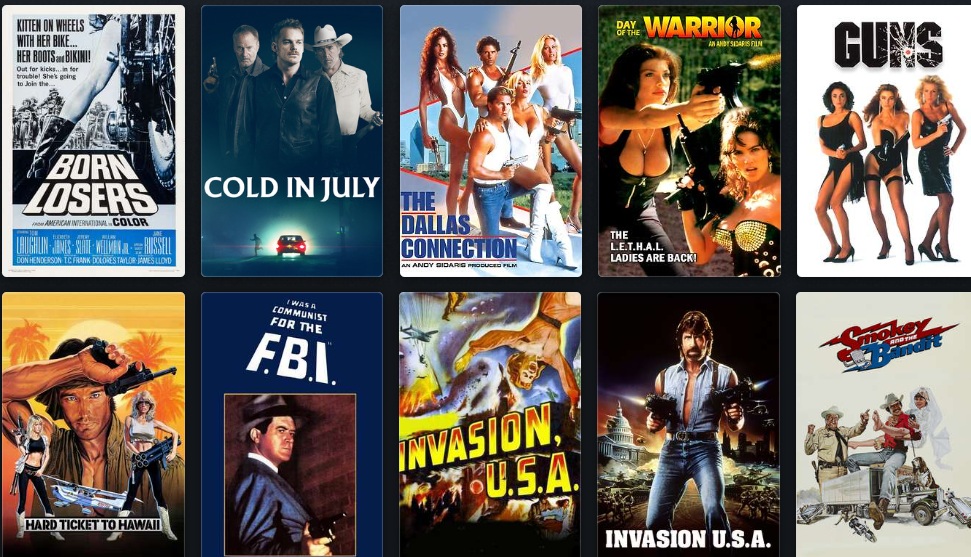
Whenever anyone asks me what the best film ever made about Hawaii is (and it happens all the time, let me tell ya), I always reply with From Here To Eternity. Then I smile and say, “Or maybe it’s Hard Ticket To Hawaii!” Directed by Andy Sidaris, Hard Ticket to Hawaii (1987) has it all. A mutant snake, a sex doll-carrying assassin on a skateboard, a killer frisbee, the Molokai cops, a single-engine airplane, and Ridge from the Bold and the Beautiful! This is the film that taught me that the proper way to reply to a guy saying, “Nice ass!” was to smile and say, “You too, Pilgrim.” Hard Ticket To Hawaii is one of the most deliriously strange and entertaining films ever made and you can view it on Tubi!
After viewing Hard Ticket to Hawaii, be sure to check out Andy Sidaris’s other great film, Guns (1990). Guns not only features a tropical paradise but it also stars Erik Estrada, giving a totally over-the-top performance as the villain. Guns can be viewed on Tubi.
As a resident of Dallas, I will always have a soft place in my heart for Sidaris’s Day of The Warrior (1996), in which it is established that the world’s most evil secret organization is headquartered on top floor of the Bank America Plaza and that the evil mastermind lives in “North Dallas.” You probably have to be from Dallas to get the joke but it’s a good one. Day of the Warrior can be viewed on Tubi.
Finally, The Dallas Connection (1994)was directed by Andy’s son, Christian Drew Sidaris. I have to recommend this one because it not only takes place in Dallas but it’s actually named after the city as well! Filmed on location, this film features plenty of action and exploding toy boat. The Dallas Connection can be viewed on Tubi.
If you want your action stars to have a bit more of a social consciousness, Born Losers (1967) features Billy Jack (Tom Laughlin) in his first film appearance. In three subsequent films, Billy Jack would go on to fight for pacifism and Native American rights and would eventually becomes a U.S. Senator but, in this film, he just kills a bunch of bikers who have been harassing tourists in California. Born Losers can be viewed on Tubi.
God Bless America
Next Friday will be the Fourth of July. USA! USA! USA!
Invasion USA (1952)takes a look at what happens when a bunch of people take America for granted. Fortunately, Dan O’Herlihy is on hand to hypnotize everyone and force them to experience what life would be like if the communists took over America. Thank you, mysterious hypnotist! This film can be viewed on Tubi.
Years later, those commies were still trying to invade and divide America. Fortunately, Chuck Norris was available to stop them. Invasion U.S.A. (1985) features one of Richard Lynch’s greatest performances and it can be viewed on Tubi.
I Was A Communist For The FBI (1958) claims to tell the true story of a man who spent years working undercover as a communist. His family rejected him. His neighbors scorned him. This film is a real time capsule of the time it was made. That said, it’s portrayal of communists as being a bunch of upper class bigots who manipulate a working class that they have no interest in being a part of still feels relevant today. I Was A Communist For The FBI can be viewed on YouTube.
Odds and Ends
Cold In July (2014) is one of the best neo-noirs of the best ten years and it features an excellent performance from Don Johnson, whose weathered toughness gives him a gravitas that he was occasionally lacking in his younger years. It can be viewed on Tubi.
Finally, Jeff and I watched Smokey and the Bandit (1977) earlier this week. It’s one of Jeff’s favorites and, whenever I watch it, I’m always surprised to re-discover how much I enjoy it myself. Fast cars, a truck that looked a lot like the one my Dad used to drive, Southern scenery, and a theme song that gets stuck in your head, what’s not to like? I related to Sally Field’s confusion as to why anyone would want to eat at a “choke-n-puke.” It’s available on Netflix!
Well, here we are! This is my favorite part of the TSL’s look back at the previous year! Below, you’ll find my picks for the 26 best films of 2014!
(Why 26? Because Lisa doesn’t do odd numbers.)
Before looking at the list, there are two things that I would ask you to keep in mind. First off, these are my picks and my picks alone. There are 12 writers here at the TSL and we are all very opinionated individuals. Needless to say, we don’t always agree. Just because I love a film doesn’t mean that Arleigh, Leonard, Ryan, or anybody else here agree or disagrees. (Even my own sister occasionally disagrees with me…) When the other writers get around to posting their picks, I imagine that some of the films below will appear on those lists. And some of them most definitely will not. Vive la difference!
Also, it should be understood that, unlike some film critics, I only list movies that I’ve actually seen. Unfortunately, since I live in the middle of the country, that means that there are a few 2014 films that have yet to be released in my part of the world. Over the upcoming two weeks, I plan to see Inherent Vice, Selma, American Sniper, A Most Violent Year, and The Imitation Game. Any one of these films could potentially end up in my top 26, in which case I will update this post to reflect that.
(1/10/15 Update — I have updated the list to include Inherent Vice. And, since I don’t do odd numbers, I also added Blue Ruin so that the list is currently an even 28 films.)
As for my list, as I look over it, I have to admit that I’m a little bit surprised by some of the films that made the biggest impression on me this year. Whereas in previous years, my favorite films were far outside of the mainstream, my favorite film of 2014 was the epitome of blockbuster entertainment. The list is an interesting combination of spectacle and existential dread, featuring everything from the latest entries in the Marvel Cinematic Universe to a few neglected masterpieces of ennui.
(If you’d like to see my picks for 2010, 2011, 2012, and 2013, click on the links!)
We’re now past the halfway point for the film season of 2014. The year has seen it’s share of hits, bombs and surprises. Many look at the box-office numbers some that these films generate as a sign of their success. Others look at how the critics-at-large have graded these films as a way to determine whether they’ve been successful.
I know some people would list nothing but independent arthouse films as their best. They look at genre and big-budget films as not being worthy of being the best of the year, so far. It’s that sort of thinking that limits one’s appreciation of film, in general.
Does having a 150 million dollar budget mean that a film cannot be one of the best of the year. Past history will suggest that’s not the case. Yet, there are cinephiles out there who will dismiss such films because they consider it as being too Hollywood. The same goes for people who look down upon genre films like horror, scifi, westerns and many others that do not fit their slice-of-life drama study. They’re not existential enough for some.
I’ve come to look at all the films I’ve been fortunate enough to see through the first six months of 2014 and picked 9 of the best (I picked a random odd number since Lisa Marie already does the even numbers thing) no matter their genre, type of film and budget. I’ve picked a couple of scifi films, a documentary, an action-packed blockbuster sequel, a wonderfully made 3-D animated film (itself a sequel), a neo-noir Western, a brutal crime-thriller, an indie horror-thriller and one of the best comedies of the last couple years.
In no special order….
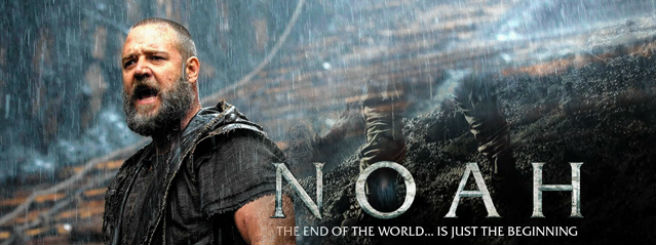
Noah (dir. by Darren Aronofsky)
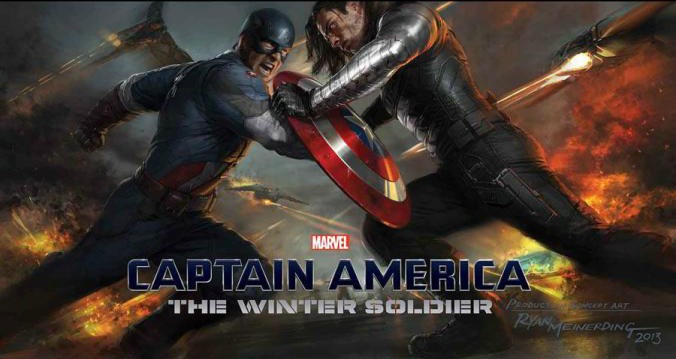
Captain America: The Winter Soldier (dir. by Anthony and Joe Russo)
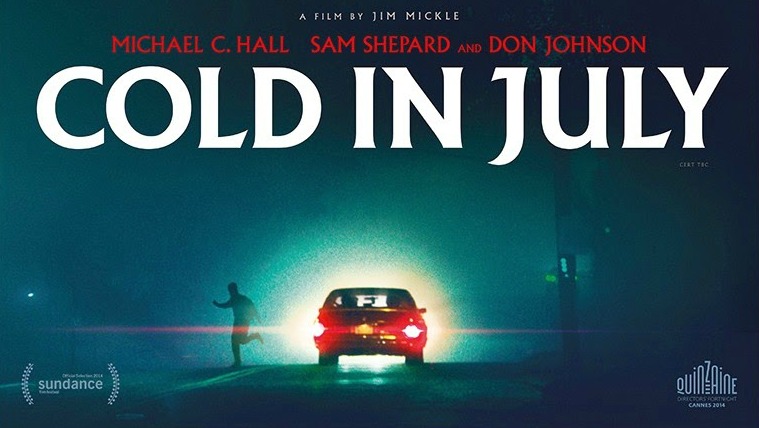
Cold in July (dir. by Jim Mickle)
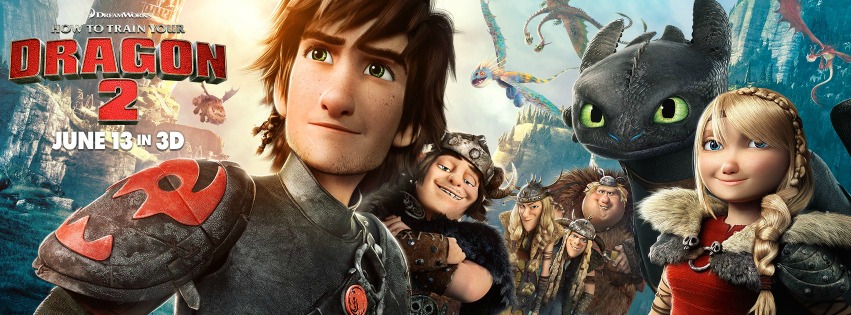
How To Train Your Dragon 2 (dir. by Dean DuBois)
Jodorowsky’s Dune (dir. by Frank Pavich)
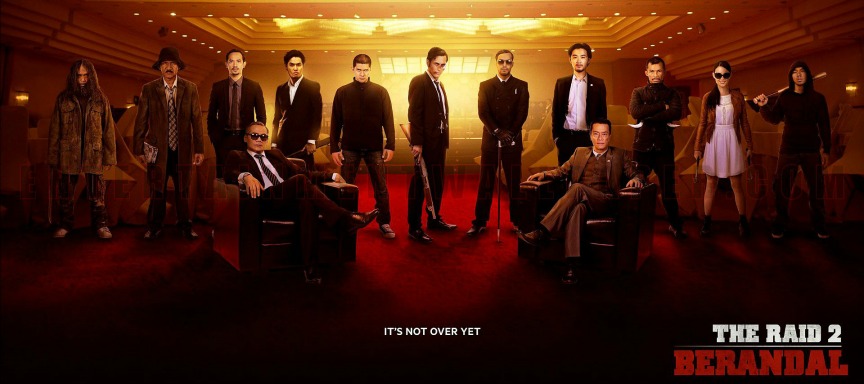
The Raid 2: Berandal (dir. by Gareth Evans)
Snowpiercer (dir. by Bong Joon-ho)
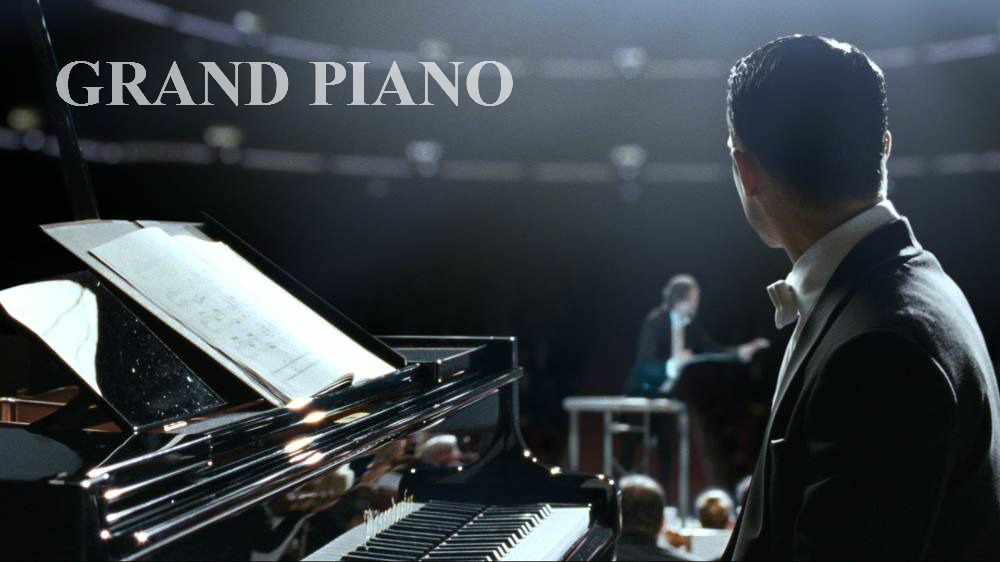
Grand Piano (dir. by Eugenio Mira)
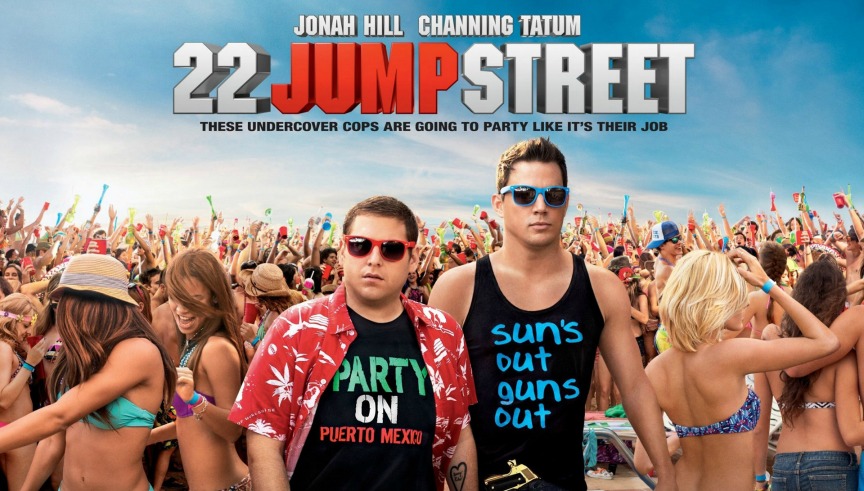
22 Jump Street (dir. Phil Lord and Christopher Miller)
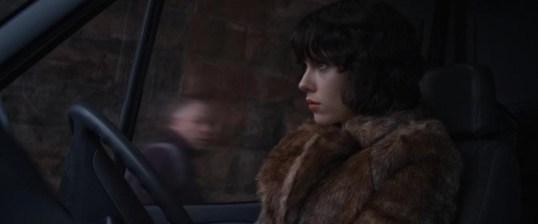
My honorable mentions:All Cheerleaders Die, X-Men: Days of Future Past, Joe, Edge of Tomorrow, Lego: The Movie, Blue Ruin, Locke, Under the Skin, Only Lovers Left Alive, The Sacrament
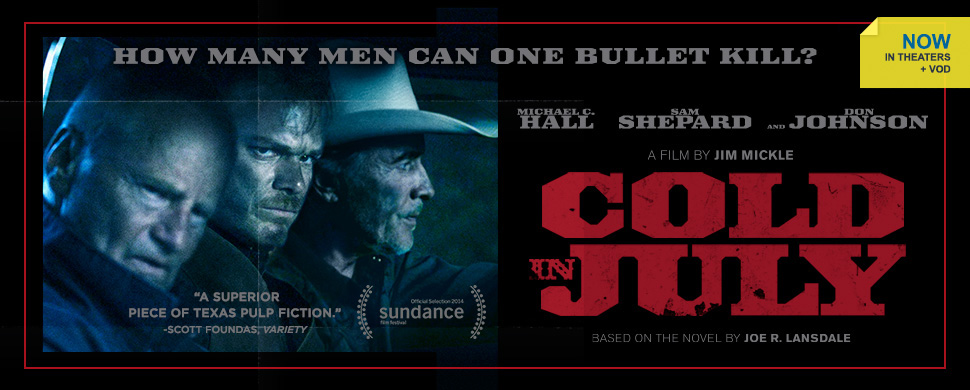
Cold in July, which is currently available OnDemand and also playing in select theaters, is a great film.
To a large extent, you’re simply going to have to take my word about that because to give too much away about this twisty and emotionally resonant thriller would be a crime. Quite frankly, I’d rather write a vague review than rob you of the pleasure of discovering this film’s secrets for yourself.
Here’s what I can tell you.
Cold In July takes place in east Texas and, speaking as a Texan, it manages to perfectly capture the odd mix of southern gothic and western stoicism that distinguishes that section of Texas from the rest of the state. Cold in July is one of the best Texas-set films that I’ve ever seen, one that is uniquely Texan and yet still accessible for those viewers who live elsewhere (except maybe for Vermont). Director Jim Mickle and cinematographer Ryan Samul fill Cold In July with hauntingly beautiful images of the landscape, capturing that unique Texas stillness that can be both tranquil and threatening at the same time.
Michael C. Hall plays Richard Dane, an ordinary guy who, at the start of the film, confronts and kills a burglar who has broken into his house. While nearly everyone else in town is impressed by Richard’s actions, Richard is haunted by them. While everyone else tells Richard that he should be proud for standing up against crime, Richard is obsessed with the bloodstains that now decorate his living room wall. Richard grows even more uneasy when the town’s police chief informs him that the burglar’s father has recently been paroled from Huntsville Prison.
When Richard goes to the burglar’s funeral, he meets the quietly menacing Ben Russell (Sam Shepard). Ben reveals that Richard killed his son and then goes on to suggest that maybe, in order to even the score, Ben should now go after Richard’s son. Even after the police agree to protect Richard and his family, it quickly turns out that Ben is a lot more clever than anyone realized…
And that’s all I can tell you about this film’s plot without spoiling the many twists and turns. I can, however, assure you that anything you may be assuming about this film or the relationship between Richard and Ben is probably incorrect. This is a film that starts out like an effective but standard thriller and then, about 30 minutes into the action, the story suddenly goes off in an entirely different direction. The fact that the film manages to pull off such a sudden shift in tone and plot is due to both Mickle’s confident direction and the excellent performances of Hall and Shepard.
I can also tell you that this film features a great and award-worthy supporting performance from Don Johnson. Johnson plays Jim Bob Luke, a flamboyant private detective who also owns a pig farm and drives a red Cadillac with vanity plates that read “RED BTCH.” Johnson brings a jolt of life to the film right when it most needs it. Jim Bob starts out as comic relief but, as the film progresses, Johnson brings a surprising amount of gravitas to the role until finally, Jim Bob is as much the moral center of the story as Tommy Lee Jones was in the thematically similar No Country For Old Men.
Finally, I can tell you that Cold In July is a violent film but it’s not the empty, consequence-free mayhem that you might expect to see in a thriller like this. It’s hard to explain without giving away too much of the plot but I would have to describe it as almost being “violence with heart.” Cold In July may be violent but it’s never mindless and that makes all the difference.
As I said, it’s difficult to review Cold In July because to go into too much detail would run the risk of ruining the film’s many surprises. So, instead, I’ll just say that Cold In July is one of the best films of the year so far.
It’s a film that you, as a lover of cinema, owe it to yourself to see.