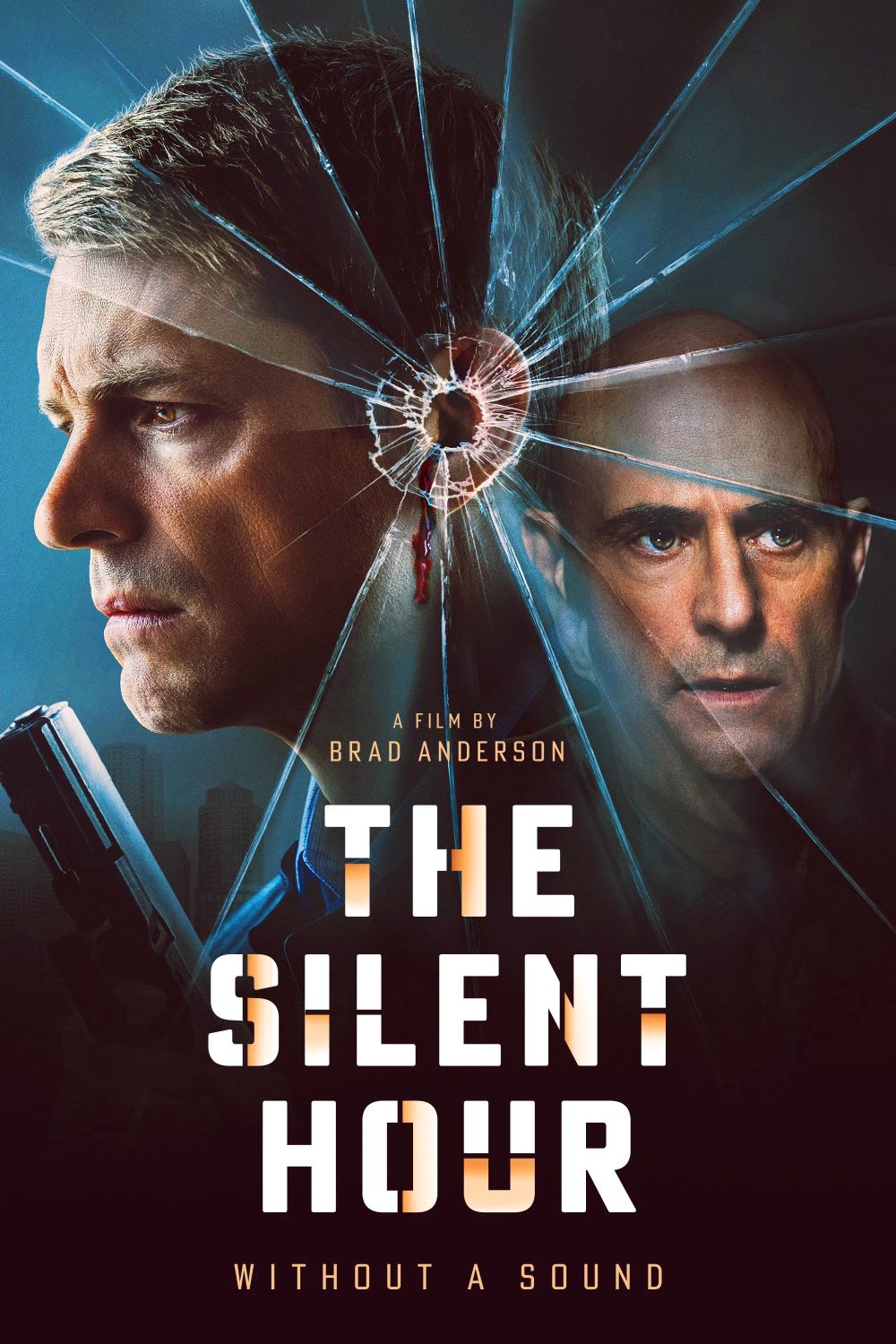
Review: The Silent Hour (dir. by Brad Anderson)


“One missing piece doesn’t make you any less whole.” — Ava Fremont

The Silent Hour is the kind of mid-budget thriller that used to quietly fill up Friday night multiplex lineups, and there’s something refreshing about that. It is not reinventing the genre, but it does just enough with its premise of hearing loss, a deaf witness, and a sealed-off apartment block to feel engaging instead of disposable. When it leans into that sensory angle and the physical geography of the building, it clicks; when it falls back on stock corrupt-cop beats, you can feel the air go out of the room a little.

The setup is straightforward: Boston detective Frank Shaw (Joel Kinnaman) is struggling with permanent hearing loss after an on-the-job accident, trying to find a way back onto the force and into his own life. He is brought in because he knows some sign language and is asked to help take the statement of Ava Fremont (Sandra Mae Frank), a deaf photographer who has video evidence of a brutal gang murder. Once Frank leaves her run-down apartment building, he realizes he forgot his phone, heads back, and walks straight into a hit team sent to silence Ava; the rest of the film traps them inside the almost-condemned complex with a crew of killers who, crucially, they often cannot hear coming.

Director Brad Anderson has always had a knack for tense, contained spaces, and you can feel the same instincts here that powered films like Session 9 and Transsiberian, even if The Silent Hour is more conventional. The apartment block is shot as a grim, half-abandoned maze: flickering lights, long hallways, and just enough remaining tenants to complicate any hope of a clean escape. Anderson stages several sequences as slow, creeping cat-and-mouse instead of wall-to-wall gunfire, which fits the “you can’t hear the danger” concept nicely and gives the movie a more claustrophobic vibe than the plot synopsis might suggest.

Where the film genuinely distinguishes itself is in how it uses sound—or sometimes refuses to use it. Scenes that shift into Frank’s perspective often dampen or distort the audio, letting the score fall away so small vibrations, visual cues, and body language carry the tension, while Ava’s point of view goes further, dropping into near-total silence and forcing the audience to scan frames the way she would. It is not as radical as something like A Quiet Place, but it is effective, and the sound department clearly understands that “absence” can be as expressive as any bombastic action mix.

Kinnaman slides comfortably into this kind of bruised, low-key action role, and here he plays Frank as a guy permanently half a step behind the world around him, frustrated but not wallowing. The script gives him some predictable beats—guilt, self-destructive drinking, a shot at redemption—but Kinnaman sells the physical awkwardness of someone relearning how to move and work while not fully trusting his own body. Sandra Mae Frank is the movie’s secret weapon, though; as Ava, she never reads as a passive victim, and there is a practical, almost sardonic edge to the way she navigates the situation that helps keep the film from turning mawkish about disability.

The dynamic between Frank and Ava is also where the film finds its heart, even if it is pretty lightly sketched. Their communication is messy at first—his sign language is rusty and limited, hers is fast and precise—but that awkwardness becomes part of the tension, because a misread sign or delayed understanding can get people killed in this environment. As they settle into a rough rhythm, the movie quietly nudges Frank toward accepting that his hearing loss is not just a temporary obstacle but a permanent part of who he is now, and Ava is allowed to be more than a symbolic “guide” through that, with her own fears and bad decisions hanging over her.

On the flip side, the actual crime plot is about as standard as they come. The villains are corrupt cops cleaning up a messy murder, and if you have seen more than a couple of thrillers, you will probably guess who is dirty long before the script “reveals” it. There are a few half-hearted attempts at moral compromise and temptation—a hefty bribe, old loyalties—especially around Frank’s former partner Doug Slater (Mark Strong), but the story never digs into systemic rot or moral ambiguity in any meaningful way; it just uses corruption as a convenient engine to keep the bullets and double-crosses coming.

Structurally, the film works best as a series of mini-scenarios inside the building rather than as a twisty conspiracy. You get sequences where Frank and Ava navigate dark stairwells while trying to stay ahead of men they can feel but not hear, tense face-offs in cramped apartments with panicked tenants, and a few well-staged bursts of violence that remind you this is still a pretty nasty situation. The climax leans into fire, chaos, and one last push for survival, and while the resolution lands exactly where you’d expect, the final quieter beats give the characters a bit of closure that feels earned rather than tacked on.

Performance-wise, the supporting cast does its job without stealing the movie. Mekhi Phifer and Mark Strong bring some veteran presence as fellow cops circling around Frank, and even when the writing nudges them toward archetype, they at least feel like people who have known each other for years rather than walking plot devices. The henchmen are more one-note, essentially “the guys with guns” hunting through the building, but the film leans on their physicality and menace instead of trying to give everyone a tragic backstory, which is probably the right call for a lean thriller like this.

If there is a frustration here, it is mostly about missed potential. The core hook—two people with hearing loss trying to survive in a sound-dependent cat-and-mouse game—is strong enough that you can imagine a slightly sharper script pushing much harder on point of view, communication breakdown, and the way the police institution treats disability. Instead, The Silent Hour uses those elements as flavoring around a very familiar skeleton, resulting in a movie that is solid and sometimes gripping but rarely surprising.

Taken on its own terms, though, The Silent Hour is a tight, competently staged thriller that understands how to milk a confined space and an offbeat sensory angle for suspense. The running time is under two hours, the pacing stays brisk, and there are enough well-executed set pieces and committed performances to make it an easy recommendation if you are in the mood for a darker, low-key action night. It will not stick with you the way the very best of Brad Anderson’s work does, but as a late-night watch with the lights down and the volume doing most of the heavy lifting, it gets the job done.

Review: John Doe: Vigilante (dir. by Kelly Dolen)


“They failed us… so what choice did I have?” — John Doe

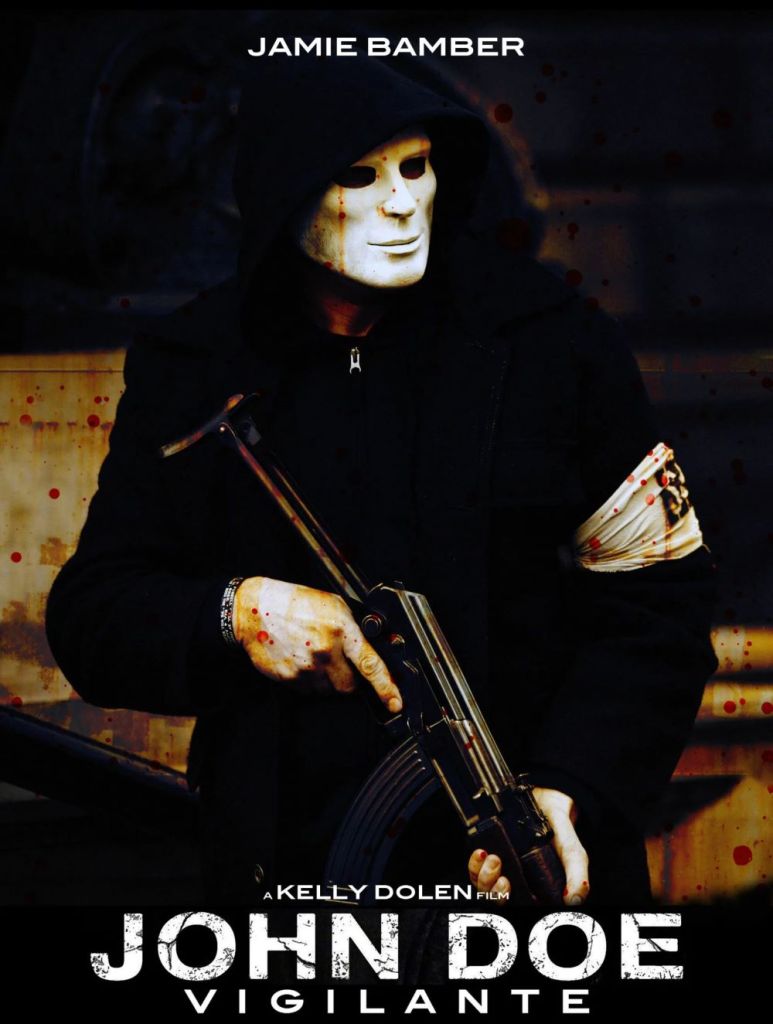
John Doe: Vigilante, directed by Kelly Dolen and released in 2014, is a blunt and provocative take on the vigilante thriller, brimming with social commentary and visual grit. The film revolves around John Doe, played by Jamie Bamber, whose world is shattered by the violent deaths of his family members. Disillusioned by a justice system that barely delivers justice, Doe transforms himself into a vigilante, targeting repeat offenders who continually evade real consequences. The narrative takes a non-linear approach, jumping between timelines using mock interviews, courtroom debates, and TV news segments to piece together Doe’s story and the societal mania swirling around him.

The structure of the film is both one of its most engaging features and a source of occasional frustration. Rapid switches between documentary-style “talking head” interviews, real-time action, and flashbacks keep the viewer on their toes. While this can create some dramatic momentum, it also leads to a sense of disconnect, as the story sometimes trades clarity for style. Still, there’s an undeniable energy to this format. The movie feels urgent and relevant, throwing the audience directly into a conversation about law, order, and the places these systems break down.

A major focus of the film is on the media’s influence over the public’s perception of vigilantism. The mixed portrayal of John Doe as both a monster and a folk hero reflects how quickly public sentiment can tilt depending on who’s doing the telling. There’s an uncomfortable suggestion that cycles of violence and public outrage are not only connected but sometimes dependent on the news cycle to fuel them. The film hammers this point home repeatedly, sometimes at the expense of nuance. It isn’t shy about waving its message in the viewer’s face, with characters often delivering speeches about justice, victimization, and the failings of society.

Despite some heavy-handedness, Jamie Bamber’s performance is the glue holding everything together. He plays Doe with a haunted distance rather than unrestrained rage, showing a character who’s been hollowed out by tragedy and driven by a cold, relentless sense of necessity. He’s not a cartoonish avenger—his actions clearly torment him, and his moments of uncertainty make the character believably conflicted. However, the supporting cast doesn’t fare as well, with most roles feeling thin and underdeveloped. Journalists, detectives, and secondary victims drift in and out, often serving mainly as delivery devices for the film’s ceaseless thesis statements about crime and morality.

The violence in John Doe: Vigilante is unflinching and rarely sensationalized. Confrontations come fast and harsh, depicted with practical effects that drive home the ugliness of the acts themselves. This directness serves to emphasize the horror of violence, whether enacted by criminals or by Doe himself. The film’s refusal to sugarcoat these scenes will appeal to viewers who prefer realism and discomfort to stylized action, but it may push others away due to its unrelenting bleakness.

On the plus side, the movie does succeed in keeping the viewer guessing about its core question: Is Doe’s crusade righteous or an invitation to chaos? His victims are almost unfailingly depicted as monsters, which blunts some of the intended ambiguity, but the reaction from the world around him—copycat crimes, protests, media manipulation—spins the plot in more interesting directions. The broader implication is that once a society loses faith in the courts, retributive justice becomes both appealing and very, very dangerous. While the film mostly sticks to familiar genre beats, it does occasionally land a punch that lingers. Scenes showing a growing vigilante movement in response to Doe’s actions are particularly thought-provoking, inviting viewers to consider how collective anger can quickly spiral out of control.

However, the film repeatedly stumbles over its own desire to make a point. Its depiction of evil is strikingly black-and-white, and the justice system is rendered in frustratingly broad strokes. Very little time is spent on the possibility of innocent people being caught in the crossfire or of criminals ever achieving redemption. All the nuance falls to Bamber’s performance, as the rest of the characters serve mostly as echoes of his trauma or mouthpieces for the script.

Dialogue can also be a weak point. Characters often speak in loaded, over-serious refrains about crime and victimhood. If you’ve seen other media with vigilante themes, especially ones grappling with morality, John Doe: Vigilante might give you déjà vu. It isn’t particularly subtle and tends to repeat itself, particularly in the latter half, as perspective shifts and news segments rehash similar arguments. By the time the final acts come around—with a pivotal, tension-drenched scene of Doe delivering his last “message” to the public—the narrative momentum has already started to lag.

Still, the film isn’t without its bright spots. Its editing, especially the way flashbacks are woven into the present narrative, is creative and keeps certain plot elements hidden until just the right moment. There are a few bold narrative choices—one involving a child’s perspective near the end is a standout—that briefly elevate the film above its otherwise standard revenge-thriller fare. These are the moments that will stick with viewers long after credits roll.

At its core, John Doe: Vigilante is angry and bruising, with its heart firmly pinned to its sleeve. It wants to provoke discomfort and debate, not offer easy answers or escapist fun. The movie wrestles with questions of what justice really means when institutions fail, and whether violent reckoning is ever justifiable—even for the worst of the worst. It doesn’t ultimately land on a satisfying conclusion, but that may be the point.

John Doe: Vigilante stands as a solid and sometimes stirring entry in the vigilante genre, bolstered by a committed lead performance and raw intensity but hampered by heavy-handed dialogue, weak supporting characters, and a lack of moral complexity. For viewers who enjoy gritty crime films and are open to films that raise difficult, unsettling questions, John Doe: Vigilante is worth checking out. Just don’t expect it to pull its punches—or to give you any tidy resolutions.

The Raid 2: Berandal “Gang War” Deleted Scene


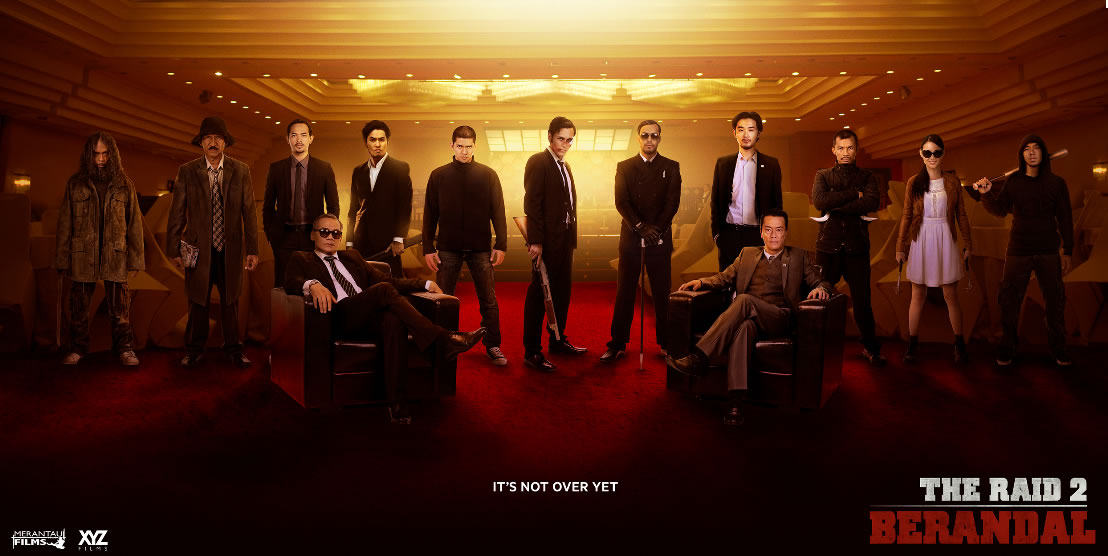
the-raid-2-berandal-teaser-poster

So, just got back from watching The Raid 2: Berandal and I must say that I was left speechless. So, while I gather my thoughts in order to write up a review here’s a clip released by director Gareth Evans of a scene removed from the finished film due to pacing issues.

It’s a scene that took close to 6 days to set-up and film and quite a bit of money to do so. The fact that it’s a scene so heavy in action that it was still deleted from the film just goes to show just how awesome were the action in the film that this particular one was left on the cutting room floor.

Trailer: Only God Forgives (Red Band)


OnlyGodForgives

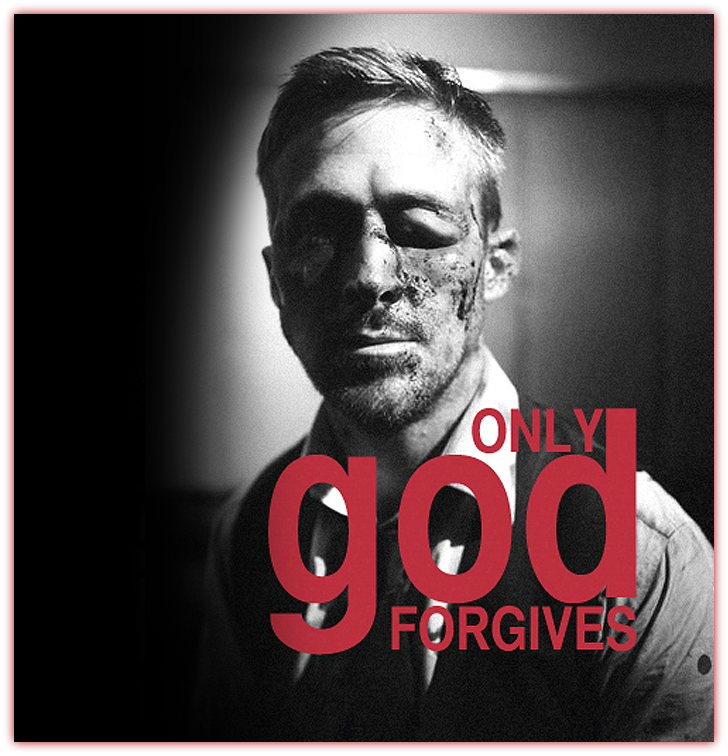
It looks like we the makings of a new Scorsese/DeNiro combination with Nicolas Winding Refn and Ryan Gosling partnering up once again for another film after their critically-acclaimed neo-noir crime thriller with Drive.

Only God Forgives transplants Refn and Gosling away from the smog and seedy glamour of Los Angeles to the anything-goes locales of Thailand. Refn has described this follow-up to Drive as a modern Western set fully in the Far East with Gosling in the role of the cowboy antihero. The red band trailer once again shows that Refn will not be skimping on the beautifully shot violence and ramps up on the film’s look of heightened reality that made his previous film such a unique viewing experience.

There’s still no announced release date for Only God Forgives, but we will surely be on the look out for when it does finally come out.

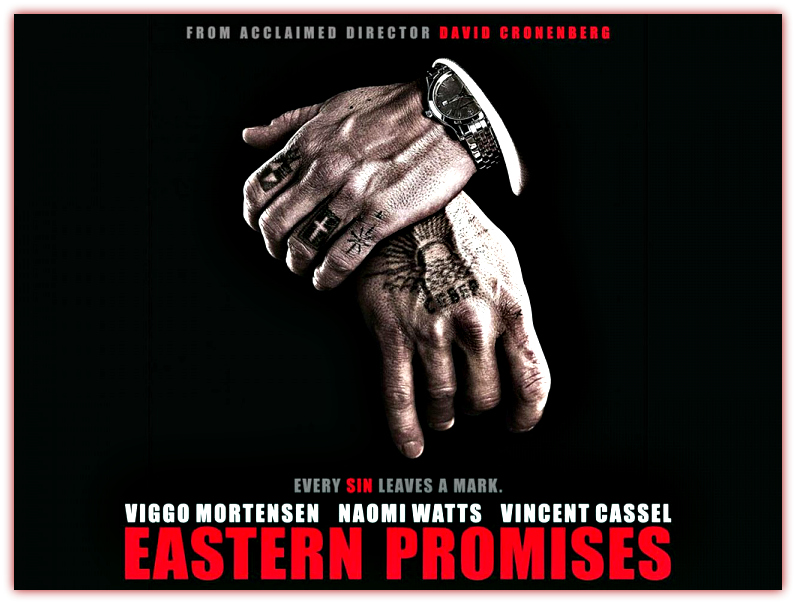
Scenes I Love: Eastern Promises


EasternPromises

News that the sequel to Eastern Promises was one of the few pieces of news that really bummed me out when it made the rounds late 2012. The first film was one of my top ten for 2007 and consider it one of the better films about organized crime in the 21st century. A sequel to this film wasn’t needed, but most fans of the film wanted one just to see a furthering of the storyline between Viggo Mortensen’s character and that of Vincent Cassel’s character.

While the sequel may not be happening there’s still hope that it will get resuscitated in the future. Until that happens let’s take a look at what has to be one of the most realistic fight scenes on film. It’s the infamous (or famous depending on how you feel about the scene) Russian bath house scene near the end of the film. The scene sees Viggo Mortensen’s character of Nikolai Luzhin set upon by a couple of Chechen hitmen in the bath house where he proceeds to fight for his life in the most vulnerable fashion anyone can ever find themselves in.

Cronenberg has always been one of my favorite filmmakers and I continue to believe that his work body of work throughout his career puts him in the upper echelon, if not the elite level, of filmmakers living and working today. This fight scene has nothing glamorous about it. The cool factor that some attribute to the scene just emphasizes Cronenberg’s recent observation about the hypocrisy of those who denounce violence yet look at the violence he creates on film and call it art.

I consider this a scene I love just for the base simplicity of the scene itself. It’s primal and almost Darwinian in the lengths a person will go through to keep themselves alive for one second more. The scene also reminds me why Viggo Mortensen remains one of this era’s most underrated and greatest actors. Yes, it’s just a fight scene, but he gives so much into making it authentic that one could almost believe that his life was in danger and he did the fight for real (in fact Mortensen did injure himself so much during the several takes of the scene that his bruises afterwards became a problem for the make-up department who had to apply his vory v zakone tattoos every day).

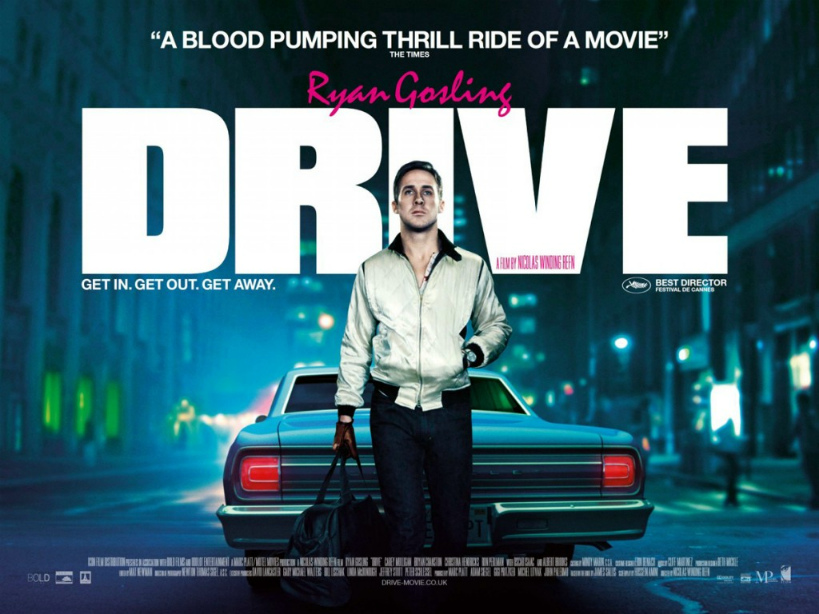
Review: Drive (dir. by Nicolas Winding Refn)


Danish filmmaker Nicolas Winding Refn has made just a handful of films with most staying under the radar of most of the general film-going public. He first caught the attention of indie film fans with his Pusher Trilogy over in Denmark, but he really caught the attention of these fans with his explosive collaboration with Tom Hardy on the Bronson biopic. He would follow that film with the violent existentialist Viking film Valhalla Rising. It would take another major collaboration with another rising star in Ryan Gosling for Winding Refn to finally have his major breakout film which has caught the attention of not just the indie film fans and cineaste crowd, but the general public at-large.

Drive was first screened over at this year’s 2011 Cannes Film Festival where it premiered “in competition” for the Palme d’Or. While the film didn’t win the top prize for best film at Cannes it didn’t garner Nicolas Winding Refn “Best Director” award and his work on this film more than merits such an accolade. The film would begin to screen at other major film festivals before landing at the Toronto International Film Festival before making it’s major public release in North America. Everywhere the film went the consensus reaction to the film has ranged from positive to calls for the film as one of 2011’s best.

So, it would seem most everyone has been quite positive with their reaction to Refn’s Drive. Is this film just another indie arthouse title which the elitist film fans have begun to hype up to levels that would border on cosmic? Or is this film actually as good as it has been talked up to be by such film fans and those of the general public who have seen it? I think the answer lies somewhere in-between.

Drive has been called an action-drama to crime-thriller to film noir and even an existentialist meditation of the film variety. Some have even called it a modern urban fairy tale from the many traditional tropes and themes inherent in fairy tales. The film actually seems to defy genre labels as it’s all those and even more. Nicolas Winding Refn has made a film with so much variety in its cinematic DNA from other classic films and storytelling styles that watching the film once is not enough to find them all.

The film makes a strong statement with it’s introduction of the character who remains nameless but could be called “The Driver” or “The Kid”. Ryan Gosling’s performance in this opening sequence will set the foundation for his character from beginning to end. His driver role is not much for chit-chat and unnecessary talking with those who have hired him to be their expert getaway driver. He’s meticulous with his equipment and intractable when it comes to the rules he has set down for his clients. He would be theirs for the five minutes they need him to drive them away from their criminal acts. Whatever they do before or after those five minutes doesn’t matter to him and he sticks to this rule explicitly. Another rule which he lays down is that he will not be carrying a firearm. These rules have had some audiences bring to mind Jason Statham’s Transporter character and they would not be totally wrong to say so. What Gosling’s driver has over Statham’s is the air of realism to the role. It’s a realism that borders on hyper-reality as the film moves on to it’s climactic conclusion, but real nonetheless. Gosling’s “driver” will not do extensive and elaborate fighting skills the way Statham’s would.

The film would move from it’s powerful introduction and into a much more calm and somewhat serene section as the nameless driver gradually gets to know his next door neighbor in the form of Irene as played by Carey Mulligan. Their relationship will form the core of the film’s narrative and it’s the driver’s growing affection not just for Irene but her young son that would dictate some of the decisions he would make right up to the end of the film. It’s a relationship built not on extensive dialogue banter but mostly on meaningful glances and silent understanding between two characters who seem to have found a kindred kinship between them. It’s this growing relationship between the two and Irene’s son which almost look like a familial unit forming until the return of Irene’s incarcerated and newly-released husband Standard. This is a character played by Oscar Isaac as a man desperate to take full advantage of his last chance at normalcy and redemption, but ultimately doomed to fail.

Standard doesn’t just become the only wrench in the happy life Gosling’s character seems to want to have with Irene and her son. Into the picture also happens to come in is his mentor and business partner Shannon (Bryan Cranston doing a great job as the good-natured, but opportunistic fool character many Shakespearean tragedies always seem to have) and Shannon’s even seedier acquaintances in Hollywood mogul-turned-mob boss Bernie Rose (Albert Brooks in a chilling performance) and his more boisterous, but not as smart partner in Nino (Ron Perlman).

The film seems to settle on the low gears for the first hour of the film, but it’s during a botched robbery attempt where the driver becomes embroiled in that Drive finally moves into the high gears and stays there until the very end. Refn’s decision to use the first hour to round out and build the characters in this film definitely pays off in the end. The audience becomes quite clear as to who the players are and what motivates them to do what they do the rest of the film. Even the most secondary and tertiary roles in this film has a part to play. Even Christina Hendricks in the role of a low-level moll to a gang of criminals gets to have her time to shine if just briefly.

Once the narrative shifts from character study to an almost Cronenbergian exercise in violence and brutality does the film finally able to hook in the last few audiences who may have still been iffy about Drive. Not to say that the final 45-minutes of the film was a non-stop action film, but it does move at a consistently higher gear pace than the first hour. We see the driver having to show to the audience that he’s not just an expert wheelman for Hollywood (stunt driver by day) and the criminal underground (getaway driver by night). It serves the film well that Gosling’s character has the barest minimum of lines of dialogue. We see all we need to know about this character through his behavior that brings to mind roles played by such past luminaries as Steve McQueen and Clint Eastwood.

Most likely it would be in the second half of the film that should satisfy the action junkies. While the action scenes are not of the Michael Bay-type they do show that Refn has a fine grasp of what makes an action scene thrilling. Whether the scene calls for some of the most well-done car chase on film since Frankenheimer showed everyone how to properly do it in Ronin or scenes of sudden brutal violence which calls to mind similar scenes from Cronenberg’s last two films (A History of Violence and Eastern Promises). Both types of action were done efficiently with little to no glamour to gloss over things. The burst of violence actually adds to the mystique of Gosling’s “Man With No Name” role. One particular scene in the apartment elevator where Gosling, Mulligan and a goon sent by the mob makes for one of the best scenes in the film and of 2011.

As much as these scenes of action and violence will be the ones to get the most attention from the general film-going public in the end it’s the excellent screenplay by Hossein Amini of the James Sallis’ novel of the same name which really holds everything together in conjunction with some top-notch performances from everyone involved. The film makes or breaks itself on Gosling’s performance as the driver and he delivers on all cylinders. His performance was quite reminiscent of past performances such as James Caan as Frank in Michael Mann’s Thief, Steve McQueen also as Frank in Bullitt, but in my opinion Gosling’s work in this film brings to mind young Clint Eastwood as “The Man With No Name” in Sergio Leone’s spaghetti western trilogy. Both characters were the type to let their actions speak for them and were both full of quiet confidence not to mention restrained violence which would erupt when needed.

Much has been said about Albert Brooks’ turn as the mob boss Bernie Rose. how the role was quite the 180-degrees from people’s perception of the actor who usually did comedic roles. I say that Albert Brooks always had a dark side to his comedic talent. I mean he was and is megamaniacal villain Hank Scorpio from The Simpsons. In all seriousness, Brooks’ as the mob boss was the other pillar which held all the other performances focused. In fact, Gosling’s character and Brook’s Bernie Rose could almost be considered mirror-images of each other. They were characters who had found their place in the world and the role they would play and didn’t struggle against it. Everyone else in the film struggled against their lot in life. It was also these characters who had the bulk of the film’s dialogue.

Drive has been hyped (for some overhyped) since it first premiered at this year’s Cannes Film Festival, but it’s one of those rare films which has more than earned and surpassed the hype which has preceded it’s general release to the general public. It’s a film which bucks traditional genre labels by combining the themes, ideas and foundations from many different film and storytelling genres. For fans of action there’s enough thrilling action to sate them. For those who are fans of film noir this film definitely carries within it the DNA set down by the film noir of the 40’s, 50’s and 60’s. For some who wish to watch a film which explore existential themes then Refn’s film has that too. In the end, Drive manages to be a film which caters to so many different audiences without ever pandering to them or dumbing the story down. It’s a film made by a filmmaker who continues to impress and who has made his best film to date.

Drive is a film that is not for everyone, but it’s also a film that everyone should see and experience at least once. It is also one of the year’s best films and, so far, my top film of 2011.

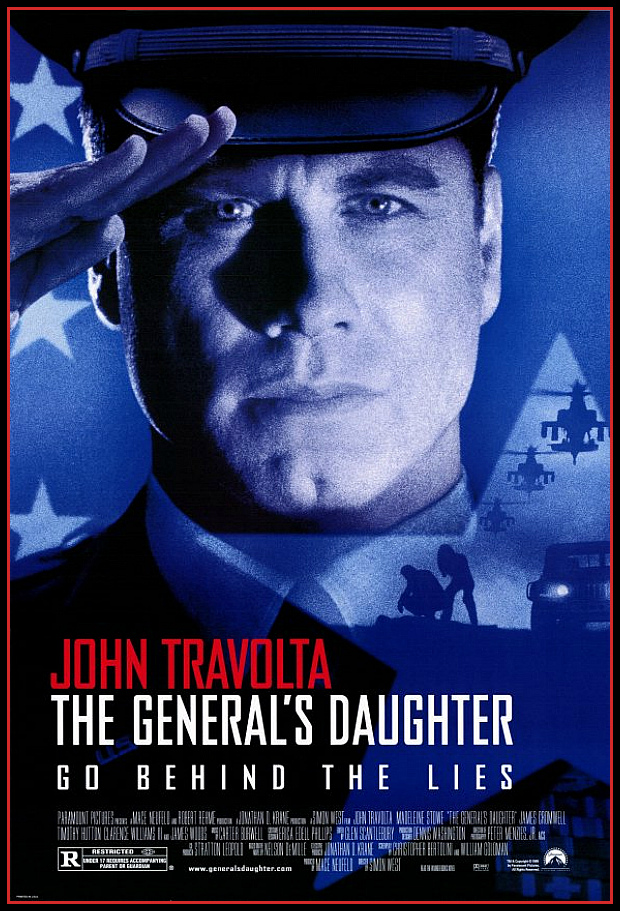
Quickie Review: The General’s Daughter (dir. by Simon West)


The time around the late 1990’s saw a slew of filmmakers who seemed to have been influenced by the filmmaking style of one Michael Bay. In 1998 one such film which had a certain Michael Bay look to it was the crime thriller The General’s Daughter by filmmaker Simon West (fresh off his success from the previous year’s Con-Air). This film adaptation of the Nelson DeMille novel of the same name starred John Travolta when he was still enjoying the second renaissance of his career brought on by his role in Pulp Fiction.

The General’s Daughter was pretty much a crime procedural wrapped around the secretive and insular world of military life. It has Chief Warrant Officer Paul Brenner (played by Travolta) of the Army’s CID investigating what seems to be the apparent rape and murder of a female officer who also happens to be the daughter of the base’s commandant and political-minded general. Brenner’s soon joined by another CID agent, Sara Sunhill (Madeleine Stowe), who must now navigate the insular world which makes up the officer ranks of the military. They find suspects cropping up faster than they could handle and the one prime suspect in base psychologist Col. Moore (James Wood in an over-the-top performance) has secrets about the victim that could jeopardize the lives and career of not just most of the officers on the base but the victim’s own father. This set-up and the basic understanding of the plot should make for a great thriller, but the by-the-numbers direction by Simon West and the over-the-top performances by too many of the characters in the film sinks The General’s Daughter before it could soar.

The story in of itself really has nothing to drag down the film. From the beginning the screenplay does a great job in tossing red herrings to keep the true murderer secret until the very end. It’s these red herrings which manages to bring out the ultimate reason as to the death of Capt. Elisabeth Campbell (Leslie Stefanson) and how a traumatic event in her past became the one major link which would lead to her death early in the film. It’s how these events were acted out which brings down the script. It’s been said that great performances could raise a mediocre script, but the same could be said for the opposite. Very average to bad performances could drag down a great script.

Travolta’s performance was good enough most of the time. He’s especially good when pouring on the Southern charm to try and gain an advantage over those he’s interacting with, but when he suddenly switches over to tough Army investigator that he goes from just beyond campy to over the line into full-blown camp. The same could be said for pretty much everyone in the film from Stowe’s character who manages to just stand around doing nothing but act as a sort of “gal Friday” for Travolta’s character until the very end when she suddenly becomes a crack investigator to help move the plot along. Clarence Williams III really hams it up as the base general’s right-hand man and one would wonder if he realized he wasn’t actually in a grindhouse or exploitation film when it was time to act.

Despite the performances dragging the film down I must admit that The General’s Daughter was quite watchable and entertaining to a certain level. It’s the film’s inadequacies which also makes it quite a disposable fare that should’ve been more. One wonders how the film would be done today with a different set of actors and a filmmaker who knew the nuances of how to navigate around a thriller. Until the inevitable remake from Hollywood gets greenlit (the way things get remade now it’s bound to happen) it’s this version of The General’s Daughter that’d be on record and it’s a film that has too many bad performances for a great screenplay to overcome. A film that ultimately remains mildly entertaining but forgettable in the end.

Quickie Review: Running Scared (dir. by Wayne Kramer)


Director Wayne Kramer’s follow-up to his directorial debut (The Cooler) shows that he has a flair for drama and suspense that borders the line between reality and surrealism. Running Scared has such a gritty, washed out look right from the get-go that one starts to think it’s a film lifted right out of the 70’s. But that is only part of what Kramer does in creating a look and feel for Running Scared. Kramer actually uses every kind of trick in a director’s book to give his film such an over-the-top sense that the audience really doesn’t know what to expect just around the next dark corner.

Running Scared‘s first ten minutes sets up what the rest of the next two hours are going to be like. Kramer direct’s this ten minutes like a man possessed. The direction and editing is frantic and frenetic. Some have said that it’s all been done before by Tarantino, Woo and a dozen other action-stylists out of Hong Kong, but I disagree. Kramer’s style owes alot more to the grandfather of excessive film violence and that’s Sam Peckinpah. I’m not comparing Running Scared to Peckinpah’s seminal classic The Wild Bunch, but the pace and look of the chaotic shoot-out in the tiny apartment to start the film brings to mind the opening and closing shoot-outs of Peckinpah’s film.

Kramer knows he’s not making a social statement or even an intellectually relevant film. What he does know is that he wants to tell a fairy tale of one man’s hectic day and all the craziness he has to go through during that day. And this is what Running Scared really has turned out to be. A fairy tale set in an modern, dank, urban landscape where our hero (though anti-hero is more like it) and the two kids in his life must travel a surreal place filled with mack-daddy pimps, hooker with a heart of gold, corrupt cops and even a pair of child pedophiles who also turn out to be husband and wife. Running Scared is a like Grimms fairy tale as seen and told in a modern setting.

The cast of actors Kramer has assembled all do a good job in populating this violent, profane modern fairy tale. I’d be the last to think that Paul Walker was an actor who had any talent, but his performance in this film has given me pause to think that maybe its not him, but the projects he’s been doing that’s given him a bad reputation as an actor (which continues to this day as he continues to put himself in bad projects). Gone is the California surfer dude persona he seems to saddle himself with in most of his roles. He actually inhabits the low-level mobster soldier he plays as Joey Gazelle. This film may not be his breakout performance but it will open up some eyes. The boy’s got some skill he’s never been able to show before. The other actor who makes a standout performance is one Cameron Bright who plays Oleg. The neighbor kid whose theft of a mob gun Joey is suppose to make disappear turns Joey’s life upside down. Cameron’s almost like Pinocchio in that its through him that we see all the crazy characters he runs across. It’s a testament to Kramer’s direction that he’s able to get such good performances from Walker, Bright and the rest of the cast in a film that’s as confusing, complicated and surreal as this film turned out to be.

Running Scared was a wonderful surprise of a film for 2006. It’s an unabashed fun, thrilling urban fairy tale that goes for broke in everything it does. Wayne Kramer’s direction shows that his very good work in filming The Cooler wasn’t a fluke and one-time deal. He’s no Tarantino and surely not in the same league as Sam Peckinpah whose films this one owes alot to in style and feel, but he’s slowly making a name for himself as one who can do good work. Oh, Paul Walker does a good job in it as well.