Today is Hong Kong film star Donnie Yen’s 63rd birthday. The first time I remember seeing him on screen was in Yuen Woo-Ping’s 1993 film IRON MONKEY. He kicked butt then and he’s still kicking it to this day!
Celebrate with me by watching this clip from the martial arts classic!
Today’s scene that I love comes from Stanley Kubrick’s The Shining.
Stephen King can whine about this film all that he wants. It’s one of the few adaptations of his novels that can still scare the view even after numerous rewatches.
July 25th is the birthday of actor Woody Strode. In celebration of what would have been the icon’s 112th birthday, I’m sharing one of my favorite scenes in the history of cinema, which was made greater by the presence of Strode. One of the genius movies that Sergio Leone made when filming ONCE UPON A TIME IN THE WEST (1968) was casting Jack Elam and Woody Strode as two of the three men waiting for Harmonica to get off the train in the opening scene. It’s a classic!
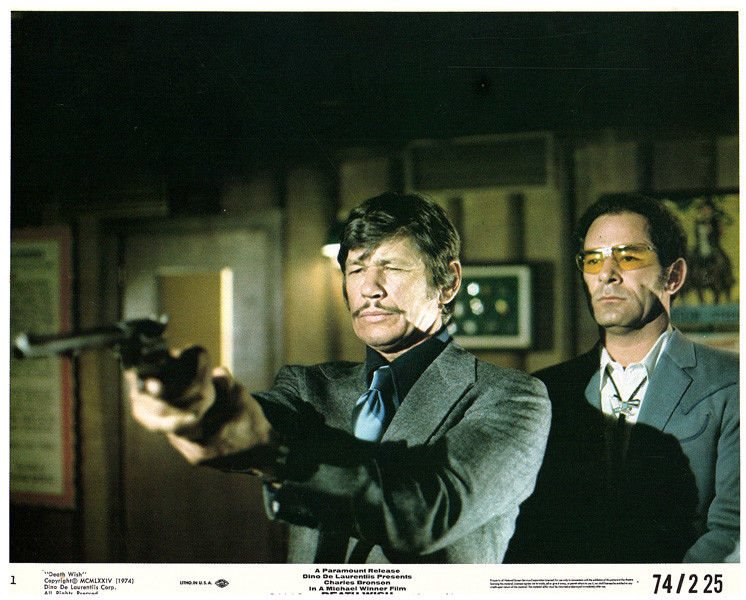
I’m not sure how many of you are aware of this, but I love Charles Bronson. I don’t mean I just enjoy his movies, either. I have been obsessed with him for most of my life, well at least for about the last 40 years. During that time, I have watched all of his movies, I have driven 17 hours just to watch a Bronson triple-feature at the drive-in, I’ve visited the Colorado filming locations of MR. MAJESTYK, and I’ve visited his gravesite in Vermont. I’m currently a co-host of the “This Week in Charles Bronson Podcast” where I’ve been able to be parts of interviews with his co-stars and even a family member. For a man in his early 50’s, I think an awful lot about a movie star who passed away over 20 years ago. I call it a healthy obsession, but you can feel free to draw your own conclusions.
Well, it all began sometime in ’84 or ’85 when I stayed up one night with my Dad, and we watched the late movie. The movie that night was the TV edit of the Bronson classic, DEATH WISH. Before that night I had never heard of Bronson, but as the movie progressed and bad things happened to his family, Dad assured me that Bronson would take care of the bad guys. Looking back now, it’s ironic since Bronson didn’t kill any of the actual bad guys who brutalized his wife and daughter. Regardless, I didn’t know anything about Bronson, but my Dad certainly did, and that intrigued me as a boy. This also coincided around the same time when our family got our first VCR. Every time we’d go to the video store, I’d see that same guy from DEATH WISH, and I would beg mom and dad to rent one of his movies. I can assure you that no junior high kid in Arkansas knew as much about Charles Bronson in the 80’s than I did.
DEATH WISH premiered at the movies on July 24, 1974! It was an immediate, controversial smash hit, and in today’s dollars, it earned the equivalent of around $150 Million in America and approximately $300 Million around the globe. It cemented Bronson as a bonafide box office star in his home country and spawned the series that he would be most connected with for the remainder of his career. In honor of the 52nd anniversary of DEATH WISH, I’m sharing this iconic scene from the classic:
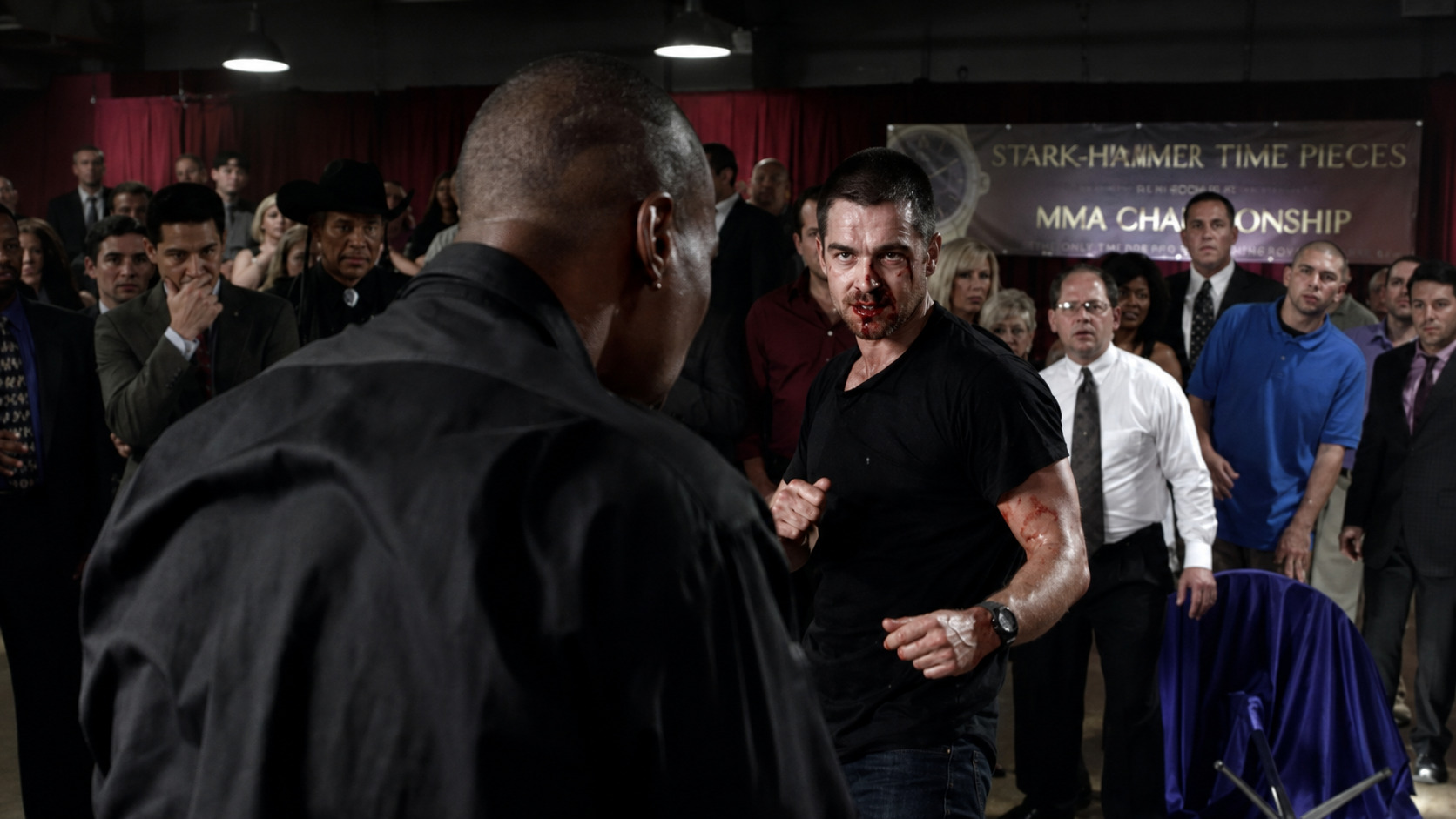
The Hood vs. Damien Sanchez fight in Season 1, Episode 3 is the moment Banshee stops teasing its brutality and just commits to it—and that’s why it sells you on the series. It isn’t stylized, choreographed “hero wins clean” violence; it’s ugly, exhausting, and morally messy, exactly the kind of sequence that tells you this show won’t flinch. Once Hood (played by Antony Starr who will later portray Homelander in the show The Boys) walks into that casino floor and picks a fight with a professional MMA fighter, the series effectively says: “This is what we are. If you’re still here after this, you’re one of us.”
What makes the scene so gripping is how it reframes both characters through pure physical storytelling. Sanchez starts off dismissive, treating Hood like a joke, and for a good chunk of the fight he is outclassed—technically superior, faster, and more precise. But Hood’s violence isn’t about skill; it’s about will, rage, and a complete disregard for his own body. The moment he shifts from “trying to win a fight” to “I will break you even if I break myself” is the thesis of the whole show: in Banshee, power doesn’t come from being the better fighter, it comes from being the one most willing to go too far. That raw, pragmatic brutality—elbows, smashes, no rules—feels shockingly real compared to typical TV brawls, and it cements Hood as a man whose moral code is written in concussions and blood.
This is also the scene that locks in the show’s tone for the long haul. It’s not just “violent”; it’s specifically consequential violence. Hood walks away badly hurt, Sanchez’s career is effectively over, and the repercussions ripple into Hood’s relationship with Kai Proctor and the wider power structure of the town. For you as a viewer, that’s the hook: the series proves it will follow its own logic to brutal ends, and that the stakes aren’t just emotional but physical and permanent. Once you’ve seen Hood willingly turn himself into a weapon against a trained professional fighter and pay the price, you know Banshee won’t pull punches later—so if you loved this scene, you were already braced for everything the rest of the series throws at you.
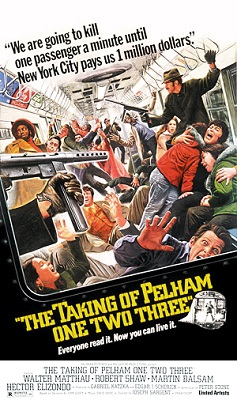
101 years ago, on this date, Joseph Sargent was born in New Jersey. Sargent would go on to become one of the busiest directors of the 70s, 80s, and 90s, working in both film and television. Though he would never receive the type of critical attention as some of his contemporaries, Sargent was a skilled director who specialized in making entertaining, no-nonsense films. Though his reputation was tarnished a bit by the fourth Jaws film, it should be remembered that Sargent was also responsible for films like Colossus: The Forbin Project,Tribes, Nightmares, and The Taking of Pelham One Two Three.
1974’s The Taking of Pelham One Two Three has come to be recognized as a genre classic. It’s certainly one of my favorite films about how New Yorkers will be rude to anyone in any circumstances. You can see an example of this in today’s scene that I love. Having hijacked a train, Robert Shaw calls in his last of demands and gets a very New York response.
In honor of the late Norman Jewison, today’s scene that I love comes from my favorite film to have been directed by him.
In this scene from 1973’sJesus Christ Superstar, Mary Magdalene (Yvonne Elliman) attempts to comfort Jesus (Ted Neeley) while Judas (Carl Anderson) tries to pull Jesus away from her. This scene showcases both Elliman’s angelic voice and Anderson’s ferocious intensity as Mary and Judas present two very different sides of a spiritual journey.
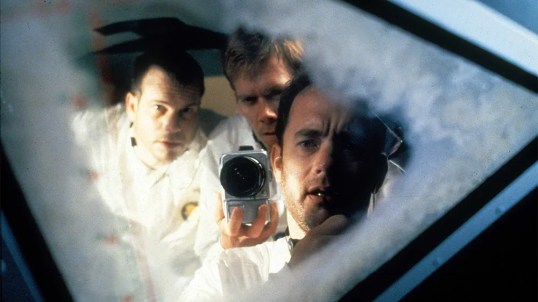
Apollo 13 (1995, dir by Ron Howard, DP: Dean Cundey)
Today we have an absolutely beautiful scene from 1995’s Apollo 13. In this scene, astronaut Jim Lovell (Tom Hanks) takes a look at the moon and, for a minute, thinks about what could have been, if only a malfunction hadn’t scuttled Apollo 13’s moon landing and left Lovell and his two crewmates apparently stranded in space. Though Lovell may dream of walking on the moon, he knows it won’t happen and that his only concern now is getting both himself and his crew back home.
Some critics have a tendency to dismiss Ron Howard as just being a director who makes middlebrow films but this scene shows him to be a director who instinctively understands not only what it’s like to dream but also what it’s like when reality intrudes on those dreams. This scene features both Howard and Tom Hanks at their best.