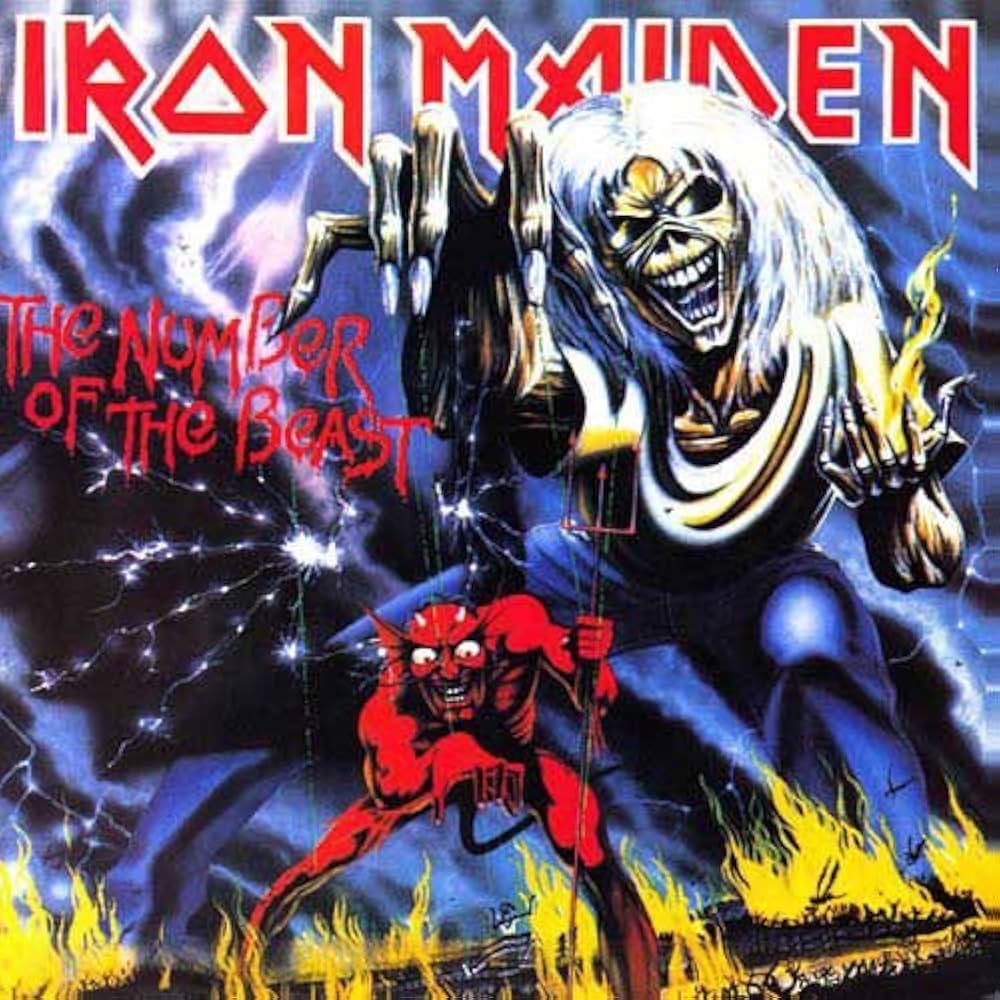
Iron Maiden’s “The Number of the Beast” has always been more than its fire-and-brimstone title suggests — it’s paranoia turned into power. The song’s galloping riffs and Bruce Dickinson’s almost theatrical wail capture the feeling of witnessing something apocalyptic yet beautiful. In the context of 28 Years Later: The Bone Temple, that sense of awe and fear fits perfectly with the film’s tone. The track mirrors the world’s collapse into ritual madness — humanity trying to reframe its pain through cultish belief, just as Maiden’s lyrics dance between religious imagery and sheer existential panic.
There’s also a rhythm to the song that mirrors how The Bone Temple paces its moments of horror and release. The pounding drums feel like the heartbeat of survivors, racing through collapsed cities while their faith in reason splinters. Just as Iron Maiden’s piece builds to a manic crescendo, the film layers intensity until chaos feels almost sacred. The chorus could easily underscore the movie’s climactic sequences — not as a literal choice, but emotionally, where fascination with evil becomes indistinguishable from fear.
What ties them together most is their shared refusal to moralize the apocalypse. Iron Maiden tells a story about vision and hysteria — not right or wrong — and The Bone Temple does the same, showing how people build new devotions in the ashes of old systems. Both suggest that when we stare into horror long enough, it stares back with rhythm and purpose. In that way, “The Number of the Beast” isn’t just an anthem of terror; it’s a hymn for the end of reason — making it the perfect spiritual soundtrack for this chapter of the 28 Years Later world.
The Number of the Beast
Woe to you, o’er Earth and Sea For the Devil sends the beast with wrath Because he knows the time is short Let him who hath understanding reckon the number of the beast For it is a human number Its number is six hundred and sixty six
I left alone, my mind was blank I needed time to think to get the memories from my mind What did I see? Can I believe that what I saw That night was real and not just fantasy? Just what I saw, in my old dreams, were they Reflections of my warped mind staring back at me? Cause in my dreams, it’s always there The evil face that twists my mind and brings me to despair
Yeah!
The night was black, was no use holding back Cause I just had to see, was someone watching me? In the mist, dark figures move and twist Was all this for real or just some kind of hell?
666 the number of the beast Hell and fire was spawned to be released
Torches blazed and sacred chants were phrased As they start to cry, hands held to the sky In the night, the fires are burning bright The ritual has begun, Satan’s work is done
666 the number of the beast Sacrifice is going on tonight
This can’t go on, I must inform the law Can this still be real, or just some crazy dream? But I feel drawn towards the chanting hordes They seem to mesmerize, can’t avoid their eyes
666 the number of the beast 666 the one for you and me
I’m coming back, I will return And I’ll possess your body and I’ll make you burn I have the fire, I have the force I have the power to make my evil take its course
“Every skull is a set of thoughts. These sockets saw and these jaws spoke and swallowed. This is a monument to them. A temple.” — Dr. Ian Kelson
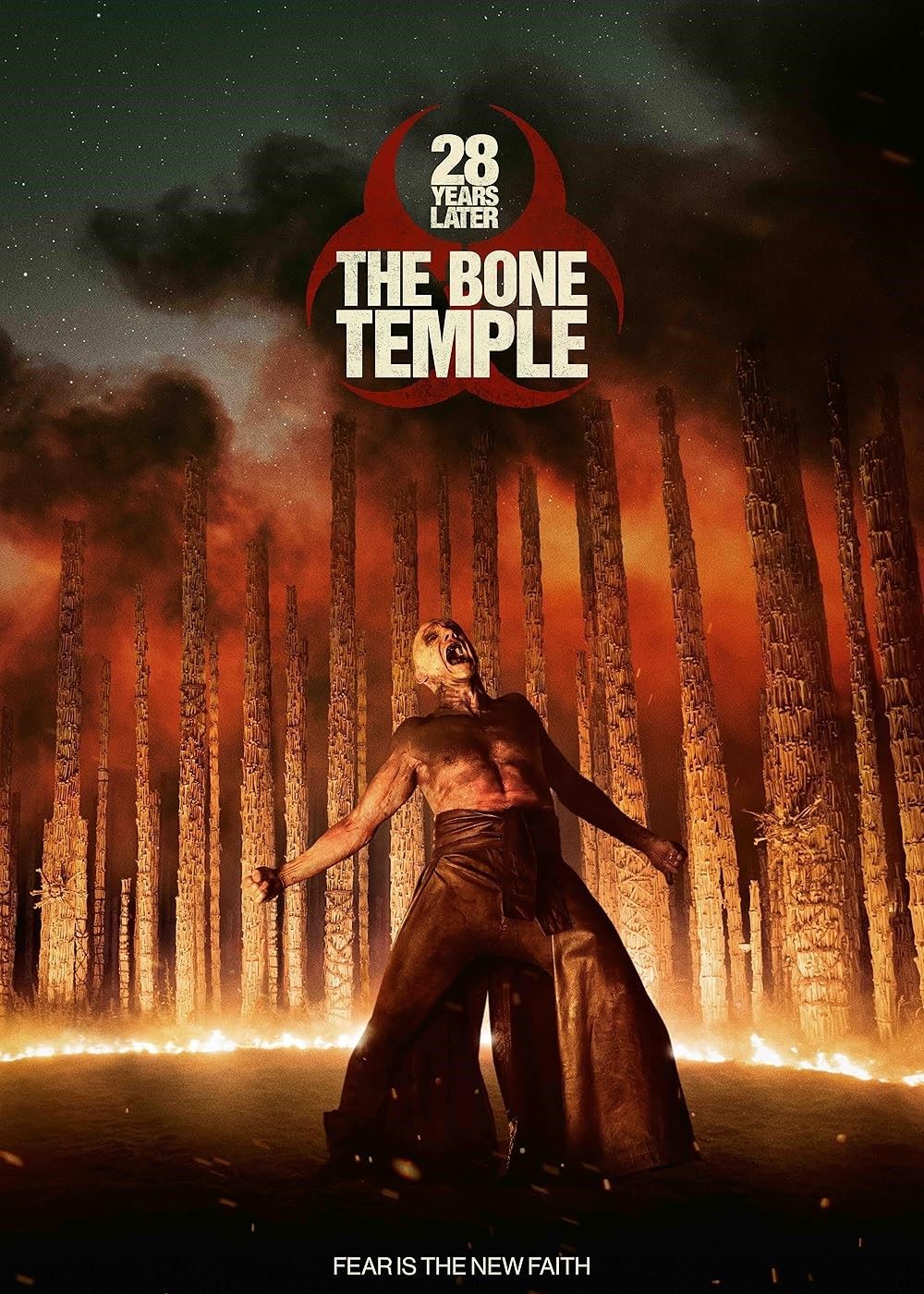
28 Years Later: The Bone Temple crashes into 2026 with the force of a Rage-infected sprint, claiming its spot as one of the year’s top films right out of the gate, flaws and all. Directed by Nia DaCosta, the film continues to showcase her evolving command as a filmmaker, building directly on the promise of her 2025 character study Hedda, where she dissected emotional isolation with surgical precision and atmospheric tension. Where The Marvels in 2023 felt like a worthy attempt hampered by a screenplay that couldn’t decide on a tone—swinging between quippy banter and high-stakes drama while beholden to the cinematic universe’s endless interconnections—The Bone Temple unleashes DaCosta at full throttle, free from franchise baggage to craft a horror epic that’s visually poetic, thematically fearless, and rhythmically assured.
Yeah, it revels in bleakness that can border on exhausting, and its structure wanders more than it charges forward, but those imperfections only underscore how fiercely original and alive it feels compared to the rote horror sequels we’re usually fed. Decades past the initial outbreak that defined 28 Days Later and 28 Weeks Later, the apocalypse here isn’t a fresh crisis anymore—it’s infrastructure, a grim new normal etched into the landscape. Survivors haven’t rebuilt so much as repurposed the ruins, carving out rituals and monuments that say as much about lingering trauma as they do about adaptation. The Rage virus still turns people into feral killers, ripping through flesh in those signature bursts of speed and savagery, but the infected have evolved in intriguing ways that deepen the world’s mythology without overshadowing the human core. The spotlight swings to human extremes: towering bone architectures raised as memorials, nomadic gangs treating murder like liturgy, and lone figures wrestling with whether dignity even matters when bodies pile up unmarked. This pivot lets the film breathe in ways the earlier entries couldn’t, expanding a zombie-adjacent thriller into something folk-horrific and introspective.
Dr. Ian Kelson embodies that shift, and Ralph Fiennes delivers what might be his meatiest role in years—a reclusive physician-architect whose Bone Temple dominates the story like a character itself, adding a profound level of tragic humanity that stands in stark, poignant contrast to the nihilistic worldview of Sir Lord Jimmy Crystal and his blindly devoted followers. Picture spires of meticulously arranged skulls and femurs, bleached white against misty Scottish skies, lit at night like profane altars: it’s production design that hits you visually first, then sinks in thematically as Kelson’s obsession with cataloging the dead. Fiennes plays him not as a villain or eccentric, but as a man fraying at the edges—tender when easing a dying woman’s passage (Spike’s mother, in a flashback that sets the whole narrative in motion), ruthless in his logic about preserving memory over sentiment. “Every skull is a set of thoughts,” he murmurs in one standout line, sockets staring empty, jaws frozen mid-word—a perfect encapsulation of the film’s meditation on legacy amid oblivion. Those quiet scenes, where Kelson debates ethics with survivors or observes the infected Samson with clinical curiosity shading into something paternal, ground the movie’s wilder swings and prove Fiennes can carry horror on sheer presence alone.
Spike, our entry point into this madness, carries scars from that childhood brush with the Temple and his mother’s end, propelling him toward Jimmy Crystal’s orbit like fate’s cruel magnet. He’s no square-jawed lead; he’s reactive, watchful, hardening through trials that test his humanity without fully erasing it. That arc collides with Jimmy’s cult—a roving pack of devotees renamed his “seven fingers,” all aping the leader’s bleach-blond hair, loud tracksuits, and flashy trinkets in a uniformity that’s both comic and chilling. Jack O’Connell chews the scenery as Jimmy, a pint-sized prophet whose charisma masks profound damage: twitchy grins, boyish rants blending kids’ TV catchphrases with fire-and-brimstone, devotion to his “Old Nick” devil figure turning every kill into theater. The Savile visual parallels—those garish outfits evoking the real-life abuser’s predatory fame—add a layer of cultural poison, implying charisma survives apocalypse by mutating into something even uglier, with institutions gone but the hunger for idols intact. O’Connell makes Jimmy magnetic and monstrous, a performance that elevates the cult from trope to tragedy.
If the film’s greatness shines through performances and visuals, its violence tests that shine—deliberately, one suspects. Infected attacks deliver franchise-expected chaos: heads torn free, eyes clawed out, bodies pulped in handheld frenzy. But Jimmy’s rituals amp the sadism—knife duels extended into endurance ordeals, flayings half-glimpsed but fully heard, victims’ pleas dragging until empathy fatigues. It’s grueling, sometimes overlong, risking audience burnout, yet it serves the theme: in a Rage world, human-inflicted torment outlasts viral rage because it feeds on belief. DaCosta pulls punches visually (smart cuts, shadows over gore) but lingers on emotional fallout, making cruelty feel earned rather than exploited— a maturation from The Marvels‘ tonal whiplash into controlled, purposeful discomfort. Counterpoints pierce through: Jimmy Ink’s furtive kindnesses toward Spike, Ian and Samson’s drug-hazy field dances blurring monster and man, fragments of backstory humanizing even Jimmy’s frenzy. These glimmers don’t redeem the world—they make its harshness sting deeper, proving flickers of connection persist as defiant accidents.
Technically, the film flexes non-stop, with DaCosta’s post-Hedda assurance evident in every frame. Anthony Dod Mantle’s cinematography weds gritty digital shakes to sweeping drone shots, turning Highlands into deceptive idylls ruptured by whip-pans and flame flares. Sound design hums with menace—whistling winds masking howls, train rumbles underscoring rituals, screams echoing into silence for maximum unease. Editing mirrors the narrative’s spiral: episodic loops around Spike’s hardening, Ian’s doubt, Jimmy’s collapse, eschewing linear escalation for dream-logic dread that suits a “settled” apocalypse. The Temple centerpiece ritual explodes into metal-thrash worship, cultists moshing amid pyres—a grotesque stadium parody where faith meets fandom in blood-soaked ecstasy. Even the score pulses with restraint, letting ambient horror fill gaps better than bombast ever could.
Tonally, it juggles masterfully: tender Kelson vignettes abut cult carnage, philosophical riffs on atheism versus delusion frame gore-fests, folk-horror monuments clash with infection thriller roots. Themes of faith-as-coping, grief-as-art, ideology’s pitfalls land without preaching—Kelson’s secular duty versus Jimmy’s ecstatic nihilism debates through action, not monologue. The ending circles back to series emotional cores (survival’s cost, hope’s fragility) while forging ahead, teasing Spike’s grim purpose without cheap uplift.
Flaws? The runtime sags in cult stretches, bleakness borders masochistic, sprawl might frustrate plot-chasers. But these are risks of ambition, not laziness—choices that make triumphs (Fiennes’ gravitas, O’Connell’s feral spark, visuals’ poetry) land harder, all under DaCosta’s steady hand that Hedda honed and The Marvels tested. In January 2026, amid safe genre retreads, The Bone Temple towers: a sequel philosophically dense, actor-propelled, unafraid to wound deeply then whisper mercy. It hurts because it sees us clearly—craving structure in chaos, building temples from bones, real or imagined. One of the year’s best, period, for daring to evolve rather than echo.
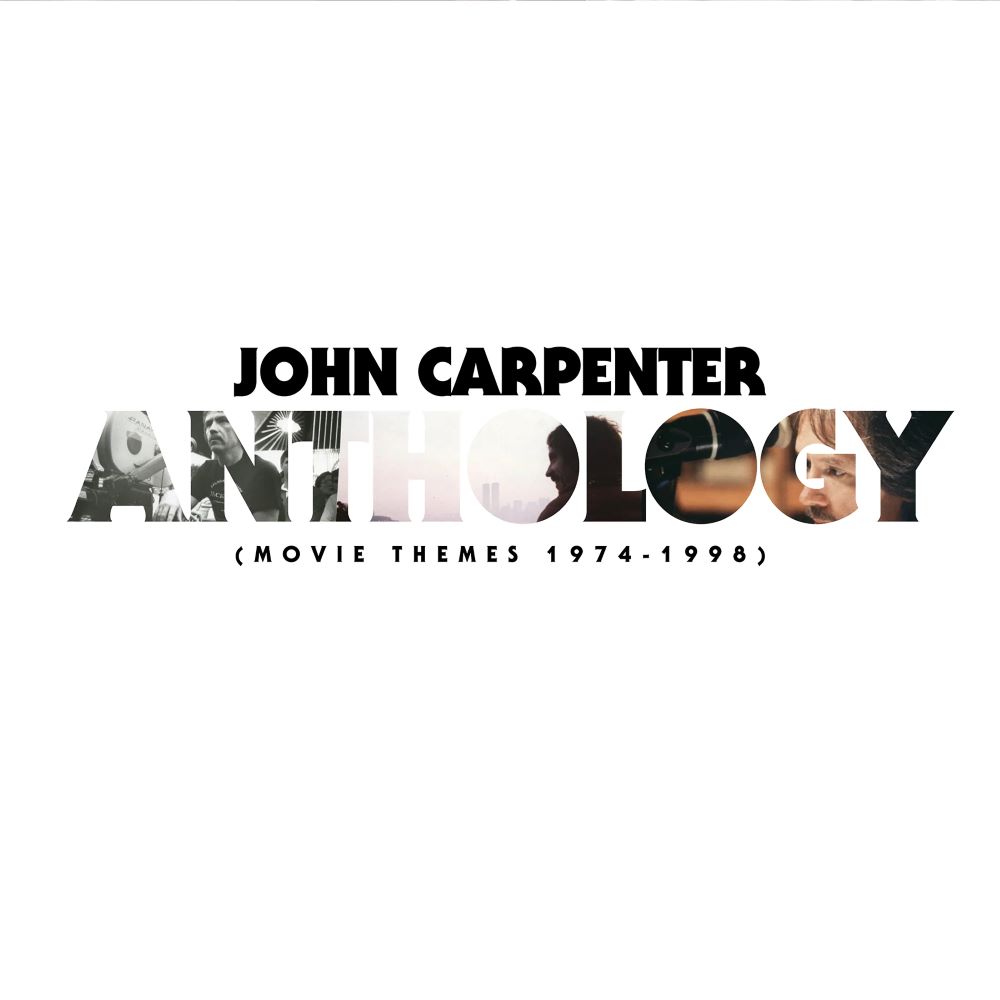
John Carpenter’s Anthology: Movie Themes 1974-1998 is an absolute gem of a compilation, breathing new life into 13 of his most unforgettable film themes with a killer mix of synth menace and live-band muscle that feels both nostalgic and freshly electrifying. Released in 2017 on the indie powerhouse Sacred Bones Records, this project pulls straight from Carpenter’s golden era of directing, spanning the lo-fi space oddities of Dark Star in 1974 all the way to the blood-soaked Western vibes of Vampires in 1998. Here, the master himself teams up with his son Cody Carpenter handling keyboards and his godson Daniel Davies ripping on guitar, delivering rerecorded versions that aren’t just facsimiles of the originals but revitalized beasts with modern production muscle. Clocking in at a tight 42 minutes, the album strikes that sweet spot between crystalline clarity and the warm, gritty analog fuzz of vintage synths, making it an essential spin for horror fans, synthwave enthusiasts, or anyone craving pure cinematic chills without firing up the projector. It’s the kind of record that turns your living room into a foggy, neon-lit nightmare factory, proving Carpenter’s scores were never mere background noise—they’re standalone monsters.
Right out of the gate, the album spotlights three absolute titans as its major standouts: the themes from The Thing, Halloween, and Escape from New York. These aren’t just tracks; they’re the sonic DNA of horror and sci-fi tension, retooled here to hit even harder with the benefit of hindsight and better gear. Take the Halloween theme—it’s the undisputed king of the collection, that iconic, haunting piano riff slicing through stabbing synth accents and a relentless, mechanical beat that creates this perfect off-kilter unease. It mirrors Michael Myers’ unstoppable, shambling lurch so viscerally that you can practically hear the Shape breathing down your neck; the simplicity is its genius—repetitive enough to burrow into your skull like a parasite, yet layered just right with those eerie high-end whistles and a pulse that never lets up. In this rerecord, the piano feels more intimate and ominous, the synths sharper, turning what was already a cultural earworm into something that demands volume cranked to 11.
Then there’s Escape from New York, which cranks everything up to gritty, dystopian overdrive with its crunchy guitar riff chewing through swelling synth waves and pounding, no-nonsense drums. It evokes Snake Plissken’s lone-wolf crawl through a prison-island Manhattan like a bluesy battle cry—mid-tempo swagger that’s tailor-made for high-stakes heists, shadowy escapes, and that pure ’80s anti-hero cool. Fans often mix it up with his Big Trouble in Little China groove because of the shared tough-guy energy, but here the rerecord leans harder into the guitar’s snarl and the synths’ ominous undercurrent, making it feel tougher, meaner, and ready for a modern apocalypse playlist. And don’t sleep on The Thing—it grabs Ennio Morricone’s frosty original cue and mutates it into peak Carpenter dread: deep, throbbing synth pulses underpin eerie, isolated stabs and desolate windswept effects that build a suffocating frozen isolation. This one’s all about the paranoia of shape-shifting aliens in an Antarctic hellscape—slow-burn horror that creeps under your skin, rewarding patient listeners with layers of tension that unfold over multiple spins. Critics might tuck it behind the flashier hits, but its subtlety makes it a powerhouse, especially in this version where the low-end rumble feels like cracking ice underfoot.
While those three rightfully dominate every conversation about the album (and they should, as they’re the heart-pounding peaks that define Carpenter’s sound), two deeply underrated gems absolutely deserve way more shine: the Christine theme and “Santiago (Vampires).” Christine sneaks up on you, opening with these foggy, ambient synth washes that evoke a quiet garage at midnight before exploding into full-on rock fury—fuzzy guitars screech, driving rhythms kick in, and it all nails the possessed Plymouth Fury’s vengeful, supernatural roar. It’s often overlooked amid the bigger icons, but this rerecord injects fresh menace, highlighting its dynamic arc from subtle creep to all-out chaos; imagine the car’s headlights flickering to life as the music revs up—pure possessed-machine terror that lingers like burnt rubber. “Santiago (Vampires)” is the other hidden firecracker, completely ditching the synth-heavy storm for sparse acoustic strums and reverb-drenched electric guitar in a sun-baked, dusty groove that screams Southwestern vampire hunt. It’s a total mood shifter—breezy yet tense, like a standoff in a ghost town at high noon—and criminally underappreciated next to the heavier hitters; the modal twang and open spaces give it a unique flavor that breaks up the album’s darker pulse beautifully, begging for more road-trip spins.
The rest of the tracklist does a stellar job setting up and framing these peaks without ever overshadowing them. “Assault on Precinct 13” barrels in early with its oppressive synth riff and militaristic pounding, hammering home that raw siege-mentality dread—still a total banger, but it takes a slight backseat to The Thing‘s more nuanced chill. “In the Mouth of Madness” dives from aggressive guitar riffs into vast ambient drifts, perfectly suiting the film’s reality-warping madness. “The Fog” floats delicate piano over misty, reverb-soaked swells that build a supernatural haze, like fog horns calling from the deep. “Prince of Darkness” broods heavy with slow, echoing riffs and a sense of gathering evil, feeding right into the album’s cohesive horror heartbeat. “Porkchop Express (Big Trouble in Little China)” grooves with that infectious trucker-rock energy, echoing Escape‘s swagger but with brighter, adventure-ready lifts for Kurt Russell’s wild ride. “They Live” layers in bluesy harmonica and slide guitar for a laconic, consumerist snarl, while “Starman” blooms into warm, romantic synth-orchestral bliss—think soaring melodies and rolling timpani for heartfelt ’80s alien love. The ultra-brief “Dark Star” blasts a proto-synth drone in under 90 seconds, more historical sketch than full banger, but it nods to Carpenter’s early experiments. All these solid supporting players keep the energy flowing, ensuring the majors land with maximum impact.
What ties it all together is Carpenter’s effortlessly cool style: deep, pulsating synth bass locks in with fuzzy, overdriven guitars and tight, hypnotic drumming to create grooves that build tension like a jump scare coiled to spring. The production is a standout—crisp and punchy, with Cody owning the rumbling low end while Davies carves sharp midrange bite, sidestepping the muffled haze of some vintage OST pressings. These themes thrive completely standalone now, untethered from their films but still evoking every shadowy corner. Yeah, there’s a touch of repetition in the fuzzy guitar tones and mid-tempo plods that can make straight-through listens feel a bit samey—it’s more killer playlist than wildly eclectic LP—but that’s a tiny nitpick when the big guns (The Thing, Halloween, Escape from New York, plus the slept-on Christine and Vampires) deliver one haymaker after another.
This collection doesn’t just compile; it cements Carpenter’s legacy as a shoestring-budget genius who scored generational nightmares with a handful of synths, guitars, and sheer instinct, directly inspiring synthwave legions like Perturbator, Carpenter Brut, and beyond. Don’t sleep on it; these tracks don’t just play—they haunt, they pump, and they endure for life, turning everyday moments into edge-of-your-seat thrills.
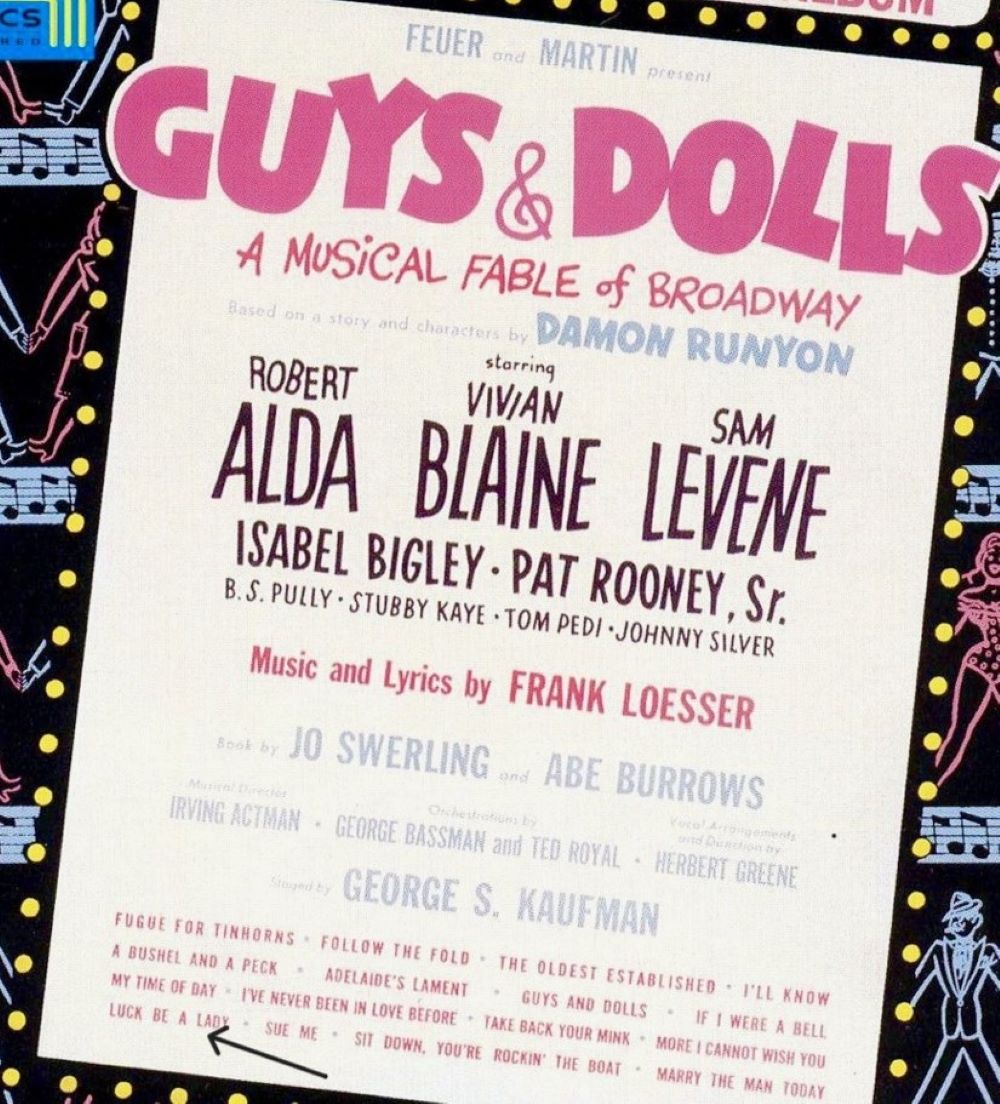
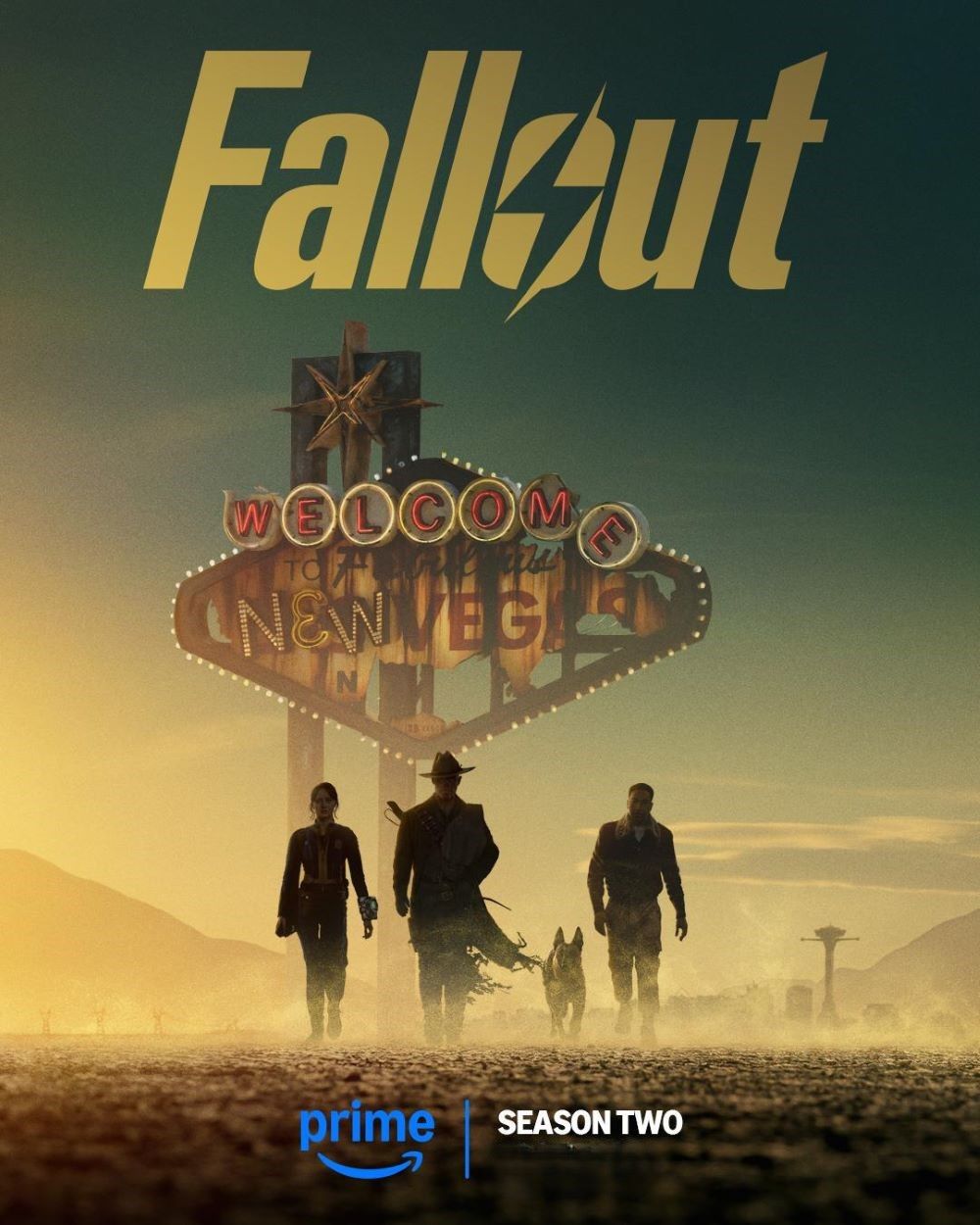
In The Wrangler, using Robert Alda’s original version of “Luck Be a Lady” from Guys and Dolls hits differently than the more famous Sinatra take. Alda’s rendition, coming from the Broadway stage, is less smooth and more desperate—it’s a man bargaining with luck, not charming her. That’s a crucial difference in Fallout’s world. When Alda’s voice drifts through the smoky ruin of The Wrangler, it feels like an echo from a long-dead civilization—one where people still believed that fortune was something you could negotiate with. It grounds the scene in Fallout’s favorite tension: the clash between old optimism and new despair.
Thematically, the original version suits Fallout’s tone better. Sinatra’s version oozes control and self-assurance, while Alda sings with the anxious rhythm of someone clinging to hope. In the episode, that anxiety fits the stakes perfectly—characters gambling with their lives, exchanging trust for survival, and hoping the “lady” of luck doesn’t turn her back at the wrong moment. The Broadway earnestness becomes a tragic counterpoint to the brutality around it, emphasizing how fragile that old-world faith in luck or charm truly is.
By choosing Alda over Sinatra, the show subtly reframes what “luck” means in this universe. It’s not style or swagger—it’s survival by the skin of one’s teeth. The song’s theatrical flair feels almost haunting in a world where the audience is gone and the casino’s collapsed. Yet that’s what gives the moment its punch: Fallout has always used nostalgia as both soundtrack and satire, and with Alda’s pleading vocals hanging in the air, The Wrangler reminds us that sometimes, luck isn’t a lady at all—it’s just what’s left when everything else runs out.
Luck Be a Lady
They call you Lady Luck But there is room for doubt At times, you’ve had a very unlady-like way of running out You’re on this date with me The pickin’s have been lush And yet before this evening is over You might give me the brush
You might forget your manners You might refuse to stay And so the best that I can do is pray
Luck be a lady tonight Luck be a lady tonight Luck if you’ve ever been a lady to begin with, luck be a lady tonight
Luck let a gentleman see How nice a dame you can be I know the way you’ve treated other guys you’ve been with Luck, be a lady with me
A lady doesn’t leave her escort It isn’t fair, it isn’t nice A lady doesn’t wander all over the room And blow on some other guy’s dice Let’s keep this party polite Never get out of my sight Stick me with me baby, I’m the fella you came in with Luck, be a lady tonight
Luck, let a gentleman see Just how nice, how nice a dame you can be I know the way you’ve treated other guys you’ve been with Luck be a lady with me
A lady doesn’t leave her escort It isn’t fair, and it’s not nice A lady doesn’t wander all over the room And blow on some other guy’s dice So let’s keep the party polite Never get out of my sight Stick with me baby, I’m the guy that you came in with Luck be a lady Luck be a lady Luck be a lady, tonight
“Where I come from, which is America, the House always wins.” — Robert House
Episode 5 of Fallout Season 2 (“The Wrangler”) is the point where the show stops flirting with heartbreak and finally commits to it, using a brutally inevitable betrayal to crack open its core relationships while quietly escalating the bigger myth arc in the background. It is not the flashiest hour of the season, but it is one of the most emotionally coherent, and that focus is both its biggest strength and its main limitation.
Most of the episode’s weight lands on the dynamic between Lucy and The Ghoul, and the writers lean hard into that “we knew this was coming” tension without turning it into a cheap twist. The Ghoul’s choice to hand Lucy over to Hank in exchange for the continued survival of his cryo-frozen family feels properly miserable: the kind of decision that is logically defendable and morally ugly at the same time. Watching Lucy slowly clock that she’s been a bargaining chip this whole time, right after she and Coop finally seemed to be in sync, gives the betrayal some sting beyond the spectacle of her Power Fist launching him out the window and onto a pole. The performances sell it; Ella Purnell plays Lucy’s hurt as a mix of disbelief and exhaustion, while Walton Goggins lets just enough regret bleed through the monster façade to make it clear that this is hurting him, too, even as he pulls the trigger on the plan.
Structurally, the episode benefits from narrowing its scope to a few intersecting tracks instead of trying to cover the entire wasteland at once. On the Strip, Lucy’s Buffout fallout continues, sending her hunting for Addictol and instead into a mess involving price-gouging, a fake Sonny, and a very dead real Sonny in a bucket. That sequence walks the line between dark comedy and horror in a way that fits Fallout nicely, turning a simple “go buy meds” errand into a reminder that every familiar storefront can hide a fresh corpse and a new trauma. In parallel, The Ghoul drifts toward his fateful deal at the hotel bar, framed as a guy who has been running for two centuries and finally hits a wall he can’t brute-force his way through. The pacing is patient without feeling sluggish, and the way these threads converge in the final act makes the ending feel earned rather than engineered.
The big lore bomb this week is less about who’s shooting whom in New Vegas and more about who actually ended the world and what Vault-Tec was really doing. Mr. House’s scenes with pre-Ghoul Cooper ramp up the paranoia by suggesting that Barb may not be the one who actually pushed the apocalypse over the edge, hinting at “another player at the table” tied to the creation of Deathclaws and bigger, unseen forces. It is classic Fallout conspiracy energy: corporations within corporations, shadow projects like FEV and “Future Enterprise Ventures,” and a corporate end-of-the-world plan that feels less like a singular villain’s choice and more like the outcome of a lot of self-interested people nudging the same disaster. The episode does not over-explain any of this, which is smart; it plants a few specific clues—like Norm’s discovery that Vault-Tec’s phase two revolves around genetic testing and forced evolution—and then lets your mind connect it to everything from Deathclaws to the vault experiments we have already seen.
Norm’s storyline, which could easily feel like a cutaway from the “real” show, actually rebounds this week by giving the corporate plot teeth. His trip with the defrosted junior executives to Vault-Tec HQ mixes bleak humor—finding Janice’s corpse still at her desk, complete with coworkers sniping about her work ethic—with genuine dread as he starts to piece together that FEV is basically a “gene-altering agent for organism supercharging.” It is not subtle, but it works, especially when you realize how neatly it dovetails with what Hank is doing with that head-device in New Vegas: mind control, memory wiping, and turning humans into tools that fit Vault-Tec’s objectives better than their original personalities ever would. Norm getting choked out just as he starts to get real answers is a little on-the-nose as a cliffhanger, yet it keeps his thread from feeling aimless and promises that his office snooping will matter more than it might initially seem.
On the spectacle side, the episode plays a funny trick: it teases what looks like a huge Deathclaw set piece on the Strip and then has Lucy and The Ghoul do what any sensible player has done in the games—run like hell and load into a different area. For anyone hoping for a full-on Deathclaw brawl, it is bound to be a letdown, especially since three of them are staged as this major escalation and then promptly sidestepped. That said, the choice is thematically on point; the show leans into the fear of the creatures rather than the mechanics of fighting them, and seeing The Ghoul genuinely terrified ties nicely back to his first encounter with one in Alaska two centuries ago. New Vegas itself feels more alive here, with Freeside looking busier and the Strip more dangerous, even if the action is more about near-misses and quick exits than big choreographed battles.
The humor is hit-and-miss but usually lands on the right side of weird. The Snake Oil Salesman’s return, only to be drafted as Hank’s “voluntary” guinea pig for a head gadget that can pop skulls or wipe memories, leans into the show’s nastier comedic streak. His eagerness to forget a life full of sleaze says a lot about him in a single, darkly funny beat, while also underlining how casually Hank treats human minds as raw material. Not every gag works—some of the junior exec bits feel like they are chasing a joke about tech-bro sociopathy we have already seen before—but the episode keeps the comedy tightly woven into character and plot instead of dropping in random skits.
If there is a legitimate knock against this episode, it is that the emotional gut-punch between Lucy and The Ghoul is so strong that almost everything else can feel like setup by comparison. The supposed “answer” about who dropped the bombs is really more of another mystery box, and viewers looking for a clearer reveal may feel strung along. The Deathclaw fake-out also risks feeling like the show talking a big game and then refusing to spend the budget to pay it off, even if the character beats that replace the fight are strong. And while Norm’s storyline is finally paying off, it still sometimes plays like a slower, less visceral series running parallel to the one in New Vegas, which might frustrate anyone hooked primarily on Lucy and The Ghoul’s arc.
Still, as a midpoint episode, this is exactly where Fallout needs to hurt. The Ghoul’s betrayal is painful precisely because the show has spent so much time making Lucy good for him, setting her up as the one person who makes his humanity flicker back on—and then forcing him to choose the ghosts of his past over the partner standing right in front of him. Episode 5 might not deliver the biggest action of the season, but it gives the story a necessary emotional crash-out, sharpens the larger Vault-Tec conspiracy, and leaves nearly every character in a worse, more interesting place than they started.
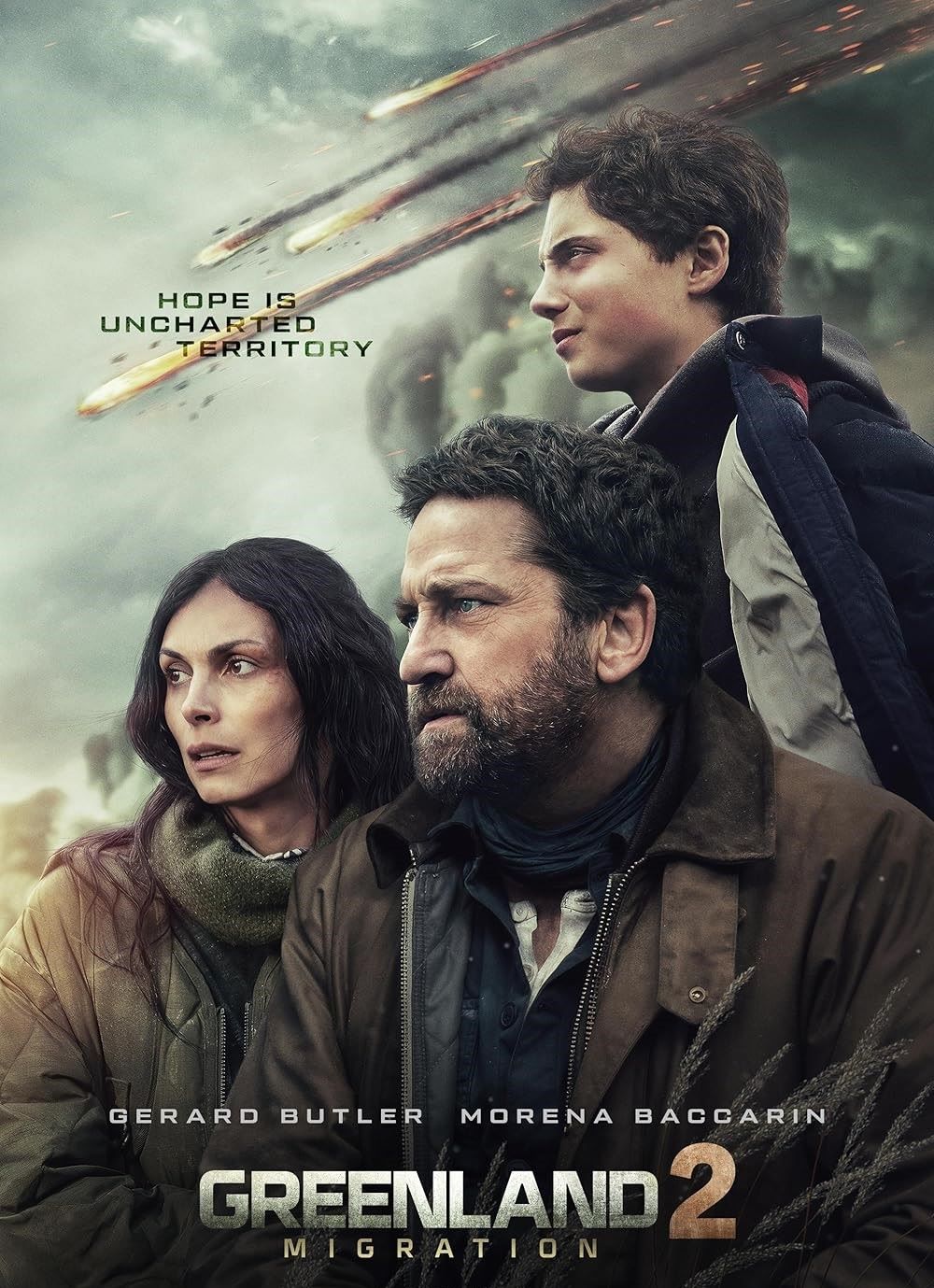
Greenland 2: Migration is a sequel that mostly leans into “if it ain’t broke, don’t fix it,” for better and for worse. It delivers sturdy spectacle, a committed Gerard Butler, and a tense family-through-hell journey, but it also rehashes a lot of the first film’s beats and pushes the plausibility envelope more often this time around. If you were on board with Greenland as a grounded, human-scale disaster movie, this one feels like the more bombastic, road-movie expansion pack rather than a full evolution.
Set about five years after the comet strike that wiped out most of civilization, Greenland 2: Migration finds the Garrity family still holed up in the Greenland bunker complex, part of a fragile community waiting for the surface to become livable again. John (Gerard Butler) now works as a scout/engineer, Allison (Morena Baccarin) has stepped into more of a leadership role within the bunker, and their son Nathan is older, restless, and itching to prove himself outside the relative safety of underground life. When escalating quakes, electromagnetic storms, and general planetary chaos literally collapse the bunker around them, the film quickly turns into a survival trek across a devastated Europe toward the Clarke impact crater in southern France, rumored to be the one spot on Earth that has actually healed.
As a premise, the film works; it gives the story a clear A-to-B structure and justifies the shift from the contained panic of the first movie to a post-apocalyptic road odyssey. The script keeps the stakes straightforward: reach the crater region or die trying, while dodging unpredictable weather events, territorial military forces, and desperate survivors who are just as dangerous as the environment. There is something appealingly old‑school about how it plays as a throwback survival picture—less interested in intricate worldbuilding and more in reaction, improvisation, and narrow escapes.
The downside is that you can feel the film constantly echoing Greenland’s structure: another long, peril-filled journey, another series of escalating close calls, another parade of briefly sketched side characters who exist to either help or threaten the Garritys for a single sequence. The first film had novelty on its side and a sharper sense of dread as the comet approached; here, the formula is familiar enough that you can often tell who will live, who will die, and roughly when another set piece is about to kick off. That predictability doesn’t kill the tension outright, but it does flatten the emotional peaks, especially if you walked in hoping for a genuinely new angle on this world.
Gerard Butler remains the anchor, and this is squarely in his comfort zone. He plays John as perpetually exhausted yet stubbornly practical, the kind of guy who will grumble his way through heroism, and there’s an easy, weathered charm to that. Morena Baccarin gets a bit more agency this time, with Allison often driving decisions instead of just reacting to them, though the movie still stops short of really turning her into a co-lead with equal interiority. Roman Griffin Davis steps in as the older Nathan, and he brings a nervous, teenage energy that fits the “kid who grew up in a bunker and wants to see the world” vibe, even if the character’s arc hits pretty familiar notes about bravery and responsibility.
The script does flirt with heavier themes: the psychological toll of surviving the end of the world, the guilt of those who made it into the bunkers versus those left outside, and the question of what “home” even means when the planet itself has effectively turned against you. There are moments—like the chaotic clashes around remaining bunkers or the wary interactions with other survivor groups—that suggest a more morally murky, Children of Men‑style story lurking underneath. But the movie rarely lingers on these ideas; it tends to touch them, nod, and then hurry back to the next escape sequence or visual spectacle.
Visually, though, Greenland 2: Migration is where the sequel justifies its existence. Director Ric Roman Waugh and the crew make great use of European locations and Icelandic landscapes to sell a world that has been carved up by tectonic violence and choked with ash, but is slowly, unevenly rebuilding. The dried-out English Channel, the ravaged coastlines, and the eerie, storm‑lit skies give the film a distinct apocalyptic texture that feels different enough from the North American focus of the first movie. While some of the physics and survival odds strain credibility—especially as the Garritys walk away from setpiece after setpiece—there’s no denying the spectacle is engaging on a big screen.
The pacing is generally brisk; at around an hour and a half, the film doesn’t overstay its welcome, and it’s usually onto the next problem before you have time to overthink the last one. That said, the middle stretch starts to feel a little modular, like a video game where each region is an encounter: Liverpool bunker standoff, English Channel crossing, roadside bandits, insurgent ambush, and so on. Each of these sequences is competently staged, but because the emotional throughline is fairly simple—protect the family, get to the crater—the movie risks becoming a string of obstacle courses rather than a journey that deepens the characters in meaningful ways.
Where the film does land emotionally is in its treatment of sacrifice and the long-term cost of survival. John’s cumulative radiation exposure, picked up over years of scouting the hazardous surface, is a smart, quietly tragic detail, and the way the story gradually brings that to the forefront gives the third act a genuine sense of finality. The losses along the way, including allies who join the trek and do not make it, often feel a bit telegraphed, but they at least reinforce the idea that survival in this world comes with a steep bill that keeps coming due. The film’s ending, at the Clarke crater, delivers a cautiously hopeful image without completely sugarcoating what it took to get there, and that balance of bleakness and optimism fits the series well.
On the more mechanical side, the editing and sound design do a lot of heavy lifting. The cross‑cutting in the disaster scenes keeps geography mostly clear, and the low, grinding rumble of shifting earth and sudden storms adds tension even when the visuals are mostly people running or driving. The score is functional rather than memorable, but it meshes with the film’s focus on constant forward momentum instead of big thematic musical statements. It’s the kind of craft that doesn’t call attention to itself, which suits a movie that wants to feel like a direct, unpretentious survival yarn.
In terms of how it stacks up to the original, Greenland 2: Migration is solid but clearly a step less distinctive. The first film surprised people by grounding its spectacle in everyday logistics—pharmacy runs, traffic jams, family arguments—and by keeping the camera mostly at human scale during an extinction‑level event. The sequel, by comparison, nudges closer to standard disaster‑franchise territory: bigger vistas, more action, and a stronger sense of franchise‑building, but less of that “this could be you and your neighbors” feeling that made Greenland stand out. Depending on what you want from a sequel, that may be a selling point or a letdown.
Overall, Greenland 2: Migration is a competent, occasionally affecting continuation that doesn’t embarrass the original but also doesn’t redefine it. If all you’re looking for is another round of grounded‑ish apocalypse survival with Gerard Butler grimly shepherding his family through increasingly wild scenarios, this delivers exactly that, with a few striking images and some sincere emotional beats along the way. If you were hoping for a more daring thematic leap or a significantly different narrative shape, this will probably feel like a polished retread with a new coat of ash and ice. Either way, it’s an easy recommendation for fans of the first film and a decent mid‑winter disaster flick for anyone in the mood to watch people crawl through the end of the world one more time.
“But sometimes you just gotta suck it up. Push through, right? Even when you’re super scared.” — John Garrity
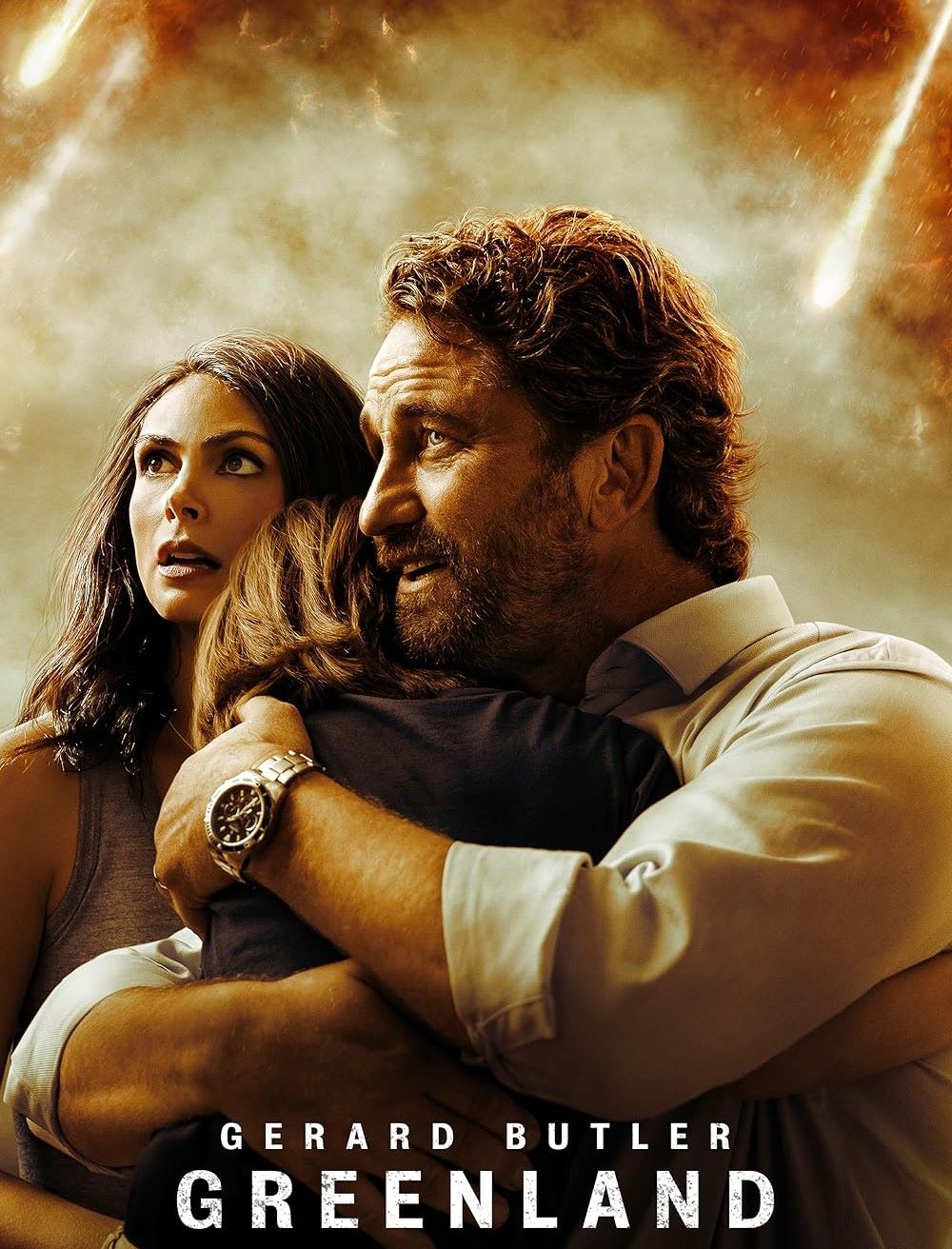
Greenland is one of those disaster movies that sneaks up on you a bit. It sells itself like another “stuff blows up while Gerard Butler scowls” kind of ride, but what’s actually on screen is a more grounded, road-trip survival story about a fractured family trying to stay together as the world quietly ends in the background. Originally slated for a wide theatrical release, the film dropped right as the COVID pandemic shutdown began in early 2020, forcing theaters to close and tanking its box office hopes before it even started. That quick pivot to video-on-demand and streaming services gave it a real second life though, letting it find an audience at home when everyone was hunkered down, doomscrolling real-world chaos that felt eerily similar to the on-screen panic. It’s not a genre reinvention, but it’s a solid entry that balances tense set pieces with surprisingly sincere family drama, even if it leans hard on contrivances and some uneven effects along the way.
The setup is simple: John Garrity (Gerard Butler), his estranged wife Allison (Morena Baccarin), and their young son Nathan are thrown into chaos when a supposedly “spectacle only” comet called Clarke turns out to be a civilization-ending event. The family receives a government alert selecting them for evacuation, which kicks off a desperate scramble through crowded bases, riots, and crumbling infrastructure as they try to get to a classified bunker system in Greenland before impact. The structure is very much “point A to point B with escalating obstacles,” and if you’ve seen any road-movie apocalypse story, you can probably predict the broad strokes: separation, dangerous strangers, moral compromises, last-minute reunions, and a hopeful-but-not-too-happy ending.
What makes Greenland stand out, at least compared to louder fare like Geostorm or the Emmerich filmography, is the way it shrinks the perspective down to the family level. The script keeps the camera glued to people on the ground instead of spending time with scientists in war rooms or presidents giving big speeches, so the apocalypse feels like a series of frightening news alerts and glimpses of distant fire instead of a nonstop CGI showreel. That choice works in the film’s favor; the tension comes less from “how big is the explosion?” and more from whether this specific kid gets his medication in time or whether this specific couple makes it through a checkpoint together.
Gerard Butler reins in his usual action-hero mode and plays John as a somewhat worn-down, very fallible guy who’s been messing up at home long before the comet showed up. He’s not the indestructible savior archetype; he panics, he makes mistakes, and he ends up in violent situations that feel ugly instead of triumphant, especially during a grim sequence on a truck full of evacuees where a man tries to take his wristband and everything spirals. Butler’s limited but believable emotional range works here, and you can see why some viewers singled this out as one of his better recent performances in a genre that usually just uses him as a gruff mascot.
Morena Baccarin gets a bit more to play than disaster-movie wives usually do, which is a pleasant surprise. Allison’s arc runs parallel to John’s for large chunks of the film as she navigates looters, manipulative would-be rescuers, and the absolute nightmare scenario of having her child kidnapped by a couple trying to pass him off as their own to gain access to evacuation flights. Baccarin sells the mix of desperation and competence; she’s constantly stuck in situations where the “right” moral call is murky, but the film never reduces her to someone who just waits around for John to fix things.
The emotional spine of the story rests on the family dynamic and the small, very human interactions they have with strangers along the way. You get scenes with compassionate people—like the FEMA workers who listen to Nathan when he insists he’s been kidnapped—that remind you the apocalypse doesn’t instantly turn everyone into a villain, even as the script also leans into the uglier side of survival instinct. That push and pull between kindness and cruelty keeps Greenland from feeling completely nihilistic, and it lines up with the recurring idea that the real threat is less the comet itself than what people are willing to do to outrun it.
On the disaster side of things, the film works with a mid-sized budget, and you can feel that restraint in both good and bad ways. When the CGI is kept at a distance—comet fragments streaking across the sky, distant impacts lighting the horizon, a sudden shockwave rolling through a neighborhood—it does a solid job of selling scope without drawing too much attention to its limitations. Up close, though, the seams show: some of the destruction shots and digital fireballs look cheap, which undercuts moments that are clearly meant to be awe-inspiring or terrifying, something multiple viewers have criticized as “not consistently convincing CGI effects.”
Pacing-wise, Greenland rarely slows down, which is both a strength and a drawback. The film opens with domestic tension and immediately starts ratcheting things up: news of impacts, sudden evacuation notices, airport chaos, violent confrontations, and constant travel. That forward momentum keeps the film from dragging, but it also leads to what some viewers see as “too many plot twists and always new obstacles to overcome,” a sense that the script keeps piling on one more crisis just to keep the adrenaline high.
Because the film tries to have it both ways—grounded survival and genre thrills—it occasionally betrays its own realism. The amount of coincidence needed to reunite characters after brutal separations, or to get the family to exactly the right airfield and exactly the right plane, feels contrived even by disaster-movie standards. By the time the story reaches its final act in Greenland, complete with last-minute sprinting toward bunkers while the worst of the comet hits, you can feel it edging closer to the “unfortunately genre-typical heroic towards the end” vibe that some reviewers pointed out.
Where Greenland does feel a bit different from many peers is in tone. It’s not quippy, it’s not self-aware, and it does not pause for big “cool” shots of landmarks getting obliterated just for spectacle. The destruction is mostly glimpsed from the vantage point of regular people, via news broadcasts or distant views, which makes the apocalypse feel weirdly more intimate and plausible, like something you’d doomscroll rather than watch unfold from a helicopter. That seriousness is refreshing if you’re tired of disaster movies that treat mass death as a theme park ride, but it also means the film can come off as dour if you were hoping for more escapist fun.
Reception-wise, Greenland landed in that “better than expected, still not amazing” territory with both critics and audiences. Some viewers praised it as “one of the best disaster movies” of recent years specifically because it prioritizes human drama over “weightless CG spectacle,” calling out how tense and emotionally engaging the smaller-scale approach feels. Others shrugged it off as “usual disaster film fare,” pointing to its predictable structure, familiar character beats, and lack of a truly clever story, saying it’s fine for passing time but not particularly memorable. Its streaming surge during lockdowns only amplified word-of-mouth, turning what could’ve been a forgotten theatrical casualty into a go-to comfort scare for pandemic viewers craving controlled chaos.
Ultimately, Greenland sits in a comfortable middle lane. It’s not trying to reinvent the genre, and it doesn’t fully escape its clichés, but it does care more about its characters than its body count, and that goes a long way. If you go in expecting a grounded, on-the-road family survival story with occasional bursts of large-scale chaos, the film mostly delivers, bolstered by committed performances from Butler and Baccarin and a tone that takes the end of the world just seriously enough. If you’re looking for jaw-dropping effects or a genuinely surprising narrative, it will probably feel like a solid, slightly grim, one-and-done watch that does its job and quietly exits before wearing out its welcome—especially resonant for those who caught it streaming while the real world felt a little too apocalyptic itself.
“Heaven and Hell are right here, behind every wall, every window, the world behind the world. And we’re smack in the middle.” — John Constantine
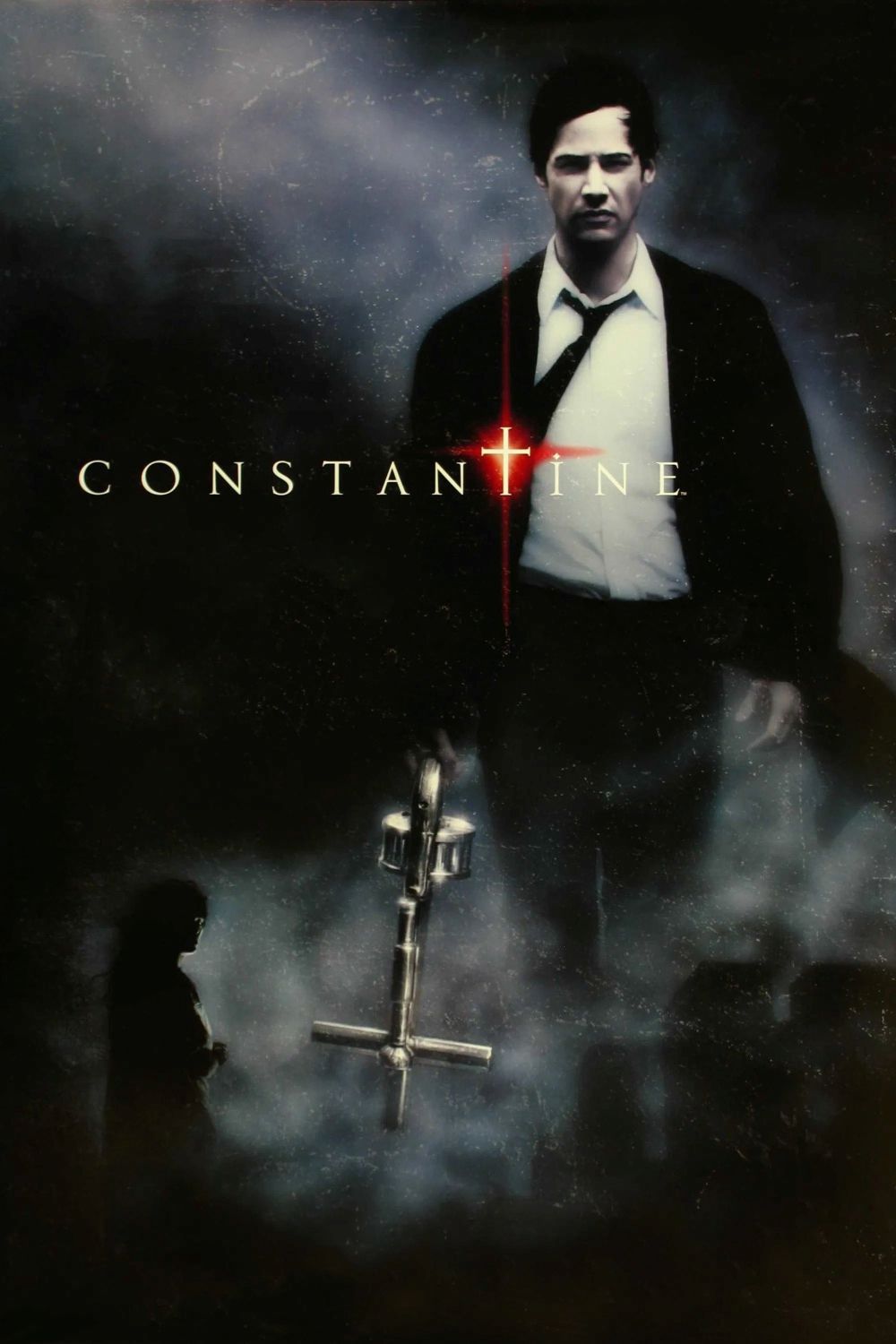
Constantine is one of those mid-2000s comic book adaptations that never quite hit mainstream classic status but has quietly built a loyal cult following, and it is pretty easy to see why once you revisit it. On the surface it is a supernatural action movie about a chain‑smoking exorcist stomping demons in Los Angeles; underneath, it is wrestling with guilt, faith, and whether redemption is even possible for someone who does not think they deserve it. The film is messy in spots but strangely compelling, and that tension between pulpy cool and spiritual angst is a big part of its charm.
Keanu Reeves plays John Constantine as a tired, bitter man who has seen way too much of both Hell and humanity to have patience for either. This version of Constantine is loosely adapted from DC’s Hellblazer comics, but the film leans into a distinctly Hollywood noir vibe: he is not a wisecracking British punk in a tan trench coat so much as a burnt‑out L.A. exorcist in a black suit who chain‑smokes like it is a survival mechanism. That shift understandably annoyed some comic fans, but taken on its own terms, this Constantine works. Reeves’s usual reserved style actually fits a guy who has emotionally checked out; he moves through scenes like someone who has accepted that his life is transactional and almost over, and there is something darkly funny about how little awe he shows when confronted with angels and demons. Even when the script gives him on‑the‑nose lines about damnation, he plays them with a kind of deadpan resignation that keeps the character from turning into a parody.
The basic setup is simple enough: Constantine can see “half‑breeds,” angelic and demonic entities who nudge humanity toward good or evil while technically obeying a truce between Heaven and Hell. As a child, he tried to kill himself because of these visions, and that suicide attempt has doomed his soul to Hell. Now he works as a freelance exorcist, trying to earn his way back into God’s good graces, not out of pure faith but out of sheer self‑preservation. That dynamic gives the movie a strong hook—this is a protagonist who is doing the “right” thing for profoundly self‑centered reasons. When he gets pulled into a mystery involving a police detective, Angela (Rachel Weisz), investigating her twin sister’s apparent suicide, the film folds in a noirish murder case, religious prophecy, and a scheme that could break the balance between Heaven and Hell. It is all a bit overstuffed, but there is a certain pleasure in how seriously the movie commits to its supernatural mythology.
Visually, Constantine is where the film really separates itself from a lot of its contemporaries. Director Francis Lawrence leans hard into a grungy, stylized urban Hellscape—Los Angeles feels damp, sickly, and spiritually polluted even before anyone literally steps into Hell. When Constantine does cross over, Hell is portrayed as a blasted version of our world, frozen in an eternal atomic blast, buildings shattered and howling winds full of ash and debris. It is not subtle, but it is memorable, and many of the images still hold up surprisingly well for a 2005 effects‑heavy movie. The demon designs are gnarly without becoming cartoonish, the exorcism sequences have a tactile, physical quality, and the movie uses practical effects and lighting cleverly to smooth over the limitations of its CG. Even small visual touches—like holy relics turned into weapons or tattoos used as mystical triggers—help sell the idea that this world is saturated with hidden religious warfare.
The cast around Reeves does a lot of heavy lifting. Rachel Weisz brings warmth and vulnerability to Angela, grounding the story whenever it threatens to float away in theological technobabble. Her dual role as both Angela and her deceased twin gives the plot some emotional weight beyond cosmic stakes. Tilda Swinton’s Gabriel is one of the film’s secret weapons: androgynous, cool, and quietly menacing, Gabriel feels alien in a way that fits an angel who has spent too long watching humans from a distance. Then there is Peter Stormare’s Satan, who shows up late in the game and somehow steals the entire third act with a performance that is gleefully gross and oddly charismatic; his version of Lucifer is barefoot, in a white suit stained with tar, amused and disgusted by Constantine in equal measure. These performances keep the movie watchable even when the script gets tangled in its own mythology.
Tonally, Constantine lives in an odd space between horror, action, and supernatural thriller. On one hand, it has jump scares, grotesque demons, and a very dark sense of humor. On the other, it features extended action beats where Constantine straps on a holy shotgun and goes demon hunting like a paranormal hitman. The film is at its best when it leans into slow‑burn dread and eerie atmosphere—scenes like the early exorcism or Angela’s first encounters with the supernatural feel genuinely unsettling. When it shifts into more conventional action territory, it is fun but less distinctive; some sequences play like obligatory “we need a set piece here” insertions rather than organic escalations of the story. The score and sound design help stitch it all together, layering in ominous drones, choral elements, and sharp sound cues that emphasize the hellish undertones without getting too bombastic.
One of the more interesting aspects of Constantine is how it treats belief and morality. The film’s theology is a mash‑up of Catholic imagery, comic‑book lore, and Hollywood invention, and if you are looking for doctrinal accuracy, you will probably walk away frustrated. But as metaphor, it works better than it has any right to. God and the devil are treated almost like distant power brokers using Earth as their battleground, the angels and demons as middle management enforcing a “rules of the game” structure that Constantine constantly pushes against. What saves it from feeling totally cynical is that the film does not ultimately let Constantine win by gaming the system; his big climactic play hinges on a genuinely selfless act. There is a sense, however stylized, that grace and sacrifice still matter, even in a world that treats salvation like paperwork. At the same time, the movie is very much a product of its edgy 2000s era, and at points it flirts with the idea that faith is mostly about loopholes and bargaining, which might put some viewers off.
That brings up another key point: Constantine is absolutely not a family‑friendly comic book movie. It is full of disturbing imagery, body horror, and bleak subject matter like suicide, damnation, and spiritual despair. The violence is often grotesque rather than purely action‑oriented, and the general mood is closer to a horror film than a superhero romp. The R rating is well earned. For some audiences, those elements will be exactly what makes the movie interesting—a comic book adaptation that is not afraid to be nasty and heavy. For others, the relentless grimness and graphic content will feel excessive, especially when paired with a mythology that is, frankly, all over the place.
Where Constantine stumbles most is in its storytelling clarity and pacing. The film loves its jargon: half‑breeds, the Spear of Destiny, balance between realms, rules of engagement, obscure relics tossed into dialogue with minimal explanation. If you are not already inclined to meet the movie halfway, it can feel like a pile of cool‑sounding concepts that never fully cohere into a clean narrative. The central mystery—what really happened to Angela’s sister and why—is engaging early on, but as the plot widens into apocalyptic stakes, some of the emotional throughline gets lost in exposition. The pacing can be uneven too, moving from slow, moody sequences to abrupt bursts of action, then back to dense dialogue. It is rarely boring, but it can feel disjointed.
Compared to the Hellblazer source material, the film definitely sandpapers off some of John Constantine’s rougher, more politically charged edges and transplants him into a more conventional action framework. Fans of the comics often point to the loss of his British identity, the absence of his punk roots, and the more simplified view of magic and the occult as major flaws. Those criticisms are fair if you are judging the adaptation on fidelity. As a stand‑alone movie, though, Constantine carves out a distinct identity: a moody, grimy, spiritually obsessed supernatural noir built around a protagonist who is more tired than heroic. It is less about clever schemes and more about a man who has done terrible things realizing that the only way out is to finally stop acting in his own interest.
In the years since its release, Constantine has aged better than a lot of early comic book movies. The visual style remains striking, the performances are still strong, and its willingness to be weird and bleak makes it stand out in a landscape that increasingly favors quip‑heavy, crowd‑pleasing superhero fare. The flip side is that its flaws—clunky exposition, a sometimes incoherent mythology, and a very specific grim tone—are just as apparent as they were in 2005. Whether it works for you will depend a lot on how much patience you have for religious horror dressed up as action cinema. Taken as a whole, Constantine is an imperfect but memorable ride: stylish, occasionally profound, frequently ridiculous, and ultimately more interesting than many cleaner, safer adaptations.
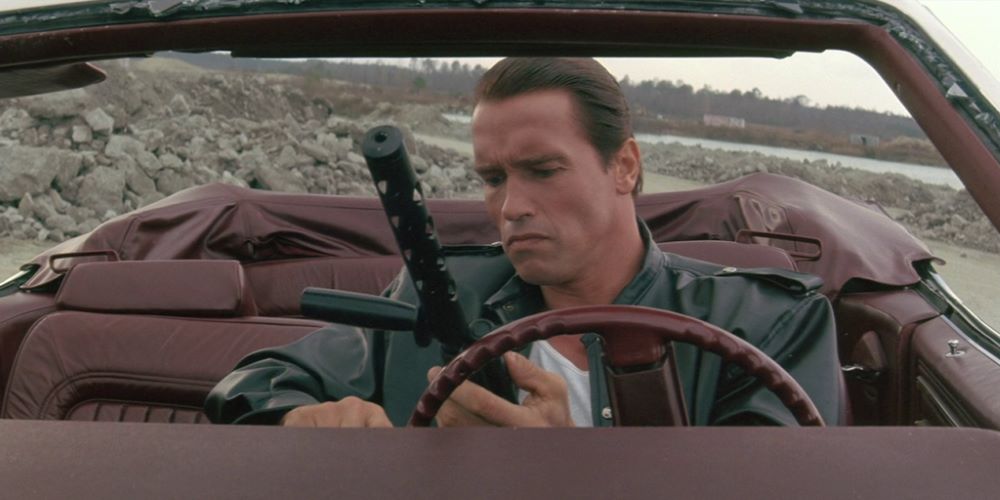
The gravel shootout in Raw Deal is pure, unfiltered 80s excess — the kind of scene that makes you grin even as you shake your head at the absurdity of it all. Arnold Schwarzenegger rolls up in a leather jacket over a white t-shirt, hair slicked back, with that dead-serious look that says he’s about to turn a quarry into a warzone. Then the Rolling Stones’ “(I Can’t Get No) Satisfaction” starts blaring — a choice so wildly on-the-nose that it wraps around to genius. Bullets fly, gravel explodes, and every bad guy who dares show his face gets launched off a cliff or riddled with rounds like it’s just another Tuesday.
It’s one of those moments where action filmmaking and rock-and-roll attitude collide in glorious overkill. Everything about it—the slow-motion carnage, the editing rhythm synced to Mick Jagger’s drawl, even the dust clouds swirling around Arnie—feels like a music video someone made after chugging pure testosterone. It’s ridiculous, it’s brilliant, and it’s exactly the sort of scene that makes Raw Deal such a lovable slice of 80s mayhem and why I just love this scene.
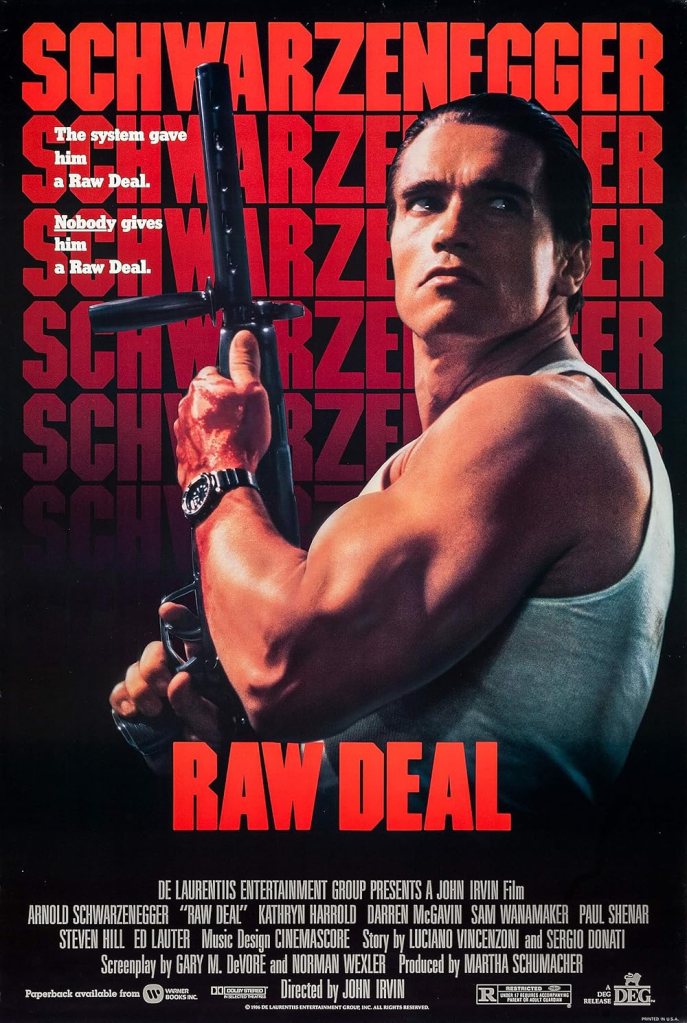
There is a point in every Arnold Schwarzenegger fan’s journey where they eventually circle back to Raw Deal and go, “Wait, how did this one slip through the cracks?” Set between Commando and Predator, this 1986 action vehicle often feels like the red-headed stepchild of Arnold’s golden era: a half-forgotten mob thriller dressed up as a one-man-army shoot-’em-up, with an undercover plot that keeps tripping over itself. Before Arnold was secret agent Harry Tasker in True Lies, he was already workshopping that whole undercover persona as former FBI man Mark Kaminski in Raw Deal. There is something strangely compelling about watching him play at being slick, whether he is posing as “Joseph Brenner” in mob circles or later reinventing himself as a suburban-family-man-turned-super-spy. Yet for all its clumsiness, tonal whiplash, and baffling choices, Raw Deal settles into that sweet, trashy groove where “this is bad” and “this is kind of awesome” blissfully merge. It is, in the purest sense, a guilty pleasure.
The setup is straightforward on paper. Arnold plays Mark Kaminski, a former FBI agent pushed out of the bureau for beating a suspect who assaulted and murdered a child, now stuck as a small-town sheriff in North Carolina with an unhappy, alcoholic wife and a life that feels like exile. His shot at redemption comes when his old FBI buddy Harry Shannon (Darren McGavin) recruits him for an off-the-books vendetta: infiltrate the Chicago mafia responsible for Shannon’s son’s death and tear them apart from the inside, in exchange for a possible path back into the bureau. Kaminski fakes his death, rebrands himself as “Joseph Brenner,” and sets out to worm his way into the organization run by boss Luigi Patrovita (Sam Wanamaker), while juggling mob politics, double-crosses, and a steady escalation of gunfire.
What makes the Kaminski era so weirdly fascinating is how hard the film leans on Arnold as a suave operator when his natural screen charisma is more brute-force than smooth-talking. In Raw Deal, he stalks through nightclubs and mob hangouts as an “undercover” tough guy, and you can almost see the movie trying to stretch him into a more traditional cool-gangster mode even as his sheer physicality keeps breaking the illusion. That tension carries right into True Lies, where the humor finally acknowledges how absurd it is to treat this gigantic Austrian bodybuilder as a low-key spy. The seeds of Harry Tasker’s double life are there in Kaminski: the awkward attempts at suave posturing, the undercover role-play, and the sense that the film is constantly asking the audience to accept him as something more than just the gun-toting tank he so effortlessly embodies. That tonal tug-of-war is kind of a mess, yet it’s also exactly why the movie is weirdly fun to revisit.
As an action piece, Raw Deal is very hit-or-miss, but when it hits, it goes all in on 80s excess. Director John Irvin stages a number of shootouts, but the standout sequence is the gravel pit massacre where Kaminski tears through mob soldiers with Mick Jagger’s “(I Can’t Get No) Satisfaction” blaring on the soundtrack, turning what should be a grim set piece into something closer to a music video about vengeance. The climactic assault on Patrovita’s casino base is another high point, with Kaminski stalking room to room, methodically mowing down henchmen in suits as the film abandons any pretense of undercover subtlety and embraces straight-up carnage. These moments are absurdly over the top, but they’re the reason the film lingers in the memory more than some “better” constructed movies from the same era.
The problem is that the film around those set pieces often feels oddly slack. For a movie with such a simple premise—ex-cop goes undercover in the mob—Raw Deal somehow manages to tangle itself in muddled plotting and underdeveloped subplots. Roger Ebert complained that the story is so basic it should be impossible to screw up, yet the movie still finds ways to make motivations cloudy and relationships confusing, especially when it comes to FBI leaks and why certain hits are happening. There are scenes, like the cemetery assassination setup, that should be loaded with emotional and narrative clarity but instead play as strangely opaque, leaving viewers wondering less “What will happen next?” and more “What exactly is going on?”
Despite the narrative wobbling, the cast gives the film more personality than it probably deserves. Schwarzenegger is still in that phase where his acting is limited but his screen presence is undeniable, and Raw Deal leans into that presence by letting him oscillate between stoic enforcer and deadpan comedian. He is not as effortlessly iconic here as he is in The Terminator or Predator, but he has a grounded gruffness in the early scenes as the weary small-town sheriff, and a playful swagger once he shifts into mob-infiltrator mode. The movie’s tonal confusion sometimes works in his favor: when he drops a ridiculous line in the middle of a supposedly serious undercover situation, it breaks the film’s self-seriousness in a way that oddly makes it more enjoyable.
On the supporting side, Darren McGavin brings a welcome dose of worn-out moral anguish as Harry Shannon, a man consumed by grief and desperate enough to go rogue, while Sam Wanamaker’s Patrovita and Paul Shenar’s lieutenant Max Keller give the mob side just enough theatrical menace to keep things lively. Kathryn Harrold’s Monique—Patrovita’s associate and Kaminski’s sort-of ally—is more underwritten than she should be, but she adds a smoky, world-weary charm to an otherwise thin role, bringing a touch of noir-vibe melancholy to a film that mostly cares about bullets. The dynamic between Kaminski and Monique hints at a more emotionally grounded movie lurking underneath, one that never fully arrives but peeks through in their quieter moments.
Visually and stylistically, Raw Deal fits comfortably into the mid-80s action aesthetic: slightly grimy urban backdrops, neon-lit nightclubs, smoky gambling dens, and anonymous industrial sites where bad guys go to die. John Irvin, better known for dramas and war films, occasionally tries to inject a more grounded tone, but the movie keeps undercutting that with comic-book logic and stylized violence, making it feel as if two different films are wrestling for control. On one level, that is a flaw; on another, that disjointed energy is part of what gives Raw Deal its “so off it becomes its own thing” quality, especially when watched now with decades of ironic distance.
Critically, the film was not well-loved on release, and its reputation has never really recovered in a mainstream sense. It holds a low Rotten Tomatoes score and only middling numbers on Metacritic, with reviewers at the time describing it as muddled, clichéd, and cheap compared to other action fare. Yet audience reactions have always skewed a bit warmer, with CinemaScore polling showing a respectable “B” grade and plenty of fans over the years framing it as an uneven but entertaining entry in Schwarzenegger’s catalog. The distance of time has turned Raw Deal into one of those movies where people admit its flaws freely but still find themselves rewatching it, chuckling at its corniness and vibing with its shootouts.
As a guilty pleasure, Raw Deal works because it is simultaneously too serious and not serious enough. It wants to be a gritty mob infiltration story but keeps indulging in gleefully excessive violence and dumb jokes; it dreams of being a tight cop thriller but never quite musters the narrative discipline. Yet that tension gives it a peculiar charm: it is a film that fails to be the sleek genre picture it might have been, but succeeds as a scrappy time capsule of 80s action sensibilities, carried by Arnold’s charisma and a few standout set pieces.
Viewed today, Raw Deal is hard to defend as “good” in any conventional sense, especially when measured against Commando’s pure cartoon energy or Predator’s lean genre perfection. But as a late-night watch, beer in hand, half-laughing at the dialogue while leaning forward during the gravel pit and casino shootouts, it absolutely delivers the specific pleasure it promises. The system may have given Mark Kaminski a raw deal, but for Arnold fans willing to embrace something messy, loud, and gloriously dated, this film still feels like a trashy little win
 Through the Shattered Lens