 The streets are being flooded with lousy, synthetic heroin. Could the source be somewhere inside of Trabuco Federal Prison? That is what Nick Slater (Ben Maccabee) has been assigned to find out. Nick is a tough cop but now he is going undercover, pretending to be a tough but incarcerated bank robber. Nick discovers that Trabuco is like no other prison out there. For one thing, Wings Hauser is the warden. Warden Pitt is a smirking Aryan who forces his prisoners to box for his amusement and who enforces discipline with a CIA-style torture chamber. (Because the Warden is a boxing fanatic who likes to reward his best fighters, he also regularly brings prostitutes into the prison, which allows the film to reach its quota of B-movie nudity.) Even worse, Warden Pitt and the head of the Aryan Brotherhood, Jigsaw (Paulo Tocha) are working together. Only Nick can end Warden Pitt’s reign of terror but he will have to survive prison first. Fortunately, Ben knows how to throw a punch and deliver kick and he is going to have to do a lot of both if he is going to make it out alive.
Broken Bars is a dumb but entertaining movie, with plenty of action and Wings Hauser villainy. Ben Maccabee’s a credible 90s style action hero. He may not be as good an actor as Dolph Lundgren or as fast as Jean-Claude Van Damme but, by the end of Broken Bars, there is no doubt that he could easily knock out Steven Seagal. It’s no surprise that the best thing about the movie is Wings Hauser. As anyone who ever watched late night Cinemax in the 90s knows, Wings Hauser was usually the best thing about any movie that he appeared in. As a character, Warden Pitt is demented even by the standards of Wings Hauser and Hauser obviously had a ball screaming his lines. B-movie stalwart Joe Estevez also shows up, playing a good guy for once.
Joe Estevez and Wings Hauser in the same movie? Who cares if it’s any good? Hauser and Estevez together is just another way of saying, “Must see.”
 Sybil Danning vs. Wings Hauser? What could go wrong with that?
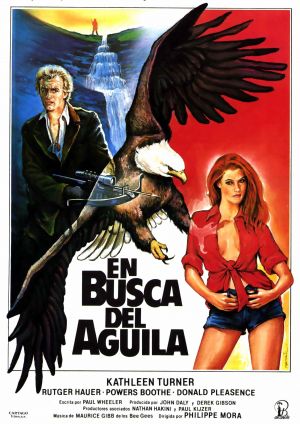 Sometimes, the story behind a movie is more interesting than the movie itself.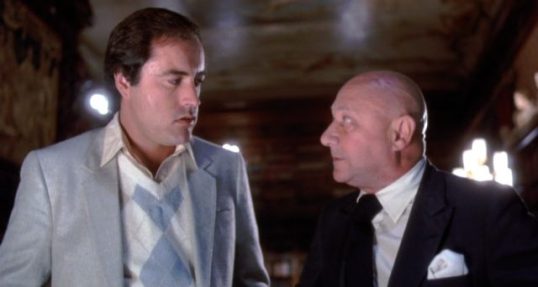
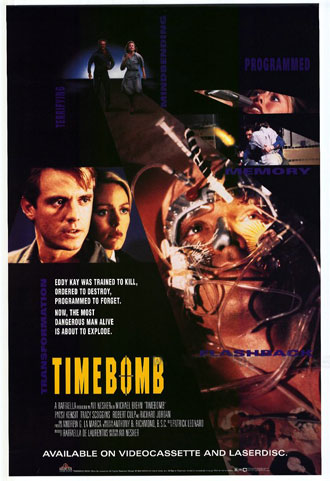 Recall Total Recall?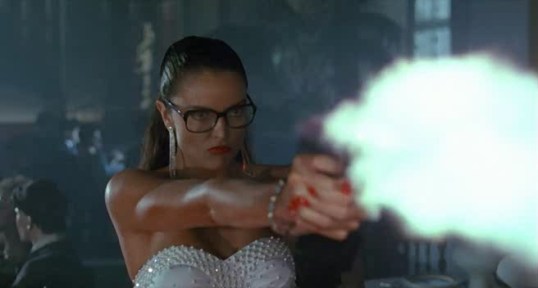
 That Bill Shakespeare really gets around.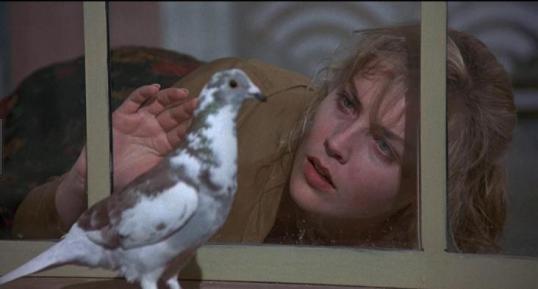
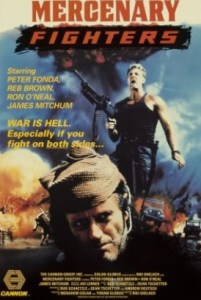 Everyone’s favorite hippie action hero, Peter Fonda, plays Virelli, a long-haired Vietnam vet turned mercenary who is hired by a corrupt African general (Robert Doqui) to protect the construction of a dam that will result in the flooding of a native village. Got all that? Though Fonda is top-billed, he is not the star of the film. The star is Reb Brown, who plays T.J. Christian. T.J. starts out as a member of Fonda’s team but then he falls in love with a nurse (Joanna Weinberg) and he switches sides. The villagers need someone to lead their revolution and all it takes is hearing Reb Brown do one of his trademarks power yells to know that he’s the man for the job. Reb Brown was famous for yelling whenever he did anything and he yells a lot in Mercenary Fighters, even more than he yelled in Space Mutiny.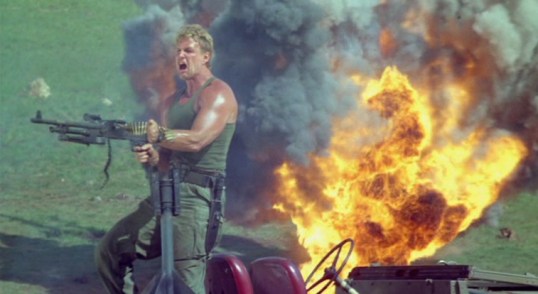
 Damn … John Heard died.
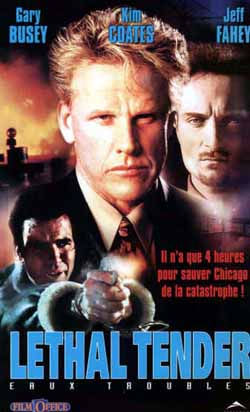 Detective David Chase (Jeff Fahey) should not be mistaken for the creator of The Sopranos. Instead, he is an eccentric and tough Chicago policeman, the type of cop who appears to have seen Mel Gibson in Lethal Weapon one too many times. His superiors send Detective Chase and his partner to keep an eye on a strike occurring outside of a water purification plant. Chase, however, is less interested in the strike and more interested in hitting on Melissa (Carrie-Ann Moss), who works at the plant.
 Long before
 Through the Shattered Lens