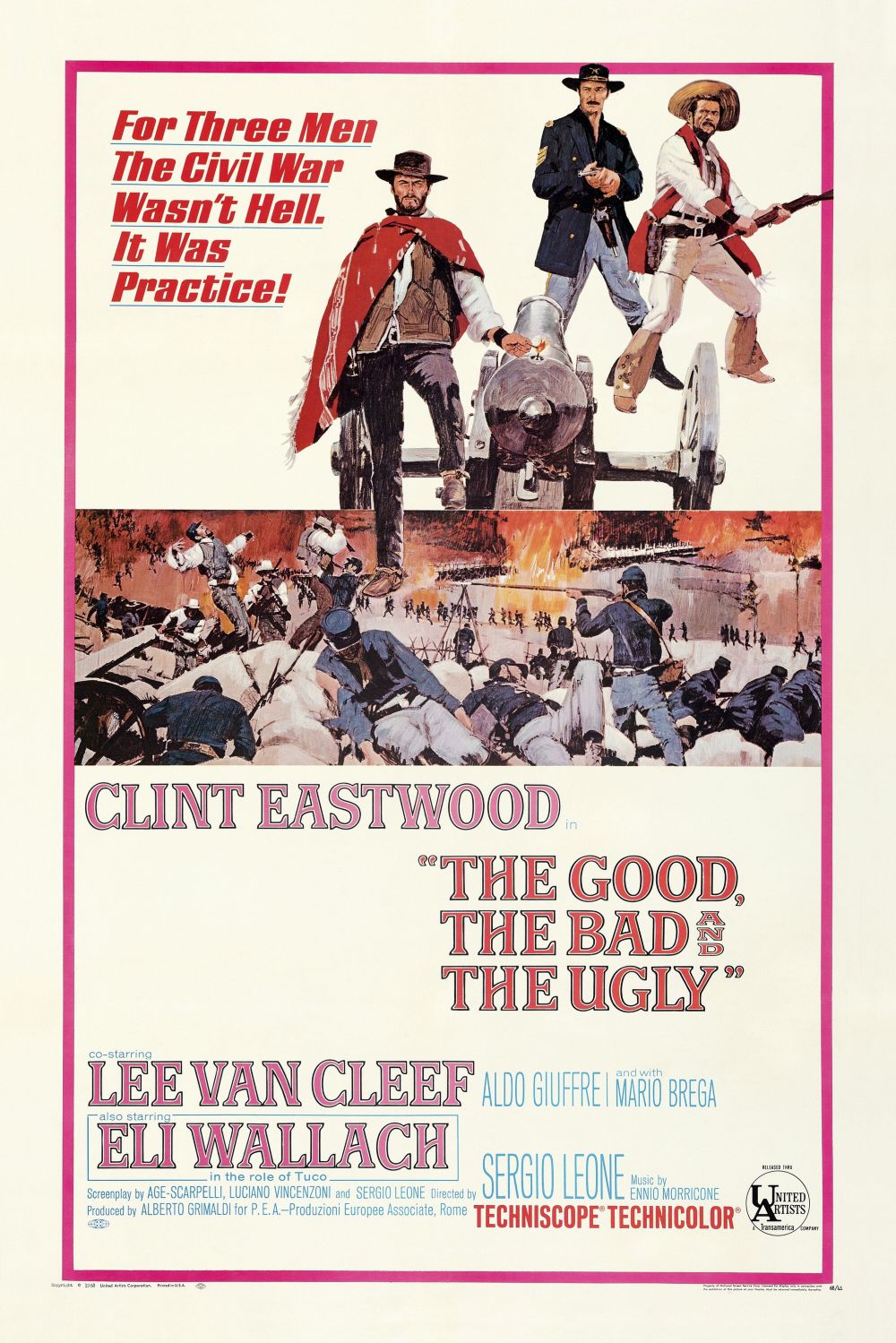
Review: The Good, the Bad and the Ugly (dir. by Sergio Leone)


“You see, in this world there’s two kinds of people, my friend: those with loaded guns and those who dig. You dig.” — Blondie

Sergio Leone’s The Good, the Bad and the Ugly is the kind of movie that feels so foundational that it can be easy to forget how strange, bold, funny, and downright operatic it still is. Released in 1966, it was the third and final leg of Leone’s “Dollar’s Trilogy,” following A Fistful of Dollars and For a Few Dollars More, and it takes the stripped-down antihero Western formula of those earlier films to its most grandiose extreme. It is bigger in scale, longer in runtime, more openly concerned with the Civil War, and more confident about lingering on faces, landscapes, corpses, explosions, and silences until they become almost mythic. It is also just an enormously entertaining movie: violent, cynical, hilarious, tense, and powered by one of the greatest scores ever written for film.

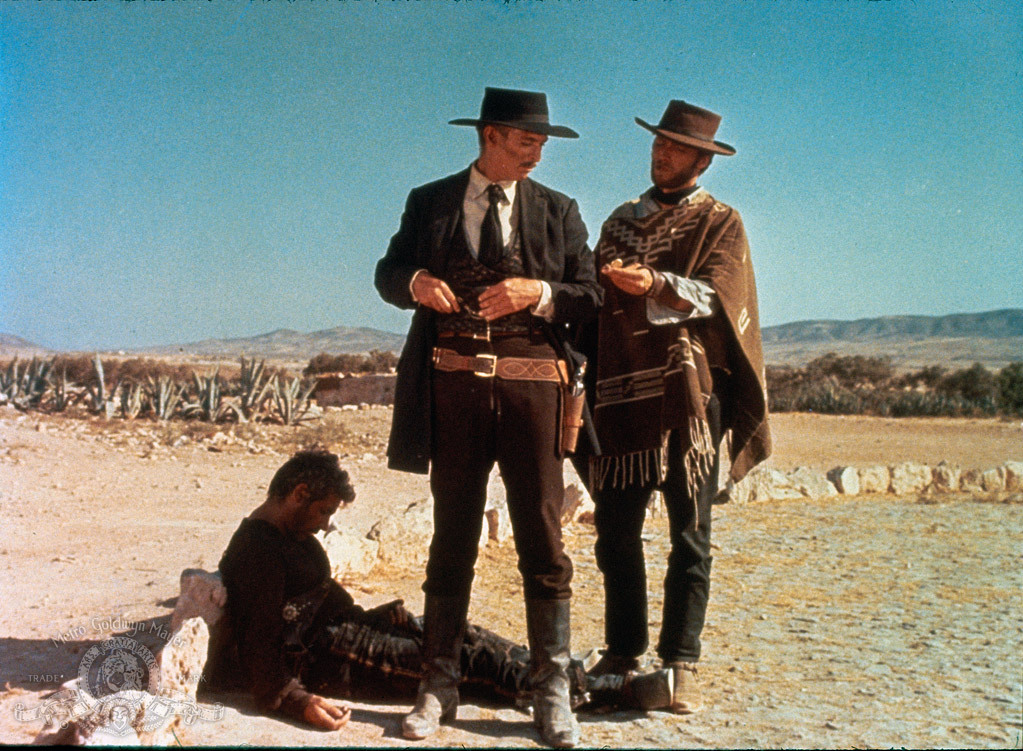
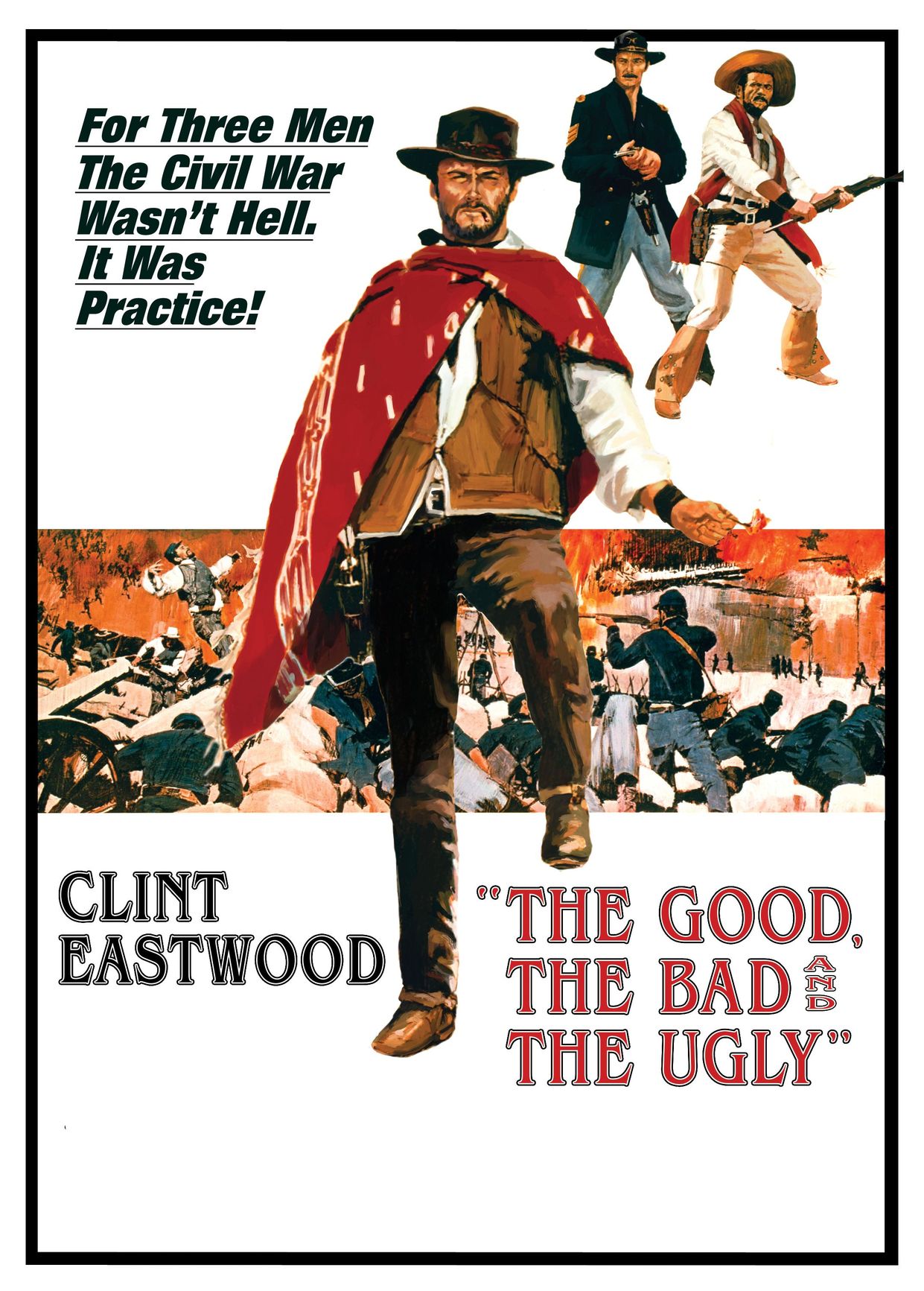
The title is simple, but the movie’s moral categories are deliberately slippery. Clint Eastwood plays Blondie, the “Good,” though he is not good in any conventional heroic sense. He is a mercenary drifter with a cool head, a quick draw, and a willingness to exploit the desperate when there is money involved. Lee Van Cleef is Angel Eyes, the “Bad,” a cold professional killer whose cruelty is more orderly and methodical than emotional. Eli Wallach, meanwhile, plays Tuco, the “Ugly,” a bandit, liar, survivor, and chaos agent who is arguably the most human person in the whole film. Leone uses those labels less as literal definitions than as a rough guide to the way each man moves through the world. Blondie may possess the closest thing the story has to a moral code, Angel Eyes is openly monstrous, and Tuco is shamelessly selfish, but all three are driven by greed and survival.

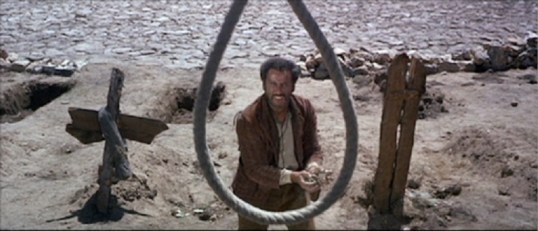
The plot begins with Blondie and Tuco running a scam across the frontier. Blondie collects bounties by turning Tuco in to authorities, then rescues him at the last possible moment before a hanging, allowing the two men to repeat the process elsewhere. Their partnership is profitable but unstable, especially because Blondie holds all the power. When he finally abandons Tuco in the desert after an argument, it sets the tone for the film’s shifting alliances and personal grudges. From there, the story expands into a hunt for buried Confederate gold, with Angel Eyes learning of the treasure independently and pursuing it with ruthless efficiency. The treasure hunt is the basic engine of the story, but the movie keeps finding detours that make it richer: prison camps, mistaken identities, Confederate soldiers, battlefield carnage, a destroyed bridge, family resentments, and a final trip to a cemetery that has become one of the most famous endings in cinema.

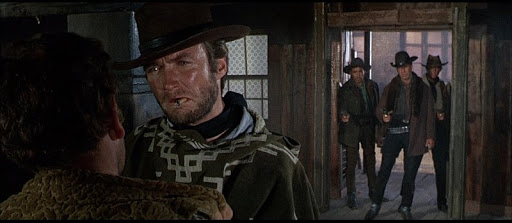
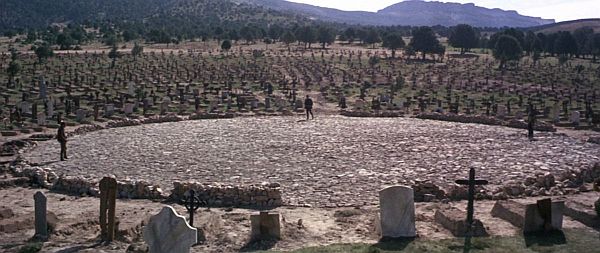
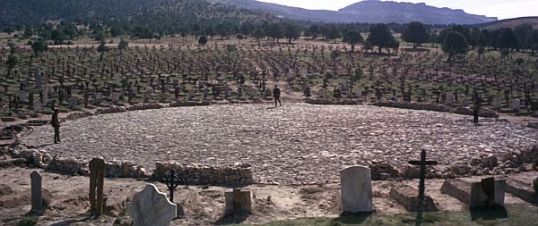
Leone’s great gift is making time itself feel dramatic. The movie is long, but it rarely feels aimless because the director understands how to stretch anticipation. He can hold a close-up for what seems like an eternity, cut between eyes and hands, let a character slowly realize they are trapped, and then release all that pressure in a flash of violence or a perfectly timed joke. The famous three-way standoff at Sad Hill Cemetery is the clearest example. It is not simply a gunfight. It is a miniature psychological war in which every glance matters, every hand movement becomes a potential death sentence, and Ennio Morricone’s music turns the scene into a kind of ritual. The sequence is so iconic because Leone earns it through buildup. He has spent nearly three hours teaching the audience that in this world, watching someone’s eyes can be more important than hearing what they say.

The direction is often described as stylized, but that undersells how carefully Leone balances visual exaggeration with emotional clarity. His close-ups are huge and intimate, showing cracked skin, sweat, stubble, narrowed eyes, and crooked grins in almost absurd detail. Then he will cut to an enormous wide shot in which a lone person barely registers against a desert, battlefield, or cemetery. That contrast makes the characters feel both larger than life and insignificant before the violence surrounding them. Leone’s West is not the clean, heroic frontier found in many older Hollywood Westerns. It is dusty, harsh, crowded with hungry people, and full of soldiers dying for causes that seem distant from their actual suffering. Even when the movie is funny, its world feels unforgiving.

The Civil War setting gives The Good, the Bad and the Ugly a weight that the earlier films in the trilogy do not have in quite the same way. Leone does not transform the picture into a historical drama, and the central story remains about three men chasing money, but he keeps placing their selfish adventure against the machinery of mass death. Blondie and Tuco witness prisoners being beaten, soldiers dying pointlessly, and whole military operations built around the destruction of a bridge. One of the film’s most memorable passages involves a Union captain who has become numb to the casualties under his command. His view of war is not glorious or triumphant; it is weary and sickened. That attitude makes Leone’s spectacle more complicated. The explosions are impressive, and the battle scenes are visually massive, but the movie never suggests that war is noble simply because it looks grand on screen.

Clint Eastwood’s performance is a major reason Blondie remains one of cinema’s defining gunslingers. Eastwood had already established the character type in the previous Leone films, but here he seems fully at ease with the role’s economy. He does not need much dialogue because his posture, timing, and faintly amused stare communicate almost everything. Blondie is always calculating. Even when he appears relaxed, he is noticing the exit, the weapon, the weakness in the other person’s plan. Eastwood makes him cool without making him hollow, and he wisely avoids trying to turn Blondie into a conventional saint. The character can be compassionate, especially compared with Angel Eyes, but he also enjoys having leverage over Tuco. Their relationship is not friendship in any easy sense. It is an ugly, funny bond forged out of mutual usefulness.

Lee Van Cleef is equally effective, though in a very different register. Angel Eyes is terrifying because he never seems hurried or uncertain. He treats murder as a job, and his calm politeness only makes him worse. There is a scene early in the movie where he murders a man after receiving information from him, and the point is immediately clear: Angel Eyes does not make promises he considers inconvenient, and he does not feel guilty about it. Van Cleef’s sharp features and measured delivery make him seem almost supernatural, like death walking around in a black hat. Yet he is not a cartoon. He is a predator with discipline, and the movie understands that competence can be frightening on its own.

Still, Eli Wallach is arguably the film’s secret weapon. Tuco is the character who gives the movie much of its energy, humor, and emotional unpredictability. He is loud where Eastwood is quiet, messy where Van Cleef is controlled, and constantly talking because silence would probably drive him crazy. Wallach gives a performance that could have become exhausting in lesser hands, but he makes Tuco vivid rather than merely obnoxious. You can see the intelligence beneath his impulsiveness. Tuco survives because he can adapt, plead, threaten, deceive, and explode into violence depending on what the moment requires. He also has flashes of pain that make him more than comic relief, particularly when the story briefly brings him face to face with his brother and the life he might have had. That scene gives the movie an unexpected emotional wrinkle without forcing Tuco into a redemption arc he does not deserve.

Morricone’s score deserves its legendary reputation because it does much more than decorate the action. The music creates the film’s atmosphere from the first seconds, with its coyote-like call, whistles, percussion, voices, and electric-guitar edge. It sounds ancient and modern at the same time, perfectly suited to Leone’s version of the West, which is less historical recreation than fever dream. Themes such as “The Ecstasy of Gold” and “The Trio” have become inseparable from the film, but they retain their power even outside their famous scenes. “The Ecstasy of Gold,” accompanying Tuco’s frantic run through the cemetery, is especially remarkable. The music turns what could have been a simple moment of greed into a spiritual experience. Tuco is not merely looking for a grave; he is racing through a landscape of death toward the possibility of salvation, wealth, and survival.

What makes the movie endure is that it never asks the audience to choose between pleasure and substance. It is a masterpiece of style, full of unforgettable faces, brilliant editing, enormous landscapes, and some of the sharpest visual storytelling in the genre. At the same time, it is funny in a dark, mean-spirited way, and it is skeptical about every institution around its characters. Governments send men to die. Criminals betray one another. Families fail to heal old wounds. Religion offers comfort but not necessarily rescue. Money remains the closest thing to a shared religion, and even that cannot guarantee anyone’s safety.

As the final installment of Leone’s “Dollar’s Trilogy,” The Good, the Bad and the Ugly feels like a culmination rather than just a sequel. It takes the mysterious Eastwood gunslinger, the tension between rival bounty hunters and criminals, and the morally barren frontier of the first two films, then expands them into something almost epic. The movie’s scale can make it feel less intimate than For a Few Dollars More, but that is part of its appeal. Leone is not trying to make a neat ending to a continuous story. He is making the biggest, loudest, most definitive statement he can with the ideas the trilogy has been building toward.

Even now, the film’s influence is everywhere: in action movies that use silence as suspense, in antiheroes whose morality is relative rather than pure, in directors who treat a showdown as choreography, and in scores that become characters in their own right. But influence is not the same as replacement. Plenty of movies have copied Leone’s close-ups, pacing, gunfighters, and musical bravado. Very few have matched the strange balance that makes The Good, the Bad and the Ugly feel so alive. It is simultaneously a Western adventure, a black comedy, a war movie, a fable about greed, and a giant cinematic performance piece. By the time the final duel arrives, the film has become exactly what the title promises: a collision between the good, the bad, and the ugly parts of human nature, staged with enough style to make it unforgettable.

Song of the Day: The Good, The Bad, and the Ugly — Main Theme (composed by Ennio Morricone)


Today’s song of the day is the main theme from Leone’s best-known film, The Good, The Bad, and The Ugly.

Ennio Morricone’s score is as much of a character in this film as the ones played by Clint Eastwood, Eli Wallach, and Lee Van Cleef.  It perfectly sets the moods, telling us that we’re about to see something that is truly epic.  The opening notes, which have so often been parodied but which have never lost their power, truly capture the feel of Sergio Leone’s mythical vision of the old west.

4 Shots From 4 Films: Special Sergio Leone Edition


Sergio Leone (1929 — 1989)

4 Or More Shots From 4 Or More Films is just what it says it is, 4 shots from 4 of our favorite films. As opposed to the reviews and recaps that we usually post, 4 Shots From 4 Films lets the visuals do the talking!

97 years ago today, Sergio Leone was born in Rome, Italy.  The son of actor/screenwriter Vincenzo Leone and silent actress Edvige Valcarenghi, Sergio was born into the Italian film industry.  He began his career in the post-war rebuilding period, working as an assistant to Vittorio De Sica and, as an assistant director, for American films that were shot in Italy.  (Albeit uncredited, he worked on two Oscar-nominated Biblical epics, Quo Vadis and Ben-Hur.)

After making his directorial debut with The Colossus of Rhodes, Leone went on to direct the films that would change the face of international cinema.  Though he was hardly the first director of Spaghetti westerns, he was was the first to achieve far-reaching acclaim.  With the Dollars Trilogy, he made Clint Eastwood a star and Eastwood has often said that the majority of what he knows about directing, he learned from working with Leone and later Don Siegel.  Leone went on to direct the brilliant Once Upon A Time In The West and Once Upon A Time in America, two epic visions of American history that, sadly, were not initially treated well by their distributors.

Though Leone is only credited with directing eight films, his influence cannot be underestimated.  As both a visual artist and a cultural and political commentator, his films continue to influence directors to this day.

For that reason, it’s time for….

4 Shots From 4 Sergio Leone Films

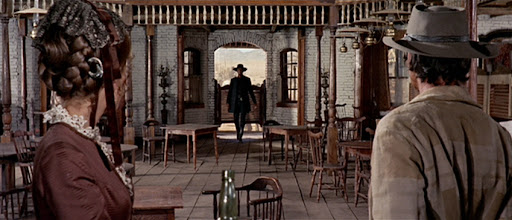
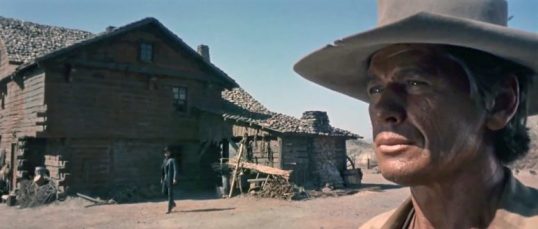
The Good, The Bad, and the Ugly (1966, dir by Sergio Leone, DP: Tonino Delli Colli)

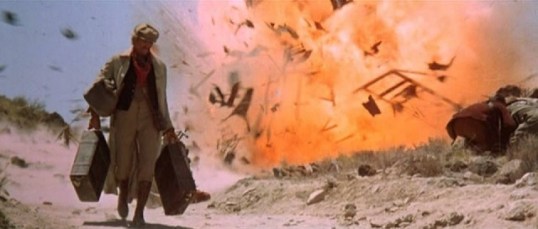
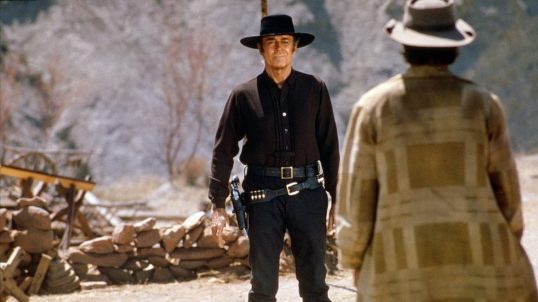
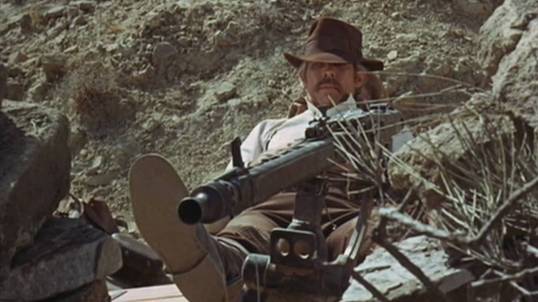
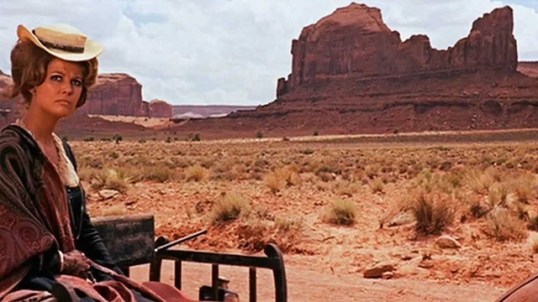
Once Upon A Time In The West (1968, dir by Sergio Leone, DP: Tonino Delli Colli)

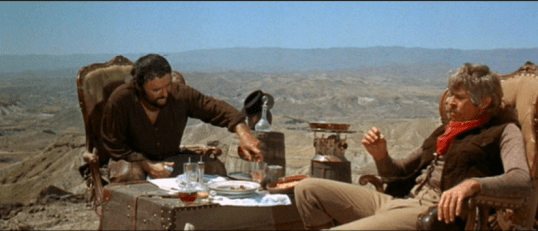
Duck, You Sucker (1971, dir by Sergio Leone, DP: Giuseppe Ruzzolini)

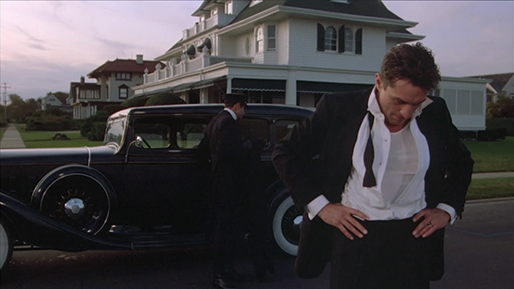
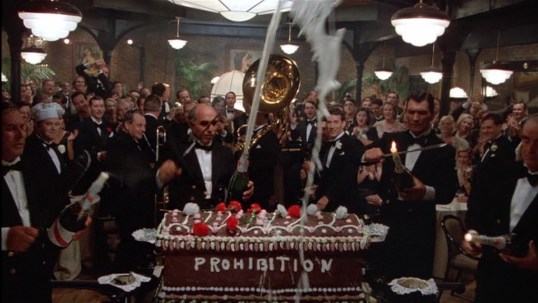
Once Upon A Time In America (1984, dir by Sergio Leone, DP: Tonino Delli Colli)

The Adventures of the Man With No Name: A Fistful Of Dollars, For A Few Dollars, The Good, The Bad, and the Ugly


Originally, Sergio Leone envisioned none other than Henry Fond as The Man With No Name.

The year was 1964 and Sergio Leone was searching for the right actor to star in the movie that would become A Fistful Of Dollars.  The film, which reimagined Akira Kurosawas’s Yojimbo as a western, centered around a mysterious, amoral gunslinger whose name was unknown.  Leone needed an American or a British name to star in the film so that it could get distribution outside of Italy.  Leone had grown up watching Henry Fonda movies, all dubbed into Italian.  He later said he wanted to cast Fonda because he always wondered what Fonda’s voice actually sounded like.

After realizing that a major Hollywood star would never agree to star in a low-budget Italian western, Leone then offered the role to Charles Bronson.  Bronson read the script and said it didn’t make sense to him.  Leone went on to offer the role to Henry Silva, Rory Calhoun, Tony Russel, Steve Reeves, Ty Hardin, and James Coburn.  Everyone was either too expensive or just not interested.  Finally, it was actor Richard Harrison who, after tuning down the part himself, suggested that Leone offer the role to Clint Eastwood.  Eastwood, then starring on the American western Rawhide, could play a convincing cowboy.  Leone followed Harrison’s advice and Eastwood, eager to break free of his nice guy typecasting and hoping to restart his film career, accepted.  The rest is history.

Eastwood would only play The Man With No Name in three films but, in doing so, he changed the movies and the popular conception of the action hero forever.

All three of the Man With No Name movies have been reviewed on this site.  But, since today is Clint’s birthday, I thought I’d take a look at how these classic films are holding up, over 60 years since the Man With No Name made his first appearance.

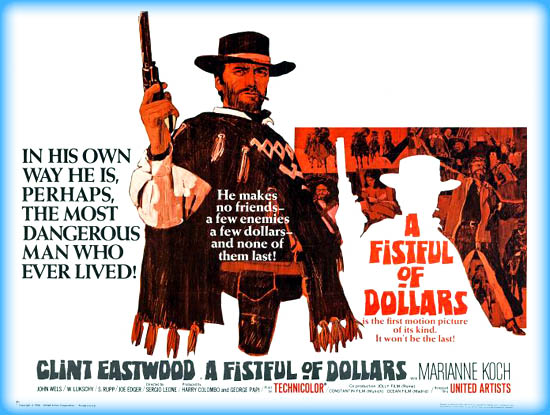
A Fistful Of Dollars (1964)

Having now seen both this film and Yojimbo, it’s remarkable how closely A Fistful of Dollars sticks to Kurosawa’s original film.  Interestingly, it’s clear that Eastwood patterned his performance of Toshiro Mifune’s in Yojimbo and yet, at the same time, he still managed to make the role his own.  The Man With No Name rides into a western town, discovers that there are two groups fighting for control of the area, and he coolly plays everyone against each other.  Whether it’s planting the seeds of distrust, exploiting an enemy’s greed, or being the quickest on the draw, the Man With No Name instinctively knows everything that he has to do.  Even when he’s getting beaten up by the bad guys, The Man With No Name always seems to be one step ahead.  Today, a western in which everyone is greedy and looking out for themselves isn’t going to take anyone by surprise.  But if you’ve watched enough westerns from the 40s and 50s, you’ll understand how unique of a viewpoint Leone brought to the genre.  Eastwood’s amoral gunslinger was such a surprise that, when the film aired on television, a scene was shot by the network in which Harry Dean Stanton played a prison warden who released The Man With No Name (seen only from behind) on the condition that he clean up the town.

For A Few Dollars More (1965)

For A Few Dollars More finds The Man With No Name working as a bounty hunter and teaming up with Colonel Mortimer (Lee Van Cleef) to take down El Indio (Gian Maria Volonte) and his gang (including Klaus Kinski as a hunchback.)  This is my least favorite of the trilogy but that doesn’t mean that For A Few Dollars More is a bad film.  Being the least of three masterpieces is nothing to be ashamed of.  Eastwood and Van Cleef were two of the best and it’s interesting to see them working together.  El Indo is a truly loathsome villain and the members of his gang are all memorably horrid.  If it’s my least favorite, it’s just because I prefer the wit of A Fistful of Dollars and the epic storytelling of The Good, The Bad, and The Ugly.  Speaking of which…

The Good, The Bad, and The Ugly (1966)

This is it.  The greatest western ever made, an epic film that features Leone’s best direction, Ennio Morricone’s greatest score, and brilliant performances from Eastwood, Van Cleef, and especially Eli Wallach.  It’s hard to know where to start when it comes to praising The Good, The Bad, and The Ugly.  It’s a nearly three-hour film that doesn’t have a single slow spot and it has some of the most iconic gunfights ever filmed.  Leone truly found his aesthetic voice in this film and that it still works, after countless parodies, is evidence of how great it is.  I appreciate that this film added a historical context to the adventures of The Man With No Name.  (Personally, I think this film is meant to be a prequel to A Fistful of Dollars, just because The Man With No Name is considerably kinder in this film than he was in the first two movies.  The Man With No Name that we meet in A Fistful of Dollars would never have gotten Tuco off that tombstone.)  The Good, The Bad, and The Ugly takes place during the Civil War and, along with everything else, it’s an epic war film.  While America fights to determine its future, three men search for gold.  The cemetery scene will never be topped.

American critics did not initially appreciate these films but audiences did.  Clint Eastwood may have been a television actor when he left for Italy but he returned as an international star.  And, to think, it all started with Sergio Leone not being able to afford Henry Fonda.

Song of the Day: The Good, The Bad, and the Ugly — Main Theme (composed by Ennio Morricone)


In honor of Sergio Leone’s birthday, today’s song of the day is the main theme from Leone’s best-known film, The Good, The Bad, and The Ugly.

Ennio Morricone’s score is as much of a character in this film as the ones played by Clint Eastwood, Eli Wallach, and Lee Van Cleef.  It perfectly sets the moods, telling us that we’re about to see something that is truly epic.  The opening notes, which have so often been parodied but which have never lost their power, truly capture the feel of Sergio Leone’s mythical vision of the old west.

4 Shots From 4 Films: Special Sergio Leone Edition


Sergio Leone (1929 — 1989)

4 Or More Shots From 4 Or More Films is just what it says it is, 4 shots from 4 of our favorite films. As opposed to the reviews and recaps that we usually post, 4 Shots From 4 Films lets the visuals do the talking!

96 years ago today, Sergio Leone was born in Rome, Italy.  The son of actor/screenwriter Vincenzo Leone and silent actress Edvige Valcarenghi, Sergio was born into the Italian film industry.  He began his career in the post-war rebuilding period, working as an assistant to Vittorio De Sica and, as an assistant director, for American films that were shot in Italy.  (Albeit uncredited, he worked on two Oscar-nominated Biblical epics, Quo Vadis and Ben-Hur.)

After making his directorial debut with The Colossus of Rhodes, Leone went on to direct the films that would change the face of international cinema.  Though he was hardly the first director of Spaghetti westerns, he was was the first to achieve far-reaching acclaim.  With the Dollars Trilogy, he made Clint Eastwood a star and Eastwood has often said that the majority of what he knows about directing, he learned from working with Leone and later Don Siegel.  Leone went on to direct the brilliant Once Upon A Time In The West and Once Upon A Time in America, two epic visions of American history that, sadly, were not initially treated well by their distributors.

Though Leone is only credited with directing eight films, his influence cannot be underestimated.  As both a visual artist and a cultural and political commentator, his films continue to influence directors to this day.

For that reason, it’s time for….

4 Shots From 4 Sergio Leone Films

The Good, The Bad, and the Ugly (1966, dir by Sergio Leone, DP: Tonino Delli Colli)

Once Upon A Time In The West (1968, dir by Sergio Leone, DP: Tonino Delli Colli)

Duck, You Sucker (1971, dir by Sergio Leone, DP: Giuseppe Ruzzolini)

Once Upon A Time In America (1984, dir by Sergio Leone, DP: Tonino Delli Colli)

4 Shots From 4 Films: Special Sergio Leone Edition


Sergio Leone (1929 — 1989)

4 Or More Shots From 4 Or More Films is just what it says it is, 4 shots from 4 of our favorite films. As opposed to the reviews and recaps that we usually post, 4 Shots From 4 Films lets the visuals do the talking!

95 years ago today, Sergio Leone was born in Rome, Italy.  The son of actor/screenwriter Vincenzo Leone and silent actress Edvige Valcarenghi, Sergio was born into the Italian film industry.  He began his career in the post-war rebuilding period, working as an assistant to Vittorio De Sica and, as an assistant director, for American films that were shot in Italy.  (Albeit uncredited, he worked on two Oscar-nominated Biblical epics, Quo Vadis and Ben-Hur.)

After making his directorial debut with The Colossus of Rhodes, Leone went on to direct the films that would change the face of international cinema.  Though he was hardly the first director of Spaghetti westerns, he was was the first to achieve far-reaching acclaim.  With the Dollars Trilogy, he made Clint Eastwood a star and Eastwood has often said that the majority of what he knows about directing, he learned from working with Leone and later Don Siegel.  Leone went on to direct the brilliant Once Upon A Time In The West and Once Upon A Time in America, two epic visions of American history that, sadly, were not initially treated well by their distributors.

Though Leone is only credited with directing eight films, his influence cannot be underestimated.  As both a visual artist and a cultural and political commentator, his films continue to influence directors to this day.

For that reason, it’s time for….

4 Shots From 4 Sergio Leone Films

The Good, The Bad, and the Ugly (1966, dir by Sergio Leone, DP: Tonino Delli Colli)

Once Upon A Time In The West (1968, dir by Sergio Leone, DP: Tonino Delli Colli)

Duck, You Sucker (1971, dir by Sergio Leone, DP: Giuseppe Ruzzolini)

Once Upon A Time In America (1984, dir by Sergio Leone, DP: Tonino Delli Colli)

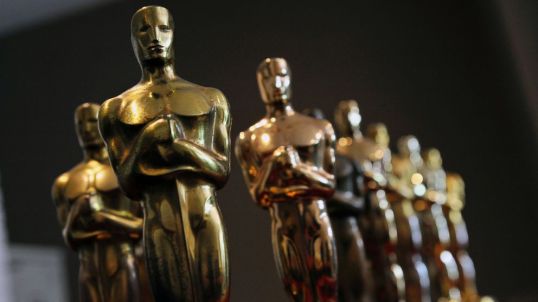
10 Oscar Snubs From The 1960s


Ah, the 60s. Both the studio system and the production code collapsed as Hollywood struggled to remain relevant during a time of great social upheaval. The Academy alternated between nominating films that took chances and nominating films that cost a lot of money. It led to some odd best picture lineups and some notable snubs!

1960: Psycho Is Not Nominated For Best Picture and Anthony Perkins Is Not Nominated For Best Actor

To be honest, considering that the Academy has never really embraced horror as a genre and spent most of the 60s nominating big budget prestige pictures, it’s a bit surprising that Psycho was actually nominated for four Oscars.  Along with being nominated for its production design and its cinematography, Psycho also won nominations for Alfred Hitchcock and Janet Leigh.  However, Anthony Perkins was not nominated for Best Actor, despite giving one of the most memorable performances of all time.  The film literally would not work without Perkins’s performance and, considering that Perkins pretty much spent the rest of his career in the shadow of Norman Bates, it’s a shame that he didn’t at least get a nomination for his trouble.  Psycho was also not nominated for Best Picture, despite being better remembered and certainly more influential than most of the films that were.

1962: The Man Who Shot Liberty Valance Is Almost Totally Snubbed

The Man Who Shot Liberty Valance was not totally snubbed by the Academy.  It received a nomination for Best Costume Design.  But still, it deserved so much more!  John Ford, James Stewart, John Wayne, Lee Marvin, Vera Miles, and the picture itself were all worthy of nominations.  Admittedly, 1962 was a year full of great American films and there was a lot of competition when it came to the Oscars.  Still, The Man Who Shot Liberty Valance definitely deserved a best picture nomination over the bloated remake of Mutiny on the Bounty.  Today, if the first Mutiny on the Bounty remake is known for anything, it’s for Marlon Brando being difficult on the set.  But The Man Who Shot Liberty Valance is still remembered for telling us to always print the legend.

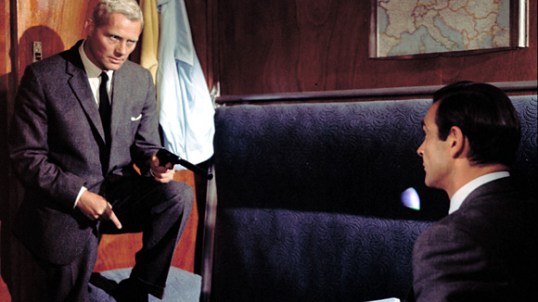
1964: From Russia With Love Is Totally Snubbed

The same year that the Academy honored George Cukor’s creaky adaptation of My Fair Lady, it totally ignored my favorite James Bond film.  From Russia With Love is a Bond film that works wonderfully as both a love story and a thriller.  Sean Connery, Lotte Lenya, Robert Shaw, and Terence Young all deserved some award consideration.  From Russia With Love was released in the UK in 1963.  In a perfect world, it would have also been released concurrently in the U.S., allowing From Russia With Love to be the film that gave the the Academy the chance to recognize the British invasion.  Instead, Tom Jones was named the Best Picture of 1963 and From Russia With Love had to wait until 1964 to premiere in the U.S.  It was snubbed in favor of one of old Hollywood’s last grasps at relevance.

1964: Slim Pickens Is Not Nominated For Best Supporting Actor

Playing three separate roles, Peter Sellers dominates Dr. Strangelove: Or How I Learned To Stop Worrying And Love The Bomb.  But, as good as Sellers is, the film’s most memorable image is definitely Slim Pickens whooping it up as he rides the bomb down to Earth.  George C. Scott and Sterling Hyaden also undoubtedly deserved some award consideration but, in the end, Pickens is the one who brings the film to life even as he helps to bring society to an end.

1967: In Cold Blood Is Not Nominated For Best Picture

In Cold Blood, though not a perfect film, certainly deserved a nomination over Dr. Doolittle.  In Cold Blood is a film that still has the power to disturb and haunt viewers today.  Dr. Doolittle was a box office debacle that was nominated in an attempt to help 20th Century Fox make back some of their money.

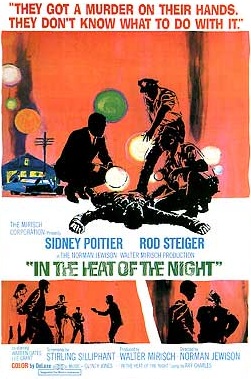
1967: Sidney Poitier Is Not Nominated For Best Actor For In The Heat Of The Night

In 1967, Sidney Poitier starred in two of the films that were nominated for Best Picture but somehow, he did not pick up a nomination himself.  His restrained but fiercely intelligent performance in In The Heat Of The Night provided a powerful contrast to Rod Steiger’s more blustery turn.  That Poitier was not nominated for his performance as Virgil Tibbs truly is one of the stranger snubs in Academy history.  (If I had to guess, I’d say that the Actors Branch was split on whether to honor him for In The Heat of the Night or Guess Who’s Coming To Dinner or even for To Sir With Love and, as a result, he ended up getting nominated for none of them.)

1968: 2001: A Space Odyssey and Planet of the Apes Are Not Nominated For Best Picture

Neither one of these classic science fiction films were nominated for Best Picture, despite the fact that both of them are far superior and far more influential than Oliver!, the film that won that year.

1968: The Good, The Bad, and the Ugly Is Totally Ignored

Not even Ennio Morricone’s score received a nomination!

1968: Petulia Is Totally Snubbed

Seriously, I don’t know what was going on with the Academy in 1968 but it seems they went out of their way to ignore the best films of the year.  Richard Lester’s Petulia is usually cited as one of the definitive films of the 60s but it received not a single Oscar nomination.  Not only did the film fail to receive a nomination for Best Picture but Richard Lester, George C. Scott, Julie Christie, Shirley Knight, Richard Chamberlain, and the film’s screenwriters were snubbed as well.

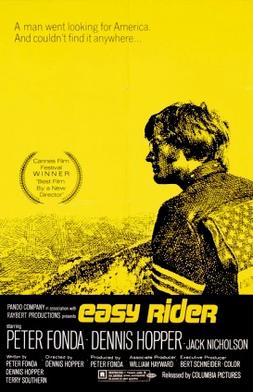
1969: Easy Rider Is Not Nominated For Best Picture

Yes, I know.  Easy Rider is a flawed film and there are certain moments that are just incredibly pretentious.  That said, Easy Rider defined an era and it also presented a portrait of everything that was and is good, bad, and timeless about America.  The film may have been produced, directed, and acted in a drug-razed haze but it’s also an important historical document and it was also a film whose success permanently changed Hollywood.  Certainly, Easy Rider’s legacy is superior to that of Hello, Dolly!

Agree? Disagree? Do you have an Oscar snub that you think is even worse than the 10 listed here? Let us know in the comments!

Up next: It’s the 70s!

4 Shots From 4 Films: Special Sergio Leone Edition


Sergio Leone (1929 — 1989)

4 Or More Shots From 4 Or More Films is just what it says it is, 4 shots from 4 of our favorite films. As opposed to the reviews and recaps that we usually post, 4 Shots From 4 Films lets the visuals do the talking!

94 years ago today, Sergio Leone was born in Rome, Italy.  The son of actor/screenwriter Vincenzo Leone and silent actress Edvige Valcarenghi, Sergio was born into the Italian film industry.  He began his career in the post-war rebuilding period, working as an assistant to Vittorio De Sica and, as an assistant director, for American films that were shot in Italy.  (Albeit uncredited, he worked on two Oscar-nominated Biblical epics, Quo Vadis and Ben-Hur.)

After making his directorial debut with The Colossus of Rhodes, Leone went on to direct the films that would change the face of international cinema.  Though he was hardly the first director of Spaghetti westerns, he was was the first to achieve far-reaching acclaim.  With the Dollars Trilogy, he made Clint Eastwood a star and Eastwood has often said that the majority of what he knows about directing, he learned from working with Leone and later Don Siegel.  Leone went on to direct the brilliant Once Upon A Time In The West and Once Upon A Time in America, two epic visions of American history that, sadly, were not initially treated well by their distributors.

Though Leone is only credited with directing eight films, his influence cannot be underestimated.  As both a visual artist and a cultural and political commentator, his films continue to influence directors to this day.

For that reason, it’s time for….

4 Shots From 4 Sergio Leone Films

The Good, The Bad, and the Ugly (1966, dir by Sergio Leone, DP: Tonino Delli Colli)

Once Upon A Time In The West (1968, dir by Sergio Leone, DP: Tonino Delli Colli)

Duck, You Sucker (1971, dir by Sergio Leone, DP: Giuseppe Ruzzolini)

Once Upon A Time In America (1984, dir by Sergio Leone, DP: Tonino Delli Colli)

6 Classic Trailers For January 8th, 2022


Since this week started with Sergio Leone’s birthday, it only seems appropriate that today’s edition of Lisa Marie’s Favorite Grindhouse Trailers should be dedicated to the Western.  Here are 6 classic Spaghetti western trailers!

  1. The Good, the Bad, and the Ugly (1966)

It only makes sense that we should start things off with a trailer from a Leone film and it makes further sense that film should be The Good, The Bad, and the Ugly.  It’s all here, from the classic Ennio Morricone score to the unforgettable staring contest between Clint Eastwood, Lee Van Cleef, and Eli Wallach.

2. Sabata (1969)

While Clint Eastwood was able to use his appearances in Leone’s westerns to restart his American film career, Lee Van Cleef remained in Italy.  After playing the villainous Angel Eyes, Van Cleef played the hero Sabata.  This trailer is very, very 60s.

3. Django (1966)

Franco Nero never appeared in a Sergio Leone film but he was a favorite of the famous “other Sergio,” Sergio Corbucci.  In Corbucci’s Django, Nero played the haunted title character, making his way across the west with a deadly coffin.

4. Django Kill (1967)

Django was such a hit that a number of other films were made about other haunted, amoral gunslingers named Django.  Whether or not they were all the same Django was left to the audience to decide.  In Django Kill, Tomas Milian played the title character and found himself in a surreal hellscape, surrounded by people who were obsessed with gold.

5. The Great Silence (1968)

The Great Silence was one of the greatest of the spaghetti westerns, featuring Klaus Kinski in one of his best and most villainous roles.  Unfortunately, like many of the better spaghetti westerns, it initially did not get a proper release in the States.  Fortunately, it has since been rediscovered.

6. Once Upon A Time In The West (1968)

And finally, to close things out, here’s one last Sergio Leone trailer.  Sadly underappreciated when first released, Once Upon A Time In The West has since come to be recognized as a masterpiece.