Song of the Day: Like a Stone (by Audioslave)


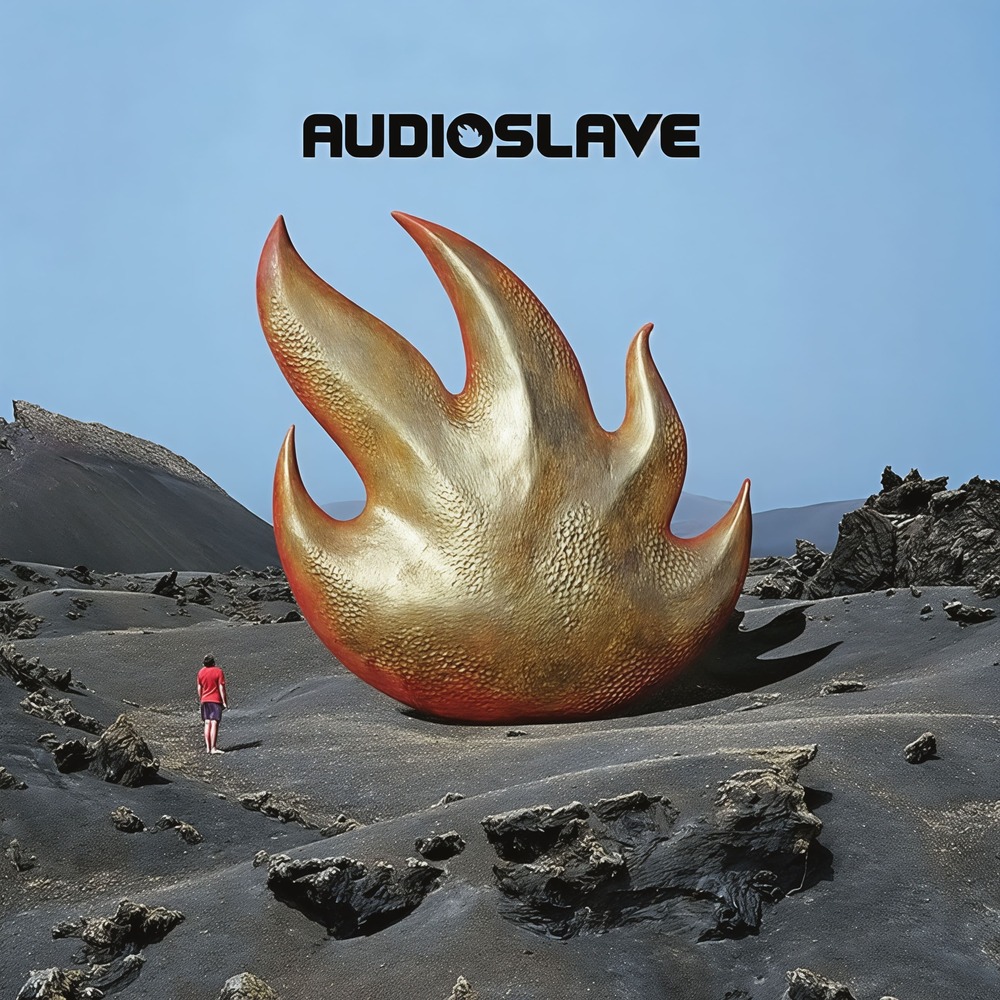
“Like a Stone” is one of Audioslave’s defining songs: a slow-burning rock ballad that feels enormous without ever becoming overly busy. Released on the band’s 2002 self-titled debut, it pairs a deceptively simple, steady arrangement with a mood of isolation, reflection, and patient longing. For a new listener, the easiest way to describe it is as a late-night song—one built around the feeling of sitting with your thoughts after everyone else has gone home. The track’s famous central image, waiting “like a stone,” gives it a spiritual, almost haunted quality.

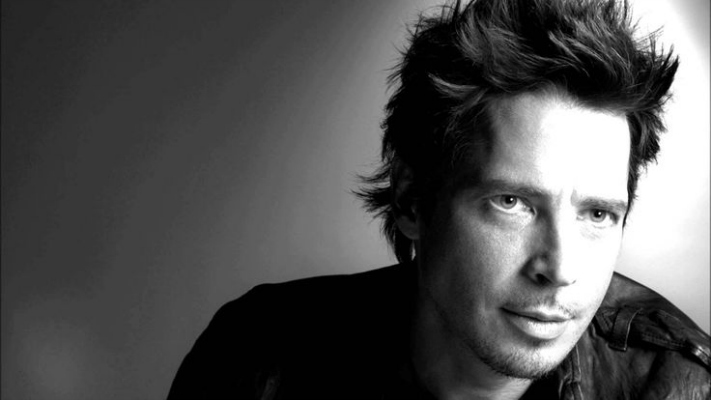
That mood reflects Chris Cornell’s own explanation of the lyrics. Cornell said the other members of Audioslave asked him what the song was about, and his answer was death—specifically, imagining what it might be like to wait in the afterlife. That idea gives the narrator’s solitude a deeper meaning: he is not simply waiting for a person or living through ordinary heartbreak, but existing in a kind of suspended spiritual space, waiting to be reunited with those who have already passed on. It is a heavy premise, yet Cornell presents it with enough ambiguity that the song still feels personal to anyone hearing longing, regret, faith, or grief in its words.

The musical backbone is strikingly restrained. Tim Commerford’s bass and Brad Wilk’s drums hold down a deliberate, spacious groove, while Tom Morello plays a clean, chiming guitar figure that gives the song its mournful atmosphere. Unlike the aggressive, effects-heavy riffs people may associate with Rage Against the Machine, Morello largely serves the song’s emotional weight here; the guitar rings out like a distant signal rather than competing for attention. Chris Cornell’s vocals are soulful and powerful, but what makes the performance special is his control: he begins in a weary, intimate register, then gradually brings more ache and force into the chorus without losing the song’s sense of loneliness.

Morello gets his standout moment in the final stretch: his guitar solo begins at roughly 2:54 in the album recording. It is brief, but it is exactly the right kind of brief—more melodic and emotionally focused than flashy, rising out of the song like a final release of tension. He bends and sustains notes instead of turning the moment into a technical showcase, which fits the track’s somber atmosphere perfectly. “Like a Stone” is proof that Audioslave could make something as memorable through patience and feeling as they could through sheer volume: Cornell’s voice gives it its soul, and Morello’s guitar gives that soul a final, searching echo.

Like a Stone

On a cobweb afternoon, in a room full of emptiness
By a freeway, I confess I was lost in the pages
Of a book full of death, reading how we’ll die alone
And if we’re good, we’ll lay to rest anywhere we wanna go

In your house, I long to be
Room by room, patiently
I’ll wait for you there like a stone
I’ll wait for you there alone

And on my deathbed, I will pray to the gods and the angels
Like a pagan to anyone who will take me to Heaven
To a place I recall, I was there so long ago
The sky was bruised, the wine was bled, and there you led me on

In your house, I long to be
Room by room, patiently
I’ll wait for you there like a stone
I’ll wait for you there alone, alone

[guitar solo @2:54]

And on I read, until the day was gone
And I sat in regret of all the things I’ve done
For all that I’ve blessed, and all that I’ve wronged
In dreams until my death, I will wander on

In your house, I long to be
Room by room, patiently
I’ll wait for you there like a stone
I’ll wait for you there alone, alone

Great Guitar Solos Series

Review: Audioslave (by Audioslave)


The early 2000s represented a peculiar and fascinating crossroads for rock music, a transitional period in which grunge’s lingering haze had finally begun to dissipate, nu-metal commanded the airwaves with its downtuned aggression, and the remaining fragments of the 90s alternative landscape were urgently seeking a fresh direction. It was also, rather bizarrely, the golden era of the rock supergroup. You had Velvet Revolver cobbling together the remains of Guns N’ Roses with Scott Weiland, you had A Perfect Circle rising from the ashes of Tool’s side projects, and then you had the absolute behemoth that was Audioslave. This wasn’t just a side hustle; this was a full-on collision of two titanic forces. On one side, you had the fierce, funk-metal juggernaut of Rage Against the Machine—Tom Morello, Tim Commerford, and Brad Wilk—who were suddenly without a frontman after Zack de la Rocha walked away. On the other, you had Chris Cornell, the godlike voice of Soundgarden, who had just watched his own grunge empire crumble and was fresh off a slightly misguided but commercially successful solo record. The question on everyone’s mind in 2002 wasn’t if this band would be good, but if they would even survive the ego clash. The answer, as we all now know, arrived in the form of their self-titled debut, Audioslave, a record that didn’t just meet expectations—it bulldozed them and built a new temple of riff-heavy, soul-shaking rock.

From the very first screech of feedback that opens Cochise, you know you are in for something violently different. That track is the mission statement, the thesis, and the gauntlet thrown all at once. It starts with that iconic, ominous piano chord, a hint of melancholy that Cornell immediately drenches in his signature wail, but then the floor drops out. Morello’s guitar doesn’t just chug; it detonates with that percussive, scratchy, almost alien sound that only he can conjure. It’s not a Rage riff and it’s not a Soundgarden riff; it’s this ugly, beautiful, monstrous hybrid. And Cornell? He doesn’t try to be de la Rocha. He doesn’t rap; he soars. He belts about shaking the disease and bleeding, and you feel every single drop of sweat in his throat. The chorus is an absolute avalanche, a tidal wave of rhythm that Wilk and Commerford lock into with the precision of a Swiss watch. It’s the perfect opener because it immediately establishes the ground rules: this is a band that respects its roots but has zero interest in repeating them.

What really makes Audioslave stick, though, is the sheer diversity of the tracklist. This isn’t a one-trick pony of political rage or downtuned sludge. Take Show Me How to Live, for instance. That main riff is pure Led Zeppelin worship filtered through a distortion pedal from hell, a swaggering, hip-shaking groove that practically dares you to keep your head still. Cornell’s delivery here is almost cocky, a far cry from the tortured poet of Black Hole Sun. He’s commanding, charismatic, and utterly in control. Then you get the ballad, Like a Stone, which is arguably the song that defined the band for the mainstream. It’s hauntingly beautiful, built on that simple, echoing guitar line that sounds like it’s being played in a cathedral. Cornell’s vocals are heartbreakingly tender, pondering the afterlife and loneliness with a maturity that the younger version of himself might have drowned in distortion. It’s a radio hit, sure, but it’s a radio hit with guts, a slow burn that builds to that soaring, melodic climax where Morello lets loose with one of his most restrained yet effective solos. It proves that these guys could write a hook that could catch a whale, not just bash you over the head with a hammer.

The deep cuts are where the album really flexes its muscles, though. Set It Off is a frantic, paranoid sprint, with Wilk’s drums sounding like machine-gun fire and Commerford’s bass vibrating so low it might rearrange your internal organs. It’s claustrophobic and anxious, a perfect marriage of Cornell’s lyrical darkness and the band’s rhythmic tension. On the flip side, Shadow on the Sun is a sprawling, psychedelic epic that feels like a desert road trip at midnight. Morello uses every trick in his book—the whammy pedal, the kill switch, the feedback—but he uses them to create atmosphere, not just noise. It’s moody, cinematic, and it showcases Cornell’s ability to shift from a whisper to a roar within the span of a single breath.

You can’t talk about this record without acknowledging the colossal rhythm section. Brad Wilk isn’t just keeping time; he’s playing the drums like they owe him money. His fills are crisp, his snare cracks like a whip, and he provides this unshakeable foundation that allows Morello to go completely off the rails. Likewise, Tim Commerford’s bass is the glue and the grit. He doesn’t just follow the guitar; he often leads the charge, driving tracks like Gasoline with that thick, distorted thump that makes your car speakers rattle. That track is pure gasoline, pun intended—a roaring, rebellious anthem that feels like it was recorded in a garage right before the cops showed up. It’s aggressive, but it’s also incredibly tight; there’s a discipline here that comes from years of playing in one of the most rhythmically complex bands of the 90s.

Lyrically, Cornell is on another planet. He abandoned the cryptic, abstract poetry of Soundgarden for something more direct, yet still shrouded in metaphor. He writes about isolation, addiction, salvation, and damnation, but he does it with a preacher’s fire. In I Am the Highway, he delivers one of the most stunning metaphors of his career, comparing himself to a road that people travel on but never really see, a sentiment that feels incredibly poignant given his role as the frontman who was always slightly above the fray. The chorus is anthemic without being cheesy, a declaration of self-worth that resonates deeply. What You Are closes the album out with a snarling, defiant energy, a final punch to the gut that reminds you that this band wasn’t just a temporary fix; they were a legitimate force. It ends abruptly, leaving you in a vacuum of silence, catching your breath.

Of course, the elephant in the room is the chemistry. How does a band that was built on political fury and a band built on melancholic grunge actually gel? The genius of Audioslave is that they didn’t try to meld their styles into one homogenous blob. Instead, they created a space where both identities could coexist and clash. Morello still uses his whammy pedal like a mad scientist, but he tunes it to Cornell’s vocal range. Cornell still uses his upper register to shatter glass, but he does it over a groove that would make any funk band jealous. There are moments where you can hear the ghost of Rage, like in the staccato riff of Exploder, and moments where you can hear the ghost of Soundgarden, like in the murky, sludgy bridge of Hypnotize. But these are just ghosts. The living, breathing entity is Audioslave.

Looking back, this debut stands as a testament to what happens when you take four musicians at the peak of their powers and force them to start over from scratch. It’s not perfect—some of the middle tracks can blur together on a casual listen, and the production by Rick Rubin is so dry and in-your-face that it occasionally feels a bit sterile. But when it hits, it hits like a freight train. It captured a specific moment in time when rock music was desperate for a savior, and Audioslave walked in wearing a leather jacket and holding a lit match. They weren’t just another supergroup cashing in on nostalgia; they were a vital, urgent, and thrilling new animal. It’s an album that demands to be played loud, preferably on a highway with the windows down, because that’s where it lives—in the space between the speakers and your soul. It remains a cornerstone of 2000s rock, a record that proved that even when your past is legendary, your future can still be bright, loud, and gloriously unpredictable. And for that alone, it deserves a permanent spot in the rotation.

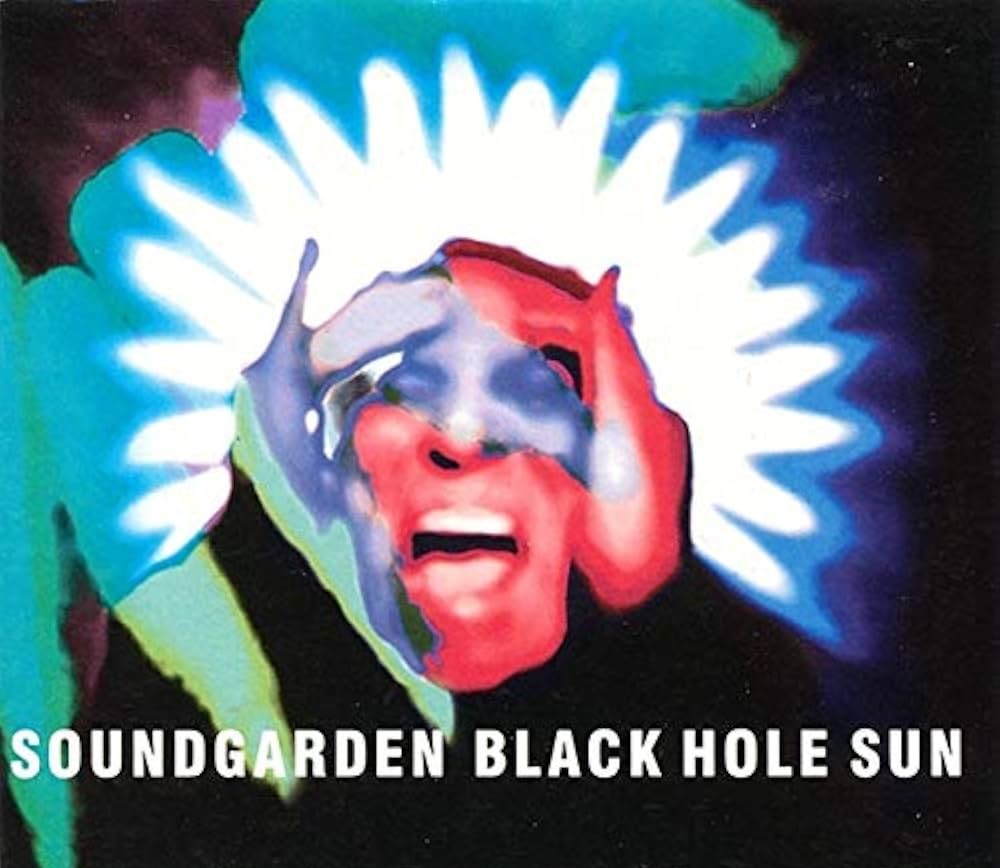
Song of the Day: Black Hole Sun (by Soundgarden)


Black Hole Sun” is one of those songs where Chris Cornell’s voice feels like the main character of its own little surreal movie. The way he drags out phrases, bends notes, and shifts between soft intimacy and howling power makes the whole thing feel heavy and hazy at the same time. You can almost feel the song stretching out like a long, strange afternoon in a half‑real town, and for a lot of people it became the entry point that pulled them headfirst into the Soundgarden rabbit hole with the Superunknown album.

Kim Thayil’s guitar work is what keeps that dream from ever feeling safe. His riffs throughout the track are already weird and slightly off‑kilter, but when the solo hits at 2:56, things get properly discordant. Instead of a neat, singable melody, the lead line feels jagged and uneasy, like the song is momentarily glitching out and refusing to sit in one place. That solo gives the song its signature discordant sound, almost like light and matter being pulled down into the black hole the title hints at.

The solo only lasts a little over 20 seconds, but it’s perfectly placed: it erupts right when the song’s tension peaks, then fades just quickly enough to let Cornell’s voice regain control and pull you into the next verse. The contrast between Thayil’s warped, dissonant lead and Cornell’s smooth, almost crooning delivery is what makes the track feel both beautiful and unsettling at the same time.

If you’re trying to get into Soundgarden, “Black Hole Sun” is a great entry point not just because it’s catchy, but because it shows how perfectly Cornell and Thayil balance each other. Cornell gives the song its soul and mystery, while Thayil’s discordant guitar solo reminds you that there’s something quietly wrong under the surface — and for countless fans, it was the hook that dragged them deep into the rest of Superunknown and the band’s wider catalog.

Black Hole Sun

In my eyes
Indisposed
In disguises no one knows
Hides the face
Lies the snake
And the sun in my disgrace
Boiling heat
Summer stench
Neath the black, the sky looks dead
Call my name
Through the cream
And I’ll hear you scream again

Black hole sun
Won’t you come
And wash away the rain?
Black hole sun
Won’t you come
Won’t you come
Won’t you come

Stuttering
Cold and damp
Steal the warm wind, tired friend
Times are gone
For honest men
Sometimes, far too long for snakes
In my shoes
Walking sleep
In my youth, I pray to keep
Heaven send
Hell away
No one sings like you anymore

Black hole sun
Won’t you come
And wash away the rain?
Black hole sun
Won’t you come
Won’t you come

Black hole sun
Won’t you come
And wash away the rain?
Black hole sun
Won’t you come
Won’t you come (Black hole sun, black hole sun)
Won’t you come? (Black hole sun, black hole sun)

(guitar solo @2:56)

Hang my head
Drown my fear
Till you all just disappear

Black hole sun
Won’t you come
And wash away the rain?
Black hole sun
Won’t you come
Won’t you come

Black hole sun
Won’t you come
And wash away the rain?
Black hole sun
Won’t you come
Won’t you come (Black hole sun, black hole sun)
Won’t you come
Won’t you come

Great Guitar Solos Series

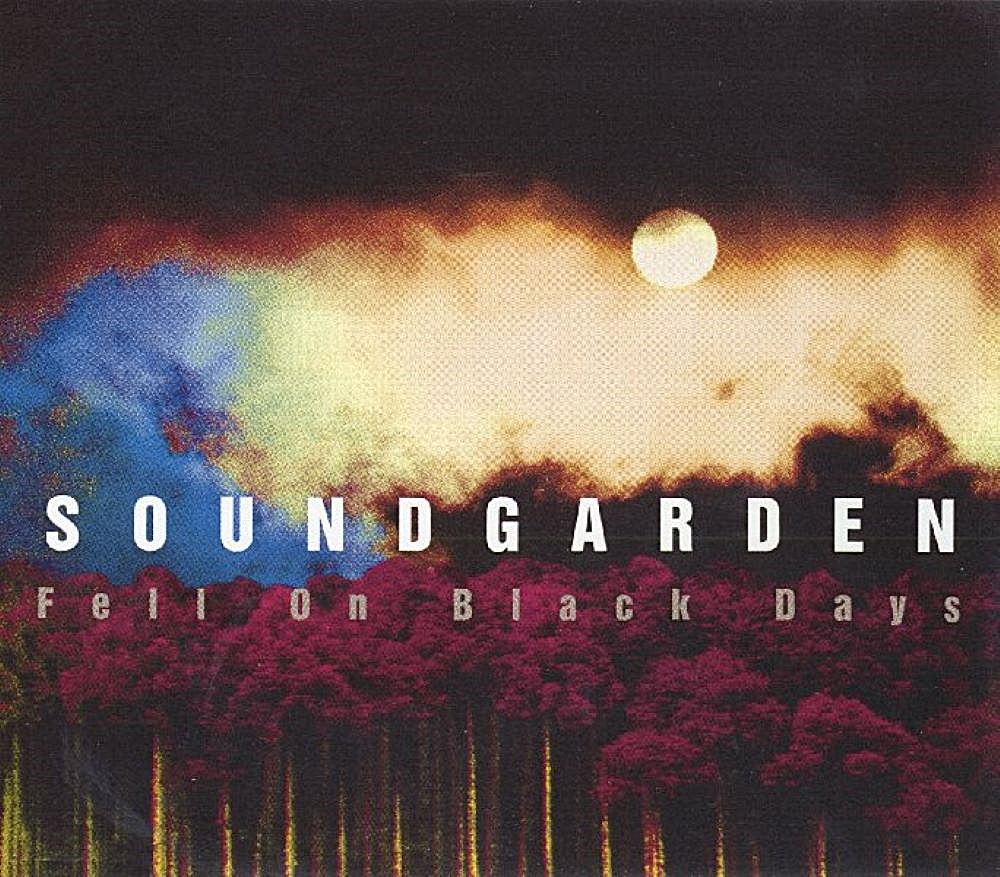
Song of the Day: Fell on Black Days (by Soundgarden)


As the latest “Song of the Day,” Soundgarden’s Fell on Black Days stands out as one of Chris Cornell’s most hauntingly introspective songs. It captures that quiet terror of realizing, almost suddenly, that life has slipped into a dark space without a clear cause. The lyrics don’t dramatize depression or despair—they circle it, giving voice to numb reflection rather than clear tragedy. Cornell doesn’t sing from a place of theatrical pain but introspective confusion, which makes it all the more relatable: that sense of waking up one day and finding that something within has gone dim.

Cornell’s vocal performance is the emotional backbone of the song. His delivery is restrained at first, almost conversational, carrying that familiar mix of grit and vulnerability that made his voice so magnetic. As the song builds, the tension burns through his tone—he never screams, but you feel the anguish vibrating at the edges. It’s that ability to stay melodic while channeling raw feeling that separates him from many of his grunge-era peers. You can hear both power and exhaustion inhabiting the same breath.

Musically, Fell on Black Days moves with a slow, uneasy groove that fits the song’s mood of quiet dread. Instead of following a typical rock rhythm, it flows a little off-kilter, giving it that feeling of imbalance Cornell describes in the lyrics. The guitars are thick and moody but not overly heavy, letting the vocals breathe. Thayil’s riffing feels more like a shadow behind the melody, while the bass and drums give it a tired, rolling heartbeat. It’s less about flashy playing and more about atmosphere—a sound that matches the weight of realizing your life has turned darker without you noticing.

Fell on Black Days

Whatsoever I’ve feared has come to life
And whatsoever I’ve fought off became my life
Just when everyday seemed to greet me with a smile
Sunspots have faded and now I’m doing time

Now I’m doing time
‘Cause I fell on black days
I fell on black days

Whomsoever I’ve cured I’ve sickened now
And whomsoever I’ve cradled I’ve put you down
I’m a search light soul they say
But I can’t see it in the night
I’m only faking when I get it right
When I get it right
‘Cause I fell on black days
I fell on black days

How would I know
That this could be my fate
How would I know
That this could be my fate, uh yeah

What you wanted to see good has made you blind
And what you wanted to be yours has made it mine
So don’t you lock up something that you wanted to see fly
Hands are for shaking not tying

No, not tying
I sure don’t mind a change
Yeah, I sure don’t mind
Sure don’t mind a change
I sure don’t mind a change

‘Cause I fell on black days
I fell on black days

How would I know
That this could be my fate
How would I know
That this could be my fate

How would I know
That this could be my fate
How would I know
That this could be my fate

I sure don’t mind a change

Music Video of the Day: Cochise by Audioslave (2002, dir by Mark Romanek)


Fireworks seem like a good way to welcome in the month of May.

This video was filmed, over the course of two nights, near the Sepulveda Dam in Los Angeles and apparently, all of the explosions and the fireworks convinced local residents that they were under terrorist attack.  Lead singer Chris Cornell was in rehab at the time of the shooting and commuted directly from the facility to the set and then back again.

Enjoy and let’s make the best of May!

Song of the Day: I Am the Highway (by Audioslave)


Chris Cornell passed away on May 17, 2017 and the world is that much more empty with his passing.

He was 52 and joins the others Gods of Rock in the afterlife.

R.I.P. Chris Cornell.

I Am the Highway

Pearls and swine bereft of me
Long and weary my road has been
I was lost in the cities
Alone in the hills
No sorrow or pity for leaving I feel

I am not your rolling wheels
I am the highway
I am not your carpet ride
I am the sky

Friends and liars don’t wait for me
‘Cause I’ll get on all by myself
I put millions of miles
Under my heels
And still too close to you
I feel

I am not your rolling wheels
I am the highway
I am not your carpet ride
I am the sky
I am not your blowing wind
I am the lightning
I am not your autumn moon
I am the night, night

I am not your rolling wheels
I am the highway
I am not your carpet ride
I am the sky
I am not your blowing wind
I am the lightning
I am not your autumn moon
I am the night, night
Yeah, yeah, yeah, yeah

Song of the Day: 4th of July (by Soundgarden)


It is now just minutes since the 4th of July finally arrives in the US once more (at least on the West Coast since the East Coast has been celebrating the 4th of July for 3 hours now). What better way to celebrate the arrival of another 4th of July than to pick the song of the same name for today’s latest “Song of the Day”.

Soundgarden’s Superunknown album from 1994 may be part of the grunge scene which sprouted during the early 1990’s but this album has more metal about it than the grunge espoused by the disciples of Cobain. The song I picked for today I consider the best in the album which contains other classics. “4th of July” is such a heavy song that so many casual fans of the album fail to miss the heavy influence of early Black Sabbath in the song. They also fail to realize just how un-grunge it is with its dark lyrics (not emo mind you, but dark in a palpable sense). “4th of July” becomes an accidental introduction for newbie metal fans to the world of doom metal.

This song is the very definition of heavy and doom. From the heaviness in the guitar riffs to the subdued, but evocative way Cornell sings the dark lyrics (lyrics I always thought of someone just experiencing and living through the aftermath of a nuclear war). But in the end this song really shows it’s Black Sabbath and doom metal pedigree from the sludge-like sound coming out of the bass guitar chords.

“4th of July” once heard cannot be unheard. It’s a song that grabs one by the throat, doesn’t let go until the final doom-laden lyric and note has finally faded into the air.

HAPPY 4th of JULY!

4th of July

Shower in the dark day
Clean sparks driving down
Cool in the waterway
Where the baptized drown
Naked in the cold sun
Breathing life like fire
Thought I was the only one
But that was just a lie

Cause I heard it in the wind
And I saw it in the sky
And I thought it was the end
And I thought it was the 4th of July

Pale in the flare light
The scared light cracks & disappears
And leads the scorched ones here
And everywhere no one cares
The fire is spreading
And no one wants to speak about it
Down in the hole
Jesus tries to crack a smile
Beneath another shovel load

And I heard it in the wind
And I saw it in the sky
And I thought it was the end
And I thought it was the 4th of July

Now I’m in control
Now I’m in the fall out
Once asleep but now I stand
And I still remember
Your sweet everything
Light a Roman candle
And hold it in your hand

Cause I heard it in the wind
And I saw it in the sky
And I thought it was the end
And I thought it was the 4th of July

Song of the Day: You Know My Name from Casino Royale (by Chris Cornell)


So, I’m at home flipping channels when I saw that Casino Royale was about to start on one channel I kept going back to. Inspiration hit like a JSOW from high above and I decided to pick this Bond reboot’s title theme as the latest “Song of the Day”.

“You Know My Name” is the latest song of the day and one played and sung by one of my favorite rock vocalists ever in Chris Cornell. Anyone who has even listened to 90’s hard rock and alternative rock has to know who Chris Cornell is. He’s the longtime frontman for the alternative rock band Suoundgarden and then later on for the supergroup Audioslave. With “You Know My Name” he has joined a very exclusive club of Bond film intro singers. Not to mention an even more rarefied group of male singers who have sung the intro songs to Bond films. I could only remember and name three who have and they were Tom Jones doing the one for Thunderball, Paul McCartney for Live And Let Die and the Euro band Duran Duran for A View To A Kill.

Cornell sings the hell out of this song and I like the fact that the song’s title doesn’t match the film’s. “You Know My Name” sounds better than “Casino Royale” and the lyrics, as written by Chris Cornell (w/ some minor help from film composer David Arnold), really matches the grittier and more aggressive personality of the film and it’s main character of James Bond. I will say that this song is definitely better than most of the Pierce Brosnan Bond film intro songs which ranged from the great one sung by Shirley Manson and her band Garbage for the forgetful The World Is Not Enough right up to the very awful one by Madonna for Die Another Day.

The official music video created for the song also does a great job of paralleling the job of James Bond as a spy and Cornell as a rock star as being similar in some ways. Just one listen to this song and it’ll be stuck in one’s head for the rest of the day.

You Know My Name

If you take a life do you know what you’ll give?
Odds are, you won’t like what it is
When the storm arrives, would you be seen with me?
By the merciless eyes of deceit?

I’ve seen angels fall from blinding heights
But you yourself are nothing so divine
Just next in line

Arm yourself because no-one else here will save you
The odds will betray you
And I will replace you
You can’t deny the prize it may never fulfill you
It longs to kill you
Are you willing to die?

The coldest blood runs through my veins
You know my name

If you come inside things will not be the same
When you return to the night
And if you think you’ve won
You never saw me change
The game that we all been playing

I’ve seen diamonds cut through harder men
Than you yourself
But if you must pretend
You may meet your end

Arm yourself because no-one else here will save you
The odds will betray you
And I will replace you
You can’t deny the prize it may never fulfill you
It longs to kill you
Are you willing to die?

The coldest blood runs through my veins

Try to hide your hand
Forget how to feel
Forget how to feel

Life is gone with just a spin of the wheel
Spin of the wheel

Arm yourself because no-one else here will save you
The odds will betray you
And I will replace you
You can’t deny the prize it may never fulfill you
It longs to kill you
Are you willing to die?

The coldest blood runs through my veins
You know my name
You know my name
You know my name
You know my name
You know my name
You know my name
You know my name