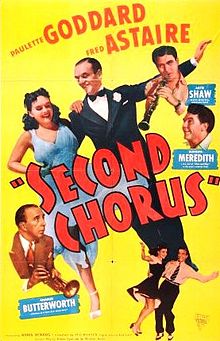
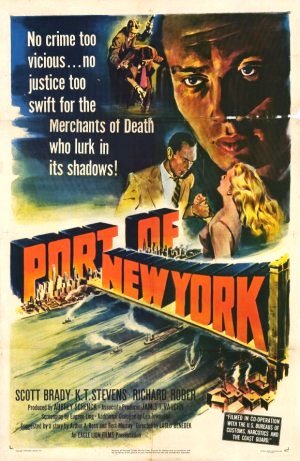
I’m currently in the process of watching and reviewing all 50 of the films in Mill Creek’s Fabulous Forties DVD box set. Yesterday, I got things started by reviewing Port of New York. Today, I’m looking at the set’s 2nd film, 1940’s Second Chorus.
As much as I love all of my Mill Creek box sets, watching Second Chorus reminded me of one of the drawbacks of watching a Mill Creek release. Since Mill Creek specializes in films that have fallen into the public domain, a lot of their DVDs are more than a little rough. The Mill Creek version was obviously transferred from a seriously deteriorated print. As a result, the picture is often dark or blurry while the sound is occasionally iffy at best. That’s a shame because Second Chorus is an entertaining little film.
In Second Chorus, Fred Astaire and Burgess Meredith both play college students. (Burgess is the wacky one while Fred is … well, he’s Fred Astaire. He’s confident, he’s suave, and he’s always ready to perform.) Fred appears to be in his late 30s while Burgess looks closer to 50 but, fortunately, their age is meant to be a part of the joke. Fred and Burgess have intentionally failed their final exams for seven years so that they can stay in school and continue to lead the college jazz band. They are perennial college students and who hasn’t known a few of them? (Apparently, in 1940, there was no such thing as academic suspension.)
When a debt collector comes looking for them (apparently, Burgess bought a set of encyclopedias that he never paid for), Fred manages to charm the collector’s secretary (Paulette Goddard) away from him. Paulette agrees to serve as Fred and Burgess’s manager and even manages to get them a job with real-life band director Artie Shaw. (Shaw plays himself and seems to be perpetually annoyed whenever he’s on screen.) Will Fred finally accept some responsibility, act maturely, hold down a job, and maybe win the heart of Paulette Goddard?
Now, I should point out that, while I enjoyed Second Chorus, Fred Astaire apparently considered Second Chorus to be the worst film that he ever made. While Second Chorus is definitely no Top Hat, I think that Fred Astaire was being a little too harsh in his assessment. The music is good, the dancing is fun to watch, and the plot … well, who really cares about the plot? It’s undoubtedly a silly film that has very little going on underneath the surface but Astaire and Meredith make for a surprisingly effective comedy team.
And while nondancer Paulette Goddard may not have had as effective a chemistry with Fred as Ginger Rogers (but then again, who did?), I still loved watching them perform the I Ain’t Hep To That Step But I’ll Dig It number. This entire number was reportedly filmed in one take. Goddard had little dance experience but it didn’t matter because her partner was Fred Astaire and Fred was so good that he could make anyone look like a natural.
Second Chorus is an entertaining little movie. Just avoid the Mill Creek transfer.
This last Christmas, along with several other wonderful and sexy gifts, I received The Fabulous Forties DVD box set. Released by the good people at Mill Creek (who have yet to come across a single public domain film that they couldn’t repackage as being a classic), this box set contained 50 films from that wonderful decade.
Since my proclivity for serial reviewing is well-known, you’re probably not surprised that I’ve decided to watch and review all fifty of the films to be found in the Fabulous Forties box set. And, once I’ve finished with the Fabulous Forties, I will move on to the Nifty Fifties, the Sensational Sixties, the Swinging Seventies, and the Excellent Eighties! Since each box set contains 50 films, I will have watched and reviewed 250 films by the time this is all finished. It might take a while but that’s okay. Arleigh keeps us well-supplied with energy drinks here at the Shattered Lens bunker and I am determined to keep going until the job is done.
(And, if need be, there’s always Dexedrine…)
Let’s get things started with the first film in the box set, 1949’s Port of New York!
This low-budget, black-and-white film opens with a series of shots of cargo ships sailing into New York Harbor. A narrator, speaking in the type of tone that one would usually associate with an old educational film, informs us that, every day, thousands of ships sail into New York Harbor. Most of those ships are delivering important supplies and conducting important business. However, occasionally, the harbor is used by drug smugglers. (GASP!) Fortunately, both the federal and the state government employ brave and honest men who will stop at nothing to battle the scourge of opium.
(And, fortunately, since this film was made in 1949, they can do whatever they want without having to worry about the Supreme Court getting in the way.)
If it’s not already apparent, Port of New York is a bit of a time capsule. The drug smugglers are unambiguous in their villainy and the decency and honesty of law enforcement is taken for granted. Port of New York was filmed on location in New York and I enjoyed getting a chance to see what New York looked like in 1949.
As for the film’s plot — well, it’s nothing surprising. The port authority discovers that a shipment of morphine, which was meant to be delivered to a pharmaceutical company, has instead been stolen. A million dollars worth of narcotics is missing and the U.S. Government is going to find it! Meanwhile, Toni Cardell (K.T. Stevens) approaches a narcotics agent and says that she has information that could take down one of New York’s biggest gangster. However, before she can tell all the she knows, Toni is murdered.
(The detective who failed to keep Toni from leaving his office and going off to get killed looks down at her body, shrugs, and says, “This one’s on me.”)
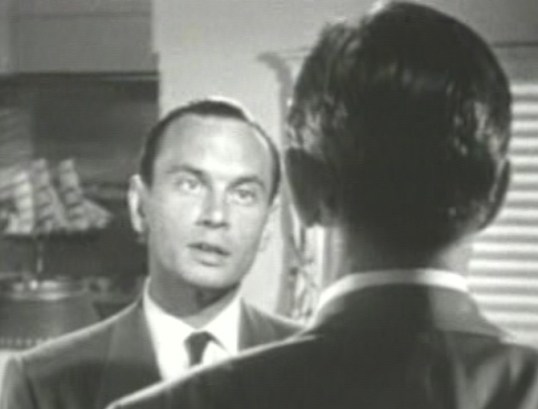
Who killed her? That’s what Mickey Waters (Scott Brady) and Jim Flannery (Richard Rober) spend the movie figuring out. However, we already know that Toni was murdered by her boyfriend, a suave gangster named Paul Vicola. Paul is played, in his film debut, by Yul Brynner and he gives a charismatic performance, turning Paul into a memorable monster. Brynner still had a full head of hair when he did this movie, though his hairline was definitely moving backwards.
Over the course of their investigation, Waters and Flannery discover that a second-rate comedian named Dolly Carney (Arthur Blake) is being supplied by Vicrola. The scenes where they interrogate Dolly, who is going through withdraw, are some of the best in the film and are distinguished by Blake’s empathetic performance. However, beyond those scenes, there’s really nothing surprising to be found in Port of New York. It’s a thoroughly predictable police procedural that’s distinguished by the presence of Yul Brynner and not much else. That said, the action in this 82-minute film moves quickly and I enjoyed it as a historical artifact.
4 Shots From 4 Films is just what it says it is, 4 shots from 4 of our favorite films. As opposed to the reviews and recaps that we usually post, 4 Shots From 4 Films is all about letting the visuals do the talking.
Happy birthday, Lamberto Bava!
4 Shots From 4 Films
Macabre (1980, dir by Lamberto Bava)
Demons (1985, dir by Lamberto Bava)
Demons 2 (1986, dir by Lamberto Bava)
Dinner With A Vampire (1987, dir by Lamberto Bava)
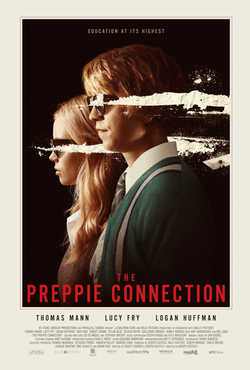
The Preppie Connection, which is currently playing On Demand and in limited release, has got a 0% rating at Rotten Tomatoes. That seems a little bit harsh to me. I mean, The Preppie Connection isn’t exactly a good movie but it’s still not a disaster. It’s main sin is that it’s generic and forgettable and squanders a potentially interesting story. That’s definitely not a good thing but still, The Preppie Connection is still better than some of the other films that currently have a zero score on Rotten Tomatoes.The Preppie Connection may not be great but it’s still better than Bucky Larson: Born To Be A Star andA Thousand Words.
0%?
Not hardly.
More like 25%.
Anyway, The Preppie Connection is apparently based on a true story. Tobias Hammel (Thomas Mann) is a poor kid who wins a scholarship to an exclusive private school. At first, Tobias struggles to fit in. He doesn’t know how to relate to his wealthy classmates and he’s embarrassed when his friends from the old neighborhood show up on campus. When he is instructed to sign a 200 year-old book, he accidentally knocks the book to the floor. As a result, the other students beat him up.
Fortunately, for Tobias, everyone assumes that — since he’s poor — he’ll be able to get them drugs. At first, everyone is satisfied with weed but, since this movie is taking place in the 80s, everyone soon starts to pressure Tobias to get them cocaine. Fortunately (and conveniently), Tobias has befriended the son of the Colombian ambassador. Soon, Tobias is making regular trips to Colombia and returning with bags of cocaine hidden away in his travel bag.
Usually, I love films about wealthy drug addicts. There’s usually a few good scenes of drug-fueled decadence and, since they’re rich, everyone’s usually dressed nicely. But no… sorry. The Preppie Connection just doesn’t work. Visually, the film is flat and, even worse, it appears that the budget was too low to be able to afford the rights to any period music. I was hoping to hear at least a few classic 80s songs but instead, the film only offered some generic synthesizer-fueled music.
Speaking of generic, Thomas Mann narrates nearly the entire film and it’s some of the most vapid narration that I’ve ever heard. I mean, I understand that everyone loves Goodfellas and Casino but that doesn’t mean that every period gangster film has to feature nonstop narration.
Ultimately, The Preppie Connection is such an incredibly forgettable film that I really can’t even come up with more than 400 words to type about it. That said, Logan Huffman and Lucy Fry both give good performances as two of Tobias’s customers and they’re good enough to bump the film up to at least a score of 25 out of 100.
Last night, as I watched Dead 7, I could not help but think about the 2001 film, On The Line. Don’t get me wrong, On The Line does not feature any zombies and there’s next to no violence. However, much like Dead 7, it does feature quite a few boy banders. In fact, with the exception of JC Chasez, every member of *NSYNC makes an appearance in On The Line. Lance Bass stars in the movie. Joey Fatone plays his best friend. Finally, at the end of the film, in a scene that is so homophobic that it practically screams 2001, Justin Timberlake and Chris Kirkpatrick show up as a flamboyant makeup artist and an even more flamboyant hairstylist.
Lance plays Kevin, a shy and somewhat nerdy advertising exec who lives in Chicago. Kevin falls in love easily but he’s always been too shy to have a serious relationship. One day, Kevin is returning home from work on the train when he starts talking to Abbey (Emanuelle Chriqui). It turns out that they both love the Chicago Cubs and Al Green! (Oh my God! Who would have guessed that two people living in Chicago would both love the local sports team!?) It also turns out that both Kevin and Abbey can name all the Presidents in order! Obviously, they are meant to be! The universe arranged for them to both be on the train at the same time so that they can get married, have children, and discuss the presidency of Rutherford Hayes while watching the Cubs and listening to Al Green.
Unfortunately, despite being a single guy who has just totally hit it off with a single girl who is obviously attracted to him, Kevin forgets to get her phone number. The movie explains this by saying that Kevin is shy but if he’s so shy that he can’t even give out his phone number then how did he ever find the courage to tell Abbey that he loves Al Green in the first place?
(Actually, Abbey isn’t really single but her fiancée is such a jerk that she might as well be. Anyone who has ever seen a movie knows that Abbey is not meant to marry a guy who spends all of his time on the phone, yelling, “Sell! Sell!”)
Of course, if Kevin had gotten her phone number, there wouldn’t have been a movie. So, instead, he recruits his loser friends (including Joey Fatone) to help him track down Abbey. He puts up flyers all over Chicago. A story about him appears in the newspaper. Soon, the entire city is obsessed with whether or not Kevin will find this girl that he talked to for ten minutes. However, Abbey apparently never watches TV or reads the newspaper because somehow, she doesn’t know all of this is going on…
There’s an interesting subtext to On The Line. Lance Bass himself produced the film. Five years after On The Line flopped at the box office, Lance officially came out as gay (and, it must be said, that whenever Kevin talks to Abbey, he comes across less like a future lover and more like every girl’s ideal gay best friend). Lance has said that he was still deeply closeted when he made On The Line and there are times when the film seems to be almost desperate to convince us of Kevin’s (and, by association, Lance’s) heterosexuality. In this context, that end credits scene with Chris and Justin, limp-wristed and speaking in exaggerated falsetto, is even ickier. “Gay?” the film says to be saying, “If there was a gay person in On The Line, would Justin Timberlake be playing a makeup artist? Would Chris Kirkpatrick be willing to appear as a hairdresser named Angelo?”
On The Line is not a particularly good film and yet, oddly, it’s one that I always find myself watching whenever I come across it on cable. Lance may be miscast and he’s obviously uncomfortable in the majority of his scenes but he’s also likable. You never believe for a second that Kevin and Abbey will last as a couple but Lance seems like a nice guy and Emmanuelle Chriqui is so pretty that you’re happy that they at least got to go on a date or two before breaking up and never seeing each other again. They’re both pretty and it’s fun to watch pretty people talk to each other, even if they do lack a certain romantic chemistry. As well, though his character is pretty obnoxious, Joey Fatone is still always fun to watch.
On The Line is no Dead 7 but it’s still watchable in its own stupid way. I would suggest, however, skipping the end credits
The latest film from the geniuses at the Asylum (and I mean that as a compliment because there is definitely a strain of genius at the heart of The Asylum’s madness), Dead 7 premiered on SyFy last night. I watched it. My friends, the Snarkalecs, watched it. And about a million boy band fans watched it. As usual, the Snarkalecs and I attempted to live tweet the film. Unfortunately, for every genuinely witty tweet from me and my friends, there were a few thousand tweets from people begging Nick Carter to retweet them. A lot of wonderful snark got lost in the deluge of fangirl exhortations.
But I can’t really blame the fangirls. If I hadn’t discovered the joys of snark and if not for the fact that I have too much self-worth to beg anyone (no matter how hot or famous) for a retweet, I might have been there with them. Dead 7 is many things but it will probably best be remembered as the movie that featured a lot of former boy band members fighting and being eaten by zombies. (As more than one tweeter put it, Dead 7 was like watching all of your childhood cruses die a terrible and bloody death.) Not only was the film’s story conceived by Backstreet Boy Nick Carter but he also starred in it and convinced a lot of other boy banders to join the cast. Of course, neither Justin Timberlake nor Lance Bass are anywhere to be found in the film. (For that matter, I was surprised that Aaron Carter didn’t show up.) But the film does feature three Backstreet Boys, two from *NSYNC, Jeff Timmons from 98 Degrees, and O-Town.
Yes, O-Town.
(Fortunately, super creepy, super sleazy, and super imprisoned Lou Pearlman did not have a cameo. I imagine that he was one of the first people to be eaten during the zombie apocalypse.)
As for the film itself … well, it’s not exactly easy to describe. The plot was not always easy to follow and there was a surprisingly large amount of backstory for an Asylum zombie film. The apocalypse has come and gone and now, the world has been transformed into the old west. What remains of humanity lives in tiny and isolated communities. Gunslingers wander through the desert. High atop a mountain, a mad woman named Apocalypta (super scary Debra Wilson) breeds zombies and holds the town below hostage. Sheriff Cooper (Jon Secada) recruits a group of warriors to take out Apocalypta and her hordes.
(Incidentally, Apocalypta’s main henchman is named Johnny Vermillion. Johnny wears clown makeup and giggles uncontrollably. He also gouges out a man’s eye. Johnny is played by A.J. McClean of the Backstreet Boys and he makes for a surprisingly effective villain.)
Despite the fact that Cooper and his impressive sideburns are later eaten by a zombie horde, the warriors still go after Apocalypta. They are the Dead 7, not quite magnificent and almost all dead by the end of the film.
O-Town’s Erik Michael Estrada is Komodo. He’s a samurai. He kills a lot of zombies with a sword. Watching the movie last night, we all really loved Komodo but I think we mostly just liked the sword.
Carrie Keagan is Daisy Jane, who I liked because she was a woman who kicked ass. (Plus, Carrie Keagan was a good sport and replied to a few of my snarky tweets.) Daisy’s boyfriend is Billy, who is played by 98 Degrees’s Jeff Timmons. Personally, I think Dead 7 needs a prequel that will focus exclusively on Daisy Jane or Billy.
Joey Fatone is Whiskey Joe. Whiskey Joe is boisterous and always seems to be having a good time. He’s also always drinking whiskey but when he explained that he can blow himself up if he ever finds himself overwhelmed by zombies, I cringed a little because it was such obvious foreshadowing. If nothing else, Dead 7 forces you to consider whether a world without Joey Fatone is a world worth living in.
Whiskey Joe’s partner is the Vaquero (played by Howie Dorough). The Vaquero is good with a rifle and, at one point, calls Whiskey Joe “estupido.”
Sirene (Lauren Kitt-Carter, who is married to Nick in real life) is a mysterious woman who shows up nearly halfway through the film. She doesn’t say much but she’s good at killing zombies.
And finally, Nick himself played Jack. Jack is a man of few words, a stoic gunslinger who always does the right thing. Nick Carter does a surprisingly effective Clint Eastwood impersonation.
By the end of the film, only one member of the Dead 7 will still be alive. Can you guess who?
Beyond the cast (and former boy banders play even the smallest roles), the most interesting thing about Dead 7 is how seriously it takes itself. This is not another Sharknado3. There’s very little intentional camp to be found in Dead 7. Instead, it’s a gory and violent film, one in which characters die terrible deaths while howling in pain. The juxtaposition of boy banders and blood makes for an odd viewing experience.
Fortunately, I like odd things. Dead 7 may not be perfect (the editing occasionally feels rushed and haphazard and, as a result, the story isn’t always easy to follow) but when it concentrates on zombie mayhem, it works well enough.
Keep an eye out for Dead 7!
(Just make sure that AJ McLean does snatch it out of your head…)
(Because of the nature of the 1986 pseudo-slasher film, April Fool’s Day, it’s impossible to really talk about the film without talking about the film’s ending. As a result, this review will have spoilers. The ending will be revealed. The entire plot will be spoiled. Do not read on if that’s going to be an issue for you.)
(Did you read the warning above?)
If not for the way that the film ends, April Fool’s Day would probably be a forgotten film. It’s a slasher film that doesn’t feature much blood, sex, or any particularly flamboyant kills (though there’s a good reason for that). Compared to most low-budget slasher films from the mid-80s, April Fool’s Day does have a surprisingly charismatic and likable cast but it’s rare that anyone watches a holiday-themed slasher film for the acting. Up until the final ten minutes or so, April Fool’s Day is professionally done but somewhat generic…
But then you hit that ending and it totally changes the whole film. It’s not a perfect ending. In many ways, it’s probably one the most imperfect endings that I’ve ever seen. It requires a massive suspension of disbelief. It makes no logical sense. But dammit, I love it. Almost despite itself, it’s a great ending and it confirms that April Fool’s Day is meant to be a satire and not a straight horror film.
For the first 80 minutes or so, April Fool’s Day plays out like the 100th variation on And Then There Were None. Heiress Muffy St. John (Deborah Foreman, giving a wonderfully odd performance) invites a group of college friends to her island mansion. They arrives on April Fool’s Day and they spend the first night dealing with Muffy’s strange sense of humor. (Actually, Muffy and I both find the same things funny but I’ve been told that I have a strange sense of humor so, therefore, I assume that Muffy must have one too.) Harvey, who prefers to be called Hal (Jay Baker), smokes an exploding cigar and discovers his bedroom has been decorated with newspaper articles about a car accident that he was involved in. Jock Arch Cummings (Thomas F. Wilson) finds steroids hidden away in a medicine cabinet. Nikki (Deborah Goodrich) comes across handcuffs in a dresser. Nan (Leah Pinset), a serious-minded drama student, hears a baby crying in the distance and is reminded of her abortion, something that she believes that only Muffy knows about.
The next day, Muffy is now wandering around in a daze and her brother, Skip (Griffin O’Neal), has vanished. Kit (Amy Steel, playing a similar role to her character in Friday the 13th Part Two) and Rob (Ken Olandt) think that they see Skip’s decaying body floating under the boathouse. As the day progresses, Arch and Nan vanish and later turn up at the bottom of a well. Harvey is found hanging from a rope. Chaz (Clayton Rohner) is castrated and, while we’re not quite sure what exactly happens to Nikki, we do see that it involves a large puddle of blood. Kit and Rob discover Muffy’s head in the basement and realize that they are being stalked by Muffy’s crazy twin, Buffy.
(Deborah Foreman is great in both of the roles. As Muffy, she delivers all of her lines with just a hint of sarcasm and constantly seems to be silently laughing at a private joke that only she understands. And when she’s Buffy — well, she’s totally batshit crazy.)
Being pursued by a knife-wielding Buffy, Kit runs through the mansion and finds herself in the drawing room. And who is waiting for her but all of Buffy’s victims? No, they’re not dead! Instead, they’re alive and they’re all in a very good mood. And Buffy is not Buffy. She’s Muffy and she’s been Muffy all along.
That’s right, it’s all a huge elaborate joke! Muffy does spend a few minutes explaining how the whole weekend was a dry run for her plan to turn her estate into a resort, one that will offer a weekend of fake horror. But, ultimately, it all comes down to the entire movie being an elaborate joke. I know, just from perusing some of the comments at the imdb, that there are some horror fans who hate the ending of April’s Fool’s Day. But, really, that’s the only “honest” way that a film like April Fool’s Day could end. If the movie was called Thanksgiving, I could understand being upset. But this is an April Fool’s Day movie! It has to be a joke.
Of course, if you think about it too much, the ending makes no sense. Muffy specifically states the no one was in on the joke until the last minute. Whenever one of her friends would wander off on their own, Muffy would grab them, explain the joke, and get them to play along. When you consider the size of the island and where, at various points, the victims are in relation to the other characters, Muffy must be a very fast explainer, as well as being very persuasive. (As well, Harvey brings a gun with him to island. Muffy jokes about nearly getting shot by him but imagine if he had been successful?) Even if you accept that all of the friends — even Arch and Harvey, who are both kinda dumbasses — would be able to play along without screwing things up, you have to wonder why Muffy thought it would be a good idea to use dark secrets from everyone’s past.
If you search far enough online, you can find all sorts of rumors about the film that April Fool’s Day was originally meant to be. In the finished film, Skip is a bit of a cipher but, in the original script, he was a much more complex character. While Muffy was busy playing her elaborate prank, Skip was planning on killing Muffy and claiming their parent’s inheritance for himself. The crying baby, the drugs, the incriminating newspaper articles; all of them were originally meant to be the work of Skip. While Skip’s subplot was dropped, the dark secrets of the past were not. As a result, Muffy comes across as being a lot more cruel than was originally intended.
Originally, the film was also meant to end with Skip killing Muffy but the ending was apparently changed at the last-minute. (Reports differ on whether or not the original ending was ever filmed.) Instead, the film now ends with Muffy stumbling into her bedroom, playing with a jack-in-the-box, and then getting a knife drawn across her throat by Nan. It’s just another elaborate practical joke and, once Muffy realizes that she’s not dying, Nan gives her a quick kiss and smiles enigmatically.
(A lot of imdb commenters — mostly males — have read a lot into that kiss, obsessing on a subtext that really isn’t there. As opposed to being the homage to Blue Is The Warmest Colour that many commenters appear to believe it to be, it’s really just a friendly kiss, a way of saying, “I got you.” Sorry, guys, that’s all there is to it.)
It’s an ending that would never be done today. Today, all horror films have to end with the promise of a sequel. Muffy might still get away with pulling an elaborate prank but Nan would definitely have killed her at the end of the film. Her little smile would have said, “Wait for the sequel.” And the modern version of that ending definitely would not be as effective. In fact, it would be so expected that it would be damn near infuriating. Instead, the ending of April Fool’s Day is good-natured and likable, which is appropriate because April Fool’s Day is a surprisingly good-natured and likable film.
After Nan’s final joke, April Fool’s Day ends with a song. And here it is! Enjoy and I hope everyone had a great April Fool’s Day!
If I wanted to play a really mean April Fools Day joke, I would announce that, after getting thoroughly booed at Cannes last year and suffering from some of the worst word-of-mouth in cinematic history, Gus Van Sant’s The Sea Of Trees has finally gotten an American release date.
But I’m not mean and I’m not going to play that joke on you.
Instead, I’m going to tell you that not only is Van Sant’s Sea of Trees never going to be released in the U.S. but that the script is also currently being reshot by Terrence Malick…
April Fools!
Bleh, what a stupid holiday.
Anyway, the truth of the matter is that Sea of Trees still does not have an American release date but it will be released in Europe later this month. Eventually, if nothing else, Sea of Trees will make it to Netflix and we’ll get to discover what everyone was booing about in Cannes.
I had to get these four out before they completely faded from my memory. We do have more misleading Amazon Prime posters, which I know is what you really come for with these posts so I will try not to disappoint. Sadly, I do have the first film on this list to bring you. I think it will end up being the worst movie I see this year. It will really take something awful to beat it. Here we go!
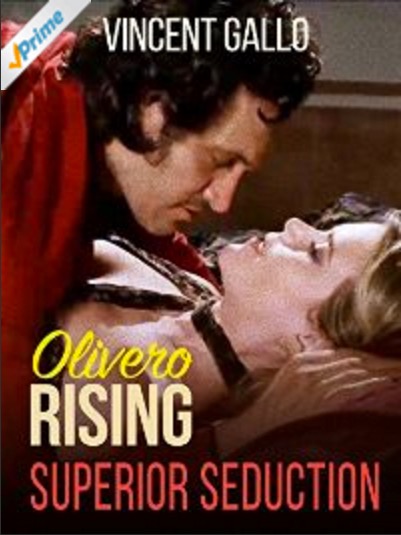
Oliviero Rising (2007, dir. Riki Roseo) – I know you can’t hear it, but I am chuckling as I am writing this. First off, that’s a scene from the very end of the film. Second off:
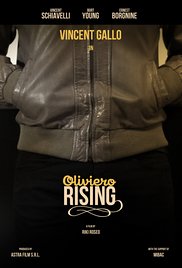
Thirdly, they didn’t even get the right title in their fake poster. Here’s the realistic poster for the movie. Sort of.
Fourth, the plot summary on IMDb has nothing to do with the movie: “A young and charming employee (Gallo) finds himself victim of an ‘office intrigue’ engineered by his attractive female boss.” Finally, I’m pretty sure that the “Rising” in Oliviero Rising refers to Vincent Gallo’s penis. I’m not kidding. The story is about Gallo getting over his mentally induced erectial disfunction. Shall we talk about this a bit? It does have a scene I can’t avoid telling you about. Shivers just ran down my spine.
Usually when I write about these movies I just watch them on the big screen so I don’t have screenshots to share. Sometimes there’s that rare film that causes me to stop and switch to my iPad. This was one of them. As a result, I do have a few of them to share.
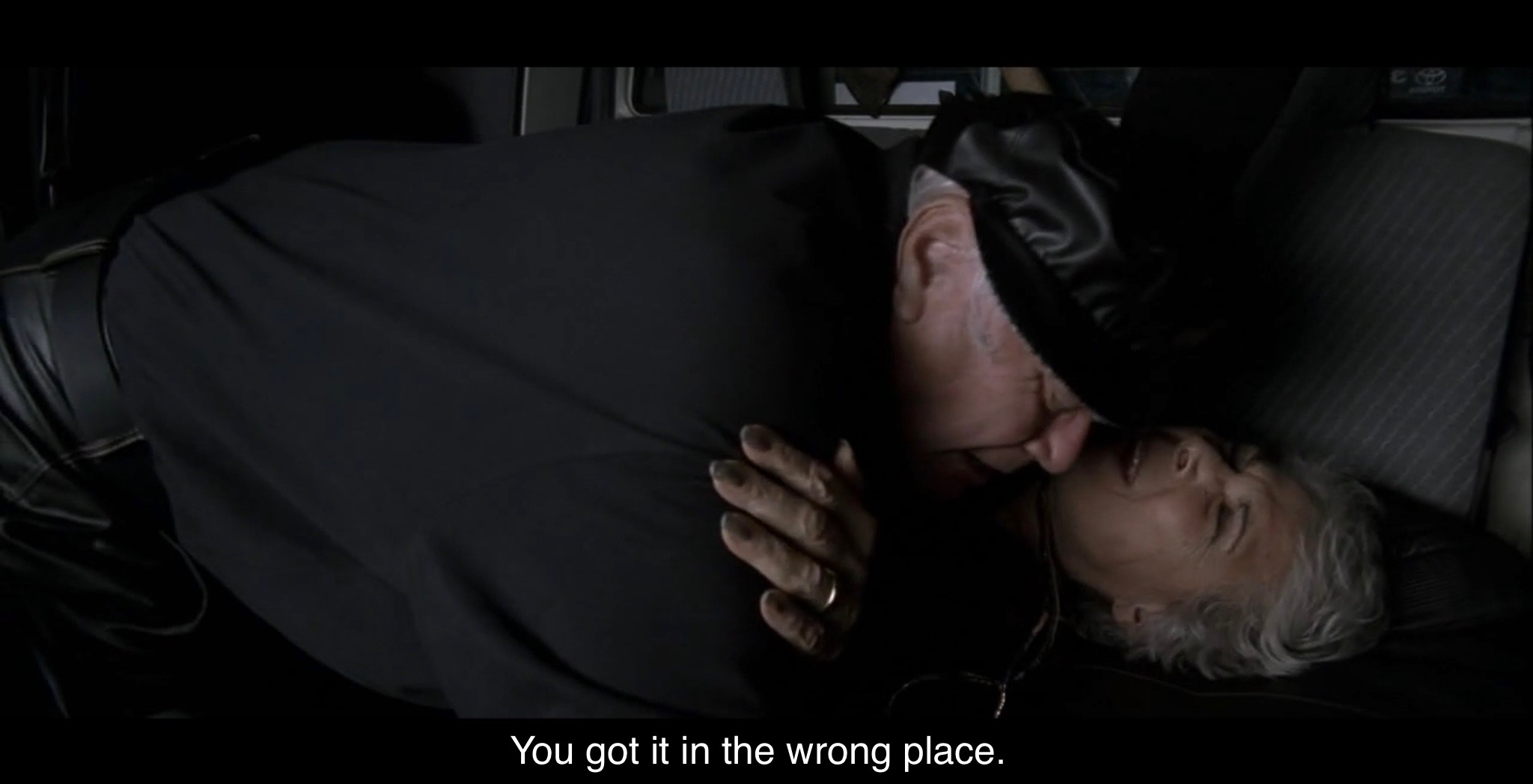
The movie begins and we meetOliviero who appears to drive a tuck for a living. We see him stop the truck and lift up air without showing the actual person in the scene. I’m pretty sure that Gallo wasn’t present for this scene or any of the truck driving parts. We see later that air is a baby porcupine. After a really weird and inappropriate scene with a psychiatrist, Gallo and his family are off to Italy. They are there for a family funeral. Nothing really happens there except bad directing. Here’s the “highlights”, if I dare to call them that.
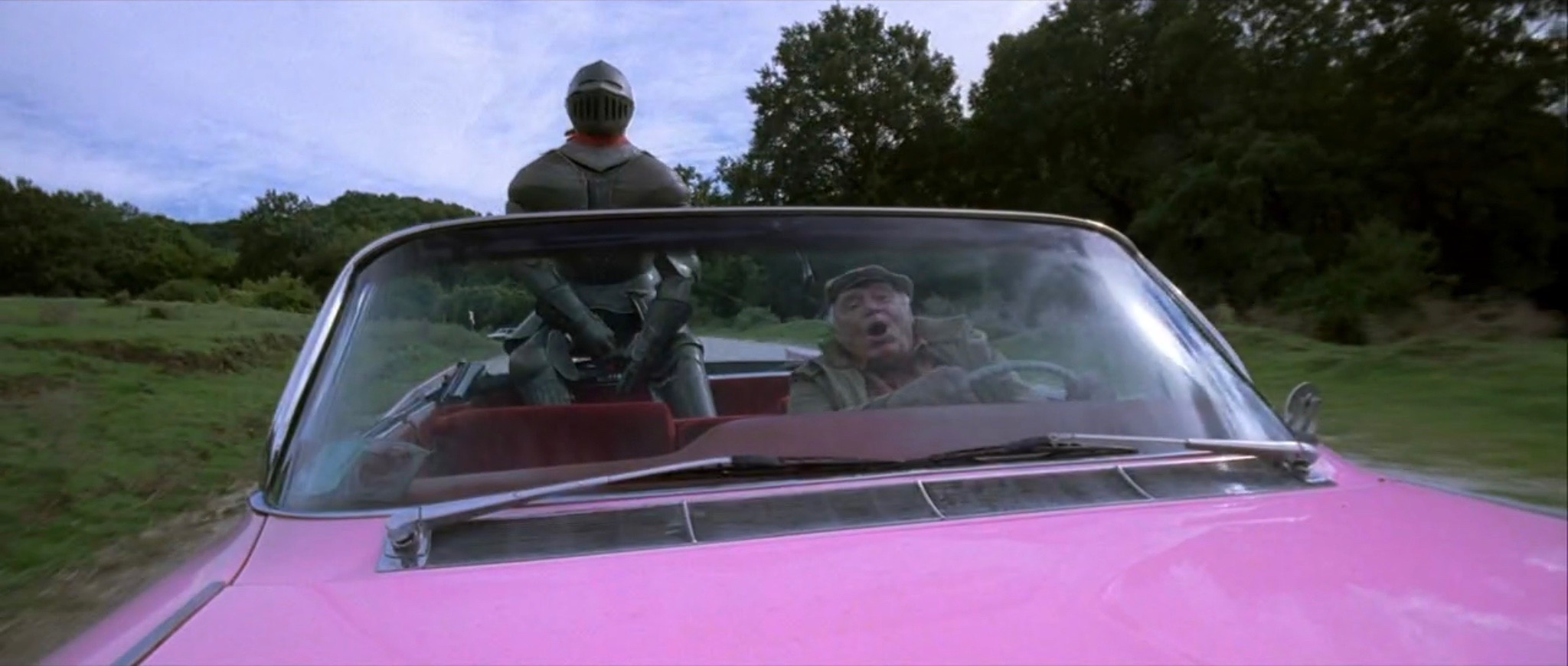
Ernest Borgnine riding while singing in a pink cadillac with a suit of armor in the back seat.
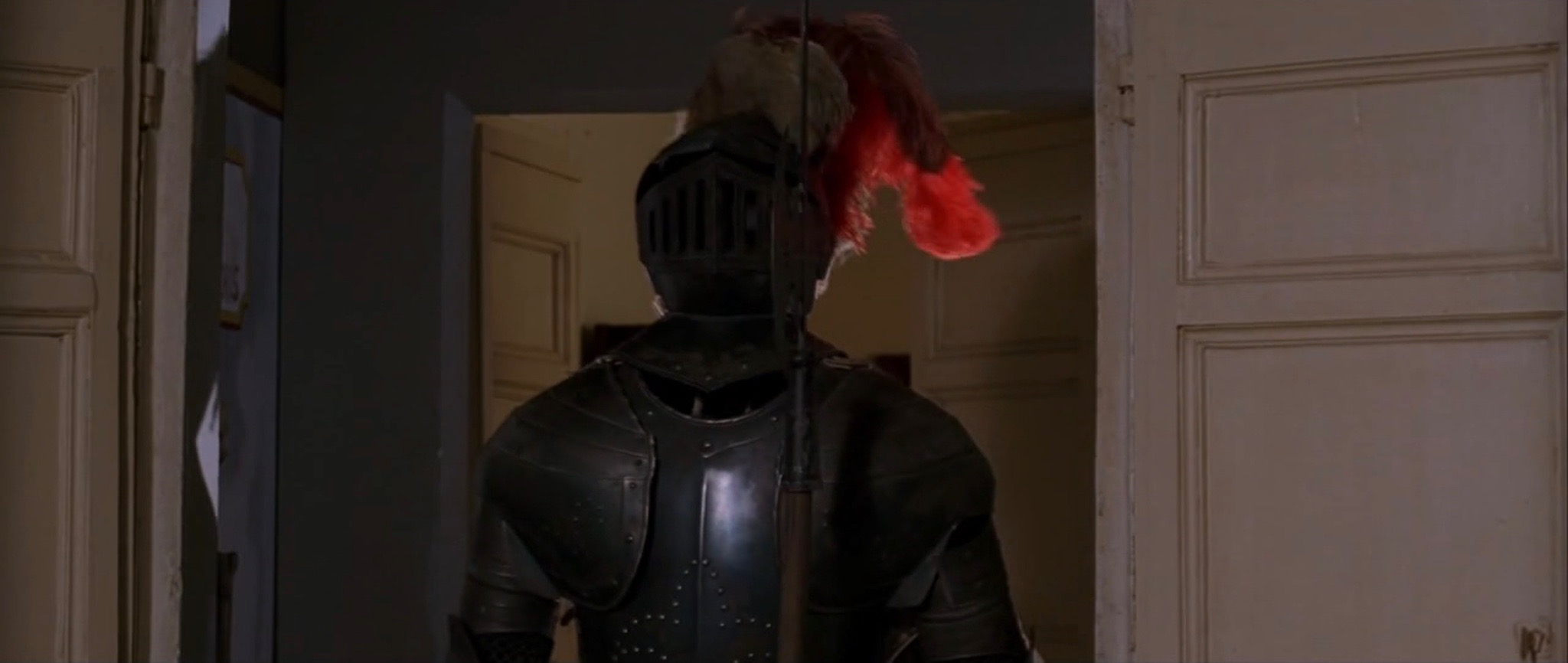
A small jump cut as Ernest Borgnine rolls in the armor because either he wasn’t actually there or he knocked it over so they reshot it from the point where it fell over. There is a lot of lazy and awkward editing in this movie. Some of it very obviously done because not all the actors were there or sets couldn’t be used at the time they were needed.
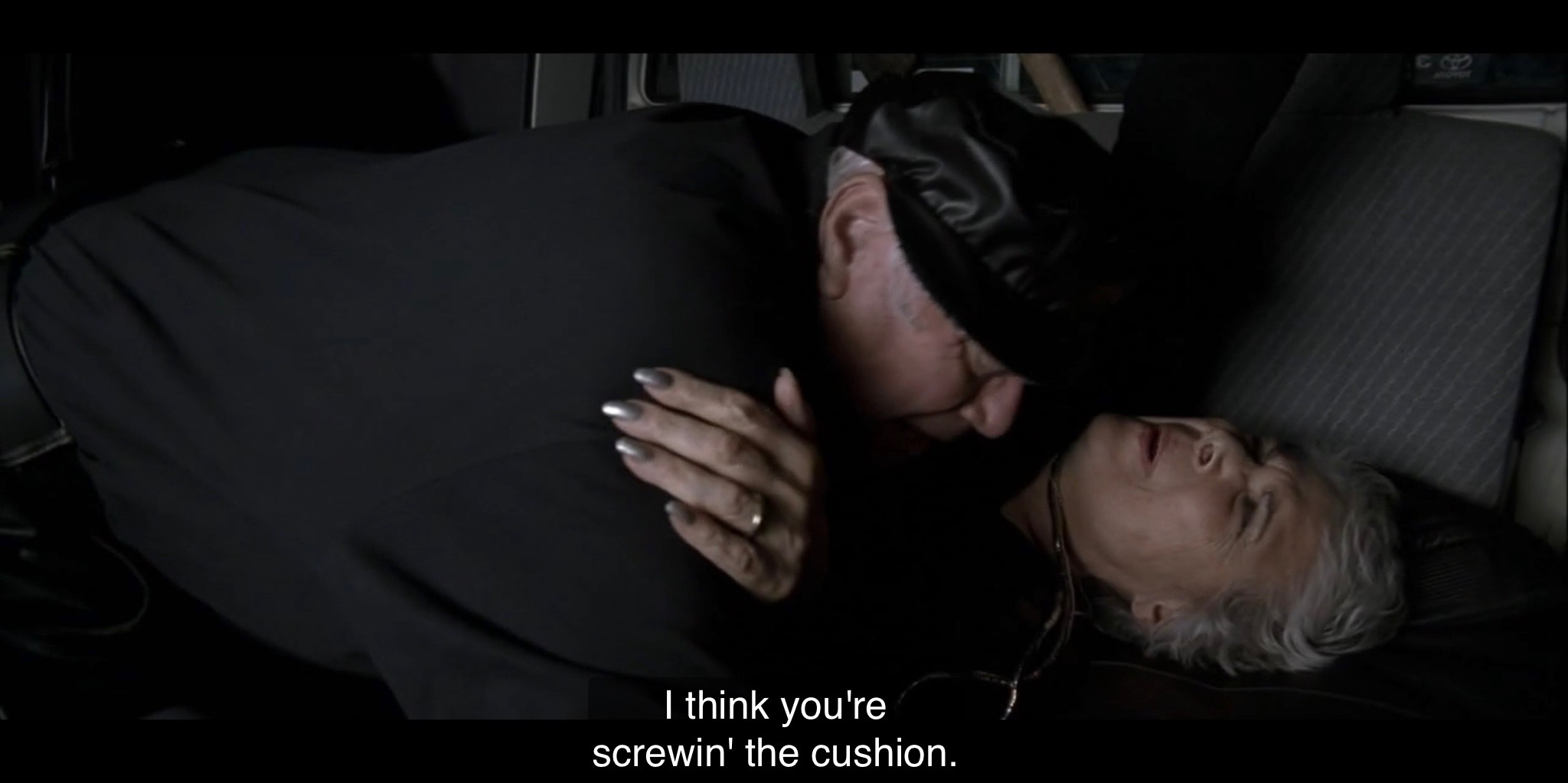
Enest Borgnine not putting his penis into her vagina meaning he is screwin’ the cushion. I know Borgnine shows up in many different films in much the same way Whoopi Goldberg does, but this? Why? Why? Why?
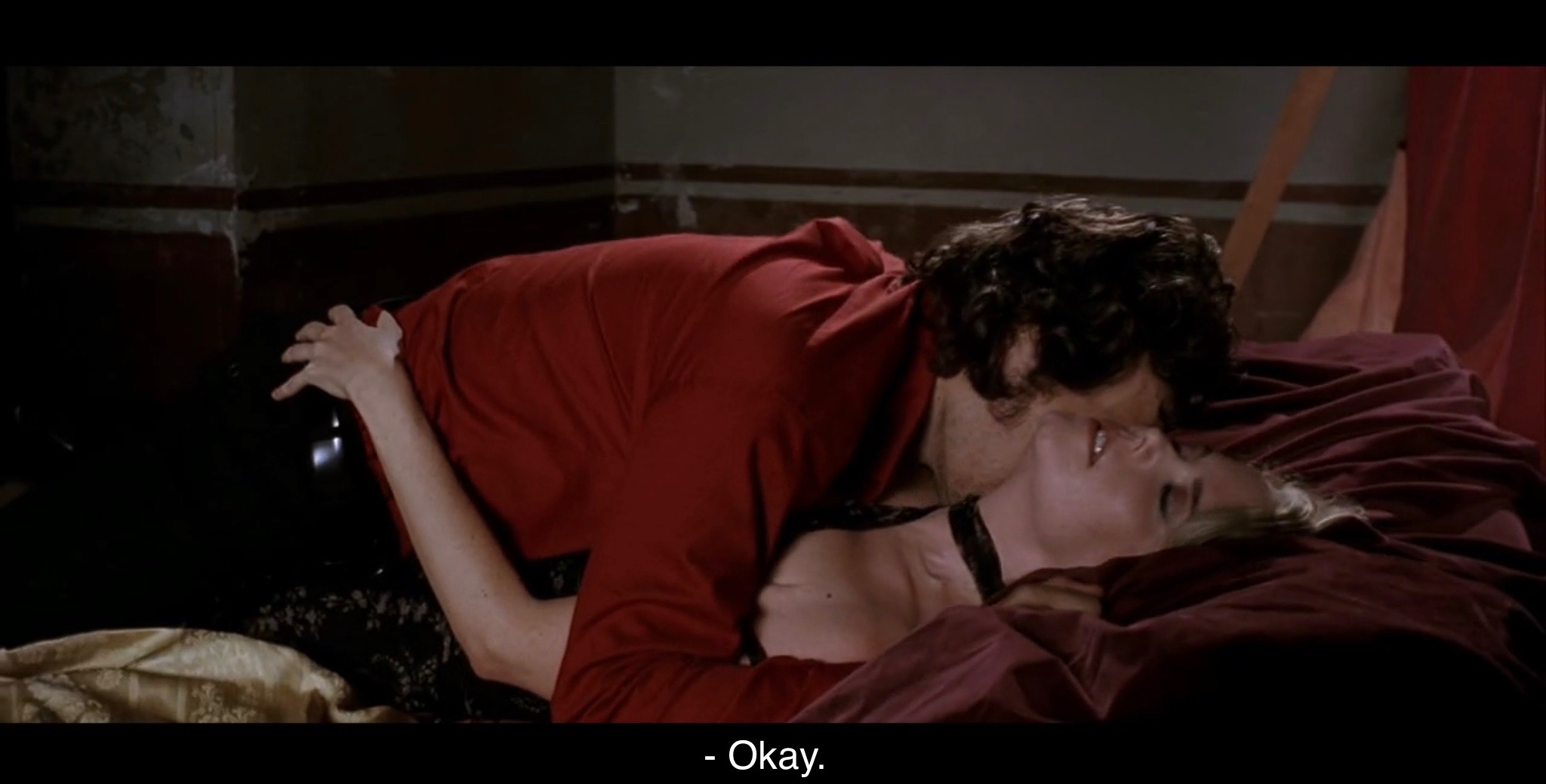
This is the “Superior Seduction” the poster was referring to.
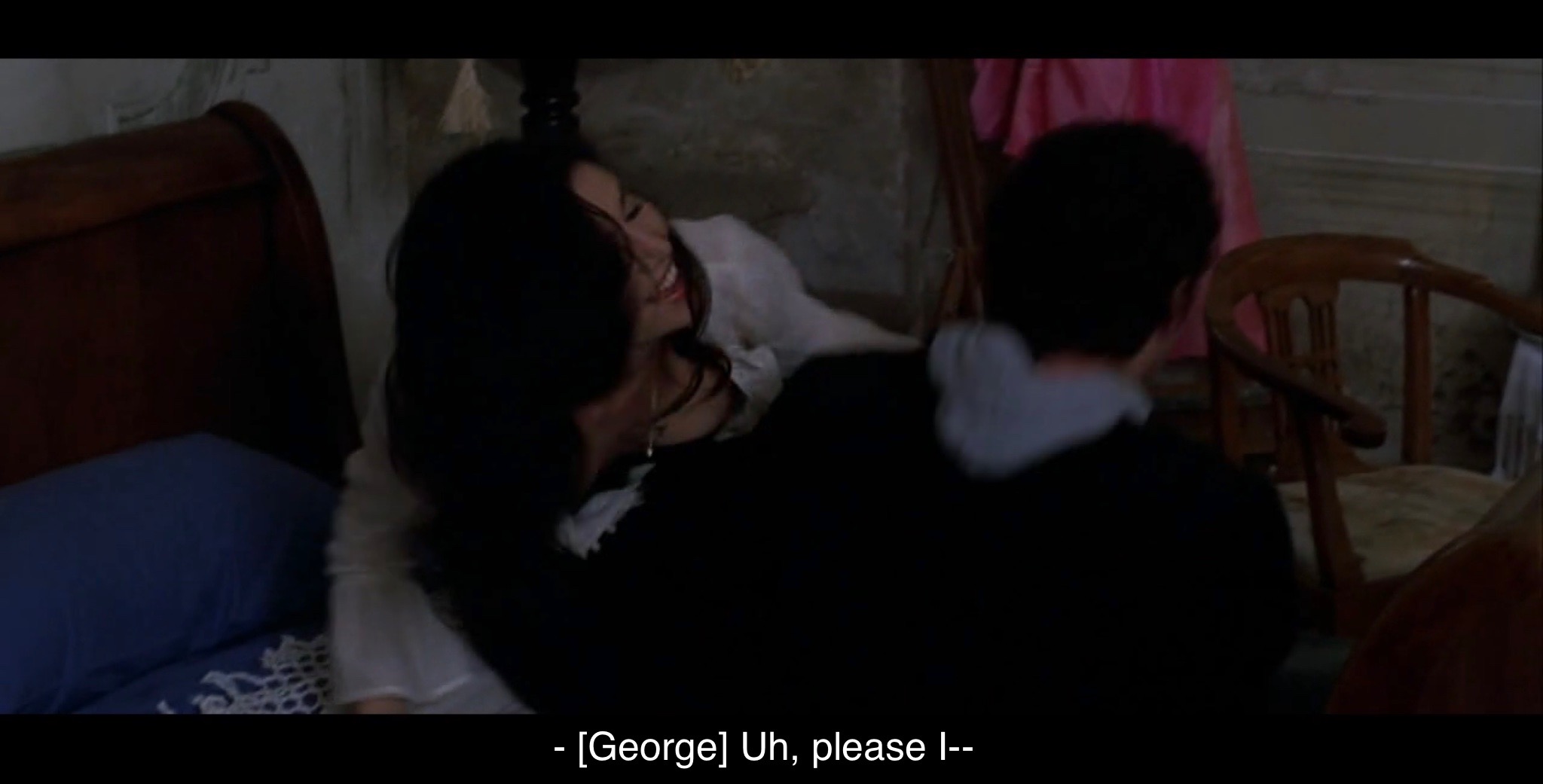
She tries to seduce him, which he has no interest in.
I must apologize, but I don’t have the scene with Vincent Schiavelli who you may recall as the angry subway ghost from Ghost (1990). He is trying to help Oliviero get over his ED. He actually stops, looks into the camera, and lectures women in the audience about their alleged worship of the penis. First off, I’m sure lesbians are rather indifferent towards the penis. They probably just feel men’s pain for all the weird things it does out their control. If a straight girl leaves you because you can’t get it up or keep your penis hard, then she is a horrible person. She is the guy who leaves a straight girl because her sex drive has taken a dip. Penises are weird. People with that equipment are not lying or exaggerating when they say it has a mind of its own. It takes a fair amount of work to try and get any modicum of control of it during sex. However, none of this translates to worship of the penis.
There is also the scene where Gallo’s wife has sex with his girlfriend because he can’t get it up for her. Seriously. Wife gets frustrated, goes right over to the girlfriend’s room, and they have sex while Gallo is in the hallway.
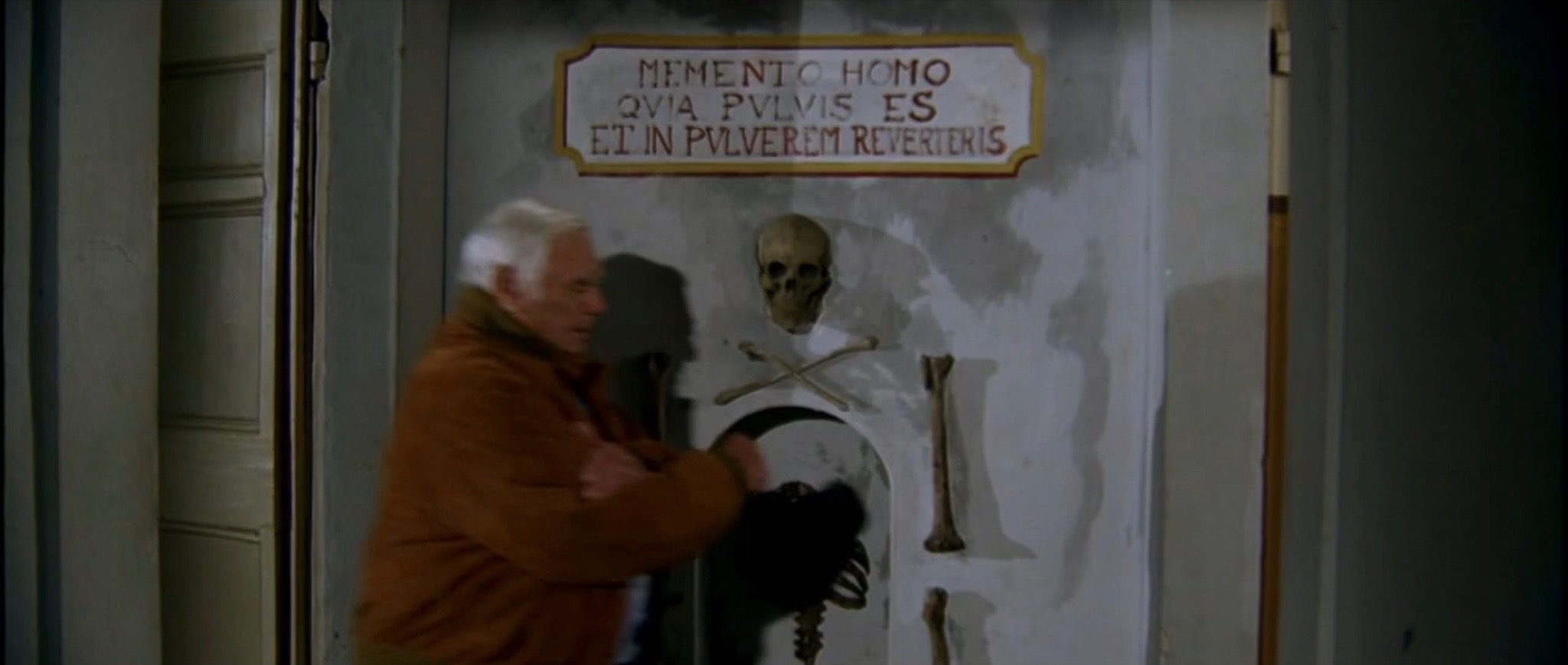
I think Ernest Borgnine summed up my feelings about this movie when he walks past the bones in the castle and tells them, “fuck you”.
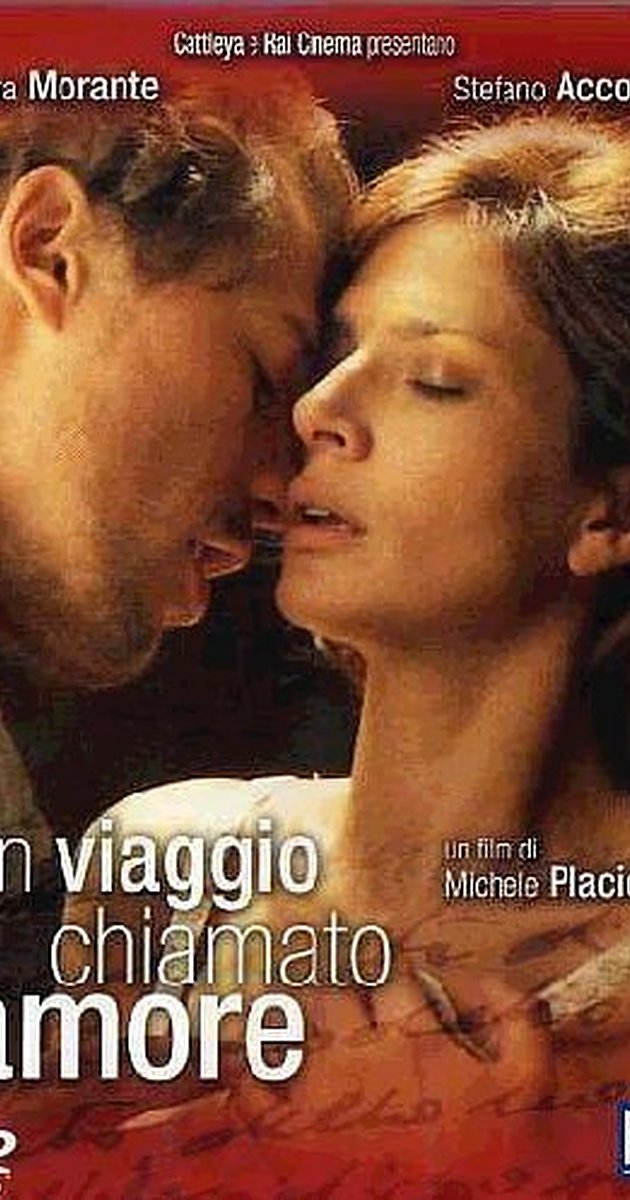
A Scandalous Journey (2002, dir. Michele Placido) – If by scandalous you mean the story of a woman who writes poetry, meets a guy, then seems to stop writing, and instead supports her now mentally disturbed husband who also writes before he winds up in a mental institution. It’s not scandalous in the slightest. It has a beginning and an end. So I guess it technical it is a journey since they don’t stay in one spot the whole time. That’s really it. The rest is just how much you like good performances in a really boring story that grates on your nerves. I wish I could provide you with more details, but this was so incredibly forgettable that I can’t. I remember the next one more and it was forgettable, but at least it had an irredeemable asshole that the film is blind to seeing as such. That made it stick in my mind more. Even the more realistic poster is misleading.
You basically get a film made by an Italian director who probably wishes this was still the era of films like The Night of the Shooting Stars (1982) or 1900 (1976). It isn’t. Moving on.
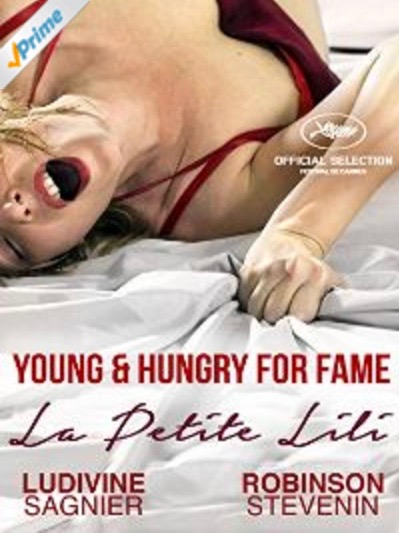
Little Lili (2003, dir. Claude Miller) – Wow! They’re “Young & Hungry For Fame.” I could understand if they were just young, but also hungry for fame? This is clearly going be story about Ludivine Sagnier who is so hungry for fame that she’ll sleep with Robinson Stevenin to get to the top. I mean what else are you going to read from that poster? Well, I read that this is a movie based on a play by Chekov about a young pretentious self-loving asshole who makes a shitty short film that his family defends as if he is some guardian of pure unadulterated cinema as characters wander around to make sure we spend way too much time with this twit before the movie decides it has no idea how to redeem the character so it suddenly leaps over many years where he is now going to reshoot the events of the film on an artificial looking set that belongs in a Douglas Sirk movie before the film finally ends. That’s what I see. I also see that dickwad we are told to cheer for not listed on the poster. That character is played by Bernard Giraudeau who of course went on to do next to nothing after this film rather then the two actors whose names are on the poster. Oh, and after it leaps over all that time, he’s still a jerk who looks down with contempt at people who dare to not make shitty foreign films like the one you will be seeing if you watch this movie. Also, it continues to remind you of better directors, films, and actors throughout. I think I even spotted a reference to Rohmer’s film Claire’s Knee (1970). Amazing! Stay as far as you can from this garbage. I want the film that poster promised me. It sounds stupid, but I doubt it’s as bad as this thing was.
Blindspot (2008, dir. Ad Bol) – The poster is certainly accurate about “You cannot see.” I could barely make out the opening scenes because they were so dark. That was followed by the remainder of the film that I couldn’t understand. The movie begins with a woman doing a weird dance before she wakes up. It was a nightmare. Then we see a guy take a woman hostage in a room. I thought things were going to progress there, but then it seemed to come apart when they were talking, but it was in a voiceover while they were in clearly different places. After that, it goes off to tell the story of some guy who gets involved with a woman who died and her sister who needs to confront her father about him abusing both of them as children. There are some affairs in here. How any of this ties together, especially with the opening scenes, I have no idea. It’s a confusing mess. I wanted to scream at the director that if he didn’t know how to this kind of non-linear plot, then to stop trying. It didn’t help that it would suddenly cut at odd times. There is also an audio lead-in that I think was the only one in the movie and it only adds to the viewer’s frustration. Hell, this could have been linear, but it was so disorienting that I couldn’t tell. Skip!
Sadly, I can’t recommend a single one of these this time. Maybe I’ll have better luck next time.