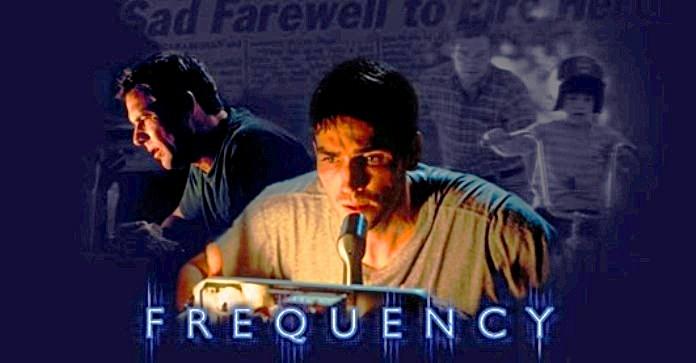
FREQUENCY (2000) – What would you give to talk to your dad or mom one more time?


I find it difficult to write about my favorite movies, because it can be hard to put into words why I love them so much. It seems that nothing I can say will do the movie justice. FREQUENCY is one of those movies that I abolutely love, and I’ll tell any person who will listen that it’s one of my all-time favorites. Sadly, I run into quite a few people who aren’t even aware of the almost 25 year old film at this point. That just doesn’t set right with me, so I’m here today to sing the praises of FREQUENCY!

FREQUENCY stars Jim Caviezel as homicide detective John Sullivan, a guy who lives in the same house he’s lived in his entire life. John is still dealing with emotional scars related to the death of his firefighter father Frank (Dennis Quaid), who died fighting a fire 30 years earlier. One night John’s hanging out with his buddy Gordo (Noah Emmerich), when they come across his dad’s old Ham radio. Some of John’s fondest memories of his dad include him speaking with people around the world on that old radio. They hook it up not even sure if it even works anymore. Sometime later that night when he’s there alone, a man’s voice comes across the airwaves. John starts talking back, and that’s when the greatness of this movie starts for me. The two guys start talking about baseball, and the voice on the other end of the line wants to know what John thinks about New York’s Amazin’ Mets chances to win the 1969 World Series. It seems that somehow through movie magic and the “mother sunspot of all time,” John is talking to his own father at the same location, separated by 30 years of space and time. John tells his dad about the specific fire that he dies in on that fateful day 30 years earlier. With John’s warning, Frank is able to survive the fire, and John gets a bunch of new memories that show him growing up with his dad in his life. Unfortunately, the changing of the past has real world consequences in the present. Now, John’s mom Julia (Elizabeth Mitchell) is gone, killed by a serial killer whose “Nightingale murders” had ended with 3 nurses in 1969, but has now ballooned to 10 in 1999. Separated by those 30 years, and not knowing when their connection on the radio might end, John and Frank work together to try to stop the Nightingale killer and save Julia, not knowing what other things they might change in the process.

FREQUENCY is a cross-genre concoction. It’s a fantasy film in the way that it brings people together from two different timeframes. The exact way this is done is never spelled out and shouldn’t be thought about too much. We just know that the phenomenon known as the aurora borealis, which is a natural light show that occurs when charged particles from the sun interact with Earth’s magnetic field, is going on in both 1969 and 1999. This natural phenomenon is somehow allowing John and Frank to talk to each other. It’s also a solid dramatic thriller as John is able to first save Frank’s life from the fire, and then as the two work together to catch a serial killer (Shawn Doyle) before he takes out Julia. This is put together extremely well by director Gregory Hoblit, who gets solid performances from Jim Caviezel, Dennis Quaid, and Elizabeth Mitchell as the Sullivan family. I also want to shout out Andre Braugher, who plays Frank’s best friend Satch in the 1969 timeframe, and who’s John’s cop partner in 1999. He’s so good in FREQUENCY. Despite winning two primetime Emmy awards, I still believe that Andre Braugher was an amazing actor who was underused during his lifetime. Sadly, he passed away in 2023 at just 61 years of age.

But the reason that I love FREQUENCY is the fantastic notion that a son who’s lost his father would somehow have the chance to talk to him again. Father-son relationships in movies affect me more than anything else, and I’m all in for the way it is addressed here. I cry like a baby every time I watch FIELD OF DREAMS with Kevin Costner, and I also cry like a baby every time I watch FREQUENCY. I mentioned earlier that John is dealing with emotional scars from not having his dad growing up. In this film, we get to hear their conversations and put ourselves in that same position. The film really leans into the joy of this unique opportunity to change the past and erase much of the pain that came with such deep emotional wounds. This shared desire to right past wrongs and erase past pain elevates the film even when logic fails. FREQUENCY got on my radar back at the turn of the century when I read articles about grown men crying in theaters as they watched. I remember telling a friend of mine, a friend whose father had died when he was young, about this film. He told me later of his own emotional experience watching it. There really is something universal about wanting to connect with our parents once they are no longer with us. As of this writing, my own father is still here, yet I am still emotionally overwhelmed every time I watch FREQUENCY. I can’t even begin to imagine what it will feel like if there’s a time that I’m still here, and he’s gone.     

The Substance Wins In Indiana


The Indiana Film Journalists Association have announced their picks for the best of 2024!  The winners are in bold.
BEST FILM
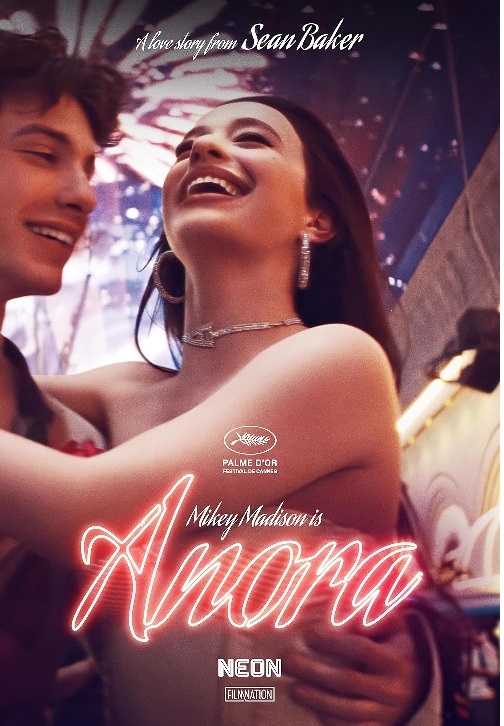
Anora
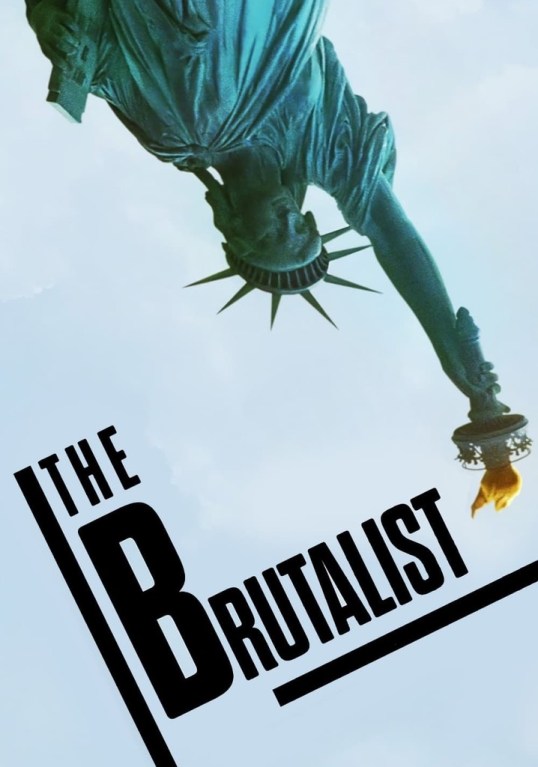
The Brutalist
Challengers
Civil War
Conclave
A Different Man
Dune: Part Two
His Three Daughters
I Saw the TV Glow
In a Violent Nature
Longlegs
Mars Express
Nickel Boys
Nosferatu
The People’s Joker
A Real Pain
Rebel Ridge
Sing Sing
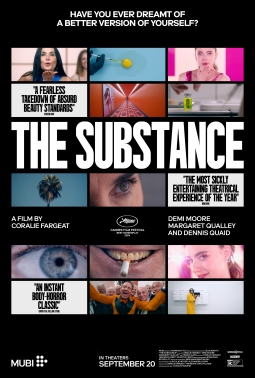
The Substance
Wicked

BEST ANIMATED FILM
Flow
Inside Out 2
Look Back
Mars Express
Memoir of a Snail
The Wild Robot

BEST FOREIGN LANGUAGE FILM
Aattam
All We Imagine as Light
Emilia Pérez
Evil Does Not Exist
Los Frikis
Look Back
Mars Express
The Seed of the Sacred Fig

BEST DOCUMENTARY
Daughters
Ennio
Girls State
No Other Land
The Remarkable Life of Ibelin
The Sixth
The Speedway Murders
Super/Man: The Christopher Reeve Story

BEST ORIGINAL SCREENPLAY
Moritz Binder, Tim Fehlbaum and Alex David – September 5
Brady Corbet and Mona Fastvold – The Brutalist
Jesse Eisenberg – A Real Pain
Coralie Fargeat – The Substance
Alex Garland – Civil War
Azazel Jacobs – His Three Daughters
Jeremy Saulnier – Rebel Ridge
Aaron Schimberg – A Different Man
Jane Schoenbrun – I Saw the TV Glow
Julio Torres – Problemista

BEST ADAPTED SCREENPLAY
Jacques Audiard – Emilia Pérez
Clint Bentley, Greg Kwedar, Clarence “Divine Eye” Maclin and John “Divine G” Whitfield – Sing Sing
Jay Cocks and James Mangold – A Complete Unknown
RaMell Ross and Joslyn Barnes – Nickel Boys
Chris Sanders – The Wild Robot
Peter Straughan – Conclave
Denis Villeneuve and Jon Spaihts – Dune: Part Two
Virgil Williams and Malcolm Washington – The Piano Lesson

BEST DIRECTOR
Brady Corbet – The Brutalist
Robert Eggers – Nosferatu
Jesse Eisenberg – A Real Pain
Coralie Fargeat – The Substance
Alex Garland – Civil War
Luca Guadagnino – Challengers
RaMell Ross – Nickel Boys
Jeremy Saulnier – Rebel Ridge
Aaron Schimberg – A Different Man
Jane Schoenbrun – I Saw the TV Glow

BEST LEAD PERFORMANCE
Adrien Brody – The Brutalist
Daniel Craig – Queer
Colman Domingo – Sing Sing
Kirsten Dunst – Civil War
Jesse Eisenberg – A Real Pain
Cynthia Erivo – Wicked
Ralph Fiennes – Conclave
Demi Moore – The Substance
Aaron Pierre – Rebel Ridge
Justice Smith – I Saw the TV Glow

BEST SUPPORTING PERFORMANCE
Nicolas Cage – Longlegs
Kieran Culkin – A Real Pain
Clarence “Divine Eye” Maclin – Sing Sing
Guy Pearce – The Brutalist
Adam Pearson – A Different Man
Dennis Quaid – The Substance
Margaret Qualley – The Substance
Bill Skarsgård – Nosferatu
Tilda Swinton – Problemista
Denzel Washington – Gladiator II

BEST VOCAL / MOTION-CAPTURE PERFORMANCE
Tom Hardy – Venom: The Last Dance
Maya Hawke – Inside Out 2
Lupita Nyong’o – The Wild Robot
Pedro Pascal – The Wild Robot
Amy Poehler – Inside Out 2
Sarah Snook – Memoir of a Snail
Owen Teague – Kingdom of the Planet of the Apes
Robbie Williams – Better Man

BEST ENSEMBLE ACTING
Civil War
Conclave
A Different Man
Dune: Part Two
His Three Daughters
Nickel Boys
Nosferatu
A Real Pain
Saturday Night
Sing Sing

BEST EDITING
Sean Baker – Anora
Marco Costa – Challengers
Jérôme Eltabet, Coralie Fargeat and Valentin Feron – The Substance
Nick Emerson – Conclave
Louise Ford – Nosferatu
Dávid Jancsó – The Brutalist
Nicholas Monsour – Nickel Boys
Jeremy Saulnier – Rebel Ridge
Terilyn A. Shropshire – Twisters
Joe Walker – Dune: Part Two

BEST CINEMATOGRAPHY
Jarin Blaschke – Nosferatu
Lol Crawley – The Brutalist
Greig Fraser – Dune: Part Two
Jomo Fray – Nickel Boys
Rob Hardy – Civil War
Benjamin Kračun – The Substance
Dan Mindel – Twisters
Sayombhu Mukdeeprom – Challengers
Sayombhu Mukdeeprom – Queer
Eric Yue – I Saw the TV Glow

BEST MUSICAL SCORE
Volker Bertelmann – Conclave
Daniel Blumberg – The Brutalist
Kris Bowers – The Wild Robot
Raffertie – The Substance
Trent Reznor and Atticus Ross – Challengers
Trent Reznor and Atticus Ross – Queer
Ben Salisbury and Geoff Barrow – Civil War
Alex Somers and Scott Alario – Nickel Boys
Umberto Smerilli – A Different Man
Benjamin Wallfisch – Twisters

BEST STUNT / MOVEMENT CHOREOGRAPHY
Bren Foster (action designer / fight choreographer) and Jaylan Foster, Jimmy Foster, Nick Harding, Jordan Petersen, Matthew Murgola and Mike Duncan (stunt team) – Life After Fighting
Muhammad Irfan (stunt coordinator / fight choreographer) – The Shadow Strays
Jeremy Marinas (fight coordinator and choreographer / second-unit director) – The Beekeeper
Lee Morrison (supervising stunt coordinator), Roger Yuan (fight coordinator / stunt coordinator) and Tanya Lapointe (second-unit director) – Dune: Part Two
Saifuddin Mubdy (stunt coordinator) and Brahim Chab (fight coordinator) – Monkey Man
Guy Norris (action designer / supervising stunt coordinator / second-unit director) and Richard Norton (fight choreographer / coordinator) – Furiosa: A Mad Max Saga
Chris O’Hara (stunt coordinator and stunt designer) – The Fall Guy
Christopher Scott (choreographer) and Jo McLaren (stunt coordinator) – Wicked
Ashley Wallen (dance choreographer), Nicholas Daines (stunt coordinator), Slavisa Ivanovic (stunt coordinator), Tim Wong (fight choreographer) and Spencer Susser (second-unit director) – Better Man
Keith Woulard and Cory DeMeyers (stunt coordinators) – Rebel Ridge

BEST SPECIAL EFFECTS
Mike Cheslik (visual effects) and Jerry Kurek (assistant effects artist) – Hundreds of Beavers
Bryan Jones (visual effects supervisor), Pierre Procoudine-Gorsky (visual effects producer) and Jean Miel (special effects supervisor) – The Substance
Paul Lambert (visual effects production supervisor), Gerd Nefzer (special effects supervisor), Rhys Salcombe (visual effects supervisor) and Stephen James (visual effects supervisor) – Dune: Part Two
Damien Leone (writer / director), Phil Falcone (producer), Christien Tinsley (design and creation of prosthetics and makeup effects), Brian Van Dorn (Tinsley Studios production coordinator), Ryan Ward (on-set makeup effects department head), Heather Albert (on-set makeup effects artist), Josh Petrino (visual effects supervisor), Declan Boyle (lead visual effects artist), Lincoln Smith (senior visual effects artist), John Caglione, Jr. (Virgin Mary / demon sequence prosthetics supervisor), Jason Baker (Callosum Studios on-set effects supervisor) and Jason Milstein (post-production supervisor and visual effects artist) – Terrifier 3
Luke Millar (visual effects supervisor) and Scott MacIntyre (special effects supervisor) – Better Man
Kevin Smith (visual effects supervisor), Kevin Sherwood (visual effects producer), Bruce Bright (special effects supervisor) and Michael Meinardus (special effects supervisor) – Godzilla x Kong: The New Empire
Ben Snow (visual effects supervisor), Florian Witzel (Industrial Light & Magic visual effects supervisor), Charles Lai (ILM associate visual effects supervisor) and Scott Fisher (special effects supervisor) – Twisters
David White (prosthetic and makeup effects design), Angela Barson (visual effects supervisor) and Pavel Sagner (special effects supervisor) – Nosferatu (2024)
Erik Winquist and Stephen Unterfranz (VFX supervisors), Paul Story (senior animation supervisor) and Rodney Burke (special FX supervisor) – Kingdom of the Planet of the Apes

BREAKOUT OF THE YEAR
Joanna Arnow (director / writer / editor / performer) – The Feeling That the Time for Doing Something Has Passed
Mike Cheslik (director / co-writer / editor / visual effects) – Hundreds of Beavers
Vera Drew (director / co-writer / editor / performer) – The People’s Joker
Mikey Madison (performer) – Anora
Chris Nash (director / writer) – In a Violent Nature
Katy M. O’Brian (performer) – Love Lies Bleeding
RaMell Ross (director / co-writer) – Nickel Boys
Maisy Stella (performer) – My Old Ass
Julio Torres (director / writer / performer) – Problemista
Malcolm Washington (director / co-writer) – The Piano Lesson

ORIGINAL VISION
Better Man
Emilia Pérez
Hundreds of Beavers
I Saw the TV Glow
In a Violent Nature
The People’s Joker
Problemista
Sasquatch Sunset
The Substance

The Indiana Film Journalists Nominate Everything


The Indiana Film Journalists Association announced their nominations for the best of 2024 today.  They kept things simple by nominating everything.  The winners will be announced on December 16th.
BEST FILM
Anora
The Brutalist
Challengers
Civil War
Conclave
A Different Man
Dune: Part Two
His Three Daughters
I Saw the TV Glow
In a Violent Nature
Longlegs
Mars Express
Nickel Boys
Nosferatu
The People’s Joker
A Real Pain
Rebel Ridge
Sing Sing
The Substance
Wicked

BEST ANIMATED FILM
Flow
Inside Out 2
Look Back
Mars Express
Memoir of a Snail
The Wild Robot

BEST FOREIGN LANGUAGE FILM
Aattam
All We Imagine as Light
Emilia Pérez
Evil Does Not Exist
Los Frikis
Look Back
Mars Express
The Seed of the Sacred Fig

BEST DOCUMENTARY
Daughters
Ennio
Girls State
No Other Land
The Remarkable Life of Ibelin
The Sixth
The Speedway Murders
Super/Man: The Christopher Reeve Story

BEST ORIGINAL SCREENPLAY
Moritz Binder, Tim Fehlbaum and Alex David – September 5
Brady Corbet and Mona Fastvold – The Brutalist
Jesse Eisenberg – A Real Pain
Coralie Fargeat – The Substance
Alex Garland – Civil War
Azazel Jacobs – His Three Daughters
Jeremy Saulnier – Rebel Ridge
Aaron Schimberg – A Different Man
Jane Schoenbrun – I Saw the TV Glow
Julio Torres – Problemista

BEST ADAPTED SCREENPLAY
Jacques Audiard – Emilia Pérez
Clint Bentley, Greg Kwedar, Clarence “Divine Eye” Maclin and John “Divine G” Whitfield – Sing Sing
Jay Cocks and James Mangold – A Complete Unknown
RaMell Ross and Joslyn Barnes – Nickel Boys
Chris Sanders – The Wild Robot
Peter Straughan – Conclave
Denis Villeneuve and Jon Spaihts – Dune: Part Two
Virgil Williams and Malcolm Washington – The Piano Lesson

BEST DIRECTOR
Brady Corbet – The Brutalist
Robert Eggers – Nosferatu
Jesse Eisenberg – A Real Pain
Coralie Fargeat – The Substance
Alex Garland – Civil War
Luca Guadagnino – Challengers
RaMell Ross – Nickel Boys
Jeremy Saulnier – Rebel Ridge
Aaron Schimberg – A Different Man
Jane Schoenbrun – I Saw the TV Glow

BEST LEAD PERFORMANCE
Adrien Brody – The Brutalist
Daniel Craig – Queer
Colman Domingo – Sing Sing
Kirsten Dunst – Civil War
Jesse Eisenberg – A Real Pain
Cynthia Erivo – Wicked
Ralph Fiennes – Conclave
Demi Moore – The Substance
Aaron Pierre – Rebel Ridge
Justice Smith – I Saw the TV Glow

BEST SUPPORTING PERFORMANCE
Nicolas Cage – Longlegs
Kieran Culkin – A Real Pain
Clarence “Divine Eye” Maclin – Sing Sing
Guy Pearce – The Brutalist
Adam Pearson – A Different Man
Dennis Quaid – The Substance
Margaret Qualley – The Substance
Bill Skarsgård – Nosferatu
Tilda Swinton – Problemista
Denzel Washington – Gladiator II

BEST VOCAL / MOTION-CAPTURE PERFORMANCE
Tom Hardy – Venom: The Last Dance
Maya Hawke – Inside Out 2
Lupita Nyong’o – The Wild Robot
Pedro Pascal – The Wild Robot
Amy Poehler – Inside Out 2
Sarah Snook – Memoir of a Snail
Owen Teague – Kingdom of the Planet of the Apes
Robbie Williams – Better Man

BEST ENSEMBLE ACTING
Civil War
Conclave
A Different Man
Dune: Part Two
His Three Daughters
Nickel Boys
Nosferatu
A Real Pain
Saturday Night
Sing Sing

BEST EDITING
Sean Baker – Anora
Marco Costa – Challengers
Jérôme Eltabet, Coralie Fargeat and Valentin Feron – The Substance
Nick Emerson – Conclave
Louise Ford – Nosferatu
Dávid Jancsó – The Brutalist
Nicholas Monsour – Nickel Boys
Jeremy Saulnier – Rebel Ridge
Terilyn A. Shropshire – Twisters
Joe Walker – Dune: Part Two

BEST CINEMATOGRAPHY
Jarin Blaschke – Nosferatu
Lol Crawley – The Brutalist
Greig Fraser – Dune: Part Two
Jomo Fray – Nickel Boys
Rob Hardy – Civil War
Benjamin Kračun – The Substance
Dan Mindel – Twisters
Sayombhu Mukdeeprom – Challengers
Sayombhu Mukdeeprom – Queer
Eric Yue – I Saw the TV Glow

BEST MUSICAL SCORE
Volker Bertelmann – Conclave
Daniel Blumberg – The Brutalist
Kris Bowers – The Wild Robot
Raffertie – The Substance
Trent Reznor and Atticus Ross – Challengers
Trent Reznor and Atticus Ross – Queer
Ben Salisbury and Geoff Barrow – Civil War
Alex Somers and Scott Alario – Nickel Boys
Umberto Smerilli – A Different Man
Benjamin Wallfisch – Twisters

BEST STUNT / MOVEMENT CHOREOGRAPHY
Bren Foster (action designer / fight choreographer) and Jaylan Foster, Jimmy Foster, Nick Harding, Jordan Petersen, Matthew Murgola and Mike Duncan (stunt team) – Life After Fighting
Muhammad Irfan (stunt coordinator / fight choreographer) – The Shadow Strays
Jeremy Marinas (fight coordinator and choreographer / second-unit director) – The Beekeeper
Lee Morrison (supervising stunt coordinator), Roger Yuan (fight coordinator / stunt coordinator) and Tanya Lapointe (second-unit director) – Dune: Part Two
Saifuddin Mubdy (stunt coordinator) and Brahim Chab (fight coordinator) – Monkey Man
Guy Norris (action designer / supervising stunt coordinator / second-unit director) and Richard Norton (fight choreographer / coordinator) – Furiosa: A Mad Max Saga
Chris O’Hara (stunt coordinator and stunt designer) – The Fall Guy
Christopher Scott (choreographer) and Jo McLaren (stunt coordinator) – Wicked
Ashley Wallen (dance choreographer), Nicholas Daines (stunt coordinator), Slavisa Ivanovic (stunt coordinator), Tim Wong (fight choreographer) and Spencer Susser (second-unit director) – Better Man
Keith Woulard and Cory DeMeyers (stunt coordinators) – Rebel Ridge

BEST SPECIAL EFFECTS
Mike Cheslik (visual effects) and Jerry Kurek (assistant effects artist) – Hundreds of Beavers
Bryan Jones (visual effects supervisor), Pierre Procoudine-Gorsky (visual effects producer) and Jean Miel (special effects supervisor) – The Substance
Paul Lambert (visual effects production supervisor), Gerd Nefzer (special effects supervisor), Rhys Salcombe (visual effects supervisor) and Stephen James (visual effects supervisor) – Dune: Part Two
Damien Leone (writer / director), Phil Falcone (producer), Christien Tinsley (design and creation of prosthetics and makeup effects), Brian Van Dorn (Tinsley Studios production coordinator), Ryan Ward (on-set makeup effects department head), Heather Albert (on-set makeup effects artist), Josh Petrino (visual effects supervisor), Declan Boyle (lead visual effects artist), Lincoln Smith (senior visual effects artist), John Caglione, Jr. (Virgin Mary / demon sequence prosthetics supervisor), Jason Baker (Callosum Studios on-set effects supervisor) and Jason Milstein (post-production supervisor and visual effects artist) – Terrifier 3
Luke Millar (visual effects supervisor) and Scott MacIntyre (special effects supervisor) – Better Man
Kevin Smith (visual effects supervisor), Kevin Sherwood (visual effects producer), Bruce Bright (special effects supervisor) and Michael Meinardus (special effects supervisor) – Godzilla x Kong: The New Empire
Ben Snow (visual effects supervisor), Florian Witzel (Industrial Light & Magic visual effects supervisor), Charles Lai (ILM associate visual effects supervisor) and Scott Fisher (special effects supervisor) – Twisters
David White (prosthetic and makeup effects design), Angela Barson (visual effects supervisor) and Pavel Sagner (special effects supervisor) – Nosferatu (2024)
Erik Winquist and Stephen Unterfranz (VFX supervisors), Paul Story (senior animation supervisor) and Rodney Burke (special FX supervisor) – Kingdom of the Planet of the Apes

BREAKOUT OF THE YEAR
Joanna Arnow (director / writer / editor / performer) – The Feeling That the Time for Doing Something Has Passed
Mike Cheslik (director / co-writer / editor / visual effects) – Hundreds of Beavers
Vera Drew (director / co-writer / editor / performer) – The People’s Joker
Mikey Madison (performer) – Anora
Chris Nash (director / writer) – In a Violent Nature
Katy M. O’Brian (performer) – Love Lies Bleeding
RaMell Ross (director / co-writer) – Nickel Boys
Maisy Stella (performer) – My Old Ass
Julio Torres (director / writer / performer) – Problemista
Malcolm Washington (director / co-writer) – The Piano Lesson

ORIGINAL VISION
Better Man
Emilia Pérez
Hundreds of Beavers
I Saw the TV Glow
In a Violent Nature
The People’s Joker
Problemista
Sasquatch Sunset
The Substance

The Films of 2024: The Long Game (dir by Julio Quintana)


The Long Game is a sports film and, like most sports film, it’s a crowd-pleaser despite being predictable.

The film opens in South Texas in the 50s.  World War II vet JB Pena (Jay Hernandez) has been hired as the new superintendent of the school district.  Haunted by his experiences in the war, Pena now works out his emotions by hitting golf balls.  Despite being sponsored by his former commanding officer, retired golf pro Frank Mitchell (Dennis Quaid), Pena is turned down for membership in the wealthy Del Rio Country Club.  It’s suggested that he might fit in better at the all-Mexican country club a few towns away.

Pena discovers that five caddies at the country club have built their own golf course.  (He discovers this when one of them hits a golf ball through his car window while Pena is driving.)  Pena also discovers that the caddies are all students at the local high school.  Pena decides to recruit the caddies into the high school’s first ever golf team.  Under the guidance of both JB Pena and Frank Mitchell, the Mavericks make it to the Texas High School Golf championship and …. wouldn’t you know it! — they find themselves playing at the same country club that previously refused to allow Pena to join.

Sports films are interesting.  Critics and audiences tend to make a big deal about wanting to be surprised by movies.  We complain about the lack of originality that is present in most modern-day films.  But we make an exception when it comes to sports films because we understand that, at their best, sports film appeal to some very basic but very important emotions.  We go into sports film with the understanding that the underdogs are going to win, despite all of the obstacles that have been put in their way.  We go into sports films with the understanding that the team’s best player is going to be a troubled soul who has to be talked into competing.  We go into sports films knowing that the coach is going to start out pushing one method, just to realize the error of his ways.  We go into sports films knowing that there’s going to be a wise mentor.  (In fact, The Long Game gives us two, with both Dennis Quaid and Cheech Marin offering up advice.)  Sports film tend to be very predictable but you know what?  It doesn’t matter.  Everybody appreciates a story about underdogs proving that they can go the distance and compete with the best.  Everybody loves a story where the contender that no one took seriously comes from behind and wins.  There’s a reason why the Rocky films didn’t end with the first one.  After our heroes prove they’ve got the heart of a champion, we then like to see them win.  These stories are totally predictable but damn if they don’t bring a tear to my eye every time.

The Long Game certainly inspired a few tears.  It’s a well-made sports film, one that features heartfelt performances from Jay Hernandez, Dennis Quaid, and all of the young actors playing the members of the Mavericks.  It’s predictable but it’s also well-made and there’s an aching sincerity the whole thing that is just impossible to resist.  (It also helps that the film itself is wonderful to look at, with the cinematography truly capturing the beauty of my home state.)  The film is based on a true story.  I imagine that a few liberties were taken, as they always are with a film like this.  But still, when the film ended with grainy images of the real-life golfers, it was impossible not to be moved by their story and proud of their accomplishments.

Go Mavericks!

The Unnominated: The Long Riders (Dir by Walter Hill)


Though the Academy of Motion Picture Arts and Sciences claim that the Oscars honor the best of the year, we all know that there are always worthy films and performances that end up getting overlooked.  Sometimes, it’s because the competition too fierce.  Sometimes, it’s because the film itself was too controversial.  Often, it’s just a case of a film’s quality not being fully recognized until years after its initial released.  This series of reviews takes a look at the films and performances that should have been nominated but were, for whatever reason, overlooked.  These are the Unnominated.

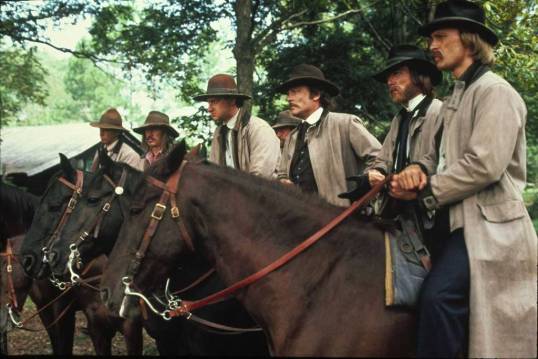
First released in 1980, The Long Riders is one of the many films to tell the story of the James/Younger Gang.

A group of former Confederate guerillas who became some of the most notorious bank robbers to roam post-Civil War America and who were based in Missouri, the brothers who made up the James/Younger Gang were hunted by the Pinkertons and beloved by the citizens who viewed them as being 19th Century Robin Hoods.  Following a disastrous attempt to rob a bank in Northfield, Minnesota, the Younger brothers were captured by the government while Jesse and Frank James made it back to Missouri.  Jesse was shot in the back by Bob Ford while Frank subsequently surrendered to authorities and made a good living on the lecture circuit.

The Long Riders tells the story of the gang, from their first encounter with the heavy-handed Pinkertons to the Northfield raid to Frank’s eventual surrender.  Director Walter Hill both celebrates the legend of the James/Younger Gang while also emphasizing that all the members of the gang were also individual humans who had their strengths and their flaws.  Hill emphasizes the idea of the gang being a group of post-war rebels, still fighting a war against a government that is more interested in protecting banks than looking after people.  The Long Riders deconstructs the legend while also celebrating it.

The main thing that sets The Long Riders apart from other films about the James/Younger Gang is the fact that the brothers are played by actual brothers.  David, Keith, and Robert Carradine plays the Youngers.  Randy Quaid plays Clell Miller while Dennis Quaid assumes the role of the cowardly Ed Miller.  Nicholas and Christopher Guest make a memorably creepy impression as Charley and Bob Ford.  And finally, Jesse and Frank James are played by James and Stacy Keach.  (The Keaches also worked on the film’s script).  And while Stacy is definitely the more charismatic of the Keach brothers, the film makes good use of James’s rather stoic screen presence.  While the rest of the gang enjoys the outlaw life, James Keach’s Jesse is rigid, serious, and ultimately too stubborn and obsessive for his own good.

Now, the casting might sound like a gimmick but it works wonderfully.  When Clell chooses the gang over Ed, it carries an emotional weight because we’re watching real brothers reject each other.  The comradery between the Carradines carries over to the comradery between the Youngers and it also informs their occasional rivalry with the better known James brothers.  While it is Stacy Keach and David Carradine who ultimately dominate the film, every brother in the cast makes a strong impression.  Also giving a memorable performance is Pamela Reed as a defiantly independent Belle Starr, who loves David Carradine’s Cole Younger but marries Sam Starr (James Remar).  The knife fight between Carradine and Remar is one of the film’s highlights, as is the violent and disastrous attempt to rob the bank in Northfield.

The Long Riders is an exciting and ultimately poignant western but sadly, it received not a single Oscar nomination, not even for the stunning cinematography or Ry Cooder’s elegiac score.  Fortunately, just like the legend of the James/Younger Gang, The Long Riders lives on.

Previous entries in The Unnominated:

  1. Auto Focus 
  2. Star 80
  3. Monty Python and The Holy Grail
  4. Johnny Got His Gun
  5. Saint Jack
  6. Office Space
  7. Play Misty For Me

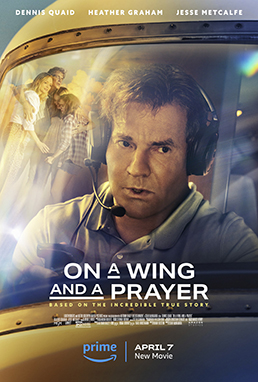
Film Review: On a Wing and a Prayer (dir by Sean McNamara)


Having just attended the funeral of his brother, Doug White (Dennis Quaid) and his family — wife Terri (Heather Graham) and daughters Bailey (Abigail Rhine) and Maggie (Jessi Case) — are flying back to their home in Louisiana.  Unfortunately, shortly after takeoff, their pilot suffers a heart attack and dies.  Now Doug, who’s had only one flight lesson in his entire life, has to not only fly the plane but also land safely.

Doug has people on the ground, trying to talk him through the landing even though they don’t know what is actually happening in the cockpit.  Hard-drinking Dan Favio (Rocky Myers) calls his friend, Kari Sorenson (Jesse Metcalfe).  Kari has never gotten over the death of his family in a similar plane crash so, for him, helping Doug land is about more than just saving Doug and his family.  It’s also about achieving his own personal redemption and hopefully finding the strength to forgive himself.

While this is going on, two kids — Donna (Raina Grey) and Buggy (Trayce Malachi) — follow the flight online and then head down to the airport so that they can watch it try to land.  To be honest, I’m really not sure why either one of them is in the movie.  When Donna first showed up, talking about how she wanted to be a pilot because “Mr. Jones” told her that girls can’t fly planes, I found myself dreading the inevitable moment when the kids would take it upon themselves to help Doug land the plane.  I dreaded Donna calling the cockpit and Doug going, “Wait a minute …. you’re just a kid!”  Fortunately, that moment didn’t happen but I was still left wondering why Donna and Buggy were in the film to begin with.

It feels almost churlish to be overly critical of a film like On a Wing and a Prayer because it is based on a true story.  Doug White really did have to land an airplane after the pilot died mid-flight and he really was instructed on what to do by a group of air traffic controllers and Kari Sorenson.  It’s a good story and the film ends with some undeniably touching shots of the real people involved in the landing.  That said, this is ultimately a film that many filmgoers will want to like more than they actually do.  Thanks to some dodgy special effects, the viewer never forgets that Dennis Quaid and his family aren’t really tapped up in the sky.  Instead, one is always aware that they’re just watching a movie and a rather cheap-looking one at that.  As well, the script is full of awkward dialogue and heavy-handed moments.  As soon as I saw that one of the daughters wouldn’t stop looking at her phone, I knew that she would be the one who would be forced to grow up in a hurry.  As soon as the other daughter ate something with nuts in it, I knew that there was going to be a desperate search for an epi-pen.

On the plus side, Dennis Quaid was as likable as ever and Heather Graham managed to wring some genuine feeling out of even the most sentimental of dialogue.  On A Wing and a Prayer was directed by Sean McNamara, who also directed one of my favorite films of 2011, Soul Surfer.  (Later this year, McNamara and Quaid have another project that is scheduled to be released, a biopic of President Ronald Reagan.)  On A Wing and A Prayer doesn’t really work as a film but, as a story, it at least reminds us of what people are capable of doing when they all work together.

Live Tweet Alert: Join #FridayNightFlix for Caveman!


As some of our regular readers undoubtedly know, I am involved in a few weekly live tweets on twitter.  I host #FridayNightFlix every Friday, I co-host #ScarySocial on Saturday, and I am one of the five hosts of #MondayActionMovie!  Every week, we get together.  We watch a movie.  We tweet our way through it.

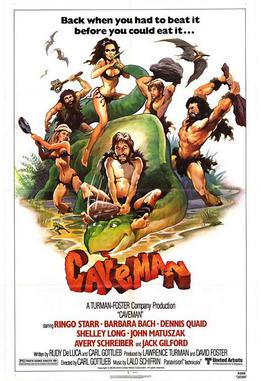
Tonight, at 10 pm et, I will be hosting #FridayNightFlix!  The movie? 1981’s Caveman!

Join Dennis Quaid, Barbara Bach, Shelley Long, and Ringo Starr as they make their way through a prehistoric wonderland!  It’s a film with two things that everyone loves, dinosaurs and comedy!

If you want to join us this Friday, just hop onto twitter, start the movie at 10 pm et, and use the #FridayNightFlix hashtag!  I’ll be there tweeting and I imagine some other members of the TSL Crew will be there as well.  It’s a friendly group and welcoming of newcomers so don’t be shy.

Caveman is available on Prime, Tubi, Pluto, and almost every other streaming service!  See you there!

Gang Related (1997, directed by Jim Kouf)


LAPD vice detectives DiVinci (Jim Belushi) and Rodriguez (Tupac Shakur) have a pretty good racket going.  They sell cocaine to drug dealers and then, once they get their money, they murder the dealers and take their drugs back so that the cocaine can be resold.  The murders are written up as being “gang-related” and because no one cares about dead drug dealers, Divinci and Rodriguez don’t have to worry about anyone actually investigating their crimes.

This all changes when they kill the wrong dealer.  It turns out Lionel Hudd (Kool Mo Dee) was actually an undercover DEA agent and now that he’s been murdered, his partner (played by Gary Cole) is investigating the murder.  Needing a patsy to take the fall, they arrest a homeless man who is known as Joe Doe (Dennis Quaid).  Joe can’t even remember what his real name is and, because he’s intoxicated when he’s arrested and interrogated, it’s easy for DiVinci and Rodriguez to talk him into believing that he killed Hudd.

At first, it seems like a perfect plan because the only people that the citizens of Los Angeles care about less than gang members and drug dealers are the homeless.  But then it turns out that Joe Doe is actually a wealthy surgeon and his family hires a prominent attorney (played by James Earl Jones, so you know he’s good) to defend him.  Meanwhile, the stripper (Lela Rochon) who DiVinci and Rodriguez coerced into identifying Doe as the murderer is having second thoughts.  And so is Rodriguez.

The plot of Gang Related may be convoluted and sometimes difficult to follow but that works to the film’s advantage as Divinci and Rodriguez find themselves plunging further and further down the rabbit hole of their own lies.  The audience may be confused but so are they so everyone’s the same page.  It seems like no matter what scheme DiVinci comes up with to try to cover for his own crimes, there’s always an unforeseen complication and most of the film’s narrative momentum comes from watching two corrupt cops go from being cocky to being desperate to save their own lives as their maze of deception becomes increasingly difficult to navigate.  Neither DiVinci nor Rodriguez is a likable character (though Rodriguez is, at least, troubled by what he’s become) so there’s a lot of pleasure to be had by watching these two finally face justice.

Gang Related was Tupac Shakur’s final film and it was released over a year after his death.  It’s a B-movie but it’s a well-made B-movie and Shakur gives a good and complex performance.  So does Jim Belushi, whose mounting desperation is really something to see.  Gang Related may be a B-movie but it’s portrayal of two criminal cops being empowered by a corrupt system is still relevant today.

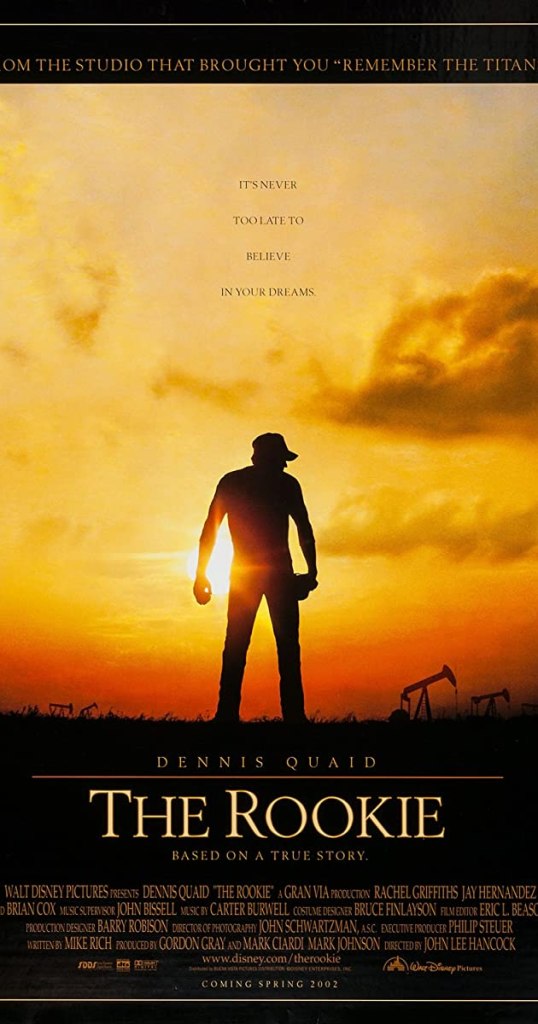
The Rookie (2002, dir. by John Lee Hancock)


I miss baseball!

I know that the regular MLB season being delayed (or even — gasp! — cancelled) is hardly the worst thing that we have to deal with right now but I still really miss watching baseball!  I miss the swing of the bat, the sounds of the stadium, and I even miss getting upset over the Rangers having a disappointing season.  I’ve been dealing with my grief by watching old games and a lot of baseball movies.  It’s not the same as getting to watch a real game but I guess it’s as good as things are going to get right now.

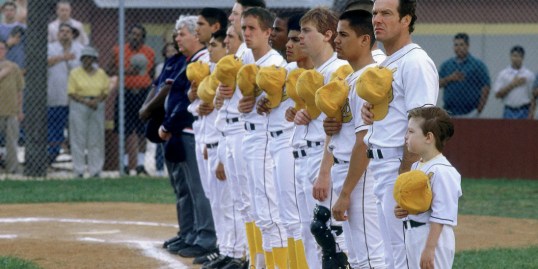
When the quarantine stated, one of the first baseball movies that I watched was The Rookie.  Starring Dennis Quaid (who gives a really good performance), The Rookie is based on the true story of Jim Morris, a former minor league pitcher who retired from playing the game after injuring his arm and took a job coaching baseball for Reagan County High School in Big Lake, Texas.  In 1999, Morris promised his players that if they managed to win the district championship, he would try out for a major league baseball team.  When his team went on to win the championship, Morris honored his side of the bargain by trying out for the Tampa Bay Devil Rays.  Even though no one expected Morris to make it onto the team, he was given a chance because it was felt that it would be good publicity.  The 35 year-old Morris shocked everyone by throwing a 98 mph fastball.  The team started Morris out in the minors and then, when the roster expanded in September, called him up to the majors.  At an age when many other players were calling it quits, Morris made his major league debut at the Ballpark in Arlington and struck out Royce Clayton.

Though I’m sure it probably takes a lot of liberties with Morris’s story, I really like The Rookie.  It’s a really sweet movie that was filmed on location in Texas.  It’s one of my favorite baseball movies because it captures everything that I love about the game.  It’s about more than just who wins or who struck who out.  It’s about teamwork and healthy competition and fairplay.  (Or, at least, that’s what baseball should be about.  That’s one reason why the Astros cheating scandal hurts so much.  For me, it’s not just that the first Texas team to win the World Series did so dishonestly.  It’s that what they did goes against the spirit of baseball.)  I liked that the movie is as much about Jim coaching his high school team as it was about him eventually getting to play a few games in the majors.  The whole reason that Jim even tried out for the Devil Rays was to keep a promise to his high school team and, in a perfect world, that’s what baseball would be all about.

The Rookie is not just a baseball movie.  It’s also a movie about never giving up on your dreams.  Jim Morris may be happy coaching high school baseball but he’s never stopped thinking about how he once dreamed of playing in the major leagues.  Even he’s surprised when he discovers that he’s still a good pitcher.  (My favorite scene is him throwing a baseball at one of those radars that tells how fast you’re driving.  He only thinks he’s throwing a 78 mph fastball and it’s only after he drives off that the full sign lights up and reveals that he was throwing 98 mph.)  When Jim makes his major league debut, it’s real stand up and cheer moment.

Here’s hoping that we’ll all be back at the ballpark soon!

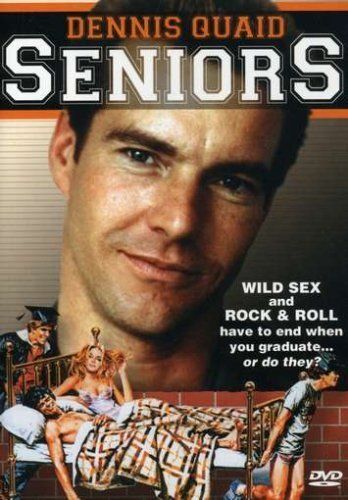
The Seniors (1978, directed by Rod Amateau)


Four college seniors (including one played by Dennis Quaid) are upset at the prospect of graduating, having to get real job, and losing Sylvia (Priscilla Barnes), the mute nymphomaniac who lives in their house with them and does all the cleaning and cooking.  They decide that the best way to avoid getting a real job is by setting up a fake company called Phantom Research.  They apply for and get a grant to study female sexuality, which essentially means that they pay the girls on campus to have sex with them.  Before you can say Risky Business (which was actually released years after this film), they expand their operations, get involved with some crooked businessmen, and nearly lose their lives.  It’s a comedy.

The Seniors is one of those films that used to come on television frequently when I was a kid.  I remember watching it when I was 12 and enjoying it, mostly because I was a stupid kid and I was at that age where any film about sex seemed clever and hilarious.  I recently rewatched it and discovered that there was only one funny bit and that was about a nerdy research assistant named Arnold (Rocky Flintermann) who helps out the seniors in return for them setting him up with Sylvia.  Throughout the film, the formerly virginal Arnold gets laid so often that he loses the ability to walk and then he dies.  Ha ha.  The rest of the film is just dumb.  The problem is that the film wants to be a raunchy, Animal House-style comedy but it was written by Stanley Shapiro (who previously wrote Doris Day comedies) and directed by Rod Amateau, who had previously directed several episodes of Gilligan’s Island.  Their style is all wrong for the material.

The film’s opening credits announce that it stars, among others, Ryan O’Neal, Clint Eastwood, and Charles Bronson.  A cartoon professor then walks out and announces that, “All of these big stars!  None of them are in this film!”  That’s too bad.  I would have liked to have seen some of those stars in this movie.  I think Eastwood would have told the seniors to get jobs and stop exploiting Sylvia.  Bronson would have blown away the entire operation but Ryan O’Neal probably would have been cool with it all.

O’Neal, Eastwood, and Bronson are not in the film.  Dennis Quaid is, though he probably doesn’t brag about.  Edward Andrews and Ian Wolfe both have minor roles as corrupt businessmen who help fund Phantom Research.  Alan Reed, the voice of Fred Flinstone, plays a professor.  This was his last performance before his death.