
by Gloria Stoll Karn
This is from 1946. I was so busy admiring the shoes that I nearly didn’t see the face.
by Gloria Stoll Karn
This is from 1946. I was so busy admiring the shoes that I nearly didn’t see the face.
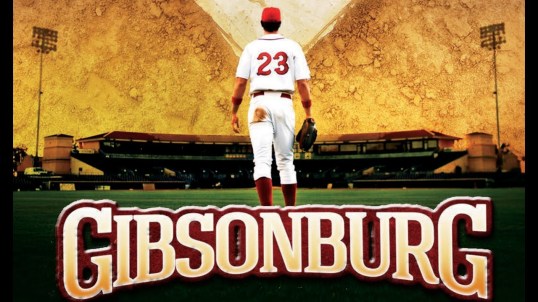
Based on a true story, Gibsonburg is my favorite type of sports story. It’s about a team that won even though everyone expected it to lose.
During the 2005 regular season, Gibsonburg High School’s baseball team compiles a desultory record of 6 wins and 17 losses. With a record like that, no one gives them much of a chance in the state’s championship tournament. But, against the odds, the Gibsonburg Golden Bears not only win the first game of the tournament but the second one and then the third one. Soon, it starts to look like Gibsonburg could actually come out of nowhere to win the state championship!
I liked Gibsonburg. There’s a lot of baseball scenes but, even more importantly, the movie is about what the underdog baseball team does for the spirit of its hometown. Gibsonburg has been hit hard by the recession and businesses are shutting down left and right. One of the team’s best players had just been told that the family’s bakery is going to be closed in a few weeks. The team’s victories gives the entire town something to believe in and it shows that you can succeed even when everyone is expecting you to fail. The team starts to win after the player comes across as valuable coin that might be lucky but, as the movie shows, the coin had nothing to do with it. Gibsonburg won because the team came together and refused to give up. The movie is a heart-warming celebration of community, friendship, and baseball.

Born in Brooklyn and educated in New York City (he received a Bachelor of Sciences degree from Fordham University), Warren King began his career as a freelance artist in 1940. Though King was responsible for several paperback and pulp magazine covers, he was best-known for his work as the Chief Editorial Cartoonist for The New York Daily News. King began his work for the New York Daily News in 1955 and would stay with them for the next twenty years.
Here are a few examples of King’s work.


by Peter Driben
The cat does not look enthusiastic about making her cover debut.

by Owen Kampen
Life on the farm never changes.

by Rudy Nappi
This is from 1950.
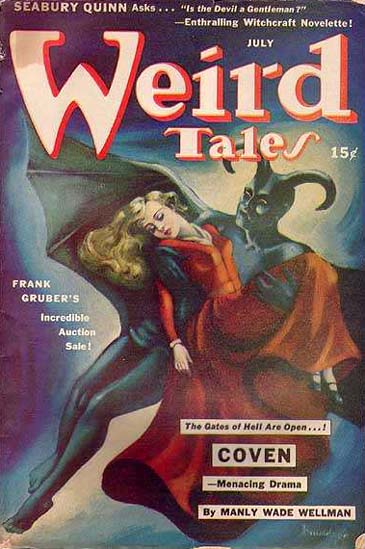
by Margaret Brundage
At least she got to wear a pretty dress.

by Peter Driben
This is from 1949.

by Sandor Klein
They don’t seem to mind sharing.

by George Gross
This cover is from 1951.

