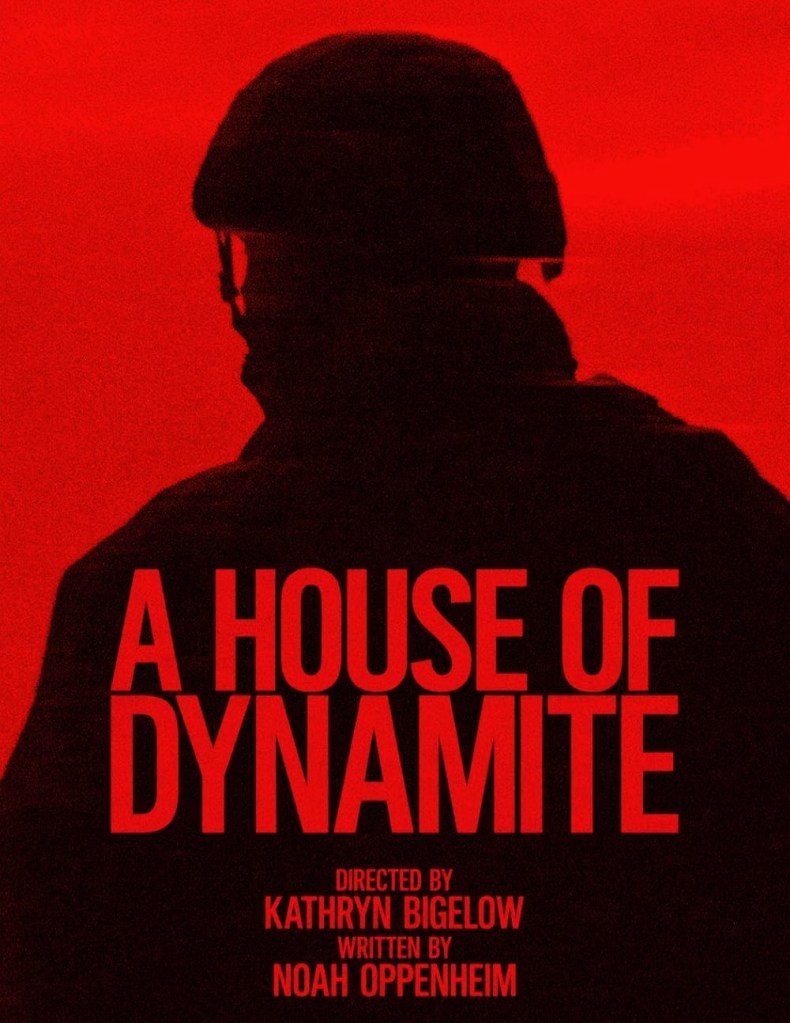
Horror Review: A House of Dynamite (dir. by Kathryn Bigelow)


“So it’s a fucking coin toss? That’s what 50 billion dollars buys us?” — Secretary of Defense Reid Baker

The end of the Cold War was supposed to close a chapter of fear. With the superpowers stepping back from the brink, the world briefly believed it had entered an era of stability. Yet that promise never held. The weapons remained, the rivalries adapted, and the global machinery of deterrence continued to hum beneath the surface. Kathryn Bigelow’s A House of Dynamite faces this reality head-on, transforming the mechanics of modern nuclear defense into something unnervingly human. On the surface, it plays as a high-tension political technothriller, but beneath that precision lies a deeply existential horror film—one built not on shadows or monsters, but on daylight, competence, and the narrow margins of human fallibility.

The premise is piercingly simple. An unidentified missile is detected over the Pacific. Analysts assume it’s a test or a glitch—another false alarm in a world overflowing with them. But within minutes, as conflicting data streams converge, what seemed routine begins to look real. The film unfolds in real time over twenty excruciating minutes, charting the reactions of those charged with interpreting and responding to the potential catastrophe. Bigelow divides the film into three interwoven perspectives: the White House Situation Room, the missile intercept base at Fort Greely, and the President’s mobile command aboard Marine One. The structure allows tension to grow from every direction at once, each perspective magnifying the other until the screen feels ready to collapse under its own pressure.

Capt. Olivia Walker (Rebecca Ferguson), commanding officer of the Situation Room, anchors the story with calm professionalism that gradually frays into disbelief. Ferguson’s performance is clear-eyed and tightly modulated—precise, disciplined, and quietly devastating. She stands as the rational center inside chaos, her composure the last gesture of control in a world that no longer follows reason.

Over her is Adm. Mark Miller (Jason Clarke), Director of the Situation Room, who represents the institutional embodiment of confidence. Clarke plays him with methodical restraint, a man who trusts procedure long after it stops earning trust. Miller’s authority is both comforting and horrifying: a portrait of leadership built on ritual rather than certainty.

At Fort Greely, Anthony Ramos brings an intimate immediacy as the officer charged with the missile intercept. His scenes hum with kinetic dread—the physical execution of decisions made thousands of miles away. Through him, the film captures the most primal kind of fear: acting when hesitation could mean extinction, knowing that success and failure are separated only by chance.

The President, portrayed by Idris Elba, spends much of the crisis in motion—first within the cocoon of the presidential limousine, and later, aboard Marine One as it carves through blinding daylight. Elba gives a performance of subtle, steady erosion. At first, he embodies unshakeable calm, a figure of poise and authority; but as the situation deepens, his steadiness wanes. Words become shorter, pauses longer. Every decision carries consequences too vast for resolution. It is a measured, understated portrait of power giving way to human uncertainty.

Bigelow’s direction is stripped of ornament and focused on precision. Barry Ackroyd’s cinematography heightens the claustrophobia of command centers—the sterile light, the reflective glass, the sense that every surface observes its occupants—while his exterior scenes pierce with harsh brightness, suggesting that no sanctuary exists under full exposure. Kirk Baxter’s editing maintains an unrelenting pulse, cutting with mathematical precision while preserving the eerie stillness of the moments where no one dares to speak.

​A House of Dynamite also shows how even with the most competent experts—military, intelligence, and political—working to manage an escalating crisis, there is no path to victory. The professionals at every level stop seeking to prevent the worst and instead focus on saving what they can when the worst becomes inevitable. The film’s scariest revelation is not the potential for destruction, but the paralysis that intelligence creates. If the brightest, most disciplined people in the world cannot find an answer, what happens when power falls into the hands of those less prepared or less rational? In its quiet way, the film poses that question that we see more and more each day on the news and on social media and we are left with silence and realization of the horror of it all.

Despite its precision, the film isn’t without flaws. Bigelow’s triptych structure—cutting between the three perspectives—works brilliantly to escalate tension, yet the repetition of similar beats slightly blunts the impact. Each segment revisits the same crisis rhythms—a data discrepancy, an argument over authority, another uncertain update—sometimes slowing the natural momentum. While the repetition underlines the futility of bureaucratic systems in chaos, the transitions don’t flow as fluidly as the rest of the film’s airtight craftsmanship. The result is a film that is gripping overall, occasionally uneven in rhythm, but never less than absorbing.

When the final minutes arrive, Bigelow declines to deliver resolution. No mushroom clouds, no catharsis. The President sits in Marine One, head down with the weight of the world on his shoulders as he contemplates his options in the Black Book (options in how to retaliate) and knowing that he has no good choices in front of him. The world remains suspended between survival and oblivion, and the silence that follows feels heavier than sound. The ending resists closure because endings, in the nuclear age, are an illusion—the fear continues no matter what happens next.

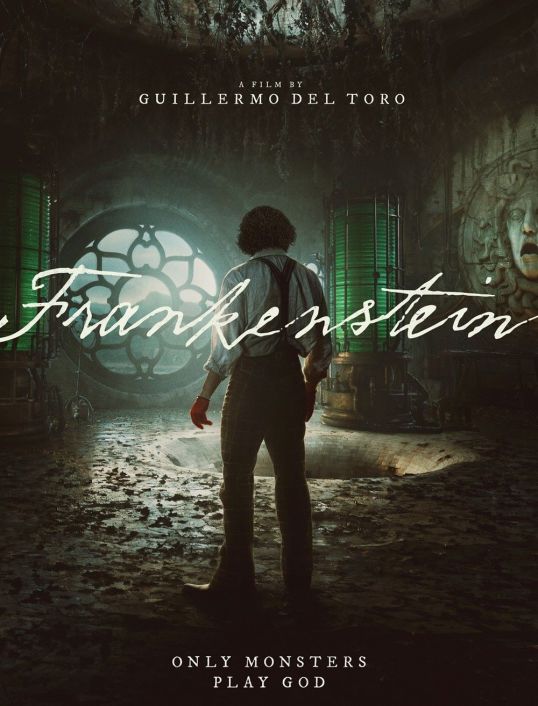
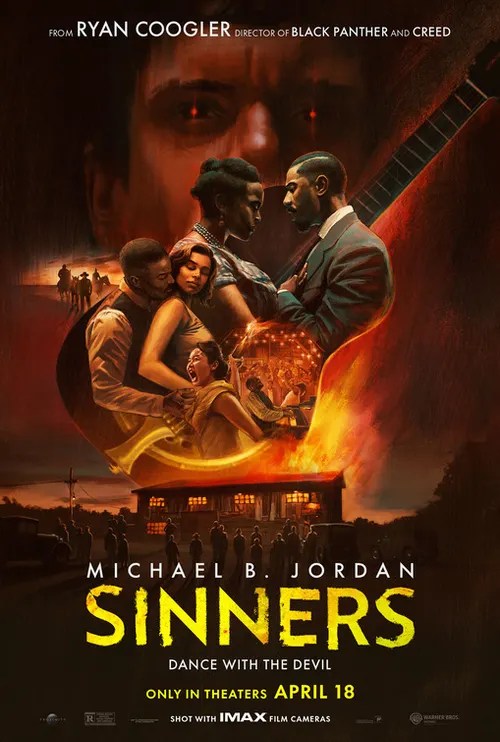
In a year crowded with strong horror releases—SinnersWeapons, The Long Walk and Frankenstein among them—A House of Dynamite stands apart. Dressed in the crisp realism of a technothriller, it’s a horror film defined by procedure, light, and silence. Bigelow builds terror from competence, from the steady voices and confident gestures of people trying to manage the unmanageable. This is not the chaos of fiction but the dread of reality, a reminder that the systems meant to preserve and protect might one day fail to deliver on its promise. For all its precision and restraint, A House of Dynamite shakes in the memory long after it ends—the year’s most quietly terrifying film.

Nuclear Close Calls: The situation and question brought up in the film has basis in history as there has been many instances of close calls and false alarms. The film itself doesn’t confirm that the missile detonated, but the implications in past confirmed events just shows how close the world has been to a completed catastrophe.

4 Shots From 4 Horror Films: The 1980s Part 3


This October, I’m going to be doing something a little bit different with my contribution to 4 Shots From 4 Films.  I’m going to be taking a little chronological tour of the history of horror cinema, moving from decade to decade.

Today, we complete the 80s!

4 Shots From 4 Horror Films

The Fly (1986, dir by David Cronenberg)

The Fly (1986, dir by David Cronenberg)

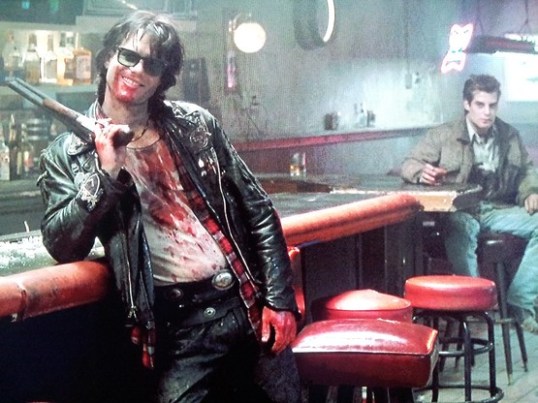
Near Dark (1987, dir by Kathryn Bigelow)

Near Dark (1987, dir by Kathryn Bigelow)

Evil Dead 2 (1987, dir by Sam Raimi)

Evil Dead 2 (1987, dir by Sam Raimi)

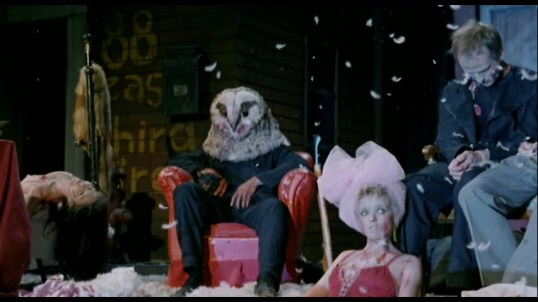
The Church (1989, dir by Michele Soavi)

The Church (1989, dir by Michele Soavi)

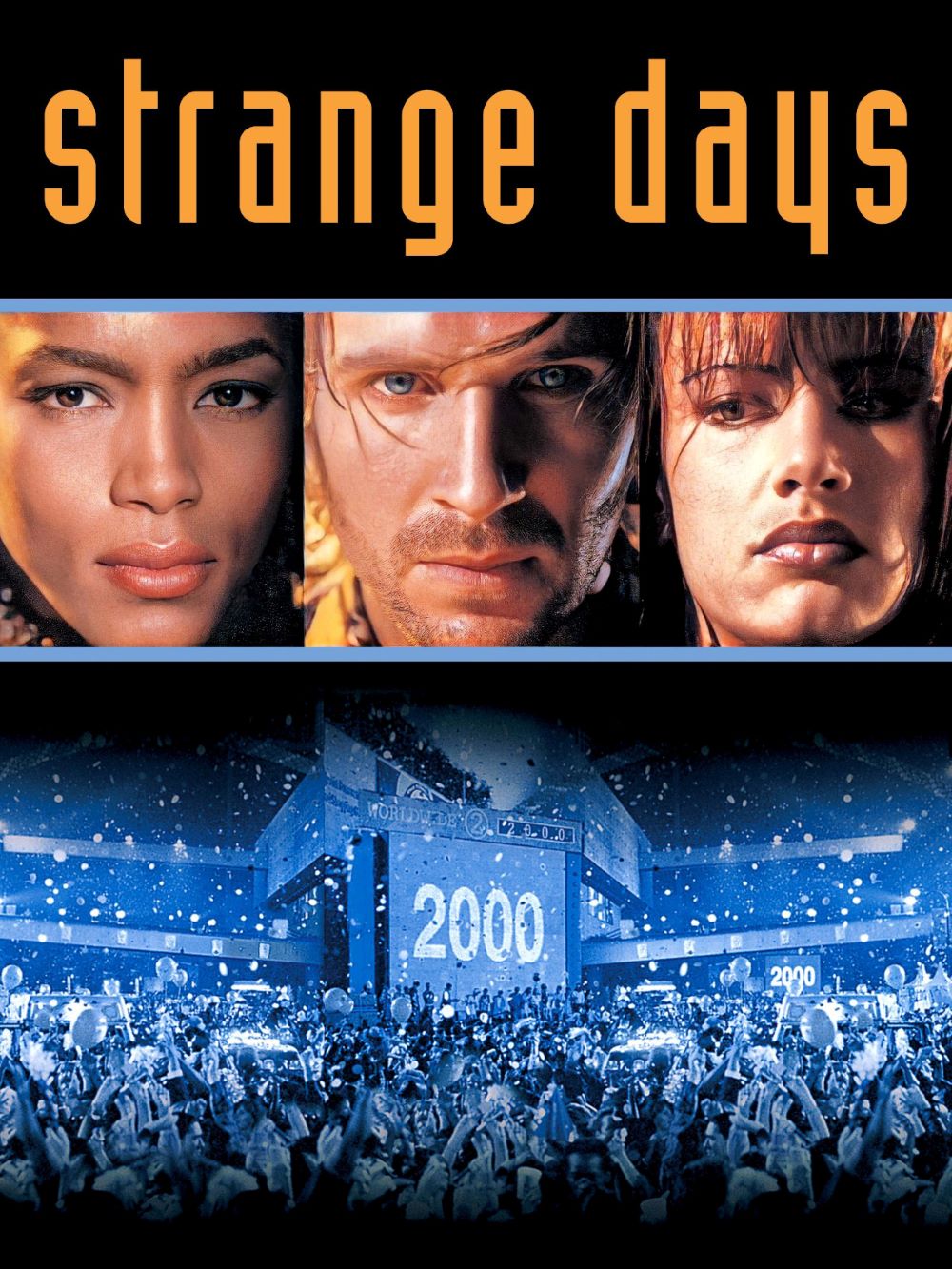
Brad’s “Scene of the Day” – Angela Bassett is sick of Ralph Fiennes’ crap in STRANGE DAYS (1995)!


I have a tendency to develop crushes on the beautiful women in cinema. In 1995, I watched STRANGE DAYS in the theater because of Ralph Fiennes, but when I left I was in love with Angela Bassett. Her tough, but vulnerable character of Lornette “Mace” Mason grabbed me right by the heart! In honor of Angela’s 67th birthday, here’s a scene from the STRANGE DAYS. Just be careful, because she’s a crush waiting to happen!

4 Shots From 4 Films: Special 1987 Edition


4 Or More Shots From 4 Or More Films is just what it says it is, 4 shots from 4 of our favorite films. As opposed to the reviews and recaps that we usually post, 4 Shots From 4 Films lets the visuals do the talking!

Today, we pay tribute to the year 1987!  It’s time for….

4 Shots From 4 1987 Films

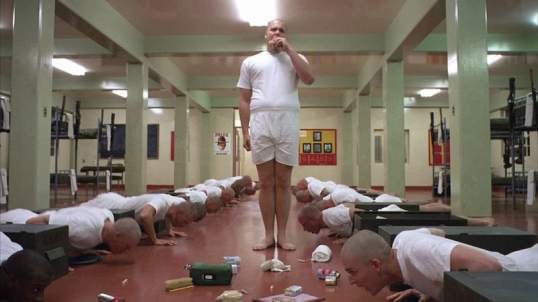
Full Metal Jacket (1987, dir by Stanley Kubrick, DP: Douglas Milsome)

Stage Fright (1987, dir by Michele Soavi, DP: Renato Tafuri)

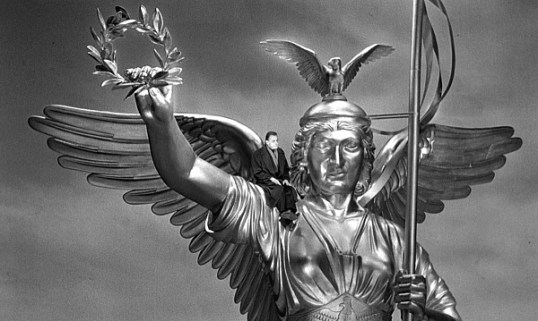
Wings of Desire (1987, dir by Wim Wenders, DP: Robby Muller)

Near Dark (1987, dir by Kathryn Bigelow, DP: Adam Greenberg)

Guilty Pleasure No. 80: Point Break (dir by Kathryn Bigelow)


Some films are so ludicrous and self-aware of their absurdity that you can’t help but love them and that’s certainly the case with 1991’s Point Break.

Consider what Point Break offers us:

First, you’ve got Keanu Reeves playing a former college football star who, after blowing out his knee, ended up joining the FBI.  Keanu, who looks like he’s barely out of high school in this film, plays a character with the wonderful name of Johnny Utah.  Keanu gives a relaxed performance.  You can tell that he’s having fun in this movie and Johnny Utah’s enthusiasm is infectious.  Personally, I prefer Johnny Utah to John Wick.

Secondly, you’ve got Patrick Swayze as Bodhi, the ruthless bank robber who is also a surfer.  Much like Reeves, Swayze could occasionally be a stiff actor but in this film, you can tell he’s having fun and again, it’s hard not have fun watching him as he spouts his surfer philosophy, jumps out of planes, and dreams of dying while mastering a 50-foot wave.  Swayze is so charismatic as Bodhi that you totally buy that Johnny Utah would like him despite all the times that Bodhi tries to kill him.

You’ve got Bodhi’s bank-robbing gang, who call themselves the Ex-Presidents.  Bodhi wears a Ronald Reagan mask.  Other members of the gang wear LBJ, Nixon, and Carter masks.  “I am not a crook!” Nixon says.  The wonderful thing about the Ex-Presidents is that they seem to truly enjoy robbing banks.  Of course, they also enjoy surfing.

Gary Busey plays a character who is not Gary Busy.  Instead, he’s Johnny’s partner.  Everyone in the FBI laughs at him when he says the bank robbers are surfers but guess who knows what he’s talking about!  Seriously, though, it’s always interesting to see Gary Busey in the years when he was still a somewhat serious actor.

John C. McGinley does the uptight boss thing.  Lori Petty is the waitress who teaches Johnny Utah how to surf.  The surf footage is beautifully shot.  A soaked Johnny give the camera a thumbs-up.  Director Kathryn Bigelow keeps the action moving quickly and, just as she did with Near Dark, uses the film’s genre trappings to explore the bond that holds together a group of outsiders.

It’s an over-the-top and cheerfully absurd film and it’s impossible not to love it.  I haven’t felt the need to watch the remake.  Why would I?  The original has everything I need.

Previous Guilty Pleasures

  1. Half-Baked
  2. Save The Last Dance
  3. Every Rose Has Its Thorns
  4. The Jeremy Kyle Show
  5. Invasion USA
  6. The Golden Child
  7. Final Destination 2
  8. Paparazzi
  9. The Principal
  10. The Substitute
  11. Terror In The Family
  12. Pandorum
  13. Lambada
  14. Fear
  15. Cocktail
  16. Keep Off The Grass
  17. Girls, Girls, Girls
  18. Class
  19. Tart
  20. King Kong vs. Godzilla
  21. Hawk the Slayer
  22. Battle Beyond the Stars
  23. Meridian
  24. Walk of Shame
  25. From Justin To Kelly
  26. Project Greenlight
  27. Sex Decoy: Love Stings
  28. Swimfan
  29. On the Line
  30. Wolfen
  31. Hail Caesar!
  32. It’s So Cold In The D
  33. In the Mix
  34. Healed By Grace
  35. Valley of the Dolls
  36. The Legend of Billie Jean
  37. Death Wish
  38. Shipping Wars
  39. Ghost Whisperer
  40. Parking Wars
  41. The Dead Are After Me
  42. Harper’s Island
  43. The Resurrection of Gavin Stone
  44. Paranormal State
  45. Utopia
  46. Bar Rescue
  47. The Powers of Matthew Star
  48. Spiker
  49. Heavenly Bodies
  50. Maid in Manhattan
  51. Rage and Honor
  52. Saved By The Bell 3. 21 “No Hope With Dope”
  53. Happy Gilmore
  54. Solarbabies
  55. The Dawn of Correction
  56. Once You Understand
  57. The Voyeurs 
  58. Robot Jox
  59. Teen Wolf
  60. The Running Man
  61. Double Dragon
  62. Backtrack
  63. Julie and Jack
  64. Karate Warrior
  65. Invaders From Mars
  66. Cloverfield
  67. Aerobicide 
  68. Blood Harvest
  69. Shocking Dark
  70. Face The Truth
  71. Submerged
  72. The Canyons
  73. Days of Thunder
  74. Van Helsing
  75. The Night Comes for Us
  76. Code of Silence
  77. Captain Ron
  78. Armageddon
  79. Kate’s Secret

Scenes That I Love: A New Year In Strange Days


Strange Days (1995, dir by Kathryn Bigelow, DP: Matthew F. Leonetti)

2025’s first scene that I love comes to us from a film that was released 30 years ago.  With its portrayal of a society desperately looking for both meaning and sensation in an increasingly digitized and detached world, Kathryn Bigelow’s Strange Days predicted the future and it has continued to find new fans and admirers despite having been a box office disappointment when it was originally released.

In this scene, Ralph Fiennes and Angela Bassett bring in the new year with the knowledge that they have many more strange days ahead of them.

As do we all.

(It’s always somewhat jarring to see a science fiction film that is set in what is now the past.  Welcome to 2000!  That said, Strange Days did a very good job of predicting where the world was heading.)

4 Shots From 4 Films: Special New Year’s Edition


4 Shots From 4 Films is just what it says it is, 4 shots from 4 of our favorite films. As opposed to the reviews and recaps that we usually post, 4 Shots From 4 Films lets the visuals do the talking.

Happy New Year’s Day!  Did you have as wonderful a celebration as the characters featured in today’s special edition of 4 Shots From 4 Films?

4 Shots From 4 Films

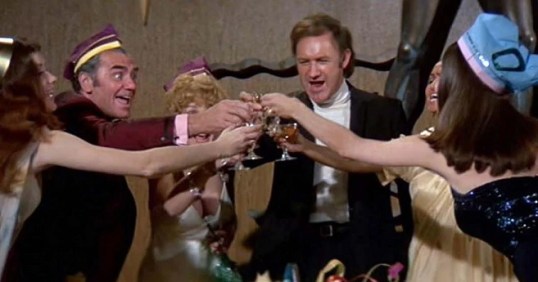
The Poseidon Adventure (1972, dir by Ronald Neame, DP: Harold E. Stine)

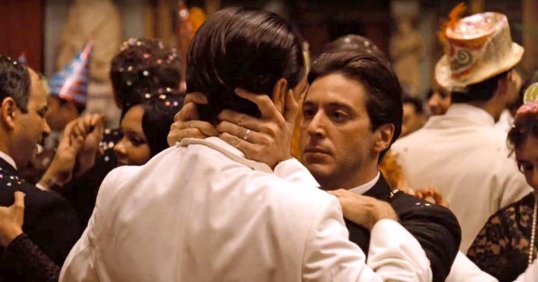
The Godfather Part II (1974, dir by Francis Ford Coppola, DP: Gordon Willis)

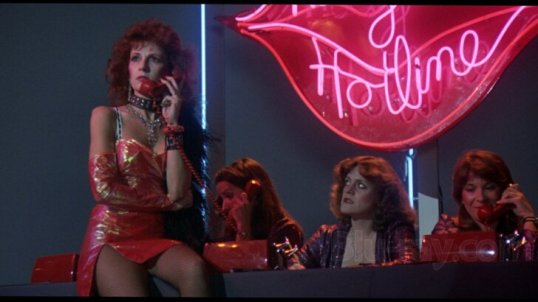
New Year’s Evil (1980, dir by Emmett Alston, DP: Edward Thomas)

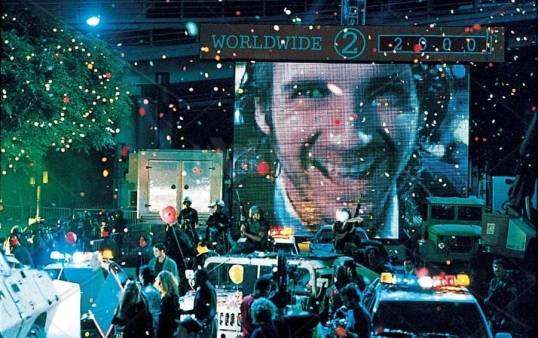
Strange Days (1995, dir by Kathryn Bigelow, DP: Matthew F. Leonetti)

Blue Steel (1990, directed by Kathryn Bigelow)


On her first night on the job, rookie cop Megan Turner (Jamie Lee Curtis) blows away a robber (Tom Sizemore) who was holding up a convenience store.  The robber was holding a gun when he was shot but, right after his body hits the ground, the gun is stolen by a stockbroker named Eugene Hunt (Ron Silver).  Somehow, no one notices Eugene grabbing the gun from the floor and he improbably gets away from the crime scene without any of the investigating officers noticing that he’s concealing a gun in his suit.

Because Eugene stole the gun, Megan is accused of shooting an unarmed man and she is suspended from the force.  Meanwhile, Eugene becomes obsessed with the gun, hears voices, and starts to shoot random people.  He even carves Megan’s name on one of the bullets.  When the bullet is found in the body of one of Eugene’s targets, Megan becomes the number one suspect even though it wouldn’t make any sense for a murderer to carve their name on the evidence.  This isn’t The Wire.  None of the dead are going to be found with a note in their hand that says, “Tater Killed Me.”  It should be obvious to everyone that Megan is being set up but instead, everyone just assumes Megan is a stupid murderer who doesn’t know how to cover her tracks.  Eugene also starts to date Megan but when Megan rejects him after he confesses to being the murderer, Eugene starts to stalk her and her friends.  Not even Megan’s new boyfriend (Clancy Brown) can keep her safe from a stockbroker with a grudge.

Blue Steel benefits from Kathryn Bigelow’s stylish direction and Jamie Lee Curtis’s dedicated performance but it suffers because Eugene is so obviously crazy from the get go that it never makes sense that he would be able to get away with his crimes for as long as he does.  Even after Megan realizes that Eugene is crazy, she can’t get anyone to believe her even though everything about Eugene suggests that he’s the murderer.  Not even confessing to the crime is enough to keep Eugene in prison.  Somehow, Eugene is able to commit multiple murders and attempted murders right in front of Megan and then escape before Megan or anyone else can even react.  Megan’s been trained at the Police Academy while Eugene has no criminal training whatsoever but he’s still always able to outthink and outrun her.  It makes it seem as if Megan just isn’t a very good cop.  Luckily, Bigelow, Curtis, Silver, and Clancy Brown would all be involved with better movies in the future.

10 Shots From 10 Horror Films: 1987 — 1989


4 Or More Shots From 4 Or More Films is just what it says it is, 4 shots from 4 of our favorite films. As opposed to the reviews and recaps that we usually post, 4 Shots From 4 Films lets the visuals do the talking!

This October, I’m going to be doing something a little bit different with my contribution to 4 (or more) Shots From 4 (or more) Films.  I’m going to be taking a little chronological tour of the history of horror cinema, moving from decade to decade.

Today, we take a look at 1987, 1988, and 1989!

10 Shots From Horror History: 1987–1989

Hellraiser (1987, dir by Clive Barker, DP: Robin Vidgeon)

Stage Fright (1987, dir by Michele Soavi, DP: Renato Tafuri)

Near Dark (1987, dir by Kathryn Bigelow, DP: Adam Greenberg)

Prince of Darkness (1987, dir by John Carpenter, DP: Gary B. Kibbe)

They Live (1988, dir by John Carpenter, DP: Gary B. Kibbe)

Night of the Demons (1988, dir by Kevin S. Tenney, DP: David Lewis)

The Lair of the White Worm (1988, dir by Ken Russell, DP: Dick Bush)

The Church (1989, dir by Michele Soavi, DP: Renato Tafuri)

Twin Peaks: The Pilot (1989, dir by David Lynch, DP: Ron Garcia)

Friday the 13th Part VIII: Jason Takes Manhattan (1989, dir by Rob Hedden, DP: Bryan England)

4 Shots From 4 Films: Special Bill Paxton Edition


4 Shots From 4 Films is just what it says it is, 4 shots from 4 of our favorite films. As opposed to the reviews and recaps that we usually post, 4 Shots From 4 Films lets the visuals do the talking!

Bill Paxton would have been 65 years old today.  One of the greatest of the modern character actors, Bill Paxton passed away three years ago and the loss is still felt.  Paxton was one of those actors who was often taken for granted but who was capable of bring almost any character to life.  He was an exciting actor to watch, not to mention being one of the best actor to ever come out of Ft. Worth, Texas.  He is definitely missed.

Today, we pay tribute to the great Bill Paxton with….

4 Shots From 4 Films

Near Dark (1987, dir by Kathryn Bigelow)

Pass the Ammo (1988, dir by David Beaird)

A Simple Plan (1998, dir by Sam Raimi)

Frailty (2001, dir by Bill Paxton)