Frontier Fractured: Taylor Sheridan’s Neo-Western Reckoning


“The characters are fiction, but the landscape and the lives the characters are navigating are real.” — Taylor Sheridan

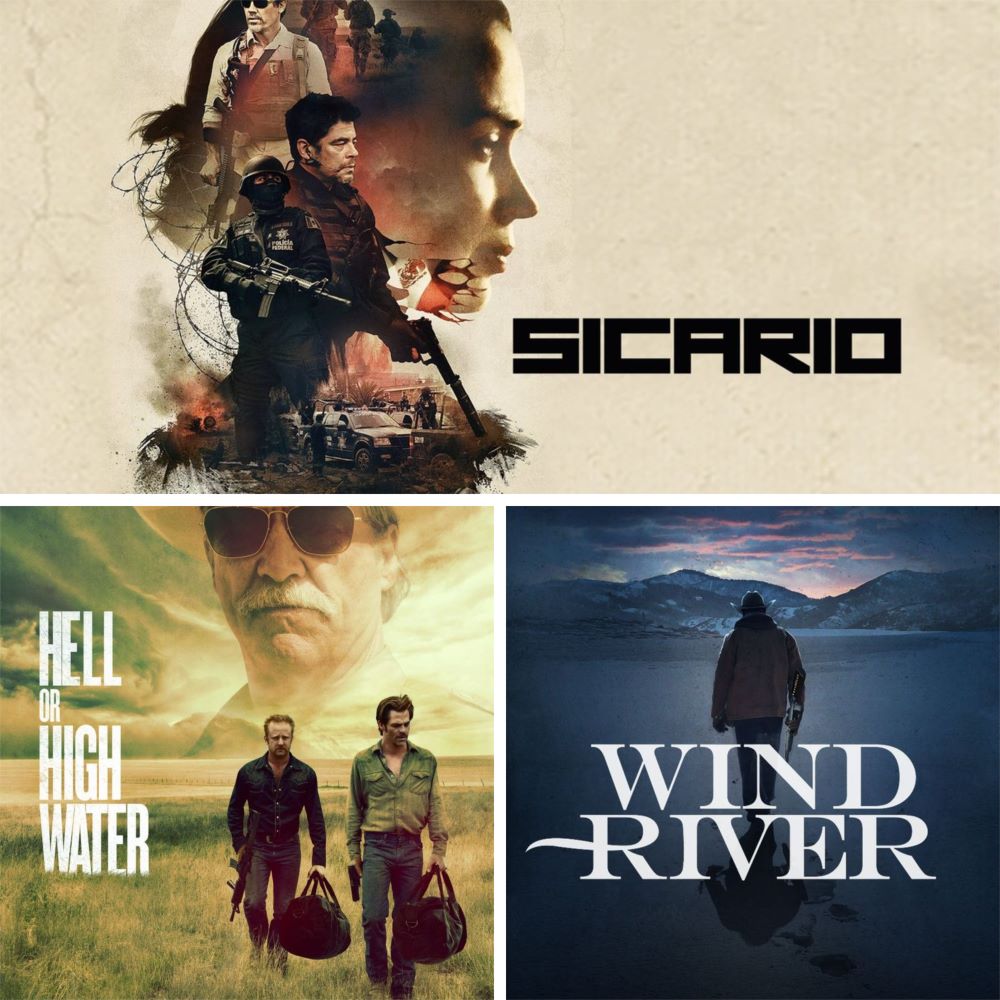
Taylor Sheridan’s American Frontier Trilogy—Sicario (2015), Hell or High Water (2016), and Wind River (2017)—stands as a landmark in modern neo-Western cinema, a tightly crafted exploration of America’s frayed edges penned by the screenwriter who would later dominate television with Yellowstone. These films, while not narratively linked, form a thematic triptych that dissects the moral decay of the contemporary frontier, where law buckles under the weight of systemic injustice, economic despair, and cultural erasure. This retrospective examines Sheridan’s screenplays as a cohesive vision of a nation haunted by its own myths of manifest destiny, blending pulse-pounding tension with unflinching social critique.

Defining the Trilogy’s Core

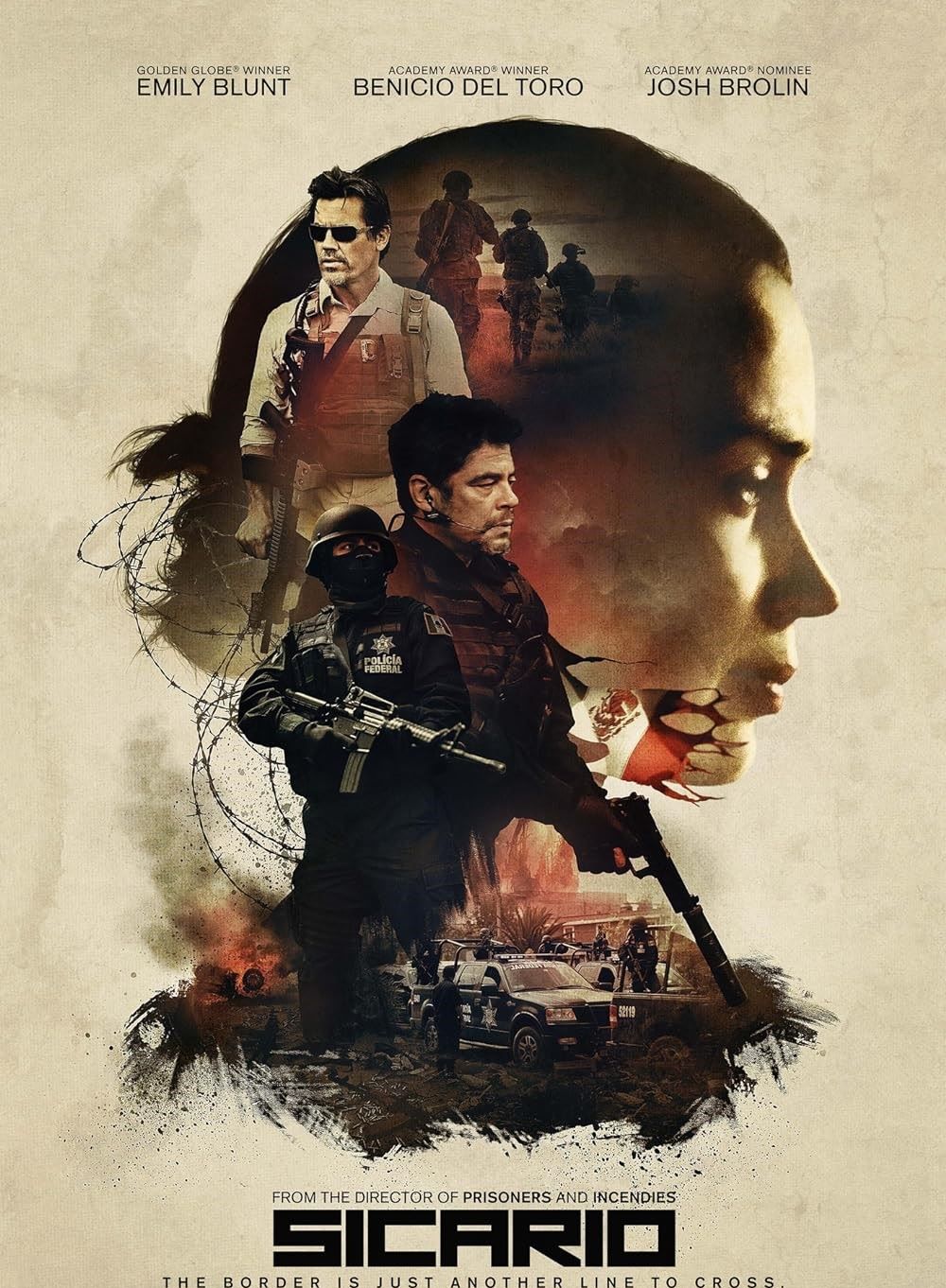
Sheridan’s “American Frontier” trilogy emerged from his own observations of overlooked American landscapes, as he described in interviews around Wind River‘s release. Sicario, directed by Denis Villeneuve, plunges into the U.S.-Mexico border war on drugs, following idealistic FBI agent Kate Macer (Emily Blunt) as she’s drawn into a shadowy CIA operation led by the enigmatic Matt Graver (Josh Brolin) and the ruthless Alejandro (Benicio del Toro). The film boasts breakneck pacing and claustrophobic tension, transforming a procedural thriller into a meditation on moral compromise, where the line between hunter and hunted dissolves in Juarez’s blood-soaked streets.

Hell or High Water, helmed by David Mackenzie, shifts to West Texas, chronicling brothers Toby (Chris Pine) and Tanner Howard (Ben Foster) as they rob branches of the Texas Midlands Bank—the same institution foreclosing on their mother’s ranch. It delivers a lean, character-driven drama, with an ear for authentic dialogue that captures rural Texan fatalism: lines like “You’re free now” underscore a cycle of poverty where crime becomes an act of reclamation. Ranger Marcus Hamilton (Jeff Bridges), pursuing them, embodies the law’s weary inefficiency.

Wind River, which Sheridan also directed, unfolds on Wyoming’s Wind River Indian Reservation, where U.S. Fish and Wildlife officer Cory Lambert (Jeremy Renner) aids rookie FBI agent Jane Banner (Elizabeth Olsen) in investigating a young Native woman’s death in the snow. It lands as a gut-punch of grief and rage, spotlighting the epidemic of missing and murdered Indigenous women (MMIW), with Cory’s personal loss fueling a vigilante justice that indicts federal neglect.

What unites them? Remote, unforgiving terrains—the border deserts, dusty plains, frozen reservations—mirror the characters’ isolation. Protagonists skirt legality not from villainy but necessity, exposing institutions (CIA, banks, FBI) as complicit oppressors. The “United States legal system” emerges as the trilogy’s true antagonist, wreaking havoc on the marginalized.

Thematic Pillars: Justice Beyond the Badge

At the trilogy’s heart lies a profound distrust of official justice, a motif each film escalates. In Sicario, Kate’s arc is one of disillusionment; she clings to warrants amid Graver’s extralegal raids, only to realize the “war” thrives on endless escalation. Sheridan’s script masterfully builds dread through escalating set-pieces—like the night-vision tunnel assault—while Alejandro’s backstory reveals the human cost of cartel savagery, blurring good and evil. It’s a film where victory feels pyrrhic, the frontier’s violence spilling northward unchecked.

Hell or High Water flips the script to economic predation. The Howards aren’t greedy outlaws but desperate everymen funding their family’s future against predatory lending. Sheridan’s sardonic humor amid despair shines in banter between Marcus and his partner Alberto (Gil Birmingham), laced with casual racism that humanizes their bond. The film’s climax, a bank standoff turned shootout, affirms the brothers’ twisted righteousness, critiquing how banks “won the West” anew through debt. It’s Sheridan’s most optimistic entry, suggesting personal agency can pierce systemic greed.

Wind River delivers the rawest indictment, weaving personal trauma into institutional failure. Cory tracks predators—animal and human—across a landscape where Native lives vanish without trace; statistics cited in the film (96% of reservation rapes unreported) hit like bullets. Its poetic minimalism—from snow-dusted crime scenes to Cory’s haunting promise to a grieving father: “I wish I could take that pain away”—underscores how the reservation embodies America’s forgotten frontier. Here, justice is vengeance, meted quietly in the mountains.

Across the trilogy, Sheridan updates Western archetypes: the principled lawman (Kate, Marcus, Jane) yields to the lone avenger (Alejandro, Toby, Cory). This serves as a modernization of classic Western struggles, swapping cattle barons for cartels and banks.

Stylistic Mastery and Sheridan’s Voice

Sheridan’s prose is economical yet evocative, favoring sparse dialogue that reveals worlds. His authentic regionalism comes through in Texan drawls in Hell or High Water, Arapaho stoicism in Wind River, and border Spanglish in Sicario. Directors amplify this: Villeneuve’s Sicario is visceral, with Roger Deakins’ cinematography turning borders into hellscapes; Mackenzie’s Hell or High Water feels expansive yet intimate, Giles Nuttgens capturing Texas’s soul-crushing vastness; Sheridan’s Wind River is austere, Nick Cave’s score amplifying isolation.

Performances elevate the scripts. Del Toro’s coiled fury in Sicario earned Oscar nods; Bridges’ folksy gravitas anchors Hell or High Water; Renner and Olsen ground Wind River‘s procedural in raw emotion. Yet Sheridan’s writing shines brightest in quiet beats: Kate’s post-raid breakdown, Toby’s motel confession, Cory’s frozen vigil.

The films were critically acclaimed for their sharp writing and thematic depth, earning Sheridan Oscar nominations for Hell or High Water and Wind River, while resonating widely with general audiences through gripping narratives and relatable human struggles that packed theaters and sparked enduring discussions. This neo-Western revival took audiences to unseen locales, from Juarez slums to Wind River snows.

Cultural Impact and Legacy

Released amid the turbulent 2010s—marked by escalating border crises, the lingering financial fallout from the 2008 recession, and rising awareness of the #MMIW epidemic—the trilogy presciently tapped into deep-seated national anxieties, reshaping conversations around justice, identity, and power in America. Sicario arrived as tensions over immigration and the drug war boiled over, humanizing the futility of America’s “war on drugs” just before the 2016 presidential debates on border walls and cartel violence. Its portrayal of shadowy U.S. operations crossing ethical lines sparked debates on real-world CIA tactics and the moral cost of security, influencing discourse in policy circles and popular media alike. The film’s raw depiction of Juarez’s carnage forced viewers to confront overlooked atrocities, bridging Hollywood thrillers with journalistic urgency and priming audiences for later works like Narcos.

Hell or High Water struck a populist chord amid post-recession rage, echoing Occupy Wall Street’s anti-bank fervor and the foreclosure crisis that ravaged rural America. By framing bank robbers as sympathetic everymen fighting predatory lending, Sheridan tapped into widespread resentment toward financial institutions, a sentiment that fueled political movements from Tea Party economics to progressive wealth taxes. The film’s Texas setting amplified its authenticity, resonating in heartland theaters and inspiring think pieces on economic despair as a driver of crime. Its legacy endures in modern “eat the rich” narratives, from The Gentlemen to economic thrillers, while proving indie sensibilities could deliver blockbuster emotional punches.

Wind River ignited a cultural firestorm by centering the MMIW crisis, a long-ignored epidemic where Native women face violence at rates exponentially higher than the national average. The film’s stark statistics and harrowing story propelled #MMIW into mainstream consciousness, directly contributing to legislative momentum like Savanna’s Act (passed in 2020), which improved federal responses to cases on tribal lands. Sheridan consulted with Native communities for accuracy, amplifying Indigenous voices through actors like Gil Birmingham and Julia Jones, though it faced critiques for “white savior” elements. Nonetheless, it opened doors for Native-led stories in films like Reservation Dogs and heightened Hollywood’s focus on underrepresented frontiers.

Collectively, the trilogy’s impact reverberates profoundly. Lionsgate’s 2022 Blu-ray collection formalized its status as a cinematic canon, while Sheridan’s scripts birthed his TV empire—Yellowstone1883Lioness—exporting frontier grit to streaming billions. Yet the films surpass his serialized work in laser-focused purity, influencing a neo-Western renaissance seen in No Country for Old Men echoes, The Power of the Dog, and series like Longmire. In policy realms, Sicario informed border security debates under both Biden and now-President Trump’s 2025 reelection; Hell or High Water prefigured rural economic populism in Trump-era politics; Wind River bolstered tribal advocacy amid ongoing land rights battles.

By 2026, amid Sheridan’s Yellowstone spinoffs dominating Paramount+ and renewed border rhetoric in a second Trump administration, the trilogy feels more vital than ever. It birthed a cinematic language for America’s internal fractures—geographic, economic, racial—challenging viewers to question who truly governs the forgotten edges. Academic panels dissect its archetypes; fan communities on Reddit and Letterboxd binge it as essential viewing. Flaws persist—Sicario 2‘s dilution without Sheridan, Wind River‘s debated optics—but its triumph lies in tension and truth, proving standalone stories can outlast franchises. Sheridan’s evolution from struggling actor to scribe magnate underscores a rare feat: films that entertain viscerally while indicting society, ensuring the frontier’s ghosts haunt us still.

Individual Breakdowns

Sicario: Border Inferno

Villeneuve’s adaptation turns Sheridan’s outrage at Juarez carnage—ignored by U.S. media—into a descent narrative. Kate’s naivety crumbles amid moral voids; Alejandro’s vendetta personalizes cartel horrors. Its operatic violence peaks in the stadium raid, where justice devolves to assassination. At 121 minutes, it’s taut prophecy.

Hell or High Water: Desperate Heist

Sheridan’s personal favorite channels his Texas roots, pitting family against finance. Pine’s everyman resolve contrasts Foster’s volatility; Bridges steals scenes with wry wisdom. The thrilling cat-and-mouse culminates in redemption through sacrifice, a neo-Bonnie and Clyde for foreclosure America. 102 minutes of populist fire.

Wind River: Frozen Requiem

Sheridan’s directorial bow personalizes loss—his script grew from real MMIW stats. Renner’s haunted tracker partners uneasily with Olsen’s fish-out-of-water fed; subplots flesh reservation despair. Its heartbreaking intimacy ends not in triumph but resolve amid endless winter. 107 minutes of unflinching truth.

Why It Endures

Sheridan’s trilogy isn’t mere genre exercise; it’s elegy for eroded American dreams. By bucking plot contrivances for lived-in despair, it forces reckoning with borders, banks, and buried bodies. These thrillers bleed social conscience—unadulterated, unflagging. In a franchise-saturated era, these standalone gems reclaim cinema’s frontier spirit.

Review: Sicario (dir. by Denis Villeneuve)


“You should move to a small town where the rule of law still exists. You will not survive here. You are not a wolf. And this is the land of wolves now.” — Alejandro

Sicario is one of those thrillers that doesn’t just try to get your pulse up; it wants to leave you sitting there afterward, uncomfortable and a little hollowed out. Set in the murky world of the U.S.–Mexico drug war, it follows an idealistic FBI agent pulled into a “by any means necessary” operation and slowly realizing she’s basically a pawn in a much bigger, much uglier game. It’s not a movie about slick heroes taking down bad guys so much as a slow, grim spiral into the realization that the system is rigged on every level, and that’s where the film is both at its most impressive and its most uncompromising. Overall, it leans heavily positive as a piece of craft—beautifully shot, superbly acted, tightly directed—and its refusal to blink at where its story logically leads is a big part of what gives it power.

The basic setup is simple enough: Kate Macer, played by Emily Blunt, is an FBI agent used to doing things by the book, raiding cartel safe houses in Arizona with her partner Reggie. After a grisly opening operation that turns up corpses hidden in the walls and a deadly booby trap, she’s recruited into a joint task force helmed by Josh Brolin’s Matt Graver, a flip‑flop‑wearing CIA type who treats international borders and legal constraints as suggestions. The team’s official mission is to go after a cartel lieutenant, Manuel Díaz, but very quickly Kate realizes she’s only being told a fraction of what’s really going on. The more she pushes for answers, the more obvious it becomes that Matt and his mysterious associate Alejandro (Benicio Del Toro) are running their own agenda and using her badge and presence as cover.

From the start, Denis Villeneuve frames this story as a descent, and he does it by locking us into Kate’s perspective for most of the film. We’re as confused and kept in the dark as she is: we don’t fully know why the team is crossing into Juárez, why everyone is so tense at the border, or what the deeper objective is besides “disrupt the cartel.” That choice pays off in a huge way during the film’s standout sequences, whether it’s the convoy inching through traffic surrounded by armed federales or the nighttime tunnel infiltration lit by thermal and night‑vision photography. Those scenes aren’t just “cool action beats”; they’re engineered to make you feel boxed in and outmatched, like violence could erupt at any second and no one really has control. Even when nothing is technically happening, you can feel the nerves jangling under the surface.

One of the most striking things about Sicario is how it weaponizes space. The way the film uses its wide, open desert vistas isn’t just pretty scenery—it adds this creeping, suffocating dread to everything, as if the characters are tiny figures swallowed up by forces they can’t hope to understand or control. Those long shots of trucks threading their way across the landscape, or helicopters gliding over seemingly endless scrub, make the world feel vast, ancient, and totally indifferent to whoever’s spilling blood on it today. In those moments, the movie almost channels a kind of Lovecraftian horror, the same cosmic, indifferent menace that Cormac McCarthy managed to weave through his Westerns, where the land itself feels old, hostile, and utterly unmoved by human morality or suffering. It’s not supernatural, but that sense of something bigger, colder, and permanent presses down on every decision these characters make.

Roger Deakins’ cinematography is a huge part of why that dread lands so well. The desert is captured in these wide, ominous skyline shots with tiny vehicles creeping along the horizon, giving Sicario a sense of menace that feels baked into the environment. Even the daylight scenes feel threatening, all washed‑out heat and harsh sun flattening everything into a kind of moral no‑man’s‑land. Then the movie flips into night, and suddenly you’re plunged into infrared and silhouettes, which fits perfectly with the story’s obsession with secrecy and invisible lines being crossed. This is one of those films where you could watch with the sound off and still feel the tension just from how the images are composed, but the use of space and light also nudges the movie into that McCarthy‑adjacent territory where the West is less a backdrop and more a silent, malevolent presence.

The performances match that level of craft. Emily Blunt plays Kate as tough and competent, but not in a superhero way—she’s brave, but she’s also human, constantly trying to reconcile what she’s seeing with what she believes law enforcement is supposed to be. You can see the frustration mounting as she keeps demanding clarity and hitting a wall of smirks, deflections, and “you’ll understand later.” Benicio Del Toro, meanwhile, walks off with the film as Alejandro, this quiet, haunted figure who initially seems like just another operative but reveals layers of trauma and ruthlessness as the story goes on. The script is smart about keeping his backstory mostly hinted at until late in the film, which makes it all the more chilling when you finally see what he’s really there to do. Josh Brolin is the third pillar, playing Matt as casually flippant on the surface but utterly cold about collateral damage, the kind of guy who laughs through briefings because he already knows the moral lines are going to be erased.

On a thematic level, Sicario is very much about complicity and the idea that in this particular “war,” there are no clean hands. Kate comes in thinking she’s going to help nail cartel leadership through some kind of legal, targeted operation; what she slowly figures out is that the task force is really trying to destabilize one cartel to empower another, consolidating power into a more “manageable” single organization. That logic—“create one devil we can deal with instead of many we can’t”—is chilling, and the movie doesn’t really offer a comforting counterargument. Instead of pulling back or softening that stance, it commits to showing what that philosophy looks like in practice, all the way to the bitter end. By the time Alejandro reaches his personal endgame and we see what “justice” looks like in this world, any illusions about moral clarity are gone, and the film refuses to apologize for following that line through.

Where some films might hedge their bets or try to inject a last‑minute note of optimism, Sicario is deliberately straight‑backed about where its story logically leads. The CIA needs Kate’s FBI status to legitimize their operation on U.S. soil, but they don’t actually want her input; she’s there to sign off and be lied to, not to shape policy. Every time she pushes back—like when she tries to build a traditional case after the task force raids a cartel‑connected bank—she’s shut down because “that’s not what this mission is.” Even the brief subplot with the corrupt local cop Silvio is there to underline how the drug war trickles down: this isn’t just cartel bosses and shadowy agents, it’s working‑class people pulling double duty as mules because they’re desperate, and they end up as expendable as anyone else. Rather than treating that as background noise, the movie leans into the bleak implications and lets them sit with you.

The same goes for Kate’s arc. Some viewers see the film as sidelining its female lead in the third act, shifting the narrative fully over to Alejandro just when things are coming to a head. Structurally, that is what happens: the viewpoint tilts from Kate’s confused horror to Alejandro’s mission, and she becomes more of a witness than an active participant. But that shift feels of a piece with the movie’s overall approach—she has been outmaneuvered and used from the start, and Sicario isn’t interested in pretending otherwise just to deliver a more empowering or conventionally satisfying ending. There’s something bracing about the way the film sticks to its guns here; it says, “this is the world we’ve shown you for two hours, and this is how someone like Kate gets treated in it,” and then follows through.

All of this could have tipped into empty cynicism if the film didn’t feel so precise and purposeful. Jóhann Jóhannsson’s score, all pounding, low‑end rumble and ominous strings, practically turns the highway scenes into horror set‑pieces; it feels like the sound of something massive grinding forward that you can’t stop. Villeneuve keeps the pacing deliberate but never sluggish, using long stretches of quiet to make the explosions of violence feel random and brutal instead of exciting. Even small scenes, like Kate’s attempted hookup with a local cop who turns out to be on the cartel payroll, are staged to underline how deeply compromised everything is. There’s no safe space, no “off the clock” moment where the larger conflict doesn’t intrude, and the movie doesn’t pretend there is just to make you feel better walking out.

If you go into Sicario looking for a clean, cathartic crime thriller where the good guys outsmart the bad guys, you’ll probably come away irritated or even angry. The movie’s whole point is that those categories don’t really apply in this corner of the world, and it’s committed enough to that idea that it never gives you an easy out. But if you’re up for something more sobering—an incredibly well‑crafted, morally grim look at the drug war with standout work from Blunt, Del Toro, Brolin, Deakins, and Villeneuve—it’s a pretty exceptional ride. Its worldview is harsh, but it’s also coherent and honestly pursued, and that level of conviction is a big part of why the film lingers. It may not be the kind of movie you “enjoy” in a traditional sense, but it’s one that sticks with you, and in this genre, that counts for a lot.

Here’s the Super Bowl Spot For Disclosure Day


Disclosure Day is Steven Spielberg’s latest film.  We really don’t know much about it, beyond the fact that it appears to be science fiction and it stars Emily Blunt.

The Super Bowl spot is certainly intriguing.  I’m looking forward to unraveling this film’s mysteries.

Here’s What Won At The Golden Globes!


I didn’t watch the Golden Globes on Sunday night.  Technically, it’s because I wasn’t feeling well and I needed to get some rest.  In reality, even if I had been healthy, I don’t know that I would have watched.  A few years ago, the Golden Globes were not televised and I discovered how liberating it was to not have to pretend to care about this stupid show.

That said, the Globes are considered an Oscar precursor, despite the fact that no one’s even sure who is voting on them nowadays.  So, here’s what won on Sunday night:

BEST MOTION PICTURE, DRAMA
Frankenstein
Hamnet
It Was Just an Accident
The Secret Agent
Sentimental Value
Sinners

BEST MOTION PICTURE, MUSICAL OR COMEDY
Blue Moon
Bugonia
Marty Supreme
No Other Choice
Nouvelle Vague
One Battle After Another

BEST DIRECTOR, MOTION PICTURE
Paul Thomas Anderson – One Battle After Another

Ryan Coogler – Sinners
Guillermo del Toro – Frankenstein
Jafar Panahi – It Was Just an Accident
Joachim Trier – Sentimental Value
Chloe Zhao – Hamnet

BEST PERFORMANCE BY AN ACTRESS IN A MOTION PICTURE, DRAMA
Jessie Buckley – Hamnet

Jennifer Lawrence – Die, My Love
Renate Reinsve – Sentimental Value
Julia Roberts – After the Hunt
Tessa Thompson – Hedda
Eva Victor – Sorry, Baby

BEST PERFORMANCE BY AN ACTRESS IN A MOTION PICTURE, MUSICAL, OR COMEDY
Rose Byrne – If I Had Legs I’d Kick You

Cynthia Erivo – Wicked: For Good
Kate Hudson – Song Sung Blue
Chase Infiniti – One Battle After Another
Amanda Seyfried – The Testament of Ann Lee
Emma Stone – Bugonia

BEST PERFORMANCE BY AN ACTRESS IN A SUPPORTING ROLE IN ANY MOTION PICTURE
Emily Blunt – The Smashing Machine
Elle Fanning – Sentimental Value
Ariana Grande – Wicked: For Good
Inga Ibsdotter Lilleaas – Sentimental Value
Amy Madigan – Weapons
Teyana Taylor – One Battle After Another

BEST PERFORMANCE BY AN ACTOR IN A MOTION PICTURE, DRAMA
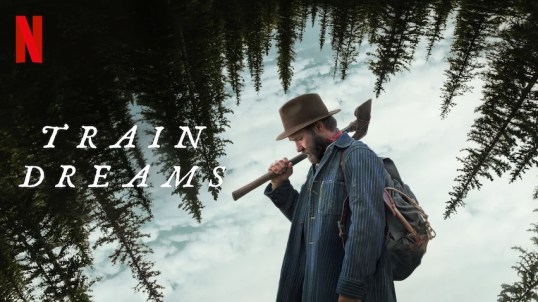
Joel Edgerton – Train Dreams
Oscar Isaac – Frankenstein
Dwayne Johnson – The Smashing Machine
Michael B. Jordan – Sinners
Wagner Moura – The Secret Agent
Jeremy Allen White – Springsteen: Deliver Me from Nowhere

BEST PERFORMANCE BY AN ACTOR IN A MOTION PICTURE, MUSICAL, OR COMEDY
Lee Byung-hun – No Other Choice
Timothee Chalamet – Marty Supreme
George Clooney – Jay Kelly
Leonardo DiCaprio – One Battle After Another
Ethan Hawke – Blue Moon
Jesse Plemons – Bugonia

BEST PERFORMANCE BY AN ACTOR IN A SUPPORTING ROLE IN ANY MOTION PICTURE
Benicio Del Toro – One Battle After Another
Jacob Elordi – Frankenstein
Paul Mescal – Hamnet
Sean Penn – One Battle After Another
Adam Sandler – Jay Kelly
Stellan Skarsgård – Sentimental Value

BEST SCREENPLAY, MOTION PICTURE
Hamnet
It Was Just an Accident
Marty Supreme
One Battle After Another
Sentimental Value
Sinners

BEST ORIGINAL SCORE, MOTION PICTURE
F1: The Movie
Frankenstein
Hamnet
One Battle After Another
Sinners
Sirat

BEST ORIGINAL SONG, MOTION PICTURE
Avatar: Fire and Ash – “Dream as One”
KPop Demon Hunters – “Golden”
Sinners – “I Lied to You”
Train Dreams – “Train Dreams”
Wicked: For Good – “No Place Life Home”
Wicked: For Good – “The Girl in the Bubble”

BEST MOTION PICTURE, ANIMATED
Arco
Demon Slayer: Kimetsu No Yaiba The Movie
Elio
KPop Demon Hunters
Little Amelie or the Character of Rain
Zootopia 2

BEST MOTION PICTURE, FOREIGN LANGUAGE
It Was Just an Accident
No Other Choice
The Secret Agent
Sentimental Value
Sirat
The Voice of Hind Rajab

GOLDEN GLOBE FOR CINEMATIC & BOX OFFICE ACHIEVEMENT
Avatar: Fire and Ash
F1: The Movie
KPop Demon Hunters
Mission: Impossible — The Final Reckoning
Sinners

Weapons
Wicked: For Good
Zootopia 2

One Battle After Another Hits The Jackpot In Las Vegas


The Las Vegas Film Critics Society has announced its picks for the best of 2025.  The winners are in bold.

BEST PICTURE
Frankenstein
Marty Supreme
One Battle After Another
Sinners
Train Dreams

BEST ACTOR
Timothée Chalamet – Marty Supreme
Leonardo DiCaprio – One Battle After Another
Joel Edgerton – Train Dreams
Michael B. Jordan – Sinners
Jesse Plemons – Bugonia

BEST ACTRESS
Jessie Buckley – Hamnet
Rose Byrne – If I Had Legs I’d Kick You
Renate Reinsve – Sentimental Value
Amanda Seyfried – The Testament of Ann Lee
Emma Stone – Bugonia

BEST SUPPORTING ACTOR
Benicio del Toro – One Battle After Another
Jacob Elordi – Frankenstein
Delroy Lindo – Sinners
Sean Penn – One Battle After Another
Stellan Skarsgård – Sentimental Value

BEST SUPPORTING ACTRESS
Emily Blunt – The Smashing Machine
Elle Fanning – Sentimental Value
Ariana Grande – Wicked: For Good
Amy Madigan – Weapons
Teyana Taylor – One Battle After Another

BEST DIRECTOR
Guillermo del Toro – Frankenstein
Josh Safdie – Marty Supreme
Paul Thomas Anderson – One Battle After Another
Ryan Coogler – Sinners
Clint Bentley – Train Dreams

BEST ORIGINAL SCREENPLAY
Marty Supreme
Sentimental Value
Sinners
Sorry, Baby
Weapons

BEST ADAPTED SCREENPLAY
Bugonia
Frankenstein
No Other Choice
One Battle After Another
Train Dreams

BEST CINEMATOGRAPHY
F1: The Movie
Frankenstein
One Battle After Another
Sinners
Train Dreams

BEST FILM EDITING
F1: The Movie
Marty Supreme
One Battle After Another
Sinners
Train Dreams

BEST SCORE
F1: The Movie
Frankenstein
One Battle After Another
Sinners
Tron: Ares

BEST SONG
Clothed by the Sun – The Testament of Ann Lee
Drive – F1: The Movie
Golden – KPop Demon Hunters
I Lied to You – Sinners
Train Dreams – Train Dreams

BEST DOCUMENTARY
The Alabama Solution
Come See Me in the Good Light
Cover Up
John Candy: I Like Me
The Perfect Neighbor

BEST ANIMATED FILM
Arco
Demon Slayer: Kimetsu no Yaiba The Movie: Infinity Castle
In Your Dreams
KPop Demon Hunters
Zootopia 2

BEST INTERNATIONAL FILM
It Was Just an Accident
Left-Handed Girl
No Other Choice
Sentimental Value
The Secret Agent

BEST COSTUME DESIGN
Frankenstein
Hamnet
Kiss of the Spider Woman
Sinners
Wicked: For Good

BEST ART DIRECTION
Avatar: Fire and Ash
Frankenstein
Marty Supreme
Sinners
Wicked: For Good

BEST VISUAL EFFECTS
Avatar: Fire and Ash
F1: The Movie
Mission: Impossible – The Final Reckoning
Superman
The Fantastic Four: First Steps

BEST ACTION FILM
From the World of John Wick: Ballerina
Mission: Impossible – The Final Reckoning
Predator: Badlands
Superman
The Running Man

BEST COMEDY
Eternity
Friendship
The Ballad of Wallis Island
The Naked Gun
One of Them Days

BEST HORROR / SCI-FI
28 Years Later
Bring Her Back
Frankenstein
Sinners
The Long Walk

BEST FAMILY FILM
How to Train Your Dragon
KPop Demon Hunters
Lilo & Stitch
The Legend of Ochi
Zootopia 2

BEST ANIMAL PERFORMANCE
Bing, the Great Dane – The Friend
Hercules, the Dog – Marty Supreme
Indy – Good Boy
Olga, the Cat – Sorry, Baby
Richard and Baba – The Penguin Lessons

BEST ENSEMBLE
Jay Kelly
Marty Supreme
One Battle After Another
Sentimental Value
Sinners

BREAKOUT FILMMAKER
Clint Bentley – Train Dreams
Drew Hancock – Companion
Emilie Blichfeldt – The Ugly Stepsister
Eva Victor – Sorry, Baby
James Sweeney – Twinless

BEST STUNTS
F1: The Movie
From the World of John Wick: Ballerina
Mission: Impossible – The Final Reckoning
Predator: Badlands
The Running Man

YOUTH MALE PERFORMANCE (UNDER 21)
Christian Convery – Frankenstein / The Monkey
Jacobi Jupe – Hamnet
John Wren Phillips – Bring Her Back
Mason Thames – How to Train Your Dragon
Miles Caton – Sinners

FEMALE YOUTH PERFORMANCE (UNDER 21)
Helena Zengel – The Legend of Ochi
Maia Kealoha – Lilo & Stitch
Nina Ye – Left-Handed Girl
Shannon Mahina Gorman – Rental Family
Sora Wong – Bring Her Back

WILLIAM HOLDEN LIFETIME ACHIEVEMENT AWARD
Kathryn Bigelow
Barbara Broccoli
Kathleen Kennedy
Delroy Lindo
Sigourney Weaver

Spielberg delves into Sci-Fi again with the Disclosure Day Teaser


Spielberg. Williams. Koepp. Kaminski. What the heck is Disclosure Day?

The teaser trailer for Steven Spielberg’s Disclosure Day hit my phone via Letterbox’d. This is connected to those weird X-Files looking posters I’ve been seeing as of late. It looks like another film with aliens, similar to Close Encounters of the Third Kind with a dash of Zemekis’ Contact or sprinkle of Villeneuve’s Arrival. The film stars Josh O’Connor (Wake Up Dead Man: A Knives Out Mystery), Emily Blunt (Jungle Cruise), Colin Firth (Kingsman), Coleman Domingo (The Running Man), Wyatt Russell (Marvel’s Thunderbolts), and Eve Newson (Robin Hood).

Spielberg and Koepp have a good track record together with the Jurassic Park films, and it’a always good to see a pairing with John Williams. Still, this all looks really weird. Either way, we’ll find out when the film is released next June.

Enjoy!

Here Are The 2025 Nominations of the Las Vegas Film Critics Society


Here are the 2025 nominations of the Las Vegas Film Critics Society.

BEST PICTURE
Frankenstein
Marty Supreme
One Battle After Another
Sinners
Train Dreams

BEST ACTOR
Timothée Chalamet – Marty Supreme
Leonardo DiCaprio – One Battle After Another
Joel Edgerton – Train Dreams
Michael B. Jordan – Sinners
Jesse Plemons – Bugonia

BEST ACTRESS
Jessie Buckley – Hamnet
Rose Byrne – If I Had Legs I’d Kick You
Renate Reinsve – Sentimental Value
Amanda Seyfried – The Testament of Ann Lee
Emma Stone – Bugonia

BEST SUPPORTING ACTOR
Benicio del Toro – One Battle After Another
Jacob Elordi – Frankenstein
Delroy Lindo – Sinners
Sean Penn – One Battle After Another
Stellan Skarsgård – Sentimental Value

BEST SUPPORTING ACTRESS
Emily Blunt – The Smashing Machine
Elle Fanning – Sentimental Value
Ariana Grande – Wicked: For Good
Amy Madigan – Weapons
Teyana Taylor – One Battle After Another

BEST DIRECTOR
Guillermo del Toro – Frankenstein
Josh Safdie – Marty Supreme
Paul Thomas Anderson – One Battle After Another
Ryan Coogler – Sinners
Clint Bentley – Train Dreams

BEST ORIGINAL SCREENPLAY
Marty Supreme
Sentimental Value
Sinners
Sorry, Baby
Weapons

BEST ADAPTED SCREENPLAY
Bugonia
Frankenstein
No Other Choice
One Battle After Another
Train Dreams

BEST CINEMATOGRAPHY
F1: The Movie
Frankenstein
One Battle After Another
Sinners
Train Dreams

BEST FILM EDITING
F1: The Movie
Marty Supreme
One Battle After Another
Sinners
Train Dreams

BEST SCORE
F1: The Movie
Frankenstein
One Battle After Another
Sinners
Tron: Ares

BEST SONG
Clothed by the Sun – The Testament of Ann Lee
Drive – F1: The Movie
Golden – KPop Demon Hunters
I Lied to You – Sinners
Train Dreams – Train Dreams

BEST DOCUMENTARY
The Alabama Solution
Come See Me in the Good Light
Cover Up
John Candy: I Like Me
The Perfect Neighbor

BEST ANIMATED FILM
Arco
Demon Slayer: Kimetsu no Yaiba The Movie: Infinity Castle
In Your Dreams
KPop Demon Hunters
Zootopia 2

BEST INTERNATIONAL FILM
It Was Just an Accident
Left-Handed Girl
No Other Choice
Sentimental Value
The Secret Agent

BEST COSTUME DESIGN
Frankenstein
Hamnet
Kiss of the Spider Woman
Sinners
Wicked: For Good

BEST ART DIRECTION
Avatar: Fire and Ash
Frankenstein
Marty Supreme
Sinners
Wicked: For Good

BEST VISUAL EFFECTS
Avatar: Fire and Ash
F1: The Movie
Mission: Impossible – The Final Reckoning
Superman
The Fantastic Four: First Steps

BEST ACTION FILM
From the World of John Wick: Ballerina
Mission: Impossible – The Final Reckoning
Predator: Badlands
Superman
The Running Man

BEST COMEDY
Eternity
Friendship
The Ballad of Wallis Island
The Naked Gun
One of Them Days

BEST HORROR / SCI-FI
28 Years Later
Bring Her Back
Frankenstein
Sinners
The Long Walk

BEST FAMILY FILM
How to Train Your Dragon
KPop Demon Hunters
Lilo & Stitch
The Legend of Ochi
Zootopia 2

BEST ANIMAL PERFORMANCE
Bing, the Great Dane – The Friend
Hercules, the Dog – Marty Supreme
Indy – Good Boy
Olga, the Cat – Sorry, Baby
Richard and Baba – The Penguin Lessons

BEST ENSEMBLE
Jay Kelly
Marty Supreme
One Battle After Another
Sentimental Value
Sinners

BREAKOUT FILMMAKER
Clint Bentley – Train Dreams
Drew Hancock – Companion
Emilie Blichfeldt – The Ugly Stepsister
Eva Victor – Sorry, Baby
James Sweeney – Twinless

BEST STUNTS
F1: The Movie
From the World of John Wick: Ballerina
Mission: Impossible – The Final Reckoning
Predator: Badlands
The Running Man

YOUTH MALE PERFORMANCE (UNDER 21)
Christian Convery – Frankenstein / The Monkey
Jacobi Jupe – Hamnet
John Wren Phillips – Bring Her Back
Mason Thames – How to Train Your Dragon
Miles Canton – Sinners

FEMALE YOUTH PERFORMANCE (UNDER 21)
Helena Zengel – The Legend of Ochi
Maia Kealoha – Lilo & Stitch
Nina Ye – Left-Handed Girl
Shannon Mahina Gorman – Rental Family
Sora Wong – Bring Her Back

WILLIAM HOLDEN LIFETIME ACHIEVEMENT AWARD
Kathryn Bigelow
Barbara Broccoli
Kathleen Kennedy
Delroy Lindo
Sigourney Weaver

Here Are The 2025 Golden Globe Nominations


Does anyone care about the Golden Globes any more?  I remember that there was a feeling of relief when it looked like we would finally be free from having to worry about them.  Of course, the Globes are back and under new management.  They’re clawing their way back to relevancy, or at least they’re trying.

To be honest, I don’t trust the nominations below.  I think it’s all about getting people to watch their ceremony again.  Still, the Golden Globes are a thing and here are the film nominations for this year.  The winners will be revealed on January 11th.

BEST MOTION PICTURE, DRAMA
Frankenstein
Hamnet
It Was Just an Accident
The Secret Agent
Sentimental Value
Sinners

BEST MOTION PICTURE, MUSICAL OR COMEDY
Blue Moon
Bugonia
Marty Supreme
No Other Choice
Nouvelle Vague
One Battle After Another

BEST DIRECTOR, MOTION PICTURE
Paul Thomas Anderson – One Battle After Another
Ryan Coogler – Sinners
Guillermo del Toro – Frankenstein
Jafar Panahi – It Was Just an Accident
Joachim Trier – Sentimental Value
Chloe Zhao – Hamnet

BEST PERFORMANCE BY AN ACTRESS IN A MOTION PICTURE, DRAMA
Jessie Buckley – Hamnet
Jennifer Lawrence – Die, My Love
Renate Reinsve – Sentimental Value
Julia Roberts – After the Hunt
Tessa Thompson – Hedda
Eva Victor – Sorry, Baby

BEST PERFORMANCE BY AN ACTRESS IN A MOTION PICTURE, MUSICAL, OR COMEDY
Rose Byrne – If I Had Legs I’d Kick You
Cynthia Erivo – Wicked: For Good
Kate Hudson – Song Sung Blue
Chase Infiniti – One Battle After Another
Amanda Seyfried – The Testament of Ann Lee
Emma Stone – Bugonia

BEST PERFORMANCE BY AN ACTRESS IN A SUPPORTING ROLE IN ANY MOTION PICTURE
Emily Blunt – The Smashing Machine
Elle Fanning – Sentimental Value
Ariana Grande – Wicked: For Good
Inga Ibsdotter Lilleaas – Sentimental Value
Amy Madigan – Weapons
Teyana Taylor – One Battle After Another

BEST PERFORMANCE BY AN ACTOR IN A MOTION PICTURE, DRAMA
Joel Edgerton – Train Dreams
Oscar Isaac – Frankenstein
Dwayne Johnson – The Smashing Machine
Michael B. Jordan – Sinners
Wagner Moura – The Secret Agent
Jeremy Allen White – Springsteen: Deliver Me from Nowhere

BEST PERFORMANCE BY AN ACTOR IN A MOTION PICTURE, MUSICAL, OR COMEDY
Lee Byung-hun – No Other Choice
Timothee Chalamet – Marty Supreme
George Clooney – Jay Kelly
Leonardo DiCaprio – One Battle After Another
Ethan Hawke – Blue Moon
Jesse Plemons – Bugonia

BEST PERFORMANCE BY AN ACTOR IN A SUPPORTING ROLE IN ANY MOTION PICTURE
Benicio Del Toro – One Battle After Another
Jacob Elordi – Frankenstein
Paul Mescal – Hamnet
Sean Penn – One Battle After Another
Adam Sandler – Jay Kelly
Stellan Skarsgård – Sentimental Value

BEST SCREENPLAY, MOTION PICTURE
Hamnet
It Was Just an Accident
Marty Supreme
One Battle After Another
Sentimental Value
Sinners

BEST ORIGINAL SCORE, MOTION PICTURE
F1: The Movie
Frankenstein
Hamnet
One Battle After Another
Sinners
Sirat

BEST ORIGINAL SONG, MOTION PICTURE
Avatar: Fire and Ash – “Dream as One”
KPop Demon Hunters – “Golden”
Sinners – “I Lied to You”
Train Dreams – “Train Dreams”
Wicked: For Good – “No Place Life Home”
Wicked: For Good – “The Girl in the Bubble”

BEST MOTION PICTURE, ANIMATED
Arco
Demon Slayer: Kimetsu No Yaiba The Movie
Elio
KPop Demon Hunters
Little Amelie or the Character of Rain
Zootopia 2

BEST MOTION PICTURE, FOREIGN LANGUAGE
It Was Just an Accident
No Other Choice
The Secret Agent
Sentimental Value
Sirat
The Voice of Hind Rajab

GOLDEN GLOBE FOR CINEMATIC & BOX OFFICE ACHIEVEMENT
Avatar: Fire and Ash
F1: The Movie
KPop Demon Hunters
Mission: Impossible — The Final Reckoning
Sinners
Weapons
Wicked: For Good
Zootopia 2

The Films of 2025: The Smashing Machine (dir by Benny Safdie)


As a film lover, there are three letters that strike fear in my heart.  U.  F.  C.

Seriously, directors — especially male directors — love the UFC and Mixed Martial Arts in general.  If I had to guess, I would say that in another few years, there will be no more boxing movies.  Sorry, Balboa.  Sorry, Creed.  You’re going to be replaced by movies that are exclusively about men kicking each other in a cage and then pounding on each other once they’re down.  I’m not even saying that’s a bad thing.  Obviously, the sport has a lot of fans.  In the future, when Conor McGregor is doing double duty as both the President of Ireland and the Pope, a lot it will be due to the popularity of MMA.  I have to say, though, that I almost always seem to find films about MMA and cage matches to be a little bit boring, unless they star Jean-Claude Van Damme or, in some cases, Lou Ferrigno.  I prefer boxing movies.  I guess I like my fights without the little kicks.

The Smashing Machine is a biopic of Mark Kerr (played by Dwayne Johnson), an MMA fighter who, the film tells us, was one of the early pioneers of the sport.  When he’s first seen in the film, he’s being interviewed about his success in the UFC.  We see a few clips of him fighting and watching his fists fly, we understand why he’s known as The Smashing Machine.  He’s known for his ability to end fights quickly.  He assures the interviewer that he doesn’t hate any of the men that he fights.  (“Is he okay?” Mark asks about an opponent after one particularly brutal beat down.)  Mark leaves the United States for Pride, which is Japan’s version of UFC.  Not long after arriving in Japan, he discovers that Pride has changed its ruled to disallow almost all of Mark’s techniques because Mark was ending the fights too quickly.

One thing that we notice about Mark is that he’s always smiling and that he seems to have a rather low-key personality for someone who makes his living as a fighter.  It’s easy to see that he’s holding back a lot of his emotions and that he gets those emotions out in the ring.  When he’s not fighting, he’s living in a nice home with his girlfriend, Dawn (Emily Blunt).  He’s a bit of a control freak, worrying about the cat getting on his couch, telling Dawn exactly how to make his protein shakes, and obsessing over the way a cactus is growing outside.  Mark may be a fighter but he also constantly worries about his “tummy,” which is apparently overly sensitive.  Mark is also a drug addict, popping painkillers like candy and shooting up in his bathroom.  When Mark and Dawn argue, his temper can flare and he can go from being soft-spoken Mark to the someone who can tear a door off of its hinges.  After Mark loses his first fight, he sinks deeper into depression and then tries to get clean.  Complicating things is that Dawn is still using and Mark is preparing for his next fight in Japan.

For all the anticipation and the hype that surrounded its release, The Smashing Machine is an uneven film.  It’s not necessarily a bad film but it is a film that leaves the viewer feeling somewhat detached from the action, on the outside looking in.  Dwayne Johnson gives a good performance as Mark and Emily Blunt gives a good performance as Dawn but they’re never quite believable as a couple.  (In fact, I would argue that Johnson’s best dramatic performance remains his nearly silent but physically powerful turn in the unfairly overlooked Faster.)  Because the film is based on a true story and, I imagine, also because the film was directed by Benny Safdie, The Smashing Machine avoids a lot of the traditional cliches of the sports film.  It’s very much an A24 film, wearing it’s indie aesthetic like a chip on its shoulder.  I have to admit though that, while watching the film, I missed a lot of those cliches.  There are some good scenes scattered throughout The Smashing Machine but there’s also not much narrative momentum.

That said, I do have to say that the film’s ending, which feature the real Mark Kerr shopping for groceries, did bring a smile to my face.  He’s someone who has been through a lot so seeing him smiling and debating which cut of beef to purchase was definitely something of a relief.


Lisa Marie’s Oscar Predictions For October


Really?  Oscar predictions on Halloween night?

Eh.  Why not?

Click here for my April and May and June and July and August and September predictions!

Best Picture

Hamnet

It Was Just An Accident

Jay Kelly

Marty Supreme

One Battle After Another

Sentimental Value

Sinners

The Smashing Machine

Train Dreams

Wicked For Good

Best Director

Paul Thomas Anderson for One Battle After Another

Ryan Coogler for Sinners

Benny Safdie for The Smashing Machine

Joachim Trier for Sentimental Value

Chloe Zhao for Hamnet

Best Actor

Timothee Chalamet in Marty Supreme

Joel Edgerton in Train Dreams

Ethan Hawke in Blue Moon

Dwayne Johnson in The Smashing Machine

Wagner Moura in The Secret Agent

Best Actress

Jessie Buckley in Hamnet

Cynthia Erivo in Wicked For Good

Kate Hudson in Song Sung Blue

Renate Reinsve in Sentimental Valure

Sydney Sweeney in Christy

Best Supporting Actor

Benicio del Toro in One Battle After Another

Jacob Elordi in Frankenstein

Paul Mescal in Hamnet

Adam Sandler in Jay Kelly

Stellan Skarsgard in Sentimental Value

Best Supporting Actress

Emily Blunt in The Smashing Machine

Elle Fanning in Sentimental Value

Ariana Grande in Wicked For Good

Regina Hall in One Battle After Another

Amy Madigan in Weapons