Song of the Day: Southern Man (by Neil Young)


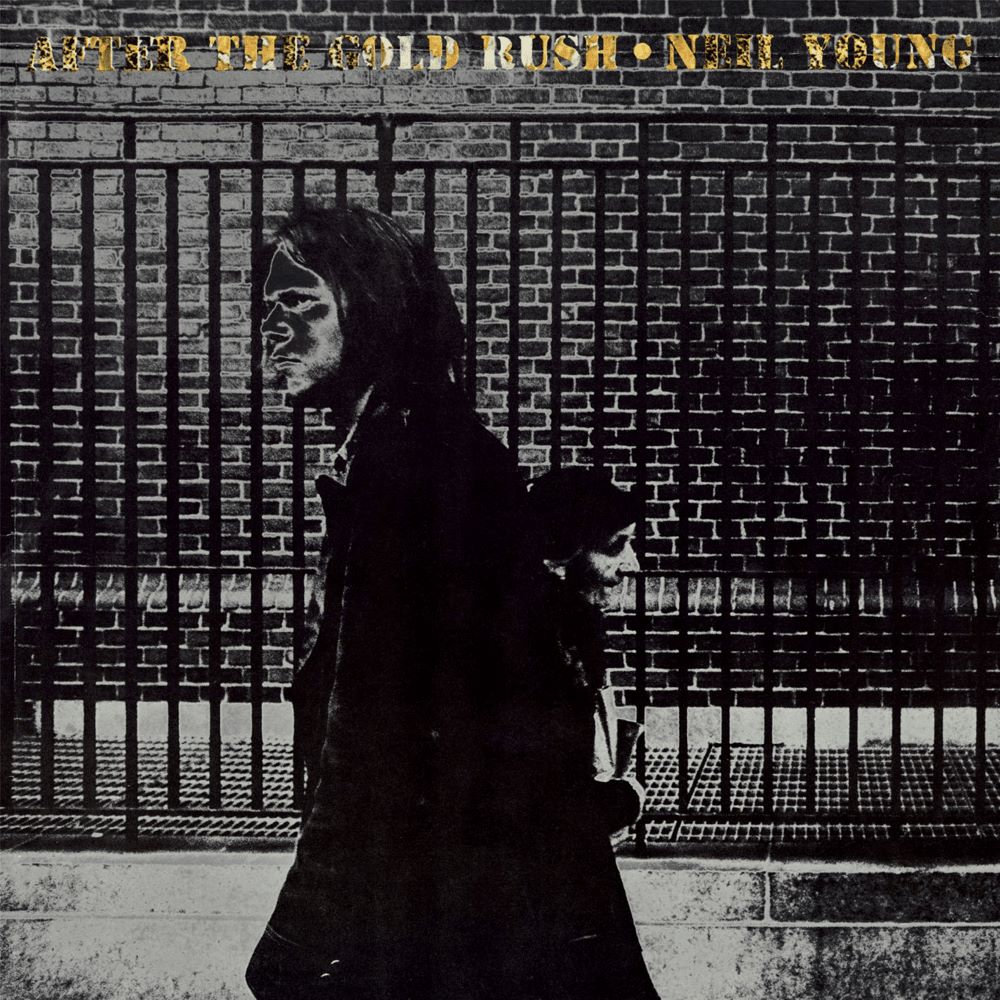
For the latest “Song of the Day,” Southern Man is one of those Neil Young songs that lands like a blunt, uncomfortable truth-telling moment. It’s not a feel-good Southern rock anthem or a nostalgic postcard; it’s a pointed protest song aimed at racism and the legacy of oppression in the American South. What makes it hit so hard is that Young doesn’t soften the message much. He comes across like a songwriter who’s less interested in being liked and more interested in saying something that needed to be said.

Musically, the song has that raw Neil Young edge that fans love: restrained at first, then emotionally rougher as it builds. His guitar work is a huge part of why the song sticks in your head. The solo kicks in around 2:562{:}56, and rather than being polished or technically showy, it feels almost off-the-cuff—like a burst of emotion caught in real time. There’s a looseness to it, closer to jazz improvisation than to rock precision, and that gives the solo a spontaneous, restless energy that mirrors the song’s anger and urgency.

The track also became a major flashpoint with Lynyrd Skynyrd. They took issue with how Young seemed to generalize the South, and that tension helped inspire Sweet Home Alabama, which famously pushes back at Young’s criticism. It’s one of rock’s most iconic call-and-response moments: one artist sending out a challenge, another answering with proud defiance. Despite the seemingly heated exchange, both parties had mutual respect—and the dialogue between their songs ended up fueling one of the most fascinating cultural conversations in rock.

What makes Southern Man resonate now is how its spirit of confrontation still feels fresh. Over fifty years later, its themes of racial injustice and accountability hit even harder against the backdrop of today’s social and political climate. The song sounds less like a relic of its time and more like a warning that we’re still living through the same struggles Young was shouting about. In that sense, Southern Man hasn’t just aged well—it’s become more relevant than it’s been in the last quarter-century.

Southern Man

Southern man, better keep your head
Don’t forget what your good book said
Southern change gonna come at last
Now your crosses are burning fast

Southern man

I saw cotton and I saw black
Tall white mansions and little shacks
Southern man, when will you pay them back?

I heard screaming and bullwhips cracking
How long? How long?

[guitar solo @2:56]

Southern man, better keep your head
Don’t forget what your good book said
Southern change gonna come at last
Now your crosses are burning fast

Southern man

Lily Belle, your hair is golden brown
I’ve seen your black man coming ’round
Swear by God, I’m gonna cut him down!

I heard screaming and bullwhips cracking
How long? How long?

Great Guitar Solos Series

Song of the Day: Floods (by Pantera)


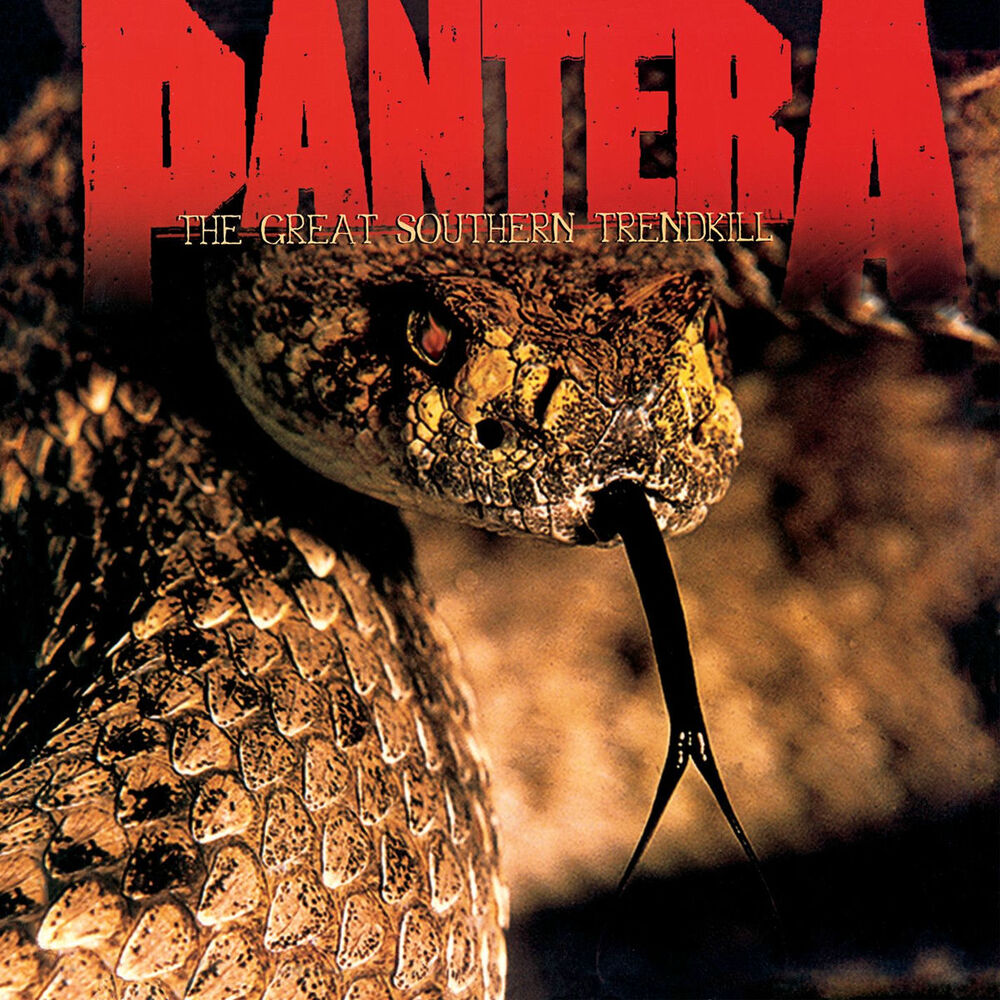
“Floods” is one of those Pantera tracks that reveals the band’s more emotional and haunting side, standing apart from their usual aggressive sound. It’s from The Great Southern Trendkill, an album packed with chaos and fury, yet this song slows everything down and dives deep into something moodier. The title alone feels ominous, suggesting both destruction and cleansing, and the music reflects that perfectly with its brooding, slow buildup. Phil Anselmo’s vocals here are less about rage and more about sorrow—you can hear the weight in his delivery as it shifts from calm reflection to near anguish.

What really sets “Floods” apart is how it blends atmosphere and raw heaviness. Instead of fast riffs or flashy technique, the band leans into groove and tone. Vinnie Paul’s drumming locks down a deliberate, steady pulse while the guitars create this dark, cinematic tension. It’s heavy, not just in sound, but in emotion—like the kind of weight that builds slowly over time. Pantera isn’t usually called “beautiful,” but here, that label fits; there’s something hypnotic about how the song breathes.

Then comes the moment that every Pantera fan talks about—Dimebag Darrell’s guitar solo, which starts at around 3:51. That’s when the emotional core of the song fully opens up. Instead of a speed run or technical show-off, Dimebag plays with haunting melody and unbelievable expression. The solo builds gently, starts weeping almost, and then rises into this soaring section that feels like the sky breaking open after a storm. It’s one of his most soulful performances—a reminder of how much feeling he could pull from a single bend or sustain.

By the time “Floods” winds down, you’re left in a kind of spell. The outro fades out in layers of haunting harmonics, like thunder echoing after rain, and it’s easy to just sit there in silence when it ends. It’s Pantera at their most restrained, but also their most human. Even if you’re not normally into heavy metal, this track shows why Dimebag still gets talked about as one of the greats—he didn’t just play guitar solos; he told stories with them.

Floods

A dead issue
Don’t wrestle with it
Deaf ears are sleeping
A guilty bliss
So inviting (let me in)
Nailed to the cross
I feel you
Relate to you
Accuse you

Wash away us all
Take us with the floods

Cold hearted world

Your language unheard of
The vast sound of tuning out
The rash of negativity
Is seen one sidedly
Burn away the day
The nervous
The drifting
The heaving

Wash away us all
Take us with the floods

Cold hearted world
(And at night)
(They might bait the pentagram)
(And at night)
(They might bait the pentagram)
Extinguishing the sun

Wash away man
Take him with the floods

Die…
Die…

Die…
Die…

[guitar solo @3:51]

Great Guitar Solos Series

Song of the Day: Cosmo Black (by Dynatron)


“Cosmo Black” by Dynatron is one of those synthwave pieces that sounds like it could’ve been pulled right out of a 1980s sci-fi or neo-noir VHS tape. It appears on the Cold in July soundtrack, which uses those pulsing analog synths to build atmosphere rather than just nostalgia. What grabs you first is the mood: it’s dark but hypnotic, driving forward on a steady, arpeggiated bassline while shimmering pads fill out the background. You can almost picture glowing city streets at midnight or the dashboard lights of a speeding Trans Am cutting through fog.

Dynatron doesn’t just imitate the retro vibe—he channels it with a sense of cinematic purpose, clearly taking cues from the work of John Carpenter. Carpenter’s music, especially for films like Escape from New York and Halloween, was built around simple but suspenseful synth motifs that hooked your attention through repetition and tone. Cosmo Black borrows that same philosophy; it’s rhythmically tight and emotionally precise. The track feels like it’s telling a story—one that’s unfolding over neon grids and empty highways, with tension simmering beneath its glossy surface.

The production is clean but deliberately vintage. You can hear the analog warmth in every sustained note, which gives it that authentic mid-80s texture fans of synthwave love. Dynatron layers just enough distortion and reverb to mimic the synth machines Carpenter once used, yet brings modern depth and clarity to the mix. There’s no excessive layering or sampling—it’s minimalist by design, which lets the vibe breathe. It’s that perfect balance between mechanical precision and moody drift that seduces listeners.

Listening to Cosmo Black feels like stepping into an alternate cinematic universe—one where retro futurism never went out of style. It’s not just an homage to Carpenter, though; it shows how those eerie, propulsive soundscapes still resonate decades later, especially when reinterpreted through contemporary synthwave. The song captures the thrill of that timeless aesthetic: a mix of fear, nostalgia, and cool-headed resolve. If you’ve ever loved the way old soundtrack compositions make you feel like you’re inside the movie itself, Dynatron’s Cosmo Black delivers that sensation effortlessly.

Song of the Day: Do Lung by Carmine Coppola


Since today is Francis Ford Coppola’s birthday, it only seems appropriate that today’s song of the day should come from the soundtrack of one of his films.

From 1979’s Apocalypse Now, here is the haunting music that plays as Willard and the boat approach the infamous bridge that is built every day so that it can be destroyed every night.  This musical piece was composed by Francis Ford Coppola’s father, Carmine.