This is the song that gave it’s title to one of the best films ever made.
My my, hey hey Rock and roll is here to stay It’s better to burn out Than to fade away My my, hey hey.
Out of the blue and into the black They give you this, but you pay for that And once you’re gone, you can never come back When you’re out of the blue and into the black.
The king is gone but he’s not forgotten This is the story of a Johnny Rotten It’s better to burn out than it is to rust The king is gone but he’s not forgotten.
Hey hey, my my Rock and roll can never die There’s more to the picture Than meets the eye. Hey hey, my my.
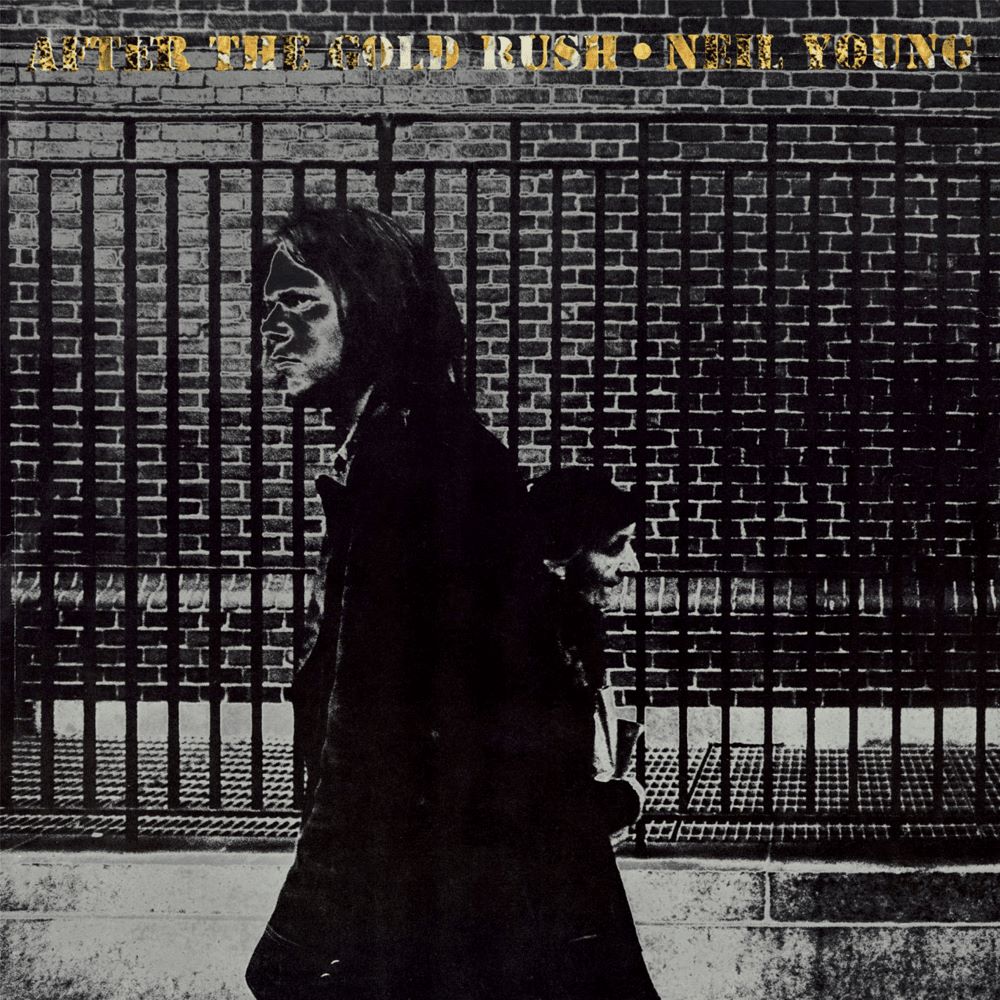
For the latest “Song of the Day,” Southern Man is one of those Neil Young songs that lands like a blunt, uncomfortable truth-telling moment. It’s not a feel-good Southern rock anthem or a nostalgic postcard; it’s a pointed protest song aimed at racism and the legacy of oppression in the American South. What makes it hit so hard is that Young doesn’t soften the message much. He comes across like a songwriter who’s less interested in being liked and more interested in saying something that needed to be said.
Musically, the song has that raw Neil Young edge that fans love: restrained at first, then emotionally rougher as it builds. His guitar work is a huge part of why the song sticks in your head. The solo kicks in around , and rather than being polished or technically showy, it feels almost off-the-cuff—like a burst of emotion caught in real time. There’s a looseness to it, closer to jazz improvisation than to rock precision, and that gives the solo a spontaneous, restless energy that mirrors the song’s anger and urgency.
The track also became a major flashpoint with Lynyrd Skynyrd. They took issue with how Young seemed to generalize the South, and that tension helped inspire Sweet Home Alabama, which famously pushes back at Young’s criticism. It’s one of rock’s most iconic call-and-response moments: one artist sending out a challenge, another answering with proud defiance. Despite the seemingly heated exchange, both parties had mutual respect—and the dialogue between their songs ended up fueling one of the most fascinating cultural conversations in rock.
What makes Southern Man resonate now is how its spirit of confrontation still feels fresh. Over fifty years later, its themes of racial injustice and accountability hit even harder against the backdrop of today’s social and political climate. The song sounds less like a relic of its time and more like a warning that we’re still living through the same struggles Young was shouting about. In that sense, Southern Man hasn’t just aged well—it’s become more relevant than it’s been in the last quarter-century.
Southern Man
Southern man, better keep your head Don’t forget what your good book said Southern change gonna come at last Now your crosses are burning fast
Southern man
I saw cotton and I saw black Tall white mansions and little shacks Southern man, when will you pay them back?
I heard screaming and bullwhips cracking How long? How long?
[guitar solo @2:56]
Southern man, better keep your head Don’t forget what your good book said Southern change gonna come at last Now your crosses are burning fast
Southern man
Lily Belle, your hair is golden brown I’ve seen your black man coming ’round Swear by God, I’m gonna cut him down!
I heard screaming and bullwhips cracking How long? How long?
This is the song that gave it’s title to one of Dennis Hopper’s best films.
My my, hey hey Rock and roll is here to stay It’s better to burn out Than to fade away My my, hey hey.
Out of the blue and into the black They give you this, but you pay for that And once you’re gone, you can never come back When you’re out of the blue and into the black.
The king is gone but he’s not forgotten This is the story of a Johnny Rotten It’s better to burn out than it is to rust The king is gone but he’s not forgotten.
Hey hey, my my Rock and roll can never die There’s more to the picture Than meets the eye. Hey hey, my my.
I was going to feature Neil Young’s controversial video for This Note’s For You today but it turns out that the video can’t be embedded anywhere outside of YouTube. That is probably because of a scene in the video in which a Michael Jackson impersonator sets his hair on fire while filming a commercial. This was based on a real-life incident and when it was recreated for the music video, it led to Michael Jackson threatening legal action and MTV briefly banning the video.
So, I decided to go with a different Neil Young video. Wonderin‘ comes from Young’s 13 studio album, 1983’s Everybody’s Rockin’. The album was a “rockabilly” album and featured Young performing with a band called The Shocking Pinks, who were put together specifically for the album.
I’m going to be in Alabama for the next three days so, naturally, I decided that today’s music video should be Sweet Home Alabama. Since the song was recorded before music videos were really a big thing, Lynyrd Skynyrd never did a video for their original recording. However, I was able to find a video for Keenan West’s soulful cover version.
Sweet Home Alabama was originally recorded in 1973, as a response to a song by Neil Yong that was called Southern Man. In that song, Neil Young looked down on the South from the safety of Canada and basically damned everything he saw. In response, Ronnie Van Zant wrote:
Well, I heard Mister Young sing about her Well, I heard ol’ Neil put her down Well, I hope Neil Young will remember A Southern man don’t need him around anyhow
Not surprisingly, Sweet Home Alabama has been a popular but controversial song in the past. Over the years, several critics — mostly folks from up north who don’t really get nuance — have assumed that Sweet Home Alabama was meant to be some sort of right-wing political track. What they miss is that the song is openly critical of Alabama’s segregationist governor. (There’s a reason why there’s a chorus of “boo! boo! boo!” after the governor is mentioned.) Sweet Home Alabama was less about defending the South and more about calling out the self-righteousness of northern activists who attacked the South while either ignoring or rationalizing the racism in their own back yard.
(And if you want argue with me about that interpretation, I’m going to need you to first read Common Ground by J. Anthony Lukas. Don’t come at me unless you’re willing to discuss what happened in the early 70s when Boston attempted to integrate its schools.)
Anyway, this is a good cover version and nicely heartfelt video.