Review: We Bury the Dead (dir. by Zak Hilditch)


“You can’t keep digging if you’re still holding onto the shovel of the past.” — Clay

We Bury the Dead knows exactly what genre it’s working in and makes no qualms about it, blending zombie tropes with a refreshingly modest scale that keeps the focus tight on one woman’s personal quest amid catastrophe. Directed and written by Zak Hilditch in his first effort since These Final Hours, the film unfolds in Tasmania after the U.S. President accidentally detonates an experimental explosive device, killing 500,000 people—some from the blast, others from a pulse that shuts down their brains. Daisy Ridley stars as Ava, who joins a body retrieval unit searching for her missing husband, only to face complications when the corpses begin showing eerie signs of life.

The setup draws from familiar zombie beats but refreshes them through its grounded, intimate lens. Rather than globe-trotting stakes or worldwide pandemonium, the story stays glued to Ava’s hip as she combs the ruins, making her emotional journey the true center of gravity. Gradual flashbacks peek into Ava and her husband’s rocky relationship before the event, adding layers to her drive without overwhelming the present-tense dread. Encounters with traumatized military forces emerge as secondary antagonists, heightening tension through human flaws rather than just the undead threat.

Daisy Ridley’s reserved yet gripping performance anchors everything, deftly avoiding caricature by pulling back just enough to hint at deeper turmoil bubbling beneath Ava’s surface. She brings a quiet physicality to the role—slumped shoulders during endless retrievals, micro-expressions like a jaw tightening over a child’s toy or hands trembling before steadying—that fills the sparse dialogue scenes with unspoken pain. Ridley knows when to unleash raw emotion, as in survival scraps with reanimating bodies or a claustrophobic clash with soldier Riley (Mark Coles Smith), where her eyes convey fear, rage, and clarity in equal measure. Her restraint evolves into resolve by the end, distilling Ava’s arc into a wordless shift from numb hope to tentative agency, her face a map of acceptance and lingering sorrow.

Even amid the somber tone, Hilditch infuses energy to keep things lively: a bright pop-rock track over chilling explosion fallout imagery, retrieval crew members partying hard off-duty, or Brenton Thwaites’ Clay (a reasonably charming co-lead) masking horror with dark comedy. These beats prevent the film from dragging into pure depression, balancing Ava’s grief with flickers of messy humanity. Clay’s warmth breaks up her isolation through shared exhaustion and hesitant bonds, while his humor underscores the absurdity of survival.

The zombies themselves spark a love-hate dynamic, refusing the z-word like Shaun of the Dead but delivering undead with a standout twist: teeth grinding to shards, visually grotesque but sonically haunting in a way that crawls under the skin. They start subtle, twitching amid body bags, before ramping to aggressive charges in the final act—though their motivations stay murky, adding unease. This sound design stands as one of the film’s boldest, most horrific choices, turning every onscreen appearance into an auditory assault that lingers longer than the visuals. Violence stays blunt and quick, feeling like grim necessities in a broken world rather than showy spectacles.

Craft-wise, the modest production shines. Cinematography captures Tasmania’s vast emptiness and suffocating interiors, with dust motes and shadowed hallways amplifying emotional compression. Design sells the halted lives—scattered toys, frozen family photos—without CGI excess, grounding the pulse-induced apocalypse in tangible loss. The 95-minute runtime clocks in tight, its observational repetition mirroring grief’s grind while building to disruptive spikes of undead or human peril.

Pacing favors atmosphere over escalation, risking sluggishness in routine retrievals but fitting the theme of numbing loss punctuated by shocks. The finale embraces ambiguity, prioritizing Ava’s internal shift over tidy resolutions to the outbreak or weapon’s fallout, leaving bigger questions underdeveloped to stay personal.

Ridley’s work elevates the familiar tropes, her internalized subtlety proving ideal for this scaled-down zombie tale that prioritizes haunting sound, emotional depth, and quiet resilience over bombast. We Bury the Dead may lean on genre staples, but its fresh restraint and sonic chills make it a compelling, if divisive, mood-driven entry—perfect for those craving horror that’s more about enduring the aftermath than outrunning the horde.

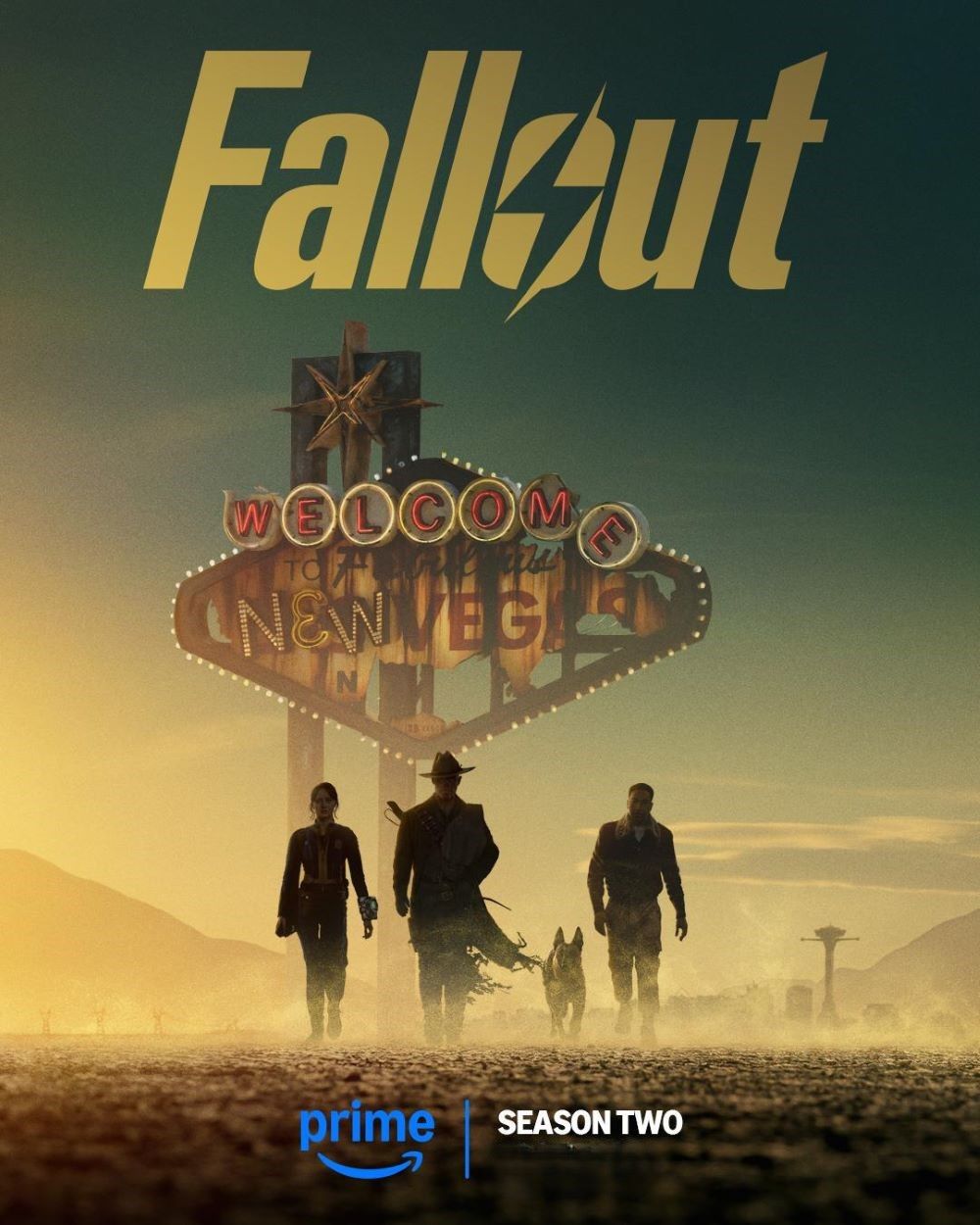
Review: Fallout (Season 2, Episode 3 “The Profligate”)


“If you think everyone else is the bad guy, chances are, you’re the bad guy.” — Lucy McLean

Episode 3 of Fallout season 2 takes a deliberate breath after the season’s earlier frenzy, shifting focus to simmering tensions and the cracks forming within key factions. It trades some high-octane action for deeper dives into moral gray areas and character dilemmas, while sprinkling in plenty of nods to the game’s lore that will thrill longtime fans. The result is an episode that feels more introspective than explosive, building quiet dread that hints at bigger fractures ahead without fully detonating them just yet.

The spotlight falls heavily on Caesar’s Legion this time around, turning their rigid hierarchy into a pressure cooker of internal strife. Lucy finds herself right in the thick of it, her wide-eyed vault dweller optimism clashing hard against a group that views compromise as heresy. Hanging in the balance between rival power plays, she becomes a symbol of the wasteland’s brutal tug-of-war, where diplomacy often looks more like desperation. It’s a tough spot for her character, one that tests her limits and forces some uncomfortable reflections, though the episode spends more time on the surrounding politics than her personal evolution at first.

The Ghoul shines in his signature blend of cynicism and cunning, navigating a high-stakes deal that underscores his “ends justify the means” survival code. His interactions with NCR remnants carry that dry, world-weary edge, laced with flashbacks that keep peeling back layers of his pre-war life under influences like Vault-Tec and figures from New Vegas lore. These moments aren’t just backstory—they tie directly into his current ruthlessness, showing how old betrayals and power games echo into the irradiated present. It’s the kind of character work that makes his choices feel earned and uneasy, never fully heroic or villainous.​

Meanwhile, Maximus’s path with a Brotherhood superior veers into unexpectedly dark territory, blending camaraderie with the order’s uglier underbelly. What starts as armored antics at a familiar Nuka-Cola site uncovers dilemmas about who gets to claim “civilization,” hinting at rifts that could shake the Brotherhood to its core. His arc builds to a tense crossroads, mirroring the Legion’s own divisions and raising questions about loyalty in a world where ideals curdle fast. It’s a smart parallel that keeps the episode’s themes cohesive without feeling forced.

Guest spots add some unexpected flair, like Macaulay Culkin’s turn as a Legion figure whose quirky menace fits the faction’s cultish vibe perfectly. He brings a bureaucratic fervor to the role, emphasizing how the Legion ritualizes its brutality right down to succession squabbles over key artifacts. These cameos feel organic, enhancing the world rather than stealing focus, and they nod to the games’ eccentric cast without overwhelming the main threads.

Pacing-wise, this hour simmers more than it boils, which might test viewers craving constant momentum. Lucy’s predicament holds steady for a stretch, the Ghoul operates in the shadows, and Maximus’s detour unfolds gradually before tensions spike. That restraint pays off by letting atmosphere build—the Legion camp’s stark crosses and sun-scorched decay capture the series’ horror-Western mashup beautifully. Locations like Camp Golf and NCR outposts evoke New Vegas nostalgia, but twisted into symbols of faded glory, reinforcing the show’s point that no empire endures unscathed.

For game fans, the episode is a treasure trove of subtle references, from Legion dynamics to Securitron teases, woven in ways that serve the plot rather than just fan service. Newcomers won’t feel lost, as the context emerges naturally through dialogue and fallout from prior episodes. Visually, it’s peak Fallout: practical effects make the wasteland feel lived-in and lethal, with practical power armor clanks and irradiated horrors that pop off the screen.​​

By the later beats, the episode starts hinting at shifts in the power balance, leaving characters at pivotal junctures without spelling everything out. Lucy grapples with harsh realities that could harden her edge, the Ghoul’s gambit ripples outward in unpredictable ways, and Maximus faces choices that test his place in the Brotherhood. These teases set up a powder keg for the back half, where alliances fray and the wasteland’s chaos might force some reluctant team-ups or betrayals.​​

All told, episode 3 delivers a balanced mix of lore love, character depth, and atmospheric tension, even if its slower gear occasionally mutes the thrill. Strengths like the Ghoul’s layered flashbacks and faction parallels outweigh any mid-episode lulls, making it a solid bridge that primes the pump for escalation. In a season already nailing the games’ spirit, this one reminds us why Fallout endures: beneath the satire and shootouts lies a grim meditation on humanity’s stubborn flaws.

Song of the Day: Neverending Journey (by Uematsu Nobuo)


“Neverending Journey” by Nobuo Uematsu from Lost Odyssey is one of those tracks that just pulls you right into the game’s vibe without trying too hard. It kicks off super chill with soft strings and light woodwinds, creating this mellow, reflective mood like you’re wandering through old memories that won’t fade. The orchestral start feels patient and open, giving every note space to settle in before things pick up.

Then comes that smooth shift where the electric guitar riffs crash in — bold, distorted, and full of grit, but it flows naturally from the gentle opening. It’s like Uematsu’s flipping the switch from quiet nostalgia to raw determination, blending classical swells with rock edge in a way that screams the game’s themes of endless struggle. The guitar doesn’t steal the show; it amps up the emotion, turning introspection into something with real forward drive.

That mix is why the track sticks with you — Uematsu nails the immortal wanderer’s paradox, weary but unbreakable. From serene strings to guitar-fueled resolve, it captures Kaim’s story perfectly, making you feel the weight and hope of a journey with no end. It’s a standout that proves game music can hit as deep as any epic soundtrack.

Review: Lost Odyssey


“When people die, they just… go away. If there’s any place a soul would go… It’s in your memories. People you remember are with you forever.” – Kaim Argonar

Lost Odyssey stands out as one of those RPGs from the late Xbox 360 era that doesn’t scream for attention with flashy mechanics or boundary-pushing innovations, but instead draws you in through its deeply introspective storytelling and a commitment to emotional depth that feels almost defiant in its restraint. Developed by Mistwalker’s Hironobu Sakaguchi—the mastermind behind the original Final Fantasy games—this title arrived in 2007 as a love letter to classic JRPG traditions, complete with turn-based combat, sprawling world exploration, and a narrative centered on immortality’s quiet horrors. It’s a game that rewards patience, asking players to linger in moments of melancholy rather than rushing toward bombastic climaxes, and in today’s landscape of hybrid action-RPGs like Clair Obscur: Expedition 33, it feels both timeless and a touch nostalgic.

The protagonist, Kaim Argonar, is an immortal wanderer who’s lived for over a thousand years, his memories eroded by time like sand slipping through fingers. This setup immediately sets Lost Odyssey apart, turning what could have been a rote hero’s journey into something far more personal and haunting. Kaim isn’t driven by prophecy or destiny in the typical sense; he’s haunted by fragments of lives long lost, piecing together his past while grappling with the present. Accompanied by a party of fellow immortals and mortals who bring their own baggage—Seth, a fierce queen-turned-revolutionary; Jansen, the wisecracking raconteur and black magic user; Mack, Cooke’s adventurous brother and a spirit magic specialist; Cooke, the earnest white mage sister; and others who evolve from archetypes into fully fleshed-out companions—the story unfolds across a world on the brink of magical and technological upheaval. Wars rage between nations like the Republic of Uhra and the Kingdom of Goht experimenting with dangerous “aether” energy, ancient gaia cults stir forgotten powers from the earth’s core, and a comically over-the-top villain named Gongora pulls strings from the shadows with his dream-manipulating sorcery. But it’s the immortals’ shared curse—living forever while everyone else fades—that grounds everything in raw, relatable humanity, forcing reflections on attachment, regret, and the passage of time.

What truly elevates the narrative are the “Thousand Years of Dreams,” a collection of over thirty short story interludes scattered throughout the game like hidden treasures, all penned by acclaimed Japanese author Kiyoshi Shigematsu. These vignettes replay key moments from Kaim’s (and later other immortals’) pasts: a father’s quiet desperation as his family starves during a harsh winter, a lover’s betrayal amid wartime chaos that shatters trust forever, a child’s innocent wonder abruptly ended by sudden violence in a peaceful village. They’re presented as dream sequences with minimal interactivity—just reading the poignant prose accompanied by subtle animations and ambient sounds—but their impact is profound, blending poetic introspection with raw emotional punches that make loss feel visceral and immediate. Shigematsu, known for his family-centered novels like Naifu and Bitamin F, infuses these tales with his signature themes of everyday struggles, parental love, and quiet resilience, drawing from his own life experiences such as overcoming a childhood stammering disorder. These aren’t mere filler; they mirror and deepen the main plot’s themes of memory, fleeting bonds, and the futility of outliving joy, often landing harder than the epic set pieces like airship chases or gaia temple collapses. In a fair assessment, though, not every dream hits the mark equally—some lean repetitive in their focus on tragedy and separation, and the heavy reliance on text-heavy exposition can test players who prefer more visual or interactive storytelling over contemplative reading.

Comparatively, the core plot treads more familiar JRPG ground, with globe-trotting quests to collect six magic seeds capable of restoring the world’s fading magic, infiltrate enemy strongholds like the White Citadel, and unravel a conspiracy involving dreamless immortals, experimental magic tech, and an impending apocalypse. It’s competently paced for its 40-60 hour runtime (longer for completionists), building to satisfying reveals about Kaim’s origins, the party’s interconnected fates, and the true nature of immortality in a world where magic is dying. Yet it lacks the moral ambiguity that makes contemporaries like Clair Obscur: Expedition 33 so gripping—that game thrives on tough choices where apparent triumphs often sow seeds of future doom, forcing players to question if their “expedition” against the Paintress is true heroism or just delayed hubris. Lost Odyssey flirts with similar existentialism—Kaim repeatedly forms bonds only to anticipate their inevitable fraying—but ultimately resolves in a more optimistic, collective salvation arc centered on hope and reunion. This makes it comforting for fans of straightforward fantasy epics with clear good-vs-evil lines, yet somewhat safe for a tale about eternal life, where deeper philosophical dives into immortality’s ethics, like the morality of intervening in mortal affairs, could have pushed boundaries further without alienating its audience.

The supporting cast shines as a counterbalance, with banter during airship travels and camp rests that humanizes even the most ancient immortals. Take Gongora, the flamboyant antagonist whose Shakespearean monologues, reality-warping sorcery, and personal grudge against his immortal brethren make him a delightfully theatrical foe worth rooting against. Or the mortal siblings Cooke and Mack, whose dynamic starts as lighthearted comic relief—pranks, inventions gone wrong, sibling squabbles—with Mack’s adventurous spirit driving bold escapades while Cooke provides steady white magic support, maturing into poignant growth arcs as they confront loss and responsibility together. Jansen brings levity as the wisecracking raconteur, spinning tales and unleashing black magic with reluctant flair that often steals scenes during downtime. Party chemistry fosters organic moments, like shared reflections on recent dreams or lighthearted ribbing during skill training, that deepen player investment over the long haul. Not all characters resonate equally; some, like the naive inventor Littleton or the initially whiny prince Tolten, lean into tropes without much subversion, leading to occasional eye-rolls amid the stronger portrayals from Seth’s fiery leadership. Still, the innovative “Immortal” skill-sharing system, where immortals permanently absorb abilities from fallen mortals via “Skill Link” beads, ingeniously reinforces the core theme: eternity doesn’t preclude learning, growth, or change through relationships with the temporary.

Combat embodies Lost Odyssey‘s old-school soul, sticking faithfully to turn-based roots with thoughtful layers that demand strategy over button-mashing reflexes. Battles unfold on a grid-like interface where positioning is crucial—front-row tanks like Kaim absorb hits for backline healers like Cooke and her white magic or mages like Jansen with his black magic arsenal, while the signature “Ring” system adds tension to every basic attack or spell: time your button presses precisely to hit colored rings for boosted damage, critical hits, or multi-hit combos. Condition management becomes key, as poison, sleep, paralysis, and weakness can derail even well-planned fights, encouraging thorough prep with items, protective spells, and the flexible “Skill Link” beads that let any character equip enemy-learned abilities like fire immunity or poison breath. Boss encounters ramp up dramatically with multi-phase patterns, status ailment spam, massive HP pools, and environmental hazards, rewarding exploitation of elemental weaknesses (fire vs. ice foes, etc.), party swaps, and layered buffs/debuffs for tense, chess-like victories.

Yet fairness demands noting the system’s notable flaws, which haven’t aged gracefully. Random encounters populate every screen with alarming density, leading to grindy slogs in weaker areas before you unlock enemy visibility via skills or items, and early-game pacing suffers from these constant interruptions amid tutorial-heavy chapters. Load times between battles and zone transitions feel archaic by modern standards—often 10-20 seconds on original hardware—and the lack of auto-battle, speed-up toggles, or robust fast travel exacerbates repetition for completionists chasing ultimate weapons, all 33 dreams, or optional gaia quests. Contrast this with Clair Obscur‘s slick hybrid combat, which fuses turn-based planning with real-time dodges, parries, and QTEs in a fluid “expedition” rhythm inspired partly by Lost Odyssey itself—every fight, from trash mobs to epic bosses, pulses with immediacy and the “dial of fate” mechanic that turns timing into life-or-death dance steps. Lost Odyssey prioritizes cerebral, menu-driven setups—buff-stacking, weakness chains, formation tweaks—over kinetic flair, appealing deeply to tacticians who savor the deliberate pace but alienating those craving Clair-style adrenaline and fluidity. It’s a classic strategic depth versus modern dynamic polish tradeoff, and your mileage will vary sharply based on tolerance for 2007-era JRPG rhythms.

​​

Exploration weaves together standard JRPG fare with moments of quiet wonder—roaming a vast overworld via massive airship (the Nautilus), delving into multi-floor dungeons with hidden chests and switch puzzles, solving environmental riddles involving weight balances, light beams, or wind currents—but injects personality through diverse biomes: mist-shrouded ancient ruins teeming with spectral foes, frozen tundras where blizzards obscure paths, volcanic badlands with lava flows and ash-choked air. Sidequests expand the lore meaningfully, like aiding immortal Seth’s rebel faction in underground networks, delving into sacred gaia shrines for permanent power-ups, or hunting elusive immortal encounters for rare skills, though many lesser ones boil down to repetitive fetch tasks or escort missions. The world map’s sheer scale impresses, hiding optional superbosses like the immortal-hunting Black Knights, treasure troves in hard-to-reach ledges, and secret dream triggers, but frequent backtracking without comprehensive fast travel can drag, especially post-game. Presentation captures the Xbox 360’s graphical peak for its time: cinematic FMV cutscenes rival Hollywood trailers in scope and polish, character models boast fluid animations, expressive facial captures (rare for 2007), and detailed costumes, while environments blend stunning pre-rendered backgrounds with real-time lighting and particle effects for moody, immersive atmospheres. Draw distance limitations, occasional texture pop-in, and lower-res models show their age on HD displays, but the art direction—shadowy, desaturated palettes evoking faded memories and encroaching oblivion—holds up remarkably well.

Nobuo Uematsu’s soundtrack remains the undisputed MVP, a masterclass in emotional orchestration blending sweeping orchestral swells with intimate piano solos and ethnic instrumentation. Battle themes like the pulse-pounding “Battle with Immortal” or tense “Boss Battle” drive adrenaline without overpowering, dream sequences float on delicate harpsichord, strings, and solo vocals for heartbreaking intimacy, and overworld motifs evoke vast, lonely skies over crumbling civilizations. It’s Uematsu post-Final Fantasy at his most evocative and personal, rivaling series highs and clearly influencing modern scores—direct echoes resonate in Clair Obscur‘s painterly OST, where swelling choirs and haunting flutes underscore expedition perils with a similar blend of grandeur, sorrow, and fragile hope. Voice acting offers a mixed bag: highs like Kaim’s gravelly, world-weary delivery from Jeff Kramer or Seth’s commanding fire from Sarah Tancer contrast with occasional stiff accents and wooden line reads in lesser roles. The English localization shines brightest in Shigematsu’s dreams—preserving nuanced melancholy and cultural subtlety—but occasionally clunks in casual banter or expository dumps.

Pacing represents Lost Odyssey‘s biggest double-edged sword, perfectly suiting its themes of slow erosion and reflection but testing modern attention spans. The game’s deliberate rhythm manifests in long linear chapters (Disc 1’s tutorial stretch, Disc 3’s sidequest marathon), mandatory backtracks to missed dreams or seeds, and optional hunts that balloon playtime to 70+ hours without always advancing the central plot. Mid-game lulls, particularly after major reveals like the immortals’ gathering or Gongora’s betrayal, lean heavily on grinding and collection, demanding commitment from players not fully hooked by the dreams. Technical quirks persist too: occasional frame drops in massive battles, finicky ring input timing on controllers, and long save/load cycles remind players of its 2007 origins, though Xbox One/Series backward compatibility smooths some edges with Auto HDR and FPS boosts. The game earned widespread praise for its story depth, Uematsu’s music, and emotional resonance, tempered by critiques of its dated combat pacing, grind, and conservative design in an era shifting toward action hybrids.

Against Clair Obscur: Expedition 33Lost Odyssey feels like the contemplative grandfather to a bold, innovative successor—Clair‘s tighter 20-30 hour sprint packs nonlinear branching choices, grotesque evolutions of its turn-based system, and a fractured, painterly world where expeditions literally rewrite reality through “painted” fates, with its combat’s “dial of fate” parries making every decision feel consequential and irreversible. Lost Odyssey sprawls longer and commits to strict linearity to pace out Shigematsu’s dreams methodically, trading reactive choice systems for patient, interior reflection on grief. Both excel at probing mortality’s sting—Clair through visceral, grotesque horrors and ambiguous victories, Lost Odyssey via intimate, lived-through tragedies—but Mistwalker’s effort prioritizes small-scale, personal grief over systemic reinvention or high-stakes moral quandaries.

Ultimately, Lost Odyssey endures as a balanced, heartfelt gem for JRPG purists and story enthusiasts: stellar writing from Kiyoshi Shigematsu anchors a solid but unflashy package, with Uematsu’s music, immortal hooks, and dream vignettes lingering longest in the mind. It’s not flawless—grindy encounters, safe plotting, and archaic pacing hold it from undisputed masterpiece status—but its emotional core crafts a rare resonance, blending melancholy fantasy with subtle wisdom about time’s toll. In an era dominated by Clair-like hybrids blending action and choice, it reminds why pure turn-based tales still captivate, offering a somber, patient journey for those willing to dream along with Kaim’s thousand years.

Review: Strange Days (dir. by Kathryn Bigelow)


“Memories are meant to fade, Lenny. They’re designed that way for a reason.” — Lornette “Mace” Mason

Kathryn Bigelow’s Strange Days plunges into a gritty, near-future Los Angeles teetering on the edge of the millennium, where illegal “SQUID” technology lets people hijack others’ sensory experiences, fueling a black-market addiction to raw thrills. Released in 1995 with a screenplay by James Cameron and Jay Cocks, the film stars Ralph Fiennes as Lenny Nero, a shady ex-cop dealing these clips amid escalating racial tensions and urban chaos. At over two hours, it mixes cyberpunk visuals with thriller tension, crafting an immersive world that pulses with sensory overload and moral ambiguity.

The story opens with a heart-pounding sequence—a robber’s point-of-view heist captured in one seamless, breathless shot that drops you right into the adrenaline-fueled action, setting a template for the film’s signature subjective dives into chaos. Lenny navigates this underworld, peddling clips of highs and dangers to escape his own regrets, especially over a past love, singer Faith Justin, brought to life by Juliette Lewis with vulnerable intensity that captures the pull of faded dreams. He pulls in his loyal bodyguard Mace, Angela Bassett delivering a fierce, grounded performance, as a mysterious clip hints at deeper corruption involving cops and power players in the city, drawing them into a web of intrigue that tests loyalties amid the neon haze. Bigelow leans into the tech’s seductive pull, where users feel every rush or rush of emotion, blurring lines between observer and participant in uncomfortably real ways that linger long after the credits roll.

Visually, the film explodes off the screen, with cinematographer Matthew Leonetti’s dynamic camera and Bigelow’s high-octane style painting L.A. as a neon-drenched maze of helicopters, crowds, and holographic distractions that feel alive and oppressive. That kinetic opening blends POV chaos with slick editing that amps the disorientation, making every frame pulse with urgency. The world feels authentically grimy and multicultural, alive with New Year’s Eve energy in clubs and streets, evoking millennial anxiety through thumping sound design and distorted audio bleeds that heighten the sensory assault. Bigelow channels her action roots into visceral set pieces that turn the future into something tangible and tense, rewarding close attention to the details that build immersion, from flickering holograms to rain-slicked streets buzzing with tension.

Fiennes captures Lenny’s sleazy charisma perfectly—a sweaty, chain-smoking hustler whose charm masks desperation, keeping him oddly relatable even as his flaws pile up in moments of quiet vulnerability. Bassett dominates as Mace, a tough wheelwoman with unshakeable integrity, her presence anchoring the frenzy and elevating every exchange with quiet strength that cuts through the chaos like a blade. Lewis adds raw edge to Faith, trapped in a web of influence and ambition, her scenes crackling with desperation and fire. Tom Sizemore brings twitchy noir flavor as Max, Lenny’s private investigator buddy who adds layers of unreliable grit to their partnership, his manic energy bouncing off Fiennes in tense, believable banter. The cast meshes well in the overload, though some peripheral figures lean into cyberpunk stereotypes like street dealers and digital oddities, occasionally stretching the vibe thin without fully fleshing out their roles amid the relentless pace.

At its core, Strange Days digs into tech’s grip on empathy in a numb world, where SQUID clips turn voyeurism into full-body complicity, raising tough questions about detachment, consent, and the thrill of borrowed lives. Lenny’s habit of replaying personal moments underscores the addictive pull of reliving the past, turning memory into a dangerous escape that erodes real connections. Bigelow threads in sharp commentary on racism and authority, drawing from real ’90s unrest, with Mace pushing for truth amid systemic shadows in ways that feel urgent and unflinching, her moral compass a steady force against the moral rot. The infamous rape scene stands out as a gut-wrenching pinnacle of this approach, forcing viewers into the perpetrator’s twisted perspective via SQUID playback, amplifying the victim’s terror and the assailant’s depravity to confront voyeuristic horror and power imbalances head-on without pulling punches or easy outs—its raw intensity is jarring, deliberately so, to expose the ethical rot at the tech’s heart. The female-led perspective highlights abuses thoughtfully, adding layers to the spectacle and giving the film a distinctive edge that balances exploitation with unflinching critique.

That said, the film isn’t without bumps, as the plot weaves a tangled web of alliances and betrayals that can feel convoluted under the sensory barrage, occasionally losing focus amid the noise and demanding sharper clarity to match its ambition. Its 145-minute runtime sags midway with Lenny’s brooding and repetitive demos, testing patience before ramping up to its feverish peaks, where the editing could trim some fat for tighter momentum. The climax aims for catharsis amid riots and revelations but lands unevenly, with a hopeful turn that feels rushed or tidy in spots, underplaying certain social threads post-buildup and diluting their harder-hitting potential just when they build to a roar. Some effects show their age, like glitchy clip transitions that disrupt rather than enhance the immersion at times.

Still, these rough edges can’t overshadow the film’s bold highs. Bigelow’s direction thrives on discomfort, using the SQUID concept to mirror how media desensitizes us, making every clip a window into ethical quicksand. The sound design deserves special mention—bass-heavy tracks and visceral screams that bleed from headsets create a claustrophobic intensity, amplifying the tech’s invasive allure. Action beats, from high-speed chases to brutal confrontations, showcase Bigelow’s knack for kinetic choreography, with Bassett’s physicality in the driver’s seat stealing the show. Lenny’s arc, flawed as it is, lands with pathos, his hustler’s denial cracking under pressure to reveal flickers of redemption tied to loyalty and loss.

Strange Days delivers highs that exhilarate and lows that challenge, mirroring its own addictive clips—a raw, uneven ride pulsing with Bigelow’s bold vision that thrives on discomfort and connection. Mace’s decency offers human spark amid the dystopia, balancing provocation with heart in a way that elevates the whole, her bond with Lenny grounding the spectacle in something real. It’s provocative cyberpunk for those craving immersion with bite, a film that doesn’t just show a future but makes you live it, flaws and all, leaving you wired and wary. Fire it up if you’re ready to jack in and feel the rush—just brace for the crash.

Song of the Day: Alicia ( by Louis Testard feat. Alice Duport-Percier)


“Alicia” from the Clair Obscur: Expedition 33 soundtrack hits with this quiet emotional force that sneaks up on you. Louis Testard’s composition feels intimate, almost fragile at first, built around a slow progression that flows between melancholy and solace. When Alice Duport‑Percier’s voice comes in, it feels less like a vocal performance and more like a memory being sung—gentle, human, and full of warmth that complements the game’s painterly atmosphere. The track doesn’t tell you what to feel; it just leaves space for you to find your own emotions in it.

What stands out most to me is how balanced it feels—Testard’s score never overwhelms. Every instrument breathes, giving Duport‑Percier’s voice that clear space to bloom. The music grows patiently, moving from soft contemplation toward a kind of quiet hope, like someone lifting their eyes after a long, heavy silence. It’s the kind of composition where you can feel each breath behind the notes, and that subtle pacing mirrors the emotional rhythm of Clair Obscur beautifully.

By the time the last notes fade, “Alicia” leaves this lingering ache that’s hard to shake. It feels deeply personal—the kind of track that stays in your chest long after it ends. Testard and Duport‑Percier manage to craft something that transcends simple “game music”; it’s closer to a conversation between sorrow and serenity. It’s not just background—it’s the emotional pulse of the adventure itself.

Review: Civil War (dir. by Alex Garland)


“What kind of American are you?” — Unnamed ultranationalist militant 

Alex Garland’s Civil War is the kind of movie that feels both uncomfortably close to reality and strangely abstract at the same time, like a nightmare built out of today’s headlines but deliberately smudged at the edges. It plays less like a political thesis and more like a road movie through a country that has already gone past the point of no return, seen through the eyes of people whose job is to look at horror and keep pressing the shutter anyway.

Garland frames the story around war journalists traveling from New York to Washington, D.C., hoping to reach the President before rebel forces do, and that simple premise gives the film a clear spine even when the politics around it stay fuzzy. Kirsten Dunst’s Lee, a veteran photographer, and Cailee Spaeny’s Jessie, a young aspiring shooter, are paired with Wagner Moura’s adrenaline-chasing reporter Joel and Stephen McKinley Henderson’s weary old-timer Sammy, forming a sort of dysfunctional road-trip family driving straight into hell. The setup is classic “last assignment” territory, but the context—an America shattered by an authoritarian third-term president and secessionist forces from places like Texas and California—is what makes the film play like speculative non-fiction rather than pure sci-fi. That Texas-California alliance as the Western Forces stands out as such strange bedfellows, two states about as diametrically opposed as you can get politically and culturally, which subtly hints at just how monstrous the president must be to drive them into the same camp against a common enemy.

The plot itself is pretty straightforward once you strip away the political expectations people bring in. The group moves from one pocket of chaos to another, crossing a patchwork United States where some areas still look almost normal while others are full-on war zones. The tension ramps as they get closer to Charlottesville and then D.C., eventually embedding with Western Forces as they push toward the capital. Along the way, the journalists encounter a series of vignettes—mass graves, roadside militias, bombed-out towns—that feel intentionally episodic, like flipping through the front page of a dozen different conflicts and realizing they all share the same language of fear and dehumanization.

Performance-wise, Dunst is the emotional anchor, playing Lee with a kind of hollowed-out professionalism that feels earned rather than performative. Her character is someone who has seen too many wars abroad and now finds herself documenting one at home, and Dunst sells that numbness without turning Lee into a complete emotional void. Spaeny’s Jessie, meanwhile, is the mirror opposite: all raw nerves and hungry ambition, constantly pushing closer to danger for the shot, until that drive becomes its own kind of addiction. Their dynamic—mentor vs. rookie, caution vs. thrill—gives the movie a human arc to track even when the bigger national stakes remain frustratingly vague.

The supporting cast makes the most of their moments. Moura brings a reckless charm to Joel, someone who clearly gets off on the chaos even as he understands the risks, while Henderson’s Sammy has that lived-in, old-school journalist vibe that makes his presence feel instantly comforting. Nick Offerman’s president shows up mostly as an image and a voice—an isolated leader giving delusional addresses about “victories” and “loyalty” while the country burns—which fits Garland’s choice to keep power distant and almost abstract. And then there’s Jesse Plemons in a late, unnerving scene as a soldier interrogating the group with the question “What kind of American are you?”, a moment that pulls the film’s subtext about nationalism and dehumanization right up to the surface.

Visually, Civil War is stunning and deeply unpleasant in the way it should be. Garland and his team lean heavily into realism: grounded battle scenes, chaotic firefights, and that disorienting sense of being in the middle of something huge and unknowable, with the camera clinging to the journalists as they scramble for cover or line up a shot. The film often uses shallow depth of field, throwing backgrounds into blur so explosions and tracers feel like ghostly streaks behind the tight focus on a face or a camera lens, which reinforces how narrow the characters’ survival focus has become. Sound design is equally aggressive—gunfire, drones, and explosions hit hard in a theater, and Garland doesn’t shy away from making violence both terrifying and, in a way, disturbingly exhilarating.

That’s one of the film’s more interesting, and arguably more uncomfortable, tensions: it’s overtly anti-war in its messaging, but it also understands that war, on a visceral level, can feel like a rush. Several characters clearly chase that feeling, and the film doesn’t let them—or the audience—off the hook for enjoying the adrenaline that comes from life-or-death stakes. There are moments where the action almost tips into “too cool” territory, but Garland usually undercuts this with the emotional fallout afterward, making it clear the cost of those images and thrills is paid in trauma and numbness.

Where Civil War is really going to divide people is in its politics—or more accurately, its refusal to spell them out. The film never fully explains how this United States got here or exactly what the sides are fighting over, beyond hints of authoritarian overreach and regional alliances like the Texas-California Western Forces. You get breadcrumbs: a third-term president who dissolved norms, references to an “Antifa massacre,” and presidential rhetoric that echoes real-world strongman language, but Garland refuses to plant a big obvious flag that says, “This is about X side being right or wrong.”

Depending on what you want from the movie, that choice either feels smartly universal or frustratingly evasive. On one hand, treating the conflict like a kind of Rorschach test lets viewers project their own anxieties onto the screen; it becomes a story about any country pushed too far by polarization, propaganda, and the normalization of violence. On the other, the vagueness around ideologies can come across as sidestepping tough specifics, especially in today’s charged climate, where audiences might crave a bolder stance on division and power.

To the film’s credit, its focus is very clearly on the experience of war, not the policy debates that preceded it. The journalists are not neutral robots; they have opinions, fears, and moments of moral conflict, but their professional instinct is to document first, analyze later, and that’s the lens the film adopts as well. You see how the job warps them: Lee’s exhaustion, Jessie’s desensitization, Joel’s thrill-seeking, Sammy’s weary sense of duty. In that sense, Civil War feels as much like an ode and a critique of war journalism as it does a warning about domestic collapse.

That said, the character work will not land equally for everyone. The emphasis on spectacle and raw incident sometimes leaves less room for layered personal depth, with figures beyond the leads feeling more archetypal than fully fleshed out. Even Lee and Jessie are shaped primarily by their roles in the chaos rather than extensive personal histories, which suits Garland’s lean, immersive style but might leave some wanting more nuance.

The last act, set during the assault on Washington and the White House, is where the film fully commits to being a war movie rather than a political allegory. The battle is staged with a mix of big, chaotic action and small, intimate beats: journalists diving behind columns, soldiers shouting directions, Jessie pushing closer to get the shot even as bullets hit inches away. It’s brutal and propulsive, driving home the film’s bleak thesis: once violence is normalized, legitimacy and process vanish, replaced by whoever has the most guns in the room.

Is Civil War perfect? No. It is at times overdetermined in its imagery and underdetermined in its world-building, and the decision to keep the “why” of the war so foggy will absolutely alienate viewers who wanted a sharper, more pointed statement about the current American moment. But it is also undeniably gripping, technically impressive, and thematically rich enough to spark real conversation about violence, media, and how far a society can bend before it breaks. As a piece of speculative near-future filmmaking, it lands somewhere between warning and reflection: not saying “this will happen,” but asking whether a country this polarized and numb to cruelty should be so confident that it won’t.

Clair Obscur: Expedition 33 Review


“Life keeps forcing cruel choices.” — Verso

I’ve now played through and finished Sandfall Interactive’s Clair Obscur: Expedition 33, and it stands out as a captivating entry in the JRPG space, blending a deeply melancholic storyline with eye-catching visuals and a combat setup that mixes thoughtful planning with split-second decisions, all within a richly detailed world evoking a fading era of grandeur. At its heart lies the chilling concept of the Paintress, a mysterious entity who annually inscribes a number across the heavens, causing all who reach that age to fade from existence without fanfare or trace. The game’s protagonists band together for a high-stakes voyage aimed at scaling her towering domain and halting this grim tradition before it strikes Year 33, transforming a familiar quest motif into an extended reflection on life’s brevity, rebellion against destiny, and the customs societies invent to endure tragedy. The tone stays approachable, laced with sharp-witted exchanges amid the gloom, while gameplay keeps players actively involved, and echoes of iconic JRPG influences from Hironobu Sakaguchi—like the sweeping epics of Final Fantasy and the poignant depth of Lost Odyssey—shine through in its design choices.

The plot progresses as a gripping blend of escalating peril and introspective pauses, opening in communities that have woven the Paintress’s decree into their daily fabric. Local celebrations honor remaining time, households tally days with subdued anxiety, and affluent districts ponder existence over lavish artworks meant to defy forgetting. Your team gathers from those scarred by previous culls—bereaved kin, displaced souls, wanderers—infusing the group with individual wounds that amplify the shared plight. The path forward involves sidetracks through abandoned sites, fraught dealings with devotees viewing the Paintress as a benevolent force, and ethical dilemmas such as granting mercy to those facing obliteration. Closer to the summit, layers of lore unfold, suggesting the Paintress could stem from a misguided origin or embodied sorrow, prompting the crew to debate whether victory redeems or merely reshuffles catastrophe.

This storytelling prowess draws clear lines to Hironobu Sakaguchi’s legacy, the visionary behind early Final Fantasy triumphs and the overlooked masterpiece Lost Odyssey. The grand-scale conflicts and heartfelt interpersonal ties of Final Fantasy resonate in how Clair Obscur intertwines global peril with private sorrows. Yet Lost Odyssey provides the closest parallel, with its focus on ageless wanderers burdened by sorrow—mirrored here by time-bound lives—employing ethereal sequences and subdued musings to delve into mourning’s toll. The short, evocative tales in Lost Odyssey‘s “Thousand Years of Dreams” parallel the game’s archival entries and memory glimpses, which breathe life into vanished souls: versifiers halted in flow, tinkerers forsaking unfinished marvels, youths denied basic legacies. Studio insights highlight Sakaguchi’s skill in rendering eternal burdens profoundly mortal as a guiding light for crafting the party’s resilient yet fractured ideals.

Central motifs pit surrender to fate against willful resistance, threading seamlessly through dialogues at rest stops and chance meetings to avoid heavy-handedness. Communal resignation appears as sensible resilience rather than weakness—resisting an annual wave proves futile, so adaptation prevails. The travelers represent the flip side: audacious optimism teetering on folly, fueled by unyielding curiosity, akin to Lost Odyssey‘s undying figures rediscovering purpose amid oblivion’s threat. A comrade might grip a memento from a lost relative as rage’s spark; another embraces excess, seeking fleeting thrills since futures dissolve; yet another serves as ethical anchor, cautioning that unchecked revolt harms bystanders. These paths collide poignantly—fractures from panic, mends through peril’s forge, hushed admissions of battling for vitality over triumph, capturing Sakaguchi’s fusion of mythic scope and visceral feeling.

Sorrow and recollection anchor further layers, via retrospective visions and elective records that personalize the toll, nodding to Sakaguchi’s use of intimate narratives to anchor vast realms. This juxtaposes against vibrant holdouts—opulent dances beneath ominous vaults, buskers flaunting flames to taunt twilight—fueling an overarching idea of enactment drawn from his dramatic sensibilities. Existence morphs into a drama directed by the Paintress, participants ad-libbing parts: resolute captain veiling dread, comic veiling remorse in quips, thinker unraveling legends pre-finale. The script deftly merges genuineness and showmanship; raw outpourings yield to lush scores, probing if sentiments endure or merely peak performances—reminiscent of Lost Odyssey‘s detached eternals reenacting humanness.

Optimism faces scrutiny, portrayed with nuance rather than idealization, honoring Sakaguchi’s shift from Final Fantasy‘s luminous quests to Lost Odyssey‘s jaded realism. Initially a binding flame, it frays amid reversals—raids by adherents, glimpses of doomed prior ventures—exposing vulnerabilities. Does opposition uplift, or burden allies with delusion? Nuanced moments abound: euthanizing a settlement embracing mass erasure to spare agony ignites clashes mirroring life’s terminal choices, akin to Lost Odyssey‘s eternal-versus-finite contemplations. Kinship and affection weave closeness—a divided pair riven by self-offering, budding connection strained by farewell drafts—revolving around fleeting hours. Cling or release kin? Impact stems from narrative faith in interpretive space, shunning neat closures per Sakaguchi’s player-trusting ethos.

The orchestral soundtrack stands as one of the game’s true triumphs, composed by the talented Lorien Testard with contributions from a full symphony orchestra that captures the Belle Époque essence in every sweeping string section and haunting motif. Testard’s score masterfully shifts from delicate piano interludes during quiet camp reflections—evoking fragile hope amid numbered days—to thunderous brass crescendos during tower ascents and boss confrontations, perfectly syncing with the emotional highs of defiance and loss. Guest artists like Alice Duport-Percier on vocals add ethereal layers to key themes, such as the Paintress’s ritual melody, which recurs as a leitmotif tying personal grief to cosmic dread. Recorded live with meticulous attention to period instrumentation, including harps and woodwinds for that ornate, fading-elegance vibe, the music doesn’t just accompany; it immerses, turning traversal into symphonic poetry and battles into operatic clashes that linger long after the controller’s down.

Performances soar across the board, with standout work from Charlie Cox as the determined Gustave, bringing a grounded intensity to the engineer’s final-year desperation, and Ben Starr as the enigmatic Verso, delivering a layered mix of menace and vulnerability that keeps you guessing. Jennifer English shines as the fiery Maelle with raw emotional power, while Shala Nyx’s calm yet fierce Sciel adds a steady anchor amid chaos. These voices, alongside gravel-voiced wisdom akin to Andy Serkis and resilient fire reminiscent of others in the cast, lend real heft to reflections on purpose in a counted world, elevating every dialogue into something memorable.

The opulent, twilight-era backdrop enriches motifs, merging Sakaguchi-esque fantasy with continental lavishness for novelty. Elaborate towers rend misty expanses, attire upholds decorum in wreckage, vessels glide as innovation’s specters—all painting a realm in refined decline, staging poise toward closure. Playful quirks—a trader morphing beasts for barter scraps, an aeronaut spouting verse aloft—highlight stubborn spirit, easing gravity sans dilution. Runtime hits 20 hours core, concise yet hinting at untapped depths—like genesis tales or foe quests—primed for expansions, echoing Sakaguchi’s potent brevity.

Gameplay propels via evolved hybrid vigor, building on Sakaguchi-defined norms: menu selections via vibrant dial (strikes, resource skills for ruptures/chains, targeted blasts, aids) merge with instant retorts through evades, counters, leaps versus foe cues, like Lost Odyssey‘s strategy plus timing. Flawless guards restore fuel for climaxes, crafting battles as hazard-harmony flows syncing with tale strains. Traversing covers sparse hubs with patrolling threats in flexible areas—bypass for pace, engage for growth—stats tilt to quickness/endurance edges, execution overriding setups. Initial timing hurdles test, end patterns exact, glitches annoy, yet synergy evokes tale revolt and Sakaguchi innovation.

Aesthetics dazzle: interfaces flare in spectacle—delays, bursts—rendering wins grand, saluting Final Fantasy pomp. Taken as a whole, Sandfall Interactive’s Clair Obscur: Expedition 33 takes a well-established brand of RPG mechanics and storytelling, polishes it with modern hybrid twists, introspective depth, that masterful orchestral score, and stellar voice work, modernizing it into one of the best games of recent years—a somber treasure where fate-drama depths, keen casts, and dynamic clashes in compact form outshine sheer scale, flaunting its Sakaguchi nods boldly while standing tall on its own. Shortfalls in ancillary tales and timing tilt persist, yet for evocative RPGs melding soul and vigor, it endures memorably—affirming grace persists, counted or not.

Guilty Pleasure No. 96: The Hidden (dir. by Jack Sholder)


The Hidden is a guilty pleasure from 1987, a sci-fi action romp that barrels into B-movie territory with zero brakes and maximum glee. It’s the kind of flick you stash away for those late-night binges when no one’s judging.

Right from the explosive opener, a squeaky-clean bank clerk named Jack DeVries flips the script. He storms a Wells Fargo branch like a one-man apocalypse, gunning down guards and peeling out in a stolen Ferrari for a high-octane chase that leaves LAPD scrambling. Cops riddle him with bullets in a spectacular crash, but as he flatlines in the hospital, out slithers a pulsating alien parasite—a glowing, tentacled slug that prizes luxury cars, blaring rock anthems, and indiscriminate slaughter above all else.

It wastes no time hopping into fresh meat, turning an arms dealer into a walking arsenal, then a sultry stripper who turns deadly seduction into a bloodbath. Cue Detective Tom Beck, Michael Nouri’s world-weary LAPD vet with divorce papers and a pint-sized daughter sharpening his edges. He teams up with the enigmatic FBI agent Lloyd Gallagher, Kyle MacLachlan dialing up the eerie charm like he’s fresh off Blue Velvet. Gallagher’s no standard G-man—he skips the coffee, eyes suspects like prey, and knows way too much about this interstellar joykiller. Beck’s gut screams “weirdo,” but with bodies piling up, he’s along for the parasitic ride. Their mismatched partnership becomes the beating heart of this wild chase.

Diving deeper into why The Hidden earns its guilty pleasure crown, it’s all about that unapologetic mash-up of genres. Think Lethal Weapon‘s buddy-cop fireworks fused with The Thing‘s body-horror paranoia, wrapped in a low-budget package that punches way above its weight.

The alien doesn’t just possess—it corrupts with cartoonish vice. It blasts Metallica’s Master of Puppets while mowing down traffic, guzzles ice cream cones mid-rampage, and even puppeteers a German Shepherd into a jogger-shredding beast. Hosts shrug off shotgun blasts, car wrecks, and point-blank headshots, laughing through the pain like invincible demons. This cranks the tension during chases from neon-lit strip joints to posh art auctions gone haywire.

Picture Brenda Lee, played with fierce allure by Claudia Christian, grinding on a mark before ventilating him and trading bullets with highway patrol—it’s equal parts sexy, scary, and stupid fun. Then there’s the mannequin factory showdown, a claustrophobic bullet ballet with plastic dummies exploding in slow-mo glory. Director Jack Sholder, hot off A Nightmare on Elm Street Part 2, keeps the pedal floored across 98 taut minutes. He blends practical effects that ooze tangible grossness—no lazy CGI, just squelching tentacles and slime trails that still unsettle on modern screens. The creature’s big reveal, bursting from a gut in a hospital bed? Pure visceral nightmare fuel that lingers like bad takeout.

But let’s talk about the real magic: Nouri and MacLachlan’s chemistry, which transforms potential cheese into something oddly heartfelt. Beck is the everyman anchor—tough exterior hiding a soft spot for his ex and kid. She clocks Gallagher’s off vibes immediately, hiding behind Dad during their first meet-cute awkwardness. Gallagher’s the alien hunter in human skin, pursuing his nemesis from the galaxy’s edge to Earth. MacLachlan nails the wide-eyed alien tourist act: fumbling forks at pizza joints, blanking on human etiquette, yet unleashing a phaser-like zapper with cold precision.

Their dialogue zings with natural friction—Beck barking “What the hell are you?” while Gallagher parries with vague cosmic lore. It builds to warehouse confessions amid flying lead. It’s 48 Hrs. with extraterrestrials, punctuated by hilarious side beats: Beck’s partner Cliff Willis (Ed O’Ross) biting the dust early, precinct captain Ed Malvane (Clarence Felder) getting briefly slimed into a foul-mouthed tyrant, even a senator’s rally turning into invasion bait. The supporting roster shines without stealing thunder—Christian’s tragic dancer, Richard Brooks’ scumbag john. They all flesh out LA’s underbelly as the perfect playground for alien anarchy.

Layer on the sly socio-satire, and The Hidden reveals sneaky smarts beneath the schlock. This parasite’s a yuppie id unleashed, embodying Reagan-era ’80s gluttony: crashing Porsches, bankrolling hooker sprees, amassing arsenals. All while plotting to hijack presidential hopeful Senator Holt for an Oval Office coup that’d summon its mothership armada. It’s a gleeful middle finger to excess, with the slug reveling in what humans suppress—pure hedonistic rampage from Malibu beaches to political podiums. Sholder doesn’t belabor the point; he lets the absurdity sell it. Like the arms dealer’s arsenal haul or the dog’s park massacre underscoring unchecked impulses.

Sound design throbs with synth-wave synths and guitar riffs that propel every stunt. Michael Convertino’s score swells dramatically for emotional beats. Dialogue veers from pulpy gold (“Pain? What’s that?”) to poignant, especially Gallagher schooling Beck on alien resilience versus human spirit.

Flaws? Sure—the third act rushes to a flamethrower climax and bittersweet farewell. Some effects betray the budget in brighter scenes, and plot holes gape if you squint (how’d the slug learn English so fast?). Yet it owns every imperfection, turning cheese into charm.

Ultimately, The Hidden endures as peak cult guilty pleasure, outshining flashier ’80s peers by blending brains, brawn, and balls-to-the-wall entertainment. It foreshadows Men in Black‘s fish-out-of-water agents and Venom‘s symbiote chaos. All while delivering practical FX wizardry that CGI eras envy. Nouri’s magnetic lead turn should’ve rocketed him higher; MacLachlan’s proto-Lynchian quirkiness fits like a glove. Stream it on whatever dusty platform hosts it, or snag a VHS for authenticity—pair with beer and zero expectations for two hours of adrenaline-spiked joy.

The finale’s sacrificial gut-punch lands because you’ve bonded with these oddballs, capped by Beck’s wry nod to humanity’s messy soul. It’s dumb when it wants, deep when it surprises, always a rush. Slug-slinging sci-fi doesn’t get guiltier or greater. Dive in, emerge grinning, no regrets.

Previous Guilty Pleasures

  1. Half-Baked
  2. Save The Last Dance
  3. Every Rose Has Its Thorns
  4. The Jeremy Kyle Show
  5. Invasion USA
  6. The Golden Child
  7. Final Destination 2
  8. Paparazzi
  9. The Principal
  10. The Substitute
  11. Terror In The Family
  12. Pandorum
  13. Lambada
  14. Fear
  15. Cocktail
  16. Keep Off The Grass
  17. Girls, Girls, Girls
  18. Class
  19. Tart
  20. King Kong vs. Godzilla
  21. Hawk the Slayer
  22. Battle Beyond the Stars
  23. Meridian
  24. Walk of Shame
  25. From Justin To Kelly
  26. Project Greenlight
  27. Sex Decoy: Love Stings
  28. Swimfan
  29. On the Line
  30. Wolfen
  31. Hail Caesar!
  32. It’s So Cold In The D
  33. In the Mix
  34. Healed By Grace
  35. Valley of the Dolls
  36. The Legend of Billie Jean
  37. Death Wish
  38. Shipping Wars
  39. Ghost Whisperer
  40. Parking Wars
  41. The Dead Are After Me
  42. Harper’s Island
  43. The Resurrection of Gavin Stone
  44. Paranormal State
  45. Utopia
  46. Bar Rescue
  47. The Powers of Matthew Star
  48. Spiker
  49. Heavenly Bodies
  50. Maid in Manhattan
  51. Rage and Honor
  52. Saved By The Bell 3. 21 “No Hope With Dope”
  53. Happy Gilmore
  54. Solarbabies
  55. The Dawn of Correction
  56. Once You Understand
  57. The Voyeurs 
  58. Robot Jox
  59. Teen Wolf
  60. The Running Man
  61. Double Dragon
  62. Backtrack
  63. Julie and Jack
  64. Karate Warrior
  65. Invaders From Mars
  66. Cloverfield
  67. Aerobicide 
  68. Blood Harvest
  69. Shocking Dark
  70. Face The Truth
  71. Submerged
  72. The Canyons
  73. Days of Thunder
  74. Van Helsing
  75. The Night Comes for Us
  76. Code of Silence
  77. Captain Ron
  78. Armageddon
  79. Kate’s Secret
  80. Point Break
  81. The Replacements
  82. The Shadow
  83. Meteor
  84. Last Action Hero
  85. Attack of the Killer Tomatoes
  86. The Horror at 37,000 Feet
  87. The ‘Burbs
  88. Lifeforce
  89. Highschool of the Dead
  90. Ice Station Zebra
  91. No One Lives
  92. Brewster’s Millions
  93. Porky’s
  94. Revenge of the Nerds
  95. The Delta Force

Anime You Should Be Watching: That Time I Got Reincarnated as a Slime (Tensei Shitara Suraimu Datta Ken)


“If I happen to die because of this, get rid of my PC.” — Satoru Mikami

That Time I Got Reincarnated as a Slime (Tensei Shitara Suraimu Datta Ken or just Tensura) is one of those anime that sounds ridiculous until you actually watch it—and then it wins you over completely. At first glance, it looks like just another overpowered-protagonist isekai: an average guy dies, wakes up in a fantasy world, and immediately breaks every rule of balance by becoming borderline divine. But the secret of Slime is that it plays the genre cliché knowingly, twists it in clever ways, and wraps it around a surprisingly heartfelt story about kindness, leadership, and how to build a community from the ground up. Adapted from the smash-hit light novel series by Fuse, this anime manages to blend humor, politics, action, and emotional sincerity into something both epic and easy to love.

The plot starts simply enough. Satoru Mikami, a 37-year-old office worker in Tokyo, leads an unremarkable life—no family, no glory, just gray daily routine. When he’s stabbed while saving a coworker from an attack, his story seems over. But in those final moments, a disembodied voice (which fans will come to know as the “Great Sage”) grants him strange abilities based on his dying wishes—resist pain, store knowledge, devour anything—and rebirths him in another world. Only there’s a catch: he’s not reborn as a mighty warrior or a handsome prince—he’s a slime. A small, bouncy, blue blob.

And that’s the brilliance of Slime. Right from the start, it refuses to take itself too seriously. Satoru—now officially calling himself Rimuru Tempest—reacts to his new form with more curiosity than despair. He experiments with his strange “Predator” skill, realizing he can absorb monsters, materials, and abilities. What could have been a story about survival quickly becomes something much more strategic and creative. Rimuru uses his curiosity and intelligence—his distinctly human mindset—to adapt and thrive. Rather than treating this world like his personal video game playground, he studies how it works, learns its rules, and decides to reshape it with compassion instead of domination.

The premise is standard isekai dressing, but the execution sets it apart. Instead of endless dungeon fights or brooding antiheroes, Rimuru’s first big win is domestic: helping a desperate goblin tribe survive by organizing them into an early community. That act of leadership kickstarts the show’s core theme—world-building not just in the literal sense, but in the moral one. Rimuru’s journey isn’t just “how strong can I get?” It’s “how can I make life better for everyone who trusts me?”

Season 1 captures this beautifully. It’s full of warmth, humor, and charm, balancing genuine emotional stakes with endlessly creative fantasy world-building. Each new episode adds another layer: goblins evolve, wolves unite, ogres become loyal allies, and soon Rimuru’s little settlement turns into the thriving “Tempest Federation.” Watching this society grow feels oddly satisfying—like SimCity mixed with The Lord of the Rings. Rimuru’s mix of modern knowledge and genuine empathy makes him an ideal leader, not because he’s undefeatable, but because he listens. And yes, he is overpowered—but his strength never alienates him from others. Instead, it’s his compassion that keeps everyone orbiting around him.

Then Season 2 hits, and that’s where Slime surprises anyone who thought it was just a feel-good story. Without spoiling any major turns, the narrative expands dramatically, weaving in politics, moral conflict, and real emotional stakes. We see the pressures that come with leadership—and that building a nation means dealing with jealousy, greed, and betrayal from other powers. Rimuru faces choices that test his entire philosophy: when kindness clashes with survival, which wins? It’s during this stretch that Slime truly proves it’s not all fluff. It’s not afraid to explore tragedy, anger, and questions of responsibility while still maintaining that core optimism. The emotional moments hit harder precisely because the first season was so upbeat—when darkness strikes, it matters.

By Season 3, the show evolves from a fun fantasy romp into full-blown epic world-building. The stage grows larger as Tempest becomes recognized as a power equal to human nations and even the Demon Lords themselves. The scale of the story starts to echo grand political and military dramas, yet Slime never loses its charm or humor. New characters arrive, alliances form, and the world Fuse created in the light novels starts unfolding in earnest, rich with lore and history. The storytelling becomes more intricate, drawing on themes of diplomacy, governance, and the tension between peace and power. Rimuru, now balancing the weight of nations, remains empathetic, even as he stands toe-to-toe with gods and demons. The anime’s pacing gets sharper in these seasons—the stakes feel higher, but every step still connects back to Rimuru’s original dream of coexistence.

What’s striking is how Slime manages to mature without losing its brightness. Other isekai get darker as they grow “serious,” but Slime earns that depth while keeping its warm soul intact. You still get the lovable banter, the laugh-out-loud humor, and the chaotic cooking incidents with Shion’s questionable meals—but now those lighthearted scenes are contrasted by moments of real tension, making the highs and lows hit harder. It’s a tonal balance most anime fumble, but this one handles gracefully.

Credit where it’s due: Studio Eight Bit deserves massive praise for consistency. Across multiple seasons, the animation remains vibrant, colorful, and fluid. Rimuru’s slime form has this elastic motion that never stops being oddly satisfying to watch, while the battle choreography builds steadily in intensity. The later large-scale fights—especially those involving entire armies—carry real cinematic weight, made possible by polished direction and careful scaling of power levels. And yet, some of the most memorable sequences aren’t the battles at all—they’re moments of world expansion, where the show slows down to reveal a new nation, a festival, or a simple shared meal. The world feels tangible, lived-in, and surprisingly peaceful when it needs to be.

The voice acting is equally excellent. Miho Okasaki’s performance as Rimuru captures the rare balance of leadership and levity—cool-headed yet warm, curious yet confident. Other standouts like M.A.O. as Shion and Makoto Furukawa as Benimaru bring distinctive energy to their roles, adding emotion even to comedic exchanges. The soundtrack enhances everything—rousing orchestral pieces for the grand battles, gentle piano and flute motifs for Tempest’s everyday life. The music, like the story itself, isn’t just about big moments; it’s there to remind you of what’s worth protecting.

Where the series really shines, though, is in how it redefines heroism. Rimuru isn’t a lone knight, a destined savior, or a man on a revenge mission. He’s a builder. He wins through collaboration, understanding, and logic as much as through magic or might. That makes him one of the most endearing protagonists in contemporary anime—a soft-spoken optimist who’d rather talk his way to peace than fight needlessly, but who won’t hesitate to defend what matters when push comes to shove. His brand of leadership feels quietly revolutionary, showing strength through empathy rather than ego. That’s the underlying hook of Slime: it’s power fantasy done with heart.

Supporting characters thrive within that dynamic. Shion’s unfiltered enthusiasm, Benimaru’s steady confidence, Shuna’s intelligence and warmth—each plays a vivid role in making Tempest feel like a real, breathing community. Even the side characters grow, gaining new depth as the seasons roll on. By the time you reach Season 3, the relationships built from earlier episodes pay off emotionally. Tempest doesn’t just survive because Rimuru’s strong—it endures because everyone around him shares his vision.

And just when it feels like the story has covered everything, the best news arrives: there’s much more coming. A massive fourth season has already been announced, set to include 60-plus episodes—one of the largest season plans in recent anime memory. This next arc is expected to dive deep into the light novels’ later storylines, some of the most complex and thematically rich in Fuse’s entire saga. Fans can expect broader conflicts, new continents, cosmic-level stakes, and a deeper dive into the philosophical questions the anime hints at. If Seasons 1 through 3 show Rimuru learning how to rule, Season 4 promises to show what it truly means—to lead, to balance ideals and pragmatism, and to face the cost of utopia head-on.

What’s most exciting is that the groundwork is already there. The anime’s consistent quality, expanding world, and loyal fanbase suggest that these upcoming arcs could elevate it into one of the great long-form fantasy anime—something closer to a serialized epic than a simple adventure. It’s rare for an anime adaptation to not just match its light novel source material but to build upon it visually and emotionally, and Slime continues to do exactly that.

So, why call That Time I Got Reincarnated as a Slime a must-watch? Because it does what few modern fantasy anime manage—it believes in its own heart. It’s smart without being cynical, hopeful without being naive, and endlessly entertaining while still exploring meaningful ideas about leadership, identity, and what it means to build something lasting. Rimuru’s world might be made of magic and myth, but his struggles and principles feel deeply human. Every season expands that truth in new directions, and the best part is, the story isn’t even close to over.

Whether you’re a long-time anime fan or someone looking for a genuinely uplifting escape, this series is pure comfort with real depth—a rare blend of world-building, intelligence, and soul. If you’ve overlooked it before because of its funny title, now’s the perfect time to dive in. With a massive new season on the horizon and Rimuru’s journey only getting grander, That Time I Got Reincarnated as a Slime isn’t just an isekai success story—it’s growing into one of the defining fantasy epics of this generation.