Horror Review: Men Behind the Sun (dir. by T.F. Mou)


It was in 1988 that one of the darkest, least-discussed episodes of World War II history was thrust into public consciousness through the work of Chinese filmmaker T.F. Mou. The film in question is Men Behind the Sun, an infamous fusion of historical drama and horror that still provokes debate nearly forty years later. Unlike traditional war films that depict heroic battles, military strategy, or patriotic sacrifice, this film ventures deep into the murky shadows of wartime atrocity, unearthing the story of Unit 731—a chapter that had remained largely buried outside of East Asia.

The film is set during Japan’s occupation of Manchuria, beginning in the 1930s and stretching into the final years of the Pacific War. Mou frames much of the story through the perspective of a group of young Japanese boys who have been conscripted into service with the Imperial Army. These youths, filled with notions of loyalty and honor, find themselves assigned to Unit 731, a supposedly scientific research group whose true mission soon becomes horrifyingly clear. What they encounter—and what the audience is forced to witness—exposes both the capacity for cruelty and the terrifying ease with which human beings can normalize horror under the authority of war.

Unit 731 was not a fictional invention, but a very real military research facility overseen by General Shirō Ishii, a figure who still looms as one of World War II’s most notorious war criminals. Under the guise of developing defenses against epidemics and advancing medical knowledge, Ishii ran a program devoted to biological and chemical warfare research. The methods employed were monstrous: prisoners were intentionally infected with plague and anthrax, subjected to vivisections while still alive, had organs harvested for study, and were sealed within hypobaric chambers to measure the effects of barometric pressure. Others were exposed to grenades, chemical agents, or lethal extremes of cold and heat. The victims—callously referred to by their tormentors as “logs”—were largely drawn from the local Chinese population, though Russians, Koreans, and even children and pregnant women were subjected to the same fate. Official records suggest there were no survivors of these experiments.

In the film, the reaction of the Youth Corps to these atrocities provides the closest thing to a moral anchor. Initially repulsed, the boys attempt to adhere to the strict code of loyalty and duty impressed upon them by the Imperial Army. They are torn between horror at what they observe and fear of disobedience. But when a young Chinese boy whom they had befriended is selected as one of Unit 731’s subjects, the mask of discipline begins to crumble. Their attempt at resistance becomes both a moral turning point and a tragic acknowledgment of the futility of challenging the machinery of the Japanese war state.
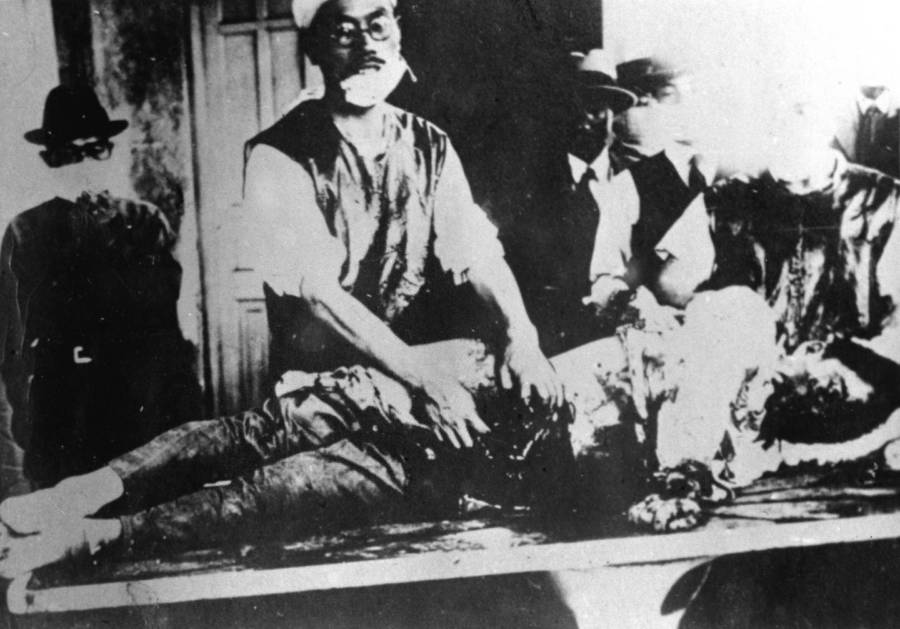
What makes Men Behind the Sun stand out is its fragmented, almost documentary-like structure. Rather than weaving a straightforward dramatic narrative, Mou constructs the film as a series of stark vignettes, each showcasing one monstrous experiment after another. This disjointed quality mirrors the cold and methodical way Unit 731 carried out its work, giving the audience little comfort or space to detach. While the special effects often carry the look of late-1980s low-budget filmmaking, they remain powerfully effective in provoking revulsion. Time has not dulled their impact: the crude visual horror still conveys the visceral reality of suffering more effectively than polished stylization ever could.

To some, the film crosses too far into exploitation, presenting misery in a way that risks sensationalism. To others, it serves as a vital cultural reckoning, a way of exposing truths that were long suppressed not just in Japan but internationally. Men Behind the Sun may not offer the catharsis of traditional war cinema, but its unflinching confrontation with atrocity ensures it occupies a singular place in film history. Even more unsettling is the knowledge that outside the world of film, General Shirō Ishii himself escaped accountability. After Japan’s surrender, he cooperated with U.S. military authorities, trading his research findings for immunity from prosecution. As the Cold War escalated, his expertise in biological and chemical warfare was deemed too valuable to dismiss, and so the crimes of Unit 731 were quietly buried in exchange for data. This chilling epilogue—rooted not in cinema but in historical fact—ensures that the horror of Men Behind the Sun lingers long after the credits roll.
Brains, Laughs, and Decline: The Uneven Legacy of Return of the Living Dead


Subverting the Zombie Canon: Satire, Genre-Bending, and Decay in the Return of the Living Dead Series

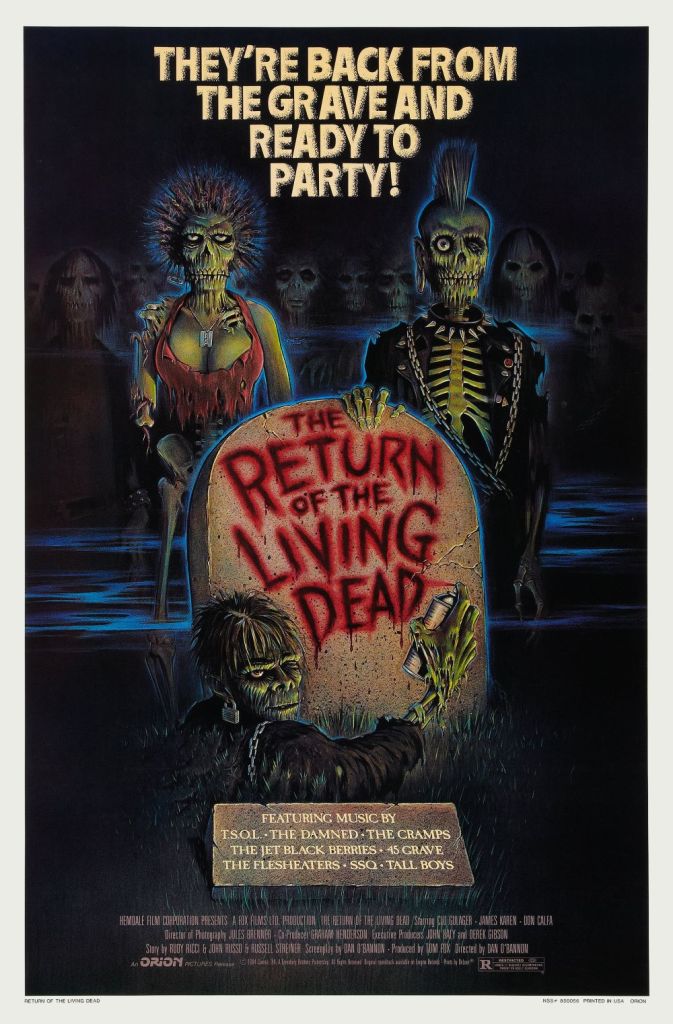
When talking about cult horror films, the Return of the Living Dead series holds a special place—not only as a spin-off from George A. Romero’s seminal Night of the Living Dead, but as a unique creative force in its own right. Thanks to a legal split between Romero and co-writer John Russo over rights to the “Living Dead” name, Russo and director Dan O’Bannon got to imagine a parallel zombie universe. This franchise quickly carved out its own identity, mixing horror, black comedy, and punk spirit in a way that both paid tribute to and upended zombie tropes.

Reinventing Zombie Lore with a Wink

The original Return of the Living Dead (1985) starts with a clever “what if” twist: what if Romero’s Night wasn’t just a movie, but a dramatized cover-up of a real government disaster? This meta idea instantly frames the film as self-referential and playful, setting a tone unlike anything out at the time.

Central to the film’s identity is the invention of 2-4-5 Trioxin, a fictional military chemical designed to clear marijuana crops which instead raises the dead—zombies with surprising new abilities. Unlike the slow, drooling zombies Romero popularized, these ghouls sprint, talk, and set traps. Their hunger is peculiar as well: they crave brains exclusively, as it eases the pain of being undead. And the old rules of zombie combat? Forget shooting them in the head. These zombies resist it, raising the stakes and scare factor.

This refreshing rewrite of zombie rules allowed the movie to be both frightening and fun. The zombies were smart but still monstrous, turning classic horror expectations on their head in a way that invited both laughter and fear—a tricky balance that few horror comedies manage.

Playing with Comedy, Panic, and Punk Rock

One of the greatest strengths of the original film is how it embraces horror-comedy so naturally. It doesn’t shy away from being funny while still delivering tension. James Karen and Thom Mathews excel as the main pair—Karen’s frantic, over-the-top panicked man paired with Mathews’ straight, slowly succumbing counterpart create a perfect comedic rhythm. Their slow transformation into zombies adds a tragic dimension to what could have been simple slapstick. Meanwhile, Don Calfa’s mortician character and Clu Gulager’s warehouse owner provide a grounded center amidst chaos.

The punk subculture flavor adds another unique texture. Linnea Quigley’s famous graveyard striptease encapsulates the 1980s’ blend of irreverence, sexuality, and horror obsession. The scene is shocking, hilarious, and iconic—one of those moments that encapsulates everything this film is about: having fun with taboos while not losing the darker undercurrents of mortality and decay.

Beyond laughs, there’s biting satire here. The film skewers the government and military’s hubris—scientists create a superweapon they can’t control, leading to chaos and destruction. This reflects 1980s American anxieties about bioweapons, government cover-ups, and nuclear fears. Horror and comedy collide to reflect cultural distrust and paranoia.

The Problem of the Sequel: Part II’s Familiar Ground

When Return of the Living Dead Part II came out in 1988, it felt like the franchise was stuck in a loop. With much of the original cast returning in near-identical roles, and lines and situations seemingly recycled, the film circles back to the same story. This self-copying invites a mix of amusement and disappointment: it seems the filmmakers didn’t believe they could improve on the original and decided to replicate it instead.

While it has its moments—good practical effects and a rollicking tone reminiscent of the first film—it leans harder into comedy, sometimes at the expense of the horror. The suburban setting and clearer military lockdown raise the action stakes, but the humor feels broader and less sharp, which can make the movie seem a bit cartoonish.

In a way, Part II comments on the pitfalls of horror franchises: once you’ve struck gold with an unexpected idea, sequels often struggle to regain that freshness. This installment is entertaining, but signals the beginning of the franchise’s creative plateau.

Much Darker Territory: Part III’s Horror and Romance

With Return of the Living Dead 3 in 1993, things take a major tonal shift. Brian Yuzna’s direction removes much of the comedy and replaces it with body horror, gore, and a genuinely tragic romance. The story centers on Curt and Julie, two teenagers tragically pulled into the military’s secret zombie experiments. After Julie is accidentally killed and resurrected, she becomes a zombie who feeds on brains but manages her hunger through extreme self-inflicted pain.

This grim take pushes the franchise into more serious, intense horror territory, with heavy themes of love, loss, and bodily autonomy threaded throughout. Julie’s tortured transformation is both tragic and unsettling, symbolizing not only the loss of life but also the torment of trying to hold onto humanity while losing it from within.

Yuzna’s effects are grisly in the finest tradition of ‘90s practical SFX. The film revives the franchise’s sense of danger and stakes by mixing romance with horror, delivering something emotionally resonant and viscerally impactful. While it diverges sharply from the earlier comedic tone, Part III proves the series’ flexibility and capacity for reinvention.

Creative Collapse: Parts IV and V’s Direct-to-Cable Downfall

Sadly, the wheels come off with Return of the Living Dead 4: Necropolis and 5: Rave to the Grave, both made in 2005 and directed by Ellory Elkayem. Shot back-to-back and released direct-to-cable, these films are pale shadows of the earlier entries.

They ditch the original’s clever mix of horror and humor entirely. Instead, we get generic corporate conspiracies, confusing Eastern European settings, weak scripts, and inconsistent zombie characterizations. The zombies lose their unique “brains only” horror and instead act like run-of-the-mill undead. Even the acting is amateurish, with only Peter Coyote standing out briefly as a sinister scientist.

Part 5 further muddies continuity by introducing Trioxin as a rave drug, leading to a chaotic rave/zombie apocalypse scenario that is both baffling and poorly paced. The low-budget effects and uneven pacing betray the exhaustion and lack of passion behind these entries.

These final two films underscore a common fate for franchises that outlive their creative spark—once inventive mythology becomes shallow cliché, and attempts to cash in feel uninspired. Instead of honoring their roots, they become muddled and forgettable.

Why the Series Matters

Despite its uneven legacy, Return of the Living Dead remains important for what it dared to do in horror cinema. The first film’s originality influenced countless horror comedies and redefined how zombies could be portrayed. Its self-awareness and invention paved the way for postmodern horror, where genre is as much about commentary as it is fear.

The third film’s daring shift to tragic body horror further demonstrated the potential for zombie films to explore complex emotional and societal themes beyond gore or giggles.

While the later sequels falter, their failure serves as a cautionary tale about the dangers of diluting distinct voices and creative risks in franchise filmmaking.

Ultimately, Return of the Living Dead survives in cultural memory as a zombie series that captured the spirit of its time—punk rebellion, Cold War paranoia, and genre self-mockery—with flashes of brilliance that continue to entertain and inspire.

Horror Song of the Day: Damien (by DMX)


It’s been a while, but I’ve always thought of October as the best month for Through the Shattered Lens. The site has always leaned into sci‑fi and horror at its core—and in the early days, it was especially heavy on the horror side of things. That was really the big common thread between Lisa Marie and me when we first got started here.

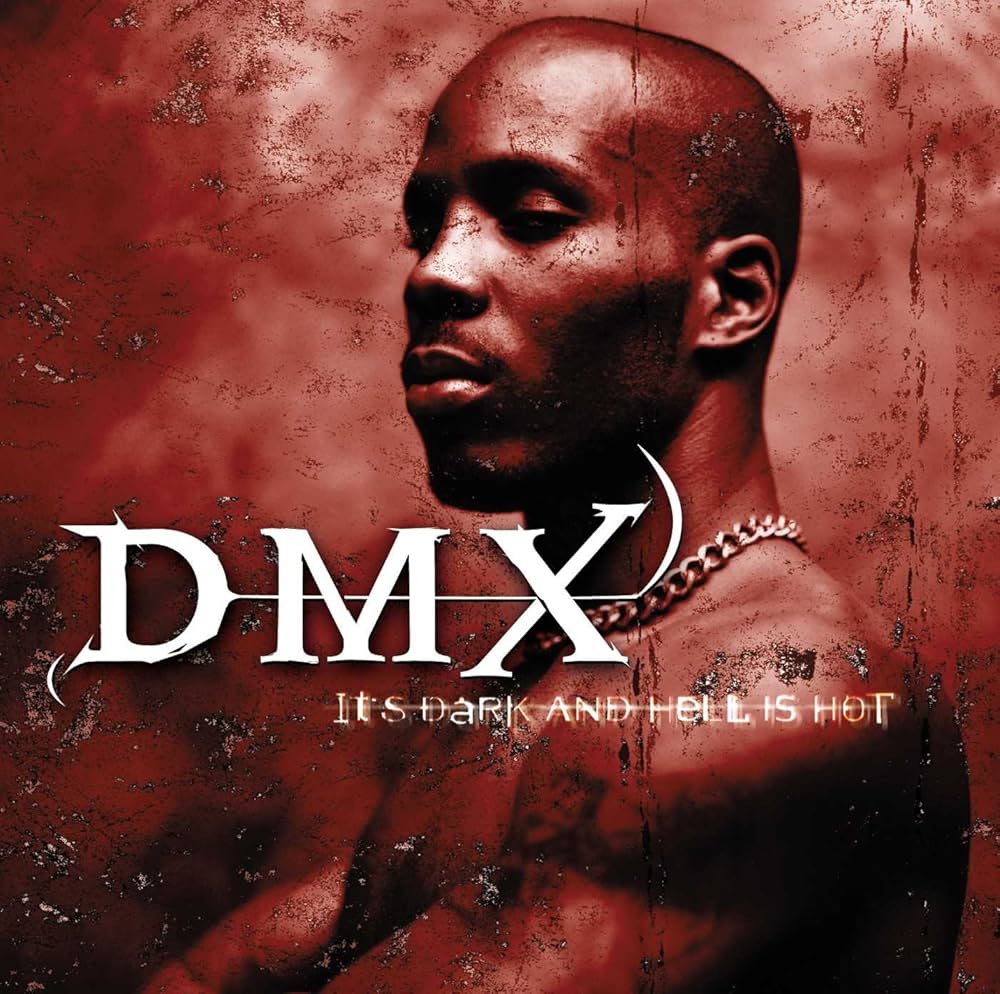
So, as part of easing my way back into being a little more active on a site I’ve watched grow for over 16 years, I wanted to spotlight something that’s stuck with me for decades: “Damien,” the ninth track off DMX’s 1998 debut album It’s Dark and Hell is Hot. That record catapulted DMX—Earl Simmons—into instant superstardom.

“Damien” has always been the track I kept coming back to, even years after the album first dropped. The album itself was pure fire: a mix of chest‑thumping, hyper‑aggressive tracks laced with one of the rawest and most distinctive voices hip‑hop had seen since the losses of Biggie and Tupac. At the time, some even saw DMX as their natural successor.

But “Damien” stood apart. The song oozes dark energy, hitting like lyrical possession from start to finish. Built around a haunting sample from Stanley Clarke’s “Slow Dance,” the beat sets the stage for DMX to pour out a narrative of bad breaks, self‑inflicted wounds, and a desperate search for a guardian angel—only to meet something else entirely. Instead of an angel, he finds Damien, a voice offering help but radiating malevolence.

When “D” first enters the track, he plays almost like a mischievous accomplice, a shadowy partner in crime. But as the verses build, that “help” morphs into something more toxic, more sinister—a presence that feeds off the chaos it creates.

DMX’s debut wasn’t just a hit album; it pushed horrorcore rap into the mainstream in a way few had managed before. With “Damien,” he delivered one of the most chilling, unforgettable examples of horror woven directly into hip‑hop—a track that feels just as unsettling now as it did back in ’98.

Damien

Uh, Def Jam
Uh, Ruff Ryders
Uh, my nigga TP, creep with me

Why is it every move I make turns out to be a bad one?
Where’s my guardian angel? Need one, wish I had one
I’m right here, shorty, and I’ma hold you down
You trying to fuck all these bitches? I’ma show you how
But who-? (Name’s D, like you, but my friends call me Damien)
And I’ma put you hip to something (uh-huh) about this game we in
You and me could take it there, and you’ll be
The hottest nigga ever living (that’s a given?) You’ll see
Hmm, that’s what I’ve been wanting all my life
Thinkin’ about my little man, so I call my wife
Well, your dada is about to make it happen
(What you mean, my nigga?) I’m about to make it rapping
Today I met this cat, he said his name was Damien
He thinks that we’re a lot alike and wants to be my friend
(You mean like Chuckie?) Ha ha, yeah, just like Chuckie
(Dada, looks like we both lucky) Yeah

The snake, the rat, the cat, the dog
How you gon’ see him if you living in the fog?
The snake, the rat, the cat, the dog
How you gon’ see him if you living in the fog?
The snake, the rat, the cat, the dog
How you gon’ see him if you living in the fog?
The snake, the rat, the cat, the dog
How you gon’ see him if you living in the fog?

Ay-yo, D (What up, D?) You’s a smooth nigga
I seen you when nobody knew who pulled the trigger
Yeah, you know, it’s always over dough
You sure? I could have swore it was over a hoe
Nah, nah, that ain’t my style (igga, you stay fronting)
But you’re still my man, and I ain’t gonna say nothin’
Got some weed? Go ‘head, smoke it (what?) Go ‘head, drink it (what?)
Go ‘head and fuck shorty, you know I can keep a secret (aight)
I’m about to have you driving, probably a Benz
But we gotta stay friends, blood out, blood in
Sounds good to me, fuck it, what I got to lose?
Hmm, nothin’ I can think of, any nigga would choose
Got me pushing the whips, takin’ trips across seas
Pockets stay laced, nigga, I floss Gs
For that nigga I would bleed, give him my right hand
Now that I think about it, yo, that’s my man!

The snake, the rat, the cat, the dog
How you gon’ see him if you living in the fog?
The snake, the rat, the cat, the dog
How you gon’ see him if you living in the fog?
The snake, the rat, the cat, the dog
How you gon’ see him if you living in the fog?
The snake, the rat, the cat, the dog
How you gon’ see him if you living in the fog?

You like how everything is going? You like what I gave ya?
You know if you was going down, I’d be the one to save ya
But yo, I need a favor, these cats across town hate me
Plus their behavior hasn’t been too good lately
What? Anything for you, dog, where them niggas at?
38th from Broadway (aight, let me get the gat)
Run up on ’em strapped, bust off caps in four niggas
Laid low for ’bout a month then killed two more niggas
Now I’m ready to chill, but you still want me to kill
Look at what I did for you! Dog, come on, keep it real!
Aight, fuck it, I’ma do it, who is it this time?
Ayy-yo, remember that kid Sean you used to be with in ’89?
Nah, that’s my man! (I thought I was your man?)
But yo, that’s my nigga (hey, who’s your biggest fan?)
Either do it or give me your right hand, that’s what you said
I see now, it ain’t nothing but trouble ahead (uh-huh)

The snake, the rat, the cat, the dog
How you gon’ see him if you living in the fog?
The snake, the rat, the cat, the dog
How you gon’ see him if you living in the fog?
The snake, the rat, the cat, the dog
How you gon’ see him if you living in the fog?
The snake, the rat, the cat, the dog
How you gon’ see him if you living in the fog?

In the fog, the fog, living in the fog
How you gon’ see him if you living in the fog?
The snake, the rat, the cat, the dog
To be continued, motherfuckers
Ah-hahahahaha

Horror Trailer: Frankenstein


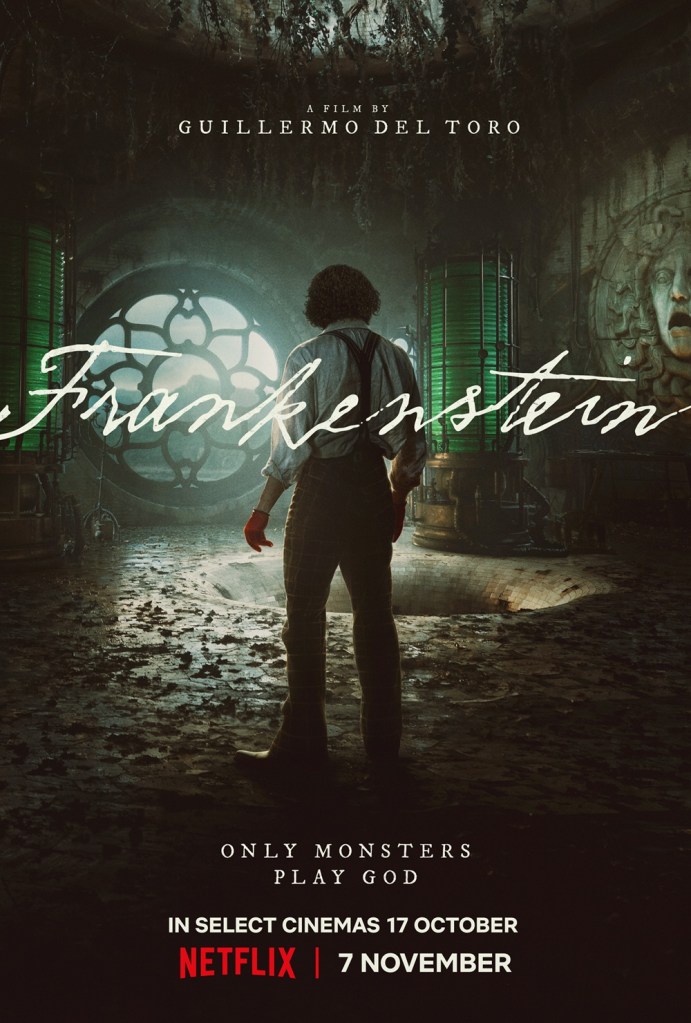
The official trailer for Guillermo Del Toro’s take on the Mary Shelley’s classic gothic horror Frankenstein has finally been released.

An earlier teaser was sent out months ago, but that was mostly played off like sizzle reel of what Del Toro had been up to with this latest adaptation. This official trailer gives us a much more closer look at the type of adaptation Del Toro decided to take with Shelley’s novel of the tortured scientist and his creation.

Even though it will be show up on Netflix on November 7, 2025, I do believe that this film needs to be seen on the big screen when a select cities get them on October 17, 2025.

Song of the Day: Something (The Beatles)


Ok, time to get back in the saddle.

The latest entry in the “Greatest Guitar Solos Series” comes courtesy of The Beatles and one of the best songs, if not the best one, from their 1969 album, Abbey Road.

The song is the George Harrison penned “Something” and its been acknowledged by musicians and critics to be the greatest love song that doesn’t have the mention the word love (on a serious note, it is the greatest love song).

The guitar solo is performed by George Harrison and arrives as part of the song’s outro.

Something

[Verse 1]
Something in the way she moves
Attracts me like no other lover
Something in the way she woos me

[Chorus]
I don’t want to leave her now
You know I believe and how

[Verse 2]
Somewhere in her smile, she knows
That I don’t need no other lover
Something in her style that shows me

[Chorus]
I don’t want to leave her now
You know I believe and how

[Bridge]
You’re asking me, will my love grow?
I don’t know, I don’t know
You stick around, now, it may show
I don’t know, I don’t know

[Guitar Solo]

Great Guitar Solos Series

Song of the Day: In the House – In a Heartbeat (by John Murphy)


It’s been 23 years since the world was introduced to Danny Boyle’s genre-defining horror film 28 Days Later. The film helped reinvigorate the zombie horror genre by introducing the so-called “fast zombies” to the horror lexicon.

It was a divisive change of pace, so to speak, within the zombie genre fandom. Some welcomed the change since it brought a new type of energy to what had become a stale, oft-ridiculed zombie film trope of the slow, shambling undead. The purists saw it as separate from the rules introduced by the zombie subgenre’s godfather, George A. Romero, with his Living Dead films. Yet, it doesn’t matter which side of the debate someone was on (something even I have fallen into spending way too much time with) there was no denying the fact that Boyle made a great horror film…no, let me correct that. He made a great film.

This was followed 5 years later by 28 Weeks Later (minus the involvement of the first film’s director and screenwriter, Danny Boyle and Alex Garland) with Spanish filmmaker Juan Carlos Fresnadillo. While not on the same level as the first film, it did add something new to the world created with the first film. It even had a mid-credit sequence that gave a hint as to how the series could move forward.

The latest “Song of the Day” comes courtesy of the series film composer John Murphy. He did the soundtrack for the the first film and the sequel. The song I picked was used in the first film, but took center stage in the sequel. The piece of music is the track titled “In the House – In a Heartbeat” that becomes the main theme for 28 Weeks Later.

Review: By Dawn’s Early Light (dir. by Jack Sholder)


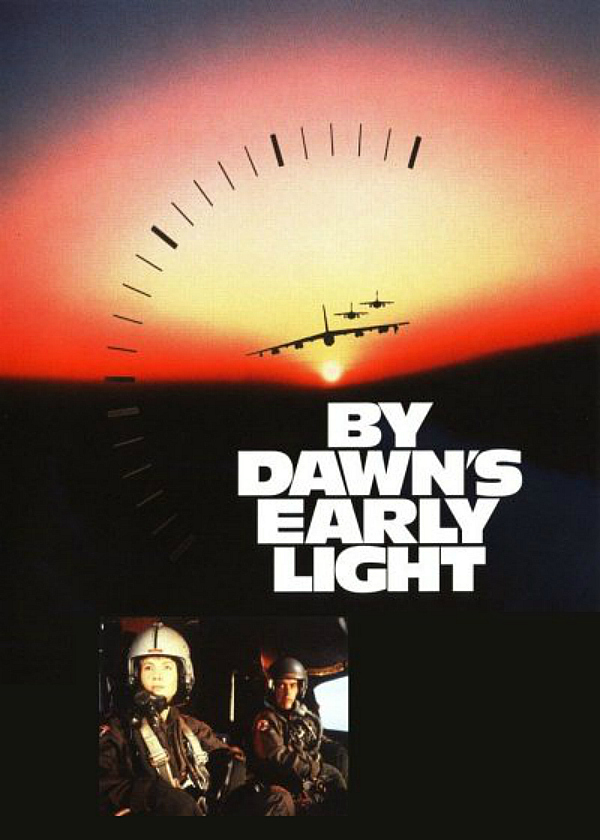
1990’s By Dawn’s Early Light is a film adaptation by HBO of William Prochnau’s novel Trinity’s Child. The film, when it first aired on HBO, seemed dated since the Soviet Union was ultimately going through its death throes as the military build-up initiated during the Reagan Administration crippled the USSR economically (they too tried to match the build-up in conventional and nuclear forces). Yet, despite the ending of the Cold War, recent events domestically and around the world has shown that the world never truly left behind the shadow of nuclear war.

The film is simplicity in the way the plot unfolds. A failed coup by dissident Soviet military commanders fails, but it’s after-effects of creating a “hot war” between the US and the USSR succeeds as both US President and Soviet Premiere make mistakes in their decisions. Decisions heavily influenced by their military commanders who see only black and white in how their respective nations should respond militarily. By Dawn’s Early Light shares some similarities to the classic 60’s Cold War films like Dr. Strangelove and Fail-Safe. Both films deal with the human frailties and flaws helping influence events that could lead to nuclear Armageddon for the whole planet. By Dawn’s Early Light concentrates on several storylines to highlight the stress and difficulties individuals must face to either follow their orders to their inevitable conclusion or allow their conscience to help make the moral decisions in trying to stop the madness spiraling out of control. Though some people’s decisions are left wanting, the film ends with a glimmer of hope that may just bring the world from the brink of annihilation.

The acting by the cast of Rebecca DeMornay, Powers Boothe, James Earl Jones, Darrin McGavin, Martin Landau and Rip Torn are well done. Rebecca DeMornay and Powers Boothe anchor one of the subplots as romantically involved B-52 crew pilots whose conflict comes from their own intimate closeness affecting command decisions and from the stress of families lost by the rest of the bomber crew. Darrin McGavin, Rip Torn and Martin Landau anchor the other subplot of competing Presidents. One a physically incapacitated US leader trying to avert escalating the conflict to the point of no return with another recently sworn in who fears of losing a nuclear war and thus wanting to strike back full and hard. In between these two leaders is the diabolical performance by Rip Torn as a warmongering Army colonel who sees only winning the war as the only objective. At times, the performances do become hampered by the simplicity of the script, but the cast power through to the end.

In the end, the film might look a bit dated in its production design (this was 1990 and many years before HBO became known for premiere television production) but the story itself is very current and relevant.  What might have been a nice Cold War relic fairy tale when it first aired in 1990 on HBO has taken on more of a cautionary tale as more nations begin to acquire nuclear weapons with some of these nations not just enemies of the US and the world in general, but also led by men whose hold on sanity seem tenuous at best. By Dawn’s Early Light is a great piece political “what if” that hopefully remains just that and not a prediction of reality to come.

Trailer: Nobody 2


Ilya Naishuller’s 2021 action-comedy Nobody caught everyone by surprise. Many thought it was just a quick cash-grab to take advantage of the success with the John Wick action series. Nobody was released in the middle of the pandemic, yet it was received very positive reviews from critics and audiences, alike.

It was a no-brainer that a sequel would be greenlit. It took awhile to happen but most of the cast and crew are back with the exception of director Ilya Naishuller. Indonesian director Timo Tjahjanto now takes the director’s seat with some new, but familiar faces (Sharon Stone and Colin Hanks) joining the previous cast (Bob Odenkirk, Colin Salmon, Connie Nielsen, Christopher Lloyd and RZA).

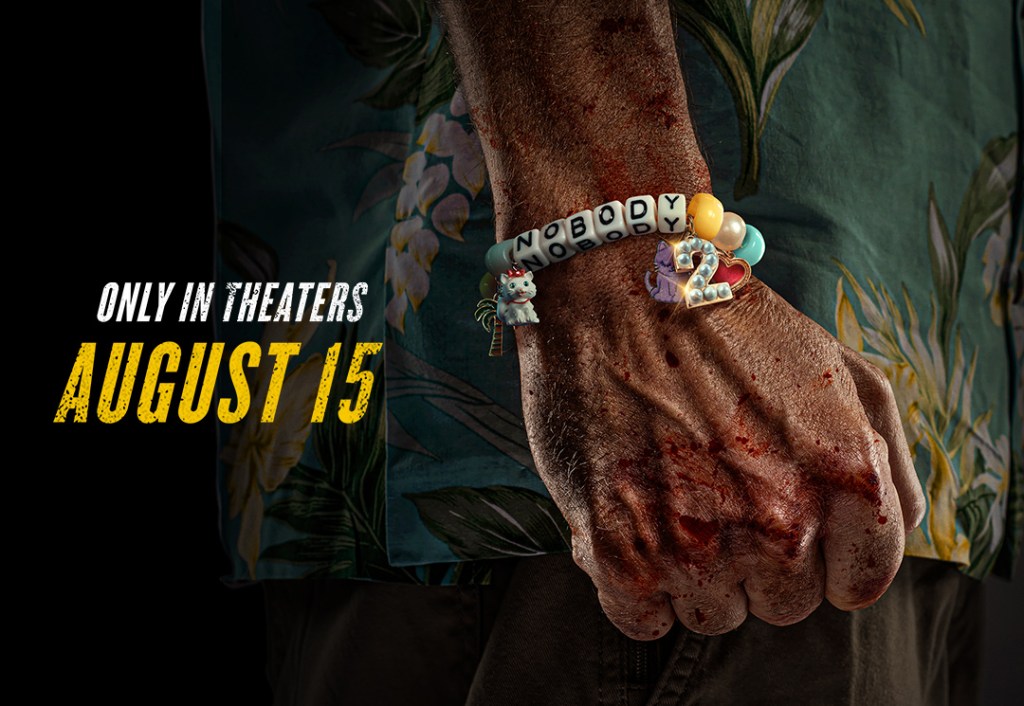
From this first trailer, Nobody 2 looks to retain the action-comedy tone of the first, but with the visual flair of Timo Tjahjanto (see The Night Comes for Us for example of how batshit crazy his action turn out).

Nobody 2 arrives in theaters on August 15, 2025.

Scenes I Love: The Third Man


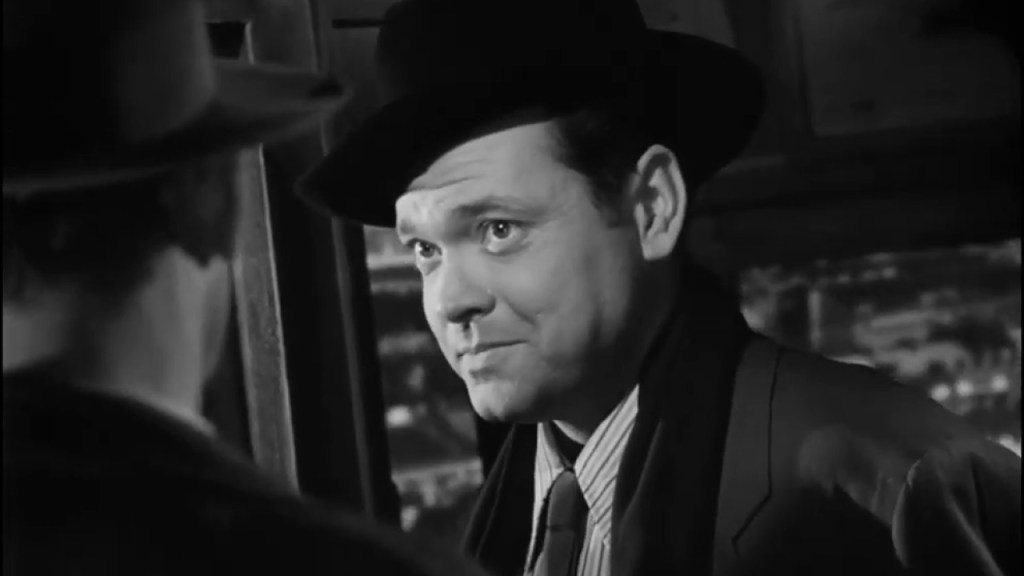
Orson Welles has been a giant of the film industry since he first stepped foot in it with his masterpiece Citizen Kane. He has been lauded as one of the greatest filmmakers and his innovation in the techniques of filmmaking continues to influence past, present and future filmmakers.

Yet, he wasn’t just a great director but a great writer and producer. He was also a great actor both on-screen, and previously, on stage where he honed his craft. He has had some memorable moments in all the films he’s acted in (even his final film which was the cult classic animated film feature Transformers: The Movie, where he was the voice of a planet-devouring transforming robot planetoid).

It is his brief but great monologue past the halfway mark of the classic noir film The Third Man that is my choice for Scenes I Love and another entry in the “Great Film and TV Monologues” series.

Welles plays the amoral Harry Lime who meets up with his childhood friend Holly Martins. As they ride the famous Wiener Riesenrad in Vienna, Welles waxes poetic about the insignificance of people, in general. How, from the the heights of the Riesenrad, people looked like little dots and would one dot or a group of them be missed if they suddenly stopped moving.

Yet, it is when Lime and Martins exit the ride that Welles’ as Harry Lime performs what is considered one of the greatest monologues ever put on film and, most likely, one of the briefest. It is a philosophical observation on the cynics take on the violent nature of man and how it affects society.

The monologue itself wasn’t written by the film’s writer, Graham Greene, but was inserted in the script by Orson Welles himself. The Third Man was one of the greatest films ever produced even without Welles’ contribution as a writer, but we should be all glad that he decided to add this brief monologue which helps explains the character of Harry Lime and the meaning of the “third man”.

Great Film and TV Monologues

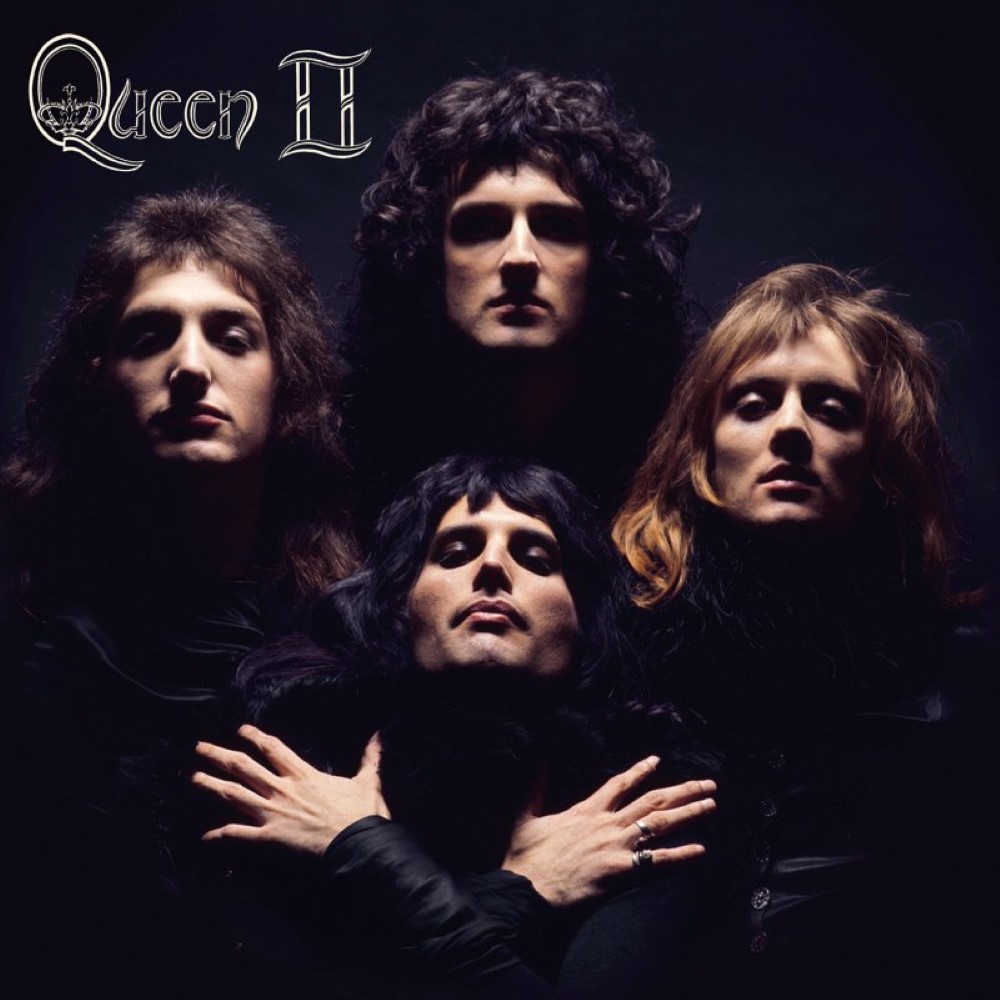
Song of the Day: Killer Queen (by Queen)


Time to continue our greatest guitar solos series with another from the glam rock legends that is Queen.

The latest “Song of the Day” is “Killer Queen” from their third album Sheer Heart Attack released in 1974. The song continues the band’s exceptional use of vocal harmonies which, by 1974, had become the band’s signature calling musical card.

Brian May’s guitar solo happens on the 1:32 minute mark of the song. It’s not a bombastic, shredding-inducing melodies, but instead a multitracked solo that makes great use of bell chords where the drums and bass joins in sequentially to finish the section.

“Killer Queen” has become one of the band’s most popular songs and continued to cement Queen as one of the preeminent rock bands of the 1970’s.

Killer Queen

She keeps Moët et Chandon
In her pretty cabinet
“Let them eat cake,” she says
Just like Marie Antoinette
A built-in remedy
For Khrushchev and Kennedy (Ooh, ooh)
At anytime an invitation
You can’t decline (Ooh, ooh)

Caviar and cigarettes
Well versed in etiquette
Extraordinarily nice

She’s a killer queen
Gunpowder, gelatin
Dynamite with a laser beam
Guaranteed to blow your mind
(Pa-pa-pa-pa) Anytime
Ooh
Recommended at the price
Insatiable an appetite
Wanna try?

To avoid complications
She never kept the same address
In conversation
She spoke just like a baroness
Met a man from China
Went down to Geisha Minah (Ooh, ooh)
(Killer, killer, she’s a killer queen)
Then again incidentally
If you’re that way inclined

Perfume came naturally from Paris (Naturally)
For cars, she couldn’t care less
Fastidious and precise

She’s a killer queen
Gunpowder, gelatin
Dynamite with a laser beam
Guaranteed to blow your mind
(Pa-pa-pa-pa)
Anytime
 
[guitar solo]

Drop of a hat she’s as willing as
Playful as a pussycat (Ooh)
Then momentarily out of action (Ooh)
Temporarily out of gas (Ta-taaa)
To absolutely drive you wild, wild
She’s out to get you

She’s a killer queen
Gunpowder, gelatin
Dynamite with a laser beam (Pa-pa-pa-ra)
Guaranteed to blow your mind
Anytime
Ooh
Recommended at the price
Insatiable an appetite
Wanna try?
You wanna try

Great Guitar Solos Series