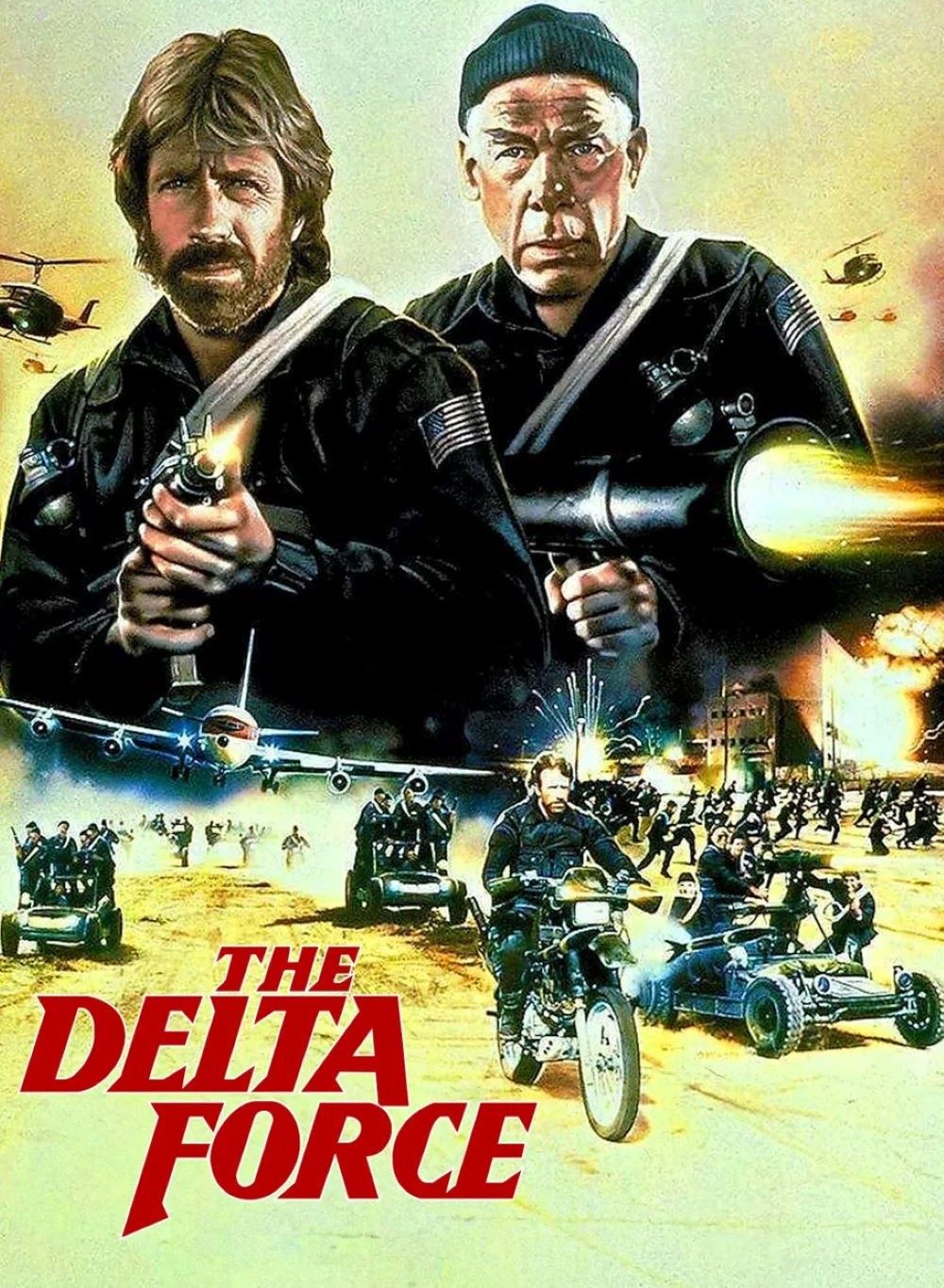
The Delta Force is the ultimate guilty pleasure from the ’80s, that rocket-bike-riding, Chuck Norris-kicking fantasy you pop on when you need two hours of unapologetic, brain-off escapism. It’s a hijacking thriller crossed with Cannon Films overkill, blending real Middle East tensions with pure action movie wish fulfillment, and yeah, it’s politically charged and dated as hell, but damn if it doesn’t deliver the kind of dumb-fun thrills that make you grin despite yourself.
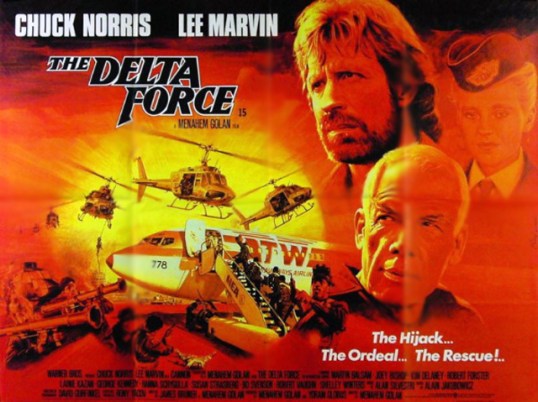
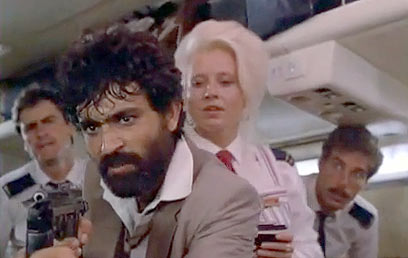
Right from the jump, the film sets up its hook with a failed Delta Force raid in Iran, nodding to the real-life Eagle Claw disaster that still stung in 1986. Fast-forward, and Lee Marvin’s grizzled Colonel Nick Alexander gets yanked out of retirement when Lebanese militants hijack an Athens-to-New York flight, forcing it to Beirut and beyond. Enter Chuck Norris as Major Scott McCoy, the brooding ex-operator haunted by that botched op, who’s all too ready to strap on his gear when innocents are on the line. The setup drags you through passenger terror and terrorist demands, then explodes into rescue mayhem—it’s like the movie knows you’re here for the payback, and it serves it up hot.
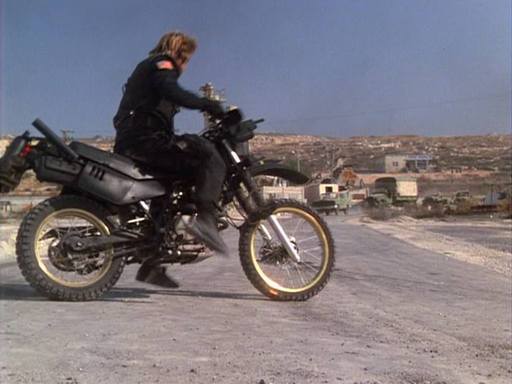
As a plot, it’s pure popcorn simplicity: plane gets taken, hostages split by nationality and faith, planes hopscotch across terror hotspots, and Delta swoops in for the save. Drawing from the TWA 847 ordeal, the onboard stuff feels eerily real at first—sweaty close-ups of scared folks like Shelley Winters’ kvetching grandma or Martin Balsam’s anxious exec, turning the cabin into a pressure cooker. George Kennedy’s priest adds heart, and you almost buy the drama until Norris’ dirt bike starts spitting missiles, flipping the script to glorious absurdity. That’s the guilty pleasure pivot: from newsreel grit to arcade-game heroics, and you can’t help but love the whiplash.
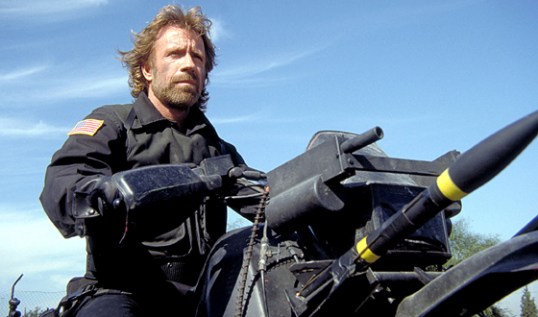
Once the action ramps, The Delta Force leans into its B-movie soul with reckless abandon. McCoy’s team hits beaches, raids compounds, and yeah, that motorcycle sequence where Norris zips through baddies like a one-man apocalypse? Iconic cheese that screams “turn off your brain and enjoy.” It’s less about realism and more about catharsis—after watching hostages suffer, the third act’s bullet ballet feels like the justice porn we all secretly crave in these flicks. No deep strategy, just explosions and one-liners, perfectly tuned for that “hell yeah” rush that keeps you glued.
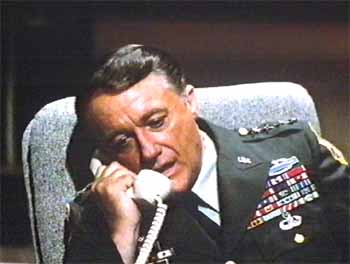
The cast is a riot of guilty-pleasure gold. Marvin, in his last role, growls through command with that unbeatable world-weary vibe, making every order land like gravitas wrapped in grit. Norris? Stone-faced perfection—says little, does everything, his quiet rage bubbling just enough to humanize the roundhouse legend. The passenger ensemble shines in panic mode: Winters chews scenery, Balsam frets convincingly, Kennedy prays with soul. Villain Robert Forster? Over-the-top terrorist glee, accent thick as plot armor, stealing scenes with gleeful menace that’s so cartoonish, it’s addictive.
Sure, the politics are a time-stamped minefield—terrorists as flat-out monsters, Middle East as villain playground, America as lone savior—but that’s part of the era’s guilty thrill. In a post-9/11 world, the stereotypes jar, yet for ’80s nostalgia buffs, it’s that raw, unfiltered patriotism dialed to eleven, the kind you laugh at now but cheered then. The film doesn’t pretend to balance views; it picks a lane—righteous rage—and floors it, making the righteousness feel perversely fun amid the preachiness.
Technically, it’s rough-around-the-edges charm personified. Menahem Golan directs with propulsive energy, keeping the 126 minutes zipping between dread and dazzle. Action’s shot clean—no shaky cam nonsense—with wide lenses capturing chaos in practical, pre-CGI glory that pops on a big screen. The score? Brass-blasting heroism that’s comically epic, sticking like glue and amping every slow-mo strut. Sets fake Beirut convincingly enough, backlots be damned, all fueling that immersive, low-budget magic.
The Delta Force thrives on its split personality: tense hijack bottle episode crashing into commando wet dream. Plane scenes build real unease, echoing headlines, but then rocket bikes and cheering crowds yank it back to fantasy ad. That clash? Pure guilty pleasure fuel—serious enough to hook you, silly enough to forgive its flaws, never letting tension sag.
Bottom line, embrace The Delta Force as peak time-capsule junk: terrorism tamed by ‘stache and firepower, geopolitics as blockbuster bait. Norris and Cannon diehards will fist-pump through every raid; casual viewers get a hoot from the excess. It’s flawed, fervent, and fantastically rewatchable— the kind of flick where you know it’s ridiculous, but two hours later, you’re humming the theme and plotting your next viewing. Guilty pleasure? Abso-freaking-lutely, and wear that shame badge proud.
Previous Guilty Pleasures
- Half-Baked
- Save The Last Dance
- Every Rose Has Its Thorns
- The Jeremy Kyle Show
- Invasion USA
- The Golden Child
- Final Destination 2
- Paparazzi
- The Principal
- The Substitute
- Terror In The Family
- Pandorum
- Lambada
- Fear
- Cocktail
- Keep Off The Grass
- Girls, Girls, Girls
- Class
- Tart
- King Kong vs. Godzilla
- Hawk the Slayer
- Battle Beyond the Stars
- Meridian
- Walk of Shame
- From Justin To Kelly
- Project Greenlight
- Sex Decoy: Love Stings
- Swimfan
- On the Line
- Wolfen
- Hail Caesar!
- It’s So Cold In The D
- In the Mix
- Healed By Grace
- Valley of the Dolls
- The Legend of Billie Jean
- Death Wish
- Shipping Wars
- Ghost Whisperer
- Parking Wars
- The Dead Are After Me
- Harper’s Island
- The Resurrection of Gavin Stone
- Paranormal State
- Utopia
- Bar Rescue
- The Powers of Matthew Star
- Spiker
- Heavenly Bodies
- Maid in Manhattan
- Rage and Honor
- Saved By The Bell 3. 21 “No Hope With Dope”
- Happy Gilmore
- Solarbabies
- The Dawn of Correction
- Once You Understand
- The Voyeurs
- Robot Jox
- Teen Wolf
- The Running Man
- Double Dragon
- Backtrack
- Julie and Jack
- Karate Warrior
- Invaders From Mars
- Cloverfield
- Aerobicide
- Blood Harvest
- Shocking Dark
- Face The Truth
- Submerged
- The Canyons
- Days of Thunder
- Van Helsing
- The Night Comes for Us
- Code of Silence
- Captain Ron
- Armageddon
- Kate’s Secret
- Point Break
- The Replacements
- The Shadow
- Meteor
- Last Action Hero
- Attack of the Killer Tomatoes
- The Horror at 37,000 Feet
- The ‘Burbs
- Lifeforce
- Highschool of the Dead
- Ice Station Zebra
- No One Lives
- Brewster’s Millions
- Porky’s
- Revenge of the Nerds

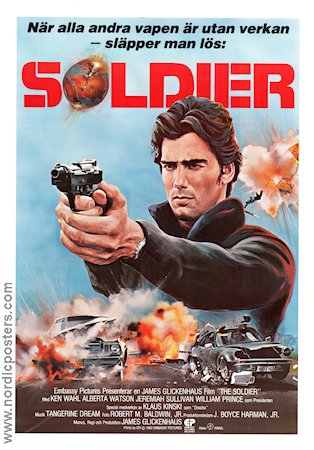 The Soldier is really only remembered for one scene. The Soldier (Ken Wahl) is being chased, on skis, across the Austrian Alps by two KGB agents, who are also on skis. The Soldier is in Austria to track down a KGB agent named Dracha (Klaus Kinski, who only has a few minutes of screen time and who is rumored to have turned down a role in Raiders of the Lost Ark so he could appear in this movie). The Russians want the Soldier dead because they’re evil commies. While being chased, the Soldier goes over a ski slope and, while in the air, executes a perfect 360° turn while firing a machine gun at the men behind him. It’s pretty fucking cool.
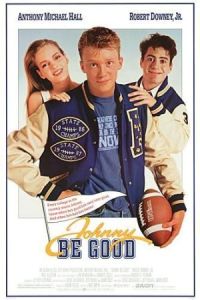 Johnny Walker (Anthony Michael Hall) may be the best high school quarterback in the country but he has a difficult choice to make. He promised his girlfriend, Georgia (Uma Thurman), that he would go to the local state college with her but every other university in the country wants him. (Even legendary sportscaster Howard Cosell calls Johnny and advises him to go to an Ivy League college.) As Johnny tours universities across the country, he faces every temptation. By the time he makes his decision, will Johnny still be good?
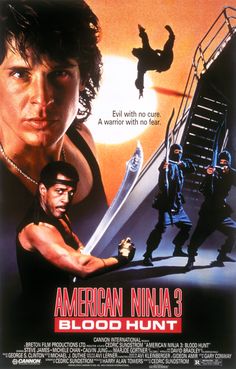 Is an American Ninja film still an American Ninja film if it doesn’t feature the American Ninja?
 Through the Shattered Lens