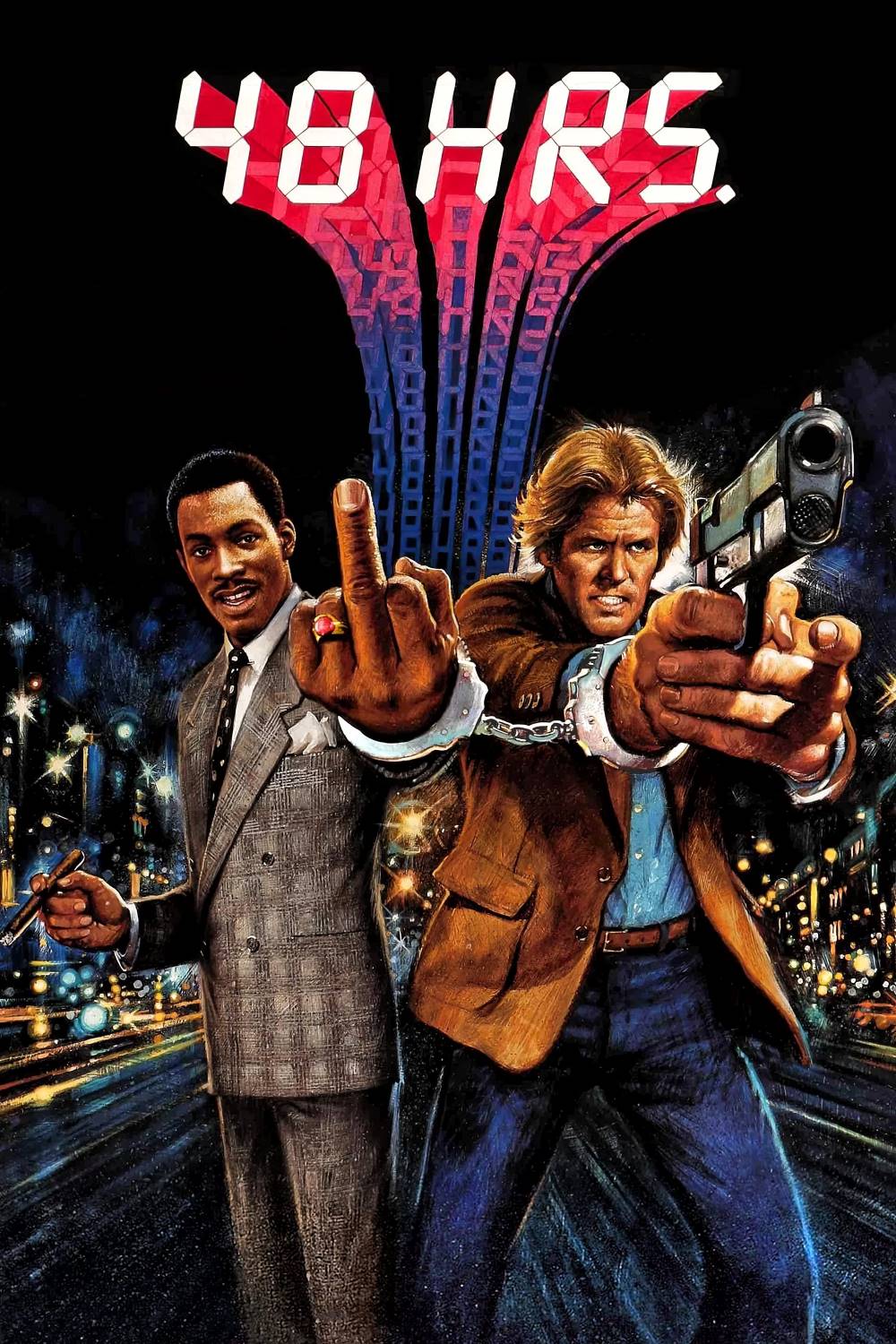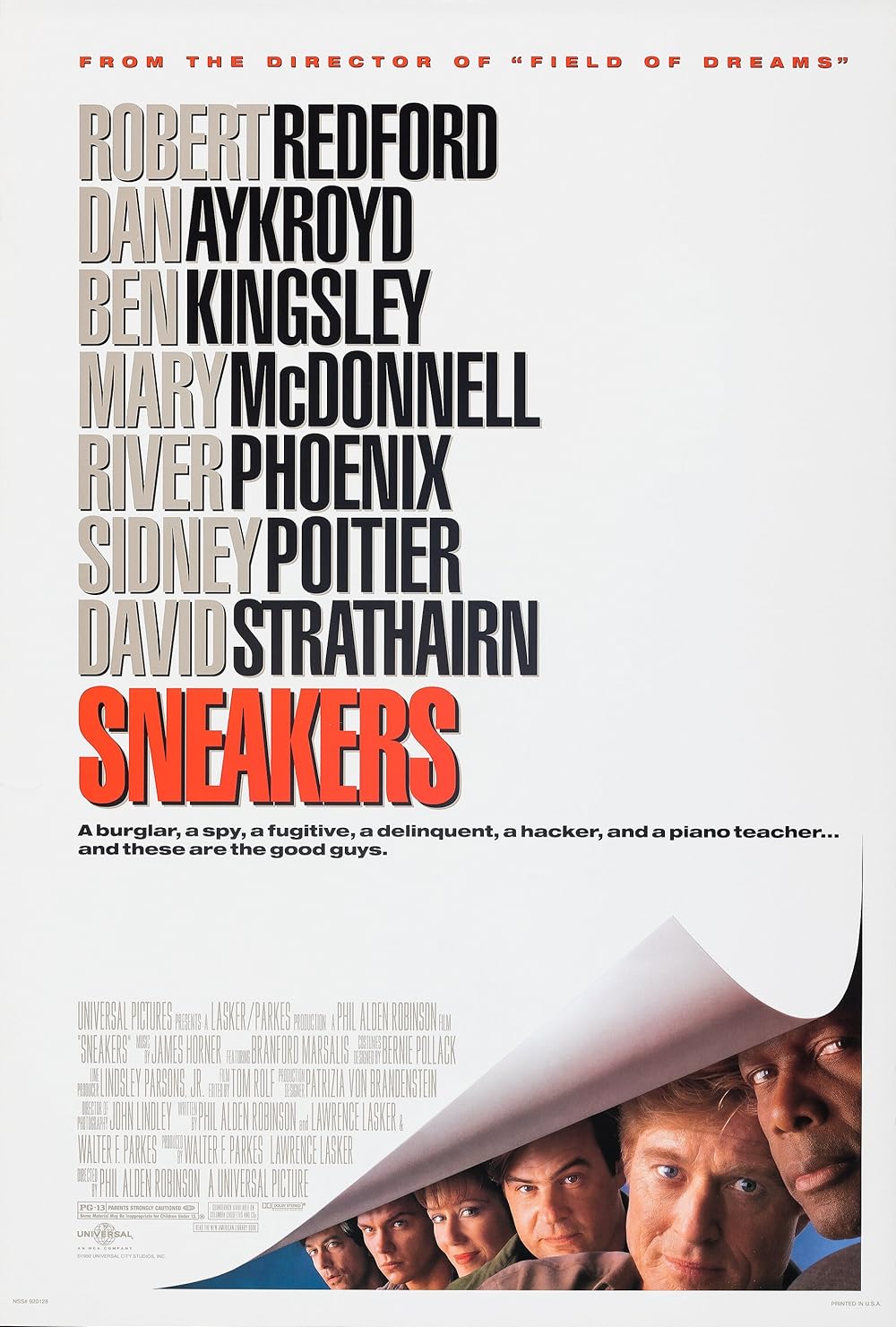
Review: 48 Hrs. (dir. by Walter Hill)


“This ain’t no god damn way to start a partnership.” – Reggie Hammond

48 Hrs. bursts onto the screen with a gritty prison breakout that sets the stage for chaos in the foggy streets of San Francisco, where a pair of ruthless killers slip away after gunning down a cop’s partner in cold blood. Jack Cates, the surviving detective, is left battered and furious, piecing together a case that points to a slick convict named Reggie Hammond holding the key to the crooks’ whereabouts—and a stash of stolen cash. With time ticking down, Jack pulls strings to get Reggie out on a 48-hour pass, thrusting these two polar opposites into a reluctant alliance that turns the city into their personal battlefield of bullets, banter, and bad blood.

From the jump, Jack comes across as the ultimate rough-around-the-edges cop, nursing a flask under his trench coat, snapping at colleagues, and charging headfirst into danger like a man who’s got nothing left to lose. His apartment is a mess of empty bottles and regret, and his rocky relationship with his girlfriend underscores how the job has chewed him up and spit him out, leaving him more beast than man. Reggie, by contrast, rolls in with street-honed swagger, his prison jumpsuit barely containing the energy of a guy who’s survived by being quicker on his feet and sharper with his mouth than anyone around him. He’s got a girlfriend waiting with that hidden money, and no intention of playing nice with a cop who’s eyeing him like fresh meat.

The beauty of their pairing lies in how the film lets their friction spark from the very first shared car ride, where Jack’s growled commands clash against Reggie’s nonstop ribbing, turning a simple stakeout into a verbal demolition derby. Picture them peeling out after a lead goes south, tires screeching through narrow alleys while Reggie gripes about the beat-up car and Jack slams the dash in frustration—it’s these raw, unscripted-feeling moments that make the movie breathe. As they hit up seedy bars, chase informants through strip joints, and dodge ambushes, the script peels back layers: Jack’s not just a bully, he’s haunted by close calls; Reggie’s bravado masks real fear of ending up dead or broke.

One standout sequence drops them into a hillbilly roadhouse packed with hostile locals, where Reggie grabs the mic for an impromptu takedown that flips the room from menace to mayhem, buying them time while Jack backs him up with sheer firepower. It’s tense, hilarious, and perfectly timed, showing how their skills complement each other—Jack’s brute force meeting Reggie’s silver tongue—in ways neither saw coming. The villains, led by a stone-cold Luther and his trigger-happy sidekick, keep the heat cranked high, popping up for savage hits that leave bodies in the gutter and force the duo to improvise on the fly, like hot-wiring rides or shaking down lowlifes for scraps of intel.

Walter Hill’s direction keeps it all taut and visceral, with handheld cameras capturing the sweat and grime of every punch thrown or shot fired, no glossy filters to soften the blows. The San Francisco backdrop shines through rain-slicked hills, neon-lit dives, and shadowy piers, giving the action a grounded, almost documentary edge that amps up the stakes. Sound design punches too—the roar of engines, the crack of gunfire, the thud of fists—layered over a pulsing ’80s score that shifts from funky grooves during chases to ominous drones in quieter beats, mirroring the push-pull between comedy and threat.

Diving deeper into the characters, Jack’s arc feels earned through small touches: a hesitant phone call to his ex, a flicker of respect when Reggie saves his skin, moments that humanize the hardass without forcing redemption. Reggie evolves too, his initial scam-artist vibe giving way to flashes of loyalty, like when he risks his neck to protect that cash not just for himself, but to build something real outside the walls. Supporting roles flesh out the world—the precinct captain barking orders, the sultry singer tangled with the bad guys, Reggie’s tough-as-nails woman who won’t take guff—but they never overshadow the core duo, serving as sparks for conflict or comic relief.

Pacing-wise, the film rarely pauses for breath, clocking in under two hours yet packing in a full meal of twists, from double-crosses at motels to a frantic foot chase across rooftops that leaves you winded. The 48-hour ticking clock adds urgency without gimmicks, every dead end ramping tension as dawn breaks on their deadline. Humor lands organically too, not from slapstick but from character-driven zingers—Reggie calling out Jack’s outdated tough-guy schtick, Jack grumbling about Reggie’s flashy clothes—keeping the tone light even as blood spills.

Of course, watching through modern eyes, the dialogue packs some era-specific punches, with raw language around race, cops, and crooks that reflects ’80s attitudes head-on, for better or worse. It’s unapologetic, mirroring the film’s macho pulse, but adds texture to the time capsule feel, making replays fascinating for how boldly it leaned into taboos. The women, while fierce in spots, often play second fiddle to the bromance brewing, a hallmark of the genre that 48 Hrs. helped cement before it evolved.

What elevates this beyond standard action fare is how it nails the buddy dynamic’s slow burn: no instant high-fives, just gradual thaw from shared survival, culminating in a dockside finale where alliances solidify amid explosions and last stands. The editing zips between high-octane set pieces and downtime breather scenes, like a roadside diner heart-to-heart that reveals backstories without halting momentum. Cinematography plays with shadows and neon to heighten paranoia, turning everyday spots into pressure cookers.

Influence-wise, you can trace lines straight to later hits—the grizzled vet and smooth-talking newbie formula got refined here, blending Lethal Weapon grit with Beverly Hills Cop wit years ahead of schedule. Performances anchor it all: the leads’ chemistry crackles, carrying weaker beats on sheer charisma, while Hill’s lean style ensures every frame earns its keep. Runtime flies because it’s efficient, no fat, just muscle.

Final stretch ramps to operatic violence on those windswept docks, bullets flying as personal scores settle, leaving our heroes bloodied but bonded in a way that feels hard-won. 48 Hrs. endures as a rowdy blueprint for the genre, blending laughs, thrills, and toughness into a package that’s addictive on first watch and rewarding on revisit. It’s got heart under the bruises, edge in the jokes, and a vibe that’s pure ’80s adrenaline—grab it for a night of no-holds-barred entertainment that still packs a wallop over four decades later.

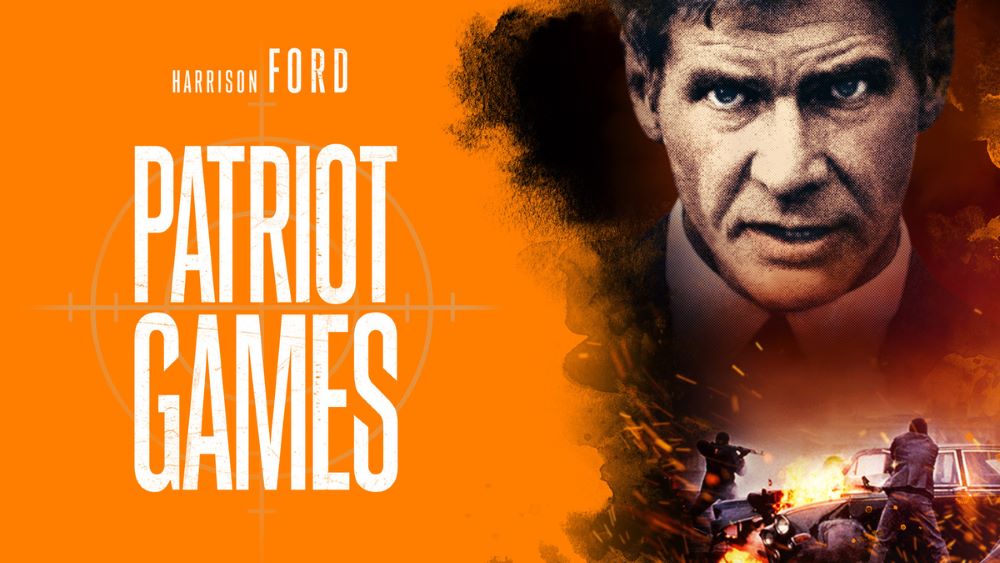
Review: Patriot Games (dir. by Phillip Noyce)


“You don’t know what it’s like to have your life destroyed by one stupid mistake!” — Sean Miller

Patriot Games hits the ground running by thrusting Jack Ryan and his family into the heart of a terrorist ambush on a London street, targeting a key British official tied to the royal family. Harrison Ford plays Ryan as a sharp-minded history professor and former CIA analyst on a simple vacation with his wife Cathy and daughter Sally, but his old Marine training surges up—he charges in, kills two attackers including one terrorist’s brother, and gets winged by a bullet himself. Right away, this setup grabs attention by showing how a random act of guts can boomerang into endless trouble, forcing a guy who craves quiet lectures to dodge bullets and betrayal across oceans, and it plants seeds about whether playing hero is worth the fallout on everyone you love.

Back in Maryland at the Naval Academy, Ryan tries piecing together normalcy, grading papers and dodging CIA calls, but Sean Miller—the captured terrorist whose sibling Ryan killed—gets sprung in a brutal prison convoy hit that leaves cops dead in the dirt. Miller, now laser-focused on payback, reroutes his rogue Ulster splinter group’s rage straight at Ryan’s home front, culminating in a savage freeway pileup where goons ram Cathy’s car off the road, injuring her and Sally badly. Ford nails the shift from composed academic to seething protector, his clenched jaw and urgent phone calls conveying a dad pushed to the brink, while these family-targeted strikes crank the paranoia, transforming everyday drives and school runs into potential kill zones that linger long after the crashes fade.

Sean Bean invests Miller with a coiled, wordless intensity—scarred features and piercing glares that scream obsession without needing speeches, flipping Ryan’s principled stand into the villain’s fuel for a mirror-image crusade. This fictional IRA offshoot rolls with pro-level gear for hits from UK alleys to U.S. suburbs, dodging authorities with insider tips, but their flat-out villainy skips any cracks in loyalty or ideology, turning them into efficient machines rather than messy humans with grudges worth unpacking. Anne Archer holds Cathy together through hospital beds and hushed fears, emerging tougher, as James Earl Jones’ Admiral Greer supplies the gruff guidance that tugs Ryan toward Langley, balancing the intimate home front with globe-spanning spycraft that feels like a real squeeze on one man’s bandwidth.

The camera shifts smoothly from rain-slicked London corners to bright Maryland bays, capturing open spaces that make characters look small and exposed against the sprawl. Gunshots snap clean and engines growl low during pursuits, pulling you deeper into the fray without drowning out the quieter beats. Horner’s soundtrack builds with brooding pipes and driving rhythms that hit hard in the final bay showdown, boats tearing through darkness with bursts of flame from hands-on stunts that pack a punch even now. Action ramps up step by step from early scraps to that watery chaos, mixing smarts with muscle, even if plot points line up a bit too neatly at times.

CIA war rooms buzz with satellite feeds sharpening grainy Libyan camp footage into proof of terror training, a tech showcase that echoes Clancy’s gearhead love and ramps brainpower against brute force without flashy overkill. Ryan hashes out returns to duty with British contacts, including a Sinn Féin type disavowing the extremists, sketching post-Cold War shifts where lone wolves replace nation-states in the threat lineup. Book-to-screen changes crank Ryan’s field time over desk strategy, letting Ford flex rugged moves that thrill audiences but sand off novel layers of naval tactics and alliance chess for punchier pacing.

Ford and Archer capture the raw friction in Ryan’s marriage through tense, whispered spats about diving back into danger, their easy chemistry making the pushback feel lived-in and real rather than scripted melodrama. Miller’s storyline hurtles toward a frantic leap onto Ryan’s rocking boat, boiling his grudge down to savage, no-holds-barred combat amid crashing waves. On-screen locations—from echoing Naval Academy corridors to churning bay waters—breathe life into the settings, casting national pride as a bruising, up-close shield instead of hollow cheers. Subtle audio touches, like distant creaks in the dim Ryan house, crank up the exposed feeling, linking slick production values to gut-punch emotions without piling on the noise.

Those procedural deep dives—poring over red-haired accomplice sketches or grilling shaky informants—add authentic wonkery, like Ryan spotting tells in grainy photos that crack the case wide, but they drag amid family rehab montages where Sally’s recovery mirrors the slow-burn hunt. The baddies’ cartoonish zeal glosses Northern Ireland’s brutal splits, opting for clear-cut evil over thorny politics that could’ve mirrored real headlines from the era, a choice that streamlines tension yet dates the take harshly next to modern nuance. Endgame flips the house siege into a decoy boat trap, Ryan baiting Miller solo on fiery Chesapeake swells, evolving his street-brawl start into tactical payback, though the tidy win lacks the submarine slyness of earlier Ryan yarns.

This swap prioritizes visceral family shields over shadowy sub hunts, hooking casual viewers while purists miss the book’s flowchart plotting, yet it spotlights Ford’s prime reluctant-warrior groove amid practical blasts that crush today’s green-screen slop. Pacing ebbs in alliance huddles, but peaks like the SAS desert wipeout—watched live via infrared ghosts—deliver clinical thrills tying brains to bangs seamlessly.

Taken together, the taut opener, vengeful pursuits, tech-savvy thrills, emotional anchors, dated politics, and solid craftsmanship add up to a clear verdict: Patriot Games is a good film, a reliable ’90s thriller that delivers crowd-pleasing tension and strong leads without reinventing the wheel. It holds up for its practical stunts and intimate stakes, earning replays as Ford’s standout Ryan turn, even if flaws like simplification and lulls keep it from greatness. Worth the watch for anyone craving balanced action with heart.

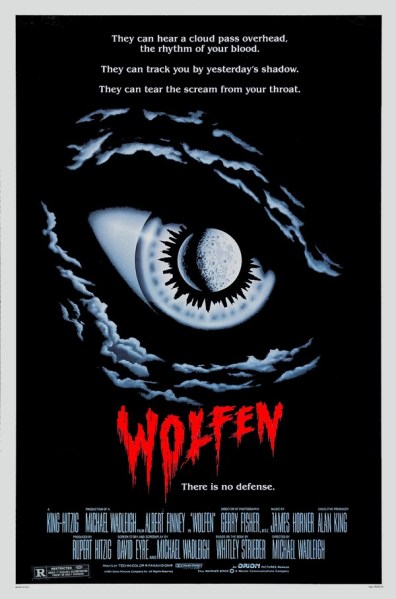
Guilty Pleasure No. 30: Wolfen (dir. by Michael Wadleigh)


Wolfen_1981A guilty pleasure is a film that we might enjoy, but isn’t as loved by others overall. It’s the kind of film that you can watch on any given day, but to speak of it may cause raised eyebrows among your peers. Everyone has at least one film or two that they treasure in this way.
My Guilty Pleasure pick is 1981’s Wolfen, directed by Michael Wadleigh. Loosely based off the novel by Whitley Strieber, the film focuses on two homicide investigators who learn that the case they’re working may actually be caused by animal attacks. Often mistaken as a werewolf film, I really wouldn’t group Wolfen into that category. It’s supernatural in some ways, yes, but you won’t find any serious werewolf activity in it. Surprisingly enough, Wolfen was released in the theatre just a few months after Joe Dante’s The Howling. This makes me wonder how audiences took to Wolfen after seeing all of the make-up effects in Dante’s work. From an effects standpoint, Wolfen’s big claim to fame is the negative photography used to showcase the animals’ point of view. I can’t imagine it was incredibly amazing when comparing the two, but on it’s own, it’s not bad. It’s one of the few movies I’d like to see get a remake, if only to have the story match Strieber’s book better.

When a millionaire land developer and his wife are found brutally murdered in Battery Park, Detective Dewey Wilson is brought on to investigate. Albert Finney (Miller’s Crossing, The Bourne Ultimatum, Skyfall) easily carries the film as Wilson, feeling a lot like the owner of your favorite corner deli. Wilson’s detective work is subtle in the film, and Finney plays to that with a relaxed alertness. He comes across as calm, questioning, but you get the sense that if it came to blows, he’d be ready to react. I suppose most detectives are that way. When the murder is believed to be a possible terrorist attack, a Security Agency brings in a psychological expert named Rebecca Neff, played by Diane Venora (Heat, William Shakespeare’s Romeo + Juliet). Wolfen was Venora’s first film and she’s good in this, though the screenplay is written in a way where it’s more Dewey’s tale to tell. The book did Neff’s character more justice than the movie, overall. Rounding out the casting is Gregory Hines (Running Scared, The Cotton Club – also with Venora) as a forensics expert, Edward James Olmos (Miami Vice, Battlestar Galactica) as a Native American worker who may know more than he says and Tom Noonan (Manhunter, The Last Action Hero, F/X – once again, with Diane Venora) as a Zoo Worker who’s just a little to into wolves in general. That’s just my opinion, though Noonan’s been known to play creepy very well. The performances here are all pretty good. No one is really out of place here, as far as I could tell.

If Wolfen suffers from any major problem, it’s in the writing. In adapting the novel, they had the chance to really bring the terror from the novel on screen. In the book, we’re given an understanding of what the Wolfen are – creatures older, faster and more terrifying than your typical canine. They came complete with their own way of communicating with one another, and Strieber’s novel even referenced his other story about Vampires, The Hunger. The final standoff of the book was a fight similar to From Dusk Till Dawn, with the hope that our heroes could maybe hold off what was coming. The movie decided to go a different route. Not terrible in any way, but it could have been really good if they stayed on track.

I could be off here, but I believe the film elected to try to make the story more relevant for its time by circling the murder around terrorism and using the Security Agency. The Security Agency has so little to do with the film outside of bringing Neff on the case, it’s incredible. About every 20 minutes, the film cuts back to this crew of personnel at their computers, watching footage of attacks (that have little to do with the original victim) in an attempt to piece together why this death happened. Meanwhile, Wilson walks into bar and gets the whole solution handed to him in a short story over a beer. I wonder if Wadleigh (who co-wrote the script) was trying to say that with all the technology at their disposal, all it really took to solve a crime was just regular legwork. To quote Olmos’ character “It’s the 20th Century. We got it all figured out.” That’s just my speculation on that.

From a Cinematography viewpoint, Wolfen has some impressive scenes, particularly those of the Manhattan landscape. For a city that doesn’t sleep, the streets as they’re filmed here are barren, with lots of shadows. One scene in particular has Finney and Olmos’ characters talking on top of a bridge, and I have to wonder not only how they were able to get that shot, but how the actors maintained their composure. One wrong slip and either of them could have fell. I also love seeing New York City in the early 80’s, where most of the Bronx and Brooklyn looked like warzones. Both Wolfen and Nighthawks (also released in the same year) are great examples of how bad the city really was during that time.

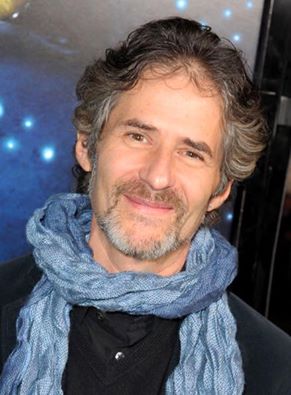
Wolfen was also one of James Horner’s first scores. Listening to it, you can hear elements of what you’d find in Aliens, Star Trek II: The Wrath of Khan and his other pieces.

Overall, Wolfen is a good film if you find yourself running into it late at night and there’s nothing else to catch. I watch it on purpose, but that’s just me. We all have our tastes. If at all possible, consider reading the novel as well.

Previous Guilty Pleasures

  1. Half-Baked
  2. Save The Last Dance
  3. Every Rose Has Its Thorns
  4. The Jeremy Kyle Show
  5. Invasion USA
  6. The Golden Child
  7. Final Destination 2
  8. Paparazzi
  9. The Principal
  10. The Substitute
  11. Terror In The Family
  12. Pandorum
  13. Lambada
  14. Fear
  15. Cocktail
  16. Keep Off The Grass
  17. Girls, Girls, Girls
  18. Class
  19. Tart
  20. King Kong vs. Godzilla
  21. Hawk the Slayer
  22. Battle Beyond the Stars
  23. Meridian
  24. Walk of Shame
  25. From Justin To Kelly
  26. Project Greenlight
  27. Sex Decoy: Love Stings
  28. Swimfan
  29. On the Line

4 Shots From 4 Films: Deadly Blessing, The Journey of Natty Gann, The New World, Cristiada


James Horner

4 Shots From 4 Films is just what it says it is, 4 shots from 4 of our favorite films.  As opposed to the reviews and recaps that we usually post, 4 Shots From 4 Films is all about letting the visuals do the talking.

Tonight, the film community is in shock following the news of the passing of award-winning composer James Horner.  Our latest installment of 4 Shots From 4 Films is dedicated to to the memory of this talented artist.

The four shots below all come from films that feature a score composed by the great James Horner.

Deadly Blessing (1981, dir by Wes Craven)

Deadly Blessing (1981, dir by Wes Craven)

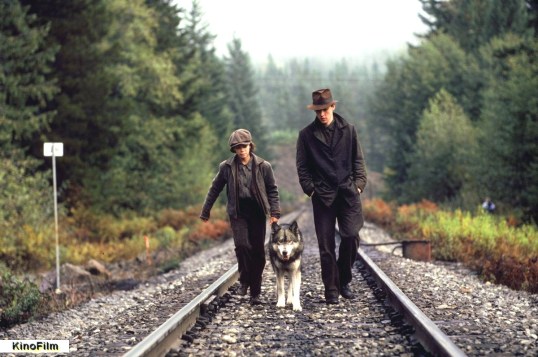
The Journey of Natty Gann (1985, dir by Jeremy Kagan)

The Journey of Natty Gann (1985, dir by Jeremy Kagan)

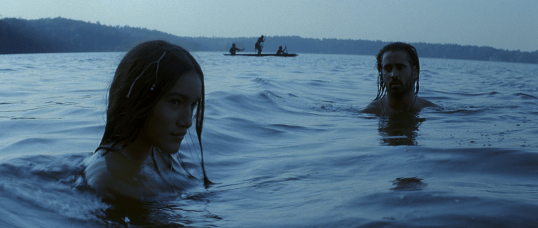
The New World (2005, dir by Terrence Malick)

The New World (2005, dir by Terrence Malick)

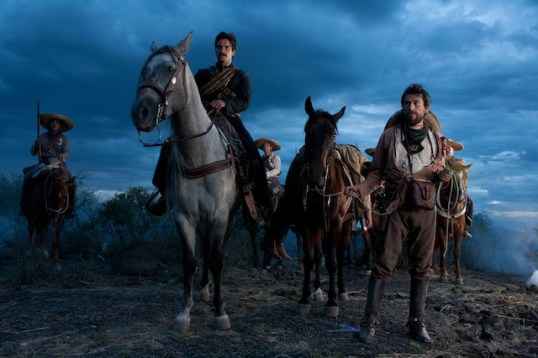
Cristiada, also known as For Greater Glory (2012, dir by Dean Wright)

Cristiada, also known as For Greater Glory (2012, dir by Dean Wright)


Music We Love – The Songs of James Horner


As of this writing, there’s been news about a plane crash in California. The plane was registered to Film Composer James Horner, and supposedly, the pilot didn’t survive. There’s a possibility that Horner has passed, but I’m going write this as if he wasn’t and update it later if it changes.

I just hope it doesn’t.

Note: We’ve received confirmation from various sources citing Horner’s assist that the composer has indeed died. Such a loss. 

I’ve always loved James Horner’s music, from way back in the eighties with Wolfen, Krull and Star Trek II: The Wrath of Khan. I’ve also spent a lot of time making fun of the notion that if you listen to these films and many of Horner’s other pieces, there were these familiar sounds in them. It was as if he recycled a lot of his themes to a degree that would put Hans Zimmer to shame. Still, he won an Oscar for Titanic. Below are some of my favorite Horner related tracks.

Wolfen (1981)

Star Trek II: The Wrath of Khan (1982) – The Genesis Countdown – Love this one.

Krull (1983) 

Commando (1982) – Some thought this to be one of Horner’s worst, but I liked it.

Aliens (1986) – The beginning of this song, Resolution and Hyperspace, was never used in the film Aliens. It was, however, featured near the end of Die Hard, for some reason.

Willow (1988) – Escape from the Tavern.

The Rocketeer (1991) – The Flying Circus was one of my favorite tracks. This was a wonderful action piece.

Braveheart (1994) – The Battle of Stirling – Where William Wallace asks his men to Hold.

Titanic (1997) – Hard to Starboard – Everything seems great for Jack & Rose, but something looms in the distance. Great piece.

A Beautiful Mind (2001) – Real or Imagined. Beautiful at the start, tragic near the end.

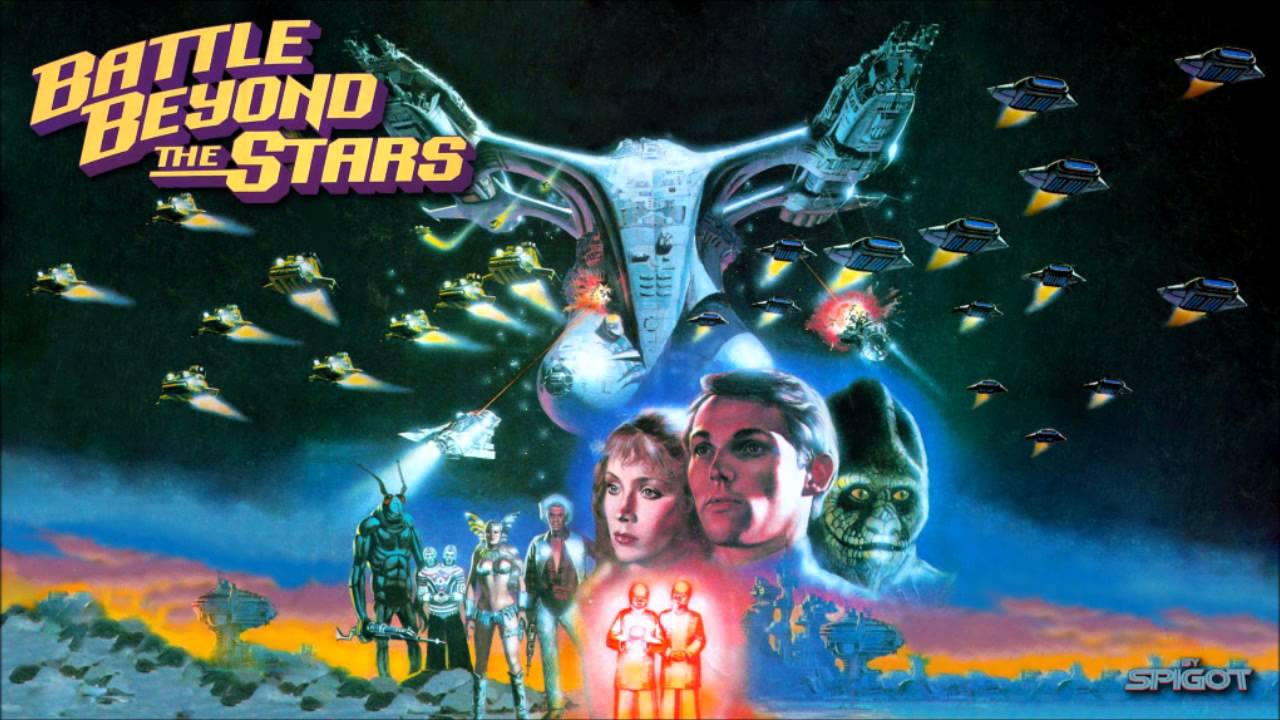
Guilty Pleasure No. 22: Battle Beyond the Stars (dir. by Jimmy T. Murakami)


maxresdefault

Two of my favorite films of all-time happen to be very similar. In fact, one could say that they’re pretty much the same films. I’m talking about Akira Kurosawa’s Seven Samurai and it’s Western-remake by John Sturges, The Magnificent Seven. Kurosawa’s film is one of the greatest films of all-time and it’s no wonder that many have taken the film’s story of the downtrodden hiring a band of misfits, rogues, but still honorable men to help them fight against huge odds.

One such film that tries to add onto Kurosawa film’s legacy was the Roger Corman-produced scifi-adventure film Battle Beyond the Stars. This 1980 film was one of Corman’s many attempts to cash-in on the Star Wars phenomena, but in his usual low-budget style.

For a low-budget scifi film, Battle Beyond the Stars happened to have quite a cast one doesn’t usually see in such productions. While it had such grindhouse and exploitation regulars as John Saxon and Sybil Danning, it also starred the wholesome Richard Thomas from The Waltons and George Peppard (who would later become famous with a new generation as Hannibal Smith of The A-Team). The film would be directed by Jimmy T. Murakami, but from watching the film one could see Corman’s fingerprints all over the production from the script which was pretty lean and cut to the basic outline of Kurosawa’s original film. There’s not much fluff to bog down the pacing of the film.

This film has always been a guilty pleasure of mine because it so resemble Seven Samurai and The Magificent Seven, but adds in it’s own unique style and look to a well-worn and well-trodden plot. It was much later that I found out that James Cameron had a major hand in the special effects work in the film. Think about that for a moment. The self-proclaimed “King of the World” who literally breaks film budget records every time he begins work on a film did FX work on battle Beyond the Stars whose effects budget probably wouldn’t buy a day’s worth of crafts table eating for his most modestly budgeted films.

Lisa Marie always loved to say that grindhouse and exploitation films are some of most honest films out there. There’s no bullshit to what we see on the screen. It’s filmmakers forced to be daring and inventive because the lack of resources forces them to think outside the box. Battle Beyond the Stars might be seen as a mediocre attempt to cash-in on a scifi cultural phenomena, but it does so with a go for broke mentality that makes it such a fun film to watch. It’s not the greatest thing Corman has ever produced and some would even call it a very bad film, but once one looked past it’s rough and flawed surface then one could see a gem in the rough hidden beneath.

Oh, this remake of the remake of the original also happened to star one Robert Vaughn who was one of original Magnificent Seven.

  1. Half-Baked
  2. Save The Last Dance
  3. Every Rose Has Its Thorns
  4. The Jeremy Kyle Show
  5. Invasion USA
  6. The Golden Child
  7. Final Destination 2
  8. Paparazzi
  9. The Principal
  10. The Substitute
  11. Terror In The Family
  12. Pandorum
  13. Lambada
  14. Fear
  15. Cocktail
  16. Keep Off The Grass
  17. Girls, Girls, Girls
  18. Class
  19. Tart
  20. King Kong vs. Godzilla
  21. Hawk the Slayer

Song of the Day: 117 from Halo 4 (by Kazuma Jinnouchi)


It’s now been three or more weeks since I began playing halo 4 and to say that it has surpassed my very high expectations for this title would be an understatement. Even the soundtrack has been such a wonderful surprise that I’ve been listening to it almost nonstop. I already profiled one of my favorite tracks from Neil Davidge’s work on the score with the song Green and Blue and now I pick another track from the soundtrack for the next “Song of the Day”.

This one wasn’t composed by Neil Davidge but from another composer brought in to create the final end credits song. The game could easily have settled for using music that played during the game to score the lengthy end credits, but everyone involved went for broke and decided really remind gamers that what they’ve just gone through was epic both in gaming terms but also in cinematic. It’s hard not to listen to Kazuma Jinnouchi’s contribution to this title’s score, simply titled “117”, and not imagine some sci-fi blockbuster film rolling up it’s credits with this type of song being played alongside.

From just listening to “117” one could hear some early James Horner influences in Jinnouchi’s composition in the track’s beginning and middle before it transitions in it’s last third to something that resembles one of Basil Poledouris’ epic martial scores. For fans of Martin O’Donnell’s own work in the previous Halo titles this song reaches a crescendo around 6:05 mark with a very familar musical cue. For those who complained that the Halo 4 soundtrack abandoned the iconic sound of the Bungie Studio produced Halo soundtracks should listen to this song around that mark much more closely.

While Neil Davidge deserves all the praise he has been getting for his work on the soundtrack for Halo some of it should also be heaped Jinnouchi-san’s way for the very epic (yes it bears repeating that word) musical composition he created to end the Halo 4 title and leave fans wanting the sequels to arrive now rather than later.

Quickie Review: Field of Dreams (dir. by Phil Alden Robinson)


“The one constant through all the years, Ray, has been baseball. America has rolled by like an army of steamrollers. It has been erased like a blackboard, rebuilt and erased again. But baseball has marked the time.” — Terence Mann

I have always been a fan of baseball. I would say that baseball has been the one thing which has always remained constant for me throughout the years. Other sports may be flashier, faster and more violent, but baseball I’ve always equated as part of America’s national identity. This is why 1989’s Field Of Dreams by Phil Alden Robinson continues to resonate for me and for legions of baseball fans everywhere.

The film is based off of the W.P. Kinsella’s novel, Shoeless Joe, and tells the story of one Ray Kinsella and his titular field of dreams. It’s a film which sees Ray not just building a baseball field in his field of corn despite financial problems bringing him and his family closer to losing everything, but it also sees him traveling across the country to find a reclusive writer in Terence Mann (J.D. Salinger in the novel). It’s afilm which offers an insight to what makes baseball and the American identity so intertwined as the film finally offers Ray a chance to finally realize that the very baseball field he has built in his cornfield has granted many a second chance to realize their dream. For this film that dream is to be able to play baseball once more and this second chance becomes important to the ghosts of baseball’s past who have fallen from baseball’s grace through a scandal which had them banned from the game they love.

I’ve never been a big Kevin Costner fan, but his work in this film as Ray Kinsella showed me why people saw in him talent as an actor and not just a pretty face up on the screen. His real-life love for baseball shows in his performance as Ray whose own love for baseball becomes a personal journey for redemption and reunion with a father who also shared his love for the sport. The performances by Amy Madigan as Ray’s supportive wife was quite good and allowed the character not to be eclipsed by Costner’s excellent work as Ray. Even James Earl Jones as the writer Terence Mann gives the film a level of gravitas which just added to the film’s intimate yet epic nature. But it’s the breakout performance by Ray Liotta as the ghost of baseball great Shoeless Joe Jackson. Liotta’s screentime was limited to mostly in the latter part of the film, but his presence dominated every moment he was on the screen.

Field of Dreams has been called just a good baseball film by some, but for many people who have seen and loved it see it as more than just a film about baseball. It’s a film that shows Americana at it’s best and most nostalgic. Shows how one sport has become such a positive influence on the relationship between children and their fathers. It’s a film that dares to show genuine affection and love to the idea of letting someone follow their dream despite many outside influences and obstacles trying to get in their way. There’s a reason the film was nominated for an Oscar Best Picture. Even voters who are so used to rewarding films that look at the darker and more depressing side of the human condition could see the inherent quality in a film which looks at the brighter and more hopeful side of the equation.