The Best Picture Race In Review: The 1960s


Ah, the 60s. Both the studio system and the production code collapsed as Hollywood struggled to remain relevant during a time of great social upheaval. The Academy alternated between nominating films that took chances and nominating films that cost a lot of money. It led to some odd best picture lineups.

1960

The Alamo

The Apartment

Elmer Gantry

Sons and Lovers

The Sundowners

Won: The Apartment

Should Have Won: The two best and most influential films of 1960 — Hitchcock’s Psycho and Kubrick’s Spartacus — went unnominated. Of the nominees, The Apartment deserved its victory.

1961

Fanny

The Guns of Navarone

The Hustler

Judgment and Nuremberg

West Side Story

Won: West Side Story

Should Have Won: Again, of the films nominated, the Academy made the right decision. West Side Story earned that victory. When you’re a Jet, you’re the best. That said, I do so wish that Breakfast at Tiffany’s had been nominated. (Of course, if I had the power to go back and change the nominees, I would also have the power to remove all of the scenes with Mickey Rooney as Holly’s neighbor. That’s the good thing about having power.)

1962

Lawrence of Arabia

The Longest Day

The Music Man

Mutiny on the Bounty

To Kill A Mockingbird

Won: Lawrence of Arabia

Should Have Won: Now, this was a great year for films! With the exception of Mutiny on the Bounty, all of the nominees deserved to be there. There were a lot of other films released that year that probably deserved to be nominated as well: Advise and Consent, The Manchurian Candidate, The Man Who Shot Liberty Valance, Whatever Happened To Baby Jane, Days of Wine and Roses, Lolita, David and Lisa, The Miracle Worker, and so many others. It’s so hard for me to pick between Lawrence of Arabia and To Kill A Mockingbird. In the end, and this should not be taken as criticism of Lawrence of Arabia at all, I probably would have voted for To Kill A Mockingbird.

1963

America, America

Cleopatra

How the West Was Won

Lillies of the Field

Tom Jones

Won: Tom Jones

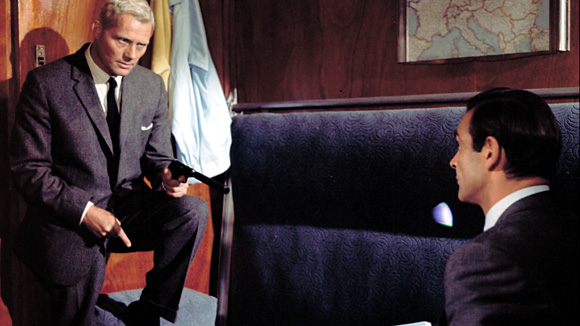
Should Have Won: If 1962 featured one of the strongest best picture lineups, 1963 features one of the weakest. In a unimpressive field in which only two best picture nominees also received nomination for best director, Tom Jones seems like the obvious winner. That said, Cleopatra is such an amazing disaster that I’d probably have to vote for it just to make sure that the world never forgot it. From Russia With Love was released in the UK during this year but it wasn’t released in the U.S. in time to qualify for the ’63 Oscars. Still, I’m going to pretend that it was and name it the best film of 1963.
1964

Becket

Dr. Strangelove: Or How I Learned To Stop Worrying and Love the Bomb

Mary Poppins

My Fair Lady

Zorba the Greek

Won: My Fair Lady

Should Have Won: My Fair Lady is a good example of a film that won because the Academy was trying to pretend that it was still the 1950s. I would have voted for Dr. Strangelove.

1965

Darling

Doctor Zhivago

Ship of Fools

The Sound of Music

A Thousand Clowns

Won: The Sound of Music

Should Have Won: While international cinema was breaking boundaries and challenging audiences, the Academy was honoring My Fair Lady and The Sound of Music. The 1965 best picture line-up is not a particularly strong one and A Thousand Clowns is somehow even more annoying than The Sound of Music. (“Yessir, that’s my baby” — SHUT UP!) That said, for me, Darling is the clear winner.

1966

Alfie

A Man For All Seasons

The Russians Are Coming, The Russians Are Coming

The Sand Pebbles

Who’s Afraid of Virginia Woolf?

Won: A Man For All Seasons

Should Have Won: Another weird lineup. A Man For All Seasons isn’t bad but it still feels more like homework than cinema. Who’s Afraid of Virginia Woolf? was a groundbreaking film and featured Elizabeth Taylor and Richard Burton at their best. Alfie made a star out of Michael Caine. That said, the more I thought about it, the more I liked The Russians Are Coming, The Russians Are Coming. It’s a likable comedy. It’s a bit lightweight. But, of all the nominees in this admittedly imperfect lineup, it’s probably the one I would want to watch more than once.

(That said, if I was in charge of the ’66 nomination, the Best Picture lineup would have been: Blowup, Juliet of the Spirits, Seconds, Kill Baby Kill, A Man and A Woman, and The Oscar, just to mess with people. The ratings for my Academy Awards would be so low that the Oscars would probably never be televised again.)

1967

Bonnie and Clyde

Dr. Doolittle

The Graduate

Guess Who’s Coming To Dinner

In The Heat of the Night

Won: In The Heat of the Night

Should Have Won: In The Heat Of The Night isn’t bad but it’s also not The Graduate. The Graduate gets my vote, even though I know Benjamin and Elaine probably broke up as soon as they got off that bus.

1968

Funny Girl

The Lion in Winter

Oliver!

Rachel, Rachel

Romeo and Juliet

Won: Oliver!

Should Have Won: What a weird line-up! Consider some of the eligible films that were not nominated: Petulia, Pretty Poison, The Good The Bad and the Ugly, 2001, Planet of the Apes, Rosemary’s Baby. Oliver! is better than My Fair Lady and The Sound of Music but it still feels like a film that won largely because it was a big production. Out of the nominees, I guess I would vote for …. Romeo and Juliet. I know The Lion in Winter is great but Romeo and Juliet brought Shakespeare to vibrant life.

1969

Anne of the Thousand Days

Butch Cassidy and the Sundance Kid

Hello, Dolly!

Midnight Cowboy

Z

Won: Midnight Cowboy

Should Have Won: The Academy was really struggling to find itself in 1969. Here are some of the eligible films that were not nominated: Once Upon A Time In The West, The Wild Bunch, Easy Rider, Medium Cool, Alice’s Restaurant, They Shoot Horses Don’t They?, Last Summer, and Bob & Ted & Carol & Alice. Instead, the best picture lineup was made up of: an international political thriller, a buddy comedy, an X-rated film about New York hustlers, an overproduced musical, and an old-fashioned historical drama. That said, out of the nominees, I think the Academy made the right choice. Though the film has a few pretentious moments, Midnight Cowboy remains an effective portrait of life on the fringes of society.

Now, put on your bell bottoms. Do a line of coke. Turn on the Bee Gees. Coming up in about an hour — it’s the 70s!
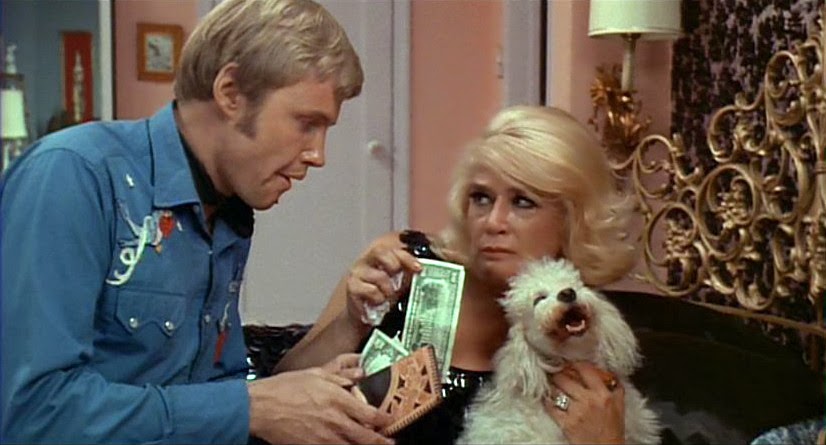
Midnight Cowboy (1969; Dir by John Schlesinger)

The Best Picture Race In Review: The 1950s


Continuing our look at the Best Picture races of the past, it’s now time to enter the 50s! World War II was over. Eisenhower was President. Everyone was worried about communist spies. And the Hollywood studios still reigned supreme, even while actors like Marlon Brando and James Dean challenged the establishment.

1950

All About Eve

Born Yesterday

Father of the Bride

King Solomon’s Mines

Sunset Boulevard

Won: All About Eve

Should Have Won: The Academy started out the decade by getting it right. While I love Sunset Boulevard and could definitely make a case for why it could have won, All About Eve was the best film nominated and one of the best films ever made.

1951

An American Paris

Decision Before Dawn

A Place In The Sun

Quo Vadis

A Streetcar Named Desire

Won: An American In Paris

Should Have Won: An American In Paris was a bit of an unexpected winner. A Streetcar Named Desire swept almost all of the acting prizes (only Marlon Brando failed to take home an Oscar) but the film itself is a bit too theatrical for me. As much as I Like An American In Paris, my personal vote would have gone to A Place In The Sun.

1952

The Greatest Show on Earth

High Noon

Ivanhoe

Moulin Rouge

The Quiet Man

Won: The Greatest Show on Earth

Should Have Won: Cecil B. DeMille’s The Greatest Show On Earth is often described as being the worst film to ever win best picture. I don’t know if I’d go that far but the Oscar still should have gone to either High Noon or The Quiet Man. With The Greatest Show on Earth, the Academy went for spectacle over …. well, everything else. It was not the first time the Academy did so, nor would it be the last.

1953

From Here To Eternity

Julius Caesar

The Robe

Roman Holiday

Shane

Won: From Here To Eternity

Should Have Won: I love both Julius Caesar and Roman Holiday but, in this case, the Academy picked the right film.

1954

The Caine Mutiny

The Country Girl

On The Waterfront

Seven Brides For Seven Brothers

Three Coins In The Fountain

Won: On the Waterfront

Should Have Won: I want to say Rear Window but it wasn’t even nominated. On The Waterfront is the best made and the best acted of all the nominees but that the film’s support for “naming names” will never sit well with me. Like many of Elia Kazan’s films, it also gets a bit too heavy-handed towards the end. (One always got the feeling that Kazan didn’t trust his audience to figure out things on their own.) I’ll go with The Caine Mutiny, if just for Humphrey Bogart’s amazing performance as Queeg.

1955

Love is Many Splendored Thing

Marty

Mister Roberts

Picnic

The Rose Tattoo

Won: Marty

Should Have Won: This is a difficult one for me. All of the nominated films are fairly weak. The best remember films of 1955 — Rebel Without A Cause, Kiss Me Deadly, East of Eden — weren’t even nominated. Marty‘s likable but it still feels like a made-for-TV movie. I’ll go with Picnic, just for the scene where William Holden and Kim Novak dance on the dock.

1956

Around the World in 80 Days

Friendly Persuasion

Giant

The King and I

The Ten Commandments

Won: Around The World In 80 Days

Should Have Won: In a year in which all of the nominees were epic in scope, Around The World In 80 Days won because it featured a cameo from nearly everyone in Hollywood. It’s a bit of a drag to watch today, despite the charm of David Niven. Personally, of the nominated films, I would have gone with …. mock me if you will …. The Ten Commandments. As flawed as it may be, it’s still incredibly watchable and never dull. If I couldn’t vote for The Ten Commandments, I’d probably vote for Giant, just because it’s a movie about my home state.

1957

The Bridge on the River Kwai

Peyton Place

Sayonara

12 Angry Men

Witness for the Prosecution

Won: The Bridge on the River Kwai

Should Have Won: The Bridge on the River Kwai is a worthy winner but my favorite of the nominees is definitely 12 Angry Men. And I’ll admit that I’ve always enjoyed Peyton Place as well.

1958

Auntie Mame

Cat On A Hot Tin Roof

The Defiant Ones

Gigi

Separate Tables

Won: Gigi

Should Have Won: Gigi’s good but I would have to vote for the overheated but always entertaining melodrama of Cat On A Hot Tin Roof. Of course, the best films of the year — Vertigo and Touch of Evil — were not nominated.

1959

Anatomy of a Murder

Ben-Hur

The Diary of Anne Frank

The Nun’s Story

Room At The Top

Won: Ben-Hur

Should Have Won: I actually like Ben-Hur but I absolutely love Anatomy of a Murder. It’s one of the best courtroom films ever made and it features James Stewart at his absolute best.

Up next, in about an hour — the 60s!

The Best Picture Race In Review: The 1940s


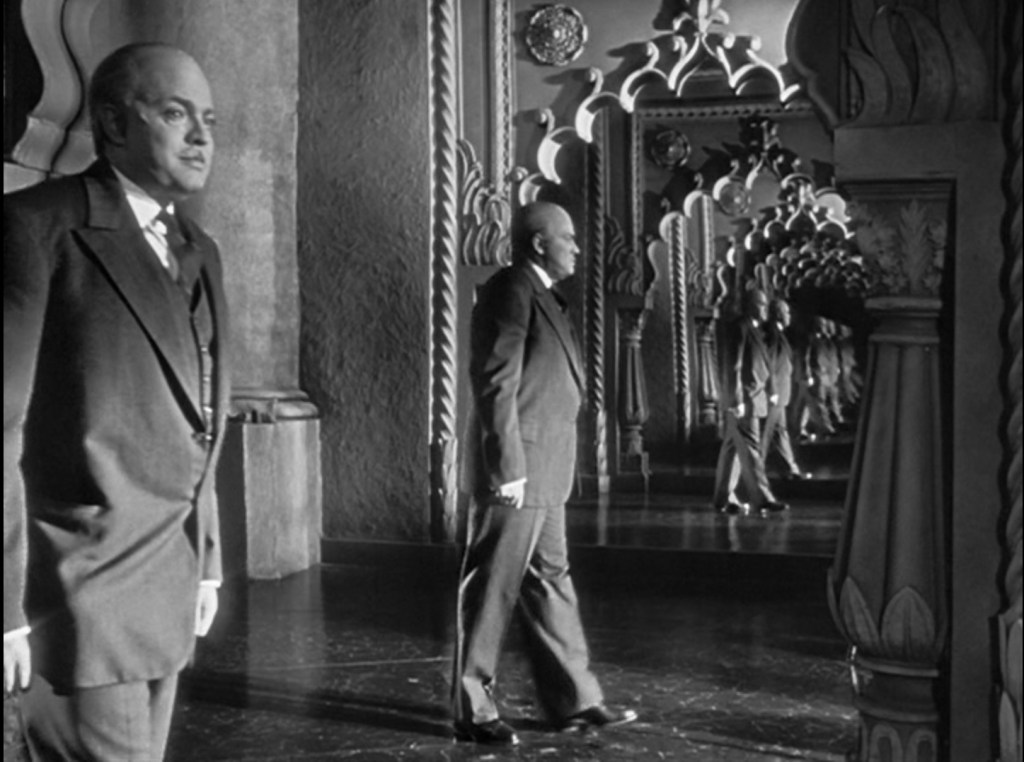
Orson Welles in Citizen Kane

Ah, the 40s! For most of the decade, the world was at war and the Academy’s nominations reflected that fact. The best picture lineups alternated between patriotic films that encouraged the battle against evil and darker films that contemplated both the mistakes of the past and what threats might be waiting in the future.

1940

All This, and Heaven Too

Foreign Correspondent

The Grapes of Wrath

The Great Dictator

Kitty Foyle

The Letter

The Long Voyage Home

Our Town

The Philadelphia Story

Rebecca

Won: Rebecca

Should Have Won: Rebecca was the only Hitchcock film to win Best Picture and while I hate to take that honor away from him, it simply cannot compare to the power of John Ford’s adaptation of The Grapes of Wrath. Considering that people nowadays tend to assume that FDR just waved a magic wand and ended The Great Depression as soon as he was elected, The Grapes of Wrath is still an important historic document of just how bad things truly were in the 1930s. (World War II ended the Great Depression for more effectively than the New Deal ever did.)

1941

Blossoms in the Dust

Citizen Kane

Here Comes Mr. Jordan

Hold Back the Down

How Green Way My Valley

The Little Foxes

The Maltese Falcon

One Foot in Heaven

Sergeant York

Suspicion

Won: How Green Was My Valley

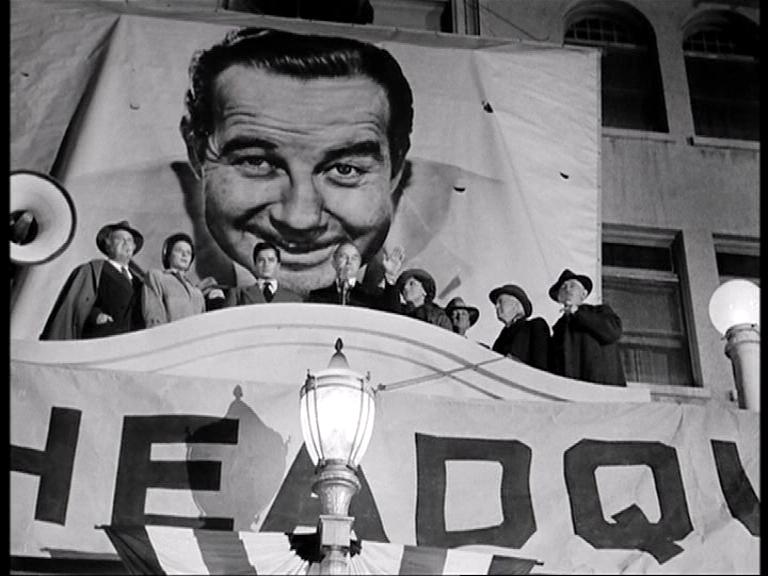
Should Have Won: Citizen Kane. Was there ever any doubt?

1942

49th Parallel

Kings Row

The Magnificent Ambersons

Mrs. Miniver

The Pied Piper

The Pride of the Yankees

Random Harvest

The Talk of the Town

Wake Island

Yankee Doodle Dandy

Won: Mrs. Miniver

Should Have Won: Mrs. Miniver was a heartfelt tribute to the strength of the British people and it’s certainly understandable why the Academy honored it. That said, today, the over-the-top melodrama of Kings Row is a lot more fun to watch.

1943

Casablanca

For Whom The Bell Tolls

Heaven Can Wait

The Human Comedy

In Which We Serve

Madame Currie

The More The Merrier

The Ox-Bow Incident

The Song of Bernadette

Watch on the Rhine

Won: Casablanca

Should Have Won: Casablanca. The Academy got it right.

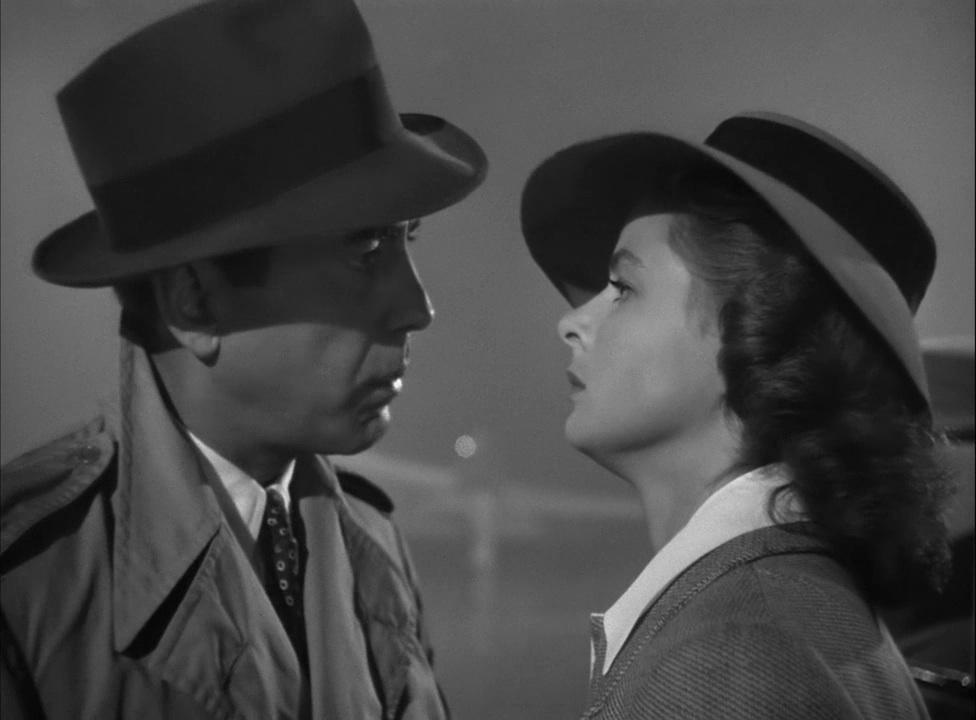
Casablanca (1943, dir by Michael Curtiz)

1944

Double Indemnity

Gaslight

Going My Way

Since You Went Away

Wilson

Won: Going My Way

Should have Won: The Academy went from nominating ten films to only nominating five this year. (Decades later, it would go back to nominating ten.) Darryl F. Zanuck launched an all-out blitz to convince the Academy to honor Wilson, a film about one of our worst presidents. The Academy instead went with Going My Way, a pleasant crowd-pleaser. I would have voted for Double Indemnity, a film that was perhaps too cynical to win at a time when America was at war.

1945

Anchors Aweigh

The Bells of St. Mary’s

The Lost Weekend

Mildred Pierce

Spellbound

Won: The Lost Weekend

Should Have Won: I agree with the Academy. The Lost Weekend is an underrated winner but it’s still undeniably effective.

1946

The Best Years of Our Lives

Henry V

It’s A Wonderful Life

The Razor’s Edge

The Yearling

Won: The Best Years Of Our Lives

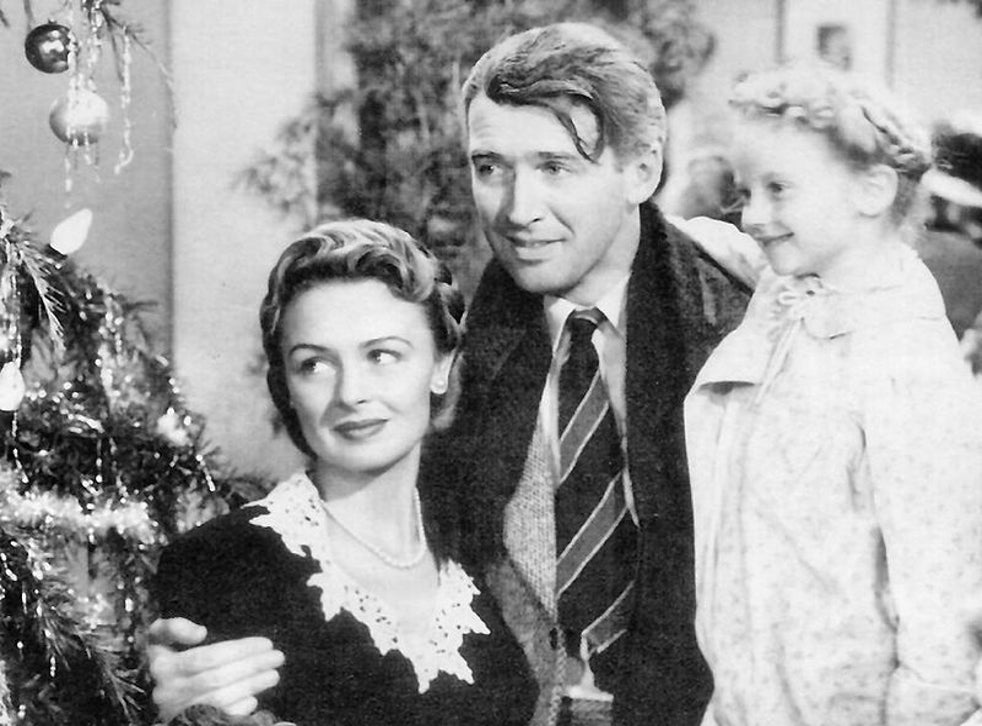
Should Have Won: The Best Years Of Our Lives was one of the first films to deal with the struggle of returning veterans. It’s a great film. That said, I still have to vote for It’s A Wonderful Life, a film that is far darker than its reputation as a holiday favorite might suggest.

1947

The Bishop’s Wife

Crossfire

Gentleman’s Agreement

Great Expectations

Miracle on 34th Street

Won: Gentleman’s Agreement

Should Have Won: Crossfire. Like Gentleman’s Agreement, Crossfire deals with anti-Semitism. Crossfire, though, does so in a far more direct, angry, and effective manner.

1948

Hamlet

Johnny Belinda

The Red Shoes

The Snake Pit

Treasure of the Sierra Madre

Won: Hamlet

Should Have Won: Hamlet is an excellent film but The Treasure of the Sierra Madre is one of the best ever. John Huston’s look at the power of greed gets my vote.

1949

All the King’s Men

Battleground

The Heiress

Letter To Three Wives

Twelve O’Clock High

Won: All The King’s Men

Should Have Won: In this case, I think that Academy got it right. All The King’s Men is a film that seems rather prophetic today.

Up next, get ready to like Ike and hate commies because we’re heading into the 50s!

The Best Picture Race In Review: The 1930s


Ah, the 1930s. America was mired in the Great Depression. FDR was plotting to pack the courts. In Europe, leaders were trying to ignore what was happening in Italy, Spain, and Germany. As for the Academy, it was still growing and developing and finding itself. With people flocking to the movies and the promise of an escape from reality, the Academy Awards went from being an afterthought to a major cultural event.

1930–1931

Cimarron

East Lynne

The Front Page

Skippy

Trader Horn

Won: Cimarron

Should Have Won: This is a tough year. None of the nominees are really that great. The two main contenders were Cimarron and Trader Horn but neither one has aged particularly well. Of the film that were nominated, The Front Page probably holds up the best. The best of the film eligible for these split-year Oscars — Little Caesar and The Public Enemy — were not nominated for Best Picture.

1931–1932

Arrowsmith

Bad Girl

The Champ

Five Star Final

Grand Hotel

One Hour With You

Shanghai Express

The Smiling Lieutenant

Won: Grand Hotel

Should Have Won: Of the nominees, Grand Hotel deserved its victory. If only Frankenstein had been nominated!

1932 — 1933

Cavalcade

42nd Street

A Farewell to Arms

I Am A Fugitive From A Chain Gang

Lady For A Day

Little Women

The Private Life of Henry VIII

She Done Him Wrong

Smilin’ Through

State Fair

Won: Cavalcade

Should Have Won: Cavalcade is one of the more forgotten best picture winners and for good reason. It’s just not that interesting. Of the other nominees, I Am A Fugitive From A Chain Gang is the most powerful and 42nd Street is the most entertaining. In the end, my vote would have gone to 42nd Street. The original King Kong was eligible but not nominated.

1934

The Barretts of Wimpole Street

Cleopatra

Flirtation Walk

The Gay Divorcee

Here Comes The Navy

The House of Rothschild

Imitation of Life

It Happened One Night

One Night of Love

The Thin Man

Viva Villa!

The White Parade

Won: It Happened One Night

Should Have Won: Oh wow. I really love The Thin Man but seriously, nothing beats Clark Gable and Claudette Colbert in It Happened One Night. For the first time this decade, the Academy got it right.

1935

Alice Adams

Broadway Melody of 1936

Captain Blood

David Copperfield

The Informer

The Lives of Bengal Lancer

Midsummer Night’s Dream

Les Miserables

Mutiny on the Bounty

Naughty Marietta

Ruggles of Red Gap

Top Hat

Won: Mutiny on the Bounty

Should Have Won: Mutiny on the Bounty isn’t bad but my vote has to go to Top Hat, a film that is pure joy.

1936

Anthony Adverse

Dodsworth

The Great Ziegfeld

Libeled Lady

Mr. Deeds Go To Town

Romeo and Juliet

San Francisco

The Story of Louis Pasteur

A Tale of Two Cities

Three Smart Girls

Won: The Great Ziegfeld

Should Have Won: The Great Ziegfeld is a good example of a film that won because it was big. It was a spectacle. It overwhelmed audiences and voters with how overproduced it was. Seen today, it’s entertaining but overlong. My vote would have gone to the far more low-key (but also far more intelligent) Dodsworth.

1937

The Awful Truth

Captains Courageous

Dead End

The Good Earth

In Old Chicago

The Life of Emile Zola

Lost Horizon

One Hundred Men and a Girl

Stage Door

A Star is Born

Won: The Life of Emile Zola

Should Have Won: The Life of Emile Zola isn’t a bad film but it’s not the best of the nominees. Dead End features one of Humphrey Bogart’s best pre-Casablanca performances and The Awful Truth is a classic screwball comedy with Cary Grant and Irene Dunne. In the end, my vote would have gone to The Awful Truth.

1938

The Adventures of Robin Hood

Alexander’s Ragtime Band

Boys Town

The Citadel

Four Daughters

Grand Illusion

Jezebel

Pygmalion

Test Pilot

You Can’t Take It With You

Won: You Can’t Take It With You

Should Have Won: Damn. As much as I hate to vote against any movie starring Jimmy Stewart, there’s no way that I can take You Can’t Take It With You over either The Adventures of Robin Hood or Grand Illusion. Robin Hood is the most entertaining of the nominees but Grand Illusion is the most important. My vote goes to Grand Illusion.

1939

Dark Victory

Gone With The Wind

Goodbye, Mr. Chips

Love Affair

Mr. Smith Goes To Washington

Ninotchka

Of Mice and Men

Stagecoach

The Wizard of Oz

Wuthering Heights

Won: Gone With The Wind

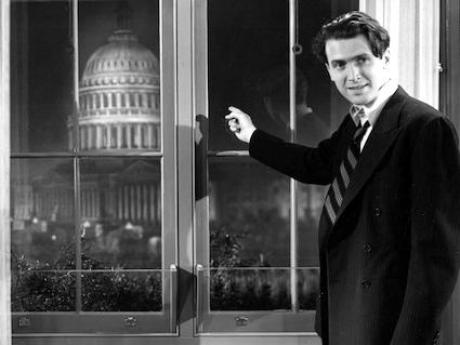
Should Have Won: This is such a difficult year because I can make a case for all of the nominees, with the exception of the creaky Love Affair. In the end, my vote goes to …. argh! This is so hard. I’m juggling Gone With The Wind, Mr. Smith Goes To Washington, Wuthering Heights, Stagecoach, Ninotchka, and The Wizard of Oz in my head. Can I pick all of them? No? Okay, I’ll go with …. Hell, I have to go with Jimmy Stewart holding the Senate hostage. Sorry, Wizard of Oz. I vote for Mr. Smith Goes To Washington, which has Jimmy Stewart and no munchkins.

And that’s it for the 30s. Up next, in about an hour, it’s time for the 40s!

The Best Picture Race In Review: The 1920s


The Oscars started out as an afterthought.

When Louis B. Mayer first proposed setting up what would become the Academy of Motion Picture Arts and Sciences in 1927, he wasn’t really that interested in giving out awards. Instead, he saw the Academy as an organization that would mediate labor disputes between the studios and the unions. He also felt that the Academy could basically be used to improve the film industry’s image, which had taken a hit from the rape trial of Fatty Arbuckle, the overdose of Wallace Reid, and the murder of William Desmond Taylor. When he and the other 35 founders of the Academy met to draw up the organization’s charter, the idea of giving out awards was mentioned only in passing. A committee would be set up to give out yearly awards to honor the best that Hollywood had to offer.

The first Academy Awards ceremony was held in a hotel ballroom in 1928. It occurred at the end of a private dinner and the awards were handed out in 15 minutes. The 2nd ceremony was the first to be broadcast on the radio. It was only when the Academy got around to the third ceremony that the Oscars started to transform into the spectacle that we know today. It was only then that people started to really pay attention to what was and was not nominated for Best Picture.

Today, for Oscar Sunday, we’re taking a a decade-by-decade look at the Best Picture races of the past. We start with those first three ceremonies.

Wings (1927, dir by William Wellman)

1927–1928

Uniquely, the very first Academy Awards saw the presentation for two best picture trophies. Best Production went to the most entertaining film. Unique and Artistic Production went to the most artistic film.

Production

The Racket

Seventh Heaven

Wings

Unique and Artistic Production

Chang

The Crowd

Sunrise

Won: Wings and Sunrise

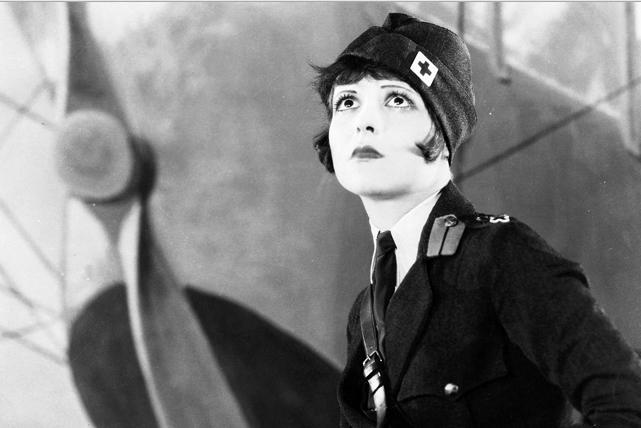
Should Have Won: The first time out, the Oscars got it right. People tend to be a bit dismissive of Wings but it has that one amazing tracking shot and it also features the wonderful Clara Bow. Sunrise, meanwhile, is a triumph in every way. Among the eligible films not nominated: Buster Keaton’s The General and Fritz Lang’s Metropolis.

Sunrise (1927, dir by F.W. Murnau) Won Best Unique and Artistic Picture

1928–1929

Uniquely, only the winners were announced for the 2nd awards ceremony. The “nominees” listed below are taken from a list of notes that were taken while the judges were discussing who and what to honor.

Alibi

The Broadway Melody

The Hollywood Revue of 1929

In Old Arizona

The Patriot

Won: The Broadway Melody

Should Have Won: The Broadway Melody was the first musical to win but it’s aged terribly. I actually prefer The Hollywood Revue of 1929, which has no plot but which does feature a bunch of MGM stars singing, dancing, and showing off that they were having no problem transitioning for silent cinema to sound films. Or, at least, that was the idea. Poor John Gilbert.

1929–1930

All Quiet On The Western Front

The Big House

Disraeli

The Divorcee

The Love Parade

Won: All Quiet On The Western Front

Should Have Won: All Quiet On The Western Front. Third time out, the Academy got it right.

Up next, the Stock Market crashes and we enter a scary new decade in American history. In about an hour, we’ll be taking a look at the 1930s!

6 Directors Who I Hope Win An Oscar In The Next Ten Years


Richard Linklater

Richard Linklater, the cinematic poet of Texas life, spent 12 years making one film. He took an enormous risk, starting an ambitious project with no guarantee of how it would end or that if would even end up being anything worth releasing. He assembled twelve years of footage and turned it into Boyhood, one of the best films of the century so far. For that, Linklater received the greatest acclaim of his career and, in 2015, he received his first Oscar nomination for Best Director.

Unfortunately, he then lost to a guy who made a gimmicky and pretentious movie about an actor producing a bad play.

My sincere hope is that Richard Linklater will get another chance. Though Last Flag Flying and Where’d You Go Bernadette? didn’t exactly live up to the hopes that some had for them as far as the Oscars were concerned, Linklater is a director who seems to have more than few great films ahead of him. Here’s hoping that, by 2031, the Oscars will have honored Richard Linklater.

Here are five more filmmakers who I hope will soon win their first directing Oscar.

The Safdie Brothers

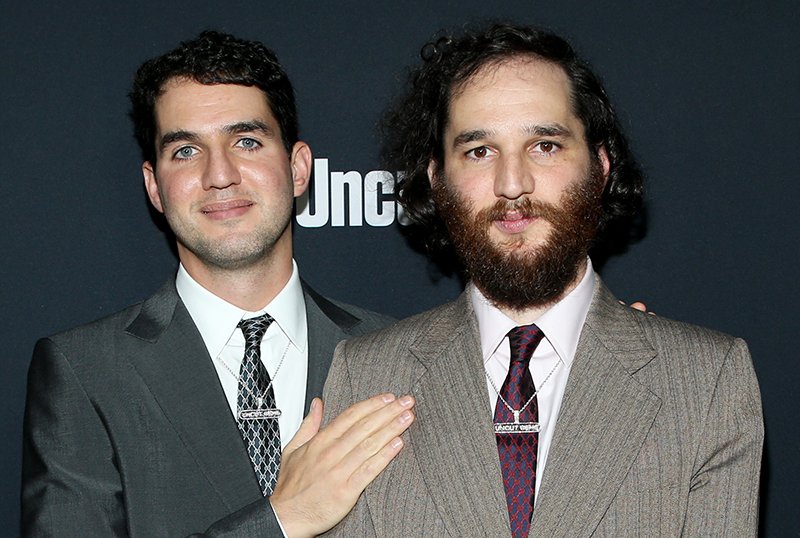
Good Time and Uncut Gems are two of the most intense films ever made. In fact, they were probably too intense for the Academy, as neither one got the Oscar recognition that they deserved. Hopefully, the Safdies will continue to shock audiences while making great films and the Academy will eventually honor their efforts.

Joe Wright

Joe Wright is a veteran director, one who has directed two best picture nominees — Atonement and Darkest Hour — but who has yet to pick up a nomination for best director. (Personally, I would have nominated him for both Hanna and Anna Karenina.) Wright has two films coming out this year — the long-delayed Woman In The Window and the intriguing Cyrano. Of the two, Cyrano seems like the most likely Oscar contender. I can’t wait to see both of them!

Joanna Hogg

Joanna Hogg is a British director who was responsible for one of the best films of 2019, The Souvenir. She’s got a sequel on the way, The Souvenir Part II, and a murder mystery called The Eternal Daughter. With The Souvenir, she proved herself to be a sensitive director who has a great eye for detail and the ability to capture unforgettable performances. I can’t wait to see what she does in the future.

Debra Granik

Winter’s Bone and Leave No Trace are two films that get better each time that I watch them. Debra Granik was responsible for both. In Winter’s Bone, she directed Jennifer Lawrence in what is still Lawrence’s best performance. In Leave No Trace, she introduced the world to Thomasin McKeznie. Much as with Joanna Hogg, I look forward to seeing everything that she does in the future.

Kelly Reichardt

One of the most consistently interesting and challenging directors around, Kelly Reichardt deserved a nomination this year for her fantastic work on First Cow. Though Reichardt may have been snubbed this time, it’s hard not to feel that the Academy will get another opportunity to honor her.

Finally, I want to mention Emerald Fennell. I didn’t include her on this list because she’s nominated this year. Regardless of whether she wins tonight or not, Emerald Fennell is a filmmaker whose future work I will always make it a point to seek out.

Lisa Reviews An Oscar Nominee: Three Coins In The Fountain (dir by Jean Negulesco)


The 1954 Best Picture nominee, Three Coins In The Fountain, tells the story of three American women living in Rome. They’re all employed by the same secretarial agency. Maria Williams (Maggie McNamara) is young and hoping that she’ll stay in Rome for at least a year and that she’ll meet her future husband. Anita Hutchins (Jean Peters) is not-so-young and is planning on returning to America so that she can meet her own future husband. Miss Frances (Dorothy McGuire) is middle-aged and has spent the last 15 years working for the man that she wishes could be her future husband.

If you’re getting the feeling that there’s not much to our leads beyond a desire to get married, you’re not wrong. However, Anita swears that it’s impossible to find a husband in Rome because the only Italians who are interested in “secretaries” are too poor to be good husbands which …. well, like I mentioned before, this film is from 1954. Just the fact that the film featured three single women living together in a foreign country was probably considered to be daring back in 1954.

The three women eventually end up at the Trevi Fountain, where Maria and Frances throw in their coins and make their wishes. Anita, however, does not toss in a coin because apparently, she’s not scared of offending God. No sooner have the three women visited the fountain than things begin to happen. Soon, all three of them are in love but each has to deal with a compliction.

Miss Frances may have finally convinced her employer, writer John Frederick Shadwell (Clifton Webb), to marry her but when he discovers that he’s terminally ill, he tries to call off the engagment.

Maria meets Prince Dino di Cessi (Louis Jourdan) but will the Prince still want to be with her after he discovers that she’s been lying about being interested in the same things that he’s interested in?

Anita falls for Giorgio (Rossano Brazzi) but he’s poor! Plus, he also works for the agency and apparently, there’s some sort of weird 1954 rule that forbids the American employees from fraternizing with the Italian employees. Is Anita willing to lose her job just so she can marry someone who doesn’t have any money?

That’s pretty much it. Other than John Shadwell wrestling with his own mortality, there’s really not a whole lot of drama to be found in Three Coins In The Fountain. This is a film about pleasant people doing pleasant things and having pleasant conversations. It’s a rather chaste romance, one of those films where you have no doubt that everyone involved will wait until marriage and that all of the women will quit their jobs and settle down as soon as the right ring gets put on their finger. In other words, this is very much a film of its time and watching it today can be bit of an odd experience. This is ultimately the type of film that works best as a travelogue. Rome looks beautiful. There’s a striking shot of the sunset reflected in the canals of Venice. The Trevi Fountain truly does look like it can grant wishes. (It’s amusing to compare the reverence that the American-made Three Coins In The Fountain shows towards The Trevi Fountain to the way that Rome-native Federico Fellini used the fountain in La Dolce Vita.) One gets the feeling that, even in 1954, people flocked to this film more to see Rome than to really worry about whether or not the Prince would eventually propose.

In fact, one of the main reasons why I watched this film tonight is because I spent one of the greatest summers of my life in Italy. I’ve been to Rome. I’ve thrown coins into the Trevi Fountain and I’ve made wishes. I loved Rome. I loved the people. I loved the culture. I loved the buildings. I loved the feeling of walking through history. I loved looking out at the horizon and feeling as if I was somehow in a living painting. (I actually went into a bit of daze when I was in Florence. Stendhal Syndrome is for real.) If you can’t find romance in Rome then you’re obviously not looking. For me, the main appeal of Three Coins In The Fountain was being able to watch it and say, “I’ve been there!” I imagine for audiences in 1954, the appeal was probably to be able to watch it and say, “I’m going to go there!”

How did this perfectly pleasant but otherwise unmemorable film end up as a best picture nominee? I imagine a lot of it had to do with the fact that the film was a box office success. It’s certainly not because it was a better film than either Rear Window or Sabrina, both of which were not nominated for Best Picture despite being nominated for Best Director. In the end, the 1954 Best Picture Oscar was won by On The Waterfront, a film that appears to be taking place in an entirely different universe than Three Coins In A Fountain.

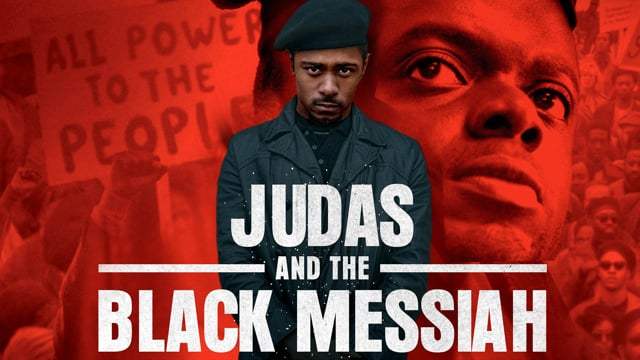
Lisa Reviews An Oscar Nominee: Judas and the Black Messiah (dir by Shaka King)


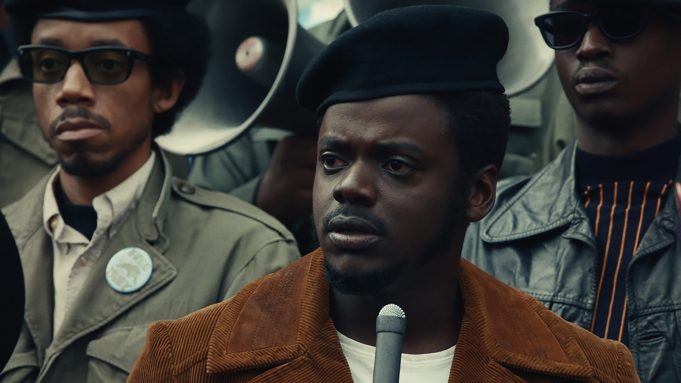
Judas and the Black Messiah is currently an Oscar nominee for Best Picture, Best Original Screenplay, Best Cinematography, Best Original Song, and Best Supporting Actor. (In a move that left quite a few people feeling confused, the Academy nominated both of the film’s leads — LaKeith Stanfield and Daniel Kaluuya — in the supporting category.) In detailing how, in 1969, Black Panther leader Fred Hampton (played by Kaluuya) was assassinated by the FBI and the Chicago police, it tells a true story that should leave any viewer, regardless of political orientation, shaken.

What’s interesting is that, in several Oscar categories, Judas and the Black Messiah will be competing with another fact-based film about 60s activists, Aaron Sorkin’s The Trial of the Chicago 7. In fact, Hampton briefly appears as a character in The Trial of the Chicago 7 and a key scene involves lawyer William Kunstler and Black Panther Bobby Seale discussing Hampton’s murder. Of course, in Sorkin’s film, the Black Panthers don’t get to say much. They appear in the background of the courtroom a few times and it’s hard not to feel that Sorkin is largely using them as props, as a way to let us know that he and the Chicago 7 are all on “the right side of history.” After the scene in which he learns that Hampton’s been murdered, Bobby Seale basically disappears from the film and the rest of The Trial of the Chicago 7 focuses on seven rich white guys debating whether or not it’s better to be serious while protesting or to try to have fun. I point this out not merely to criticize The Trial of the Chicago 7 but also to illustrate that, though they deal with the same time period and the same themes, Judas and the Black Messiah and The Trial of the Chicago 7 are as different as night and day. Judas and the Black Messiah is an angry and unapologetically political film, one that reveals just how anodyne The Trial of the Chicago 7 actually is. If The Trial of the Chicago 7 is carefully calculated to be a crowd pleaser, Judas and the Black Messiah is about leaving the audience outraged. If The Trial of Chicago 7 is about ultimately assuring the audience that the system works even if it is occasionally corrupted, Judas and the Black Messiah is a call to burn the entire system down.

The film opens with Bill O’Neal (LaKeith Stanfield) getting arrested for both auto theft and impersonation of a federal officer in Chicago. He’s approached by FBI agent Roy Mitchell (Jesse Plemons). Mitchell has an offer for Bill. Mitchell is willing to have the charges dropped if Bill will agree to work undercover for the FBI. Bill accepts Roy’s offer and is assigned to infiltrate the Illinois chapter of the Black Panthers. The chapter is currently led by Fred Hampton, a charismatic revolutionary who has been going around to all of the other activist groups and gangs in Chicago and building a multi-racial coalition, one dedicated to social justice and economic equality. Under the direction of J. Edgar Hoover (Martin Sheen, made up to look as grotesque as possible), the FBI is looking to destroy the Black Panthers from within.

Bill agrees to work for the FBI and infiltrate the Black Panther Party. Soon, he not only wins Hampton’s trust but he also works his way up the ranks until he’s promoted to being head of security. He also grows close to Hampton and starts to respond to Hampton’s message of self-determination. However, Mitchell insists that Bill continue to inform on the Panthers, arguing that the Panthers will kill Bill if they ever discover that he’s working with the FBI and also that Hampton himself is a dangerous radical. (Mitchell brags about how he worked to solve the murder of three civil right workers in Mississippi before then comparing Hampton and the Panthers to the KKK.) With Hampton gathering more followers and Hoover demanding that something be done to “neutralize” him, Bill is ordered to betray the man that many have come to view as being the black messiah.

Daniel Kaluuya gives a mesmerizing performance as Fred Hampton. It’s one thing to play a character who everyone insists is a charismatic leader but it’s another thing to give a performance that convinces the audience that the character is a charismatic leader before anyone else has even said a word about him. Kaluuya strides through the film, playing Hampton as a man who knows that he’s destined to change the world. The scenes where he meets with gang leaders and other activist leaders and recruits them into his Rainbow Coalition could have played like simple agitprop (just imagine if Aaron Sorkin had written or directed them!) but Kaluuya is so convincing that you never have any doubt that people actually would abandon their prejudices and their rivalries to follow him. Unlike the quippy activists at the heart of The Trial of the Chicago 7, Kaluuya-as-Hampton actually discusses what his ideology means and also why the system cannot be depended upon to sort itself out. Kaluuya’s Hamtpon challenges not only the film’s villains but also the complacency of the viewers, something that definitely cannot be said of the characters in Aaron Sorkin’s far more comforting film.

LaKeith Stanfield has a difficult role because Bill is a character who most viewers are going to feel ambiguous about but he does a good job of capturing both Bill’s growing consciousness and his growing desperation as he comes to realize that there’s no way to escape the situation in which he’s found himself. Finally, Jesse Plemons is well-cast as Roy Mitchell, who is alternatively threatening and consoling to Bill. A lesser actor would have played Mitchell as just being a straight-up villain but Plemons plays him as someone who truly does believe that he’s one of the good guys, which makes Mitchell’s actions all the more disturbing.

Judas and the Black Messiah is a powerful and angry film. One need not even agree with every bit of Hampton’s ideology to be outraged by the federal government’s efforts to silence his voice and end his life. Judas and the Black Messiah is not expected to win much on Sunday night and, indeed, by nominated both Kaluuya and Stanfield in the same category, the Academy has created a situation in which the two could potentially split the vote and prevent either one from winning. Still, regardless of what it does or doesn’t win this weekend, Judas and the Black Messiah a film that will probably continue to resonate after many of the other nominees have been forgotten.

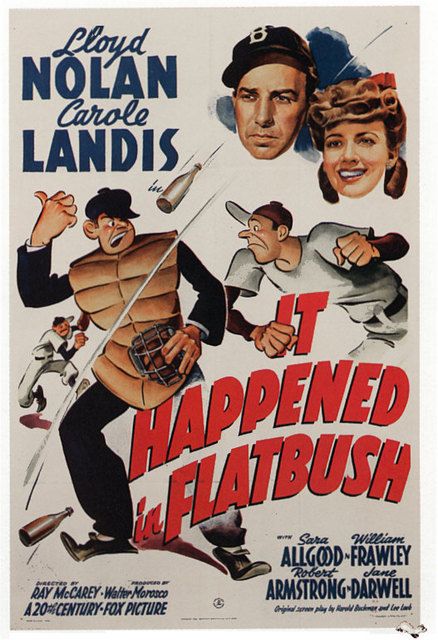
It Happened In Flatbush (1942, dir. by Ray McCarey)


It’s not easy being a Rangers fan.

I start every season feeling so optimistic and hopeful that this will be the season that the team will finally get itself together and return to the World Series. Every season, that feeling lasts for a game or two and then it’s back to just taking my victories where I can get them. This season, we’re already in last place in the AL West and my favorite Ranger, Elvis Andrus, is now playing for Oakland. However, as bad as things are here at the start, we’ve still won more games than the Yankees, The Twins, and the Tigers. That’s my little victory. The great thing about baseball is that if you get enough of those little victories, there’s a chance that they’ll eventually turn into a big victory.

Earlier today, I watched an old, black-and-white movie called It Happened In Flatbush. It’s about a baseball team that no one is giving much of a chance. Even though the team isn’t given a name in the film, the film takes place in Brooklyn and, in the 1942, the Dodgers were Brooklyn’s team. The owner of the team, Mrs. McAcvoy (Sara Allgood), has promised all of the team’s fans that the team is going to reward their loyalty by eventually making it to the World Series. Looking for a new manager, she sets her eyes on Frank Maguire (Lloyd Nolan). Maguire used to play for the team until he committed an error that led to a crucial defeat. Now, Frank is managing a minor league team in Texas and everyone thinks that he’s washed up. Mrs. McAvoy knows that Frank has something to prove and she hires him to be her new manager.

Just like the team, no one gives Frank much of a chance but he proves them wrong. He wins over the people of Brooklyn when he stands up for a fan who lived out every baseball lover’s dream of punching an umpire. When Mrs. McAcoy dies and the team is inherited by her daughter (Carole Landis), Frank teaches her all about baseball and Brooklyn and the two of them fall in love. With his team sometimes grumbling about his tough coaching style, Frank tries to lead both the team and an untried pitcher into the race for the pennant.

It Happened in Flatbush is an old movie but I liked it. Of course, I also love baseball so that probably helped because the move loves baseball too. I especially liked the courtroom scene where Frank stood up for every fan who has ever gone overboard supporting their team. He talks about what the team means to the people of Brooklyn and how a victory for the team is a victory for the entire borough. Even today, any baseball fan will be able to relate to what Frank’s saying. I also liked that the movie included a lot of footage of actual baseball games from the 40s.

Mostly, I appreciated the movie because it was a classic underdog story. No one gives the team much of a chance but they prove them wrong. It reminded me that, in baseball, anything can happen and just because your team is struggling now, that doesn’t mean that they can’t make a comeback. Watching It Happened in Flatbush made me realize that there’s hope for my team yet!

It Happened in Flatbush is a movie for those of us who love baseball. It isn’t available on any streaming services but it does sometimes air on the Fox Movie Channel.

The Annie Awards Honor Soul


I think it’s pretty much a foregone conclusion that Soul is going to win the Oscar for Best Animated Film.  I’m not complaining because I really, really liked Soul.  (I also really liked Farmageddon but, sadly, there can only be one winner.)  That said, if Soul needed a boost, it certainly got one from the Annie Awards last night.

The Annie Awards reward the best in animation.  Here are their 2020 winners:

Best Feature
Onward
Soul
The Croods: A New Age
The Willoughbys
Trolls World Tour

Best Indie Feature
A Shaun the Sheep Movie: Farmageddon
Calamity Jane
On-Gaku: Our Sound
Ride Your Wave
Wolfwalkers

Best FX for Feature
Over the Moon
Soul
The Croods: A New Age
Trolls World Tour
Wolfwalkers

Best Character Animation – Feature
Onward
Soul
The Croods: A New Age
The Willoughbys
Wolfwalkers

Best Character Design – Feature
Soul
The Croods: A New Age
The Willoughbys
Trolls World Tour
Wolfwalkers

Best Direction – Feature
Calamity Jane – Rémi Chayé
Over the Moon – Glen Keane
Ride Your Wave – Masaaki Yuasa
Soul – Pete Docter & Kemp Powers
Wolfwalkers – Tomm Moore & Ross Stewart

Best Music – Feature
Onward
Over the Moon
Soul
The Willoughbys
Wolfwalkers

Best Production Design – Feature
Onward
Soul
The Willoughbys
Trolls World Tour
Wolfwalkers

Best Storyboarding – Feature
Earwig and the Witch
Over the Moon
Soul
The Croods: A New Age
Wolfwalkers

Best Voice Acting – Feature
Earwig and the Witch – Vanessa Marshall (Bella Yaga)
Onward – Tom Holland (Ian Lightfoot)
Over the Moon – Robert G. Chiu (Chin)
The Croods: A New Age, – Nicolas Cage (Grug)
Wolfwalkers – Eva Whittaker (Mebh Óg MacTíre)

Best Writing – Feature
A Shaun the Sheep Movie: Farmageddon – Mark Burton & Jon Brown
Onward – Dan Scanlon, Jason Headley & Keith Bunin
Over the Moon – Audrey Wells
Soul – Pete Docter, Mike Jones & Kemp Powers
Wolfwalkers – Will Collins

Best Editorial – Feature
A Shaun the Sheep Movie: Farmageddon
Calamity Jane
Onward
Soul
The Willoughbys