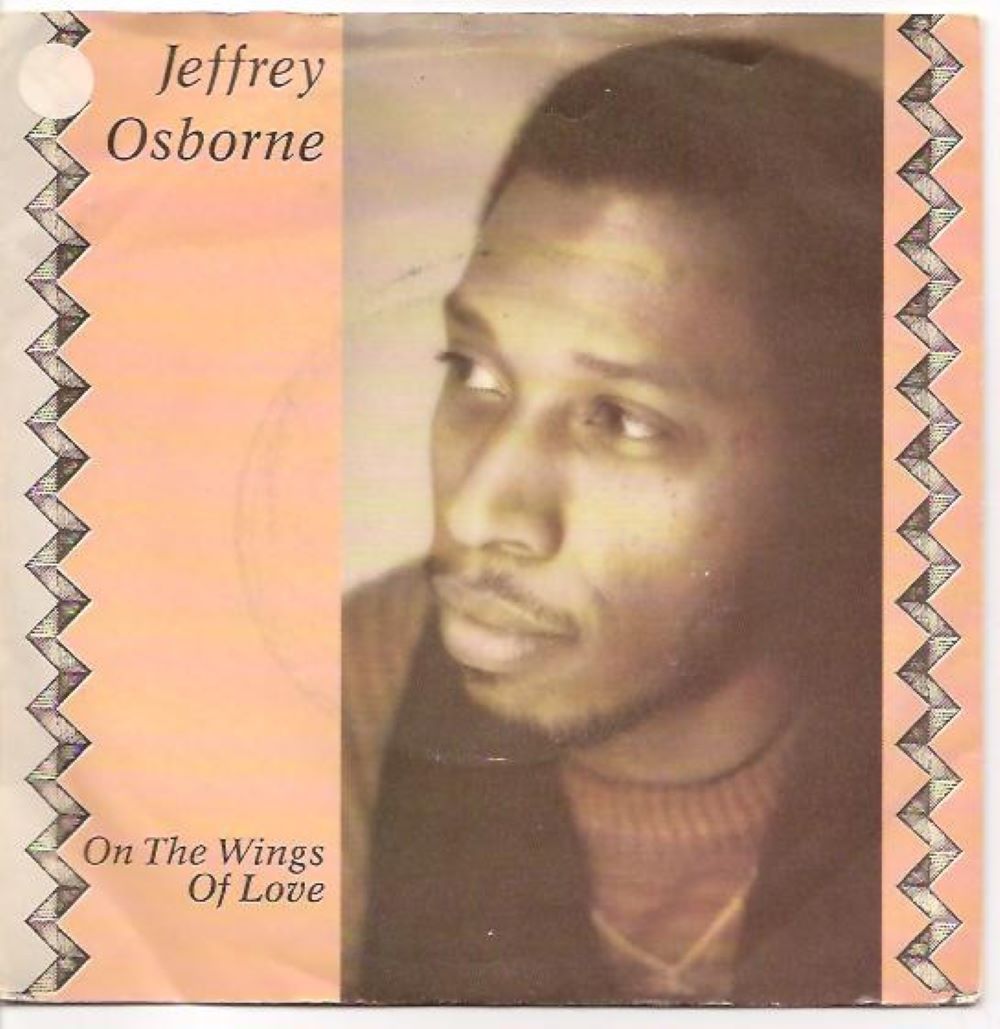
Jeffrey Osborne’s On the Wings of Love always brings back the nostalgia of those junior high and high school dances—the dim lights, the cautious swaying, the mix of nerves and excitement that felt like the biggest deal in the world. It was one of those slow songs that seemed built for that moment: simple, heartfelt, and unafraid to wear its emotions openly. Hearing it again instantly puts you back in that space where a single dance could mean everything.
What stands out now, listening with older ears, is how raw and genuine it sounds. This was music from a time before autotune, when what you heard was pure singing talent—no filters, no layers of studio polish to smooth out the edges. Osborne’s voice carries every ounce of emotion on its own, steady and powerful, but full of warmth. That sincerity is what made the song feel so timeless; it wasn’t just about hitting the notes, it was about meaning them.
Revisiting On the Wings of Love today feels like a little time capsule from when love songs aimed straight for the heart, no tricks or irony. It captures an innocence that’s rare in modern pop—back when melody and emotion were enough to lift you. For February, it’s the perfect reminder that sometimes the purest expressions of love come from nothing more than a beautiful voice and a song that believes in what it’s saying.
On the Wings of Love
Just smile for me and let the day begin You are the sunshine that lights my heart within And I’m sure that you’re an angel in disguise Come take my hand and together we will rise
On the wings of love, up and above the clouds The only way to fly is on the wings of love On the wings of love, only the two of us Together flying high, flying high upon the wings of love
You look at me and I begin to melt Just like the snow when a ray of sun is felt And I’m crazy ’bout ya, baby, can’t you see I’d be delighted if you would come with me
On the wings of love, up and above the clouds The only way to fly is on the wings of love On the wings of love, only the two of us Together flying high, flying high upon the wings of love
Yes, you belong to me and I’m yours exclusively Right now we live and breathe each other Inseparable it seems, we’re flowing like a stream Running free flowing on the wings of love
On the wings of love, up and above the clouds The only way to fly is on the wings of love On the wings of love, only the two of us Together flying high, together flying high
On the wings of love, up and above the clouds The only way to fly is on the wings of love On the wings of love, only the two of us Together flying high, together flying high Upon the wings of love, of love
“What has happened to the world? You have every convenience and comfort, yet no time for integrity.” — Leopold
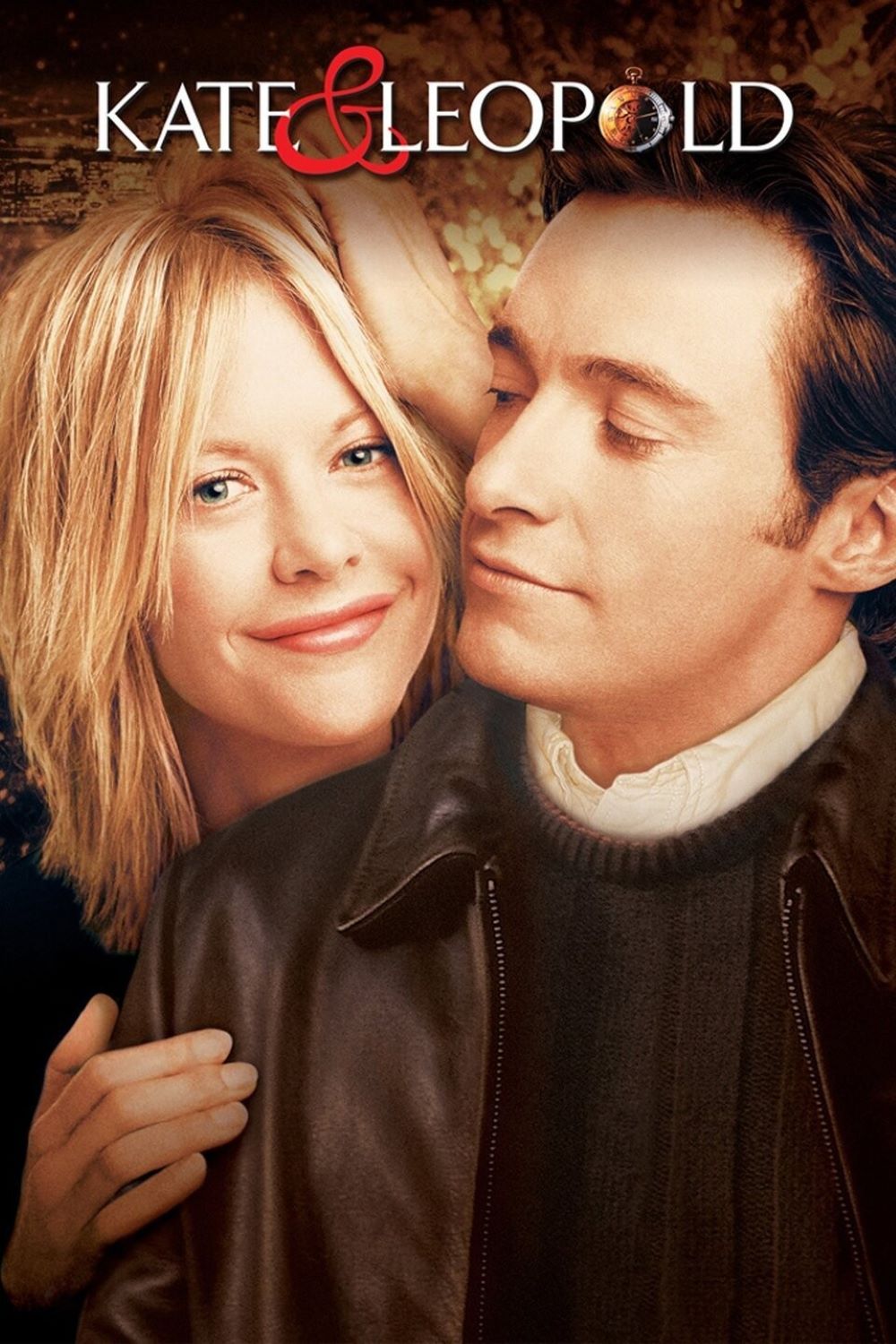
Kate & Leopold is one of those romantic comedies that sneaks up on you with its old-school charm, even if it doesn’t always stick the landing. Released in 2001, it catches Hugh Jackman right after his breakout as Wolverine in the first X-Men film, during that early stretch of hits leading toward epics like The Fountain, giving him a chance to shine in pure rom-com mode before the superhero world fully claimed him. It’s a time-travel tale starring Jackman as a 19th-century duke and Meg Ryan as a modern-day exec, and while it’s predictable in spots, it delivers some genuinely sweet moments amid the silliness, boosted by his fresh, pre-typecast appeal.
The setup is pure fantasy fodder. Leopold, the third Duke of Albany, lives in 1876 New York, tinkering with an elevator prototype that accidentally rips a hole in time. His descendant Stuart, a bumbling scientist played by Liev Schreiber, drags him to the present day. Leopold lands in modern Manhattan, bewildered by cars, skyscrapers, and people who don’t stand when a lady enters the room. Enter Kate McKay, Meg Ryan in full quirky career-woman mode, who’s too busy chasing a promotion to notice the fish-out-of-water nobleman crashing at her place. Her roommate Charlie, a slacker pianist, thinks Leopold’s a method actor at first, leading to some fun roommate hijinks.
What works best is Hugh Jackman’s effortless charisma as Leopold. He nails the role with wide-eyed wonder and impeccable manners, riding a horse through Central Park to chase a mugger, whipping up gourmet meals from sparse ingredients, and delivering lines about life’s simple pleasures—like how food must taste good to nourish the soul—with total sincerity. It’s disarming. Leopold isn’t just a pretty face; he’s a walking critique of 21st-century rudeness. When he calls out advertisers for peddling tasteless margarine or marvels at how folks wolf down burgers without savoring them, you can’t help but chuckle. His old-world chivalry clashes hilariously with New York’s hustle, like when he stands every time Kate leaves the table, leaving her exasperated but secretly charmed.
Meg Ryan holds up her end too, bringing that familiar rom-com energy she perfected in the ’90s. Kate’s a high-powered market researcher obsessed with a big pitch for some farmer’s butter spread—ironic, given Leopold’s later meltdown on set. She’s jaded from a recent breakup with Stuart, prioritizing work over everything, but Leopold slowly cracks her shell. Their first real connection comes over a picnic where he waltzes her around a rooftop to a hired violinist, and yeah, it’s corny, but Jackman sells it. Ryan’s got great chemistry with him; you buy their spark even when the script strains. Liev Schreiber steals scenes as Stuart, evolving from jealous ex to unlikely matchmaker, while Breckin Meyer adds comic relief as Charlie, who learns to woo his crush by channeling Leopold’s authenticity.
The fish-out-of-water gags land most of the laughs. Leopold navigating subways, elevators (his invention, after all), and TV commercials feels fresh enough, especially since the movie leans into his culture shock without overdoing slapstick. There’s a memorable bit where he tours modern New York, gaping at the Brooklyn Bridge and declaring it a marvel, only to learn it’s named after his investment. Director James Mangold keeps things light, blending screwball elements with a touch of Somewhere in Time nostalgia. The score swells romantically, and the production design pops—Leopold’s Victorian tux against neon signs is a nice visual contrast. Early 2000s rom-coms loved these fish-out-of-water tales—like The Holiday or Two Weeks Notice—but this one stands out for its sincere take on manners as a cure for modern cynicism.
But let’s be honest: Kate & Leopold has flaws that keep it from greatness. The time-travel rules are fuzzy at best. Leopold has to return to 1876 or the timeline implodes—elevators stop working, chaos ensues—but it’s hand-waved with vague portal talk. Stuart’s asylum stint feels mean-spirited, and the third act rushes into melodrama. Some supporting bits drag, like the endless ad pitch subplot, and the pacing dips mid-film when everyone’s just hanging out. The plot’s contrived overall, with that bridge-jump climax feeling abrupt, but the earnest vibe carries through.
Still, the romance earns its payoff. Kate and Leopold aren’t insta-lovers; they bicker over integrity versus ambition, with Leopold pushing her to taste life fully and Kate grounding his idealism. Their Central Park chase and final ball scene in 1876 deliver genuine swoon factor. It’s not subversive—Kate ditches her career for corsets, after all—but it celebrates courtesy and heart in a cynical world. Compared to edgier rom-coms like When Harry Met Sally, this one’s softer, more fairy tale than reality check. Ryan’s quirky energy bounces off Jackman’s poise, creating sparks that feel earned, even if the career sacrifice lands a bit dated now.
For a 2001 release, it holds up surprisingly well. No cell phones dominate every scene, letting face-to-face charm shine. Jackman’s glow makes Leopold believable as a duke who’d invent the elevator, and Ryan reminds us why she was America’s sweetheart. It’s PG-13 for mild language and innuendo—nothing racy, safe for date night or family viewing. Critics were mixed; some praised the manners humor but called the plot preposterous, which nails it. Watch it today, and it’s a charming time capsule, as out-of-step as Leopold in a subway.
“We’re not in the office anymore, Bradley.” — Linda Liddle
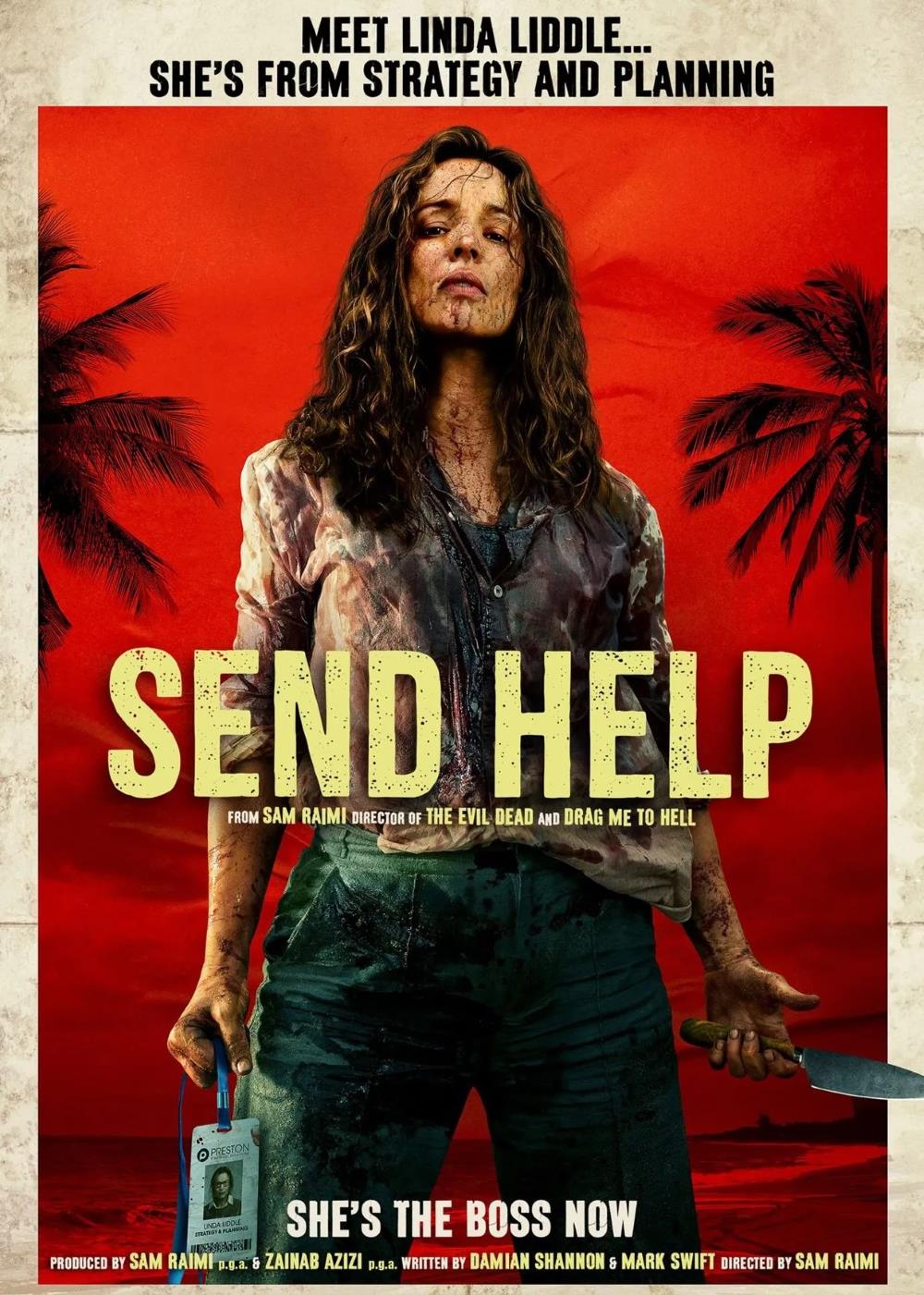
Sam Raimi’s Send Help is a nasty, funny, and surprisingly romantic little pressure cooker that strands two archetypes—the mousy doormat and the smug rich kid—on a desert island and then slowly turns the screws until the film’s “eat the rich” satire curdles into genuine horror. It is neither the triumphant, all‑timer comeback some fans might crave nor a lazy retread, but a confident mid‑budget horror‑comedy from a director who still knows exactly how to make an audience wince and cackle in the same breath.
Raimi and writers Damian Shannon and Mark Swift build Send Help on a simple but potent premise: Linda Liddle (Rachel McAdams), a meek corporate strategist and survival‑show obsessive, has been promised a promotion by her former boss, only for the new CEO—his son Bradley Preston (Dylan O’Brien)—to hand the job to his frat‑bro buddy Donovan and try to shuffle Linda into a dead‑end role. He finds her embarrassing and even comments on her smell; she swallows the humiliation until a company plane trip to a business summit ends in a violent crash, leaving Linda and Bradley as the only known survivors on a remote island in the Gulf of Thailand. Out here, Linda’s years of reality‑TV survival fandom and wilderness prepper skills suddenly matter, while Bradley’s only proven talents—golf, networking, and cruelty—are exposed as useless.
The first act, set in the office and on the doomed flight, plays as Raimi’s version of workplace horror, pitched somewhere between Drag Me to Hell’s moral fable and a nastier episode of The Office. McAdams leans into Linda’s awkwardness without turning her into a caricature, sketching a woman who has internalized decades of minor humiliations and found solace in parasocial survival fantasies. O’Brien, meanwhile, riffs on the archetype of the tech‑adjacent finance bro, weaponizing charm into something brittle and mean so that every “joke” lands like a micro‑aggression. Raimi shoots these early scenes with brisk, unfussy energy, reserving his more flamboyant camera moves for moments when Linda’s resentment starts to spike; the tonal hint is clear that the island will be where his signature style truly erupts.
Once the plane goes down, Send Help shifts into a survival thriller that gradually becomes a duel, and this is where the film finds its most compelling rhythm. Linda wakes up, builds a shelter, secures water, and—crucially—chooses to help the injured Bradley despite every reason not to, only to be met with the same entitled barking as in the office. She abandons him for days to bake in the sun and dehydrate, only to return at the brink and ration out water on her terms, turning what could have been a straightforward revenge fantasy into a looping series of power reversals. Raimi milks the island setting for physical comedy—failed fire‑starting, slapstick injuries, disgusting food gags—before undercutting the laughs with sudden spikes of cruelty and violence that remind you someone could easily die out here.
Raimi’s direction is where Send Help most clearly announces itself as his homecoming to horror. Even without demons or supernatural curses, he brings back the aggressive visual language: lunging crash zooms, canted angles that seem to tilt with Linda’s shifting moral compass, and kinetic tracking shots that whip around the camp as arguments turn into physical scuffles. The gore is heightened but not constant—geysers of blood appear at key turning points, functioning as exclamation marks on the escalating class war rather than wall‑to‑wall splatter. You can still feel the Three Stooges in the staging; even the nastiest beats often end on a punchline built around bodily fluids, improvised weapons, or the absurd indignity of almost dying because you slipped on a fish.
Tonally, the film walks a provocative tightrope between screwball rom‑com and survival horror, and your mileage will depend on how much whiplash you are willing to embrace. There are scenes that play almost like a twisted date movie—Linda cooking up makeshift dinners, trying to build a semblance of “home,” Bradley begrudgingly softening—only for the dynamic to swerve back into emotional manipulation or outright brutality. The film clearly flirts with the tradition of 1930s battle‑of‑the‑sexes comedies, but here the gender and class politics are sharper, and the potential for lethal violence never disappears. For some viewers, this constant oscillation will feel thrillingly unstable; for others, it may make the film’s ultimate stance on these characters’ relationship and culpability feel muddier than intended.
Narratively, Send Help borrows its class‑flipped survival template from the kind of satirical, wealth‑skewering stories where workers suddenly control the only skills that matter. The formerly “lowly” employee—in this case Linda rather than a bathroom janitor or ship’s cleaner—suddenly dictates the terms of existence, upending the old hierarchy once the corporate infrastructure is gone. Where broader ensemble satires linger on systemic critique, Raimi narrows the focus to a two‑hander and uses genre excess to explore how vengeance, desire, and survival blur together when the rules are erased. This narrower scope sometimes makes the class commentary feel schematic—you can spot each new reversal coming like a story beat in a screenwriting manual—but it also gives McAdams and O’Brien ample room to shade their roles.
Performance‑wise, McAdams is the film’s anchor and secret weapon. She charts Linda’s evolution from shy, apologetic office drone to ruthless island operator without losing sight of the character’s essential decency, so that her darker choices land as both cathartic and unsettling. O’Brien has the flashier arc in some ways, modulating Bradley from cartoonish jerk to scared, dependent man‑child and, eventually, something more morally ambiguous as he learns how to play the island power game himself. Their chemistry thrives on friction; the film is at its best when it lets them volley insults, bargains, and threats in long, increasingly twisted negotiations over food, shelter, and the possibility of rescue.
Where Send Help falters is largely in its final stretch, where Raimi has to decide just how far he’s willing to push the “eat the rich” fantasy and what that means for Linda’s soul. Without spoiling specifics, the climax leans into brutal spectacle and a last‑minute moral turn that some may read as a cop‑out and others as a necessary corrective to pure revenge porn. The thematic through‑line—that capitalism warps everyone it touches and that power corrupts even the formerly powerless—is coherent enough, but a few late plot contrivances and cameo‑style appearances from supporting players feel more functional than organic.
Ultimately, Send Help plays like a spiritual cousin to Drag Me to Hell: a small, mean moral tale about how a single workplace injustice can metastasize into something monstrous once the trappings of civilization fall away. It may not reinvent survival horror or class satire, and viewers hoping for the wild supernatural invention of Evil Dead II or the operatic sweep of Spider‑Man 2 might find it comparatively contained. But as a brisk, roughly 100‑minute showcase for Raimi’s enduring flair, anchored by a terrific McAdams performance and a gleefully ugly sense of humor, it is a welcome return to the genre that made his name—and a reminder that sometimes the scariest demons are just your coworkers, stripped of HR and given a machete.
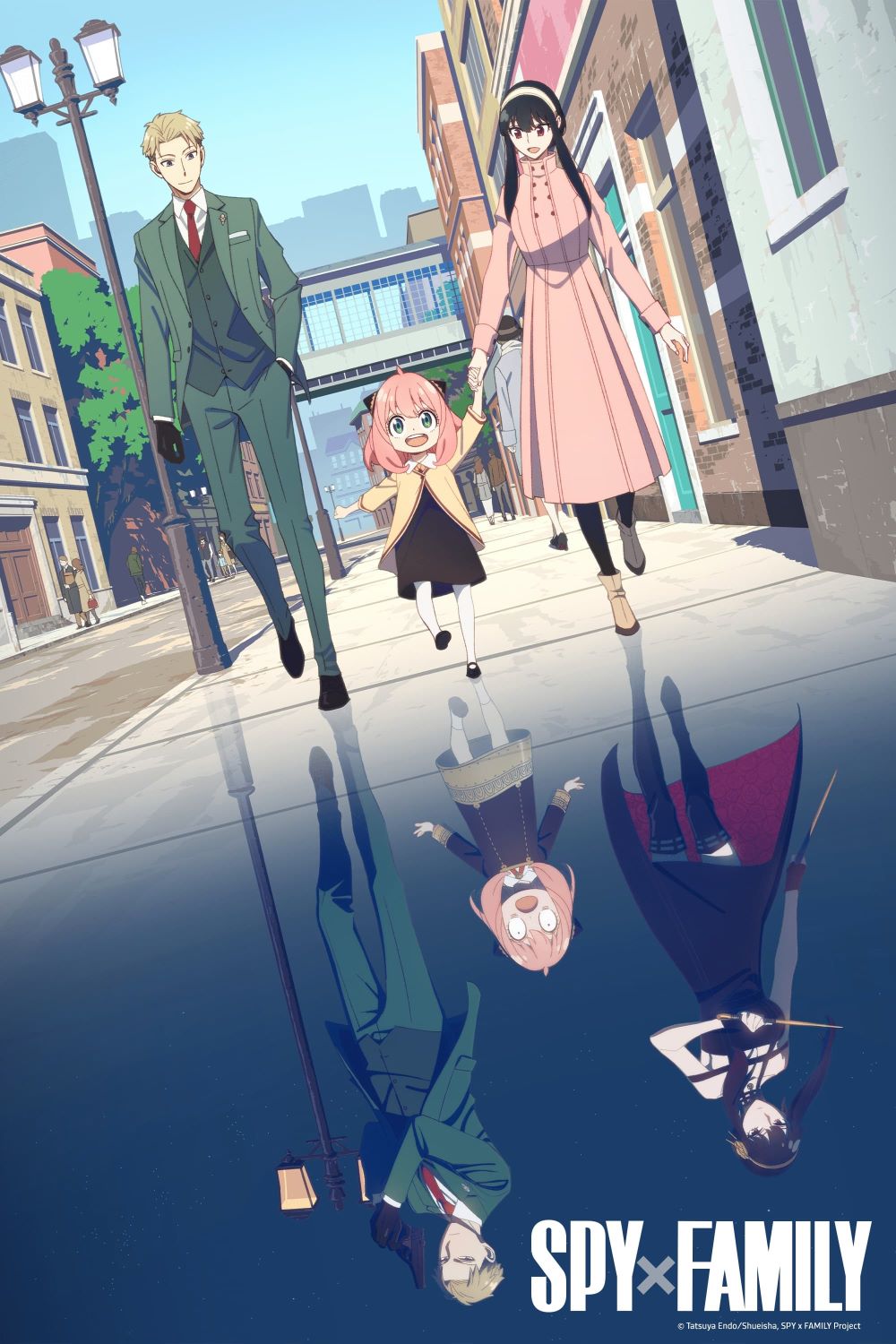
Sometimes, an anime comes along that doesn’t just entertain — it charms, disarms, and quietly becomes everyone’s go-to comfort watch. Spy x Family is that kind of series. On paper, it sounds like something stitched together from wildly different genres — a spy thriller, a rom-com, a slice-of-life comedy, and an action series — yet somehow, across three seasons and a feature-length film, it balances them all perfectly. What starts as an undercover mission turns into a story about love, belonging, and the odd little family that holds it all together. Whether you’re new to anime or already knee-deep in your watchlist, Spy x Family is absolutely worth your time.
The setup is simple but brilliant. In an uneasy Cold-War-style world, Westalis’s top agent, codenamed Twilight, must go undercover to prevent the outbreak of war. His mission requires him to get close to an influential political figure, but the only way to do that is by enrolling a “child” into the exclusive Eden Academy — which only accepts the offspring of established, respectable families. And so, Twilight builds one from scratch. Under the alias “Loid Forger,” he adopts a six-year-old orphan named Anya and enters into a marriage of convenience with Yor Briar, a sweet but mysterious city hall worker. What Loid doesn’t know is that Yor moonlights as a deadly assassin, and his quiet new daughter happens to be a telepath who can read everyone’s minds.
That’s the hook, and it’s beautifully absurd. But what makes Spy x Family (based on Tatsuya Endo’s manga and its accompanying light novel adaptations) so appealing is how effortlessly the absurd premise gives way to genuine heart. The anime adaptation — skillfully brought to life through a joint production by Wit Studio (Attack on Titan, Vinland Saga) and CloverWorks (The Promised Neverland, Horimiya) — masterfully captures the manga’s mix of elegant spy-world detail and exaggerated comedic charm. From the first season’s pilot to the explosive third season finale, the animation maintains a crisp polish that perfectly walks the line between cinematic and cartoonish fun.
Season one laid the foundation. It showed us the logistical nightmare of Loid trying to maintain his cover while juggling his secret missions, parenting duties, and the increasing chaos that Anya brings into his life. The tone lands somewhere between Mission: Impossible and My Neighbor Totoro — fast-paced but softhearted. Every episode delivered something different: stealth missions, emotional bonding, laugh-out-loud domestic failures. Yor’s awkward attempts at cooking, Anya’s disastrous adventures at school, and Loid’s obliviously perfectionist approach to “family life” all came together to prove that the show’s greatest strength wasn’t just its clever story — it was its heart.
By season two, the world of Spy x Family expanded, and so did its drama. The writing matured without ever turning grim, deepening both the espionage angle and the emotional relationships at home. Anya’s telepathic insights became more than comic relief; they offered a perspective that grounded the story in empathy. Loid was forced to confront the emotional toll of a double life, and Yor’s violent profession clashed hilariously (and sometimes poignantly) with her desire to protect and nurture her newfound family. The season’s standout arc — the Cruise Adventure — gave Yor her most intense focus yet, crafting an action sequence that justified every bit of Wit and CloverWorks’ collaboration. The fight choreography, the lighting, the flow of Yor’s combat scenes — every frame had purpose and weight, showing how seriously the anime treats even its most outlandish story beats.
And then came season three, the capstone of what’s been an almost-uninterrupted high run for the series. With the family now firmly established, the emphasis shifted from introductions to evolution. The show explored Loid’s moral conflict with unusual tenderness: can a man who’s built a life on lies still find real happiness? Yor’s arc moved beyond secrecy into subtle self-awareness — she’s no longer just pretending to be a wife and mother; she’s realizing that’s what she truly wants to be. Meanwhile, Anya, still the chaotic heart of the Forger family, grew more self-assured while remaining the series’ comedic backbone. Her misadventures at Eden Academy became a microcosm of the show’s central theme: that no one truly fits the mold of “normal,” and that being imperfect doesn’t make you any less worthy of love.
What’s remarkable about Spy x Family is its ability to keep that emotional balance intact while evolving tonally. By the third season, it has developed a comfortable rhythm — equal parts spy intrigue, domestic mishaps, and heartwarming chaos. The humor never feels stale, largely because the writing never forgets that humor comes from truth. Loid’s mission, for instance, may start as professional necessity, but his determination to remain the “perfect father” — even if it means memorizing bedtime stories like they’re classified intel — feels both ridiculous and deeply relatable. Yor’s mix of lethal grace and anxious vulnerability gives her layers rarely afforded to “action mom” archetypes. And Anya — let’s face it — remains one of the most perfectly written kids in anime, her expressive face practically carrying half the show’s comedy on its own.
Then there’s the movie, Spy x Family Code: White, which acts as an extended, film-length episode with blockbuster scale. Set between the second and third seasons, it takes the Forger family on what’s supposed to be a peaceful winter vacation — until international conspiracies, toxic desserts, and a handful of assassins upend their plans. The film doesn’t reinvent the wheel, but it doesn’t need to; it’s a self-contained joyride that amplifies everything people love about the series. The animation quality gets a cinematic upgrade — lush lighting, more fluid action, and stunning color work that gives the film its own visual identity. Both Wit Studio and CloverWorks pushed their production quality to a new peak here, making Code: White not just a companion piece but a genuine event film that delivers a big-screen version of the show’s charm. Fans got the edge-of-your-seat spy action and tear-worthy family moments they love — plus even more Anya faces to meme forever.
Animation aside, the sound design and music remain just as crucial to Spy x Family’s atmosphere. The jazzy, upbeat openings and lush, emotional ending themes reflect the dual nature of the world — equal parts espionage and emotion. The soundtrack carries subtle motifs for each character: Loid’s themes balance tension and meticulous order; Yor’s melodies pair elegance with hidden volatility; and Anya’s cues swing between whimsy and mischief. It’s yet another element that shows how much care has gone into aligning every layer of the production with the story’s emotional rhythms.
But all the polish in the world wouldn’t matter without the show’s soul. Beneath the disguises and absurd premises, Spy x Family is a show about honesty in unlikely places. It’s about people pretending to be something they’re not, only to realize that, through those roles, they’ve stumbled into genuine connection. It’s about an assassin learning gentleness, a spy learning love, and a child who already knows far too much learning that her broken family is still something worth protecting. That sincerity gives the comedy weight. Each laugh — Yor’s overreactions, Loid’s calculated stress, Anya’s mangled “Waku Waku!” enthusiasm — lands because we care about these people. Underneath the disguises and double-crosses, they’re just a family trying their best.
The beauty of Spy x Family is that it rarely rushes to make big statements. Its storytelling prefers warmth over melodrama, pacing itself with the easy confidence of a show that knows its characters can carry anything. Even when new spies, assassins, or political threads appear, the focus always slides back to the Forgers’ living room — dinner conversations, laughter, awkward silences. It’s there, in the small moments, that Spy x Family becomes more than entertainment. It becomes a reflection of what it means to connect, to care, and to find pieces of yourself in others, even when everything begins as a lie.
Three seasons and a movie later, it’s clear why Spy x Family stands out in modern anime. It doesn’t rely on shock twists or brute spectacle to hold attention — it wins you over with its heart. The collaboration between Wit Studio and CloverWorks has resulted in a show that feels both cinematic and cozy, polished yet endlessly rewatchable. Tatsuya Endo’s world is captured with fidelity and personality: richly detailed, emotionally grounded, and irresistibly funny.
If you’re on the fence about starting it, here’s the honest truth: you’ll go in expecting a clever spy comedy, but you’ll stay because it becomes something warmer, deeper, and unforgettable. Spy x Family might be about secret lives and pretend relationships, but the feelings it evokes are absolutely real. At a time when so many shows chase intensity, this one wins through sincerity. And that alone makes it one mission you don’t want to miss.
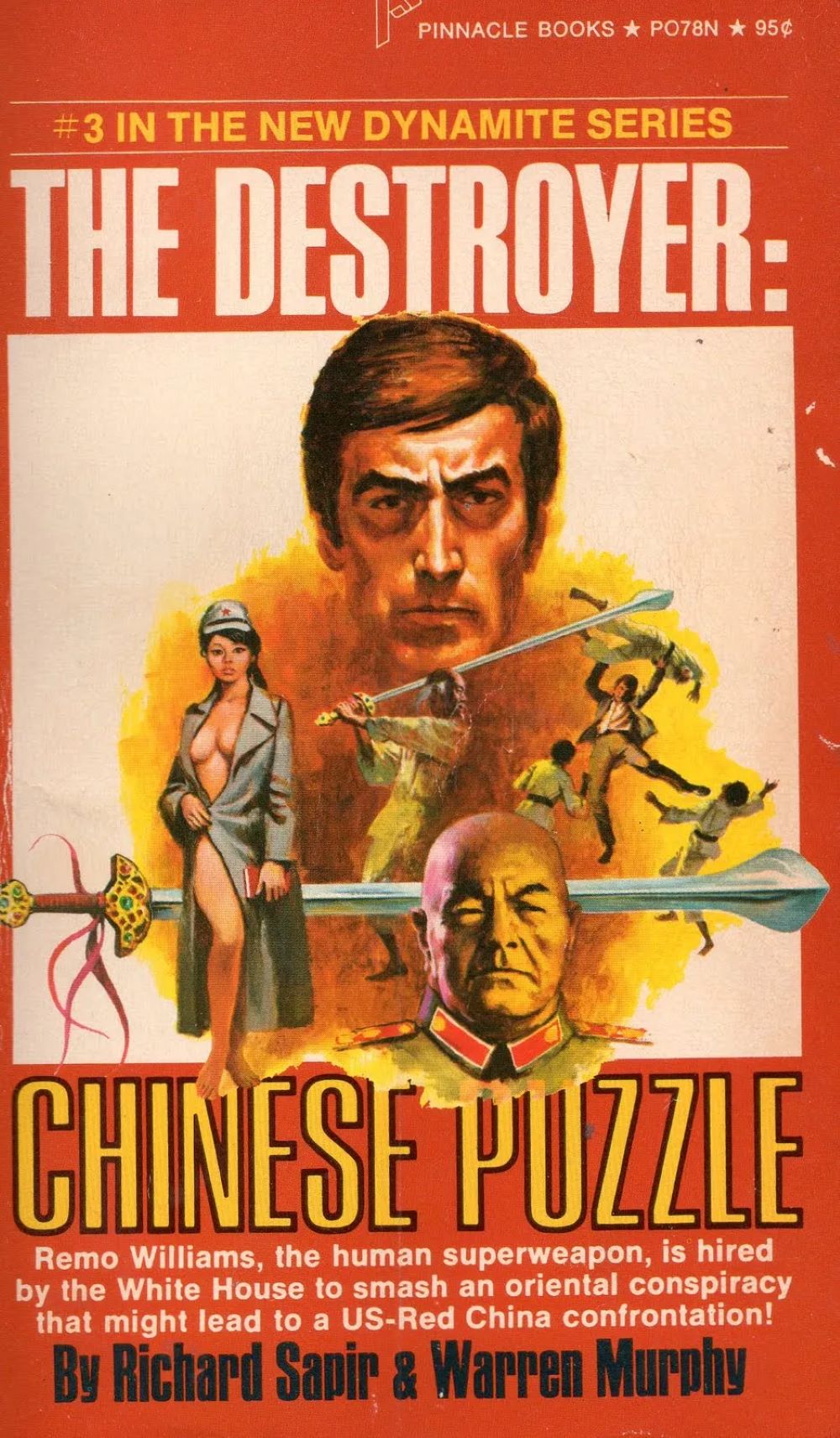
The Destroyer series, launched in 1971 by Warren Murphy and Richard Sapir and later chiefly associated with Murphy, is the kind of long‑running action franchise that practically defines “guilty pleasure.” Spanning more than 150 paperback entries and various continuations, it rarely pretends to be anything other than what it is: fast, frequently outrageous pulp about a government assassin and his irascible Korean mentor saving the world by killing people who, in the moral logic of the series, really need killing.
At the center is Remo Williams, a former Newark cop framed for murder, executed on death row, and then quietly “resurrected” to become the enforcement arm for a secret U.S. organization called CURE. The first novel, Created, The Destroyer, uses this grim premise almost as a prologue; the series is far less interested in legal nuance than in setting up a clean break from Remo’s past so he can be remade as a weapon. His new life is one of deniability and isolation, and the books lean into that fantasy of the invisible man behind the headlines, quietly eliminating threats that conventional systems can’t touch. It’s not realistic, and it isn’t trying to be; the appeal lies in how cheerfully the series weaponizes that premise for brisk, punchy adventure.
The real hook, though, is Remo’s training in the Korean assassination art of Sinanju, and his relationship with its current master, Chiun. Chiun, drawn from a secretive village of assassins who have supposedly served emperors and leaders for millennia, turns the usual mentor trope into a running act of ethnic, generational, and cultural clash. He’s vain, mercenary, and spectacularly contemptuous of Americans, and a lot of the series’ humor comes from his withering commentary on U.S. culture, politics, and Remo’s stubbornly ordinary tastes. Remo calls him “Little Father,” and as the books go on, the bickering most often reads like a truly dysfunctional but oddly affectionate family argument played against a backdrop of exploding supervillain lairs. That dynamic is where the series unexpectedly finds a core of warmth amid all the cartoon violence.
On the action front, The Destroyer exists squarely in the men’s adventure boom of the 1970s, alongside series like Don Pendleton’s The Executioner, but evolves into something stranger and more openly satirical. Early on, Remo’s feats are at least vaguely grounded in martial arts exaggeration, but as the volumes pile up, Sinanju becomes almost superheroic: running up walls, shredding steel, and dispatching opponents with fingertips and casual nose‑ripping brutality. The series’ foes range from mobsters to mad scientists, corrupt officials, rogue militaries, and outright parodies of real‑world figures, and the books gleefully mix crime fiction with borderline science fiction and spy‑thriller gadgets. A lot of the fun is in watching Murphy escalate the stakes from book to book, then resolving everything with hands‑on mayhem because Sinanju doctrine disdains guns as spiritually unclean. When it clicks, it has the energy of a comic book written in pure pulp prose.
What keeps The Destroyer from feeling like just another relic of that boom is its tonal tightrope walk between earnest action and broad satire. CURE itself, the secret agency that “does not exist,” is a kind of bureaucratic joke: a tiny office, a frail director, and a mandate to do the dirtiest jobs in the name of national security. The series frequently aims its sharpest barbs at American government, media, and corporate greed, using Remo and Chiun as caustic outsiders who see through the patriotic rhetoric. Later installments lean even harder into political and cultural satire, lampooning televangelists, tech capitalism, and global politics in ways that are sometimes genuinely clever and sometimes just loud. Even when the targets feel dated or obvious, there’s a sense that Murphy is using the form of a disposable action paperback to smuggle in a surprisingly crabby worldview.
That said, this is also where the “guilty” part of the guilty pleasure label comes roaring in. By modern standards, The Destroyer is extremely non‑PC; race, gender, and nationality are all fodder for jokes that range from sharp‑edged caricature to material that many readers will reasonably find offensive. Chiun’s constant stereotyping of Americans and others is sometimes framed as a way of turning prejudice back on the majority culture, but the books often indulge in broad ethnic humor far beyond him. Women in many entries are treated primarily as scenery, sexual opportunities, or victims, though there are exceptions where they’re more capable players in the plot. If you’re reading with a contemporary lens, you’re likely to hit passages that stop you cold, and the series doesn’t apologize for any of it. Enjoyment here often requires compartmentalizing, acknowledging that the books reflect their era’s blind spots and biases while deciding whether the action and satire still outweigh that discomfort.
In terms of prose and pacing, the series is better crafted than its garish covers suggest but still rooted in the rhythms of fast‑turnaround paperbacks. The dialogue between Remo and Chiun has a crackling, insult‑laced snap that does a lot of heavy lifting in keeping you turning pages. Scenes of action are clear, efficient, and often imaginative in how Sinanju is used, even as the body count mounts to cartoonish levels. The humor, when it lands, blends deadpan absurdity with savage put‑downs, and the books occasionally deliver a line or a situational gag that feels sharper than their reputation would indicate. At the same time, the sheer volume of entries means unevenness is inevitable; some later volumes feel like they are coasting on formula, recycling set pieces and political targets with less bite. As with many long series, the high points are scattered, and part of the experience is learning which eras and authors click with you.
For readers who love action fiction, The Destroyer remains oddly addictive precisely because it refuses to be respectable. It revels in outlandish violence, outsize personalities, and unapologetic satire, while occasionally brushing up against genuine character moments in the Remo–Chiun relationship. The mythology of Sinanju, with its ancient lineage and mercenary code, gives the series a mythic backbone that most of its peers never bothered to build. At the same time, the dated politics, crude humor, and casual cruelty mean it’s not a series you recommend without caveats; it’s something you confess to loving, then immediately start explaining. If you can navigate those contradictions, The Destroyer offers exactly what its best covers promise: a relentless, often ridiculous, sometimes sharp pulp ride that you may not be proud of finishing, but will probably reach for again anyway.
“The world isn’t run by weapons anymore, or energy, or money. It’s run by little ones and zeroes, little bits of data. It’s all just electrons.” — Cosmo
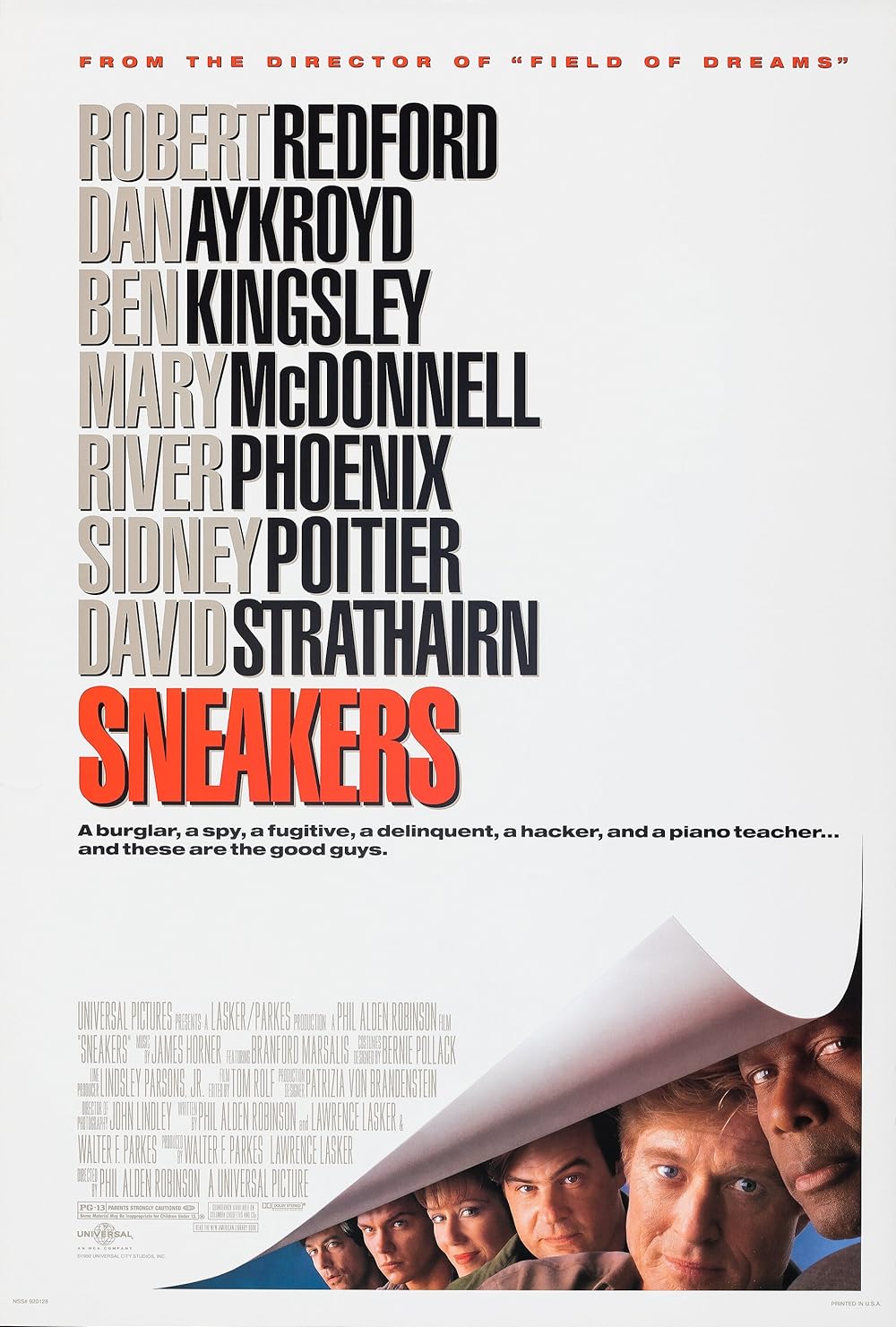
Sneakers is one of those early-’90s studio thrillers that feels oddly cozy for a movie about global surveillance and information control. It plays like a hangout movie that just happens to revolve around a world-breaking black box, and whether that balance works for you will pretty much decide how much you click with it.
Set in San Francisco, Sneakers follows Martin Bishop (Robert Redford), a one-time radical hacker now leading a boutique team that gets paid to break into banks and corporations to test their security. When a pair of supposed NSA agents lean on him about a skeleton in his past, they strong-arm him into stealing a mysterious “black box” from a mathematician, which turns out to be a codebreaker capable of cracking pretty much any system on Earth. From there, the crew gets pulled into a bigger conspiracy involving shady figures and high stakes, with Martin confronting echoes from his activist days.
The first thing that jumps out about Sneakers is the cast, which is frankly stacked even by modern standards. Redford brings an easy, weathered charm to Bishop; there’s a low-key joke baked into the movie that this legendary leading man is now playing a guy who looks like he spends more time worrying about his back pain than saving the world, and it works. He’s surrounded by a motley crew: Sidney Poitier’s ex-CIA operative Crease, Dan Aykroyd’s conspiracy-addled tech nut Mother, David Strathairn’s blind audio savant Whistler, and River Phoenix’s eager young hacker Carl. Mary McDonnell rounds things out as Liz, Martin’s ex, who gets roped back into his orbit and ends up doing some of the film’s most memorable social-engineering work.
What makes this lineup click—and really shine—is how effortlessly the ensemble works together, especially with Robert Redford and Sidney Poitier anchoring it as the team’s leaders. Redford’s Bishop is the steady, pragmatic brain, always one step ahead but grounded by his regrets, while Poitier’s Crease brings that sharp-edged authority from his CIA days, barking orders with a mix of gruffness and loyalty that keeps everyone in line. Their dynamic is electric: you get these moments where Bishop’s quiet scheming bounces off Crease’s no-nonsense intensity, like when they’re coordinating a break-in and trading barbs mid-scheme, and it sells the years of trust they’ve built. It elevates the whole group, giving the younger or quirkier members—Mother’s wild theories, Whistler’s uncanny ears, Carl’s fresh energy—a solid foundation to riff off, turning what could be chaos into a tight, believable unit. Phil Alden Robinson directs the film almost like an ensemble comedy interrupted by bursts of espionage, so the banter and the little grace notes between jobs end up being as memorable as the heists themselves. There’s a looseness to the way the team bickers, teases, and riffs on each other that sells the idea they’ve been doing this for years, long before the plot kicked in. You feel that especially in scenes where they’re all huddled around some piece of tech or puzzling out a clue; the script allows them to overlap, crack side jokes, and be fallible instead of treating them like slick super-spies who never misstep.
Tonally, the movie walks an interesting line. On one hand, this is very much a tech thriller about the power of information, with the ominous “Setec Astronomy” anagram (“too many secrets”) tying it all together. On the other, this is a film where an extended sequence revolves around tricking a socially awkward engineer on a date so they can steal his voice patterns and credentials, and the whole thing plays like a romantic caper more than anything. Robinson leans hard into suspense in key stretches—most notably toward the end, where tension builds through clever set pieces involving motion sensors, improvised skills, and closing threats—but even then the movie never loses its sense of mischief.
That playfulness can be both a strength and a limitation. The upside is obvious: Sneakers is fun. It’s easy to watch, easy to rewatch, and it rarely drowns you in jargon for the sake of sounding smart. Instead, it abstracts the tech into clear stakes—this box breaks codes, this system controls money and power—so you always understand the “why” behind every scheme even if you don’t follow every “how.” The downside is that, for a movie nominally about the terrifying implications of a universal decryption key, it doesn’t dig as deeply into the horror of that idea as it could. It gestures at themes of privacy, state overreach, and the weaponization of data, but it’s more interested in using those ideas as a playground than as something to rigorously interrogate.
Viewed from 2026, the tech is obviously dated—landlines, old terminals, magnetic cards—but that almost works in the film’s favor now. There’s a retro-futurist charm to seeing characters talk about “ones and zeroes” and the power of information as if they’re whispering forbidden knowledge, when today that conversation is basically the nightly news. At the time, the film was praised for being ahead of the curve on the idea that whoever controls data controls everything, and you can still feel that prescience. The irony is that what was once cutting-edge has softened into a kind of warm nostalgia, which might be why the movie has quietly settled into cult-favorite status rather than staying in the mainstream conversation.
On a craft level, the movie is sturdy across the board. John Lindley’s cinematography keeps things bright and clean rather than shadow-saturated, which reinforces that lighter tone; San Francisco looks lived-in and slightly mundane, not like a glossy cyber-noir playground. James Horner’s score is a big asset: a jazz-inflected, airy sound that gives scenes a sense of cool rather than danger, which again nudges things toward caper more than hard thriller. It’s the kind of soundtrack that sneaks into your head and quietly sets the mood without demanding too much attention, and a lot of fans single it out as one of his more underappreciated efforts.
If there’s a major weak spot, it’s probably in how the film handles its big ideas and antagonists. The central conflict draws on ideological clashes from the characters’ pasts, but it mostly serves as a charismatic foil rather than a fully fleshed-out debate. The story doesn’t push too hard on challenging cautious pragmatism versus radical change, or probe deeply into who benefits from the status quo. For a tale built on “too many secrets,” the moral landing feels predictable rather than revelatory.
The film also shows its age in how it uses certain characters, especially Liz and Carl. McDonnell gets moments to shine—her date with Werner Brandes is a highlight—but Liz is often pushed to the side once the plot machinery gets going, which is a shame given the sparks between her and Redford. River Phoenix’s Carl is similarly underused; he’s the young blood in a team of older pros, and you can see hints of a more emotionally grounded arc there, but the film keeps him mostly in comic-relief mode. It doesn’t derail the movie, but it does contribute to the sense that Sneakers is more interested in being a breezy ensemble hang than in fully developing everyone it introduces.
Still, it’s hard to deny the movie’s overall charm. The central heist beats are cleanly staged, the reversals are satisfying without being overcomplicated, and the script gives almost every member of the team at least one clutch contribution so it feels like a true group effort. The later stretches cleverly tie together the tech setup and character dynamics, ending on a light coda that underscores the film’s affection for its quirky crew over global intrigue.
As for how it holds up, Sneakers isn’t an untouchable classic, but it’s a very easy film to recommend if you have any affection for ’90s thrillers, ensemble casts, or tech-adjacent stories that don’t drown you in circuitry diagrams. Some of its politics feel glib, some of its gadgets are charmingly antique, and its big questions about Information Age ethics are more backdrop than deep dive. But the film’s mix of laid-back humor, light suspense, and grounded, slightly rumpled characters gives it a distinct flavor that a lot of modern, hyper-slick hacker movies lack.
If you go in wanting a serious, hard-edged exploration of cyber-warfare and state power, Sneakers will probably feel like it’s only skimming the surface. If you’re in the mood for a smart, lightly twisty caper that lets you spend two hours with a killer cast tossing around clever dialogue amid escalating capers, it’s still a very satisfying watch.
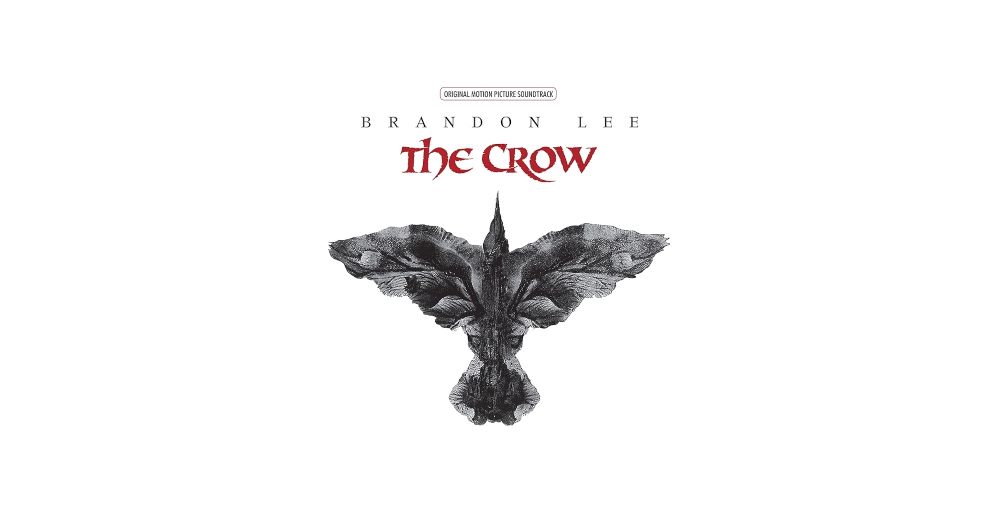
The Crow (1994) soundtrack stands as a cornerstone of mid-90s alternative rock, capturing the gothic essence of Alex Proyas’s film through a masterful blend of original tracks, re-recordings, and covers from the era’s heaviest hitters. Released on March 29, 1994, by Atlantic Records, this 14-track album clocked in at 63:50, peaking at number one on the Billboard 200 and earning triple platinum status with over three million copies sold in the U.S. alone. Its success wasn’t just commercial; it encapsulated the raw, brooding spirit of grunge, industrial, and post-punk at their commercial zenith, turning a superhero revenge tale into a sonic monument for disaffected youth.
Opening with Burn by The Cure, the album immediately plunges listeners into the film’s shadowy heart. Written specifically for the movie, this six-minute epic pulses with Robert Smith’s haunting vocals over swirling guitars and tribal drums, evoking Eric Draven’s resurrection and transformation. It’s a high point, perfectly syncing with the scene where Brandon Lee’s character applies his iconic black-and-white makeup, the song’s fiery intensity mirroring the crow’s vengeful rebirth. The Cure, fresh off their own chart dominance, deliver a track that feels both timeless and tailor-made, its gothic romance aligning seamlessly with James O’Barr’s original comic influences—like the page devoted to their earlier song The Hanging Garden.
Stone Temple Pilots follow with Big Empty, a mellow, blues-drenched lament that didn’t appear in the film’s body but bookends the credits. Initially, the band offered Only Dying, but after Lee’s tragic on-set death, they swapped it for this brooding gem, its introspective lyrics about loss resonating deeply with the movie’s themes of grief and redemption. Scott Weiland’s vulnerable croon over swirling psychedelia captures the quiet despair of Detroit’s rain-soaked nights, making it a fan favorite that lingers long after the album spins.
The pace shifts with Slip Slide Melting by For Love Not Lisa, a grungy alternative rocker that underscores the T-Bird gang’s Devil’s Night revelry. Its sludgy riffs and anthemic chorus fit the criminals’ bullet-swallowing bravado, though the track’s mid-tempo grind can feel formulaic amid the album’s bolder moments. Similarly, Rollins Band’s Ghostrider—a cover of Suicide’s 1977 punk staple inspired by the Marvel antihero—thunders in with Henry Rollins’ barked vocals and aggressive guitars. Heard as Top Dollar learns of the pawn shop arson, it injects punk fury, but its raw energy sometimes overshadows subtler nuances.
Nine Inch Nails’ take on Joy Division’s Dead Souls elevates the covers further, Trent Reznor’s industrial edge amplifying the original’s post-punk chill. Guiding the crow to its first target, Tin Tin, the song’s droning synths and pounding rhythm evoke inescapable fate, a nod to the comic’s Joy Division obsession—chapters titled after Atmosphere and Atrocity Exhibition. It’s a standout, bridging 80s goth roots with 90s aggression, though purists might prefer Ian Curtis’s spectral delivery.
Helmet’s Milquetoast (often stylized Milktoast) brings math-rock precision, its staccato riffs and Page Hamilton’s yelps embodying mechanical rage. Less tied to a specific scene, it slots into the album’s industrial undercurrent, offering tight songcraft but lacking the emotional punch of neighbors like The Cure. Pantera’s The Badge, covering Poison Idea’s hardcore punk original, ramps up the metal as Top Dollar executes Gideon. Dimebag Darrell’s searing solos and Phil Anselmo’s snarls deliver brutality, fitting the film’s climax, yet the track’s extremity can alienate non-metal fans.
For Love Not Lisa’s inclusion feels slightly redundant after their opener, but Slip Slide Melting at least varies tempo. More intriguing is My Life with the Thrill Kill Kult’s After the Flesh, a re-recording of Nervous Xians from their nightclub cameo. Grooving with hip-hop beats, distorted samples, and sultry spoken-word, it pulses with sleazy underworld vibe, capturing the film’s seedy underbelly.
The Jesus and Mary Chain’s Snakedriver adds shoegaze haze, Jim Reid’s drawl weaving through feedback-drenched guitars. Not featured prominently in the movie, it evokes serpentine cunning, though its dreamy wash occasionally drifts into monotony. Medicine’s Time Baby III, an evolved version of their film performance with Cocteau Twins’ Elizabeth Fraser on ethereal vocals, shimmers with shoegaze bliss. The original Time Baby II plays in the club, but this iteration’s Fraser guest spot adds haunting fragility, a brief respite in the aggression.
Rage Against the Machine’s Darkness—a reworking of their B-side Darkness of Greed—fumes with Zack de la Rocha’s righteous fury over Tom Morello’s jagged riffs. Soundtracking Albrecht and Sarah’s hotdog stand chat, it critiques urban decay, aligning with the film’s anti-corruption bent, but its preachiness might grate on repeat listens.
Violent Femmes’ Color Me Once brings folk-punk twitchiness, Gordon Gano’s manic energy suiting the gothic whimsy, though it feels like an outlier amid the heavier fare. Closing with Jane Siberry’s It Can’t Rain All the Time, co-written with composer Graeme Revell from a film quote, the album ends on poignant hope. Its orchestral swell and Siberry’s tender delivery reunite Eric with Shelly’s spirit, shifting from vengeance to catharsis—an emotional anchor that ties the chaos together.
As a cohesive whole, The Crow soundtrack triumphs as a film companion, each track meticulously synced to amplify Proyas’s visuals: from the gang’s swagger to Draven’s flights of fury. Hits like Burn, Dead Souls, and Big Empty propelled it to cultural icon status, introducing casual listeners to acts like STP and NIN while honoring goth forebears. Commercially, it mirrored the era’s alt-rock boom—albums by The Cure, STP, and Pantera had topped charts—crystallizing a moment when industrial and grunge converged.
Yet balance demands critique: as a standalone album, it falters. The reliance on covers (Ghostrider, The Badge, Dead Souls) showcases reverence but rarely innovation, with some feeling like scene-setters over standalone statements. Lesser lights like Milquetoast or Snakedriver blur into a wall of distortion, lacking memorable hooks. Pacing sags mid-album, the industrial barrage overwhelming subtler gems like Time Baby III. Female voices—Fraser, Siberry—provide welcome contrast, but the male-dominated roster reflects 90s rock’s bro-ish tilt.
Thematically, it excels: rain, resurrection, and romance weave through lyrics, echoing the comic’s poetic vengeance. O’Barr’s Joy Division fandom shines, while custom tracks like Burn and It Can’t Rain All the Time feel organic. Post-Lee’s death, the album gained mythic weight, Big Empty‘s swap a somber tribute.
In 2026, with vinyl reissues etched with crow motifs, it endures as a time capsule—flawed, ferocious, unforgettable. For fans of the film, it’s essential; for alt-rock purists, a thrilling if uneven ride. Its legacy? Proving soundtracks could outshine the screen, raining darkness and light in equal measure.
“If you have to hurt people, God won’t judge you. Don’t think of them as human beings. Think of them as Americans.” — Joan Harper
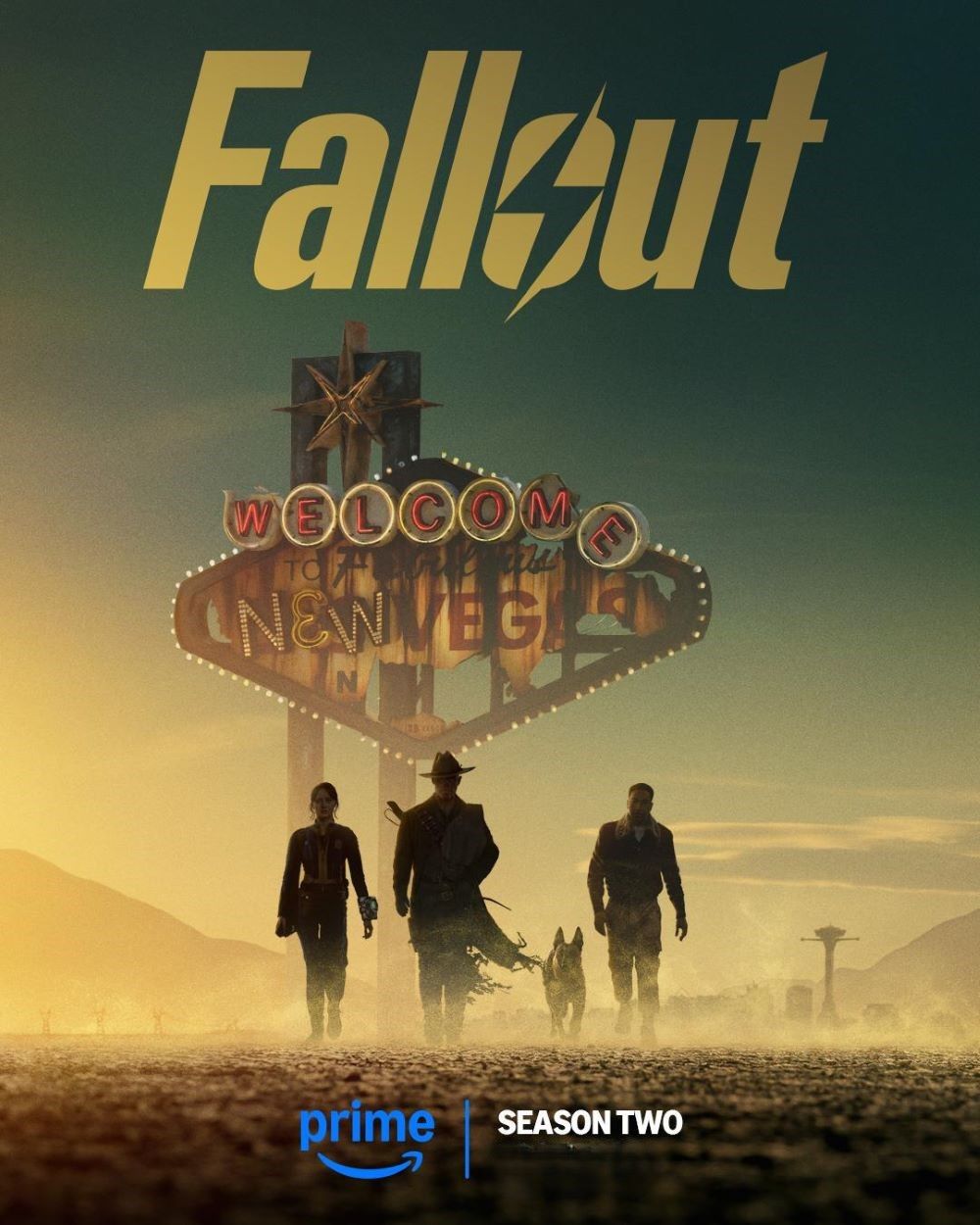
Episode 7 of Fallout season 2, “The Handoff,” sneaks up on you like a radstorm on the horizon—one of those late-season gut checks that reshuffles priorities without much fanfare. It’s got ambition oozing from every irradiated pore, bouncing between mind-bending Vault-Tec tech, vault-bound soap opera blowouts, and pre-war nightmares that hit way too close to home. The sprawl can feel chaotic at times, with not every character getting their full due, but the thematic throughline—how far will you go to survive, and what does it cost your soul?—keeps it cohesive and compelling. Dark humor peppers the bleakness, moral lines blur like fallout haze, and by the end, you’re left wondering who’s really pulling the strings in this wasteland mess.
Kicking things off with a bang—or more like a suicide bomber’s blast—the episode dives straight into a harrowing pre-war flashback spotlighting a young Steph Harper and her mother Joan, played with steely desperation by Natasha Henstridge. They’re clawing their way out of the Uranium City internment camp, a grim U.S. holding pen for Canadian citizens rounded up in the Resource Wars’ fever pitch. Power-armored goons close in, hurling firepower and slurs amid the pandemonium, until Joan grabs her kid and hisses that unforgettable line: “Don’t think of them as human beings. Think of them as Americans.” Oof. It’s a dehumanizing gut-punch that sets the episode’s tone right away, illustrating how the pre-apocalypse world was already a powder keg of nationalism run amok, where “us vs. them” justified any atrocity. And talk about prescient or coincidental timing—this drops amid 2026’s real-world headlines of U.S.-Canada friction, from Trump’s tariff saber-rattling and Davos snubs to wild talk of military “hypotheticals” and economic arm-twisting between the North American neighbors. Whether the writers had a crystal ball or just nailed the evergreen vibe of border paranoia, it makes the fiction feel like a mirror held up to today’s geopolitics, amplifying the episode’s warnings about how quickly “allies” turn into existential threats.
That raw survival instinct bleeds seamlessly into Lucy’s arc, which powers the hour like a fusion core. Trapped in a gleaming Vault-Tec bunker, she’s stuck playing house with her dad Hank, who’s equal parts folksy mentor and corporate ghoul. The star of the show here is their memory-reprogramming gizmo—a hulking console that dials memories up, down, or into oblivion like tweaking a Pip-Boy radio. Hank gives her the tour on a goofy golf cart joyride through empty offices, explaining it with the enthusiasm of a salesman hawking timeshares: boost the happy bits, erase the trauma, rinse and repeat. It’s genius-level creepy, transforming what could be bland sci-fi into a satire of corporate wellness gone murderous. Vault-Tec didn’t invent evil; they just bureaucratized it, turning ethical nightmares into quarterly performance metrics. Lucy starts off hopeful, probing for the father she remembers from Vault 33, but those sterile hallways and his breezy justifications erode her faith layer by layer. The awkward father-daughter chats—half bonding session, half indoctrination—build real tension, showing her idealism cracking under the weight of his casual complicity.
Then comes the dinner scene, a masterclass in quiet devastation. Lucy clocks the NCR soldier she’d warmed to earlier, now a vacant-eyed tray jockey slinging slop with a lobotomized grin. Boom—personal loss made visceral. No swelling score or slow-mo needed; it’s the everyday horror of a friend erased that ignites her fire. She snaps, cuffing Hank to the kitchen drawer in a moment that’s equal parts petty revenge and profound symbolism. No more running from the truth, pops. Ella Purnell nails the transformation: Lucy’s not snapping into cynicism, she’s forging resolve from the ashes of naivety. Her wide-eyed wasteland optimism was always her superpower, but here it matures into a fierce moral compass that doesn’t bend for family ties or Vault-Tec spin. It’s the episode’s emotional core, proving Fallout shines brightest when it grounds big ideas in intimate betrayals.
Meanwhile, Vault 32 delivers the chaos quotient with Steph’s implosion, riffing off the flashback’s desperation in a claustrophobic, community-drama wrapper. Steph’s been teetering on insecure overlord vibes all season—fake-it-till-you-make-it overseer masking cracks with smiles and status games. But Woody’s shattered glasses fished from the garbage disposal? That’s the innocuous spark that lights the fuse. Chet, nursing his quiet rage, hits critical mass smack in the middle of their wedding. Steph bulldozing ahead with vows while the room simmers? Cringe gold. When Chet unloads publicly—secrets, lies, the works—it cascades into pandemonium: guests flip to an angry horde, baying for blood as they chase her into the Overseer’s lair. It’s Fallout‘s sweet spot—pulpy melodrama meets social horror, exposing vault life as a fragile illusion of civility. One bad call, one hidden body, and poof: the social contract shreds. Steph morphs from punchline to predator, cornered and feral, hinting she’s capable of worse. The handheld camerawork ramps the frenzy, trapping you in the mob’s ugly momentum, while the petty human stakes keep it relatable amid the apocalypse schlock.
Maximus pulls a solid B-plot shift, hunkered in an NCR gear depot where he finally claims power armor like it’s his birthright. Gone’s the jittery Brotherhood hopeful; enter a guy starting to fill out the role, clanking around with newfound purpose. Aaron Moten plays it understated—no hero pose, just incremental grit that nods to his growth without overshadowing the mains. It’s smart table-setting: the season’s been chipping at Brotherhood dogma, and Maximus suiting up feels like him inching toward their ideal, blind spots and all. Could use more introspection, sure, but it plants seeds for faction fireworks down the line.
Norm? Rough week. His subplot—eavesdropped identity slip, knockout punch, prisoner drag—teases intrigue but fizzles into logistics. It’s the script shuffling pieces, not diving into his vault-rat cunning or isolation. Fans of his sly outsider lens might gripe at the neglect, highlighting the episode’s tightrope walk over ensemble overload.
Technically, it’s a banger. Vault-Tec’s retro-futurist sheen—neon signs, buzzing fluorescents—clashes beautifully with the soul-crushing tech, like a twisted ad for the American Dream. The wedding revolt goes gritty and kinetic, sweat and shouts filling the frame. Purnell anchors the heart, Steph’s portrayer the hysteria, Henstridge the haunting cameo. Sound design pops too: distant echoes in the offices, the wedding’s rising clamor, that bomber’s muffled roar.
Balance is the bugaboo—too many irons mean rushed beats for Maximus and Norm. Yet it embodies Fallout‘s messy ethos: no tidy arcs, just grinding compromises under institutional thumbs. The Uranium City prelude warns of pre-war poison still pumping through the veins, Lucy’s defiance spotlights personal agency, Vault 32’s riot proves communities devour their own. “The Handoff” probes free will amid rigged games, from neural hacks to tribal loyalties, all laced with wasteland wit. Flawed? Marginally. Essential? Hell yes. The finale looms like an Enclave drop-ship—everything teeters, primed for Fallout‘s brand of irradiated reckoning.
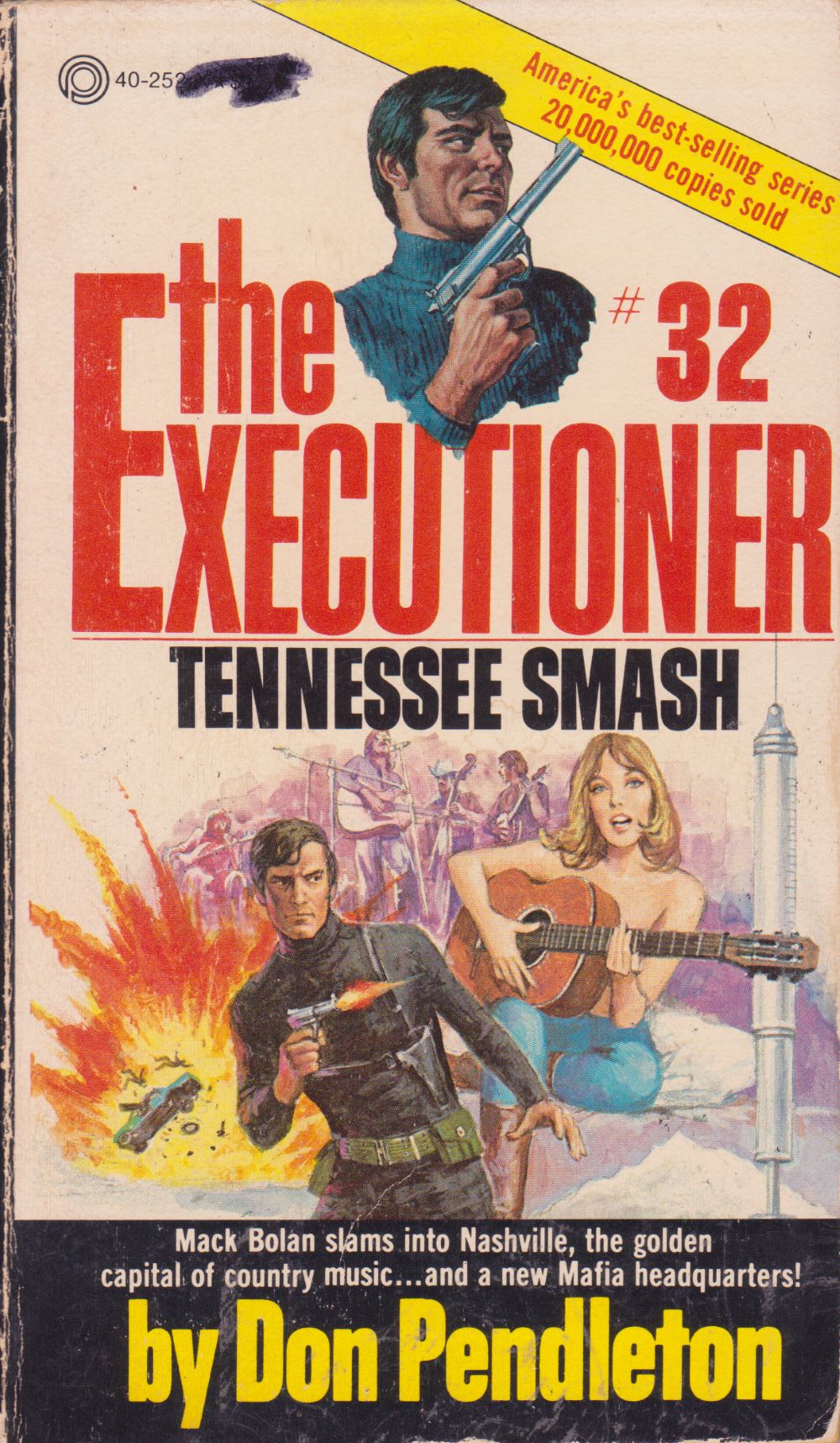
The Executioner series by Don Pendleton is one of those long-running action sagas that practically defines the phrase “guilty pleasure.” Kicking off in 1969 with War Against the Mafia, it introduces Mack Bolan, a Vietnam veteran whose homecoming turns into a nightmare and pushes him into a one-man war against organized crime. With an astonishing total of over 600 books across the main series and its spin-offs, it stands as one of the most prolific runs in pulp fiction history, delivering a steady diet of ambushes, car bombs, and last-stand shootouts, all orbiting a hero who lives somewhere between soldier, avenger, and urban legend. It’s even seeing a resurgence lately, with many original titles now available as e-books through Open Road Media, drawing in a new wave of digital readers hungry for retro action thrills.
The hook is simple and primal. Bolan comes back from Vietnam to discover his family destroyed by Mafia loan sharks, their lives shattered by debt, intimidation, and violence. The man who survived jungle warfare as a sniper becomes a domestic insurgent, redirecting the tactics of war onto American soil. In War Against the Mafia and the early novels, there’s a grim, almost workmanlike edge as he stalks mobsters through streets and back alleys, treating cities like new combat zones. Chapters move quickly, with Pendleton leaning into clear, muscular prose: weapons described with fetishistic precision, tactics laid out like field reports, and action beats that rarely pause for introspection longer than a sentence or two.
Those first runs of books form a surprisingly cohesive arc. Bolan’s war starts local and then scales outward: first the hometown syndicate, then larger crime families, then international networks and political entanglements. Titles like Death Squad, Battle Mask, and Miami Massacre escalate the conflict, dropping Bolan into fresh arenas—new cities, new bosses, new layers of corruption—without ever really changing the fundamental formula. Each volume is basically a new operation: recon, infiltration, explosion. There’s comfort in that clockwork repetition, especially if you’re coming to the series for the thrill of seeing how Bolan will dismantle this week’s nest of villains, a pattern that sustains all 600-plus entries.
As pulp entertainment, the series doesn’t pretend to be anything but what it is: ruthlessly efficient action storytelling. Bolan isn’t written as a richly conflicted psychological study; he’s a vector. He thinks tactically, talks sparingly, and acts decisively. When he pauses to reflect, it’s usually to reaffirm his personal code—his obligation to protect innocents, his hatred for predators, his sense that the “jungle” followed him home from the war. That stripped-down approach makes the books read almost like mission logs. You don’t linger with him; you move with him, from weapon cache to kill zone to escape route.
The “guilty pleasure” part comes from how unapologetically the series indulges in its own extremes. Villains are drawn in thick strokes: sadistic enforcers, greedy bosses, corrupt officials, each more deserving of a bullet than the last. Bolan is judge, jury, and firing squad, and the narrative rarely questions whether that’s a good thing. The violence is frequent and often spectacular—blown-up cars, shredded safehouses, street battles that leave staggering body counts. It channels the same energy as grindhouse action cinema and ’70s vigilante films, but in prose form that you can tear through in a single sitting.
Taken purely as escapism, this is the series’ appeal: it offers a fantasy of absolute efficacy. Problems are solved through planning, courage, and overwhelming firepower, not through compromise or negotiation. If you’ve ever been frustrated with red tape and institutional inertia, Mack Bolan is the fantasy of ripping all that away and going straight to the source with a rifle. That’s also where the discomfort starts to creep in if you read the books with a more critical eye.
From a contemporary perspective, the vigilante ethos can feel both dated and unsettling. The books largely treat legal systems as ineffectual and police as either helpless, compromised, or quietly cheering Bolan from the sidelines. There’s little space for nuance when it comes to morality. That black-and-white worldview gives the action its propulsive drive, but it also flattens complexity: systemic issues collapse into a handful of “bad guys” to be eliminated. The series reflects the anxieties of its time—post-Vietnam disillusionment, fear of organized crime, distrust of institutions—but it rarely interrogates them.
Characterization is another weak spot, though it’s almost a feature of the genre. Outside of Bolan, most people function as types rather than fully realized individuals: the honorable cop, the tragic informant, the doomed love interest, the sneering mob lieutenant. Women, in particular, often feel like afterthoughts—romantic interludes, victims in need of saving, or temporary allies who don’t really alter the trajectory of Bolan’s mission. If you’re looking for layered relationships, you won’t find many here; the stories are built on momentum, not emotional intricacy.
As the series goes on and other writers take over, the tone and focus inevitably shift. The core template—lone warrior versus entrenched evil—remains, but the enemies expand from the Mafia to terrorists, cartels, rogue states, and shadowy conspiracies. Depending on your taste, that either keeps the concept fresh or dilutes Pendleton’s original blue-collar vendetta into something more generic and interchangeable with other men’s adventure titles. The early books carry a rough, personal edge; later entries sometimes feel more like franchise installments than deeply felt passion projects, stretched across hundreds of volumes.
All of that said, it’s hard to deny the series’ impact. Mack Bolan is a clear ancestor to a long line of fictional warriors and vigilantes, from paperback commandos to gun-toting comic book anti-heroes. You can see echoes of his DNA in countless characters who blend military skill with personal trauma and a private war against evil. In that sense, The Executioner isn’t just a pulpy distraction; it’s a foundational text for a whole corner of modern action storytelling.
Reading it today, the best way to approach The Executioner is with eyes open and expectations calibrated. It is not subtle, not especially nuanced, and not interested in long philosophical digressions about the nature of justice. It is fast, blunt, and engineered to scratch a very specific itch—now even more accessible thanks to Open Road Media’s e-book editions breathing fresh life into the saga. If you’re comfortable with that—if you want a hard-edged, morally stark, action-first series that feels like flipping through a stack of R-rated VHS tapes—then Mack Bolan’s war is easy to fall into and surprisingly hard to quit, even after 600 books.
If you’re curious, the ideal entry point is still the beginning: War Against the Mafia and the couple of books that follow. Those early volumes give you the raw version of the character and the template everyone else later imitates. If they don’t work for you, the rest of the series almost certainly won’t. But if you find yourself staying up late to squeeze in “just one more chapter,” that’s when you know the guilty pleasure has done its job.
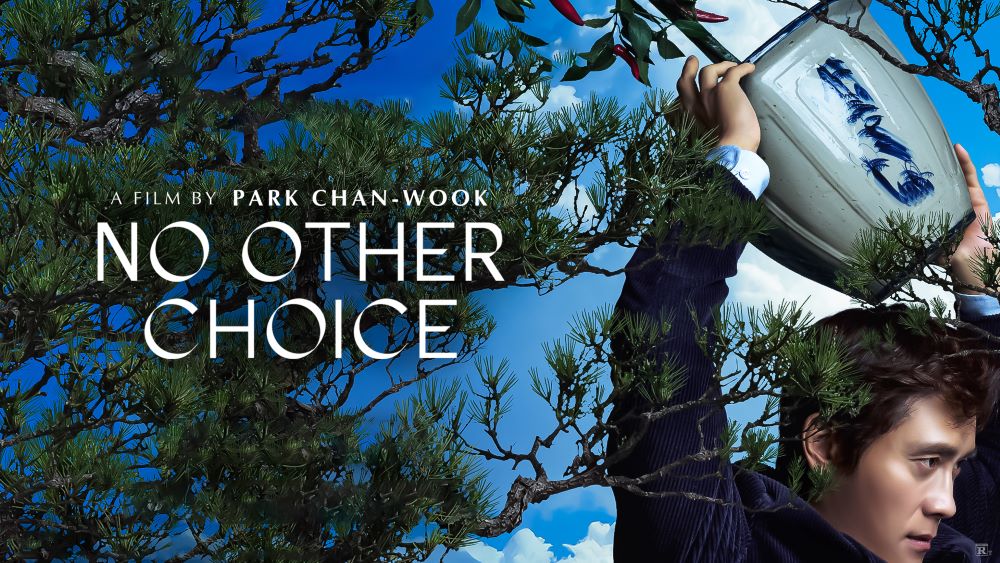
No Other Choice grabs you right away with its wild premise—a loyal company man gets canned and decides to literally eliminate his job competition to claw his way back up. It’s one of the standout international films from last year, popping up on countless top films of 2025 lists for its gutsy mix of workplace rage and murderous absurdity. Park Chan-wook delivers a dark, twisty ride blending sharp satire with outright farce, and while it doesn’t always stick the landing perfectly, that bold energy and uncomfortable laughs make it a must-watch.
The story kicks off in a picture-perfect suburban home where Man-su, a longtime paper factory manager played by Lee Byung-hun, basks in the comforts of a solid middle-class life. He’s got the big house, loving wife Mi-ri, two kids, and even those flashy dogs that scream success. Everything feels polished and stable, almost too good to be true, which is exactly the point. Then the axe falls—layoffs hit, and suddenly Man-su’s years of service mean nothing in a brutal job market stacked against him. Every opening has a ranked list of candidates, and he’s always near the bottom. Desperation sets in, and he hatches a grim plan: take out the guys ahead of him one by one.
What makes this setup pop is how Park turns a simple “what if” into a mirror for real-world frustrations. Man-su’s logic spirals from understandable rage to unhinged obsession, repeating his mantra of having “no other choice” like it’s gospel. Each target he stalks feels like a warped reflection of himself—aging has-beens clinging to relevance or eager young hotshots with families of their own. It’s not just about the kills; it’s the quiet horror of seeing your own fears staring back. The film nails that sinking feeling of obsolescence, where loyalty gets you nowhere and the system chews people up without a second thought.
The action sequences are where Park’s signature style shines brightest. That first murder attempt is a masterclass in chaos—a shaky standoff with an antique pistol turns into a frantic, slapstick melee in some oversized wooden house. Blood flies, furniture shatters, and it’s all choreographed with such precision it borders on balletic. He mixes genuine tension with cartoonish escalation, making you laugh even as things get gruesome. It’s the kind of over-the-top violence that recalls his classics like Oldboy, but lighter, almost playful in its excess. You never know if the next swing will end it or devolve into more absurdity, and that unpredictability keeps the pulse racing.
At home, though, the real damage unfolds. Mi-ri, brought to life by Son Ye-jin in a quietly devastating turn, starts as the supportive spouse but cracks under the strain. They cut back on luxuries like tennis lessons and fancy music classes, but it’s the growing paranoia that poisons everything. Snide arguments erupt, kids get tangled in cover stories for the police, and the once-idyllic house feels like a pressure cooker. Park smartly shifts focus here, showing how one man’s breakdown ripples out to fracture his family. Mi-ri’s mix of worry, resentment, and tough love grounds the madness, reminding us this isn’t just a lone wolf tale—it’s about collateral damage in the pursuit of “normalcy.”
As a jab at corporate culture, the movie lands some solid punches. Those sterile job interviews and endless applicant lists capture the dehumanizing grind perfectly, where workers are just numbers on a spreadsheet. Man-su’s humiliation builds layer by layer, from polite rejections to outright indifference, culminating in a factory scene that’s equal parts poetic and punishing. He ends up as the last human holdout amid a sea of machines, a stark symbol of misplaced faith in the grind. Park doesn’t pretend to offer solutions, but he forces you to confront how capitalism turns colleagues into rivals and dignity into a luxury good.
That said, the film isn’t content to just indict the system—it digs into Man-su’s flaws too. He’s no innocent victim; he’s vain, stubborn, and blinded by pride. Moments of potential redemption pop up—a heartfelt chat with a fellow job-seeker, a glimpse of empathy for a rival dad—but he barrels past them every time. This refusal to pivot makes him compellingly human, a portrait of wounded ego that stops short of full villainy. Lee Byung-hun sells it all with subtle shifts: the forced smile in interviews, the twitchy hands during stakeouts, the hollow justifications whispered to himself. He’s magnetic, drawing sympathy even as you root for his comeuppance.
Visually, Park pulls out all the stops. Bold camera moves, clever framing, and those vintage thriller tricks—fancy dissolves, sharp cuts—give it a retro flair amid modern polish. Conversations crackle with visual wit, turning mundane chats into tense standoffs. The color palette swings from warm domestic glows to cold, shadowy nights, mirroring Man-su’s slide. It’s indulgent stuff, the kind of filmmaking that demands a big screen, though it occasionally tips into showiness when the plot needs room to breathe.
The supporting cast fleshes out the world nicely. Victims aren’t faceless; each gets a quick, vivid sketch that humanizes the body count. Detectives poke around with dry humor, adding a procedural edge without stealing focus. Son Ye-jin steals scenes effortlessly, her Mi-ri evolving from enabler to antagonist in the subtlest ways— a raised eyebrow here, a weary sigh there. It’s ensemble work that elevates the whole, making the satire feel lived-in rather than preachy.
Where it stumbles is in the pacing and bloat. The cat-and-mouse games repeat a bit too faithfully—stalk, scheme, screw-up, repeat—and by the third or fourth loop, the formula shows. Subplots with cops and side characters tangle up the momentum, diluting the core spiral. Park juggles a lot: farce, thriller beats, family drama, economic allegory. It mostly coheres, but you sense he’s wrestling to tie it all together. The ending, while punchy, leans hard on irony, which might leave some wanting deeper catharsis or ambiguity.
Still, flaws and all, No Other Choice pulses with invention and earned its spot as one of 2025’s best international gems, racking up mentions across year-end top lists from critics worldwide. It’s a timely gut-punch for anyone who’s felt the job market’s cruelty, wrapped in enough dark humor and style to linger. Not Park’s tightest, but his wildest in years—a messy, mean-spirited blast that dares you to laugh at the abyss. If you’re up for a thriller that treats resumes like kill lists and HR as the true horror, dive in. Just don’t expect tidy morals or easy outs; this one’s as complicated as real desperation gets.
 Through the Shattered Lens