Review: Dune (dir. by David Lynch)


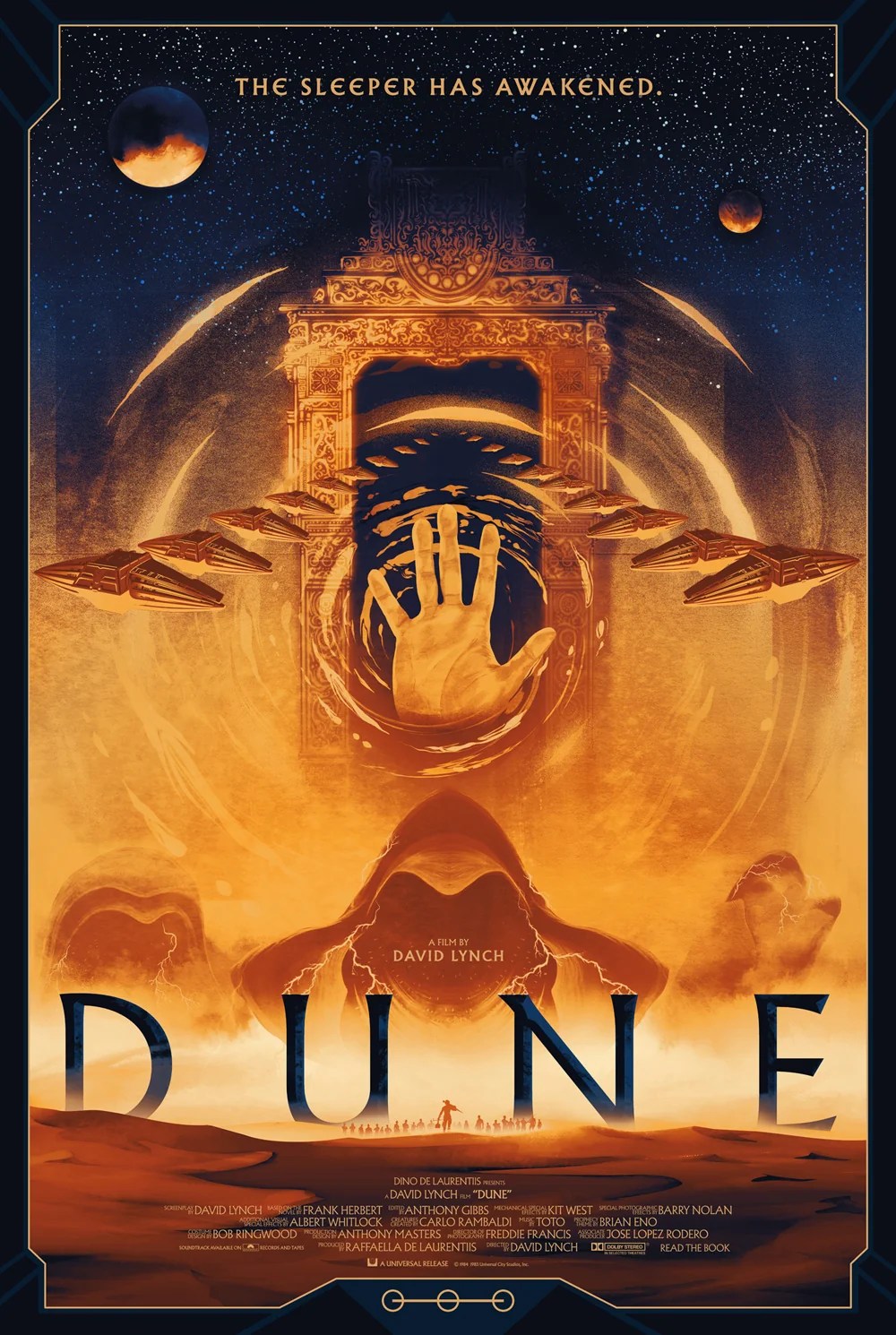
“The sleeper has awakened.” — Paul “Muad’Dib” Atreides

David Lynch’s Dune is one of those movies that somehow manages to be both a spectacular failure and a strangely hypnotic piece of cinema at the same time. It feels like a film willed into existence through pure creative tension: on one side, Frank Herbert’s dense, political, and spiritual sci‑fi novel; on the other, David Lynch’s surreal, psychological, dream‑logic sensibility. The result is a singular oddity—visually bold, dramatically uneven, and endlessly fascinating if you’re in the mood for something that feels more like a hallucination than a conventional space opera.

To call the adaptation ambitious is underselling it. After the collapse of Alejandro Jodorowsky’s infamous attempt to adapt Dune, the project eventually landed at Universal with producer Dino De Laurentiis, and Lynch—fresh off The Elephant Man—was brought in to turn Herbert’s galaxy‑spanning book into a two‑hour‑ish feature. On paper, it seems like inspired casting: Lynch had the visual imagination and emotional intensity to do something memorable with the material. But he was never a natural fit for streamlined blockbuster storytelling. His instincts live in mood, subconscious imagery, and uneasy psychological textures rather than clean plot mechanics. You can feel that clash all over the final film, and it’s part of what makes it so weirdly compelling.

Right from the opening, Dune doesn’t hold your hand. Princess Irulan’s floating head lays out a massive info‑dump about spice, the Imperium, and Arrakis that plays like someone reading you the glossary at the back of a sci‑fi novel. It’s dense, awkward, and kind of charming in its sincerity. The movie takes Herbert’s universe extremely seriously—no wink, no irony, no attempt to sand off the stranger edges. The Bene Gesserit, mentats, feudal houses, and prophecies are all presented straight, as if the audience will either keep up or be left behind. There’s something almost punk about that level of commitment.

Kyle MacLachlan, in his debut as Paul Atreides, is perfectly cast for Lynch’s take on the character. He’s got this earnest, slightly naive presence that gradually hardens as the story pushes him toward messiah status. Instead of leaning into a swashbuckling hero archetype, Lynch frames Paul’s evolution as something interior and dreamlike, almost like a spiritual awakening happening inside a hostile universe. Paul’s visions aren’t giant, crystal‑clear CGI prophecy sequences; they’re fragmented, flickering images, whispers, and flashes of desert and blood. You can feel Lynch trying to drag the sci‑fi epic into his own subconscious, even if the narrative doesn’t always keep up.

The supporting cast is packed with strong, sometimes delightfully bizarre performances. Francesca Annis gives Lady Jessica a sensual, haunted calm that fits the Bene Gesserit’s mix of discipline and manipulation. Jurgen Prochnow’s Duke Leto radiates dignified doom; he feels like a man who knows he’s walking into a trap but can’t step off the path. Then you get to the Harkonnens, where Lynch just lets his freak flag fly. Kenneth McMillan’s Baron is a grotesque comic‑book monster, oozing, cackling, floating on anti‑grav tech, and reveling in cruelty. It’s not subtle, but it is unforgettable. And of course Sting as Feyd‑Rautha, stalking around in barely‑there outfits and sneering like a rock star beamed in from another film entirely, just adds to the movie’s fever‑dream energy.

Visually, Dune is a feast and sometimes a bit of a choke. The production design leans into a kind of retro‑futurist baroque: cavernous sets, ornate technology, and spaces that feel less like functional environments and more like places out of a dark fantasy. Lynch and cinematographer Freddie Francis infuse everything with shadow, smoke, and texture, so even the quiet scenes feel heavy and loaded. The sandworms are huge, tactile, and worshipful in scale; the way they burst from the desert feels more like a religious manifestation than a monster attack. Even if you’re lost in the plot, the images stick with you—daggers, stillsuits, weirding whispers, blood on sand.

The sound and music do a ton of work in giving the film its identity. The score, primarily by Toto with contributions from Brian Eno, is this fusion of 80s rock sensibility and orchestral grandeur. It shouldn’t work, but it does; the main theme swells with tragic heroism, while other cues veer into eerie, synthy territory that matches Lynch’s off‑kilter tone. The sound design around the “weirding” abilities, the internal monologues, and the roar of the sandworms all help sell the world even when the script is sprinting past exposition. It’s one of those films where you might not fully grasp every detail, but the combined force of image and sound makes you feel like you’ve visited a real, deeply strange place.

The big structural problem, and the thing that most clearly separates Lynch’s adaptation from Denis Villeneuve’s two‑part version, is time and emphasis. Lynch is trying to cram the entire arc of Dune into a single film, and that means the plotting goes from methodical to breakneck halfway through. The first half lingers on the setup—Caladan, the move to Arrakis, the betrayal—while the second half rockets through Paul’s Fremen transformation, the guerrilla war, the sandworm riding, and the final confrontation. Subplots are hinted at and dropped, character arcs feel truncated, and the voiceover is forever trying to patch gaps the edits created. Themes like ecological transformation, the manipulation behind religious prophecy, and the long‑term horror of Paul’s rise are mostly reduced to gestures.

The best way to see Dune in Lynch’s version is actually through the extended cut, which adds a bit more context to certain scenes and lets the film breathe slightly more than the theatrical release. The theatrical cut is so aggressively compressed that pieces of motivation and setup just vanish, leaving the story feeling even more disjointed. The extended version restores some of the connective tissue—especially around Paul’s early time with the Fremen, the political maneuvering in the lead‑up to the final act, and the way certain characters orient themselves in the larger conflict. It doesn’t magically fix the studio‑driven structure or the inherent weirdness of Lynch’s choices, but it does make the film feel a little more complete, a little closer to the director’s original vision. It’s still messy, but less like a rushed homework assignment and more like a genuinely eccentric, if compromised, longform take on Herbert’s world.

Tonally, Lynch and Villeneuve are almost mirror images. Lynch’s film is cramped, loud in its weirdness, and often grotesque, playing like a baroque horror‑opera about destiny. Villeneuve’s is stately, slow‑burn, and solemn, more interested in the weight of empire, colonialism, and religious manipulation. Even their takes on Paul are distinct. In Lynch’s film, Paul ultimately plays more like a triumphant chosen one; whatever ambiguity is there gets overshadowed by the climactic victory and the literal act of making it rain as a grand, almost celebratory miracle. Villeneuve leans harder into the darker implications: Paul is framed as a potentially dangerous figure whose rise may unleash something terrible, and his two‑part arc emphasizes the holy war and fanaticism coalescing around him instead of treating his ascension as a clean win. Where Lynch’s ending lands somewhere between pulp myth and studio‑mandated uplift, Villeneuve’s execution feels closer to a tragedy about messianic power.

Knowing all that, Lynch’s Dune ends up feeling like a relic from an era when studios occasionally handed gigantic, unwieldy properties to filmmakers with intensely personal styles and just hoped for the best. It doesn’t “work” in a conventional plot sense, and if you’re coming to it after the sleek coherence of Villeneuve’s films, it can feel like a chaotic, cluttered alternate‑universe version of the same story. But that alternate universe has its own power. There’s a raw, handmade intensity to Lynch’s take—a sense that he’s trying to turn Dune into a waking dream about destiny, decay, and the seduction of power, even as the studio scissors are hacking away at his vision.

In the end, David Lynch’s Dune is a beautifully broken thing: a movie that fails as a straightforward adaptation but succeeds as a cinematic experience you can’t quite shake. Villeneuve gives you a clearer, more faithful, and philosophically aligned Dune, the one that explains itself and lets you sit with its implications. Lynch gives you the nightmare version, messy and compromised, but pulsing with strange life. If Villeneuve’s two‑part saga is the definitive modern telling, Lynch’s film—especially the extended cut—remains the haunting alternate path, a vision of Arrakis filtered through a very particular mind, sandblasted, grotesque, and unforgettable.
Dune: Part Two (dir. by Denis Villeneuve) Review


“The Mahdi is too humble to say he is the Mahdi. Even more reason to know he is!” — Stilgar

Dune: Part Two picks up right where the first film left off, diving headfirst into Paul Atreides’ quest for revenge on the desert world of Arrakis, and it absolutely delivers on the epic, operatic scale the setup promised. The first movie was all mood and table-setting; this one cashes in that patience with a story that’s bigger, louder, and way more emotionally volatile, without totally ditching the cerebral, slow-burn vibe that makes Dune feel different from other sci-fi tentpoles. Denis Villeneuve isn’t just continuing a story; he’s doubling down on the idea that this whole saga is less about a hero’s rise and more about the terrifying consequences of people begging for a savior and then getting exactly what they asked for.

Narratively, the film tracks Paul and his mother Jessica as they embed deeper into Fremen culture while House Harkonnen tightens its stranglehold on Arrakis. Paul trains, raids spice convoys, and slowly evolves from accepted outsider to full-on messianic figure, even as he keeps insisting he doesn’t want that role. The emotional throughline is his relationship with Chani, who acts as both partner and conscience, pushing back against the religious fervor gathering around him. At the same time, you’ve got Baron Harkonnen scheming from his grotesque oil-bath throne and Feyd-Rautha unleashed as the house’s rabid attack dog, chewing through enemies in gladiatorial arenas and on the battlefield. The stakes are clear and simple—control of Arrakis and its spice—but the film keeps twisting that into something more existential: control of the future itself and who gets to write it.

Visually, Dune: Part Two is just ridiculous in the best way. Arrakis still feels harsh and elemental, like the planet itself is a character that occasionally decides to eat people via sandworm. The desert exteriors are shot with that hazy, golden brutality where every wide shot makes the Fremen look tiny against an uncaring landscape. When Paul finally rides a sandworm, it’s not played as some clean, heroic moment but as a thrashing, chaotic stunt that looks legitimately dangerous—he’s clinging to this titanic creature, sand exploding in sheets around him, the camera swinging wide so you feel both the scale and the sheer lunacy of what he’s doing. The Harkonnen world, by contrast, is stark and stylized, all cold geometry and void-like skies, leaning into monochrome to make it feel like you’ve stepped into some industrial underworld. Villeneuve’s obsession with scale and texture pays off; every frame feels like it was composed to be stared at.

The action this time is more frequent and more brutal. Where Dune: Part One held back, this one goes for full war-movie energy. You get Fremen ambushes out of sand, night raids lit by explosions, and a final battle that’s basically holy war meets desert cavalry charge. Sandworms surf through shield walls, ornithopters slam into the ground, and a sea of troops gets swallowed by sand and fire. The choreography stays clean enough that you can track who’s doing what, but it never loses that messy, grounded feel—knife fights still feel close and ugly, even when they’re surrounded by massive spectacle. The duel between Paul and Feyd is the peak of that: sweaty, vicious, and personal, more about willpower and ideology than just skill.

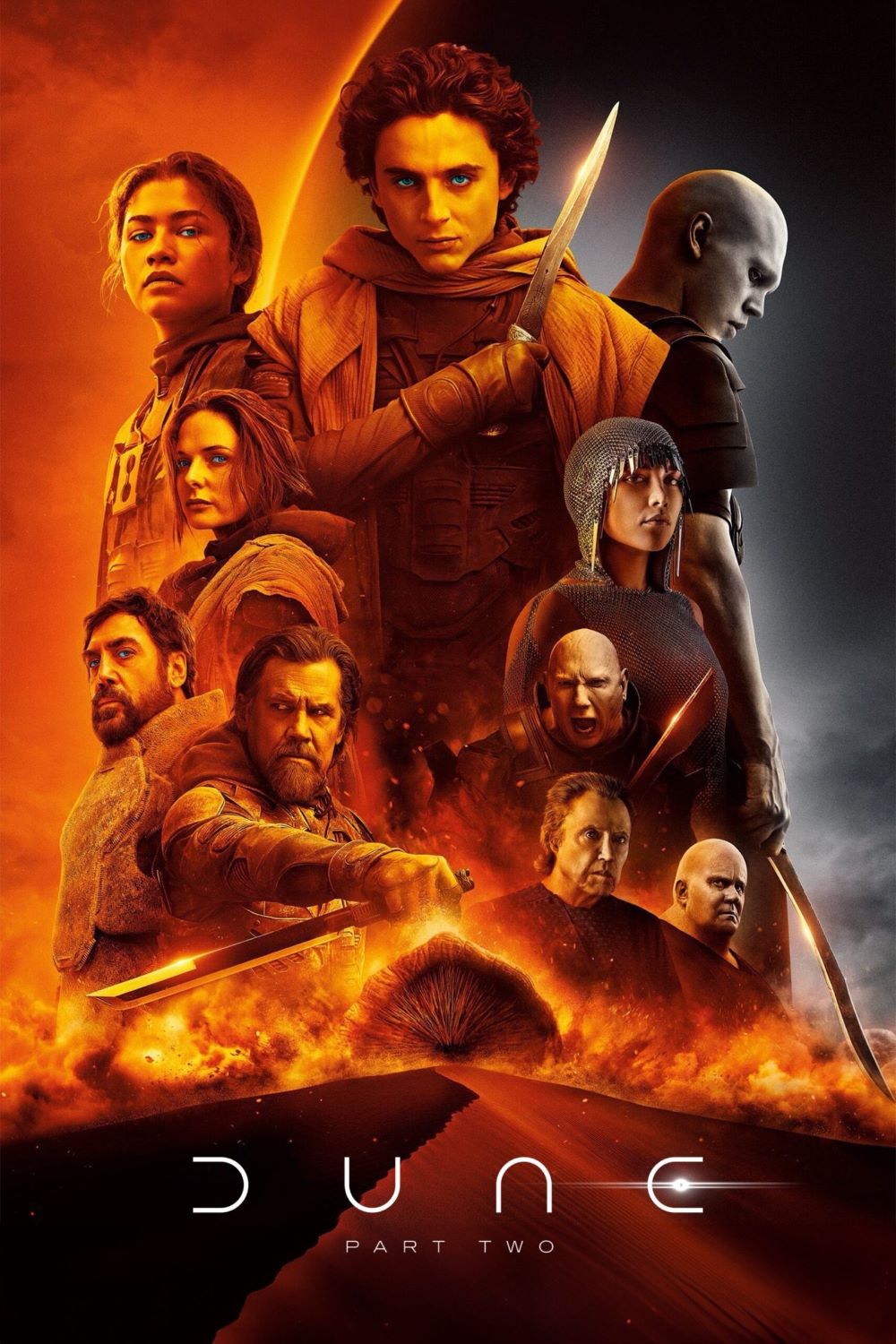
Performance-wise, the film runs on the tension between Timothée Chalamet’s Paul and Zendaya’s Chani. Chalamet gets to shift from haunted survivor to someone who realizes he can pull the strings of history—and chooses to do it anyway. He plays Paul as a guy who genuinely hates what he sees in his visions but can’t stomach losing, which gives the final act a bitter edge. Zendaya finally gets the screen time the first film teased, and she makes the most of it. Chani isn’t just “the love interest”; she’s the one person in the story who consistently calls bullshit on prophecy, seeing how Fremen belief is being turned into a weapon. That skepticism, that refusal to be swept up, becomes the emotional counterweight to everything Jessica and the Bene Gesserit are engineering.

Rebecca Ferguson’s Jessica goes full political operator here, and it’s honestly one of the most interesting arcs in the film. Once she takes on the role of Reverend Mother, she leans into manipulating Fremen faith, playing up visions, symbols, and omens to lock in Paul’s status. She’s terrifyingly pragmatic about it, and the movie doesn’t let that slide as a “necessary evil”—it’s part of how this whole situation curdles into fanaticism. Austin Butler’s Feyd-Rautha is pure menace: feral, theatrical, and oddly charismatic, like a rock star who decided to become a warlord. He feels like the dark mirror of Paul, another bred product of a toxic system, but one who embraces cruelty instead of burden.

Then you’ve got Florence Pugh’s Princess Irulan and Christopher Walken’s Emperor Shaddam IV, introduced with real weight as the heir to the throne and the man who greenlit House Atreides’ betrayal—but then largely sidelined as bit characters rather than the shadowy power brokers they should be. On paper, they’re the architects of galactic order, pulling levers from opulent palaces while Paul scrambles in the sand. The film gives them poised entrances and sharp dialogue, but parks them as observers to Paul’s whirlwind, more like well-dressed cameos than forces reshaping the board. Walken nails the Emperor’s weary calculation, and Pugh hints at Irulan’s future scheming, but without deeper scenes of imperial intrigue, they orbit Paul’s story instead of challenging it head-on, underscoring how his rise eclipses even the old guard.

Hans Zimmer’s score keeps pushing that strange, alien soundscape he built in the first film and then amps it up. The music leans hard on percussion, guttural vocals, and warped instruments that feel half-organic, half-industrial, like you’re listening to the desert itself breathing. The score doesn’t really do the classic “themes you hum on the way out of the theater” thing; instead, it sits in your bones. During the big set pieces, it’s almost overwhelming—drones, chants, and pounding rhythms layering on top of each other until your seat feels like it’s vibrating. In quieter scenes, Zimmer pulls back just enough to let a harsh little motif peek through, usually when Paul is weighing his choices or when Chani realizes how far things are slipping away from what she hoped for.

Thematically, Dune: Part Two sinks its teeth deepest into the dangers of blind faith and the double-edged sword of prophecy—how it can shatter chains of oppression only to forge far heavier ones in their place. Frank Herbert’s original warning pulses through every frame: belief isn’t just a comfort or a spark for revolution; it’s a weapon that smart people wield to hijack desperate hearts. The Fremen, crushed under imperial boot and environmental hell, latch onto their Lisan al-Gaib legend like a lifeline, and figures like Jessica and the Bene Gesserit are all too happy to fan those flames. Lines like Stilgar’s “The Mahdi is too humble to say he is the Mahdi. Even more reason to know he is!” twist logic into a pretzel, showing how faith devours reason—Paul’s every hesitation or miracle just “proves” his divinity more. Chani’s gut-punch retort, “This prophecy is how they enslave us!” lays it bare: what starts as liberation from Harkonnen greed morphs into submission to a new myth, one engineered off-world to keep Arrakis in check.

Paul embodies this tragedy most painfully. His spice-fueled visions reveal futures of jihad consuming the stars, yet the “narrow path” he chooses—embracing the prophecy—breaks the Fremen’s subjugation to outsiders while binding them to him as unquestioning soldiers. It’s not accidental heroism; it’s a calculated gamble where prophecy empowers the oppressed to topple one empire, only for Paul to birth a deadlier one, fueled by the very zeal that freed them. Princess Irulan’s cool observation, “You underestimate the power of faith,” chills because it’s the Emperor admitting belief outstrips blades or thrones—faith doesn’t just win wars; it rewrites reality, turning Fremen riders into galaxy-scouring fanatics. Even the Reverend Mother Mohiam’s “We don’t hope. We plan” unmasks prophecy as cold manipulation, a multi-generational con that breakers colonial chains today while guaranteeing control tomorrow.

Villeneuve doesn’t glorify this cycle; he revels in its horror. The final rally, with Fremen chanting “Lisan al-Gaib!” as Paul seizes the throne, thrills like a rock concert and curdles like a cult initiation. Chani riding off alone isn’t defeat—it’s the last gasp of clear-eyed doubt in a tide of delusion. Faith topples the Baron and humbles Shaddam, sure, but it installs Paul as its high priest-emperor, proving Herbert right: saviors don’t save; they scale up the suffering. The film tweaks the book to amplify this, giving Chani more agency to voice the peril, making the “victory” feel like a velvet trap. It’s prophecy as breaker of chains—smashing Harkonnen spice rigs and imperial ornithopters—then creator of new ones, with Paul’s jihad looming not as triumph, but inevitable apocalypse.

If the film has a real sticking point, it’s that tension between being a massive, audience-pleasing sci-fi epic and being a deeply cynical story about the cost of belief. On a surface level, it totally works as a grand payoff: you get your worm rides, your duels, your big speeches, your villains being humbled. But underneath, Villeneuve keeps threading in this idea that what we’re watching isn’t a happy ending; it’s the start of something worse. The sidelining of Irulan and Shaddam reinforces how Paul’s myth-centered rise devours old powers, prophecy steamrolling politics.

As a complete experience, Dune: Part Two feels like the rare blockbuster that respects its audience’s patience and intelligence. It assumes you remember part one, assumes you’re willing to sit with long, quiet moments and sudden bursts of violence, and assumes you’ll notice that the “hero’s journey” here is more of a slow moral collapse dressed up as triumph. It’s messy in spots—some pacing jolts, some underused heavy hitters in the cast—but it swings so hard and with such confidence that the rough edges end up feeling like part of its personality. The result is a movie that works both as an immediate, visceral ride and as something you keep chewing on afterward, wondering if you were supposed to be as excited as you were by the sight of a new god-king being crowned in the desert.

One Piece: Into the Grand Line Season 2 Review


“A man dies when he is forgotten… as long as someone remembers you, you never truly die,” — Dr. Hiriluk

Netflix’s One Piece live-action sails into its second season with a lot more swagger, a lot more snow, and just enough rough edges to keep the debate interesting instead of purely celebratory. Season 2, subtitled Into the Grand Line, takes the Straw Hats from Loguetown through Reverse Mountain, Whisky Peak, Little Garden, and finally Drum Island, and you can feel the creative team leaning into the idea that season 1’s success wasn’t a fluke. It’s bigger, louder, more emotionally direct, and also a bit more overstuffed, but the core mix of sincerity, goofiness, and found-family melodrama still mostly works in live action.

The early stretch, especially episode 1, comes out swinging like the writers have a checklist of “stuff we have to set up before the Grand Line” and they’re determined to cram it all into a single opening salvo. Loguetown gets positioned as both a victory lap for the season 1 crew and a promise that the stakes are rising; you’ve got the looming execution platform, the legacy of Gol D. Roger, and the Marines closing in from multiple angles. Smoker and Tashigi are introduced as new Marine threats, and while they’re not as absurdly overpowered as their manga counterparts, their presence immediately shifts the atmosphere from “wacky pirate road trip” to “you’re on borrowed time, kids.” The result is an opener that’s busy to the point of clutter, but rarely boring, and it reassures you that the show still understands the scrappy, earnest energy that made season 1 feel like a minor miracle.

Once the Going Merry officially commits to the Grand Line, the season loosens up and starts having fun with its new sandbox. Reverse Mountain and Laboon give you that classic One Piece blend of absurdity and heartache: a giant whale with abandonment issues, a sea route that wants to kill you on the way in, and a protagonist who treats impossible odds like minor inconveniences. The adaptation trims and rearranges details from the manga, but the emotional throughline—Luffy refusing to dismiss someone else’s pain as a joke—still lands. Visually, the show takes advantage of wild weather and vertical ship movement to signal that Netflix has clearly opened the purse strings a bit.

The midseason arcs on Whisky Peak and Little Garden are where the season’s strengths and weaknesses sit side by side. On the plus side, the show feels far more confident staging ensemble scenes now; the Baroque Works intrigue in Whisky Peak gives everyone a small moment to shine, from Zoro’s stoic overkill to Usopp’s anxious resourcefulness. At the same time, you can tell the writers are racing a clock. Baroque Works as a threat sometimes plays like “sassy assassins of the week” rather than a deeply rooted conspiracy, and certain reveals hit faster than they probably should just to keep the plot on schedule. There’s a similar push-pull in the Little Garden episodes: the prehistoric island, giant warriors, and dinosaur mayhem are inherently goofy in a way that fits the franchise, but the story occasionally feels like it’s checking off “cool arc landmarks” rather than letting the weirdness breathe.

What keeps that middle section from sagging is how much better the show has gotten at tying action beats to character beats. Sanji and Zoro’s rivalry plays as casual, lived-in banter rather than forced comic relief, and Nami’s role as the crew’s unofficial grown-up becomes more prominent now that they’re in genuinely lethal territory. Usopp’s arc quietly levels up too; by the time we reach the Drum arc, he’s shifted from pure punchline to someone whose lies and bravado hide a growing sense of responsibility to the crew. The series still loves its shonen clichés, but it’s more careful now about using them as punctuation for character moments instead of the entire sentence.

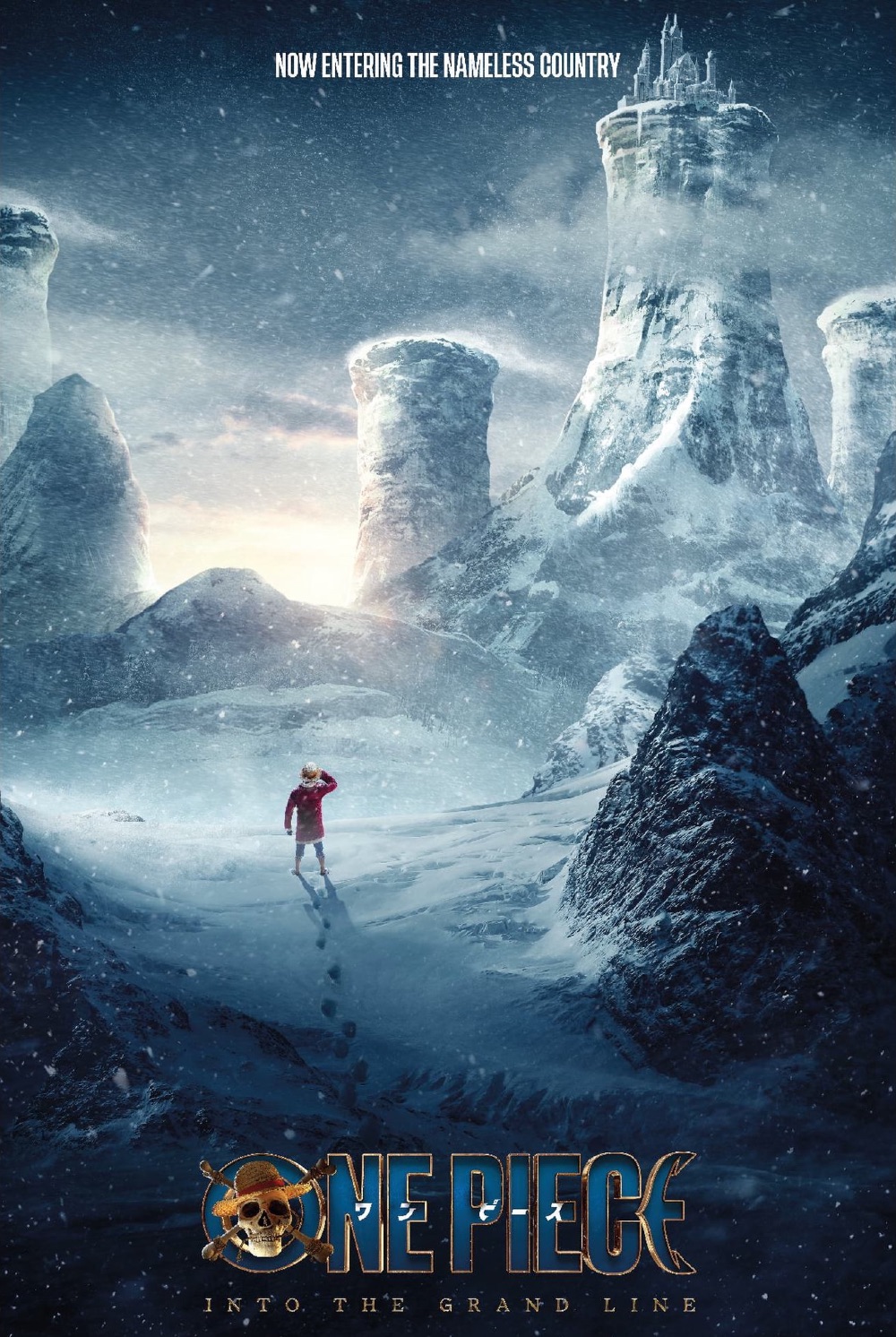
The season really finds its footing once Nami falls ill and the plot veers into Drum Island. Episode 6 uses a simple hook—crew member in medical danger—to justify a full tonal pivot into survival mode, and it pays off. Nami’s fever forces Luffy and Sanji into a desperate climb toward a supposedly witch-haunted castle, and suddenly the story is about how far these idiots will go for each other, framed against a harsh, snowy landscape that looks genuinely inhospitable rather than just “TV cold.” The direction leans into long, wind-whipped shots of the mountainside and the rickety pathways up to Drum Castle so the physical effort feels real, even while we’re still dealing with rubber limbs and talking reindeer.

Visually, Drum Island is where the production team flexes the hardest. Drum Castle plays like a kind of “Winterfell of the Grand Line”: a looming, half-mythic fortress on a cliff that feels grounded enough to stand alongside the more heightened CG work. The snowstorms, the avalanche sequence, the torchlit interiors of Kureha’s domain—all of it sells the idea that the crew has wandered into a different kind of danger than the sunny East Blue of season 1. The score shifts accordingly, mixing sweeping orchestral swells with more intimate piano lines during the quieter medical scenes, and it does a lot of work underscoring the “we might actually lose someone this time” tension.

Episodes 7 and 8 are easily among the strongest hours the live-action has produced. The first of the two slows the pace to focus almost entirely on Tony Tony Chopper’s backstory, and it does that classic One Piece thing of luring you in with a silly premise—a talking reindeer in a tiny hat—and then punching you in the throat with abandonment, discrimination, and grief. The flashbacks to Chopper’s exile from his herd and rescue by Dr. Hiriluk are played surprisingly straight; Hiriluk becomes a ridiculous, heartbreaking figure whose speeches about miracles and cherry blossoms somehow dodge corniness through sheer conviction. Chopper’s performance has a gruff vulnerability that makes his early defensiveness around humans feel earned instead of cute schtick, and the combination of prosthetics, motion capture, and restrained CG works well enough that he reads as a real presence in the room, not a cartoon pasted in after the fact.

That said, the Chopper flashback episode isn’t flawless. Some of the emotional beats linger a bit too long, clearly honoring manga moments that don’t fully translate to live-action pacing, and a few of his transformation gags resort to quick cuts that blunt the imaginative body-horror silliness you get in animation. Still, the emotional spine is strong: Hiruluk’s doomed confrontation with Wapol, punctuated by illusory sakura petals and a speech about when a person truly dies, is staged with an almost theatrical sincerity that the cast actually pulls off. In the present, the B-plot with Zoro and Usopp anxiously waiting in the village for word about Nami is simple but effective, reinforcing how helpless it feels when your role in the crew doesn’t let you directly fix what’s wrong.

In the finale, the action splits cleanly between the village and the castle on the mountaintop, and that structure helps the chaos feel coherent instead of just noisy. Zoro and Usopp are down in Drum Village, hacking their way through the grotesque monster-soldier constructs that Wapol literally spits out as disposable shock troops, giving the ground battle a messy, creature-feature energy. Meanwhile, Sanji and Chopper are up in Drum Castle on top of Drum Mountain, clashing with Wapol’s advisors in tighter, more personal skirmishes that double as a test of Chopper’s resolve to stand with the Straw Hats. Wapol himself returns juiced up on his Baku Baku no Mi powers, and the episode leans hard into the grotesque humor of a villain who eats anything—including his own men—to spit out living weapons and fleshy blob minions.

The blend of practical creature work and CG in that finale isn’t flawless, especially in a few slow-motion shots where the animation looks more rubbery than Luffy, but it’s inventive enough that the absurdity never completely breaks immersion. The action is staged with a nice sense of geography: the snowy streets and rooftops of Drum Village, the cramped interior corridors of the castle, and the exposed battlements all feel distinct, so you always know where you are in the fight. The editing gives each Straw Hat a clear lane—Zoro as the unstoppable blade, Usopp as the desperate tactician, Sanji as the stylish brawler, Chopper as the rookie trying to prove he belongs—without turning the climax into a series of disconnected hero shots.

What really elevates the finale is how it uses the big battle to crystallize character arcs. Vivi, who’s been threaded into the season as a wavering princess-turned-co-conspirator, finally gets a proper leadership moment confronting Wapol and calling out his idea of kingship, and it feels earned instead of “we needed a speech here.” Dalton’s evolution from dutiful soldier to rebel champion hits a satisfying crescendo when he throws himself into the fight in a way that echoes his beastly manga counterpart, giving the non-Straw Hat side of the conflict some emotional heft. Luffy’s most telling moment isn’t about defending his own crew’s banner, but about protecting Dr. Hiriluk and Chopper’s sakura-painted Jolly Roger flag, making it clear that, to him, it isn’t just the Straw Hat symbol he respects but the very idea of a pirate flag as someone’s dream, no matter whose it is.

Chopper’s actual recruitment is peak One Piece cheese in the best way. After an episode and a half of backstory and reluctance, Luffy’s straightforward “You’re our doctor now” carries the weight of everything we’ve seen without turning into a speech, and Usopp’s outsider-to-outsider encouragement seals the emotional deal. The sleigh escape from Drum Castle, complete with impossible cherry blossoms blooming in a blizzard as Kureha salutes them with artillery, should be ridiculous, and it is—but it’s also exactly the kind of heightened, tear-jerking nonsense this series lives on. The show even sneaks in a small but potent Sanji beat, linking his obsession with feeding people to a sickly mother in his past, which adds a layer of vulnerability to his usual horny-cook routine without hijacking Chopper’s spotlight.

To keep things fair, the season does have some recurring issues. The pacing is uneven; cramming five arcs into eight episodes means some side characters and worldbuilding details flash by as cameos rather than lived-in pieces of a larger world. Wapol, while fun, sometimes leans too far into hammy buffoonery, undercutting his menace just when the show wants you to take Drum’s past trauma seriously. A few CG shots—particularly around Wapol’s more exaggerated transformations and some of the blob soldiers—don’t quite match the otherwise solid stunt work and practical sets, which can be jarring when the show is trying to sell you on grounded emotion. Nami spends a big chunk of the Drum arc sidelined by illness, and even though the narrative logic is sound, fans of her more active role in season 1 may feel shortchanged.

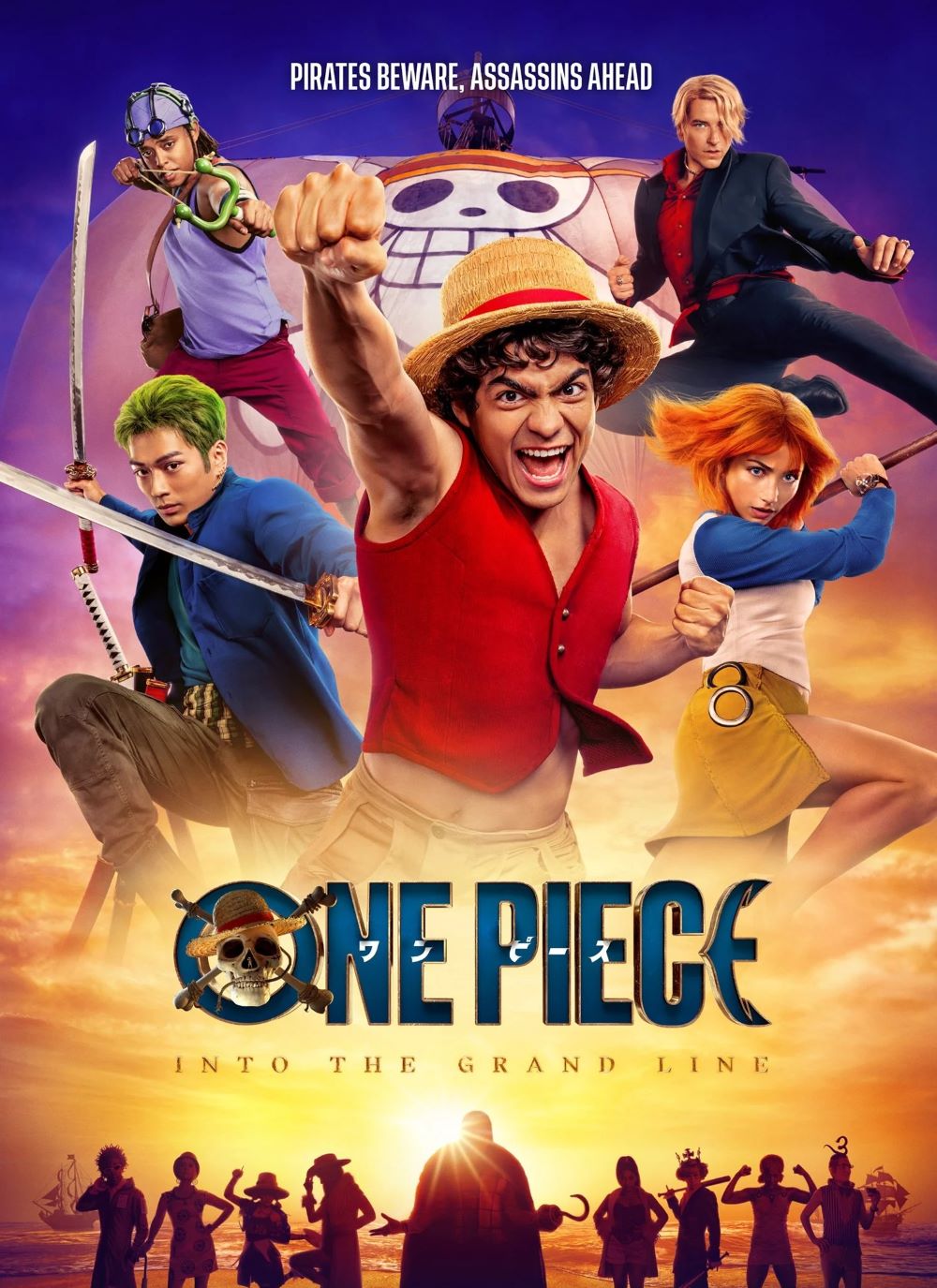
On the flip side, the main cast continues to carry the whole enterprise. Iñaki Godoy’s Luffy still walks that fine line between live-action goofball and shonen hero, radiating a kind of unfiltered optimism that makes his big declarations—about friendship, dreams, pirate kings—feel less like memes and more like core character. Mackenyu’s Zoro leans even further into deadpan exasperation, Taz Skylar’s Sanji gets both action hero and quietly wounded pretty boy notes, and Emily Rudd’s Nami remains the emotional anchor even when she’s stuck in a sickbed. Jacob Romero, meanwhile, gets a massive upgrade this season, with Usopp’s arc quietly becoming one of the highlights; he evolves from a running gag and anxious sniper into the Straw Hat who undergoes the most visible growth, fumbling his way toward that dream of being a “brave warrior of the sea” in a way that feels messy, vulnerable, and genuinely human. Add in strong turns from the Drum Island newcomers—Hiriluk’s big-hearted foolishness, Chopper’s skittish warmth, Kureha’s boozy tough love, Dalton’s stoic decency—and you end up with a season that feels richer in performance even when the story is sprinting.

Taken as a whole, One Piece: Into the Grand Line isn’t a flawless second voyage, but it is a confident one. It respects Eiichiro Oda’s world without trying to copy the manga panel-for-panel, it isn’t afraid to tweak pacing and emphasis for live action, and it continues to bet hard on earnest emotion over ironic distance. The rushed arcs, occasional CG wobble, and tonal whiplash won’t work for everyone, especially if you wanted a slower, more atmospheric take on the Grand Line. But if you were on board with season 1’s big-hearted cosplay-epic vibe, season 2 doubles down on that spirit, nails the Drum Island climax, and ends with the crew stronger, weirder, and more ready than ever to take on Alabasta.

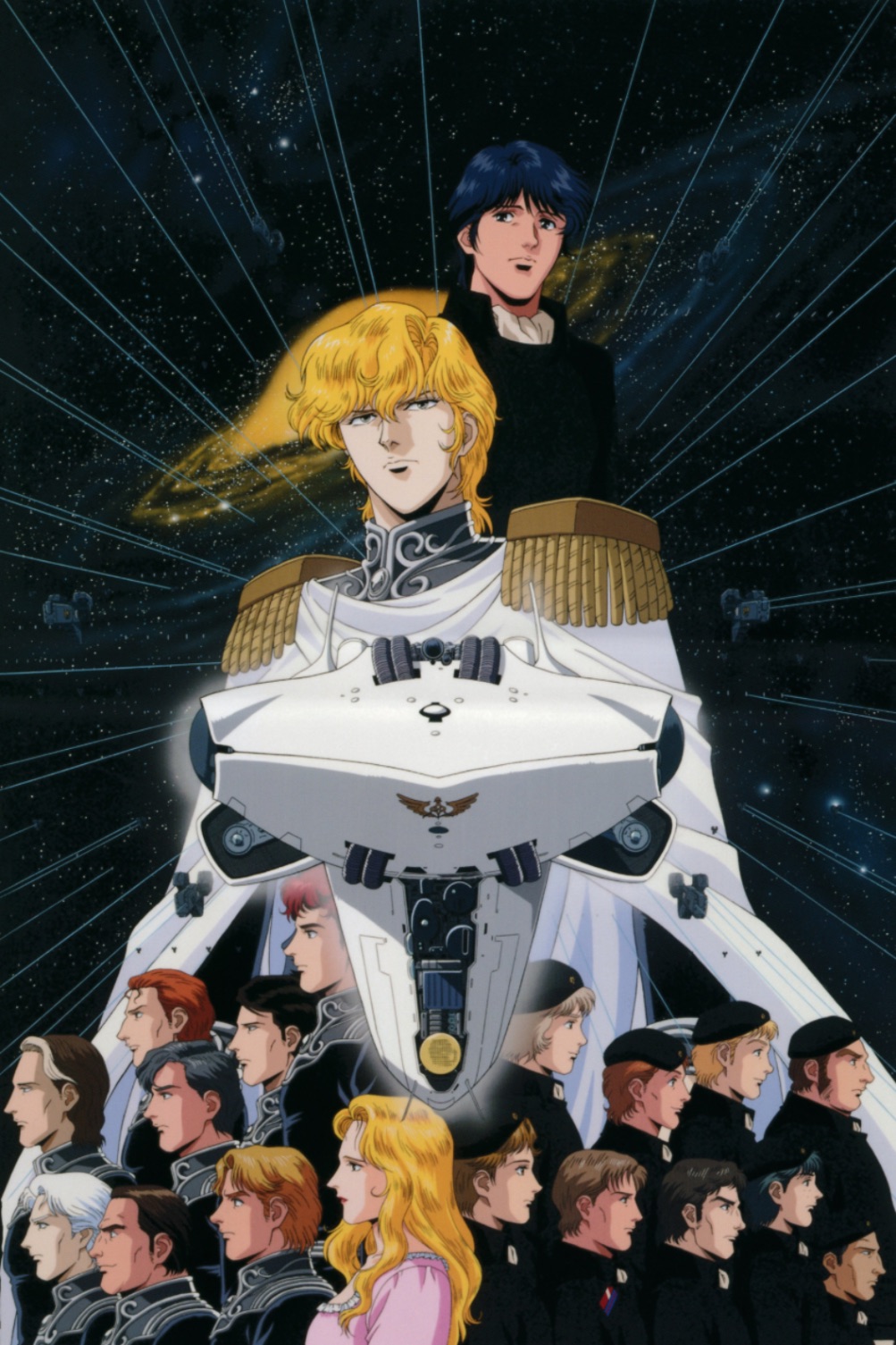
Anime You Should Be Watching: Legend of the Galactic Heroes (Ginga Eiyū Densetsu)


“There are no such things as ‘wars between absolute good and absolute evil’ in human history. Instead, there exist wars between one subjective good and another.” — Yang Wen-li

Legend of the Galactic Heroes is an anime that feels like it was built to remind you why the medium can be so powerful, not just as entertainment but as a place to wrestle with big ideas. The original 110‑episode series that ran from 1988 to 1997 is especially important for that reason: it’s long enough and patient enough to show you how war, politics, and history shape entire lives, not just cool power‑ups or final‑boss showdowns. If you’re already a fan of anime, this series is a must‑watch because it proves that the medium doesn’t have to rely on flashy fights or teenage melodrama to hook you; it can do it with strategy, speeches, and the slow, quiet weight of people making terrible choices in the name of “the greater good.” And if you’re someone just getting into anime, it works as a kind of gateway to more serious, adult‑leaning stories that still feel human and emotionally grounded instead of cold or pretentious.

Part of what makes this series so essential is that it doesn’t talk down to its audience. Over 110 episodes, it assumes you’re willing to sit through long debates about democracy, autocracy, and the ethics of war, and it rewards that patience by actually letting those debates matter to the plot. Most mainstream anime might touch on “war is bad” or “freedom is important” in vague, feel‑good terms, but Legend of the Galactic Heroes dives into the details: it shows how democracy can be cowardly, how autocracy can be efficient, and how both systems can produce heroes and monsters at the same time. For fans who love cerebral storytelling, that kind of moral complexity is exactly what’s often missing from shorter, more commercial series. For newcomers, it can be a revelation that anime doesn’t have to be about tsundere romance or overpowered protagonists to feel deeply satisfying.

The series also stands out because of how it handles its two main characters, Reinhard and Yang. Most war epics would turn one of them into a straightforward villain and the other into a noble savior, but the original run refuses that easy split. Instead, it lets you watch both men grow, stumble, and change over years, sometimes seeming inspiring and sometimes genuinely frightening. Reinhard’s rise from a brilliant outsider to a feared ruler is a slow, almost clinical study of how ambition and trauma can merge into something dangerous. Yang’s lazy, bookish personality masks a deep frustration with the same people who glorify him as a hero while voting for politicians he can’t stand. For long‑time fans of the medium, these arcs feel like a masterclass in how to build layered, psychologically rich characters without relying on gimmicks. For someone new to anime, they’re a great introduction to fiction that cares more about nuance than easy answers.

Another reason this series is a must‑watch is its sheer scale and ambition. The 110‑episode run isn’t just “long” for the sake of it; it uses that time to build a galaxy that feels lived‑in and real. You don’t just get two fleets clashing in space; you get senators arguing, spies scheming, soldiers complaining, and civilians living in the shadow of the war. The original series keeps zooming in on ordinary people—low‑rank soldiers, politicians, citizens, even random kids—so you never lose sight of the fact that the “big picture” is made up of a million tiny human stories. For fans already invested in the medium, that sense of depth and worldbuilding is addictive; it feels like peeking into a living timeline instead of a one‑off action romp. For newcomers, it shows that anime can be as epic and historically minded as any live‑action war drama, but with its own visual and narrative language.

Technically, the original 1988–1997 run is modest by today’s standards, but that actually works in its favor. The animation is clean and functional, the space battles are readable rather than flashy, and most of the energy goes into faces, voices, and dialogue. What you lose in spectacle you gain in intimacy: you really feel the tension in a quiet strategy meeting or the weight in a politician’s hesitation before declaring war. The series leans heavily on classical music and long, thoughtful monologues, which can feel like a throwback, but that aesthetic also makes it stand out from most modern anime that chase fast pacing and visual overload. For established fans, this restraint can be refreshing; it’s a reminder that anime doesn’t have to be loud or kinetic to feel emotionally intense. For someone just getting into the medium, it’s a great way to get comfortable with slower, more dialogue‑driven storytelling that still packs an emotional punch.

On a broader level, Legend of the Galactic Heroes is the kind of series that shifts how you see other anime after you finish it. Once you’ve spent so many hours watching admirals argue about the ethics of preemptive strikes or politicians manipulate public opinion, stories that used to feel “weighty” or “serious” might start feeling shallow or emotionally shallow by comparison. The original series doesn’t just entertain you; it trains you to pay attention to how stories talk about power, history, and collective responsibility. For longtime fans, that’s a rare gift: it deepens your appreciation for the medium’s potential. For newcomers, it can be a low‑key entry point into more politically and philosophically ambitious anime without feeling like homework or a lecture.

In short, whether you’re a seasoned anime watcher or someone who’s only just starting to dip into the medium, the original 110‑episode Legend of the Galactic Heroes is worth your time simply because it does things that most anime don’t even try. It trusts the viewer to sit with long, thoughtful conversations, to care about hundreds of characters, and to sit with moral ambiguity instead of rushing to a clean conclusion. It’s not the easiest watch, and it’s definitely not the flashiest, but that’s exactly why it’s one of those series that fans of the medium should experience at least once: it reminds you that anime can be as serious, as sweeping, and as emotionally rich as the best novels and films out there.

One Piece: Into the Grand Line (Season 2, Episode 8 “Deer and Loathing in Drum Kingdom”) Review


“The Will of D. lives on.” — Dr. Kureha

One Piece season 2 finale, episode 8 Deer and Loathing in Drum Kingdom, lands like a perfectly timed Gum-Gum Pistol, wrapping the Drum Island arc with a whirlwind of action, heart, and that signature pirate whimsy that keeps the live-action series sailing strong on Netflix. This episode doesn’t just close out the season—it elevates it, turning a snowy island showdown into a full-throated celebration of friendship, defiance, and chasing dreams no matter how absurd. The Straw Hats face off against a ridiculous tyrant, welcome a new crewmate, and set sail with momentum that has you itching for season 3, all while staying faithful to Eiichiro Oda’s sprawling world without feeling like a carbon copy of the manga or anime.

Right from the jump, the episode dives into chaos as King Wapol makes his grand, grotesque return to Drum Island. He’s not the sniveling coward who fled years ago; now he’s juiced up on his Baku Baku no Mi Devil Fruit, which lets him eat literally anything—metal, stone, people—and regurgitate it as twisted weapons or minions. Picture him chomping down on rifles to spit out a cannon, or devouring his own soldiers to birth these lumpy, regenerating blob creatures that swarm the village like a bad acid trip. The practical effects shine here, blending squishy prosthetics with just enough CGI to make the absurdity pop without breaking immersion. Wapol drags Dalton, the noble rebel leader, in chains as a power move, taunting the villagers about his “superior” rule. Dalton’s no pushover, though—he hulks out later in a nod to his manga transformation, charging Wapol with raw fury born from years of oppression. It’s a classic One Piece villain dynamic: Wapol’s petty ego clashes perfectly with the heroes’ unbreakable will, making every clash feel personal.

The Straw Hats scatter into the fray with their usual dysfunctional brilliance. Luffy, fresh off his Nami-saving beatdown from last episode, shrugs off injuries like they’re mosquito bites and leaps into the thick of it, all grins and stretchy punches. His priority? Protecting the Jolly Roger flag that Wapol’s goons are shredding—because in Luffy’s world, that skull-and-crossbones is more than fabric; it’s the crew’s soul. Zoro’s in his element, swords flashing through the snow as he dices up those blob soldiers, their bodies reforming only to get sliced again. It’s a showcase for his cool-under-pressure vibe, with Mackenyu delivering those precise, deadly stares that make you believe he’s the world’s greatest swordsman. Usopp, evolving from comic relief to clutch player, MacGyvers traps with his slingshot and gadgets, picking off threats from afar and proving why the crew needs his sharpshooting heart. Sanji kicks through the horde with flaming legs, flirting with Vivi mid-battle while dodging Wapol’s shoe cannon—pure cook energy, equal parts suave and savage.

Vivi’s arc gets a massive payoff, transforming her from hesitant princess to frontline leader. She’s directing the rebels through secret tunnels, rallying Zoro and Usopp while grappling with her own baggage from Alabasta. When Wapol mocks her, ripping the Straw Hats’ flag and declaring himself untouchable, Vivi steps up with a speech that echoes her father Cobra’s lessons: a true king protects his people, not abandons them. It’s fiery, it’s vulnerable, and it lands because the season built her up slowly—no rushed hero turn, just earned resolve. Her chemistry with the crew shines, especially when Sanji teases her “adopted sister” status, lightening the tension without undercutting the stakes. By episode’s end, she recommits to the Straw Hats’ wild detour, eyes set on Baroque Works, but with that lingering “we’ll part ways eventually” promise that teases her canon fate.

Then there’s Chopper, the pint-sized reindeer doctor who steals the show and the crew’s hearts. Building on his tragic backstory—abandoned by his herd, taken in by Dr. Hiriluk, shaped by the tough but caring Dr. Kureha—Chopper’s torn between his cozy life on Drum and the call of adventure. Kureha, that chain-smoking witch of a doc, puts him through tough-love wringers, smashing his medical sake and growling about him dying out there. But it’s all facade; her grief over Hiriluk mirrors Chopper’s pain, making their bond achingly real. Luffy’s blunt invitation—”You’re our doctor now”—pierces right through, and Usopp’s outsider-to-outsider pep talk seals the deal. The sleigh ride off the mountain is magical nonsense: Chopper in full reindeer mode, cherry blossoms blooming impossibly in the blizzard (a gorgeous manga callback), Kureha saluting with a cannon shot and Hiriluk’s flag waving proud. It’s the kind of corny, triumphant moment One Piece does best, hammering home themes of found family and believing in your own worth.

Sanji, for his part, gets a quieter but meaningful bit of shading while Nami recovers. In a brief conversation, he opens up about growing up with a sickly mother and the weight that put on his shoulders, framing his obsession with feeding people as something more than just a gag. It’s not a long monologue, but it’s enough to suggest that seeing someone he cared about waste away left a mark, and that his insistence on never letting anyone go hungry comes from a very real place. The show doesn’t linger on it—this is still Chopper’s spotlight—but the detail adds a touch of vulnerability to the smooth-talking cook that fits nicely with the ensemble’s evolving emotional texture.

Production values crank to eleven. Drum Island’s fortress under siege looks massive, snow whipping through cannon fire and sword clashes in wide, dynamic shots. The score mixes epic orchestral swells with punky guitar riffs for battles, then soft piano for goodbyes—spot-on emotional whiplash. Fights are a highlight: Luffy tanking Wapol’s T-Rex cannon form (yes, he eats a whole dinosaur statue), Zoro’s three-sword barrage, Dalton’s beastly charge. Pacing juggles a ton—Wapol’s invasion, crew skirmishes, Chopper’s farewell, Vivi’s resolve—but mostly sticks the landing, building to a cathartic flag-raise where the villagers cheer as the Straw Hats unite.

That said, it’s not perfect, keeping things balanced. Wapol’s hamminess tips into over-the-top at times; his static-haired minion and shoe gags are funny but dilute menace when the drums war flashbacks try for gravitas. Some CGI on the blobs and Wapol’s transformations glitches in slow-mo, not quite matching the seamless human fights. Nami’s sidelined in recovery, and while her brief talk with Sanji deepens his character, it can feel slightly wedged in amid the frenzy. Miss All Sunday’s cryptic phone call and shadowy exit primes Baroque Works intrigue but cuts short, more teaser than substance. The runtime squeezes big arcs, occasionally rushing quieter beats like Kureha’s full Hiriluk eulogy.

Casting carries it all. Iñaki Godoy’s Luffy is chaotic sunshine incarnate, Taz Skylar’s Sanji oozes charm, Emily Rudd’s Nami grounds the heart. Newcomer Ty Keogh nails Dalton’s quiet heroism, and the Chopper suit—expressive eyes, cloven hooves—brings the manga cutie to life without uncanny valley. Adaptations tweak smartly: expanded rebel fights for live-action spectacle, Vivi’s speech streamlined for punch, Chopper’s forms hinted at for future growth.

As a season finale, Deer and Loathing in Drum Kingdom nails the handoff from Loguetown’s tease to Grand Line proper. Drum Island swaps setup for liberation, forging the crew tighter with Chopper aboard and Vivi locked in. It whoops with unhinged action, weeps with goodbyes, and inspires with Luffy’s “I’m gonna be Pirate King!” roar over the horizon. Flaws like hammy villainy and CGI wobbles don’t sink it—this is One Piece live-action firing on all cylinders, proving Netflix can wrangle Oda’s beast. Season 1 fans get their fix; newbies get hooked on the heart. Trust: stream it, sail on.

One Piece: Into the Grand Line Season 2 Episodes

Review: Project Hail Mary (dir. by Phil Lord and Christopher Miller)


“I am happy. You no die. Let’s save planets!” — Rocky

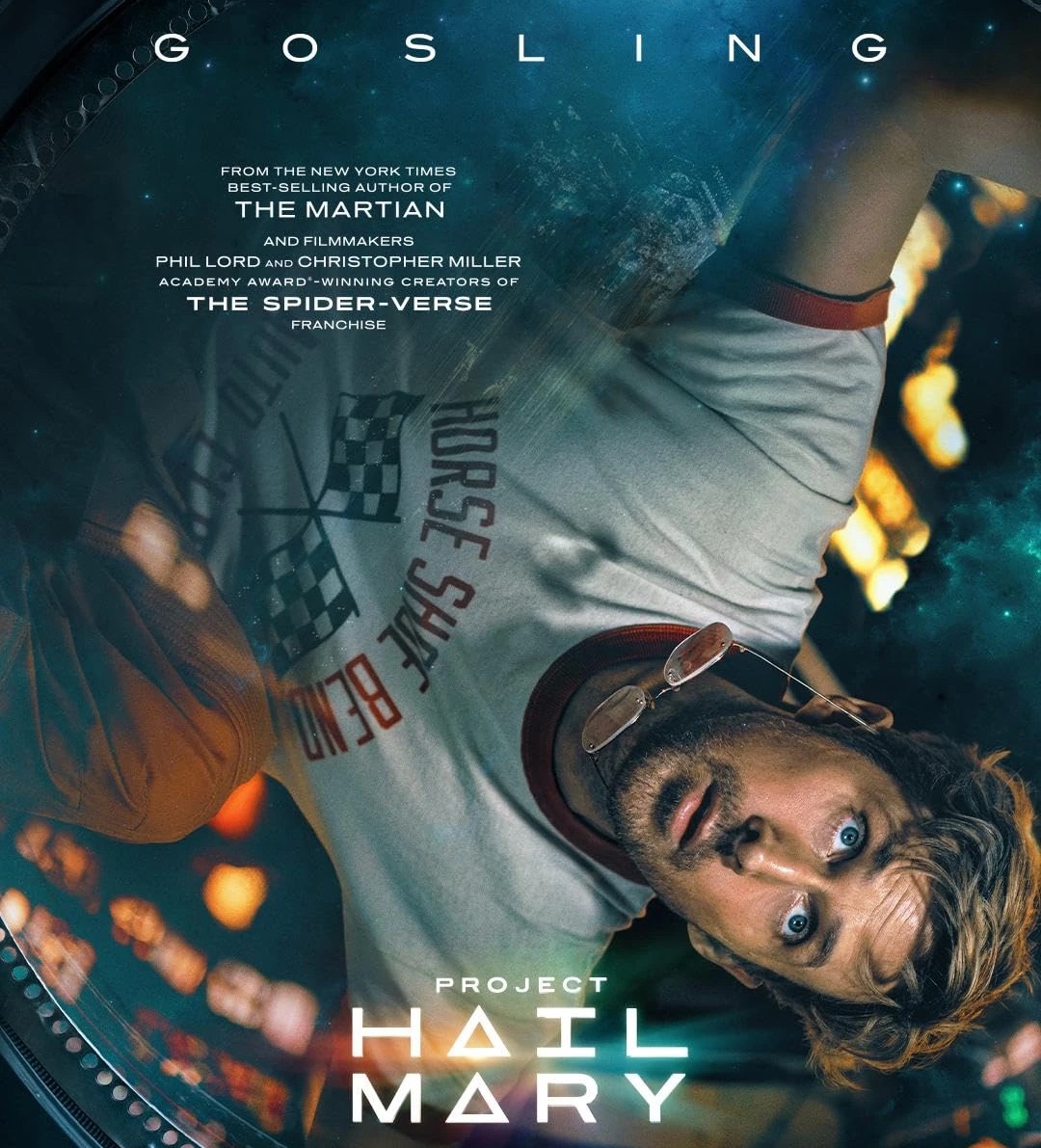
Project Hail Mary delivers a crowd-pleasing space adventure that captures the spirit of Andy Weir’s bestselling novel without reinventing the sci-fi wheel. Ryan Gosling shines as the reluctant hero, carrying the film through its mix of brainy puzzles and heartfelt moments. Directed by Phil Lord and Christopher Miller, this big-budget adaptation balances wonder with some familiar tropes, making it a solid popcorn flick for fans of hard science fiction laced with humor.

The story kicks off with Dr. Ryland Grace, a brilliant but socially awkward science teacher played by Gosling, who wakes up alone on a spaceship hurtling through the solar system. He has amnesia, no crewmates, and a mission he can’t quite remember—saving Earth from a mysterious microbe called Astrophage that’s dimming the sun and threatening global catastrophe. As Grace pieces together his past through flashbacks, we see how he went from a disgraced academic debunking fringe theories to humanity’s last-ditch savior. The setup echoes The Martian, Weir’s previous hit, with its lone survivor using wit and science to beat impossible odds.

Gosling nails the everyman genius vibe, blending wide-eyed confusion with deadpan quips that keep things light. His Grace is no stoic astronaut; he’s a guy who’d rather teach middle school than lead a suicide mission, cracking jokes about his fear of commitment even as he’s rigging experiments with duct tape and hope. The performance anchors the film’s emotional core, especially in quieter moments where Grace grapples with isolation and doubt. Sandra Hüller adds gravitas as Eva Stratt, the no-nonsense project leader who strong-arms world governments into action—she’s all icy efficiency, a nice counterpoint to Gosling’s rumpled charm.

Lord and Miller, the duo behind The Lego Movie and Spider-Man: Into the Spider-Verse, bring their signature visual flair to the vastness of space. The Hail Mary ship feels lived-in and jury-rigged, with practical sets that pop against sweeping CGI vistas of alien planets and swirling Astrophage clouds. Early scenes use dreamlike tilts and blurred transitions to mirror Grace’s foggy memory, creating a disorienting but captivating rhythm. It’s not always seamless—the nonlinear structure can jolt you out of the immersion—but it builds tension effectively as revelations stack up.

Screenwriter Drew Goddard, who collaborated with Weir on The Martian, stays faithful to the book’s plot beats and scientific grounding. Astrophage isn’t just a plot device; it’s a clever microorganism that feeds on starlight, explained through Grace’s whiteboard scribbles and explosive demos. The film dives into real astrophysics—like orbital mechanics and xenobiology—without dumbing it down, yet it keeps the pace brisk with problem-solving montages set to a retro-futuristic score. Think Guardians of the Galaxy vibes, complete with a catchy farewell tune that hits surprisingly hard.

About halfway through, the story pivots to its most memorable element: Grace’s encounter with Rocky, an alien engineer from the 40 Eridani system. Voiced and puppeteered by James Ortiz, Rocky is a spider-like creature with a high-pitched ammonia-breathing voice, communicated via a bulky translation rig à la Arrival. Their friendship is the heart of Project Hail Mary, turning a solo survival tale into a buddy sci-fi romp. The xenolinguistics—figuring out math and music as common ground—feels fresh and fun, with practical effects making Rocky endearing rather than creepy.

That said, the film isn’t flawless. Clocking in around two hours, it rushes some of the book’s deeper world-building, like the global panic on Earth or the crew’s backstories, which get condensed into quick flashbacks. Grace’s arc from coward to hero leans on a simple mantra—”bravery is fighting for someone else”—that’s uplifting but predictable. It doesn’t push cinematic boundaries like Interstellar or Dune, settling for feel-good spectacle over profound philosophy. The massive budget shows in the polish, but it occasionally feels like a theme-park ride: thrilling set pieces, like a high-stakes EVA gone wrong, prioritize awe over subtlety.

Visually, the film excels in its alien encounters and spacewalk sequences, with IMAX-friendly shots of Eridani b’s jagged landscapes and bioluminescent horrors. The Astrophage effects are a standout—tiny, shimmering specks that swarm like deadly fireflies, rendered with meticulous detail. Sound design amplifies the isolation, from the hum of life support to Rocky’s echolocating chirps. It’s all wrapped in a score that mixes orchestral swells with synth grooves, evoking 80s space operas while feeling modern.

Thematically, Project Hail Mary champions collaboration across species and borders, a timely nod amid real-world divisions. Grace’s growth isn’t just about smarts; it’s about vulnerability, learning to trust Rocky despite zero shared language or biology. The film handles this with sincerity, avoiding preachiness by grounding it in humor—imagine two nerds bonding over thermodynamics while one’s in a pressurized suit and the other’s a five-eyed rock. It’s optimistic sci-fi that posits curiosity as humanity’s superpower, even if the execution stays safely within blockbuster lanes.

Supporting cast fleshes out the ensemble without stealing focus. Tracy Letts chews scenery as a blustery politician, while smaller roles like the multinational crew add diversity to the stakes. Production design nods to NASA realism, with the Beetle probes (Grace’s mini-shuttles) stealing scenes in their plucky, R2-D2 fashion. Pacing dips in the mid-act info dumps, but Goddard trims the fat smartly, ensuring the climax—a desperate race against entropy—delivers white-knuckle payoff.

Early reactions praise its fidelity to Weir’s page-turner, with fans thrilled by the faithful visuals and emotional beats. Detractors might call it formulaic, but in a genre crowded with grimdark dystopias, this one’s a breath of fresh (oxygenated) air. It’s not the most original sci-fi, but it’s entertaining as hell, blending laughs, tears, and light-speed thrills.

For book purists, the adaptation honors the source without copying verbatim—key twists land with impact, and the science holds up under scrutiny. Weir himself has endorsed it, chatting about Rocky’s creation and making quantum mechanics accessible. If you’re burned out on capes or zombies, Project Hail Mary offers smart, hopeful escapism that sticks the landing.

Ultimately, this is peak “movie medicine”—a fun, moving reminder that lone wolves become legends with the right friends, human or otherwise. Gosling’s charisma, paired with Lord and Miller’s playful direction, makes it soar higher than its plot alone might suggest. Worth the ticket for any sci-fi buff craving brains with their spectacle; just don’t expect it to redefine the stars.

Anime You Should Be Watching: Made In Abyss (Meido in Abisu)


“I want to go to the bottom of the Abyss. Even if it means I can never come back.” — Riko

Made in Abyss is one of those shows that looks like a cozy kids’ fantasy at a glance and then quietly starts gnawing at your nerves. It’s a series that mixes cute character designs and lush worldbuilding with some of the most brutal, lingering depictions of pain and sacrifice you’ll see in mainstream anime, and that tension is really where it lives. Whether that mix works for you will probably decide if this becomes an all-timer or something you admire more than you enjoy.

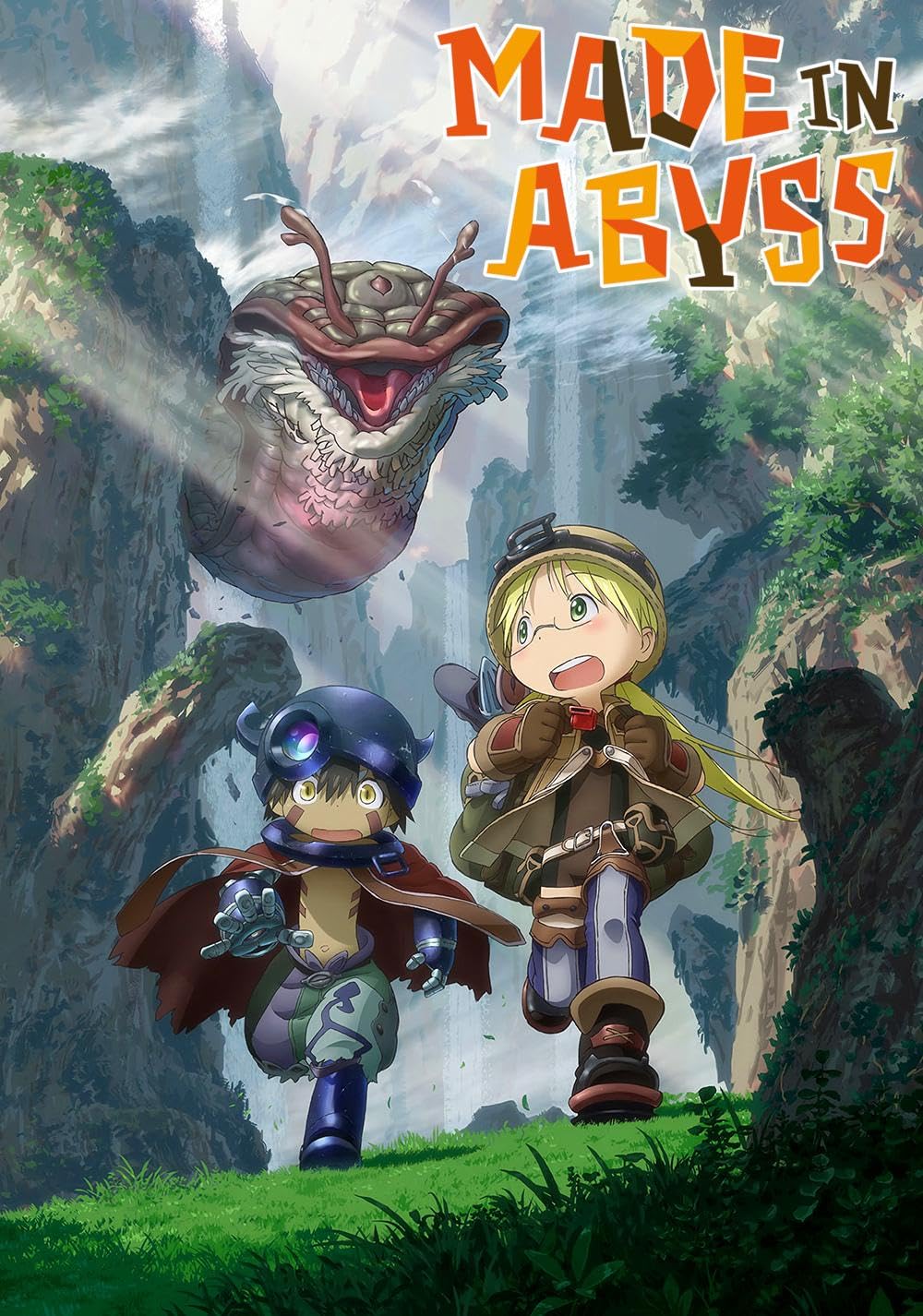
The basic setup is simple but immediately gripping: the world is built around a gigantic vertical pit known as the Abyss, and humanity has basically reorganized itself around studying, looting, and mythologizing this hole in the ground. Riko, an orphaned girl living in an orphanage of trainee cave raiders, dreams of following in the footsteps of her legendary mother, a White Whistle who descended deep into the Abyss and never came back. When Riko finds Reg, an amnesiac boy with a mechanical body and an arm cannon, the two of them decide—through a mix of naïve optimism, desperation, and genuine affection—to dive all the way down to the bottom in search of answers. On paper it’s a classic coming-of-age adventure. In practice, the further they go, the more it shifts into a survival horror story where “growing up” means watching your illusions get peeled away layer by layer.

The worldbuilding is easily Made in Abyss’s biggest hook. The Abyss itself feels like a character: each layer has its own ecosystem, rules, and atmosphere, from misty forests and floating islands to grotesque biological nightmares that look like someone crossbred a nature documentary with a fever dream. The show doesn’t dump an encyclopedia on you; it sprinkles details through cave raider jargon, relics, and offhand remarks from more experienced characters until you start to feel how this society has bent itself around this hole. The “Curse of the Abyss,” which punishes you for ascending by inflicting anything from nausea to full-on bodily and mental breakdown, is a smart mechanic that makes every upward movement feel dangerous. It’s also a neat thematic metaphor for the price of trying to go back once you’ve seen too much—physically and emotionally, there’s no climbing out without a cost.

Visually, the show leans hard into contrast. The backgrounds are gorgeous: painterly vistas, rich color palettes, lovingly detailed flora and fauna. It has that “storybook you could fall into” vibe, and the camera knows how to linger on little things like light filtering through leaves or mist curling around rocks. The character designs, especially early on, skew round and childlike, which makes the brutality later hit harder. When horrific injuries happen—and they do, lingeringly—the clash between how soft the characters look and how realistically the pain is depicted is jarring on purpose. The animation sells that pain a little too well sometimes; bones don’t just break, they grind, blood doesn’t just appear, it seeps and pulses. If you’re squeamish about body horror involving children, this is a serious warning label, not a minor note.

The soundtrack deserves its reputation. The music goes for this ethereal, almost otherworldly feel, with vocals and instrumentation that make the Abyss feel ancient and sacred rather than just dangerous. Quiet, melancholic tracks show up during reflective moments and then give way to swelling, almost holy themes when the show wants you to feel the awe of descending somewhere no human should be. It’s the kind of score that would work in a nature documentary if that documentary occasionally cut to scenes of emotional devastation. The audio design in general—creature noises, echoes, the sense of space—does a lot of heavy lifting in making the Abyss feel vast instead of just “big background painting.”

Character-wise, Riko and Reg are a pretty effective duo. Riko is pure drive: she’s reckless, stubborn, and often dangerously single-minded, but she’s also the one with the knowledge, curiosity, and emotional openness that keeps the journey moving. She’s not a prodigy fighter, and the show never pretends she is; her value is in her ability to read the Abyss, improvise, and keep believing there’s something worth all this suffering. Reg, on the other hand, is the literal and figurative shield. He’s got the super-weapon, the durable body, and the instinct to protect, but he’s emotionally fragile, prone to tears, and constantly wrestling with guilt whenever he can’t prevent Riko from getting hurt. Their dynamic flips the usual “cool boy, emotional girl” archetype in a way that feels organic.

Once Nanachi enters the story, the emotional tone tilts even darker and deeper. Without spoiling specifics, Nanachi’s backstory is where the show makes it absolutely clear what kind of series it wants to be. It’s not just about dangerous monsters and mysterious relics; it’s about what happens when scientific ambition and obsession treat living beings, especially children, as raw material. Nanachi brings a weary, matter-of-fact perspective that anchors the later episodes. Through them, the show digs into trauma, survivor’s guilt, and the idea that sometimes “moving forward” just means finding a way to live with what you’ve seen.

Thematically, Made in Abyss is fascinated with curiosity and the cost of chasing it. There’s this persistent question of whether the drive to explore the unknown is noble or selfish—or if those two are inseparable. Adults in the series rationalize a lot of horrific choices in the name of progress, or the “glory” of uncovering the Abyss’s secrets. The kids are caught in that wake, inheriting both the romantic legends and the brutal consequences. The show also spends a lot of time on innocence and its erosion. Riko’s enthusiasm isn’t framed as stupid; it’s part of what makes her compelling. But episode by episode you watch that bright optimism get scarred, not in a grimdark “everything is meaningless” way so much as a “this world is much harsher than your storybooks said” way.

This is also where the series gets legitimately uncomfortable, and it’s worth talking about. Made in Abyss likes to juxtapose childlike bodies and faces with extreme suffering and, at times, questionable fanservice. There are moments of nudity, offhand sexual jokes, and camera framing choices that feel at odds with how seriously the show takes its darker material. Depending on your tolerance, this can range from minor annoyance to “I’m out.” On top of that, the willingness to linger on the physical torment of children—broken limbs, poison, invasive medical procedures—walks a very thin line between honest depiction of cruelty and exploitation. To the show’s credit, it never treats that suffering as cool or badass; it’s always presented as horrifying, traumatic, and scarring. But the intensity and frequency still won’t be for everyone.

Structurally, the first season is pretty tight. Thirteen episodes give the story enough room to breathe without bogging down in filler. The early episodes lean into exploration and atmosphere, introducing the rules, stakes, and vibe of Orth (the city around the Abyss) and the upper layers. As they descend, the pacing shifts into longer stretches of tension and pain interspersed with quiet, tender character beats. Some viewers might feel the last third becomes almost suffocatingly grim, but there’s a clear intent behind that choice; the deeper layers are supposed to feel like a point of no return, where the story’s whimsical trappings finally fall away.

If there’s a structural downside to the whole project so far, it’s that each season feels like “Part X” of a larger journey. You get emotional climaxes and a sense of progression, but not full narrative resolutions. The bottom of the Abyss remains out of reach, and major mysteries about Reg, Riko’s mother, and the true nature of the pit are left dangling. For some people, that’s exciting; it makes the world feel bigger and the story more ambitious. For others, it can feel like being cut off mid-descent just as things really start to escalate. Whether that’s a flaw or just the reality of adapting an ongoing manga will depend on how patient you are with long-game storytelling.

In terms of audience, Made in Abyss is not the comfy adventure its key art might suggest. It’s closer to a dark fairy tale dressed up as a traditional fantasy quest. If you’re into rich worldbuilding, emotional gut-punches, and stories that don’t shield their young protagonists from the full ugliness of their setting, it has a lot to offer and is worth pushing through the rough patches. If the idea of watching children suffer graphically in the name of narrative stakes sounds like a dealbreaker, no amount of gorgeous backgrounds and soaring music will make this the right fit.

Overall, Made in Abyss is a memorable, sometimes brilliant, sometimes frustrating series that takes big swings. With two seasons released so far and a third season announced but no release date as of its announcement, its strongest points—world, atmosphere, music, and the central trio—are strong enough that even people who bounce off parts of it usually still remember it vividly years later. It’s not an easy watch, but it’s a distinct one, and if you’re willing to take the plunge alongside Riko, Reg, and Nanachi, the Abyss has a way of sticking with you long after the credits roll.

One Piece: Into the Grand Line (Season 2, Episode 7 “Reindeer Shames”) Review


“A man dies when he is forgotten.” — Dr. Hiruluk

One Piece season 2 episode 7, “Reindeer Shames,” plunges straight into the emotional heart of the Drum Island arc, serving up one of the live-action series’ most moving character deep dives to date. Nami’s worsening illness has stranded the Straw Hats on this unforgiving frozen island, renowned for its scarce medical expertise, prompting the crew to split up amid the perilous climb. Luffy and Sanji wind up at the foreboding castle of the formidable Dr. Kureha, crossing paths with the standoffish talking reindeer Chopper who’s equal parts fascinating and fragile. The early scenes buzz with mismatched energy—Luffy’s irrepressible cheer slamming against Chopper’s guarded suspicion and Sanji’s bemused swagger—crafting an instant hook that peels back layers of mystery. Following the relentless action of previous episodes, this one’s a welcome slowdown, prioritizing raw backstory over brawls while dangling threads of island tyranny just out of reach. The production’s live-action magic pops here, fusing practical prosthetics, motion capture, and restrained CGI to render Chopper’s realm tactile and heartbreakingly real.

A crushing flashback opens the floodgates to Chopper’s past: born a runt with a blue nose, he’s booted from his herd and hunted mercilessly by villagers who see only a beast. Collapsing from a gunshot wound, he’s rescued by Dr. Hiruluk, played with masterful pathos by Mark Harelik in one of the episode’s great standout performances. Harelik brings this quack doctor to vivid life—a bombastic outcast with a ridiculous wig and a quixotic dream to revive Drum Island’s hope—infusing every bumbling experiment and heartfelt rant with aching authenticity. His impassioned speeches on miracles, self-belief, and cherry blossoms pierce Chopper’s despair like sunlight through ice, turning what could be cartoonish into profoundly human. Mikaela Hoover’s voice acting as Tony Tony Chopper is equally phenomenal, layering gruff vulnerability and wide-eyed wonder into every bleat and growl, making the reindeer’s pain palpably raw. Their backstory interplay is hands-down the best character dynamic of the season so far, and arguably the series as a whole—a masterclass in quiet intimacy amid chaos. In a show packed with zany antics and shonen action beats, this duo showcases One Piece‘s secret weapon: deep emotional gravitas that elevates backstories from fun fodder to soul-stirring cornerstones, proving the adaptation can wield heart as fiercely as fists.

Hiruluk’s confrontation in King Wapol’s throne room reaches a tragic crescendo, framed stunningly by a cascade of illusory sakura petals that bloom as an emblem of rebellion and fleeting beauty—Harelik sells every beat with sheer gravitas, especially his unforgettable line, “A man dies when he is forgotten.” Captain Dalton, ever the dutiful soldier, sees it unfold and begins his slow unraveling from blind loyalty, hinting at broader uprisings to come. Cutting to the present, Luffy’s offhand gesture of raising Hiruluk’s Jolly Roger flag over the castle is quintessential Straw Hat defiance—blunt, buoyant, and the perfect icebreaker for Chopper’s thawing heart, amplified by Hoover’s nuanced delivery. Sanji chips in with spot-on levity, his playboy poise crumbling hilariously under Kureha’s booze-fueled scrutiny, while the doctor asserts herself as a whirlwind of wisdom and whiskey, her tough exterior veiling deep-seated sorrow. Their interplay injects grounded realism into the whimsy, dodging fairy-tale traps and enriching motifs of mentorship and mending.

The subplot with Usopp and Zoro heightens the tension beautifully, as they wait back in the town at the base of one of the mountains, anxiously holding out for news on whether Luffy and Sanji secured medical help for Nami at the peak—it underscores the crew’s unbreakable bonds and adds palpable stakes to the separation, turning quiet anticipation into a gripping thread of worry and resolve. Not everything lands perfectly, though. The flashback sequence, while faithful and powered by Harelik and Hoover’s chemistry, meanders in spots, stretching manga moments that suit print better than the screen’s demand for snap. The visuals dazzle with authentic snowy vistas and crystalline peaks, and most transformations flow with inventive choreography synced to Hoover’s voice, but select shifts hide behind rapid edits, muting the anime’s exuberant morphing mayhem. The episode closes on a visceral cliffhanger as Dalton absorbs a hail of arrows in Wapol’s shadow, escalating stakes smartly yet craving prior buildup for fuller fright.

Those nitpicks pale next to the episode’s emotional knockout power, largely thanks to Harelik and Hoover anchoring it all, with the Usopp-Zoro wait amplifying the crew’s human vulnerability. Chopper’s vulnerable admission of being “one of a kind”—delivered with Hoover’s heartbreaking quiver—collides with Luffy’s nonchalant “I’m a monster too—ain’t that awesome?” in an exchange that bottles One Piece‘s creed: belonging bulldozes bigotry. The orchestral swell amplifies the pathos, cementing Chopper as crew catnip from minute one. Manga veterans relish the nod to endurance and “inherited will,” but fresh faces grab a punchy, plot-light powerhouse that stands alone. It affirms the adaptation’s chops for subtle soul-searching amid spectacle, fortifying season 2’s stride.

By fade-out, anticipation surges for Chopper’s fate and Wapol’s wrath. “Reindeer Shames” alchemizes personal humiliation into unbreakable resolve—a gem of an episode, warts and wonders intact, that reminds us why One Piece captivates across mediums, with performances that linger long after the snow melts.

One Piece: Into the Grand Line Season 2 Episodes

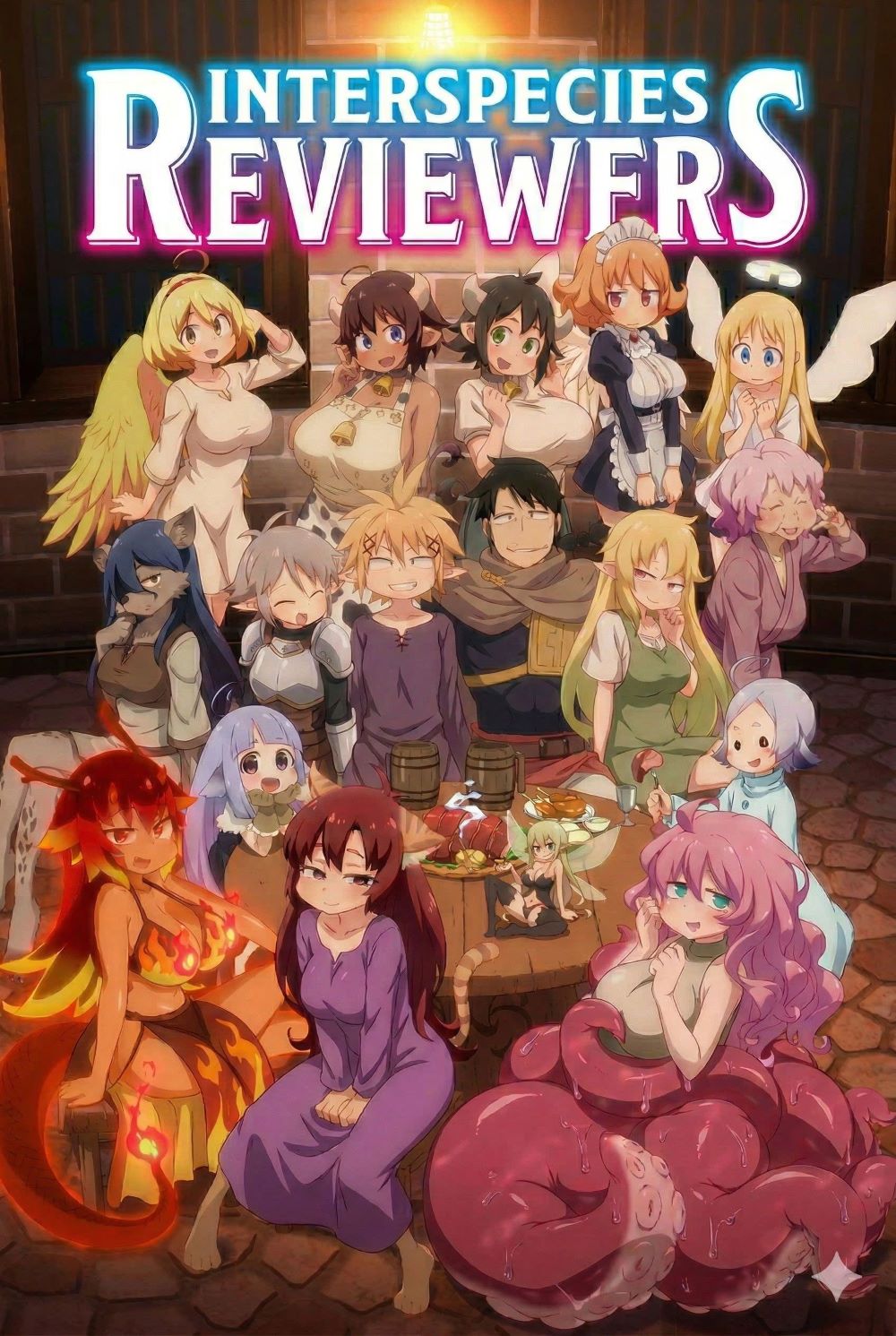
Guilty Pleasure No. 108: Interspecies Reviewers (Ishuzoku Rebyuāzu)


What really nudges Interspecies Reviewers into “guilty pleasure” territory is the production’s split personality. On one hand, it’s shamelessly explicit for a late‑night TV anime; on the other, it’s structurally tight and surprisingly imaginative with its worldbuilding. The fantasy ecosystem is treated almost like a handbook of interspecies compatibility: differences in mana, lifespan, physiology, and even perception of age all factor into how each reviewer scores their night out. You’ll get a gag about the dragon girl’s overwhelming presence right next to a mini‑lecture on why fairies have extremely strict size limitations for their patrons. That blend of horny premise and nerdy specificity makes it feel like your group chat’s “what if” jokes got adapted into a full production.

There’s also the whole meta layer: Interspecies Reviewers was so out there that major distributors and broadcasters backed away from it, dropping or canceling its run because of how far it pushed explicit content for television. For a modern TV anime to get pulled partway through its broadcast is rare, and that notoriety quickly became part of the show’s identity. Just knowing that multiple networks balked at it adds to the sense that you’re watching something you’re not “supposed” to be watching—always a potent ingredient in guilty pleasure status.

The humor, crucially, is broader than just “look, boobs.” A lot of the jokes revolve around how absurdly bureaucratic and normalized sex work is in this world, from porter guilds hauling review sheets across the land to rival reviewers trying to torpedo or inflate ratings. There’s even an incubus critic who takes offense at the main crew’s negative scores and starts leaving his own glowing reviews, only for his swagger to be cut short by a vengeful lover. Moments like that reframe the series as a raunchy workplace comedy disguised as fantasy porn: everyone has opinions, everyone’s hustling, and nobody’s as objective as they pretend.

None of this magically elevates Interspecies Reviewers into high art, but it does make the show a lot more watchable than its reputation suggests. The episodic structure gives it a breezy, “one more episode” pacing; you always want to see what weird race or gimmick they’ll tackle next. The scoring boards at the end of each brothel visit become their own running joke, with wildly varying ratings, petty commentary, and the occasional self‑own when a character realizes their kink is not shared by anyone else in the party. It’s almost like a fantasy version of Anthony Bourdain crossed with late‑night cable: travel to a new spot, experience the local flavor, then sit around and compare notes over drinks.

All that said, this is exactly the sort of series most people will feel weird admitting they enjoyed. The explicit content isn’t a light garnish; it’s the central axis of every single episode. There’s no serious emotional through‑line to hide behind, no grand plot twist, no lofty theme you can trot out to justify the time investment. It’s just well‑executed trash: unapologetically focused on sex, gleefully juvenile in its punchlines, and willing to go places that many “edgy” shows only flirt with. Even fans who praise it often do so with qualifiers, acknowledging that it’s “kind of weird” while admitting it’s hot, funny, or unexpectedly creative.

That tension—between embarrassment and enjoyment—is the core of why Interspecies Reviewers works as a guilty pleasure. One side of you rolls your eyes at how lowbrow the premise is, yet the other side recognizes that the show is actually doing some clever things with subjectivity, fantasy biology, and the review culture we live in. You can’t really defend it in polite company, and you probably won’t see it on anyone’s “Top 10 Must‑Watch Anime for Beginners” list, but you also might find yourself remembering specific gags, species breakdowns, or character reactions long after you’ve finished it.

So, is Interspecies Reviewers good? In a conventional sense, maybe not. In the “I had more fun with this than with half the safe, respectable shows in its season” sense, absolutely. It’s crude, controversial, and brazenly fixated on its own niche, but it’s also surprisingly consistent, inventive with its setups, and genuinely funny if you’re on its wavelength. That combination of shame and amusement, of “I really shouldn’t be enjoying this” tangled up with “but I kind of am,” is exactly what makes Interspecies Reviewers one of anime’s purest modern guilty pleasures.

Previous Guilty Pleasures

  1. Half-Baked
  2. Save The Last Dance
  3. Every Rose Has Its Thorns
  4. The Jeremy Kyle Show
  5. Invasion USA
  6. The Golden Child
  7. Final Destination 2
  8. Paparazzi
  9. The Principal
  10. The Substitute
  11. Terror In The Family
  12. Pandorum
  13. Lambada
  14. Fear
  15. Cocktail
  16. Keep Off The Grass
  17. Girls, Girls, Girls
  18. Class
  19. Tart
  20. King Kong vs. Godzilla
  21. Hawk the Slayer
  22. Battle Beyond the Stars
  23. Meridian
  24. Walk of Shame
  25. From Justin To Kelly
  26. Project Greenlight
  27. Sex Decoy: Love Stings
  28. Swimfan
  29. On the Line
  30. Wolfen
  31. Hail Caesar!
  32. It’s So Cold In The D
  33. In the Mix
  34. Healed By Grace
  35. Valley of the Dolls
  36. The Legend of Billie Jean
  37. Death Wish
  38. Shipping Wars
  39. Ghost Whisperer
  40. Parking Wars
  41. The Dead Are After Me
  42. Harper’s Island
  43. The Resurrection of Gavin Stone
  44. Paranormal State
  45. Utopia
  46. Bar Rescue
  47. The Powers of Matthew Star
  48. Spiker
  49. Heavenly Bodies
  50. Maid in Manhattan
  51. Rage and Honor
  52. Saved By The Bell 3. 21 “No Hope With Dope”
  53. Happy Gilmore
  54. Solarbabies
  55. The Dawn of Correction
  56. Once You Understand
  57. The Voyeurs 
  58. Robot Jox
  59. Teen Wolf
  60. The Running Man
  61. Double Dragon
  62. Backtrack
  63. Julie and Jack
  64. Karate Warrior
  65. Invaders From Mars
  66. Cloverfield
  67. Aerobicide 
  68. Blood Harvest
  69. Shocking Dark
  70. Face The Truth
  71. Submerged
  72. The Canyons
  73. Days of Thunder
  74. Van Helsing
  75. The Night Comes for Us
  76. Code of Silence
  77. Captain Ron
  78. Armageddon
  79. Kate’s Secret
  80. Point Break
  81. The Replacements
  82. The Shadow
  83. Meteor
  84. Last Action Hero
  85. Attack of the Killer Tomatoes
  86. The Horror at 37,000 Feet
  87. The ‘Burbs
  88. Lifeforce
  89. Highschool of the Dead
  90. Ice Station Zebra
  91. No One Lives
  92. Brewster’s Millions
  93. Porky’s
  94. Revenge of the Nerds
  95. The Delta Force
  96. The Hidden
  97. Roller Boogie
  98. Raw Deal
  99. Death Merchant Series
  100. Ski Patrol
  101. The Executioner Series
  102. The Destroyer Series
  103. Private Teacher
  104. The Parker Series
  105. Ramba
  106. The Troubles of Janice
  107. Ironwood

One Piece: Into the Grand Line (Season 2, Episode 6 “Nami Deerest”) Review


“A king is but a man, and a crown is just a hat. It is the kingdom that endures.” – Nefertari Cobra

Netflix’s One Piece live-action series keeps delivering with season 2, and episode 6, “Nami Deerest,” hits that sweet spot of high stakes, heartfelt moments, and classic pirate shenanigans. When Nami comes down with a nasty fever from some prehistoric bug bite on Little Garden, the Straw Hats make a desperate pit stop at Drum Island, a snowy wasteland once famous for its doctors but now a shell of its former self. Luffy and Sanji haul her up a brutal mountain to find the last doc standing, Dr. Kureha, while the rest of the crew chills in town with the locals who aren’t exactly rolling out the welcome mat.

Right off the bat, the episode nails the tension around Nami’s illness. Emily Rudd sells her vulnerability without overplaying it—she’s tough as nails usually, but here you see the fear creeping in, making her bond with the crew feel even tighter. Iñaki Godoy’s Luffy is pure determination, strapping Nami to his back and climbing through blizzards and avalanches like it’s just another Tuesday. Taz Skylar’s Sanji gets some solid hero moments too, taking hits to protect everyone, though his flirt game takes a backseat to the urgency. It’s casual crew dynamics at their best: Zoro sharpening his swords, Usopp cracking wise with Vivi, all while the clock ticks on Nami’s condition. Directed by Lukas Ettlin, the cinematography makes Drum Island look unforgiving—those icy peaks and howling winds amp up the peril without feeling gimmicky.

Then we get the big intros: Dr. Kureha and Tony Tony Chopper. Katel Sagal does a great job portraying Dr. Kureha, nailing the grizzled, no-nonsense witch-doctor type living in a rundown castle, boozing it up and barking orders, but patching everyone up with real skill. Her dynamic with the pint-sized reindeer Chopper is gold—he’s skittish, hiding behind pillars, but his big blue nose and hat give him instant charm, and Chopper’s CGI stands up to scrutiny with Mikaela Hoover’s voice performance fitting the live-action well. The reveal that Chopper talks? Luffy’s jaw-drop reaction is comedy perfection, capturing that childlike wonder the manga’s famous for. Without spoiling deeper lore, the episode teases Chopper’s heartbreaking backstory through quick, effective flashbacks, blending humor with pathos in a way that doesn’t drag. Fans of the source material will appreciate how they adapt the Drum Island beats faithfully but tweak pacing for live-action flow—no giant bunnies yet, but the avalanche sequence delivers the thrills.

On the flip side, the Smoker and Tashigi subplot feels a tad obligatory. They’re poking around a Marine outpost massacre, clashing with some Baroque Works goons like Ms. Thursday and Mr. 11, which ties into larger conspiracies but doesn’t advance the main plot much. Smoker’s gravelly pursuit of the Straw Hats is always fun—his logia powers make him a persistent thorn—but this detour mostly serves to remind us the Marines are closing in. It’s balanced by some sharp banter between him and Tashigi, highlighting their odd-couple vibe, yet it pulls focus from Drum’s emotional core. Wapol’s cameo as a gluttonous ex-king scheming his comeback adds menace—he’s cartoonishly vile, scarfing down feasts and plotting revenge—but his full threat looms for later episodes.

What shines brightest is the found-family vibe. The Straw Hats rally without hesitation, showing how far they’ve come since season 1’s ragtag assembly. Vivi’s hidden royal ties to Drum’s messy politics add layers, with flashbacks to her kid self dodging Wapol’s cruelty underscoring the world’s corruption. It’s not all smooth—some transitions between subplots feel rushed, like jumping from the climb to castle recovery. Pacing-wise, it’s a slower burn than action-packed eps, leaning on character beats over fights, which works for setup but might test viewers craving constant devil fruit blasts.

Overall, “Nami Deerest” excels at building investment in the crew’s heart, especially as recruitment teases heat up. The illness plot humanizes these super-powered goofballs, reminding us why Luffy’s dream resonates—it’s about unbreakable bonds in a brutal sea. Production values hold strong: practical snow effects mix well with VFX, and the score swells just right for those quiet, hopeful recoveries. Casual viewers get thrills and laughs; diehards spot nods to Eiichiro Oda’s originals, like Kureha’s gruff mentorship echoing manga mentors. Not flawless—the Baroque sidequest dilutes momentum slightly, and Chopper’s full emotional punch saves for future eps—but it’s a solid bridge episode that deepens the world without stalling.

Clocking in at around emotional highs and setup payoffs, this one’s a win for One Piece‘s live-action run. It keeps the series’ spirit alive: adventure with soul, pirates who fight for friends first. Can’t wait to see Chopper rumble in what’s next—Drum’s just whetting appetites for the chaos ahead. If season 2 keeps this balance of heart-pounding climbs and character warmth, it’ll sail right into must-watch territory.

One Piece: Into the Grand Line Season 2 Episodes