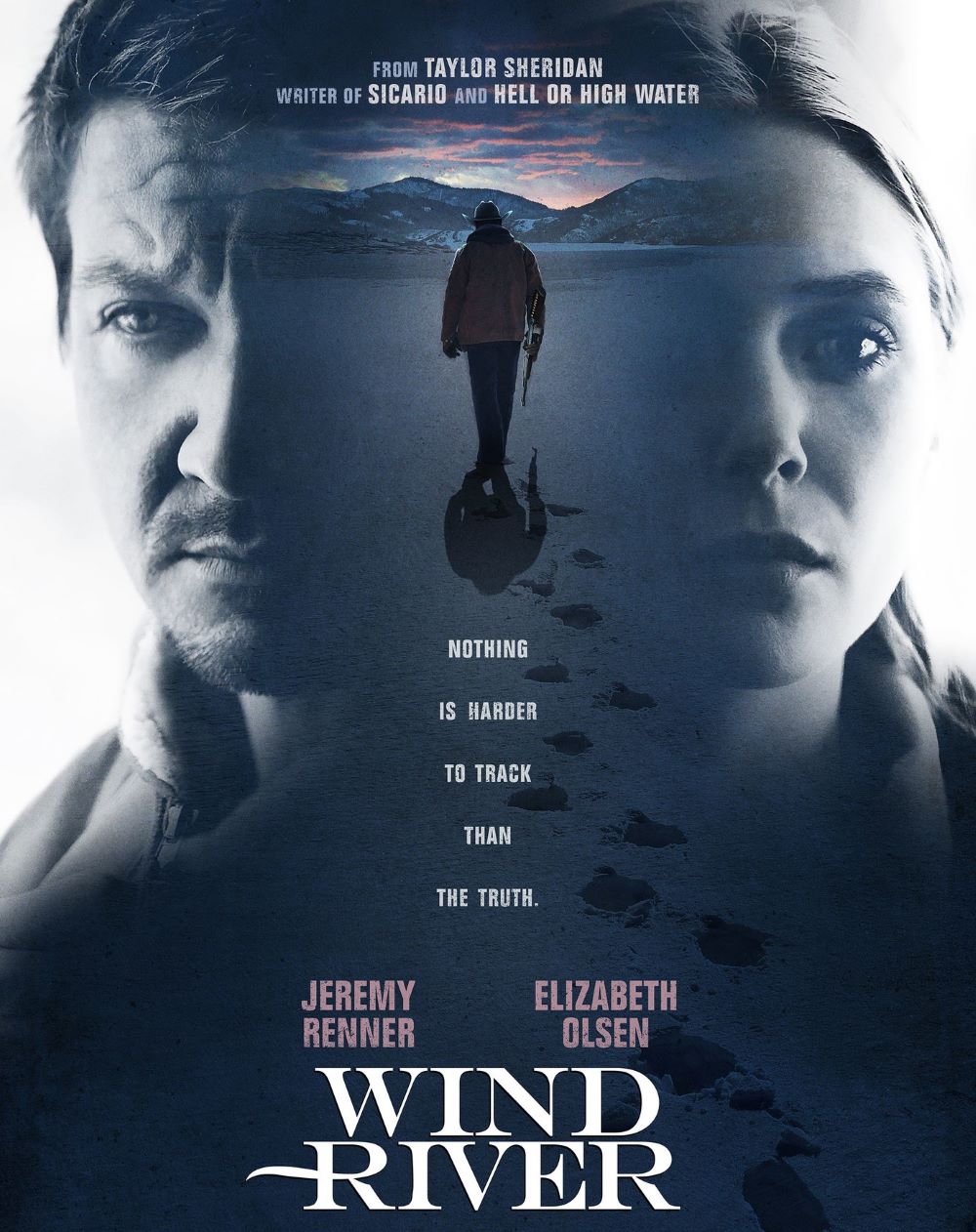
Review: Wind River (dir. by Taylor Sheridan)


“Luck don’t live out here.” — Cory Lambert

Wind River is a gripping crime thriller set against the stark, frozen backdrop of Wyoming’s Wind River Indian Reservation, where U.S. Fish and Wildlife tracker Cory Lambert teams up with rookie FBI agent Jane Banner to investigate the brutal death of a young Native American woman named Natalie Hanson. Wind River marks the third film in Taylor Sheridan’s American Frontier trilogy that he wrote—following Sicario and Hell or High Water—and it’s the first where Sheridan steps into the director’s chair himself, bringing his sharp eye for gritty realism to the helm. Clocking in at just under two hours, it delivers a mostly positive experience through strong performances, atmospheric visuals, and a script that builds suspense without unnecessary flash, though it occasionally leans on familiar tropes.

Right from the opening moments, Wind River immerses you in a world of isolation and harsh beauty. Snow-covered plains stretch endlessly under a pale sky, and the crunch of boots on ice sets an immediate tone of vulnerability. Cory, played with quiet intensity by Jeremy Renner, discovers Natalie’s frozen body while tracking a mountain lion that’s been preying on livestock. She’s barefoot, half-naked, and miles from any help—details that hit hard and underscore the film’s core mystery: what happened to her, and why does it feel like no one cares? Renner nails the role of a man haunted by his own past loss—his teenage daughter died under mysterious circumstances a few years back—making Cory a grounded everyman rather than a superheroic cowboy. His subtle grief adds layers to every scene, turning routine investigation beats into something personal and raw.

Enter Elizabeth Olsen as Jane Banner, the FBI agent flown in from Vegas who’s clearly out of her depth in sub-zero temperatures and jurisdictional limbo. Olsen brings a mix of determination and wide-eyed realism to the part, avoiding the cliché of the big-city hotshot who learns frontier wisdom overnight. She’s tough but human—hypothermic after a chase, throwing up from the cold, yet pushing through because Natalie deserves justice. The dynamic between Cory and Jane is one of the film’s highlights: no forced romance, just mutual respect born from necessity. Sheridan smartly lets their partnership evolve organically, with Cory’s local knowledge filling Jane’s gaps in protocol and reservation politics. It’s refreshing to see two leads click without sparks flying, focusing instead on shared purpose amid tragedy.

The script shines in its efficient storytelling. Sheridan wastes no time on exposition dumps; instead, he weaves backstory through quiet conversations and flashbacks that pack emotional punch. We learn about the epidemic of missing Indigenous women—thousands vanish yearly, often ignored by media and law enforcement—via stark statistics flashed on screen and through the eyes of Natalie’s family. Gil Birmingham delivers a heartbreaking performance as her father, Martin, a stoic oil rig worker whose rage simmers beneath a veneer of resignation. His scenes with Cory, especially a late-night talk by a bonfire, cut deep, exploring themes of fatherly failure and systemic neglect without preaching. Birmingham’s restrained power elevates what could have been a stock grieving parent into a standout supporting role.

Visually, Wind River is a stunner, thanks to cinematographer Ben Richardson. Those vast, snowy expanses aren’t just pretty—they mirror the characters’ emotional desolation and amplify the stakes. An early tracking sequence, with Cory following Natalie’s footprints in the snow, builds dread masterfully, the silence broken only by wind and labored breaths. The film shifts tones seamlessly: slow-burn investigation gives way to visceral action in the third act, including a raid on an oil site trailer that’s tense, realistic, and over in a flash—no prolonged shootouts or slow-mo heroics. Sound design plays a big role too; the howling wind and muffled gunshots make every moment feel immediate and unforgiving.

Sheridan’s direction keeps things taut without rushing the build-up. This is a slow-burner that earns its pace, letting tension simmer through everyday details like jurisdictional squabbles with underfunded tribal police or Cory teaching Jane to dress for the cold. Nick Cave and Warren Ellis’s score is another winner—sparse, haunting electronics that evoke loneliness rather than bombast. It underscores key scenes without overpowering them, much like the film itself avoids Hollywood excess.

That said, Wind River has its stumbles. Pacing dips in the middle, with some dialogue-heavy stretches that spell out themes a tad too explicitly—like chats about reservation poverty or ignored crimes. It can feel heavy-handed, pulling you out of the immersion. A few characters, like the bumbling FBI contingent or security guards, border on caricature, though the leads stay nuanced. The violence, while sparse and purposeful, includes a harrowing assault scene that’s tough to watch; it’s crucial to the story but might overwhelm sensitive viewers. And while the film tackles real issues facing Native communities, some critics note it centers white protagonists in a Native story, though Sheridan consulted tribal members and cast authentically.

Still, these are minor gripes in a film that largely succeeds on its own terms, especially as the capstone to Sheridan’s trilogy exploring America’s frayed edges. The ending delivers catharsis without easy answers, leaving you with a chill that lingers. Cory gets a measure of redemption, Jane gains hard-won insight, and the reservation’s harsh realities feel unflinchingly real. It’s the kind of movie that sticks because it respects your intelligence—connecting dots about corruption, indifference, and human cost without hand-holding.

What elevates Wind River above standard thrillers is its humanity. Every character, even antagonists, feels fleshed out rather than villainous stock. The oil workers aren’t cartoon evil; they’re desperate men making brutal choices in a forgotten corner of America. Sheridan, drawing from his own ranching background, captures blue-collar grit authentically—no glamour, just survival. Renner’s Cory hunts for a living, bottles his pain, and bonds with his ex-wife’s new family in tender asides that ground the procedural. Olsen’s Jane evolves from outsider to advocate, her arc subtle but satisfying.

The film’s relevance hasn’t faded since its 2017 release. With ongoing conversations around Missing and Murdered Indigenous Women (MMIW), it spotlights a crisis stats show claims over 5,000 cases annually, many unsolved due to jurisdictional messes. Wind River doesn’t solve it but demands attention, blending genre thrills with advocacy seamlessly.

In a crowded field of crime dramas, Wind River stands out for its chill factor, both literal and figurative. It’s not reinventing the wheel, but Sheridan proves he’s a triple threat: writer, director, voice for the voiceless. Renner and Olsen lead a tight ensemble, and the Wyoming wilderness becomes a character itself. If you dig thoughtful thrillers like Hell or High Water or Sicario, this one’s essential. It’s mostly positive vibes from me—intense, moving, and worth cranking up the thermostat for.

Sheridan’s ear for dialogue keeps things natural—terse exchanges crackle with subtext, like Cory’s line to Martin about enduring loss as a father that hits like a gut punch with simple words carrying profound weight. The film trusts silence too; long shots of characters staring into the void say more than monologues ever could, while technically it’s polished with editing that snaps during action and breathes during reflection. Even smaller roles shine—Kelsey Asbille as Natalie brings fire in limited screen time, and James Jordan plays an irredeemable private security contractor so well. Balanced against its preachiness, Wind River earns its emotional heft, dragging occasionally sure, but the payoff of an explosive finale and quiet closure makes it worthwhile, with power in inevitability and quiet fury as Sheridan avoids exploitative rape-revenge clichés to focus on aftermath and accountability.

Wind River delivers assured direction in Sheridan’s feature debut, memorable performances, and a compelling story that resonates. It refreshes the thriller genre with its blend of tension and substance.

A Tease of Tarantino’s Eighth…The Hateful Eight.


TheHatefulEight

The Hateful Eight was never to be seen due to the unfortunate leak of the early draft of Tarantino’s screenplay for the film. It wasn’t meant to be seen outside of those he had trusted to become part of the film. Yet, the script still managed to leak and fanboys worldwide rushed to download and take a gander at what Tarantino had planned for his eight film.

After weeks and a couple months of cooling down from the betrayal of having his work leaked before it was time, Tarantino finally backed off from his promise that The Hateful Eight will never be filmed. With sighs of relief, fans, admirers and critics were glad to see Tarantino change his mind and put the script into production.

Months have gone by since that decision and the start of principal photography. Mini teasers were released and publicity shots were disseminated to the public, but a proper teaser trailer still hadn’t been released.

Now, the waiting has ended as The Weinstein Company has released the first official teaser trailer for Quentin Tarantino’s eight film, The Hateful Eight.

The Hateful Eight will be seen in limited release this Christmas 2015 and everywhere else on January 8, 2016.

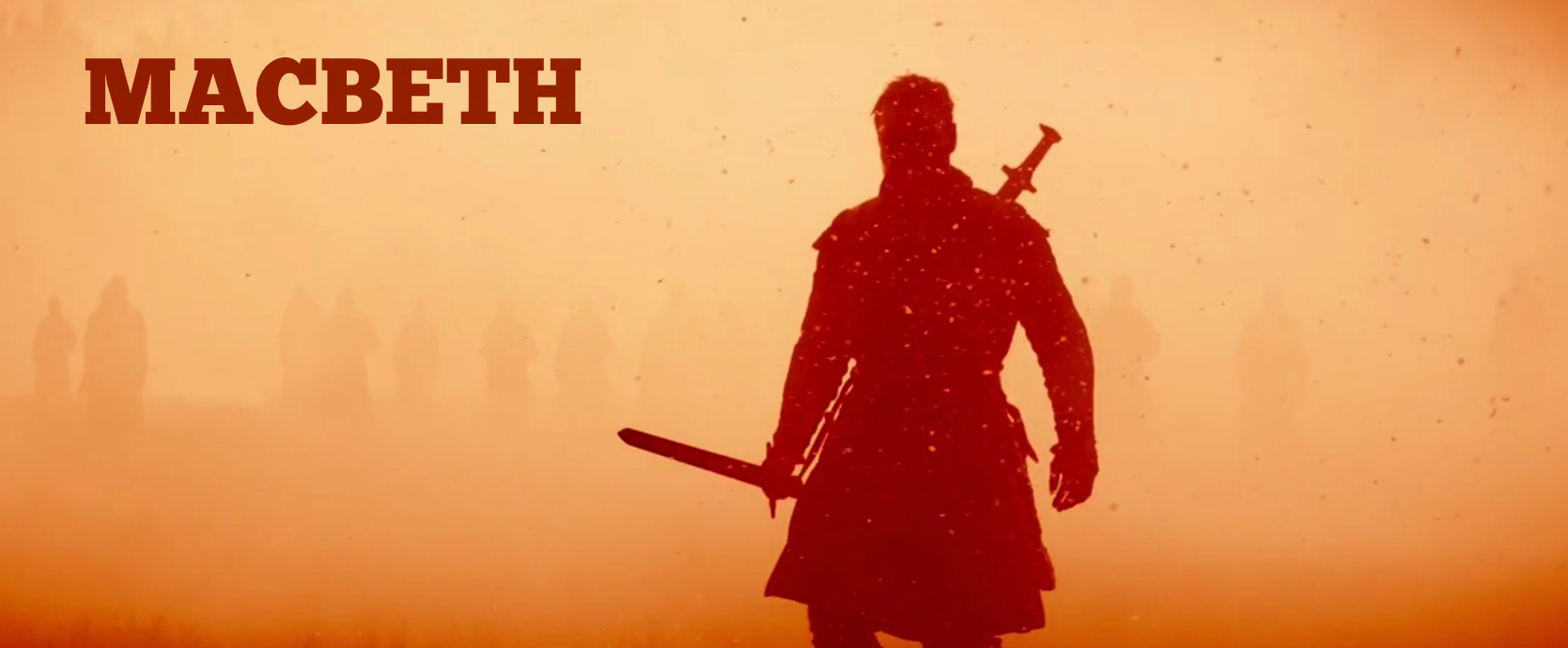
MacBeth Trailer Is Dark And Full Of Terrors


MacBeth1

Every year there’s always going to be that one filmmaker who takes on the challenge of putting their personal take on one of William Shakespeare’s classic dramas. It’s been going on since the advent of motion pictures and I don’t see it ending anytime soon.

This year it looks like we may have a winner with the latest adaptation of Shakespeare’s MacBeth. The film stars Michael Fassbender and Marion Cotillard as Lord and Lady MacBeth with Australian filmmaker Justin Kurzel in the director’s chair.

MacBeth has been getting such advance rave reviews due to it’s screening at this year’s Cannes Film Festival where it entered for competition for the Palme d’Or. The film itself just judging from the trailer below looks like a visual feast that one’s up the dark, gritty aesthetic of HBO’s Game of Thrones.

There’s still no announced release date for MacBeth for the North American market but with the critical buzz surrounding the film after Cannes it won’t be too long til it get one.

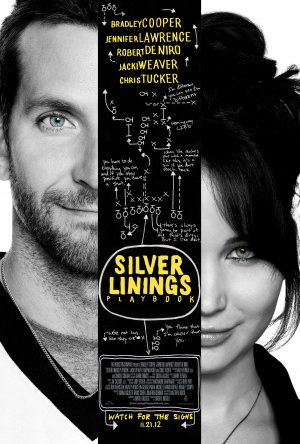
Quick Review: Silver Linings Playbook (dir. by David O. Russell)


slpIn Silver Linings Playbook, Pat Solitano (formerly Pat Peoples in the novel written by Matthew Quick, played by Bradley Cooper) is recently released from a mental hospital to the care of his parents. Obsessed over reclaiming the love of his ex-wife, Nikki, he sets out on exercising and reading books to become better when he sees her again. Working under the notion that positivity, mixed with great effort can lead to a Silver Lining, he uses this new outlook to focus on his goal. Of couse, this doesn’t happen without some hiccups. There’s one key scene in the film where he asks his parents where his wedding tape is, and starts tearing through boxes around the house searching for it. With Led Zeppelin’s “What Is And What Should Never Be” blasting in the background as everything escalated, I had an Anton Ego Ratatouille moment.

My mom had this thing where she’d shift from High to Low. Some days would be quiet, but if the wrong word or event happened, she’d explode either into a fit of activity or anger. We would be sometimes careful to not trigger this – “set her off”, she would say. My clearest memory is of having Alice in Chains’ “Don’t Follow” turned up really loud on the family stereo (and on repeat by her request) as she proceeded to break various objects in her bedroom. She isn’t the only one in the family who has that happen with her. My cousin has this thing where at night she has to check all of the burners on the stove at least 2 times before she’s satisfied they’re fine and off. She says she knows everything’s correct the first time, but says she needs to be sure.

We all have our quirks. When people burp around me, I feel compelled to say “Bless You”. It’s only right.

So, sitting in the theatre and watching Silver Linings Playbook, it all felt very familiar to me. The great thing -and possibly the problem near the very end – about it is that the film isn’t completely A Beautiful Mind in it’s sense of seriousness. I’ll admit I found myself smiling and laughing through a lot of it, just as much as I winced during Pat’s trouble spots. As he returns home, he finds his father (Robert DeNiro in a fine performance) already skeptical about him, but content that he has his son back to watch the Philadelphia Eagles games and to be his lucky charm. After being invited to dinner by one of his friends, Pat meets Tiffany (Jennifer Lawrence), who seems to be just as different as he is and he discovers that she’s been in contact with Nikki. She’ll help send word to her about how he’s doing (because a restraining order keeps him from doing so), if he will help her perform in a dance contest. This ends up starting a good friendship between the two and we start to find that Pat is doing better as things progress.

Director David O’Russell keeps the story centered on the two leads. Both Cooper and Lawrence are energetic and have this really great chemistry between them that makes it feel like they had a lot of fun working on this movie. What’s better is that there isn’t a single person in the supporting cast that doesn’t feel like (to me, anyway) that they were miscast or out of step. They could make a tv series with this cast, and it would be watchable. O’Russell also changes the nature of the story in his adaptation, making the dance sequence itself a major focus on the growth between Tiffany and Pat (and by extension, the family and friends). He also eliminates a side story where Pat’s mom leaves his father because of the Dad’s obsessive nature with the Eagles, choosing to replace it with some more heartfelt and/or moments between DeNiro and Cooper (who coindentially worked together in Limitless). I felt it tightened up the story overall.

Another element I enjoyed was the film’s use of music. Stevie Wonder’s “My Cherie Amour” serves as a song that’s important to the story (in the same way that Kenny G’s “Songbird” was to the novel) and as I mentioned before, the Zeppelin song also worked. Alabama Shakes, which are a group new to me, also had a good song with “Always Alright”. The music of the film felt similar to Juno for me in a lot of ways.

The only problem I had with Silver Linings PlayBook, the only thing that didn’t work for me was the way the film ended. Dealing with something as serious as any kind of mental disorder, especially one where there are meds involved, it’s a serious thing. I’m not saying that one in Pat’s situation can’t be with anyone, far from it, but the film paints a picture at the end that everything will be just fine and simple. I don’t know I agree with that. Fine, perhaps, but certainly not simple. Granted, the story sets up such a social tapestry for Pat that if anything were to go wrong, he’d have people who would rally behind him. The ending just makes it seems that he no longer has any quirks and possibly robs an otherwise perfect from a bit of reality.

Overall, the Silver Linings Playbook is a feel good film that’s definitely worth seeing, with an ensemble cast that helps to elevate the great performances by both Jennifer Lawrence and Bradley Cooper. The lack of a heavy-handed nature towards the issues with the main character help the comedic elements of it, but also stutter steps it at the very end for me.

Trailer: Django Unchained


The last couple days have seen the release of a number of upcoming films that should be jockeying for all those fancy-pants end of season awards. One such film is the latest film from Quentin Tarantino. Django Unchained is his latest trip into the grindhouse world with this film being his take on the spaghetti westerns made popular by Italian maestros like Sergio Leone, Sergio Corbucci and Enzo G. Castellari.

It’s an ensemble cast that’s headlined by Jamie Foxx in the title role with Christoph Waltz, Samuel L. Jackson and Leonardo DiCaprio (playing against the grain as the main villain of the piece). To pay respect to the very genre that this film owes not just it’s title, but theme and tone, Tarantino has even cast the original Django in Franco Nero in the role of Amerigo Vassepi.

Django Unchained is set for a Christmas Day 2012 release date (hopefully the world didn’t end just four days earlier).

Trailer: Django Unchained (Official)


If there’s a film arriving this year that’s bound to be hyped up by both fanboys and critics alike it would be the latest from Quentin Tarantino. Django Unchained will be his ode to the spaghetti westerns of the 60’s and 70’s. The title of the film alone owes much to Sergio Corbucci’s own spaghetti western, Django.

The trailer first premiered simultaneously over at Fandango and Movies.com and the amount of times the trailer has been reposted over the blogosphere just shows how much people have been waiting for anything about Tarantino’s western when it was first announced. I know that pretty much most everyone here at Through the Shattered Lens have been anticipating this film especially co-founder Lisa Marie Bowman.

I’d describe the trailer itself, but it’s better just to watch it. I’m sure Lisa Marie squealed a bit when two Django’s met near the end.

Source: Movies.com

Scenes I Love: Rambo


Watching Ninja Assassin made me think about how much film and special effects technology has advanced to the point that the ways people can die in a film really is only limited by the imagination of the filmmakers involved. My new choice for “Scenes I Love” may make me come across as some gorehound, violence-loving neanderthal (the first two are actually correct but the third is false since I’m homo sapiens), but I love this scene I have chosen because it’s so over-the-top yet holds many truths to the events happening therein.

Rambo was Sylvester Stallone’s attempt to restart the Rambo franchise and to a certain extent he does so. The film was better than the third one and in terms of storytelling was equal to the second one and just a tad short of the original film. It’s a film one will not write to the Academy about, but Stallone brings back the franchise to what made it popular in the first place. He brought the character of John Rambo back to being the self-destructive, self-loathing, war-scarred veteran who just wants to be left alone to live his miserable life, but always gets dragged into one good-intentioned crusade after another.

This scene happens right at the very end and one could say it’s the film’s climactic eruption of testosterone. Rambo literally explodes Burmese soldiers’ bodies through his effective use of a .50 caliber heavy machine gun (and those who think the gun’s effect on people’s bodies was over-the-top…those people would be wrong. That is exactly what a .50 caliber round does to a body. It doesn’t do a body good) and some help from the people he’s trying to rescue. It’s hard not cheer Rambo in this scene after watching these very same soldiers massacre an entire Burmese village, raping captured young women and bayonet little kids before throwing them into a hut’s raging fire.

This scene also shows why the Rambo films have been labeled as nothing but mindless violence trying to make itself to be something profound (he is killing the bad people and trying to save those who are defenseless). I always though this franchise was just about one very angry guy who may or may not be right in the head, but who definitely has a weird sense of right and wrong. Not to mention very good at killing massive amounts of people in very messy ways.

There’s a part halfway in this scene where the higher-than-though leader of the Christian missionary group (who had earlier in the film lectured Rambo for being too violent in saving his and his people’s lives) played by Paul Schulze sees the carnage happening all around him and decides to go all caveman on one soldier who killed one of his congregation. A part of me actually smirked at this part. I knew that no matter how well-intentioned, principled and civilized a man thinks he is there’s something primal deep down inside that wants to commit violence.