Review: Lethal Weapon 2 (dir. by Richard Donner)


“We’re back, we’re bad. You’re black, I’m mad. Let’s go!” — Martin Riggs

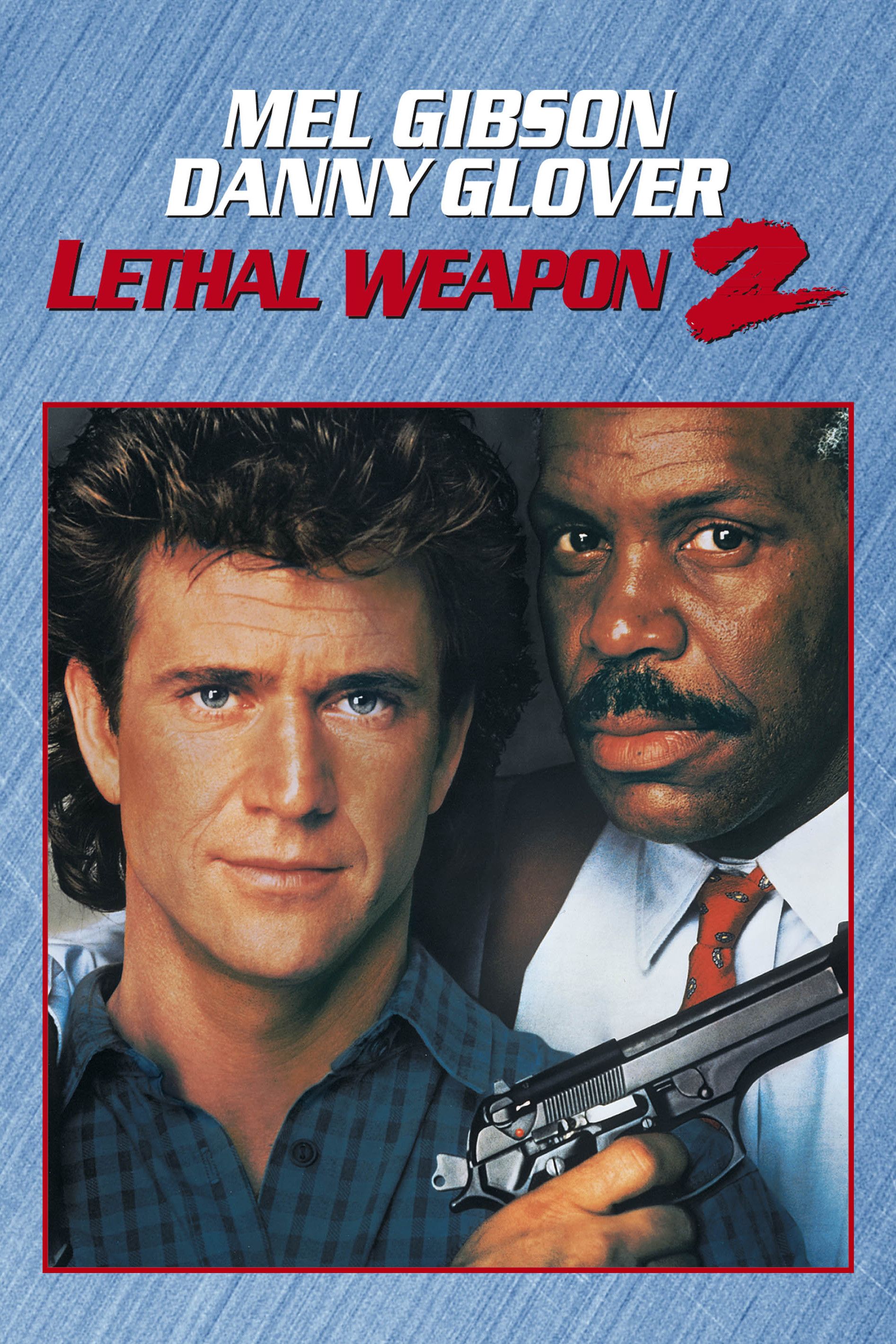
Lethal Weapon 2 is the kind of sequel that doesn’t really try to reinvent what worked the first time so much as crank the volume on everything: the action is bigger, the jokes come faster, and the chaos feels almost constant. Depending on what you loved about Lethal Weapon, that approach delivers more of the high-energy partnership in a flashier package. It’s a confident, very entertaining 80s action movie that knows it’s a sequel and leans into the spectacle that status allows.

Plot-wise, Lethal Weapon 2 wastes no time reminding you what this world feels like. It drops Riggs and Murtaugh into a wild car chase almost immediately, and from there the story locks onto a case involving South African diplomats hiding behind apartheid-era “diplomatic immunity” while running a massive drug and money-laundering operation. It’s a cleaner, more high-concept hook than the original’s murkier web of Vietnam vets and heroin smuggling, and the script makes the villains broad on purpose, almost cartoonishly arrogant, to give the audience someone very easy to hate. The trade-off is that the plot feels a bit more mechanical this time; you always know who the bad guys are and what the destination is, so the film’s real energy comes from the detours, jokes, and set-pieces rather than any mystery.

One of the big shifts from Lethal Weapon to Lethal Weapon 2 is tone. The first film balanced brutal violence and dark humor with a surprisingly heavy focus on Riggs’ suicidal grief and Murtaugh’s fear of getting too old for the job. The sequel keeps those elements in the background but leans harder into banter, slapstick timing, and outrageous gags like the now-famous exploding toilet sequence, with Richard Donner’s direction pushing the script toward action comedy. It’s still R-rated and not shy about blood or cruelty, but the emotional intensity is dialed down compared to the original’s raw edges.

Mel Gibson and Danny Glover remain the anchor, and their chemistry is as sharp as ever. Gibson’s Riggs is still reckless and unhinged, but there’s a looser, more playful side to him this time; he’s less haunted and more of a live-wire prankster until the story gives him something personal to latch onto. Glover’s Murtaugh continues to be the grounded center, constantly exasperated and always half a step away from just walking off the job, and the film has a lot of fun putting his straight-man persona through increasingly humiliating situations while still letting him be competent when it counts. Compared to the first film, where their partnership slowly thawed from suspicion to genuine trust, Lethal Weapon 2 starts from “these guys are already a team” and builds its best moments from how comfortably they now bounce off each other.

The biggest new ingredient is Joe Pesci as Leo Getz, a federal witness turned tagalong who basically functions as the franchise’s third stooge. Pesci leans into the motor-mouthed, paranoid, endlessly complaining energy that would become his signature, and his presence tips some scenes from gritty cop story into broad comedy. He undercuts tension at times, but he also gives the movie a different rhythm, especially in the quieter in-between beats where the first film might have lingered more on Riggs’ inner damage.

In terms of action, Donner clearly has more money and confidence to play with, and it shows. The chases are bigger, the shootouts are staged with a slicker sense of geography, and there’s a steady escalation in scale that makes the film feel like a genuine summer sequel rather than just another mid-budget cop movie. The original had a grimy, street-level intensity, with brutal fistfights and sudden bursts of violence; Lethal Weapon 2 is more interested in creative set-pieces, crowd-pleasing payoffs, and moments designed to make an audience cheer. It’s less intimate, but it is rarely dull.

Where the film lands in a more complicated space is its attempt to keep some emotional stakes alive while also going bigger and funnier. Riggs’ grief over the loss of his wife is still part of his character, and the story finds ways to poke at that wound again, including a new relationship that lets him imagine some kind of future beyond the constant death wish. Those beats are there to echo what worked so well in the first movie, but they have less room to breathe, often getting squeezed between an action scene and a joke instead of shaping the entire film’s tone. You can feel the push and pull between wanting to keep the darker emotional spine and delivering the kind of lighter, more easily marketable sequel a studio would understandably chase.

The villains themselves are effective in that pulpy 80s way: not nuanced, but very punchable. Arjen Rudd, with his smug talk of “diplomatic immunity,” is a villain designed to make audiences grind their teeth, and his main henchman adds a physically intimidating, quietly sadistic presence to the mix. Compared to the original’s more grounded ex-military antagonists, these guys feel one step closer to Bond territory, and that shift mirrors the film’s overall move toward heightened, almost comic-book stakes. What the sequel loses in plausibility, it gains in revenge-fantasy satisfaction.

When stacked directly against Lethal Weapon, the second film feels like a classic case of “if you liked hanging out with these characters once, here’s more time with them.” The original is tighter, more emotionally focused, and arguably more distinctive, with a stronger sense of danger and genuine unpredictability around Riggs’ mental state. Lethal Weapon 2 smooths some of those jagged edges and replaces them with quips, bigger set-pieces, and a more overtly crowd-pleasing structure, which makes it an easier, more consistently fun watch but also a slightly less resonant one. It is still a good film, but in many ways it is also the moment where the franchise shifts from a character-driven cop thriller with action to a full-on action-comedy machine.

As a fair, middle-of-the-road assessment, Lethal Weapon 2 works very well on its own terms and delivers exactly what most people want out of a late-80s buddy-cop sequel. The chemistry is intact, the action is energetic, and the film moves with the kind of confident pace that never really lets you get bored. At the same time, the tonal tilt toward broader humor and more cartoonish villains means it doesn’t quite have the same staying power or emotional punch as Lethal Weapon, especially if what hooked you the first time was how wounded and volatile it all felt. For fans of the original, it’s an enjoyable continuation—a louder, flashier second round that may not hit as hard, but still knows how to entertain.

Review: Extraction 2 (dir. by Sam Hargrave)


“I will not stop.” — Tyler Rake

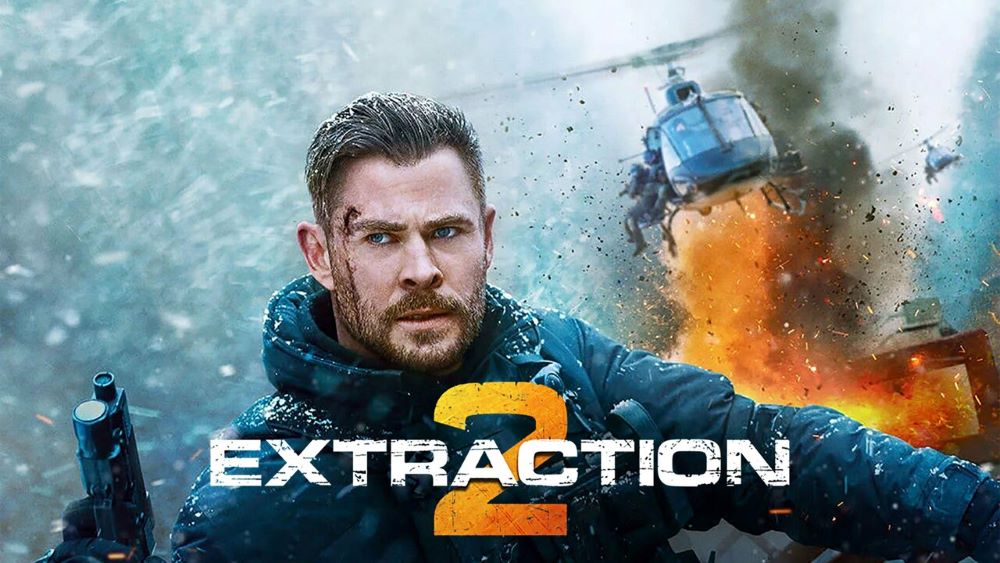
Extraction 2 drops you right into the thick of things, cranking the intensity way past the first film. To quickly recap, the original Extraction introduced Tyler Rake, a gritty mercenary with a troubled past played with undeniable grit by Chris Harmsworth. The story was simple but effective—a high-stakes rescue of a kidnapped boy in Dhaka, Bangladesh, filled with edge-of-your-seat action and those now-iconic, almost balletic long-take fight sequences. It was raw, realistic, and emotionally grounded. Harmsworth’s portrayal anchored the chaos in human vulnerability, helping the film stand out from the typical action fare.

Now, the sequel’s aim is clear—it wants to go bigger, bloodier, and more relentless, and it pulls that off in many ways. The standout here is definitely the action choreography. Sam Hargrave, the director, really flexes his muscle with several jaw-dropping sequences, especially a breathtaking 21-minute continuous take that makes you feel like you’re running alongside Rake, dodging bullets and throwing punches in real time. It’s an impressive technical feat but, more importantly, it’s incredibly immersive. The fights have that gritty realism where each blow counts, and the camera work lets you see every tense moment clearly instead of hiding behind shaky cuts.

Chris Hemsworth, once again, owns the role. This time around, you can see a bit more of the toll the mercenary life has taken on Rake. Hemsworth brings a subtle layer of weariness mixed with fierce determination. His physicality is on full display—he’s convincing in those brutal hand-to-hand combats without ever feeling like a stuntman stand-in. He does it all, and it’s clear he’s not just punching air; this is a man fighting for something beyond just survival. The emotional beats land a bit more naturally this time around, helped by Hemsworth’s grounded performance, which balances the nonstop action with moments of quiet reflection.

Visually, the film is a significant step up. The settings shift from humid, congested streets to icy, oppressive Georgia, and the cinematography makes the most of this change. The chilly, bleak palette fits perfectly with the film’s mood—harsh, unforgiving, and tense. The camera work is bold yet measured; it takes its time to show us the fights fully, letting the choreography breathe without rushing or confusing the viewer. This clarity turns the action scenes into mini-masterpieces, where every movement, every shot, and every punch feels deliberate and impactful.

That said, not everything clicks perfectly. The plot plays it safe with familiar revenge and rescue-mission beats, and the supporting characters don’t get much development beyond their utility to the story. Golshifteh Farahani steals a few scenes as Nik, adding fresh energy and complexity as a tough and capable ally, but others around her mainly exist to get the body count up. There’s a formulaic feel to the storyline—with plenty of high-stakes tension but little in the way of surprise. If you go in looking for deep storytelling or rich character arcs, you might be left wanting.

The film truly embraces the “bigger is better” mantra, and in many ways, it pays off spectacularly with larger, more intricate action sequences and expanded scale. This escalation brings a fuller, more thrilling spectacle that keeps you hooked from start to finish. However, this increase in scope leads to a trade-off: the narrative feels more convoluted and sometimes weighed down by its own ambition. The plot introduces multiple new characters and intersecting agendas, which lengthens the storyline unnecessarily and complicates what could have been a more straightforward mission. This convolution makes the story not only more formulaic but also harder to follow, detracting from the lean storytelling charm that made the first movie so effective.

Tone-wise, the movie trades some of the first film’s grounded grit for a flashier, more stylized look and feel. Some sequences stretch believability—Rake’s near-indestructibility and certain stunt setups can pull you out of the moment. Still, if you’re willing to accept that and enjoy the ride, the movie delivers on adrenaline and spectacle in full force.

One of the most refreshing things about Extraction 2 is how well it balances raw, physical combat with moments of emotional depth. Between the intense fight scenes, there are small windows into who Tyler Rake is and what drives him. These touches give the film a heartbeat beneath all the explosions and punches. Rake is no cookie-cutter action hero; he’s a broken man clawing his way toward redemption, and that gives the film a surprising amount of emotional weight for a movie mainly about violence and chaos.

Ultimately, Extraction 2 isn’t reinventing the wheel, but it doesn’t need to. It knows its audience and delivers exactly what it promises: high-octane, impeccably executed action sequences tied together by a thread of humanity. Hemsworth’s portrayal elevates it beyond just a flashy romp, lending it a gritty soul. The villains feel suitably menacing, and the stakes are convincingly high, which keeps the tension ticking throughout.

If you loved the first Extraction for its mix of brutal realism and emotional punch, the sequel will feel familiar but amplified—more intense, more expansive, and a bit louder. If you’re new to the series, Extraction 2 still stands solid on its own as a showcase of what well-choreographed action cinema looks like today—raw, precise, and emotionally resonant with just enough story to keep you invested without dragging you down.

In short, Extraction 2 is a wild, thrilling ride with a surprisingly human heart beating beneath all the chaos. It’s a film that knows how to entertain, showcasing Chris Harmsworth at his physical and emotional best and proving that action movies can still push creative boundaries while keeping viewers hooked. The movie brings bigger and bolder set pieces that truly live up to the “bigger is better” slogan, but this comes at the cost of making the plot more convoluted and overly complicated than it needed to be. While the intricate story layers may strain some viewers, the explosive action and solid performances make it a must-watch for any fan of visceral, edge-of-your-seat thrillers. If you want a no-nonsense blockbuster with a pulse, Extraction 2 delivers in spades.

Horror Review: 28 Years Later (dir. by Danny Boyle)


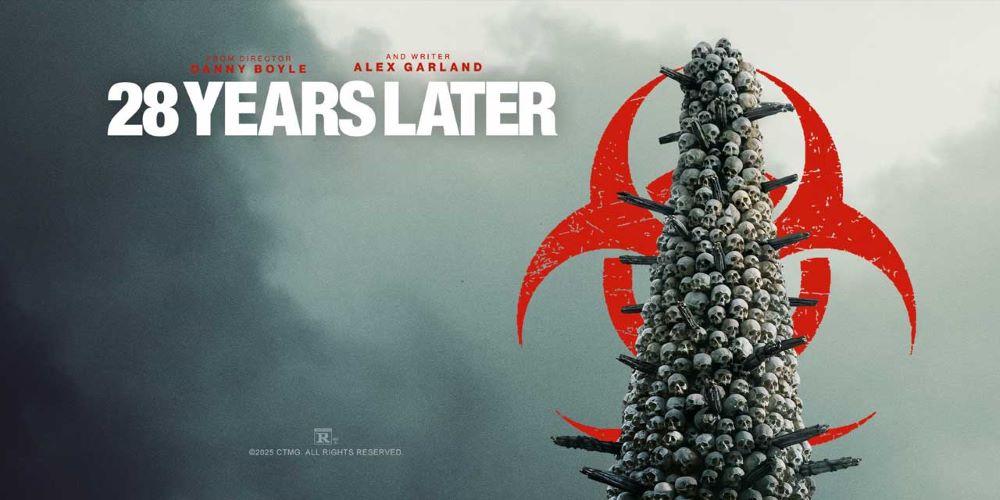
Danny Boyle waited nearly two decades to return to the world he helped redefine with his groundbreaking 2002 film 28 Days Later, which reshaped the zombie subgenre by replacing the traditional, slow-moving undead with fast, feral infected that embody contagion, panic, and societal collapse. While purists continue to debate whether the creatures are technically zombies or infected, Boyle’s vision fundamentally changed how audiences engage with themes of epidemic, survival, and the breakdown of order on screen. The 2007 follow-up, 28 Weeks Later, directed by Juan Carlos Fresnadillo, expanded the Rage virus mythology and landscape but lacked the original’s haunting intimacy and innovation, leaving the franchise in a state of uncertainty until Boyle and writer Alex Garland reunited for 28 Years Later, a film that feels less like a conventional sequel and more like an elegy for a deeply changed world.

The film opens with a short, brutal prologue: young Jimmy Crystal’s family is consumed by the Rage virus while watching Teletubbies, and the boy flees to find safety only to discover his minister father welcoming the infected as a sign of apocalyptic judgment. This early scene deftly establishes the film’s unease, blending visceral horror with spiritual inquiry and foreshadowing a narrative caught between faith, grief, and chaos. Boyle reasserts his command of visceral set pieces while signaling that this film is more concerned with memory and ritual than with relentless terror.

Decades later, the British Isles have been sealed off; NATO forces enforce a quarantine and blockade, isolating the mainland as a toxic exclusion zone. On the tidal island of Lindisfarne, a small community clings to a fragile existence, protected by a causeway that floods at high tide—a detail that metaphorically underscores themes of isolation and dangerous connection. It is here that the emotional core emerges in Jamie and his son Spike, played by Aaron Taylor-Johnson and the remarkable newcomer Alfie Williams. Their spare, heartfelt relationship grounds what otherwise wanders into meditative and often surreal territory.

Alfie Williams emerges as one of the year’s most impressive new talents. His portrayal of Spike avoids the usual survivor archetype; instead, he presents a boy deeply shaped by inherited trauma and cautious curiosity. Boyle’s camera lingers on Williams’ face, capturing silent shifts of fear, wonder, and resilience, making his quiet moments as powerful as the film’s larger set pieces. Williams shines particularly in a sequence where Spike and his mother, portrayed with subtle grace by Jodie Comer, navigate a moss-covered village reclaimed by nature; Williams embodies awe and terror with a single glance. His encounters with the evolved infected—some sedentary and tree-like, others organized into predator packs—are charged with terrifying authenticity and emotional depth. Early reviews label Williams a breakout star, praising his ability to hold the screen alongside veteran actors.

Visually, Boyle and cinematographer Anthony Dod Mantle experiment with a striking mix of techniques, blending the use of iPhone 15 Pro Max cameras and drones with traditional film methods to create a language that oscillates between intimate human moments and sweeping, documentary-style landscapes. The Britain depicted is no longer a lifeless wasteland but an ecologically regrown terrain—lush, eerie, and indifferent. This verdant backdrop reflects the Rage virus’s own evolution. The infected have adapted in ways both terrifying and fascinating: some feed off the earth and fungus, becoming near-plantlike and sedentary, while others form packs ruled by alpha mutants, suggesting emergent social structures even after humanity’s collapse. This biological and ecological evolution amplifies the film’s central theme: survival transcending humanity.

Anchoring the film’s philosophical inquiry is Ralph Fiennes’s performance as Dr. Ian Kelson, a former general practitioner who has exiled himself to live among the infected. Fiennes crafts Kelson with haunting solemnity and layered ambiguity—part caregiver, part fanatic, part recluse—who has created the eponymous “Bone Temple,” a shrine assembled from bones and memories to honor the dead and the changed world they inhabit. The role requires quiet intensity, and Fiennes delivers; his interactions with Spike are charged with both menace and melancholy. Kelson’s reverence for the infected and his willingness to coexist with them challenge traditional survivalist narratives, injecting the film with a solemn meditation on loss, acceptance, and the possibility of new forms of life.

28 Years Later opts for a deliberately slower, more contemplative pace than its predecessors. Boyle and Garland invest their energy in exploring grief, adaptation, and collective memory. The infected become symbolic forces of transformation rather than mere antagonists, while survivors seek meaning through ritual and remembrance as a bulwark against despair. This approach has divided fans: some lament the absence of the unrelenting terror and pace that characterized the earlier films, while others welcome the franchise’s intellectual maturity and thematic depth.

Certain scenes—such as the stranded NATO patrol subplot and glimpses of emerging cult-like human factions—hint at a larger, more complex world but never overshadow the film’s intimate father‑son narrative. Jodie Comer complements Williams with a nuanced portrayal of Spike’s mother, and Taylor‑Johnson brings grounded emotional weight to Jamie, embodying a parent wrestling with how to protect the next generation in a broken world and dealing with his own inner demons.

The interplay between Williams and Fiennes forms the film’s core dynamic, uniting youthful vulnerability with somber reflection. Kelson’s philosophical acceptance of the apocalypse contrasts with Spike’s struggle for identity and belonging, producing compelling, often unsettling exchanges that elevate the narrative’s moral complexity.

Toward the film’s conclusion, a jarring tonal shift occurs with the sudden arrival of a grown-up Jimmy Crystal, whose unsettling presence and cult leadership drastically change the mood. The moment is so discordant that viewers are left questioning whether it is literal or a fevered hallucination—an ambiguity that effectively sets the stage for the sequel.

The upcoming follow-up, 28 Years Later: The Bone Temple, is set for release in January 2026 and will be directed by Nia DaCosta, with Alex Garland returning as screenwriter. This sequel is expected to explore the role of Kelson’s Bone Temple more deeply and develop the cult gathering led by Jack O’Connell’s Jimmy Crystal, expanding on the fractured post-apocalyptic world and the characters introduced in the current film.

Ultimately, 28 Years Later is a film about evolution—of species, storytelling, and filmmaking itself. It balances raw dread with haunting visuals and somber themes, anchored by Alfie Williams’s quietly compelling Spike and Ralph Fiennes’s enigmatic Dr. Ian Kelson. Boyle has not merely revived the franchise; he has transformed it into an unsettling, elegiac meditation on rage, loss, and the fragile hope that survives beyond apocalypse.

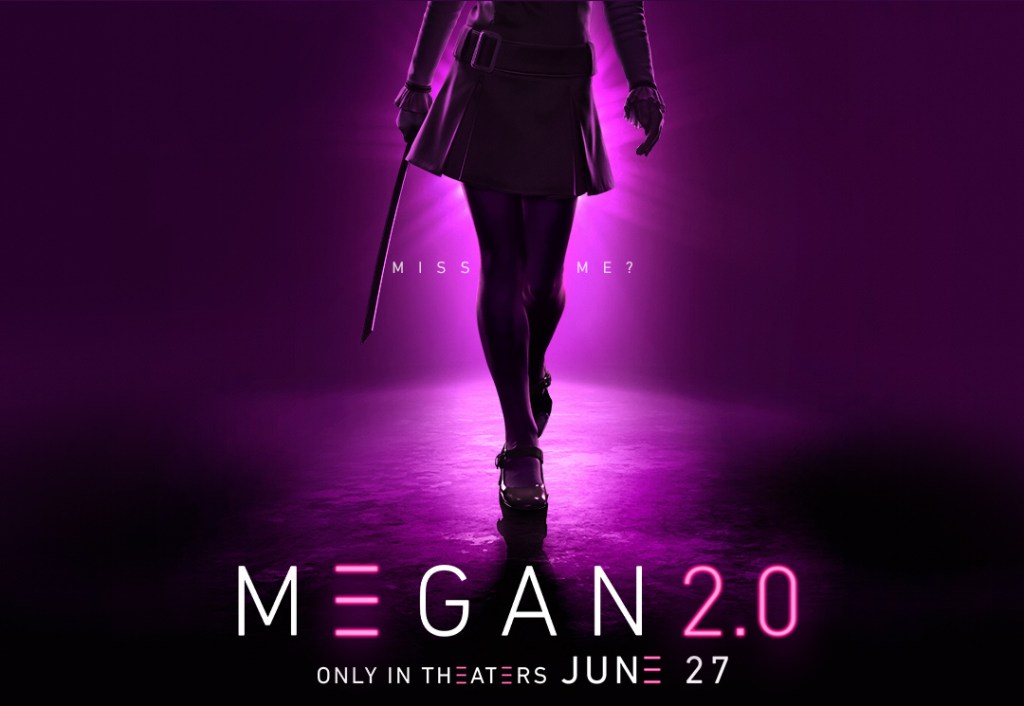
Trailer: M3GAN 2.0


M3GAN in 2022 was a surprise hit that no one saw coming. What would’ve been a a nice little horror film from Blumhouse that would’ve come and gone with little fanfare suddenly became a major hit due to the viral marketing of the titular character’s dancing shown in the initial trailer becoming a huge internet meme.

Now we are back with the sequel (I don’t think anyone was surprised that Blumhouse quickly greenlit a follow-up) and it looks like the original team of director Gerard Johnstone and writer Akela Cooper are back to headline M3GAN 2.0.

The sequel looks to be bigger and a bit more ambitious with more than just a bit of a Terminator 2 vibe with the title character looking to be more of the savior and not just an overprotective killing AI doll.

Will M3GAN 2.0 be able to replicate the viral success of the first film? We shall find out on June 27, 2025.

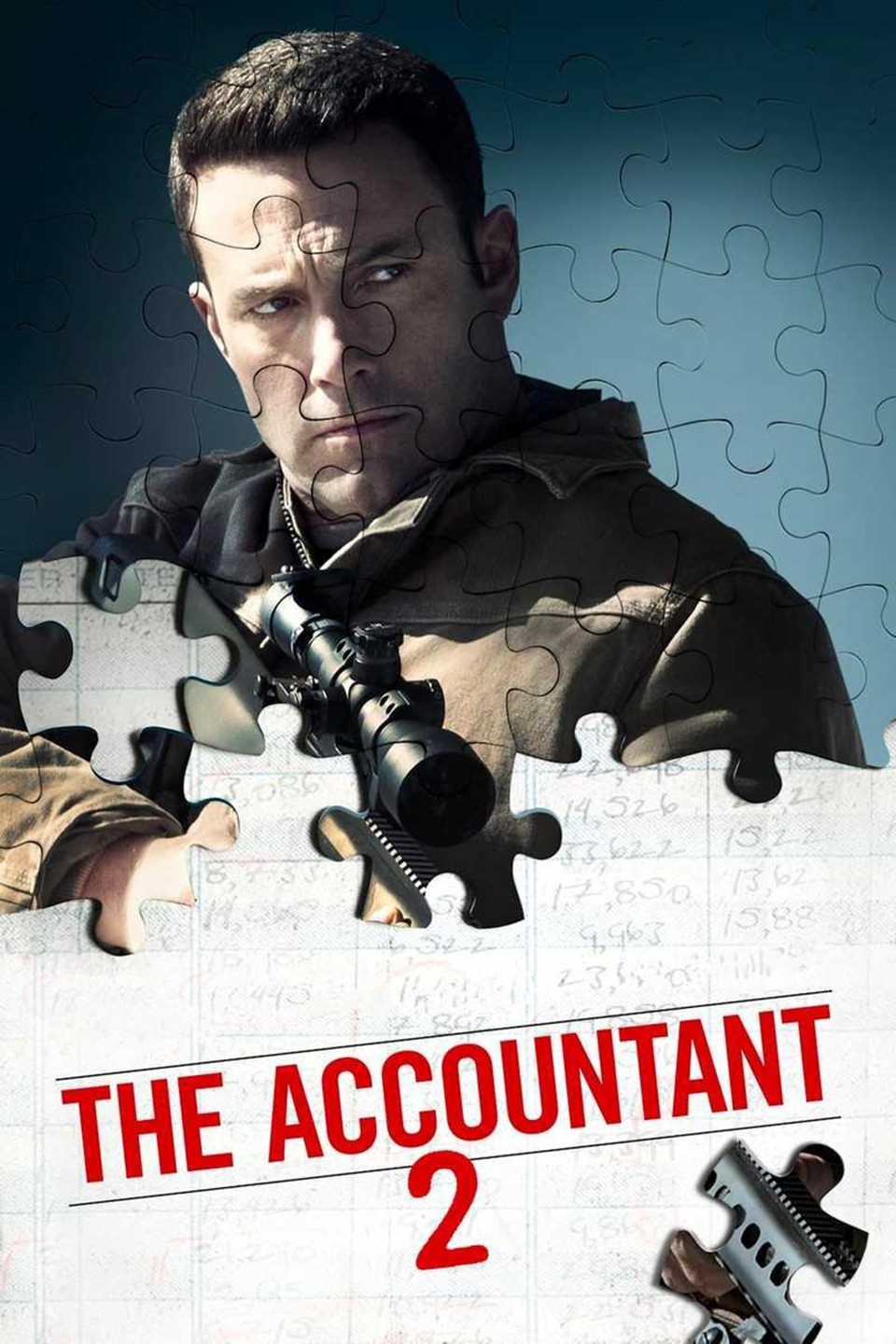
Trailer: The Accountant 2


The Accountant, released in 2016, was an action-thriller that came out of nowhere and surprised a lot of people. The film had come out a two years since the release of John Wick and it would help usher in what I consider a new age of Western action films.

There was instant talk of a sequel after the success of the first film, but with Ben Affleck busy doing his Batman and Justice League bit over at DC Films the sequel had been put on the back-burner. Well, with the crash and burn of the DCEU it looked like Affleck had some time on his hands now and this meant the sequel to The Accountant was back to cooking.

On April 25, 2025, we will see just what Gavin O’Connor, Ben Affleck and Jon Bernthal have cooked up as a follow-up to the first film with The Accountant 2.

Spider-Man: Far From Home Teaser and International Trailers


spider-man far from home

Spider-Man: Homecoming was the Spider-Man that fans have been waiting for. It was able to balance the character of Peter Parker and his alter-ego of Spider-Man. Where the Sam Raimi version was able to make the former stand-out at the cost of the Spider-Man alter, the Marc Webb version swapped the two dynamics. Webb’s version had a great Spider-Man but had a Peter Parker whose moral compass was a bit skewed.

Jon Watt’s Spider-Man and Peter Parker were a nice balance. It helped that the character was now free (to a degree) to play in the huge cinematic sandbox that is the Marvel Cinematic Universe.

Last we saw Spider-Man and Peter Parker, he was dusted just like half the living things in the universe following the Thanos Snap. The question that gets brought up whenever Spider-man: Far From Home, the sequel to Spider-Man: Homecoming, gets talked about is does this film take away from the emotional sucker punch that was Avengers: Infinity War and it’s upcoming sequel, Avengers: Endgame.

From this teaser trailer and it’s international version has shown, the question still remains as both teasers mention nothing about the Avengers and keeps the timeline of the film vague enough to make one wonder if this sequel happens before Avengers: Infinity War.

I guess fans will find out on July 5, 2019 when the film is released worldwide.

….and here’s the International Teaser trailer

Trailer: Men In Black International


MIB International

It looks like we have a set of new agents donning the black suits this time around.

Seems Thor and Valkyrie are doing a side gig for the Men In Black. There’s no Agent K or Agent J to save the world from otherworldly dangers. We now have Agent H and Agent M to take up the mantle of protecting the world. The trailer also shows us that the MIB is a global organization and no more New York as the stomping ground, but we also have London and it’s branch of the MIB.

Men In Black International was a sequel that didn’t garner too much excitement when first announced, but as the cast was finalized and announced the excitement began to rise. And it is quite a cast when one really looks at it: Chris Hemsworth, Tessa Thompson, Liam Neeson, Emma Thompson, Kumail Nanjiani, Rafe Spall and Rebecca Ferguson.

Men In Black International will be out June 14, 2019. A release date with enough time between it and the juggernaut that will be Avengers: Endgame.

Godzilla: King of Monsters 2nd Official Trailer


Godzilla King of Monsters

This past summer we saw the first trailer to Godzilla: King of Monsters. To say that the reaction to that trailer was positive would be an understatement. It was one of the highlights of San Diego Comic-Con 2018.

Now, Warner Brothers Pictures saw fit to release the second trailer for the film. This time with less classical music and more Kaiju mayhem visuals instead. Michael Dougherty takes over directing duties from Gareth Edwards and this time it shows as the film stresses the action in the film rather than the human interactions underfoot.

Kaiju films have been fan-favorites for decades upon decades because of the monsters and less about the humans. The humans really were just there to give voice to the different factions of monsters duking it out. It looks like this time this sequel will follow the same formula.

Godzilla: King of Monsters is set for May 31, 2019.

Review: Predators (dir. by Nimrod Antal)


Predators

It would be twenty years before those space-faring hunters, the Predators, would return to the big screen. Sure, they appeared in the two Aliens vs. Predator films of the early 2000s, but I don’t count those as part of the Predator franchise—mostly because they weren’t the headliners. Plus, those two mash-up films were all kinds of awful.

2010’s Predators, directed by Nimród Antal and produced by Robert Rodriguez, set out to breathe new life into the sci-fi action franchise that the two AvP entries had drained of excitement. From the early 1990s until this film’s release, the Predator mythology had steadily expanded through novels, comics, and games, creating a world as rich as any in science fiction. Longtime fans came to understand the Predators’ culture, mindset, and technology.

For some, that world-building stripped away the mystery that made the Predator such an iconic monster. Others felt it helped establish consistent rules, allowing future stories to build on a solid foundation instead of endlessly one-upping what came before.

Predators embraced this expanded lore while adding a new wrinkle: the introduction of the so-called “Super Predators,” bigger, faster, and meaner than the classic hunters we’d seen over the decades. Another new element placed the story on an unnamed planet serving as an extraterrestrial game preserve, where Predators could hunt their chosen prey on familiar ground.

This setup lent a new dimension to the narrative. The humans being hunted had nowhere to run, and whatever advantage they might have enjoyed on Earth vanished instantly. They were now being hunted on Predator turf—a cruel inversion of game hunting, like a safari where the prey has no chance against its well-equipped pursuers.

Despite these new additions to the lore, the film mostly works as an action-thriller. We get the requisite band of misfits, murderers, and killers—the worst humanity has to offer, but the best at what they do. They range from black-ops mercenaries and elite snipers to cartel enforcers and even a serial killer.

Leading this reluctant ensemble is the enigmatic Royce, played by Oscar-winner Adrien Brody, who surprisingly pulls off the wiry, cold-hearted black-ops soldier. The film hinges on his performance. He’s not a team player, nor is he likable—he fits the antihero mold perfectly, willing to sacrifice anyone if it means surviving another hour. Yet he understands that his best chance lies in keeping others alive, if only as tools for his own survival. He’s the audience surrogate, the one who rolls his eyes as everyone else makes one bad decision after another.

Antal’s action direction recalls the McTiernan era. He favors long, sweeping takes that clearly define the geography of each battle—a quality too rare in modern action cinema, where quick cuts and shaky edits often stand in for real dynamism. Where the film falters is in its reliance on exposition-heavy dialogue. After nearly every action set piece, the momentum stalls as characters explain what’s happening. Laurence Fishburne even appears in a role that exists purely to deliver exposition.

Now, about those Super Predators: they’re an intriguing trio who expand the series’ creature variety, though at the cost of making the classic Predator seem almost obsolete. There’s the Tracker, who uses alien hunting dogs to flush out prey; the Falconer, who employs a cybernetic drone that feels straight out of the Marvel Cinematic Universe; and the Berserker, the biggest and most brutal of the three, relying on raw power rather than skill or strategy.

They look fantastic but slightly diminish the menace of the original Predator design. Against this new breed, the traditional hunters seem almost helpless.

Still, Predators stands several notches above what audiences got from the two AvP movies. Despite an exposition-heavy script and a bold but polarizing decision to downplay the classic Predator’s threat, Antal’s entry injects enough adrenaline and fresh lore to reenergize the series. It’s unfortunate that the AvP films’ lingering stench colored its reception, but over time, more fans have come to appreciate Predators for what it is: a fun, muscular, and engaging slice of sci-fi action.

Review: Predator 2 (dir. by Stephen Hopkins)


Predator 2

Like any successful genre film, Predator would remain in the consciousness of filmgoers during the late 80’s. The film was that popular and successful. This also meant that the studio who produced and released the film were more than happy to try and replicate what made them a lot of money.  So, a sequel was quickly greenlit within the halls of 20th Century Fox.

Yet, despite the success the first film was able to garner despite some major production problems, this time around luck wasn’t with Predator 2. The follow-up film would have different production issues than the first but they would affect the film in the long run.

First off, John McTiernan wouldn’t be on-board to direct the sequel. His back-to-back successes with Predator and Die Hard has suddenly made him a coveted action director. His schedule would keep him from directing Predator 2 as his slate was already full with The Hunt for Red October being his next film. In comes Stephen Hopkins to helm the sequel.

Yet, the biggest blow to the production would be not being able to get Arnold Schwarzenegger to return in the role of Dutch, the sole survivor of the elite rescue team from the first film. As with most stars and sequels, this time it would be over a salary dispute that would keep Arnold from returning so in comes Danny Glover to take on the sequel’s lead role.

Now, Danny Glover has more than pulled his own action film weight with two Lethal Weapon films already under his belt, but in terms of on-screen charisma he would be a major downgrade from the presence Schwarzenegger provided the first film. But Glover was more than game to take on the role of Lt. Harrigan of the LAPD as the setting for the sequel moves from the steaming jungle canopy of Central America to the blistering asphalt and concrete jungle of gang-ridden Los Angeles.

This change in location made for an interesting take as it helped establish some world building that showed these Predators have visited Earth many times in the past and not just in the faraway jungles but more towards areas and places rife with conflict. We learn that it hunts those who have survived the conflicts of the area they’re in. Only the strongest for these extraplanetary hunters.

Unlike, the original film, Predator 2 fails in not having a cast of characters that the audience could empathize and root for. This follow-up is mostly about action and even more gore than the first. Even the opening sequence tries to one-up the jungle shooting scene from the first film, yet instead of shock and awe the sequence just seems loud and busy,

Predator 2 suffers from a lot of that as the film feels more than just a tad bit bloated. The Thomas brothers (Jim and John) who wrote the original film return for the sequel but were unable to capture lightning in a bottle a second time around. Where the first film was very minimalist in it’s narrative and plot, the sequel goes for the throw everything in but the kitchen sink approach. We have warring drug gangs, inept police leadership, secretive government agencies with their own agendas.

What does work with Predator 2 and has made it into a cult classic as years passed was the very worldbuilding I mentioned earlier. We learn a bit more of this predator-hunter. While some comes as exposition from Gary Busey’s special agent role Peter Keyes, the rest comes from just seeing the new look of this particular Predator courtesy of special effects master Stan Winston.

The biggest joy for fans of the films comes in an all-too-brief scene showcasing the trophy case of the Predator inside it’s spacecraft. Within this trophy case are the skulls of the prey it’s hunted and killed. One skull in particular would ignite the imagination of scifi action fans worldwide. It’s a skull of a xenomorph from the Alien franchise. It made fans wonder if the two films were part of a larger tapestry. Both properties were owned by 20th Century Fox, so there was a chance and hope that the two meanest and baddest alien creatures on film would crossover together.

It would be many, many years before such a team-up would happen. Even when it finally did fans of the franchises would be let down with what they get after waiting for over a decade.

Predator 2 could be seen as trying to make lightning hit the same patch twice or it could be seen as a quick cash grab by a studio seeing a potential franchise. Both are true and without its two biggest stars, Arnold Schwarzenegger and John McTiernan, returning to reprise their roles for the sequel the film was already behind the eight-ball before filming began.

While the follow-up had some interesting new ideas that helped round out the Predator as one of film’s greatest onscreen villains, it also failed to capitalize on those ideas in a creative way. There’s some good in Predator 2, but way too much baggage and too much bad to have it live up to the success and popularity of the original.