Review: Doomsday (dir. by Neil Marshall)


“Same shit, different era.” — Eden Sinclair

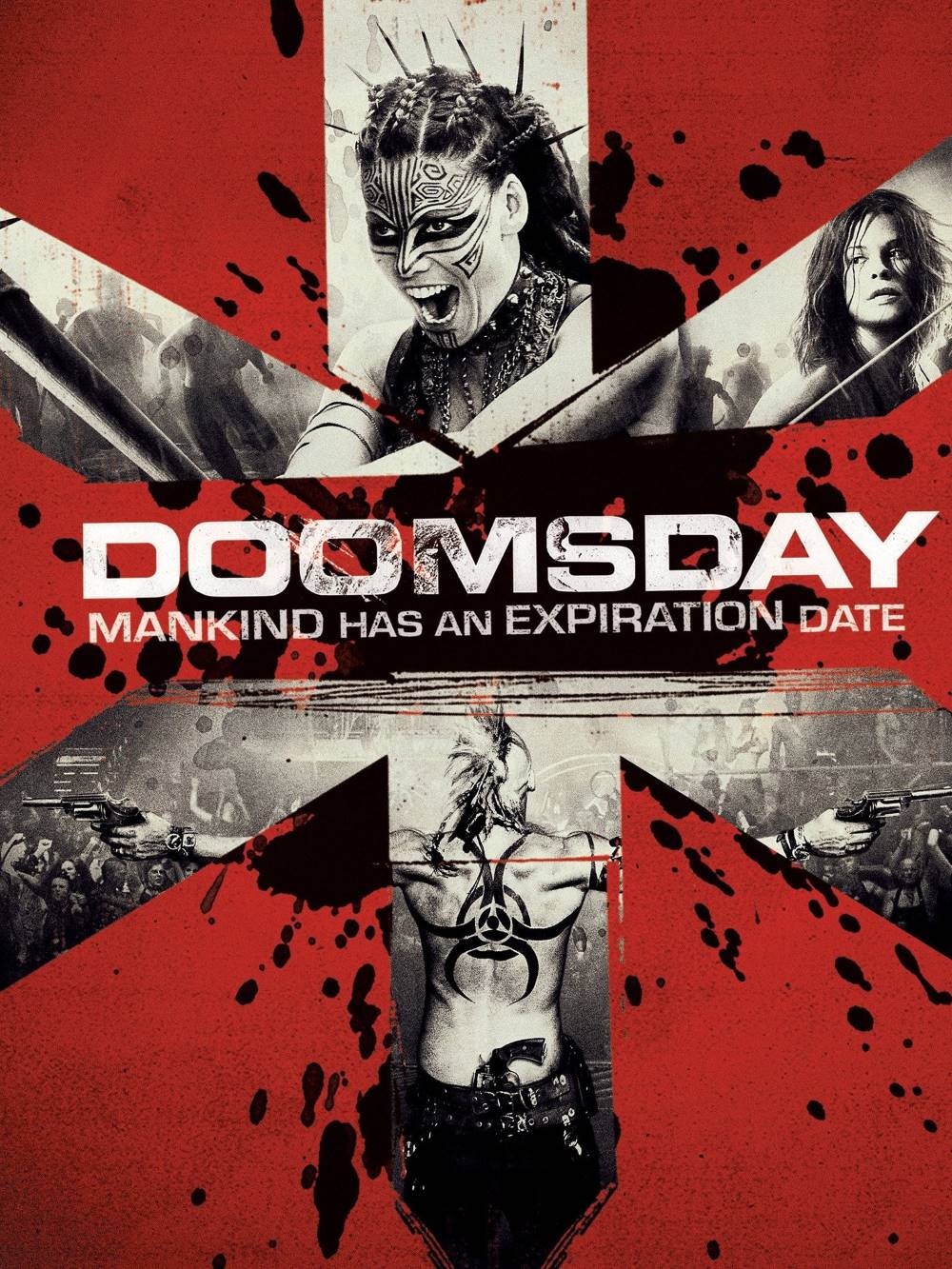
Doomsday tries to be a wild post-apocalyptic romp but ends up as such a profound disappointment, especially coming from Neil Marshall, whose previous two films, Dog Soldiers and The Descent, were much better entries in the horror genre where his attempts to inject new ideas landed the mark with precision and style. Here, Marshall shifts gears into a sprawling, uneven action-horror hybrid that feels like a highlight reel of better movies, bloated and unfocused where his earlier works thrived on tight scripting and fresh twists. While there are flashes of fun in the chaos, the film’s glaring flaws in plotting, tone, and originality outweigh any guilty-pleasure moments, leaving it as more of a curiosity than a recommendation.

The story kicks off with a decent hook: a deadly Reaper virus wipes out much of Scotland, prompting the government to seal it off behind a massive wall and leave the population to fend for itself. Years later, the virus resurfaces in London, and intel suggests survivors—and possibly a cure—lurk inside the quarantine zone. Major Eden Sinclair (Rhona Mitra) leads a ragtag military squad across the wall to hunt down a rogue scientist. It’s a setup that echoes classics like Escape from New York, but Doomsday quickly abandons any tension for a parade of borrowed set pieces that rarely gel, a far cry from the inventive werewolf siege of Dog Soldiers or the claustrophobic crawler terror in The Descent.

Once inside, the movie lurches from one aesthetic to the next without much logic or buildup. First comes a punk-anarchist wasteland with cannibals hosting gladiatorial freak shows amid flames and mohawks, then a sudden pivot to medieval knights in castles complete with jousts and sieges. These shifts feel arbitrary, like Marshall couldn’t decide on a vibe and just threw them all in—a scattershot approach that lacks the confident genre-blending of his prior successes. The worldbuilding is shallow—how did feudalism sprout up so neatly amid the apocalypse?—and the transitions are jarring, undermining any sense of immersion or stakes.

Rhona Mitra holds the center as Sinclair, a one-eyed badass who dispatches foes with grim efficiency, but even she can’t overcome the script’s limitations. Her character is a walking archetype: tough, quippy, and competent, with zero emotional depth or growth. The supporting players, including Malcolm McDowell as a scenery-chewing lord and Bob Hoskins as a gruff boss, are wasted on one-note roles. They’re recognizable enough to highlight how little the film does with its cast, turning potential strengths into reminders of squandered talent.

Visually, Doomsday has some grit thanks to practical effects and location shooting, especially in the grimy urban ruins and over-the-top chases that nod to Mad Max. The gore is plentiful and messy, which might appeal to splatter fans. But the action often devolves into incoherent shaky-cam slogs, and the pacing drags in spots despite the constant escalation. Worse, the film’s self-indulgent excess tips into silliness that undercuts its own grim premise, making it hard to buy the horror of the virus or the desperation of survival.

Tonally, Doomsday is all over the map, swinging from bleak quarantine dread to campy medieval farce without warning. This inconsistency is its biggest sin—serious moments clash with cartoon violence, and the humor lands flat or feels forced. Influences from 28 Days LaterThe Road Warrior, and even Excalibur are blatant, but Marshall doesn’t elevate them; he just remixes them into something louder yet less impactful. The result feels like fan fiction for genre nerds rather than a fresh take, missing the spark that made his earlier horrors stand out.

Thematically, there are glimmers of commentary on government abandonment, class divides, and viral panic, but they’re buried under the bombast and never explored. Instead of probing the ethics of walling off a nation, the film prioritizes spectacle, leaving those ideas as window dressing. It’s a missed opportunity that makes the whole endeavor feel hollow, especially when real-world parallels to pandemics could have added bite.

Doomsday struggles to stand on its own amid a crowded genre field, weighed down by narrative sloppiness and tonal whiplash that overshadow its few strengths. The positives—like visceral kills and Mitra’s presence—fail to overcome the disjointed plotting and lack of fresh ideas. Ultimately, it feels like a missed chance for something more cohesive, leaving little reason to revisit beyond a one-off curiosity.

In the end, Doomsday is a swing-and-a-miss for Neil Marshall, ambitious in scope but sloppy in execution, a letdown after the highs of Dog Soldiers and The Descent. The negatives dominate: uneven pacing, logical gaps, borrowed aesthetics without innovation, and a tone that alienates more than it entertains. If you’re in the mood for undemanding B-movie chaos on a slow night, it might scratch a minor itch. Otherwise, skip it for the films it rips off—they deliver the thrills without the frustration. At around 105 minutes, it’s not a huge time sink, but better options abound in the post-apoc genre.

Anime You Should Be Watching: Space Battleship Yamato (Uchū Senkan Yamato)


 “Duty calls us to give more than our lives; it calls us to give our very souls.” — Capt. Juuzo Okita

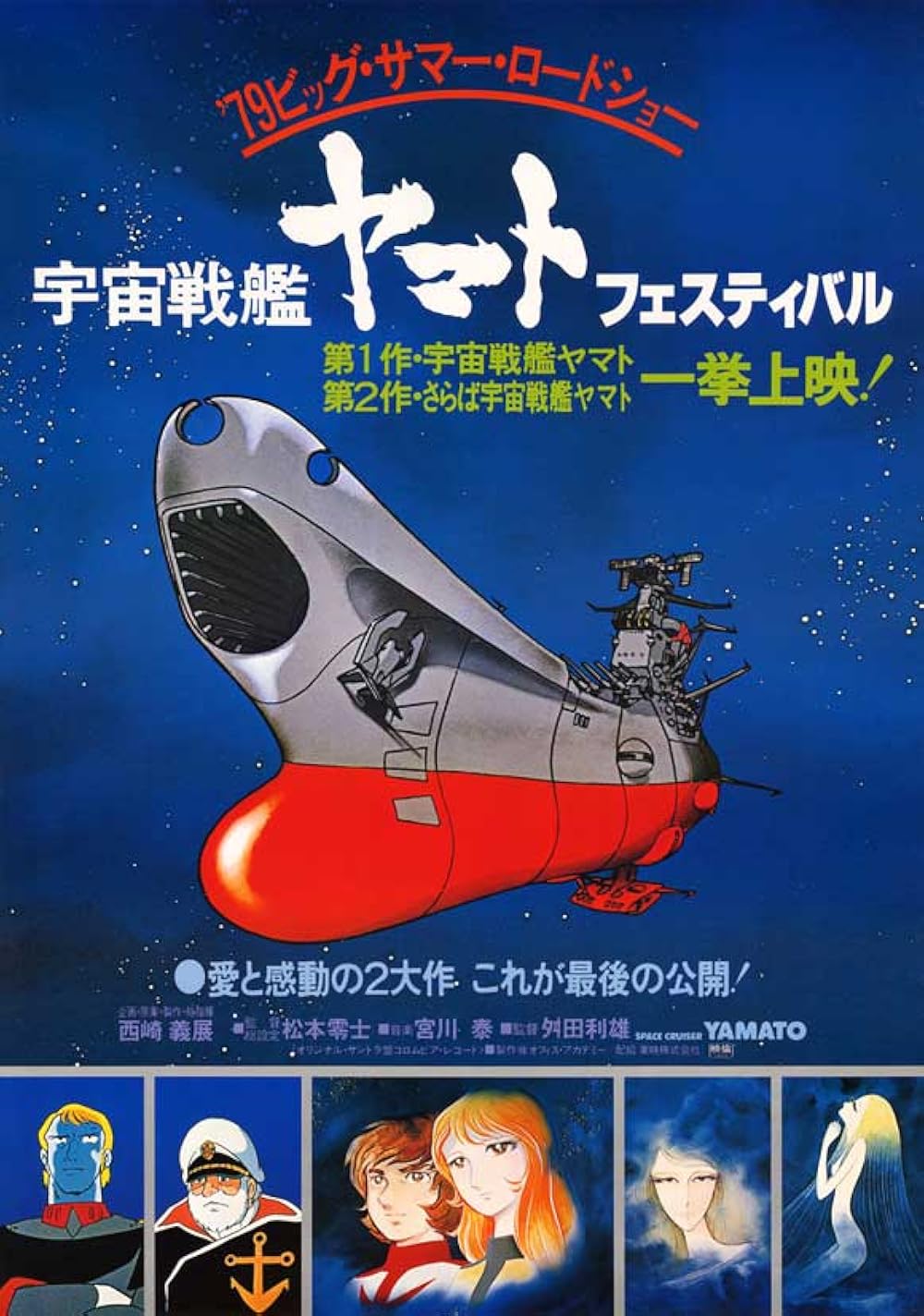
Space Battleship Yamato, which aired from 1974 to 1975, is a monumental anime series that shaped the medium’s evolution and continues to resonate deeply with audiences today. Directed by Leiji Matsumoto and produced by Yoshinobu Nishizaki, this 26-episode space opera follows the crew of the Yamato—a resurrected World War II battleship transformed into a spacefaring vessel—on a desperate mission to save an irradiated Earth.

Set in the late 22nd century, Earth has been devastated by radiation from relentless attacks by the alien Gamilas. The surface is inhospitable, and humanity is forced underground. Salvation arrives in the form of a message from the distant planet Iscandar, promising a technology that can cleanse Earth’s radiation. The Yamato, captained by Juuzo Okita and crewed by a band of determined officers including the impetuous but brave Susumu Kodai, must make a perilous journey through hostile space to retrieve this salvation device. Along the way, they face not just merciless enemies but internal struggles, moral dilemmas, and the constant pressure of a ticking clock: the Earth will perish within a year if they fail.

In many ways, Yamato broke the mold for 1970s anime. At a time when most shows were episodic and targeted mainly at children, this series presented serialized storytelling with a complex, continuous narrative arc. This format created genuine dramatic tension and emotional stakes that kept viewers invested episode after episode. While some parts drag with melodrama or technical exposition, the story steadily builds toward a moving climax filled with sacrifice, hope, and bittersweet heroism.

Animation-wise, the series shows its age, with occasionally stiff character movements and production shortcuts like reused backgrounds—typical of 1970s TV budgets. Yet, Leiji Matsumoto’s designs and the Yamato ship itself remain iconic, blending Japan’s wartime history with futuristic sci-fi technology in a compelling aesthetic. The space battles are sweeping and cinematic for the era, supported by Hiroshi Miyagawa’s rousing and emotional musical score, which perfectly balances military pride and somber reflection.

The characters inhabit archetypal but evolving roles. Captain Okita embodies the bushido spirit—noble, self-sacrificing, and burdened by duty—while Kodai matures from impulsive youth to responsible leader molded by loss. Supporting characters bring warmth and conflict, though the presence of women like Yuki Mori reflects dated 1970s gender norms, often limiting them to stereotypical and occasionally objectified roles, which jars against the show’s mature themes.

Beneath its sci-fi veneer, Yamato is a profound meditation on postwar Japanese identity. The revival of the WW2 Yamato as a vessel of salvation symbolizes a desire to transform defeat and shame into hope and renewal. The series navigates the duality of glorifying martial courage while confronting war’s tragic costs. The alien Gamilas are also complex antagonists, featuring honorable figures as well as villains, introducing a nuanced moral landscape rare for its time.

The influence of Space Battleship Yamato on anime is immense and multifaceted. It essentially invented what became the “serious,” serialized sci-fi anime format, making way for legends like Mobile Suit Gundam, which took the treatment of war, politics, and character drama to new levels, and Macross, which played with themes of enemies-turned-allies. Notably, Hideaki Anno, creator of the psychologically rich Neon Genesis Evangelion, cites Yamato as a formative influence, incorporating its emotional and philosophical themes. The series also impacted video games, with elements of its design and story inspiring creators well beyond animation.

The Yamato universe has expanded through numerous sequels, side stories, spin-offs, and remakes. The modern reboot Space Battleship Yamato 2199 is a fan favorite, refreshing the original plot with updated animation and added depth, proving the story’s continued resonance. Other adaptations include OVAs, manga expansions, and a live-action movie, each exploring various facets of the original mythos while bringing Yamato to new audiences.

On the international stage, the series’ English-dubbed adaptation, Star Blazers, was among the first serialized anime to reach Western audiences, planting early seeds for global fandom. Its mature storytelling, serialized arcs, and emotional depth influenced how anime was perceived outside Japan, paving the way for wider acceptance of anime as serious storytelling.

Though the animation style and representations may feel dated now, Yamato’s strengths remain powerful: its epic storytelling, rich themes of sacrifice and renewal, unforgettable characters, and visionary world-building. The show exemplifies how anime can weave thrilling adventure with meaningful thematic exploration, laying groundwork that countless series have followed.

Space Battleship Yamato (1974-1975) stands as a cornerstone of anime history. It transcended its era to become a storytelling template and cultural touchstone whose legacy endures through its influence, spin-offs, and remakes. For fans of sci-fi, anime enthusiasts, and cultural historians alike, it remains an essential watch—a stirring saga of resilience, hope, and the human spirit against cosmic odds.

Star Wars: Rise of Skywalker D23 First Look


Star Wars Rise of Skywalker

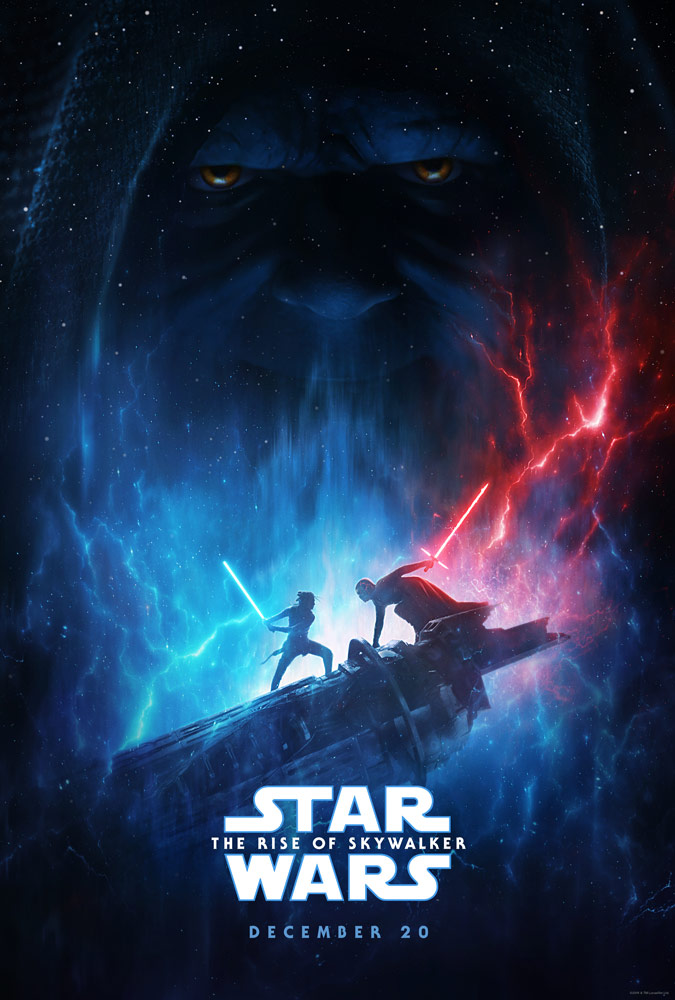
This past weekend saw Disney’s own convention called D23 come and go over at Anaheim, CA. Everything Disney-branded were announced and talked about. We got more news on Disney’s upcoming streaming service, more Marvel Studios news from Disney+ shows to information on the MCU’s Phase 4 plans. There were even some news about the fallout of the Marvel/Sony issue which has taken Spider-Man out of the MCU proper. Yesterday saw the release of the latest theatrical poster and a special First Look at this upcoming holiday release of Star War: Rise of Skywalker.

The final installment in what’s being called as the Skywalker Saga, the first look trailer shown at D23 yesterday has now been released for general audience consumption and from what I can see it bears some resemblance (at least from some of the images shown) from the old Dark Horse Comics Star Wars: Dark Empire (now just part of Star Wars Legends).

From the very ordered battle formation of Imperial Star Destroyers, to C3PO with red, menacing eyes to Rey in black Sith Robes that echoed Dark Empire’s Luke Skywalker also donning the black Sith Robes and becoming an apprentice of Sith Lord Palpatine.

While much of the stories and ideas from the comics and books of the 1990’s up until the sale of Lucasfilm to Disney has been made moot with the release of the latest films, the Star Wars creators have been mining the so-called Star Wars Legends for ideas and characters to create a new canonical universe.

This latest trailer for Star Wars: Rise of Skywalker does seem to have some influence from that comic book series from Dark Horse and I think that should make for an interesting conclusion to this latest film trilogy.

Review: Predators (dir. by Nimrod Antal)


Predators

It would be twenty years before those space-faring hunters, the Predators, would return to the big screen. Sure, they appeared in the two Aliens vs. Predator films of the early 2000s, but I don’t count those as part of the Predator franchise—mostly because they weren’t the headliners. Plus, those two mash-up films were all kinds of awful.

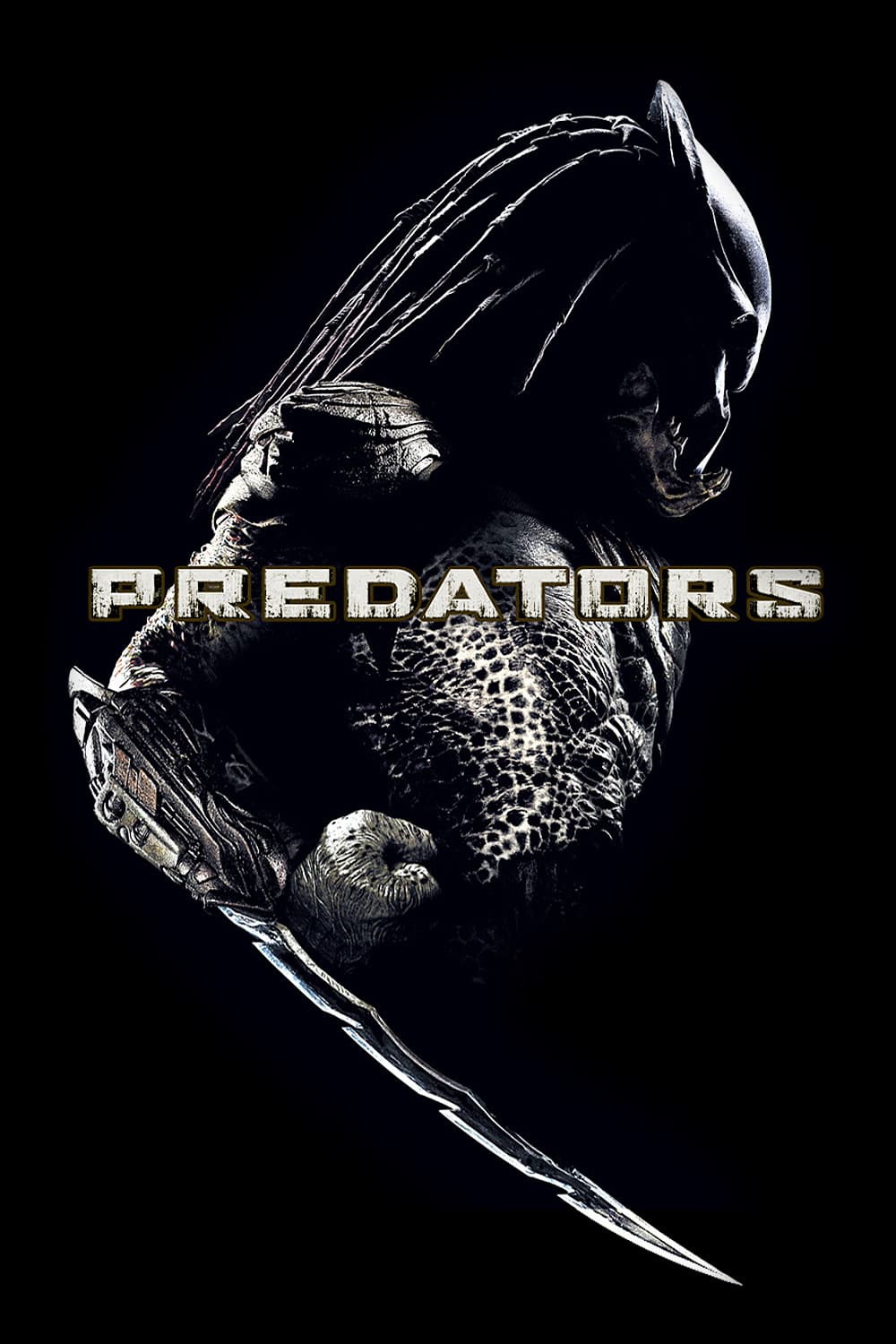
2010’s Predators, directed by Nimród Antal and produced by Robert Rodriguez, set out to breathe new life into the sci-fi action franchise that the two AvP entries had drained of excitement. From the early 1990s until this film’s release, the Predator mythology had steadily expanded through novels, comics, and games, creating a world as rich as any in science fiction. Longtime fans came to understand the Predators’ culture, mindset, and technology.

For some, that world-building stripped away the mystery that made the Predator such an iconic monster. Others felt it helped establish consistent rules, allowing future stories to build on a solid foundation instead of endlessly one-upping what came before.

Predators embraced this expanded lore while adding a new wrinkle: the introduction of the so-called “Super Predators,” bigger, faster, and meaner than the classic hunters we’d seen over the decades. Another new element placed the story on an unnamed planet serving as an extraterrestrial game preserve, where Predators could hunt their chosen prey on familiar ground.

This setup lent a new dimension to the narrative. The humans being hunted had nowhere to run, and whatever advantage they might have enjoyed on Earth vanished instantly. They were now being hunted on Predator turf—a cruel inversion of game hunting, like a safari where the prey has no chance against its well-equipped pursuers.

Despite these new additions to the lore, the film mostly works as an action-thriller. We get the requisite band of misfits, murderers, and killers—the worst humanity has to offer, but the best at what they do. They range from black-ops mercenaries and elite snipers to cartel enforcers and even a serial killer.

Leading this reluctant ensemble is the enigmatic Royce, played by Oscar-winner Adrien Brody, who surprisingly pulls off the wiry, cold-hearted black-ops soldier. The film hinges on his performance. He’s not a team player, nor is he likable—he fits the antihero mold perfectly, willing to sacrifice anyone if it means surviving another hour. Yet he understands that his best chance lies in keeping others alive, if only as tools for his own survival. He’s the audience surrogate, the one who rolls his eyes as everyone else makes one bad decision after another.

Antal’s action direction recalls the McTiernan era. He favors long, sweeping takes that clearly define the geography of each battle—a quality too rare in modern action cinema, where quick cuts and shaky edits often stand in for real dynamism. Where the film falters is in its reliance on exposition-heavy dialogue. After nearly every action set piece, the momentum stalls as characters explain what’s happening. Laurence Fishburne even appears in a role that exists purely to deliver exposition.

Now, about those Super Predators: they’re an intriguing trio who expand the series’ creature variety, though at the cost of making the classic Predator seem almost obsolete. There’s the Tracker, who uses alien hunting dogs to flush out prey; the Falconer, who employs a cybernetic drone that feels straight out of the Marvel Cinematic Universe; and the Berserker, the biggest and most brutal of the three, relying on raw power rather than skill or strategy.

They look fantastic but slightly diminish the menace of the original Predator design. Against this new breed, the traditional hunters seem almost helpless.

Still, Predators stands several notches above what audiences got from the two AvP movies. Despite an exposition-heavy script and a bold but polarizing decision to downplay the classic Predator’s threat, Antal’s entry injects enough adrenaline and fresh lore to reenergize the series. It’s unfortunate that the AvP films’ lingering stench colored its reception, but over time, more fans have come to appreciate Predators for what it is: a fun, muscular, and engaging slice of sci-fi action.

Review: Predator 2 (dir. by Stephen Hopkins)


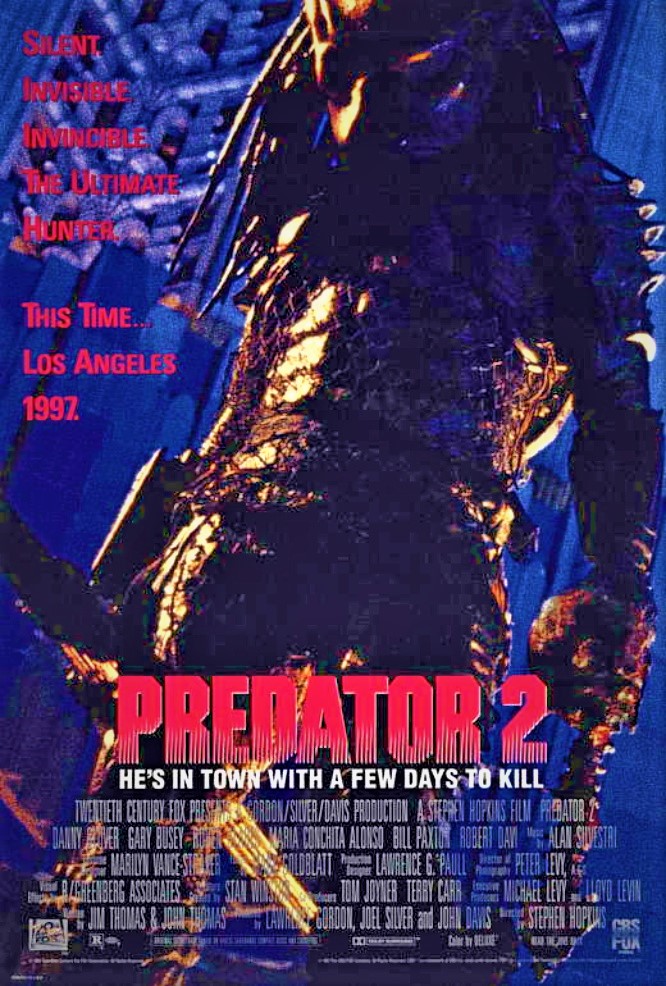
Predator 2

Like any successful genre film, Predator would remain in the consciousness of filmgoers during the late 80’s. The film was that popular and successful. This also meant that the studio who produced and released the film were more than happy to try and replicate what made them a lot of money.  So, a sequel was quickly greenlit within the halls of 20th Century Fox.

Yet, despite the success the first film was able to garner despite some major production problems, this time around luck wasn’t with Predator 2. The follow-up film would have different production issues than the first but they would affect the film in the long run.

First off, John McTiernan wouldn’t be on-board to direct the sequel. His back-to-back successes with Predator and Die Hard has suddenly made him a coveted action director. His schedule would keep him from directing Predator 2 as his slate was already full with The Hunt for Red October being his next film. In comes Stephen Hopkins to helm the sequel.

Yet, the biggest blow to the production would be not being able to get Arnold Schwarzenegger to return in the role of Dutch, the sole survivor of the elite rescue team from the first film. As with most stars and sequels, this time it would be over a salary dispute that would keep Arnold from returning so in comes Danny Glover to take on the sequel’s lead role.

Now, Danny Glover has more than pulled his own action film weight with two Lethal Weapon films already under his belt, but in terms of on-screen charisma he would be a major downgrade from the presence Schwarzenegger provided the first film. But Glover was more than game to take on the role of Lt. Harrigan of the LAPD as the setting for the sequel moves from the steaming jungle canopy of Central America to the blistering asphalt and concrete jungle of gang-ridden Los Angeles.

This change in location made for an interesting take as it helped establish some world building that showed these Predators have visited Earth many times in the past and not just in the faraway jungles but more towards areas and places rife with conflict. We learn that it hunts those who have survived the conflicts of the area they’re in. Only the strongest for these extraplanetary hunters.

Unlike, the original film, Predator 2 fails in not having a cast of characters that the audience could empathize and root for. This follow-up is mostly about action and even more gore than the first. Even the opening sequence tries to one-up the jungle shooting scene from the first film, yet instead of shock and awe the sequence just seems loud and busy,

Predator 2 suffers from a lot of that as the film feels more than just a tad bit bloated. The Thomas brothers (Jim and John) who wrote the original film return for the sequel but were unable to capture lightning in a bottle a second time around. Where the first film was very minimalist in it’s narrative and plot, the sequel goes for the throw everything in but the kitchen sink approach. We have warring drug gangs, inept police leadership, secretive government agencies with their own agendas.

What does work with Predator 2 and has made it into a cult classic as years passed was the very worldbuilding I mentioned earlier. We learn a bit more of this predator-hunter. While some comes as exposition from Gary Busey’s special agent role Peter Keyes, the rest comes from just seeing the new look of this particular Predator courtesy of special effects master Stan Winston.

The biggest joy for fans of the films comes in an all-too-brief scene showcasing the trophy case of the Predator inside it’s spacecraft. Within this trophy case are the skulls of the prey it’s hunted and killed. One skull in particular would ignite the imagination of scifi action fans worldwide. It’s a skull of a xenomorph from the Alien franchise. It made fans wonder if the two films were part of a larger tapestry. Both properties were owned by 20th Century Fox, so there was a chance and hope that the two meanest and baddest alien creatures on film would crossover together.

It would be many, many years before such a team-up would happen. Even when it finally did fans of the franchises would be let down with what they get after waiting for over a decade.

Predator 2 could be seen as trying to make lightning hit the same patch twice or it could be seen as a quick cash grab by a studio seeing a potential franchise. Both are true and without its two biggest stars, Arnold Schwarzenegger and John McTiernan, returning to reprise their roles for the sequel the film was already behind the eight-ball before filming began.

While the follow-up had some interesting new ideas that helped round out the Predator as one of film’s greatest onscreen villains, it also failed to capitalize on those ideas in a creative way. There’s some good in Predator 2, but way too much baggage and too much bad to have it live up to the success and popularity of the original.

Scenes I Love: Predator “Jungle Shootout”


Predator Jungle Shoot

I recently reviewed John McTiernan’s classic scifi action Predator. It is a film that many kids both young and those young at heart loved watching on the bigscreen. The 1980’s some would consider the golden years of action filmmaking.

It was a decade where action instead of dialogue ruled. Where muscle-bound stars like Arnold Schwarzenegger and Sylvester Stallone dominated the box-office. Even with the resurgence and current renaissance of the action film genre, many still reminisce about the action flicks of the 80’s and how they truly didn’t make them like they used to.

If there’s ever a great example of just how over-the-top and testosterone-fueled the action films were of this decade of the 80’s (also known as the decade of excess) then one can’t go wrong with showing the uninitiated the jungle shootout scene from Predator.

One doesn’t need to be into guns to appreciate the majesty of this scene.

Review: Predator (dir. John McTiernan)


Predator 1987

It would be accurate for one to say that Arnold Schwarzenegger was king of the 80’s action flicks. He first burst onto the scene in the titular role in Conan the Barbarian then it’s follow-up sequel. Yet, it would be his role in James Cameron’s The Terminator in 1985 that would make him a household name.

He began to crank out action films after action film every year to varying degrees of success and quality between 1984 and 1987. It would be in the summer of 1987 that he would add a third iconic action film role to stint as Conan the Barbarian and the relentless cybernetic killer, the Terminator.

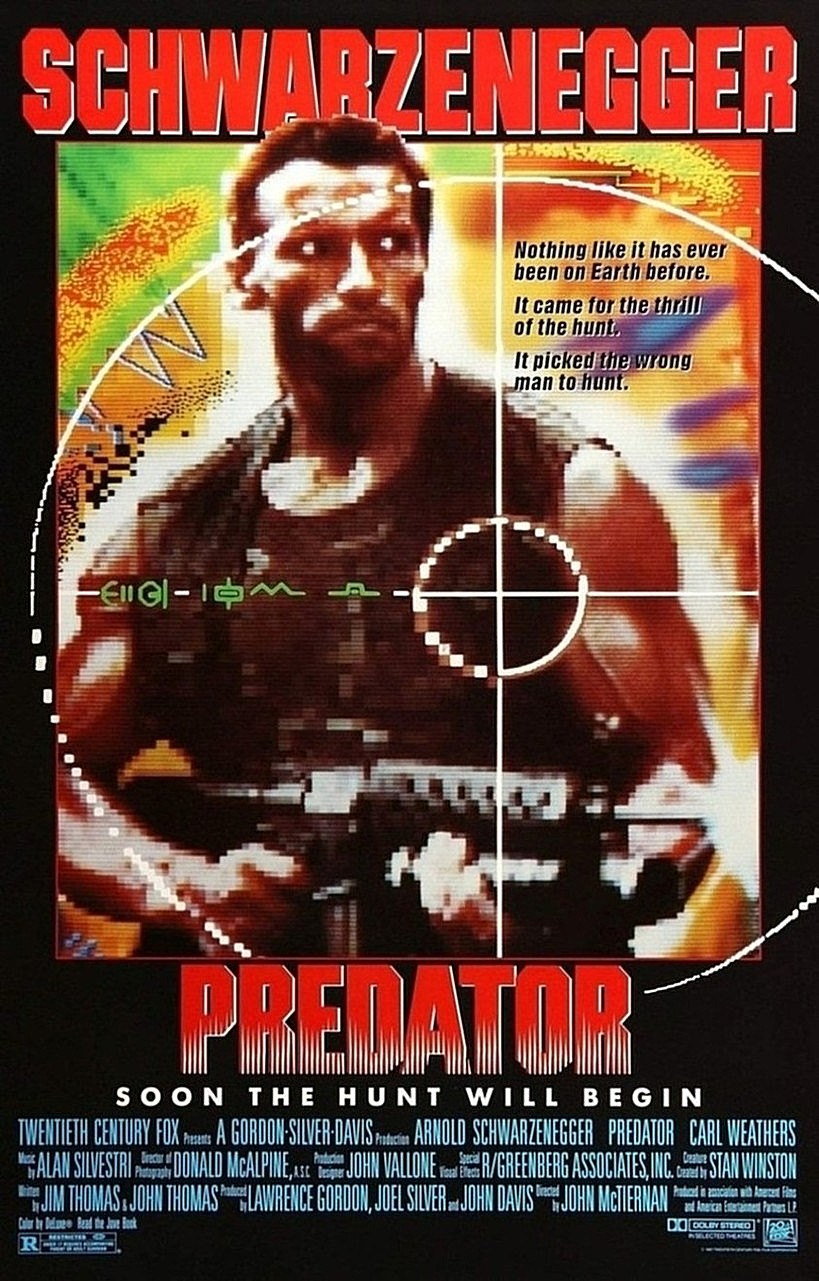
Maj. Dutch Schaefer in John McTiernan’s action scifi Predator cemented Arnold Schwarzenegger as the most bankable movie star of the 1980’s. The film itself has become a go-to classic whenever film fans of all stripes discuss what were some of the best films of the era. Yes, I do categorize Predator as one of the best to come out of the 1980’s. It does more than hold it’s own when stacked up against Oscar winners, festival darlings and indie cult-favorites.

It’s a film that takes the premise that “man is the most dangerous game” to new levels by adding in a scifi element to the story. That scifi element being an extraterrestrial hunter who comes to Earth every so often to hunt. It’s chosen prey tends to be killers, fighters and soldiers at the top of their craft and usually during times of extreme conflict.

The film, as written by the two brothers John and Jim Thomas, actually works like a slasher horror film in the beginning as Dutch and his team of elite commandos trek through the Central American jungle on a rescue mission. A mission that lands the team in finding the grisly remains of another American special forces team. Questions come up as to whether their CIA liaison (played by Carl Weathers of Rocky and Rocky II fame) knows more about the true nature of their supposed rescue mission than he’s willing to let on.

It’s once the team, still being stalked through the jungle by an unseen predator, finally find the people they’re suppose to rescue that all hell breaks loose in more ways than one. The action is loud, messy and exquisitely choreographed and filmed. Unlike some of the action films of the last ten years, Predator succeeds with it’s action scenes for having a director who uses very long takes and little to no hand-held to keep the action geography easy to follow and the action choreography unencumbered by too many edits and cuts.

Even once the team realizes that they were now being hunted and that whoever, or whatever is hunting them, the film still continues to stay on a creative track. When I mentioned that the film plays out like slasher film, it does in way in that the titular character behaves and moves like slasher killers. It seems to be everywhere and nowhere. The very victims it’s hunting only see it when it’s too late and death’s upon them.

The film’s dialogue has been quoted by so many fans that memes have been created around them. Yet, this doesn’t mean that the film is hilarious. What it does have was that masculine, brother’s-in-arms banter and quips that’s become a sort of signature for screenwriter and director Shane Black who was hired to do some uncredited rewrites on the Thomas Brother’s original script. Black would also end up playing one of the commandos in the film.

Outside of Arnold himself, Predator would be best-known for the effects work by the late and great Stan Winston, who would come in to help redesign the title character (with some help from his buddy James Cameron) and the rest as they would say was film history. It would be difficult to go anywhere around the world, show the Predator to some random person and they not know what it is.

Predator was one of those films that people, at first, thought was just a mindless, popcorn flick. The type of cinema that was to be seen then forgotten for better fare. Yet, in the end, Predator ended up becoming not just a classic of its genre, but a perfect example of a film that transcends it’s genre roots to become just a great film, in general.

I Am Legend: THE OMEGA MAN (Warner Brothers 1971)


gary loggins's avatarcracked rear viewer

When I was a lad of 13, back in the Stone Age, I saw THE OMEGA MAN on the big screen during it’s first run. I remember thinking it was real cool, with Charlton Heston mowing down a bunch of mutant bad guys with his sub-machine gun, some funny one-liners, and a few semi-naked scenes with Rosalind Cash. What more could an adolescent kid ask for in a movie? Now that I’m (ahem!) slightly older, I recently re-watched the film, wondering just how well, if at all, it would hold up.

I’m happy to report THE OMEGA MAN, despite some flaws in logic, stands the test of time as a post-apocalyptic sci-fi action/adventure, with a touch of Gothic horror thrown in. The film is the second of three based on Richard Matheson’s novel I AM LEGEND, the first written by Matheson himself (under the pseudonym Logan Swanson) as THE LAST MAN ON EARTH, a 1964…

View original post 368 more words

Mass Effect: Andromeda Official Launch Trailer


It’s been five years since the Mass Effect 3 ended Commander Shepard’s fight against the intergalactic menace known as the Reapers. While there were many who didn’t like how the trilogy ended by way of choosing which color circle it was still a satisfying conclusion to one of best game series in recent memory.

One bittersweet note was the fact that it was the last game that I played co-cooperatively with long-time site video game writer Semtex Skittle who passed away a year after the game’s release.

From what I’ve seen of Mass Effect: Andromeda since it was first announced two years ago this looks like a new direction in the series that Semtex Skittle would’ve found refreshing and worth revisiting the game universe.

This launch trailer for Mass Effect: Andromeda definitely follows in the cinematic trailers of it’s three previous entries. Here’s to hoping that this new story in the series lives up to the original trilogy’s legacy.

Scenes I Love: Dredd


Dredd

It’s been a year since Through the Shattered Lens lost one of it’s own: Semtexskittle.

In honor of his passing I’d like to share one of the films he and I share a love for. I think he may have been one of the few who truly wanted this film to be nominated as one of the ten films picked for Best Picture for the year it came out. While the Academy voters were sorely shortsighted for not nominating the film, it still remains one thing Chris shared with everyone at the site. Whether it was his love of sports, anime, video games and everything in-between.

We all still miss you, Chris.