Brad’s reflections on STAND BY ME (1986), directed by Rob Reiner!


“I was twelve going on thirteen the first time I saw a dead human being.”

These are the first words spoken in director Rob Reiner’s classic coming of age film, STAND BY ME, which received its widespread theatrical release in the United States on August 22nd, 1986. Actor Richard Dreyfuss spoke words that gave an exact description of my own age in the summer of 1986 when the film was released, and I certainly felt a connection to the characters in Reiner’s film. I watched STAND BY ME many times as a teenager, and with a humble and hurting heart, I decided to watch it again last night. On its surface, it’s a pretty simple story… 

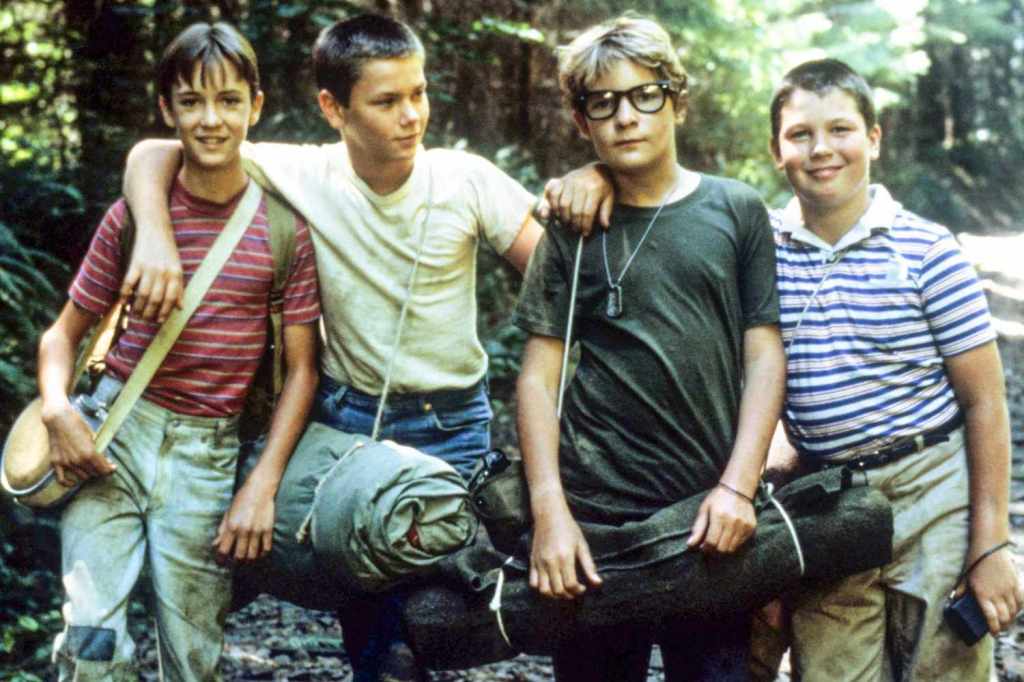
After accidentally learning of the location of the body of a local boy who’s been missing for several days, four boys (played by Wil Wheaton, River Phoenix, Corey Feldman, and Jerry O’Connell) set off on a weekend adventure to find the body in hopes of becoming local heroes. Along the way, they dodge trains, get sucked on by leeches, tell gross-out stories around a campfire, tackle traumatic personal issues, and eventually stand up to a group of older bullies (led by Kiefer Sutherland)! When the weekend is over, they move on with their own lives, lives that are never quite the same again.                   

The main reason I have a real personal connection to STAND BY ME is the fact that I recognize myself and some of my friends in its young characters. I grew up in a very small rural community in Arkansas called Toad Suck. It wasn’t even a town; it was more of just a spot in the road where a few homes built up near a dam and bridge on the Arkansas River. Often when I’d spend the night with my best friend, we’d go walking down the railroad track that ran through our community, carrying our BB guns and hanging out on the railroad bridges where we could take aim at rocks, sticks, turtles, and, at times, the dreaded water mocassin! Like the boys in the movie, we’d always have to be on the lookout for the oncoming trains. As a very naïve and sheltered kid of the mid-80’s who was raised in a strict religious household, I tended to be somewhat judgmental. STAND BY ME forced me to think deeper thoughts and try to find a more mature empathy for those kids I hung out with and saw at school every day. While none of the characters in the film are an exact replica of me or my friends, we knew of people who were probably experiencing abuse, who were looked down upon as “less than,” and who were neglected by their parents. And I think we have all experienced times when we felt insecure, lacked confidence, or were afraid and didn’t have the maturity to handle it in a positive manner. I felt compassion for these characters, which in turn helped me feel more understanding towards those around me in my real life! As a filmmaker in complete control of his craft, Rob Reiner made a movie that even affected someone like me, and I’ve never forgotten those feelings. 

My feeling of kinship with the actors who played in STAND BY ME didn’t end when the movie ended either. Wil Wheaton, River Phoenix, Corey Feldman and Jerry O’Connell were all very close to my age when they filmed the movie, and I’ve followed each of their careers fairly closely my entire life. My two favorites were River Phoenix and Corey Feldman. It was painful to me when River Phoenix died in 1993 at just 23 years of age. I remember all the issues Corey Feldman had with drug addiction. I’m so glad that he’s been able to overcome that addiction and achieve sobriety for multiple decades. I’m not a Star Trek completist, but I always got a kick out of seeing Wil Wheaton on THE BIG BANG THEORY. And then Jerry O’Connell definitely lost his baby fat and has gone on to a solid acting career! The common thread, of course, is the fact that Reiner got great performances from each of these young actors in STAND BY ME. Combine those performances with the quality of the film and the time in my own life when the film came out, and you can start to get the idea of why the film has a position of reverence in my life. You can also see why I have such respect for Rob Reiner as a filmmaker. 

Overall, STAND BY ME is simply one of my favorite films of all time. It has some of the most memorable on-screen moments of my childhood. The pie eating barf-o-rama and the crotch leeches are scenes that are burned into my psyche. Along with the great cast of boys, Kiefer Sutherland gives one of his solid, bully performances in an 80’s film. Sutherland would go on later in his career and play one of my all-time favorite TV characters, Jack Bauer, in 24. More important than all of that, though, is the fact that the coming-of-age film STAND BY ME helped 12-13 year-old me grow up a little bit myself by making me feel something. I guess the greatest compliment you can give any director is to tell them that their film made you think about things more important than yourself and made a difference in your own life. Today, I pay you that great compliment and say Rest in Peace, Mr. Reiner! 
Scenes That I Love: The Courtroom Scene From A Few Good Men


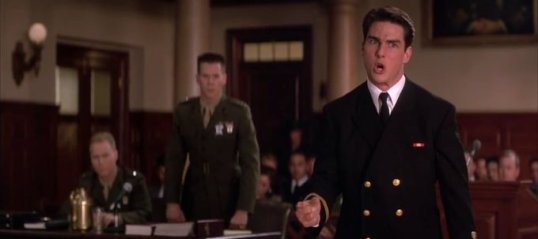
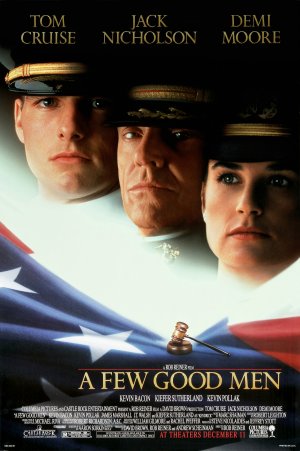
For today’s scene that I love, I decided to pick from the only Rob Reiner-directed film to be nominated for Best Picture of the Year, 1992’s A Few Good Men.

This scene features great work from two legitimate film stars, Tom Cruise and Jack Nicholson.  It’s also the type of potentially stagey scene that would have proved problematic for a lot of other directors.  Rob Reiner, however, handled it perfectly.

4 Shots From 4 Films: Special Rob Reiner Edition


4 Shots From 4 Films is just what it says it is, 4 shots from 4 of our favorite films. As opposed to the reviews and recaps that we usually post, 4 Shots From 4 Films is all about letting the visuals do the talking.

A mere 4 shots cannot sum up how shocked and heartbroken we all are today.  Rest in Peace, Rob Reiner.

4 Shots From 4 Rob Reiner Films

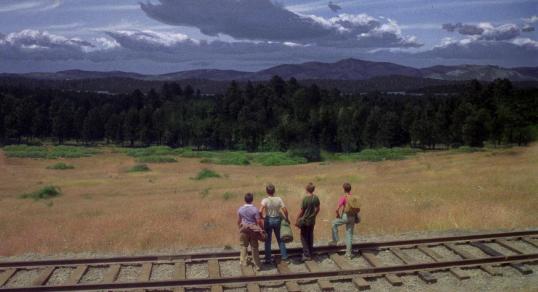
Stand By Me (1986, dir by Rob Reiner, DP: Thomas Del Ruth)

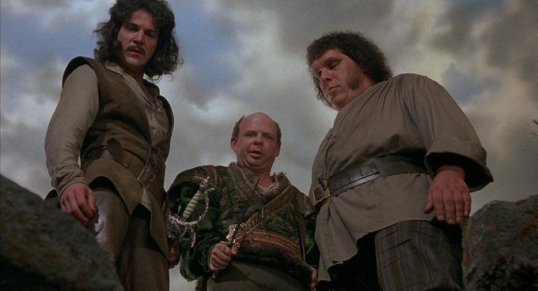
The Princess Bride (1987, dir by Rob Reiner, DP: Adrian Biddle)

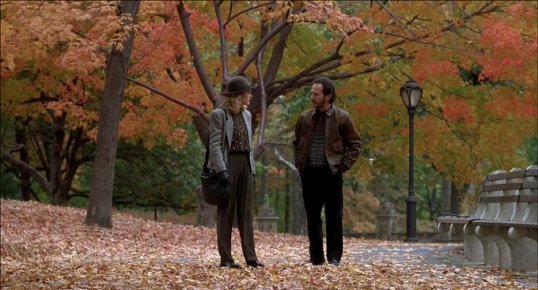
When Harry Met Sally (1989, dir by Rob Reiner, DP: Barry Sonnenfeld)

A Few Good Men (1992, dir by Rob Reiner, DP: Robert Richardson)

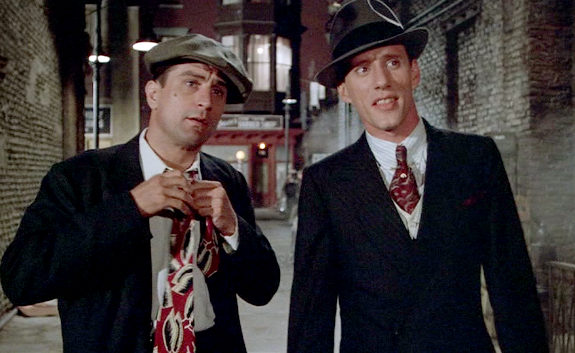
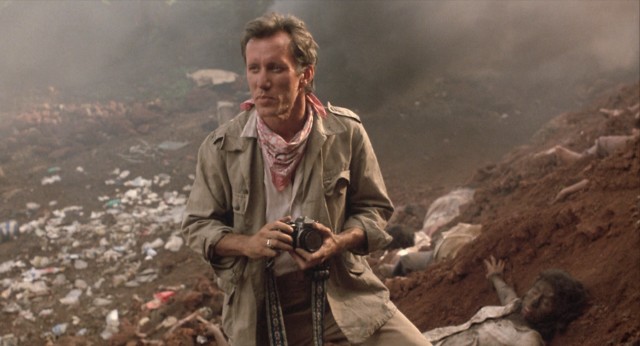
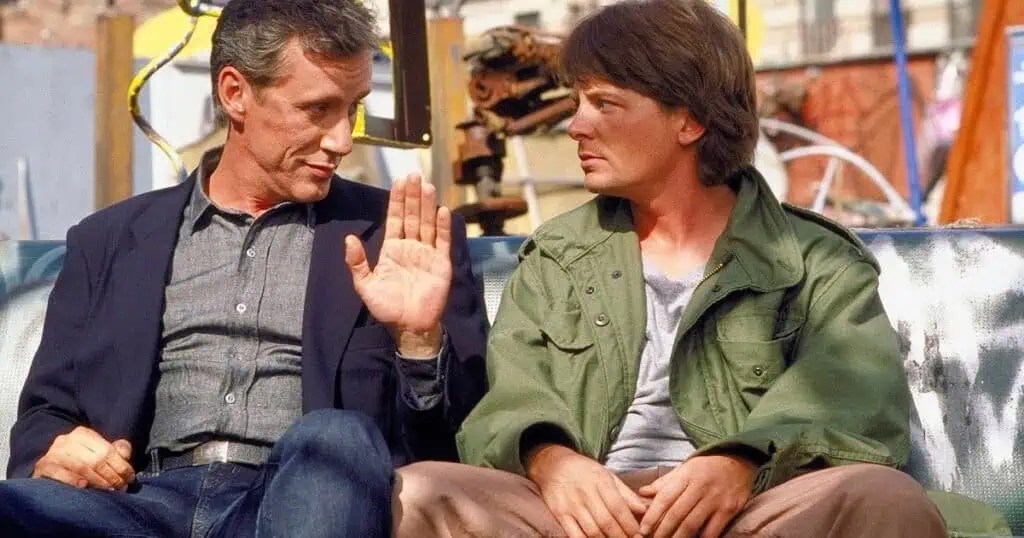
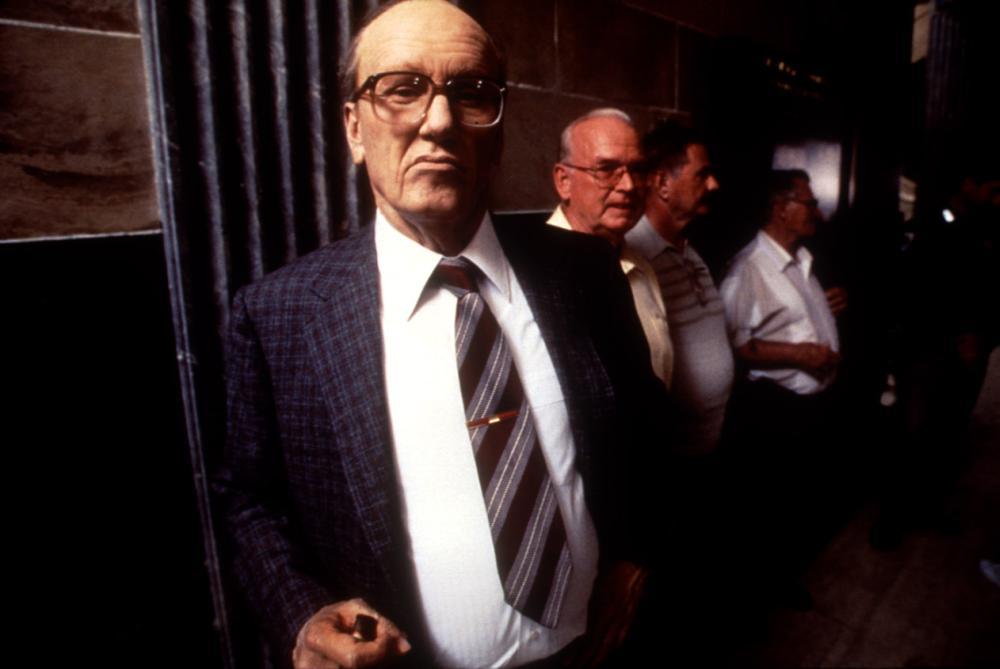
4 Shots From 4 Films: The James Woods Edition!


Today is the 78th birthday of James Woods, one of the great actors of his generation. Capable of completely disappearing into his roles, Woods is known for his unmatched intensity and diversity. He can play anything from a badass action hero to the most evil scum of society, from a mentally handicapped adult to the most intelligent man in the room. He’s been one of my favorite actors since I first discovered him in the late 80’s in the movie BEST SELLER (1987). While he’s won multiple Emmy awards and Golden Globes, the fact he’s never won an Oscar for his acting skills is beyond my comprehension. As he was an Executive Producer of OPPENHEIMER (2023), I particularly enjoyed that film’s Oscar success! Happy Birthday Mr. Woods! Thanks for the countless hours of entertainment you’ve brought into my life! 

ONCE UPON A TIME IN AMERICA (1984)

SALVADOR (1986)

THE HARD WAY (1991)

GHOSTS OF MISSISSIPPI (1996)

Lisa Reviews An Oscar Nominee: The Wolf of Wall Street (dir by Martin Scorsese)


Suck it, The Big Short The Wolf of Wall Street is the best film to be made about Wall Street this century.

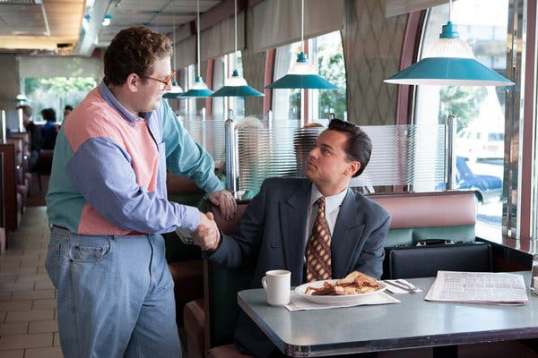
Martin Scorsese’s 2013 financial epic tells the true story of a group of rather sleazy people who got rich and who basically, to quote Robert De Niro from an earlier Scorsese film, “fucked it all up.”  Jordan Belfort (Leonardo DiCaprio, giving what I still consider to be the best performance of his career) is the son of an accountant named Max (Rob Reiner).  Fresh out of college, Jordan gets a job on Wall Street.  Under the mentorship of the eccentric (but rich) Mark Hanna (Matthew McConaughey), Jordan discovers that the job of a stock broker is to dupe people into buying stock that they might not need while, at the same time, making a ton of money for himself.  With the money comes the cocaine and the prostitutes and everything else that fuels the absurdly aggressive and hyper-masculine world of Wall Street.  Jordan is intrigued but, after the stock market crashes in 1987, he’s also out of a job.

Fortunately, Jordan is never one to give up.  He may no longer be employed on Wall Street but that doesn’t mean that he can’t sell stocks.  He gets a job pushing “penny stocks,” which are low-priced stocks for very small companies.  Because the price of the stock is so low, the brokers get a 50% commission on everything they sell.  Because Jordan is such an aggressive salesman, he manages to make a fortune by convincing people to buy stock in otherwise worthless companies.  As Jordan’s boss (played, in an amusing cameo, by Spike Jonze) explains it, what they’re doing isn’t exactly regulated by the government, which just means more money for everyone!  Yay!

Working with his neighbor, Donny Azoff (Jonah Hill, at his most eccentric), Jordan starts his own brokerage company.  Recruiting all of his friends (the majority of whom are weed dealers who never graduated from high school), Jordan starts Stratton Oakmont.  Using high-pressure sales tactics and a whole lot of other unethical and occasionally illegal techniques, Jordan soon makes a fortune.  When Forbes Magazine publishes an expose that portrays Jordan as being little more than a greedy con man, Stratton Oakmont is flooded by aspiring stock brokers who all want to work for “the wolf of Wall Street.”

And, for a while, Jordan has everything that he wants.  While the Stratton Oakmont offices become a den of nonstop drugs and sex, Jordan buys a huge mansion, a nice car, and marries a model named Naomi (Margot Robbie).  His employees literally worship Jordan as he begins and ends every working day with inspirational (and often hilariously profane) sermons, encouraging his people to get out there and sell no matter what.  Of course, making that much money, Jordan has to find a way to hide it from the IRS.  Soon, with the help of Naomi’s aunt (Joanna Lumley), he is smuggling millions of dollars into Switzerland where a banker (Jean Dujardin, who is both hilariously suave and hilariously sleazy a the time) helps him hide it all.

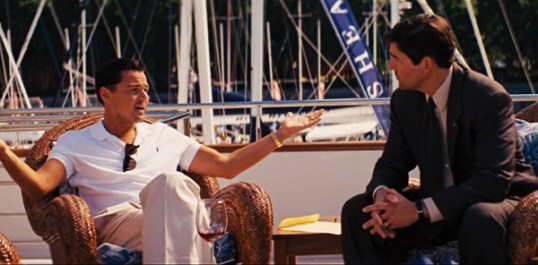
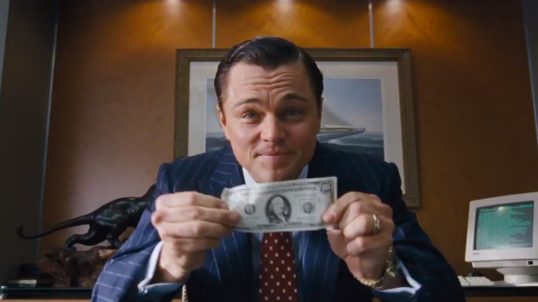
When Jordan learns that the FBI and SEC are looking into his dealings, Jordan invites Agent Patrick Denham (Kyle Chandler) to come visit him on his yacht and, in a scene that launched a thousand memes, the two of them have a friendly conversation that’s largely made up of passive aggressive insults.  Jordan taunts Denham over the fact that Denham washed out when he tried to get a job on Wall Street.  Denham laughingly asks Jordan to repeat something that sounded like it may have been a bribe.  When Denham leaves the boat, Jordan taunts him by tossing a wad of hundred dollars bills into the wind….

And here’s the thing.  Yes, the media and our political class tells us that we’re supposed to hate that Jordan Belforts of the world.  One can imagine Bernie Sanders having a fit while watching Jordan brag about how he cheated the IRS.  If Adam McKay or Jay Roach had directed this film, one can imagine that they would have used the yacht scene to portray Jordan Belfort as pure evil.  (McKay probably would have tossed in Alfred Molina as a waiter, asking Belfort if he wants to feast on the lost future of the children of America.)  But the truth of the matter is that most viewers, even if they aren’t willing to admit it, will secretly be cheering for Jordan when he throws away that money.  DiCaprio is so flamboyantly charismatic and Scorsese, as director, so perfectly captures the adrenaline high of Jordan’s lifestyle that you can’t help but be sucked in.  He may be greedy and unethical but he just seems to be having so much fun!  Just as how Goodfellas and Casino portrayed life in the mafia as being an intoxicating high (as well as being more than a little bit dangerous), The Wolf of Wall Street refrains from passing easy judgment and it steadfastly refuses to climb onto a moral high horse.  Jordan narrates his own story, often talking directly to the camera and almost always defending his actions.  As a director, Scorsese is smart enough to let us make up own minds about how we feel about Jordan and his story.

Of course, when Jordan falls, it’s a dramatic fall.  That said, it’s not quite as dramatic of a fall as what happened to Ray Liotta in Goodfellas or Robert De Niro in Casino.  No one gets blown up, for instance.  But Jordan does lose everything that gave his life meaning.  By the end of the film, he’s been reduced to giving seminars and challenging attendees to sell him a pen.  (“Well,” one hapless gentleman begins, “it’s a very nice pen…..”)  During the film’s final scenes, it’s not so much a question of whether Jordan has learned anything from his fall.  Instead, the movie leaves you wondering if he’s even capable of learning.  At heart, he’s the wolf of Wall Street.  That’s his nature and it’s really the only thing that he knows how to do.  He’s a bit like Ray Liotta living in the suburbs at the end of Goodfellas.  He’s alive.  He has his freedom and a future.  But he’s still doesn’t quite fit in.  Much like Moses being denied the opportunity to physically enter the Promised Land, Jordan’s punishment for his hubris is to spend his life in exile from where he truly belongs.  And yet, you know that Jordan — much like Henry Hill — probably wouldn’t change a thing if he had the chance to live it all over again.  He’d just hope that he could somehow get a better ending while making the same decisions.

Unlike something like The Big Short, which got bogged down in Adam McKay’s vapid Marxism, The Wolf of Wall Street works precisely because it refuses to pass judgment.  It refuses to tell us what to think.  I imagine that a lot of people watched The Wolf of Wall Street and were outraged by the way Jordan Belfort made his money.  I imagine that an equal number of people watched the film and started thinking about how much they would love to be Jordan Belfort.  The Wolf of Wall Street is a big, long, and sometimes excessive film that dares the audience to think of themselves.  That’s one reason why it’ll be remembered after so many other Wall Street films are forgotten.

The Wolf of Wall Street was nominated for best picture of the year.  It lost to 12 Years A Slave.

4 Shots From 4 James Caan Films: Lady in a Cage, The Godfather, Misery, Bottle Rocket


4 Shots From 4 Films is just what it says it is, 4 shots from 4 of our favorite films. As opposed to the reviews and recaps that we usually post, 4 Shots From 4 Films lets the visuals do the talking.

Happy birthday to one of the great American actors, James Caan!

In honor of this day, here are….

4 Shots From 4 James Caan Films

Lady in a Cage (1964, dir by Walter Grauman)

The Godather (1972, dir by Francis Ford Coppola)

Misery (1990, dir by Rob Reiner)

Bottle Rocket (1996, dir by Wes Anderson)

Here’s The Trailer For Shock and Awe (which appears to deliver little of either)


Here’s the trailer for Shock and Awe, which is apparently a film about the media at the start of the Iraq War.

Don’t get too excited.  It was directed by Rob Reiner, who hasn’t done anything worthwhile in quite some time.  To be honest, this sounds like exactly the type of project that will bring out all of Reiner’s worst, most middlebrow instincts as a filmmaker.

But who knows?  At least Tommy Lee Jones is in it.

Here Are The Trailers for LBJ, Suburbicon, Rebel in the Rye, and 9-11!


Here’s four trailer for four films, none of which I have high hopes for.

First off, we’ve got LBJ.  You’d probably expect that I, as a history nerd, would be excited about any presidential biopic and that usually would be the case.  However, LBJ was directed by Rob Reiner and this seems like exactly the type of project that is going to bring out all of his worst tendencies as a filmmaker.  I imagine this film will make Lincoln look subtle.  I also imagine it will get some good review from the “Let’s make every review about Trump” crowd.

LBJ has actually been around for a while.  It was mentioned as an Oscar contender last year.  Then festival and preview audiences were exposed to it and all that LBJ Oscar talk abruptly ended.  No one is mentioning it as an Oscar contender this year.

The good news about Suburbicon is that it was co-written by the Coen Brothers.  The bad news is that it was directed by George Clonoey, a great actor who just happens to be an absolutely lousy director.  Much like LBJ, this is another film that I hope will be good but I just fear the material will bring out all of Clooney’s worst instincts as a filmmaker.

That said, as an actor, Clooney had done some of his best work for the Coens.  (His self-mocking performance in Burn After Reading was absolutely brilliant.)  So, I’m hoping that I’ll be proven wrong and Suburbicon will be great.

Rebel in the Rye is a biopic of writer J.D. Salinger.  The advance word on this one is not good.  Not good at all.

And finally, here’s the trailer for 9-11, which I’m predicting will be one of the worst films of 2017.  Outspoken truther Charlie Sheen plays a man stuck in a elevator September 11th.  Apparently, this was directed by Martin Guigui, who also directed National Lampoon’s Cattle Call.  

Apparently, this will be the first Charlie Sheen film to actually make it into theaters since A Glimpse Into The Mind of Charlie Swan III.  It’ll be released on September 8th and hopefully, it won’t be as annoying as Extremely Loud and Incredibly Close.


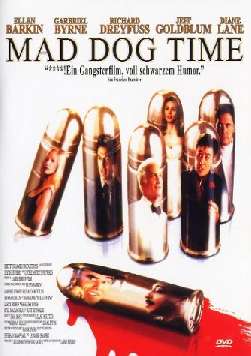
Worst of the Worst: Mad Dog Time (1996, directed by Larry Bishop)


Mad_dog_time_4841Remember how, in the 1990s, every aspiring indie director tried to rip off Quentin Tarantino by making a gangster film that mixed graphic violence with quirky dialogue, dark comedy, and obscure pop cultural references?  That led to a lot of terrible movies but not a single one (not even Amongst Friends) was as terrible as Mad Dog Time.
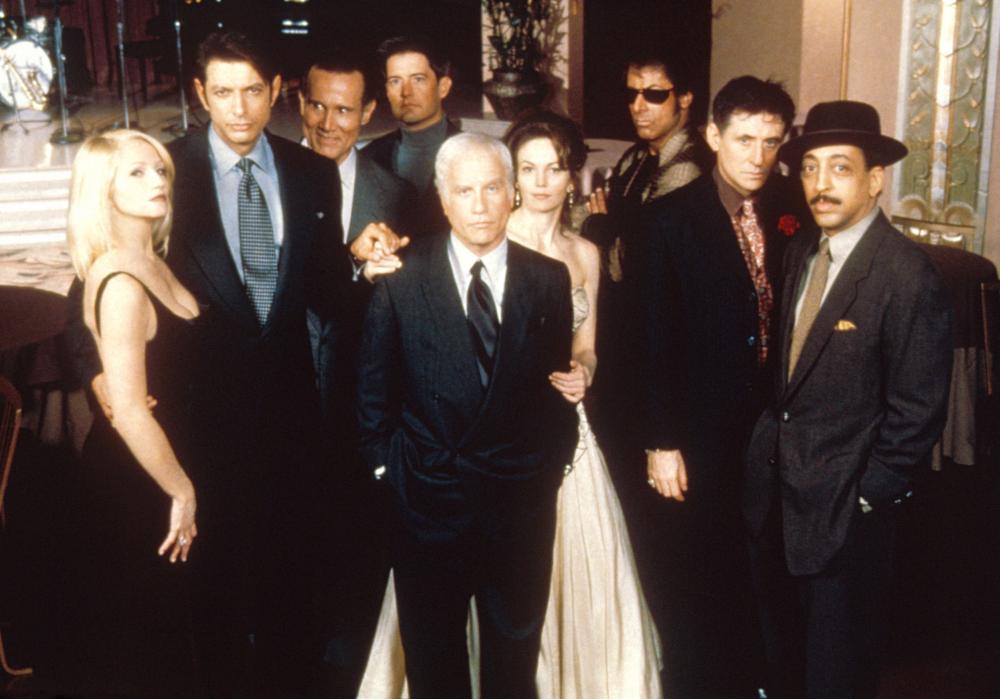
That Mad Dog Time was terrible should come as no surprise.  Most directorial debuts are.  What made Mad Dog Time unique was the sheer amount of talent that was assembled and wasted in the effort to bring this sorry movie to life.  As the son of Joey Bishop, director Larry Bishop was Hollywood royalty and was able to convince several ridiculously overqualified actors to play the thinly drawn gangsters and rouges who populated Mad Dog Time.  Much like the Rat Pack movies that his father once starred in, Larry Bishop’s debut film was full of familiar faces.  Some of them only appeared for a few seconds while others had larger roles but they were all wasted in the end.  Hopefully, everyone was served a good lunch in between filming their scenes because it is hard to see what else anyone could have gotten out of appearing in Mad Dog Time.

Mob boss Vic (Richard Dreyfuss) has just been released from a mental hospital.  With the help of his main enforcer, Mick (Jeff Goldblum), and a legendary hitman named Nick (Larry Bishop, giving not only the worst performance in the film but also the worst performance of the 1990s), Vic is going to reassert his control over the rackets.  Vic also wants to find his former mistress, Grace Everly (Diane Lane) but he doesn’t know that Grace is now with Mick and that Mick is also having an affair with Grace’s sister, Rita (Ellen Barkin).

(Grace and Rita are the Everly Sisters!  Ha ha, between that and all the rhyming names, are you laughing yet?)

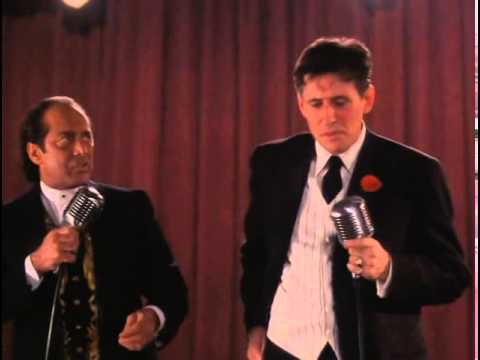
Anka and Byrne

Ben London (Gabriel Byrne) has taken over Vic’s nightclub and, while singing My Way with Paul Anka, tells Vic that he should take an early retirement because he’s a paranoid schizophrenic.  Before he can deal with Ben, Vic has to kill all of his other rivals, all of whom are played by actors like Michael J. Pollard, Billy Idol, Kyle MacLachlan, Gregory Hines, and Burt Reynolds.  The bodies start to pile up but Jimmy the Undertaker (Richard Pryor, looking extremely frail in one of his final roles) is always around to make sure that everyone gets a proper burial.

And there are other cameos as well.  Joey Bishop is the owner of a mortuary.  Henry Silva is wasted as one the few gangsters to stay loyal to Vic.  Christopher Jones, who previously co-starred with Larry Bishop and Richard Pryor in Wild In The Streets before dropping out of a society, plays a hitman who pretends to be Nick Falco.  Even Rob Reiner shows up a limo driver who talks too much.

Almost every poorly paced scene in Mad Dog Time plays out the same way.  Three or more men confront each other in a room.  Hard-boiled dialogue is exchanged for an interminable length of time until someone finally gets shot.  You would think, at the very least, it would be watchable because of all the different people in the cast but none of the actors really seem to be into it.  Richard Dreyfuss and Jeff Goldblum resort to smirking through their scenes while Gabriel Byrne often appears to be drunk.  Whenever he’s in a scene, Burt Reynolds seems to be trying to hide his face and it is hard to blame him.  There were many terrible movies released in the 90s but none were as bad as Mad Dog Time.