The annual Annie Awards honor the best in animation. The winners will be announced on April 16th and you can find the nominees below:
Best Feature
Onward, Pixar Animation Studios
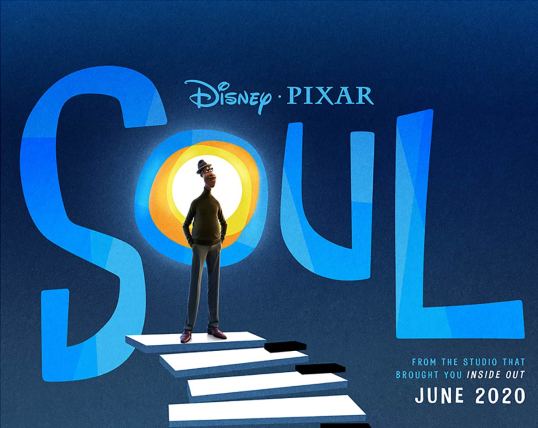
Soul, Pixar Animation Studios
The Croods: A New Age, DreamWorks Animation
The Willoughbys, Netflix Presents A BRON Animation Production in association with Creative Wealth Media
Trolls World Tour, DreamWorks Animation
Best Indie Feature
A Shaun the Sheep Movie: Farmageddon, Studiocanal and Aardman present in association with Anton Capital Entertainment, an Aardman Production for Netflix
Calamity Jane, Maybe Movies
On-Gaku: Our Sound, Rock’n Roll Mountain, Tip Top, GKIDS
Ride Your Wave, Science SARU / GKIDS
Wolfwalkers, Apple / GKIDS
Best Special Production
Baba Yaga, Baobab Studios
Libresse / Bodyform -#WombStories, Chelsea Pictures
Nixie & Nimbo, Hornet
Shooom’s Odyssey,Picolo Pictures
The Snail and the Whale, Magic Light Pictures
Best Short Subject
Filles Bleues, Peur Blanche, Miyu Productions
KKUM, open the portal
Souvenir Souvenir, Blast Production
The Places Where We Live (Cake), FX Productions and FX
World of Tomorrow Episode Three: The Absent Destinations of David Prime, Don Hertzfeldt
Best Sponsored
Erste Group ‘Edgar’s Christmas’, Passion Animation Studios
Max & Maxine, Hornet
The Last Mile, Nexus Studios
There’s a Monster in my Kitchen, Cartoon Saloon, Mother
Travel the Vote, Hornet
Best TV/Media – Preschool
Buddi, Episode: Snow, Unanico Group
Muppet Babies, Episode: Wock-a-bye-Fozzie, Oddbot/Disney Junior
Stillwater, Episode: The Impossible Dream / Stuck in the Rain, Apple / Gaumont / Scholastic
The Adventures of Paddington, Episode: Paddington Digs a Tunnel to Peru, Blue-Zoo Animation Studio and Nickelodeon Animation Studio
Xavier Riddle and the Secret Museum: I am Madam President, Episode: I am Madam President, 9 Story Media Group, Brown Bag Films
Best TV/Media – Children
Hilda, Episode: Chapter 9: The Deerfox, Silvergate Media for Netflix
Rise of the Teenage Mutant Ninja Turtles, Episode: Finale Part 4: Rise, Nickelodeon Animation Studio
She-Ra and the Princesses of Power, Episode: Heart Part 2, DreamWorks Animation
Star Wars: The Clone Wars, Episode: Shattered, Lucasfilm Animation
Victor And Valentino, Episode: The Lonely Haunts Club 3: La Llorona, Cartoon Network Studios
Best TV/Media – General Audience
Close Enough, Episode: Logan’s Run’d/Room Parents, Cartoon Network Studios
Genndy Tartakovsky’s Primal, Episode: Coven Of The Damned, Cartoon Network Studios
Harley Quinn, Episode: Something Borrowed, Something Green, Eshugadee Productions in association with Warner Bros. Animation
Rick and Morty, Episode: The Vat of Acid Episode, Rick and Morty LLC
The Midnight Gospel, Episode: Mouse of Silver, Titmouse Animation for Netflix
Best Student Film
100,000 Acres of Pine, Student director: Jennifer, Alice Wright School: The Animation Workshop
Coffin; Student directors: Yuanqing Cai, Nathan Crabot, Houzhi Huang, Mikolaj Janiw, Mandimby Lebon, Théo Tran Ngoc; School: Gobelins, l’école de l’image
La Bestia; Student directors: Marlijn Van Nuenen, Ram Tamez, Alfredo Gerard Kuttikatt; School: Gobelins, l’école de l’image
Latitude du printemps; Student directors: Sylvain Cuvillier, Chloé Bourdic, Théophile Coursimault, Noémie Halberstam, Ma?lis, Mosny, Zijing Ye; School: Rubika
O Black Hole!, Student director: Renee Zhan, Student producer: Jesse Romain, School: National Film and Television School, UK
Best FX for TV/Media
Fast & Furious: Spy Racers, Episode: Sirocco Fire Explosion, DreamWorks Animation; Chris Browne, Brand Webb, Russell Richardson, Ardy Ala, Reggie Fourmyle
Jurassic World: Camp Cretaceous, Episode: Welcome to Jurassic World, DreamWorks Animation; Emad Khalili, Ivan Wang
Lamp Life, Episode: Lamp Life, Pixar Animation Studios; Greg Gladstone, Keith Daniel Klohn, Matthew Wong
Tales of Arcadia: Wizards, Episode: Killahead, Part Two, DreamWorks Animation; Greg Lev, Igor Lodeiro, Brandon Tyra, Cui Wei, Ma Xiao
Transformers: War For Cybertron Trilogy (Siege), Episode: Episode 6, Rooster Teeth Productions for Netflix; Masanori Sakakibara
Best FX for Feature
Over the Moon, Netflix Pearl Studio; Ian Farnsworth, Brian Casper, Reinhold Rittinger, Zoran Stojanoski, Jennifer Lasrado
Soul, Pixar Animation Studios; Tolga Göktekin, Carl Kaphan, Hiroaki Narita, Enrique Vila, Kylie Wijsmuller
The Croods: A New Age, DreamWorks Animation; Amaury Aubel, Domin Lee, Alex Timchenko, Andrew Wheeler, Derek Cheung
Trolls World Tour, DreamWorks Animation; Zachary Glynn, Landon Gray, Youxi Woo, John Kosnik, Doug Rizeakos
Wolfwalkers, Apple / GKIDS; Kim Kelly, Leena Lecklin, Frédéric Plumey, Almu Redondo, Nicole Storck
Best Character Animation – TV/Media
Alien Xmas, Netflix Presents Fairview Entertainment / Sonar Entertainment / Chiodo Bros. Productions; Kim Blanchette
BoJack Horseman, Episode: Good Damage, Tornante Productions, LLC for Netflix; James Bowman
Cosmos: Possible Worlds, Episode: Vavilov Starburns Industries; Dan MacKenzie
Hilda, Silvergate Media for Netflix; David Laliberté
Lamp Life, Episode: Lamp Life, Pixar Animation Studios; Lucas Fraga Pacheco
Best Character Animation – Feature
Onward, Pixar Animation Studios; Shaun Chacko
Soul, Pixar Animation Studios; Michal Makarewicz
The Croods: A New Age, DreamWorks Animation; Rani Naamani
The Willoughbys, Netflix Presents A BRON, Animation Production in association with Creative Wealth Media; Andrés Bedate Martin
Wolfwalkers, Apple / GKIDS; Emmanuel Asquier-Brassart
Best Character Animation – Live Action
The Christmas Chronicles 2; Production Company: Netflix Presents A 26th Street Pictures / Wonder Worldwide Production; FX Production Company: Weta Digital; Nick Stein, Caroline Ting, Sebastian Trujillo, David Yabu, Paul Ramsden
The Mandalorian; Production Company: Lucasfilm; FX Production Company: Image Engine; Nathan Fitzgerald, Leo Ito, Chris Rogers, Eung Ho Lo, Emily Luk
The Umbrella Academy 2; Production Company: UCP for Netflix; FX Production Company: Weta Digital; Aidan Martin, Hunter Parks, Craig Young, Viki Yeo, Krystal Sae Eua
Timmy Failure: Mistakes Were Made; Production Company: Walt Disney Pictures; FX Production Company: Framestore; Anders Beer, Marianne Morency, Hennadii Prykhodko, Sophie Burie, Cedric Le Poullennec
Best Character Animation – Video Game
League of Legends, Riot Games, Inc.; Jose “Sho” Hernandez, Lana Bachynski , Christopher Hsing, Matthew Johnson, Jason Hendrich
Marvel’s Spider-Man Miles Morales, Insomniac Games; Brian Wyser, Michael Yosh, Danny Garnett, David Hancock
Ori and the Will of the Wisps, Moon Studios Xbox Game Studios iam8bit; Jim Donovan, Warren Goff, Boris Hiestand, Kim Nguyen, Jason Martinsen
The Last of Us Part II, Naughty Dog; Jeremy Yates, Eric Baldwin, Almudena Soria, Michal Mach, August Davies
Best Character Design – TV/Media
Amphibia, Episode: The Shut-In!, Disney TV Animation; Joe Sparrow
BNA, Episode: Runaway Raccoon, Trigger / Netflix; Yusuke Yoshigaki
Craig of the Creek, Cartoon Network Studios; Danny Hynes
Looney Tunes Cartoons, Warner Bros. Animation; Jim Soper
The Owl House, Episode: Young Blood, Old Souls, Disney Television Animation; Marina Gardner
Best Character Design – Feature
Soul, Pixar Animation Studios; Daniel López Muñoz
The Croods: A New Age, DreamWorks Animation; Joe Pitt
The Willoughbys, Netflix Presents A BRON Animation Production in association with Creative Wealth Media; Craig Kellman
Trolls World Tour, DreamWorks Animation; Timothy Lamb
Wolfwalkers, Apple / GKIDS; Federico Pirovano
Best Direction – TV/Media
Genndy Tartakovsky’s Primal, Episode: Plague of Madness; Cartoon Network Studios; Genndy Tartakovsky
Great Pretender, Episode: Case 1_1, Los Angeles Connection Production I.G. for Fuji Television Network and Netflix; Hiro Kaburagi
Mao Mao: Heroes of Pure Heart, Episode: Mao Mao’s Nakey, Titmouse Inc / Cartoon Network Studios; Michael Moloney
Rise of the Teenage Mutant Ninja Turtles, Episode: Battle Nexus NYC, Nickelodeon Animation Studio; Alan Wan
The Wonderful World of Mickey Mouse, Episode: Hard to Swallow, Disney Television Animation; Eddie Trigueros
Best Direction – Feature
Calamity Jane, Maybe Movies; Rémi Chayé
Over the Moon, Netflix Presents a Netflix/Pearl Studio Production / a Glen Keane Productions Presentation; Glen Keane
Ride Your Wave, Science SARU / GKIDS; Masaaki Yuasa
Soul, Pixar Animation Studios; Pete Docter, Kemp Powers
Wolfwalkers, Apple / GKIDS; Tomm Moore, Ross Stewart
Best Music – TV/Media
Blood of Zeus, Episode: Escape or Die; Powerhouse Animation Studios for Netflix; Paul Edward-Francis
Mira Royal Detective, Episode: The Great Diwali Mystery, Wild Canary / Disney Junior; Amritha Vaz, Matthew Tishler, Jeannie Lurie
Star Trek: Lower Decks, Episode: Crisis Point, CBS’s Eye Animation Productions, Titmouse; Secret Hideout; and Roddenberry Entertainment; Chris Westlake
Star Wars: The Clone Wars, Episode: Victory and Death, Lucasfilm Animation; Kevin Kiner
The Tiger That Came to Tea, Lupus Films; David Arnold, Don Black
Best Music – Feature
Onward, Pixar Animation Studios; Mychael Danna, Jeff Danna
Over the Moon, Netflix Presents a Netflix/Pearl Studio Production / a Glen Keane Productions Presentation; Steven Price, Christopher Curtis, Marjorie Duffield, Helen Park
Soul, Pixar Animation Studios; Trent Reznor, Atticus Ross, Jon Batiste
The Willoughbys, Netflix Presents A BRON Animation Production in association with Creative Wealth Media; Mark Mothersbaugh, Alessia Cara, Jon Levine, Colton Fisher
Wolfwalkers, Apple / GKIDS; Bruno Coulais, Kíla
Best Production Design – TV/Media
Baba Yaga, Baobab Studios; Glenn Hernandez, Matthieu Saghezchi
Shooom’s Odyssey, Picolo Pictures; Julien Bisaro
The Adventures of Paddington Episode: Paddington and Halloween, Blue-Zoo Animation Studio and Nickelodeon Animation Studio; Negar Bagheri
To: Gerard, DreamWorks Animation; Raymond Zibach
Trash Truck, Glen Keane Productions for Netflix; Eastwood Wong, Sylvia Liu, Elaine Lee, Tor Aunet, Lauren Zurcher
Best Production Design – Feature
Onward, Pixar Animation Studios; Noah Klocek, Sharon Calahan, Huy Nguyen, Bert Berry, Paul Conrad
Soul, Pixar Animation Studios; Steve Pilcher, Albert Lozano, Paul Abadilla, Bryn Imagire
The Willoughbys, Netflix Presents A BRON Animation Production in association with Creative Wealth Media; Kyle McQueen
Trolls World Tour, DreamWorks Animation; Kendal Cronkhite Shaindlin, Timothy Lamb
Wolfwalkers, Apple / GKIDS; María Pareja, Ross Stewart, Tomm Moore
Best Storyboarding – TV/Media
Archibald’s Next Big Thing, Episode: Baritone Tea Part 1, DreamWorks Animation; Ben McLaughlin
Big City Greens, Episode: Cheap Show, Walt Disney Television Animation; Kiana Khansmith
Looney Tunes Cartoons, Warner Bros. Animation; Andrew Dickman
Mortal Kombat Legends: Scorpion’s Revenge, Warner Bros. Animation; Milo Neuman
Shooom’s Odyssey, Picolo Pictures; Julien Bisaro
Best Storyboarding – Feature
Earwig and the Witch, Studio Ghibli; Goro Miyazaki
Over the Moon, Netflix Presents a Netflix/Pearl Studio Production / a Glen Keane Productions Presentation; Glen Keane
Soul, Pixar Animation Studios; Trevor Jimenez
The Croods: A New Age, DreamWorks Animation; Evon Freeman
Wolfwalkers, Apple / GKIDS; Guillaume Lorin
Best Voice Acting – TV/Media
Dragons Rescue Riders, Episode: Hunt for the Golden Dragon, DreamWorks Animation; Jeff Bennett (Erik the Wretched)
It’s Pony, Episode: Episode 107, Blue-Zoo Animation and Nickelodeon Animation Studio; Jessica DiCicco (Annie)
Phineas and Ferb the Movie Episode: Candace Against the Universe, Walt Disney Television Animation & Disney Plus; Ashley Tisdale (Candace)
Tales of Arcadia: Wizards, Episode: Our Final Act, DreamWorks Animation; David Bradley (Merlin)
ThunderCats ROAR!, Episode: ThunderSlobs, Warner Bros. Animation; Patrick Seitz (Mumm-Ra, Tygra)
Best Voice Acting – Feature
Earwig and the Witch, Studio Ghibli; Vanessa Marshall (Bella Yaga)
Onward, Pixar Animation Studios; Tom Holland (Ian Lightfoot)
Over the Moon, Netflix Presents a Netflix/Pearl Studio Production / a Glen Keane Productions
Presentation; Robert G. Chiu (Chin)
The Croods: A New Age, DreamWorks Animation; Nicolas Cage (Grug)
Wolfwalkers, Apple / GKIDS; Eva Whittaker (Mebh Óg MacTíre)
Best Writing – TV/Media
Big Mouth, Episode: The New Me, Netflix; Andrew Goldberg, Patti Harrison, Andrew Goldberg
Craig of the Creek, Cartoon Network Studios; Jeff Trammell, Tiffany Ford, Dashawn Mahone, Najja Porter
Fancy Nancy, Episode: Nancy’s New Friend, Disney Television Animation; Krista Tucker, Andy Guerdat, Matt Hoverman, Laurie Israel, Marisa Evans-Sanden
Harley Quinn, Episode: Something Borrowed, Something Green; Eshugadee Productions in association with Warner Bros. Animation; Sarah Peters
She-Ra and the Princesses of Power, Episode: Heart Part 2, DreamWorks Animation; Noelle Stevenson
Best Writing – Feature
A Shaun the Sheep Movie: Farmageddon, Studiocanal and Aardman present in association with Anton Capital Entertainment, An Aardman Production for Netflix; Mark Burton, Jon Brown
Onward, Pixar Animation Studios; Dan Scanlon, Jason Headley, Keith Bunin
Over the Moon, Netflix Presents a Netflix/Pearl Studio Production / a Glen Keane Productions Presentation; Audrey Wells
Soul, Pixar Animation Studios; Pete Docter, Mike Jones, Kemp Powers
Wolfwalkers, Apple / GKIDS; Will Collins
Best Editorial – TV/Media
Cops and Robbers, Lawrence Bender Productions for Netflix; Brandon Terry, Ezra Dweck, Del Spiva
Hilda, Episode: Chapter 9: The Deerfox, Silvergate Media for Netflix; John McKinnon
If Anything Happens I Love You, Gilbert Films / Oh Good Productions for Netflix; Peter Ettinger, Michael Babcock
Lamp Life, Episode: Lamp Life, Pixar Animation Studios; Serena Warner
To: Gerard, DreamWorks Animation; James Ryan
Best Editorial – Feature
A Shaun the Sheep Movie: Farmageddon, Studiocanal and Aardman present in association with Anton Capital Entertainment, An Aardman Production for Netflix; Sim Evan-Jones, ACE, Adrian Rhodes
Calamity Jane, Maybe Movies; Benjamin Massoubre
Onward, Pixar Animation Studios; Catherine Apple, Anna Wolitzky, Dave Suther
Soul, Pixar Animation Studios; Kevin Nolting, Gregory Amundson, Robert Grahamjones, Amera Rizk
The Willoughbys, Netflix Presents A BRON Animation Production inassociation with Creative Wealth Media; Fiona Toth, Ken Schretzmann, ACE