The Films of 2025: The Lost Bus (dir by Paul Greengrass)


If you’re like me and you have not only asthma but also a huge phobia about getting caught in the middle of an out-of-control fire, you should definitely make sure you have your inhaler nearby while watching The Lost Bus.

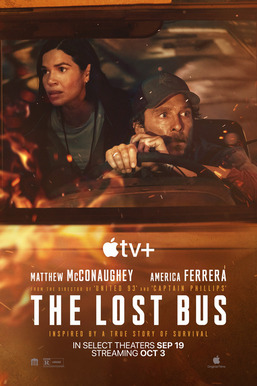
Based on an actual California wildfire that killed over 80 people in 2018, The Lost Bus takes the viewer straight into the fire.  We watch as one power line falls off of a poorly maintained tower.  We see the sparks and then we see the fire that starts to burn almost immediately.  Soon, the fire is moving down the mountain and through the forest.  The camera zooms into the heart of the growing disaster and the viewer spends many horrifying minutes in the middle of the inferno, watching as trees burst into flames and the black smoke turns the sky dark as night.  We hear the wind blowing the fire closer and closer to civilization and we realize, even before the majority of the characters in the film, that there’s no way to stop it.  Tears came to my eyes as I watched the fire destroying everything that it touched and I did have to grab my inhaler at one point.  The film’s visualization of the wildfire overwhelms you, to the extent that you might actually feel the heat radiating off of the screen.

When the film shifts away from the fire, it’s focuses on Kevin (Matthew McConaughey), a directionless man who has recently returned to his hometown and who works as a school bus driver.  When he first realizes how bad the fire is, his first instinct is to rush back to his home but then he hears over the radio that there are over 20 children at an elementary school who need to be taken to safety.  Kevin’s bus is the only one in the area.  He picks up the children and their teacher, Mary (America Ferrara) and tries to drive them to another area so that they can be reunited with their parents.  While Kevin is just trying to get his bus and the kids to safety, the California Department of Forestry and Fire Protection fights a losing battle to try to contain the inferno.

Both Matthew McConaughey and America Ferrara are playing rather familiar characters.  Kevin is the perennial screw-up, the guy who is on the verge of losing his job but who ultimately proves himself to be the type of hero that no one expected him to be.  Mary is the dedicated teacher who tells the kids to walk in a straight line and who tries to keep them calm even when new fires are erupting around them.  Kevin never wanted to come back to his hometown while Mary never wants to leave it.  Though the characters may be familiar, McConaughey and Ferrara both give authentic and lived-in performances.  That said, the most compelling character remains the fire itself, a creation of pure out-of-control chaos and a reminder of the heart-breaking randomness of life.

This is another one of Paul Greengrass’s shaky cam docudramas.  As a filmmaker, Greengrass is one of the best when it comes to putting the viewer right in the middle of the action and, for once, not even Greengrass’s signature political posturing can stop the film’s momentum.  The Lost Bus is a film that ultimately celebrates not only community but also how one individual can make a difference in a time of crisis.  It’s a film that left me out-of-breath and with tears in my eyes.
Review: Tropic Thunder (dir. by Ben Stiller)


“A nutless monkey can do your job.” — Les Grossman

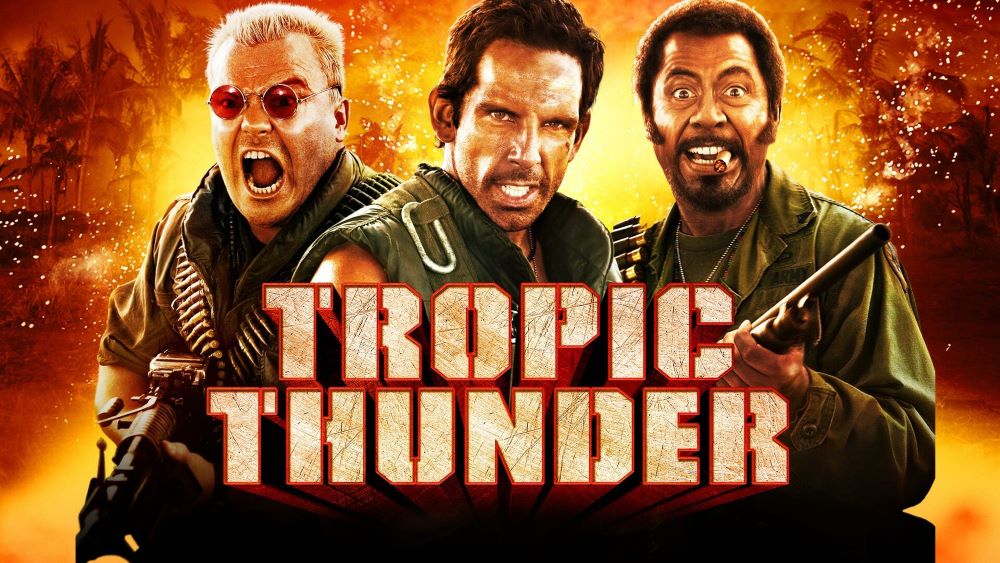
Ben Stiller’s Tropic Thunder is a bold, chaotic comedy that dives headfirst into the wild world of Hollywood satire. The film, which Stiller directed, co-wrote, and starred in, feels like a high-energy roast of the movie industry itself, blending action, parody, and sharp commentary into one explosive package. The cast is stacked with familiar faces like Robert Downey Jr., Jack Black, Jay Baruchel, Brandon T. Jackson, and even Tom Cruise in a shockingly hilarious cameo, all committed to the film’s madcap, anything-goes spirit.

A distinctive touch that shows Tropic Thunder’s deep commitment to Hollywood satire is how it begins—not with a typical studio logo or title sequence—but with a series of fake movie trailers. These trailers parody different film genres and Hollywood clichés, setting an irreverent tone before the actual film even starts. The highlight is undoubtedly the “Oscar-bait” trailer for Satan’s Alley, a pitch-perfect send-up of self-serious, emotionally heavy dramas designed for awards season attention. By embedding these faux trailers, the film immerses viewers in its meta commentary and signals from the outset that it’s willing to mock and take apart the film industry at all levels.

This movie-within-a-movie begins with a group of egotistical actors trying to make a serious war film based on the fictional memoir of a Vietnam veteran. Their attempt at gritty realism falters under the weight of their own vanity and cluelessness, turning the set into a feverish comedy of errors. When the director dies and the actors are abandoned in a real jungle with actual dangers, the film blurs the lines between fantasy and reality, leading to a relentless cascade of absurd situations and insider jokes about Hollywood machinery.

Robert Downey Jr.’s portrayal of Kirk Lazarus, a method actor who undergoes extreme skin pigmentation surgery to play a Black character, is both provocative and hilarious. His performance skewers Hollywood’s past mistakes with race and casting, while his tense exchanges with Brandon T. Jackson’s Alpa Chino, who plays a genuinely Black rapper, provide sharp moments that balance discomfort with comedy. Downey Jr.’s “blackface” was a conscious satire of method acting and Hollywood egos, an attempt to ridicule extreme lengths actors go for acclaim rather than an endorsement of offensive practices. However, even at its release in 2008, it sparked conversations about the boundaries of comedy and racial sensitivity—an issue that would be even more controversial in 2025’s cultural climate.

Similarly, the film’s handling of ableist humor through the subplot of Simple Jack, a fictional movie starring Ben Stiller’s character as a person with intellectual disabilities, drew mixed reactions. While intended as a biting critique of Hollywood’s exploitation of disability for sympathy and awards, the portrayal nonetheless walked a tightrope that made some audience members uncomfortable. This nuanced but risky satire highlights how Tropic Thunder throws a wide net in exposing Hollywood’s many blind spots, yet its fearless approach also invites legitimate questions about respect and representation.

Jack Black delivers wild physical comedy as Jeff Portnoy, a drug-addled comedian losing control, offering a blend of slapstick and oddly sincere moments. Meanwhile, Tom Cruise steals the film with his iconic turn as Les Grossman, the balding, foul-mouthed studio exec whose explosive rants and dance moves have reached legendary status. Industry insiders often note that Grossman’s tempestuous persona seems inspired by real-life producer Scott Rudin, known for a similarly volatile temperament.

Much of the film’s humor targets Hollywood’s obsession with awards and ego, skewering Oscar-bait films, blockbuster excess, and ridiculous celebrity antics. The fake trailers highlight these themes, and Lazarus’s infamous line “Never go full retard, man!” takes aim at acting extremes motivated by prestige rather than authenticity. Stiller’s direction embraces loud, over-the-top action sequences that mimic classic Vietnam War movies but infuse them with cartoonish chaos, while the lush jungle serves as a satirical arena for exposing the actors’ incompetence.

While Tropic Thunder is gleefully offensive and hilarious, its treatment of race and disability sparked debate about where satire crosses lines. The film’s biting self-awareness and sharp commentary doesn’t always prevent discomfort, but it highlights the difficulty of balancing edgy humor with social consciousness in comedy. The film’s reception reveals how comedy evolves with cultural awareness; what passed as biting satire in 2008 would face even fiercer scrutiny in today’s more sensitive and politically aware environment.

From an entertainment standpoint, the movie delivers nonstop laughs, with rapid-fire jokes, strong chemistry among the cast, and sharp Hollywood references that keep fans engaged. Downey Jr.’s method acting antics, Black’s physical comedy, and Cruise’s outrageous studio boss combine into a relentless comedic assault. It’s not a film for those who prefer safe or sanitized humor, but for those who appreciate biting satire with reckless energy, it’s a must-watch.

Looking back, Tropic Thunder stands as a snapshot of a moment before social media and instantaneous backlash reshaped Hollywood comedy. Its controversial content might not get greenlit today, much like the boundary-pushers Blazing Saddles and Airplane! before it. Yet, as history shows, comedy will always find new ways to challenge sensibilities and push limits. Only time will tell what the next film is that dares to cross such lines again.

If you haven’t experienced Tropic Thunder, prepare for a relentlessly funny, sharply satirical comedy that skewers everything from celebrity egos to studio politics with savage wit and over-the-top energy.

Scene I Love: Tom Cruise In Tropic Thunder


Today, the Shattered Lens wishes a happy 63rd birthday to one of the last remaining movie stars, Tom Cruise!

While it’s tempting to celebrate this day by sharing a scene from a film like Top Gun: Maverick or one of the Mission Impossible sequels or maybe even something like Magnolia, Jerry Maguire, Edge of Tomorrow, or Risky Business, I am going to go with a clip from 2008’s Tropic Thunder.  There’s a lot talent in this particular scene, with Bill Hader and Matthew McConaughey both giving good performances.  But, of course, the whole thing is dominated by Tom Cruise’s wonderfully demented performance as Les Grossman.

“We do not negotiate with terrorists!”

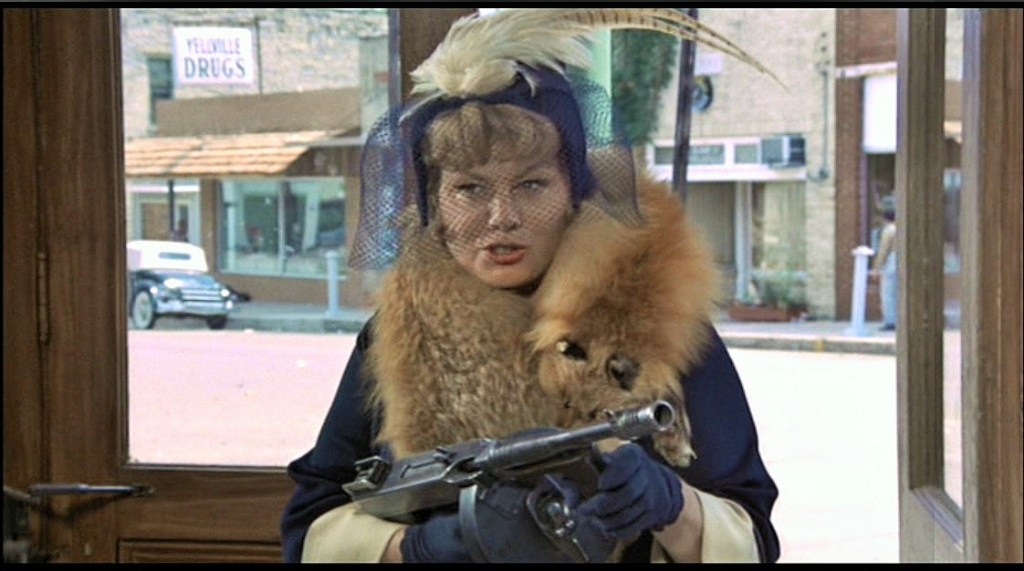
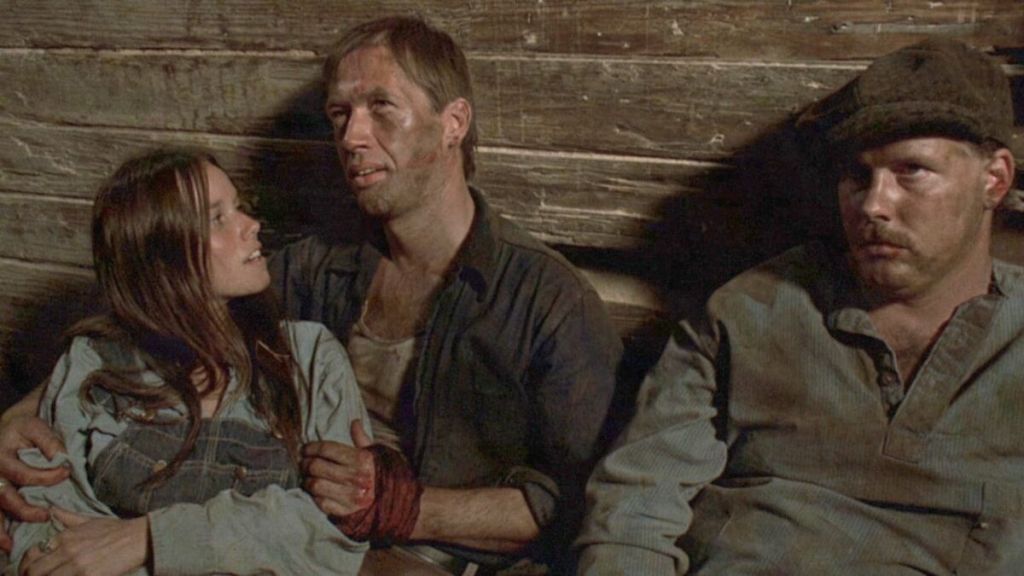
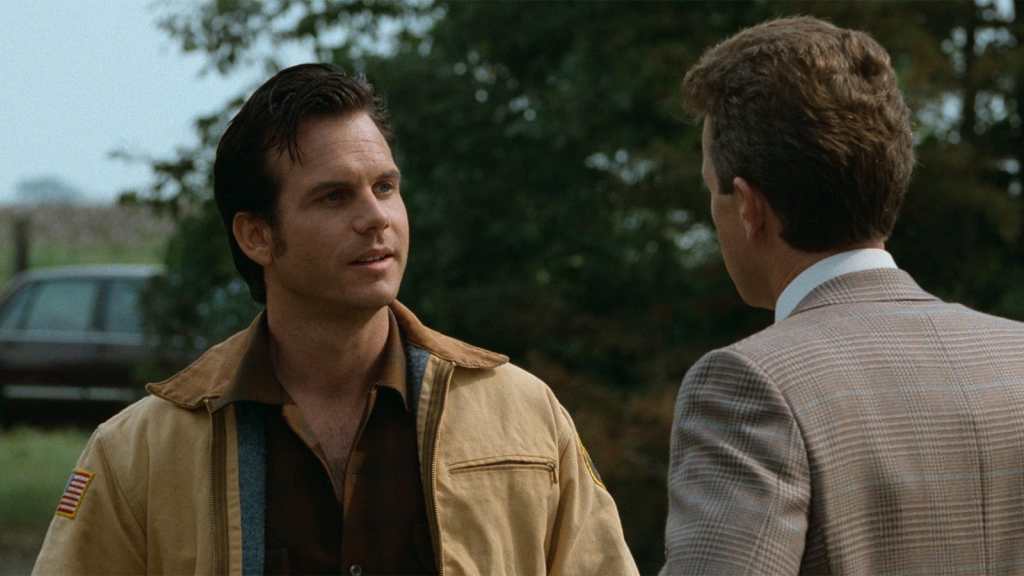
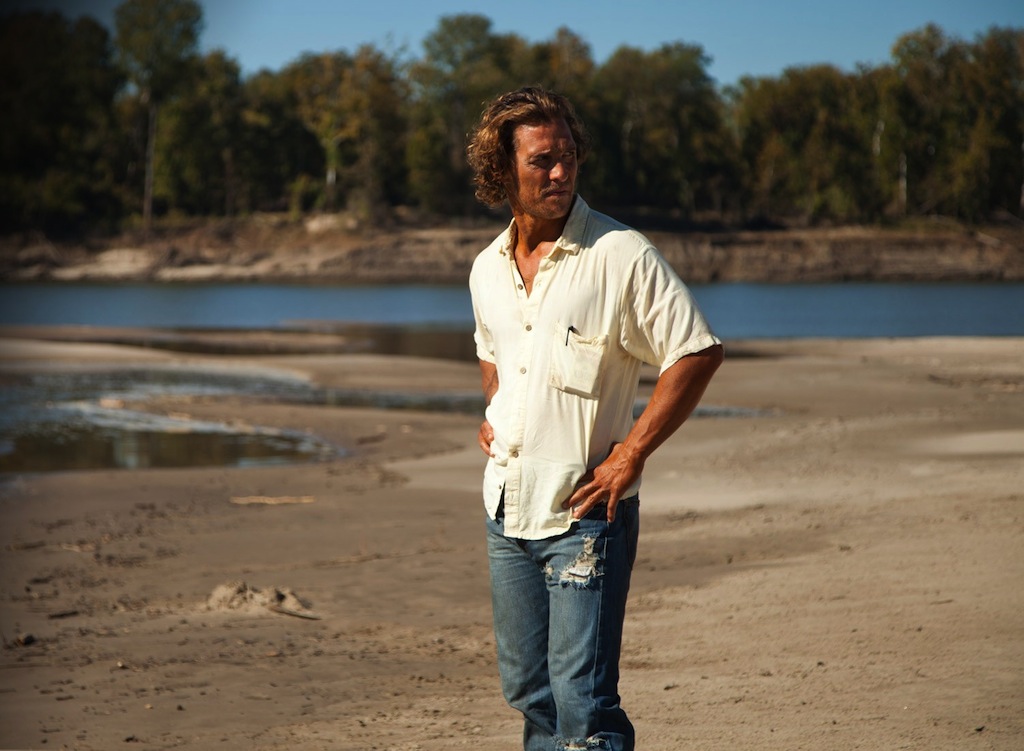
4 Shots from 4 Arkansas Films!


4 Shots From 4 Films is just what it says it is, 4 shots from 4 of our favorite films. As opposed to the reviews and recaps that we usually post, 4 Shots From 4 Films lets the visuals do the talking.

I love to share movies that are filmed in my beautiful home state of Arkansas. There aren’t a lot of movies filmed in Arkansas, but there are definitely some interesting movies filmed in Arkansas. Check these out!

Bloody Mama (1970)
Boxcar Bertha (1972)
One False Move (1991)
Mud (2012)

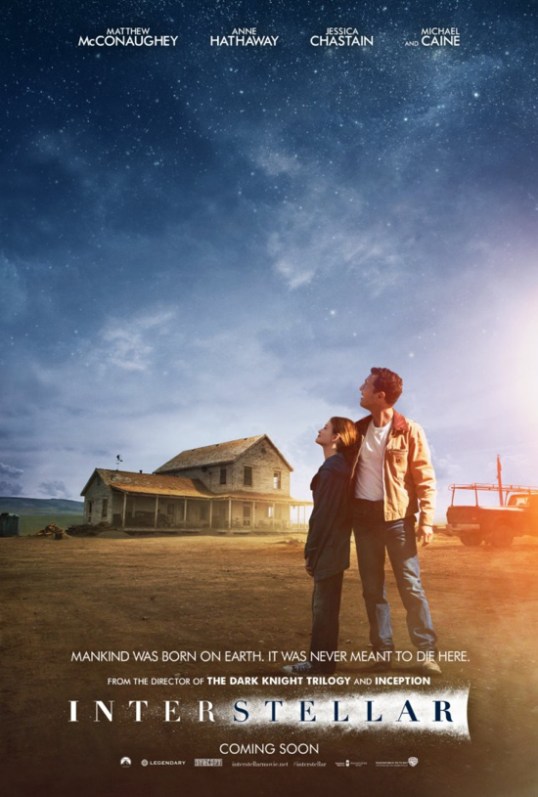
A Scene That I Love: The Cornfield Chase From Interstellar (2014, Dir. by Christopher Nolan)


When you talk about movies that feature great landscapes, you have to include Interstellar and the scene where Matthew McConaughey and his kids chase a drone through a cornfield.  The cornfield was real, Nolan actually planted corn to create it.  The cinematography, in this scene and throughout the entire film, is amazing.  When I saw this scene in the theater, it took my breath away.


Lisa Marie’s Way Too Early Oscar Predictions For April


Now that the 2024 Oscars are over with, it’s time to move on to the 2025 Oscars!

Needless to say, there’s probably nothing more pointless than trying to guess which films are going to be nominated a year from now.  I can’t even guarantee that all of the films listed below are even going to be released this year.  And, even if they are released this year, I can’t guarantee that they’ll actually be any good or that the Academy will show any interest in them.  I mean, someone like Martin Scorsese always seems like a safe bet but we all remember what happened with Silence.  For months, everyone said Silence would be the Oscar front runner.  Then it was released to respectful but not ecstatic reviews.  Audiences stayed away.  The film ended up with one technical nomination.  And let’s not forget that last year, at this time, the narrative was that it was going to be Ridley Scott’s year.

My point is that no one knows anything.  As much as I hate quoting William Goldman (because, seriously, quoting Goldman on a film site is such a cliché at this point), Goldman was right.

(Add to that, 2025 is starting to look like it’s going to be a seriously underwhelming year as far as the movies are concerned.)

Anyway, here are my random guesses for April!  A few months from now, we can look back at this list and have a good laugh.

Best Picture

After The Hunt

Avatar: Fire and Ash

Deliver Me From Nowhere

Eddington

F1

Frankenstein

The Lost Bus

One Battle After Another

Wicked For Good

The Young Mothers Home

Best Director

Paul Thomas Anderson for One Battle After Another

Jon M. Chu for Wicked For Good

Jean-Pierre and Luc Dardenne for The Young Mother’s Home

Guillermo del Toro for Frankenstein

Joseph Kosinksi for FI

Best Actor

Austin Butler in Eddington

Timothee Chalamet in Marty Supreme

Leonardo DiCaprio in One Battle After Another

Matthew McConaughey in The Lost Bus

Jeremy Allen White in Deliver Me From Nowhere

Best Actress

Olivia Colman in The Roses

Cynthia Erivo in Wicked For Good

Julia Roberts in After The Hunt

Amanda Seyfried in Ann Lee

June Squibb in Eleanor The Great

Best Supporting Actor

Colman Domingo in Michael

Josh O’Connor in The History of Sound

Sean Penn in One Battle After Another

Joaquin Phoenix in Eddington

Christoph Waltz in Frankenstein

Best Supporting Actress

Fran Drescher in Marty Supreme

Ayo Edebri in After The Hunt

Ariana Grande in Wicked For Good

Gabby Hofman in Deliver Me From Nowhere

Nia Long in Michael

Scene I Love: Tom Cruise Dances In Tropic Thunder


Today, the Shattered Lens wishes a happy 61st birthday to one of the last remaining movie stars, Tom Cruise!

While it’s tempting to celebrate this day by sharing a scene from a film like Top Gun: Maverick or one of the Mission Impossible sequels or maybe even something like Magnolia, Jerry Maguire, Edge of Tomorrow, or Risky Business, I am going to go with a clip from 2008’s Tropic Thunder.  There’s a lot talent in this particular scene, with Bill Hader and Matthew McConaughey both giving good performances.  But, of course, the whole thing is dominated by Tom Cruise’s wonderfully demented performance as Les Grossman.

“We do not negotiate with terrorists!”

My Top 6 Super Bowl Commercials


Let’s just admit that the Super Bowl was weird this year.

I’m not talking about the game.  To be honest, I could really hardly care less about the game.  When it comes to winners and losers, I’m one of those people who wishes that both teams could win. I think the coach of the winning team should let the losing team score a touchdown so that no one’s feelings get hurt.  I worry about concussions, broken ankles, and compound fractures.  I can handle some of the most graphic zombie films ever made but football just freaks me the fug out.

Instead, I’m one of those people who watches for the commercials and this year, the commercials were odd.  I guess that’s to be understood, all things considered.  But even when you take into account the pandemic and the general sappiness of modern American culture, the commercials felt weak.  There were a lot of inspirational commercials.  Bruce Springsteen gave a two-minute monologue about America while sitting in a jeep.  There was a Ford commercial about how we’re all in this together or something like that.  The beer commercials were less surly and more cringey this year.  There were a lot of commercials with celebrities where the whole joke seemed to be, “Hey, look!  A celebrity!”

There were precious few commercials for any upcoming movies or TV shows.  In fact, there were four.  FOUR!  Every previous year, I’ve worked myself to a beautiful exhaustion trying to keep up with all the movies being advertised during the big game.  This year, I wrote a few — very few — words about Coming 2 America, Old, The Falcon and the Winter Soldier, and Raya and the Last Dragon.

Anyway, with all that in mind — here are 6 commercials that I did enjoy.  I don’t know if it’s right for me to say that any of these really qualify as a “favorite” because I really didn’t have any favorites this year.  But, the important thing is that I enjoyed the commercials below.

6) Edgar Scissorhands — Cadillac

I guess Edward is dead or something?  Because Edward’s definitely not in this commercial.  I can only assume that he died or he moved to Paris and was later judged to be too problematic to be invited back to appear with his son.  Well, regardless, this is a cute commercial.  I wouldn’t necessarily say it’s a good commercial because people are going to remember Edgar on the bus more than they’re going to remember the Cadillac but still, it was nice.

https://www.youtube.com/watch?v=nO4AOxyPzmE

5) Adam Levine Sets Up Gwen Stefani and Blake Shelton — T-Mobile

But if not for the spotty network, Gwen and Blake never would have gotten together!  Oh well.  What matters is that Gwen and Blake are a cute couple.

https://www.youtube.com/watch?v=HxllNfjYw2U

4) Jason Alexander Hoodie — Tide

This was actually kind of a disturbing commercial but then again, I like the idea of clothing that screams at you.

https://www.youtube.com/watch?v=YvjuL6Bci6M

3) Doritos — Flat Matthew McConaughey

It was weird enough to work.

2) Alexa — Michael B. Jordan

It was sexy enough to work.

  1. Reddit

This made my night.  This ad was short.  It wasn’t pretentious.  It didn’t pretend that it was going to bring America together.  It didn’t feature Bruce Springsteen doing his Kerouac imitation.  Instead, it popped up for five seconds, it freaked a lot of people out, and it kind of gave the finger to the whole silly culture that’s sprung up around Super Bowl advertising.  That was brilliant.  (Considering that Reddit has now become the favorite scapegoat of the establishment, I applaud them for raising their profile as opposed to just meekly waiting for the storm to pass.)

Reddit wins the night!  And, just in case the above video gets taken off of YouTube for some reason, here’s the ad:

Spring Breakdown: The Beach Bum (dir by Harmony Korine)


February is over!  Welcome to March!

Now, the first two weeks of March is, traditionally, when most schools give their students a week off for Spring Break.  I have a lot of good Spring Break memories and, to be honest, I’ve always kind of resented the fact that Spring Break is something that only schools do.  To me, it should be like a national holiday where everything stops for a week and everyone hangs out at the beach for a few days.

Of course, this year’s Spring Break may be a bit of a disappointment, what with everyone freaking out about …. well, everything.  That’s a shame but fear not!  You may not be able to leave behind your fears long enough to go down to the beach but at least you can still watch movies about the beach, right?  So, with that in mind, over the next two weeks, I will be reviewing some films for Spring Break!

It’s time for Spring Breakdown!

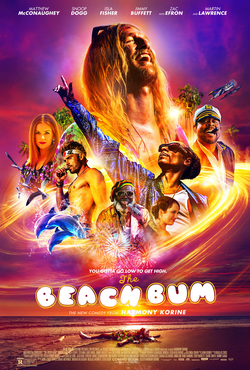
Let’s get things started with the 2019 film, The Beach Bum.

The beach bum of the title is an always stoned, alcoholic poet named Moondog (Matthew McConaughey), who spends his time wandering around the Florida Keys.  Moondog has been working on a book for several years and he’s a bit of a local celebrity.  Everyone that he meets tends to like him, or at least they do until he ruins their lives.  Moondog is irresponsible, immature, and apparently some sort of genius as well.  Moondog is also extremely laid back.  Even when he finds out that his wife, Minnie (Isla Fisher), cheated on him with his best friend, a singer named Lingerie (Snoop Dogg), Moondog is okay with it.  He’s always loved Minnie but he’s never had a problem cheating on her so why shouldn’t she do the same to him?

After Moondog shows up late for his daughter’s wedding and goes out of his way to make a scene, he goes for a drive with Minnie.  Of course, since Moondog is drunk off his ass, he ends up crashing the car and killing his wife.  In her will, Minnie leaves half of her fortune to their daughter, Heather (Stefania LaVie Owen).  She leaves the other half to Moondog, with the stipulation that Moondog will only get the money after he finishes his book.

The rest of the film follows, in an episodic fashion, Moondog as he tries to finish his book and get his money.  Along the way, he commits crimes, dabbles with various jobs, and spends time in jail and drug rehab.  He meets a host of eccentric and destructive characters, almost all of who are the type of outsiders who seem as if they’re destined to eventually be the subject of a “Florida man” headline.  For instance, Flicker (Zac Efron) is a pyromaniac.  And Captain Wack (Martin Lawrence) hosts dolphin tours but, unfortunately, cannot tell the difference between a dolphin and a shark.

When The Beach Bum was first released in March of last year, it was eagerly anticipated because it was Harmony Korine’s first film since 2012’s Spring Breakers.  Despite the fact that Spring Breakers and The Beach Bum both take place in Florida and feature a lot of beach action, the two films might as well be taking place in separate universes.  The Beach Bum is as laid back as Spring Breakers was violent.  If Spring Breakers was a film that seemed to be fueled by ecstasy and cocaine, The Beach Bum is a celebration of getting high and enjoying life.  If Spring Breakers was all about being young, The Beach Bum is about growing old without giving up your individuality.

In many ways, The Beach Bum is the ultimate Matthew McConaughey film and how you react to the film will depend on how much tolerance you have for Matthew McConaughey at his most McConaugheyest.  Indeed, if you like Moondog, it’ll probably be because you like Matthew McConaughey.  As a character, Moondog is a jerk.  He nearly ruins his daughter’s wedding.  He drives drunk and kills his wife.  He refuses to take responsibility for being a general fuck-up and, from what little we hear of his work, he appears to be a subpar poet as well.  And yet, Matthew McConaughey brings enough of his own natural charm to the role that it’s tempting to forgive Moondog.  You can understand why some people in the film are willing to tolerate him, even though he’s basically a pain in the ass to have around.

The Beach Bum is not a film for everyone.  I appreciated Matthew McConaughey’s performance and I also appreciated the fact that Harmony Korine didn’t try to remake Spring Breakers.  At the same time, the film was a bit too loosely constructed to really hold my interest and a little bit of Moondog goes a long way.  I saw this film last year and I’ve really had no desire to rewatch it.  That said, the cinematography frequently makes Florida looks like the most beautiful place on Earth and, regardless of what you may think about his poetry, at least Moondog just keeps on L-I-V-I-N, livin’.

Add to that, Moondog’s going to enjoy Spring Break, no doubt about it.

Lisa Reviews An Oscar Nominee: The Wolf of Wall Street (dir by Martin Scorsese)


Suck it, The Big Short The Wolf of Wall Street is the best film to be made about Wall Street this century.

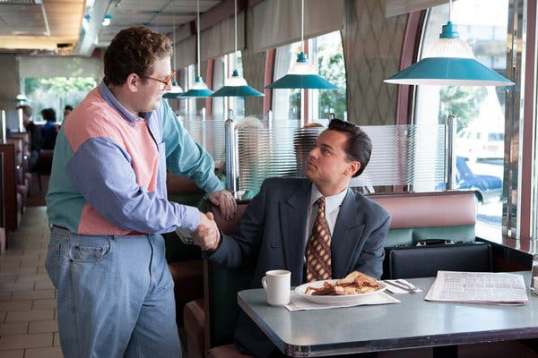
Martin Scorsese’s 2013 financial epic tells the true story of a group of rather sleazy people who got rich and who basically, to quote Robert De Niro from an earlier Scorsese film, “fucked it all up.”  Jordan Belfort (Leonardo DiCaprio, giving what I still consider to be the best performance of his career) is the son of an accountant named Max (Rob Reiner).  Fresh out of college, Jordan gets a job on Wall Street.  Under the mentorship of the eccentric (but rich) Mark Hanna (Matthew McConaughey), Jordan discovers that the job of a stock broker is to dupe people into buying stock that they might not need while, at the same time, making a ton of money for himself.  With the money comes the cocaine and the prostitutes and everything else that fuels the absurdly aggressive and hyper-masculine world of Wall Street.  Jordan is intrigued but, after the stock market crashes in 1987, he’s also out of a job.

Fortunately, Jordan is never one to give up.  He may no longer be employed on Wall Street but that doesn’t mean that he can’t sell stocks.  He gets a job pushing “penny stocks,” which are low-priced stocks for very small companies.  Because the price of the stock is so low, the brokers get a 50% commission on everything they sell.  Because Jordan is such an aggressive salesman, he manages to make a fortune by convincing people to buy stock in otherwise worthless companies.  As Jordan’s boss (played, in an amusing cameo, by Spike Jonze) explains it, what they’re doing isn’t exactly regulated by the government, which just means more money for everyone!  Yay!

Working with his neighbor, Donny Azoff (Jonah Hill, at his most eccentric), Jordan starts his own brokerage company.  Recruiting all of his friends (the majority of whom are weed dealers who never graduated from high school), Jordan starts Stratton Oakmont.  Using high-pressure sales tactics and a whole lot of other unethical and occasionally illegal techniques, Jordan soon makes a fortune.  When Forbes Magazine publishes an expose that portrays Jordan as being little more than a greedy con man, Stratton Oakmont is flooded by aspiring stock brokers who all want to work for “the wolf of Wall Street.”

And, for a while, Jordan has everything that he wants.  While the Stratton Oakmont offices become a den of nonstop drugs and sex, Jordan buys a huge mansion, a nice car, and marries a model named Naomi (Margot Robbie).  His employees literally worship Jordan as he begins and ends every working day with inspirational (and often hilariously profane) sermons, encouraging his people to get out there and sell no matter what.  Of course, making that much money, Jordan has to find a way to hide it from the IRS.  Soon, with the help of Naomi’s aunt (Joanna Lumley), he is smuggling millions of dollars into Switzerland where a banker (Jean Dujardin, who is both hilariously suave and hilariously sleazy a the time) helps him hide it all.

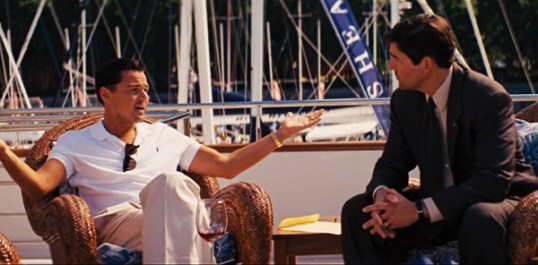
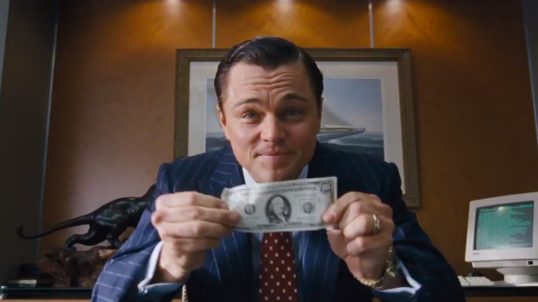
When Jordan learns that the FBI and SEC are looking into his dealings, Jordan invites Agent Patrick Denham (Kyle Chandler) to come visit him on his yacht and, in a scene that launched a thousand memes, the two of them have a friendly conversation that’s largely made up of passive aggressive insults.  Jordan taunts Denham over the fact that Denham washed out when he tried to get a job on Wall Street.  Denham laughingly asks Jordan to repeat something that sounded like it may have been a bribe.  When Denham leaves the boat, Jordan taunts him by tossing a wad of hundred dollars bills into the wind….

And here’s the thing.  Yes, the media and our political class tells us that we’re supposed to hate that Jordan Belforts of the world.  One can imagine Bernie Sanders having a fit while watching Jordan brag about how he cheated the IRS.  If Adam McKay or Jay Roach had directed this film, one can imagine that they would have used the yacht scene to portray Jordan Belfort as pure evil.  (McKay probably would have tossed in Alfred Molina as a waiter, asking Belfort if he wants to feast on the lost future of the children of America.)  But the truth of the matter is that most viewers, even if they aren’t willing to admit it, will secretly be cheering for Jordan when he throws away that money.  DiCaprio is so flamboyantly charismatic and Scorsese, as director, so perfectly captures the adrenaline high of Jordan’s lifestyle that you can’t help but be sucked in.  He may be greedy and unethical but he just seems to be having so much fun!  Just as how Goodfellas and Casino portrayed life in the mafia as being an intoxicating high (as well as being more than a little bit dangerous), The Wolf of Wall Street refrains from passing easy judgment and it steadfastly refuses to climb onto a moral high horse.  Jordan narrates his own story, often talking directly to the camera and almost always defending his actions.  As a director, Scorsese is smart enough to let us make up own minds about how we feel about Jordan and his story.

Of course, when Jordan falls, it’s a dramatic fall.  That said, it’s not quite as dramatic of a fall as what happened to Ray Liotta in Goodfellas or Robert De Niro in Casino.  No one gets blown up, for instance.  But Jordan does lose everything that gave his life meaning.  By the end of the film, he’s been reduced to giving seminars and challenging attendees to sell him a pen.  (“Well,” one hapless gentleman begins, “it’s a very nice pen…..”)  During the film’s final scenes, it’s not so much a question of whether Jordan has learned anything from his fall.  Instead, the movie leaves you wondering if he’s even capable of learning.  At heart, he’s the wolf of Wall Street.  That’s his nature and it’s really the only thing that he knows how to do.  He’s a bit like Ray Liotta living in the suburbs at the end of Goodfellas.  He’s alive.  He has his freedom and a future.  But he’s still doesn’t quite fit in.  Much like Moses being denied the opportunity to physically enter the Promised Land, Jordan’s punishment for his hubris is to spend his life in exile from where he truly belongs.  And yet, you know that Jordan — much like Henry Hill — probably wouldn’t change a thing if he had the chance to live it all over again.  He’d just hope that he could somehow get a better ending while making the same decisions.

Unlike something like The Big Short, which got bogged down in Adam McKay’s vapid Marxism, The Wolf of Wall Street works precisely because it refuses to pass judgment.  It refuses to tell us what to think.  I imagine that a lot of people watched The Wolf of Wall Street and were outraged by the way Jordan Belfort made his money.  I imagine that an equal number of people watched the film and started thinking about how much they would love to be Jordan Belfort.  The Wolf of Wall Street is a big, long, and sometimes excessive film that dares the audience to think of themselves.  That’s one reason why it’ll be remembered after so many other Wall Street films are forgotten.

The Wolf of Wall Street was nominated for best picture of the year.  It lost to 12 Years A Slave.