4 Shots From 4 Films is just what it says it is, 4 shots from 4 of our favorite films. As opposed to the reviews and recaps that we usually post, 4 Shots From 4 Films lets the visuals do the talking!
Today, Bruce Willis turns 71. It’s time for….
4 Shots From 4 Bruce Willis Films
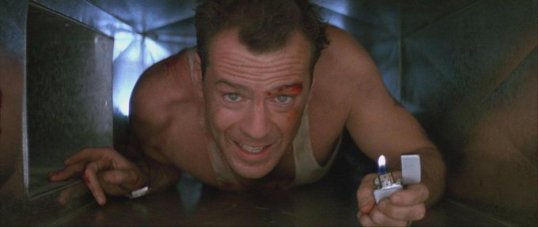
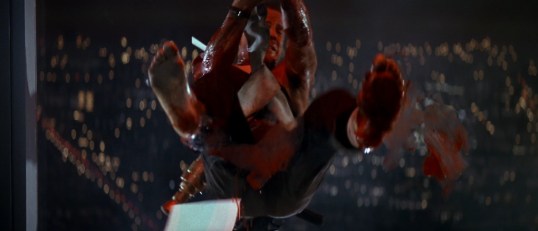
Die Hard (1988, dir by John McTiernan, DP: Jan de Bont)
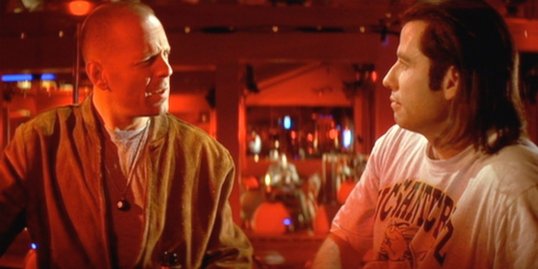
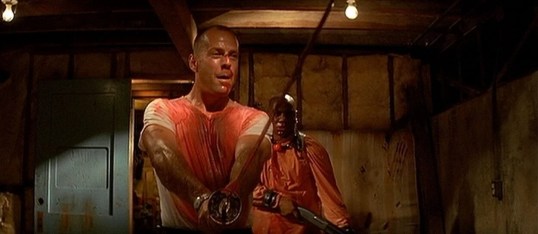
Pulp Fiction (1994, dir by Quentin Tarantino, DP: Andrzej Sekuła)
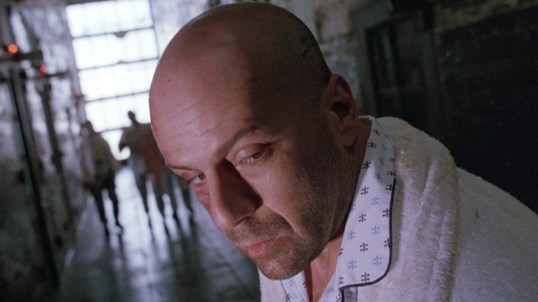
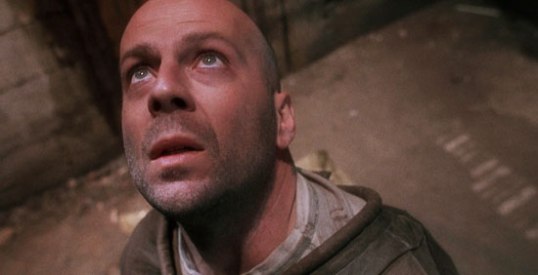
12 Monkeys (1995, dir by Terry Gilliam, DP: Roger Pratt)
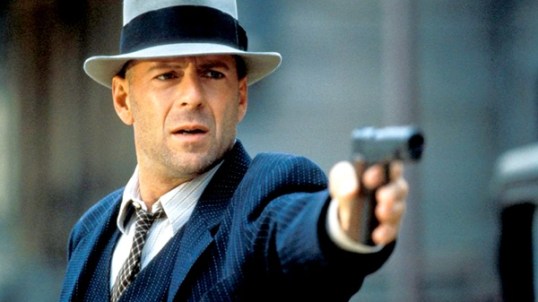
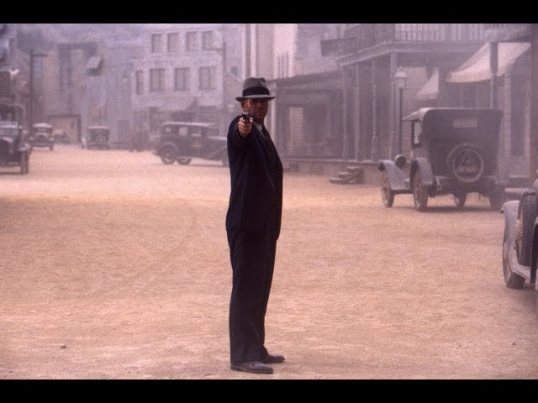
Last Man Standing (1996, dir by Walter Hill, DP: Lloyd Ahern II)
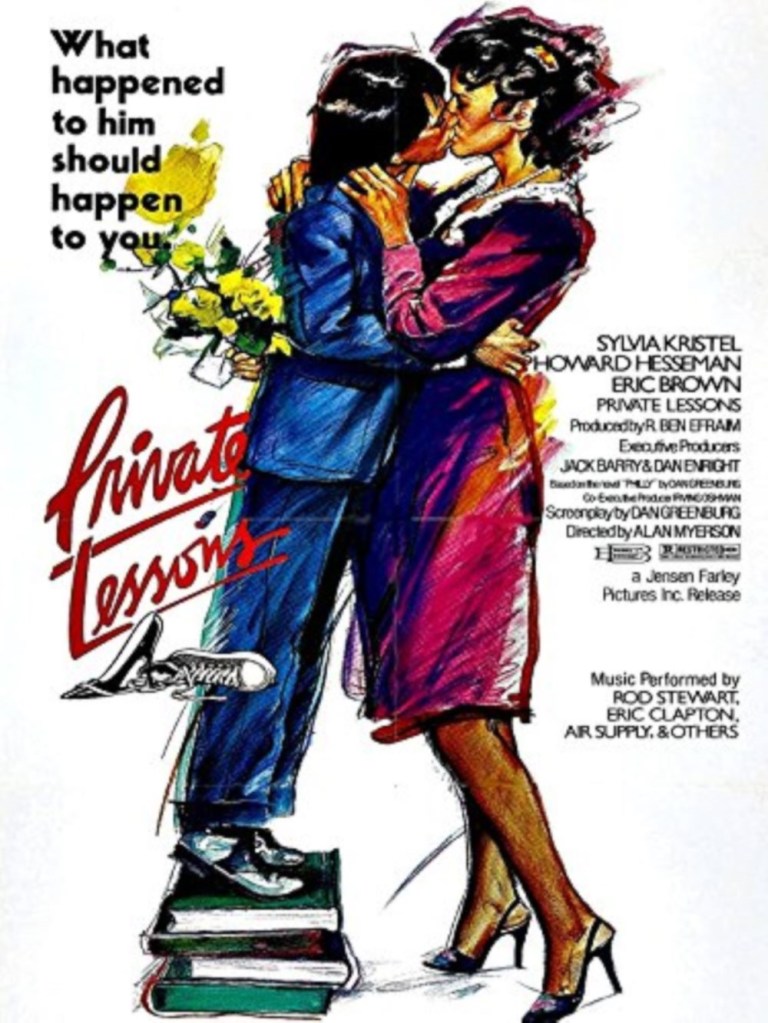
Private Lessons is that kind of early ’80s sex comedy that feels like a time capsule from when movies could get away with stuff that would never fly today. It’s got this awkward charm mixed with some seriously questionable choices, centering on a horny teenager named Philly who gets schooled in the ways of love by his family’s sultry French housekeeper. The film tries to play it all for laughs and titillation, but it lands somewhere between guilty pleasure and uncomfortable relic.
Philly, played by Eric Brown, is your classic 15-year-old rich kid left home alone for the summer in a sprawling Albuquerque mansion while his dad jets off on business. Dad hires Nicole, this alluring European housekeeper portrayed by Sylvia Kristel—yeah, the Emmanuelle star herself—to keep an eye on things, along with the sleazy chauffeur Lester, brought to life by Howard Hesseman in full sleazeball mode. From the jump, Philly’s got a massive crush on Nicole; he’s peeping through keyholes and fumbling over his words whenever she’s around. It’s all very American Pie before American Pie existed, but with a Euro-sex vibe courtesy of Kristel’s effortless sensuality. She catches him spying one night, strips down without a care, and invites him to touch—Philly bolts like his pants are on fire. You can’t help but chuckle at his panic; Brown’s wide-eyed innocence sells it without overplaying the hand.
The setup builds slowly, which is both a strength and a drag. Philly spills the beans to his buddy Sherman, played with manic energy by Patrick Piccininni, who turns every conversation into a roast session about Philly’s virginity. Their banter is some of the film’s highlights—raw, boyish ribbing that feels authentic to awkward teen friendships. Nicole keeps pushing the envelope: a steamy makeout in a dark movie theater, a goodnight kiss that nearly melts the screen, and finally, a fancy French dinner date where they seal the deal back home. Kristel owns these scenes; her Nicole isn’t just a seductress, she’s got this playful confidence that makes the slow seduction believable. The sex scene itself is tame by today’s standards—soft-focus, lots of sighs—but it’s handled with a wink, pretending to be shocking while delivering the era’s softcore goods.
But here’s where Private Lessons swerves into darker territory and kinda loses its footing. Midway through their romp, Nicole fakes a heart attack and “dies” right on top of Philly. Freaked out, he confesses to Lester, who smells opportunity. Turns out, the chauffeur’s been blackmailing Nicole over her immigration status and hatches a scheme to pin her “murder” on Philly, forcing the kid to cough up a chunk of his trust fund to cover it up. They bury a dummy in the desert, and Lester plays the concerned adult while pocketing the cash. It’s a twist that amps up the stakes, but it also shifts the tone from fluffy comedy to something creepier, leaning hard into moral panic territory. Hesseman chews the scenery as Lester, all smarmy grins and side-eye; he’s the perfect villain you love to hate, but the plot machinations feel forced, like the writers ran out of seduction gags and needed conflict.
Nicole, developing real feelings for Philly amid the con, has a change of heart and spills the truth. Together, they rope in Philly’s tennis coach—Ed Begley Jr. in a quick but fun bit—to impersonate a cop and scare Lester straight. The bad guy panics, gets nabbed trying to flee with the money, and everyone agrees to a truce: no one rats anyone out. Nicole’s “child molestation” (the film’s own loaded term for her role in seducing a minor) and immigration issues stay buried, Lester technically keeps his job, and Nicole splits before Dad returns. It’s a tidy wrap-up that dodges real consequences, which fits the film’s escapist fantasy but leaves a sour taste ethically. The romance fizzles without much payoff; you half-expect a heartfelt goodbye, but it’s more pragmatic than emotional.
Tonally, Private Lessons is all over the map. The first half thrives on its lighthearted horniness—Philly’s fumbling advances, Nicole’s teasing allure, and a very of-its-time soundtrack that pumps up the montages. It’s got that innocent raunchiness of films like Porky’s, where sex is the big mystery and everyone’s in on the joke. Brown holds his own as the lead; at 15, he’s convincingly flustered yet game, making Philly relatable rather than cartoonish. Kristel brings actual star power, turning what could be a one-note vixen into someone with hints of depth—her chemistry with Brown sparks genuine warmth amid the sleaze. Hesseman leans into Lester’s slimeball energy, turning every scene with him into a mix of funny and gross.
That said, the film’s not without flaws, and they’re glaring by modern eyes. The premise is straight-up predatory: a grown woman systematically grooming an underage boy, played for comedy without much self-awareness. It’s the male version of Lolita, but without any critique—instead of examining the situation, it just sort of grins and shrugs. The blackmail plot tries to add intrigue but mostly undermines the fun, turning Nicole from free spirit to reluctant crook. Pacing drags in spots; the relatively short runtime still feels stretched when the seduction stalls so the script can set up the con. And the ending? It papers over everything with a shrug, letting all parties walk free like it’s no big deal. The whole thing feels very much like a product of a moment when taboo could be turned into box-office bait without much pushback.
Visually, it’s a product of its time: glossy ’80s cinematography, plenty of skin but no hardcore edge, and that mansion setting screaming wealth fantasy. Director Alan Myerson keeps it breezy, never letting the comedy get too mean-spirited until Lester’s scheme really kicks in. The score and song choices nail the vibe—upbeat for the flirtations, a bit more tense for the con, always keeping things light even when the story goes to shadier places. It very much feels like something that would play late at night on cable and stick in your memory more as a vibe than as a fully coherent film.
Does it hold up? Kind of, if you’re in a nostalgic mood or digging for ’80s cheese. It’s honest about teen lust without being judgmental, and the performances carry the silly plot. But the power imbalance and the underage angle make it tough to fully endorse—watch with that lens, and it’s more cringe than chuckle. Still, for what it is—a raunchy romp with a surprisingly soft center—Private Lessons delivers just enough to warrant a spin on a bored night. Eric Brown and Sylvia Kristel do a lot of heavy lifting; without their chemistry, this would be forgettable smut instead of a strangely endearing, if deeply problematic, relic. If you’re into retro sex comedies like My Tutor or Zapped!, this one sits comfortably in that same dusty corner of the genre, flaws and all, as a snapshot of looser times that’s best taken with a big grain of salt.
4 Or More Shots From 4 Or More Films is just what it says it is, 4 shots from 4 of our favorite films. As opposed to the reviews and recaps that we usually post, 4 Shots From 4 Films lets the visuals do the talking!
Today, we remembers the great James Earl Jones. It’s time for….
4 Shots From 4 James Earl Jones Films
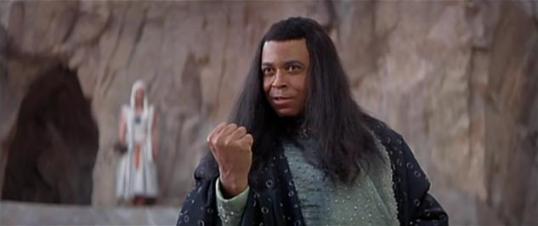
Conan The Barbarian (1982, dir by John Milius, DP: Duke Callaghan)
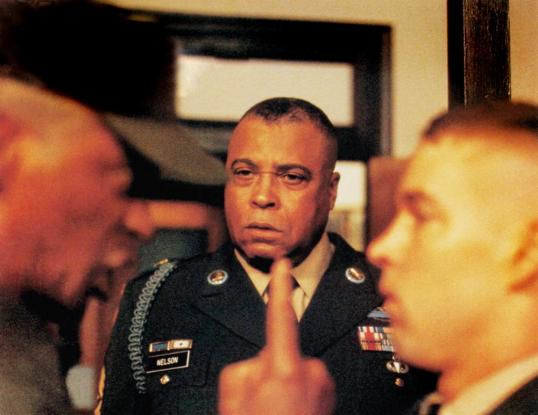
Gardens of Stone (1987, dir by Francis Ford Coppola, DP: Jordan Cronenweth)
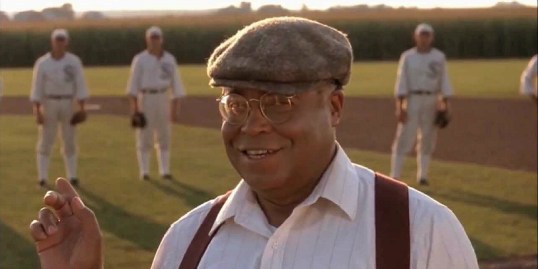
Field of Dreams (1989, dir by Phil Alden Robinson, DP: John Lindley)
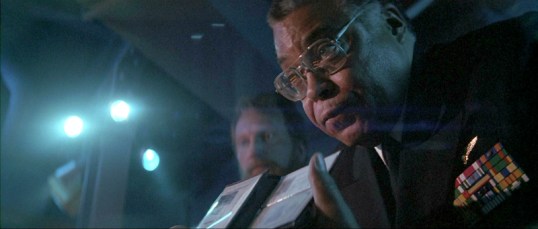
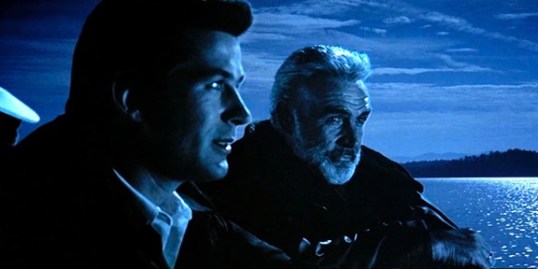
The Hunt for Red October (1990, directed by John McTiernan, DP: Jan de Bont)
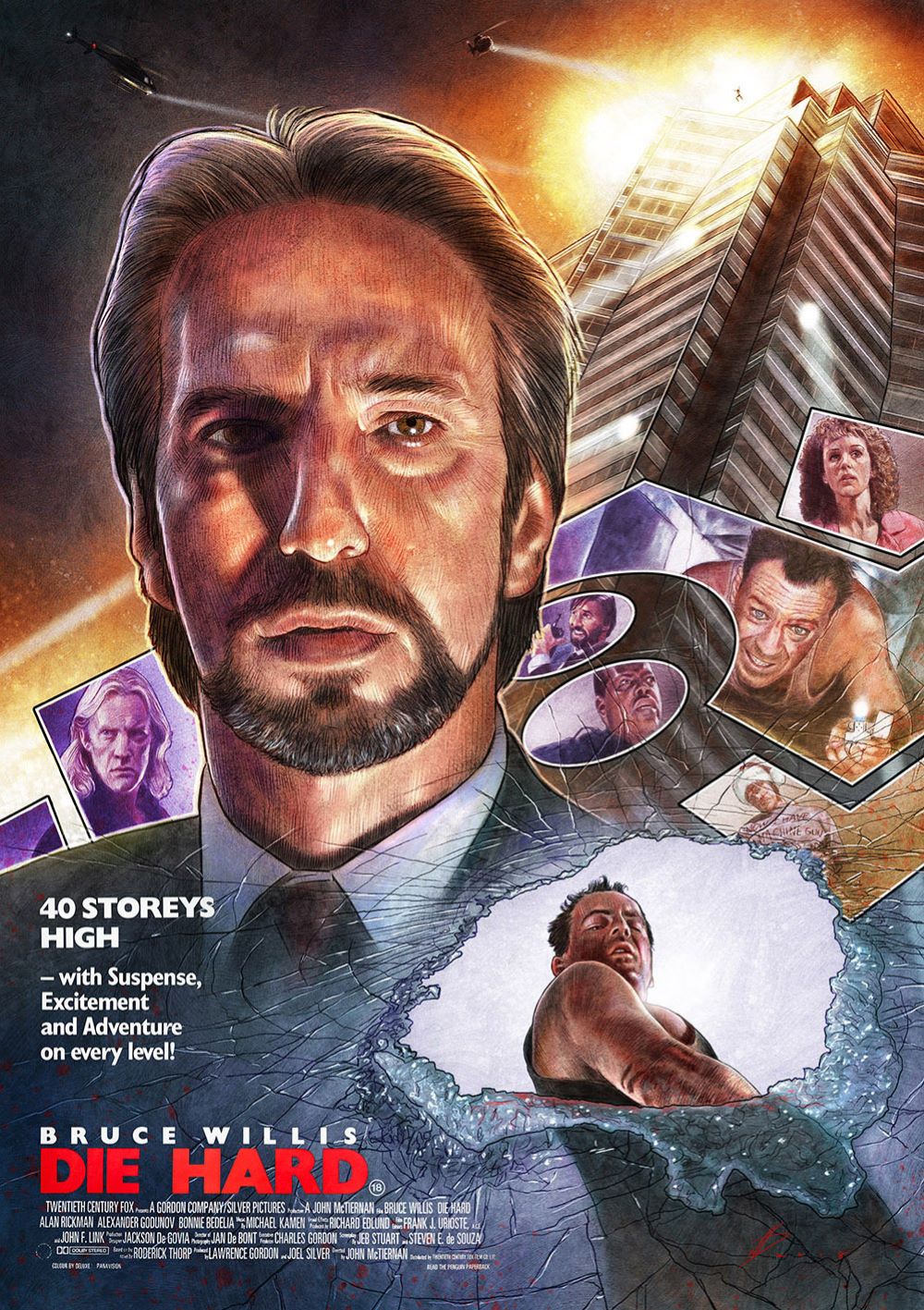
Die Hard is the ultimate Christmas film (though not the greatest) disguised as an action thriller, blending holiday cheer with high-stakes mayhem in a way that has sparked endless debates and turned it into a seasonal staple for millions. It stands as a landmark action movie and a sharp, character-driven thriller that continues to set the standard for the genre. The film mixes bombast with genuine heart, balancing tension, wit, and raw emotion so effectively that its imperfections only add to its enduring appeal.
Released in 1988 under John McTiernan’s direction, Die Hard follows New York cop John McClane (Bruce Willis) arriving in Los Angeles during the holidays to reconcile with his estranged wife Holly at her office Christmas party in Nakatomi Plaza. He’s fresh off a transcontinental flight, nursing a cocktail of jet lag and marital tension, hoping a festive gathering might thaw the ice between them after her career move to the West Coast has strained their family life. No sooner has he kicked off his shoes—famously leaving him barefoot for most of the chaos—than a disciplined crew of armed robbers, masquerading as terrorists under the command of Hans Gruber (Alan Rickman), storms the building, holding the revelers captive and forcing McClane to fight back shoeless and outgunned amid the towering offices. This lean setup—one man, one skyscraper, one chaotic evening—drives the story’s relentless pace, with straightforward spatial awareness keeping viewers locked into the rising peril. The Christmas setting isn’t just window dressing; twinkling lights, carols on the soundtrack, and a rooftop Santa sleigh add layers of irony and warmth to the gunfire, making the film a peculiar but perfect yuletide watch.
The movie refreshingly casts its action lead as an everyday underdog, full of sarcasm and frailty rather than invincible machismo. McClane takes real damage—he’s slashed by glass, battered by falls, and wheezing from asthma attacks—freaks out under pressure, second-guesses himself constantly, and limps through the ordeal covered in cuts and shards while grumbling about his lousy luck. These moments of raw vulnerability humanize him in a genre often dominated by perfect physiques and unflappable cool. Bruce Willis brings a rumpled, relatable edge to the role, drawing from his TV background on Moonlighting to infuse McClane with quick-witted banter and hangdog charm, making his pigheaded risks and desperate quips—like his tense radio chats or infamous air vent shuffle—land as the outbursts of an ordinary Joe desperate for survival and a way out. Willis’s casting was a gamble at the time, pivoting from wisecracking detective to gritty hero, but it paid off by redefining what an action star could be: flawed, funny, and fiercely determined.
Hans Gruber remains a standout antagonist, living up to every ounce of his legendary status—and remarkably, this was Alan Rickman’s very first film role, launching him into stardom with a performance that still defines screen villainy. Fresh from stage work, Rickman infuses him with suave detachment and subtle menace, his silky British accent dripping with condescension as he portrays a criminal mastermind who approaches the heist like a hostile merger, his cultured facade slipping just enough to reveal cold ruthlessness. Lines like his mocking “Mr. Mystery Guest” taunts or his gleeful disdain for American excess have become iconic, delivered with a theatrical precision that elevates Gruber above typical thugs. Clever writing highlights his contempt for yuppie excess and delight in red tape, while McTiernan’s direction turns their encounters into personal showdowns brimming with verbal sparring beyond mere firepower, turning cat-and-mouse into a battle of intellects as much as endurance.
A strong ensemble bolsters the narrative without bogging down the momentum. Bonnie Bedelia’s Holly exudes quiet strength, proving herself a sharp professional unafraid of bosses or bandits, which elevates her rapport with McClane above clichéd rescue tropes—she’s calling shots from the hostage room and holding her own in tense negotiations. Reginald VelJohnson’s Sergeant Al Powell elevates a stock radio contact into the story’s heartfelt core, offering McClane solace and shared regrets during their poignant nighttime talks about lost family and second chances, creating an unlikely but touching bromance across police lines. Figures like Hart Bochner’s smarmy Ellis, with his coke-fueled deal-making, or William Atherton’s pushy journalist Richard Thornburg, chasing scoops with ruthless ambition, add biting commentary on greed and sensationalism, sharpening the film’s take on ’80s excess and how corporate snakes and media vultures complicate the crisis. Even smaller roles, like the hapless deputy chief or the bickering SWAT team, paint a vivid picture of institutional incompetence that McClane must navigate alone.
Die Hard excels in choreographing escalating clashes within tight quarters, turning the skyscraper into a multi-level chessboard. McTiernan masterfully exploits Nakatomi’s design—raw construction levels with exposed beams, service elevators for ambushes, fire stairs slick with tension, upper decks for sniper duels, and cubicle warrens for close-quarters chaos—to distinguish every skirmish from rote shootouts, ensuring each fight feels unique and earned. Precise editing weaves between McClane’s scrambles, captive dread, robber schemes, and external responders, layering suspense without devolving into explosive filler; the cross-cutting builds dread as plans intersect disastrously. Standout sequences thrill because of careful buildup around deadlines and official blunders, like ill-timed interventions that raise the stakes sky-high. The practical effects—real stunts, squibs, and pyrotechnics—give the action a tangible weight that CGI-heavy modern films often lack, grounding the spectacle in sweat and physics.
Blending laughs with savagery proves the film’s toughest feat, yet it mostly triumphs. McClane’s biting comebacks, taped to dead bodies or barked into walkie-talkies, and the dark comedy amid cop-thug banter sustain levity amid dire threats and mounting casualties, preventing the film from tipping into grim slog. Gags like the executive’s C4 “gift” or Powell’s Twinkie diet poke fun at excess without diffusing danger. Certain gags and era-specific jabs feel dated—like mockery of inept brass or overzealous feds—but this institutional skepticism fuels the plot, portraying red tape and hubris as lethal as automatic weapons, a theme that resonates in any age of bloated bureaucracies.
The film’s action overload, ironically its signature strength, occasionally trips it up. Later stretches bombard with relentless blasts and ballets, prompting some to decry the carnage’s intensity or plot holes from initial reviews, where critics noted the escalating body count’s numbing effect. Elements like tactical decisions by authorities or vault breach logistics falter on nitpicks, relying now and then on lucky breaks to align the chaos, such as perfectly timed discoveries or overlooked details in the heist plan. Fans of taut caper tales might see the wilder antics as indulgence over invention, prioritizing popcorn thrills over airtight logic. Yet these are minor quibbles in a runtime that clocks in under two hours, keeping energy high without exhaustion.
Yet a solid emotional arc lends depth beyond mere spectacle. Fundamentally, it’s about a bullheaded officer confronting his marital neglect, enduring brutal comeuppance while seeking redemption amid the tinsel and terror. His raw confessions to Powell inject humanity that heightens the personal stakes, turning isolated survival into a quest for reconnection. The script, adapted from Roderick Thorp’s novel Nothing Lasts Forever, weaves family drama into the frenzy without halting the pace, making quieter moments—like shared vulnerabilities over radio—punch harder than any explosion.
Technically, Die Hard brims with assured flair bordering on swagger. Cinematographer Jan de Bont’s lenses capture glassy surfaces, mirrors for disorienting reflections, and soaring perspectives to render the tower both glamorous and hostile, a glassy trap turned warzone that mirrors the characters’ fractured relationships. Crisp cuts allow pauses for character amid the rush, preserving brisk tempo without shortchanging development; McTiernan’s post-Predator confidence shines in rhythmic pacing that breathes. Michael Kamen’s soundtrack fuses orchestral surges with jingly carols like “Let It Snow,” amplifying the bizarre fusion of festivity and fusillades that forever fuels “Christmas movie” arguments—ho-ho-hos interrupted by hails of bullets.
Die Hard‘s influence reshaped action cinema, birthing the “Die Hard in a [location]” trope for enclosed thrillers, from buses to battleships, spawning endless imitators chasing its formula. Sequels amplified scale at the cost of grounded heroism, proving surface mimics—snark, stunts, scheming foes—miss the original’s vulnerable punch, as later entries piled on global threats and gadgets. Detractors note it paved paths for bloated pyrotechnics in successors, but that’s on copycats, not this taut gem; its box-office success—over $140 million worldwide—proved audiences craved smart spectacle.
All told, Die Hard delivers razor-sharp, hilarious, masterfully built blockbuster entertainment that ages like fine whiskey. Pairing a rugged everyman lead, suave nemesis, and geography-smart sequences, it raises a benchmark few match. Flaws like overkill blasts or shaky rationale aside, its tension, depth, and gritty laughs cement its throne in action lore, a holiday gift that keeps on giving.
4 Shots From 4 Films is just what it says it is, 4 shots from 4 of our favorite films. As opposed to the reviews and recaps that we usually post, 4 Shots From 4 Films lets the visuals do the talking.
Happy holidays!
Let’s get December started with….
4 Shots From 4 Christmas Films
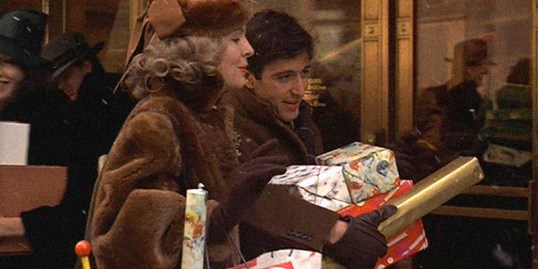
The Godfather (1972, dir by Francis Ford Coppola, DP: Gordon Willis)
Lethal Weapon (1987, dir by Richard Donner, DP: Stephen Goldblatt)
Die Hard (1988, dir by John McTiernan, DP: Jan de Bont)
Die Hard 2 (1990, dir by Renny Harlin, DP: Oliver Wood)
“I’m a politician. Which means that I am a cheat and a liar, and when I’m not kissing babies, I’m stealing their lollipops.” — Dr. Jeffrey Pelt, National Security Advisor
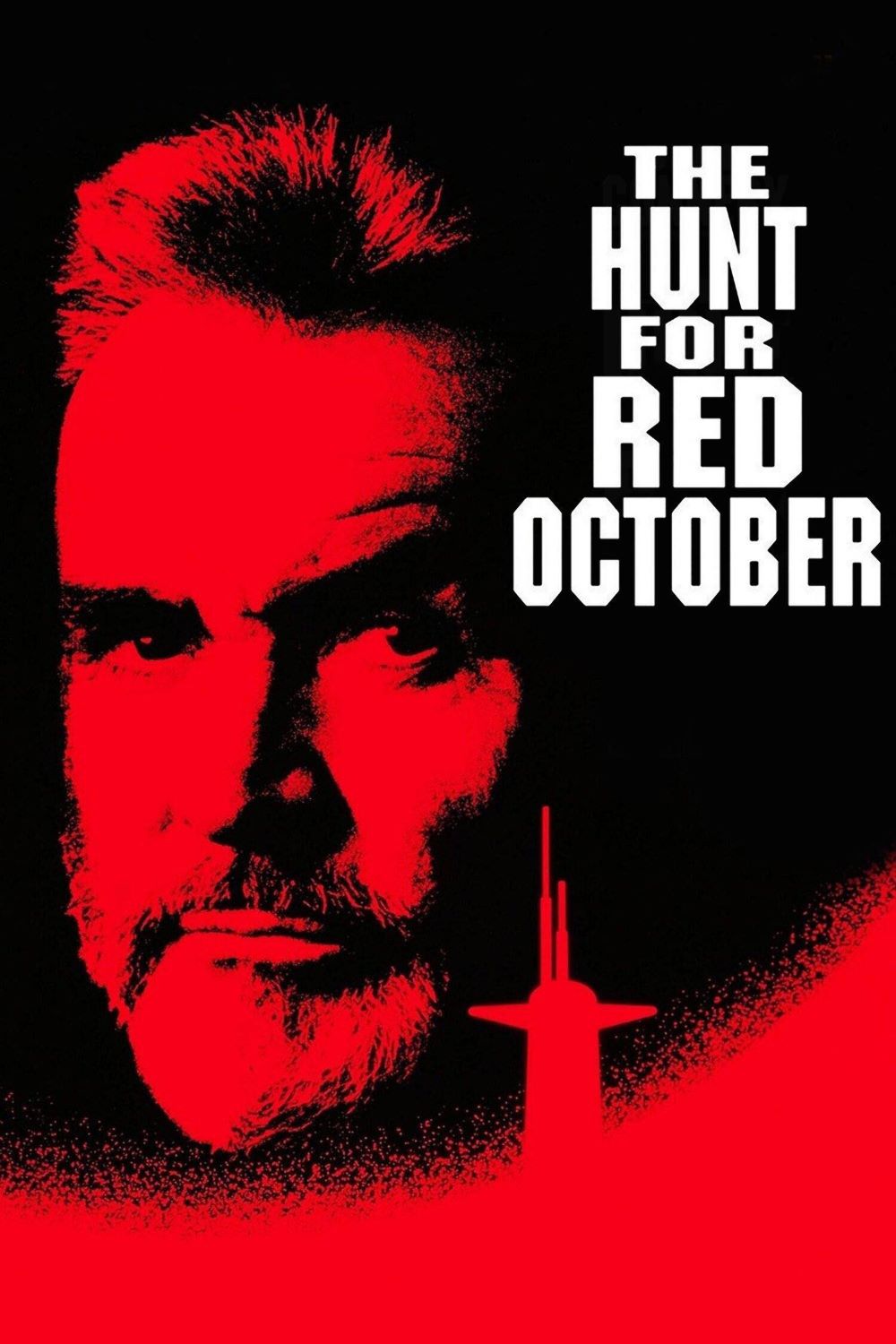
The Hunt for Red October glides into the tail end of Cold War cinema like a stealthy sub cutting through midnight swells, packing a smart mix of spy intrigue and nail-biting underwater showdowns that keep you locked in from the opening credits. Directed by John McTiernan, fresh from helming Die Hard, this 1990 adaptation of Tom Clancy’s doorstopper novel smartly distills pages of naval geekery into a taut, propulsive thriller where Soviet skipper Marko Ramius—Sean Connery in full brooding mode—pilots the formidable Red October, a behemoth sub with a hush-mode propulsion system that ghosts past detection like a shadow in fog.
McTiernan shines in wrangling the script from Clancy’s tech-heavy tome, slicing through the babble to propel the story with crisp momentum and unrelenting suspense, turning potential info-dumps into pulse-quickening beats that hook casual viewers and sub nerds alike. The premise grabs fast: Ramius’s bold maneuvers ignite a transatlantic frenzy, with U.S. and Soviet forces locked in a paranoid standoff over what looks like an imminent crisis. That ’80s-era distrust simmers perfectly here, crammed into a runtime that pulses with fresh urgency decades later, amplified by those dim-lit sub corridors in steely teal tones that squeeze the air right out of the room.
Alec Baldwin embodies Jack Ryan as the reluctant brainiac from CIA desks, sweaty and green around the gills yet armed with instincts that cut through official noise like a periscope through chop. Pulled from family downtime—teddy bear in tow—he injects everyday stakes into the global chessboard, proving heroes don’t need camo or cockiness, just smarts and stubbornness. Connery’s Ramius dominates as a haunted vet with a personal chip on his shoulder, steering a tight-knit officer corps including Sam Neill’s devoted second-in-command, their quiet bonds hinting at deeper loyalties amid the red menace.
Standouts fill the roster seamlessly: James Earl Jones lends gravitas as the steady Admiral Greer backing Ryan’s wild cards; Scott Glenn commands the American hunter sub with laconic steel; Jeffrey Jones brings quirky spark to the sonar savant whose audio tricks flip the script on silence. The dialogue crackles with shorthand lingo and understated jabs, forging a crew dynamic that’s as pressurized as the hull plates, pulling you into hushed command post vibes without a whiff of cheesiness.
McTiernan elevates the genre by leaning on wits over blasts—thrilling pursuits deliver without dominating, letting mind games and split-second calls drive the dread, all while streamlining Clancy’s minutiae into seamless propulsion. Gadgetry gleams without overwhelming: the sub’s whisper-quiet tech sparks clever cat-and-mouse in hazard-filled depths, ramping uncertainty to fever pitch. Pacing builds masterfully from war-room skepticism—Ryan battling brass skepticism—to heart-in-throat ocean dashes, every frame taut as a bowstring. Practical models and effects ground the peril in gritty tangibility, no digital gloss, evoking Ice Station Zebra‘s frosty traps but streamlined into a relentless machine that dodges the older film’s drag. It’s a clinic in balancing spectacle and smarts, where tension coils from isolation’s cruel math: one ping too many, and it’s lights out.
On the eyes and ears front, the movie plunges into submersed nightmare fuel—consoles pulsing crimson in battle stations, scopes piercing mist-shrouded waves, silo bays looming like sleeping leviathans. McTiernan tempers his action flair for thinker-thrills; Basil Poledouris’s great orchestral score surges with iconic power through the chases—those brooding horns, choral swells, and rhythmic pulses echoing engine throbs have etched into legend, pounding your chest like incoming cavitation and elevating every dive. Audio wizardry seals the immersion: hull groans, ping echoes, bubble roars craft a metallic tomb where errors echo eternally. Flaws peek through—early scenes drag with setup chatter, foes skew broad-stroked—but the core hunt erases them, surging to a sharp, satisfying close that nods to Ryan’s budding legend without overplaying the hand.
’90s tentpole lovers and thaw-era history fans find a benchmark here, as the film plays the long con of trust amid torpedoes, fusing bombast with nuance that reboots chase in vain. It bottles superpower jitters spot-on—frantic commands clashing with strike debates—yet softens adversaries via Connery’s world-weary depth and Neill’s subtle conviction. Endless rewatches uncover gems: crew hints dropped early, sonar hacks foreshadowing real tech leaps. Baldwin’s grounded Ryan—chopper-barfing, suit-clashing, chaos-navigating—earns triumphs the hard way, contrasting Das Boot‘s bleak grind with upbeat ingenuity that feels won, not waved. Poledouris’s motifs linger post-credits, a symphonic anchor boosting replay pulls.
Endurance stems from mastering sub-horror’s essence: solitude sharpening choices, where flubs invite apocalypse. Ramius embodies defector realism—war-weary idealist mirroring history’s turncoats—while Clancy’s specs (sub classes, velocities) anchor without anchoring down. McTiernan sidesteps flags; zero flag-waving, pure operator craft in dodges and climactic finesse that blends brains with boom. Quirks delight—the premier’s bluster, aides’ cool calculus—padding a 134-minute gem that exhales you surfacing, amped. Expands on score’s role too: “Hymn to Red October” choral rise mirrors Ramius’s quiet rebellion, threading emotional undercurrents through mechanical mayhem, a Poledouris hallmark outlasting the film.
Bottom line, The Hunt for Red October captivates via cerebral kick—shadow games in fluid physics, intellect over muscle, audacious plays punking empire folly. Sparks post-view chin-strokes on allegiances and risks. Connery’s gravelly “One ping only, Vasily” endures as gold; storm-watch it, trade sofa for sonar station—raw thrill spiked with savvy. Sub saga staple? This silent stalker nails every target.
4 Shots From 4 Films is just what it says it is, 4 shots from 4 of our favorite films. As opposed to the reviews and recaps that we usually post, 4 Shots From 4 Films lets the visuals do the talking!
Today, Bruce Willis turns 70. It’s time for….
4 Shots From 4 Bruce Willis Films
Die Hard (1988, directed by John McTiernan, DP: Jan de Bont)
Pulp Fiction (1994, dir by Quentin Tarantino, DP: Andrzej Sekuła)
12 Monkeys (1995, dir by Terry Gilliam, DP: Roger Pratt)
Last Man Standing (1996, dir by Walter Hill, DP: Lloyd Ahern II)
Today is John McTiernan’s birthday! Obviously, McTiernan’s career has had its ups and downs but he’s still responsible for directing some of the best action films ever made.
4 Shots From 4 John McTiernan Films
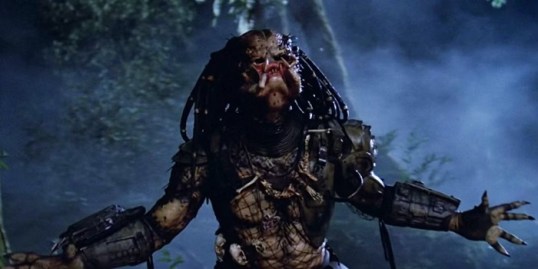
Predator (1987, directed by John McTiernan, DP: Donald McAlpine)
Die Hard (1988, directed by John McTiernan, DP: Jan de Bont)
The Hunt for Red October (1990, directed by John McTiernan, DP: Jan de Bont)
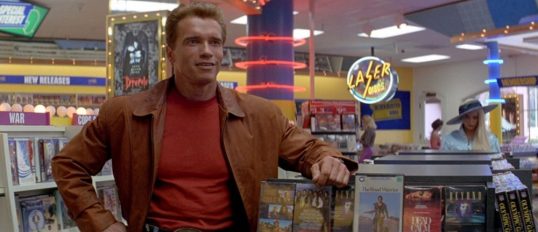
The Last Action Hero (1993, directed by John McTiernan, DP: Dean Semler)
4 Shots From 4 Films is just what it says it is, 4 shots from 4 of our favorite films. As opposed to the reviews and recaps that we usually post, 4 Shots From 4 Films lets the visuals do the talking.
It’s Christmas! Here are 4 Shots from 4 Christmas classics!
4 Shots From 4 Films
The Godfather (1972, dir by Francis Ford Coppola, DP: Gordon Willis)
Die Hard (1988, directed by John McTiernan, DP: Jan de Bont)
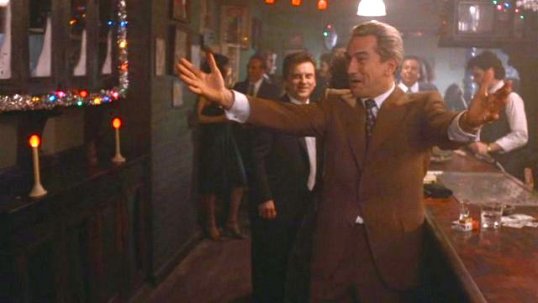
Goodfellas (1990, dir by Martin Scorsese, DP: Michael Ballhaus)
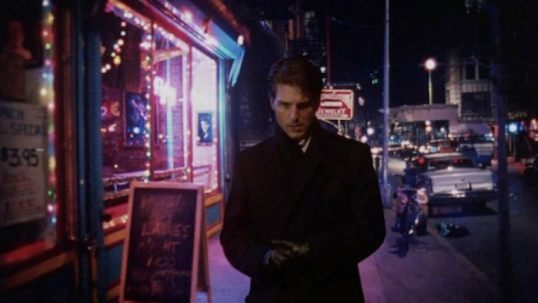
Eyes Wide Shut (1999, dir by Stanley Kubrick, DP: Larry Smith)
Today is John McTiernan’s birthday! Obviously, McTiernan’s career has had its ups and downs but he’s still responsible for directing some of the best action films ever made.
4 Shots From 4 John McTiernan Films
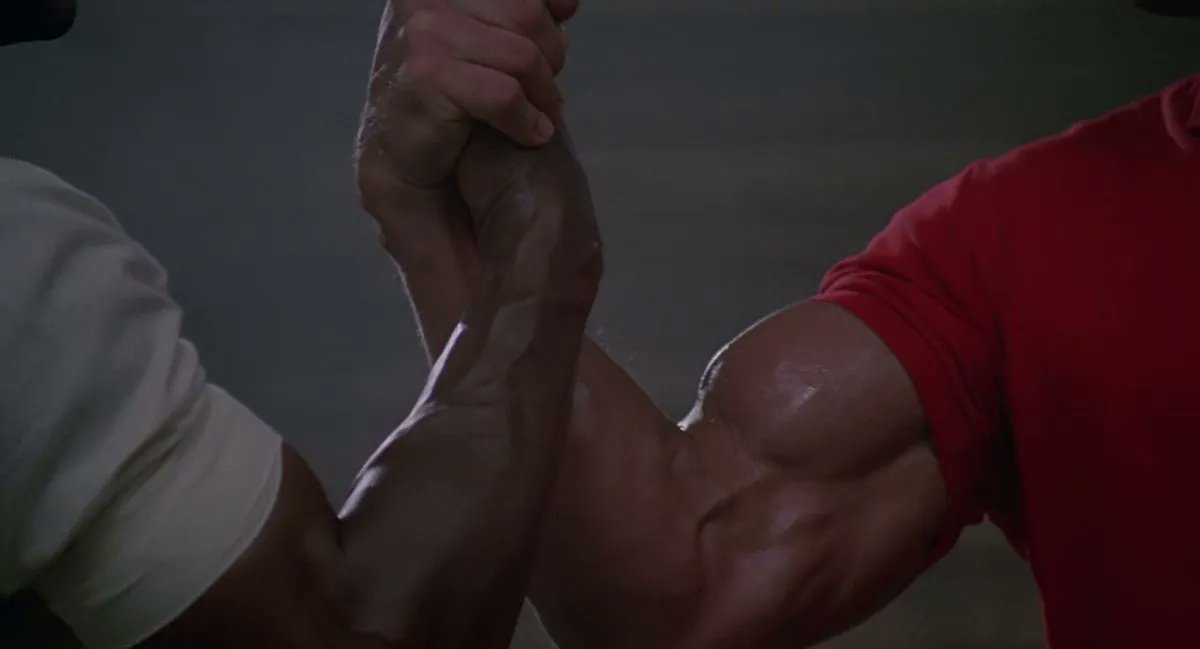
Predator (1987, directed by John McTiernan, DP: Donald McAlpine)
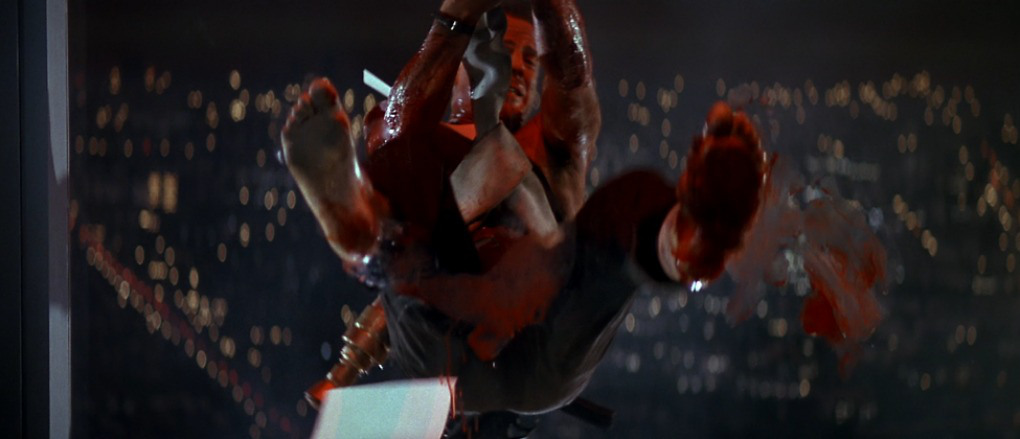
Die Hard (1988, directed by John McTiernan, DP: Jan de Bont)
The Hunt for Red October (1990, directed by John McTiernan, DP: Jan de Bont)
The Last Action Hero (1993, directed by John McTiernan, DP: Dean Semler)





 Through the Shattered Lens