The Best Picture Race In Review: The 1920s


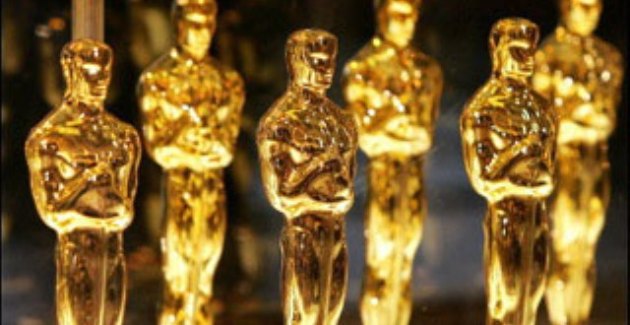
The Oscars started out as an afterthought.

When Louis B. Mayer first proposed setting up what would become the Academy of Motion Picture Arts and Sciences in 1927, he wasn’t really that interested in giving out awards. Instead, he saw the Academy as an organization that would mediate labor disputes between the studios and the unions. He also felt that the Academy could basically be used to improve the film industry’s image, which had taken a hit from the rape trial of Fatty Arbuckle, the overdose of Wallace Reid, and the murder of William Desmond Taylor. When he and the other 35 founders of the Academy met to draw up the organization’s charter, the idea of giving out awards was mentioned only in passing. A committee would be set up to give out yearly awards to honor the best that Hollywood had to offer.

The first Academy Awards ceremony was held in a hotel ballroom in 1928. It occurred at the end of a private dinner and the awards were handed out in 15 minutes. The 2nd ceremony was the first to be broadcast on the radio. It was only when the Academy got around to the third ceremony that the Oscars started to transform into the spectacle that we know today. It was only then that people started to really pay attention to what was and was not nominated for Best Picture.

Today, for Oscar Sunday, we’re taking a a decade-by-decade look at the Best Picture races of the past. We start with those first three ceremonies.
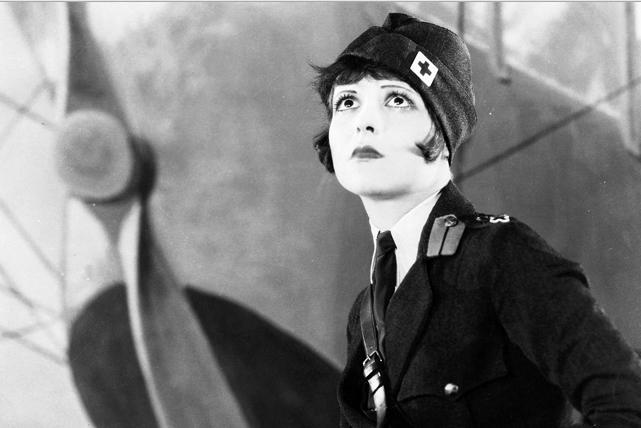
Wings (1927, dir by William Wellman)

1927–1928

Uniquely, the very first Academy Awards saw the presentation for two best picture trophies. Best Production went to the most entertaining film. Unique and Artistic Production went to the most artistic film.

Production

The Racket

Seventh Heaven

Wings

Unique and Artistic Production

Chang

The Crowd

Sunrise

Won: Wings and Sunrise

Should Have Won: The first time out, the Oscars got it right. People tend to be a bit dismissive of Wings but it has that one amazing tracking shot and it also features the wonderful Clara Bow. Sunrise, meanwhile, is a triumph in every way. Among the eligible films not nominated: Buster Keaton’s The General and Fritz Lang’s Metropolis.
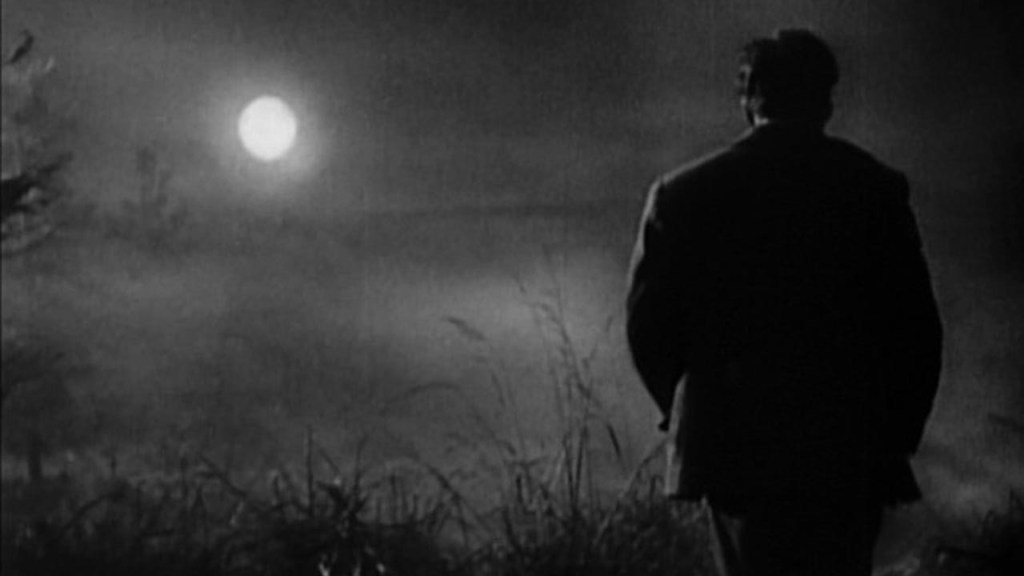
Sunrise (1927, dir by F.W. Murnau) Won Best Unique and Artistic Picture

1928–1929

Uniquely, only the winners were announced for the 2nd awards ceremony. The “nominees” listed below are taken from a list of notes that were taken while the judges were discussing who and what to honor.

Alibi

The Broadway Melody

The Hollywood Revue of 1929

In Old Arizona

The Patriot

Won: The Broadway Melody

Should Have Won: The Broadway Melody was the first musical to win but it’s aged terribly. I actually prefer The Hollywood Revue of 1929, which has no plot but which does feature a bunch of MGM stars singing, dancing, and showing off that they were having no problem transitioning for silent cinema to sound films. Or, at least, that was the idea. Poor John Gilbert.

1929–1930

All Quiet On The Western Front

The Big House

Disraeli

The Divorcee

The Love Parade

Won: All Quiet On The Western Front

Should Have Won: All Quiet On The Western Front. Third time out, the Academy got it right.

Up next, the Stock Market crashes and we enter a scary new decade in American history. In about an hour, we’ll be taking a look at the 1930s!
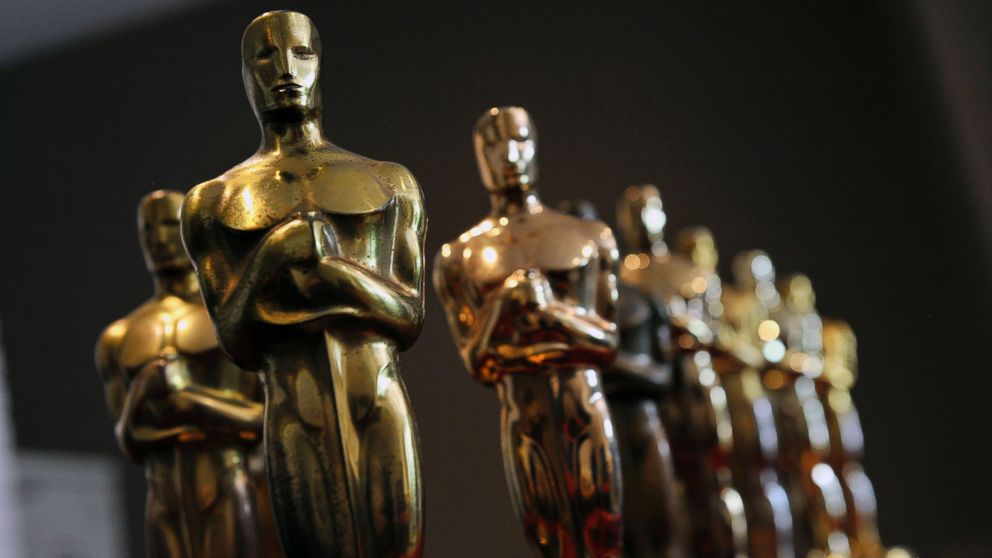
My Final 2020 Oscar Predictions


Since today is Oscar Sunday and all, I guess it’s time for me to make my final predictions for what will win tonight! Here we go! No guts, no glory!

Best Picture: Nomadland

Best Director: Chloe Zhao for Nomadland

Best Actor: Chadwick Boseman in Ma Rainey’s Black Bottom

Best Actress: Carey Mulligan in Promising Young Woman

Best Supporting Actor: Daniel Kaluuya in Judas and the Black Messiah

Best Supporting Actress: Youn Yuh-jung in Minari

Best Original Screenplay: Promising Young Woman

Best Adapted Screenplay: Nomadland

Best Animated Film: Soul

Best International Feature Film: Another Round

Best Documentary Feature: Collective

Best Documentary Short: A Concerto is a Conversation

Best Live Action Short Film: Two Distant Strangers

Best Animated Short Film: If Anything Happens I Love You

Best Original Score: Soul

Best Original Song: Husavik from Eurovision Song Contest: The Story of Fire Saga

Best Sound: Sound of Metal

Best Production Design: Mank

Best Cinematography: Mank

Best Makeup and Hairstyling: Ma Rainey’s Black Bottom

Best Costume Design: Ma Rainey’s Black Bottom

Best Editing: The Trial of the Chicago 7 (bleh)

Best Visual Effects: Tenet

If I score 100% accuracy on my predictions, here’s how the night will end in totals:

3 Oscars — Ma Rainey’s Black Bottom, Nomadland

2 Oscars — Mank, Promising Young Woman, Soul

1 Oscar — Another Round, Collective, A Concerto is A Conversation, Eurovision Song Contest: The Story of Fire Saga, If Anything Happens I Love You, Judas and the Black Messiah, Minari, Sound of Metal, Tenet, The Trial of the Chicago 7, Two Distant Strangers

In another few hours, we shall discover how good I am at guessing.

6 Directors Who I Hope Win An Oscar In The Next Ten Years


Richard Linklater

Richard Linklater, the cinematic poet of Texas life, spent 12 years making one film. He took an enormous risk, starting an ambitious project with no guarantee of how it would end or that if would even end up being anything worth releasing. He assembled twelve years of footage and turned it into Boyhood, one of the best films of the century so far. For that, Linklater received the greatest acclaim of his career and, in 2015, he received his first Oscar nomination for Best Director.

Unfortunately, he then lost to a guy who made a gimmicky and pretentious movie about an actor producing a bad play.

My sincere hope is that Richard Linklater will get another chance. Though Last Flag Flying and Where’d You Go Bernadette? didn’t exactly live up to the hopes that some had for them as far as the Oscars were concerned, Linklater is a director who seems to have more than few great films ahead of him. Here’s hoping that, by 2031, the Oscars will have honored Richard Linklater.

Here are five more filmmakers who I hope will soon win their first directing Oscar.

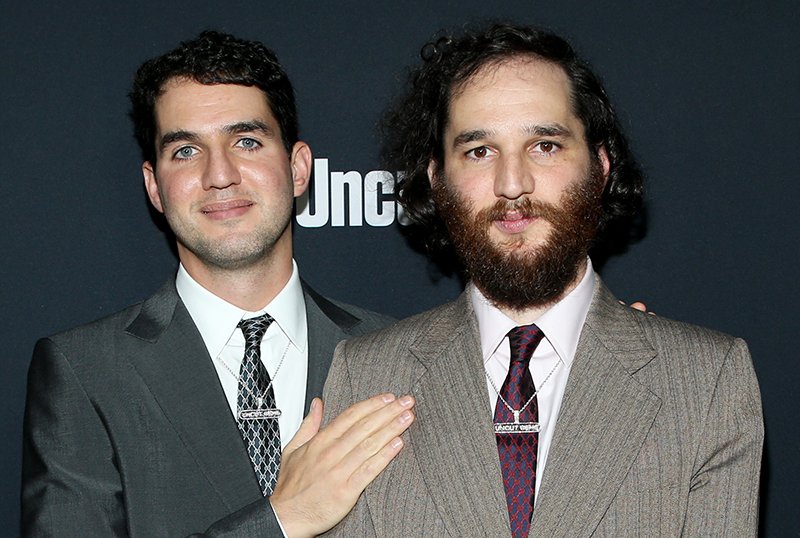
The Safdie Brothers

Good Time and Uncut Gems are two of the most intense films ever made. In fact, they were probably too intense for the Academy, as neither one got the Oscar recognition that they deserved. Hopefully, the Safdies will continue to shock audiences while making great films and the Academy will eventually honor their efforts.

Joe Wright

Joe Wright is a veteran director, one who has directed two best picture nominees — Atonement and Darkest Hour — but who has yet to pick up a nomination for best director. (Personally, I would have nominated him for both Hanna and Anna Karenina.) Wright has two films coming out this year — the long-delayed Woman In The Window and the intriguing Cyrano. Of the two, Cyrano seems like the most likely Oscar contender. I can’t wait to see both of them!

Joanna Hogg

Joanna Hogg is a British director who was responsible for one of the best films of 2019, The Souvenir. She’s got a sequel on the way, The Souvenir Part II, and a murder mystery called The Eternal Daughter. With The Souvenir, she proved herself to be a sensitive director who has a great eye for detail and the ability to capture unforgettable performances. I can’t wait to see what she does in the future.

Debra Granik

Winter’s Bone and Leave No Trace are two films that get better each time that I watch them. Debra Granik was responsible for both. In Winter’s Bone, she directed Jennifer Lawrence in what is still Lawrence’s best performance. In Leave No Trace, she introduced the world to Thomasin McKeznie. Much as with Joanna Hogg, I look forward to seeing everything that she does in the future.

Kelly Reichardt

One of the most consistently interesting and challenging directors around, Kelly Reichardt deserved a nomination this year for her fantastic work on First Cow. Though Reichardt may have been snubbed this time, it’s hard not to feel that the Academy will get another opportunity to honor her.

Finally, I want to mention Emerald Fennell. I didn’t include her on this list because she’s nominated this year. Regardless of whether she wins tonight or not, Emerald Fennell is a filmmaker whose future work I will always make it a point to seek out.

Six Actresses Who I Hope Will Win Their First Oscar In The Next Ten Years


Continuing the theme from my previous post, here are 6 actresses who I sincerely hope will have won their first Oscar by the time that the 2031 ceremony rolls around.

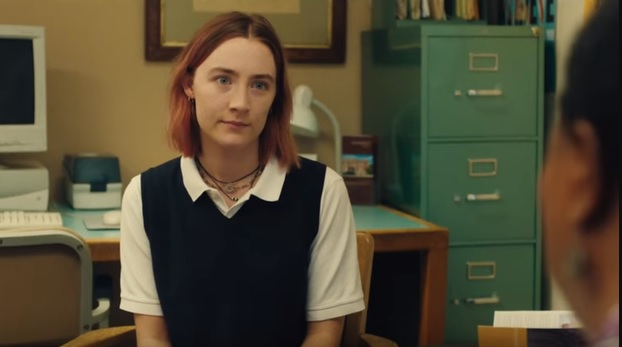
Saoirse Ronan

Admittedly, Saoirse Ronan is an obvious pick. She’s only 27 years old and she’s already been nominated for four Academy Awards and five BAFTAs and she’s got the type of filmography that most performers can only dream of. For a while there, it looked like she was running the risk of being typecast as everyone’s demure girlfriend but, ever since she starred in Brooklyn, she’s proven that she’s capable of playing a lot more and she’s established herself as one of the best and most consistently interesting actresses around.

Personally, I would have given her the Oscar for Brooklyn. I also would have given her an Oscar for Lady Bird. This upcoming year, she’s going to appear in Wes Anderson’s The French Dispatch and in an as-of-yet untitled murder mystery, in which she’ll co-star with Sam Rockwell. It’s really not a question of whether Saoirse Ronan will win an Oscar. It’s a question of when. She’s already overdue.

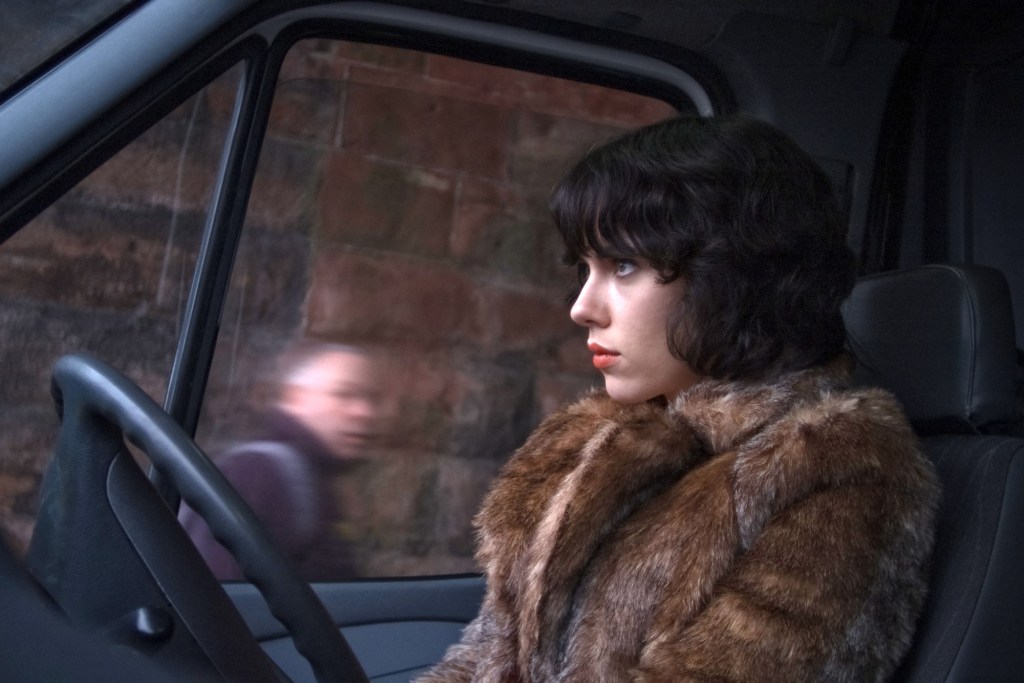
Scarlett Johansson

Much like Saoirse Ronan, Scarlett Johansson feels a bit inevitable. She’s both a star and an artist and she’s shown good instincts when it comes to picking both commercial and challenging material. She can be just as credible in an MCU film as she is in films like Lost in Translation, Marriage Story, JoJo Rabbit, and Under the Skin. Admittedly, Black Widow doesn’t seem like an Oscar film but still, it seems like only a matter of time until she gets the right role.

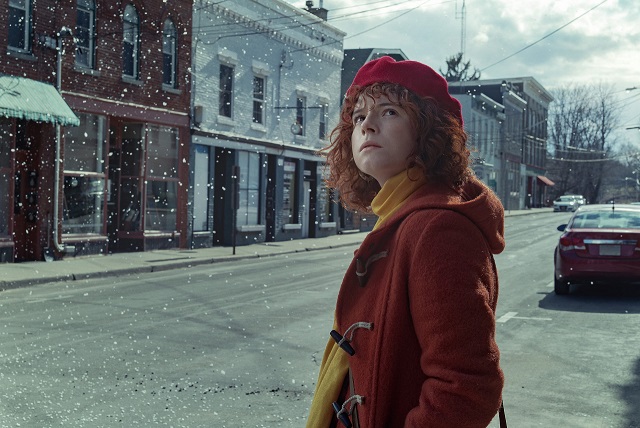
Jessie Buckley

Buckley deserved to win an Oscar last year for her performance in Wild Rose. This year, she deserved a nomination for her performance in i’m thinking of ending things. She’s got the Maggie Gyllenhaal-directed The Lost Daughter coming up this year, in which she’ll be playing a younger version of a character played by Olivia Colman. Buckley seems to be destined to get her first nomination sometime soon.

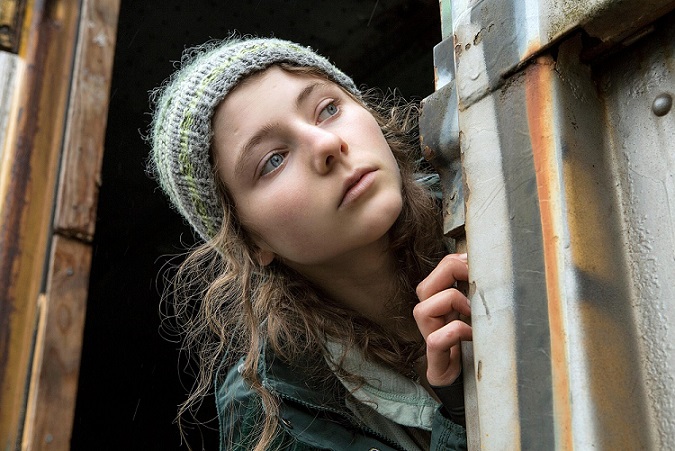
Thomasin McKenzie

I was a bit surprised that Thomasin McKenzie wasn’t nominated for either Leave No Trace or JoJo Rabbit. Seriously, her performance in JoJo Rabbit held the entire film together and prevented it from just becoming another awkward comedy about Hitler. This year, McKenzie will be appearing in Edgar Wright’s Last Night In Soho, opposite Anya Taylor-Joy. Last Night in Soho has been described as being a “psychological horror film.” Horror is a genre that, the recent success of Get Out aside, traditionally struggles with getting Academy recognition but, still, anything is possible and McKenzie has proven herself to be one of the most talented actresses out there.

Zoe Kazan

Zoe Kanzan may not be as well-known as some of the actresses on this list but she’s given two of the best performances of the last ten years, in 2012’s Ruby Sparks and 2018’s The Ballad of Buster Scruggs. She may not appear in a lot of movies but the ones that she does appear in are always better due to her presence. If that’s not awards-worthy, then what is?

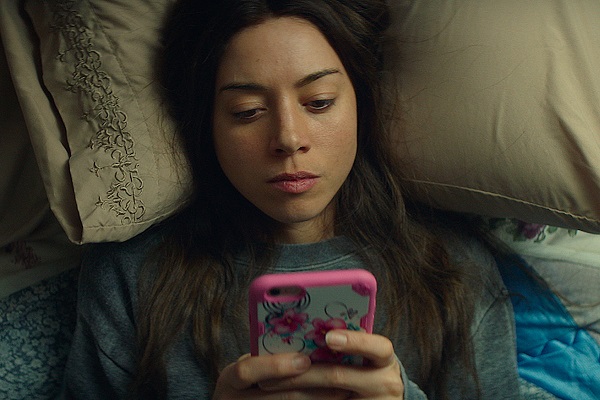
Aubrey Plaza

If this seems like a strange pick to you, you obviously haven’t seen Ingrid Goes West.

Agree? Disagree? Do you have a pick of your own you’d like to mention? Let us know in the comments!

6 Actors Who I Hope Win An Oscar In The Next Ten Years: 2021 Edition


We talk a lot about which performers and directors have been snubbed at Oscar time.  For movie lovers, that’s an important subject.  We all know that great actors like Peter O’Toole, Cary Grant, Albert Finney, and others all went to their grave with several nominations but not a single competitive Oscar to their name.  Just last year, Kirk Douglas died at the age of 103 without having ever won a competitive Oscar. And certainly, over the past few months, the pandemic has made us far more aware of the fact that everyone is going to die someday.  We always talk about how certain actors are overdue for their first Oscar but sometimes we forget that being overdue doesn’t always translate into an eventual win.

With that in mind, here are 6 actors who I sincerely hope will have won their first Oscar by the time 2031 rolls around:

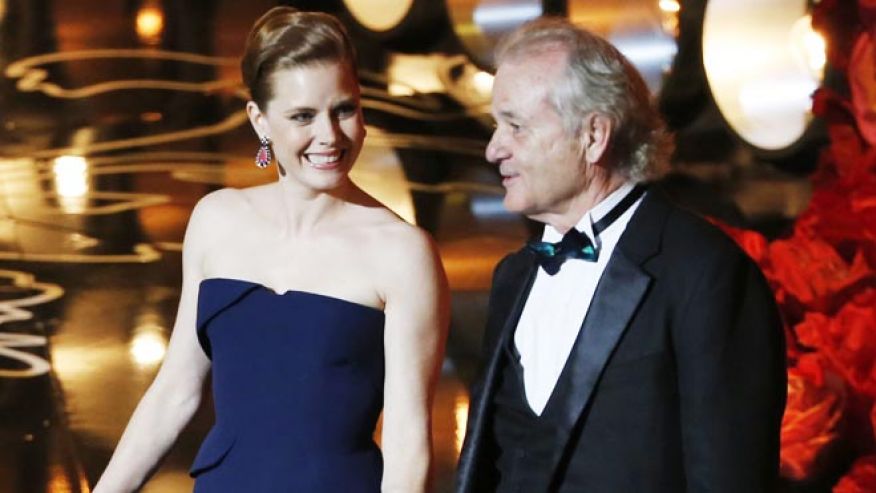
  1. Bill Murray

Bill Murray is not only a beloved cultural icon. He has also, in later yeaes, developed into a really good actor. He was previously nominated for Lost In Translation and he probably should have won. (He lost to Sean Penn, who was good in Mystic River but who would also later receive a second Oscar for Milk so it’s not like Penn would have never won an Oscar if Murray had won in 2004.) There was a lot of talk that Murray would be nominated for On The Rocks and, if not for this year’s extended eligibility window (which allowed Judas and the Black Messiah to compete with 2020 films despite being released in 2021), he probably would have been.

Bill Murray probably would be a popular winner and I know everyone would look forward to seeing what type of speech he would give. Standing in Murray’s way is that he tends to be pretty mercurial when it comes to accepting roles and he often seems to be more content to do brief cameos than to play the lead or even a major supporting character. Still, hopefully, either Sofia Coppola or Wes Anderson will write a perfect role for him in the next few years and Murray will get his shot. (They’ve never worked together but I’ve always felt that Murray and Paul Thomas Anderson would be an interesting combination.) Murray is 70 years old and not getting any younger so let’s get this done.

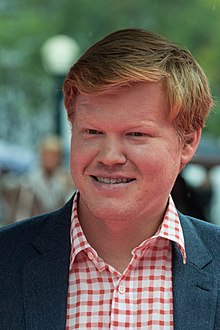
2. Jesse Plemons

It sometimes seems as if Jesse Plemons has come out of nowhere to suddenly become one of the busiest character actors around. Of course, that isn’t quite true. He started out on television, appearing in Friday Night Lights and Breaking Bad. (He was terrifying in Breaking Bad.) He’s gone on to become a very busy character actor, appearing in everything from Game Night to The Irishman. Over the past few months, he’s appeared in Judas and the Black Messiah and i’m thinking ending things, giving shockingly good performances in both. (Interestingly enough, both roles were the type of characters that Philip Seymour Hoffman used to specialize in playing.) It honestly feels like it’s less a case of whether Plemons will win an Oscar as much as it’s simply a case of when.

3. Oscar Isaac

Oscar Isaac is a perennial on this list. Again, he just seems like one of those actors who is destined to win eventually. Someone just needs to give him the right role.

4. Ben Foster

The fact that Ben Foster has not only never won an Oscar but that he hasn’t even been nominated is somewhat amazing, to be honest. He’s been giving good and unpredictable performances for so long that I think there’s probably a danger of people taking him and his talent for granted. He deserved a nomination for his fascinating villain in 2007’s 3:10 to Yuma. He deserved an Oscar for his turn in 2018’s Leave No Trace.

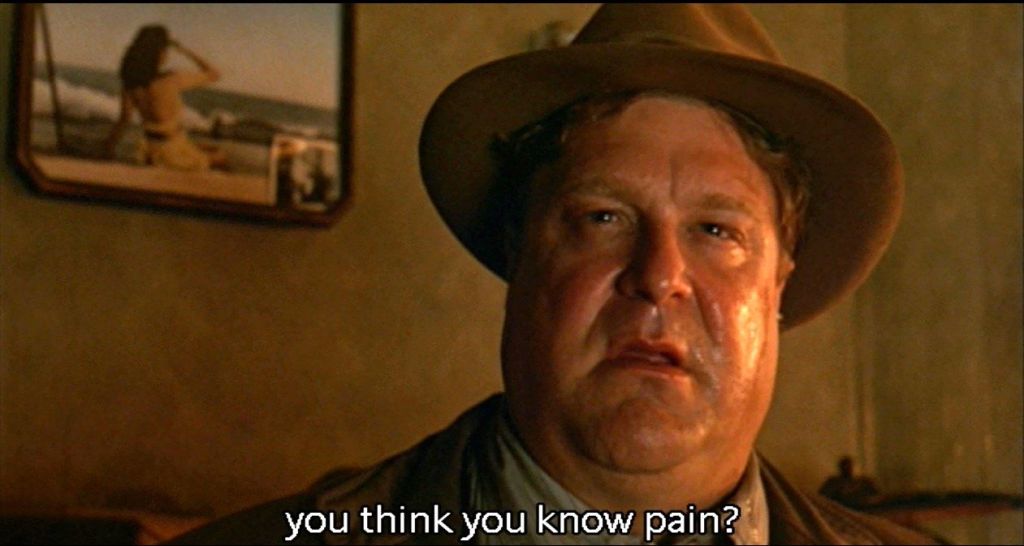
5. John Goodman

Again, this is another actor who I’m always surprised to be reminded that he has never received an Oscar nomination, despite appearing in important supporting roles in several acclaimed films. Goodman, like the before-mentioned Bill Murray, isn’t getting any younger so someone needs to write this actor an award-winning role and they need to do it now.

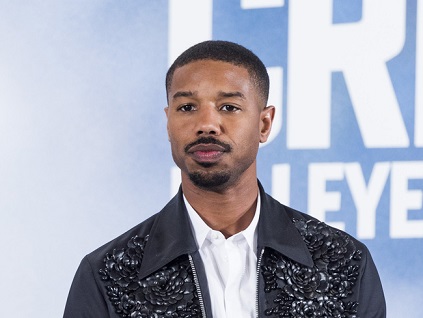
6. Michael B Jordan

I almost didn’t include Jordan on this list, just because it seems so obvious that the man is destined to win an Oscar someday. He may get his chance next year with his lead role in Denzel Washington’s Journal for Jordan.

Who would you put on the list? Who would you take off? Have an opinion? Let us know in the comments and have a wonderful Oscar Sunday!

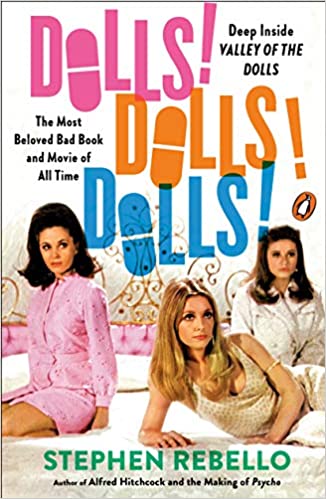
Book Review: Dolls! Dolls! Dolls!: Deep Inside Valley of the Dolls, the Most Beloved Bad Book and Movie of All Time by Stephen Rebello


Do you want to read a very good book about a very bad film?

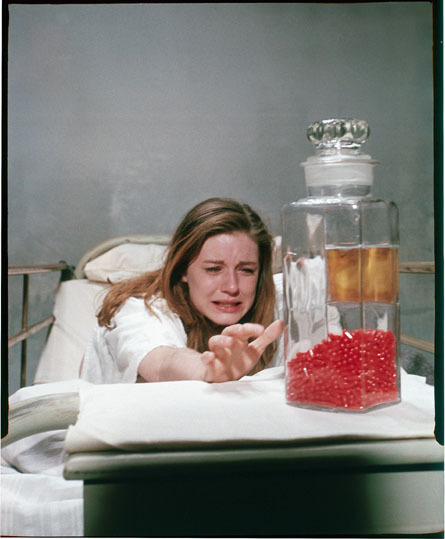
If the answer’s yes, Stephen Rebello’s Dolls! Dolls! Dolls!: Deep Inside Valley of the Dolls, the Most Beloved Bad Book and Movie of All Time tells you just about everything you could possibly want to know about the production of the 1967 cult classic, Valley of the Dolls. Starting with the Jacqueline Susann and her decision to write the book that scandalized America and caught Hollywood’s imagination, Rebello offers up information on every bit of the process that brought Valley of the Dolls to cinematic life. From the search for the right director to the effort to turn Susann’s novel into a filmable script, it’s all here. Everything from casting to recasting to the costumes to the music to the release to the film’s subsequent status as a camp classic, none of it is left out.

Perhaps not surprisingly, to anyone who knows me, my favorite part of the book were the two chapters that dealt with the casting of “the dolls” and “the dopes.” A truly impressive number of performers were considered for the roles that were eventually played by Barbara Parkins, Patty Duke, and Sharon Tate and, as I read about the casting process, I found myself thinking about all of the alternate casts that could have been assembled. Some of the possibilities feel inspired. Others boggle the mind.

Imagine, if you will, the famous fight scene between Patty Duke and Susan Hayward if the roles had been played by Barbra Streisand and Bette Davis. It could have happened! Imagine Raquel Welch as the tragic Jennifer North and Elvis Presley as her talented but simple-minded lover. Again, it could have happened. Among those who make appearances — some extended and some just as cameos — in the casting chapters: Candice Bergen, Ann-Margaret, Debbie Reynolds, Natalie Wood, Lee Remick, Mary Tyler Moore, Marlo Thomas, Shelley Winters, Jane Fonda, Julie Christie, Faye Dunaway, Angela Lansbury, Millie Perkins, Tony Curtis, Christopher Plummer, James Garner, Adam West, James Caan, Martin Sheen, Tom Selleck, James Brolin, Robert Reed, Richard Beymer, Alain Delon, Richard Chamberlain, Anthony Perkins, Kevin McCarthy, and hundreds more. That’s quite an impressive list for a film that no one was apparently expecting to be very good!

The book devotes quite a bit of space to Judy Garland’s casting as Helen Lawson, a character who may have very well been based on her. Garland was infamously fired from Valley of the Dolls and replaced with Susan Hayward. The book explores all of the conflicting accounts about what led to Garland’s firing. On the one hand, if you’re into old Hollywood gossip, you’ll find a lot of it here. At the same time, Rebello shows a good deal of empathy and sensitivity in describing the situation that the phenomenally talented but emotionally insecure Garland found herself in when she was cast as Helen. For all the space that this book focuses on the sometimes unbelievable drama that went on during the shoot, Stephen Rebello is never less than sympathetic to the performers who worked on Valley of the Dolls. Barbara Parkins, Patty Duke, and Sharon Tate are all brought to vibrant life in Rebello’s account. (Rebello is especially to praised for reminding readers that Sharon Tate was more than just the tragic victim of a terrible crime. She was also an actress of great promise and, from everyone’s account, a wonderful human being as well.) In fact, perhaps the only person who really comes across badly in the book’s account of the production is director Mark Robson, who is portrayed as being the type of manipulative showbiz hack that you would expect to find in a sordid, Hollywood roman à clef. Perhaps one like Valley of the Dolls!

Along with telling you everything you could possibly want to know about Valley of the Dolls, the book is also a sometimes humorous and sometimes thought-provoking portrait of Hollywood at the end of the studio system. Trying to keep up with the popularity of television and the permissiveness of European cinema, Hollywood tried to prove that it wasn’t culturally out-of-touch with its version of Valley of the Dolls. Of course, the end result was a film that showed just how out-of-touch Hollywood actually was. That’s one reason why Valley of the Dolls continues to be such a beloved bad film. Stephen Rebello’s informative book tells you everything you could want to know about it. Dolls! Dolls! Dolls! is a must-read for anyone who loves movies or who is interested in the history and development of American trash culture.

Here’s The Trailer for Occupation: Rainfall


To be absolutely honest with you, I kept waiting for this trailer for reveal the film to be a comedy. I think that was just my gut reaction to seeing Ken Jeong in a film about an alien invasion. But, actually, this film is not a parody. It’s a serious film about an alien invasion and it’s a sequel to the 2018 film, Occupation.

The film has already been released in Australia where it actually got pretty good reviews. It’ll be available here in the States in June.

Here’s the trailer:

The Independent Spirit Awards Honor Carey Mulligan!


Promising Young Woman

The Independent Spirit Awards were awarded tonight, honoring the best in independent film.  Nomadland picked up Best Feature while Carey Mulligan won Best Female Lead for Promising Young Woman.  It wouldn’t surprise me if this proved to be a preview of what will happen this Sunday at the Oscars!

Here are the Spirit winners:

BEST FEATURE
First Cow 
Ma Rainey’s Black Bottom
Minari
Never Rarely Sometimes Always
Nomadland
 
BEST FEMALE LEAD
Nicole Beharie – Miss Juneteenth
Viola Davis – Ma Rainey’s Black Bottom
Sidney Flanigan – Never Rarely Sometimes Always
Julia Garner – The Assistant
Frances McDormand – Nomadland
Carey Mulligan – Promising Young Woman

SOMEONE TO WATCH AWARD
The Someone to Watch Award, now in its 27th year,  recognizes a talented filmmaker of singular vision who has not yet received appropriate recognition.
David Midell – Director of The Killing of Kenneth Chamberlain
Ekwa Msangi – Director of Farewell Amor
Annie Silverstein – Director of Bull

BEST MALE LEAD
Riz Ahmed – Sound of Metal
Chadwick Boseman – Ma Rainey’s Black Bottom
Adarsh Gourav – The White Tiger
Rob Morgan – Bull
Steven Yeun – Minari

PRODUCERS AWARD
The Producers Award, now in its 24th year, honors emerging producers who, despite highly limited resources, demonstrate the creativity, tenacity and vision required to produce quality independent films.
Kara Durrett
Lucas Joaquin
Gerry Kim

BEST DIRECTOR
Lee Isaac Chung – Minari
Emerald Fennell – Promising Young Woman
Eliza Hittman – Never Rarely Sometimes Always
Kelly Reichardt – First Cow 
Chloé Zhao – Nomadland

TRUER THAN FICTION AWARD
The Truer Than Fiction Award, now in its 26th year, is presented to an emerging director of non-fiction features who has not yet received significant recognition.
Cecilia Aldarondo – Director of Landfall
Elegance Bratton – Director of Pier Kids
Elizabeth Lo – Director of Stray
 
BEST NEW NON-SCRIPTED OR DOCUMENTARY SERIES 
Atlanta’s Missing and Murdered: The Lost Children 
City So Real
Immigration Nation 
Love Fraud 
We’re Here

JOHN CASSAVETES AWARD (Given to the best feature made for under $500,000)
The Killing of Two Lovers
La Leyenda Negra
Lingua Franca
Residue
Saint Frances

BEST CINEMATOGRAPHY
Jay Keitel – She Dies Tomorrow
Shabier Kirchner – Bull
Michael Latham – The Assistant
Hélène Louvart – Never Rarely Sometimes Always
Joshua James Richards – Nomadland

BEST INTERNATIONAL FILM (Award given to the director)
Bacurau
The Disciple
Night of the Kings
Preparations to be Together for an Unknown Period of Time
Quo Vadis, Aida?

BEST EDITING
Andy Canny – The Invisible Man
Scott Cummings – Never Rarely Sometimes Always
Merawi Gerima – Residue
Enat Sidi – I Carry You With Me
Chloé Zhao – Nomadland

BEST MALE PERFORMANCE IN A NEW SCRIPTED SERIES
Conphidance – Little America
Adam Ali – Little America
Nicco Annan – P-Valley
Amit Rahav – Unorthodox
Harold Torres – Zero, Zero, Zero

BEST FEMALE PERFORMANCE IN A NEW SCRIPTED SERIES
Elle Fanning – The Great
Shira Haas – Unorthodox
Abby McEnany – Work in Progress
Maitreyi Ramakrishnan – Never Have I Ever
Jordan Kristine Seamón – We Are Who We Are

BEST NEW SCRIPTED SERIES
I May Destroy You 
Little America 
Small Axe 
A Teacher 
Unorthodox

BEST SCREENPLAY
Lee Isaac Chung – Minari
Emerald Fennell – Promising Young Woman
Eliza Hittman – Never Rarely Sometimes Always
Mike Makowsky – Bad Education
Alice Wu – The Half of It

BEST DOCUMENTARY
Collective
Crip Camp
Dick Johnson is Dead
The Mole Agent
Time

BEST SUPPORTING MALE
Colman Domingo – Ma Rainey’s Black Bottom
Orion Lee – First Cow 
Paul Raci – Sound of Metal
Glynn Turman – Ma Rainey’s Black Bottom
Benedict Wong – Nine Days

BEST FIRST FEATURE
I Carry You With Me
The Forty-Year-Old Version
Miss Juneteenth
Nine Days
Sound of Metal
 
BEST FIRST SCREENPLAY
Kitty Green – The Assistant
Noah Hutton – Lapsis
Channing Godfrey Peoples – Miss Juneteenth
Andy Siara – Palm Springs
James Sweeney – Straight Up

BEST SUPPORTING FEMALE
Alexis Chikaeze – Miss Juneteenth
Yeri Han – Minari
Valerie Mahaffey – French Exit
Talia Ryder – Never Rarely Sometimes Always
Yuh-jung Youn – Minari

ROBERT ALTMAN AWARD (Given to one film’s director, casting director and ensemble cast)
One Night in Miami…
Director: Regina King
Casting Directors: Kimberly R. Hardin
Ensemble Cast: Kingsley Ben-Adir, Eli Goree, Aldis Hodge & Leslie Odom Jr.
 
BEST ENSEMBLE CAST IN A NEW SCRIPTED SERIES
I May Destroy You
Ensemble Cast: Michaela Coel, Paapa Essiedu, Weruche Opia & Stephen Wight

Lisa Reviews An Oscar Nominee: Three Coins In The Fountain (dir by Jean Negulesco)


The 1954 Best Picture nominee, Three Coins In The Fountain, tells the story of three American women living in Rome. They’re all employed by the same secretarial agency. Maria Williams (Maggie McNamara) is young and hoping that she’ll stay in Rome for at least a year and that she’ll meet her future husband. Anita Hutchins (Jean Peters) is not-so-young and is planning on returning to America so that she can meet her own future husband. Miss Frances (Dorothy McGuire) is middle-aged and has spent the last 15 years working for the man that she wishes could be her future husband.

If you’re getting the feeling that there’s not much to our leads beyond a desire to get married, you’re not wrong. However, Anita swears that it’s impossible to find a husband in Rome because the only Italians who are interested in “secretaries” are too poor to be good husbands which …. well, like I mentioned before, this film is from 1954. Just the fact that the film featured three single women living together in a foreign country was probably considered to be daring back in 1954.

The three women eventually end up at the Trevi Fountain, where Maria and Frances throw in their coins and make their wishes. Anita, however, does not toss in a coin because apparently, she’s not scared of offending God. No sooner have the three women visited the fountain than things begin to happen. Soon, all three of them are in love but each has to deal with a compliction.

Miss Frances may have finally convinced her employer, writer John Frederick Shadwell (Clifton Webb), to marry her but when he discovers that he’s terminally ill, he tries to call off the engagment.

Maria meets Prince Dino di Cessi (Louis Jourdan) but will the Prince still want to be with her after he discovers that she’s been lying about being interested in the same things that he’s interested in?

Anita falls for Giorgio (Rossano Brazzi) but he’s poor! Plus, he also works for the agency and apparently, there’s some sort of weird 1954 rule that forbids the American employees from fraternizing with the Italian employees. Is Anita willing to lose her job just so she can marry someone who doesn’t have any money?

That’s pretty much it. Other than John Shadwell wrestling with his own mortality, there’s really not a whole lot of drama to be found in Three Coins In The Fountain. This is a film about pleasant people doing pleasant things and having pleasant conversations. It’s a rather chaste romance, one of those films where you have no doubt that everyone involved will wait until marriage and that all of the women will quit their jobs and settle down as soon as the right ring gets put on their finger. In other words, this is very much a film of its time and watching it today can be bit of an odd experience. This is ultimately the type of film that works best as a travelogue. Rome looks beautiful. There’s a striking shot of the sunset reflected in the canals of Venice. The Trevi Fountain truly does look like it can grant wishes. (It’s amusing to compare the reverence that the American-made Three Coins In The Fountain shows towards The Trevi Fountain to the way that Rome-native Federico Fellini used the fountain in La Dolce Vita.) One gets the feeling that, even in 1954, people flocked to this film more to see Rome than to really worry about whether or not the Prince would eventually propose.

In fact, one of the main reasons why I watched this film tonight is because I spent one of the greatest summers of my life in Italy. I’ve been to Rome. I’ve thrown coins into the Trevi Fountain and I’ve made wishes. I loved Rome. I loved the people. I loved the culture. I loved the buildings. I loved the feeling of walking through history. I loved looking out at the horizon and feeling as if I was somehow in a living painting. (I actually went into a bit of daze when I was in Florence. Stendhal Syndrome is for real.) If you can’t find romance in Rome then you’re obviously not looking. For me, the main appeal of Three Coins In The Fountain was being able to watch it and say, “I’ve been there!” I imagine for audiences in 1954, the appeal was probably to be able to watch it and say, “I’m going to go there!”

How did this perfectly pleasant but otherwise unmemorable film end up as a best picture nominee? I imagine a lot of it had to do with the fact that the film was a box office success. It’s certainly not because it was a better film than either Rear Window or Sabrina, both of which were not nominated for Best Picture despite being nominated for Best Director. In the end, the 1954 Best Picture Oscar was won by On The Waterfront, a film that appears to be taking place in an entirely different universe than Three Coins In A Fountain.

4 Shots From 4 Films: In Memory of Monte Hellman


4 (or more) Shots From 4 (or more) Films is just what it says it is, 4 (or more) shots from 4 (or more) of our favorite films. As opposed to the reviews and recaps that we usually post, 4 (or more) Shots From 4 (or more) Films lets the visuals do the talking.

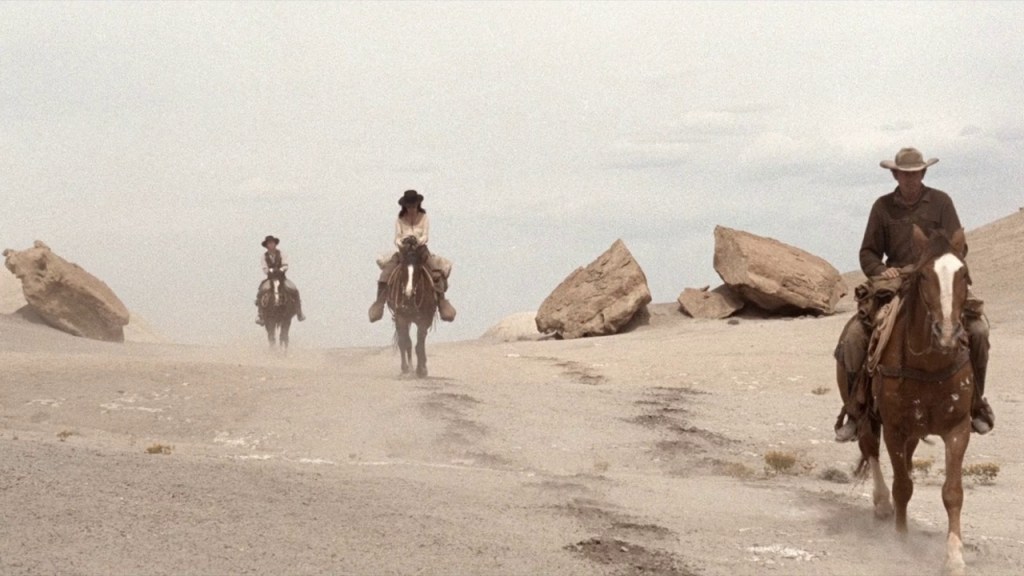
I just saw that Monte Hellman, one of the most interesting American directors of all time, passed away today. He was 88 years old. Hellman didn’t direct a lot of films but the ones that he did direct were some of the most unique American films of their time. The Shooting is perhaps the strangest western ever made. Two Lane Blacktop is one of the greatest road films. Cockfighter and China 9 Liberty 37 both suffered from distribution problems but they have since been rediscovered by audiences and critics. Even Silent Night Deadly Night 3 has its moments of uniquely deranged mayhem, though Hellman himself often said that he did the film strictly for the money.

In honor of Monte Hellman’s legacy, here are….

4 Shots From 4 Monte Hellman Films

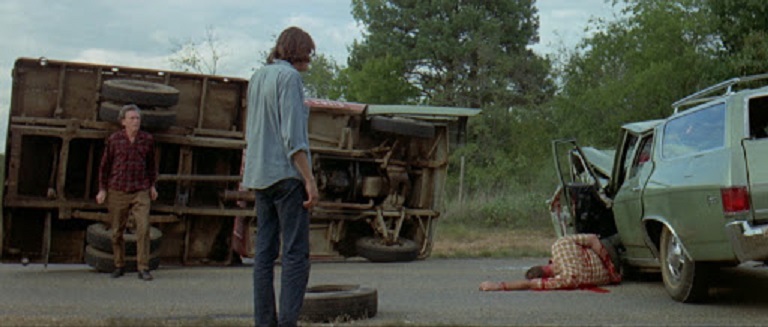
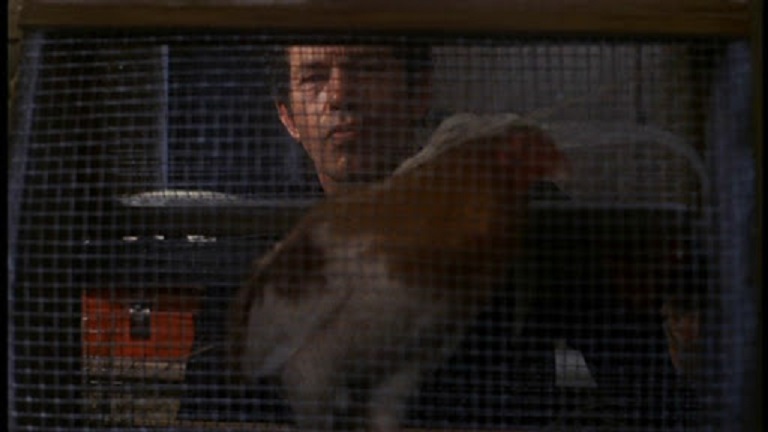
The Shooting (1966, dir by Monte Hellman, DP: Gregory Sandor)
Two-Lane Blacktop (1971, dir by Monte Hellman, DP: Jack Deerson)
Cockfighter (1974, dir by Monte Hellman, DP: Nestor Almendros)
Road to Nowhere (2010, dir by Monte Hellman, DP: Josep M. Civit)