The Greater Western New York Film Critics Association has announced its nominations for the best of 2025. And here they are:
BEST PICTURE The Ballad of Wallis Island Bugonia Frankenstein If I Had Legs I’d Kick You It Was Just an Accident Marty Supreme No Other Choice One Battle After Another Sinners Train Dreams
BEST FOREIGN FILM It Was Just an Accident (Iran/France) Misericordia (France) No Other Choice (South Korea) The Secret Agent (Brazil) Sentimental Value (Norway)
BEST ANIMATED FILM Arco Boys Go to Jupiter KPop Demon Hunters Little Amélie or the Character of Rain Zootopia 2
BEST DOCUMENTARY Afternoons of Solitude Cover-Up The Encampments The Perfect Neighbor The Tale of Silyan
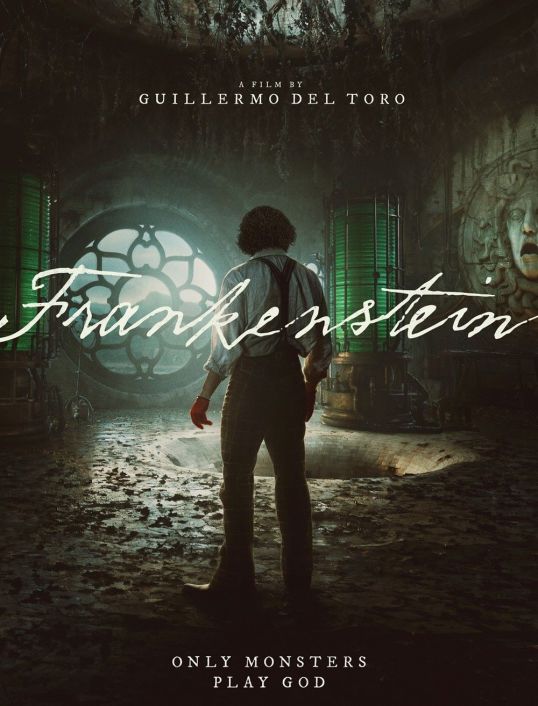
BEST DIRECTOR Paul Thomas Anderson – One Battle After Another Mary Bronstein – If I Had Legs I’d Kick You Ryan Coogler – Sinners Guillermo del Toro – Frankenstein Josh Safdie – Marty Supreme
LEAD ACTOR Timothée Chalamet – Marty Supreme Leonardo DiCaprio – One Battle After Another Ethan Hawke – Blue Moon Michael B. Jordan – Sinners Jesse Plemons – Bugonia
LEAD ACTRESS Jessie Buckley – Hamnet Rose Byrne – If I Had Legs I’d Kick You Jennifer Lawrence – Die My Love Renate Reinsve – Sentimental Value Emma Stone – Bugonia
SUPPORTING ACTOR Benicio del Toro – One Battle After Another Jacob Elordi – Frankenstein Delroy Lindo – Sinners Sean Penn – One Battle After Another Stellan Skarsgård – Sentimental Value
SUPPORTING ACTRESS Odessa A’zion – Marty Supreme Ariana Grande – Wicked: For Good Amy Madigan – Weapons Wunmi Mosaku – Sinners Teyana Taylor – One Battle After Another
ORIGINAL SCREENPLAY If I Had Legs I’d Kick You (Mary Bronstein) It Was Just an Accident (Jafar Panahi) Marty Supreme (Josh Safdie & Ronald Bronstein) Sentimental Value (Eskil Vogt & Joachim Trier) Sinners (Ryan Coogler)
ADAPTED SCREENPLAY Bugonia (Will Tracy) Frankenstein (Guillermo del Toro) Hamnet (Chloé Zhao & Maggie O’Farrell) No Other Choice (Park Chan-wook, Lee Kyoung-mi, Jahye Lee & Don McKellar) One Battle After Another (Paul Thomas Anderson)
BEST ENSEMBLE It Was Just an Accident
Marty Supreme
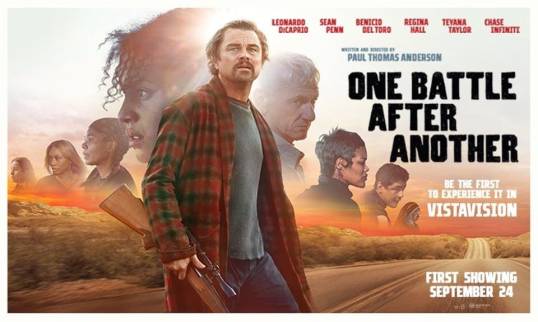
One Battle After Another
Sentimental Value
Sinners
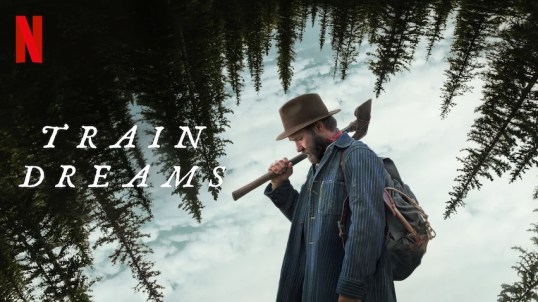
BEST CINEMATOGRAPHY Frankenstein (Dan Laustsen) Marty Supreme (Darius Khondji) One Battle After Another (Michael Bauman) Sinners (Autumn Durald Arkapaw) Train Dreams (Adolpho Veloso)
BEST EDITING It Was Just an Accident (Amir Etminan) Marty Supreme (Ronald Bronstein & Josh Safdie) One Battle After Another (Andy Jurgensen) Sinners (Michael P. Shawver) Weapons (Joe Murphy)
BEST ORIGINAL SCORE Frankenstein (Alexandre Desplat) Marty Supreme (Daniel Lopatin) One Battle After Another (Jonny Greenwood) Sinners (Ludwig Göransson) Train Dreams (Bryce Dessner)
BREAKTHROUGH PERFORMANCE Odessa A’zion – Marty Supreme Miles Caton – Sinners Chase Infiniti – One Battle After Another Inga Ibsdotter Lilleaas – Sentimental Value Eva Victor – Sorry, Baby
BREAKTHROUGH DIRECTOR Clint Bentley – Train Dreams Mary Bronstein – If I Had Legs I’d Kick You Harris Dickinson – Urchin Carson Lund – Eephus Eva Victor – Sorry, Baby
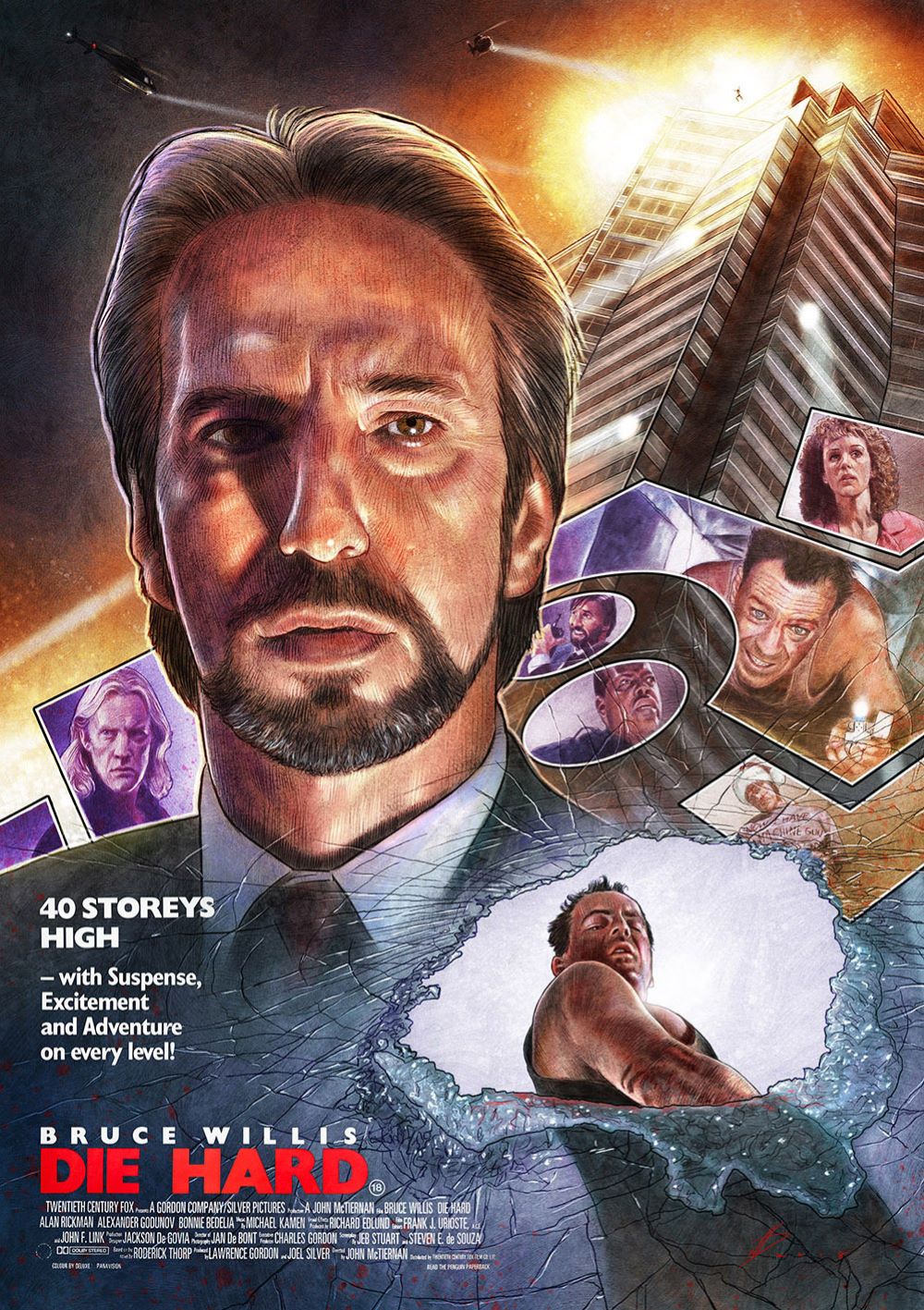
Die Hard is the ultimate Christmas film (though not the greatest) disguised as an action thriller, blending holiday cheer with high-stakes mayhem in a way that has sparked endless debates and turned it into a seasonal staple for millions. It stands as a landmark action movie and a sharp, character-driven thriller that continues to set the standard for the genre. The film mixes bombast with genuine heart, balancing tension, wit, and raw emotion so effectively that its imperfections only add to its enduring appeal.
Released in 1988 under John McTiernan’s direction, Die Hard follows New York cop John McClane (Bruce Willis) arriving in Los Angeles during the holidays to reconcile with his estranged wife Holly at her office Christmas party in Nakatomi Plaza. He’s fresh off a transcontinental flight, nursing a cocktail of jet lag and marital tension, hoping a festive gathering might thaw the ice between them after her career move to the West Coast has strained their family life. No sooner has he kicked off his shoes—famously leaving him barefoot for most of the chaos—than a disciplined crew of armed robbers, masquerading as terrorists under the command of Hans Gruber (Alan Rickman), storms the building, holding the revelers captive and forcing McClane to fight back shoeless and outgunned amid the towering offices. This lean setup—one man, one skyscraper, one chaotic evening—drives the story’s relentless pace, with straightforward spatial awareness keeping viewers locked into the rising peril. The Christmas setting isn’t just window dressing; twinkling lights, carols on the soundtrack, and a rooftop Santa sleigh add layers of irony and warmth to the gunfire, making the film a peculiar but perfect yuletide watch.
The movie refreshingly casts its action lead as an everyday underdog, full of sarcasm and frailty rather than invincible machismo. McClane takes real damage—he’s slashed by glass, battered by falls, and wheezing from asthma attacks—freaks out under pressure, second-guesses himself constantly, and limps through the ordeal covered in cuts and shards while grumbling about his lousy luck. These moments of raw vulnerability humanize him in a genre often dominated by perfect physiques and unflappable cool. Bruce Willis brings a rumpled, relatable edge to the role, drawing from his TV background on Moonlighting to infuse McClane with quick-witted banter and hangdog charm, making his pigheaded risks and desperate quips—like his tense radio chats or infamous air vent shuffle—land as the outbursts of an ordinary Joe desperate for survival and a way out. Willis’s casting was a gamble at the time, pivoting from wisecracking detective to gritty hero, but it paid off by redefining what an action star could be: flawed, funny, and fiercely determined.
Hans Gruber remains a standout antagonist, living up to every ounce of his legendary status—and remarkably, this was Alan Rickman’s very first film role, launching him into stardom with a performance that still defines screen villainy. Fresh from stage work, Rickman infuses him with suave detachment and subtle menace, his silky British accent dripping with condescension as he portrays a criminal mastermind who approaches the heist like a hostile merger, his cultured facade slipping just enough to reveal cold ruthlessness. Lines like his mocking “Mr. Mystery Guest” taunts or his gleeful disdain for American excess have become iconic, delivered with a theatrical precision that elevates Gruber above typical thugs. Clever writing highlights his contempt for yuppie excess and delight in red tape, while McTiernan’s direction turns their encounters into personal showdowns brimming with verbal sparring beyond mere firepower, turning cat-and-mouse into a battle of intellects as much as endurance.
A strong ensemble bolsters the narrative without bogging down the momentum. Bonnie Bedelia’s Holly exudes quiet strength, proving herself a sharp professional unafraid of bosses or bandits, which elevates her rapport with McClane above clichéd rescue tropes—she’s calling shots from the hostage room and holding her own in tense negotiations. Reginald VelJohnson’s Sergeant Al Powell elevates a stock radio contact into the story’s heartfelt core, offering McClane solace and shared regrets during their poignant nighttime talks about lost family and second chances, creating an unlikely but touching bromance across police lines. Figures like Hart Bochner’s smarmy Ellis, with his coke-fueled deal-making, or William Atherton’s pushy journalist Richard Thornburg, chasing scoops with ruthless ambition, add biting commentary on greed and sensationalism, sharpening the film’s take on ’80s excess and how corporate snakes and media vultures complicate the crisis. Even smaller roles, like the hapless deputy chief or the bickering SWAT team, paint a vivid picture of institutional incompetence that McClane must navigate alone.
Die Hard excels in choreographing escalating clashes within tight quarters, turning the skyscraper into a multi-level chessboard. McTiernan masterfully exploits Nakatomi’s design—raw construction levels with exposed beams, service elevators for ambushes, fire stairs slick with tension, upper decks for sniper duels, and cubicle warrens for close-quarters chaos—to distinguish every skirmish from rote shootouts, ensuring each fight feels unique and earned. Precise editing weaves between McClane’s scrambles, captive dread, robber schemes, and external responders, layering suspense without devolving into explosive filler; the cross-cutting builds dread as plans intersect disastrously. Standout sequences thrill because of careful buildup around deadlines and official blunders, like ill-timed interventions that raise the stakes sky-high. The practical effects—real stunts, squibs, and pyrotechnics—give the action a tangible weight that CGI-heavy modern films often lack, grounding the spectacle in sweat and physics.
Blending laughs with savagery proves the film’s toughest feat, yet it mostly triumphs. McClane’s biting comebacks, taped to dead bodies or barked into walkie-talkies, and the dark comedy amid cop-thug banter sustain levity amid dire threats and mounting casualties, preventing the film from tipping into grim slog. Gags like the executive’s C4 “gift” or Powell’s Twinkie diet poke fun at excess without diffusing danger. Certain gags and era-specific jabs feel dated—like mockery of inept brass or overzealous feds—but this institutional skepticism fuels the plot, portraying red tape and hubris as lethal as automatic weapons, a theme that resonates in any age of bloated bureaucracies.
The film’s action overload, ironically its signature strength, occasionally trips it up. Later stretches bombard with relentless blasts and ballets, prompting some to decry the carnage’s intensity or plot holes from initial reviews, where critics noted the escalating body count’s numbing effect. Elements like tactical decisions by authorities or vault breach logistics falter on nitpicks, relying now and then on lucky breaks to align the chaos, such as perfectly timed discoveries or overlooked details in the heist plan. Fans of taut caper tales might see the wilder antics as indulgence over invention, prioritizing popcorn thrills over airtight logic. Yet these are minor quibbles in a runtime that clocks in under two hours, keeping energy high without exhaustion.
Yet a solid emotional arc lends depth beyond mere spectacle. Fundamentally, it’s about a bullheaded officer confronting his marital neglect, enduring brutal comeuppance while seeking redemption amid the tinsel and terror. His raw confessions to Powell inject humanity that heightens the personal stakes, turning isolated survival into a quest for reconnection. The script, adapted from Roderick Thorp’s novel Nothing Lasts Forever, weaves family drama into the frenzy without halting the pace, making quieter moments—like shared vulnerabilities over radio—punch harder than any explosion.
Technically, Die Hard brims with assured flair bordering on swagger. Cinematographer Jan de Bont’s lenses capture glassy surfaces, mirrors for disorienting reflections, and soaring perspectives to render the tower both glamorous and hostile, a glassy trap turned warzone that mirrors the characters’ fractured relationships. Crisp cuts allow pauses for character amid the rush, preserving brisk tempo without shortchanging development; McTiernan’s post-Predator confidence shines in rhythmic pacing that breathes. Michael Kamen’s soundtrack fuses orchestral surges with jingly carols like “Let It Snow,” amplifying the bizarre fusion of festivity and fusillades that forever fuels “Christmas movie” arguments—ho-ho-hos interrupted by hails of bullets.
Die Hard‘s influence reshaped action cinema, birthing the “Die Hard in a [location]” trope for enclosed thrillers, from buses to battleships, spawning endless imitators chasing its formula. Sequels amplified scale at the cost of grounded heroism, proving surface mimics—snark, stunts, scheming foes—miss the original’s vulnerable punch, as later entries piled on global threats and gadgets. Detractors note it paved paths for bloated pyrotechnics in successors, but that’s on copycats, not this taut gem; its box-office success—over $140 million worldwide—proved audiences craved smart spectacle.
All told, Die Hard delivers razor-sharp, hilarious, masterfully built blockbuster entertainment that ages like fine whiskey. Pairing a rugged everyman lead, suave nemesis, and geography-smart sequences, it raises a benchmark few match. Flaws like overkill blasts or shaky rationale aside, its tension, depth, and gritty laughs cement its throne in action lore, a holiday gift that keeps on giving.
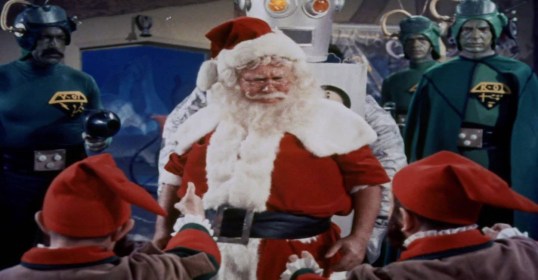
Watching the 1964 holiday sci-fi epic, Santa Claus Conquers The Martians, is a Christmas Eve tradition here at the Shattered Lens! So, sit back, turn on Kid TV, and get ready to sing!
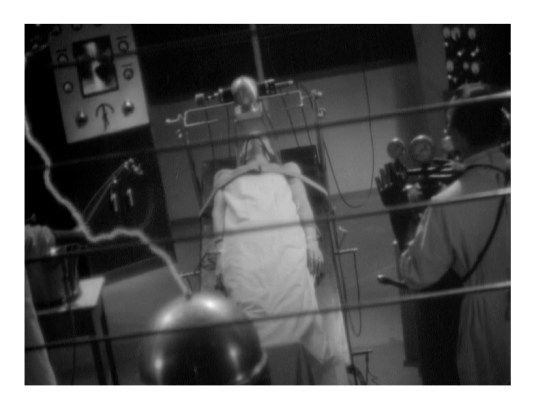
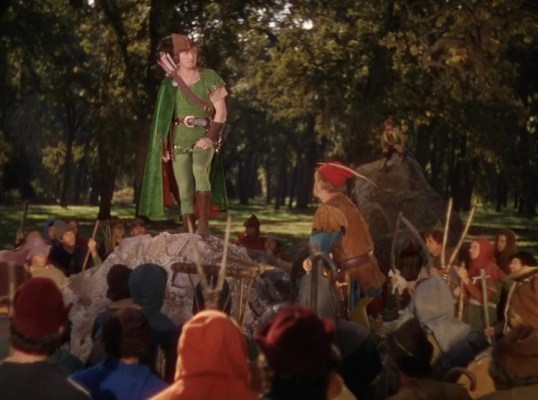
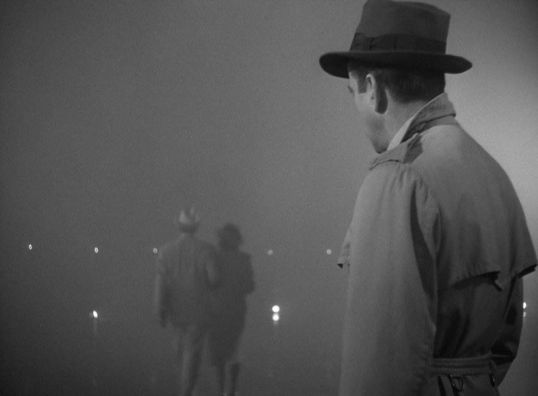
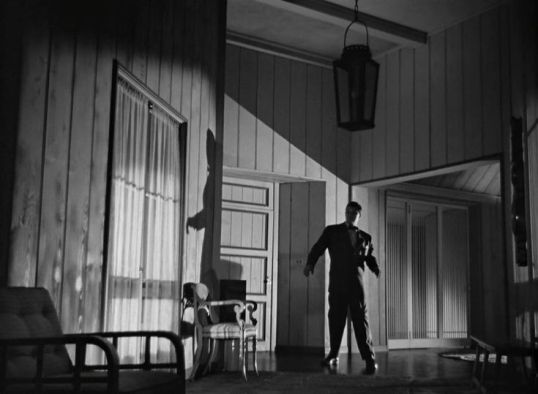
4 Shots From 4 Films is just what it says it is, 4 shots from 4 of our favorite films. As opposed to the reviews and recaps that we usually post, 4 Shots From 4 Films lets the visuals do the talking.
December 24th is not just Christmas Eve! It’s also the anniversary of the birth of Michael Curtiz! Michael Curtiz was born in Budapest in 1886 and, after getting his start making silent films in Hungary, he eventually came to the United States and became one of the most important directors of Hollywood’s Golden Age! Curtiz mastered every genre and worked with every star and the end result was some of the greatest films ever made.
Today, we honor the legacy of Michael Curtiz with….
4 Shots From 4 Michael Curtiz Films
The Walking Dead (1936, dir by Michael Curtiz, DP: Hal Mohr)
The Adventures of Robin Hood (1938, dir by Michael Curtiz, DP: W. Howard Greene)
Casablanca (1942, dir by Michael Curtiz, DP: Arthur Edeson)
Mildred Pierce (1945, dir by Michael Curtiz, DP: Ernest Haller)
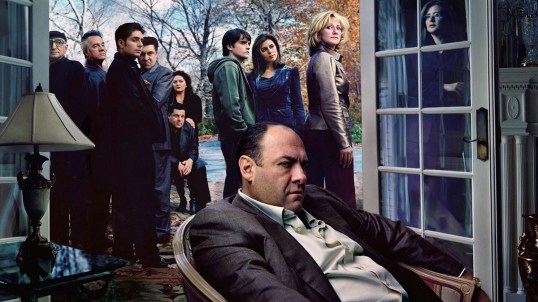
Here are the 2025 nominations of the New Jersey Film Critics Circle.
Best Picture Hamnet It Was Just An Accident Marty Supreme No Other Choice One Battle After Another The Secret Agent Sentimental Value Sinners Train Dreams Weapons
Best Director Chloé Zhao – Hamnet Park Chan-wook – No Other Choice Paul Thomas Anderson – One Battle After Another Joachim Trier – Sentimental Value Ryan Coogler – Sinners
Best Original Screenplay It Was Just An Accident Marty Supreme Sentimental Value Sinners Weapons
Best Adapted Screenplay Bugonia Hamnet No Other Choice One Battle After Another Train Dreams
Best Actor Timothée Chalamet – Marty Supreme Leonardo DiCaprio – One Battle After Another Joel Edgerton – Train Dreams Ethan Hawke – Blue Moon Michael B. Jordan – Sinners
Best Actress Jessie Buckley – Hamnet Rose Byrne – If I Had Legs I’d Kick You Chase Infiniti – One Battle After Another Renate Reinsve – Sentimental Value Emma Stone – Bugonia
Best Supporting Actor Benicio del Toro – One Battle After Another Jacob Elordi – Frankenstein Delroy Lindo – Sinners Sean Penn – One Battle After Another Stellan Skarsgård – Sentimental Value
Best Supporting Actress Elle Fanning – Sentimental Value Ariana Grande – Wicked: For Good Inga Ibsdotter Lilleaas – Sentimental Value Amy Madigan – Weapons Teyana Taylor – One Battle After Another
Best Acting Ensemble Marty Supreme One Battle After Another Sentimental Value Sinners Weapons
Best Original Score F1 Hamnet Marty Supreme One Battle After Another Sinners
Best Original Song “Drive” – F1 “Golden” – KPop Demon Hunters “I Lied to You” – Sinners “Last Time (I Seen the Sun)” – Sinners “Train Dreams” – Train Dreams
Best Editing F1 Marty Supreme No Other Choice One Battle After Another Sinners
Best Production Design Frankenstein Marty Supreme One Battle After Another Sinners Wicked: For Good
Best Costume Design Frankenstein Hamnet Hedda Sinners Wicked: For Good
Best Hair and Makeup Frankenstein Sinners The Smashing Machine Weapons Wicked: For Good
Best Sound F1 One Battle After Another Sinners Sirāt Warfare
Best Animated Feature Arco Elio Little Amélie or the Character of Rain KPop Demon Hunters Zootopia 2
Best International Feature It Was Just An Accident No Other Choice The Secret Agent Sentimental Value Sirāt
Best Documentary 2000 Meters to Andriivka Come See Me in the Good Light Orwell: 2+2=5 The Perfect Neighbor Predators
Best Cinematography Hamnet No Other Choice One Battle After Another Sinners Train Dreams
Best Visual Effects Avatar: Fire and Ash F1 Frankenstein Sinners Superman
Best Stunts F1 Mission: Impossible – The Final Reckoning One Battle After Another The Running Man Sinners
Best Directorial Debut The Chronology of Water Friendship Pillion Sorry, Baby The Ugly Stepsister
Best Breakthrough Performance Miles Caton – Sinners Chase Infiniti – One Battle After Another Jacobi Jupe – Hamnet Inga Ibsdotter Lilleaas – Sentimental Value Eva Victor – Sorry, Baby
Best Animal in a Movie Bing the Dog – The Friend Googoo the Meerkat – Left-Handed Girl Indy the Dog – Good Boy Noochie the Cat – Sorry, Baby Tonic the Cat – Caught Stealing
Best LGBTQIA+ Representation Blue Moon Hedda Pillion Plainclothes Twinless
Best New Jersey Representation* The Housemaid Marty Supreme Ponyboi Presence Springsteen: Deliver Me From Nowhere
The Delta Force is the ultimate guilty pleasure from the ’80s, that rocket-bike-riding, Chuck Norris-kicking fantasy you pop on when you need two hours of unapologetic, brain-off escapism. It’s a hijacking thriller crossed with Cannon Films overkill, blending real Middle East tensions with pure action movie wish fulfillment, and yeah, it’s politically charged and dated as hell, but damn if it doesn’t deliver the kind of dumb-fun thrills that make you grin despite yourself.
Right from the jump, the film sets up its hook with a failed Delta Force raid in Iran, nodding to the real-life Eagle Claw disaster that still stung in 1986. Fast-forward, and Lee Marvin’s grizzled Colonel Nick Alexander gets yanked out of retirement when Lebanese militants hijack an Athens-to-New York flight, forcing it to Beirut and beyond. Enter Chuck Norris as Major Scott McCoy, the brooding ex-operator haunted by that botched op, who’s all too ready to strap on his gear when innocents are on the line. The setup drags you through passenger terror and terrorist demands, then explodes into rescue mayhem—it’s like the movie knows you’re here for the payback, and it serves it up hot.
As a plot, it’s pure popcorn simplicity: plane gets taken, hostages split by nationality and faith, planes hopscotch across terror hotspots, and Delta swoops in for the save. Drawing from the TWA 847 ordeal, the onboard stuff feels eerily real at first—sweaty close-ups of scared folks like Shelley Winters’ kvetching grandma or Martin Balsam’s anxious exec, turning the cabin into a pressure cooker. George Kennedy’s priest adds heart, and you almost buy the drama until Norris’ dirt bike starts spitting missiles, flipping the script to glorious absurdity. That’s the guilty pleasure pivot: from newsreel grit to arcade-game heroics, and you can’t help but love the whiplash.
Once the action ramps, The Delta Force leans into its B-movie soul with reckless abandon. McCoy’s team hits beaches, raids compounds, and yeah, that motorcycle sequence where Norris zips through baddies like a one-man apocalypse? Iconic cheese that screams “turn off your brain and enjoy.” It’s less about realism and more about catharsis—after watching hostages suffer, the third act’s bullet ballet feels like the justice porn we all secretly crave in these flicks. No deep strategy, just explosions and one-liners, perfectly tuned for that “hell yeah” rush that keeps you glued.
The cast is a riot of guilty-pleasure gold. Marvin, in his last role, growls through command with that unbeatable world-weary vibe, making every order land like gravitas wrapped in grit. Norris? Stone-faced perfection—says little, does everything, his quiet rage bubbling just enough to humanize the roundhouse legend. The passenger ensemble shines in panic mode: Winters chews scenery, Balsam frets convincingly, Kennedy prays with soul. Villain Robert Forster? Over-the-top terrorist glee, accent thick as plot armor, stealing scenes with gleeful menace that’s so cartoonish, it’s addictive.
Sure, the politics are a time-stamped minefield—terrorists as flat-out monsters, Middle East as villain playground, America as lone savior—but that’s part of the era’s guilty thrill. In a post-9/11 world, the stereotypes jar, yet for ’80s nostalgia buffs, it’s that raw, unfiltered patriotism dialed to eleven, the kind you laugh at now but cheered then. The film doesn’t pretend to balance views; it picks a lane—righteous rage—and floors it, making the righteousness feel perversely fun amid the preachiness.
Technically, it’s rough-around-the-edges charm personified. Menahem Golan directs with propulsive energy, keeping the 126 minutes zipping between dread and dazzle. Action’s shot clean—no shaky cam nonsense—with wide lenses capturing chaos in practical, pre-CGI glory that pops on a big screen. The score? Brass-blasting heroism that’s comically epic, sticking like glue and amping every slow-mo strut. Sets fake Beirut convincingly enough, backlots be damned, all fueling that immersive, low-budget magic.
The Delta Force thrives on its split personality: tense hijack bottle episode crashing into commando wet dream. Plane scenes build real unease, echoing headlines, but then rocket bikes and cheering crowds yank it back to fantasy ad. That clash? Pure guilty pleasure fuel—serious enough to hook you, silly enough to forgive its flaws, never letting tension sag.
Bottom line, embrace The Delta Force as peak time-capsule junk: terrorism tamed by ‘stache and firepower, geopolitics as blockbuster bait. Norris and Cannon diehards will fist-pump through every raid; casual viewers get a hoot from the excess. It’s flawed, fervent, and fantastically rewatchable— the kind of flick where you know it’s ridiculous, but two hours later, you’re humming the theme and plotting your next viewing. Guilty pleasure? Abso-freaking-lutely, and wear that shame badge proud.
It’s not Christmas without the story of Ebenezer Scrooge and his visit with three ghosts. There have been numerous film versions of this story. The one below comes to us from 1938 and stars Reginald Owen in the role of Scrooge.
This version is surprisingly good, considering that it was apparently shot in a hurry. (The movie hit theaters just a few weeks after filming stopped.) Originally, Lionel Barrymore was going to play Scrooge but he had to drop out due to ill-health. Reginald Owen stepped in and gave a good performance as the famous miser.
(Barrymore himself would more or less play Scrooge a little less than ten years later in Frank Capra’s It’s A Wonderful Life.)
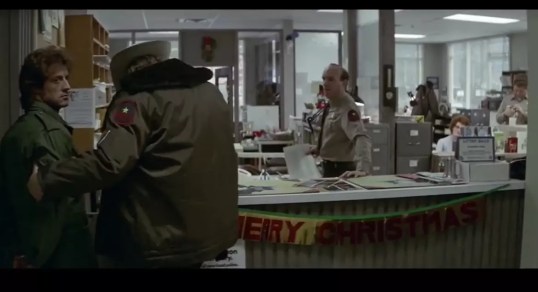
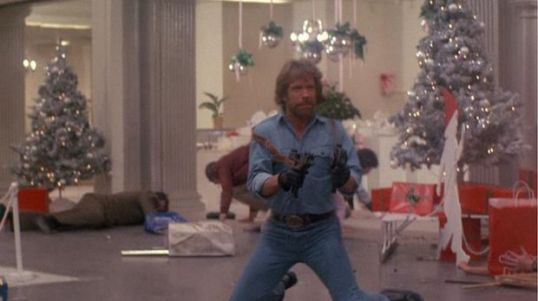
4 Shots From 4 Films is just what it says it is, 4 shots from 4 of our favorite films. As opposed to the reviews and recaps that we usually post, 4 Shots From 4 Films is all about letting the visuals do the talking.
4 Shots From 4 Holiday Films
Three Days of the Condor (1975, dir by Sydney Pollack)
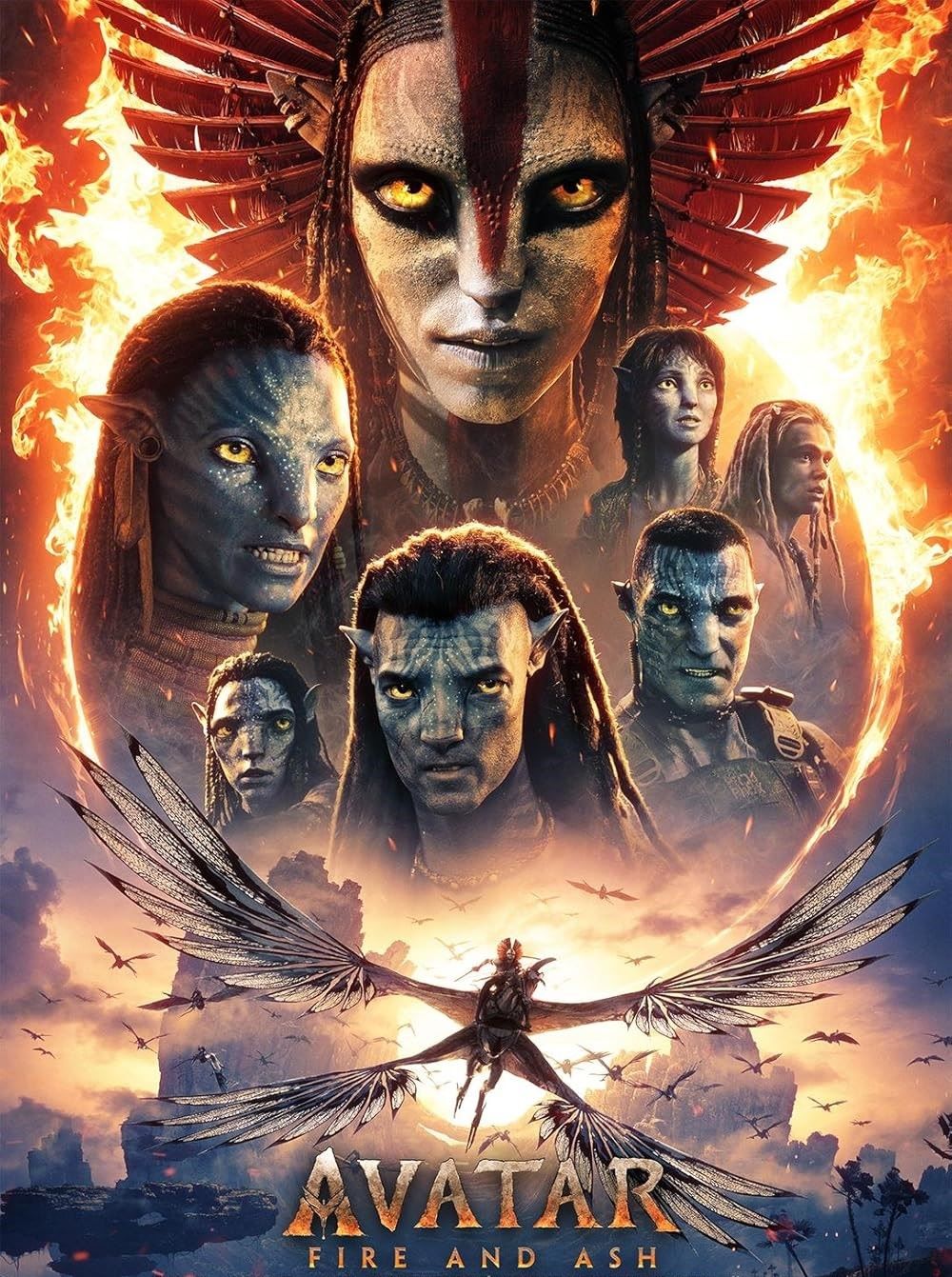
“The fire came from the mountain… Eywa did not come. So I went to the fire, and I learned its way” – Varang
Avatar: Fire and Ash plays like a massive, molten crescendo for Cameron’s Pandora saga—visually overwhelming, emotionally heavier than the last two entries, but also very familiar in ways that will either feel comfortingly mythic or a little déjà vu, depending on your tolerance for repetition. The ash-choked skies, lava rivers, and volcanic Na’vi clans are often more compelling than some of the story beats, and the final stretch delivers the kind of operatic, war-movie scale that makes the three-plus-hour runtime go down easier than it should, even though the film clearly didn’t need to run this long.
This time around, the series leaves behind the cool blues and oceanic calm of the previous chapter for a harsher, volcanic corner of Pandora that feels like a nature documentary shot in a furnace. Jagged black rock, roiling lava, and smoke-stained skies dominate the frame, with creatures and plant life that look as if they evolved to survive heat and ash rather than coral reefs and open water, giving the movie an immediately distinct visual identity even when the story rhythms feel familiar.
At the center of this environment are the Ash People, or Mangkwan clan, a Na’vi group shaped by relentless scarcity and violence. They ride creatures adapted to fire and ash instead of waves, cover themselves in soot-black markings, and fight using a deliberate blend of traditional Na’vi weaponry and repurposed human tech, putting them ideologically at odds not just with the human invaders, but with other Na’vi clans who still cling to older, more spiritual ways of living with Eywa.
The story picks up with Jake and Neytiri’s family still reeling from Neteyam’s death, and the film leans hard into unresolved grief as its emotional baseline. Jake doubles down on his protector persona, treating every decision as a matter of survival, while Neytiri’s pain expresses itself as barely controlled rage, and that emotional weather trickles down to their children, who are increasingly frustrated at being treated like liabilities. The problem is that a lot of this family dysfunction was already unpacked in the second film, so instead of evolving those arcs, the script often feels like it is rehashing earlier conflicts.
The dynamic between Jake and Lo’ak is the clearest example of this repetition. Jake’s exasperation with Lo’ak’s impulsive, run-toward-the-bullets mentality resurfaces again and again, echoing arguments audiences have already seen: the father insisting his son isn’t ready, the son bristling at never being trusted. These moments still have emotional sting, but they circle the same drain so often that entire conversations could have been trimmed or removed without sacrificing character depth, and tightening that thread alone would have shaved a noticeable chunk off the runtime.
Where the film becomes more thematically interesting is in how it reframes Pandora’s conflict. Instead of a simple “Na’vi versus humans” setup, it pits the more traditional Na’vi clans—those still committed to a symbiotic relationship with Eywa—against the Ash People, whose warlike nature and embrace of human weaponry make them ideological outliers. That split plays as a pointed echo of historical events in the Americas, where European colonial powers armed and favored specific Indigenous nations to fight their neighbors, turning native communities into proxies in conflicts that ultimately benefitted outsiders more than the people doing the actual bleeding.
The analogy becomes sharper in how human forces hang back and quietly exploit these new divisions. By giving the Ash People access to superior firepower and nudging them toward confrontation, the outsiders effectively inflame existing grievances and reshape local power dynamics, much like colonial regimes once did by supplying guns and promises to one group while framing another as the enemy. The result is a Pandora that feels more fractured and politically complex, where internal Na’vi conflict is as dangerous as external invasion.
Varang, the leader of the Ash People, is one of the film’s strongest assets. She’s portrayed as a true believer who has taken real suffering and twisted it into a doctrine of purifying destruction, convinced that burning the world is the only way to save it. The character blends zealotry and charisma in a way that makes her both frightening and compelling, and she wields faith, desire, and fear as weapons with unnerving ease, giving the movie a volatile energy whenever she’s on-screen.
Her alliance with Quaritch pushes the story into darker, more uncomfortable territory. What begins as a pragmatic arrangement—a trade of firepower and influence for help tracking Jake—evolves into a twisted, intimate partnership that underlines just how far both are willing to go to achieve their goals. Their connection is meant to feel toxic and predatory, and it succeeds on that front, though some viewers may find the intensity of those scenes off-putting compared with the relatively straightforward romance and family dynamics of earlier entries.
On a craft level, the film is almost absurdly polished. Even if it no longer feels like a quantum leap in visual effects, the execution is meticulous: volcanic vistas glow with molten light, ash storms swirl with tactile grit, and the interplay of fire, smoke, and bioluminescence gives many shots a painterly quality. The action sequences rely on clear geography and patient staging, so even when the screen is full of creatures, machines, and chaos, it remains surprisingly easy to track who is where and what’s at stake.
The final act is where the movie unleashes everything it has: parallel battles on land, in the air, and over volatile seas, stitched together into a long, escalating crescendo. Familiar James Cameron signatures return—heroic last-second saves, nature itself intervening, climaxes that mirror earlier films—but the pacing of these sequences is handled with enough control that they rarely collapse into pure noise. Still, you can’t help but feel that with a leaner, more disciplined buildup, that climax would have hit even harder.
Structurally, the story leans heavily on patterns that loyal viewers will recognize. There is yet another relocation to a new culture, another period of uneasy assimilation, another slow slide into open warfare, and another sacrificial, emotionally charged finale. Whether that comes across as mythic repetition or simple recycling depends on how patient you are with Cameron’s tendency to “rhyme” his narratives rather than reinvent them.
Most of the main character arcs feel like refinements rather than reinventions. Jake remains the guilt-ridden warrior father terrified of losing his children; Lo’ak edges closer to full-on protagonist status as the reckless but big-hearted son; Kiri’s mystical bond with Eywa deepens while remaining intentionally enigmatic; and Quaritch once again fills the role of relentless, personal antagonist. With the same father–son friction repeatedly dragged back into the spotlight, the emotional landscape can feel stuck in place, and a stricter editorial hand might have refocused attention on the fresher elements—like Varang and the Ash People’s worldview.
Tonally, the film pushes into darker territory while still staying within a mainstream rating. The battles feel more brutal, with a greater emphasis on the physical cost of arrows, explosions, and close-quarters fighting, and there’s a persistent sense that no one is truly safe. That harshness extends to the emotional side as well, as the Sully family finds itself cornered into choices where every option exacts a price, reinforcing the idea that survival in this version of Pandora demands constant compromise.
Thematically, Avatar: Fire and Ash weaves together ideas about faith, extremism, and the way trauma can be weaponized. The Ash People act as a distorted mirror of earlier Na’vi cultures: a society that has taken genuine pain and turned it into an excuse for cruelty, abandoning balance in favor of cleansing violence. Layered on top of that is the divide-and-rule dynamic, where more technologically advanced outsiders stoke internal conflicts for their own advantage, mirroring how colonial powers in the Americas encouraged Indigenous groups to fight one another while expanding their control and extracting resources.
Despite all the digital wizardry, the performances still manage to cut through. Jake and Neytiri’s scenes carry the weight of years of loss and sacrifice, and there’s a believable exhaustion in the way they argue and compromise. The younger characters, especially Lo’ak and Kiri, feel more rooted and central than they did before, which helps sell the gradual shift toward a new generation, even if the script keeps dragging them back through conflicts that feel like reruns instead of genuine evolution.
At the same time, the movie sometimes undercuts its best character work in its rush to reach the next big set piece. Quieter moments that might have deepened side characters or given the Ash People’s beliefs more nuance are often compressed or sidelined, while scenes rehashing Jake and Lo’ak’s issues are allowed to run long. If the film had trusted audiences to remember the family dysfunction carried over from the second installment and cut down on repeated arguments, those smaller, richer beats could have had more space—and the whole piece would likely feel tighter and more focused.
For viewers already invested in Pandora, Avatar: Fire and Ash is clearly built for the biggest screen available: the volcanic vistas, layered sound design, and carefully staged action set pieces are all engineered to overwhelm in the best way. It delivers a darker chapter without abandoning the earnest, sometimes corny sincerity that has always defined this series, and as a conclusion to this phase of the story, it feels emotionally full even as it insists on revisiting familiar territory and stretching its narrative longer than necessary.
For more casual viewers or anyone who found the earlier films predictable, this is unlikely to be the conversion point. The structure is recognizable, the dialogue is often workmanlike rather than sharp, and the movie leans so hard into repeating certain family conflicts that it can feel like the story is padding itself instead of evolving. But if you can live with those flaws—the repetition, the length, the occasional heavy hand—the combination of technical craftsmanship, volcanic imagery, heavy emotional stakes, and that quietly pointed commentary on colonial-era divide-and-rule tactics makes Avatar: Fire and Ash a fiery, flawed, but undeniably impressive ride.
Here are the 2025 nominations of the Alliance of Women Film Journalists!
BEST FILM FRANKENSTEIN HAMNET IT WAS JUST AN ACCIDENT ONE BATTLE AFTER ANOTHER THE SECRET AGENT SENTIMENTAL VALUE SINNERS TRAIN DREAMS
BEST DIRECTOR Paul Thomas Anderson – ONE BATTLE AFTER ANOTHER Ryan Coogler – SINNERS Jafar Panahi – IT WAS JUST AN ACCIDENT Joachim Trier – SENTIMENTAL VALUE Chloe Zhao – HAMNET
BEST SCREENPLAY, ORIGINAL IT WAS JUST AN ACCIDENT – Jafar Panahi JAY KELLY – Noah Baumbach SENTIMENTAL VALUE – Joachim Trier SINNERS – Ryan Coogler SORRY, BABY – Eva Victor
BEST SCREENPLAY, ADAPTED BUGONIA – Will Tracy FRANKENSTEIN – Guillermo del Toro HAMNET – Maggie O’Farrell & Chloe Zhao ONE BATTLE AFTER ANOTHER – Paul Thomas Anderson TRAIN DREAMS – Clint Bentley & Greg Kwedar
DOCUMENTARY COME SEE ME IN THE GOOD LIGHT – Ryan White MY MOM JAYNE – Mariska Hargitay ORWELL 2+2=5 – Raoul Peck THE LIBRARIANS – Kim A. Snyder THE PERFECT NEIGHBOR – Geeta Gandbhir
ANIMATED FEATURE ARCO – Ugo Bienvenu & Giles Cazaux IN YOUR DREAMS – Erik Benson & Alexander Woo KPOP DEMON HUNTERS – Chris Applehaus & Maggie Kang LITTLE AMELIE OR THE CHARACTER OF RAIN – Liane-Cho Jin Kuang & Mailys Vallade ZOOTOPIA 2 – Jared Bush & Simon Howard
BEST ACTRESS Jessie Buckley – HAMNET Rose Byrne – IF I HAD LEGS I’D KICK YOU Renate Reinsve – SENTIMENTAL VALUE Emma Stone – BUGONIA Tessa Thompson – HEDDA
BEST ACTRESS, SUPPORTING Nina Hoss – HEDDA Inga Ibsdotter Lilleaas – SENTIMENTAL VALUE Amy Madigan – WEAPONS Teyana Taylor – ONE BATTLE AFTER ANOTHER Wunmi Mosaku – SINNERS
BEST ACTOR Leonardo DiCaprio – ONE BATTLE AFTER ANOTHER Joel Edgerton – TRAIN DREAMS Ethan Hawke – BLUE MOON Michael B. Jordan – SINNERS Wagner Moura – THE SECRET AGENT
BEST ACTOR, SUPPORTING Benicio Del Toro – ONE BATTLE AFTER ANOTHER Jacob Elordi – FRANKENSTEIN Paul Mescal – HAMNET Sean Penn – ONE BATTLE AFTER ANOTHER Stellan Skarsgård – SENTIMENTAL VALUE
BEST ENSEMBLE CAST & CASTING DIRECTOR HAMNET – Nina Gold & Lucy Amos MARTY SUPREME – Jennifer Venditti NOUVELLE VAGUE – Stéphane Batut ONE BATTLE AFTER ANOTHER – Cassandra Kulukundis SINNERS – Francine Maisler
BEST CINEMATOGRAPHY FRANKENSTEIN – Dan Laustsen HAMNET – Łukasz Żal ONE BATTLE AFTER ANOTHER – Michael Bauman SINNERS – Autumn Durald Arkapaw TRAIN DREAMS – Adolpho Veloso
BEST EDITING F1: THE MOVIE – Stephen Mirrione & Patrick J. Smith HAMNET – Affonso Gonçalves & Chloe Zhao MARTY SUPREME – Ronald Bronstein & Josh Safdie ONE BATTLE AFTER ANOTHER – Andy Jurgensen SINNERS – Michael P. Shawver
BEST INTERNATIONAL FEATURE IT WAS JUST AN ACCIDENT – Jafar Panahi NO OTHER CHOICE – Park Chan-wook SENTIMENTAL VALUE – Joachim Trier SIRÂT – Oliver Laxe THE SECRET AGENT – Kleber Mendonça Filho
FEMALE FOCUS AWARDS Presented Only to Women
FEMALE FOCUS: BEST FEMALE DIRECTOR Kathryn Bigelow – A HOUSE OF DYNAMITE Mary Bronstein – IF I HAD LEGS I’D KICK YOU Mona Fastvold – THE TESTAMENT OF ANN LEE Eva Victor – SORRY, BABY Chloe Zhao – HAMNET
FEMALE FOCUS: BEST FEMALE WRITER Mary Bronstein – IF I HAD LEGS I’D KICK YOU Nia DaCosta – HEDDA Hikari & Stephen Blahut – RENTAL FAMILY Eva Victor – SORRY, BABY Chloe Zhao & Maggie O’Farrell – HAMNET
FEMALE FOCUS: BEST VOICED PERFORMANCE IN ANIMATED FILM Ginnifer Goodwin – ZOOTOPIA 2 Loïse Charpentier – LITTLE AMELIE OR THE CHARACTER OF RAIN Arden Cho – KPOP DEMON HUNTERS Fortune Feimster – ZOOTOPIA 2 Zoë Saldaña – ELIO
FEMALE FOCUS: BEST BREAKTHROUGH PERFORMANCE Odessa A’Zion – MARTY SUPREME Chase Infiniti – ONE BATTLE AFTER ANOTHER Teyana Taylor – ONE BATTLE AFTER ANOTHER Wunmi Mosaku – SINNERS Eva Victor – SORRY, BABY
FEMALE FOCUS: BEST STUNTS PERFORMANCE Ana de Armas – BALLERINA Hayley Atwell – MISSION: IMPOSSIBLE – THE FINAL RECKONING Chase Infiniti – ONE BATTLE AFTER ANOTHER Teyana Taylor – ONE BATTLE AFTER ANOTHER Pom Klementieff – MISSION: IMPOSSIBLE – THE FINAL RECKONING
 Here are the 2025 nominations of the New Jersey Film Critics Circle.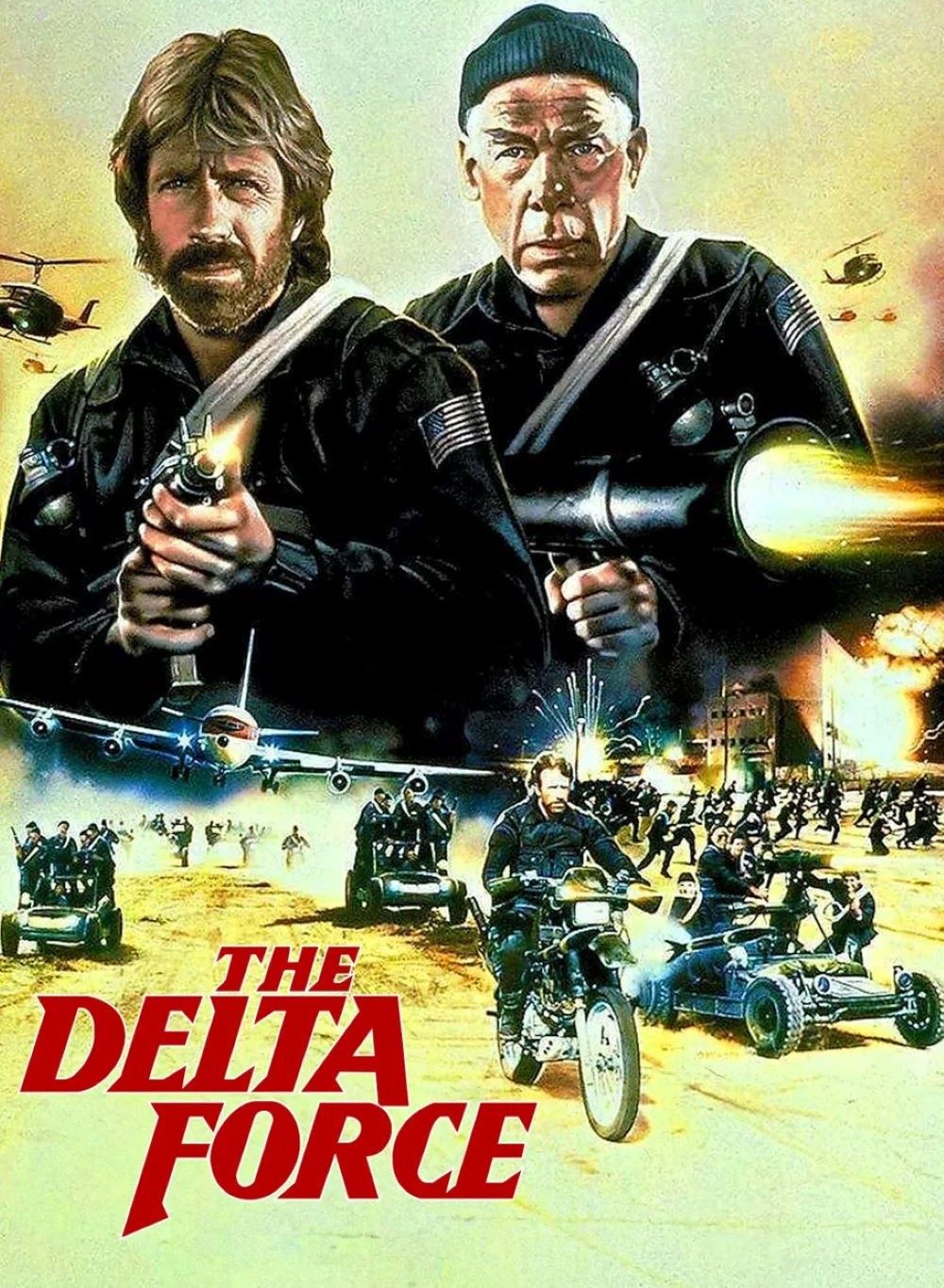


 Through the Shattered Lens