4 Shots From 4 Films is just what it says it is, 4 shots from 4 of our favorite films. As opposed to the reviews and recaps that we usually post, 4 Shots From 4 Films lets the visuals do the talking!
John Frankenheimer was born 96 years ago today, in New York City. He got his start working in live television and went on to become one of the best directors of thrillers around. After getting off to a strong start in the 60s, directing several classic films (many of which had a political subtext), Frankenheimer struggled in the 70s (though even that decade saw him directing the classic Black Sunday) before making a comeback in the 90s. (1998’s Ronin is regularly cited as having one of the best car chases ever captured on film.) He was also one of the first film directors to make the transition to regularly working for cable channels like TNT and HBO. Indeed, the films that he made for HBO played no small part in establishing HBO’s reputation as being a “prestige” network.
It’s time for….
4 Shots From 4 John Frankenheimer Films
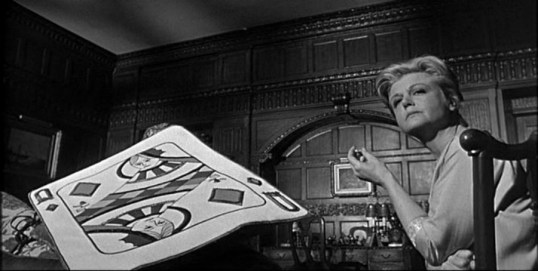
The Manchurian Candidate (1962, dir by John Frankenheimer, DP: Lionel Lindon)
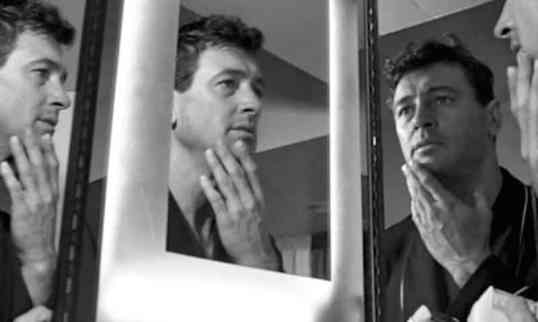
Seconds (1966, dir by John Frankenheimer, DP: James Wong Howe)
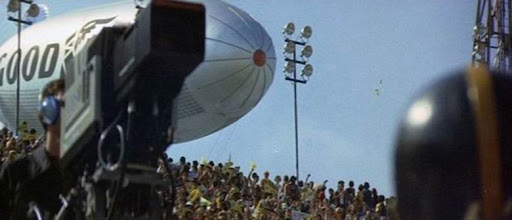
Black Sunday (1977, dir by John Frankenheimer, DP: John A. Alonzo)
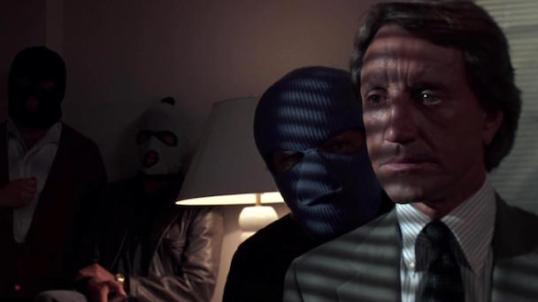
52 Pick-Up (dir by John Frankenheimer, DP: Jost Vocana)
“In order to know virtue, we must acquaint ourselves with vice. Only then can we know the true measure of a man.” — Marquis de Sade
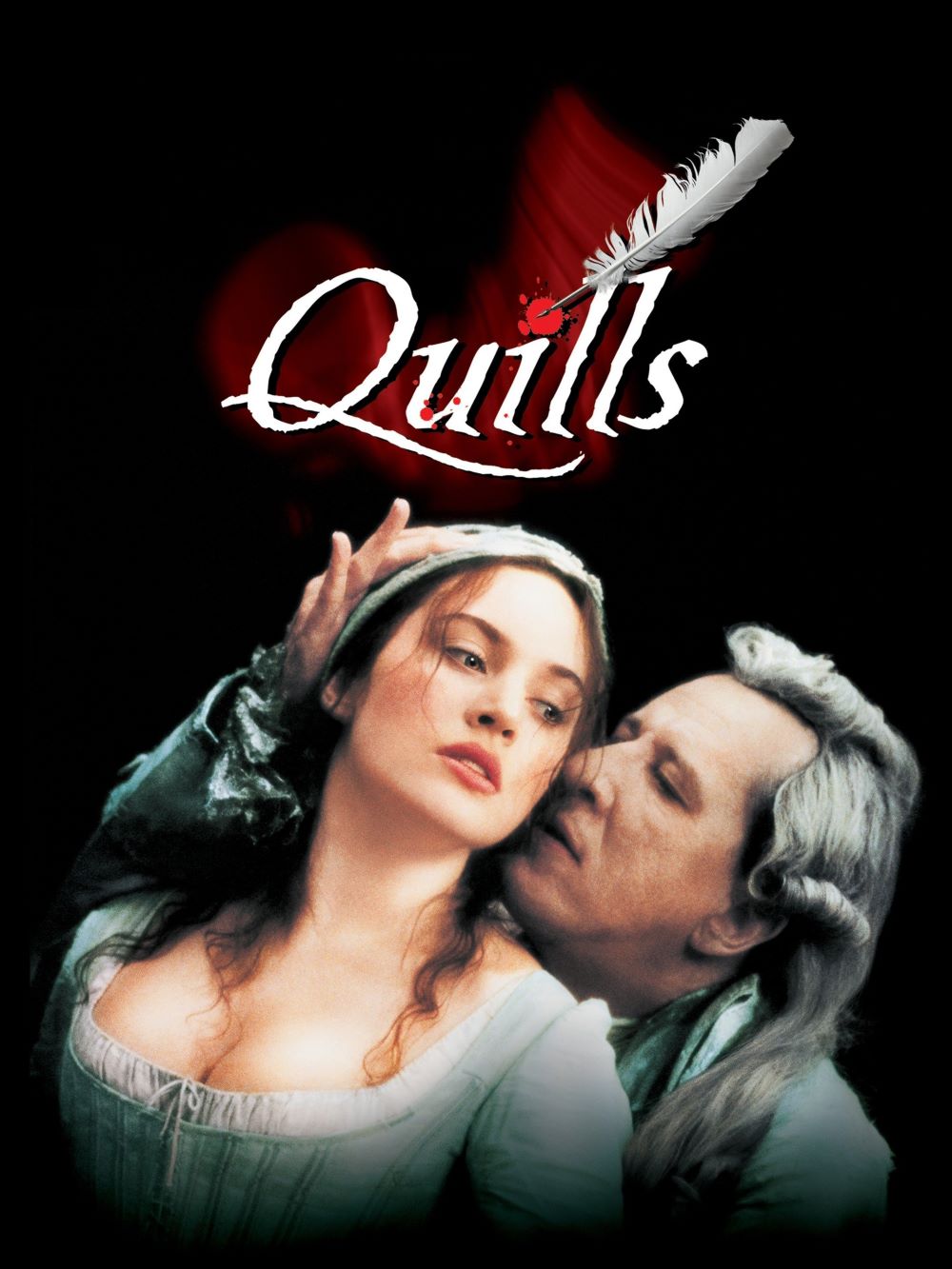
Quills, Philip Kaufman’s 2000 take on the infamous Marquis de Sade, dives headfirst into the messy clash between artistic freedom and societal repression. It’s a film that doesn’t shy away from the dark, provocative world of its subject, blending historical drama with a touch of theatrical flair. While it takes liberties with the facts, it captures the spirit of de Sade’s defiance in a way that’s both entertaining and thought-provoking.
Right from the start, Quills sets up its world inside the Charenton Asylum for the Insane, where the aging Marquis de Sade, played with gleeful abandon by Geoffrey Rush, is holed up under the watch of the kindly Abbé de Coulmier (Joaquin Phoenix). De Sade’s been churning out his scandalous writings—think Justine and other works that shocked 18th-century France—and smuggling them out via laundry baskets to a young laundress named Madeleine LeClerc (Kate Winslet). Napoleon’s regime isn’t thrilled, so they dispatch the stern Dr. Royer-Collard (Michael Caine) to tighten the screws and silence the madman once and for all. The stage is set for a battle of wills, with de Sade’s pen as his weapon against the forces of censorship.
Geoffrey Rush owns the screen as de Sade, turning what could have been a one-note villain into a complex, charismatic force of nature. He’s sly, unrepentant, and hilariously vulgar, spitting barbs that cut deep into hypocrisy and piety. Rush balances the man’s depravity with a genuine passion for expression, making you root for him even as his ideas repulse. It’s a performance that’s equal parts showman and philosopher, and it anchors the film’s energy. Joaquin Phoenix brings a quiet intensity to the Abbé, a man torn between his faith, his compassion, and the stirrings of forbidden desire—especially toward Madeleine. Phoenix nails the internal conflict, his wide eyes conveying a soul on the brink.
Kate Winslet shines as Madeleine, the innocent conduit for de Sade’s words, whose curiosity pulls her into his orbit. She’s got that Winslet spark—earnest yet fiery—and her scenes smuggling manuscripts or reading aloud add a layer of warmth to the asylum’s chill. Michael Caine, meanwhile, chews scenery as the pompous doctor, a hypocritical sadist in his own right, obsessed with his young bride Simone (Amelia Warner). Caine’s Royer-Collard is deliciously smarmy, a foil to de Sade who mirrors his cruelty under the guise of order. The ensemble clicks, with supporting turns like Tony Berthaud as the asylum’s rougemont adding comic relief amid the tension.
Kaufman’s direction keeps things visually striking without overwhelming the story. The asylum feels alive—claustrophobic cells contrast with grand halls where inmates stage de Sade’s plays under the Abbé’s misguided therapy. Cinematographer Rogier Stoffers bathes everything in earthy tones, with candlelit shadows that amp up the gothic vibe. The score by Angelo Badalamenti weaves eerie strings and harpsichord flourishes, underscoring the film’s blend of horror and humor. It’s not afraid to get graphic: scenes of self-mutilation and bodily fluids as writing tools push boundaries, but they’re more about desperation than shock value.
Thematically, Quills grapples with freedom of speech in a way that’s timeless. De Sade isn’t portrayed as a hero—his writings celebrate excess and cruelty—but as an indomitable spirit who won’t be silenced. Even stripped of paper, ink, clothes, and eventually his voice, he finds ways to provoke, dictating stories through inmates or scratching words into his skin. It’s a middle finger to censorship, questioning who the real monsters are: the libertine or the repressors enforcing “morality.” The Abbé represents liberal tolerance stretched to breaking, Royer-Collard conservative control gone tyrannical. Madeleine embodies the allure of forbidden ideas, her tragic arc highlighting how words can liberate or destroy.
That said, the film isn’t perfect—it’s a fictionalized riff on history, not a biopic. The real de Sade spent years at Charenton, but the timeline compresses events, amps up the drama, and softens his edges for modern tastes. He wasn’t quite the defiant artist Kaufman paints; his later years were more pathetic than poetic. Critics have noted it sanitizes Justine‘s true extremity—no orgies or murders here, just innuendo. Some see it as romanticizing a monster, turning him into a free-speech martyr rather than the predator he was. Fair point; the movie sympathizes more with his pen than his philosophy. Still, as entertainment, it works because it doesn’t pretend to be a documentary.
Humor peppers the darkness, keeping Quills from wallowing in gloom. De Sade’s quips land like punches—”There’s no sin in writing!”—and absurd moments, like inmates reenacting his tales or the doctor’s failed inventions, add levity. One standout sequence has de Sade dictating a racy novel through a chain of whispering patients, turning the asylum into a underground press. It’s One Flew Over the Cuckoo’s Nest meets Dangerous Liaisons, with inmates running wild in a riot of liberation gone wrong. The film’s pace builds masterfully to its brutal climax, where de Sade’s final “victory” leaves you unsettled, pondering if ideas can truly be killed.
Performances aside, the script by Doug Wright (adapted from his play) crackles with wit and insight. Dialogue zings without feeling stagey, and it probes hypocrisy head-on: the pious Abbé lusting after Madeleine, Royer-Collard bedding his teen bride while torturing others. Christianity takes hits—de Sade devours a crucifix, mocks scripture—but it’s broad satire, not preachy atheism. The ending, with its ironic twist on legacy, sticks with you, echoing how de Sade’s name endures despite efforts to erase him.
For fans of period dramas with bite, Quills delivers. It’s provocative without being pornographic, smart without being stuffy. At 124 minutes, it never drags, balancing spectacle and substance. Sure, it glamorizes a controversial figure, and history buffs might nitpick inaccuracies—like the Abbé’s real-life tolerance or Charenton’s theater program. But Kaufman’s track record (The Right Stuff, The Unbearable Lightness of Being) shows he knows how to humanize extremes. Rated R for good reason—nudity, violence, profanity—it’s adult fare that rewards attention.
Visually, the costumes pop: de Sade’s velvet robes give way to rags, symbolizing his fall, while Madeleine’s simple smocks highlight her purity amid corruption. Production design nails early 19th-century France, from ornate asylum architecture to the doctor’s sterile gadgets. Badalamenti’s music swells during key confrontations, heightening emotional stakes without overpowering.
In the end, Quills asks tough questions about art’s power and limits. Does provocation justify excess? Can society silence dangerous minds without becoming monstrous itself? It doesn’t provide easy answers, which is its strength. Rush’s tour-de-force makes de Sade magnetic, flaws and all, while the supporting cast elevates the ensemble. Not for the faint-hearted, but if you appreciate bold cinema that stirs debate, it’s a gem. Rewatch value is high—themes resonate in our cancel-culture age. Philip Kaufman crafted a film that’s as unruly as its protagonist: unapologetic, alive, and impossible to ignore.
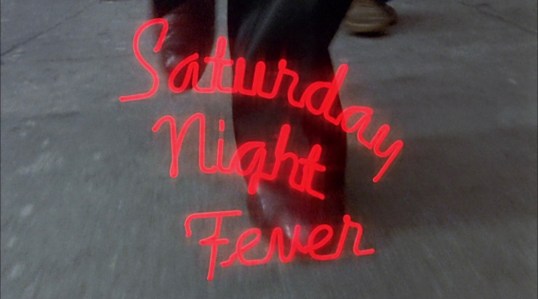
In honor of this day, here’s a scene that I love, the opening credits of Saturday Night Fever. Watch as John Travolta, playing the role of Tony Manero, walks down the streets of Brooklyn, not letting the fact that he’s carrying two cans of paint do anything to lessen his strut. Watch as Tony puts a down payment on a pair of shoes! Thrill as Tony buys two slices of pizza! Cringe as Tony bothers a woman who wants absolutely nothing to do with him!
This is one of the greatest introductions in film history. Not only does it set Tony up as an exemplar of cool but it also subverts our expectations by revealing just how little being an exemplar of cool really means. I always relate to the woman who gets annoyed with Tony and tells him to go away. I know exactly how she feels, as does any woman who has ever been stopped in the middle of the street by some guy who thinks she has an obligation to talk him. It doesn’t matter how handsome he is or how much time he obviously spent working on his hair. He’s still just some guy carrying two buckets of paint and acting like she should be flattered that he spent half a minute staring at her ass before chasing after her. For all of his carefully constructed attitude, Tony comes across as being a rather ludicrous figure in this introduction. He carries those cans of paint like he’s going to war and you secretly get the feeling that he knows how silly he looks carrying them but he’s not going to allow anything to get in the way of his strut. And yet, as ridiculous as Tony sometimes seems and as bad as behavior does get, you can’t help but want the best for him. That’s the power of Travolta’s performance. He shows us who Tony could be if he only had the courage.
Happy birthday to John Travolta! And here is today’s scene that I love:
4 Or More Shots From 4 Or More Films is just what it says it is, 4 shots from 4 of our favorite films. As opposed to the reviews and recaps that we usually post, 4 Shots From 4 Films lets the visuals do the talking!
Director John Hughes would have been 76 years old today. It’s time for….
4 Shots From 4 John Hughes Movies
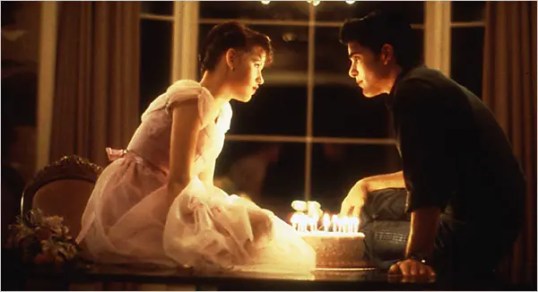
Sixteen Candles (1984, dir by John Hughes, DP: Bobby Byrne)
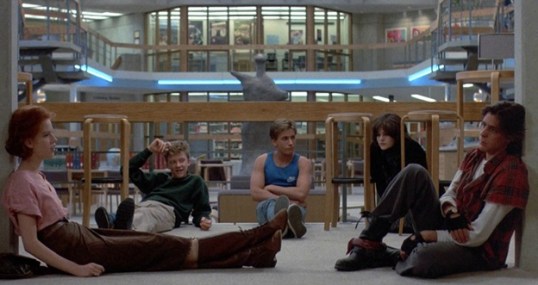
The Breakfast Club (1985, dir by John Hughes, DP: Thomas Del Ruth)
Ferris Bueller’s Day Off (1986, dir by John Hughes, DP: Tak Fujimoto)
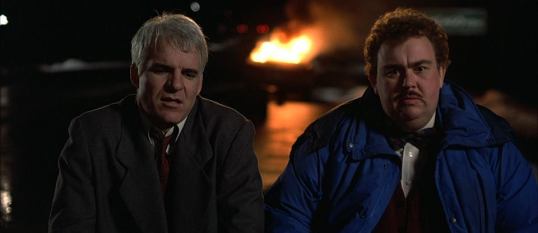
Planes, Trains, and Automobiles (1987, dir by John Hughes, DP: Donald Peterman)
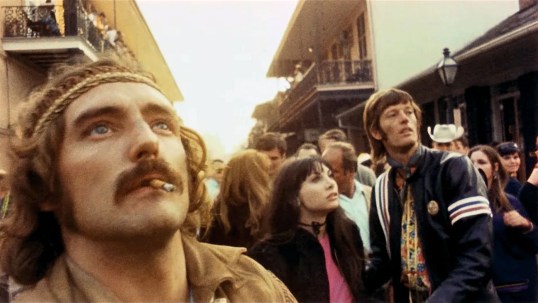
Here is the Mardi Gras sequence from 1969’s Easy Rider. Featuring Peter Fonda, Dennis Hopper, Karen Black, and Toni Basil walking through the streets of New Orleans, this scene was actually filmed during Mardi Gras. Those are real Mardi Gras floats and real Mardi Gras participants staring at the camera. That’s an actual citizen of New Orleans with whom Dennis Hopper appears to have nearly gotten into a fight. Personally, I relate to Toni Basil in this scene. She is having a good time no matter what!
I just love how Toni Basil can’t help but dance, no matter what.
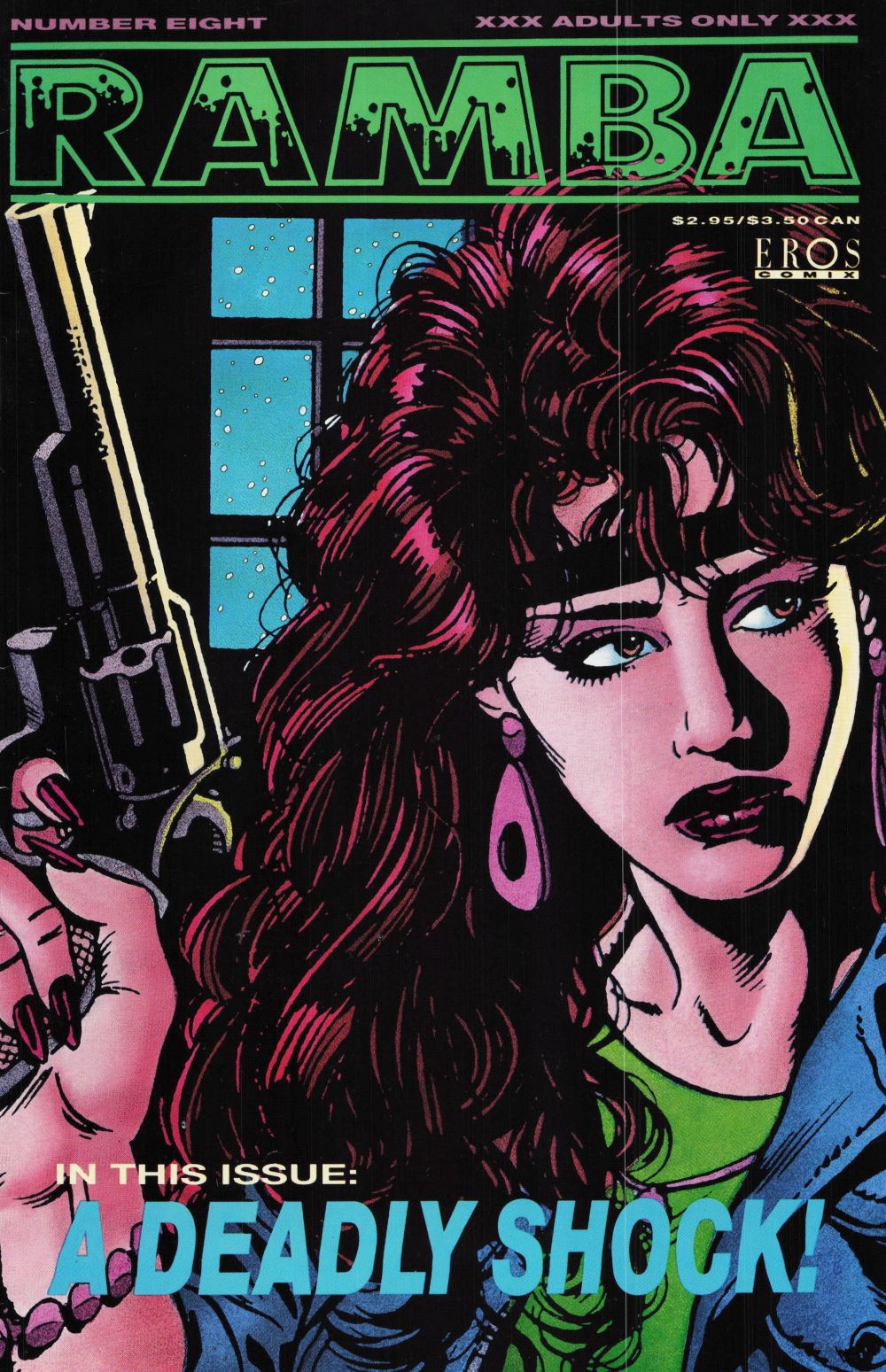
Ramba is one of those books you probably don’t proudly display on the coffee table, but you also don’t quite forget once you’ve read it. On the surface it’s an Italian erotic comic about a hyper-sexualized hitwoman, yet under all the sweat, sleaze, and gun smoke there’s a surprisingly solid crime engine humming along, which is what makes it feel like such an unapologetic guilty pleasure.
Created by Rossano Rossi and collaborators and published in English by Eros Comix in the 1990s, Ramba follows its titular assassin—loosely inspired by Italian porn star Ramba/Ileana Carisio—as she takes on murder-for-hire jobs that inevitably twist into elaborate scenarios of sex and violence. Every assignment is essentially built on a three-part rhythm: seduction, escalation, execution. Ramba beds clients, enemies, bystanders, women, men, and sometimes even corpses, and that’s not an exaggeration; necrophilia, watersports, and a running thread of sadomasochistic games are part of the fabric here. That whirl of anything-goes content is where the series earns its notoriety, but it’s also where a lot of readers will tap out, because Ramba never pretends to be tasteful or restrained.
What keeps the book from collapsing into pure shock-for-shock’s-sake is that it does, in fact, function as a crime comic in the European erotica tradition. Rossi structures most chapters as compact revenge or hit-job dramas, the kind of tight little potboilers you might see in a hardboiled anthology if you stripped out the explicit content—or, in this case, added a lot more of it. There is an internal logic to the way jobs are set up, double-crosses emerge, and Ramba problem-solves her way out of bad situations, even as she pauses mid-escape for a quick tryst in a stairwell. That constant cross-cutting between sex and violence, between carnal excess and professional precision, gives the series a strangely propulsive energy; you may not approve of what it’s doing, but it’s rarely dull.
Still, you can’t talk about Ramba without acknowledging just how aggressively transgressive it is. The book happily checks off an entire “so wrong it’s right” playbook: everybody seems perpetually horny, gender is more a preference slider than a barrier, and taboos are treated as toys to be scattered across the floor. Ramba herself will “try anything that moves,” to borrow the fandom shorthand, and the comic keeps pushing her into situations that blur consent, pain, humiliation, and pleasure to a degree that many readers will reasonably find grotesque. Some sequences—like the infamous scene where she urinates into a dying man’s mouth and then exploits his post-mortem arousal—are deliberately pitched to provoke, and they succeed perhaps a little too well.
That blend of sex and brutality is the core ethical sticking point. The series clearly wants to critique brutality against women—Ramba cannot stand seeing other women victimized and often redirects violence back at abusers—but at the same time it eroticizes that very violence, staging assaults and torture in a way that’s unavoidably titillating for its target audience. The result is an uneasy tension: on one page, Ramba is a feminist avenger cutting down misogynists, and on the next she’s participating in a scenario that looks uncomfortably like torture porn. Whether you see this as frank, messy exploration of dark fantasies or just sleaze wrapped in a wafer-thin moral fig leaf will depend entirely on your own threshold and politics.
Visually, Ramba lands much closer to craftsmanship than throwaway smut. Artists Marco Delizia and Fabio Valdambrini give the series a sharply observed, high-contrast look that elevates it beyond bargain-bin erotica. Delizia’s pages are dense with black ink, detailed anatomy, and an almost fetishistic focus on physical textures—leather, sweat, shadowed skin—which reinforces the grittier, urban crime vibe. Valdambrini, by contrast, leans into an older adventure-strip style with looser figures and more traditional shading, evoking 1940s newspaper serials updated with NC-17 sensibilities. That stylistic tug-of-war, between pulp sophistication and outright porn, mirrors the writing: the art insists on giving this material a veneer of legitimacy even when the content is at its most extreme.
Narratively, the book occasionally steps outside its grounded crime lane into fully pulp territory, dabbling in supernatural elements such as a black magic coven and demons in stories like “Vendetta From Hell.” These arcs introduce “hunting humans as sport” riffs and occult enemies that feel, frankly, like a different series wandered in from the next shelf over. On one hand, they add variety and show Ramba operating in wildly different contexts; on the other, they dilute the gritty hitwoman angle that is easily the comic’s strongest hook. When Ramba stays focused on mob bosses, crooked cops, and revenge killings, it feels like a filthy cousin to Euro-crime cinema; when it veers into demon-summoning cults, it plays more like an anything-goes anthology that happened to keep the same lead character.
For all the shock value, there is a certain honesty to how Ramba approaches sexual fantasy. It doesn’t posture as an art-house deconstruction or wrap its extremes in academic language; it stands there, naked and grinning, saying: this is what some people fantasize about when no one is looking. That directness can be disarming. You get the sense the creators understand that erotic fantasy often lives in a space that’s not meant to be aspirational or “healthy,” and they lean into that forbidden-zone appeal. If you’ve ever rolled your eyes at glossy, sanitized “sexy” comics that pretend to be above the id, Ramba feels like the brazen counterargument, all id with just enough structure to hold it together.
Of course, that’s also what makes it so specifically a guilty pleasure, even for readers who might be predisposed to like transgressive material. It is possible to admire the storytelling economy, the craftsmanship of the art, and the boldness of its content while simultaneously feeling that some sequences cross into outright mean-spirited nastiness. The books have been praised in some circles as a kind of high watermark of explicit sex comics in English—highly competent, unabashedly filthy, and influential in their niche—but that gold comes smudged with plenty of grime. If you’re not prepared to wade through the muck, you’re better off steering clear.
Ultimately, Ramba is best approached with clear eyes and a strong stomach. If you’re curious about the boundaries of 1990s European-style erotic comics, the series offers a vivid snapshot of what could be done when an imprint like Eros Comix let creators run wild, combining solid noir plotting with maximalist sexual excess. It’s exploitative, sometimes disturbingly so, but it’s also more thoughtfully constructed and visually ambitious than its lurid premise suggests. For some, it will be a hard pass; for others, it will sit firmly in that private, slightly embarrassing corner of the collection where guilty pleasures live, dusted off once in a while with a mix of discomfort and undeniable fascination.
4 (or more) Shots From 4 (or more) Films is just what it says it is, 4 (or more) shots from 4 (or more) of our favorite films. As opposed to the reviews and recaps that we usually post, 4 (or more) Shots From 4 (or more) Films lets the visuals do the talking.
Today, the Shattered Lens pays homage to the greatest of Mardi Gras cities, New Orleans!
4 Shots From 4 New Orleans-Set Films
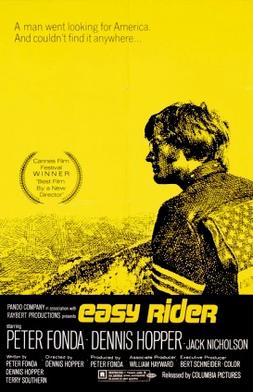
Easy Rider (1969, dir by Dennis Hopper, DP: Laszlo Kovacs)
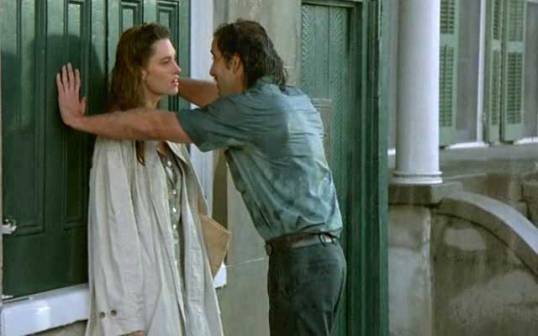
Zandalee (1990, dir by Sam Pillsbury, DP: Walt Lloyd)
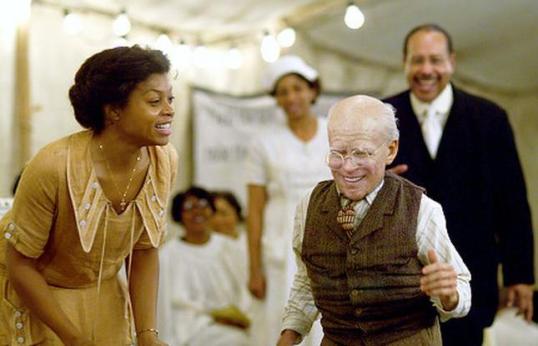
The Curious Case of Benjamin Button (2008, dir by David Fincher, DP: Claudio Miranda)
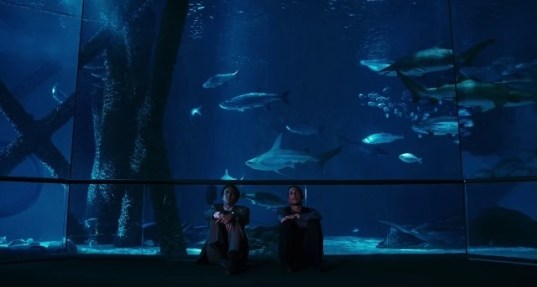
Bad Lieutenant: Port of Call New Orleans (2009, dir by Werner Herzog, DP: Peter Zieitlinger)
Robert Duvall missed out on his chance to play Haven Hamilton in Robert Altman’s Nashville but 8 years later, he gave a performance as a country musician that would him his only Oscar.

 Through the Shattered Lens