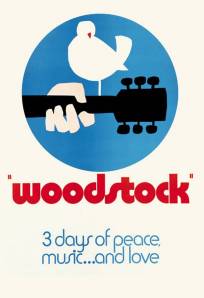
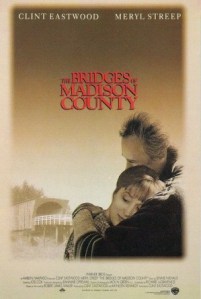
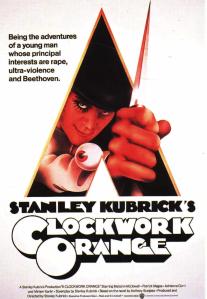
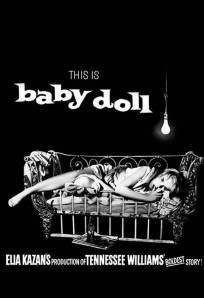
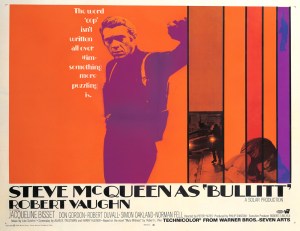
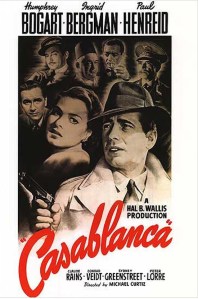
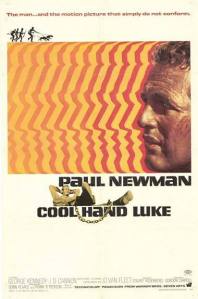
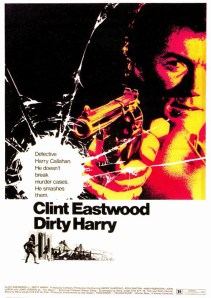
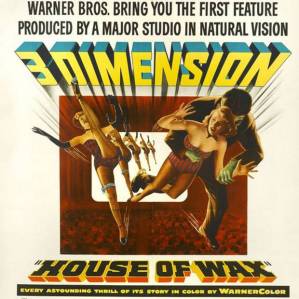
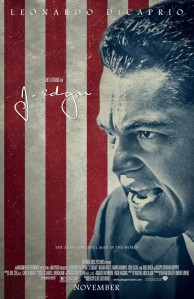
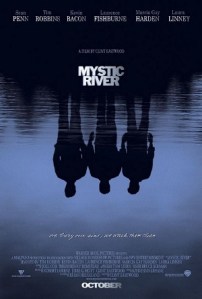
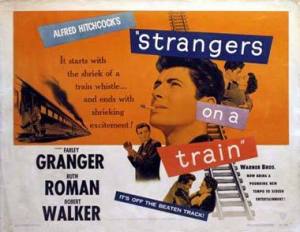
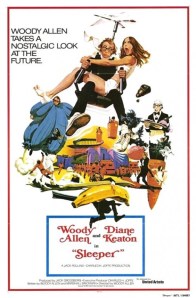
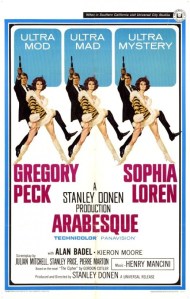
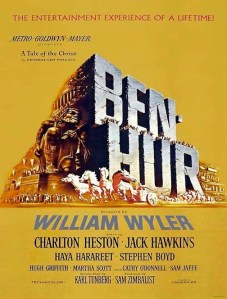
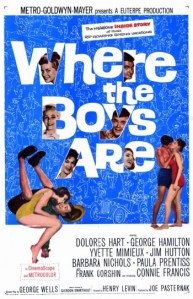
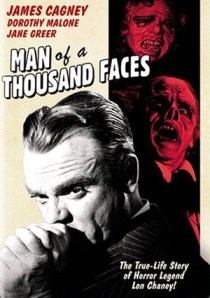
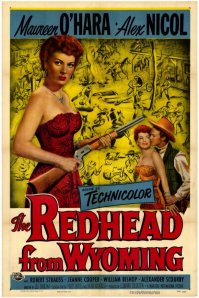
Bill Gold has been designing film posters for over 70 years and, together, his work includes the promotional campaigns for some of the most important American films since the 1940s. Gold’s posters are each designed to give their films a unique identity and, over the span of his long career, Gold’s work has reflected a wide range of trends, tastes, and approaches. In 2011, Gold came out of retirement to design the poster for Clint Eastwood’s J. Edgar.
Gold has designed hundreds of posters. Below is just a sampling of his prolific career.
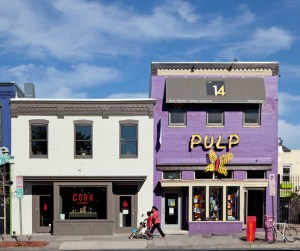
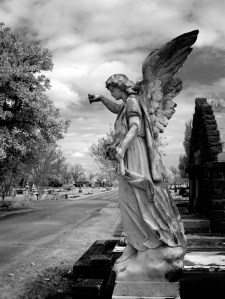
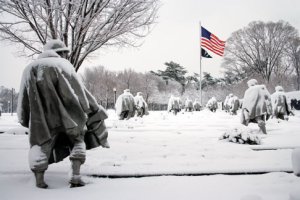
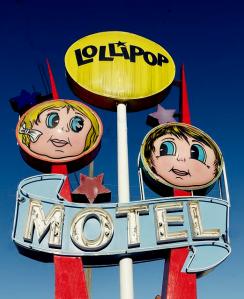
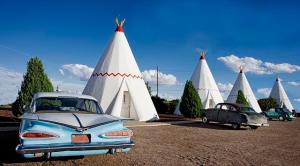
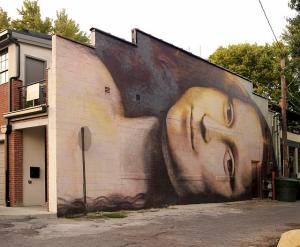
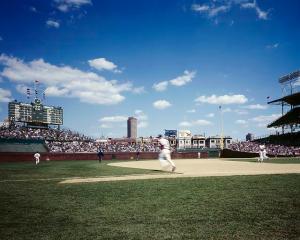
This artist profile is an important one to me because Carol M. Highsmith and her work are the biggest influences on my photography. If not for Carol Highsmith, I probably never would have picked up a camera.
Carol Highsmith is known as “America’s photographer” and it’s easy to see why. For the past 30 years, Highsmith has devoted her life to taking pictures in every corner of the United States and she has captured everything from small town life to the monuments of Washington D.C. Her work has inspired countless other photographers and I’m one of them.
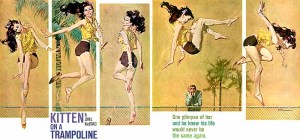
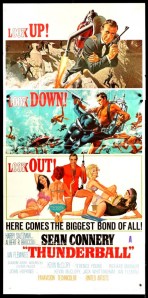
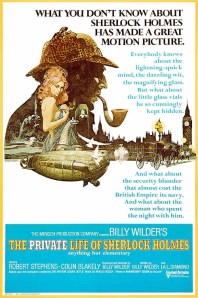
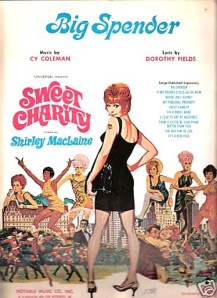
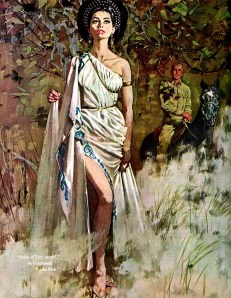
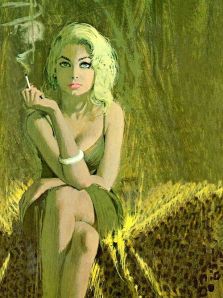
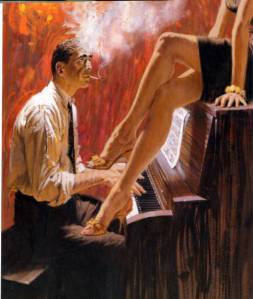
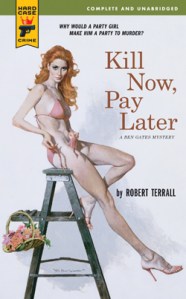
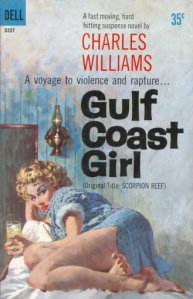
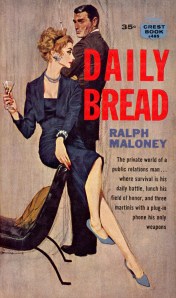
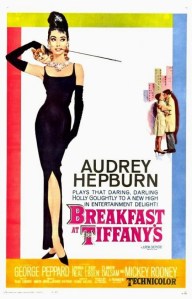
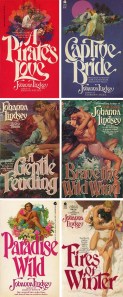
Robert McGinnis has drawn the covers for over 1200 paperback books and has designed 40 film posters, including Breakfast at Tiffany’s and the first of the James Bond films. McGinnis is distinguished by his strong attention to detail and atmosphere. After being in the business for over 50 years, McGinnis is still designing covers for both romance novels and for the Hard Case Crime novel series.
Below are just a few examples of Robert McGinnis’s work:
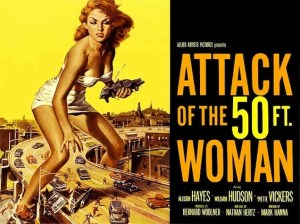
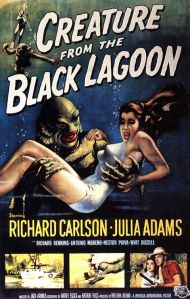
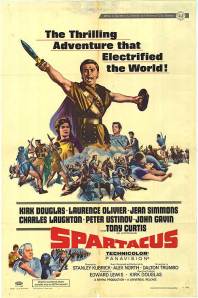
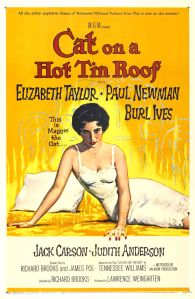
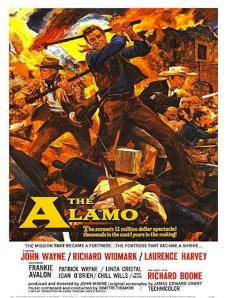
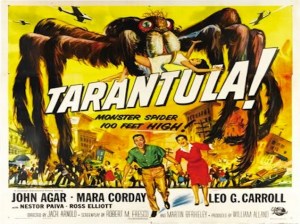
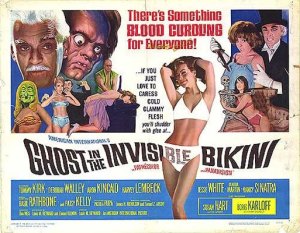
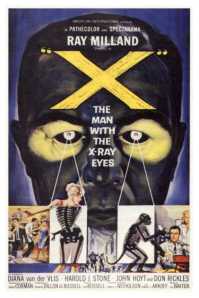
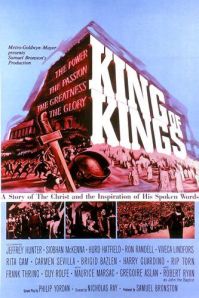
Reynold Brown was a realist artist who, over the course of his long career, painted landscapes, drew paperback book covers, and illustrated articles that appeared in magazines like The Saturday Evening Post and Popular Aviation. However, Brown is best remembered for drawing and designing Hollywood film posters. From 1950 to 1970, Brown designed posters for everything from cheap horror films to expensive biblical epics. Below is just a small sampling of his work.
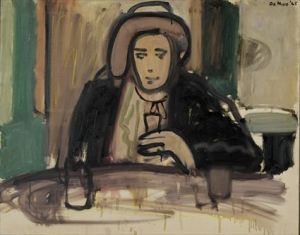
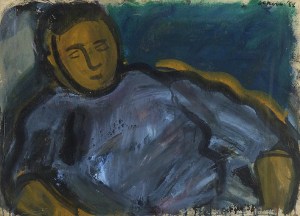
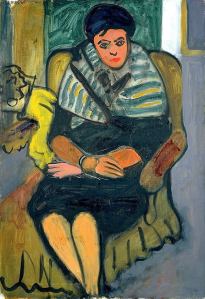
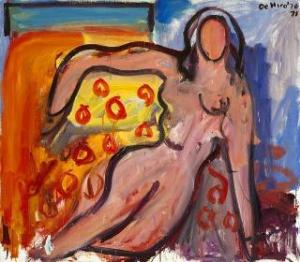
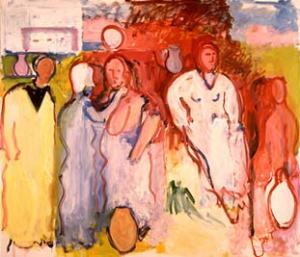
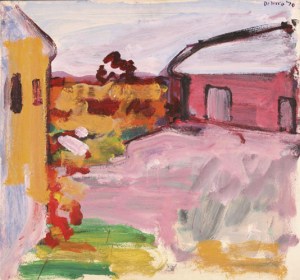
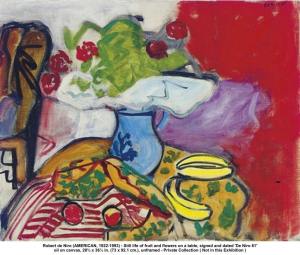
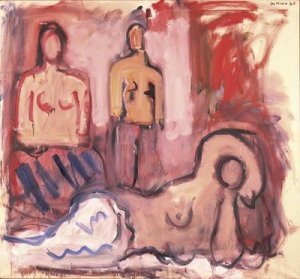
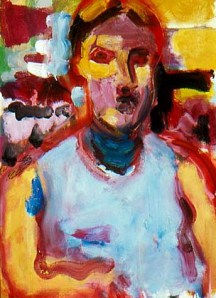
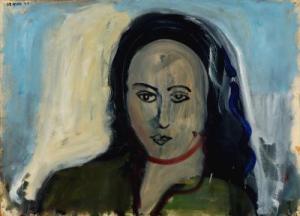
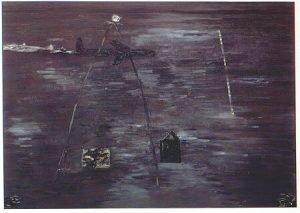
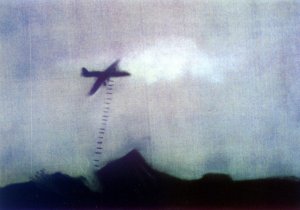
Though best known as the father of actor Robert De Niro, Robert De Niro, Sr. was also an important and influential artist. His paintings were influenced by both French modernism and abstract expressionism and are memorable for his expressive use of color.
Below are some of my favorite examples of his work:
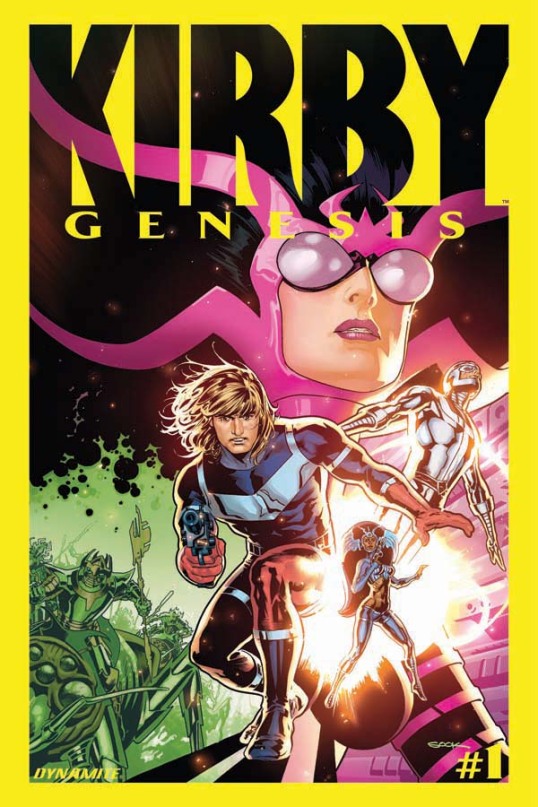
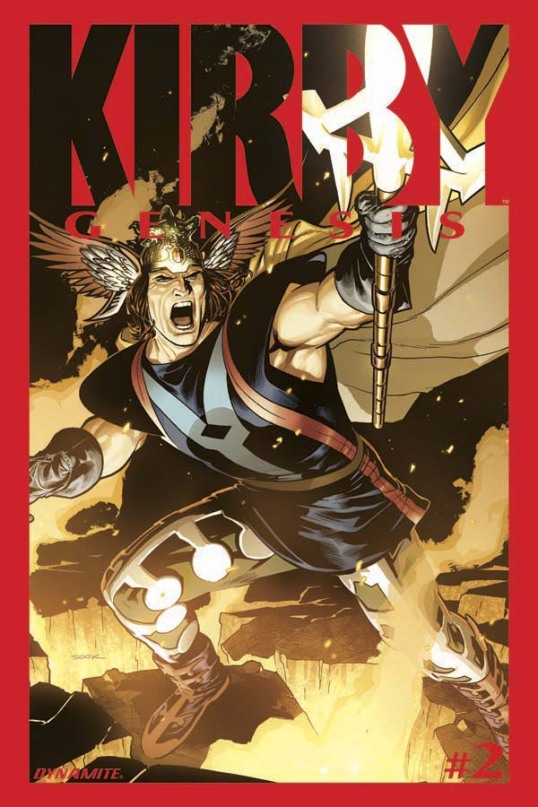
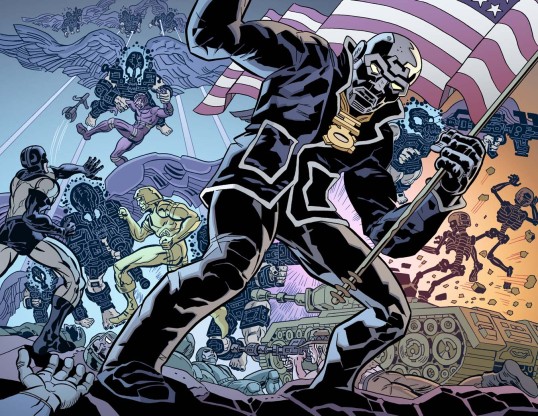
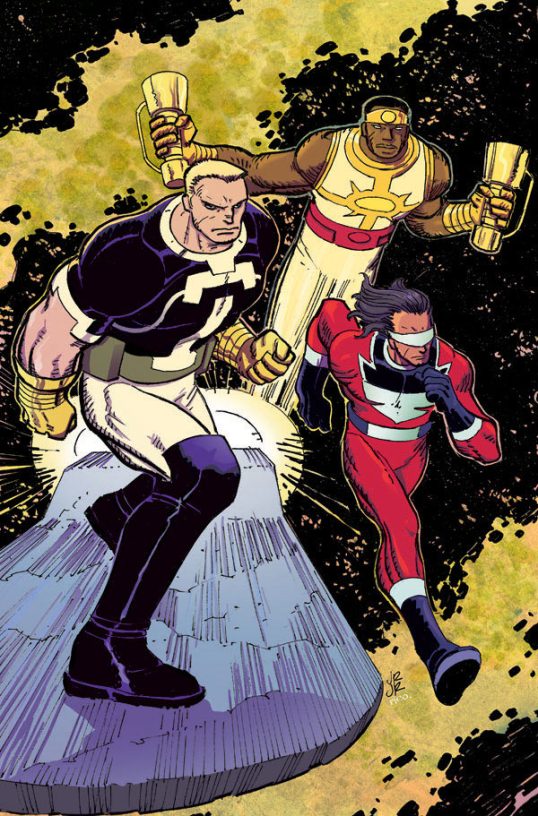
Jacob Kurtzberg, known to the world as Jack “The King” Kirby, was the unappreciated artistic genius and innovator. I hold him in the same regard as the equally legendary Osamu Tezuka, kamisama no manga (god of comics)/godfather of anime/Japanese Walt Disney. Both men revolutionized their respective fields, inspired and continue to inspire many generations.
Joe Simon and Jack created Captain America (the first Avenger) and the Cap Parody, Fighting American. Kirby created Nick Fury, the Mighty Thor, Iron Man, Black Panther, the X-Men, the Incredible Hulk, the Fantastic Four, and the Avengers with Stanley Lieber, known to the world as Smiling Stan Lee. OMAC, Silver Surf, Kamandi, The Last Boy On Earth, X-51, the Eternals, Devil Dinosaur, Etrigan the Demon, Challengers Of The Unknown, Kobra, and the entire Fourth World mythology were his solo creations. The King was responsible for the character design of Thundarr the Barbarian and Goldie Gold & Action Jack.
As a wee lad, I was captivated by his level of detail and imagination. Now that I am in my 30’s, I continue to appreciate his work and be perpetually in awe of how his work showed that he wasn’t afraid to dream big. I am delighted to see the Kurtzberg Legacy live on through books Godland by Joe Casey, Tom Scioli and the epic yet short-lived Jersey Gods by Glen Brunswick and Dan McDaid, and Kirby Genesis by Kurt Busiek, Alex Ross And Jackson Herbert.
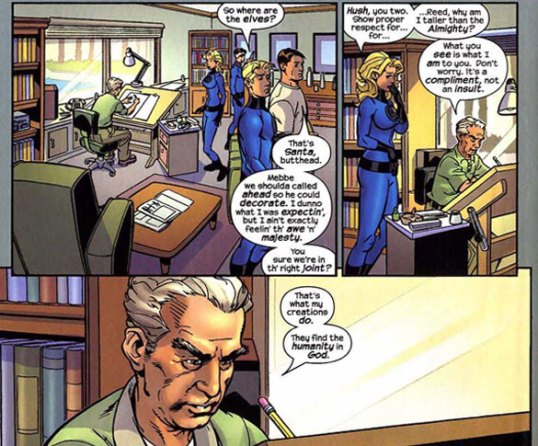
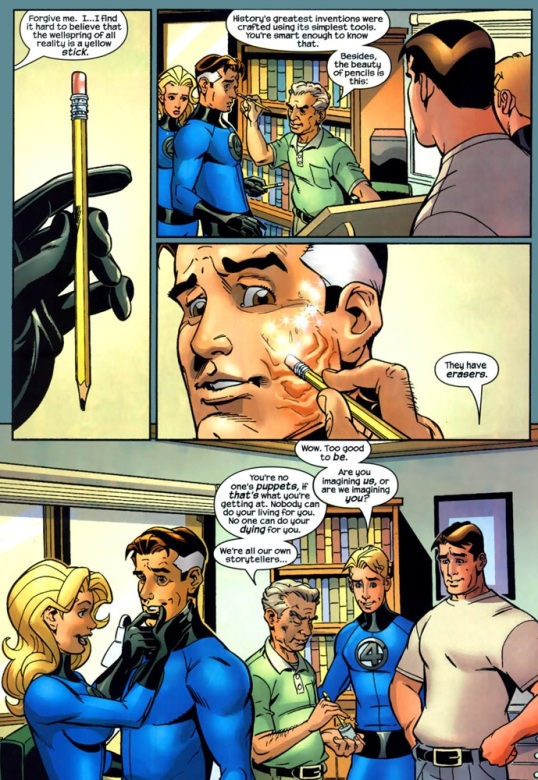
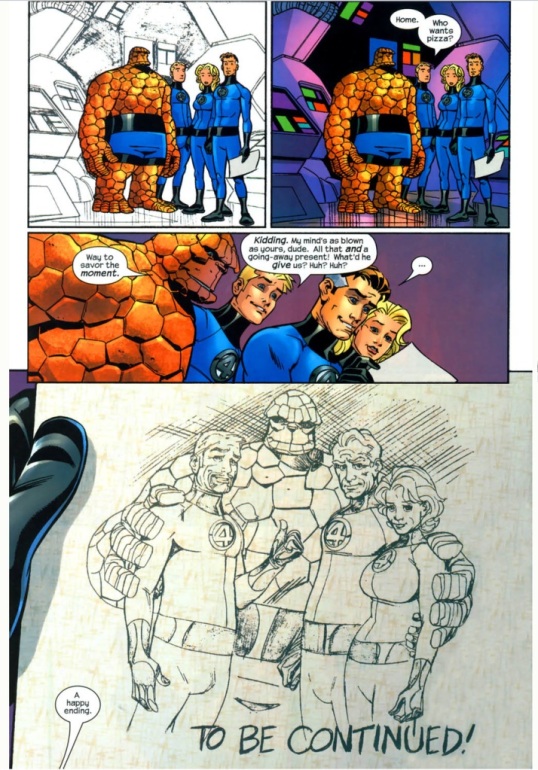
Below is Mark Waid and the late Mike Wieringo’s tribute to Jack during their Fantastic Four.
Here are some examples of the King’s work.
Here are some examples of the work inspired by him.
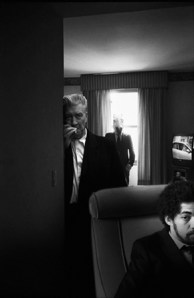
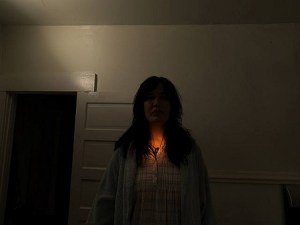
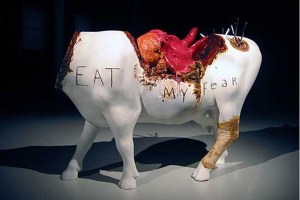
Best known as a film director, David Lynch is also a prolific and acclaimed photographer and painter. In the catalogue for a recent exhibition in Tokyo, Lynch wrote, “”When it comes to painting, it´s the darker things I find really beautiful. All my paintings are organic, violent comedies. They have to be violently done, and primitive and crude, and to achieve that I try to let nature paint more than I paint and stay out of the way as much as I can. In fact, I don´t paint with a brush too much any more – I prefer to use my fingers. I´d bite them if I could.”
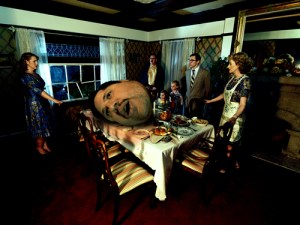
One of my favorite photographers is Gregory Crewdson. Working with a large crew and with elaborate lighting and staging, Crewdson captures images that are heavily influenced by the painter Edward Hopper and photographer Diane Arbus and which present a surreal and disturbing vision of life in small town America.
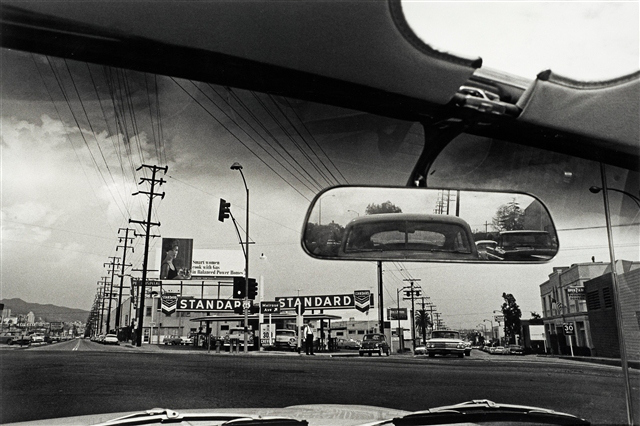
Dennis Hopper was best known as an actor but he was also a prolific and influential sculptor, painter, and photographer. He took up photography as a hobby in the 1960s and eventually became so acclaimed that he was even profiled in an issue of Better Home and Gardens Magazine as a “photographer to watch” for in the future. Hopper was also an important art collector.
Below are some of my favorite Hopper photographs:
Double Standard
Andy Wahol
Bruce Conner (in tub), Toni Basil, Teri Garr, and Ann Marshall
“Giving a camera to Diane Arbus is like giving a hand grenade to a child.” — Norman Mailer
Diane Arbus was born in 1923 in New York City. She started out as a commercial and fashion photographer but she is best known for her work featuring men and women who would never appear in a fashion spread. Her stark, black-and-white pictures of outsiders and fringe dwellers always found the humanity in her subjects. Though she committed suicide in 1971, Arbus continues to influence artists to this day and her work remains powerful.
Below are a few of my favorite photographs of hers: