Mecha: The name derives from a shortening of the English words “mechanism” or “mechanical” into the Japanese “mecha”
Last time I chose 4 shots from some chosen anime I went the isekai route. This time around I have chosen four shots from some of the more popular and well-received anime of the mecha variety.
This genre of anime has been around as far back as the 1940’s with earliest known mecha-related work being the 1940 manga “Electric Octopus” (Denki Dako). Yet, the subgenre of mecha as we we know of it today as the “super robot” was with the landmark anime from 1972 with Go Nagai’s “Mazinger Z.” This series would establish the many tropes and baseline rules of what mecha has become and will continue to be.
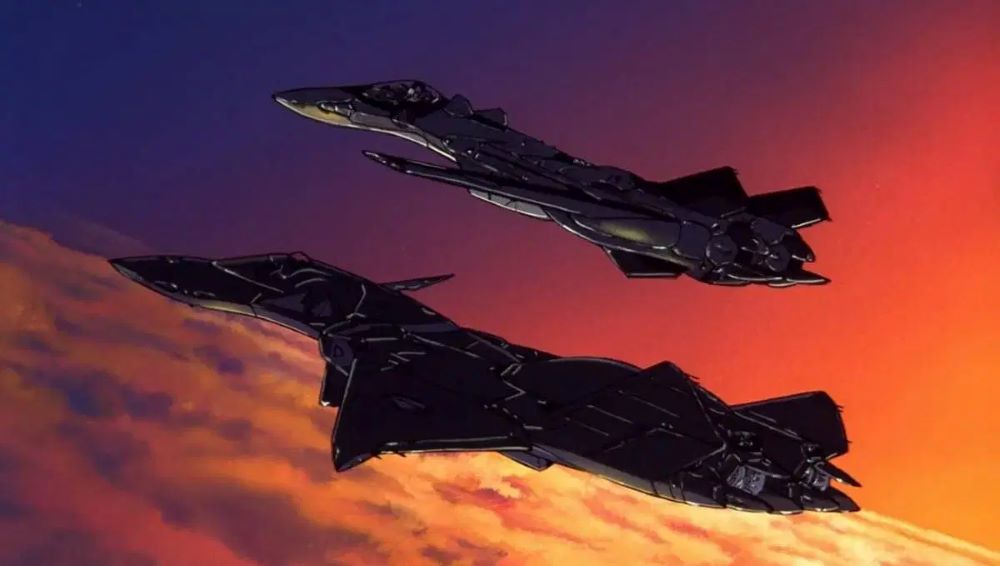
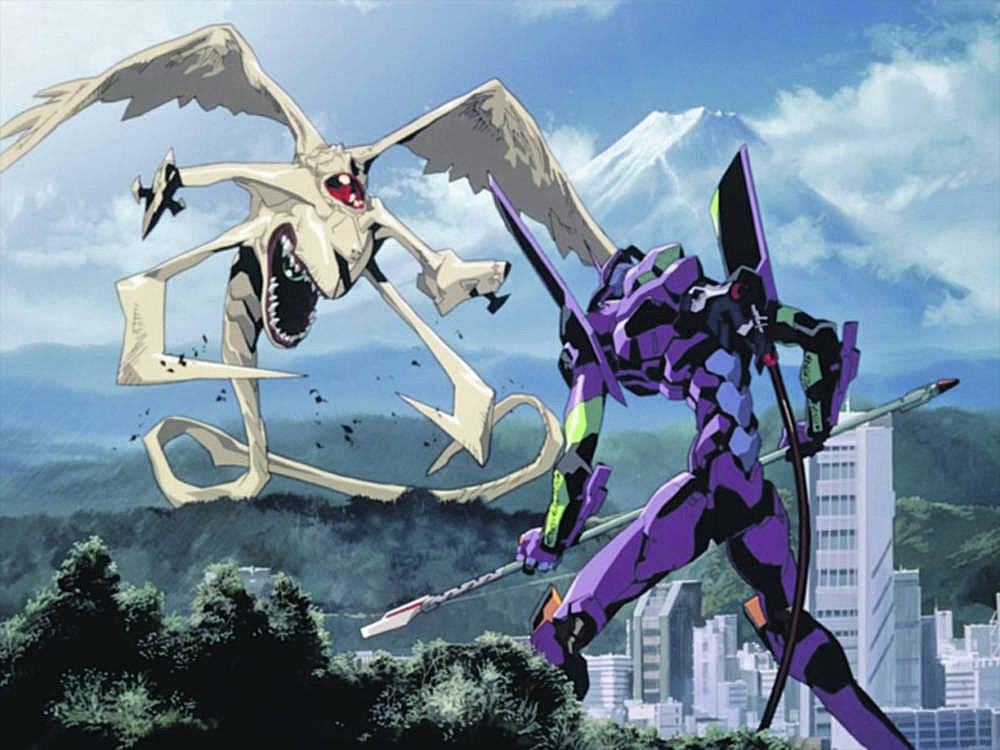
So, here are four shots from four very good to great mecha anime that fans new and old has watched at least once.
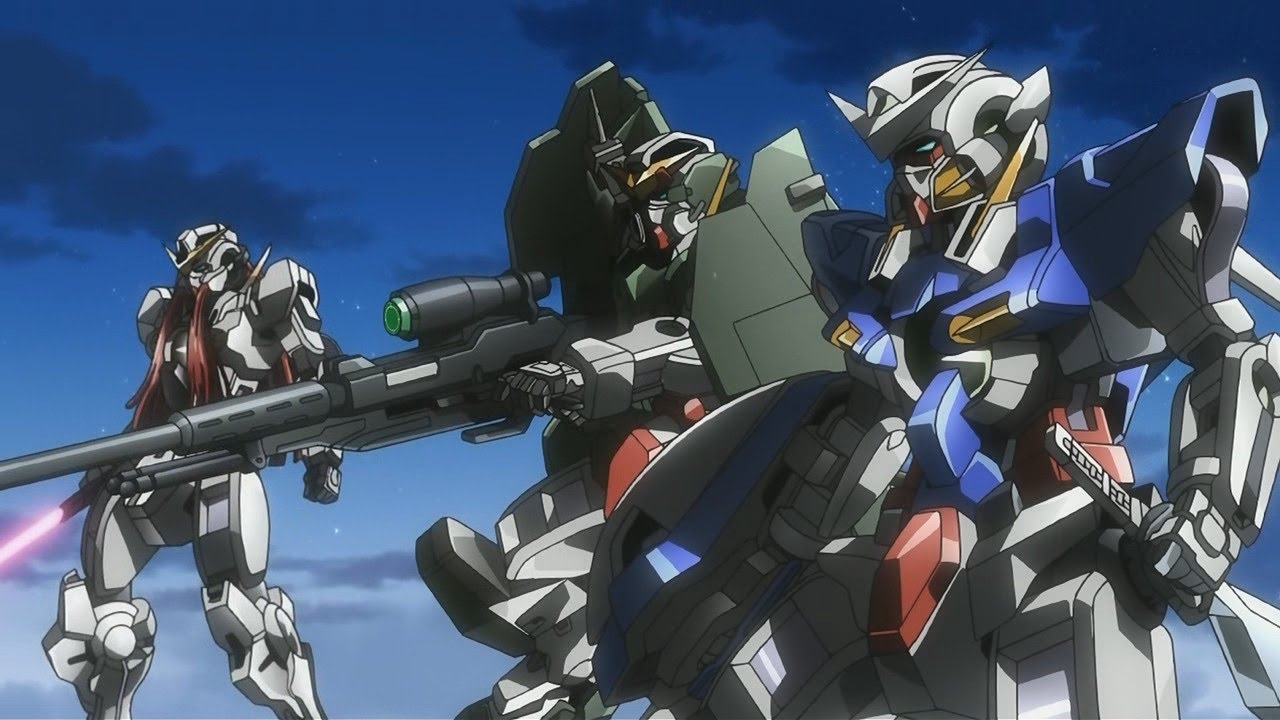
Mobile Suit Gundam 00 (dir. by Seiji Mizushima)
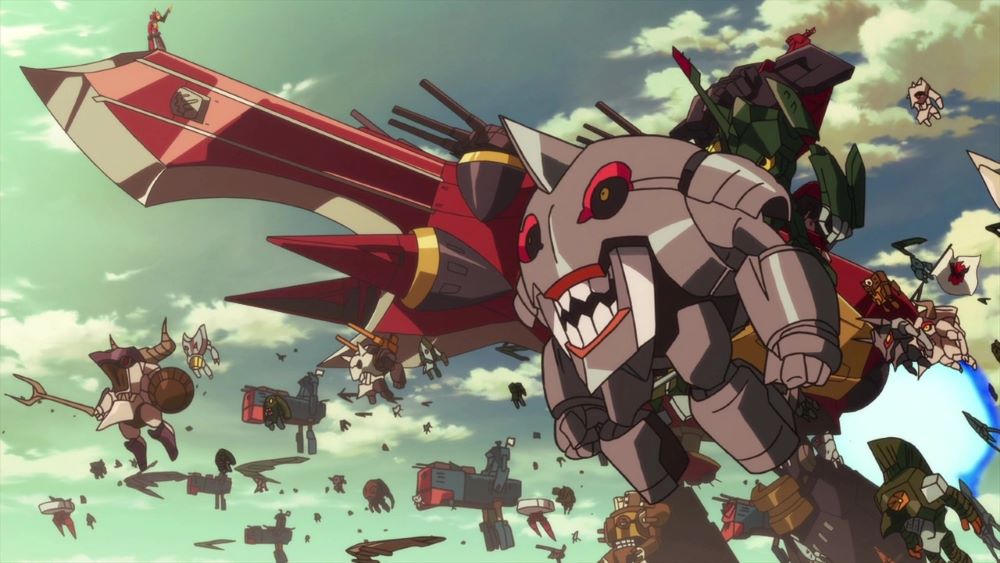
Tengen Toppa Gurren Lagann (dir. by Hiroyuki Imaishi)
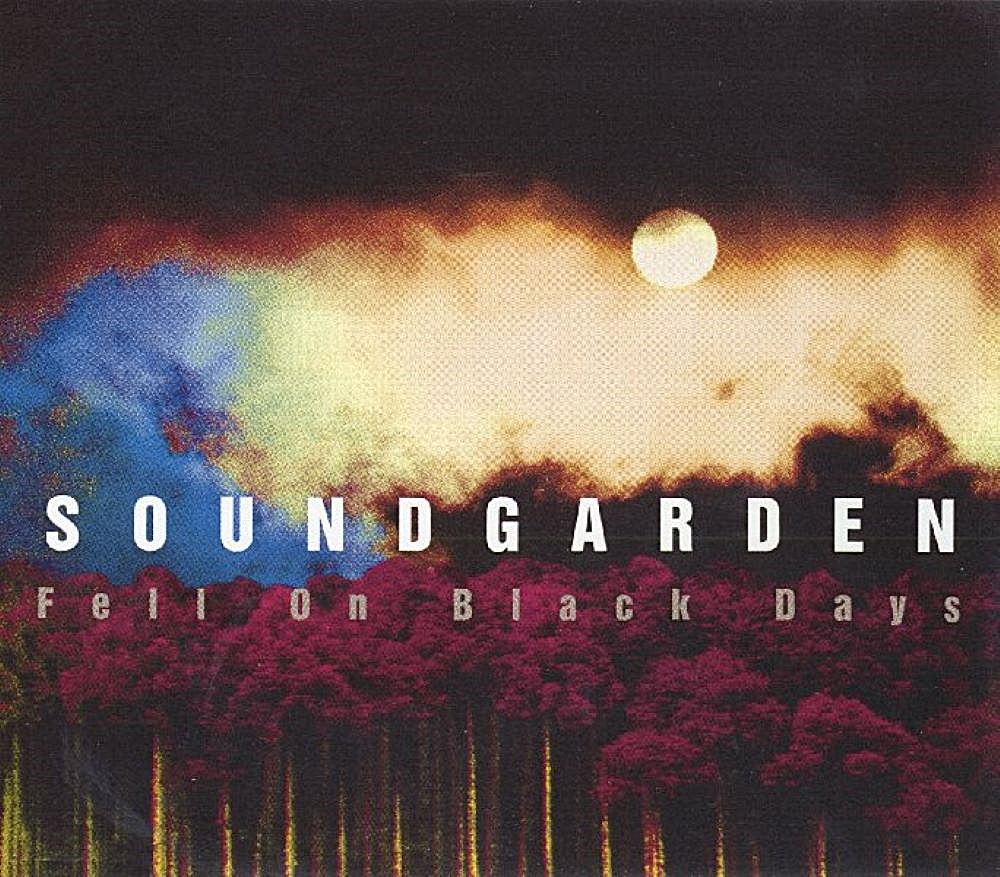
As the latest “Song of the Day,” Soundgarden’s Fell on Black Days stands out as one of Chris Cornell’s most hauntingly introspective songs. It captures that quiet terror of realizing, almost suddenly, that life has slipped into a dark space without a clear cause. The lyrics don’t dramatize depression or despair—they circle it, giving voice to numb reflection rather than clear tragedy. Cornell doesn’t sing from a place of theatrical pain but introspective confusion, which makes it all the more relatable: that sense of waking up one day and finding that something within has gone dim.
Cornell’s vocal performance is the emotional backbone of the song. His delivery is restrained at first, almost conversational, carrying that familiar mix of grit and vulnerability that made his voice so magnetic. As the song builds, the tension burns through his tone—he never screams, but you feel the anguish vibrating at the edges. It’s that ability to stay melodic while channeling raw feeling that separates him from many of his grunge-era peers. You can hear both power and exhaustion inhabiting the same breath.
Musically, Fell on Black Days moves with a slow, uneasy groove that fits the song’s mood of quiet dread. Instead of following a typical rock rhythm, it flows a little off-kilter, giving it that feeling of imbalance Cornell describes in the lyrics. The guitars are thick and moody but not overly heavy, letting the vocals breathe. Thayil’s riffing feels more like a shadow behind the melody, while the bass and drums give it a tired, rolling heartbeat. It’s less about flashy playing and more about atmosphere—a sound that matches the weight of realizing your life has turned darker without you noticing.
Fell on Black Days
Whatsoever I’ve feared has come to life And whatsoever I’ve fought off became my life Just when everyday seemed to greet me with a smile Sunspots have faded and now I’m doing time
Now I’m doing time ‘Cause I fell on black days I fell on black days
Whomsoever I’ve cured I’ve sickened now And whomsoever I’ve cradled I’ve put you down I’m a search light soul they say But I can’t see it in the night I’m only faking when I get it right When I get it right ‘Cause I fell on black days I fell on black days
How would I know That this could be my fate How would I know That this could be my fate, uh yeah
What you wanted to see good has made you blind And what you wanted to be yours has made it mine So don’t you lock up something that you wanted to see fly Hands are for shaking not tying
No, not tying I sure don’t mind a change I sure don’t mind a change Yeah, I sure don’t mind Sure don’t mind a change I sure don’t mind a change
‘Cause I fell on black days I fell on black days
How would I know That this could be my fate How would I know That this could be my fate
How would I know That this could be my fate How would I know That this could be my fate
“The privatization of warfare allows startling new capabilities and efficiencies in the ways that war is carried out. At the same time, however, the entrance of the profit motive onto the battlefield raises a series of troubling questions—for democracy, for ethics, for law, for human rights, and for national security.” — P.W. Singer
P.W. Singer’s Corporate Warriors is one of the most important books about the rise of private military companies, or PMCs—businesses that sell military and security services for profit. Singer makes it clear that this is not a brand-new concept. As long as humans have fought wars, there have been soldiers willing to fight for whoever pays them. Ancient mercenaries fought for gold just as modern ones fight for governments, corporations, and even wealthy individuals. What makes today’s version different is how organized and professional these groups have become. They now look and operate like big international businesses, complete with CEOs, contracts, shareholders, and company logos.
Singer argues that these firms are now a permanent feature of modern warfare. Instead of ragtag mercenaries, many private contractors are highly trained professionals offering specialized skills that national militaries either can’t provide or don’t want to keep on the payroll full time. Governments and companies rely on them because they can move quickly, fill skill gaps, and handle dangerous or politically sensitive work. Still, that doesn’t mean they come without serious problems. Singer’s main concern is how much military power is now being handled by people who technically aren’t soldiers and don’t always fall under military law.
In the book, Singer sorts modern PMCs into three main categories. First are the “provider” companies like the South African firm Executive Outcomes, which became famous in the 1990s for fighting on the ground in places like Angola and Sierra Leone. These companies bring in their own troops, equipment, and training programs, often taking on direct combat roles. Next are “consulting” firms such as Military Professional Resources Inc. (MPRI), an American company that employs retired generals and officers to train and advise foreign militaries. The third kind includes “support” firms such as Halliburton’s subsidiary KBR, which focuses on logistics, food, construction, and base operations. These companies don’t fight but keep everything else running so that soldiers can focus on combat.
All three types share something in common: they are run like global corporations. They make money through contracts, report to shareholders, and market themselves as professional service providers. Singer notes that even major multinational companies now use PMCs for everything from executive protection to negotiations with risky foreign governments. Governments, especially the United States and its allies, also rely heavily on these firms to handle noncombat work—guarding bases, moving supplies, and securing reconstruction projects. This trend, according to Singer, represents a major shift in how warfare is organized.
The biggest concern is accountability. Private contractors don’t always fall under the same legal rules as soldiers. They operate in what Singer calls a “gray zone,” where war crimes or abuses can occur without clear consequences. One striking example came in 2004 when four American contractors working for Blackwater were ambushed and killed in Fallujah, Iraq. The brutal event shocked the public and revealed how central private contractors had become to America’s military presence there. Later incidents, like those involving private interrogators at Abu Ghraib and Guantanamo Bay, further blurred the lines between government responsibility and outsourced violence.
Singer’s warning is that handing so much military work to private companies risks separating war from national accountability. If a contractor commits a crime, who is responsible—the company, the client government, or the individual employee? When fighting becomes a business, the incentive to keep costs low and profits high can make ethics and oversight an afterthought.
Events since the book’s release have proven many of Singer’s points, especially the rise and collapse of Russia’s Wagner Group. Led by Yevgeny Prigozhin, Wagner became one of the most dangerous and talked-about private armies in the world. Unlike most Western firms, it operated under direct government influence while pretending to be independent. Wagner first gained attention during Russia’s 2014 invasion of Ukraine, then expanded into conflicts in Syria, Libya, and parts of Africa. The company didn’t just fight wars—it also ran businesses, gained control over mines, and seized energy resources. In short, it blended war and profit in a way that gave Russia global reach without official military involvement.
Wagner also showed how dangerous this model can be. Its fighters were accused of widespread brutality and war crimes, yet Russia could deny any official connection. And when Prigozhin turned against the Kremlin in mid-2023, leading a short-lived march toward Moscow, the illusion of control collapsed. His death later that year and the redistribution of Wagner’s forces into state-controlled units in 2024 revealed just how unstable such private armies can become. Wagner proved Singer’s central argument: once private forces gain real power, they can threaten not just world order but their own creators.
Other countries have followed this path with their own versions. In China, companies like Frontier Services Group protect overseas projects linked to the Belt and Road Initiative. In Turkey, SADAT provides training and advisory services aligned with the government’s foreign policy. The United Arab Emirates has hired foreign-led PMCs to conduct security operations in Yemen and parts of Africa. These cases show that many governments now use PMCs as unofficial extensions of their militaries and foreign policy tools—cheap, adaptable, and politically flexible.
However, while Singer’s analysis stands out for its clarity and early insight, it is not perfect. One issue is that he treats the rise of PMCs as almost inevitable, a natural result of globalization and free markets. In practice, their growth is far more dependent on political opportunity and state willpower than on market logic alone. Wagner’s collapse, for example, showed that governments can shut down or absorb these forces when they decide they’ve become too independent. Singer also tends to treat PMCs as private commercial actors, but many of today’s most influential groups operate as semi-official arms of the state rather than as free-market enterprises. That distinction matters because it changes how these organizations behave and how accountable they can realistically be.
Another problem is that Singer’s proposed solutions rely on greater regulation and international cooperation—goals that sound reasonable in theory but are difficult to achieve. International law struggles even to manage traditional militaries, so expecting it to control private ones that operate across borders is optimistic. Singer’s faith in future accountability mechanisms somewhat underestimates how fragmented and self-interested international politics can be.
Finally, Singer tends to focus mainly on Western examples, especially the U.S. and U.K., where the PMCs act as corporate service providers. In doing so, he underplays the different way non-Western states, especially Russia, China, and Middle Eastern powers, use them as political instruments rather than for profit. The world of PMCs today is not just about private enterprise—it’s about the blending of private business with government strategy.
Despite these weaknesses, Corporate Warriors remains a landmark work. Singer’s writing is clear, grounded, and unusually balanced for a topic that often invites conspiracy theories or alarmist rhetoric. He helps readers understand not just who these companies are, but how they fit into a global system where armies, corporations, and governments increasingly overlap.
More than twenty years on, the issues he described have only grown. PMCs still operate on nearly every major battlefield, from Eastern Europe to Africa. While governments continue to rely on them, meaningful oversight has not caught up. Even with its flaws, Corporate Warriors is still the best starting point for understanding how war became a global business, and why that shift will keep shaping world politics for decades to come.
“Duty calls us to give more than our lives; it calls us to give our very souls.” — Capt. Juuzo Okita
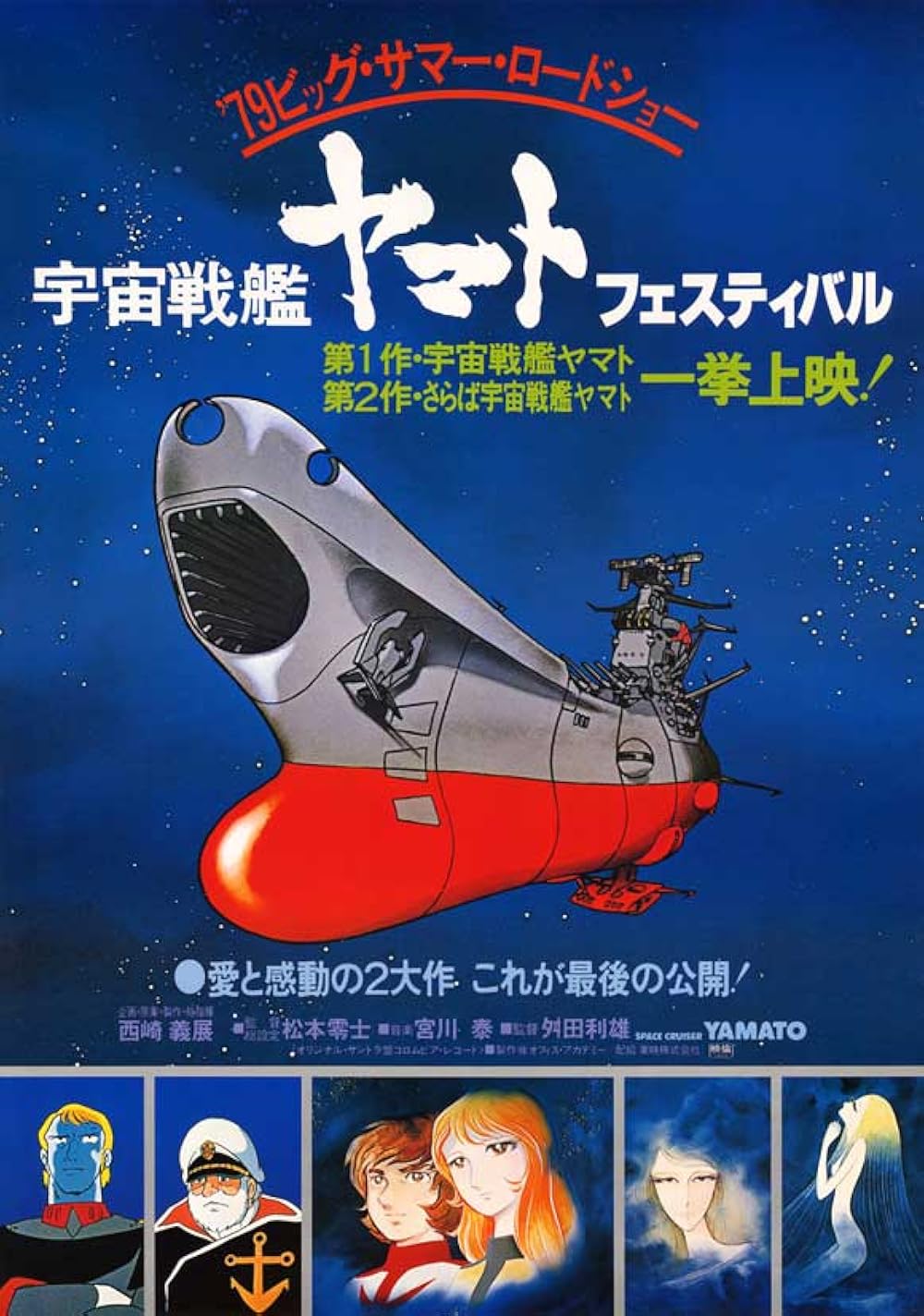
Space Battleship Yamato, which aired from 1974 to 1975, is a monumental anime series that shaped the medium’s evolution and continues to resonate deeply with audiences today. Directed by Leiji Matsumoto and produced by Yoshinobu Nishizaki, this 26-episode space opera follows the crew of the Yamato—a resurrected World War II battleship transformed into a spacefaring vessel—on a desperate mission to save an irradiated Earth.
Set in the late 22nd century, Earth has been devastated by radiation from relentless attacks by the alien Gamilas. The surface is inhospitable, and humanity is forced underground. Salvation arrives in the form of a message from the distant planet Iscandar, promising a technology that can cleanse Earth’s radiation. The Yamato, captained by Juuzo Okita and crewed by a band of determined officers including the impetuous but brave Susumu Kodai, must make a perilous journey through hostile space to retrieve this salvation device. Along the way, they face not just merciless enemies but internal struggles, moral dilemmas, and the constant pressure of a ticking clock: the Earth will perish within a year if they fail.
In many ways, Yamato broke the mold for 1970s anime. At a time when most shows were episodic and targeted mainly at children, this series presented serialized storytelling with a complex, continuous narrative arc. This format created genuine dramatic tension and emotional stakes that kept viewers invested episode after episode. While some parts drag with melodrama or technical exposition, the story steadily builds toward a moving climax filled with sacrifice, hope, and bittersweet heroism.
Animation-wise, the series shows its age, with occasionally stiff character movements and production shortcuts like reused backgrounds—typical of 1970s TV budgets. Yet, Leiji Matsumoto’s designs and the Yamato ship itself remain iconic, blending Japan’s wartime history with futuristic sci-fi technology in a compelling aesthetic. The space battles are sweeping and cinematic for the era, supported by Hiroshi Miyagawa’s rousing and emotional musical score, which perfectly balances military pride and somber reflection.
The characters inhabit archetypal but evolving roles. Captain Okita embodies the bushido spirit—noble, self-sacrificing, and burdened by duty—while Kodai matures from impulsive youth to responsible leader molded by loss. Supporting characters bring warmth and conflict, though the presence of women like Yuki Mori reflects dated 1970s gender norms, often limiting them to stereotypical and occasionally objectified roles, which jars against the show’s mature themes.
Beneath its sci-fi veneer, Yamato is a profound meditation on postwar Japanese identity. The revival of the WW2 Yamato as a vessel of salvation symbolizes a desire to transform defeat and shame into hope and renewal. The series navigates the duality of glorifying martial courage while confronting war’s tragic costs. The alien Gamilas are also complex antagonists, featuring honorable figures as well as villains, introducing a nuanced moral landscape rare for its time.
The influence of Space Battleship Yamato on anime is immense and multifaceted. It essentially invented what became the “serious,” serialized sci-fi anime format, making way for legends like Mobile Suit Gundam, which took the treatment of war, politics, and character drama to new levels, and Macross, which played with themes of enemies-turned-allies. Notably, Hideaki Anno, creator of the psychologically rich Neon Genesis Evangelion, cites Yamato as a formative influence, incorporating its emotional and philosophical themes. The series also impacted video games, with elements of its design and story inspiring creators well beyond animation.
The Yamato universe has expanded through numerous sequels, side stories, spin-offs, and remakes. The modern reboot Space Battleship Yamato 2199 is a fan favorite, refreshing the original plot with updated animation and added depth, proving the story’s continued resonance. Other adaptations include OVAs, manga expansions, and a live-action movie, each exploring various facets of the original mythos while bringing Yamato to new audiences.
On the international stage, the series’ English-dubbed adaptation, Star Blazers, was among the first serialized anime to reach Western audiences, planting early seeds for global fandom. Its mature storytelling, serialized arcs, and emotional depth influenced how anime was perceived outside Japan, paving the way for wider acceptance of anime as serious storytelling.
Though the animation style and representations may feel dated now, Yamato’s strengths remain powerful: its epic storytelling, rich themes of sacrifice and renewal, unforgettable characters, and visionary world-building. The show exemplifies how anime can weave thrilling adventure with meaningful thematic exploration, laying groundwork that countless series have followed.
Space Battleship Yamato (1974-1975) stands as a cornerstone of anime history. It transcended its era to become a storytelling template and cultural touchstone whose legacy endures through its influence, spin-offs, and remakes. For fans of sci-fi, anime enthusiasts, and cultural historians alike, it remains an essential watch—a stirring saga of resilience, hope, and the human spirit against cosmic odds.
“The future is not a straight line. It is filled with many crossroads. There must be a future that we can choose for ourselves.” — Kiyoko
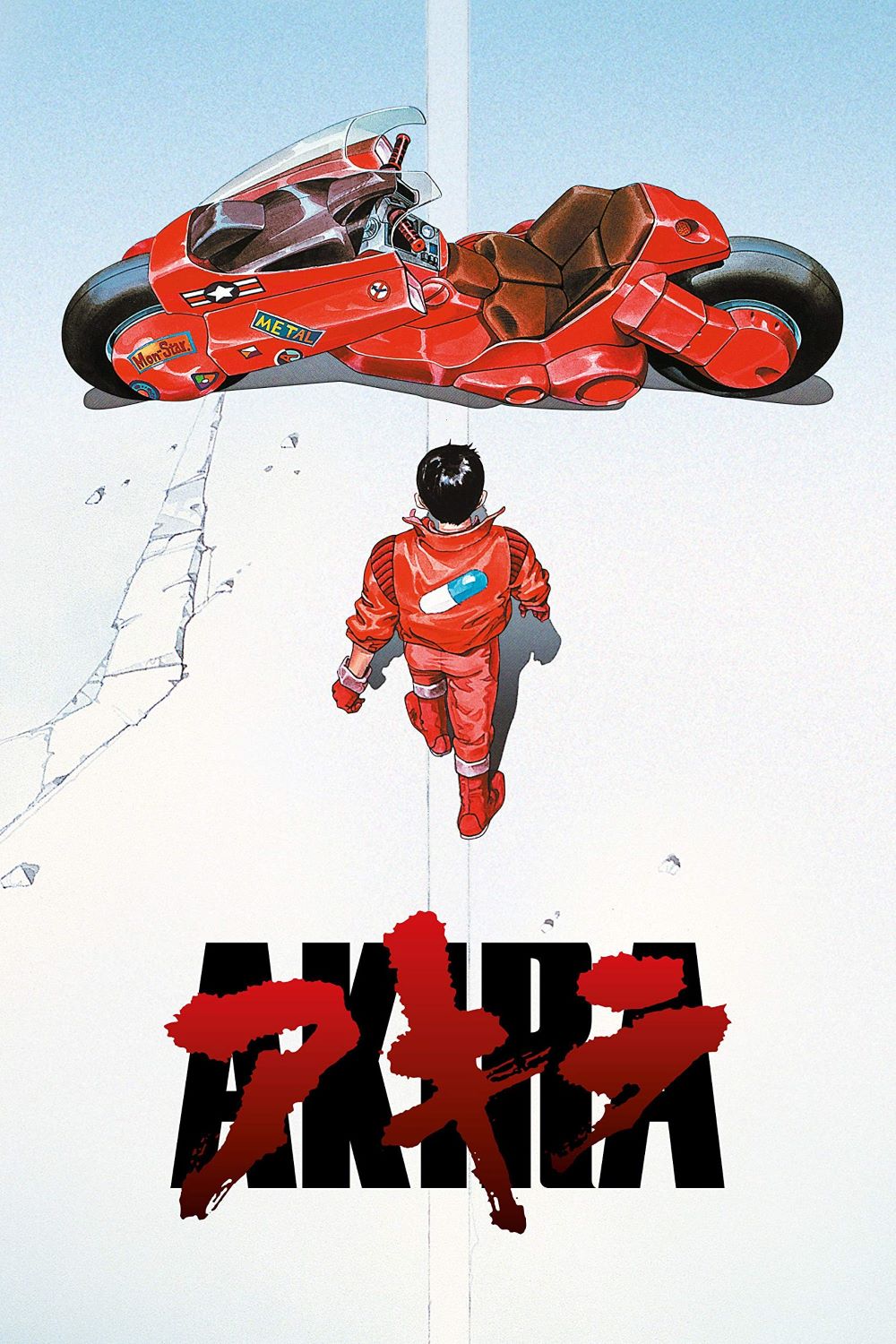
Akira is a landmark anime film that has left an indelible mark on both the medium and popular culture, widely regarded as a masterpiece blending dystopian cyberpunk aesthetics with potent social and political themes. Directed by Katsuhiro Otomo and released in 1988, it is an adaptation of Otomo’s own manga of the same name, adding layers of depth from its source material. The film remains a touchstone for its groundbreaking animation, complex narrative, and deep thematic explorations that resonate decades after its release.
At its surface, Akira tells the story of a post-apocalyptic Neo-Tokyo, a city ravaged by past destruction and on the brink of chaos again due to psychic powers unleashed unexpectedly on its streets. The narrative centers around two childhood friends caught in this upheaval: Kaneda, a rebellious gang leader, and Tetsuo, whose sudden acquisition of devastating psychic abilities leads to uncontrollable transformation and societal breakdown. This conflict draws viewers into a gripping tale of friendship, power, and loss.
Beneath the action-packed plot lies a rich tapestry of themes. One of the most striking is the exploration of loss of humanity through power. Tetsuo’s descent into madness as his psychic abilities spiral beyond his control serves as a visceral metaphor for how absolute power corrupts and alienates. The transformation he undergoes, from a troubled youth into a monstrous entity, dramatizes the fear of losing oneself when faced with forces that cannot be tamed. Meanwhile, the other characters and factions, including the military and resistance groups, depict varying responses to such disruptive power, from authoritarian control to emergent heroism among society’s outcasts and delinquents, emphasizing resilience in adversity.
Akira’s setting is crucial to understanding its impact. Unlike other dystopian sci-fi that glamorizes technology, Neo-Tokyo is raw and unpolished—a place of grime, corruption, and social decay. This lack of fetishization makes the depicted world more relatable and unsettling, reflecting post-World War II anxieties in Japan. The narrative draws clear analogies between the trauma of nuclear devastation and the cyclic nature of destruction and rebirth. The film and manga respectively underline how societies can be dehumanized by catastrophe yet still harbor hope for renewal and change.
The adolescent characters also embody a universal coming-of-age struggle, where uncertainties of identity, power, and responsibility mirror Japan’s own postwar societal shifts. Tetsuo’s monstrous growth and Kaneda’s protective yet rebellious nature capture the complex emotions of fear, resentment, and desire for control, making the story as much about internal battles as external ones. This allegorical layer brings timeless relevance, inviting viewers to reflect on personal and collective growth in times of turmoil.
From a technical and artistic standpoint, Akira set new standards for animation. The film’s fluid motion, attention to detail, and atmospheric world-building were revolutionary for the time and still hold up remarkably well. Otomo’s insistence on lip-syncing dialogue and meticulous frames elevated the cinematic experience far beyond typical anime productions of the 1980s. Its high-budget production values and painstaking artistry make every scene visually immersive, from frenetic gang fights to apocalyptic psychic battles.
One of the film’s most iconic and influential moments is the “Akira slide”—the flawless and stylish maneuver where Kaneda slides his motorcycle to a perfect stop amidst a high-speed chase. This scene has become emblematic not only of Akira’s kinetic energy and visual prowess but also of the potential for animation to convey dynamic motion with a sense of weight, style, and personality. The technique has been endlessly referenced and homaged in both anime and live-action works worldwide, shaping how filmmakers portray fast-paced chase and action scenes. Its balance of fluid animation, camera angles, and character flair set a new benchmark for kinetic storytelling, inspiring generations of animators and directors to capture similar moments of cool, precise motion.
Moreover, Akira’s soundtrack and sound design contribute significantly to its gritty and intense atmosphere, reinforcing the emotional beats and tension throughout the film. The score blends pulsating electronic music with haunting melodies, capturing the film’s blend of futuristic dread and human vulnerability.
Critically, Akira is celebrated not just for its technical achievements but also for its complex storytelling and thematic depth. It does not offer neat resolutions or clear heroes; instead, it portrays a morally ambiguous world where power is both destructive and transformative. The lack of easy answers enhances its emotional and intellectual resonance, making it a powerful narrative of destruction, evolution, and hope.
Akira stands among the most influential works in animation and film, a piece that’s carved its place indelibly in cultural history. Its influence isn’t just in the stunning visuals or the groundbreaking animation techniques; it’s also in how it expanded the horizons of what anime could achieve on a global scale. Otomo’s dystopian vision challenged viewers to confront uncomfortable truths about power, chaos, and societal resilience. Years after its debut, the film continues to inspire and provoke new generations of creators—each eager to capture some fragment of its raw energy and layered storytelling. Akira’s legacy is not just that of a cinematic masterpiece but as a catalyst that reshaped the possibilities for animated storytelling, making it a timeless beacon for artists and audiences alike.
“In this Walk, it’s not about winning. It’s about refusing to be forgotten while the world watches us fade away.” — Peter McVries
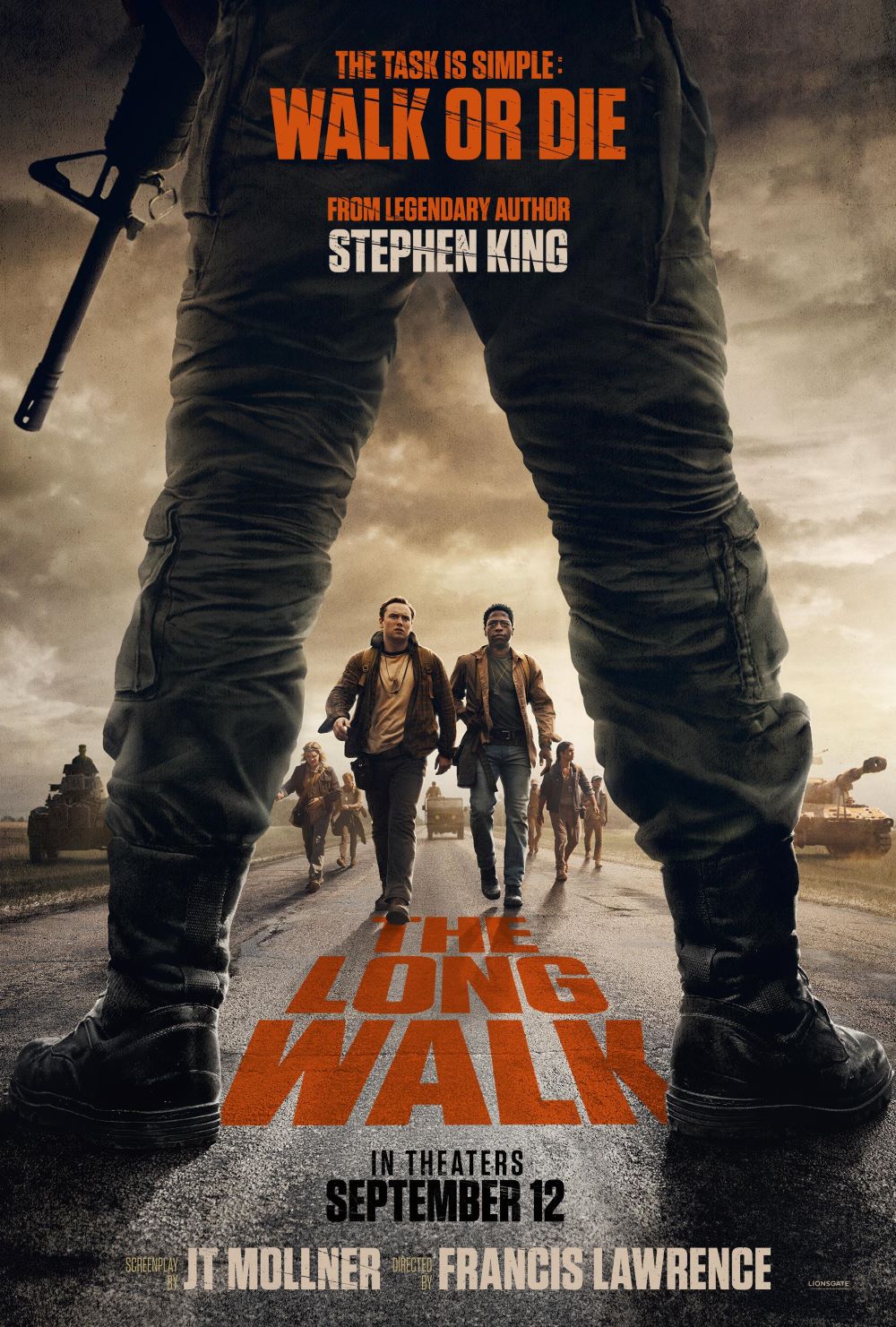
Francis Lawrence’s The Long Walk (2025) delivers a relentlessly brutal and unyielding vision of dystopian horror that explores survival, authoritarian control, and the devastating loss of innocence. The film immerses viewers in a grim spectacle: fifty teenage boys forced to participate in an annual, televised event known as the Long Walk. To survive, each participant must maintain a constant pace, never falling below a minimum speed, or else face immediate execution.
At the heart of this bleak narrative is Raymond Garraty, played with earnest vulnerability by Cooper Hoffman. Garraty’s backstory, marked by the tragic execution of his father for political dissent, sets a somber tone from the outset. As the Walk drags on, Garraty forges fragile bonds with fellow contestants, particularly Peter McVries (David Jonsson), whose camaraderie and quiet resilience inject moments of hope and humanity into the harrowing journey. These relationships become the emotional core, grounding the film’s relentless physical and psychological torment in deeply human experiences.
The setting enhances this oppressive atmosphere. The time and place remain deliberately ambiguous, with evident signs that the United States has recently suffered a second Civil War. The aftermath is a landscape ruled by a harsh, authoritarian military regime overseeing a nation economically and politically in decline. Though visual cues evoke a retro, 1970s aesthetic—reflected in military hardware and daily life—the film resists pinning itself to an exact year. This timelessness amplifies its allegorical power, emphasizing ongoing societal collapse and authoritarianism without tying the story to one era specifically. The dystopian backdrop is populated by broken communities and a pervasive sense of hopelessness that mirrors the characters’ internal struggles.
Visually, The Long Walk employs stark, gritty cinematography that traps viewers in the monotonous expanse of endless roads and bleak environments. Lawrence’s direction is unflinching and unrelenting, echoing the merciless march to death and the broader commentary on institutionalized brutality. The atmospheric score complements this oppressive tone, underscoring the emotional and physical exhaustion pacing the narrative.
Performances elevate the film’s emotional stakes significantly. Hoffman’s portrayal of Garraty captures the youth’s evolving vulnerability and determination, while Jonsson’s McVries adds a poignant emotional depth with his steady, hopeful presence. Supporting actors such as Garrett Wareing’s enigmatic Billy Stebbins and Charlie Plummer’s self-destructive Barkovitch bring vital complexity and urgency. Stebbins remains a figure whose allegiance is ambiguous, adding layered mystery to the group dynamics. Judy Greer’s limited screentime as Ginny Garraty, Ray’s mother, stands out powerfully despite its brevity. Each of her appearances is heartbreaking, bringing a wrenching emotional weight to the film. Her panicked, anguished attempts to hold onto her son before he embarks on the deadly Walk amplify the human cost of the dystopian spectacle, leaving a lasting impression of maternal agony amid the surrounding brutality.
Mark Hamill’s role as The Major is a significant supporting presence, embodying the authoritarian face of the regime. The Major oversees the brutal enforcement of the Walk’s rules, commanding lethal squads who execute those who falter. Hamill brings a grim and chilling force to the character, whose cold charisma and unwavering commitment to the ruthless system make him a menacing figure. Despite relatively limited screen time compared to the young participants, The Major’s presence looms large over the story, symbolizing the chilling machinery of power and control that governs the dystopian world.
Yet, the film is stark in its depiction of violence. The executions and suffering are raw and often grotesquely explicit, serving as a damning critique of authoritarian cruelty and the voyeuristic nature of state violence televised as entertainment. This unfiltered brutality can, however, become numbing and exhausting as it piles on relentlessly, occasionally undercutting emotional resonance. The narrative embraces nihilism fully, underscoring the dehumanization and futility within the dystopian world it portrays.
The film’s overall pacing and structure reflect this bleakness but at times suffer from monotony. The heavy focus on walking and survival mechanics leads to a lack of narrative variation, testing the audience’s endurance much like the characters’. There is likewise a noticeable stretch of physical realism—the contestants endure near-impossible physical feats without adequate signs of weariness or injury, which can strain believability.
Character development is another area where the film falters slightly. While Garraty and McVries are well-drawn and immunize emotional investment, other characters tend toward archetypical roles—bullies, outsiders, or generic competitors—diminishing the impact of many deaths or interactions. Similarly, the repetitiveness of the setting and cinematography, relying mostly on basic shots following the walkers, misses opportunities for more creative visual storytelling that might heighten tension or spotlight key emotional beats.
The film’s conclusion, stark and abrupt, offers no real catharsis or closure, reinforcing the overarching theme of unyielding despair. While this resonates with the film’s nihilistic motif, it may alienate those seeking narrative resolution or hope. The visceral shock and bleak tone permeate to the end, leaving the viewer with a lasting impression of relentless suffering and sacrifice.
This demanding yet visually striking and emotionally intense film challenges viewers with its unrelenting bleakness and brutal thematic content. It critiques societal violence, media spectacle, and authoritarianism through starkly powerful performances and an oppressive, immersive atmosphere. Though it excels in evoking emotional rawness in key moments and maintaining thematic consistency, it struggles with pacing, character depth beyond the leads, and occasional narrative monotony. Its ambiguous setting in a post-second Civil War America ruled by a declining authoritarian regime adds a timeless, allegorical layer to its exploration of human endurance and societal collapse.
Ultimately, this film is best suited for viewers prepared for an uncompromising, intense vision of dystopia. It stands as a compelling, if bleak, meditation on youth, survival, and the human spirit under extreme duress, showcasing Francis Lawrence’s aptitude for crafting thought-provoking, provocative horror.
“Monster” by Irene & Seulgi (sub-unit of the K-pop girl group Red Velvet) dives into a dark and captivating space, blending eerie visuals with a sound that really sticks with you. The music video channels the vibe of classic sapphic vampire films, especially those atmospheric, haunting works by Jean Rollin. Irene takes on the role of a succubus-like figure, this hypnotic presence who seems to dominate Seulgi both visually and emotionally. Their movements, cold doll-like expressions, and the green light symbolizing possession all come together to paint a picture of seduction as a form of power struggle, where desire and control are beautifully intertwined.
Sonically, the song pushes boundaries with a mix of dark pop, industrial beats, and dubstep textures. The production is sharp, with synths that cut through like shadows and a bassline that grabs hold and won’t let go. Irene and Seulgi’s vocals glide between whispery softness and fierce intensity, capturing the delicate balance of temptation and danger that drives the song’s energy. The repetitive hook has a spell-like quality, reinforcing the feeling of being caught by this irresistible “monster.”
What really makes “Monster” stand out is how the song and video come together to create a seamless fusion of horror and sensuality. This isn’t just spooky imagery matched with a dark sound—it’s a fully immersive experience that captures the intoxicating mix of fear and desire. The supernatural themes of possession and seduction fit perfectly with the song’s hypnotic beats and evocative vocal delivery. “Monster” tells a story framed in shadows and light, a stylish journey where eroticism and horror enhance each other, pulling the listener deeper into its mesmerizing hold.
Monster
My move is unique Not ordinary 1 2 5 to 7 I’m a dancer in the darkness I’ll crack every joint in my body And come close to your bed I’ll horribly steal your heart And dominate you
Under a single lighting, why are there two shadows? I guess something else woke up inside me I’m a little monster, be scared of me I’m bothering you making you dream only about me I’ll dance and play as I cast a spell On your body in a nightmare I’m a little monster I’m a little monster
I rose from The ashes in the cold ground From dusk to dawn I still exist I don’t hate this madness I’m having fun You can’t get out Don’t run away, you’ll get hurt I save you and tease you again Oh I’m perfect and messed up again
I’m a little monster, be scared of me I’m bothering you making you dream only about me I’ll dance and play as I cast a spell On your body in a nightmare I’m a little monster I’m a little monster
See, I’m just playing No bad intentions I’m small but dangerous Who would refuse me? It’s time for the red sun to rise at dawn Now that you are relieved You try to come out of the dream But monster lives forever
I’m a little monster, be scared of me I’m bothering you making you dream only about me I’ll dance and play as I cast a spell On your body in a nightmare I’m a little monster I’m a little monster I’m a little monster
“When there’s no more room in hell, the dead will walk the earth.” — Peter
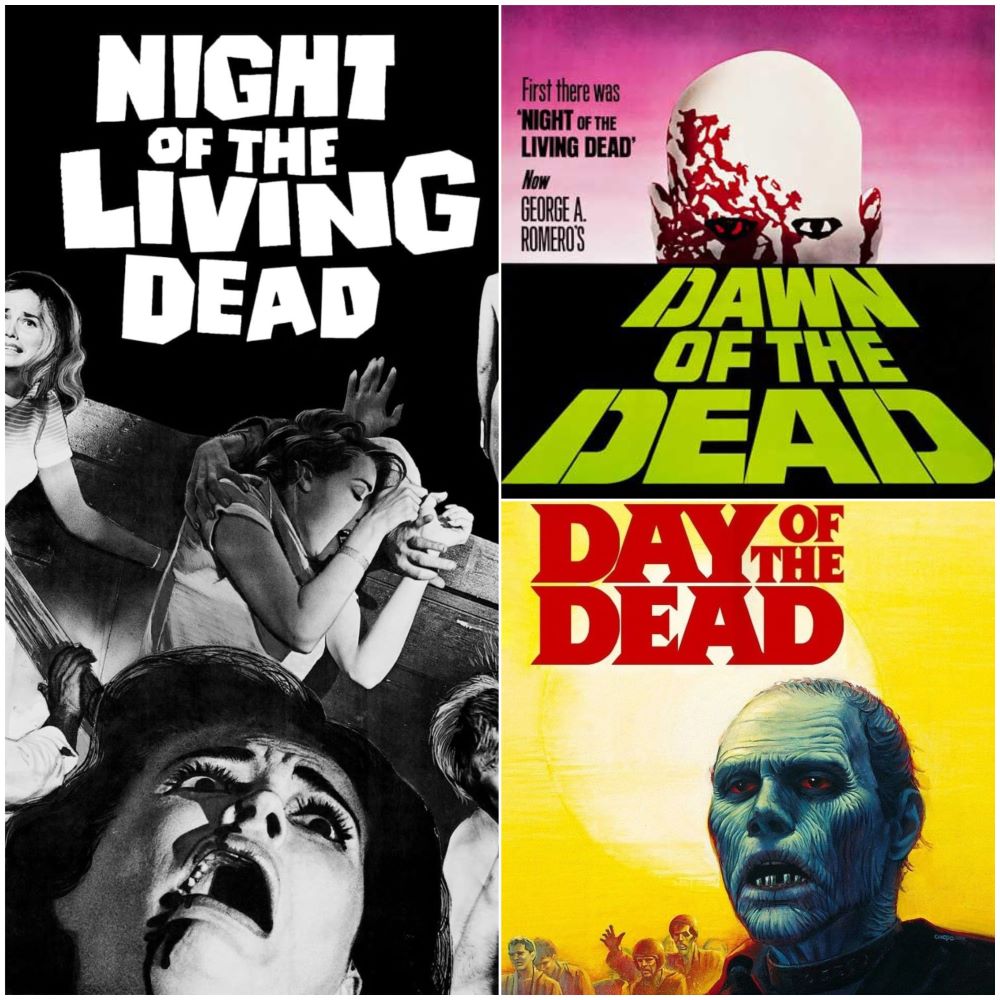
George A. Romero’s zombie trilogy—Night of the Living Dead (1968), Dawn of the Dead (1978), and Day of the Dead (1985)—stands as a landmark achievement in horror cinema, weaving the evolution of the zombie genre with a profound commentary on human nature and societal collapse. Emerging during periods of significant social and political upheaval, each film reflects the anxieties, tensions, and cultural dynamics of its decade. Romero’s zombies were not merely monsters to instill fear but mirrors reflecting society’s darkest fears, prejudices, and failures. The trilogy explores pressing questions about survival, morality, racial and class structures, and the fragility of human relationships when civilization breaks down, making these films persistently relevant beyond their gore and suspense.
What makes Romero’s trilogy particularly striking is its layered richness—each installment presents a standalone narrative that deepens the conversation about humanity’s response to apocalypse while encapsulating the spirit of its era. Night of the Living Dead confronts issues of race, violence, and distrust within a claustrophobic haven; Dawn of the Dead takes viewers to a sprawling shopping mall, a metaphor for 1970s consumer culture’s hollow comforts and social alienation; and Day of the Dead delves into the psychological and ideological fractures under extreme duress in a military bunker, highlighting themes of authoritarianism, scientific ethics, and the struggle for hope in despair. Together, these films form a powerful, intergenerational critique that resonates with viewers as much for their social insights as for their seminal contributions to the horror genre.
The Real Threat: Humans Versus Zombies
In Romero’s trilogy, the zombies provide relentless external pressure, but it is human flaws that become the dominant threat. Night of the Living Dead introduces the idea that fear, selfishness, and mistrust within small groups erode their chances of survival. The movie’s confined setting in a rural farmhouse encapsulates a microcosm of society teetering on the brink. Ben, played by Duane Jones, stands out not just for his calm leadership but also for the racial and social tensions his presence introduces—especially in conflict with Harry, whose obsession with control echoes real-world social divides. The film’s infamous ending, where Ben is killed by a white posse, resonates as a powerful allegory for racial violence, underscoring that the apocalypse in Romero’s world is as much a societal failure as a supernatural event.
Moving to Dawn of the Dead, the threat shifts toward a metaphorical critique of consumer culture. The survivors’ refuge in a shopping mall represents a modern temple of capitalism, filled with distractions and material goods that provide temporary relief but ultimately expose human weakness. The zombies’ endless wandering in this retail environment ridicule our real-world repetitive consumption, blurring lines between life and death. Human conflicts intensify as greed and recklessness among the survivors hasten their downfall. The bikers’ violent intrusion and consequent chaos symbolize how societal fractures and selfishness can undo fragile pockets of order. Here the zombies are a mirror to humanity’s brainless rituals, and the real menace is people’s inability to rise above base instincts.
In Day of the Dead, the human threat turns authoritarian and fractured. Set in a cramped underground bunker, the story mines the clash between military pragmatism and scientific inquiry. Soldiers and scientists represent ideologies that fail to reconcile, leading to paranoia, cruelty, and betrayal. Dr. Logan’s work with Bub—the zombie who exhibits flickers of memory and humanity—raises ethical questions, while Captain Rhodes’ hardline attitude embodies the brutal will to survive at any cost. The psychological breakdowns and mounting violence illustrate Romero’s grim thesis: when order and communication collapse, humanity itself becomes the deadliest monster. Romero’s zombies evolve here beyond simple horror fodder into symbolic reflections of humanity’s tragic failures.
Reflecting the Decades
Night of the Living Dead uses black-and-white cinematography to invoke a stark, documentary-like immediacy. This choice grounds the horror in a realism that intensifies dread, making the threat palpable and the social commentary more haunting. The film’s sound design—ambient crickets, creaking homes, radio reports—immerses viewers in a palpable tension. The limited setting and raw performances engage the audience emotionally, resembling a tragic stage play with themes of mistrust and panic spiraling out of control.
Dawn of the Dead shifts dramatically in visual and tonal approach. Its vibrant color palette contrasts the black-and-white predecessor, reflecting the mall’s artificial glow and the pop culture that it satirizes. The film balances broad dark humor with shocking gore, crafting an atmosphere that is surreal yet recognizably familiar. Tom Savini’s makeup and effects render the zombies grotesquely vivid, framing the film’s critique of capitalism with visceral impact. The pacing is more expansive, covering diverse spaces and character arcs as the survivors roam the mall’s labyrinthine insides, a metaphor for society’s complex detours and distractions.
Day of the Dead reverts to a darker, claustrophobic visual style in shadowy tunnels and corridors. The lighting is grim, reflecting the emotional suffocation and moral decay of its characters. Savini’s effects reach a gruesome peak here; every bite, wound, and decomposing corpse is rendered with intense anatomical detail. The film’s soundscape—filled with eerie silence punctuated by horrific violence—places viewers deep in the bunker’s oppressive atmosphere. Its pacing allows tension to build relentlessly, mirroring the psychological disintegration on screen. The film’s tone is unyieldingly bleak, underscoring an apocalypse not just of bodies but of hope and humanity.
The Films as Cultural Mirrors
Romero’s films serve as powerful cultural artifacts, each embodying concerns of its time.
Night of the Living Dead arrived in the late 1960s amid civil rights movements and the Vietnam War. The casting of Duane Jones as Ben was revolutionary, providing an implicit challenge to racial norms without overt political messaging. The film’s stark rural setting underscores isolation and vulnerability, while the tense, fractured group dynamics mirror societal conflicts over race, power, and distrust. The film’s haunting finale, with Ben’s death at the hands of a white mob, connects it powerfully to ongoing real-world violence against African Americans and demands reflection on humanity’s darkest impulses.
In contrast, Dawn of the Dead reflects the 1970s’ explosion of consumer and mass culture. Adventure into a shopping mall—a temple of capitalist excess—becomes a metaphor for societal malaise. Romero critiques consumerism’s seductive yet dehumanizing effects, suggesting that even amid an apocalypse, humans cannot escape compulsions to buy, hoard, and consume. The characters’ indulgence in the mall’s resources reveals social and moral exhaustion, and their downfall exposes the fragility beneath the comfortable facade of consumer society. The film’s biting humor and grotesque shocks harbor an underlying sadness about alienation and decay.
Day of the Dead encapsulates 1980s political anxieties around militarism, institutional authority, and distrust. The bunker setting becomes a suffocating arena where ideological conflicts tear apart what little society remains. This film foregrounds questions around science versus brute force, morality versus survival, and communication breakdown as symbolic of a society fracturing under Reagan-era pressures. The mental breakdowns and spiraling violence illustrate a grim view that humanity might be beyond redemption when stripped of trust and compassion. Its darkness reflects the decade’s cultural cynicism and fears of social disintegration.
Microcosms of Society
Romero’s stories unfold through tight-knit groups whose conflicts illuminate broader social themes.
In Night, Ben’s calm and tactical leadership contrasts sharply with Harry Cooper’s selfishness and paranoia. Their tensions reflect generational and racial divides. Ben strives for unity while Harry clings to control, highlighting a central question of cooperation versus individualism in survival. The other characters, including the traumatized Barbara and the fragile family unit, represent varying responses to fear, illustrating fractured human connections intensified by crisis.
Dawn enlarges the survivor group and diversifies personality types: news reporter Francine, biker gang members, military-like figures, and civilians who each represent different social attitudes. Their conflicts—between indulgence and survival, hope and despair—reflect their inability to fully commit to collective welfare. The chaotic intrusion of bikers on the mall roof, desperate to claim resources, accelerates the internal collapse, demonstrating the fragility of constructed order amid human greed.
Day uses a sharply divided group between scientists and soldiers, emphasizing ideological conflict. Dr. Logan embodies scientific curiosity and empathy, while Captain Rhodes champions military control and harsh pragmatism. Their clash catalyzes the group’s disintegration. Supporting characters like Miguel display mental fragility brought on by isolation and stress. Bub, the experimental zombie, emerges as a surprising figure of sympathy and ethical ambiguity, challenging simplistic notions of life and death. The bunker thus becomes a pressure cooker for the darkest human and philosophical dilemmas.
Evolution of the Undead as Symbol
Zombies are initially mindless monsters but become more layered symbols throughout the trilogy.
In Night, zombies are terrifying yet simple threats. Their inexplicable transformation turns death into relentless hunger, symbolizing uncontrollable social forces and fears of decay.
In Dawn, zombies’ repetitive behavior in the mall symbolizes consumerism’s zombification of society—mindless consumption, ritual, and alienation repeated beyond death. They act as dark reflections of the living’s mechanical habits.
Day transforms zombies into tragic figures represented by Bub, whose flickers of memory and social responsiveness invite empathy. This evolution raises moral questions about identity, consciousness, and the possibility of redemption or understanding within terror. The zombies become mirrors not only of societal collapse but of humanity’s potential for both cruelty and compassion.
Legacy and Impact
Romero’s trilogy didn’t merely redefine zombies but transformed horror into a powerful vehicle for social commentary, intertwining visceral storytelling with sharp critiques of society’s deep flaws and fears. Each film uses the undead not only as monsters but as metaphors reflecting the social and political issues of its time, making the horror resonate beyond the screen.
Night of the Living Dead broke ground by embedding racial and societal tensions into the horror narrative during a turbulent period of the 1960s civil rights movement and political unrest. The black lead character’s fate and the film’s stark depiction of fear and mistrust captured fractured American society—highlighting systemic racial violence, distrust, and the breakdown of community bonds. The zombies, once mindless folk creatures, became symbols of societal collapse, indiscriminate and relentless, emphasizing the idea that the real destruction comes from within human systems and relationships.
Dawn of the Dead advanced Romero’s social critique by targeting consumerism and capitalist excess. The setting of the shopping mall as a sanctuary turned trap was a brilliant allegory for how materialism numbs society, creating cycles of empty consumption akin to the zombies’ repetitive wandering. The film studied societal emptiness beneath the comforts of consumer culture, exploring how greed, self-interest, and a loss of empathy undermine collective survival. Notably, Romero touched on economic and racial inequalities, reflecting real struggles faced by minority and marginalized communities, such as urban violence and police brutality, though these themes are more coded than in Night.
Day of the Dead delivers a bleak critique of institutional failure and authoritarianism amid the 1980s political climate. The bunker’s contained setting represents a society strangled by mistrust between military power and scientific inquiry. As paranoia grows, ethical boundaries and communication collapse, showing a dystopia where humanity’s darkest traits rise to the surface. Characters personify ideological conflicts, illustrating the futility of survival without unity or compassion. The ethical complexity introduced through Bub, the almost-human zombie, forces deeper reflection on humanity and monstrosity. The film presciently portrays societal fragmentation, authoritarian impulses, and mental health crises as ongoing threats to civilization, deepening Romero’s grim message that humanity’s greatest dangers lie within itself.
Romero’s films continue to influence horror and popular culture by demonstrating how genre cinema can engage with pressing social issues. They laid the groundwork for zombie stories as allegories for everything from capitalism and consumerism to racial injustice and political dysfunction. Examples of films and shows influenced by Romero’s Dead trilogy are numerous and diverse. The 2004 remake of Dawn of the Dead by Zack Snyder revitalized zombie cinema for a modern audience while keeping the core social commentary, inspiring other fast-paced, action-oriented zombie films. The television series The Walking Dead drew heavily from Romero’s depiction of the undead apocalypse and the struggles of survivors, exploring themes of community, morality, and leadership in a broken world. Films like 28 Days Later introduced a new breed of zombies with ultra-fast infection rates, yet owe a thematic debt to Romero’s human-centric apocalyptic narratives. The video game series Resident Evil incorporates survival themes and social breakdown, reflecting the fractured human relationships Romero explored. Even non-zombie films like The Road invoke similar bleak atmospheres and moral complexities in post-apocalyptic settings. Romero’s influence also extends to comics, literature, and other media, making his trilogy a foundational pillar in modern horror and pop culture.
In sum, Romero’s trilogy remains a vital cultural touchstone. Each film captures the zeitgeist of its era while addressing timeless questions about human nature, survival, and society under crisis. The powerful fusion of gore, suspense, and social commentary in these movies gives them lasting relevance and impact far beyond the horror genre. They compel audiences to confront the monsters outside and the darker forces within themselves and their communities.
“If you cause someone else to die, living becomes meaningless.” — Ms. Park
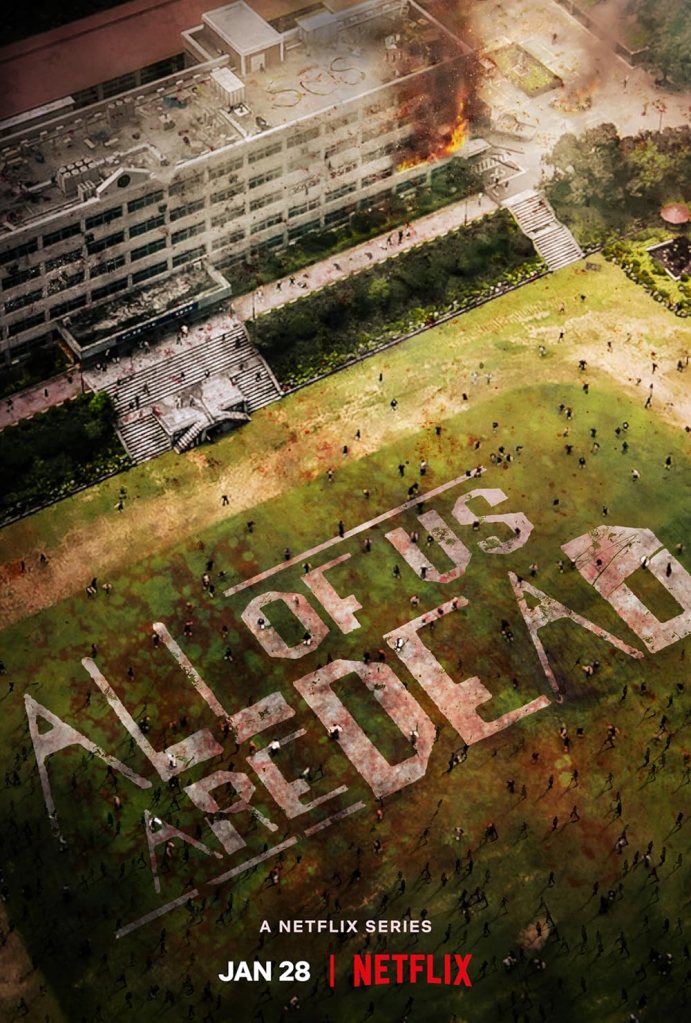
When All of Us Are Dead premiered on Netflix on January 28, 2022, it arrived at a time when both global audiences and Korean media were steeped in a fascination with dystopia, contagion, and social decay. The success of Kingdom had already proven that Korean horror could merge sociopolitical allegory with visceral entertainment on a grand scale. But where Kingdom dissected monarchy and corruption under the opulent, pandemic-stricken Joseon Dynasty, All of Us Are Dead reimagined apocalypse through the raw immediacy of youth—transforming a high school into a microcosm of social hierarchy, moral collapse, and the cyclical violence embedded in modern society.
Adapted from Joo Dong-geun’s webtoon Now at Our School, the series reflects the renaissance of cross-media storytelling in South Korea, where digital comics serve as fertile ground for cinematic reinvention. Directed by Lee Jae-kyoo and Kim Nam-su, the show unfolds in the fictional Hyosan High School, where a science experiment gone horribly wrong ignites a deadly viral outbreak. Within moments, everyday teenage conflicts—bullying, crushes, class pressures—explode into mortal struggles for survival. The series invites viewers to witness how quickly civility crumbles when adolescence, science, and contagion intersect in a closed system, turning a familiar academic setting into an arena of horror and ethical reckoning.
A meta-textual layer enriches the show’s narrative: the characters are well-versed in zombie lore, recognizing their nightmare as their very own Train to Busan. Early in the series, protagonist Cheong-san humorously compares their desperate situation to the iconic Korean zombie film. This is more than a passing joke; it marks how deeply the zombie genre is embedded in their cultural consciousness and survival instincts. The recognition shapes how they confront the outbreak, even as attempts to label the crisis as a “zombie” emergency fall on skeptical ears. This self-awareness grounds the horror in a world where fiction informs reality, and survival requires navigating both.
The virus at the center of All of Us Are Dead is born not from malice but desperation. Created by science teacher Lee Byeong-chan to empower his bullied son, the virus is designed to amplify human strength and aggression as a defense mechanism—an ironic inversion of evolution itself. The mutation, however, spirals beyond control, weaponizing rage and reducing its hosts to flesh-craving undead. This premise gives the show a poignant moral complexity rarely seen in typical zombie narratives. The outbreak stems from parental grief and failed empathy—a symbolic contagion that mirrors the emotional and systemic rot permeating South Korea’s hypercompetitive society. Underlying the visceral terror is a searing critique of institutional neglect. Authority figures—from school staff to government officials—succumb to confusion, bureaucracy, or cruelty rather than compassion. The lack of safe leadership parallels the inept response seen in Train to Busan and Kingdom, continuing Korean horror’s thematic obsession with authority’s inability to protect the vulnerable. Director Lee Jae-kyoo leans into this chaos with both precision and restraint, allowing moments of quiet dread between bursts of violent frenzy. Through repeated imagery of locked doors and shattered glass, he suggests that confinement—psychological, social, and literal—becomes the defining motif of youth under duress.
At its heart, All of Us Are Dead is a survival story—but one filtered through adolescent turmoil. When the infection begins, friendships fracture and loyalties are tested under fire. Students like Cheong-san (Yoon Chan-young), On-jo (Park Ji-hu), Nam-ra (Cho Yi-hyun), and Su-hyeok (Park Solomon) struggle not only to avoid death but to retain a moral compass amid the chaos. Their reactions to trauma—grief, bravery, ruthlessness—expose the spectrum of maturity within youthful fragility. The school, once a symbol of guidance and protection, turns into a decaying labyrinth of fear, with empty corridors echoing the screams of former classmates. This transformation gives director Lee a theatrical staging ground reminiscent of siege narratives. Terrifying, kinetic sequences unfold in chemistry labs, stairwells, and gymnasiums, blending handheld urgency with tight spatial cinematography. The camera’s proximity to characters captures the suffocating intensity of being trapped, while drone shots of burning Hyosan provide a grim reminder of the larger devastation beyond the school gates. The claustrophobic aesthetic evokes Western zombie forebears such as 28 Days Later and Romero’s Day of the Dead, yet the show remains distinctly Korean through its fusion of tragedy, melodrama, and relentless humanity.
One of the most gripping and socially resonant themes All of Us Are Dead explores is the prevalence and devastating impact of school bullying within South Korean youth culture. Bullying is not merely backdrop but a driving narrative force shaping character motivations and the outbreak’s consequences. From the outset, the series exposes the brutal hierarchies ingrained in the school system, where sociopathic bullies like Gwi-nam (Yoo In-soo) wield unchecked power over peers, enforcing cruel dominance through intimidation and violence. The victimization of marginalized students, particularly science teacher Lee Byeong-chan’s son, becomes a poignant catalyst for the viral outbreak, directly linking structural cruelty to catastrophic consequences. This thematic focus reflects real-world concerns in South Korea, where intense academic pressures and social conformity often exacerbate bullying, sometimes with tragic outcomes.
The show’s treatment of bullying extends beyond physical violence to reveal psychological torment—the constant surveillance, social exclusion, and layers of toxic peer dynamics that fracture young lives. Through nuanced portrayals of victims, perpetrators, and bystanders, All of Us Are Dead critiques a culture that often silences or minimizes abuse. The transformation of bullies into zombies metaphorically suggests how unchecked aggression can dehumanize both victim and aggressor, perpetuating cycles of violence even amid apocalypse. Meanwhile, characters like Nam-ra, who initially grapples with victimhood, embody the complex interplay of fear, rage, and resilience spawned by bullying. This emphasis elevates the series beyond typical survival horror into a social allegory about the corrosive effects of cruelty and the desperate fight for dignity under siege.
If Kingdom reinvented the zombie with its nocturnal, plague-era ferocity, All of Us Are Dead introduces a new hybrid—an evolved generation that expands the mythology. Here, the infection mutates unpredictably, producing “hambies” (half-zombies) who retain consciousness and emotion while gaining superhuman resilience. Nam-ra epitomizes this transformation, serving as both tragedy and embodiment of moral duality. Her condition becomes a metaphor for adolescence itself—the tension between savagery and empathy, human and monster, self and society. Through Nam-ra, the series explores ethical boundaries long absent from mainstream zombie fiction. She embodies the question: what happens when survival demands losing one’s humanity? Her struggle resonates deeply in a world where mutation and difference provoke fear and ostracism. The human horror in All of Us Are Dead is not confined to the undead but radiates from the living—bullies, opportunists, and indifferent adults—whose cruelty predates the infection.
Like many Korean horrors, the series is political without proclamation. Its metaphorical core lies in observing a generation abandoned by its guardians. The adults’ failures—scientific, ethical, and parental—manifest as the apocalypse the youth must endure. The students’ isolation becomes both physical and existential; they cannot rely on rescue, and government policies treat their town as expendable containment. These threads coalesce in unforgettable moments of moral reckoning: characters sacrificing themselves to slow infection, tender scenes where guilt replaces hope, and painful realizations that not everyone can be saved. Even amid terror, the direction maintains emotional intimacy, allowing tragedy to feel earned rather than manipulative. The viewer doesn’t merely observe a zombie outbreak but experiences the painful metamorphosis of innocence to experience, of dependency into resilience.
From its opening frames, All of Us Are Dead demonstrates Netflix’s investment in cinematic quality. The production design captures a country on the brink of collapse with chilling realism—street chaos blending with intimate campus horror. Special effects and prosthetics convey the infection’s grotesque physicality, particularly during close-ups that merge human anguish with abject body horror. The use of makeup and fast, jittering movement gives the zombies a distinctive aesthetic, somewhere between Train to Busan’s agile infected and Kingdom’s twisted contortionists. Sound design contributes profoundly to the immersion. Metallic echoes, frenzied breathing, and sudden silence heighten suspense, while the restrained soundtrack underscores existential dread rather than spectacle. At times, silence becomes the loudest sound in the series—especially in scenes where survivors await dawn or confront the moral cost of killing former friends.
Performances further anchor the chaos. Park Ji-hu delivers vulnerability and quiet strength as On-jo, grounding the narrative’s emotional line, while Yoon Chan-young incarnates youthful heroism tainted by despair. Cho Yi-hyun’s Nam-ra stands out as the most nuanced performance, oscillating between stoicism and suppressed rage, embodying both victim and evolution. Supporting roles—including antagonists like the sociopathic bully Gwi-nam (Yoo In-soo)—introduce shades of human corruption that rival any monster the virus creates.
All of Us Are Dead continues Korean horror’s tradition of transforming genre entertainment into mirrors of collective trauma. If Train to Busan externalized grief and social apathy, and Kingdom allegorized class rot under feudal hierarchy, this series dramatizes a generation’s alienation in the digital age. The powerless youth of Hyosan High become metaphors for a society that prizes excellence over empathy and survival over solidarity. The outbreak amplifies what was already toxic: bullying, surveillance culture, and suppressive academic competition—forms of quiet apocalypse preceding the literal one. Even the series’ title invokes universality, suggesting that in a morally diseased world, everyone is already spiritually infected. The zombies may be the physical manifestation of what festers within ordinary relationships—rage, resentment, and humiliation. In this respect, the show transcends its genre constraints, functioning as social realism cloaked in blood.
However, the series is not without its flaws. Its ambitious, 12-episode length sometimes reveals pacing issues. The narrative occasionally stagnates in repetitive cycles of fleeing classroom to classroom, with some fight scenes and survival strategies repeating to the point of fatigue. Unnecessary characters consume screen time without meaningful contribution to the plot, diluting the impact of the central story. Logical inconsistencies also emerge—characters often make poor decisions that strain credibility, such as not isolating infected individuals early, or failing to leverage unique abilities within the group efficiently. These moments can frustrate viewers seeking more plausible survival dynamics and amplify narrative frustration.
Emotionally charged episodes sometimes suffer from heavy-handed exposition and dialogue that replace subtle character development. At times, the series relies on melodramatic reactions that may feel exaggerated or clichéd, especially in high-tension situations where urgent action would be expected. The ending, while open to continuation, drew criticism for being anticlimactic and resolving major conflicts too simplistically, diminishing the epic buildup and emotional payoffs. Additionally, the English dubbing and translation have been noted to undermine the performances’ emotional resonance for international audiences.
Despite these weaknesses, the show capitalizes on what it does best: creating authentic emotional bonds within its youthful cast, delivering intense, well-crafted horror scenes, and reflecting pertinent social anxieties through genre storytelling. Its blend of visceral thrills, tragic humanity, and cultural critique makes All of Us Are Dead a compelling, if imperfect, addition to the Korean zombie canon.
The finale deepens the ambiguity of Nam-ra’s fate. After a final, painful showdown, she isolates herself, grappling with the monstrous hunger within while refusing to surrender her humanity. In a haunting scene, she bites her own arm and feeds only on dead infected to suppress her urges. When reunited with her friends months later, she appears transformed yet unsettling—no longer wholly human, nor fully monster. She speaks cryptically of finding others like herself, neither adult nor child, caught in an uneasy in-between. Declining her friends’ plea to return, she leaps from the rooftop into darkness, leaving open whether she will emerge as ally or threat. This ambiguous exit invites viewers to ponder the fragility of identity under mutation and the precarious balance between survival and self-destruction in a world forever altered by contagion.
In a broader sense, All of Us Are Dead demonstrates that the zombie mythos remains fertile ground for reinvention. By combining the fast-paced terror of modern infection horror with the introspection of Korean melodrama, the series redefines what it means for young people to inherit a broken world.
All of Us Are Dead is more than another entry in the zombie canon—it is a generational elegy wrapped in horror. Built upon the stylistic and thematic foundations laid by Train to Busan and Kingdom, it fuses elemental fear with social autopsy, exposing the fractures of authority, empathy, and adolescence under siege. Though uneven in pacing and burdened by moments of frustration, it succeeds where it matters most: revealing that monsters are not born from contagion but cultivated by neglect. Through its relentless tension, moral ambiguity, and emotional resonance, All of Us Are Dead cements itself as one of the defining horror works of Korea’s streaming era—a mirror for an age where fear spreads faster than any virus, and where survival demands confronting not the end of the world, but the end of innocence.
“You want to put some kind of explanation down here before you leave? Here’s one as good as any you’re likely to find. We’re bein’ punished by the Creator…”— John “Flyboy”
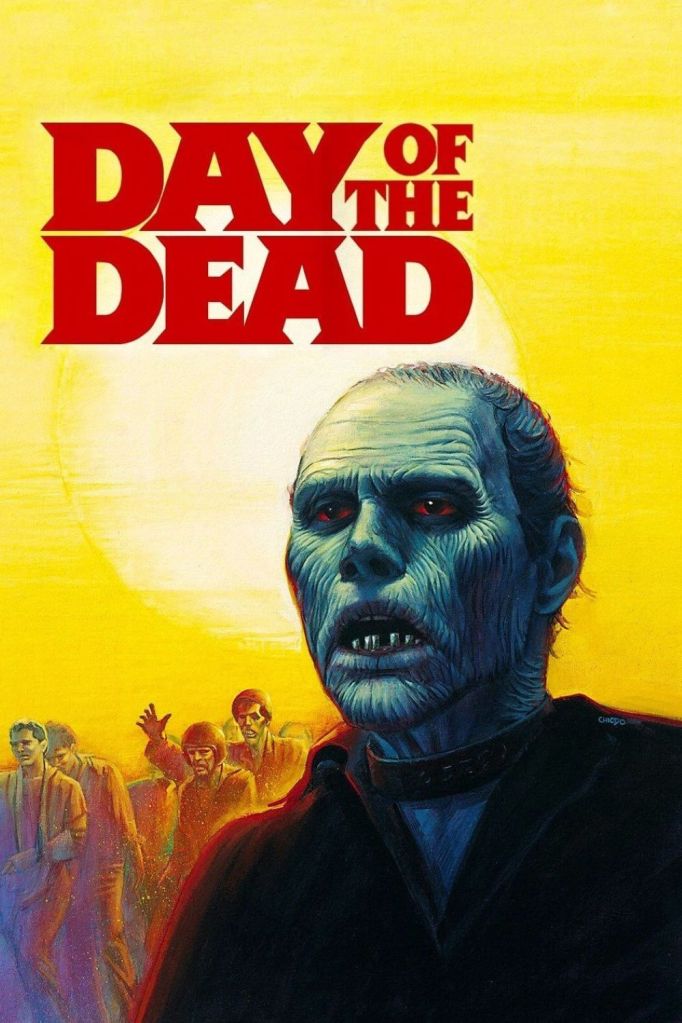
George A. Romero’s 1985 film Day of the Dead stands as an unflinching and deeply cynical meditation on the collapse of society amid a relentless zombie apocalypse, intensifying thematic and narrative complexities first introduced in Night of the Living Dead (1968) and Dawn of the Dead (1978).
Originally, Romero envisioned the film as an epic, describing it as “the Gone with the Wind of zombie films.” His screenplay featured above-ground scenes and a more expansive narrative, but budget cuts halved the original $7 million budget to $3.5 million, forcing a drastic paredown. While much grandiosity was lost, the trimming resulted in a tighter narrative and heightened the nihilistic tone, deepening the film’s focused exploration of humanity’s darkest aspects during apocalypse.
Set after civilization has collapsed, Day of the Dead places viewers in the suffocating confines of a missile silo bunker in Florida, where scientists and soldiers struggle for survival and solutions amid encroaching undead hordes. The claustrophobic atmosphere—born partly from the abandonment of Romero’s broader original sequences—intensifies the tension between the hopeful scientific pursuit of salvation and the harsh pragmatism of military authority. These competing ideologies escalate into authoritarian violence, embodying the fractured microcosm of a dying society.
Within this claustrophobic world, a third group—composed of characters Flyboy and McDermott—emerges as a stand-in for the rest of humanity. They observe the scientists and soldiers—institutions historically symbols of security and innovation—but witness how these deeply entrenched ways of thinking only exacerbate problems instead of solving them. This third faction characterizes humanity caught between rigid orders and doomed pursuits, reflecting Romero’s broader commentary on societal stagnation and fragmentation.
Central to this conflict are Dr. Logan, or “Frankenstein,” a scientist obsessed with controlling the undead through experimentation, and Captain Rhodes, the hardened soldier who believes survival demands ruthless control.
Logan’s controversial research seeks to domesticate and condition zombies, notably through his most celebrated subject, Bub—the undead zombie capable of rudimentary recognition and emotion—challenging assumptions about humanity and monstrosity.
Here the film benefits greatly from the extraordinary practical effects work of Tom Savini, whose contributions on Day of the Dead are widely considered his magnum opus. Savini’s makeup and gore effects remain unsurpassed in zombie cinema, continually influencing horror visuals to this day. Drawing from his experience as a combat photographer in Vietnam, Savini brought visceral realism to every decomposed corpse and violent injury. The close-quarters zombie encounters showcase meticulous practical work—detailed wounds, biting, and dismemberment—rendered with stunning anatomical authenticity that predates CGI dominance.
Bub, also a masterclass in makeup and animatronics, embodies this fusion of horror and humanity with lifelike textures and movements that blur the line between corpse and creature, rendering the undead terrifyingly believable.
The film captures the growing paranoia and cruelty as resources dwindle—food, ammunition, and medical supplies—and the fragile social order begins to shatter. The characters’ mounting desperation illustrates Romero’s thesis that humanity’s real enemy may be its own incapacity for cooperation.
The moral and social decay is vividly portrayed through characters like Miguel, whose mental breakdown sets destructive events in motion, and Rhodes, whose authoritarian survivalism fractures alliances and moral compass alike. Logan’s cold detachment and experiments push ethical boundaries in a world on the brink.
Romero’s direction combines claustrophobic dread with stark psychological terror, further amplified by Savini’s effects. The cinematography’s low lighting and tight framing create an oppressive environment, while graphic violence underscores a world irrevocably broken. The unsettling sound design—moans, silences, sudden outbreaks—immerses viewers in a relentless atmosphere of decay and fear.
Romero described Day of the Dead as a tragedy about how lack of human communication causes chaos and collapse even in this small slice of society. The dysfunction—soldiers and scientists talking past each other, eroding trust, spirals of paranoia—serves as a bleak allegory for 1980s America’s political and cultural fragmentation. Failed teamwork, mental health crises, and fatal miscommunication thrive as the bunker metaphorically becomes a prison of fractured humanity.
Though not as commercially successful as its predecessors, Day of the Dead remains the bleakest and most nihilistic entry in Romero’s Dead series. Its overall grim tone, combined with mostly unlikable characters, establishes it as the most desolate and truly apocalyptic film of the series. The characters often appear fractured, neurotic, and unable to escape their own destructive tendencies, making the story’s world feel even more hopeless and devastating.
Far beyond a simple gore fest, Day of the Dead serves as a profound social critique infused with psychological depth. It explores fear, isolation, authority abuse, and the ethical limits of science, reflecting enduring anxieties about society and survival. The film’s unsettling portrayal of humanity’s failings, embodied in broken relationships and moral decay, presents a harsh reckoning with what it means to be human when humanity itself is the ultimate threat to its own existence. This thematic complexity, combined with Romero’s unyielding vision and Savini’s unparalleled effects, crafts a chilling and unforgettable cinematic experience.


 Through the Shattered Lens