Johnny Cash’s “Cocaine Blues” rolling over Lucy gleefully mowing down the ghoul Elvis-faction is one of those perfectly twisted Fallout moments — absurd, violent, and darkly funny. The song’s tale of a killer singing about his own crimes while Lucy grins through the carnage gives the whole scene a warped playfulness. Cash’s deliberate rhythm, all swagger and doom, turns what could’ve been grim into something closer to a dance — a gunslinging ballet where the wasteland’s chaos feels almost celebratory. That contrast is what makes it pop.
In that moment, “Cocaine Blues” becomes more than just needle-drop nostalgia; it’s commentary on Lucy’s transformation. She’s still got that vault-born cheer in her step, but now there’s something unhinged behind it — she’s caught up in the thrill. The imagery of her gunning down rhinestoned ghouls to Cash’s steady beat blurs innocence and indulgence — she’s no longer reacting to the brutality around her, she’s participating in it with genuine abandon. The song’s tale of killing and comeuppance hangs over her like prophecy, reminding us that even the brightest smile in the wasteland can cast a long shadow.
As the gunfire fades and Cash’s voice trails off, the irony hangs in the dust. Fallout has always thrived on these juxtapositions — the sunny Americana soundtrack to utter moral decay. “Cocaine Blues” leaves the scene pulsing with contradictions: joy and violence, freedom and madness, music and mayhem. It’s the sound of Lucy crossing another invisible line while smiling all the way through it, and Cash is there to make sure we don’t miss the joke.
Cocaine Blues
Early one mornin’ while makin’ the rounds Took a shot of cocaine and I shot my woman down Went right home and I went to bed I stuck that lovin’ 44 beneath my head
Got up next mornin’ and I grabbed that gun Took a shot of cocaine and away I run Made a good run, but ran too slow They overtook me down in Juarez, Mexico
Laid in the hot joints takin’ the pill In walked the sheriff from Jericho Hill He said, “Willy Lee, your name is not Jack Brown You’re the dirty hop that shot your woman down”
Said, “Yes, sir, yes, my name is Willy Lee If you’ve got a warrant, just read it to me Shot her down because she made me sore I thought I was her daddy, but she had five more”
When I was arrested, I was dressed in black They put me on a train and it took me back Had no friends for to go my bail They slapped my dried up carcass in that county jail
Got up next mornin’ ’bout a half past nine Spied the sheriff coming down the line Hopped and he coughed as he cleared his throat He said, “Come on you dirty hop into that district court”
Into the courtroom, my trial began Where I was handled by 12 honest men Just before the jury started out I saw that little judge commence to look about
In about five minutes in walked the man Holding the verdict in his right hand The verdict read in the first degree I hollered, “Lordy, Lordy, have mercy on me”
The judge he smiled as he picked up his pen 99 years in the Folsom pen’ 99 years underneath that ground I can’t forget the day I shot that bad bitch down
Come on you hops and listen unto me Lay off that whiskey and let that cocaine be
“If doing the right thing makes me a traitor, then maybe I’m not the one who’s broken.” — Maximus
Episode 4 of Fallout Season 2, “The Demon in the Snow,” feels like the moment the season properly hits its stride: nasty, funny, and chaotic, but with just enough focus that it never collapses into pure noise. The hour leans into monster-movie horror and drug-fueled mayhem while still pushing the major storylines forward in ways that feel purposeful rather than like random side quests. It is very much a mid-season “everything is escalating at once” chapter, and for the most part, that energy works in its favor.
The episode is built around escalation on multiple fronts. On the surface level, that means finally unleashing a full-on deathclaw, escalating Brotherhood tension into outright war, and sending Lucy stumbling into New Vegas with a chemically assisted death wish. Underneath the spectacle, though, the script keeps circling one idea: the ways addiction, ideology, and systems twist people into thinking their worst decisions are actually noble. That combination of pulpy set pieces wrapped around a fairly sharp thematic throughline is where the episode finds its groove, even if not every beat lands cleanly.
The Cooper flashbacks give the title “The Demon in the Snow” its most literal read. He’s stuck in a remote war zone long before the bombs fall, only to come face to face with a deathclaw framed as this almost mythic horror cutting through soldiers like they barely exist. The sequence works both as a tense creature-feature moment and as a reminder that the apocalypse wasn’t born just from nukes; it was also born from the weapons and bioweapons people created and then failed to control. There’s something quietly grim in the way Cooper realizes that whatever “victory” his side claims out here has less to do with human heroism and more to do with the nightmare they’ve unleashed.
That past horror reverberates nicely against Lucy’s present-day story. She wakes up in an NCR camp wired to Buffout after being dosed for days, which means she’s basically sidelined into instant addiction. The show has a dark sense of humor about it: Lucy’s twitchy, hyper-focused, and suddenly way too ready to bulldoze through anything that isn’t directly tied to rescuing her father. She frames staying on the drug as a moral choice—if it helps her get to Hank faster, then it must be “right”—and that rationalization is exactly the sort of self-delusion the episode keeps poking at. The Ghoul plays the exasperated straight man here, watching her slide further into this chemically boosted version of herself that’s both capable and deeply compromised.
Their approach to New Vegas walks a satisfying line between fresh ground and game nostalgia. The city’s automated defenses are already wrecked by the time they roll up, which kills any chance of a slow-burn infiltration and immediately tells you something very bad has been here recently. The reimagined Kings—now a feral ghoul faction that riffs on the Elvis-obsessed gang from Fallout: New Vegas—become cannon fodder once Lucy lets the Buffout and her revenge drive take the wheel. The fight that follows is gory, brisk, and noticeably sharper in choreography than some of the earlier action this season. At the same time, the show never totally lets the audience forget how disturbing Lucy’s enthusiasm for the violence actually is; even The Ghoul looks a bit rattled by just how far she’s willing to go now.
The Vegas section eventually funnels into the Lucky 38, where the horror angle fully takes over. The once-bustling casino sits eerily vacant, patrolled only by the corpses of destroyed securitrons and an ominous egg that Lucy discovers a little too late. When the deathclaw finally emerges, it’s staged as a true “oh, we’re in over our heads” moment rather than just a giant CGI flex. The earlier wartime flashback helps here; by the time the creature steps into the light in the present, it already has weight in the story as something more than just a boss fight. Pairing Lucy’s adrenaline and bravado with a threat that genuinely terrifies her is a smart way to cap the episode’s Vegas thread.
Over with the Brotherhood, the show continues leaning into its mix of satire and tragedy. Maximus, scrambling to cover up the fact that he killed his superior, shoves Thaddeus into the dead man’s armor, which leads to some very deliberate physical comedy as Thaddeus fumbles around in a suit he barely understands. Around that goofiness, though, the tension over the cold fusion relic boils over. Leadership squabbles turn ugly, and different Brotherhood factions reveal how thin the veneer of honor and order really is once power is on the line. Dane quietly emerges as one of the more competent and grounded figures, slipping recruits out of harm’s way and securing the relic while the so-called authorities are busy imploding.
The strongest Brotherhood moment belongs to Max’s confrontation with High Cleric Quintus. Max comes clean about killing the Paladin and gets a surprisingly measured response—until he explains that he did it to protect ghouls. The conversation flips on a dime into pure zealotry, with Quintus dropping any pretense of nuance and revealing just how deep the organization’s dehumanizing worldview runs. It’s a blunt scene, but it makes the point: the Brotherhood can talk about discipline and order all it wants, yet underneath that rhetoric sits a fanatical hatred that ultimately guides its choices. When the ships start falling and the Brotherhood’s fortress turns into a battlefield, the chaos feels like the natural endpoint of that ideology colliding with reality.
While all of this plays out topside, the Vault storyline quietly remains the show’s creepiest thread. Vault 33 is dealing with a growing water crisis, yet somehow there are still little pockets of privilege and favoritism intact, which underlines how these supposedly “ordered” societies still manage to ration compassion as much as supplies. Overseer Betty’s attempt to negotiate for help with Vault 32 turns anything resembling cooperation into a transaction; every promise of aid seems to come with a hidden clause involving Hank or Vault 31. At the same time, the group from Vault 31 stumbling into the outside world and discovering things like old food trucks brings a streak of bleak comedy. They’re technically in charge, but their naïveté makes them feel just as fragile as anyone else.
Hints of a looming “phase two” for the Vault experiments keep that story humming in the background, suggesting that the worst outcomes for Vault 32 and 33 haven’t even surfaced yet. The vault sections may be quieter compared to the deathclaw and Brotherhood fireworks, but they deepen the sense that the real villain of the series is still the architecture of Vault-Tec’s grand experiment, not just any one person caught inside it.
If there’s a major knock against the episode, it’s that it occasionally feels like it’s doing too much at once. Between Cooper’s war memories, Lucy’s spiral in Vegas, Brotherhood infighting, and the various vault machinations, the hour sometimes jumps away from a scene right as it’s hitting an emotional high point. Lucy’s addiction arc, in particular, moves so quickly that it risks feeling like a setup beat rather than something fully explored in the moment. On the other hand, that density also gives the world a lived-in, interconnected feel—plotlines bump into each other, collide, and ricochet, instead of sitting on separate tracks waiting for their turn.
Taken as a whole, “The Demon in the Snow” stands out as one of the more compelling entries in Season 2 so far. It delivers on fan expectations with the live-action deathclaw and New Vegas callbacks, but it doesn’t stop at simple spectacle. Lucy’s compromised heroism, Max’s struggle to reconcile his conscience with his faction, Cooper’s haunted past, and the vault dwellers’ slow realization that their home is a gilded cage all circle the same idea: people will justify almost anything—violence, bigotry, self-destruction—if it feels like it serves a higher cause or keeps them from admitting they’re afraid. The episode is rough-edged and occasionally overloaded, but that messiness fits the world it’s dealing with, and it sets the board for the back half of the season in a way that feels genuinely promising.
Metaphor: ReFantazio‘s “Battle Theme” erupts with thunderous brass and pounding drums, turning routine turn-based scraps into pulse-racing spectacles that pull you right into the fray. Shoji Meguro amps the drama by weaving in rhythmic chanting from Myōhō–ji temple’s chief priest, Keisuke Honryo, sung in the international language of Esperanto for that timeless, cross-cultural resonance which makes every Archetype clash feel profoundly ritualistic.
The rhythmic Esperanto vocals loop hypnotically over surging strings and synth pulses, cresting with victorious horns that time perfectly to weakness chains and squad synthesis attacks, mirroring the combat’s strategic highs. This primal chant roots the fantasy battles in spiritual depth, evolving Atlus’s sound beyond synth-pop into something hauntingly primal that lingers post-fight.
It anchors the award-lauded OST’s standout moments, those monk-delivered Esperanto lines lending legendary weight to even basic encounters—though their fervor can overshadow subtler scenes.
“Knowledge without action is but a hollow echo.” — Heismay
Metaphor: ReFantazio delivers a fresh fantasy spin on Atlus’s signature JRPG formula, blending turn-based combat with real-time field encounters that keep battles dynamic and strategic, all in service of a narrative that probes deep into societal divides. The game’s Archetype system lets you mix and match job classes across your party, offering deep customization through skill inheritance and squad synthesis for creative builds that shine in tough boss fights, mirroring the story’s emphasis on unity through diversity. While the overarching tale of tribal tensions and royal intrigue captivates from the start, it occasionally leans into familiar Atlus tropes like social bonding and time-sensitive quests that can feel repetitive over its lengthy runtime, though these mechanics cleverly reinforce the plot’s ticking-clock urgency.
Traversal feels epic on your flying sword mount, zipping through vibrant medieval-inspired hubs packed with side requests, from monster hunts to delivery gigs that boost your follower ranks and unlock new abilities, often tying back to the narrative’s exploration of prejudice and alliance-building. Visually, the stylized UI, animated portraits, and lush world design pop with that classic Atlus flair, making every menu and cutscene a treat, with the game making especially striking use of character artist Shigenori Soejima’s artwork to give both the interface and the cast a distinctive, cohesive look. Soejima, known for his work on the Persona series, brings his signature style here—sharp lines, expressive faces, and vibrant color palettes that make every character portrait feel alive and every UI element intuitive yet stylish, visually underscoring the diverse tribes and their clashing ideologies. The character designs stand out particularly in combat, where Archetype shifts trigger flashy animations that highlight Soejima’s attention to detail, from flowing capes on knights to ethereal glows on mages, ensuring the visuals never feel generic despite the fantasy setting that grounds heavy themes.
The soundtrack nails epic orchestral swells during climaxes, paired with solid voice work that brings the diverse cast to life, even if not every dialogue line gets full voicing, amplifying the emotional weight of key story revelations. Composed by the talented team including Shoji Meguro’s influences, the music shifts seamlessly from tense dungeon crawls with pulsing synths to triumphant fanfares during story beats, enhancing the world’s medieval-fantasy vibe without overpowering the action, and perfectly suiting monologues on fear and ignorance. Voice acting, mostly in Japanese with English subtitles as an option, adds authenticity, though the selective dubbing in key scenes keeps things efficient without sacrificing impact during pivotal tribe confrontations.
Diving deeper into the narrative, Metaphor: ReFantazio crafts a world called Euchronia, where the protagonist—a member of the persecuted Elda Tribe—embarks on a quest to save the cursed prince and compete in a grand tournament to claim the throne, all amid rising prejudice fueled by mysterious monsters born from collective human anxieties like doubt and rage. The central theme of ignorance as the root of fear resonates thoughtfully throughout, explored through bonds with followers from various tribes—each with backstories rooted in discrimination, from the scholarly yet shunned eugief tribe to the ethereal Nidia—tying personal growth to larger societal critiques on tribalism and unity. These relationships aren’t just filler; they directly influence your combat prowess by unlocking new Archetypes and synthesis options, making social links feel mechanically integrated rather than tacked-on, while reinforcing the plot’s message that strength emerges from understanding others. Yet, the script sometimes prioritizes exposition over subtlety, with dialogue that explains themes a tad too on-the-nose, especially in early acts before the plot’s twists—like betrayals in the royal election—ramp up the stakes and deliver more nuanced emotional layers. The narrative culminates in a tournament arc where your speeches sway public opinion, blending political intrigue with fantasy in a way that feels timely, critiquing how fear-mongers exploit divisions without ever feeling preachy.
The game’s themes extend far beyond surface-level fantasy politics, weaving in profound ideas about human cognition and societal ills, best encapsulated by the line “O worthy heart, who tempers anxiety into strength”—a recurring invocation when awakening Archetypes that perfectly distills how the story transforms personal and collective fears into heroic potential. Ignorance isn’t just a buzzword; it’s literalized through the mechanics of human cognition, where unchecked emotions manifest as those Bosch-inspired monsters—grotesque hybrids symbolizing sloth, lust, or despair—challenging players to confront not external evils, but the shadows within collective psyches. This ties into broader explorations of tribalism, where each playable tribe represents marginalized groups: the immortal Elda as eternal wanderers mistrusted for their longevity, the brutish Nidia dismissed as savages, paralleling real-world racism and xenophobia. The royal election mechanic forces you to campaign like a politician, balancing Follower ranks (public support) with bond-building, highlighting how leaders must combat misinformation and rally diverse factions—echoing modern populism without direct allegory, as echoed in More’s constant reminder: “Time marches on, and the age of a new king draws nearer.” Ideas of inherited trauma surface too, as the protagonist grapples with his tribe’s cursed history, questioning if prejudice is a cycle broken only by empathy and action, reinforced by optional lore dumps from informants that unpack Euchronia’s lore of ancient calamities born from unchecked fears.
Later arcs delve into justice versus vengeance, as revelations about the prince and antagonists reveal layers of manipulated ignorance, asking whether punishing the fearful perpetuates division or if education through example prevails. Themes of escapism critique fantasy itself: characters cling to idealized “Royal” saviors, mirroring how societies project hopes onto myths, only for the story to dismantle that by humanizing leaders as flawed products of their biases. Multiple endings—ranging from unified reigns to fractured chaos—hinge on your thematic investments, like prioritizing certain bonds over others, ensuring the ideas stick through mechanical consequence. It’s a mature evolution from Persona‘s teen angst, grounding abstract concepts in tangible choices that provoke reflection on complicity in systemic hate, with Strohl’s encouragement “I really do believe you have the power to change fate itself” underscoring the faith in individual agency amid societal rot.
Combat evolves the Press Turn system from Shin Megami Tensei, where exploiting enemy weaknesses grants extra turns, but now with Archetype swaps mid-battle for on-the-fly adaptation—summoning a tank to soak hits or a healer to recover without ending your chain—echoing the story’s adaptive heroism. Squad battles add a layer of real-time command over AI allies during field scraps, bridging the gap between exploration and turn-based depth seamlessly, much like how narrative bonds bridge tribal gaps. Dungeons vary from linear boss rushes to sprawling labyrinths with environmental puzzles, like using wind magic to clear miasma or mounting those monsters for platforming sections, keeping pacing fresh across 80-100 hours and often themed around the anxieties they represent—many of which evoke the nightmarish, hybrid figures from Hieronymus Bosch’s Garden of Earthly Delights, with their grotesque amalgamations of human limbs, animal parts, and surreal machinery perfectly capturing the game’s theme of manifested inner turmoil. Post-game content expands this further with New Game+ carrying over levels and a challenging high-level superboss gauntlet that tests your most optimized builds, inviting replays to uncover alternate endings tied to bond choices.
On the flip side, character arcs stay mostly heroic without much grit or internal conflict, which softens the emotional punch compared to edgier Atlus entries like Persona 5‘s rebellious heists, potentially muting the themes’ bite for some players, and the “days till” deadlines force constant planning that might frustrate casual explorers. Time management becomes a core loop: follow the critical path for story progress, but stray for bonds and requests at the risk of missing deadlines, creating tension that’s smart but stressful for completionists, directly mirroring the narrative’s pressure to confront ignorance swiftly. Some side activities, like the casino minigame or follower requests, offer great rewards but grindy repetition, and while the map system improves navigation with waypoints, backtracking in identical dungeon rooms can sap momentum during marathon sessions delving into lore-heavy side stories.
Accessibility options abound, from adjustable battle speed to auto-battle for farming, making it welcoming for series newcomers wary of steep JRPG curves while they absorb the dense thematic content. Compared to Persona 3 Reload, Metaphor sheds the school-life sim for pure high fantasy, trading calendar dating for royal election drama centered on prejudice, yet retains that addictive “just one more day” hook through its polished systems and unfolding revelations.
Exploration shines in hubs like Grand Trad, a bustling port city alive with merchants, street performers, and cryptic informant conversations that reveal lore tidbits on Euchronia’s fractured history. The monster system lets you befriend (or hunt) foes for your compendium, inheriting skills like in SMT, but with a bond mechanic that speeds recruitment via gifts or dialogue choices—perfect for building that ultimate party and paralleling human alliances, especially when those Bosch-like beasts start feeling less monstrous through repeated encounters. Synthesis combines Archetypes for hybrid classes, like a ninja-healer churning out status cures while stealth-attacking, rewarding experimentation without locking you into dead ends, much like the story’s flexible path to overcoming bias.
Thematically, Metaphor: ReFantazio tackles prejudice head-on through its tribal dynamics and election mechanics, where swaying public opinion via speeches and deeds mirrors real-world politics in a fantastical lens, with each tribe embodying facets of societal “others”—the immortal Elda as eternal outsiders, the brutish as feared brutes—challenging players to dismantle stereotypes. It’s bolder than Persona’s high school metaphors, grounding fantasy in social commentary without preaching, as the protagonist’s journey from outcast to candidate forces reflection on inherited fears passed down generations. Multiple endings based on follower bonds and tournament outcomes add replay value, rewarding deep investment in the themes, while bosses escalate brilliantly, from multi-phase behemoths requiring Archetype juggling to “Clemar” trials testing pure strategy, often with unique gimmicks like reversing Press Turns that symbolize narrative reversals.
For Atlus fans, this feels like the studio firing on all cylinders post-Persona 5 Royal, refining mechanics while daring a new IP unburdened by franchise baggage, with a narrative that stands as one of their most cohesive thematic statements. Newcomers get a guided onboarding with tutorials that don’t overstay, easing into complexity naturally alongside the story’s gradual world-building. Drawbacks like sparse enemy variety in late-game fields and occasional UI clutter during synthesis menus hold it back from perfection, but they’re minor amid the highs of its thoughtful storytelling.
Ultimately, Metaphor: ReFantazio stands tall as an accessible gateway for JRPG newcomers and a loving evolution for fans, balancing highs in gameplay depth with minor stumbles in narrative subtlety, all elevated by its poignant exploration of ignorance and unity. Clocking over 110 hours on a full clear, it earns its GOTY buzz through sheer ambition and polish, proving Atlus can reinvent without losing its soul. If you’re craving a meaty RPG with style, strategy, and a story that lingers on real-world echoes, this one’s a no-brainer—just pace yourself through those deadlines.
“It’s not the result of one’s life that’s important. It’s the day-to-day concerns, the personal victories, and the celebration of life… and love. It’s enough if people are able to experience the joy that each day can bring…” – Terra Bradford
Final Fantasy VI is one of those JRPGs that feels bigger than the cartridge it shipped on, and even now it earns its reputation as both a high point of the 16-bit era and a blueprint for what narrative-driven RPGs could become. It is dense, melodramatic, occasionally clunky, but consistently ambitious in ways that still feel relevant to the genre’s modern landscape, blending theatrical storytelling with flexible mechanics and a structure that dares to rethink its own world midway through. Revisiting it reveals not just a classic, but a foundational text whose echoes show up in everything from ensemble casts to customizable skill systems in later titles.
The opening hours set the tone with impressive confidence, dropping you right into a steampunk-flavored world where magic has been industrialized into a tool of conquest. Terra, a half-human, half-Esper whose mind is shackled by an imperial slave crown, marches through snowy mountains in powered Magitek armor toward the mining town of Narshe, instantly hooking you with her vulnerability amid high-stakes espionage. This personal thread weaves into a broader guerrilla war between the Gestahlian Empire—led by the scheming Gestahl and his unhinged general Kefka—and the ragtag Returners resistance, but the real genius is how the story quickly pivots from standard “rebels vs. empire” to a sprawling ensemble piece that trusts no single hero to carry the weight.
That cast of fourteen permanent party members is the game’s boldest swing, each layered with backstories, quirks, and mechanical identities that make them stick. Terra grapples with her monstrous heritage and search for belonging, Celes wrestles betrayal and isolation after defecting from the Empire, Locke chases redemption for a lost love, Cyan buries himself in grief over his family’s slaughter, Sabin roams as a free-spirited brawler, Edgar plays the charming king-turned-inventor, and Setzer brings cynical gambler flair—it’s a roster that juggles melodrama like opera-house soliloquies and doomed romances with quieter, human moments that land surprisingly hard even today. Some inevitably get shortchanged if you beeline through the back half, feeling more like vivid archetypes than deep dives, but the sheer ambition of giving everyone a mini-arc amid the chaos set a new bar for character work in JRPGs, influencing how later games like the Persona series built entire identities around tight-knit parties and personal subplots.
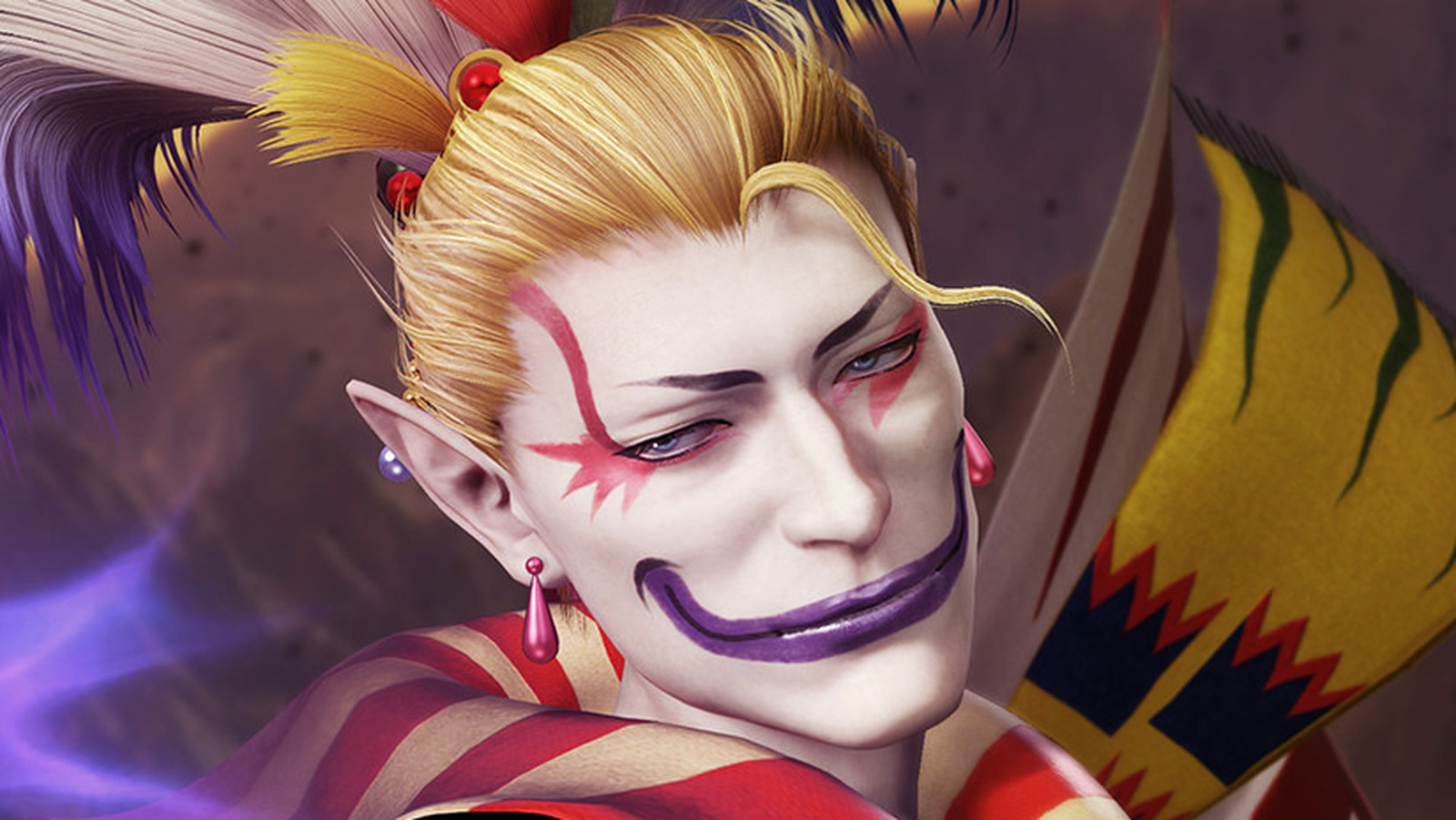
Kefka anchors the escalating stakes as few villains do, evolving from a clownish psycho prone to war crimes like poisoning a town into a nihilistic force who hijacks the god-like Warring Triad, shatters the planet, and rules the resulting apocalypse as a tyrant-god cackling over the ruins. Midway through, he doesn’t just threaten doom—he delivers it, wiping cities off the map and thrusting the story into the World of Ruin, a time-skipped wasteland where survivors scrape by amid decay and despair. This pivot isn’t a cheap shock; it’s a structural earthquake that shifts the tone to post-apocalyptic reflection, forcing each character to confront whether they even have a reason to fight on, with Celes’ suicidal low point on a lonely island giving way to gradual reunions that feel earned because you choose the order. That willingness to let the bad guy win—and make the heroes rebuild emotionally as well as literally—rippled through the genre, showing JRPGs could handle survivor guilt, loss, and fragile hope without hand-waving the darkness.
Structurally, it’s like two games fused together: the linear World of Balance builds your crew through set pieces like infiltrations, multi-party defenses, and the iconic opera sequence, then explodes into a semi-open World of Ruin where you roam a shattered map, tackling side dungeons and personal vignettes at will. Pacing can wobble if you stray off-path early or grind too hard later, but the freedom to prioritize arcs—like Cyan’s haunted family dreams or Terra’s village sanctuary—mirrors the themes of recovery, prefiguring how modern titles blend cosmic plots with player-driven character priorities.
Combat nails a sweet spot with the Active Time Battle system, where gauges fill in real-time for flexible pacing—toggle “Active” for pressure or “Wait” to strategize—and row positioning adds tactics, frontliners tanking full hits while backrow slings safer damage. Character-unique commands keep it fresh: Sabin’s Blitz commands mimic fighting-game inputs, Edgar’s Tools hit formations, Cyan charges sword techs, Gau Rages as monsters, Setzer gambles on slots—making swaps feel playful and deliberate. The Esper system elevates this, letting anyone equip magical summons to learn spells via Magic Points and snag level-up bonuses, blending fixed identities with modular builds in a way that blurred roles late-game but normalized customization as core to JRPG fun.
This philosophy—strong personalities atop teachable, recombinable abilities—quietly reshaped the genre, with Persona‘s demon/persona fusion, Lost Odyssey‘s memory-tied skills, and similar systems in Clair Obscur owing a debt to Espers as a bridge from rigid classes to player-sculpted parties without erasing narrative flavor. Dungeons mix it up too, from pincer ambushes and gimmick bosses like the shell-hiding Whelk to timed escapes and that charming opera blending inputs with spectacle, though some late hauls drag with random encounters exposing 16-bit limits.
Visually, it’s pixel art at its peak: expressive sprites, detailed industrial backdrops, and a palette flip from Balance’s vibrancy to Ruin’s sickly decay, with ruined landmarks and evolving NPC lines selling irreversible change. Bosses escalate to surreal, painterly horrors fitting the finale’s otherworldliness, proving art direction trumps raw fidelity.
Nobuo Uematsu’s soundtrack is legendary for good reason, weaving leitmotifs—Terra’s theme, Kefka’s manic laugh, Celes’ aria—into a narrative spine that evolves with the story, from triumphant fanfares to haunting piano and faux-choral dread, all within SNES constraints. It established JRPG scores as orchestral-caliber storytelling tools, influencing fully symphonic later works and live concerts.
Final Fantasy VI‘s legacy permeates JRPGs today, its DNA visible in the way Persona weaves school-life bonds with supernatural showdowns, how Lost Odyssey probes immortal grief through written vignettes, or how ambitious indies like Clair Obscur chase painterly melancholy and hope amid ruin—the ensemble healing, world-shattering pivots, and trauma-to-recovery arcs all trace back here, proving a 16-bit game could set emotional and structural templates still in play. Hironobu Sakaguchi crystallized as the modern JRPG’s godfather through this title, fusing mechanical innovation like Esper flexibility with mature themes of identity and despair that Final Fantasy VII and beyond amplified into global phenomena, his vision elevating the genre from quest logs to profound, character-soaked epics.
The Final Fantasy VII Remake‘s blockbuster success—reimagining a classic with modern graphics, cinematic flair, real-time twists, and expanded character beats—has only intensified fan campaigns for VI to get similar lavish treatment, from a fully voiced, motion-captured opera house to a destructible world rendered in heartbreaking detail and Ruin reunions that hit even harder with modern intimacy. Yet Square Enix leadership has flagged the project’s nigh-insurmountable scale: the fourteen-character sprawl, mid-game reset, player-driven nonlinearity, and web of optional stories demand a development odyssey that could dwarf even VII‘s trilogy, risking dilution of what makes the original a personal, unpredictable journey if forced into rigid cinematic lanes.
Flaws persist—sappy dialogue dates it amid earnest monologues, sidelined characters like Gau or Strago need deliberate hunting for payoff, Espers can shatter balance into spell-spam routs, and marathon dungeons fatigue under random encounter spam—but these 16-bit quirks pale against a boldness that endures. Final Fantasy VI isn’t frozen nostalgia; it’s a living cornerstone, its sprawling heart, tinkering joy, musical sweep, and unyielding ambition still sparking JRPG evolution, demanding replays not as history homework but as a masterclass in what the genre can feel like when it swings for the fences and connects. Decades on, it whispers to every ambitious RPG dev: let your world break, let your cast breathe, let your systems invite play—and watch players find reasons to care long after the credits roll.
“Is there anything better than punching somebody in the face who’s got it coming?” — Braxton
The Accountant 2 plunges back into the offbeat world of Christian Wolff, Ben Affleck’s autistic accounting savant who wields a calculator and a combat prowess with equal deadliness. Directed by Gavin O’Connor, the sequel reunites Christian with his wayward brother Braxton (Jon Bernthal) as they unravel a conspiracy triggered by the murder of FinCEN director Raymond King (J.K. Simmons), pulling in agent Marybeth Medina (Cynthia Addai-Robinson) for a tense alliance. It cranks up the action and brotherly banter from the 2016 original, delivering bursts of gritty fun, but bogs down in bloated plotting and uneven tone that dilute its punchy premise.
The story explodes open with King’s brutal assassination, his dying message—”find the accountant”—dragging Christian out of his trailer-bound solitude. Medina taps Wolff’s uncanny financial insight to sift through King’s jumbled clues, tracing a trail from a pizza parlor’s money-laundering scheme to a vicious human trafficking ring straddling the Juarez border. A sleek assassin named Anaïs (Daniella Pineda) haunts the edges, her fragmented memories linking to Christian’s murky history, while Braxton joins for brawn and levity, transforming the probe into a chaotic sibling odyssey. The narrative sprawls across factories, motels, and hacker dens, blending forensic number-crunching with explosive confrontations, though it piles on subplots—like selfie-stalking tech whizzes and cartel infighting—that strain coherence without sharp resolutions.
Affleck deepens Christian’s portrayal, blending rigid logic with flashes of wry humor that feel more lived-in than the first film’s stiffness. He shines in quirky beats, like speed-dating disasters fueled by probabilistic algorithms or spotting fiscal fraud in pizza dough sales, then enforcing confessions with a vicious finger-twist. Yet the character teeters into trope territory, his neurodivergence often serving as shorthand for unstoppable violence rather than a nuanced lens on isolation. Bernthal dominates as Braxton, his raw charisma and emotional cracks—vulnerable confessions evolving into rowdy bar dances teaching Christian social flow—infuse the film with infectious warmth. Their rooftop schemes and escort-aided stakeouts pulse with buddy-movie spark, a major merit that carries weaker stretches.
Action remains the film’s powerhouse, surpassing the original in raw ferocity if not elegance. The pizza factory brawl erupts from interrogation into a whirlwind of pipes, knives, and improvised carnage, while garage pursuits and a border compound siege unleash R-rated savagery—precise headshots, joint-snapping grapples, even a sniper duel echoing thriller classics. O’Connor’s practical stuntwork and sweaty cinematography ground the chaos effectively, with a throbbing score that heightens tension without flash. These sequences thrill, but the climax devolves into a generic bullet storm, missing the original warehouse fight’s balletic intimacy, and the 132-minute runtime drags amid repetitive cop-agenta standoffs.
Medina’s arc offers steady grit, as Addai-Robinson charts her shift from protocol-bound skeptic to off-book partner, her rapport with Christian adding subtle friction to the bromance. Simmons maximizes his opener, fending off thugs in a dive bar before a fatal shot, nailing a tone of immediate peril. Pineda’s Anaïs cuts a striking figure—poised killer grappling with resurfaced trauma—but her threat fizzles, undermined by sparse buildup and a rushed tie-in to the brothers’ past. Lesser foes like the greasy pizza kingpin or border thug Tomas propel the plot competently yet forgettably, while Christian’s handler Justine (Annie Oosterom) doles out remote wisdom that’s underutilized.
At its core, The Accountant 2 wrestles with family bonds and hidden pains, pitting Christian’s analytical shell against Braxton’s impulsive soul in redemption-tinged flashbacks. Lighter quirks—honky-tonk flirtations, cat cameos, goofy T-shirts—humanize without diluting the edge, crafting a playful hyperviolence that charms in detours like smart-home hacks gone absurd. These merits shine brightest in hangout vibes, where meandering chats and line dances breathe life into the formula. Failures creep in through diluted quirks: the accounting genius takes a backseat to rote crime-thriller beats, cartel clichés overwhelm the fresh oddity, and pacing lurches from taut kills to listless exposition.
Technical craft holds firm, with O’Connor’s no-frills visuals capturing industrial grime and motel seediness, favoring tangible impacts over CGI gloss. The R-rating justifies itself via unflinching gore and profanity, satisfying gorehounds, though humor occasionally jars—like trailer quips amid slaughter—disrupting tonal balance. Compared to the debut’s sleeper surprise, this entry coasts on familiarity, expanding the Wolff mythos with teases of future clashes but lacking the tight ingenuity that sparked cult love.
The Accountant 2 succeeds as a rowdy sequel when leaning on its stars’ chemistry, visceral fights, and odd-couple heart, making it a blast for action cravings. It falters, however, in overreaching scope, diluting Christian’s uniqueness amid familiar shadows and slack momentum. Solid for fans seeking sibling sparks and calculated brutality, it lands as entertaining excess rather than essential evolution—catch it for the highs, forgive the math that doesn’t quite balance.
“You can’t keep digging if you’re still holding onto the shovel of the past.” — Clay
We Bury the Dead knows exactly what genre it’s working in and makes no qualms about it, blending zombie tropes with a refreshingly modest scale that keeps the focus tight on one woman’s personal quest amid catastrophe. Directed and written by Zak Hilditch in his first effort since These Final Hours, the film unfolds in Tasmania after the U.S. President accidentally detonates an experimental explosive device, killing 500,000 people—some from the blast, others from a pulse that shuts down their brains. Daisy Ridley stars as Ava, who joins a body retrieval unit searching for her missing husband, only to face complications when the corpses begin showing eerie signs of life.
The setup draws from familiar zombie beats but refreshes them through its grounded, intimate lens. Rather than globe-trotting stakes or worldwide pandemonium, the story stays glued to Ava’s hip as she combs the ruins, making her emotional journey the true center of gravity. Gradual flashbacks peek into Ava and her husband’s rocky relationship before the event, adding layers to her drive without overwhelming the present-tense dread. Encounters with traumatized military forces emerge as secondary antagonists, heightening tension through human flaws rather than just the undead threat.
Daisy Ridley’s reserved yet gripping performance anchors everything, deftly avoiding caricature by pulling back just enough to hint at deeper turmoil bubbling beneath Ava’s surface. She brings a quiet physicality to the role—slumped shoulders during endless retrievals, micro-expressions like a jaw tightening over a child’s toy or hands trembling before steadying—that fills the sparse dialogue scenes with unspoken pain. Ridley knows when to unleash raw emotion, as in survival scraps with reanimating bodies or a claustrophobic clash with soldier Riley (Mark Coles Smith), where her eyes convey fear, rage, and clarity in equal measure. Her restraint evolves into resolve by the end, distilling Ava’s arc into a wordless shift from numb hope to tentative agency, her face a map of acceptance and lingering sorrow.
Even amid the somber tone, Hilditch infuses energy to keep things lively: a bright pop-rock track over chilling explosion fallout imagery, retrieval crew members partying hard off-duty, or Brenton Thwaites’ Clay (a reasonably charming co-lead) masking horror with dark comedy. These beats prevent the film from dragging into pure depression, balancing Ava’s grief with flickers of messy humanity. Clay’s warmth breaks up her isolation through shared exhaustion and hesitant bonds, while his humor underscores the absurdity of survival.
The zombies themselves spark a love-hate dynamic, refusing the z-word like Shaun of the Dead but delivering undead with a standout twist: teeth grinding to shards, visually grotesque but sonically haunting in a way that crawls under the skin. They start subtle, twitching amid body bags, before ramping to aggressive charges in the final act—though their motivations stay murky, adding unease. This sound design stands as one of the film’s boldest, most horrific choices, turning every onscreen appearance into an auditory assault that lingers longer than the visuals. Violence stays blunt and quick, feeling like grim necessities in a broken world rather than showy spectacles.
Craft-wise, the modest production shines. Cinematography captures Tasmania’s vast emptiness and suffocating interiors, with dust motes and shadowed hallways amplifying emotional compression. Design sells the halted lives—scattered toys, frozen family photos—without CGI excess, grounding the pulse-induced apocalypse in tangible loss. The 95-minute runtime clocks in tight, its observational repetition mirroring grief’s grind while building to disruptive spikes of undead or human peril.
Pacing favors atmosphere over escalation, risking sluggishness in routine retrievals but fitting the theme of numbing loss punctuated by shocks. The finale embraces ambiguity, prioritizing Ava’s internal shift over tidy resolutions to the outbreak or weapon’s fallout, leaving bigger questions underdeveloped to stay personal.
Ridley’s work elevates the familiar tropes, her internalized subtlety proving ideal for this scaled-down zombie tale that prioritizes haunting sound, emotional depth, and quiet resilience over bombast. We Bury the Dead may lean on genre staples, but its fresh restraint and sonic chills make it a compelling, if divisive, mood-driven entry—perfect for those craving horror that’s more about enduring the aftermath than outrunning the horde.
“If you think everyone else is the bad guy, chances are, you’re the bad guy.” — Lucy McLean
Episode 3 of Fallout season 2 takes a deliberate breath after the season’s earlier frenzy, shifting focus to simmering tensions and the cracks forming within key factions. It trades some high-octane action for deeper dives into moral gray areas and character dilemmas, while sprinkling in plenty of nods to the game’s lore that will thrill longtime fans. The result is an episode that feels more introspective than explosive, building quiet dread that hints at bigger fractures ahead without fully detonating them just yet.
The spotlight falls heavily on Caesar’s Legion this time around, turning their rigid hierarchy into a pressure cooker of internal strife. Lucy finds herself right in the thick of it, her wide-eyed vault dweller optimism clashing hard against a group that views compromise as heresy. Hanging in the balance between rival power plays, she becomes a symbol of the wasteland’s brutal tug-of-war, where diplomacy often looks more like desperation. It’s a tough spot for her character, one that tests her limits and forces some uncomfortable reflections, though the episode spends more time on the surrounding politics than her personal evolution at first.
The Ghoul shines in his signature blend of cynicism and cunning, navigating a high-stakes deal that underscores his “ends justify the means” survival code. His interactions with NCR remnants carry that dry, world-weary edge, laced with flashbacks that keep peeling back layers of his pre-war life under influences like Vault-Tec and figures from New Vegas lore. These moments aren’t just backstory—they tie directly into his current ruthlessness, showing how old betrayals and power games echo into the irradiated present. It’s the kind of character work that makes his choices feel earned and uneasy, never fully heroic or villainous.
Meanwhile, Maximus’s path with a Brotherhood superior veers into unexpectedly dark territory, blending camaraderie with the order’s uglier underbelly. What starts as armored antics at a familiar Nuka-Cola site uncovers dilemmas about who gets to claim “civilization,” hinting at rifts that could shake the Brotherhood to its core. His arc builds to a tense crossroads, mirroring the Legion’s own divisions and raising questions about loyalty in a world where ideals curdle fast. It’s a smart parallel that keeps the episode’s themes cohesive without feeling forced.
Guest spots add some unexpected flair, like Macaulay Culkin’s turn as a Legion figure whose quirky menace fits the faction’s cultish vibe perfectly. He brings a bureaucratic fervor to the role, emphasizing how the Legion ritualizes its brutality right down to succession squabbles over key artifacts. These cameos feel organic, enhancing the world rather than stealing focus, and they nod to the games’ eccentric cast without overwhelming the main threads.
Pacing-wise, this hour simmers more than it boils, which might test viewers craving constant momentum. Lucy’s predicament holds steady for a stretch, the Ghoul operates in the shadows, and Maximus’s detour unfolds gradually before tensions spike. That restraint pays off by letting atmosphere build—the Legion camp’s stark crosses and sun-scorched decay capture the series’ horror-Western mashup beautifully. Locations like Camp Golf and NCR outposts evoke New Vegas nostalgia, but twisted into symbols of faded glory, reinforcing the show’s point that no empire endures unscathed.
For game fans, the episode is a treasure trove of subtle references, from Legion dynamics to Securitron teases, woven in ways that serve the plot rather than just fan service. Newcomers won’t feel lost, as the context emerges naturally through dialogue and fallout from prior episodes. Visually, it’s peak Fallout: practical effects make the wasteland feel lived-in and lethal, with practical power armor clanks and irradiated horrors that pop off the screen.
By the later beats, the episode starts hinting at shifts in the power balance, leaving characters at pivotal junctures without spelling everything out. Lucy grapples with harsh realities that could harden her edge, the Ghoul’s gambit ripples outward in unpredictable ways, and Maximus faces choices that test his place in the Brotherhood. These teases set up a powder keg for the back half, where alliances fray and the wasteland’s chaos might force some reluctant team-ups or betrayals.
All told, episode 3 delivers a balanced mix of lore love, character depth, and atmospheric tension, even if its slower gear occasionally mutes the thrill. Strengths like the Ghoul’s layered flashbacks and faction parallels outweigh any mid-episode lulls, making it a solid bridge that primes the pump for escalation. In a season already nailing the games’ spirit, this one reminds us why Fallout endures: beneath the satire and shootouts lies a grim meditation on humanity’s stubborn flaws.
“Neverending Journey” by Nobuo Uematsu from Lost Odyssey is one of those tracks that just pulls you right into the game’s vibe without trying too hard. It kicks off super chill with soft strings and light woodwinds, creating this mellow, reflective mood like you’re wandering through old memories that won’t fade. The orchestral start feels patient and open, giving every note space to settle in before things pick up.
Then comes that smooth shift where the electric guitar riffs crash in — bold, distorted, and full of grit, but it flows naturally from the gentle opening. It’s like Uematsu’s flipping the switch from quiet nostalgia to raw determination, blending classical swells with rock edge in a way that screams the game’s themes of endless struggle. The guitar doesn’t steal the show; it amps up the emotion, turning introspection into something with real forward drive.
That mix is why the track sticks with you — Uematsu nails the immortal wanderer’s paradox, weary but unbreakable. From serene strings to guitar-fueled resolve, it captures Kaim’s story perfectly, making you feel the weight and hope of a journey with no end. It’s a standout that proves game music can hit as deep as any epic soundtrack.
“When people die, they just… go away. If there’s any place a soul would go… It’s in your memories. People you remember are with you forever.” – Kaim Argonar
Lost Odyssey stands out as one of those RPGs from the late Xbox 360 era that doesn’t scream for attention with flashy mechanics or boundary-pushing innovations, but instead draws you in through its deeply introspective storytelling and a commitment to emotional depth that feels almost defiant in its restraint. Developed by Mistwalker’s Hironobu Sakaguchi—the mastermind behind the original Final Fantasy games—this title arrived in 2007 as a love letter to classic JRPG traditions, complete with turn-based combat, sprawling world exploration, and a narrative centered on immortality’s quiet horrors. It’s a game that rewards patience, asking players to linger in moments of melancholy rather than rushing toward bombastic climaxes, and in today’s landscape of hybrid action-RPGs like Clair Obscur: Expedition 33, it feels both timeless and a touch nostalgic.
The protagonist, Kaim Argonar, is an immortal wanderer who’s lived for over a thousand years, his memories eroded by time like sand slipping through fingers. This setup immediately sets Lost Odyssey apart, turning what could have been a rote hero’s journey into something far more personal and haunting. Kaim isn’t driven by prophecy or destiny in the typical sense; he’s haunted by fragments of lives long lost, piecing together his past while grappling with the present. Accompanied by a party of fellow immortals and mortals who bring their own baggage—Seth, a fierce queen-turned-revolutionary; Jansen, the wisecracking raconteur and black magic user; Mack, Cooke’s adventurous brother and a spirit magic specialist; Cooke, the earnest white mage sister; and others who evolve from archetypes into fully fleshed-out companions—the story unfolds across a world on the brink of magical and technological upheaval. Wars rage between nations like the Republic of Uhra and the Kingdom of Goht experimenting with dangerous “aether” energy, ancient gaia cults stir forgotten powers from the earth’s core, and a comically over-the-top villain named Gongora pulls strings from the shadows with his dream-manipulating sorcery. But it’s the immortals’ shared curse—living forever while everyone else fades—that grounds everything in raw, relatable humanity, forcing reflections on attachment, regret, and the passage of time.
What truly elevates the narrative are the “Thousand Years of Dreams,” a collection of over thirty short story interludes scattered throughout the game like hidden treasures, all penned by acclaimed Japanese author Kiyoshi Shigematsu. These vignettes replay key moments from Kaim’s (and later other immortals’) pasts: a father’s quiet desperation as his family starves during a harsh winter, a lover’s betrayal amid wartime chaos that shatters trust forever, a child’s innocent wonder abruptly ended by sudden violence in a peaceful village. They’re presented as dream sequences with minimal interactivity—just reading the poignant prose accompanied by subtle animations and ambient sounds—but their impact is profound, blending poetic introspection with raw emotional punches that make loss feel visceral and immediate. Shigematsu, known for his family-centered novels like Naifu and Bitamin F, infuses these tales with his signature themes of everyday struggles, parental love, and quiet resilience, drawing from his own life experiences such as overcoming a childhood stammering disorder. These aren’t mere filler; they mirror and deepen the main plot’s themes of memory, fleeting bonds, and the futility of outliving joy, often landing harder than the epic set pieces like airship chases or gaia temple collapses. In a fair assessment, though, not every dream hits the mark equally—some lean repetitive in their focus on tragedy and separation, and the heavy reliance on text-heavy exposition can test players who prefer more visual or interactive storytelling over contemplative reading.
Comparatively, the core plot treads more familiar JRPG ground, with globe-trotting quests to collect six magic seeds capable of restoring the world’s fading magic, infiltrate enemy strongholds like the White Citadel, and unravel a conspiracy involving dreamless immortals, experimental magic tech, and an impending apocalypse. It’s competently paced for its 40-60 hour runtime (longer for completionists), building to satisfying reveals about Kaim’s origins, the party’s interconnected fates, and the true nature of immortality in a world where magic is dying. Yet it lacks the moral ambiguity that makes contemporaries like Clair Obscur: Expedition 33 so gripping—that game thrives on tough choices where apparent triumphs often sow seeds of future doom, forcing players to question if their “expedition” against the Paintress is true heroism or just delayed hubris. Lost Odyssey flirts with similar existentialism—Kaim repeatedly forms bonds only to anticipate their inevitable fraying—but ultimately resolves in a more optimistic, collective salvation arc centered on hope and reunion. This makes it comforting for fans of straightforward fantasy epics with clear good-vs-evil lines, yet somewhat safe for a tale about eternal life, where deeper philosophical dives into immortality’s ethics, like the morality of intervening in mortal affairs, could have pushed boundaries further without alienating its audience.
The supporting cast shines as a counterbalance, with banter during airship travels and camp rests that humanizes even the most ancient immortals. Take Gongora, the flamboyant antagonist whose Shakespearean monologues, reality-warping sorcery, and personal grudge against his immortal brethren make him a delightfully theatrical foe worth rooting against. Or the mortal siblings Cooke and Mack, whose dynamic starts as lighthearted comic relief—pranks, inventions gone wrong, sibling squabbles—with Mack’s adventurous spirit driving bold escapades while Cooke provides steady white magic support, maturing into poignant growth arcs as they confront loss and responsibility together. Jansen brings levity as the wisecracking raconteur, spinning tales and unleashing black magic with reluctant flair that often steals scenes during downtime. Party chemistry fosters organic moments, like shared reflections on recent dreams or lighthearted ribbing during skill training, that deepen player investment over the long haul. Not all characters resonate equally; some, like the naive inventor Littleton or the initially whiny prince Tolten, lean into tropes without much subversion, leading to occasional eye-rolls amid the stronger portrayals from Seth’s fiery leadership. Still, the innovative “Immortal” skill-sharing system, where immortals permanently absorb abilities from fallen mortals via “Skill Link” beads, ingeniously reinforces the core theme: eternity doesn’t preclude learning, growth, or change through relationships with the temporary.
Combat embodies Lost Odyssey‘s old-school soul, sticking faithfully to turn-based roots with thoughtful layers that demand strategy over button-mashing reflexes. Battles unfold on a grid-like interface where positioning is crucial—front-row tanks like Kaim absorb hits for backline healers like Cooke and her white magic or mages like Jansen with his black magic arsenal, while the signature “Ring” system adds tension to every basic attack or spell: time your button presses precisely to hit colored rings for boosted damage, critical hits, or multi-hit combos. Condition management becomes key, as poison, sleep, paralysis, and weakness can derail even well-planned fights, encouraging thorough prep with items, protective spells, and the flexible “Skill Link” beads that let any character equip enemy-learned abilities like fire immunity or poison breath. Boss encounters ramp up dramatically with multi-phase patterns, status ailment spam, massive HP pools, and environmental hazards, rewarding exploitation of elemental weaknesses (fire vs. ice foes, etc.), party swaps, and layered buffs/debuffs for tense, chess-like victories.
Yet fairness demands noting the system’s notable flaws, which haven’t aged gracefully. Random encounters populate every screen with alarming density, leading to grindy slogs in weaker areas before you unlock enemy visibility via skills or items, and early-game pacing suffers from these constant interruptions amid tutorial-heavy chapters. Load times between battles and zone transitions feel archaic by modern standards—often 10-20 seconds on original hardware—and the lack of auto-battle, speed-up toggles, or robust fast travel exacerbates repetition for completionists chasing ultimate weapons, all 33 dreams, or optional gaia quests. Contrast this with Clair Obscur‘s slick hybrid combat, which fuses turn-based planning with real-time dodges, parries, and QTEs in a fluid “expedition” rhythm inspired partly by Lost Odyssey itself—every fight, from trash mobs to epic bosses, pulses with immediacy and the “dial of fate” mechanic that turns timing into life-or-death dance steps. Lost Odyssey prioritizes cerebral, menu-driven setups—buff-stacking, weakness chains, formation tweaks—over kinetic flair, appealing deeply to tacticians who savor the deliberate pace but alienating those craving Clair-style adrenaline and fluidity. It’s a classic strategic depth versus modern dynamic polish tradeoff, and your mileage will vary sharply based on tolerance for 2007-era JRPG rhythms.
Exploration weaves together standard JRPG fare with moments of quiet wonder—roaming a vast overworld via massive airship (the Nautilus), delving into multi-floor dungeons with hidden chests and switch puzzles, solving environmental riddles involving weight balances, light beams, or wind currents—but injects personality through diverse biomes: mist-shrouded ancient ruins teeming with spectral foes, frozen tundras where blizzards obscure paths, volcanic badlands with lava flows and ash-choked air. Sidequests expand the lore meaningfully, like aiding immortal Seth’s rebel faction in underground networks, delving into sacred gaia shrines for permanent power-ups, or hunting elusive immortal encounters for rare skills, though many lesser ones boil down to repetitive fetch tasks or escort missions. The world map’s sheer scale impresses, hiding optional superbosses like the immortal-hunting Black Knights, treasure troves in hard-to-reach ledges, and secret dream triggers, but frequent backtracking without comprehensive fast travel can drag, especially post-game. Presentation captures the Xbox 360’s graphical peak for its time: cinematic FMV cutscenes rival Hollywood trailers in scope and polish, character models boast fluid animations, expressive facial captures (rare for 2007), and detailed costumes, while environments blend stunning pre-rendered backgrounds with real-time lighting and particle effects for moody, immersive atmospheres. Draw distance limitations, occasional texture pop-in, and lower-res models show their age on HD displays, but the art direction—shadowy, desaturated palettes evoking faded memories and encroaching oblivion—holds up remarkably well.
Nobuo Uematsu’s soundtrack remains the undisputed MVP, a masterclass in emotional orchestration blending sweeping orchestral swells with intimate piano solos and ethnic instrumentation. Battle themes like the pulse-pounding “Battle with Immortal” or tense “Boss Battle” drive adrenaline without overpowering, dream sequences float on delicate harpsichord, strings, and solo vocals for heartbreaking intimacy, and overworld motifs evoke vast, lonely skies over crumbling civilizations. It’s Uematsu post-Final Fantasy at his most evocative and personal, rivaling series highs and clearly influencing modern scores—direct echoes resonate in Clair Obscur‘s painterly OST, where swelling choirs and haunting flutes underscore expedition perils with a similar blend of grandeur, sorrow, and fragile hope. Voice acting offers a mixed bag: highs like Kaim’s gravelly, world-weary delivery from Jeff Kramer or Seth’s commanding fire from Sarah Tancer contrast with occasional stiff accents and wooden line reads in lesser roles. The English localization shines brightest in Shigematsu’s dreams—preserving nuanced melancholy and cultural subtlety—but occasionally clunks in casual banter or expository dumps.
Pacing represents Lost Odyssey‘s biggest double-edged sword, perfectly suiting its themes of slow erosion and reflection but testing modern attention spans. The game’s deliberate rhythm manifests in long linear chapters (Disc 1’s tutorial stretch, Disc 3’s sidequest marathon), mandatory backtracks to missed dreams or seeds, and optional hunts that balloon playtime to 70+ hours without always advancing the central plot. Mid-game lulls, particularly after major reveals like the immortals’ gathering or Gongora’s betrayal, lean heavily on grinding and collection, demanding commitment from players not fully hooked by the dreams. Technical quirks persist too: occasional frame drops in massive battles, finicky ring input timing on controllers, and long save/load cycles remind players of its 2007 origins, though Xbox One/Series backward compatibility smooths some edges with Auto HDR and FPS boosts. The game earned widespread praise for its story depth, Uematsu’s music, and emotional resonance, tempered by critiques of its dated combat pacing, grind, and conservative design in an era shifting toward action hybrids.
Against Clair Obscur: Expedition 33, Lost Odyssey feels like the contemplative grandfather to a bold, innovative successor—Clair‘s tighter 20-30 hour sprint packs nonlinear branching choices, grotesque evolutions of its turn-based system, and a fractured, painterly world where expeditions literally rewrite reality through “painted” fates, with its combat’s “dial of fate” parries making every decision feel consequential and irreversible. Lost Odyssey sprawls longer and commits to strict linearity to pace out Shigematsu’s dreams methodically, trading reactive choice systems for patient, interior reflection on grief. Both excel at probing mortality’s sting—Clair through visceral, grotesque horrors and ambiguous victories, Lost Odyssey via intimate, lived-through tragedies—but Mistwalker’s effort prioritizes small-scale, personal grief over systemic reinvention or high-stakes moral quandaries.
Ultimately, Lost Odyssey endures as a balanced, heartfelt gem for JRPG purists and story enthusiasts: stellar writing from Kiyoshi Shigematsu anchors a solid but unflashy package, with Uematsu’s music, immortal hooks, and dream vignettes lingering longest in the mind. It’s not flawless—grindy encounters, safe plotting, and archaic pacing hold it from undisputed masterpiece status—but its emotional core crafts a rare resonance, blending melancholy fantasy with subtle wisdom about time’s toll. In an era dominated by Clair-like hybrids blending action and choice, it reminds why pure turn-based tales still captivate, offering a somber, patient journey for those willing to dream along with Kaim’s thousand years.