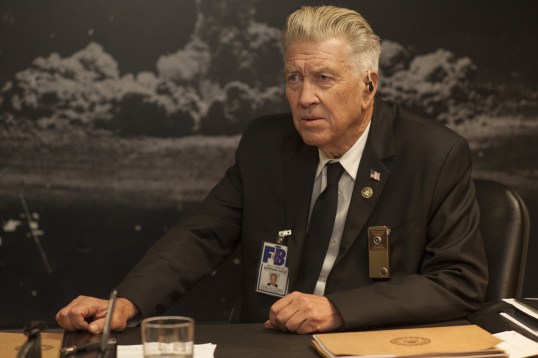
7 Films That David Lynch Turned Down


Let us take a moment to consider the career of David Lynch.

As we all know, David Lynch is one of America’s most unique and idiosyncratic directors, an unapologetic surrealist whose films always seem to come from a very dark and very personal place.  He began his career with Eraserhead and was then brought to Hollywood by Mel Brooks so that he could direct The Elephant Man.  Following the huge success of The Elephant Man, Lynch signed a contract with Dino De Laurentiis and directed Dune (a movie that Lynch later said was as close as he ever came to “selling out”) and the far better received Blue Velvet.

After the success of Blue Velvet, Lynch turned to television.  Twin Peaks was, in its way, Blue Velvet adapted for network television.  While people across the world were debating who killed Laura Palmer, Lynch won the 1990 Palme d’Or with Wild At Heart.  Frustrated with ABC’s attempts to interfere with the direction of Twin Peaks, Lynch became less involved with the televisions series and it was canceled after its second season.  Lynch’s cinematic prequel, Twin Peaks: Fire Walk With Me, was released an initially tepid response, though — like much of Lynch’s work — it has since been positively reevaluated.
In 1997, Lynch directed his most surreal film yet, Lost Highway.  He then shocked critics by directing the G-rated The Straight Story and proving that his surreal vision could be heart-warming as well as frightening.  When Lynch couldn’t get a network to commit to his proposed second televisions series, Lynch filmed some more footage and released the pilot as a feature film.  Mulholland Drive has gone on to be recognized as one of the greatest films of all time and it also earned Lynch his third Oscar nomination for Best Director.

Despite the success of Mulholland Drive, Lynch still struggled to find the financial backing for the films that he wanted to make.  In 2006, he directed Inland Empire, a film that’s as surreal as any that he’s ever directed and also, in its way, one of the most emotionally powerful films ever made.  Again, much like Fire Walk With Me and Lost Highway, Inland Empire was initially dismissed by critics but it has since been rediscovered.

Eat My Fer by David Lynch

Following Inland Empire, Lynch focused on painting, music, and promoting meditation and it was feared that he had retired from filmmaking.  In 2017, he brought Twin Peaks: The Return to Showtime and, for a few brief months, we were again enraptured by his genius.

David Lynch has directed ten feature films.  (Eleven, if you count Twin Peaks: The Return.  I do.)  He has one of the greatest filmographies of any living director.  But what about the films that David Lynch didn’t make?  In his memoir, Room to Dream, Lynch wrote about not only the projects for which he couldn’t find backing but also about several films that he was offered but turned down.

Here are a few of the films David Lynch turned down:
  1. Frances (1982)

Frances Farmer was a Golden Age actress who was famous for her refusal to conform to the demands of 1940s society.  She was outspoken in her political views.  She drank heavily.  She was open about her drug use.  Following the end of her affair with playwright Clifford Odets, Farmer had a nervous breakdown and was sent to a draconian mental hospital where she was horrifically abused, suffered through electroshock treatments, and was eventually lobotomized before being released in 1950.

It’s a pretty disturbing story and one can imagine that Lynch could have made a powerful film out of it, especially as Frances Farmer is the archetype for the troubled women who are often at the center of his films.  Mel Brooks, who also produced The Elephant Man, produced Frances and was hopeful that Lynch would direct it.  However, Lynch had already signed a contract with Dino De Laurentiis and was not available.  Frances was eventually directed by Graeme Clifford, who took a far more straight-forward approach to the material than Lynch would have.
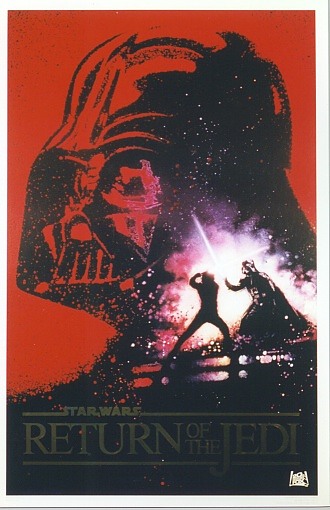
2. Return of the Jedi (1983)

This is probably the most famous of the films that David Lynch turned down.  George Lucas was a fan of Eraserhead and, in the early 80s, Lynch was riding high as a result of having received his first Oscar nomination for The Elephant Man.  Reportedly, Lucas actually did offer the film to Lynch.  Lynch turned him down, saying that he felt that the film would ultimately have been seen as being Lucas’s film and not the film of whoever was hired to direct it.  Instead, Lynch directed another sci-fi epic, Dune.  

Lucas reportedly then offered the film to another maverick director, David Cronenberg.  After Cronenberg turned it down, Lucas settled on Richard Marquand.

3. Tender Mercies (1983)

Robert Duvall won his first Oscar for this film, in which he played an alcoholic country singer who finds redemption with a Texas widow and her son.  This rather gentle film may seem like the furthest thing one would associate with Lynch but I personally think that David Lynch could have done a good job with it.  Tender Mercies is a film that feels like it might be distantly related to The Straight Story and Lynch’s unapologetic love of Americana would have served the story well.

Lenny Von Dohlen, who played a small role in Tender Mercies, later played the shut-in who had Laura Palmer’s diary in Twin Peaks.

4. Manhunter (1986)

Also known as Red Dragon, this film was the first to feature Dr. Hannibal Lecter.  The film was offered to Lynch by Dino De Laurentiis.  Lynch turned it down so he could concentrate on Blue Velvet.  Manhunter was instead directed by Michael Mann, who — it must be said — filled the film with surreal imagery that occasionally felt very Lynchian.  Considering that Lynch’s films are full of flamboyantly evil men, it’s hard not to be curious what Lynch would have done with characters like Hannibal Lecter and Francis Dollarhyde.
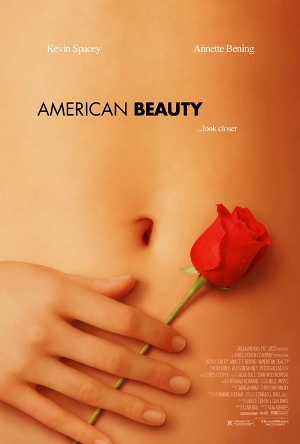
5. American Beauty (1999)

American Beauty was one of the many scripts that was sent to Lynch in the 90s.  Lynch turned the film down and it was instead made by Sam Mendes.  American Beauty went on to win Best Picture.  That said, it’s also one of the most pretentious film ever made and the fact that some people love it will never cease to amaze me.  Interestingly, one of the main problems with the film is that, as a director, Mendes often tries too hard to capture the mood and feeling that Lynch was later able to so effortlessly create in Twin Peaks: The Return.  Lynch probably could have made a decent film out of American Beauty but, fortunately for us, he devoted his attention to Mulholland Drive instead.
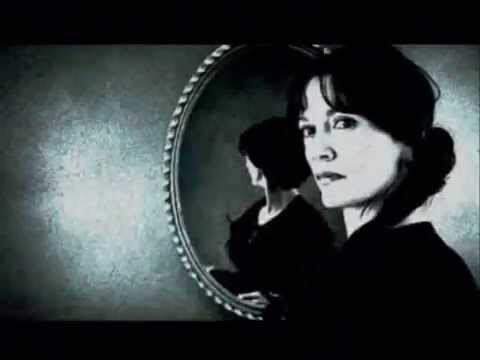
6. The Ring (2002)

This film was offered to Lynch but he turned it down. (Interestingly enough, when the film was made, it starred Naomi Watts, who had just appeared in Mulholland Drive and who went on to appear in both Inland Empire and Twin Peaks: The Return.)  I would have been curious to see what Lynch would have done with the killer video.

7. Motherless Brooklyn (2019)

In 1999, Lynch was among the directors who Edward Norton approached about directing a film version of the just-published detective novel, Motherless Brooklyn.  Lynch, who was working on Mulholland Drive, turned Norton down.  20 years later, Motherless Brooklyn was finally made into a film, with Norton starring and directing.

It’s hard to guess what the future holds for David Lynch.  There have been reports that Lynch will no longer make films though Lynch himself says that his disillusionment with cinema has been overstated.  There are also rumors that Lynch might give us another season of Twin Peaks.  Who knows?  Even if David Lynch spends the rest of his days promoting transcendental meditation and never again steps behind a camera, no one can deny that he’s given us some of the most amazing and important films of all time.  Happy birthday, Mr. Lynch!


4 Shots From 4 Films: Special David Lynch Edition


4 Shots From 4 Films is just what it says it is, 4 shots from 4 of our favorite films. As opposed to the reviews and recaps that we usually post, 4 Shots From 4 Films lets the visuals do the talking!

Today is David Lynch’s birthday!  The master of American surrealism and dream-like noir is 74 years old.  One of my fondest memories of the past ten years comes from those glorious few months in 2017 when Leonard, Ryan, Jeff and I watched and analyzed every single episode of Twin Peaks and Twin Peaks: The Return.  It was not only a chance to reacquaint ourselves with a master but it was also a lot of fun as well.  I mean, Lynch may be best known as a surrealist but he’s also a damn good director.

It’s been three years since the final episode of Twin Peaks and we’re still debating that final scream.

In honor of Lynch’s birthday, it time for 4 Shots From 4 Films!  It’s difficult to do one of these for David Lynch, not because it’s hard to find material but instead because it’s so difficult to narrow it down to just four shots.  Lynch has been making films from the 70s and, visually, every single one of them is stunning.  For this post, I’ve limited myself to the work that Lynch has released in the 21st century.

(And yes, Twin Peaks: The Return counts as a movie!)

4 Shots From 4 Films

Mulholland Drive (2000, dir by David Lynch)

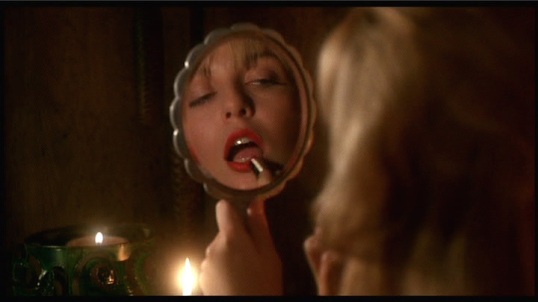
Inland Empire (2006, dir by David Lynch)

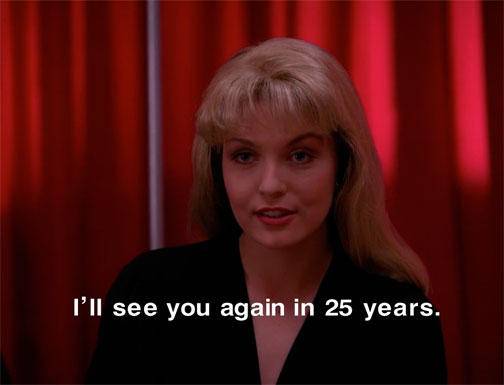
Twin Peaks The Return Part Three (2017, dir by David Lynch)

Twin Peaks: The Return Part 5 (2017, dir by David Lynch)

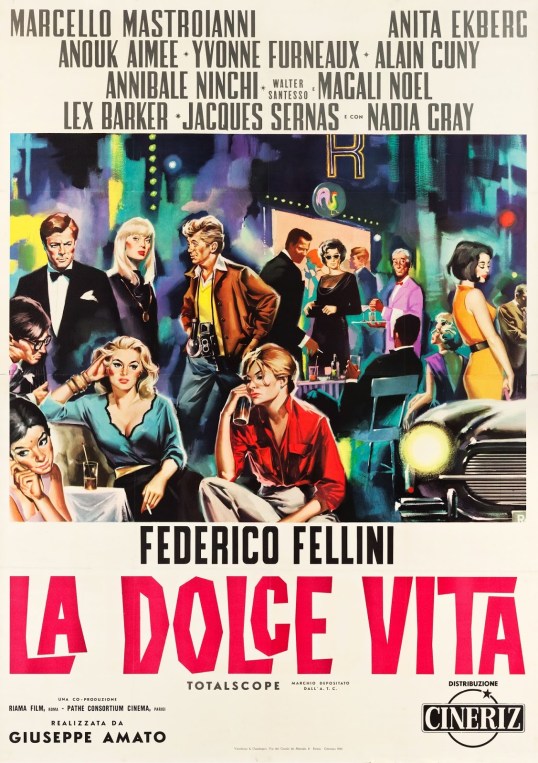
Scenes That I Love: The Final Scene of Federico Fellini’s La Dolce Vita


100 years ago today, the great Federico Fellini was born in Rimini, Italy.  It seems appropriate that today’s scene of the day should come from my favorite Fellini film, 1960’s La Dolce Vita.

In this scene, which occurs at the end of the film, jaded journalist Marcello Rubini (Marcello Mastroianni) finds himself hung over on the beach, watching as a group of people pulls a dead sea serpent out of the ocean.  The serpent appears to be a giant squid of some sort.  Myself, I’ve always felt that it was the equivalent of the Biblical Leviathan and maybe the fish that swallowed Jonah.  Regardless of the fish’s history, it’s now dead but, as Marcello points out, its eyes continue to stare.  The people on the beach are less interested in what the fish is and instead more concerned with what they can do with the carcass.

Marcello looks away from them and sees a young woman named Paola (Valeria Ciangottini) standing at the other end of the beach, calling out and motioning to him.  Marcello attempts to hear what Paola is saying but he cannot hear her words over the sounds of the ocean.  For once, Marcello, the journalist and the high society insider, does not know what is being said.  Finally, Marcello walks away with another woman, leaving Paola’s message a mystery.

What was Paola saying?  Perhaps, in the end, that’s not as important as what we think she may have been saying.  (Sofia Coppola later played a sort of homage to this ending with the final scene of Lost In Translation.)  Marcello missed the message but the good life — La Dolce Vita — continues.

Music Video Of The Day: Everything Has Changed by Best Coast (2020, dir by Ryan Baxley)


Really, everything?

Well, maybe not everything.  This video, for instance, suggests that some things have changed but that it might not have been as easy a change as the lyrics suggest.  The thing I like about this video is that, even though the subject matter is change, it still has this weird retro feel.  So, it’s like, “Everything’s changed …. back!”

I do have to say, though, things have certainly changed for me over the past few years.  I was just thinking about it earlier today.  Way back in 2010, when I first started writing for this site, I was a neurotic and self-destructive and maybe just a little bit insecure.  I was one of those people who would specifically start arguments and fights with people just so I could revel in the drama.  It was my way of acting out at the world, largely because I was just in a really angry place at the time.

But the years have passed and the times have changed and I’m in a much better place today.  A lot of it, I know, had to do with just growing up and discovering that being an immature brat wasn’t as fulfilling (or as cute) as I had been led to believe.  A lot of it had to do with writing for this site and discovering that I didn’t have to act out to get attention.  I could just state my opinions and make my arguments and people would actually respond.  That was a big lesson for me and it played a big role in me gaining the confidence necessary to become a …. well, I wouldn’t say a grown-up.  I still don’t consider myself to be a grown-up.  I’ve still got a lot of maturing to do.  But I’m definitely a much happier person today than I was in 2009.

So remember!  Be supportive of the writers and film reviewers in your life because, in a way, you’re helping them become better people.

Anyway, where was I?  Oh yeah!  Good video!

Enjoy!

Lisa’s Week In Review: 1/13/20 — 1/19/20


It was a good week.  It was kind of cold.  It rained a lot.  The Oscars are coming closer.  I went back to my day job and I didn’t get to watch as many movies as I did over the first two weeks of 2020.

Here’s what I watched, read, and listened to this week!

Films I Watched:

  1. Ghost Town (1988)
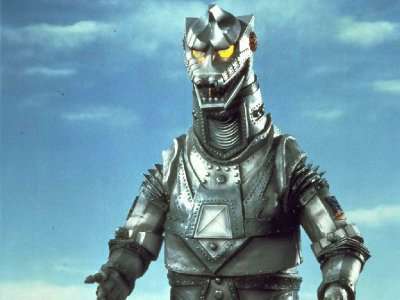
  2. Godzilla vs. Mechagodzilla (1974)
  3. Godzilla vs. Megalon (1973)
  4. Imposter (2001)
  5. Inner Sanctum (1948)
  6. The Lighthouse (2019)
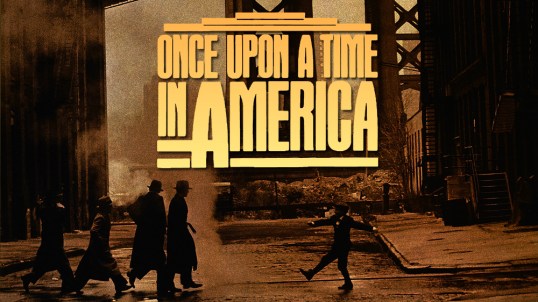
  7. Once Upon A Time In America (1984)
  8. The Perfection (2018)
  9. Sideways (2004)
  10. Stolen By My Mother (2020)
  11. The Wolf Of Wall Street (2013)

Television Shows I Watched:

(As some of our more experienced readers may notice, I spent a good deal of last week watching the old TV shows on Antenna TV.  It was kind of fun to see what people used to be into.)

  1. 9-1-1
  2. 60 Days In
  3. Alice
  4. Archie Bunker’s Place
  5. The Bachelor 24
  6. Barney Miller
  7. Benson
  8. Beverly Hills 90210
  9. Bewitched
  10. The Circle
  11. Curb Your Enthusiasm
  12. Denis the Menace
  13. Diff’rent Strokes
  14. The Facts of Life
  15. Father Knows Best
  16. Flirty Dancing
  17. Ghost Whisperer
  18. Hazel
  19. I Dream of Jeannie
  20. It’s a Living
  21. The Love Boat
  22. Romper Stomper
  23. Saved By The Bell
  24. That Girl
  25. Three’s Company

Books I Read:

  1. Omerta (2000) by Mario Puzo

Music To Which I Listened:

  1. Alvin Risk
  2. Armin van Buuren
  3. Best Coast
  4. Big Data
  5. Billie Eilish
  6. Blanck Mass
  7. Cage the Elephant
  8. Calvin Harris
  9. The Chemical Brothers
  10. Coldplay
  11. Dillon Francis
  12. Elle King
  13. Ennio Morricone
  14. John Carpenter
  15. Joywave
  16. Muse
  17. Nine Inch Nails
  18. Phantogram
  19. Saint Motel
  20. Selena Gomez
  21. Skrillex
  22. Sly Toe Hand
  23. Tove Lo

Awards Season Links:

  1. Critics Choice Awards
  2. Oscar Nominations
  3. Denver Film Critics
  4. North Dakota Film Critics Society
  5. The Eddie Awards
  6. The PGA Awards
  7. The SAG Awards

News From Last Week:

  1. ‘The View’ is ‘a big mess’ and ABC News ‘the most vicious swamp in the business,’ sources say
  2. ‘Primer’ and ‘Upstream Color’ Director Shane Carruth Retiring After Next Film
  3. HBO won’t pursue second season of ‘Watchmen’ after creator bows out
  4. Bloomberg Campaign To El Bloombito Parody Account: Make Me Look Cool…Por Favor
  5. Hank Azaria Will No Longer Voice Apu on ‘The Simpsons’
  6. Oscar-Voter Stephen King Criticized For Saying He Champions Films Based on Quality and Not Diversity
  7. Here’s why Billie Eilish’s Bond theme commission has hit a sour note

Links From Last Week:

  1. The media horror at Joker’s Oscar nods is deeply predictable

Links From The Site:

  1. Erin shared the Covers of Jungle Stories and Ex-Mistress, Diana, The Hucksters, Complete Detective, Carnival Girl, Basement Gang, and The Smiling Rebel!
  2. Leonard shared the Morbius trailer!
  3. Ryan reviewed Crystal Bone Drive and Dimensional Flats!
  4. Jeff reviewed Behind Enemy Lines III, Birds of Prey, The Biggest Bundle of Them All, Escape from New York, Jailbait, In the Line of Duty: Ambush in Waco, and Hijack!  He shared music videos from Leonard Cohen, R.E.M., U2, and Robert Palmer!  He paid tribute to Julie Strain, Steven Soderbergh, Donald Cammell, John Boorman, and Richard Lester!
  5. I shared music videos from Sly Toe Hand, Skrillex, and John Carpenter!   I reviewed Marriage Story, The Crowd, In the Heat of the Night, Lady for A Day, Who’s Afraid of Virginia Woolf?, Sideways, and The Wolf of Wall Street!  I wished a happy birthday to John Carpenter, James Earl Jones, and Cary Grant!

More From Us:

  1. Ryan has a patreon!  Please consider subscribing!
  2. On Pop Politics, Jeff shared: Cory Booker Is Out!
  3. On Days Without Incident, Leonard wrote about the Foo Fighters!
  4. On my music site, I shared songs from The Chemical Brothers, Selena Gomez, Skrillex, John Carpenter, Ennio Morricone, Saint Motel, and Joywave!
  5. On her photography site, Erin shared Path Away, Pipeline, Rain on Leaves, Safety Convention, Sanctuary, Shelter, and Designated Smoking Area!

Want to see what I did last week?  Click here!

Mechagodzilla!

The SAG Honors Parasite and All The Usuals.


The SAG Awards were held tonight.  I did not bother to watch them but apparently, a good time was had by all.  Parasite won the award for Best Ensemble, which is the SAG equivalent for Best Picture.  (1917, which won at the PGA  Awards earlier this week, was not nominated for the Ensemble award.)  This might mean that Parasite is the new front runner for Best Picture or it might not.  Do you remember what won last year?  Black Panther.

(I’m a little bit surprised that SAG didn’t go for Once Upon A Time In Hollywood, which is is a film about actors.  I mean, Birdman won a prize it didn’t deserve by appealing to the ego of actors.  Then again, Once Upon A Time In Hollywood centers on an actor whose career is going downhill so maybe it hits too close to home.)

Joaquin Phoenix, Renee Zellweger, Brad Pitt, and Laura Dern won the acting prizes and I imagine that they’ll repeat at the Oscars.  To be honest, it’s hard for me to remember who else is nominated in any of those categories.

Avengers: Endgame won for Best Stunt Ensemble.  Why isn’t their an Oscar category for Best Stunts?  Seriously, that’s messed up.

Anyway, here’s your list of film winners.  They also gave out some TV awards but, to be honest, who cares about that in January?  The Emmys are over!  If you want to see a full list of winners, click here or do a google search.  Whatever works for you.

Best Ensemble — Parasite

Best Actor — Joaquin Phoenix, Joker

Best Actress — Renee Zellweger, Judy

Best Supporting Actor — Brad Pitt, Once Upon A Time In Hollywood

Best Supporting Actress — Laura Dern, Marriage Story

Best Stunt Ensemble — Avengers: Endgame

Lisa Reviews An Oscar Nominee: The Wolf of Wall Street (dir by Martin Scorsese)


Suck it, The Big Short.  The Wolf of Wall Street is the best film to be made about Wall Street this century.

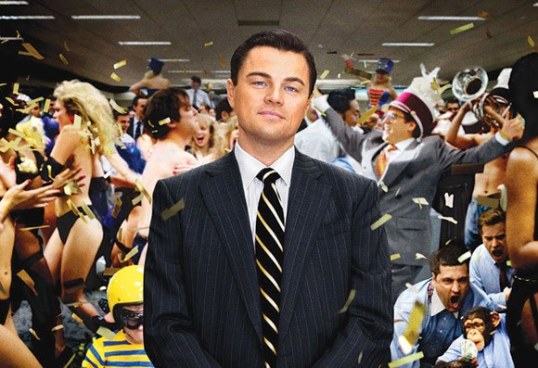
Martin Scorsese’s 2013 financial epic tells the true story of a group of rather sleazy people who got rich and who basically, to quote Robert De Niro from an earlier Scorsese film, “fucked it all up.”  Jordan Belfort (Leonardo DiCaprio, giving what I still consider to be the best performance of his career) is the son of an accountant named Max (Rob Reiner).  Fresh out of college, Jordan gets a job on Wall Street.  Under the mentorship of the eccentric (but rich) Mark Hanna (Matthew McConaughey), Jordan discovers that the job of a stock broker is to dupe people into buying stock that they might not need while, at the same time, making a ton of money for himself.  With the money comes the cocaine and the prostitutes and everything else that fuels the absurdly aggressive and hyper-masculine world of Wall Street.  Jordan is intrigued but, after the stock market crashes in 1987, he’s also out of a job.

Fortunately, Jordan is never one to give up.  He may no longer be employed on Wall Street but that doesn’t mean that he can’t sell stocks.  He gets a job pushing “penny stocks,” which are low-priced stocks for very small companies.  Because the price of the stock is so low, the brokers get a 50% commission on everything they sell.  Because Jordan is such an aggressive salesman, he manages to make a fortune by convincing people to buy stock in otherwise worthless companies.  As Jordan’s boss (played, in an amusing cameo, by Spike Jonze) explains it, what they’re doing isn’t exactly regulated by the government, which just means more money for everyone!  Yay!

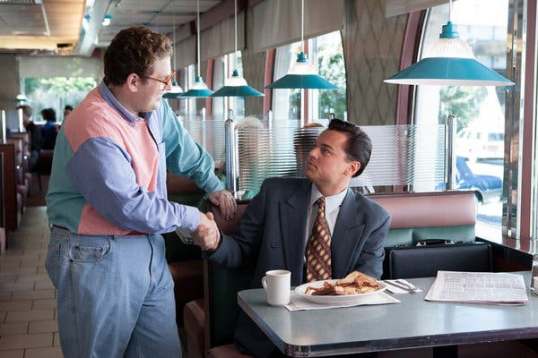
Working with his neighbor, Donny Azoff (Jonah Hill, at his most eccentric), Jordan starts his own brokerage company.  Recruiting all of his friends (the majority of whom are weed dealers who never graduated from high school), Jordan starts Stratton Oakmont.  Using high-pressure sales tactics and a whole lot of other unethical and occasionally illegal techniques, Jordan soon makes a fortune.  When Forbes Magazine publishes an expose that portrays Jordan as being little more than a greedy con man, Stratton Oakmont is flooded by aspiring stock brokers who all want to work for “the wolf of Wall Street.”

And, for a while, Jordan has everything that he wants.  While the Stratton Oakmont offices become a den of nonstop drugs and sex, Jordan buys a huge mansion, a nice car, and marries a model named Naomi (Margot Robbie).  His employees literally worship Jordan as he begins and ends every working day with inspirational (and often hilariously profane) sermons, encouraging his people to get out there and sell no matter what.  Of course, making that much money, Jordan has to find a way to hide it from the IRS.  Soon, with the help of Naomi’s aunt (Joanna Lumley), he is smuggling millions of dollars into Switzerland where a banker (Jean Dujardin, who is both hilariously suave and hilariously sleazy a the time) helps him hide it all.

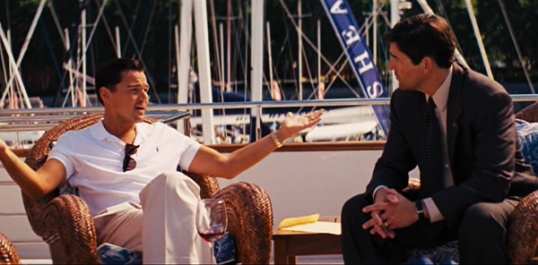
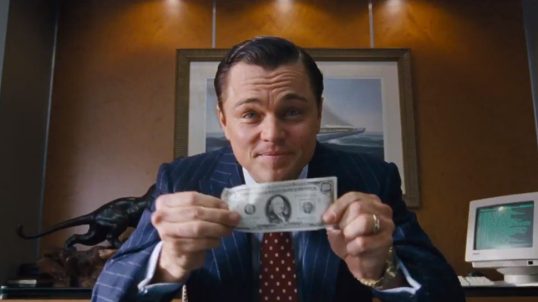
When Jordan learns that the FBI and SEC are looking into his dealings, Jordan invites Agent Patrick Denham (Kyle Chandler) to come visit him on his yacht and, in a scene that launched a thousand memes, the two of them have a friendly conversation that’s largely made up of passive aggressive insults.  Jordan taunts Denham over the fact that Denham washed out when he tried to get a job on Wall Street.  Denham laughingly asks Jordan to repeat something that sounded like it may have been a bribe.  When Denham leaves the boat, Jordan taunts him by tossing a wad of hundred dollars bills into the wind….

And here’s the thing.  Yes, the media and our political class tells us that we’re supposed to hate that Jordan Belforts of the world.  One can imagine Bernie Sanders having a fit while watching Jordan brag about how he cheated the IRS.  If Adam McKay or Jay Roach had directed this film, one can imagine that they would have used the yacht scene to portray Jordan Belfort as pure evil.  (McKay probably would have tossed in Alfred Molina as a waiter, asking Belfort if he wants to feast on the lost future of the children of America.)  But the truth of the matter is that most viewers, even if they aren’t willing to admit it, will secretly be cheering for Jordan when he throws away that money.  DiCaprio is so flamboyantly charismatic and Scorsese, as director, so perfectly captures the adrenaline high of Jordan’s lifestyle that you can’t help but be sucked in.  He may be greedy and unethical but he just seems to be having so much fun!  Just as how Goodfellas and Casino portrayed life in the mafia as being an intoxicating high (as well as being more than a little bit dangerous), The Wolf of Wall Street refrains from passing easy judgment and it steadfastly refuses to climb onto a moral high horse.  Jordan narrates his own story, often talking directly to the camera and almost always defending his actions.  As a director, Scorsese is smart enough to let us make up own minds about how we feel about Jordan and his story.

Of course, when Jordan falls, it’s a dramatic fall.  That said, it’s not quite as dramatic of a fall as what happened to Ray Liotta in Goodfellas or Robert De Niro in Casino.  No one gets blown up, for instance.  But Jordan does lose everything that gave his life meaning.  By the end of the film, he’s been reduced to giving seminars and challenging attendees to sell him a pen.  (“Well,” one hapless gentleman begins, “it’s a very nice pen…..”)  During the film’s final scenes, it’s not so much a question of whether Jordan has learned anything from his fall.  Instead, the movie leaves you wondering if he’s even capable of learning.  At heart, he’s the wolf of Wall Street.  That’s his nature and it’s really the only thing that he knows how to do.  He’s a bit like Ray Liotta living in the suburbs at the end of Goodfellas.  He’s alive.  He has his freedom and a future.  But he’s still doesn’t quite fit in.  Much like Moses being denied the opportunity to physically enter the Promised Land, Jordan’s punishment for his hubris is to spend his life in exile from where he truly belongs.  And yet, you know that Jordan — much like Henry Hill — probably wouldn’t change a thing if he had the chance to live it all over again.  He’d just hope that he could somehow get a better ending while making the same decisions.

Unlike something like The Big Short, which got bogged down in Adam McKay’s vapid Marxism, The Wolf of Wall Street works precisely because it refuses to pass judgment.  It refuses to tell us what to think.  I imagine that a lot of people watched The Wolf of Wall Street and were outraged by the way Jordan Belfort made his money.  I imagine that an equal number of people watched the film and started thinking about how much they would love to be Jordan Belfort.  The Wolf of Wall Street is a big, long, and sometimes excessive film that dares the audience to think of themselves.  That’s one reason why it’ll be remembered after so many other Wall Street films are forgotten.

The Wolf of Wall Street was nominated for best picture of the year.  It lost to 12 Years A Slave.

The Producers Guild of America Honors 1917


Last night, I heard that the PGA had honored 1917 as the best film of 2019 and I thought to myself, “Well, that’s good for the golfers but since when did they become film experts?”

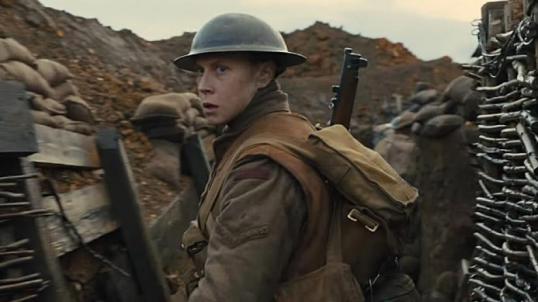
This morning, I woke up and I realized that the PGA was the Producer’s Guild of America, which means that 1917‘s victory is now officially a big deal.  If Sam Mendes wins at the DGA, I would imagine that would mean that 1917 is officially unstoppable as far as the Oscars are concerned.  Of course, just yesterday, I was saying that the Eddie Awards had made Parasite into an unstoppable Oscar winner.

So, maybe I know what I’m talking about and maybe I don’t.

Anyway, the PGA gave out a lot of awards last night but here are the three that you need to know while making your Oscar predictions:

Best Feature Film — 1917

Best Animated Film — Toy Story 4

Best Documentary Film — Apollo 11

(Apollo 11 was, incredibly, not nominated for Best Documentary.)

For a full list of the PGA winners, click here.

4 Shots From 4 Cary Grant Films: The Awful Truth, The Philadelphia Story, North by Northwest, Charade


4 Shots From 4 Films is just what it says it is, 4 shots from 4 of our favorite films. As opposed to the reviews and recaps that we usually post, 4 Shots From 4 Films lets the visuals do the talking!

Today is the 116th anniversary of one of the greatest stars of Hollywood’s Golden Age, Cary Grant!  And that means that it’s time for….

4 Shots From 4 Cary Grant Films

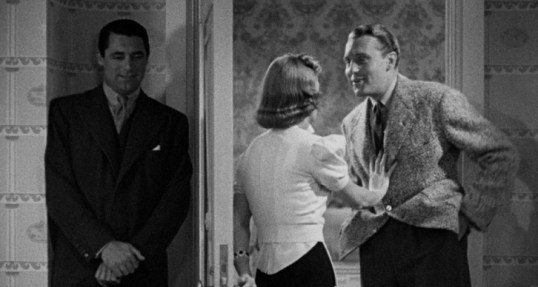
The Awful Truth (1937, dir by Leo McCarey)

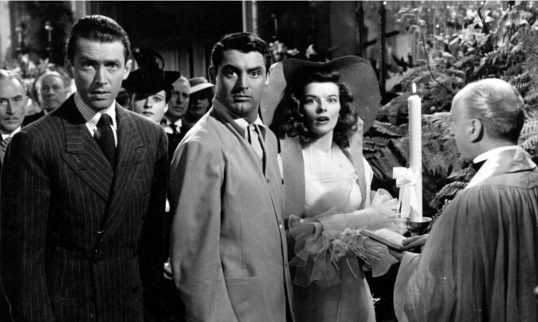
The Philadelphia Story (1940, dir by George Cukor)

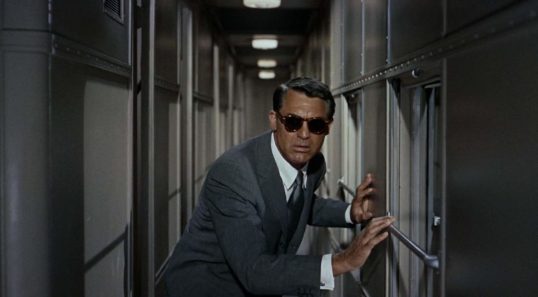
North by Northwest (1959, dir by Alfred Hitchcock)

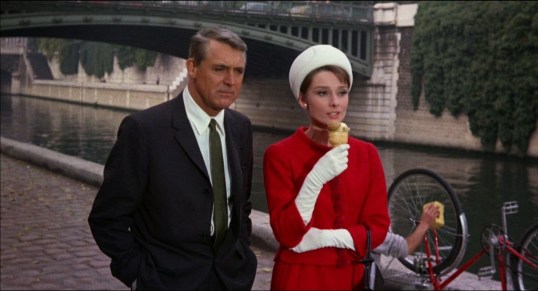
Charade (1963, dir by Stanley Donen)

The ACE Eddie Awards Honor Parasite and Jojo Rabbit


Last night, the ACE Eddie Awards — which are meant to recognize the best edited films of the previous year — were given out.  Parasite took the award for Best Edited Drama while Jojo Rabbit won for Best Edited Comedy.

If you’re an Oscar watcher, this is a big deal.  Parasite is the first non-English language film to win the top prize at the Eddie Awards and it’s victory might indicate that the Academy might be more open to rewarding (as opposed to just nominating) an international film than many people have assumed.  Meanwhile, Jojo Rabbit defeated Once Upon A Time In Hollywood would might suggest that Hollywood doesn’t have the inside track that many people, like me, assumed that it did.

So, this could all mean something or it might mean nothing.  That’s the way these precursors go and I’ll be the first to admit that amateur awards watchers, like me, are often too quick to try to read huge significance into every single precursor.  We’ll see what happens when the Oscars are handed out on February 9th!

For now, here are the Eddie Winners!

BEST EDITED FEATURE FILM (DRAMA)

Ford v Ferrari
Michael McCusker, Andrew Buckland

The Irishman
Thelma Schoonmaker

Joker
Jeff Groth

Marriage Story
Jennifer Lame

Parasite – WINNER
Jinmo Yang

BEST EDITED FEATURE FILM (COMEDY):

Dolemite Is My Name
Billy Fox

The Farewell
Michael Taylor, Matthew Friedman

Jojo Rabbit – WINNER
Tom Eagles

Knives Out
Bob Ducsay

Once Upon a Time in Hollywood
Fred Raskin

BEST EDITED ANIMATED FEATURE FILM:

Frozen 2
Jeff Draheim

I Lost My Body
Benjamin Massoubre

Toy Story 4 – WINNER
Axel Geddes

BEST EDITED DOCUMENTARY (FEATURE):

American Factory
Lindsay Utz

Apollo 11 – WINNER
Todd Douglas Miller

Linda Ronstadt: The Sound of My Voice
Jake Pushinsky, Heidi Scharfe

Making Waves: The Art of Cinematic Sound
David J. Turner, Thomas G. Miller

BEST EDITED DOCUMENTARY (NON-THEATRICAL):

Abducted in Plain Sight
James Cude

Bathtubs Over Broadway
Dava Whisenant

Leaving Neverland
Jules Cornell

What’s My Name: Muhammad Ali – WINNER
Jake Pushinsky

BEST EDITED COMEDY SERIES FOR COMMERCIAL TELEVISION:

Better Things: “Easter” – WINNER
Janet Weinberg

Crazy Ex-Girlfriend: “I Need To Find My Frenemy”
Nena Erb

The Good Place: “Pandemonium”
Eric Kissack

Schitt’s Creek: “Life is a Cabaret”
Trevor Ambrose

BEST EDITED COMEDY SERIES FOR NON-COMMERCIAL TELEVISION:

Barry: “Berkman”
Kyle Reiter

Dead to Me: Pilot
Liza Cardinale

Fleabag: “Episode 2.1” – WINNER
Gary Dollner

Russian Doll: “The Way Out”
Todd Downing

BEST EDITED DRAMA SERIES FOR COMMERCIAL TELEVISION:

Chicago Med: “Never Going Back To Normal”
David J. Siegel

Killing Eve: “Desperate Times” – WINNER
Dan Crinnion

Killing Eve: “Smell Ya Later”
Al Morrow

“Mr. Robot”: “Unauthorized”
Rosanne Tan

BEST EDITED DRAMA SERIES FOR NON-COMMERCIAL TELEVISION:

Euphoria: Pilot
Julio C. Perez IV

Game of Thrones: “The Long Night” – WINNER
Tim Porter

Mindhunter: Episode 2
Kirk Baxter

Watchmen: “It’s Summer and We’re Running Out of Ice”
David Eisenberg

BEST EDITED MINISERIES OR MOTION PICTURE FOR TELEVISION:

Chernobyl: “Vichnaya Pamyat” – WINNER
Jinx Godfrey, Simon Smith

Fosse/Verdon: “Life is a Cabaret”
Tim Streeto

When They See Us: Part 1
Terilyn A. Shropshire

BEST EDITED NON-SCRIPTED SERIES:

Deadliest Catch: “Triple Jeopardy”
Ben Bulatao, Rob Butler, Isaiah Camp, Greg Cornejo, Joe Mikan

Surviving R. Kelly: “All The Missing Girls”

Stephanie Neroes, Sam Citron, LaRonda Morris, Rachel Cushing, Justin Goll, Masayoshi
Matsuda, Kyle Schadt

Vice Investigates: “Amazon on Fire” – WINNER

Cameron Dennis, Kelly Kendrick, Joe Matoske, Ryo Ikegami