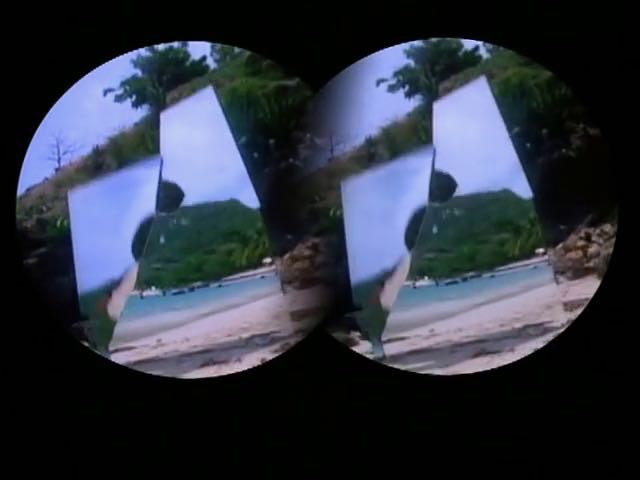
The music video for Kim Carnes’s Voyeur is another music video that was initially banned from MTV and other music shows because it was considered to be too suggestive. The video features Kim Carnes watching and being watched in a red light district.
This was another video directed by Highlander’s Russell Mulcahy, who perhaps did more than anyone to perfect the early music video aesthetic.
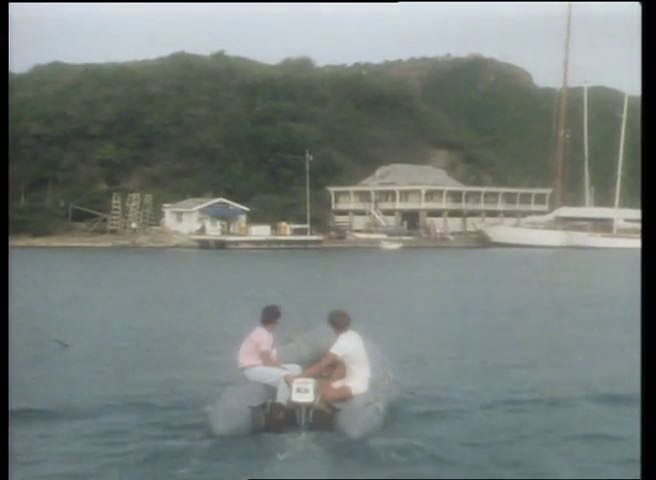
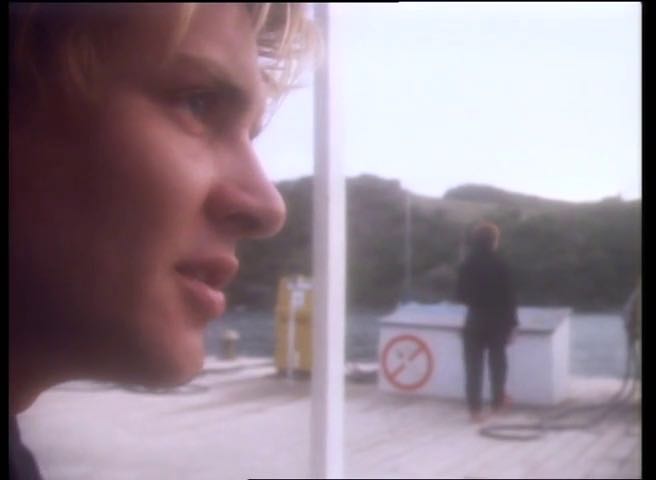
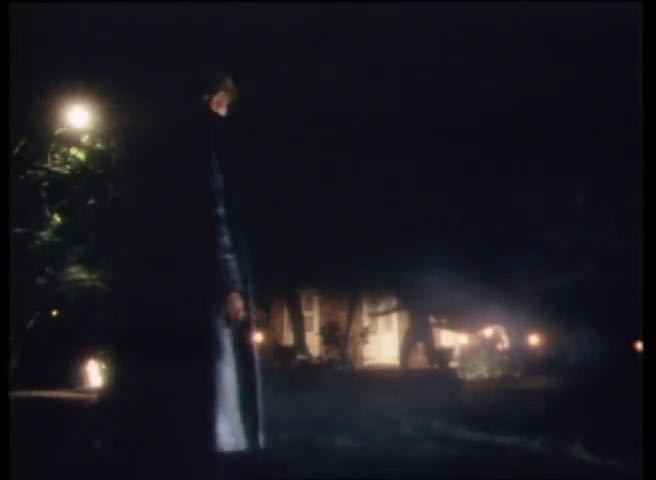
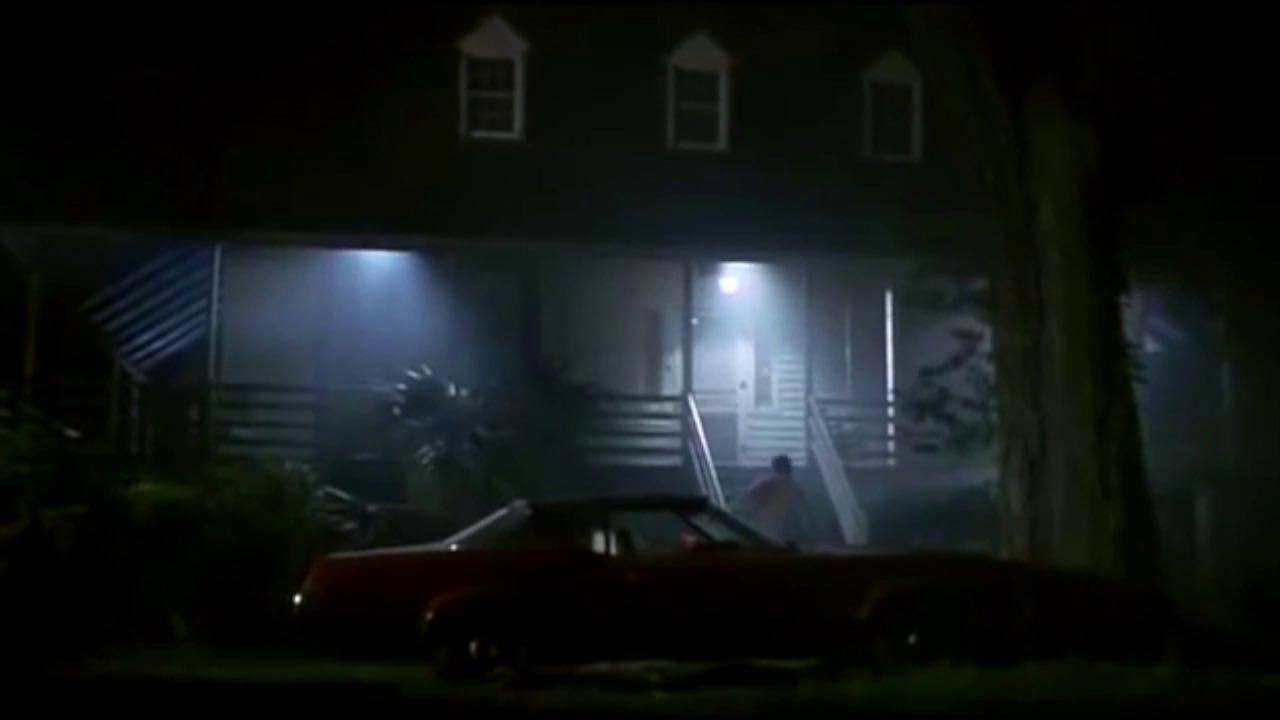
This is one of two videos for Duran Duran’s Lonely In Your Nightmare. In this one, Simon Le Bon finds old photographs and remembers a past relationship that might have just been someone’s dream. Lonely In Your Nightmare appeared on Rio, one of the defining albums of the early 80s.
Director Russell Mulcahy was Duran Duran’s video director of choice in the early 80s and, of course, he worked with many other bands as well. His stylish music videos dominated MTV and set the template for which most subsequent videos would come. He also directed a little film called Highlander.
On August 1st, 1981, MTV premiered. Over the course of 24 hours, 116 unique music videos were played on MTV. Yes, there was a time when the M actually did stand for music.
The first video that MTV played was from The Buggles and so was the second-to-last video that was aired on the channel’s 1st day of broadcast. Like Video Killed The Radio Star (and many of the other videos that aired on August 1st, 1981), Living In A Plastic Age was directed by Russell Mulcahy.
On August 1st, 1981, MTV premiered. Over the course of 24 hours, 116 unique music videos were played on MTV. Yes, there was a time when the M actually did stand for music.
The 103rd video to premiere on MTV was this stylish clip for Ultravox’s Passing Strangers. This was one of the many Russell Mulcahy-directed videos to air on that day.
On August 1st, 1981, MTV premiered. Over the course of 24 hours, 116 unique music videos were played on MTV. Yes, there was a time when the M actually did stand for music.
The 98th music video to premiere on MTV on its first day of broadcast was this video for Ultravox’s Vienna. Due to budgetary limitations, half of this video was shot in London while the other half was shot in Vienna. Ultravox’s label was not convinced that music videos would ever catch on so they weren’t willing to put out a lot of money to make one. You would not know that from watching this video, which in many ways predicted the type of narrative-driven music videos that would become popular as MTV grew and developed.
One reason why this video looks so good is because it was directed by Russell Mulcahy, of Highlander fame. Mulcahy also directed the video for Video Killed The Radio Star which, of course, was the very first video to ever air on MTV.
Back then, MTV was short for “Music Television” and it actually played music videos, something that you don’t see much of on the channel anymore. Today, MTV is best known for cheap reality programming and countless shows in which D-List celebs watch YouTube videos. But before MTV became the Rob Dyrdek network, it actually used to play music.
In fact, MTV revolutionized music and, along the way, it also provided a chance for several talented filmmakers to show off what they could do with just a few minutes of screen time. David Fincher started out directing music videos. So did Spike Jonze. But before Fincher and Jonze, there was Russell Mulcahy, who went from directing trippy music videos to directing Highlander.
Appropriately enough, the very first video to air on MTV was directed by Mulcahy and it was for a song that predicted what MTV would eventually do to the music industry. Video Killed The Radio Star was the perfect debut video for MTV. Produced on a budget of $50,000 and filmed over the course of just one day in South London, Video Killed the Radio Star featured actress Virginia Hey in a test tube and Hans Zimmer playing keyboards. Hey later went on to appear in several Australian films, including Mad Max 2 where she played the warrior woman. Hans Zimmer, of course, went on to find fame on his own as one of the busiest film composers around.
Even before it was featured on MTV, Video Killed The Radio Star was aired on British television and was considered to be controversial because of the exploding television, which was seen as encouraging violence. It was a much more innocent time.
When it came to music videos, they’ve never needed to do anything fancy. They’re not one of those bands that needs a bunch of bells and whistles to look impressive. All they have to do is come out on stage and rock. Their best music videos are usually very simple performance clips, like this one.
This video was filmed at the Sidney Myer Music Bowl in Melbourne, Australia. If it looks rough, that’s because it was supposed to be a part of a large concert film but the film’s backers ran out of money before any major post-production work could be done. The rough look, however, works for AC/DC. They are a band that could handle looking rough.
Russell Mulchay, of course, went on to direct multiple videos for Duran Duran, along with Highlander.
110 years ago today, Bette Davis was born in Lowell, Massachusetts. That makes the choice for today’s music video of the day an easy one.
Bette Davis Eyes was originally written in 1974 by Donna Weiss and Jackie DeShannon and was recorded by DeShannon. However, it wasn’t until 1981, when the song was covered by Kim Carnes, that Bette Davis Eyes became a hit. It spent nine weeks at the top of the Billboard 100 and was named Song of the Year and Record of the Year at the Grammy Awards.
One fan of the song was Bette Davis herself, who sent a note to Weiss, DeShannon, and Carnes in which she thanked them for making her “a part of modern times.” Davis also said that her grandson never looked up to her until he heard this song.
The video was directed by Russell Mulcahy, who directed several music videos in the early 80s. The famous silhouette of Davis smoking can be spotted throughout.
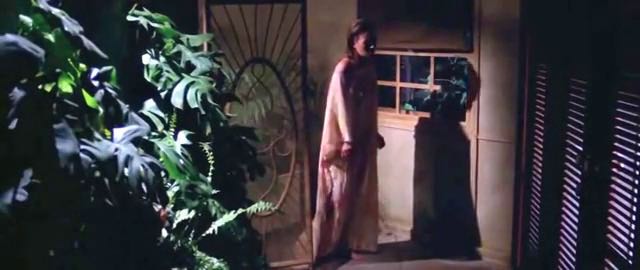
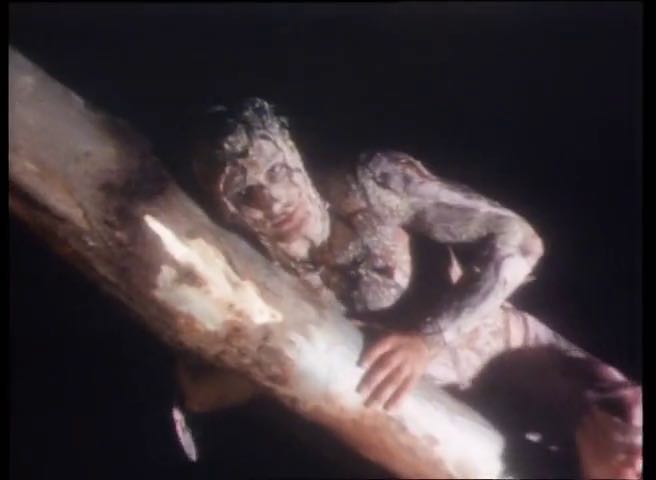
“It is possible that the video is a homage to the Italian horror film Zombi 2, with settings and zombies that look very much like the ones in the film.”
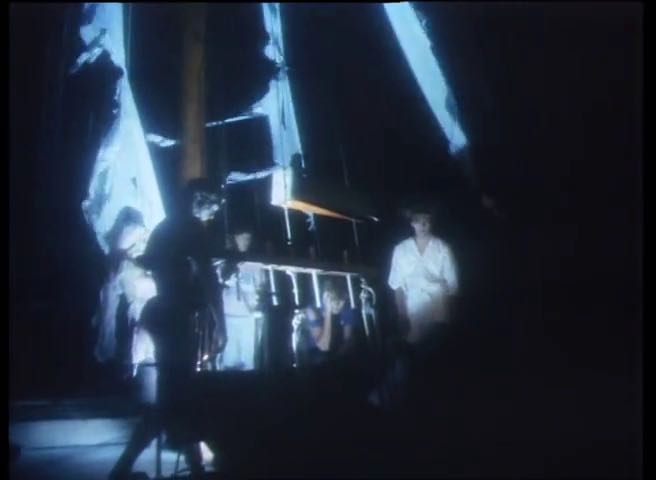
That is exactly what I thought of when I started it. This video screams “Italian horror film.” The shot below that shows up within the first ten seconds immediately made me think of Italian horror.
It took me awhile to recall what movie that shot was reminding me of. It’s Come And Out Play (2012). That was a remake of the Spanish film Who Can Kill A Child? (1976). Italian. Spanish. It’s all the same in this context. A good example is Amando de Ossorio’s film Zombi 8 (1975).
The lines that Simon Le Bon speaks are part of a speech that Mercutio delivers in Romeo And Juliet. It’s probably there because it announces to the audience that there is something wrong with him in addition to everything else.
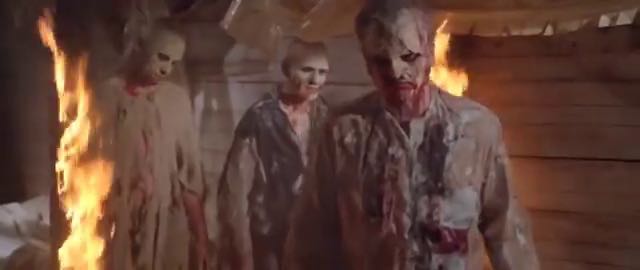
As for the similarities to Zombie/Zombi 2/Zombie Flesh Eaters (1979), I only watched the movie for the first time the other day. It does bear some resemblance to it. On a superficial level, I would think of that movie. I would also think of The Blind Dead films, as well other Lucio Fulci horror movies. The following shots remind me of both City Of The Living Dead (1980) and Zombie (1979).
City Of The Living Dead (1980, dir. Lucio Fulci)
Zombi (1980, dir. Lucio Fulci)
The zombies bear a resemblance to the ones in Zombie.
Zombie (1979, dir. Lucio Fulci)
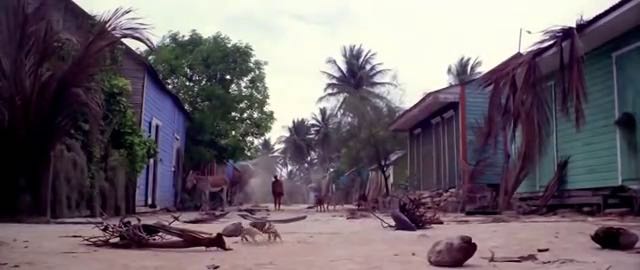
We also get a cameo appearance from the Caribbean crabs since this video was shot in Antigua and the island sequences of Zombie were shot a bit west in Santa Domingo.
Zombie (1979, dir. Lucio Fulci)
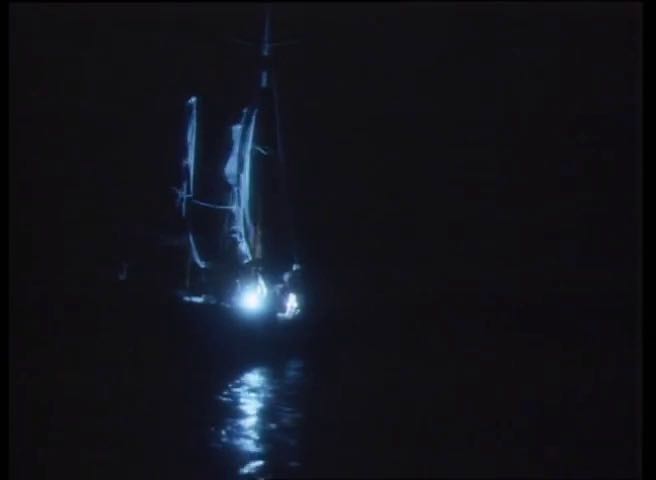
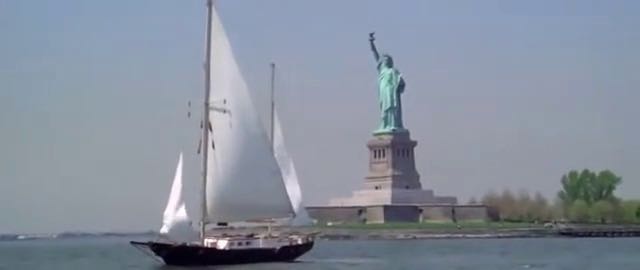
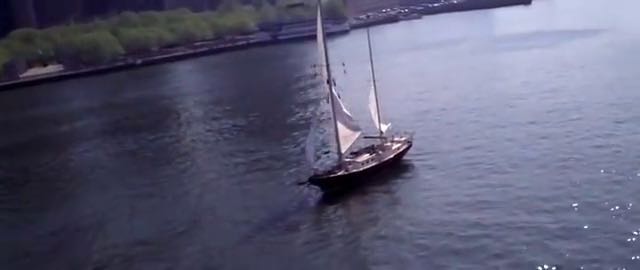
Even the Night Boat itself ties back to Zombie. The beginning of Zombie starts with a boat, not too dissimilar from the one Le Bon leaves on, arriving in New York City with a zombie onboard so that Fulci could have zombies walking on the Brooklyn bridge at the end of the movie while drivers below go about their day.
Zombie (1979, dir. Lucio Fulci)
Zombie (1979, dir. Lucio Fulci)
Zombie (1979, dir. Lucio Fulci)
This is possibly my new favorite Duran Duran music video. It’s the complete opposite of Rio. There’s nothing glamorous about this. It’s just stylish. They even worked in references to Rio.
Rio by Duran Duran (1982)
Rio by Duran Duran (1982)
The boat is a reference too. And, what is her name this time, Le Bon?
She is the fairies’ midwife, and she comes
In shape no bigger than an agate stone
On the forefinger of an alderman,
Drawn with a team of little atomi
Over men’s noses as they lie asleep.