Horror Review: All of Us Are Dead


“If you cause someone else to die, living becomes meaningless.” — Ms. Park

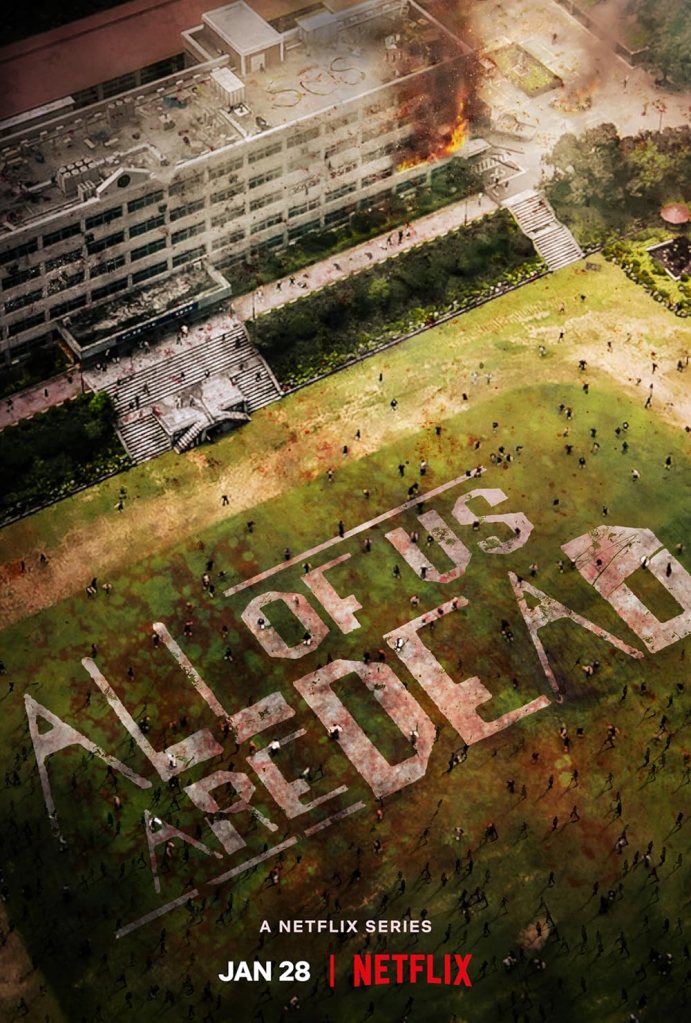
When All of Us Are Dead premiered on Netflix on January 28, 2022, it arrived at a time when both global audiences and Korean media were steeped in a fascination with dystopia, contagion, and social decay. The success of Kingdom had already proven that Korean horror could merge sociopolitical allegory with visceral entertainment on a grand scale. But where Kingdom dissected monarchy and corruption under the opulent, pandemic-stricken Joseon Dynasty, All of Us Are Dead reimagined apocalypse through the raw immediacy of youth—transforming a high school into a microcosm of social hierarchy, moral collapse, and the cyclical violence embedded in modern society.

Adapted from Joo Dong-geun’s webtoon Now at Our School, the series reflects the renaissance of cross-media storytelling in South Korea, where digital comics serve as fertile ground for cinematic reinvention. Directed by Lee Jae-kyoo and Kim Nam-su, the show unfolds in the fictional Hyosan High School, where a science experiment gone horribly wrong ignites a deadly viral outbreak. Within moments, everyday teenage conflicts—bullying, crushes, class pressures—explode into mortal struggles for survival. The series invites viewers to witness how quickly civility crumbles when adolescence, science, and contagion intersect in a closed system, turning a familiar academic setting into an arena of horror and ethical reckoning.

A meta-textual layer enriches the show’s narrative: the characters are well-versed in zombie lore, recognizing their nightmare as their very own Train to Busan. Early in the series, protagonist Cheong-san humorously compares their desperate situation to the iconic Korean zombie film. This is more than a passing joke; it marks how deeply the zombie genre is embedded in their cultural consciousness and survival instincts. The recognition shapes how they confront the outbreak, even as attempts to label the crisis as a “zombie” emergency fall on skeptical ears. This self-awareness grounds the horror in a world where fiction informs reality, and survival requires navigating both.

The virus at the center of All of Us Are Dead is born not from malice but desperation. Created by science teacher Lee Byeong-chan to empower his bullied son, the virus is designed to amplify human strength and aggression as a defense mechanism—an ironic inversion of evolution itself. The mutation, however, spirals beyond control, weaponizing rage and reducing its hosts to flesh-craving undead. This premise gives the show a poignant moral complexity rarely seen in typical zombie narratives. The outbreak stems from parental grief and failed empathy—a symbolic contagion that mirrors the emotional and systemic rot permeating South Korea’s hypercompetitive society. Underlying the visceral terror is a searing critique of institutional neglect. Authority figures—from school staff to government officials—succumb to confusion, bureaucracy, or cruelty rather than compassion. The lack of safe leadership parallels the inept response seen in Train to Busan and Kingdom, continuing Korean horror’s thematic obsession with authority’s inability to protect the vulnerable. Director Lee Jae-kyoo leans into this chaos with both precision and restraint, allowing moments of quiet dread between bursts of violent frenzy. Through repeated imagery of locked doors and shattered glass, he suggests that confinement—psychological, social, and literal—becomes the defining motif of youth under duress.

At its heart, All of Us Are Dead is a survival story—but one filtered through adolescent turmoil. When the infection begins, friendships fracture and loyalties are tested under fire. Students like Cheong-san (Yoon Chan-young), On-jo (Park Ji-hu), Nam-ra (Cho Yi-hyun), and Su-hyeok (Park Solomon) struggle not only to avoid death but to retain a moral compass amid the chaos. Their reactions to trauma—grief, bravery, ruthlessness—expose the spectrum of maturity within youthful fragility. The school, once a symbol of guidance and protection, turns into a decaying labyrinth of fear, with empty corridors echoing the screams of former classmates. This transformation gives director Lee a theatrical staging ground reminiscent of siege narratives. Terrifying, kinetic sequences unfold in chemistry labs, stairwells, and gymnasiums, blending handheld urgency with tight spatial cinematography. The camera’s proximity to characters captures the suffocating intensity of being trapped, while drone shots of burning Hyosan provide a grim reminder of the larger devastation beyond the school gates. The claustrophobic aesthetic evokes Western zombie forebears such as 28 Days Later and Romero’s Day of the Dead, yet the show remains distinctly Korean through its fusion of tragedy, melodrama, and relentless humanity.

One of the most gripping and socially resonant themes All of Us Are Dead explores is the prevalence and devastating impact of school bullying within South Korean youth culture. Bullying is not merely backdrop but a driving narrative force shaping character motivations and the outbreak’s consequences. From the outset, the series exposes the brutal hierarchies ingrained in the school system, where sociopathic bullies like Gwi-nam (Yoo In-soo) wield unchecked power over peers, enforcing cruel dominance through intimidation and violence. The victimization of marginalized students, particularly science teacher Lee Byeong-chan’s son, becomes a poignant catalyst for the viral outbreak, directly linking structural cruelty to catastrophic consequences. This thematic focus reflects real-world concerns in South Korea, where intense academic pressures and social conformity often exacerbate bullying, sometimes with tragic outcomes.

The show’s treatment of bullying extends beyond physical violence to reveal psychological torment—the constant surveillance, social exclusion, and layers of toxic peer dynamics that fracture young lives. Through nuanced portrayals of victims, perpetrators, and bystanders, All of Us Are Dead critiques a culture that often silences or minimizes abuse. The transformation of bullies into zombies metaphorically suggests how unchecked aggression can dehumanize both victim and aggressor, perpetuating cycles of violence even amid apocalypse. Meanwhile, characters like Nam-ra, who initially grapples with victimhood, embody the complex interplay of fear, rage, and resilience spawned by bullying. This emphasis elevates the series beyond typical survival horror into a social allegory about the corrosive effects of cruelty and the desperate fight for dignity under siege.

If Kingdom reinvented the zombie with its nocturnal, plague-era ferocity, All of Us Are Dead introduces a new hybrid—an evolved generation that expands the mythology. Here, the infection mutates unpredictably, producing “hambies” (half-zombies) who retain consciousness and emotion while gaining superhuman resilience. Nam-ra epitomizes this transformation, serving as both tragedy and embodiment of moral duality. Her condition becomes a metaphor for adolescence itself—the tension between savagery and empathy, human and monster, self and society. Through Nam-ra, the series explores ethical boundaries long absent from mainstream zombie fiction. She embodies the question: what happens when survival demands losing one’s humanity? Her struggle resonates deeply in a world where mutation and difference provoke fear and ostracism. The human horror in All of Us Are Dead is not confined to the undead but radiates from the living—bullies, opportunists, and indifferent adults—whose cruelty predates the infection.

Like many Korean horrors, the series is political without proclamation. Its metaphorical core lies in observing a generation abandoned by its guardians. The adults’ failures—scientific, ethical, and parental—manifest as the apocalypse the youth must endure. The students’ isolation becomes both physical and existential; they cannot rely on rescue, and government policies treat their town as expendable containment. These threads coalesce in unforgettable moments of moral reckoning: characters sacrificing themselves to slow infection, tender scenes where guilt replaces hope, and painful realizations that not everyone can be saved. Even amid terror, the direction maintains emotional intimacy, allowing tragedy to feel earned rather than manipulative. The viewer doesn’t merely observe a zombie outbreak but experiences the painful metamorphosis of innocence to experience, of dependency into resilience.

From its opening frames, All of Us Are Dead demonstrates Netflix’s investment in cinematic quality. The production design captures a country on the brink of collapse with chilling realism—street chaos blending with intimate campus horror. Special effects and prosthetics convey the infection’s grotesque physicality, particularly during close-ups that merge human anguish with abject body horror. The use of makeup and fast, jittering movement gives the zombies a distinctive aesthetic, somewhere between Train to Busan’s agile infected and Kingdom’s twisted contortionists. Sound design contributes profoundly to the immersion. Metallic echoes, frenzied breathing, and sudden silence heighten suspense, while the restrained soundtrack underscores existential dread rather than spectacle. At times, silence becomes the loudest sound in the series—especially in scenes where survivors await dawn or confront the moral cost of killing former friends.

Performances further anchor the chaos. Park Ji-hu delivers vulnerability and quiet strength as On-jo, grounding the narrative’s emotional line, while Yoon Chan-young incarnates youthful heroism tainted by despair. Cho Yi-hyun’s Nam-ra stands out as the most nuanced performance, oscillating between stoicism and suppressed rage, embodying both victim and evolution. Supporting roles—including antagonists like the sociopathic bully Gwi-nam (Yoo In-soo)—introduce shades of human corruption that rival any monster the virus creates.

All of Us Are Dead continues Korean horror’s tradition of transforming genre entertainment into mirrors of collective trauma. If Train to Busan externalized grief and social apathy, and Kingdom allegorized class rot under feudal hierarchy, this series dramatizes a generation’s alienation in the digital age. The powerless youth of Hyosan High become metaphors for a society that prizes excellence over empathy and survival over solidarity. The outbreak amplifies what was already toxic: bullying, surveillance culture, and suppressive academic competition—forms of quiet apocalypse preceding the literal one. Even the series’ title invokes universality, suggesting that in a morally diseased world, everyone is already spiritually infected. The zombies may be the physical manifestation of what festers within ordinary relationships—rage, resentment, and humiliation. In this respect, the show transcends its genre constraints, functioning as social realism cloaked in blood.

However, the series is not without its flaws. Its ambitious, 12-episode length sometimes reveals pacing issues. The narrative occasionally stagnates in repetitive cycles of fleeing classroom to classroom, with some fight scenes and survival strategies repeating to the point of fatigue. Unnecessary characters consume screen time without meaningful contribution to the plot, diluting the impact of the central story. Logical inconsistencies also emerge—characters often make poor decisions that strain credibility, such as not isolating infected individuals early, or failing to leverage unique abilities within the group efficiently. These moments can frustrate viewers seeking more plausible survival dynamics and amplify narrative frustration.

Emotionally charged episodes sometimes suffer from heavy-handed exposition and dialogue that replace subtle character development. At times, the series relies on melodramatic reactions that may feel exaggerated or clichéd, especially in high-tension situations where urgent action would be expected. The ending, while open to continuation, drew criticism for being anticlimactic and resolving major conflicts too simplistically, diminishing the epic buildup and emotional payoffs. Additionally, the English dubbing and translation have been noted to undermine the performances’ emotional resonance for international audiences.

Despite these weaknesses, the show capitalizes on what it does best: creating authentic emotional bonds within its youthful cast, delivering intense, well-crafted horror scenes, and reflecting pertinent social anxieties through genre storytelling. Its blend of visceral thrills, tragic humanity, and cultural critique makes All of Us Are Dead a compelling, if imperfect, addition to the Korean zombie canon.

The finale deepens the ambiguity of Nam-ra’s fate. After a final, painful showdown, she isolates herself, grappling with the monstrous hunger within while refusing to surrender her humanity. In a haunting scene, she bites her own arm and feeds only on dead infected to suppress her urges. When reunited with her friends months later, she appears transformed yet unsettling—no longer wholly human, nor fully monster. She speaks cryptically of finding others like herself, neither adult nor child, caught in an uneasy in-between. Declining her friends’ plea to return, she leaps from the rooftop into darkness, leaving open whether she will emerge as ally or threat. This ambiguous exit invites viewers to ponder the fragility of identity under mutation and the precarious balance between survival and self-destruction in a world forever altered by contagion.

In a broader sense, All of Us Are Dead demonstrates that the zombie mythos remains fertile ground for reinvention. By combining the fast-paced terror of modern infection horror with the introspection of Korean melodrama, the series redefines what it means for young people to inherit a broken world.

All of Us Are Dead is more than another entry in the zombie canon—it is a generational elegy wrapped in horror. Built upon the stylistic and thematic foundations laid by Train to Busan and Kingdom, it fuses elemental fear with social autopsy, exposing the fractures of authority, empathy, and adolescence under siege. Though uneven in pacing and burdened by moments of frustration, it succeeds where it matters most: revealing that monsters are not born from contagion but cultivated by neglect. Through its relentless tension, moral ambiguity, and emotional resonance, All of Us Are Dead cements itself as one of the defining horror works of Korea’s streaming era—a mirror for an age where fear spreads faster than any virus, and where survival demands confronting not the end of the world, but the end of innocence.
I’m Praying For A Halloween Miracle


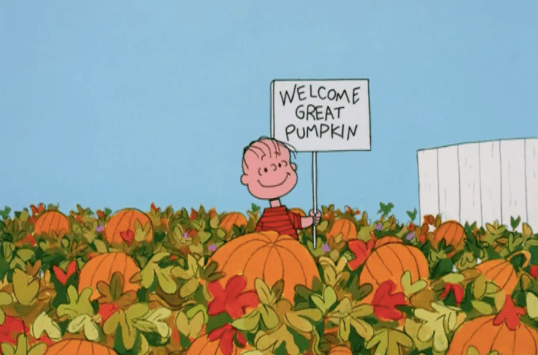
I don’t know about you but, after Game 5 of the World Series, I am praying to the Great Pumpkin for a Halloween miracle.

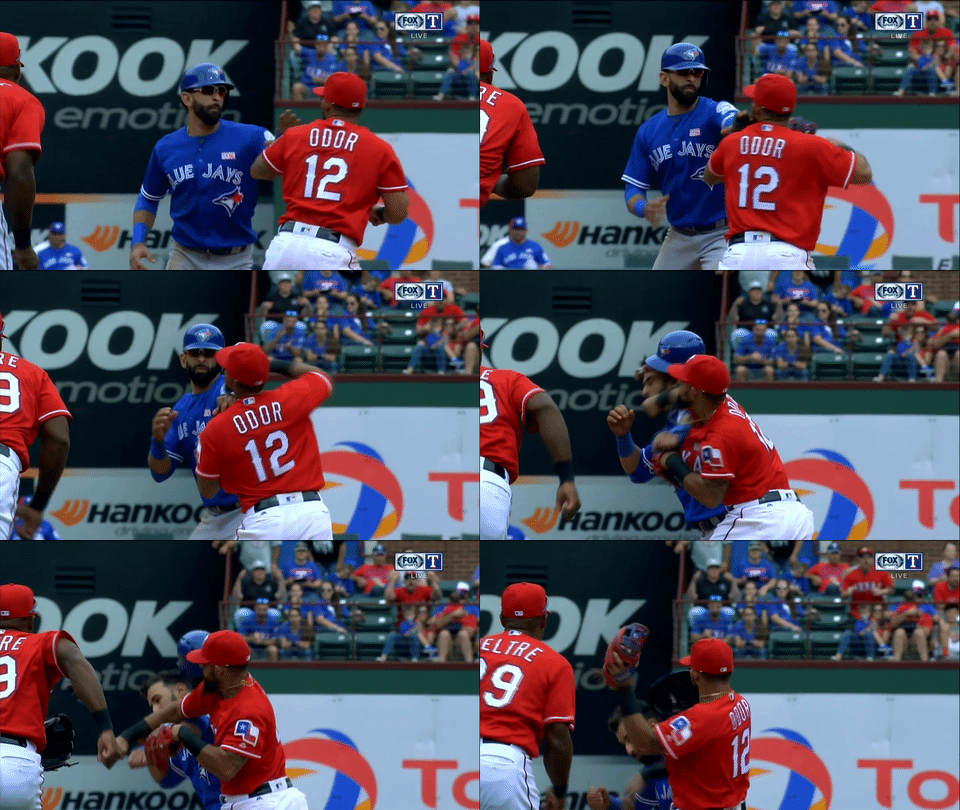
The Blue Jays are one game away from winning the World Series.  Game 6 will be played tomorrow, on Halloween night.  I want to spend my Halloween handing out candy and dancing the monster mash.  (It’s a graveyard smash.)  I do not want to spend it watching my least favorite baseball team win the World Series.  The Blue Jays deserve a lot of credit for how they’ve played this season but, until they fully exorcise the spirit of Jose Bautista and his bat flip from the team, I cannot support them.

I know people don’t like the Dodgers.  I don’t care.  They’re the only thing keeping the Blue Jays from winning the World Series.

Tomorrow’s game is pivotal.  If the Dodgers win, Game 7 will be played on November 1st and, if the Blue Jays do take the Series, at least it won’t happen on a holiday.  If the Blue Jays win Game 6, it’s all over.

I’m going to be make sure this household is the most sincere in the neighborhood so that the Great Pumpkin will give me what I want.

Late Night Retro Television Review: 1st & Ten 2.3 “A Second Chance”


Welcome to Late Night Retro Television Reviews, a feature where we review some of our favorite and least favorite shows of the past! On Wednesdays, I will be reviewing 1st and Ten, which aired in syndication from 1984 to 1991. The entire series is streaming on Tubi.

Things are getting crazy at training camp!

Episode 2.3 “A Second Chance”

(Dir by Bruce Seth Green, originally aired on September 8th, 1986)

This week’s episode featured the unforgettable sight of O.J. Simpson tackling a knife-wielding Don Swayze and saving the life of Delta Burke.

Swayze was playing Clay Daniels, a tight end who was drafted by Coach Denardo, even though he apparently pulled a knife on a professor in college.  After Clay threatened Johnny Valentine after he felt Valentine wasn’t throwing him the ball enough, Denardo explained that he drafted Clay because Clay can play football.  Okay, Ernie, I guess that justifies having a knife-wielding maniac in the locker room….

After Denardo finally cut Clay from the team, Clay showed up at Diana’s house with a knife.  Fortunately, Diana was able to call Denardo and T.D. Parker for help.  Denardo showed up and promised he would give Clay a second chance.  And then T.D. tackled Clay and grabbed that knife like a pro!

Meanwhile, Yinessa returned to training camp but he was not happy that his friend and roommate, wide receiver Jamie Waldren (Jeff Kaake), had a drug problem.  This episode ended with Yinessa getting into a fight with someone who broke into their room in search of Waldren’s cocaine.  An angry Yinessa flushed all of Waldren’s cocaine.  Considering that this episode also featured Diana being named Chairperson of the League’s Anti-Drug Committee, I’m sure this won’t lead to any sort of awkwardness with the team.

Much like last week’s episode, this episode was so melodramatic and over-the-top that I couldn’t help but enjoy it.  Drugs, training camp, and knives!  Will the Bulls make it to the Championship Game a second year in a row?  It’s not looking good but, considering that they have O.J. Simpson’s razor-sharp instincts at their disposal, I wouldn’t count them out yet!

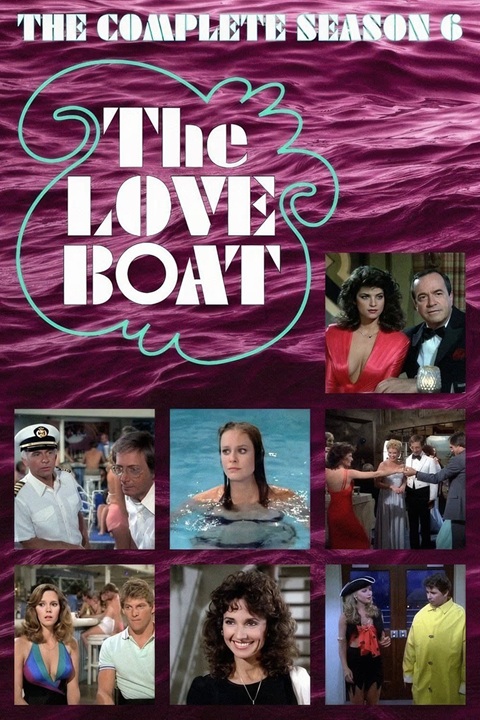
Retro Television Review: The Love Boat 6.24 “So Help Me Hannah/The Maid Cleans Up/CPR IOU”


Welcome to Retro Television Reviews, a feature where we review some of our favorite and least favorite shows of the past!  On Wednesdays, I will be reviewing the original Love Boat, which aired on ABC from 1977 to 1986!  The series can be streamed on Paramount Plus!

Love …. exciting and new!

Episode 6.24 “So Help Me Hannah/The Maid Cleans Up/C.P.R, I.O.U.”

(Dir by Kim Friedman, originally aired on March 12th, 1983)

This episode features Gopher bringing a CPR dummy on board.  No one is that interested in learning how to perform CPR, at least not until one of the passengers, Dwaine Fenley (Steven Keats), has a heart attack.  Fortunately, because of his CPR training, Gopher is able to save Dwaine’s life.  Not only does this lead to Dwaine forging a stronger relationship with his father (Milton Berle) but it also leads to Gopher getting promoted to Head Purser.

(Erin doesn’t like to brag so I’ll brag for her and say that she is not only CPR-certified but she also saved someone’s life a few years ago.  CRP is a good thing to learn!)

While Gopher is trying to get everyone to learn CPR, there are other things happening on the boat and, to be honest, they’re all kind of annoying.  For instance, Hannah (Mary Martin) boards the boat and she’s immediately giving everyone advice and singing Cole Porter tunes.  I kind of knew that this story was going to be annoying from the minute Hannah first boarded the ship and the camera zoomed in for a close-up, which was usually a sign that a guest star was going to spend the entire cruise overacting.  That’s the case here, with Mary Martin delivering every line and playing every emotion as if she’s on Broadway as opposed to a television soundstage.  Hannah meets an ex-boyfriend named Jarvis (Max Showalter) and they sing It’s De-Lovely while standing against the ship’s railing and, for me, it was De-Cringey.  Maybe if I was of Mary Martin’s generation, it would have been less cringey.  But I have to admit that I listen to most of those old songs and I think to myself, “De-lovely is not a word.”  Hannah encourages Jarvis to allow his son (Timothy Patrick Murphy) to play piano instead of becoming a real estate agent.

Finally, a maid (Judy Landers) boards the boat because she knows that her employer (Caren Kaye) is cheating on her boyfriend (Ben Murphy).  It’s actually a bit of a complex storyline, at least by the typical standards of The Love Boat.  Personally, I like Judy Landers and Ben Murphy was appropriately rugged and handsome.  Unfortunately, Landers and Murphy didn’t have much chemistry.

A mixed review for this episode, I’d say.  I appreciated the CPR subplot because that was The Love Boat at its most well-intentioned.  The whole thing with Mary Martin singing old songs was cringe city.  And the maid subplot was just kind of boring.  This was not a great cruise but it wasn’t a terrible one either.  At least, after six seasons, Gopher finally got his promotion.


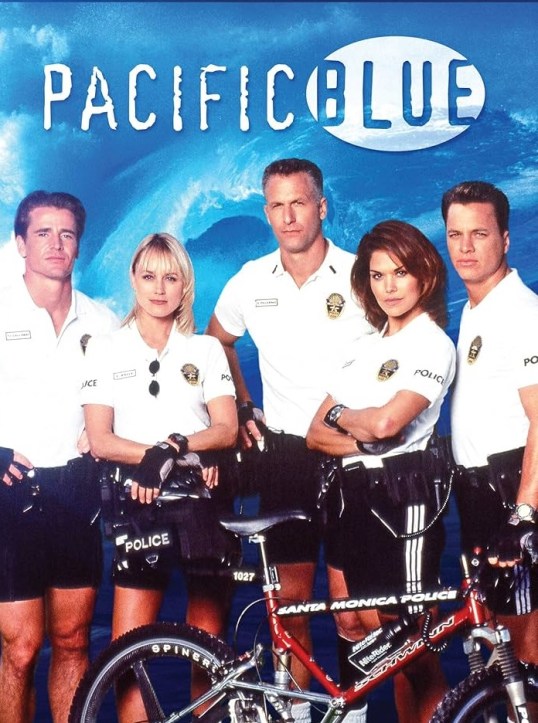
Late Night Retro Television Review: Pacific Blue 3.4 “Blood For Blood”


Welcome to Late Night Retro Television Reviews, a feature where we review some of our favorite and least favorite shows of the past! On Tuesdays, I will be reviewing Pacific Blue, a cop show that aired from 1996 to 2000 on the USA Network!  It’s currently streaming everywhere, though I’m watching it on Tubi.

This week, the bike patrol is busy!

Episode 3.4 “Blood For Blood”

(Dir by Gary Winter, originally aired on August 24th, 1997)

Last week, Pacific Blue attempted to deal with Rave Culture.

This week, it’s Hip Hop Culture!

Rapper Gangster 47 (Ross Leon) is gunned down while leaving a concert.  Gangster 47’s daughter (Meagan Good) is convinced that the hit was ordered by Gangster 47’s rival, Trigger Dog (Ten’l Brunson).  Now, I will just admit right now that I’m having a hard time writing this review because I can’t type out the name Trigger Dog without laughing.  Even though everyone says that Trigger Dog’s feud with Gangster 47 was all for show, Gangster 47’s daughter is determined to shoot Trigger Dog.

Fortunately, noted gangsta rap fan Chris Kelly is on the case.  Seriously, Chris is portrayed as being a fan of Gangster 47.  Over the course of the previous 38 episodes, we have seen absolutely nothing about the very white and the very uptight Chris that would lead us to believe that Chris would be a fan of anything other than military marches but this episode opens with her rolling her eyes when TC says that rap isn’t real music.  Chris tells TC that he needs to realize there’s more to music than the Bee Gees.  Ouch!  You tell him, Chris.  And seriously, take that, Bee Gees!  How Deep Is You Love now, huh!?

Chris and TC have been assigned to protect Gangster 47.  Why exactly the bike patrol is protecting a celebrity who has been getting death threats — as opposed to real cops and real bodyguards — is never really addressed.  Gangster 47’s daughter hates cops.  When Gangster 47 is gunned down in a drive-by, it seems like his daughter has a point. Gangster 47 isn’t killed but he is in the hospital.

The show’s producers obviously figured out that it would be a little bit awkward for the show’s almost entirely white cast to be dealing with a case involving two gangsta rappers so we meet a supercool black detective named — I’m not making this up — Wishbone (Derek Morgan).  Wishbone mainly exists to clasp hands with TC and to back-up Chris, as if the show is saying, “See?  These two aren’t as dorky as they seem.  Wishbone likes them!”  With Wishbone’s help, they come to realize that Gangster 47 was shot by a white man and Trigger Dog is innocent.

The white man is a serial killer named Strob (Todd Cattrell) who is apparently trying to bring about the Biblical apocalypse by murdering celebrities or something.  TC spots him on the beach but, in order to chase after him, he has to get on his bike and this leads to urgent close-up of TC dialing the combination of his bike lock.  Hey, TC, if you had a car, you would have already arrested Streob by now!

While this is going on, Victor’s girlfriend, Linda (Vaitiare Hirshon) has witnessed a murder and, if she testifies, she may have to go into the witness protecting program!  That’s a big deal but, of course, Palermo acts as if it’s nothing because Palermo never seems to get that people actually have lives outside of whatever he needs at any given moment.  Victor doesn’t want to lose Linda.  Conveniently, the murderer pulls a gun on Victor, which gives Victor the perfect excuse to gun him down.  Palermo’s like, “Did he shoot first?” and Victor says, “Sure.”  Victor then asks Linda to marry him.

Personally, I just find it interesting that, with all the crime happening in Santa Wherever This Show Takes Place, it just takes five people on bicycles to catch all the bad guys.  I mean, if that works in Santa Monica, maybe it’ll also work in New York after Mamdani is elected.  Let’s hope so!

Retro Television Review: Fantasy Island 7.16 “Baby On Demand/The Last Dogfight”


Welcome to Retro Television Reviews, a feature where we review some of our favorite and least favorite shows of the past!  On Tuesdays, I will be reviewing the original Fantasy Island, which ran on ABC from 1977 to 1984.  The show is once again on Tubi!

This week, on Fantasy Island, it’s more of the same old same old.

Episode 7.16 “Baby on Demand/The Last Dogfight”

(Dir by Jerome Courtland, originally aired on March 10th, 1984)

Former “pop singer” Joanna Jones (Tanya Tucker) comes to Fantasy Island.  She is no longer concerned with her musical artistry.  (“If you can call that art,” Lawrence says — Lawrence, you bitch, you!)  Now, she wants to have a baby but she doesn’t want to get married.  Her fantasy is to get pregnant over the weekend and never have to see the guy again.

Okay, then.  I mean, does she really have to go to Fantasy Island to have a one night stand?  She’s a famous and wealthy woman so it just seems odd that apparently, this is something that only Mr. Roarke can make happen.

Mr. Roarke sets her up with Harley Batten (Dean Butler) but Joanna finds herself falling for Harley so she abandons him and instead hooks up with George, who is played by Mark Venturini.  Venturini later played Vic in Friday the 13th Part V.  Remember the guy with the axe who gets tired of Joey bothering him while he’s chopping wood?  That was Mark Venturini!

By the end of the episode, Joanna has decided to take a chance on love and she leaves the Island with Harley.  This fantasy just felt odd, largely because Tanya Tucker was a terrible actress and everyone on the show seemed to be embarrassed for her whenever she had to deliver her lines.  I’m pretty sure that I saw both Dean Butler and Mark Venturini looking for an exit whenever Tucker started speaking.

As for the other story, it’s yet another aviation story.  World War II flying aces Paul Spencer (Leigh McCloskey) and Hunter Richter (Grant Goodeve) are turned back into young men so that they can fly their airplanes over Fantasy Island and simulate a dogfight.  However, Richter is haunted by the death of his wife at Dresden and, after discovering that Spencer’s wife (Leah Ayres) bears a strong resemblance to his late wife, Richter becomes determined to engage in actual combat. In the end, Spencer refuses to fight and Richter’s code of honor prevents him from shooting down a man who will not fire back. Because, of course, World War II-era Germans were famous for their sense of fair play….

The aviation story was, at least, well-acted.  But it still felt very familiar.  It was obvious that the show’s writers had run out of ideas.  All in all, this was another disappointing Season 7 trip to the Island.

The Most Beautiful Home Run Of The Season


Last night’s game lasted for 18 innings!  You know that I was cheering for the Dodgers but, after the 17th inning, I really just wanted someone to get a run so I could get some sleep!  It finally happened during the 18th inning, with the most beautiful homerun of the entire season.

The Dodgers are now leading the series 2-1!  Keep going, Dodgers!  Game 4 is tonight!

GO DODGERS!

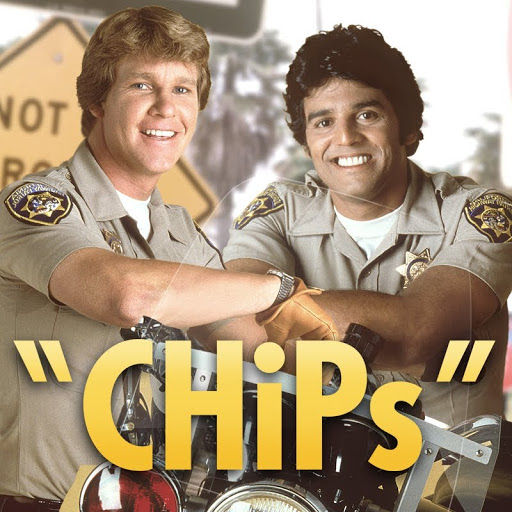
Late Night Retro Television Review: CHiPs 4.19 “Vigilante”


Welcome to Late Night Retro Television Reviews, a feature where we review some of our favorite and least favorite shows of the past!  On Mondays, I will be reviewing CHiPs, which ran on NBC from 1977 to 1983.  The entire show is currently streaming on Prime!

It is time to leave the Bronx….

Episode 4.19 “Vigilante”

(Dir by Arnold Laven, originally aired on May 3rd, 1981)

A citizen’s patrol has taken to the streets of Los Angeles and, despite their good intentions, they’re getting in the way of the Highway Patrol.  They’re supposed to call the cops if they actually see anything but one member of the group is trying to take the law into his own hands.  If that wasn’t bad enough, Getraer has someone sending threatening messages to his house.  Getraer thinks that he can handle things on his own but apparently, he’s forgotten the name of the show that he’s on.

This episode wasn’t bad.  I actually appreciate any episode that gives Robert Pine a chance to do more than just bark out orders as Pine was one of the better actors on the show.  Because Getraer was under so much pressure, he ended up snapping at a lot of the officer during the morning briefing and one got the feeling that Pine enjoyed getting to yell.  Still, at one point, Getraer punishes Grossman by giving him desk duty and you have to wonder if maybe that’s why Los Angeles now needed vigilantes to keep the streets safe.

The vigilantes themselves reminded me a bit of New York’s Guardian Angels.  I checked and the Guardian Angels were themselves formed in 1979 so I guess it’s possible that this episode was inspired by them.  I can’t say for sure because I don’t know how prominent the organization actually was in 1981.  Today, of course, the Guardian Angels are once again very prominent because their founder, Curtis Sliwa, is running for mayor of New York.  Apparently, he’s stuck in third place, which is a shame when you consider who is in first and second place.  Personally, I would vote for Sliwa because he owns six cats and I happen to be collector of berets but I’m also not a New Yorker.

As for vigilante justice, I don’t condone it but I certainly see the appeal.

Retro Television Review: Miami Vice 5.4 “Bad Timing”


Welcome to Retro Television Reviews, a feature where we review some of our favorite and least favorite shows of the past!  On Mondays, I will be reviewing Miami Vice, which ran on NBC from 1984 to 1989.  The entire show can be purchased on Prime!

This week, Crockett tries to find himself.

Episode 5.4 “Bad Timing”

(Dir by Virgil W. Vogel, originally aired on December 2nd, 1988)

With the case against him still unresolved, Crockett goes on vacation.  He doesn’t tell anyone where he’s going, which is a bit unfortunate as he ends up being taken hostage in the Bayous by a group of cartoonishly evil escaped convicts.  (Pruitt Taylor Vince plays one of the hostage-takers but is fairly forgettable.  A young Melissa Leo appears as a fellow hostage and shows none of the grit that made her so memorable as Sgt. Kay Howard on Homicide.)  Somehow, Tubbs still shows up at the last moment and, looking resplendent in a white suit, he shoots the final convict before the latter shoots Crockett.  Crockett doesn’t even ask Tubbs how he knew where Crockett was.  (If Tubbs had been following Crockett the entire time, why would he have allowed Crockett to have been taken hostage to begin with?)  This episode might as well have been called Dues Ex Tubbs.

Watching this episode, it occurred to me that, as a character, Crockett really doesn’t have anywhere left to go.  By having him turn into Burnett and become one of Miami’s most powerful drug dealers, the show pretty much pushed the character as far as possible.  It’s impossible for Crockett to come back from that and it’s equally impossible to watch an episode like this one and not wonder why Crockett wasn’t in prison.  He’s suspected of committing four murders.  He was witnessed shooting a cop.  He attempted to kill his own partner, twice.  The episode begins with several high-ranking cops saying that they don’t buy Crockett’s excuse that he had amnesia.  And yet, Crockett is allowed to leave Miami while the department tries to figure out what to do with him.

Really, the whole idea that Crockett — a minor celebrity due to his college football career — could maintain his Burnett cover for five seasons was already pretty hard to believe.  Crockett and Tubbs’s cover got blown in nearly every episode during the first three seasons.  Having Sonny “Burnett” marry a world-famous singer without anyone noting that Burnett looked just like Crockett was probably this show’s true shark jumping moment.  Once that happened, it became increasingly difficult to take Miami Vice seriously.  The whole arc of Sonny thinking he was Burnett was fun to watch and Don Johnson gave a good performance as a conflicted bad guy but it’s also left the show with nowhere to go.  With this episode, Crockett has been reduced to being taken hostage by a group of backwoods yokels and waiting for Tubbs to materialize from out of nowhere.

In short, it’s time for Sonny to move on.  And seeing as how this is the final season …. well, we’ll see what happens!