Today, in celebration of the birthday of Patrick Swayze, our song of the day is one that he wrote for Dirty Dancing. Enjoy She’s Like The Wind.
Today, in celebration of the birthday of Patrick Swayze, our song of the day is one that he wrote for Dirty Dancing. Enjoy She’s Like The Wind.
Pop Muzik, which was written from the perspective of a DJ, was arguably the first new wave hit and this music video was extremely popular during the early years of MTV. The video was the first to be directed by Brian Grant, who was a BBC producer at the time. Working with a £2000 budget, Grant created a video that was revolutionary for the time. (In the late 70s, music videos were mostly just straight performance clips.) The success of Pop Muzik led to Grant becoming one of the busiest music video directors around. Grant went on to direct videos for The Human League, The Fixx, Squeeze, Duran Duran, and many others. If you were a New Wave group, Brian Grant probably directed at least one video for you.
Enjoy!
Seeing as how today is Robert De Niro’s birthday, this 1984 tune seems like an obvious pick for song of the day!
Today’s music video of the day comes to us from The Hooters, a Philadelphia-based band whose sound will always be identified with the mid-80s. And We Danced is their biggest hit to date. It’s certainly the one that most people think of if they think about The Hooters.
This music video, which was hugely popular back when MTV played music videos, was shot at a drive-in theater in Exton, Pennsylvania in the summer of 1985. Unfortunately, the theater has since been torn down but, in a sense, it will exist forever because of this music video. The video itself was nominated for a Best New Artist award at the MTV Music Video awards but it lost to Take Me On by a-ha.
Enjoy!

For today’s song of the day, we have Chernobyl by Blanck Mass. This piece of music was used to haunting effect in 2014’s A Field In England.
This song, which Ozzy said was actually about a serial killer, was the title track from Osbourne’s 6th solo album. The video was directed by Ralph Ziman, who also did videos for Vanessa Williams, Toni Braxton, Alice Cooper, L.A. Gun, and Faith No More.
The little girl at the end of the video is Kelly Osbourne.
Enjoy!
Supposedly, this song was written about a runaway that Michael Hutchence had befriended and who he wanted to protect in a platonic way. However, when the song was released in the United States, it was selected to be the theme song of an eating disorder awareness campaign and the music video, directed by Mark Pellington, reflects that.
Mark Pellington, of course, should be a familiar name. He directed music videos for just about everyone was relevant in the 90s.
Enjoy!
For today’s song of the day, we have a banjo tune from musician Steve Martin.
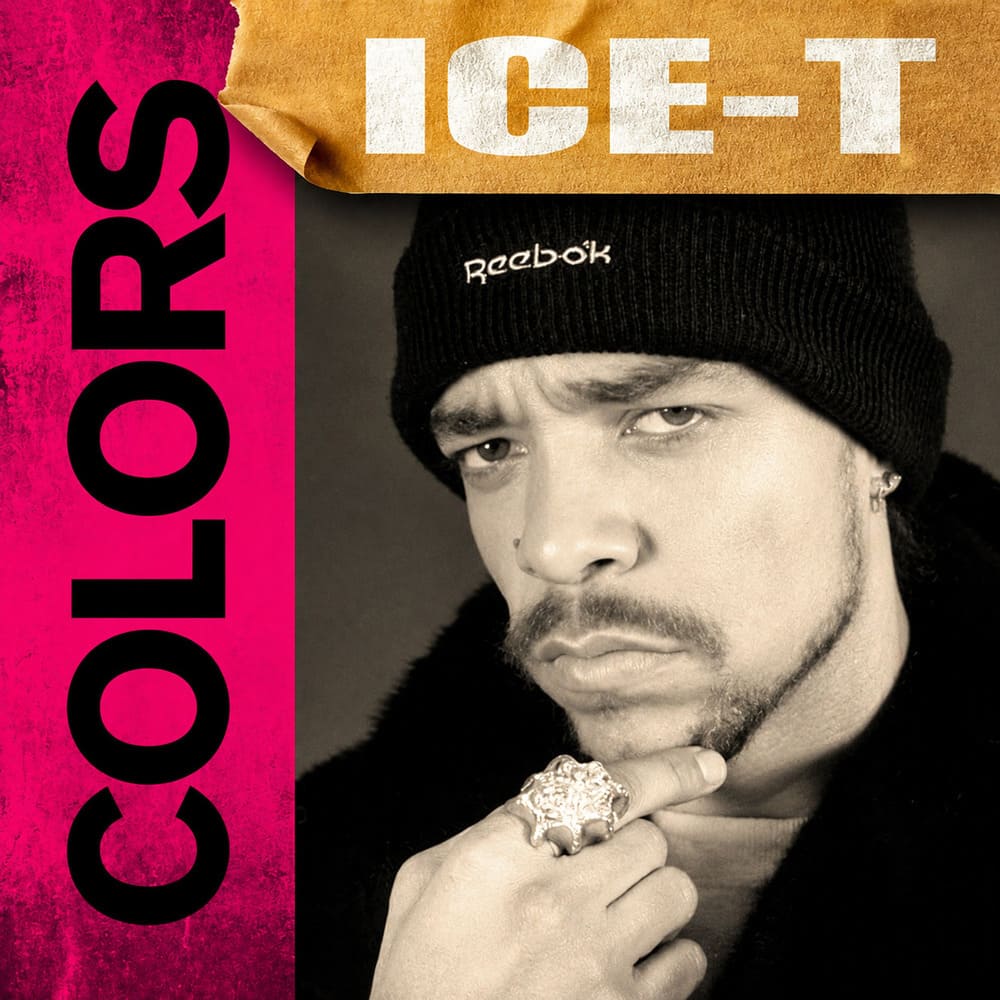
Ice-T’s “Colors” feels like one of those records where West Coast hip-hop stops sounding like a regional offshoot and starts speaking with its own unmistakable voice. Released for Dennis Hopper’s 1988 film of the same name, it does not romanticize Los Angeles gang life so much as report from inside its atmosphere: territorial, tense, and tragically routine. Ice-T’s narrator is not offering a neat moral lesson or trying to turn the street into a fantasy; he is laying out a social reality in plain, hard language. That documentary quality is a major reason the song still lands so forcefully.
What makes “Colors” especially important is how natural Ice-T makes its perspective sound. The flow is controlled and conversational, almost like somebody walking you through the rules of a place where the wrong glance, neighborhood, or color can carry consequences. That approach helped define a West Coast identity built around local detail, storytelling, and lived environment. The song’s world is specifically Los Angeles—not a generic “inner city”—and its focus on the Bloods-and-Crips color divide gave rap listeners outside California a stark picture of how geography and identity could become inseparable.
That was a crucial foundation for what gangsta rap would become. Before the genre hardened into a marketable label—and, later, into endless caricature—“Colors” showed that street-centered rap could be vivid social observation. Ice-T was already a major West Coast presence, and the song helped establish the template that artists such as N.W.A. would push further: police pressure, neighborhood politics, danger, survival, and anger described with little interest in making outsiders comfortable. The song is confrontational, but its real power comes from its clarity; it makes a listener feel how a culture of affiliation can become a trap.
It also helped distinguish the West Coast from the East Coast tradition that had shaped hip-hop’s earliest public identity. New York rap was often treated as the genre’s center of gravity, with its own emphasis on DJ culture, battle skills, dense rhyme patterns, and sample-driven production. “Colors” did not reject lyricism—it is a sharply written record—but it put place and narration ahead of verbal acrobatics. The West Coast voice that grew around songs like this left more room for a direct, cinematic account of life in Los Angeles. That difference should not be flattened into a simplistic coast-versus-coast rivalry, but “Colors” made clear that California hip-hop had its own stories, rhythms, and stakes—and would not need New York’s approval to matter.
Colors
I am a nightmare walking, psychopath talking
King of my jungle, just a gangster stalking
Living life like a firecracker, quick is my fuse
Then dead as a death pack, the colors I choose
Red or blue ‘cuss or blood
It just don’t matter
Sucker die for your life when my shotgun scatters
We gangs of L.A. will never die, just multiply
Colors
You don’t know me, fool, you disown me, cool
I don’t need your assistance, social persistence
Any problem I got I just put my fist in
My life is violent, but violent is life
Peace is a dream, reality is a knife
My colors my honor my colors my all
With my colors upon me one soldier stands tall
Tell me what have you left me
What have I got
Last night in cold blood my young brother got shot
My homeboy got jacked, my mother’s on crack
My sister can’t work ’cause her arms show tax
Madness insanity, live in profanity
Then some punk claiming’ they understanding’ me
Give me a break, what world do you live in
Death is my sect, guess my religion
Colors
My pants are sagging’ braided hair
Suckers stare but I don’t care
My game ain’t knowledge, my game’s fear
I’ve no remorse so squares beware
But my true mission is just revenge
You ain’t in my sect, you ain’t my friend
Wear the wrong color, your life could end
Homicide’s my favorite venue
Colors
So I’ll just walk like a giant, police defiant
You’ll say to stop but I’ll say that I can’t
My gangs my family, it’s all that I have
I’m a star on the wall’s my autograph
You don’t like it, so you know where you can go
‘Cause the streets are my stage and terror’s my show
Psycho-analyze try and diagnose me, why?
It wasn’t your brother that brutally died
But it was mine, so let me define my territory don’t cross the line
Don’t try to act crazy ’cause the shit don’t faze me
If you ran like a punk, it wouldn’t amaze me
‘Cause my colors death, though we all want peace
But our war won’t end till all wars cease
Colors

