Horror On The Lens: Planet of the Vampires (dir by Mario Bava)


Today’s horror on the lens is a true classic, 1965’s Planet of the Vampires!

Directed by the great Mario Bava, Planet of the Vampires follows a space expedition that lands on a seemingly dead planet.  The members of the expedition soon discover that the undead aren’t just an Earth phenomenon.  This atmospheric mix of horror and science fiction was later acknowledged as being a major inspiration for Alien.

Enjoy this classic from Mario Bava!


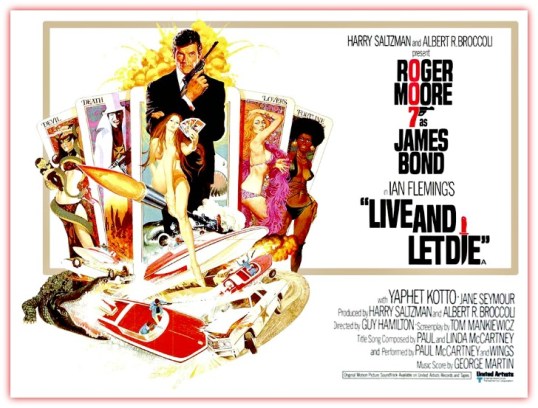
Live Tweet Alert: Join #FridayNightFlix for Live and Let Die!


As some of our regular readers undoubtedly know, I am involved in a few weekly watch parties.  On Twitter, I host #FridayNightFlix every Friday and I co-host #ScarySocial on Saturday.  On Mastodon, I am one of the five hosts of #MondayActionMovie!  Every week, we get together.  We watch a movie.  We tweet our way through it.

Tonight, at 10 pm et, I will be hosting #FridayNightFlix!  We will be welcoming October with a mix of James Bond and voodoo!  Join us for Live and Let Die!

If you want to join us this Friday, just hop onto twitter, find Live and Let Die on Prime, start the movie at 10 pm et, and use the #FridayNightFlix hashtag!  I’ll be there happily tweeting.  It’s a friendly group and welcoming of newcomers so don’t be shy.

See you there!


Horror Song of the Day: Willow’s Song by Magnet


Today’s song of the day comes from the soundtrack of 1973’s The Wicker Man.

Composed by Paul Giovanni, Willow’s Song was based on several songs that screenwriter Anthony Shaffer claimed to have heard at various spring pagan festivals.  Magnet, who is credited with performing the song, was a band of sessions players that were brought together specifically to record the film’s score.  According to Giovanni, the woman singing was Rachel Verney and not, as some people claimed, jazz performer Annie Ross.

Horror Scene of the Day: “Chop Chop” from The Wicker Man


Today would have been the 97th birthday of British director Robin Hardy.

Hardy was best-known for directing the original The Wicker Man.  Indeed, his subsequent films — including the long-delayed sequel — achieved nowhere near the acclaim as 1973’s Wicker Man.  A film in which a Christian detective (Edward Woodward) is lured to an island so that he can be tricked into becoming a pagan sacrifice, The Wicker Man is remembered for Christopher Lee’s chilling performance of Lord Summerisle and, of course, the burning man.

At the risk of being accused of heresy, I’ve always found The Wicker Man to be good but a bit overrated.  Woodward’s detective is portrayed as being such a fool that the film’s ending is nowhere near as shocking as it should be.  (The Wicker Man was written by Anthony Shaffer who, just as he would later do with 1978’s Absolution, lets his own issues with religion bleed a bit too heavily into the film.)  That said, the film is full of wonderfully creepy scenes, like the one below.

“Chop!  Chop!” the villagers say and it may seem like it’s all good fun but the look of relief on some of the people’s faces clue us into the fact that the blades have not always remained motionless.  It’s the supreme act of trust on an island where no one really has any reason to trust anyone.

4 Shots From 4 Horror Films: October 2nd


4 Or More Shots From 4 Or More Films is just what it says it is, 4 shots from 4 of our favorite films. As opposed to the reviews and recaps that we usually post, 4 Shots From 4 Films lets the visuals do the talking!

4 Shots From 4 Horror Films

The Wicker Man (1973, dir by Robin Hardy, DP: Harry Waxman)

Ticket to Heaven (1981, dir by Ralph L. Thomas, DP: Richard Lieterman)

Split Image (1982. dir by Ted Kotcheff, DP: Robert C. Jessup)

Midsommar (2019, dir by Ari Aster, DP: Pawel Pogorzelski)


Horror Film Review: The Bells (dir by James Young)


A silent film from 1926, The Bells stars Lionel Barrymore as Mathias, a businessman who lives in a small Austrian village during the 19th Century.

Mathias is the owner of the inn, the bar, and the local mill.  He’s a popular man around town, specifically because he gives away drinks and meals on credit but he rarely bothers to collect.  He’s hoping that his generosity will lead to him being elected burgomaster.  Instead, it’s left him in debt to Frantz (Gustav von Seyffertitz), who threatens to take away everything that Mathias owns unless Mathias agrees to allow Frantz to marry his daughter, Annette (Lola Todd).  Annette, however, is in love with Christian (Eddie Phillips).

On one snowy Christmas night, a traveler from Poland (E. Alyn Warren) enters the bar.  Mathias befriends the man but, when he sees that the man is carrying a lot of gold, Mathias’s desperation takes over.  He follows the man outside and stabs him.  As the man dies, he shakes a set of horse bells at the man.

Mathias is soon out-of-debt and he is also elected burgomaster.  His daughter is free to marry Christian.  However, Mathias finds himself consumed with guilt.  The ghost of the dead man continually appears to him and stares at him without saying a word.  Mathias is haunted by the sound of the ringing bells.  Soon, the man’s identical twin brother arrives in town, looking for the murderer.  Accompanying him is a mesmerist (Boris Karloff) who claims that he can always get the guilty to confess.

The Bells is a surprisingly effective film.  It’s a silent film so we don’t actually hear the sound of the bells.  But we do see Mathias reacting to what he hears and we see him seeing the bells ringing and what we imagine is undoubtedly scarier than anything that a sound film could recreate.  Meanwhile, the silence of the dead man’s ghost is far more ominous than if the ghost had spoken accusingly.  Because the ghost does not speak, Mathias doesn’t know what it wants and neither do we.  The Ghost itself never reacts to Mathias’s words.  Instead, it just stares at him.  We’re left to wonder if the ghost is real or if Mathias’s guilt-stricken mind is playing tricks on him.  It’s also impossible not to notice that, though Frantz was the one who was causing Mathias so much worry, Mathias take his anger out on a stranger, on someone who he probably presumed wouldn’t be missed.  In the film, it’s made clear that the traveler was also Jewish.  He was an outsider, a Jew who came to an inn on Christmas and was murdered because someone else wanted to take his possessions.  The film is not just about the guilt of one man but it’s also a portrait of the institutional anti-Semitism that has historically defined so much of Europe.

Lionel Barrymore gives a strong performance as Mathias.  Since the film was made at a time when actors could not be heard, Barrymore uses his eyes and the tilt of his head to show us what Mathias is thinking and he does a great job showing us Mathias growing increasingly more and more desperate.  Mathias is never portrayed as being a simple villain.  Instead, he’s a man who lost control for one terrible moment and now has to live with the consequences of his actions.  The film also makes good use of Boris Karloff’s imposing physical presence.  Just as with the ghost, the film leaves it up to the viewer to decide whether the mesmerist has any powers or not.  Karloff plays him as being a intimidating enigma.

Considering the limits of the era in which it wad made, The Bells holds up well.  Director James Young emphasizes the story’s ominous atmosphere.  His direction of the snowstorm and the murder is especially impressive.  The sight of the victim’s blood falling onto the snow remains a haunting one.  One hundred years after it was released, The Bells remains a memorable look at the haunting power of guilt.

6 Trailers From October 2nd


Every Horrorthon, I like to bring out an old favorite of mine.  Lisa Marie’s Favorite Grindhouse and Exploitation Film Trailers used to be a regular feature here on the Shattered Lens.  Every week, I would share some of my favorite grindhouse and exploitation film trailers.  Unfortunately, it turned out that YouTube only had a limited amount of good trailers and I soon found myself having to reuse trailers to keep the series going.  As a result, this feature went from being a weekly thing to a holiday thing.

Well, it’s the holidays!

Here are six of my favorite horror trailers!  I will definitely be watching all six of these this October!

(Be warned, some of the trailers are not safe for work and feature quite a bit of blood and violence.)

  1. I Drink Your Blood (1971)

2. Messiah of Evil (1974)

3. Dawn of the Dead (1978)

4. Shock (1977)

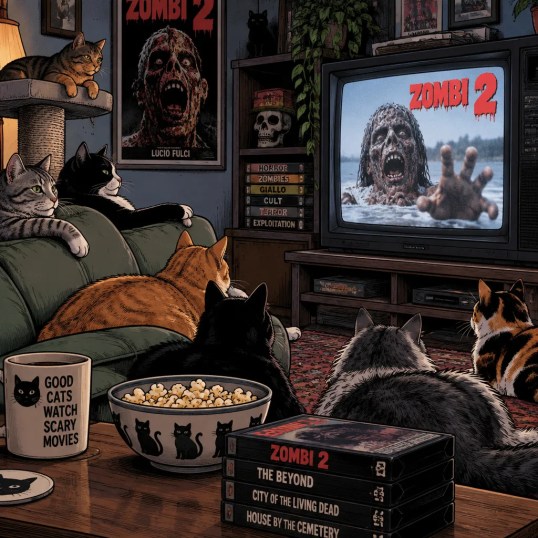
5. Zombi 2 (1979)

6. Inferno (1980)

What do you think, Trailer Kitties?

Music Video of The Day: Burn The Witch by Radiohead (2016, dir by Chris Hopewell)


Today, we have the video for Radiohead’s Burn the Witch.  Through the use of stop motion animation, Burn the Witch tells a disturbing little story, one that deals with an inspector who comes to a seemingly idyllic English village and who eventually ends up getting trapped in a wicker man.  If any of this sounds familiar, it’s probably because you’ve seen either the original Wicker Man or the remake starring Nicolas Cage.  The video for Burn the Witch is actually a bit more positive than the film that inspired it.   In the video, the inspector escapes at the end.  Neither Edward Woodward nor Nic Cage were quite as lucky.

As for the song itself, it deals with the dangers of groupthink and blind obedience to authority.  Since Radiohead’s music has always possessed a libertarian streak, that’s certainly not a shock.  The video condemns not only those who would demand blind obedience but also on those who are foolish enough to give it.  First released in 2016, this video easily predicted much of what would happen in 2020s, from the COVID hysteria on down.

Of course, with The Wicker Man theme, it’s also perfect for October!

Enjoy!

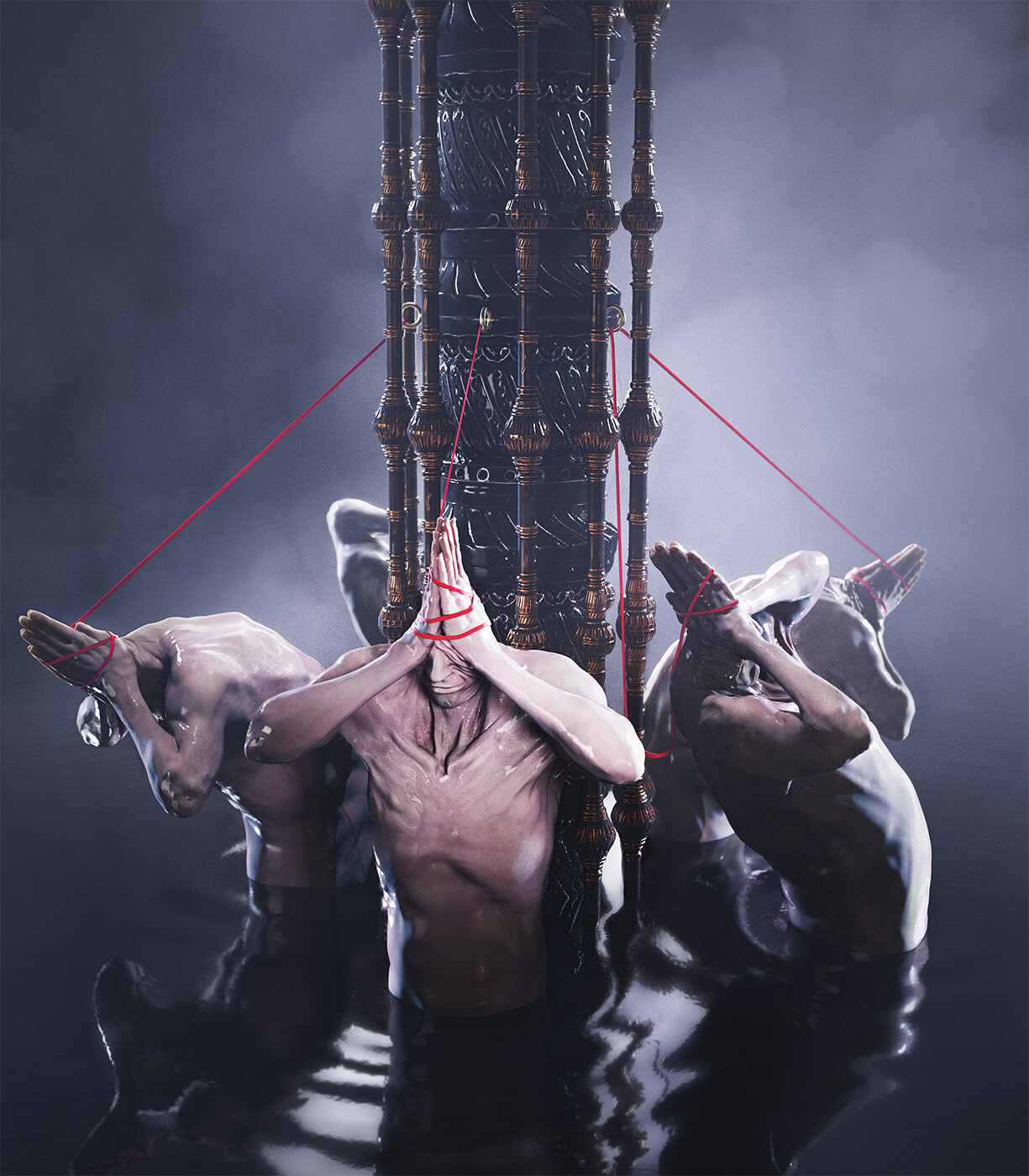
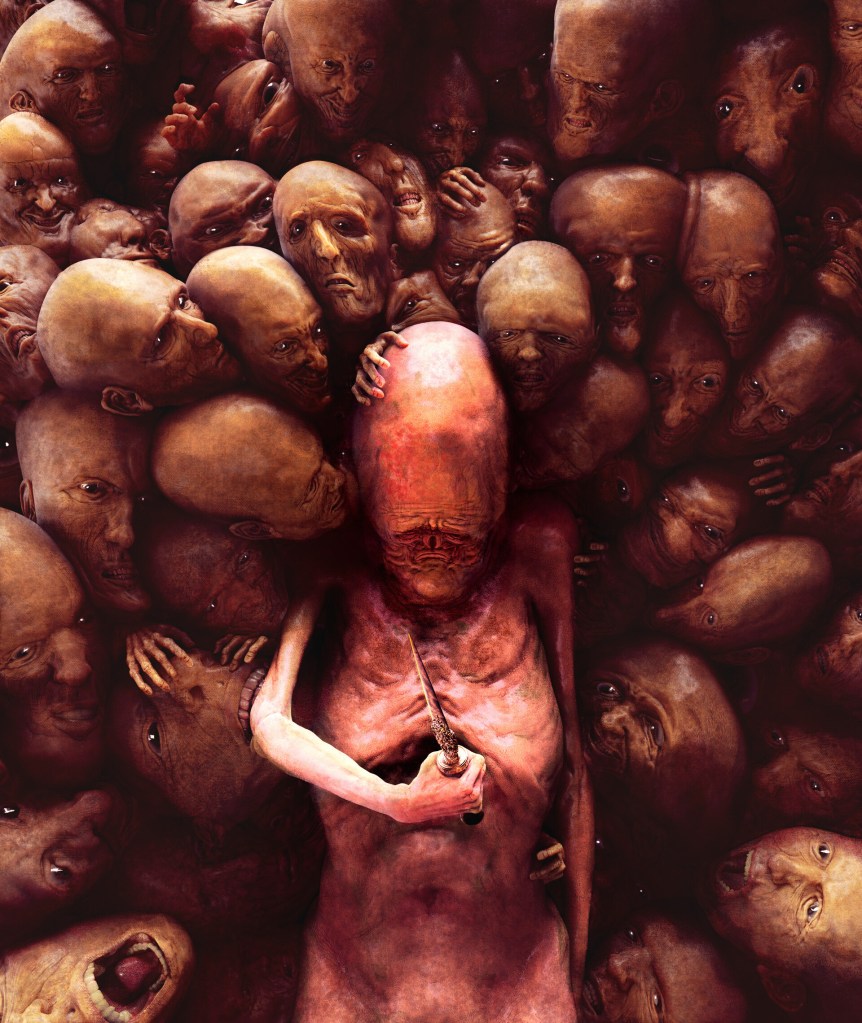
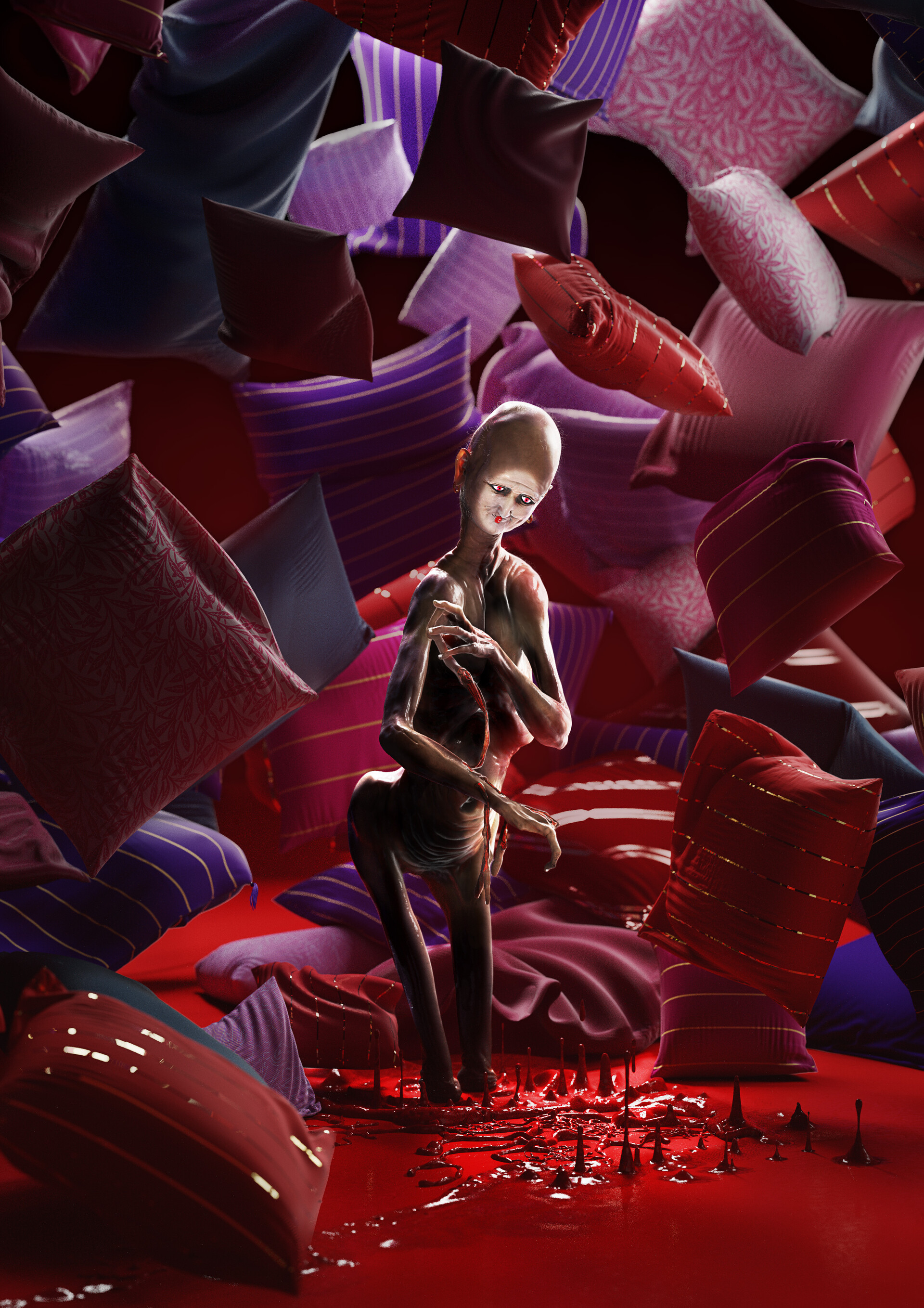
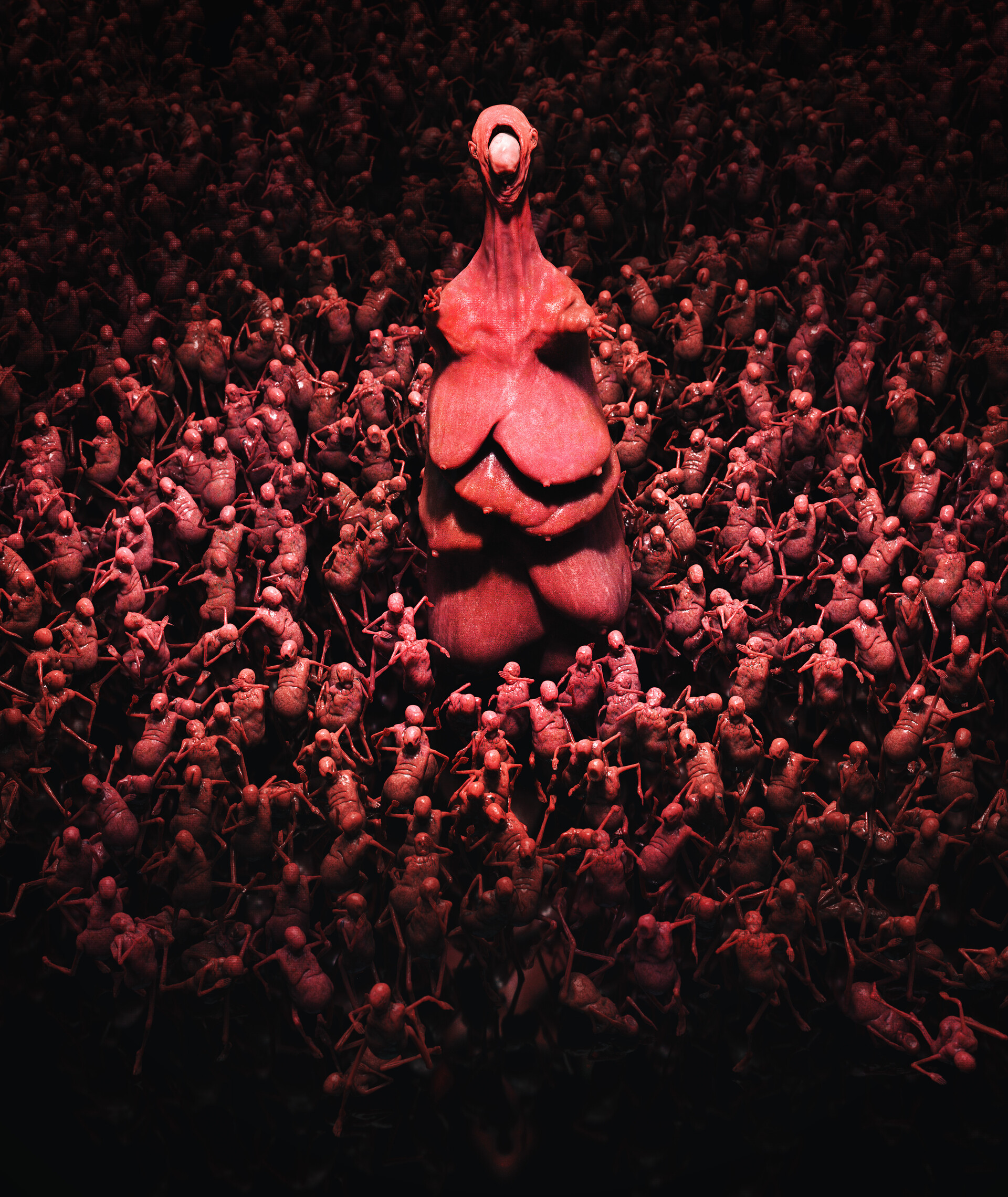
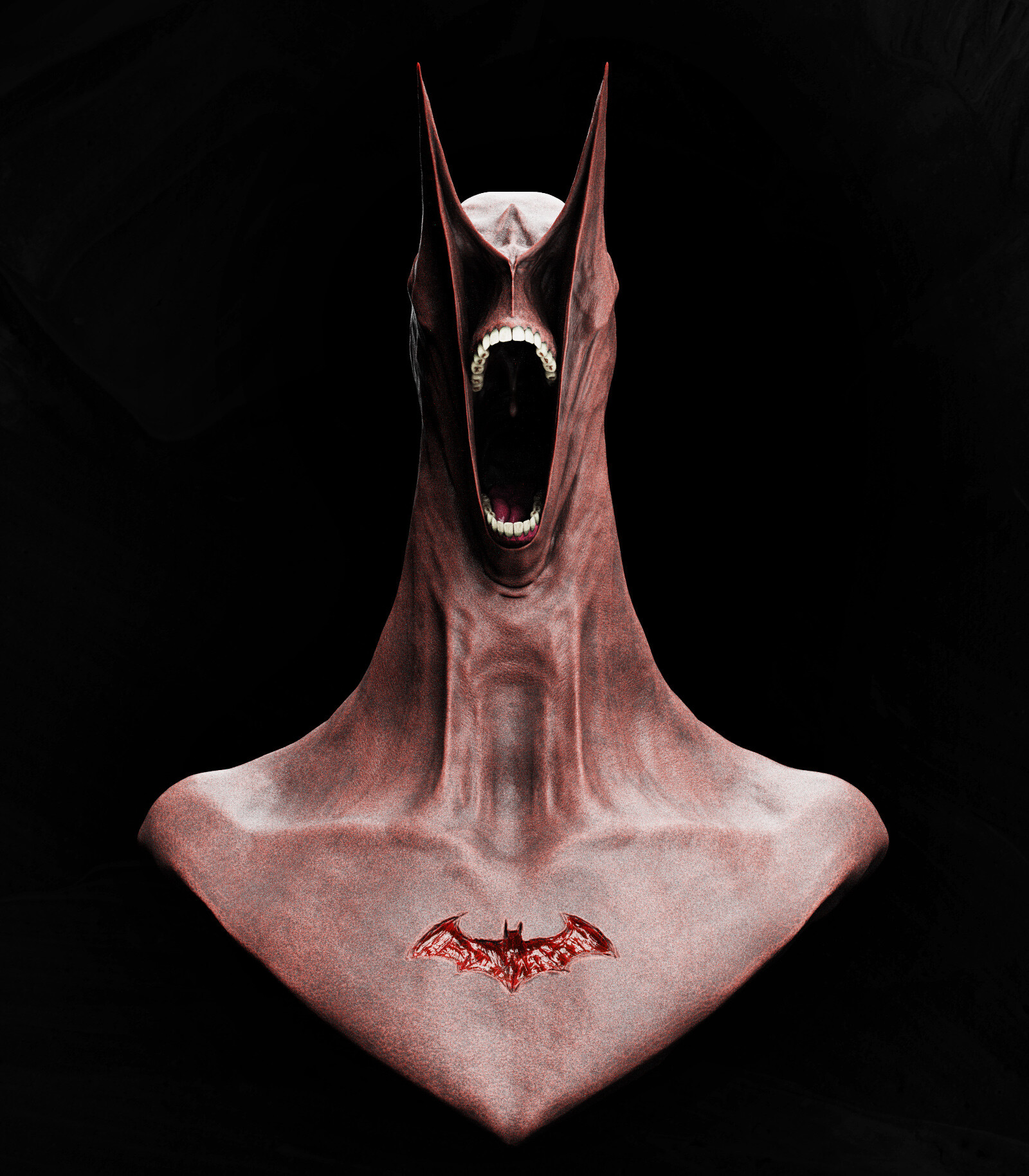
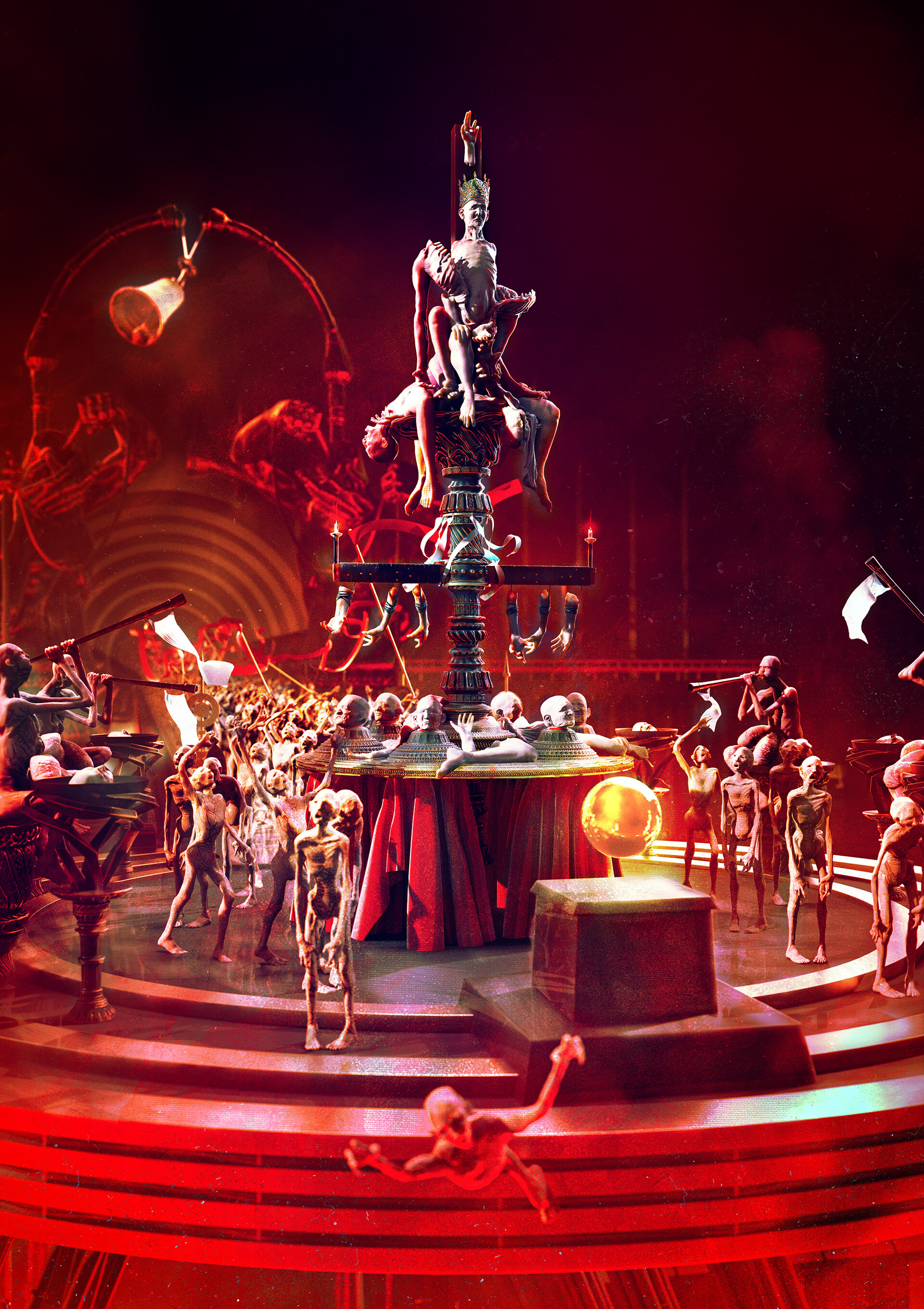
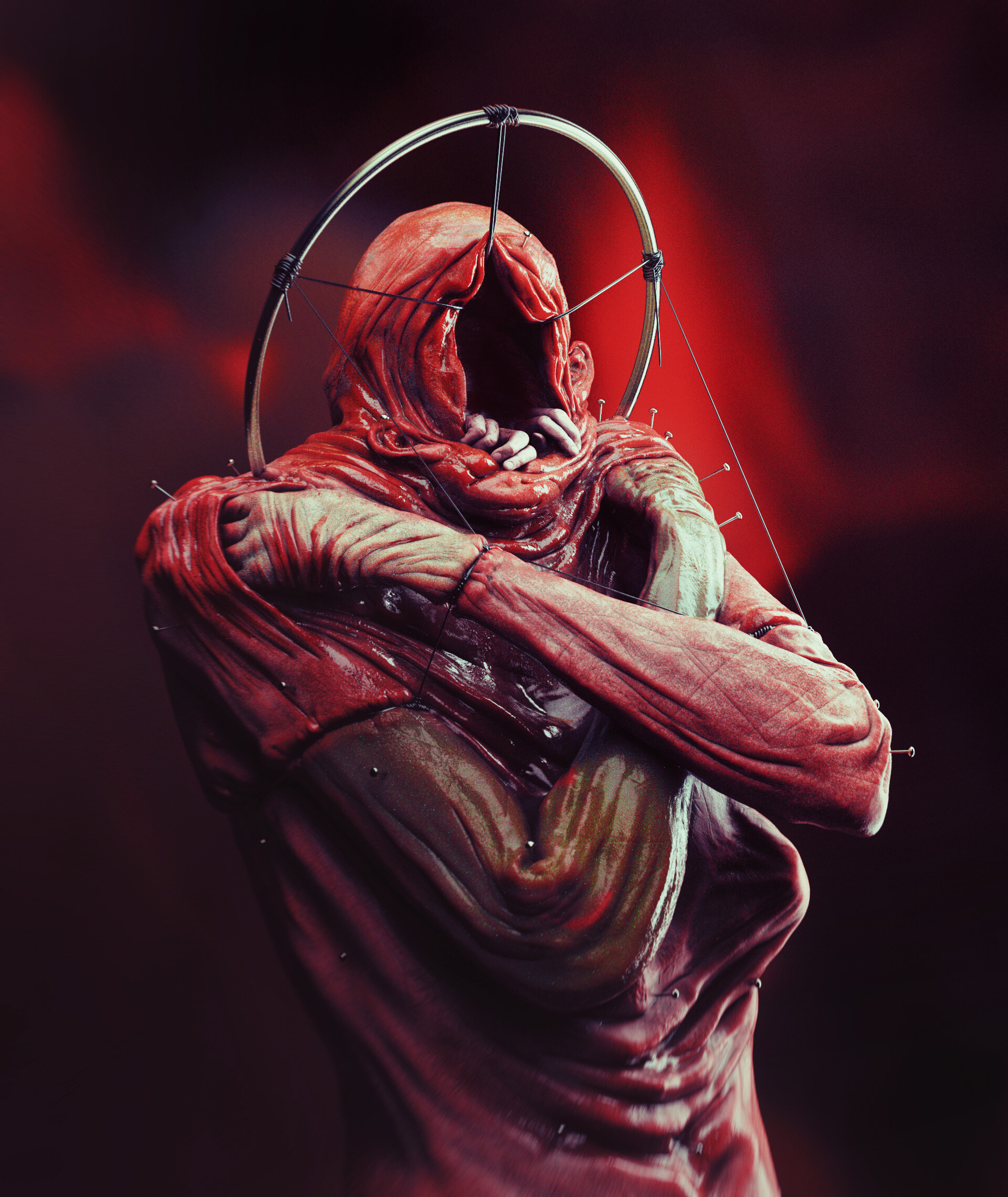
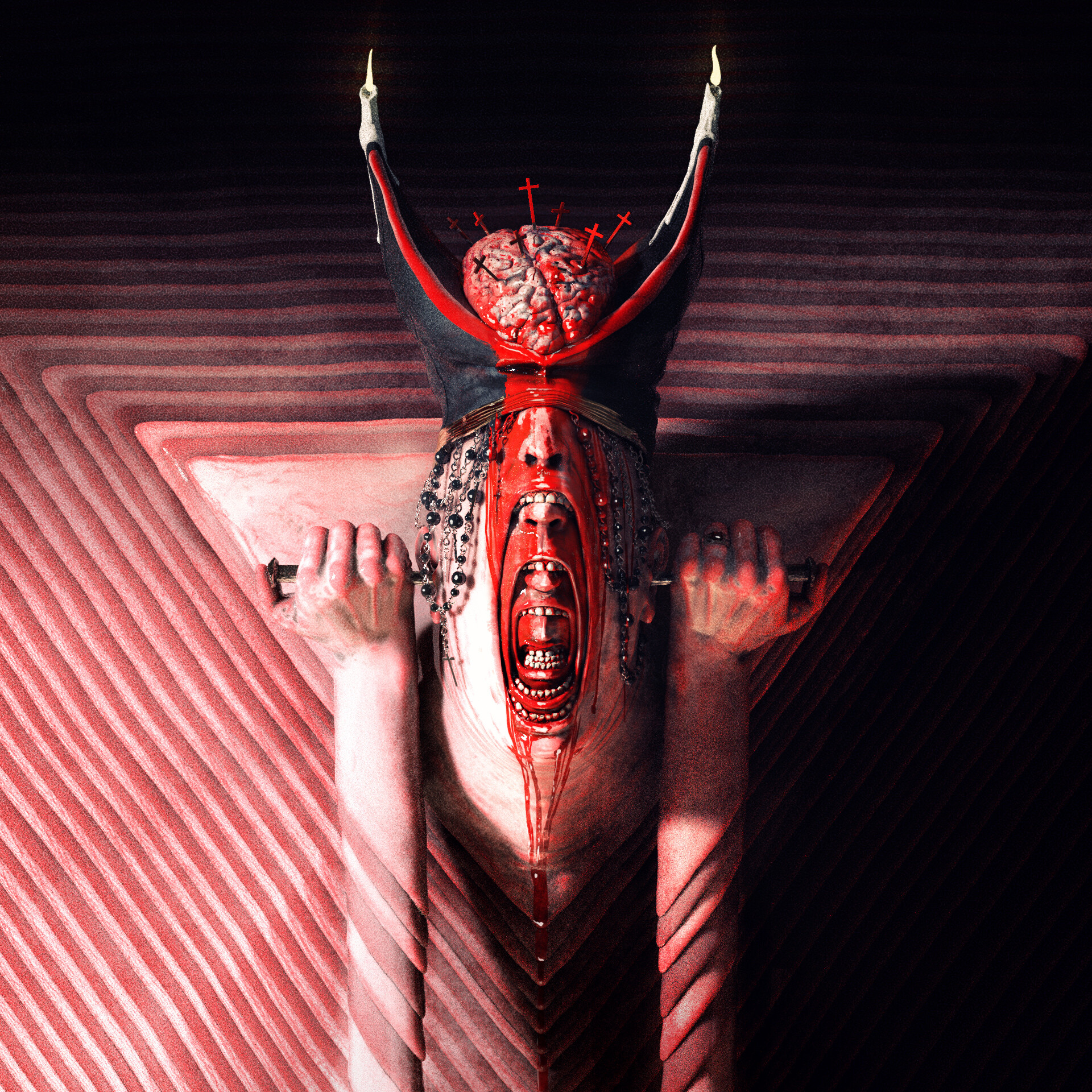
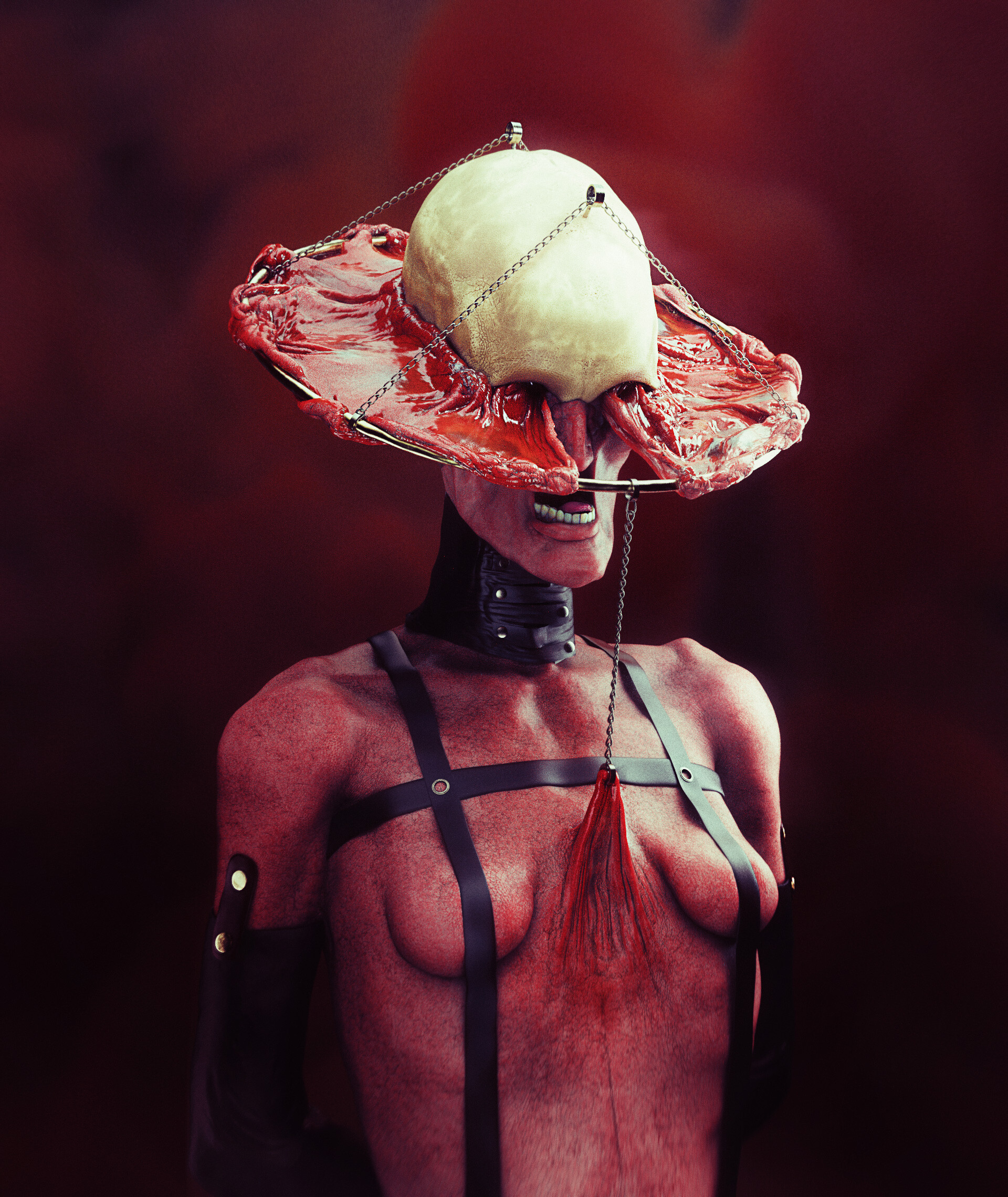
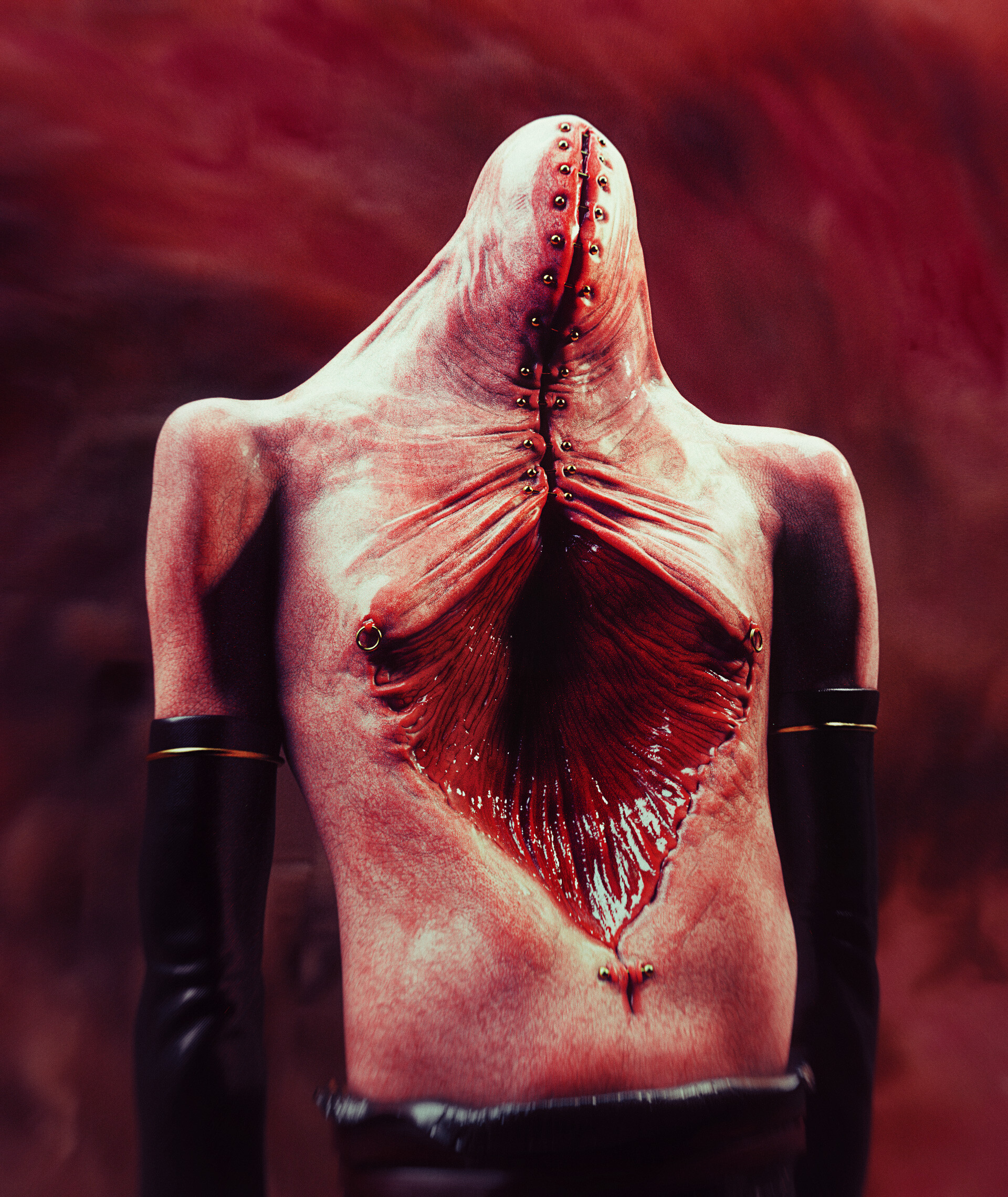
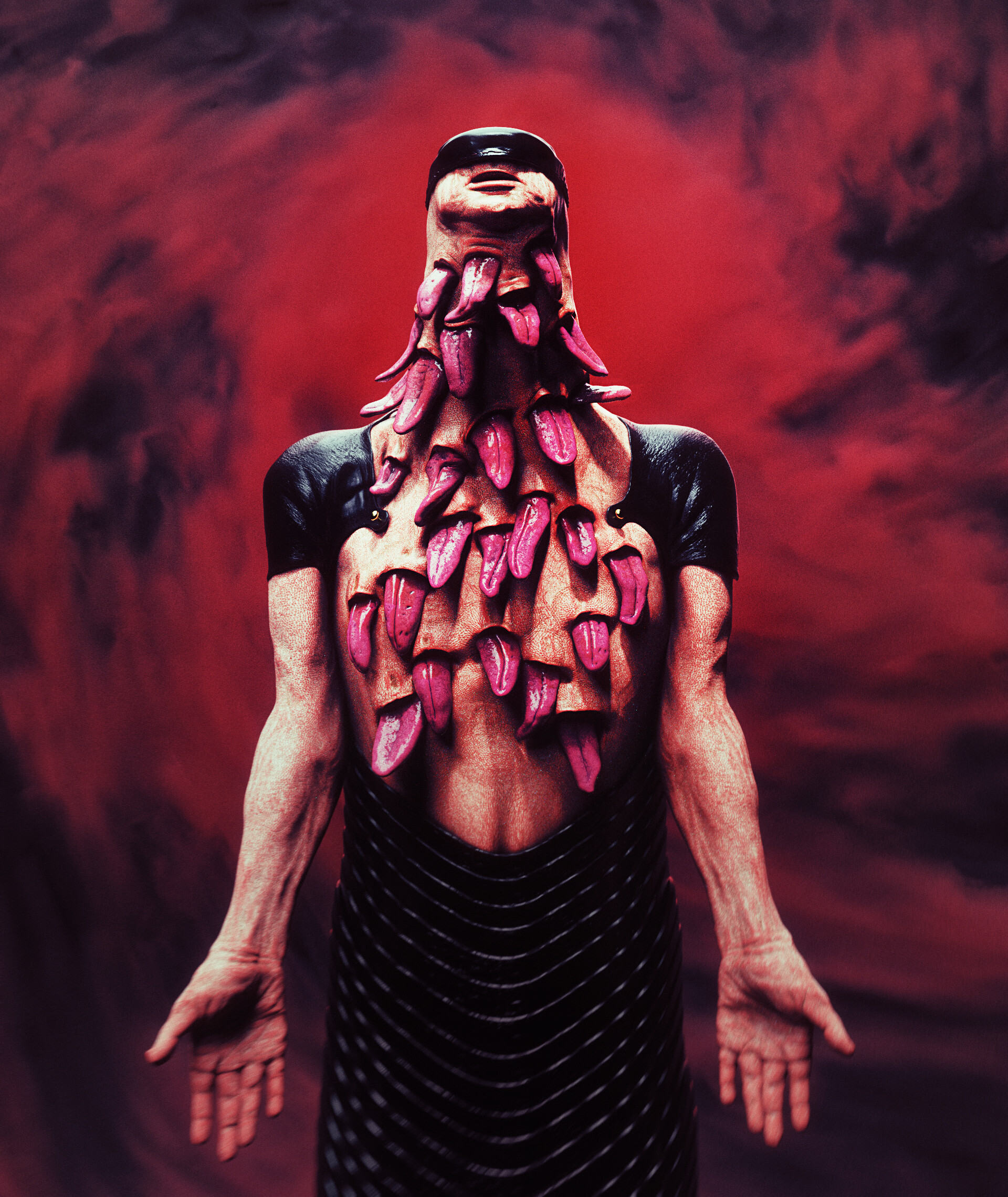
Horror Artist Profile: Franck Besançon


Franck Besançon creates a strain of surrealist horror in which the human body becomes a site of mutation, ritual, and nightmare. His figures feel less like ordinary monsters than damaged saints or fallen mythic beings—at once grotesque, strangely elegant, and charged with a sense of forbidden ceremony. The images draw their unease from that collision between beauty and corruption: intricate forms invite the viewer closer, while their distortions make looking feel almost intrusive.

What makes Besançon’s art memorable is its atmosphere of dark mythology. His work suggests entire unseen worlds governed by pagan rites, flesh-bound transformations, and ancient forces that have remade their subjects into living relics. Rather than relying on shock alone, he gives body horror a mournful grandeur; his creatures often seem tragic, ceremonial, and even regal in their deformity. That combination makes the art feel like a visual cousin to cosmic horror and dark fantasy as much as conventional monster design.

Besançon’s sensibility is a particularly fitting match for Clive Barker’s imagination. He is set to provide the cover artwork for Library of the Dead, Barker’s Kickstarter-funded horror and dark-fantasy trilogy comprising Fear Eternal, Pyres of Bedlam, and Dark Descents. His ability to make the grotesque feel mythic and visually luxurious should give the books a suitably unsettling physical identity.

Source: Franck Besançon