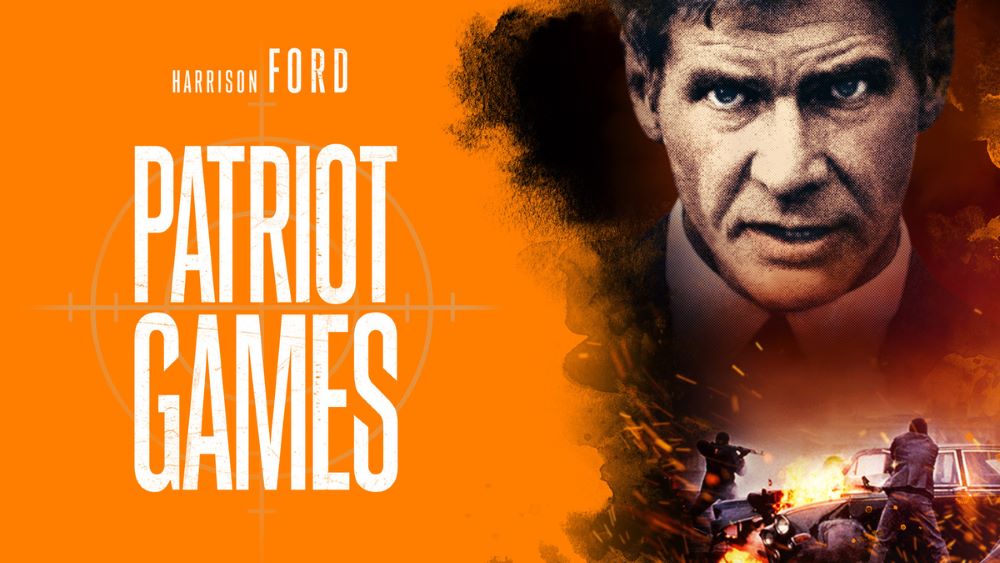
Review: Patriot Games (dir. by Phillip Noyce)


“You don’t know what it’s like to have your life destroyed by one stupid mistake!” — Sean Miller

Patriot Games hits the ground running by thrusting Jack Ryan and his family into the heart of a terrorist ambush on a London street, targeting a key British official tied to the royal family. Harrison Ford plays Ryan as a sharp-minded history professor and former CIA analyst on a simple vacation with his wife Cathy and daughter Sally, but his old Marine training surges up—he charges in, kills two attackers including one terrorist’s brother, and gets winged by a bullet himself. Right away, this setup grabs attention by showing how a random act of guts can boomerang into endless trouble, forcing a guy who craves quiet lectures to dodge bullets and betrayal across oceans, and it plants seeds about whether playing hero is worth the fallout on everyone you love.

Back in Maryland at the Naval Academy, Ryan tries piecing together normalcy, grading papers and dodging CIA calls, but Sean Miller—the captured terrorist whose sibling Ryan killed—gets sprung in a brutal prison convoy hit that leaves cops dead in the dirt. Miller, now laser-focused on payback, reroutes his rogue Ulster splinter group’s rage straight at Ryan’s home front, culminating in a savage freeway pileup where goons ram Cathy’s car off the road, injuring her and Sally badly. Ford nails the shift from composed academic to seething protector, his clenched jaw and urgent phone calls conveying a dad pushed to the brink, while these family-targeted strikes crank the paranoia, transforming everyday drives and school runs into potential kill zones that linger long after the crashes fade.

Sean Bean invests Miller with a coiled, wordless intensity—scarred features and piercing glares that scream obsession without needing speeches, flipping Ryan’s principled stand into the villain’s fuel for a mirror-image crusade. This fictional IRA offshoot rolls with pro-level gear for hits from UK alleys to U.S. suburbs, dodging authorities with insider tips, but their flat-out villainy skips any cracks in loyalty or ideology, turning them into efficient machines rather than messy humans with grudges worth unpacking. Anne Archer holds Cathy together through hospital beds and hushed fears, emerging tougher, as James Earl Jones’ Admiral Greer supplies the gruff guidance that tugs Ryan toward Langley, balancing the intimate home front with globe-spanning spycraft that feels like a real squeeze on one man’s bandwidth.

The camera shifts smoothly from rain-slicked London corners to bright Maryland bays, capturing open spaces that make characters look small and exposed against the sprawl. Gunshots snap clean and engines growl low during pursuits, pulling you deeper into the fray without drowning out the quieter beats. Horner’s soundtrack builds with brooding pipes and driving rhythms that hit hard in the final bay showdown, boats tearing through darkness with bursts of flame from hands-on stunts that pack a punch even now. Action ramps up step by step from early scraps to that watery chaos, mixing smarts with muscle, even if plot points line up a bit too neatly at times.

CIA war rooms buzz with satellite feeds sharpening grainy Libyan camp footage into proof of terror training, a tech showcase that echoes Clancy’s gearhead love and ramps brainpower against brute force without flashy overkill. Ryan hashes out returns to duty with British contacts, including a Sinn Féin type disavowing the extremists, sketching post-Cold War shifts where lone wolves replace nation-states in the threat lineup. Book-to-screen changes crank Ryan’s field time over desk strategy, letting Ford flex rugged moves that thrill audiences but sand off novel layers of naval tactics and alliance chess for punchier pacing.

Ford and Archer capture the raw friction in Ryan’s marriage through tense, whispered spats about diving back into danger, their easy chemistry making the pushback feel lived-in and real rather than scripted melodrama. Miller’s storyline hurtles toward a frantic leap onto Ryan’s rocking boat, boiling his grudge down to savage, no-holds-barred combat amid crashing waves. On-screen locations—from echoing Naval Academy corridors to churning bay waters—breathe life into the settings, casting national pride as a bruising, up-close shield instead of hollow cheers. Subtle audio touches, like distant creaks in the dim Ryan house, crank up the exposed feeling, linking slick production values to gut-punch emotions without piling on the noise.

Those procedural deep dives—poring over red-haired accomplice sketches or grilling shaky informants—add authentic wonkery, like Ryan spotting tells in grainy photos that crack the case wide, but they drag amid family rehab montages where Sally’s recovery mirrors the slow-burn hunt. The baddies’ cartoonish zeal glosses Northern Ireland’s brutal splits, opting for clear-cut evil over thorny politics that could’ve mirrored real headlines from the era, a choice that streamlines tension yet dates the take harshly next to modern nuance. Endgame flips the house siege into a decoy boat trap, Ryan baiting Miller solo on fiery Chesapeake swells, evolving his street-brawl start into tactical payback, though the tidy win lacks the submarine slyness of earlier Ryan yarns.

This swap prioritizes visceral family shields over shadowy sub hunts, hooking casual viewers while purists miss the book’s flowchart plotting, yet it spotlights Ford’s prime reluctant-warrior groove amid practical blasts that crush today’s green-screen slop. Pacing ebbs in alliance huddles, but peaks like the SAS desert wipeout—watched live via infrared ghosts—deliver clinical thrills tying brains to bangs seamlessly.

Taken together, the taut opener, vengeful pursuits, tech-savvy thrills, emotional anchors, dated politics, and solid craftsmanship add up to a clear verdict: Patriot Games is a good film, a reliable ’90s thriller that delivers crowd-pleasing tension and strong leads without reinventing the wheel. It holds up for its practical stunts and intimate stakes, earning replays as Ford’s standout Ryan turn, even if flaws like simplification and lulls keep it from greatness. Worth the watch for anyone craving balanced action with heart.
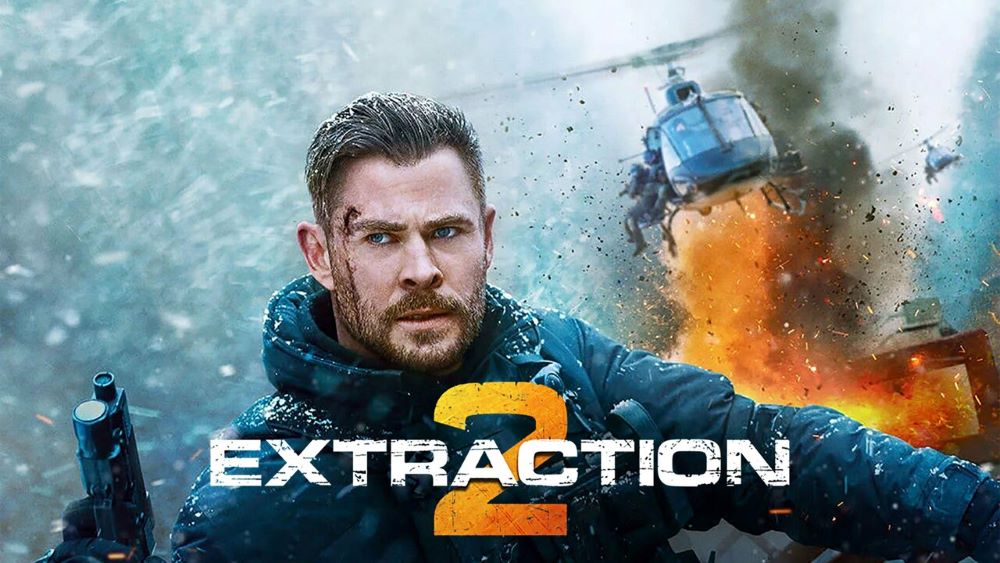
Review: Extraction 2 (dir. by Sam Hargrave)


“I will not stop.” — Tyler Rake

Extraction 2 drops you right into the thick of things, cranking the intensity way past the first film. To quickly recap, the original Extraction introduced Tyler Rake, a gritty mercenary with a troubled past played with undeniable grit by Chris Harmsworth. The story was simple but effective—a high-stakes rescue of a kidnapped boy in Dhaka, Bangladesh, filled with edge-of-your-seat action and those now-iconic, almost balletic long-take fight sequences. It was raw, realistic, and emotionally grounded. Harmsworth’s portrayal anchored the chaos in human vulnerability, helping the film stand out from the typical action fare.

Now, the sequel’s aim is clear—it wants to go bigger, bloodier, and more relentless, and it pulls that off in many ways. The standout here is definitely the action choreography. Sam Hargrave, the director, really flexes his muscle with several jaw-dropping sequences, especially a breathtaking 21-minute continuous take that makes you feel like you’re running alongside Rake, dodging bullets and throwing punches in real time. It’s an impressive technical feat but, more importantly, it’s incredibly immersive. The fights have that gritty realism where each blow counts, and the camera work lets you see every tense moment clearly instead of hiding behind shaky cuts.

Chris Hemsworth, once again, owns the role. This time around, you can see a bit more of the toll the mercenary life has taken on Rake. Hemsworth brings a subtle layer of weariness mixed with fierce determination. His physicality is on full display—he’s convincing in those brutal hand-to-hand combats without ever feeling like a stuntman stand-in. He does it all, and it’s clear he’s not just punching air; this is a man fighting for something beyond just survival. The emotional beats land a bit more naturally this time around, helped by Hemsworth’s grounded performance, which balances the nonstop action with moments of quiet reflection.

Visually, the film is a significant step up. The settings shift from humid, congested streets to icy, oppressive Georgia, and the cinematography makes the most of this change. The chilly, bleak palette fits perfectly with the film’s mood—harsh, unforgiving, and tense. The camera work is bold yet measured; it takes its time to show us the fights fully, letting the choreography breathe without rushing or confusing the viewer. This clarity turns the action scenes into mini-masterpieces, where every movement, every shot, and every punch feels deliberate and impactful.

That said, not everything clicks perfectly. The plot plays it safe with familiar revenge and rescue-mission beats, and the supporting characters don’t get much development beyond their utility to the story. Golshifteh Farahani steals a few scenes as Nik, adding fresh energy and complexity as a tough and capable ally, but others around her mainly exist to get the body count up. There’s a formulaic feel to the storyline—with plenty of high-stakes tension but little in the way of surprise. If you go in looking for deep storytelling or rich character arcs, you might be left wanting.

The film truly embraces the “bigger is better” mantra, and in many ways, it pays off spectacularly with larger, more intricate action sequences and expanded scale. This escalation brings a fuller, more thrilling spectacle that keeps you hooked from start to finish. However, this increase in scope leads to a trade-off: the narrative feels more convoluted and sometimes weighed down by its own ambition. The plot introduces multiple new characters and intersecting agendas, which lengthens the storyline unnecessarily and complicates what could have been a more straightforward mission. This convolution makes the story not only more formulaic but also harder to follow, detracting from the lean storytelling charm that made the first movie so effective.

Tone-wise, the movie trades some of the first film’s grounded grit for a flashier, more stylized look and feel. Some sequences stretch believability—Rake’s near-indestructibility and certain stunt setups can pull you out of the moment. Still, if you’re willing to accept that and enjoy the ride, the movie delivers on adrenaline and spectacle in full force.

One of the most refreshing things about Extraction 2 is how well it balances raw, physical combat with moments of emotional depth. Between the intense fight scenes, there are small windows into who Tyler Rake is and what drives him. These touches give the film a heartbeat beneath all the explosions and punches. Rake is no cookie-cutter action hero; he’s a broken man clawing his way toward redemption, and that gives the film a surprising amount of emotional weight for a movie mainly about violence and chaos.

Ultimately, Extraction 2 isn’t reinventing the wheel, but it doesn’t need to. It knows its audience and delivers exactly what it promises: high-octane, impeccably executed action sequences tied together by a thread of humanity. Hemsworth’s portrayal elevates it beyond just a flashy romp, lending it a gritty soul. The villains feel suitably menacing, and the stakes are convincingly high, which keeps the tension ticking throughout.

If you loved the first Extraction for its mix of brutal realism and emotional punch, the sequel will feel familiar but amplified—more intense, more expansive, and a bit louder. If you’re new to the series, Extraction 2 still stands solid on its own as a showcase of what well-choreographed action cinema looks like today—raw, precise, and emotionally resonant with just enough story to keep you invested without dragging you down.

In short, Extraction 2 is a wild, thrilling ride with a surprisingly human heart beating beneath all the chaos. It’s a film that knows how to entertain, showcasing Chris Harmsworth at his physical and emotional best and proving that action movies can still push creative boundaries while keeping viewers hooked. The movie brings bigger and bolder set pieces that truly live up to the “bigger is better” slogan, but this comes at the cost of making the plot more convoluted and overly complicated than it needed to be. While the intricate story layers may strain some viewers, the explosive action and solid performances make it a must-watch for any fan of visceral, edge-of-your-seat thrillers. If you want a no-nonsense blockbuster with a pulse, Extraction 2 delivers in spades.

Here Are The 2017 Nominations From The Chicago Independent Film Critics!


The Chicago Independent Film Critics Circle should not be mistaken for the Chicago Film Critics Association.  However, since they’re both in Chicago, that does give me an excuse to once again use this picture of Al Capone.

Here are the nominees!

THE 10 BEST INDEPENDENT FILMS (in alphabetical order):

The Big Sick, Call Me By Your Name, The Florida Project, Get Out, A Ghost Story, Lady Bird, Lucky, Mudbound, The Shape of Water, Three Billboards Outside Ebbing, Missouri

THE 10 BEST STUDIO FILMS (in alphabetical order):

Baby Driver, Blade Runner 2049, Dunkirk, Logan, The Lost City of Z, mother!, Phantom Thread, The Post, Star Wars: The Last Jedi, Wonder Woman


The complete list of nominees for the 2017 CIFCC Awards:

BEST INDEPENDENT FILM

BEST STUDIO FILM

BEST FOREIGN FILM

  • Raw
  • The Square
  • Thelma

BEST DOCUMENTARY

  • Faces Places
  • Jane
  • Whose Streets?

BEST ANIMATED FILM

BEST DIRECTOR

  • Greta Gerwig, Lady Bird
  • Christopher Nolan, Dunkirk
  • Jordan Peele, Get Out

BEST ORIGINAL SCREENPLAY

  • The Big Sick– Emily V. Gordon and Kumail Nanjiani
  • Get Out- Jordan Peele
  • Lady Bird- Greta Gerwig

BEST ADAPTED SCREENPLAY

  • Call Me By Your Name- James Ivory
  • The Disaster Artist- Scott Neustadter and Michael H. Weber
  • Mudbound– Dee Rees and Virgil Williams

BEST ACTOR

  • Timothée Chalamet, Call Me By Your Name
  • Daniel Kaluuya, Get Out
  • Gary Oldman, Darkest Hour

BEST ACTRESS

  • Sally Hawkins, The Shape of Water
  • Frances McDormand, Three Billboards Outside Ebbing, Missouri
  • Saoirse Ronan, Lady Bird

BEST SUPPORTING ACTOR

  • Willem Dafoe, The Florida Project
  • Richard Jenkins, The Shape of Water
  • Sam Rockwell, Three Billboards Outside of Ebbing, Missouri
  • Michael Stuhlbarg, Call Me By Your Name

BEST SUPPORTING ACTRESS

  • Tiffany Haddish, Girls Trip
  • Allison Janney, I, Tonya
  • Laurie Metcalf, Lady Bird

BEST ENSEMBLE CAST

  • Get Out
  • Mudbound
  • The Post
  • The Shape of Water
  • Three Billboards Outside Ebbing, Missouri

BEST CINEMATOGRAPHY

  • Blade Runner 2049– Roger Deakins
  • Dunkirk- Hoyte van Hoytema
  • The Shape of Water– Dan Laustsen

BEST PRODUCTION DESIGN

  • Blade Runner 2049– Dennis Gassner
  • mother!- Philip Messina
  • The Shape of Water- Paul D. Austerberry

BEST EDITING

BEST COSTUME DESIGN AND MAKEUP

  • Darkest Hour– Jacqueline Durran (costumes), Kazuhiro Tsuji, Lucy Sibbick and David Malinowski (makeup)
  • Phantom Thread– Mark Bridges (costumes), Paul Engelen (makeup)
  • The Shape of Water– Luis Sequeria (costumes), Jordan Samuel and Paula Fleet (makeup)

BEST ORIGINAL SCORE

BEST VISUAL EFFECTS


TRAILBLAZER AWARD

  • Sean Baker, The Florida Project
  • Jordan Peele, Get Out
  • Dee Rees, Mudbound

IMPACT AWARD

  • Greta Gerwig, Lady Bird
  • Patty Jenkins, Wonder Woman
  • Jordan Peele, Get Out