Review: My Name


“I’m not afraid of dying. I’m afraid of not knowing the truth.” — Yoon Ji-woo

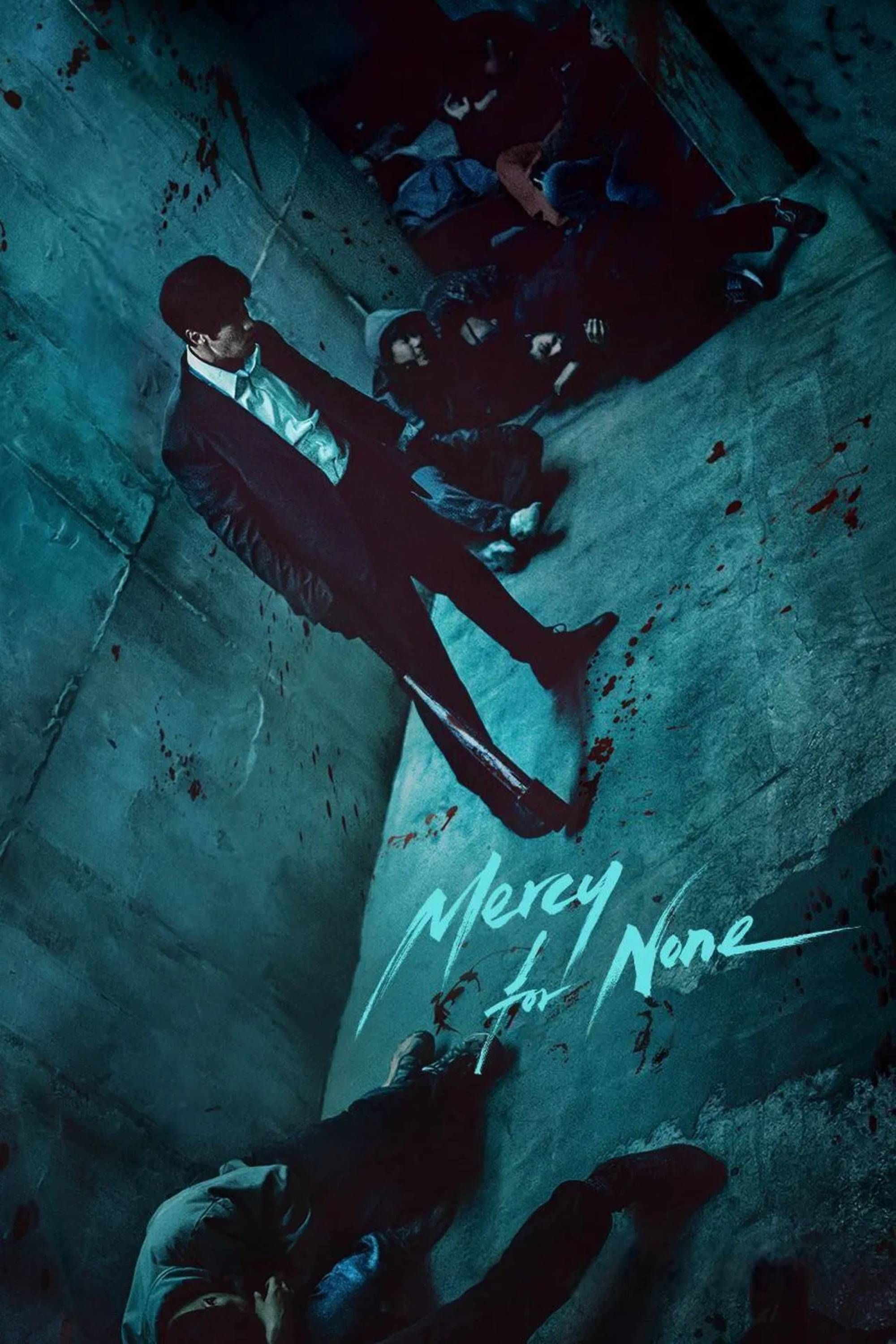
My Name is one of those K-dramas that grabs your attention from the start and maintains a relentless pace throughout. It is a gritty, action-packed series set in a dark, unforgiving underworld marked by crime, betrayal, and a driving quest for revenge. The story follows Yoon Ji-woo, a young woman whose life is shattered when her father, a figure tied to the mob, is brutally murdered. What unfolds is her transformation from a grieving daughter into a formidable and determined fighter intent on uncovering the truth behind her father’s death and exacting vengeance.

The series does not shy away from depicting violence in an unflinching manner. For those who appreciate intense and well-choreographed fight scenes, My Name provides a visually and emotionally striking experience. The physicality Han So-hee brings to her role is notable, lending authenticity to every punch, fall, and desperate struggle. However, the violence serves a narrative purpose beyond mere spectacle; it illuminates the bleak world Ji-woo inhabits and the extreme sacrifices demanded of her.

A particularly compelling aspect of My Name lies in its combination of emotional depth and action. Ji-woo is not portrayed as a simple avenger consumed by rage, but rather as a complex individual wrestling with grief, guilt, and profound loneliness. Han So-hee’s nuanced performance effectively balances raw toughness with moments of vulnerability, inviting viewers to engage with Ji-woo on a deeply human level despite her morally ambiguous actions.

The narrative unfolds briskly across eight episodes, avoiding the typical padding seen in many K-dramas. This lean structure maintains a consistently high level of tension as Ji-woo infiltrates the police force undercover on behalf of the criminal organization responsible for her father’s death. The tension arising from this double life—living between two opposing worlds—heightens the drama, creating an ever-present question of trust and betrayal.

This theme of undercover infiltration shares notable similarities with renowned thrillers such as Infernal Affairs and its American remake The Departed. Like those films, My Name explores the psychological strain of agents embedded within enemy organizations, examining shifting loyalties and blurred moral boundaries. Yet, My Name distinguishes itself by focusing intimately on Ji-woo’s personal journey of vengeance and identity. While Infernal Affairs and The Departed emphasize the intricate duality and game of cat and mouse between multiple undercover agents, My Name offers a singular, emotionally charged narrative driven by Ji-woo’s transformation both physically and mentally through relentless trials.

Supporting characters enrich the story further. Detective Pil-do serves as a humanizing counterpoint to the harshness of Ji-woo’s world. His relationship with Ji-woo adds emotional complexity to the story, gently probing themes of trust and moral conflict. The enigmatic crime boss Mu-jin, who mentors Ji-woo, embodies a pragmatic and often manipulative figure, complicating the traditional distinctions between good and evil with a nuanced portrayal.

Visually, My Name excels in creating a brooding and atmospheric setting, with evocative use of shadow, rain, and urban neon lighting that reinforces the noir tone. The haunting soundtrack complements the tension and emotional undertones, underscoring both frenetic action and quieter character moments with equal effectiveness.

That said, the drama’s heavy focus on violence and its dark tone may not appeal to all viewers. The unrelenting grimness and lack of lighter moments could prove challenging to those who prefer more varied emotional rhythms. Furthermore, some secondary characters are not as fully developed as they might be, which occasionally makes subplots feel less integral. Still, the tight focus on Ji-woo’s narrative keeps the drama paced and impactful without unnecessary distractions.

A central thematic strength of My Name is its exploration of identity. Ji-woo’s undercover infiltration prompts profound questions about the self: how much of her original identity can she retain while adopting false personas dictated by survival and revenge? This internal struggle adds a psychological depth that elevates the series beyond a straightforward revenge thriller, inviting reflection on trauma, loyalty, and selfhood.

The pacing is expertly managed, neither rushed nor weighed down by extraneous elements, culminating in a satisfying and emotionally resonant conclusion. The series even incorporates moments of romance late in the narrative, adding subtle layers of hope and human connection to balance the dominant themes of loss and revenge.

In sum, My Name distinguishes itself through Han So-hee’s powerful performance, its raw and realistic action sequences, and its willingness to grapple with complex emotional and moral questions. It is a compelling option for viewers drawn to intense, character-driven thrillers that refuse easy answers while delivering visceral storytelling.

If you are seeking a drama that explores the cost of revenge with both physical intensity and psychological nuance, My Name offers a gripping experience from beginning to end. It acknowledges its influences—such as Infernal Affairs and The Departed—but forges a unique path grounded in Korean drama sensibilities and the deeply personal story of its lead character. Its unyielding tone and evocative storytelling make it a memorable entry in contemporary Korean thrillers.

Review: Glass Onion: A Knives Out Mystery (dir. by Rian Johnson)


“Everyone loves a puzzle until it’s time to solve it.” — Benoit Blanc

Glass Onion: A Knives Out Mystery is a follow-up to the original Knives Out film, starring Daniel Craig as the ingenious detective Benoit Blanc. It builds on the premise of a murder mystery but wraps it inside a colorful, satirical commentary on wealth, influence, and the human condition. Set on the private island of a tech billionaire named Miles Bron, the story assembles a quirky cast of characters, all entangled in complicated relationships that unravel layer by layer. The casual tone of the movie masks a sharp, incisive look at the absurdities of the ultra-rich and the moral compromises they often make.

From the outset, Glass Onion shines with its clever blending of classic whodunit tropes and contemporary social critique. The gathering on the island is ostensibly for a murder mystery party, but the tension quickly escalates when the lines between game and reality blur. As detective Benoit Blanc begins to peel back the layers, it becomes clear that the story is much more than just a puzzle; it’s a reflection on fame, fortune, intellectual theft, and the lengths people will go to protect their reputations and secrets. The mystery itself is engrossing, delivering plenty of twists and turns that keep viewers guessing without feeling predictable.

The characters are vividly drawn, each embodying a certain archetype of privilege and excess, yet crafted with enough depth to avoid caricature. Miles Bron, in particular, captures the archetypal tech mogul—brash, arrogant, and unapologetically wealthy—but his flaws and vulnerabilities make him an intriguing focal point. His colorful group of friends each contribute their quirks and motives, creating a dynamic interplay that enriches the plot. Through their interactions, the film deftly explores themes of betrayal, sycophantic behavior, and the moral decay that can accompany unchecked power.

Edward Norton’s portrayal of Miles Bron has often been linked to Elon Musk, mostly because Bron’s flamboyant personality and billionaire tech mogul status seem reminiscent of Musk. However, director Rian Johnson and Norton himself have been clear that the character is not based specifically on Musk. Instead, Miles embodies the broader archetype of “tech bros”: exceedingly wealthy, extremely arrogant, and more than a bit sociopathic. Norton’s portrayal blends charm, obliviousness, and bravado, embodying this tech mogul stereotype more than mimicking any particular real-life figure. This approach allows the film to critique the broader billionaire culture, using Miles as a symbol of its excesses and absurdities, rather than targeting one individual.

A distinctive feature of Glass Onion is how it incorporates the reality of its production during the height of the COVID-19 lockdown. Set in May 2020, during global lockdowns, the film naturally weaves in social distancing and mask-wearing as part of its narrative fabric. This not only adds an element of authenticity but also becomes a device to reveal character traits—whether sincere compliance or performative adherence. The pandemic protocols also shaped production logistics, reducing extras and focusing tightly on the main cast, creating an intimate but tense atmosphere. By anchoring the isolation of its characters in a real-world health crisis, the film echoes classic mystery confinements while feeling relevant and immediate.

Emotional stakes in Glass Onion are amplified through Helen, who arrives on a personal mission to uncover the truth behind her sister’s death. Unlike many self-interested guests on the island, Helen represents a disruptive force challenging the privileged elite. Her story adds urgency and depth, highlighting themes of justice, accountability, and silence’s costs. This subplot weaves seamlessly into the larger narrative, enriching the mystery’s resolution with meaningful emotional weight.

Visually, the film dazzles with opulent settings and a vibrant color palette that amplify the sense of excess and detachment characterizing the guests’ lives. The private island itself almost becomes a character—a lush, insular playground where drama explodes amid luxury. Production design and cinematography balance whimsy with darker undertones, while costumes and set details root satire in an authentic world.

Craig returns as Benoit Blanc with a mix of charm, wit, and gravitas, anchoring the film amidst eccentric chaos. Blanc’s character delights as a master detective who enjoys intellectual puzzles but wrestles with moral questions. Meanwhile, the supporting cast gives nuanced performances that capture their characters’ complexities and motivations.

Narratively, Glass Onion triumphs by delivering an engaging mystery while embedding incisive social commentary on inequality and hypocrisy. The film compellingly probes how wealth and influence can obscure truth and the costs endured by those who confront power. The sharp, often humorous writing makes it both entertaining and thought-provoking.

Whether viewed casually or analyzed deeply, Glass Onion offers much to enjoy. Plot twists, sharp dialogues, visual style, and strong performances combine for an engrossing experience. At its core, the story emphasizes how the pursuit of personal gain can harm others, and reckoning with uncomfortable truths demands courage and sacrifice.

Ultimately, Glass Onion is a skillfully crafted, entertaining mystery that surpasses typical genre fare. It balances suspense, humor, and social critique naturally and compellingly. Cementing Rian Johnson’s success in the Knives Out franchise, it reclaims his reputation after the contentious backlash to The Last Jedi. While fan expectations proved insurmountable in that galaxy far, far away, Glass Onion confirms Johnson as a brilliant filmmaker capable of crafting sharp, layered stories. The film invites audiences to not only solve a crime but also reflect on integrity, power, and humanity’s search for justice and meaning. Its impact lingers long after the credits roll.

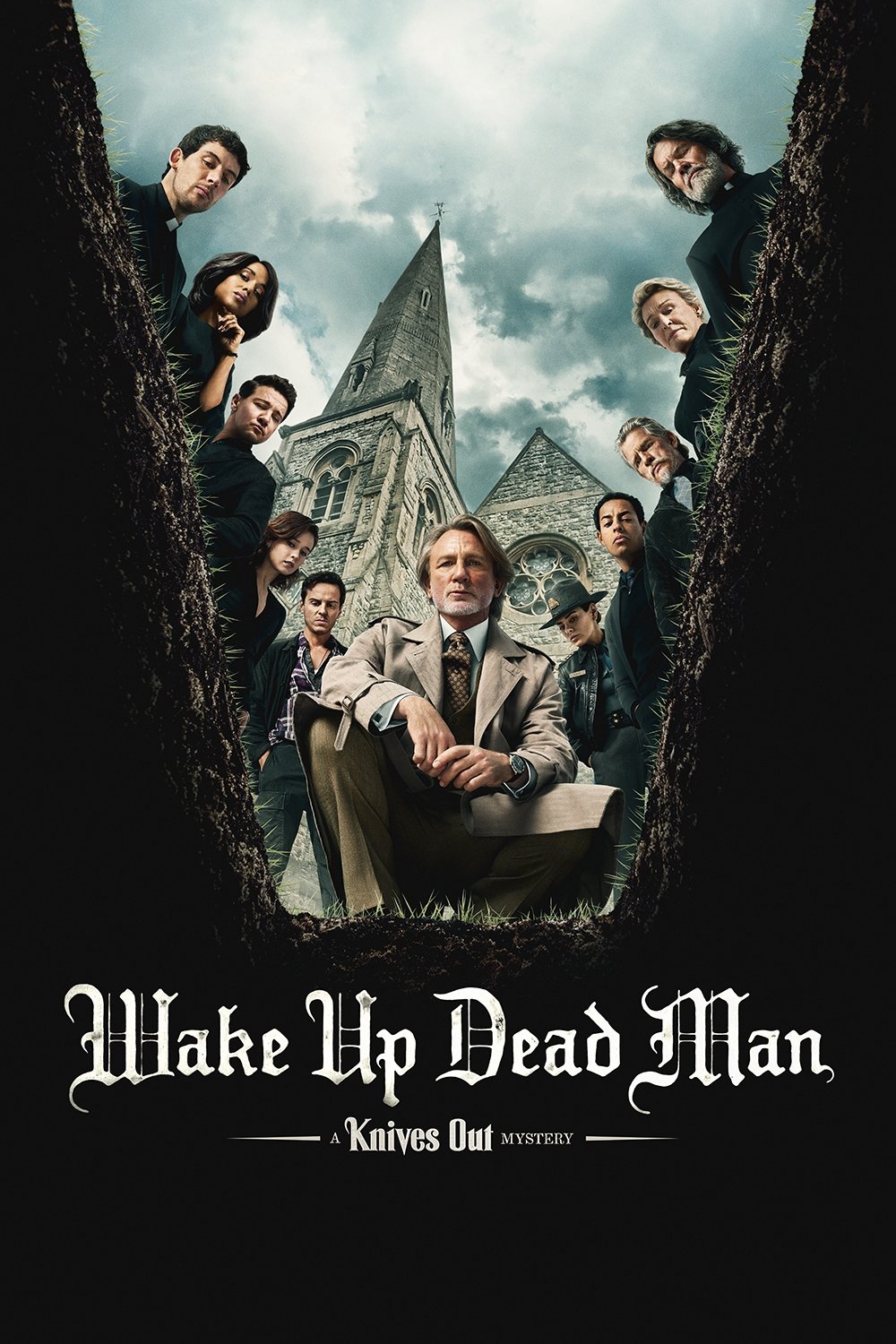
Wake Up Dead Man: A Knives Out Mystery Trailer


Wake Up Dead Man: A Knives Out Mystery is the third movie in Rian Johnson’s fun and twisty murder mystery series. Daniel Craig is back as the sharp detective Benoit Blanc, who’s got his work cut out for him with a seemingly impossible case this time. The movie is set in a small-town church with some pretty creepy secrets, and Blanc teams up with a young priest to crack the case. The cast is packed with great talent like Josh O’Connor, Glenn Close, Josh Brolin, Mila Kunis, Jeremy Renner, and Kerry Washington, so there’s a lot of star power mixed with sharp writing and those clever twists Johnson’s known for.

The movie mixes mystery, drama, and a bit of dark humor while diving into themes like faith, secrets, and lies. Benoit Blanc has to navigate a tangled web of hidden motives and dark pasts—all wrapped in the spooky atmosphere of the church and its community.

It’s dropping in theaters on November 26, 2025, and then hitting Netflix worldwide on December 12, so it’s definitely one to keep an eye out for whether you’re already a fan or just love a good whodunnit.

Review: Extraction 2 (dir. by Sam Hargrave)


“I will not stop.” — Tyler Rake

Extraction 2 drops you right into the thick of things, cranking the intensity way past the first film. To quickly recap, the original Extraction introduced Tyler Rake, a gritty mercenary with a troubled past played with undeniable grit by Chris Harmsworth. The story was simple but effective—a high-stakes rescue of a kidnapped boy in Dhaka, Bangladesh, filled with edge-of-your-seat action and those now-iconic, almost balletic long-take fight sequences. It was raw, realistic, and emotionally grounded. Harmsworth’s portrayal anchored the chaos in human vulnerability, helping the film stand out from the typical action fare.

Now, the sequel’s aim is clear—it wants to go bigger, bloodier, and more relentless, and it pulls that off in many ways. The standout here is definitely the action choreography. Sam Hargrave, the director, really flexes his muscle with several jaw-dropping sequences, especially a breathtaking 21-minute continuous take that makes you feel like you’re running alongside Rake, dodging bullets and throwing punches in real time. It’s an impressive technical feat but, more importantly, it’s incredibly immersive. The fights have that gritty realism where each blow counts, and the camera work lets you see every tense moment clearly instead of hiding behind shaky cuts.

Chris Hemsworth, once again, owns the role. This time around, you can see a bit more of the toll the mercenary life has taken on Rake. Hemsworth brings a subtle layer of weariness mixed with fierce determination. His physicality is on full display—he’s convincing in those brutal hand-to-hand combats without ever feeling like a stuntman stand-in. He does it all, and it’s clear he’s not just punching air; this is a man fighting for something beyond just survival. The emotional beats land a bit more naturally this time around, helped by Hemsworth’s grounded performance, which balances the nonstop action with moments of quiet reflection.

Visually, the film is a significant step up. The settings shift from humid, congested streets to icy, oppressive Georgia, and the cinematography makes the most of this change. The chilly, bleak palette fits perfectly with the film’s mood—harsh, unforgiving, and tense. The camera work is bold yet measured; it takes its time to show us the fights fully, letting the choreography breathe without rushing or confusing the viewer. This clarity turns the action scenes into mini-masterpieces, where every movement, every shot, and every punch feels deliberate and impactful.

That said, not everything clicks perfectly. The plot plays it safe with familiar revenge and rescue-mission beats, and the supporting characters don’t get much development beyond their utility to the story. Golshifteh Farahani steals a few scenes as Nik, adding fresh energy and complexity as a tough and capable ally, but others around her mainly exist to get the body count up. There’s a formulaic feel to the storyline—with plenty of high-stakes tension but little in the way of surprise. If you go in looking for deep storytelling or rich character arcs, you might be left wanting.

The film truly embraces the “bigger is better” mantra, and in many ways, it pays off spectacularly with larger, more intricate action sequences and expanded scale. This escalation brings a fuller, more thrilling spectacle that keeps you hooked from start to finish. However, this increase in scope leads to a trade-off: the narrative feels more convoluted and sometimes weighed down by its own ambition. The plot introduces multiple new characters and intersecting agendas, which lengthens the storyline unnecessarily and complicates what could have been a more straightforward mission. This convolution makes the story not only more formulaic but also harder to follow, detracting from the lean storytelling charm that made the first movie so effective.

Tone-wise, the movie trades some of the first film’s grounded grit for a flashier, more stylized look and feel. Some sequences stretch believability—Rake’s near-indestructibility and certain stunt setups can pull you out of the moment. Still, if you’re willing to accept that and enjoy the ride, the movie delivers on adrenaline and spectacle in full force.

One of the most refreshing things about Extraction 2 is how well it balances raw, physical combat with moments of emotional depth. Between the intense fight scenes, there are small windows into who Tyler Rake is and what drives him. These touches give the film a heartbeat beneath all the explosions and punches. Rake is no cookie-cutter action hero; he’s a broken man clawing his way toward redemption, and that gives the film a surprising amount of emotional weight for a movie mainly about violence and chaos.

Ultimately, Extraction 2 isn’t reinventing the wheel, but it doesn’t need to. It knows its audience and delivers exactly what it promises: high-octane, impeccably executed action sequences tied together by a thread of humanity. Hemsworth’s portrayal elevates it beyond just a flashy romp, lending it a gritty soul. The villains feel suitably menacing, and the stakes are convincingly high, which keeps the tension ticking throughout.

If you loved the first Extraction for its mix of brutal realism and emotional punch, the sequel will feel familiar but amplified—more intense, more expansive, and a bit louder. If you’re new to the series, Extraction 2 still stands solid on its own as a showcase of what well-choreographed action cinema looks like today—raw, precise, and emotionally resonant with just enough story to keep you invested without dragging you down.

In short, Extraction 2 is a wild, thrilling ride with a surprisingly human heart beating beneath all the chaos. It’s a film that knows how to entertain, showcasing Chris Harmsworth at his physical and emotional best and proving that action movies can still push creative boundaries while keeping viewers hooked. The movie brings bigger and bolder set pieces that truly live up to the “bigger is better” slogan, but this comes at the cost of making the plot more convoluted and overly complicated than it needed to be. While the intricate story layers may strain some viewers, the explosive action and solid performances make it a must-watch for any fan of visceral, edge-of-your-seat thrillers. If you want a no-nonsense blockbuster with a pulse, Extraction 2 delivers in spades.

Review: Extraction (dir. by Sam Hargrave)


“Move fast. Stay low.” — Tyler Rake

Extraction (2020) is an action film directed by Sam Hargrave and written by Joe Russo, centering on a high-stakes rescue mission led by Chris Hemsworth’s character, Tyler Rake. The story comes from the graphic novel Ciudad, following Rake, a hardened mercenary tasked with rescuing Ovi Mahajan—the kidnapped teenage son of a Mumbai drug lord—from a rival gang in Dhaka, Bangladesh.

The biggest highlight of the film is undoubtedly the action. Sam Hargrave’s background as a stuntman and stunt coordinator heavily shapes the film’s visceral, grounded fight scenes and chase sequences. Before directing Extraction, Hargrave worked extensively in Hollywood, doubling for Chris Evans as Captain America in several Marvel movies like Winter Soldier and Endgame, and choreographing stunts for The AvengersPirates of the Caribbean, and The Hunger Games. This experience shows in the film’s impressive physicality and well-structured action set pieces.

One of the film’s standout moments is a roughly 15-minute continuous shot that follows Rake through escalating fights, car chases, and shoots without cuts, putting the audience right in the middle of the chaos. Cinematographer Newton Thomas Sigel maintains great clarity during this complex sequence, making it easy to follow the action without losing tension or momentum.

Chris Hemsworth’s Tyler Rake is a mix of toughness and quiet emotion. While Rake is the typical stoic, skilled mercenary with a haunting past, Hemsworth brings enough charisma and subtlety to keep him interesting. Rudhraksh Jaiswal’s Ovi balances vulnerability and resilience, and their relationship adds some emotional depth to an otherwise action-heavy film.

The setting of Dhaka plays a significant role in creating tension. The crowded streets and claustrophobic urban spaces add a feeling of danger and urgency. The production design and score contribute to this gritty atmosphere, making the world feel lived-in and tense.

Violence in Extraction is brutal and unflinching, not shying away from the grim realities of its story. The R rating is earned through graphic fights, gun battles, and some harsh moments involving bystanders, including children. This unrelenting approach to violence adds a raw edge to the film but can also feel overwhelming at times.

However, the movie’s major drawback comes from its story and character development, which are fairly thin and formulaic. The plot is straightforward: a mercenary protecting a kidnapped kid while fighting off enemies. Most of the supporting characters are underdeveloped, with the villain Amir portrayed as a one-dimensional bad guy without much backstory or nuance. Although Randeep Hooda’s character Saju adds some tension and complexity, other roles feel functional rather than memorable.

The film attempts to add emotional weight through Rake and Ovi’s bond, but the effort sometimes falls flat. Key moments meant to build character feels like typical exposition, and some plot points are rushed or underexplored. A subplot involving David Harbour’s character feels tacked on and doesn’t quite fit into the narrative flow.

Pacing also hinders the film, especially in the middle act, where the story slows down and struggles to balance action with character moments. This section can feel tedious compared to the rest of the film’s adrenaline-fueled sequences.

The ending, while action-packed and satisfying in terms of spectacle, also features a somewhat questionable twist and a final shot that feels like a cheat, leaving some ambiguity that may frustrate viewers seeking clear resolution.

In summary, Extraction delivers on what fans of intense, well-executed action expect. It’s a showcase for Hargrave’s stunt expertise and Hemsworth’s physical performance but falls short when it comes to storytelling and character depth. The film is a gripping, high-energy ride with brutal, creative fight and chase scenes—but if you’re looking for a nuanced plot or fully fleshed-out characters, it’s lacking. Fans of pure action films like John Wick or The Raid will find much to enjoy here, but others may find the story too simplistic and the constant violence numbing over time.